Key Takeaways
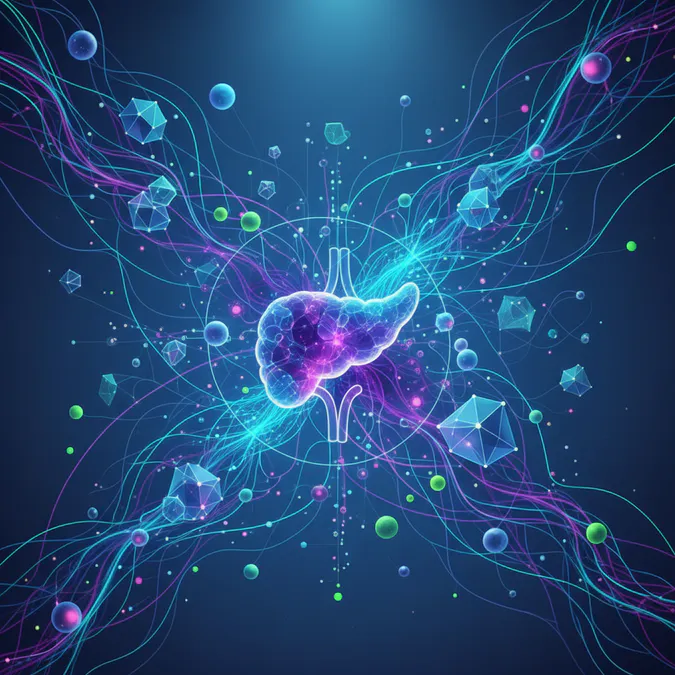
Understanding the link between diabetes pancreatic cancer is crucial for early detection and management. This article explores the relationship, risk factors, and health implications of diabetes in relation to pancreatic cancer.
Study Overview
The recent findings highlight a bidirectional relationship between diabetes and pancreatic cancer. Long-standing type 2 diabetes mellitus (T2DM), particularly lasting over five years, can increase the risk of developing pancreatic cancer by 1.5 to 3 times due to mechanisms such as chronic hyperinsulinemia and oxidative stress. This risk escalates significantly for individuals diagnosed with new-onset diabetes (NOD) after the age of 50, who may face an eight-fold increase in risk within 1 to 3 years of diagnosis.

Link Between Diabetes and Pancreatic Cancer
Research indicates that up to 80% of pancreatic cancer patients present with new-onset diabetes or impaired glucose tolerance at the time of diagnosis. This correlation suggests that diabetes may serve as an early warning sign for pancreatic cancer, particularly in older adults. Notably, nearly one in four pancreatic ductal adenocarcinoma (PDAC) diagnoses occur in individuals with T2DM, effectively doubling their overall risk of developing this aggressive cancer.
- Long-standing T2DM increases pancreatic cancer risk by 1.5-3 times.
- New-onset diabetes after age 50 raises risk up to 8-fold within 1-3 years.
- 80% of PDAC patients have new-onset diabetes or glucose intolerance at diagnosis.
- 1 in 4 PDAC diagnoses occur in people with T2DM.
Health Implications
The implications of these findings are profound. With pancreatic cancer being one of the deadliest forms of cancer, having a five-year survival rate of less than 10%, early detection is crucial. The rising prevalence of obesity, which is a significant contributor to T2DM, further exacerbates the situation. In Britain, the daily toll of 28 deaths from pancreatic cancer underscores the urgency of addressing this health crisis.
Ethnic disparities also exist, with Black and Hispanic populations facing higher risks. Therefore, it is essential for healthcare providers to consider routine screenings for pancreatic cancer in patients with long-standing diabetes, especially those exhibiting symptoms like unexplained weight loss.
Conclusion
The link between diabetes and pancreatic cancer is a critical area of concern that warrants attention. As research continues to unveil the complexities of this relationship, individuals diagnosed with diabetes should be vigilant about their health and consult healthcare professionals regarding screening options. By understanding the risks and taking proactive measures, we can work towards reducing the incidence of pancreatic cancer and improving outcomes for those affected.
Frequently Asked Questions (FAQs)
1. How does diabetes increase the risk of pancreatic cancer?
Diabetes, particularly type 2 diabetes, can increase the risk of pancreatic cancer through mechanisms like chronic hyperinsulinemia and oxidative stress, leading to cellular changes that promote cancer development.
2. What should individuals with diabetes do to monitor their pancreatic health?
Individuals with diabetes should maintain regular check-ups with their healthcare providers, monitor for symptoms like unexplained weight loss, and consider routine screenings for pancreatic cancer.
3. Are there specific dietary changes that can help reduce the risk of pancreatic cancer?
Adopting a balanced diet rich in fruits, vegetables, whole grains, and lean proteins while reducing processed foods and sugars may help manage diabetes and potentially lower the risk of pancreatic cancer.
For more information on diabetes and its implications, visit Diabetes UK or the American Cancer Society.