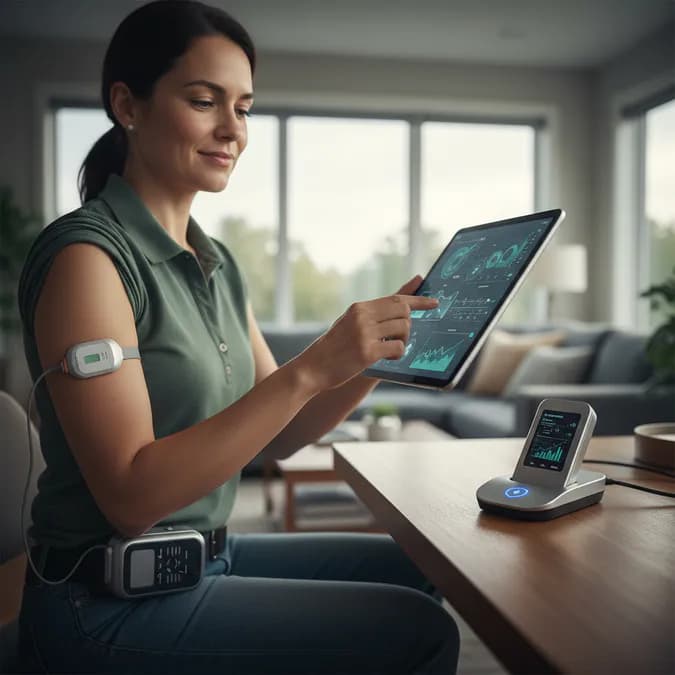
The landscape of diabetes management is rapidly evolving, driven by technological advancements and a deeper understanding of the disease. By 2026, we can expect to see even more sophisticated and accessible diabetes tech solutions that empower individuals with diabetes to live healthier, more fulfilling lives. These advancements, particularly in Automated Insulin Delivery (AID) systems and Continuous Glucose Monitors (CGMs), are poised to transform the way diabetes is treated and managed.
Table of Contents

- The Rise of Diabetes Technology
- Automated Insulin Delivery Systems
- Continuous Glucose Monitors
- 2026 ADA Standards of Care
- What This Means for You
- Frequently Asked Questions
- Key Takeaways
The Rise of Diabetes Technology
Diabetes technology has come a long way in recent years. From basic blood glucose meters to sophisticated AID systems, the evolution has been remarkable. This progress is fueled by a growing demand for more convenient, accurate, and personalized diabetes care. The integration of technology into diabetes management offers numerous benefits, including improved glycemic control,

Research indicates that individuals using advanced diabetes tech solutions experience significantly better health outcomes. The market for diabetes tech continues to expand, with innovations emerging across multiple categories including wearable devices, mobile applications, and cloud-based monitoring platforms. These tools work together to create a comprehensive ecosystem for diabetes management.
Automated Insulin Delivery (AID) Systems: A Game Changer
Automated Insulin Delivery (AID) systems, often referred to as artificial pancreas systems, represent a significant leap forward in diabetes care. These diabetes tech innovations integrate a CGM, an insulin pump, and a sophisticated algorithm to automatically adjust insulin delivery based on real-time glucose levels. This closed-loop system mimics the function of a healthy pancreas, providing a more seamless and automated approach to blood sugar management.
Industry experts note that AID systems have demonstrated remarkable effectiveness in clinical settings. Studies show that users of these diabetes tech solutions achieve better time-in-range metrics and experience fewer hypoglycemic episodes compared to traditional insulin management methods. The automation reduces the daily burden of diabetes management, allowing users to focus on living their lives rather than constantly monitoring and adjusting insulin doses.
Key features of AID systems:
- Continuous Glucose Monitoring: AID systems rely on CGMs to continuously track glucose levels, providing real-time data to the algorithm.
- Automated Insulin Adjustment: The algorithm analyzes glucose data and automatically adjusts insulin delivery to maintain target blood sugar levels.
- Personalized Settings: AID systems can be customized to individual needs, taking into account factors such as insulin sensitivity, activity levels, and meal patterns.
- Alerts and Alarms: Users receive alerts and alarms for high or low glucose levels, as well as system malfunctions.
- Sleep Mode Protection: Many AID systems include special algorithms to protect users during sleep, reducing nocturnal hypoglycemia risk.
Continuous Glucose Monitors (CGMs): Real-Time Insights
Continuous Glucose Monitors (CGMs) have become an indispensable tool for people with diabetes. These small, wearable devices continuously track glucose levels throughout the day and night, providing real-time data and trends. CGMs eliminate the need for frequent fingersticks, offering a more convenient and comprehensive way to monitor blood sugar. As a cornerstone of modern diabetes tech, CGMs provide users with unprecedented visibility into their glucose patterns.
The evolution of CGM technology has made these devices more accurate, affordable, and user-friendly than ever before. Newer diabetes tech CGM models feature extended wear times, faster glucose readings, and improved connectivity with smartphones and other devices. This accessibility has democratized diabetes management, allowing more people to benefit from continuous monitoring regardless of their economic circumstances.
Benefits of using CGMs:
- Real-Time Glucose Data: CGMs provide continuous glucose readings, allowing users to see how their blood sugar levels are changing in response to food, exercise, and other factors.
- Trend Arrows: CGMs display trend arrows that indicate the direction and rate of change in glucose levels, helping users anticipate and prevent highs and lows.
- Alerts and Alarms: CGMs can be programmed to alert users when their glucose levels are too high or too low.
- Data Sharing: Many CGMs allow users to share their glucose data with healthcare providers and caregivers, facilitating remote monitoring and support.
- Pattern Recognition: Advanced diabetes tech CGM systems identify patterns in glucose behavior, helping users understand what triggers highs and lows.
The 2026 ADA Standards of Care: Embracing Technology and Nutrition
The American Diabetes Association (ADA) Standards of Care are updated annually to reflect the latest evidence-based recommendations for diabetes management. The 2026 standards emphasize the importance of technology and nutrition in achieving optimal glycemic control and preventing complications. This comprehensive approach recognizes that diabetes tech solutions work best when combined with lifestyle modifications and nutritional awareness.
CGM Use: A Central Recommendation
The 2026 ADA Standards of Care strongly recommend the use of CGMs for individuals with diabetes, particularly those who use insulin. The guidelines highlight the benefits of CGMs in improving glycemic control, reducing hypoglycemia, and enhancing quality of life. The standards also address the importance of education and training to ensure that individuals can effectively use and interpret CGM data.
Healthcare providers increasingly recognize that diabetes tech CGM adoption leads to better patient engagement and improved clinical outcomes. The 2026 standards reflect this shift by making CGM recommendations more accessible and emphasizing insurance coverage for eligible patients. This represents a significant step forward in making diabetes tech solutions available to a broader population.
Evidence-Based Nutrition: The Mediterranean Diet
In addition to diabetes tech innovations, the 2026 ADA Standards of Care emphasize the importance of evidence-based nutrition in diabetes management. The guidelines recommend a variety of healthy eating patterns, including the Mediterranean diet. The Mediterranean diet is rich in fruits, vegetables, whole grains, legumes, nuts, and healthy fats, and has been shown to improve glycemic control, reduce cardiovascular risk, and promote overall health.
Research demonstrates that combining diabetes tech solutions with structured nutrition plans produces superior outcomes. The Mediterranean diet, in particular, has been extensively studied and shown to reduce HbA1c levels and improve insulin sensitivity. When paired with diabetes tech monitoring, this dietary approach allows users to see immediate glucose responses to different foods, creating a powerful feedback loop for behavior change.
What This Means for You
The advancements in diabetes tech, coupled with the emphasis on evidence-based nutrition in the 2026 ADA Standards of Care, offer a promising future for individuals with diabetes. By embracing these tools and strategies, people with diabetes can achieve better blood sugar control, reduce their risk of complications, and live healthier, more fulfilling lives. The integration of AID systems, CGMs, and a healthy diet, such as the Mediterranean diet, represents a holistic approach to diabetes management that empowers individuals to take control of their health.
As we look towards 2026, continued innovation and increased accessibility to diabetes tech will be crucial in further improving the lives of those living with diabetes. The future of diabetes care is bright, with technology and nutrition working hand-in-hand to create a more personalized and effective approach to managing this chronic condition. Early adoption of these diabetes tech solutions positions individuals to benefit from ongoing improvements and refinements in the years ahead.
Frequently Asked Questions About Diabetes Tech
What is the difference between AID systems and traditional insulin pumps?
Traditional insulin pumps require users to manually input carbohydrate counts and adjust insulin doses throughout the day. AID systems, a more advanced form of diabetes tech, automate this process by using CGM data and algorithms to adjust insulin delivery automatically. This removes much of the daily decision-making burden and typically results in better glucose control.
How accurate are modern CGMs?
Modern CGMs have become increasingly accurate, with most systems showing accuracy within 10-15% of laboratory glucose measurements. The latest diabetes tech CGM models feature improved sensor technology and calibration methods that enhance reliability. Accuracy continues to improve with each new generation of devices.
Can diabetes tech solutions work for both Type 1 and Type 2 diabetes?
AID systems are primarily designed for Type 1 diabetes and insulin-dependent Type 2 diabetes. However, CGMs can be beneficial for anyone with diabetes who wants better glucose insights. Newer diabetes tech solutions are being developed specifically for Type 2 diabetes management, expanding options for this population.
What is the cost of diabetes tech solutions?
Costs vary widely depending on the specific diabetes tech devices and insurance coverage. Many insurance plans now cover CGMs and AID systems for eligible patients. Out-of-pocket costs have decreased significantly as diabetes tech has become more mainstream, and various patient assistance programs are available.
How do I get started with diabetes tech?
Begin by discussing diabetes tech options with your healthcare provider. They can assess your specific needs and help determine which devices are appropriate for you. Your provider can also help navigate insurance coverage and connect you with diabetes educators who specialize in diabetes tech training.
Key Takeaways
- Diabetes tech innovations like AID systems and CGMs are transforming diabetes management by automating insulin delivery and providing real-time glucose insights.
- The 2026 ADA Standards of Care strongly recommend CGM use for insulin-dependent individuals and emphasize the importance of evidence-based nutrition strategies.
- Combining diabetes tech solutions with healthy eating patterns like the Mediterranean diet creates a comprehensive approach to blood sugar management.
- Modern diabetes tech devices are more accurate, accessible, and user-friendly than previous generations, making them available to a broader population.
- Early adoption of diabetes tech positions individuals to benefit from ongoing innovations and improved health outcomes in the coming years.
- Healthcare providers increasingly recognize that diabetes tech adoption leads to better patient engagement and superior clinical results.