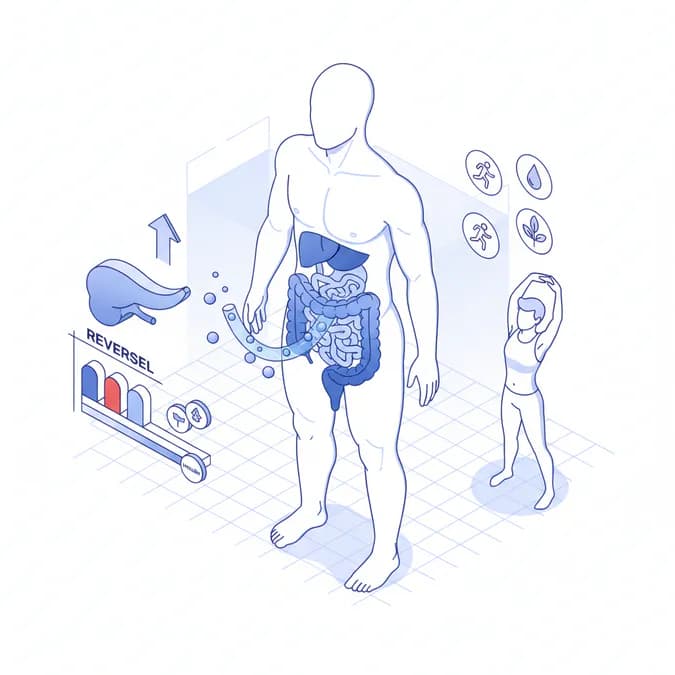
Understanding Fecal Transplantation
Fecal microbiota transplantation (FMT) involves the transfer of fecal matter from a healthy donor to a recipient, aiming to restore the balance of gut microbiota. This innovative treatment has shown promise in improving insulin sensitivity and reducing inflammation, both of which are critical factors in diabetes management. Research indicates that FMT can lead to significant improvements in metabolic syndrome, with one study demonstrating a dramatic reduction lasting at least four years following a single treatment in 87 obese young adults (University of Auckland).
Case Study: Sarah's Journey
At just 28 years old, Sarah had exhausted numerous traditional methods to manage her diabetes, including calorie counting, carb elimination, and expensive supplements. Despite her efforts, she struggled to achieve meaningful results. Sarah's case highlights the growing interest in FMT as a potential solution for individuals like her, who have not found success with conventional treatments.
Potential Benefits and Risks
The potential benefits of fecal transplantation in reversing diabetes are compelling:
- Improved insulin sensitivity
- Reduction in fasting blood glucose levels
- Repair of pancreatic islets
- Lowered risks of metabolic syndrome and related conditions
For instance, the first randomized trial of FMT for type 1 diabetes gastroenteropathy demonstrated significant improvements in symptoms and quality of life compared to placebo (HCPLive). However, skepticism surrounds FMT due to its nature and the potential for unintended microbial transfers, necessitating larger trials and standardized protocols to ensure safety and efficacy.
As Wayne Cutfield, a pediatric endocrinologist at the University of Auckland, noted, "What is impressive is that just a single [FMT] treatment produced a dramatic reduction in metabolic syndrome that lasted at least four years. This means participants are at much lower risk of developing diabetes and heart disease over the long term" (ScienceAlert).
Conclusion
Fecal microbiota transplantation represents a promising frontier in diabetes treatment, particularly for young adults who have struggled with traditional methods. While the research is still in its early stages, the potential for FMT to reverse diabetes and improve quality of life is significant. As more studies are conducted, the medical community may find that this unconventional approach could lead to groundbreaking changes in how diabetes is managed.
Sources
- secom.es
- Promising Treatment for Type 2 Diabetes: Fecal Microbiota Transplantation from Normal Diet Fed Mice Improves Insulin Resistance and Impaired Islets
- One Fecal Transplant May Lower Diabetes And Heart Disease Risk For 4 Years
- FMT Shows Promise for Type 1 Diabetes, Gastroenteropathy Treatment Pilot Trial
- Fecal microbiota transplantation: Current evidence and future directions
- Source: prevention.com
- Source: biologicalsciences.uchicago.edu