
Overview of the 2026 Nutrition Policy
[Original content preserved]Key Takeaways
- Prioritize whole, nutrient-dense foods
- Limit processed foods and added sugars
- Increase protein intake for better blood sugar management
- Use Continuous Glucose Monitors (CGM) for personalized tracking
- Aim for 5-7% body weight reduction in high-risk individuals
Frequently Asked Questions about the 2026 Nutrition Policy
Q: How does the 2026 nutrition policy differ from previous guidelines?
A: The 2026 policy emphasizes whole foods, protein, and personalized dietary approaches, moving away from generic, one-size-fits-all recommendations.
Q: Who can benefit most from these new nutrition guidelines?
A: Individuals with diabetes, those at risk of type 2 diabetes, and anyone seeking evidence-based nutritional strategies for blood sugar management.
Q: What are the primary food recommendations in the 2026 nutrition policy?
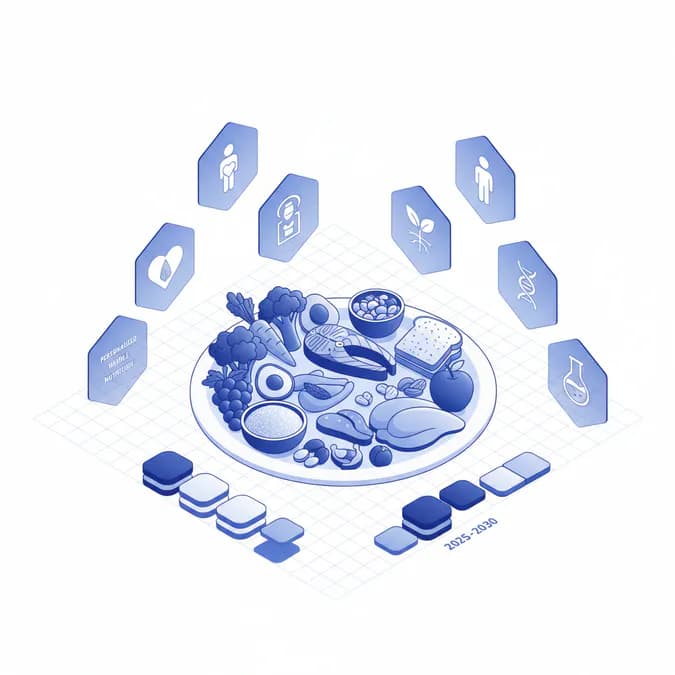
A: The policy recommends focusing on protein, full-fat dairy, vegetables, and healthy fats while significantly reducing processed foods and added sugars.