
Understanding Your Diabetes Diet Foundation

Managing diabetes can feel overwhelming, especially when it comes to making daily food choices. However, with the right knowledge and structured approach, you can transition from feeling confused about what to eat to confidently making decisions that support your health goals. This comprehensive diabetes diet guide breaks down the essential food categories and beverage options you need to understand to take control of your meals in 2026 and beyond.
A diabetes diet isn't about restriction or deprivation—it's about making informed choices that keep your blood sugar stable and support your overall health. The key to success lies in understanding which foods and beverages work best for your body and how to incorporate them into your daily routine.
The foundation of any effective diabetes diet includes three main components: choosing the right beverages, selecting nutrient-dense vegetables, and incorporating whole grains. Each of these categories plays a crucial role in blood sugar management and long-term health outcomes.
Navigating Beverage Choices for Diabetes Management
Beverages are often overlooked in diabetes meal planning, yet they can significantly impact blood sugar levels. Understanding the different categories of drinks helps you make choices that support rather than sabotage your health goals.
Core Hydration Drinks
Core hydration drinks form the foundation of a diabetes-friendly beverage strategy. Water remains the gold stan
- Unsweetened herbal teas (hot or cold)
- Sparkling water with no added sugars
- Water infused with fresh lemon, lime, or cucumber
- Decaffeinated herbal options for evening consumption
These beverages keep you hydrated without affecting blood sugar levels, making them ideal choices throughout your day. Aim to drink at least eight glasses of water daily, adjusting for your individual needs and activity level.
Caffeinated Drinks
Caffeinated beverages require more careful consideration in a diabetes diet. While moderate caffeine consumption can be part of a healthy routine, certain caffeinated drinks pose challenges:
- Black coffee and unsweetened tea are acceptable in moderation
- Limit caffeine intake to 200-300 mg daily (roughly 2-3 cups of coffee)
- Avoid adding sugar, honey, or high-calorie creamers
- Be aware that caffeine can affect blood sugar levels in some individuals
- Monitor your personal response to caffeine and adjust accordingly
If you enjoy coffee or tea, focus on keeping these beverages as close to their natural state as possible. Consider using sugar-free sweeteners if needed, though some people find that gradually reducing sweetness helps reset taste preferences.
"Comfort" Drinks That Need Extra Attention
Many popular beverages marketed as healthy or natural actually contain significant amounts of sugar and can spike blood glucose levels. These "comfort" drinks require extra scrutiny:
- Fruit juices (even 100% juice contains concentrated sugars)
- Smoothies (often loaded with fruit and sweeteners)
- Flavored coffee drinks (can contain 30-50+ grams of sugar)
- Sports drinks and energy drinks
- Sweetened tea beverages
- Alcoholic drinks (which can affect blood sugar unpredictably)
When you crave these drinks, look for sugar-free alternatives or significantly reduce portion sizes. For example, if you enjoy juice, dilute it with water or choose whole fruit instead, which provides fiber and slower glucose absorption.
Building Your Diabetes Diet with Non-Starchy Vegetables
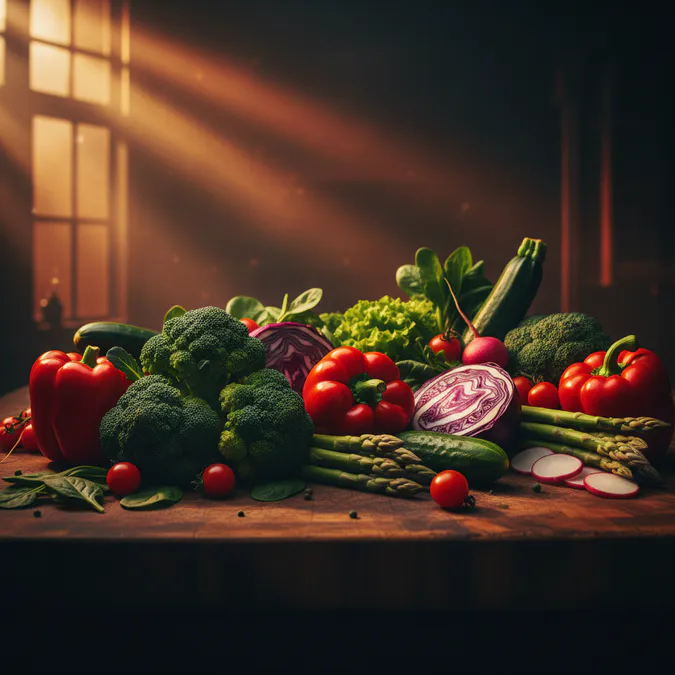
Non-starchy vegetables are nutritional powerhouses that should form the foundation of your diabetes diet. These foods are low in calories and carbohydrates while being high in fiber, vitamins, and minerals. They help you feel full while maintaining stable blood sugar levels.
Excellent non-starchy vegetable choices include:
- Leafy greens (spinach, kale, lettuce, arugula)
- Cruciferous vegetables (broccoli, cauliflower, Brussels sprouts, cabbage)
- Bell peppers (all colors)
- Zucchini and summer squash
- Cucumbers
- Tomatoes
- Green beans
- Asparagus
- Mushrooms
- Celery
- Radishes
Aim to fill half your plate with non-starchy vegetables at lunch and dinner. This simple strategy naturally crowds out higher-carbohydrate foods and provides essential nutrients. Prepare vegetables in various ways—raw, steamed, roasted, or sautéed with minimal added fat—to keep meals interesting and enjoyable.
Incorporating Whole Grains Strategically
Whole grains can be part of a diabetes diet when chosen carefully and consumed in appropriate portions. Unlike refined grains, whole grains contain fiber that slows glucose absorption and helps maintain stable blood sugar levels.
When selecting whole grains, look for products that list a whole grain as the first ingredient. Quality whole grain options include:
- Oatmeal (steel-cut or rolled, not instant)
- Brown rice
- Quinoa
- Whole wheat bread (with at least 3 grams of fiber per slice)
- Barley
- Farro
- Whole grain pasta
- Wild rice
Portion control is essential when incorporating whole grains. A typical serving is about one-third to one-half cup of cooked grains or one slice of whole grain bread. Pair grains with protein and healthy fats to further slow glucose absorption and improve satiety.
Creating Your Personalized Diabetes Diet Plan
While these guidelines provide a strong foundation, your individual diabetes diet should be personalized based on your specific health needs, preferences, and blood sugar response patterns. Consider working with a registered dietitian who specializes in diabetes management to develop a plan tailored to your lifestyle.
Key principles for success include:
- Consistency in meal timing and composition
- Regular monitoring of blood sugar levels
- Keeping a food diary to identify patterns
- Adjusting portions based on your individual response
- Including foods you enjoy to ensure long-term adherence
- Planning meals in advance to avoid impulsive choices
Moving from Overwhelmed to In-Control
The transition from feeling overwhelmed about food choices to confidently managing your diabetes diet happens gradually. Start by focusing on one category at a time—perhaps begin by optimizing your beverage choices, then move to increasing non-starchy vegetables, and finally refine your whole grain selections.
Remember that perfection isn't the goal. Instead, aim for progress and consistency. Each positive choice you make contributes to better blood sugar control and improved health outcomes. Over time, these choices become habits, and managing your diabetes diet becomes second nature.
Key Takeaways
Your diabetes diet journey is unique to you. Use the information in this guide as a starting point, but don't hesitate to seek professional guidance from healthcare providers or registered dietitians. With knowledge, planning, and support, you can absolutely transition from feeling overwhelmed to feeling in control of your meals and your health. Start with one category of food choices, track your progress, and celebrate each positive step forward on your path to better diabetes management.
Frequently Asked Questions (FAQ)
1. What foods should I avoid on a diabetes diet?
Avoid foods high in refined sugars and carbohydrates, such as sugary drinks, sweets, and white bread. Focus on whole foods instead.
2. Can I eat fruit on a diabetes diet?
Yes, but choose whole fruits over juices and monitor portion sizes. Fruits like berries and apples are good options.
3. How can I manage my portion sizes?
Use measuring cups or a food scale to help control portions, and consider using smaller plates to help with visual cues.
4. Is it necessary to count carbohydrates?
Counting carbohydrates can be helpful for managing blood sugar levels, but it's essential to work with a healthcare provider to determine the best approach for you.
5. How often should I eat?
Regular meal timing can help maintain stable blood sugar levels. Aim for three balanced meals and healthy snacks as needed.
For further reading, consider visiting reputable sources such as the CDC or American Diabetes Association for more information on managing your diabetes diet.