Category: DIAGNOSTIC AND TREATMENT PATH

Discover the best diagnostic and treatment path for your health concerns. Click now to learn more and take control of your well-being.

  • Understanding the Significance of Antibodies in Detecting Type 1 Diabetes

    Understanding the Significance of Antibodies in Detecting Type 1 Diabetes

    Type 1 diabetes is a chronic autoimmune disease that affects millions of people worldwide. Diagnosing this condition requires a comprehensive understanding of its underlying mechanisms and the role that different markers play in its identification. Antibodies have emerged as crucial indicators in the diagnosis of type 1 diabetes.

    Antibodies, in a broad sense, are proteins produced by the immune system to help identify and neutralize harmful substances in the body. In the context of type 1 diabetes, certain antibodies play a key role in the disease’s diagnosis. They can help healthcare professionals identify individuals who are at risk or currently experiencing the onset of type 1 diabetes.

    Understanding the different types of antibodies associated with type 1 diabetes is essential. These include antibodies against glutamic acid decarboxylase (GAD), insulinoma-associated protein 2 (IA-2), zinc transporter 8 (ZnT8), and insulin autoantibodies (IAAs). The presence of these antibodies in an individual’s blood can provide valuable information when diagnosing type 1 diabetes.

    Antibodies are typically detected through a blood test, with specific assays designed to measure their levels. These tests are often used in conjunction with other diagnostic tests such as blood glucose testing, HbA1c testing, and C-peptide testing to provide a comprehensive evaluation of an individual’s condition. The combined results of these tests enable healthcare professionals to make an accurate diagnosis of type 1 diabetes.

    Once diagnosed, individuals with type 1 diabetes require diligent management and treatment. Insulin therapy is the cornerstone of treatment, as it replenishes the body’s insulin levels. Regular blood sugar monitoring, a balanced diet, and exercise are also vital components of managing type 1 diabetes effectively.

    By understanding the role of antibodies in diagnosing type 1 diabetes and implementing appropriate treatment and management strategies, individuals with this condition can lead fulfilling lives while effectively managing their health.

    Key takeaway:

    • Antibodies play a crucial role in diagnosing Type 1 Diabetes: Antibodies are important markers used to detect Type 1 Diabetes. Their presence in the blood indicates an autoimmune response attacking the insulin-producing cells in the pancreas.
    • Different types of antibodies are associated with Type 1 Diabetes: There are several types of antibodies that have been identified in relation to Type 1 Diabetes, such as GAD antibodies, IA-2 antibodies, and insulin antibodies.
    • Antibodies are used alongside other diagnostic tests: Along with blood glucose testing and HbA1c test, the presence of specific antibodies is used to confirm the diagnosis of Type 1 Diabetes. These tests help healthcare professionals determine the most appropriate treatment plan.

    Understanding Type 1 Diabetes

    Type 1 diabetes is a chronic autoimmune disease that affects the body’s ability to produce insulin. It occurs when the immune system mistakenly attacks and destroys the insulin-producing cells in the pancreas, known as beta cells. Understanding the key aspects of type 1 diabetes is crucial in comprehending the role of antibodies in its diagnosis.

    Key aspects of type 1 diabetes:

    1. Autoimmune Disease: Type 1 diabetes is classified as an autoimmune disease because the immune system targets and destroys the body’s own cells.
    2. Insulin Deficiency: The destruction of beta cells leads to a lack of insulin production. Insulin is a hormone that regulates blood sugar levels and allows cells to absorb glucose for energy.
    3. Symptoms: Common symptoms of type 1 diabetes include increased thirst, frequent urination, unexplained weight loss, extreme hunger, fatigue, and blurred vision.
    4. Diagnosis: Diagnosis of type 1 diabetes involves several factors, including symptoms, blood tests, and the presence of specific antibodies.

    What Is Type 1 Diabetes?

    What Is Type 1 Diabetes?

    Type 1 diabetes is a chronic autoimmune disease that affects the pancreas and the body’s ability to regulate blood sugar levels. What Is Type 1 Diabetes? It occurs when the immune system mistakenly destroys the insulin-producing cells in the pancreas, called beta cells. This results in a deficiency of insulin, a hormone that helps glucose enter the body’s cells to be used as energy. Without enough insulin, glucose builds up in the bloodstream, leading to high blood sugar levels.

    Type 1 diabetes is typically diagnosed in childhood or early adulthood, and its exact cause is unknown. Genetic and environmental factors are believed to play a role in its development. Unlike type 2 diabetes, type 1 diabetes is not caused by lifestyle factors such as obesity or poor diet.

    Managing type 1 diabetes requires daily insulin injections or the use of an insulin pump. People with type 1 diabetes need to monitor their blood sugar levels regularly and adjust their insulin doses accordingly. They also need to follow a balanced diet and engage in regular physical activity to maintain stable blood sugar levels.

    Living with type 1 diabetes can be challenging, but with proper management, people with the condition can lead healthy and fulfilling lives. It is important for individuals with type 1 diabetes to receive ongoing medical care and support to prevent complications and maintain optimal health.

    Fact: Type 1 diabetes affects approximately 5-10% of all diabetes cases worldwide.

    Caution: Type 1 diabetes doesn’t discriminate, it’s the ultimate equalizer regardless of age, gender or love for donuts.

    Causes and Risk Factors

    • Type 1 diabetes is believed to have a strong genetic component. If a person has a close relative with the condition, such as a parent or sibling, their risk of developing type 1 diabetes increases.
    • The main cause of type 1 diabetes is an autoimmune response, where the body’s immune system mistakenly attacks and destroys the insulin-producing cells in the pancreas. The exact triggers for this response are not fully understood but may include viral infections or exposure to certain environmental factors.
    • Certain factors in the environment may play a role in the development of type 1 diabetes. These factors include early childhood exposure to certain viruses, such as the enterovirus, and diets high in cow’s milk and gluten during infancy.
    • Type 1 diabetes can occur at any age, but it is most commonly diagnosed in children, adolescents, and young adults. The risk of developing type 1 diabetes decreases with age.
    • Certain ethnic groups have a higher risk of developing type 1 diabetes. For example, individuals of European descent are more likely to develop the condition compared to individuals of African, Hispanic, or Asian descent.

    Considering these causes and risk factors can help individuals understand their likelihood of developing type 1 diabetes and take appropriate preventive measures or seek early diagnosis and treatment if needed. It is always important to consult with a healthcare professional for personalized advice and guidance.

    The Role of Antibodies in Diagnosing Type 1 Diabetes

    In diagnosing Type 1 Diabetes, antibodies play a crucial role in identifying the presence of autoimmune activity that targets the insulin-producing cells in the pancreas. Here’s how antibodies are involved in the diagnosis:

    1. Autoimmune Response: Type 1 Diabetes is an autoimmune disease where the immune system mistakenly attacks and destroys the insulin-producing beta cells in the pancreas. This leads to a lack of insulin production and increased blood sugar levels.
    2. Antibodies as Biomarkers: Several specific antibodies are associated with Type 1 Diabetes. The presence of these antibodies serves as biomarkers that indicate the autoimmune destruction of beta cells. The main antibodies involved are anti-insulin antibodies (IAA), glutamic acid decarboxylase antibodies (GADA), insulinoma-associated antigen-2 antibodies (IA-2A), and zinc transporter 8 antibodies (ZnT8A).
    3. Antibody Tests: To diagnose Type 1 Diabetes, healthcare professionals perform antibody tests. These tests involve drawing blood and measuring the levels of specific antibodies associated with the disease. If these antibodies are present, it suggests an autoimmune attack on the beta cells.
    4. Early Detection: Antibody testing allows for the early detection of Type 1 Diabetes. Even before symptoms appear, the presence of these antibodies can indicate the potential development of the disease. Early detection enables healthcare providers to implement appropriate interventions and management strategies.
    5. Confirming Diagnosis: While antibody testing is valuable, it is not the sole diagnostic criterion for Type 1 Diabetes. Additional clinical evaluations, such as blood sugar level monitoring, glucose tolerance tests, and analysis of symptoms, are necessary to confirm the diagnosis.
    6. Monitoring Disease Progression: Antibody testing is also used to monitor the progression of Type 1 Diabetes. By periodically measuring antibody levels, healthcare providers can assess the ongoing autoimmune activity and adjust treatment plans accordingly.

    The role of antibodies in diagnosing Type 1 Diabetes is vital for identifying the disease early, understanding its progression, and implementing appropriate management strategies to improve the quality of life for individuals living with this condition.

    What are Antibodies?

    python
    Antibodies are proteins produced by the immune system in response to foreign substances, such as bacteria, viruses, or other harmful agents. They play a crucial role in the body’s defense against infections and diseases like Type 1 Diabetes. In the context of Type 1 Diabetes, antibodies are of particular importance in diagnosing the condition.

    There are different types of antibodies associated with Type 1 Diabetes. The most commonly measured antibodies include insulin autoantibodies (IAA), glutamic acid decarboxylase antibodies (GADA), and islet cell antibodies (ICA). These antibodies are specific to the pancreas and are often present in individuals with Type 1 Diabetes.

    Antibody testing is used in the diagnosis of Type 1 Diabetes by detecting the presence of these specific antibodies in the blood. If a person tests positive for one or more of these antibodies, it suggests an autoimmune process targeting the insulin-producing cells in the pancreas.

    What are Antibodies? It is important to note that the presence of antibodies does not necessarily mean a person has or will develop Type 1 Diabetes. It can indicate an increased risk and allow for early intervention or monitoring.

    Antibodies are proteins produced by the immune system that play a vital role in diagnosing Type 1 Diabetes. Testing for specific antibodies can help identify individuals at risk and initiate appropriate management strategies.

    To learn more about understanding Type 1 Diabetes and the role of antibodies, continue reading the article. Keep in mind that early detection and proper management are essential for individuals with this condition.

    Antibodies may be the detectives in Type 1 diabetes, helping us uncover the culprit behind this sweet crime.

    Why are Antibodies Important in Diagnosing Type 1 Diabetes?

    Antibodies are vital in the diagnosis of Type 1 Diabetes as they play a crucial role in identifying the autoimmune response occurring in the body. These antibodies are essential in distinguishing Type 1 Diabetes from other forms of diabetes.

    The autoimmune attack on the insulin-producing beta cells of the pancreas can be indicated by the presence of specific antibodies. One such antibody, GAD65, is found in approximately 70-80% of individuals with Type 1 Diabetes. Another antibody, IA-2, is present in about 50-75% of cases. These antibodies serve as markers, indicating the destruction of insulin-producing cells.

    The testing for antibodies holds significant importance in the diagnosis of Type 1 Diabetes as it confirms the autoimmune nature of the disease. This helps healthcare professionals in differentiating Type 1 Diabetes from Type 2 Diabetes, which have distinct underlying causes and management approaches.

    Timely intervention and appropriate treatment are crucial in the early diagnosis of Type 1 Diabetes. Detecting the presence of antibodies enables healthcare providers to identify individuals at risk or in the initial stages of the disease. This enables them to provide the necessary education, support, and medical management strategies to delay or minimize complications.

    Pro-tip: If you or someone you know is experiencing symptoms of diabetes, such as frequent urination, excessive thirst, unexplained weight loss, or fatigue, it is important to consult a healthcare professional. They can conduct the necessary tests, including antibody testing, to determine the type of diabetes and develop an appropriate treatment plan.

    Different Types of Antibodies Associated with Type 1 Diabetes

    Different Types of Antibodies Associated with Type 1 Diabetes
    Antibody Description
    Islet Cell Antibodies (ICA) These antibodies target the islet cells in the pancreas, which are responsible for producing insulin. The presence of ICA is a strong indicator of autoimmune destruction of the beta cells in type 1 diabetes.
    Glutamic Acid Decarboxylase Antibodies (GADA) GADA antibodies target an enzyme called glutamic acid decarboxylase, which is involved in the production of a neurotransmitter called GABA. These antibodies are commonly found in type 1 diabetes and are associated with autoimmune destruction of beta cells.
    Insulin Autoantibodies (IAA) IAA antibodies target insulin itself. They interfere with the function of insulin and can lead to insulin deficiency. IAA antibodies are often detected in individuals newly diagnosed with type 1 diabetes.
    Insulinoma-Associated-2 Autoantibodies (IA-2A) IA-2A antibodies target a protein called insulinoma-associated-2, which is present on the surface of beta cells. The presence of IA-2A antibodies indicates an autoimmune attack on beta cells in type 1 diabetes.
    Zinc Transporter 8 Antibodies (ZnT8A) ZnT8A antibodies target a transporter protein called zinc transporter 8, which is involved in the regulation of insulin secretion. These antibodies are commonly found in individuals with type 1 diabetes and can help in the diagnosis of the disease.

    These different types of antibodies associated with type 1 diabetes. Islet Cell Antibodies (ICA) target the islet cells in the pancreas, Glutamic Acid Decarboxylase Antibodies (GADA) target the enzyme glutamic acid decarboxylase, Insulin Autoantibodies (IAA) target insulin itself, Insulinoma-Associated-2 Autoantibodies (IA-2A) target the protein insulinoma-associated-2, and Zinc Transporter 8 Antibodies (ZnT8A) target the transporter protein zinc transporter 8.

    The presence of these antibodies in the blood indicates an immune system attack on the beta cells in the pancreas, leading to insulin deficiency and the development of type 1 diabetes. Detecting these antibodies is crucial for diagnosing type 1 diabetes and distinguishing it from other forms of diabetes.

    It is important to note that the presence of these antibodies varies among individuals with type 1 diabetes. Some individuals may have multiple types of antibodies, while others may have only one or none. The combination and level of these antibodies can provide valuable insights into the progression and management of type 1 diabetes.

    Diagnosing type 1 diabetes involves testing for the presence of these antibodies through blood tests. These tests, along with other diagnostic tests such as blood glucose testing, HbA1c test, and C-Peptide test, help healthcare professionals accurately diagnose and manage type 1 diabetes.

    How Are Antibodies Used in Diagnosing Type 1 Diabetes?

    Antibodies play a critical role in diagnosing Type 1 Diabetes. They are utilized to identify and detect the presence of specific autoimmune markers associated with the disease.

    Antibodies, which are specific proteins produced by the immune system in response to foreign substances or antigens, are crucial in Type 1 Diabetes. They specifically target the beta cells in the pancreas responsible for insulin production.

    Glutamic acid decarboxylase antibodies (GAD antibodies), insulinoma-associated protein 2 antibodies (IA-2 antibodies), and insulin antibodies are types of antibodies associated with Type 1 Diabetes, and these can be identified through blood tests.

    In the diagnosis of Type 1 Diabetes, healthcare professionals usually examine the presence of these antibodies in a person’s blood. The detection of antibodies indicates an immune system response against the beta cells and confirms the Type 1 Diabetes diagnosis.

    Furthermore, the presence of these antibodies helps distinguish between Type 1 and Type 2 Diabetes, as Type 2 Diabetes is not commonly associated with these autoimmune antibodies.

    Pro-tip: Timely intervention and proper management of Type 1 Diabetes rely on the early detection of the disease through antibody testing. If you are experiencing symptoms of Type 1 Diabetes, consult your healthcare provider regarding antibody testing for an accurate diagnosis and appropriate treatment.

    Other Diagnostic Tests for Type 1 Diabetes

    Looking beyond the traditional diagnostic method, let’s explore other tests that provide valuable insights into Type 1 Diabetes. From blood glucose testing to HbA1c and C-Peptide tests, we’ll unlock the importance of these diagnostic tools and their implications for diagnosis and management. So, grab a seat and let’s dive into the world of alternative testing methods for Type 1 Diabetes!

    Blood Glucose Testing

    • Blood Glucose Testing is a vital diagnostic tool for assessing and managing type 1 diabetes.
    • It involves measuring the concentration of glucose in the blood using a blood glucose meter or a continuous glucose monitoring system.
    • Regular Blood Glucose Testing helps individuals with type 1 diabetes monitor their blood sugar levels and make informed decisions regarding insulin dosage and diet.
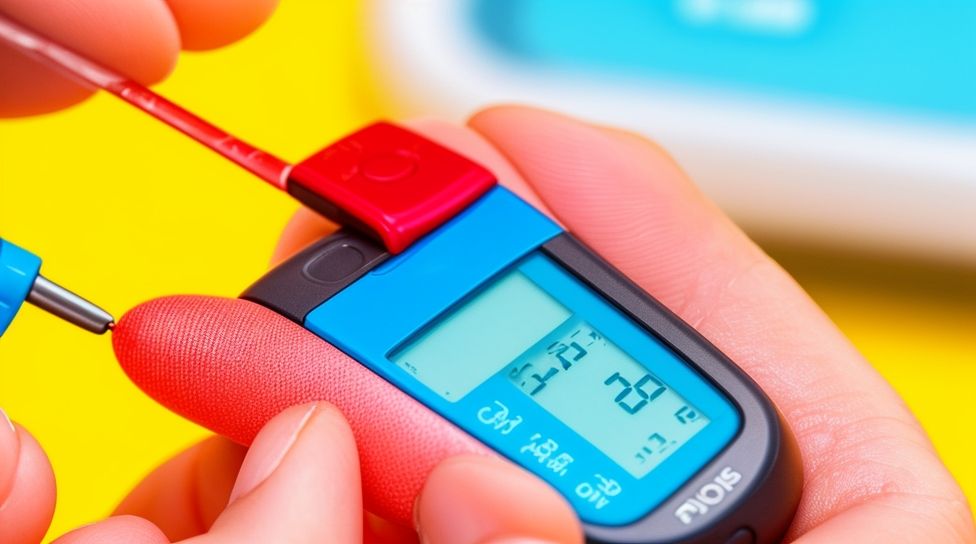
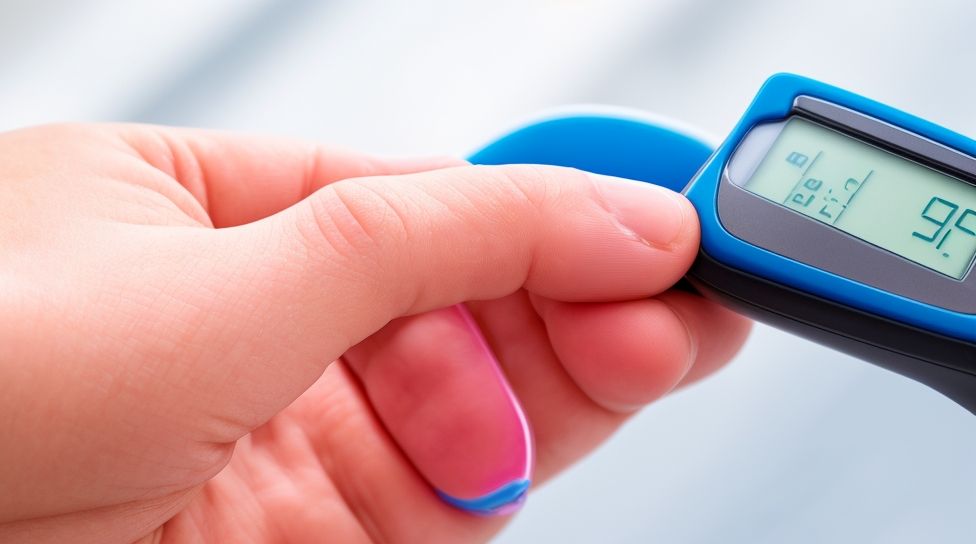
    • Typically, Blood Glucose Testing involves pricking the finger to obtain a small blood sample, placing it on a test strip, and inserting the strip into the meter for analysis.

    A fact: According to the American Diabetes Association, individuals with type 1 diabetes often need to perform Blood Glucose Testing multiple times a day to maintain optimal control over their blood sugar levels.
    Unleash your inner mathlete with the HbA1c test – it’s like a report card for your blood sugar levels.

    HbA1c Test

    diff
    The HbA1c test, also known as the glycated hemoglobin test, plays a crucial role in diagnosing and monitoring Type 1 Diabetes. Here are some essential points to know about the HbA1c test:

  • The HbA1c test measures the average blood sugar levels over the past 2-3 months, providing insight into long-term blood sugar control.
  • To perform the test, a small blood sample is collected.
  • The result of the HbA1c test is expressed as a percentage.
  • A normal HbA1c level for individuals without diabetes generally falls below 5.7%.
  • For individuals with Type 1 Diabetes, the target HbA1c level is usually set below 7%.
  • An elevated HbA1c level indicates poorer blood sugar control and a higher risk of complications.
  • Individuals with Type 1 Diabetes should undergo the HbA1c test at least twice a year.
  • It’s important to note that the HbA1c test is not used for diagnosing Type 1 Diabetes but rather for monitoring blood sugar control in individuals who have already been diagnosed.
  • It’s crucial to consider that factors like certain medical conditions or medications can influence the accuracy of HbA1c test results.
  • Regular monitoring of HbA1c levels, combined with other management strategies such as insulin therapy, blood sugar monitoring, and a balanced diet with exercise, can effectively help individuals with Type 1 Diabetes manage their condition.
  • C-Peptide Test

    The C-Peptide test, also known as the C-Peptide Test, is a vital diagnostic tool for individuals with Type 1 Diabetes. This test measures the specific level of C-Peptide in the blood, which is an essential byproduct of insulin production that occurs in the pancreas. By analyzing this C-Peptide level, the test can help determine whether the body is producing insulin on its own.

    Moreover, the C-Peptide test provides valuable information regarding the underlying cause of diabetes. If the C-Peptide levels are deemed normal or high, it suggests that the pancreas is still actively producing insulin. This, in turn, indicates the presence of Type 2 Diabetes or another form of diabetes. On the contrary, if the C-Peptide levels are low or undetectable, it indicates that the pancreas is unable to produce insulin. This lack of insulin production is characteristic of individuals with Type 1 Diabetes.

    Additionally, the C-Peptide test is particularly valuable in distinguishing between Type 1 and Type 2 Diabetes cases where the diagnosis may be unclear. Particularly in adults who may be mistakenly diagnosed with Type 2 Diabetes due to their age or weight, this test can aid in accurately diagnosing Type 1 Diabetes.

    However, it is crucial to note that the C-Peptide test should not be solely relied upon for diagnosing Type 1 Diabetes. It should always be used in conjunction with other diagnostic tests, such as antibody tests and blood glucose testing, to obtain a comprehensive understanding of the individual’s diabetes status.

    Managing Type 1 diabetes is like a never-ending game of sugar balancing, where insulin is the referee and your body keeps changing the rules.

    Treatment and Management of Type 1 Diabetes

    Managing and treating Type 1 Diabetes involves various strategies to keep blood sugar levels in check. In this section, we’ll explore key aspects that form an essential part of the management process. From insulin therapy to blood sugar monitoring, and the impacts of diet and exercise, we’ll uncover the critical components that contribute to effective treatment. By understanding these sub-sections, we can gain insights into the comprehensive approach required to manage this chronic condition.

    Insulin Therapy

    Insulin therapy plays a critical role in the treatment and management of type 1 diabetes.
    Insulin, a hormone produced by the pancreas, is vital for regulating blood sugar levels. For individuals with type 1 diabetes, the pancreas does not produce enough or any insulin at all. Hence, Insulin therapy becomes essential to replace the missing hormone and maintain optimal blood sugar levels.
    Insulin can be administered through injections or an insulin pump. The dosage and timing of insulin therapy are personalized and tailored to each individual’s needs.
    By supplying the body with the necessary insulin, insulin therapy helps prevent high blood sugar levels, which can lead to complications such as diabetic ketoacidosis. It also assists in managing blood sugar levels to prevent episodes of low blood sugar.
    It is vital for individuals with type 1 diabetes to closely monitor their blood sugar levels and adjust their insulin dosage accordingly. Regular communication with healthcare providers is necessary to ensure proper management of insulin therapy.
    Adopting a healthy lifestyle, including a balanced diet and regular exercise, is crucial in enhancing the effectiveness of insulin therapy and overall well-being.

    Blood Sugar Monitoring

    When it comes to managing type 1 diabetes, blood sugar monitoring plays a critical role in maintaining optimal health and preventing complications. Regular monitoring allows individuals to make necessary adjustments to their insulin doses, diet, and exercise routine.

    Benefits of Blood Sugar Monitoring
    – Enables individuals to track their blood sugar levels throughout the day
    – Helps to identify patterns and trends in blood sugar levels
    – Allows for prompt intervention if blood sugar levels become too high (hyperglycemia) or too low (hypoglycemia)
    – Helps to evaluate the effectiveness of insulin therapy and other diabetes management strategies

    Recommended frequency of blood sugar monitoring may vary depending on individual circumstances, such as age, overall health, and treatment plan. It is typically recommended to check blood sugar levels multiple times a day, especially before meals, after meals, before and after exercise, and before bedtime.

    Monitoring methods include the use of glucose meters, continuous glucose monitors (CGMs), and also urine ketone testing for individuals with type 1 diabetes. These methods allow for accurate and timely measurement of blood sugar levels, providing valuable information for effective diabetes management.

    Blood sugar monitoring empowers individuals with type 1 diabetes to take charge of their health by making informed decisions about insulin dosing, lifestyle choices, and overall diabetes management.

    Diet and Exercise

    Diet and exercise play crucial roles in the treatment and management of type 1 diabetes.

    1. Diet: Following a balanced and healthy diet is essential for individuals with type 1 diabetes. It is important to regulate carbohydrate intake to effectively manage blood sugar levels. By incorporating whole grains, fruits, vegetables, and lean proteins into their diet, individuals can obtain essential nutrients and maintain stable blood sugar levels. To prevent spikes in blood sugar, it is advisable to avoid consuming sugary and processed foods. Consulting with a registered dietitian can help create a personalized meal plan that caters to individual needs.

    2. Exercise: Regular physical activity brings numerous benefits for individuals with type 1 diabetes. Exercise improves insulin sensitivity, allowing the body to utilize insulin more efficiently. Additionally, it aids in weight management and enhances cardiovascular health. Engaging in aerobic activities such as walking, cycling, or swimming can effectively lower blood sugar levels. Checking blood sugar levels before, during, and after exercise is important, and making necessary adjustments to insulin or food intake will help maintain optimal blood sugar control. It is recommended to consult with a healthcare professional to develop an exercise plan that suits individual abilities and health conditions.

    By incorporating a healthy diet and regular exercise into their daily routine, individuals with type 1 diabetes can effectively manage blood sugar levels and promote overall well-being. Working closely with healthcare professionals is crucial to create an individualized plan that considers specific dietary needs and exercise capabilities.

    The Role of Antibodies in Diagnosing Type 1 Diabetes:

    • ✅ Autoantibodies are markers of beta cell autoimmunity in type 1 diabetes. (Source: Johns Hopkins Diabetes Guide)
    • ✅ There are 4 types of autoantibodies associated with type 1 diabetes: islet cell antibodies (ICA), antibodies to glutamic acid decarboxylase (GAD-65), insulin autoantibodies (IAA), and IA-2A. (Source: Johns Hopkins Diabetes Guide)
    • ✅ GAD-65 autoantibodies are found in 80% of patients with type 1 diabetes at clinical presentation. (Source: Johns Hopkins Diabetes Guide)
    • ✅ ICA and IA-2A are present in 69-90% and 54-75% of type 1 diabetes cases at diagnosis, respectively. (Source: Johns Hopkins Diabetes Guide)
    • ✅ High levels of autoantibodies may indicate type 1 diabetes or the risk of developing it, especially for individuals with a family history of the disease. (Source: Rochester University Medical Center)

    Frequently Asked Questions

    What are autoantibodies and why are they important in diagnosing type 1 diabetes?

    Autoantibodies are markers of beta cell autoimmunity in type 1 diabetes. They are antibodies produced by the body’s immune system that attack the cells responsible for producing insulin. These autoantibodies play a crucial role in diagnosing type 1 diabetes as their presence indicates the destruction of beta cells and the development of autoimmune diabetes.

    What are the different types of autoantibodies associated with type 1 diabetes?

    There are four types of autoantibodies commonly associated with type 1 diabetes: islet cell antibodies (ICA), antibodies to glutamic acid decarboxylase (GAD-65), insulin autoantibodies (IAA), and IA-2A (insulinoma-associated-2 autoantibodies).

    What is the prevalence of GAD-65 autoantibodies in patients with type 1 diabetes at clinical presentation?

    Approximately 80% of patients with type 1 diabetes at clinical presentation have GAD-65 autoantibodies.

    What is the prevalence of ICA and IA-2A autoantibodies in type 1 diabetes cases at diagnosis?

    ICA and IA-2A autoantibodies are present in 69-90% and 54-75% of type 1 diabetes cases at diagnosis, respectively.

    Are autoantibodies more commonly found in young children at risk for diabetes?

    Yes, autoantibodies, particularly IAA, are usually the first markers found in young children at risk for diabetes. Approximately 70% of young children with diabetes are found to have IAA at the time of diagnosis.

    How accurate is the insulin autoantibody (IAA) assay?

    The sensitivity of the IAA assay ranges from 4-42% in the Diabetes Autoantibody Standardization Program 2000 workshop. However, standardizing the insulin antibody assay is more challenging compared to GAD or IA-2A antibody assays.

    Can the Diabetes Autoantibody Panel help distinguish between type 1 and type 2 diabetes?

    Yes, the Diabetes Autoantibody Panel is helpful in distinguishing between type 1 and type 2 diabetes. Type 2 diabetes does not involve the presence of autoantibodies tested in the panel, making it a useful tool in differentiating these two types of diabetes.

  • Effective Modern Diabetes Treatment Options: Combatting the Condition

    Effective Modern Diabetes Treatment Options: Combatting the Condition

    Diabetes, a chronic metabolic disorder affecting millions worldwide, requires effective treatment modalities to manage the condition and minimize its complications. To combat diabetes effectively, it is essential to understand the disease and explore the latest treatment options available. This article delves into modern diabetes treatment modalities and their impact on managing the condition.

    Firstly, it is important to understand what diabetes is and the different types it encompasses. Diabetes is a metabolic disorder characterized by high blood glucose levels, resulting from either insufficient insulin production or ineffective utilization of insulin. The two main types of diabetes are Type 1 diabetes, an autoimmune condition where the body fails to produce insulin, and Type 2 diabetes, a condition where the body becomes resistant to insulin or fails to use it properly.

    Traditional diabetes treatments, which have long been the mainstay of diabetes management, include insulin injections, oral medications to regulate blood sugar levels, and lifestyle modifications involving diet and exercise. While effective, these treatments have limitations and may not provide optimal outcomes for everyone.

    Advancements in diabetes treatment have revolutionized the management of the condition. Continuous Glucose Monitoring (CGM) systems allow real-time monitoring of glucose levels, providing valuable insights for better diabetes management. Insulin pumps provide continuous subcutaneous insulin delivery, mimicking the natural insulin secretion of the pancreas. The development of Artificial Pancreas Systems combines insulin delivery with continuous glucose monitoring, offering automated insulin administration based on real-time glucose levels.

    Personalized diabetes management has emerged as a powerful approach to treat the condition. Individualized treatment plans consider each person’s unique needs and goals. Tailored diet and exercise programs focus on personalized nutrition and physical activity regimens, helping individuals achieve optimal blood glucose control. Psychological support plays a crucial role in managing diabetes-related stress and emotional well-being.

    Experimental diabetes treatments show promise for the future. Gene therapy aims to correct defective genes associated with diabetes, potentially offering a cure. Islet cell transplantation involves transplanting insulin-producing cells to restore normal insulin production. Artificial beta cells, designed to encapsulate and protect insulin-producing cells, offer a promising alternative to traditional islet cell transplantation.

    Looking ahead, regenerative medicine holds great potential for diabetes treatment. Stem cell therapy aims to regenerate pancreatic beta cells to restore insulin production. Nanotechnology explores the use of innovative nano-sized materials and devices to enhance insulin delivery and glucose monitoring.

    By exploring these modern treatment modalities, diabetes management can be significantly improved, empowering individuals to lead healthier lives and reduce the risk of complications.

    Key takeaway:

    • Understanding Diabetes: Diabetes is a chronic condition characterized by elevated blood sugar levels. It can be classified into different types, each requiring different treatment approaches.
    • Advancements in Diabetes Treatment: Modern diabetes treatments include continuous glucose monitoring, insulin pumps, and artificial pancreas systems, which provide more precise control over blood sugar levels.
    • The Future of Diabetes Treatment: Regenerative medicine, stem cell therapy, and nanotechnology hold promise for revolutionizing diabetes treatment and finding a cure for this complex condition.

    – Understanding Diabetes: Different types of diabetes exist, and tailored treatment approaches need to be adopted for effective management.
    – Advancements in Diabetes Treatment: Continuous glucose monitoring, insulin pumps, and artificial pancreas systems have improved the precision and effectiveness of diabetes management.
    – The Future of Diabetes Treatment: Exciting developments in regenerative medicine, stem cell therapy, and nanotechnology offer hope for more advanced treatments and potential cures for diabetes.

    Understanding Diabetes

    Diabetes is a chronic medical condition characterized by high blood sugar levels. It occurs when the body either doesn’t produce enough insulin (a hormone that regulates blood sugar) or doesn’t effectively use the insulin it produces. Understanding diabetes involves knowing the different types and common symptoms:

    • Type 1 Diabetes: This type typically develops in childhood or adolescence and is an autoimmune condition where the body’s immune system attacks and destroys insulin-producing cells in the pancreas. People with type 1 diabetes require insulin injections or an insulin pump to manage their blood sugar levels.
    • Type 2 Diabetes: This type usually develops in adulthood, although it is becoming more common in younger individuals due to lifestyle factors. In type 2 diabetes, the body becomes resistant to insulin or doesn’t produce enough insulin. Lifestyle changes, oral medications, and sometimes insulin injections are used to manage type 2 diabetes.
    • Gestational Diabetes: This type occurs during pregnancy when hormonal changes can affect insulin function. It usually resolves after childbirth, but women who have had gestational diabetes are at a higher risk of developing type 2 diabetes later in life.

    Common symptoms of diabetes include increased thirst, frequent urination, unexplained weight loss, fatigue, blurred vision, and slow-healing wounds. Some individuals may not experience noticeable symptoms.

    Understanding diabetes is essential for effective treatment and management. With proper medical care, lifestyle adjustments, and monitoring blood sugar levels, individuals with diabetes can lead healthy lives and lower the risk of complications.

    What is Diabetes?

    Diabetes is a chronic condition that affects the body’s ability to regulate blood sugar levels. It occurs when the pancreas does not produce enough insulin or when the body is unable to effectively use the insulin it produces. There are two main types of diabetes: type 1 and type 2.

    In type 1 diabetes, the immune system mistakenly attacks and destroys the insulin-producing cells in the pancreas. This results in a complete lack of insulin production and requires daily insulin injections for survival. Type 1 diabetes is typically diagnosed in childhood or adolescence.

    Type 2 diabetes, on the other hand, is characterized by insulin resistance, where the body’s cells become less responsive to insulin. This leads to high blood sugar levels. Type 2 diabetes is often associated with lifestyle factors such as obesity, poor diet, and lack of physical activity.

    Managing diabetes involves a combination of medication, diet, and lifestyle changes. Regular monitoring of blood sugar levels is crucial to ensure they are within a target range. Maintaining a healthy diet that is low in sugar and carbohydrates, along with regular exercise, can help control blood sugar levels.

    Pro-tip: If you suspect you may have diabetes or are at risk, it is important to speak with a healthcare professional for proper diagnosis and treatment. Making timely lifestyle modifications and adhering to a treatment plan can greatly improve your quality of life and minimize the risks associated with diabetes.

    Types of Diabetes

    The text should be rewritten as follows:

    html

    Types of Diabetes

    To understand diabetes, it is essential to know about its different types. There are three main types of diabetes: type 1 diabetes, type 2 diabetes, and gestational diabetes.

    Type 1 diabetes is an autoimmune disease where the body’s immune system attacks the insulin-producing cells in the pancreas. This results in little to no insulin production. It is usually diagnosed in children and young adults. About 10% of people with diabetes have type 1.

    Type 2 diabetes is the most common type and occurs when the body becomes insulin resistant or doesn’t produce enough insulin. It is often associated with lifestyle factors such as obesity and lack of physical activity. Type 2 diabetes can be managed through lifestyle changes, medication, and sometimes insulin therapy.

    Gestational diabetes occurs during pregnancy and affects about 7% of pregnant women. It is caused by hormonal changes that affect insulin action. Women who develop gestational diabetes may be at a higher risk of developing type 2 diabetes later in life.

    Each type of diabetes requires a different approach to treatment and management. It is crucial for individuals with diabetes to work closely with their healthcare team to create a personalized treatment plan that meets their specific needs and helps them maintain stable blood sugar levels.

    Pro-tip: Stay informed about the different types of diabetes to better understand your condition and make informed choices about your treatment and lifestyle.

    Traditional diabetes treatments: where insulin injections, oral medications, and diet and exercise become a not-so-fun family reunion.

    Traditional Diabetes Treatments

    Traditional diabetes treatments have stood the test of time, offering a range of approaches to combat this condition. In this section, we’ll explore the different modalities used, including insulin injections, oral medications, and the role of diet and exercise. Discover how these tried-and-true methods have helped many individuals manage their diabetes effectively. No need to search any further, as we dive into the details of these treatment options, providing valuable insights for those seeking effective diabetes management strategies.

    Insulin Injections

    Insulin Injections play a vital role in the management of diabetes, providing a common method of administering insulin to individuals with this condition. Here are some key points to consider about Insulin Injections:

    • Insulin Injections are typically necessary for individuals with type 1 diabetes, as their bodies do not produce insulin naturally. Some individuals with type 2 diabetes may also require Insulin Injections if their blood sugar levels are not well controlled with other treatments.
    • Insulin Injections are administered subcutaneously, which means the insulin is injected into the fatty tissue just beneath the skin.
    • There are different types of insulin available, including rapid-acting, short-acting, intermediate-acting, and long-acting insulin. The type of insulin prescribed will depend on factors such as the individual’s blood sugar control, lifestyle, and treatment goals.
    • The dosage of Insulin Injections can vary depending on factors such as the individual’s weight, diet, physical activity level, and overall health. It is important to follow the prescribed dosage and timing instructions provided by a healthcare professional.
    • Insulin Injections may be self-administered by the individual with diabetes, or they may be administered by a healthcare professional.
    • Proper injection technique, such as rotating injection sites and using clean needles for each injection, is essential to ensure the effectiveness and safety of Insulin Injections.
    • Insulin Injections can come with side effects, such as localized pain, redness, or swelling at the injection site. It is important to discuss any concerns or side effects with a healthcare professional.
    • Insulin Injections are an important tool for managing diabetes and can help individuals achieve and maintain target blood sugar levels, preventing complications associated with high or low blood sugar.

    Insulin Injections play a crucial role in diabetes management, helping individuals maintain optimal blood sugar control and improve their overall health and well-being.

    Pop an oral medication to help keep your blood sugar in check – just remember to take it with a side of laughter.

    Oral Medications

    Oral medications play a pivotal role in the treatment of diabetes. They are frequently prescribed for individuals with type 2 diabetes, as well as some with type 1 diabetes who require additional support. These medications function by assisting in the regulation of blood sugar levels and enhancing insulin sensitivity.

    There are several types of oral medications available, each with its own unique mechanism of action. One prevalent type is metformin, which operates by reducing the liver’s glucose production and improving the body’s response to insulin. Another type is sulfonylureas, which stimulate the pancreas to produce more insulin.

    It is important to note that oral medications are not a one-size-fits-all solution. The type of medication prescribed will depend on factors such as the individual’s medical history, current blood sugar levels, and any other existing health conditions. The dosage of medication may need to be adjusted over time to ensure optimal effectiveness.

    Oral medications can be a valuable tool in managing diabetes, but they are not a standalone treatment. They should be utilized in conjunction with other lifestyle changes, such as a healthy diet and regular exercise. It is crucial for individuals with diabetes to collaborate closely with their healthcare team to develop a personalized treatment plan that addresses their specific needs.

    Oral medications are an integral part of the treatment plan for many individuals with diabetes. They can assist in regulating blood sugar levels and improving insulin sensitivity. They should be used alongside other lifestyle modifications and under the guidance of a healthcare professional.

    Diet and Exercise

    1. When it comes to managing diabetes, incorporating a healthy diet and regular exercise routine is crucial for maintaining optimal blood sugar levels and overall well-being. A balanced diet plays a vital role in diabetes management. It is important to focus on consuming nutrient-rich foods while controlling portion sizes. Including fruits, vegetables, whole grains, lean proteins, and healthy fats can help regulate blood sugar levels and promote weight management. Avoiding sugary drinks and processed foods is also recommended.
    2. Meal Planning: Creating a meal plan can help individuals with diabetes make healthier food choices and manage their carbohydrate intake. It is essential to work with a healthcare professional or dietitian to develop a personalized meal plan that aligns with individual dietary needs and goals.
    3. Carbohydrate Counting: Monitoring carbohydrate intake is crucial for managing blood sugar levels. Understanding the amount of carbohydrates in different foods can help individuals adjust their insulin or medications accordingly.
    4. Exercise: Regular physical activity can have numerous benefits for individuals with diabetes. Engaging in aerobic exercises such as walking, swimming, or cycling can help improve insulin sensitivity and lower blood sugar levels. Strength training exercises can also help build and maintain muscle mass.
    5. Exercise Routine: Developing an exercise routine that includes a combination of cardiovascular exercises and strength training is recommended. Aim for at least 150 minutes of moderate-intensity aerobic activity per week, spread over several days, along with two or more days of strength training.
    6. Blood Sugar Monitoring: Regular blood sugar monitoring before and after exercise can help individuals understand how different activities affect their blood sugar levels. It is important to adjust insulin or medication doses accordingly to maintain stable blood sugar levels during exercise.

    By incorporating a healthy diet and regular exercise into daily routine, individuals with diabetes can effectively manage their condition and improve their overall health. Remember to consult with healthcare professionals for personalized advice and support.

    Advancements in Diabetes Treatment

    Discover the latest breakthroughs in diabetes treatment that are changing the game. From continuous glucose monitoring to insulin pumps and artificial pancreas systems, we’re diving into the exciting advancements that are revolutionizing the way we combat this condition. Get ready to explore cutting-edge technologies and innovative approaches that are improving the lives of millions of individuals living with diabetes. It’s time to take control and embrace the future of diabetes treatment.

    Continuous Glucose Monitoring

    <table>

      <strong><tr>

        <strong><th>Sub-Topic</th></strong>

        <strong><th>Description</th></strong>

      <tr>

        <td>Continuous Glucose Monitoring</td>

        <td>Continuous Glucose Monitoring (CGM) is a modern technology that allows individuals with diabetes to continuously monitor their blood sugar levels throughout the day. CGM systems consist of a small sensor inserted under the skin that measures glucose levels in the interstitial fluid. The sensor sends real-time data to a receiver or smartphone, which provides information about blood sugar trends, highs, lows, and alerts for potential hypoglycemia or hyperglycemia.</td>

      </table>


    <p>Continuous Glucose Monitoring (CGM) has revolutionized diabetes management by providing individuals with real-time information about their blood sugar levels. By using a small sensor inserted under the skin, CGM systems continuously measure glucose levels in the interstitial fluid, eliminating the need for frequent finger pricks. This technology allows users to monitor their blood sugar trends, identify patterns, and make informed decisions to maintain stable glucose levels.</p>

    <p>CGM systems provide accurate and up-to-date readings, enabling individuals to respond quickly to potential high or low blood sugar levels. With customizable alarms and alerts, CGM systems notify users when their glucose levels are outside their target range, aiding in the prevention of dangerous fluctuations.</p>

    <p>By tracking glucose levels continuously, CGM systems allow individuals to better understand how different factors such as exercise, diet, stress, and medication impact their blood sugar levels. This knowledge empowers individuals to make necessary adjustments to their diabetes management plan, improving overall glycemic control.</p>

    <p>It’s important to note that CGM systems are supplementary tools and not a replacement for regular blood glucose monitoring. Calibration of CGM sensors and occasional confirmatory finger pricks is still necessary to ensure accuracy.</p>

    <p>Continuous glucose monitoring offers a convenient and efficient way to monitor blood sugar levels, providing individuals with valuable insights and helping them make informed decisions to manage their diabetes effectively. Incorporating CGM technology into diabetes management can greatly improve glycemic control and enhance overall well-being for individuals living with diabetes.</p>

    Insulin Pumps

    Insulin Pumps are an advanced and convenient method of delivering insulin for individuals with diabetes. Here are some key points to consider about Insulin Pumps:

    1. Continuous insulin delivery: Insulin Pumps provide a continuous supply of insulin throughout the day, mimicking the body’s normal insulin production. The pump is programmed to deliver small doses of insulin regularly, which helps maintain stable blood sugar levels.

    2. Customizable insulin doses: Insulin Pumps allow for the customization of insulin doses based on individual needs. Users can adjust insulin delivery according to factors such as meals, physical activity, and hormone fluctuations.

    3. Improved blood sugar control: Insulin Pumps offer more precise insulin delivery compared to multiple daily injections. This can result in better blood sugar control, reducing the risk of complications associated with diabetes.

    4. Flexibility in lifestyle: With an Insulin Pump, individuals have more flexibility in their daily routines. They can eat at different times or engage in physical activities without having to plan their insulin injections accordingly. This freedom can enhance their overall quality of life.

    5. Convenient and discreet: Insulin Pumps are small and portable devices that can be worn discreetly under clothing. They eliminate the need for carrying around syringes, needles, and vials of insulin, making diabetes management more convenient and less burdensome.

    Considering these factors, Insulin Pumps can be a beneficial option for individuals with diabetes who seek precise insulin delivery, improved blood sugar control, and flexibility in their daily lives.

    It’s important to consult with a healthcare professional to determine if an Insulin Pump is the right choice for managing your diabetes. They can provide guidance on selecting the appropriate Insulin Pump model and help create an individualized treatment plan.

    Imitation is the sincerest form of insulin.

    Artificial Pancreas System

    The Artificial Pancreas System is an innovative and advanced treatment modality for diabetes. It combines a continuous glucose monitoring device with an insulin pump to automatically regulate blood sugar levels.

    ————————————————————
    | Artificial Pancreas System |
    ————————————————————
    | Components: |
    | – Continuous glucose |
    | monitoring device |
    | – Insulin pump |
    | Function: |
    | – Monitors blood sugar |
    | levels continuously |
    | – Calculates and delivers |
    | insulin as needed |
    | – Mimics the function of |
    | a healthy pancreas |
    | Benefits: |
    | – Improved glucose control |
    | – Reduced risk of |
    | hypoglycemia |
    | – Less burden of |
    | diabetes management |
    | Limitations: |
    | – Requires regular |
    | calibration and |
    | maintenance |
    | – Not suitable for all |
    | individuals |
    ————————————————————

    The Artificial Pancreas System consists of two main components, namely the continuous glucose monitoring device and the insulin pump. The continuous glucose monitoring device constantly tracks blood sugar levels, providing real-time information. The insulin pump then calculates and delivers the precise amount of insulin required to maintain stable glucose levels, mimicking the function of a healthy pancreas.

    This technology offers numerous benefits for individuals with diabetes. It improves glucose control, reducing the risk of hypoglycemia and hyperglycemia. It lessens the burden of diabetes management by automating insulin delivery, thereby promoting a better quality of life.

    It is important to note that the Artificial Pancreas System requires regular calibration and maintenance to ensure accurate readings and optimal performance. Not all individuals with diabetes may be suitable candidates for this treatment modality.

    The Artificial Pancreas System revolutionizes diabetes management by providing an automated and personalized approach to insulin delivery. It represents a significant advancement in the treatment of diabetes, enhancing the well-being and proficiency of individuals living with this condition.

    Personalized Diabetes Management

    Struggling with diabetes? Discover the power of personalized diabetes management. Learn how individualized treatment plans, tailored diet and exercise programs, and psychological support can revolutionize your approach to combating this condition. Get ready to take charge of your health and find a treatment modality that suits your unique needs. No one-size-fits-all solutions here – we’re diving into personalized strategies that can make a real difference in diabetes management. Let’s empower ourselves and conquer this challenge together!

    Individualized Treatment Plans

    Individualized treatment plans are an essential component of effectively managing diabetes. These plans incorporate an individual’s unique medical history, lifestyle, and specific needs to create a personalized approach to treatment. Individualization allows for tailored therapy regimens that can optimize blood sugar control and reduce the risk of complications. Treatment plans often include a combination of medications, insulin therapy, diet modifications, and exercise routines. The primary objective of individualized treatment plans is to achieve and maintain target blood sugar levels while considering factors such as age, weight, activity level, and other medical conditions. Regular monitoring of blood glucose levels and adjustments to the treatment plan may be necessary to ensure optimal control. By customizing treatment plans to each person’s needs, healthcare providers can effectively address the individual challenges and barriers to care. This approach empowers individuals to actively participate in their own diabetes management, ultimately enhancing their overall well-being and quality of life. It is a well-established fact that studies have shown individuals who follow personalized treatment plans tailored to their specific needs are more likely to achieve and maintain their target blood sugar levels, thus reducing the risk of diabetic complications.

    Get ready to sweat it out and chow down on a personalized menu, because this section is all about tailoring diet and exercise programs to tackle diabetes!

    Tailored Diet and Exercise Programs

    When it comes to managing diabetes, tailored diet and exercise programs are of utmost importance in maintaining blood sugar levels and overall health. Here are some key aspects to consider:

    1. Personalized meal plans: Tailored diet programs take into account an individual’s specific nutritional needs, preferences, and lifestyle. They focus on balancing carbohydrates, proteins, and fats and emphasize whole foods, fruits, vegetables, and lean proteins to aid in controlling blood sugar levels.
    2. Regular physical activity: Exercise is vital for diabetes management as it helps improve insulin sensitivity and facilitates weight management. Tailored exercise programs should include a combination of aerobic exercises, strength training, and flexibility exercises to accommodate individual abilities and preferences.
    3. Monitoring blood sugar levels: It is essential to regularly check blood sugar levels before and after meals, as well as during physical activity. This helps assess the impact of diet and exercise on blood sugar control. The information obtained can guide necessary adjustments to the tailored program.
    4. Medical supervision: Involving a healthcare professional, such as a registered dietitian or diabetes educator, is crucial. They can provide expert guidance and support in creating and adjusting tailored diet and exercise programs. Additionally, they can monitor progress and offer recommendations based on individual needs.

    Pro-Tip: Remember that a tailored diet and exercise program should be sustainable and enjoyable. Find activities and foods that you love and make them a part of your daily routine to ensure long-term success in managing diabetes.

    Psychological Support: Because managing diabetes can be tough, therapy sessions are like sweet treats for the mind.

    Psychological Support

    Psychological support plays a crucial role in the management of diabetes, catering to the emotional and mental well-being of individuals living with this condition.

    1. Counseling: Dealing with diabetes can be emotionally challenging, and counseling offers a safe space for individuals to express their feelings, fears, and frustrations. It aids in developing effective coping strategies and strengthening resilience.

    2. Peer Support: Connecting with others who also have diabetes can be incredibly valuable. Support groups or online communities provide opportunities for individuals to share experiences, seek advice, and receive encouragement from those who truly understand their struggles.

    3. Education: Psychological support also involves educating individuals about the psychological impact of diabetes. Understanding the emotional aspects of diabetes empowers individuals to better manage stress, anxiety, and depression associated with the condition.

    4. Stress Management: Developing techniques for managing stress is paramount as it can affect blood sugar levels. Practices like deep breathing, meditation, and mindfulness can assist individuals in regulating their emotions and reducing stress.

    5. Goal Setting: Setting realistic goals can enhance motivation and foster a positive mindset. Psychological support can aid individuals in identifying attainable goals related to their diabetes management, such as adopting healthier lifestyle habits or adhering to medication regimens.

    Remember, prioritizing psychological support alongside medical treatment is crucial for a holistic approach to diabetes management. It is advisable to consult healthcare professionals who can offer guidance and connect individuals with appropriate psychological support resources.

    Experimental Diabetes Treatments

    Discover the cutting-edge world of experimental diabetes treatments that are revolutionizing the way we combat this condition. From gene therapy to islet cell transplantation and artificial beta cells, each sub-section in this section will unveil a groundbreaking approach in the fight against diabetes. Get ready to explore the forefront of modern medicine as we delve into the remarkable potential of these innovative treatment modalities.

    Gene Therapy

    Gene therapy is an innovative approach in the field of diabetes treatment. With gene therapy, specific genes can be introduced into the body to correct genetic defects or enhance the body’s ability to produce insulin. This treatment modality holds great promise for the future of diabetes management.

    In gene therapy, scientists aim to target and modify the genes responsible for insulin production or regulation. By delivering modified genes into the body, they can potentially improve insulin production and reduce the need for external insulin administration. The goal is to cultivate a more efficient and balanced insulin response within the body.

    One potential application of gene therapy in diabetes treatment is to target individuals with monogenic diabetes, which is caused by a single gene mutation. By correcting the genetic defect responsible for this form of diabetes, gene therapy can have a significant impact on the individual’s health and well-being.

    It is important to note that gene therapy for diabetes is still in the experimental stage and further research is needed to fully understand its efficacy and safety. Early studies and trials have shown promising results, paving the way for further advancements in this field.

    In the future, gene therapy has the potential to revolutionize the treatment of diabetes by providing a personalized and targeted approach. This could lead to improved diabetes management, better glycemic control, and ultimately, enhanced quality of life for individuals living with diabetes.

    While gene therapy holds promise, it is crucial to consult with healthcare professionals and stay informed about the latest developments before considering this treatment option. As research progresses, gene therapy may become an integral part of modern diabetes treatment modalities, offering new hope for individuals affected by this chronic condition.

    Islet Cell Transplantation: Giving your body a new set of MVPs – insulin-producing cells!

    Islet Cell Transplantation

    Islet Cell Transplantation, a promising experimental treatment for diabetes, involves transferring healthy islet cells responsible for producing insulin into the pancreas of individuals with diabetes. These transplanted islet cells can then regulate blood sugar levels by producing insulin.

    Several studies have demonstrated the success of Islet Cell Transplantation in improving blood sugar control and reducing the need for insulin injections in some individuals with type 1 diabetes. According to a research study, nearly 90% of participants achieved insulin independence or significantly reduced their need for insulin after receiving Islet Cell Transplantation.

    It is crucial to note that Islet Cell Transplantation is still considered an experimental treatment and is not widely available. This procedure requires a compatible donor and lifelong immunosuppressive medications to prevent rejection of the transplanted cells. Typically, Islet Cell Transplantation is reserved for individuals with difficult-to-control type 1 diabetes or severe hypoglycemia unawareness.

    Witness the true story of Mary, a 35-year-old woman with type 1 diabetes, who struggled to control her blood sugar despite multiple daily insulin injections. Mary qualified for Islet Cell Transplantation and underwent the procedure. After the transplant, Mary experienced a significant improvement in blood sugar control and was able to reduce her insulin doses. She no longer had to constantly worry about low blood sugar episodes and could live a more independent and fulfilling life. Islet Cell Transplantation gave Mary a new lease on life and hope for a future without the challenges of diabetes.

    Artificial beta cells: the future of diabetes treatment is bringing in the B-team.

    Artificial Beta Cells

    Artificial beta cells are an exciting advancement in diabetes treatment. These innovative cells mimic the function of the beta cells in the pancreas, which play a crucial role in the production of insulin. Rather than relying solely on insulin injections or medications, the artificial beta cells offer a more natural and continuous supply of insulin.

    Typically composed of a combination of living cells and synthetic materials, the artificial beta cells are designed to detect blood glucose levels and adjust insulin release accordingly. This mechanism helps to maintain stable blood sugar levels throughout the day, reducing the necessity for constant monitoring and frequent injections.

    One notable advantage of artificial beta cells is their ability to respond to real-time changes in blood glucose levels. Consequently, they are capable of increasing insulin release during periods of high blood sugar and decreasing insulin production when levels are low. This dynamic response effectively helps regulate blood sugar levels within a healthy range, thereby minimizing the risk of complications associated with diabetes.

    Ongoing research is being conducted on artificial beta cells, with the aim of refining and optimizing their function. Further studies are warranted to explore their full potential as a promising alternative to traditional diabetes treatments.

    Fact: Preclinical and early clinical trials have demonstrated promising results for artificial beta cells, with some studies showing improved glucose control and reduced hypoglycemic events compared to traditional treatment methods.

    The future of diabetes treatment is looking bright, and with regenerative medicine, stem cell therapy, and nanotechnology on the horizon, there’s hope for a sweeter tomorrow.

    The Future of Diabetes Treatment

    The future of diabetes treatment holds exciting possibilities that could revolutionize how we approach this condition. In this section, we’ll take a glimpse into what lies ahead by exploring regenerative medicine, stem cell therapy, and nanotechnology. Prepare to be amazed as we uncover breakthrough advancements and cutting-edge technologies that have the potential to transform the lives of those affected by diabetes. Get ready to discover how these innovative modalities are paving the way for a brighter future in diabetes treatment.

    Regenerative Medicine

    Regenerative medicine holds great promise in the field of diabetes treatment. This revolutionary approach aims to repair or replace damaged or dysfunctional cells and tissues, offering hope for a cure or significant improvement in the condition.

    One technique being explored in the realm of regenerative medicine for diabetes is islet cell transplantation. Islet cells, responsible for producing insulin in the body, can be transplanted into individuals with diabetes to restore their ability to naturally produce insulin and regulate their blood sugar levels.

    Another area of research in regenerative medicine involves stem cell therapy. Stem cells possess the extraordinary ability to develop into various cell types in the body. Scientists are currently investigating how these cells can be utilized to regenerate damaged pancreatic cells, which play a crucial role in insulin production. This groundbreaking approach has the potential to revolutionize diabetes treatment by restoring normal pancreatic function.

    Nanotechnology also plays a significant role in regenerative medicine for diabetes. Nanoparticles can be specifically designed to deliver targeted therapies to the pancreas, promoting the regeneration of damaged cells and facilitating insulin production. This precise and personalized approach has the potential to enhance treatment effectiveness while minimizing side effects.

    With continuous advancements in regenerative medicine, there is hope that it will play a significant role in the future of diabetes treatment. Researchers and medical professionals remain dedicated to pushing the boundaries of science in order to discover new solutions and ultimately improve the lives of individuals living with diabetes.

    Fact: According to a study published in the journal Diabetes Care, stem cell therapy has shown promising results in enhancing insulin production and blood sugar control in individuals with type 1 diabetes. Further research is currently underway to optimize this treatment approach.

    Stem Cell Therapy: Giving diabetes the ‘cell’ phone it deserves, one treatment at a time.

    Stem Cell Therapy

    Stem cell therapy is an emerging field of research in the treatment of diabetes. Here are some key points to consider:

    1. Regenerative potential: Stem cell therapy offers a promising option for restoring pancreatic function in individuals with diabetes as stem cells possess the ability to differentiate into various cell types, including insulin-producing cells.
    2. Treatment approach: Stem cell therapy involves the transplantation of stem cells derived from different sources, such as embryonic stem cells, adult stem cells, or induced pluripotent stem cells, to replace or regenerate damaged cells in the body.
    3. Effectiveness: Studies have demonstrated positive results in the use of stem cell therapy for diabetes management, showing improved glucose control, reduced reliance on insulin, and enhanced insulin production in some patients.
    4. Potential risks: While stem cell therapy shows potential, it is still in the experimental stage, and more research is necessary before it can be considered a standard treatment option. Risks associated with stem cell therapy include immune rejection, tumor formation, and the need for immunosuppressive drugs.
    5. Future prospects: Ongoing studies aim to optimize cell sources, delivery methods, and long-term safety to establish stem cell therapy as a safe and effective treatment option, thereby expanding our understanding of their therapeutic potential for diabetes.

    By exploring the potential of stem cell therapy, researchers hope to develop innovative approaches that can revolutionize diabetes treatment and improve the lives of individuals living with this condition.

    Nanotechnology

    is a rapidly advancing field that holds great promise in the treatment of diabetes. By utilizing nanoscale materials and devices, scientists are able to develop innovative solutions to combat the condition. Several key applications of nanotechnology in diabetes treatment include:

    1. Nanosensors: Nanotechnology enables the development of ultra-sensitive sensors that can detect glucose levels in the body with high precision. These nanosensors can be implanted or attached to the skin, providing continuous glucose monitoring for more effective management of diabetes.
    2. Insulin delivery systems: Nanoparticles can be used to encapsulate and deliver insulin directly to the cells that need it. These nanoparticles can protect insulin from degradation and release it in a controlled manner, ensuring optimal blood sugar regulation.
    3. Artificial pancreas: Nanotechnology plays a crucial role in the development of artificial pancreas systems. These systems combine continuous glucose monitoring with automated insulin delivery, creating a closed-loop system that mimics the function of a healthy pancreas. Nanoscale components enable precise insulin administration and real-time glucose monitoring.
    4. Regenerative medicine: Nanotechnology-based approaches are being explored to regenerate pancreatic beta cells, which are responsible for producing insulin. Nanoparticles can be used to deliver growth factors and stem cells to damaged pancreatic tissue, promoting the regeneration of functional beta cells.

    The application of nanotechnology in diabetes treatment shows great potential in revolutionizing how the disease is managed. With ongoing research and development, nanotechnology has the ability to significantly improve the lives of individuals living with diabetes.

    Some Facts About Combating the Condition: Modern Diabetes Treatment Modalities:

    • ✅ Controlling glycemia and blood pressure is crucial in reducing microvascular risks for patients with diabetes mellitus. (Source: eMedicine)
    • ✅ Management of type 2 diabetes involves a multidisciplinary approach and includes goal setting, dietary and exercise modifications, medications, and regular monitoring for complications. (Source: Mayo Clinic)
    • ✅ The United Kingdom Prospective Diabetes Study (UKPDS) highlights the importance of glycemic control in reducing the risk of microvascular complications for patients with type 2 diabetes. (Source: Mayo Clinic)
    • ✅ Blood glucose should ideally be maintained at near-normal levels, but individual risk stratification is recommended as aggressive glucose lowering may not be suitable for all patients. (Source: eMedicine)
    • ✅ Routine screening for type 2 diabetes is recommended for adults age 35 or older, overweight individuals, those with a family history of diabetes, and women who have had gestational diabetes. (Source: Mayo Clinic)

    Frequently Asked Questions

    What are the goals in caring for patients with diabetes mellitus?

    The goals in caring for patients with diabetes mellitus are to eliminate symptoms and prevent complications. This involves controlling glycemia and blood pressure to reduce microvascular risk, as well as controlling lipids and hypertension, smoking cessation, and aspirin therapy to reduce macrovascular risk.

    What recommendations has the American Diabetes Association released for primary care providers?

    The American Diabetes Association has released condensed recommendations for primary care providers, focusing on various aspects such as prediabetes, self-management education, nutrition, physical activity, smoking cessation, psychosocial care, immunizations, glycemic treatment, therapeutic targets, diagnosis and treatment of vascular complications, and intensification of insulin therapy in type 2 diabetes.

    How is type 2 diabetes diagnosed?

    Type 2 diabetes is diagnosed using the A1C test, which measures average blood sugar levels over the past two to three months. A result below 5.7% is normal, 5.7% to 6.4% is prediabetes, and 6.5% or higher on two separate tests indicates diabetes. Other tests like the random blood sugar test, fasting blood sugar test, or oral glucose tolerance test may be used if the A1C test is not available or cannot be used.

    What are the recommended blood sugar level ranges for diagnosis of diabetes?

    The recommended blood sugar level ranges for the diagnosis of diabetes are as follows: for the random blood sugar test, a level of 200 mg/dL or higher suggests diabetes; for the fasting blood sugar test, a level of 126 mg/dL or higher on two separate tests indicates diabetes; and for the oral glucose tolerance test, a level of 200 mg/dL or higher suggests diabetes after two hours.

    Who should undergo routine screening for type 2 diabetes?

    Routine screening for type 2 diabetes is recommended for adults age 35 or older, as well as certain groups such as overweight individuals, those with a family history of diabetes, and women who have had gestational diabetes.

    How often should A1C levels be tested for individuals with diabetes?

    A1C levels should be tested at least twice a year for individuals with diabetes. The frequency may vary based on the individual’s specific situation and the healthcare provider’s recommendation.

  • Personalized Medicine for Diabetes: Individualized Treatments Tailored to You

    Personalized Medicine for Diabetes: Individualized Treatments Tailored to You

    Personalized medicine, also known as precision medicine, is a revolutionary approach to healthcare that involves tailoring medical treatments and interventions to meet the specific needs of each individual patient. In the context of diabetes treatment, personalized medicine aims to optimize therapeutic strategies by considering a patient’s unique genetic makeup, lifestyle factors, and other individual characteristics. This article will explore the concept of personalized medicine, its importance in diabetes treatment, and the key elements involved. It will discuss the benefits and challenges associated with implementing personalized medicine in diabetes management, as well as the future implications of this approach in improving patient outcomes. By delving into this topic, we can understand how personalized medicine is transforming the field of diabetes treatment and revolutionizing patient care.

    Key takeaway:

    • Personalized Medicine tailors diabetes treatments for the individual: Personalized Medicine offers a more targeted approach to diabetes treatment, taking into account an individual’s unique characteristics and needs.
    • Advantages over traditional medicine: Personalized Medicine surpasses traditional medicine by improving diabetes management through genetic testing and biomarkers, individualized medication and insulin regimens, and dietary and lifestyle modifications.
    • Future implications for diabetes care: Advancements in technology and research hold promise for the future of Personalized Medicine in diabetes, potentially leading to better patient outcomes and enhanced diabetes care.

    What is Personalized Medicine?

    Personalized medicine is an approach to healthcare that aims to tailor medical treatments and interventions to individual patients based on their unique characteristics. It recognizes that each person has distinct genetic, environmental, and lifestyle factors that influence their health and response to treatment.

    In personalized medicine, healthcare professionals use various tools and techniques to gather data and analyze individual patient information. This includes genetic testing, molecular profiling, biomarkers, and other diagnostic tests to gain insights into a person’s specific disease risks, prognosis, and treatment response.

    The goal of personalized medicine is to move away from a “one-size-fits-all” approach and provide targeted therapies and interventions that are more effective, safer, and have fewer side effects. By understanding a patient’s genetic makeup, underlying molecular mechanisms, and other relevant factors, healthcare providers can make more informed decisions about treatment options.

    Personalized medicine has gained significant traction in various fields of medicine, including diabetes treatment. For individuals with diabetes, personalized medicine involves assessing factors such as their genetic predisposition, insulin sensitivity, lifestyle choices, and glucose control patterns. This information helps healthcare providers develop tailored treatment plans, including medication selection, dosing, and lifestyle recommendations.

    Personalized medicine holds the promise of improving patient outcomes and reducing healthcare costs by optimizing treatments based on individual needs. It represents a shift towards precision medicine, where interventions are customized to address the specific biology and circumstances of each patient.

    How Does Personalized Medicine Differ from Traditional Medicine?

    Personalized medicine differs from traditional medicine in several key ways. First and foremost, it takes into account an individual’s unique genetic makeup, lifestyle factors, and specific needs when determining the most effective treatment approach. In contrast, traditional medicine often relies on generalized treatment protocols that may not consider these individual differences.

    Secondly, personalized medicine makes use of advanced technologies, such as genetic testing and biomarkers, to identify specific genetic variations or markers that may impact an individual’s response to treatment. This enables healthcare providers to customize treatment plans to meet each patient’s specific requirements, thereby increasing the chances of successful outcomes.

    Furthermore, personalized medicine emphasizes a proactive and preventive approach to healthcare. It focuses on early identification of potential health issues and intervention before they escalate into more serious conditions. This stands in contrast to traditional medicine, which frequently concentrates on symptom management or the treatment of existing conditions.

    Ultimately, personalized medicine represents a shift away from a one-size-fits-all approach to a more individualized and precise method of healthcare delivery. By considering individual differences and utilizing advanced technologies, personalized medicine has the potential to revolutionize patient care and significantly improve treatment outcomes.

    It is a fact that personalized medicine has demonstrated promising results in various fields of medicine, including oncology. In this field, it has led to more targeted and effective cancer treatments.

    Diabetes is no joke, but personalized medicine is here to make treatment a laughing matter.

    Why is Personalized Medicine Important for Diabetes Treatment?

    Personalized medicine is crucial for diabetes treatment due to the following reasons:

    1. Individual Variations: Each person with diabetes is unique, and their response to treatment can vary. Personalized medicine takes into account individual variations such as genetics, lifestyle, and other factors that can impact the effectiveness of treatment.
    2. Optimized Outcomes: By tailoring diabetes treatments to the individual, personalized medicine aims to achieve optimal outcomes. This means better management of blood sugar levels, reduced risk of complications, and improved overall health and well-being.
    3. Targeted Approach: Personalized medicine allows healthcare providers to target the specific underlying causes of diabetes in each individual. By understanding the molecular and genetic factors contributing to the disease, treatments can be customized to address these specific factors.
    4. Prevention and Early Intervention: Personalized medicine can help identify individuals who are at higher risk of developing diabetes or its complications. By implementing preventive measures and early interventions tailored to their specific risk factors, the onset and progression of the disease can be delayed or even prevented.
    5. Reduced Adverse Effects: Different individuals may respond differently to the same diabetes medication. Personalized medicine helps identify individuals who may be more susceptible to adverse effects or have specific drug interactions, allowing healthcare providers to select the most appropriate and safe treatment options.
    6. Cost-Effectiveness: By tailoring treatments based on an individual’s specific needs and characteristics, personalized medicine can potentially reduce unnecessary healthcare costs. Treatment plans can be optimized, avoiding ineffective or unnecessary interventions and focusing resources on what is most beneficial for each patient.
    7. Advancements in Technology: Personalized medicine in diabetes treatment benefits from advancements in technology, such as genetic testing, wearable devices, and data analytics. These tools provide valuable insights into an individual’s health status, enabling more precise treatment decisions.
    8. Patient Empowerment: Personalized medicine empowers patients by involving them in the decision-making process. It recognizes their unique needs, preferences, and goals, fostering a collaborative approach between healthcare providers and patients to achieve the best possible outcomes.

    Personalized medicine plays a vital role in improving diabetes treatment by considering individual differences, tailoring interventions, and optimizing outcomes based on the specific needs of each person.

    How Does Personalized Medicine Improve Diabetes Management?

    Personalized medicine significantly enhances diabetes management by tailoring treatment plans to the specific needs and characteristics of each individual. This approach optimizes outcomes and promotes overall well-being.

    1. A critical aspect of personalized diabetes management is the analysis of genetic testing and biomarkers. By identifying genetic variations that influence an individual’s response to diabetes treatment, healthcare professionals can personalize medication and insulin regimens, resulting in the most effective and efficient treatment plan.

    2. Individualized dietary and lifestyle modifications also play a crucial role in personalized medicine for diabetes. By considering an individual’s specific needs, preferences, and goals, healthcare providers can determine the ideal diet and exercise regimen. This tailored approach aids in controlling glucose levels, managing weight, and enhancing overall health.

    3. In addition to genetic factors, personalized medicine takes into account other relevant factors such as age, gender, ethnicity, and co-existing medical conditions. By considering these factors, healthcare professionals can make well-informed decisions concerning diabetes management, taking into account potential interactions or risks.

    4. The primary objective of personalized medicine is to continually monitor and evaluate individual responses to treatment. Regular assessments of glucose levels, medication efficacy, and lifestyle habits assist in identifying necessary adjustments to the personalized treatment plan.

    5. The utilization of personalized medicine allows individuals with diabetes to benefit from optimized glucose control, reduced risk of complications, improved quality of life, and increased treatment adherence.

    It is crucial to note that personalized medicine is not a one-size-fits-all approach. It requires ongoing collaboration between healthcare providers and individuals to continuously adjust and refine the treatment plan based on individual responses and changing circumstances.

    Traditional diabetes treatments may have their limitations, but personalized medicine is here to give diabetes a taste of its own bitter medicine.

    What are the Limitations of Traditional Diabetes Treatments?

    Traditional diabetes treatments have certain limitations that can affect their effectiveness. When considering the limitations of traditional diabetes treatments, it is crucial to address certain aspects. One notable limitation is the lack of individualized approaches in traditional treatment methods. This means that generic treatment plans may not consider the unique needs and characteristics of each patient, potentially hindering successful outcomes. Another limitation is the heavy reliance on medication as the primary form of treatment. While medication is crucial for managing diabetes, it may not fully address other significant factors such as dietary and lifestyle modifications that play a vital role in managing the disease.

    Moreover, traditional treatments may fall short in effectively targeting the underlying causes of diabetes. Often, the focus is predominantly on managing symptoms rather than addressing the root cause of the disease. By solely managing symptoms, the potential for achieving long-term positive outcomes may be limited.

    Additionally, the heterogeneity of diabetes poses a challenge for traditional treatments. Diabetes comprises various types and subtypes, and individual responses to treatment can vary significantly. Therefore, adopting a one-size-fits-all approach may not yield optimal results for all patients, further highlighting the limitations of traditional treatments.

    It is also important to note that traditional treatments often overlook the utilization of advanced genetic testing and biomarkers. These invaluable tools can provide essential information regarding an individual’s genetic predisposition to diabetes and their response to specific treatments. Without incorporating these advancements, traditional treatments may fail to capitalize on the complete potential of personalized medicine.

    Understanding and acknowledging the limitations of traditional diabetes treatments emphasize the significance of embracing personalized medicine approaches. By tailoring treatments to an individual’s unique needs and characteristics, personalized medicine offers a promising solution to overcome the limitations faced by traditional treatments.

    The world of diabetes is as diverse as a box of chocolates, with various types and factors influencing treatment response.

    Understanding the Heterogeneity of Diabetes

    Diabetes is a complex condition, and understanding its heterogeneity is crucial in tailoring effective treatments. In this section, we delve into the different types of diabetes and the factors that influence an individual’s response to treatment. Brace yourself for eye-opening insights into the diverse nature of diabetes and the personalized approaches that can make all the difference in managing this disease effectively. No one-size-fits-all solutions here – it’s all about catering to the unique needs of each individual. Let’s dive in!

    Types of Diabetes

    The different types of diabetes, which are type 1 diabetes, type 2 diabetes, and gestational diabetes, can be categorized into three main groups. Each type has its own characteristics and treatment approaches.

    Type 1 Diabetes: A chronic condition where the pancreas produces little or no insulin. It typically occurs in childhood or early adulthood. People with type 1 diabetes require daily insulin injections or the use of an insulin pump to survive.
    Type 2 Diabetes: The most common form of diabetes, often associated with lifestyle factors and obesity. In type 2 diabetes, the body doesn’t use insulin properly or doesn’t produce enough of it. It can be managed through medication, lifestyle changes, and sometimes insulin therapy.
    Gestational Diabetes: A form of diabetes that develops during pregnancy. It usually resolves after giving birth, but women who have had gestational diabetes are at a higher risk of developing type 2 diabetes later in life.

    Understanding the differences between these types of diabetes is crucial for effective treatment and management. It allows healthcare professionals to tailor the treatment plan to each individual’s needs and circumstances.

    In a similar tone, a true story of a woman named Sarah can highlight the importance of recognizing the types of diabetes. Sarah was diagnosed with gestational diabetes during her pregnancy. She diligently followed the recommended treatment plan, which included monitoring her blood sugar levels, making dietary modifications, and exercising regularly. After giving birth, Sarah’s blood sugar levels returned to normal, indicating the resolution of gestational diabetes.
    A few years later, Sarah started experiencing symptoms like frequent urination, unexplained weight loss, and constant thirst. She sought medical advice and was diagnosed with type 1 diabetes. Despite initially assuming that her previous diabetes had resolved, Sarah’s healthcare provider explained the distinction between gestational diabetes and type 1 diabetes.

    This story emphasizes the importance of accurately identifying the types of diabetes to ensure appropriate treatment and management. It exemplifies how personalized medicine, tailored to individual needs and circumstances, is essential for optimizing diabetes care.

    Diabetes treatment can sometimes feel like a guessing game, but understanding the factors that influence individual responses helps us prescribe with precision.

    Factors Influencing Individual Response to Diabetes Treatment

    Factors Influencing Individual Response to Diabetes Treatment

    Please find below a table highlighting the factors that can influence an individual’s response to diabetes treatment.

    Factors Implications
    Genetics Genetic variations can affect how an individual responds to certain medications and insulin regimens. It can influence their metabolism, insulin production, and insulin sensitivity.
    Age The age of the individual can impact their response to treatment. Children and older adults may require different medication dosages and insulin regimens compared to younger adults.
    Weight Weight plays a role in the individual’s response to diabetes treatment. Individuals who are overweight or obese may require different doses of medication or insulin to achieve optimal blood sugar control.
    Lifestyle The individual’s lifestyle habits, including their diet and level of physical activity, can influence their response to treatment. A healthy lifestyle can enhance the effectiveness of medication and insulin therapy.
    Other Health Conditions Coexisting health conditions, such as hypertension or kidney disease, can impact the individual’s response to diabetes treatment. Medications for other conditions may interact with diabetes medications.
    Compliance The individual’s adherence to treatment plans and medication regimens can significantly affect their response to diabetes treatment. Non-compliance can hinder blood sugar control and overall treatment outcomes.

    Understanding these factors is crucial for healthcare providers to tailor diabetes treatments to individual needs and maximize treatment effectiveness. Treatment plans should be personalized to address these factors and optimize blood sugar control, minimize complications, and improve overall quality of life for individuals with diabetes.

    From genetic testing to dietary modifications, personalized diabetes treatment is like a customized suit for your blood sugar levels.

    Key Elements of Personalized Diabetes Treatment

    Personalized diabetes treatment is revolutionizing the way we approach managing this complex condition. In this section, we’ll dive into the key elements that make personalized medicine so effective. From genetic testing and biomarkers to individualized medication and insulin regimens, as well as dietary and lifestyle modifications, we’ll uncover how tailoring treatments to each individual’s unique needs brings about better outcomes. Get ready to discover the power of personalization in diabetes care.

    Genetic Testing and Biomarkers

    Genetic testing and biomarkers are essential components of personalized medicine for diabetes treatment. By analyzing an individual’s genetic makeup and specific biomarkers, healthcare providers can customize treatment plans according to their unique needs.

    Genetic testing plays a vital role in identifying genetic variations that may impact the development and management of diabetes. Through this testing, healthcare providers can determine a person’s genetic predisposition to diabetes and assess their risk of complications. It can also identify gene mutations that affect insulin production or response, which helps guide treatment decisions.

    On the other hand, biomarkers are measurable indicators in the body that provide insights into disease progression, treatment response, and overall health. In diabetes management, biomarkers such as blood glucose levels, HbA1c, and lipid profiles are commonly used to monitor disease control and guide treatment adjustments. Regular monitoring of these biomarkers helps healthcare providers make informed decisions and ensure effective treatment plans.

    In personalized medicine, genetic testing and biomarkers are used to individualize medication and insulin regimens. Healthcare providers utilize an individual’s genetic profile and biomarker levels to select the most appropriate medications, insulin types, doses, and schedules. This personalized approach maximizes treatment effectiveness and minimizes the risk of adverse effects.

    Genetic testing and biomarkers are valuable tools in personalized medicine for diabetes treatment. They enable healthcare providers to customize treatment plans based on an individual’s genetic predisposition, disease progression, and treatment response. By incorporating these personalized strategies, healthcare providers can optimize diabetes management and improve patient outcomes.

    Individualized Medication and Insulin Regimens

    Individualized medication and insulin regimens are crucial components of personalized medicine in the treatment of diabetes. By tailoring medication and insulin regimens to meet the specific needs of each patient, healthcare providers can optimize diabetes management and enhance patient outcomes.

    Through genetic testing and the analysis of biomarkers, healthcare professionals can identify genetic variations and specific markers that influence an individual’s response to medication and insulin. This valuable information enables the customization of medication dosages, types, and insulin regimens based on each patient’s unique requirements.

    Individualized medication and insulin regimens also take into consideration factors such as age, weight, lifestyle, and other health conditions. By taking these factors into account, healthcare providers can determine the appropriate medication and insulin doses to effectively control blood sugar levels and prevent complications.

    The benefits of individualized medication and insulin regimens in the treatment of diabetes are significant. Patients experience better control over their blood sugar levels, reduced risk of hypoglycemia or hyperglycemia, and an overall improvement in their quality of life. It also helps minimize the trial and error process of finding the right medication and insulin regimen, saving both time and resources.

    The implementation of individualized medication and insulin regimens can be challenging. It requires close monitoring, regular adjustments, and patient adherence to the prescribed treatment plan. Additionally, it may involve higher costs due to personalized treatment approaches and the need for genetic testing.

    Fact: Research has demonstrated that the use of personalized medication and insulin regimens in the treatment of diabetes can lead to a 17-24% reduction in the risk of cardiovascular events, such as heart attacks and strokes.

    From kale smoothies to marathon training, personalized medicine for diabetes is taking ‘you are what you eat’ to a whole new level.

    Dietary and Lifestyle Modifications

    Dietary and lifestyle modifications play a crucial role in effectively managing diabetes. Here are some key considerations:

    • Healthy eating: A balanced diet is essential for individuals with diabetes. By limiting the consumption of sugary and processed foods while increasing the intake of fruits, vegetables, whole grains, and lean proteins, you can help regulate blood sugar levels.
    • Carbohydrate counting: Monitoring and controlling carbohydrate intake is vital in managing diabetes. Understanding the impact of different carbohydrates on blood sugar levels and incorporating them into meal planning can assist in maintaining stable glucose levels.
    • Portion control: Being mindful of portion sizes can help individuals with diabetes control their calorie intake and manage weight. You can achieve this by measuring portions, using smaller plates, and avoiding excessive servings.
    • Regular physical activity: Engaging in regular exercise is beneficial for individuals with diabetes as it can improve insulin sensitivity and blood sugar control. Aim for at least 150 minutes of moderate-intensity aerobic activity per week, along with strength training exercises.
    • Weight management: Maintaining a healthy weight is essential for managing diabetes. If necessary, losing excess weight can improve glucose control and reduce the risk of complications. This can be achieved through a combination of a healthy diet and regular exercise.
    • Stress management: High stress levels can affect blood sugar levels. To maintain better control over your condition, incorporate stress-reducing techniques such as meditation, deep breathing exercises, or engaging in hobbies.

    It’s important to note that dietary and lifestyle modifications should be personalized based on your specific needs and goals. Consulting with a healthcare professional or registered dietitian who specializes in diabetes management can provide personalized guidance and support.

    Benefits and Challenges of Personalized Medicine in Diabetes Treatment

    In the fascinating world of diabetes treatment, personalized medicine holds immense promise for tailoring therapies to the unique needs of individuals. Let’s dive into the benefits and challenges of this revolutionary approach. We will uncover the advantages of personalized medicine in diabetes management, exploring how it can enhance outcomes and improve patients’ quality of life. We’ll explore the barriers and challenges that accompany the implementation of personalized medicine for diabetes, shedding light on the roadblocks that must be overcome for widespread adoption. Stay tuned for an eye-opening journey into the future of diabetes treatment!

    Benefits of Personalized Medicine in Diabetes Management

    The benefits of personalized medicine in diabetes management, including the benefits of personalized medicine in diabetes management, are as follows:

    • Improved treatment outcomes: Personalized medicine in diabetes management allows healthcare providers to tailor treatment plans specifically to the individual, taking into account their unique genetic makeup, lifestyle factors, and response to medications. This customized approach can lead to improved blood sugar control, reduced risk of complications, and better overall health outcomes for patients.
    • Optimized medication selection: Through genetic testing and biomarker analysis, personalized medicine in diabetes management can identify specific genetic variations and biomarkers that may influence an individual’s response to certain diabetes medications. This information can help healthcare providers select the most effective and suitable medications for each patient, increasing the chances of successful treatment.
    • Precision insulin regimens: Personalized medicine in diabetes management can help determine the most appropriate dosage, timing, and type of insulin for each patient based on their individual needs and response. This precision in insulin regimens can help optimize blood sugar control and minimize the risk of hypoglycemia.
    • Targeted dietary and lifestyle recommendations: Personalized medicine in diabetes management takes into account an individual’s unique dietary preferences, lifestyle factors, and metabolic profile. This allows healthcare providers to develop tailored dietary and lifestyle recommendations that are more likely to be adhered to and effective, leading to better management of diabetes.
    • Enhanced patient satisfaction and engagement: By involving patients in their own healthcare decisions and tailoring treatment plans to their specific needs, personalized medicine in diabetes management can increase patient satisfaction and engagement. This collaborative approach fosters a sense of empowerment and ownership over one’s health, leading to improved adherence to treatment plans and better long-term outcomes.

    Incorporating personalized medicine in diabetes management can significantly improve treatment outcomes, medication selection, insulin regimens, dietary and lifestyle recommendations, as well as patient satisfaction and engagement. It allows for a more individualized and targeted approach, maximizing the benefits of personalized medicine in diabetes management.

    Just when you thought dealing with diabetes was challenging enough, now personalized medicine has thrown a few more obstacles into the mix.

    Challenges and Barriers in Implementing Personalized Medicine for Diabetes

    Implementing personalized medicine for diabetes can be challenging due to several barriers. One major challenge is the cost. Personalized medicine often involves expensive genetic testing and biomarker analysis, which may not be easily accessible or affordable for all patients. The affordability of this approach needs to be addressed to ensure inclusivity and accessibility. Healthcare systems need to invest in the infrastructure and training required to implement personalized medicine approaches effectively and overcome these financial barriers.

    Another barrier is the lack of standardized guidelines and protocols for personalized diabetes treatment. Since personalized medicine takes an individualized approach, there is a need for clear guidelines on how to interpret and apply genetic and biomarker information to tailor treatment plans. Without standardized protocols, there can be variations in the quality and consistency of personalized care provided by different healthcare providers. To ensure the consistent and effective implementation of personalized medicine for diabetes, it is crucial to develop standardized guidelines and protocols. This will help healthcare providers deliver consistent and high-quality personalized care.

    There may be resistance to change from both healthcare professionals and patients in incorporating personalized medicine for diabetes. Healthcare providers may be hesitant to adopt new approaches, especially if they are not familiar with the technology or lack confidence in its effectiveness. Patients may also be resistant to genetic testing or feel overwhelmed by the complexity of personalized medicine. Overcoming these barriers requires collaboration between healthcare providers, researchers, and policymakers. By working together, they can provide education and support to healthcare professionals and patients, addressing their concerns and increasing acceptance of personalized medicine.

    To overcome the challenges and barriers in implementing personalized medicine for diabetes, efforts should be made to increase accessibility and affordability of genetic testing and biomarker analysis. Making these tools more inclusive will ensure that more patients can benefit from personalized medicine. Additionally, collaborations between healthcare providers, researchers, and policymakers are crucial in developing standardized guidelines and protocols. These guidelines will help healthcare providers interpret and apply genetic and biomarker information effectively, resulting in consistent and effective personalized treatment for diabetes.

    In a similar vein, consider the story of Sarah, a young woman living with type 2 diabetes. Sarah struggled for years to manage her blood sugar levels despite following standard treatment plans. Frustrated, she sought out personalized medicine options and underwent genetic testing. The results revealed specific genetic variations that affected her response to certain medications.

    With this newfound information, Sarah’s healthcare team was able to tailor her treatment plan to include medications that were more effective for her genetic profile. They also provided personalized recommendations for dietary and lifestyle modifications based on her unique needs. As a result, Sarah experienced significant improvements in her blood sugar control, leading to better overall health and well-being. This success story showcases the potential of personalized medicine in overcoming the challenges faced in diabetes treatment.

    The Future of Personalized Medicine in Diabetes

    With cutting-edge technology and groundbreaking research, the future of personalized medicine in diabetes holds immense potential. Delving into advancements in technology and research, we uncover new possibilities for tailoring diabetes treatments to the individual. Join us as we explore the implications of these developments for diabetes care and patient outcomes. Get ready to witness a new era where precision medicine revolutionizes the way we approach diabetes management.

    Advancements in Technology and Research

    Advancements in technology and research have played a pivotal role in the development of personalized medicine for diabetes treatment. These remarkable advancements have led to the introduction of improved diagnostic tools, an enhanced comprehension of the disease, and a broader range of more precise treatment options.

    1. Diagnostic Tools: New technologies, including continuous glucose monitoring (CGM) systems, have revolutionized diabetes management by providing real-time glucose readings. This empowers individuals to promptly adjust their insulin regimens or lifestyle choices to optimize their diabetes control.
    2. Genetic Testing: With the progress in genetic testing, healthcare providers can now identify genetic markers associated with diabetes, offering the ability to predict an individual’s risk of developing the condition. This knowledge enables early intervention and the implementation of personalized preventive measures.
    3. Precision Medicine: Machine learning and extensive analysis of big data have facilitated the identification of various subtypes of diabetes with distinct treatment responses. This breakthrough allows for tailored treatment plans that address the specific needs of individuals, leading to improved overall management outcomes.
    4. Drug Development: Ongoing research efforts have resulted in the development of innovative medications that specifically target the molecular pathways involved in diabetes. These advancements have yielded more effective and safer treatment options, leading to better control of blood sugar levels.
    5. Telemedicine: Advancements in telemedicine technology have made it more accessible for individuals with diabetes to receive specialized care remotely. Telemedicine facilitates regular monitoring and communication with healthcare professionals, ensuring timely adjustments to treatment plans and enhancing overall management.

    These advancements in technology and research have significantly enriched the field of personalized medicine for diabetes. They have not only provided healthcare providers with improved diagnostic tools and a deeper understanding of the disease but have also offered more targeted treatment options. As technology continues to advance, the future of personalized medicine in diabetes holds immense promise for enhancing patient outcomes and improving the overall quality of life.

    Implications for Diabetes Care and Patient Outcomes

    Personalized medicine has significant implications for diabetes care and patient outcomes. By tailoring diabetes treatments to the individual, it helps to optimize management and improve health outcomes.

    One key implication of personalized medicine is its potential to enhance treatment effectiveness for diabetes care and improve patient outcomes. By taking into account the heterogeneity of diabetes, including factors such as the type of diabetes and individual response to treatment, healthcare providers can select the most suitable treatment options for each patient. This personalized approach increases the likelihood of positive outcomes in diabetes care.

    Another implication of personalized medicine is its ability to contribute to improved patient adherence and satisfaction in diabetes care. By considering individual preferences, lifestyle, and goals when developing treatment plans, personalized medicine ensures a patient-centered approach. This approach promotes patient engagement and motivation, which in turn leads to better adherence to treatment regimens and ultimately, improved outcomes for patients with diabetes.

    Additionally, personalized medicine helps to reduce the risk of adverse effects in diabetes care. By considering genetic factors and biomarkers, healthcare providers can identify individuals at a higher risk of complications or treatment side effects. This valuable information allows for the adjustment of treatment plans and the selection of medications that are more likely to be well-tolerated by each patient, minimizing the occurrence of adverse effects in diabetes care.

    Some Facts About Personalized Medicine: Tailoring Diabetes Treatments for the Individual:

    • ✅ Personalized medicine for diabetes involves tailoring treatment strategies for individual patients based on their specific genetic makeup. (Source: Our Team)
    • ✅ Genetic factors may play a role in determining the efficacy of diabetes treatments. (Source: Our Team)
    • ✅ Precision medicine in diabetes aims to provide personalized healthcare by tailoring medical practices, testing, decisions, and treatments to individual patients. (Source: Precision Medicine in Diabetes Initiative)
    • ✅ The Precision Medicine in Diabetes Initiative (PMDI) is a collaboration between the American Diabetes Association (ADA) and the European Association for the Study of Diabetes (EASD). (Source: Precision Medicine in Diabetes Initiative)
    • ✅ The outcomes of PMDI include supporting research and career development initiatives focused on precision diabetes medicine, enhancing the use of data relevant to diabetes care, recommending guidelines for clinical implementation, educating healthcare providers, and promoting public engagement and awareness. (Source: Precision Medicine in Diabetes Initiative)

    Frequently Asked Questions

    What is personalized medicine and how does it relate to diabetes treatment?

    Personalized medicine involves tailoring treatment strategies for individual patients based on their specific genetic makeup. In the context of diabetes, this approach aims to improve outcomes by identifying biomarkers and disease subtypes that can predict treatment response and potential side effects. By providing physicians with specific information about a patient’s genetic makeup, personalized medicine allows for more targeted and effective treatments.

    How can personalized medicine help in the management of diabetes?

    Personalized medicine for diabetes can help in several ways. It can identify genes and biomarkers associated with diabetes and obesity, allowing for the allocation of resources to prevent or detect these conditions in high-risk individuals based on their genotype. It can also help in selecting individualized therapies by considering a patient’s genetic information, and in monitoring the response to prevention or therapy using circulating biomarkers. By tailoring treatments to the specific genetic state of each patient, personalized medicine can improve the effectiveness and efficiency of diabetes management.

    What are some of the genetic factors involved in diabetes and its treatment?

    While few patients with type 2 diabetes have mutations in a single gene causing the disease, most have polygenic forms in which multiple genes contribute to the risk. Some of the gene loci identified so far include transcription factor 7-like 2, calpain 10, peroxisome proliferator-activated receptor γ, and potassium inwardly rectifying channel, subfamily J, member 11 (KCNJ11). These genes can affect the response to type 2 diabetes drugs and provide valuable information for personalized treatment strategies.

    What is the Precision Medicine in Diabetes Initiative (PMDI) and what are its objectives?

    The Precision Medicine in Diabetes Initiative (PMDI) is a collaboration between the American Diabetes Association (ADA) and the European Association for the Study of Diabetes (EASD). Its objective is to improve diabetes care through the implementation of precision medicine. The initiative aims to achieve various short-, medium-, and long-term objectives, including improving diabetes diagnostics, establishing best practice guidelines and study designs, providing education for implementation, conducting research, accelerating access to trials and regulatory authorization, and modifying guidelines to incorporate new recommendations in precision medicine.

    What are some of the outcomes of the Precision Medicine in Diabetes Initiative?

    The outcomes of the Precision Medicine in Diabetes Initiative include supporting research and career development initiatives focused on precision diabetes medicine, enhancing the use of data relevant to diabetes care, recommending guidelines for clinical implementation, educating healthcare providers, and promoting public engagement and awareness. The initiative organizes various activities such as meetings, symposiums, conferences, and the publication of consensus reports to advance the field of precision diabetes medicine.

    What is the current status and future plans of the Precision Medicine in Diabetes Initiative?

    The Precision Medicine in Diabetes Initiative has made significant progress since its establishment. In 2020, the first consensus report on Precision Medicine in Diabetes was jointly published. In 2021, the Precision Diabetes Medicine conference and additional symposiums were held virtually. In 2022, the second ADA RFA on Precision Diabetes Medicine will be published, and the PMDI Symposium will be held at the hybrid EASD Annual Meeting. The symposium will focus on the current status of precision diabetes medicine, identifying opportunities and barriers, and discussing approaches for implementation, showcasing the continuous efforts to advance diabetes care through precision medicine principles.

  • Understanding the Glycemic Index for Effective Blood Sugar Control

    Understanding the Glycemic Index for Effective Blood Sugar Control

    The glycemic index (GI) is a valuable tool for managing blood sugar levels and promoting overall health. It measures how different carbohydrates in foods affect blood glucose levels and provides insights into the speed at which these carbohydrates are digested and absorbed by the body. Understanding the glycemic index is essential for individuals with conditions like diabetes or those aiming to maintain stable blood sugar levels.

    To measure the glycemic index, foods are compared to a standard reference, usually glucose, with a value of 100. Foods with a high GI are rapidly digested and cause a rapid rise in blood sugar, while foods with a low GI are digested more slowly, resulting in a gradual and steady release of glucose into the bloodstream.

    The glycemic index plays a crucial role in blood sugar management as it allows individuals to make informed food choices. By consuming foods with a low GI, blood sugar levels can be better regulated, reducing the risk of blood sugar spikes and crashes.

    Various factors can influence the glycemic index of foods, including the type of carbohydrate present, the cooking time, and the degree of food processing. For instance, unrefined carbohydrates like whole grains generally have a lower GI compared to refined carbohydrates like white bread.

    To effectively manage blood sugar levels using the glycemic index, it is important to choose low GI foods, combine foods to create a balanced glycemic response, and consider portion sizes. Opting for whole grains, legumes, and non-starchy vegetables can help stabilize blood sugar levels and minimize insulin spikes.

    While the glycemic index offers several benefits in blood sugar management, it does have limitations. It does not account for the quantity of carbohydrates consumed or their overall impact on blood sugar levels, nor does it consider individual variations in glycemic response.

    Incorporating the glycemic index into everyday life can be achieved by reading nutrition labels, planning meals, and seeking guidance from healthcare professionals or registered dietitians who specialize in blood sugar management. By using the glycemic index as a guide, individuals can make informed choices and take control of their blood sugar levels for enhanced overall health.

    Key takeaway:

    • Understanding the Glycemic Index: The glycemic index is a measure of how quickly carbohydrates in food raise blood sugar levels. It plays a crucial role in everyday blood sugar management.
    • Using the Glycemic Index to Manage Blood Sugar Levels: One can choose low glycemic index foods, combine foods for balanced glycemic response, and consider portion sizes to manage blood sugar levels effectively.
    • Practical Tips for Incorporating the Glycemic Index into Everyday Life: Reading nutrition labels, meal planning and preparation, and seeking professional guidance are practical ways to incorporate the glycemic index into daily routines for better blood sugar management.

    Understanding the Glycemic Index

    Understanding the Glycemic Index - The Glycemic Index: Its Role in Everyday Blood Sugar Management

    Photo Credits: Diabetescompass.Com by Samuel Hall

    The Glycemic Index (GI) is a measure of how quickly carbohydrates in food raise blood sugar levels. Understanding the GI can help in managing blood sugar levels effectively. Here are key points to understand:

    1. Definition: The GI is a scale that ranks carbohydrates based on their effect on blood sugar levels compared to a reference food, typically glucose or white bread.
    2. Scale: The GI scale ranges from 0 to 100. Foods with a high GI (70 or above) cause a rapid spike in blood sugar levels, while those with a low GI (55 or below) have a more gradual impact.
    3. Factors: Several factors influence a food’s GI, including the type of carbohydrate, processing, cooking methods, and the presence of fiber and fat. Generally, foods with more fiber and fat tend to have a lower GI.
    4. Benefits: Understanding the GI can help individuals make informed food choices to manage blood sugar levels. Low GI foods provide a steady release of glucose, promoting stable energy levels and reducing the risk of insulin resistance and type 2 diabetes.
    5. Blood Sugar Management: Incorporating low GI foods into meals can help control blood sugar levels. Balancing high GI foods with low GI foods can slow down the absorption of glucose, preventing sharp spikes and crashes in blood sugar.
    6. Individual Variations: It’s important to note that individual responses to the GI can vary. Factors such as personal metabolism, other food components in a meal, and individual health conditions can influence blood sugar responses.
    7. Limitations: The GI should not be the sole factor in dietary decision-making. Considering overall nutritional value, portion sizes, and individual dietary needs is essential for a balanced and healthy diet.
    8. GI and Glycemic Load: The Glycemic Load (GL) takes into account both the GI and the amount of carbohydrates in a food serving. It provides a more complete picture of the overall impact on blood sugar levels.
    9. Practical Application: To incorporate the GI into everyday blood sugar management, focus on consuming whole grains, legumes, non-starchy vegetables, and fruits with a low to moderate GI. Pairing carbohydrates with protein, healthy fats, and fiber can further stabilize blood sugar levels.
    10. Consultation: Individuals with specific health conditions, such as diabetes, should consult with a healthcare professional or registered dietitian for personalized guidance on incorporating the GI into their dietary plans.

    Understanding the GI can be a useful tool in making informed dietary choices and managing blood sugar levels for overall health and wellbeing.

    How is the Glycemic Index Measured?

    How is the Glycemic Index Measured? - The Glycemic Index: Its Role in Everyday Blood Sugar Management

    Photo Credits: Diabetescompass.Com by Harold Wilson

    The Glycemic Index (GI) is a measure of how quickly carbohydrates in food raise blood sugar levels. To determine the GI value of a particular food, the following steps are involved:

    1. Selection of Test Food: A representative sample of the food to be tested is selected. It should be a typical portion size and prepared using standard cooking methods.
    2. Selection of Reference Food: A reference food, usually glucose or white bread, is chosen as a comparison standard. This food is assigned a GI value of 100.
    3. Recruitment of Participants: A group of healthy individuals is recruited to participate in the study. These participants consume the test food and reference food on separate occasions.
    4. Blood Glucose Measurement: Blood samples are taken from the participants before consuming the food and at specific intervals after eating. The blood glucose levels are measured using a blood glucose meter or laboratory analysis.
    5. Calculation of GI Value: The GI value is calculated by comparing the increase in blood glucose levels caused by the test food to the increase caused by the reference food. The ratio is expressed as a percentage.
    6. Statistical Analysis: The data collected from multiple participants are analyzed to determine the average GI value. Statistical methods are used to ensure accuracy and reliability.
    7. Assigning the GI Value: The calculated GI value is assigned to the tested food. It is categorized into one of three GI ranges: low (55 or less), medium (56-69), or high (70 or more).
    8. Publication and Database Entry: The GI value, along with other relevant information about the test food, is published in scientific journals and entered into databases for public access.

    By measuring the GI of various foods, individuals can make informed dietary choices to manage their blood sugar levels effectively and maintain overall health.

    Why is the Glycemic Index Important for Blood Sugar Management?

    Why is the Glycemic Index Important for Blood Sugar Management? - The Glycemic Index: Its Role in Everyday Blood Sugar Management

    Photo Credits: Diabetescompass.Com by Jose Lewis

    The Glycemic Index (GI) plays a crucial role in blood sugar management for the following reasons:

    1. Blood Sugar Control: The GI measures how quickly carbohydrates in food raise blood sugar levels. Foods with a high GI are rapidly digested and absorbed, causing a sharp increase in blood sugar. On the other hand, foods with a low GI are digested and absorbed more slowly, resulting in a gradual and steady rise in blood sugar levels. Understanding the GI can help individuals make informed choices to maintain stable blood sugar levels.
    2. Managing Diabetes: For individuals with diabetes, the GI is a valuable tool for managing blood sugar. By consuming foods with a low GI, they can avoid sudden spikes and drops in blood sugar levels, promoting better glycemic control. This can help reduce the risk of complications associated with diabetes.
    3. Sustained Energy: Foods with a low GI provide a slow and sustained release of glucose into the bloodstream, providing consistent energy levels. This is particularly beneficial for athletes, individuals with physically demanding jobs, and those seeking to maintain their energy levels throughout the day.
    4. Weight Management: High-GI foods can lead to rapid spikes in blood sugar levels, followed by a crash, which can trigger hunger and cravings. Incorporating low-GI foods into the diet can help promote satiety, control appetite, and support weight management efforts.
    5. Heart Health: High-GI diets have been associated with an increased risk of heart disease. By choosing foods with a low GI, individuals can reduce their intake of refined carbohydrates and added sugars, which are linked to negative cardiovascular outcomes.
    6. Overall Well-being: The GI can contribute to overall well-being by helping individuals make healthier food choices. A diet that focuses on low-GI foods, such as whole grains, fruits, vegetables, and lean proteins, provides essential nutrients, fiber, and antioxidants that support overall health and reduce the risk of chronic diseases.

    By understanding and incorporating the principles of the GI into everyday food choices, individuals can better manage their blood sugar levels, promote overall health, and reduce the risk of various health conditions.

    How Does the Glycemic Index Impact Blood Sugar Levels?

    The impact of the glycemic index (GI) on blood sugar levels is significant. It measures how carbohydrates in foods affect the levels of sugar in the blood. High GI foods can cause a rapid increase in blood sugar levels, whereas low GI foods lead to a more gradual rise. Managing diabetes or maintaining stable blood sugar levels requires an understanding of this impact.

    Consuming high GI foods can result in a spike in blood sugar, causing the body to release insulin to regulate the levels. With repeated spikes and increased production of insulin, there is a risk of developing insulin resistance and diabetes. On the other hand, low GI foods have a slower digestion and absorption rate, leading to a steadier rise in blood sugar levels.

    To incorporate the glycemic index into everyday life, it is beneficial to choose low GI foods. These may include whole grains, legumes, non-starchy vegetables, and most fruits. Combining different foods can also help achieve a balanced glycemic response. For example, pairing high GI foods with protein or healthy fats can slow down the digestion process. However, it is crucial to consider portion sizes as even low GI foods can cause blood sugar spikes when consumed excessively.

    While the glycemic index serves as a useful tool for blood sugar management, it does have its limitations. It is based on individual foods and does not consider the overall nutritional value of a meal. Factors such as cooking time and food processing can also impact the GI of foods.

    Incorporating the glycemic index into everyday life requires reading nutrition labels, planning meals, and seeking guidance from professionals. Understanding how the glycemic index impacts blood sugar levels allows individuals to make informed choices about their diet, resulting in better blood sugar control.

    Factors Affecting the Glycemic Index

    Factors Affecting the Glycemic Index - The Glycemic Index: Its Role in Everyday Blood Sugar Management

    Photo Credits: Diabetescompass.Com by Jason Lopez

    When it comes to managing our blood sugar levels, understanding the factors that affect the glycemic index is crucial. In this section, we’ll dive into the key elements that can influence the glycemic index and ultimately impact our blood sugar. From the type of carbohydrate we consume to the cooking time and food processing methods involved, each sub-section will shed light on how these factors play a role in our everyday blood sugar management. So, let’s dig in and uncover the secrets behind maintaining stable blood sugar levels.

    Type of Carbohydrate

    Carbohydrates play a crucial role in blood sugar management. The type of carbohydrate consumed can significantly impact blood sugar levels. Different types of carbohydrates have varying effects on the body’s glycemic response.

    Here is a table showcasing the different types of carbohydrates and their impact on blood sugar levels:

    Type of Carbohydrate Glycemic Index
    Highly processed carbohydrates (e.g., white bread, sugary cereals) High
    Simple carbohydrates (e.g., candy, soda) High
    Complex carbohydrates (e.g., whole grains, legumes) Low to moderate
    Fiber-rich carbohydrates (e.g., fruits, vegetables) Low to moderate

    Consuming highly processed and simple carbohydrates can cause a rapid spike in blood sugar levels, leading to energy crashes and potential long-term health issues. On the other hand, complex carbohydrates and fiber-rich carbohydrates have a slower and steadier impact on blood sugar levels, promoting stable energy levels and overall health.

    To manage blood sugar levels effectively, it is important to choose carbohydrates that have a low to moderate glycemic index. This includes opting for whole grains, legumes, fruits, and vegetables. Incorporating a variety of these carbohydrates into your diet can help maintain stable blood sugar levels and support overall well-being.

    In summary, the type of carbohydrate consumed can greatly influence blood sugar levels. Choosing low to moderate glycemic index carbohydrates such as whole grains, legumes, fruits, and vegetables can contribute to better blood sugar management. Make mindful choices when it comes to carbohydrates to support your health goals.

    Why spend hours in the kitchen when you can manage your blood sugar with just a little cooking time consideration?

    Cooking Time

    Cooking time plays a crucial role in determining the glycemic index (GI) of food. Follow these steps to effectively manage blood sugar levels during cooking:

    1. Opt for shorter cooking time for carbohydrates: When cooking carbohydrates like pasta, rice, or potatoes, make sure not to overcook them. Prolonged cooking can cause the carbohydrates to break down into smaller particles, resulting in a higher GI.
    2. Choose cooking methods that preserve nutrients: Steaming, boiling, or microwaving are excellent cooking methods that help maintain the structure and composition of carbohydrates. These techniques minimize the breakdown of carbohydrates, keeping the GI lower.
    3. Avoid high-temperature cooking: High-temperature cooking methods such as frying or grilling can lead to the formation of advanced glycation end products (AGEs). These compounds are associated with increased insulin resistance and higher GI values.
    4. Be mindful of cooking time for grains and legumes: When cooking grains and legumes like quinoa, lentils, or beans, follow the recommended cooking times. Overcooking can raise their GI, while undercooking may make them difficult to digest.
    5. Consider the ripeness of fruits: The ripeness level of fruits can affect their GI. Ripe fruits generally have higher GI values compared to unripe ones. Opt for slightly unripe fruits to help manage blood sugar levels.

    By carefully considering cooking time and methods, you can effectively control the glycemic index of your meals and maintain stable blood sugar levels. Remember to combine these cooking techniques with other strategies, such as choosing low GI foods and practicing portion control, for effective blood sugar management.

    Food processing can turn a healthy carbohydrate into a blood sugar roller coaster ride.

    Food Processing

    Food processing plays a significant role in determining the glycemic index of a food. The table below illustrates the impact of different food processing methods on the glycemic index.

    Food Processing Method Glycemic Index Effect
    Whole Grain Low Glycemic Index
    Milling Increases Glycemic Index
    Pulverizing Increases Glycemic Index
    Refining Increases Glycemic Index
    Cooking Time Decreases Glycemic Index (longer cooking time)
    Canning Increases Glycemic Index
    Freezing No Impact on Glycemic Index

    Food processing can affect the glycemic index in several ways. Milling, pulverizing, and refining break down the structure of carbohydrates, making them more easily digested and increasing their glycemic index. On the other hand, longer cooking times can reduce the glycemic index by breaking down complex carbohydrates into simpler forms. Canning can raise the glycemic index as it involves preserving food in a sugary liquid. Freezing has no impact on the glycemic index as it does not affect the carbohydrate structure.

    It is important to consider food processing methods when choosing foods for blood sugar management. Opting for whole grains and foods with minimal processing can help maintain stable blood sugar levels. Considering cooking times and choosing cooking methods that promote slower carbohydrate digestion can also be beneficial.

    Using the Glycemic Index to Manage Blood Sugar Levels

    Using the Glycemic Index to Manage Blood Sugar Levels - The Glycemic Index: Its Role in Everyday Blood Sugar Management

    Photo Credits: Diabetescompass.Com by Michael Rodriguez

    Discover how the glycemic index can be your guide to effectively managing blood sugar levels. Dive into the world of choosing low glycemic index foods, learning how to combine them for a balanced glycemic response, and consider the importance of portion sizes. Stay in control of your blood sugar and unlock the key to a healthier lifestyle.

    Choosing Low Glycemic Index Foods

    • Choosing low glycemic index foods is essential for maintaining stable blood sugar levels. Opt for whole grains like whole wheat bread, brown rice, and whole grain pasta, as they have a lower glycemic index compared to refined grains.
    • Including legumes in your diet is another smart choice. Foods like beans, lentils, and chickpeas are low glycemic index foods that provide both fiber and protein, making them highly nutritious.
    • Prioritizing non-starchy vegetables such as broccoli, leafy greens, and peppers is also recommended. These vegetables have a minimal impact on blood sugar levels due to their high fiber and water content.
    • When it comes to protein, opt for lean sources like poultry, fish, tofu, and low-fat dairy products. These foods can help stabilize blood sugar levels while also providing necessary nutrients.
    • It’s important to include healthy fats in your diet as well. Foods like avocados, nuts, and olive oil are rich in healthy fats and can slow down the digestion of carbohydrates, resulting in a lower glycemic response.
    • Avoiding sugary beverages is crucial. Instead of soda or fruit juices with a high glycemic index, choose water, unsweetened tea, or sparkling water for better blood sugar control.
    • Limiting processed foods is another key recommendation. These foods often contain added sugars and refined carbohydrates, which lead to a higher glycemic response. Opt for whole, unprocessed foods whenever possible.

    Combining Foods for Balanced Glycemic Response

    To achieve a balanced glycemic response, it is important to naturally combine foods in your meals. By incorporating certain food combinations, you can effectively slow down the digestion and absorption of carbohydrates, resulting in a gradual increase in blood sugar levels.

    One effective way to achieve a balanced glycemic response is to combine carbohydrates with sources of protein and healthy fats. For instance, instead of having a plain bagel for breakfast, you can enhance it by adding some peanut butter or avocado, which are excellent sources of protein and healthy fats. This addition will help in slowing down the release of glucose into your bloodstream, preventing a sudden spike in blood sugar levels.

    Including fiber-rich foods in your meals is another smart strategy. Fiber takes more time to digest and aids in slowing down the absorption of carbohydrates. Whole grains, vegetables, and legumes are all excellent sources of fiber. As an example, you can opt for pairing brown rice with grilled chicken and steamed broccoli to achieve a balanced glycemic response.

    Another helpful tip is to have smaller, more frequent meals throughout the day. This practice aids in maintaining stable blood sugar levels as it allows for better regulation of glucose absorption and utilization by the body.

    By naturally combining foods for a balanced glycemic response, you can effectively prevent sudden spikes and crashes in your blood sugar levels. This is particularly advantageous for individuals with diabetes or those who want to optimize their blood sugar management.

    Portion control is key to managing blood sugar levels, so remember: a serving of chips is not just one potato chip, unfortunately.

    Considering Portion Sizes

    When it comes to managing blood sugar levels using the glycemic index, it is crucial to consider portion sizes.

    1. It is important to be mindful of the serving sizes stated on food labels. This ensures that you are consuming the recommended portions.

    2. Avoiding oversized servings is key as consuming excessive quantities of food can lead to a spike in blood sugar levels.

    3. When dining out, it is advisable to consider sharing a large meal or requesting a smaller portion. This helps maintain balanced blood sugar levels.

    4. At home, opt for smaller plates and bowls to assist in controlling portion sizes and prevent overeating.

    5. When selecting foods, pay attention to the glycemic load, which takes into account both the glycemic index and portion size.

    6. Include a variety of low glycemic index foods in your meals as they aid in stabilizing blood sugar levels.

    7. It is important to consult with a healthcare professional or registered dietitian to establish appropriate portion sizes that align with individual needs and health goals.

    8. Keeping a food diary can be helpful in tracking portion sizes and their impact on blood sugar levels, allowing for better management in the future.

    9. Remember that portion sizes can vary depending on the type of food, so it is important to be aware of portion guidelines for different food groups.

    10. By considering portion sizes and making informed choices, you can effectively utilize the glycemic index to manage blood sugar levels and support overall health.

    The Potential Benefits and Limitations of Using the Glycemic Index

    The Potential Benefits and Limitations of Using the Glycemic Index - The Glycemic Index: Its Role in Everyday Blood Sugar Management

    Photo Credits: Diabetescompass.Com by Anthony Torres

    Discover the power of the Glycemic Index in managing blood sugar levels! Uncover the potential benefits and limitations of using this valuable tool. From understanding how the Glycemic Index benefits our dietary choices to recognizing its limitations, we’ll explore the ins and outs of this fascinating concept. Get ready to enhance your knowledge of blood sugar management and gain insights into the effectiveness of the Glycemic Index in everyday life.

    Benefits of Using the Glycemic Index

    Using the Glycemic Index to manage blood sugar levels effectively offers several benefits:

    1. Improved blood sugar control: By incorporating foods with a low glycemic index, individuals can maintain stable blood sugar levels, preventing sudden spikes and crashes. This is especially advantageous for individuals with diabetes or those at risk of developing it.
    2. Sustained energy levels: Low glycemic index foods are digested and absorbed slowly, gradually releasing energy. This steady energy release helps prevent fatigue and promotes sustained energy levels throughout the day.
    3. Weight management: Foods with a low glycemic index are generally rich in fiber and have a higher satiety factor, which keeps individuals feeling full for longer periods. This aids in weight management by reducing overall calorie intake and preventing overeating.
    4. Reduced risk of chronic diseases: Incorporating low glycemic index foods into the diet has been linked to a lower risk of chronic conditions such as heart disease, certain cancers, and obesity.
    5. Enhanced athletic performance: Athletes can benefit from consuming foods with a moderate to high glycemic index before exercise as they provide quick energy and improve performance. Consuming low glycemic index foods after a workout helps with muscle recovery and replenishing glycogen levels.

    It’s important to note that responses to the glycemic index can vary among individuals. Factors like portion sizes, food combinations, and overall dietary patterns also contribute to blood sugar management. For personalized guidance on incorporating the glycemic index into your everyday life, consulting with a healthcare professional or registered dietitian is recommended.

    Limitations of the Glycemic Index

    When utilizing the Glycemic Index as a tool for blood sugar management, it is crucial to take into account the limitations associated with it.

    1. Variability: It is important to note that the Glycemic Index values can vary due to multiple factors including the ripeness of the food, the methods of processing, and individual variations in digestion. Consequently, this can lead to inconsistencies in predicting the impact of specific foods on blood sugar levels.
    2. Individual response: It is essential to recognize that each individual may have a different glycemic response to foods based on factors such as genetics, gut microbiome, and insulin sensitivity. Since the Glycemic Index is based on averages, it may not accurately reflect an individual’s blood sugar response.
    3. Food combinations: It is worth mentioning that the Glycemic Index evaluates foods individually, while meals typically consist of a combination of various foods. The presence of macronutrients like protein and fat can notably influence the glycemic response. To mitigate blood sugar spikes, it is beneficial to combine high glycemic index foods with low glycemic index foods or incorporate protein and healthy fats.
    4. Portion sizes: Although the Glycemic Index is established on standardized portion sizes, it is vital to acknowledge that individuals may consume varying amounts of food. Irrespective of the glycemic index value, larger portion sizes can result in higher blood sugar responses.

    Therefore, when utilizing the Glycemic Index, it is crucial to consider these limitations. Additionally, it is recommended to regularly monitor blood sugar levels, seek guidance from healthcare professionals, and personalize dietary choices based on individual responses.

    From reading labels to seeking guidance, practical tips for incorporating the glycemic index into everyday life can help you navigate the sugary seas of blood sugar management.

    Practical Tips for Incorporating the Glycemic Index into Everyday Life

    Practical Tips for Incorporating the Glycemic Index into Everyday Life - The Glycemic Index: Its Role in Everyday Blood Sugar Management

    Photo Credits: Diabetescompass.Com by Alan Gonzalez

    Looking to manage your blood sugar levels effectively on a daily basis? Dive into practical tips that incorporate the glycemic index seamlessly into your everyday life. From decoding nutrition labels to mastering meal planning and preparation, we’ve got you covered. Plus, discover the importance of seeking professional guidance to optimize your blood sugar management journey. Get ready to take charge of your health and make informed choices with these valuable insights.

    Reading Nutrition Labels

    Reading nutrition labels is crucial for effectively managing blood sugar levels. It empowers you to make informed choices about the foods you consume and comprehend their impact on your body. Here are some key considerations when reading nutrition labels:

    • Pay attention to the serving size listed on the label, as all the information provided is based on that specific serving size.
    • Focus on the total carbohydrates, including both sugars and fiber, listed on the label. It is important to carefully monitor your carbohydrate intake if you are managing blood sugar levels.
    • Take note of the amount of added sugars in the product. Limiting added sugars is essential to prevent spikes in blood sugar levels.
    • Check the dietary fiber content to gauge its ability to slow down carbohydrate absorption and stabilize blood sugar levels.
    • Although not always mentioned on nutrition labels, being aware of the glycemic index of foods can aid in making healthier choices. Foods with a low glycemic index have a gentler impact on blood sugar levels.

    By incorporating reading nutrition labels into your routine and comprehending the provided information, you can make more informed decisions about the foods you consume. This will ultimately help you effectively manage your blood sugar levels and improve your overall health.

    Meal Planning and Preparing

    1. Assess your current eating habits and identify areas for enhancement through meal planning and preparing.

    2. Establish specific objectives for your meal planning, such as incorporating more low glycemic index foods or reducing portion sizes, thereby improving your overall diet.

    3. Formulate a comprehensive weekly meal plan encompassing breakfast, lunch, dinner, and snacks.

    4. Opt for recipes and food options that rank low on the glycemic index scale, such as whole grains, lean proteins, and vegetables.

    5. Compile a detailed grocery list based on your meal plan to ensure you have all the essential ingredients required.

    6. Allocate dedicated time for meal preparation, whether it is batch cooking or prepping ingredients in advance.

    7. Cook and portion out meals in advance, granting easy accessibility throughout the entire week.

    8. Employ portion control tools like measuring cups or a food scale to ensure you adhere to appropriate serving sizes.

    9. Ensure each meal includes a well-balanced combination of macronutrients, particularly focusing on low glycemic index carbohydrates, alongside proteins and healthy fats.

    10. Continuously monitor and track your progress to evaluate the effectiveness of your meal planning and preparing, making necessary adjustments when needed.

    Fact: Numerous studies have demonstrated that engaging in meal planning and preparing can significantly enhance dietary choices, foster healthier eating habits, and effectively manage blood sugar levels.

    Seeking Professional Guidance

    Seeking professional guidance is crucial when it comes to effectively managing blood sugar levels. It is essential to consult with a healthcare professional, such as a registered dietitian or endocrinologist, who can offer valuable expertise and personalized advice based on individual needs. These professionals can assist in creating a customized meal plan that considers specific dietary requirements and preferences. They may recommend incorporating low glycemic index foods into the plan to promote stable blood sugar levels, provide guidance on portion control, and educate on reading nutrition labels and understanding glycemic index values. Seeking professional guidance ensures that individuals receive accurate and evidence-based information to make informed decisions about their dietary choices. Moreover, it allows for continuous monitoring, accountability, and adjustment of the blood sugar management plan, as required. By collaborating with a healthcare professional, individuals can enhance their proficiency in managing blood sugar levels and cultivate an overall healthier lifestyle.

    The Glycemic Index: Its Role in Everyday Blood Sugar Management

    • ✅ The Glycemic Index (GI) ranks carbohydrate-based foods and drinks based on how quickly they raise blood glucose levels. (Source: Diabetes.org.uk)
    • ✅ Low-GI foods with a rating of 55 or below can help manage long-term blood glucose levels in people with type 2 diabetes. (Source: Diabetes.org.uk)
    • ✅ Combining foods with different GIs can alter the overall GI of a meal, allowing better blood sugar control. (Source: Diabetes.org.uk)
    • ✅ High-GI foods can make it harder for people with diabetes to control their blood sugar levels. (Source: MedlinePlus)
    • ✅ Balanced blood sugar management involves choosing low to medium GI foods and considering portion sizes and carbohydrate content. (Source: MedlinePlus)

    Frequently Asked Questions

    What is the glycemic index (GI) and how does it affect blood sugar levels?

    The glycemic index (GI) is a ranking of how quickly carbohydrate-based foods and drinks raise blood glucose levels. It is a useful tool for managing diabetes, as different carbohydrates are digested and absorbed at different rates. Foods with a low GI rating are slowly absorbed, while high GI foods increase blood glucose quickly. It is important to choose low-GI options with each meal or snack, but also consider portion sizes and the total amount of carbohydrates consumed.

    Can the glycemic index be used to manage blood sugar levels in people with type 2 diabetes?

    Yes, research shows that choosing low-GI foods can help manage long-term blood glucose levels in people with type 2 diabetes. Low-GI options include fruits, vegetables, unsweetened milk, nuts, pulses, and some wholegrain cereals and bread. However, it is not recommended to solely focus on GI, as it could lead to an unbalanced diet that is high in fat and calories. It is important to consider the bigger picture and choose foods high in fiber and wholegrains, while being low in saturated fat, salt, and sugar.

    What are some examples of low glycemic index (GI) foods?

    Some examples of low GI foods include bulgar, barley, pasta, parboiled rice, quinoa, high-fiber bran cereal, oatmeal, non-starchy vegetables, fruits, nuts, legumes, beans, milk, and yogurt. These foods are slowly absorbed and help control blood sugar levels. Additionally, whole foods generally have a lower GI than processed foods.

    Should I include low-glycemic index (GI) alternatives in my diet?

    Yes, including low-GI alternatives in your diet can be beneficial for managing blood sugar levels. Low-GI options are slowly absorbed and provide a more sustained release of glucose in the body. This can help to avoid fluctuations in blood sugar and promote better glycemic control. When planning meals, it is recommended to choose foods with a low to medium GI and also consider portion sizes and overall carbohydrate content.

    Can the glycemic index (GI) play a role in weight loss and dietary prevention?

    Yes, the glycemic index can play a role in weight loss and dietary prevention. Low-GI foods can help control blood sugar, which may aid in weight loss efforts. These foods tend to be more filling and can help regulate appetite. Additionally, incorporating low-GI foods into the diet can contribute to a healthier overall eating pattern, which may reduce the risk of conditions such as cardiovascular disease and type 2 diabetes.

    Can genetic factors affect how the glycemic index (GI) impacts blood sugar?

    Yes, genetic factors can affect how the glycemic index impacts blood sugar. Individual variations in glucose metabolism and insulin sensitivity can influence how the body responds to different carbohydrates. It is important for individuals to work with their healthcare provider and consider their individual needs and medical history when managing blood sugar levels through dietary management.

  • Smart Insulin: A Revolutionary Game Changer in Treatment?

    Smart Insulin: A Revolutionary Game Changer in Treatment?

    Smart insulin is an innovative development in the field of diabetes treatment that has the potential to revolutionize how the condition is managed. This promising technology aims to mimic the function of the pancreas by automatically responding to changes in glucose levels in the body. Unlike traditional insulin, smart insulin is designed to be more precise and efficient in managing blood sugar levels.

    The benefits of smart insulin are manifold. Firstly, it can lead to improved blood sugar control, which is crucial in effectively managing diabetes and preventing complications. Secondly, smart insulin can reduce the risk of hypoglycemia, a common concern associated with insulin therapy. Finally, the convenience and ease of use offered by smart insulin can greatly enhance the quality of life for individuals with diabetes.

    However, there are some challenges and limitations that need to be addressed for the widespread adoption of smart insulin. The cost and accessibility of this technology are significant barriers that need to be overcome. Gaining regulatory approval and ensuring the safe and accurate monitoring of smart insulin use are important considerations.

    Looking ahead, the future of smart insulin holds promising potential. Further developments and applications of this technology are anticipated, including its integration with other diabetes management technologies. Efforts to address safety and efficacy concerns will be key in maximizing the benefits of smart insulin and improving the lives of individuals living with diabetes.

    Key takeaway:

    • Smart Insulin revolutionizes treatment: Smart Insulin is a groundbreaking advancement in diabetes management, offering improved blood sugar control and reduced risk of hypoglycemia for patients.
    • Convenience and ease of use: Smart Insulin provides a convenient and user-friendly option for individuals with diabetes, making it easier to manage their condition and enhance their quality of life.
    • The future of Smart Insulin: With potential applications and developments, integration with other diabetes technologies, and addressing safety and efficacy concerns, Smart Insulin holds significant promise for the future of diabetes treatment.

    What is Smart Insulin and How Does It Work?

    Smart Insulin is an innovative approach to diabetes treatment that aims to revolutionize insulin therapy. It is designed to provide precise and automated insulin delivery based on the body’s glucose levels. Here’s how smart insulin works:

    1. Responsive Insulin: Smart insulin is engineered to respond to changes in blood glucose levels. It consists of insulin molecules combined with a chemical compound that can reversibly bind to the insulin, keeping it inactive until needed.
    2. Glucose Sensing: Smart insulin utilizes a glucose-sensing mechanism that can detect the concentration of glucose in the bloodstream. This can be achieved through various methods, such as incorporating glucose-responsive polymers or enzymes into the insulin formulation.
    3. Activation: When blood glucose levels rise, the glucose-sensing component of smart insulin detects the increase. This triggers a chemical reaction that unbinds the insulin molecules, making them active and ready to lower blood sugar levels.
    4. Insulin Delivery: Once activated, the smart insulin molecules are released into the bloodstream. They bind to insulin receptors on cells, allowing the cells to take in glucose from the bloodstream and lower blood sugar levels.
    5. Duration of Action: Smart insulin is designed to have a prolonged duration of action. It remains active as long as blood glucose levels are elevated. Once glucose levels return to normal, the insulin molecules revert to an inactive state until they are needed again.
    6. Benefits: Smart insulin offers several potential benefits over traditional insulin therapy. It provides automated insulin delivery, reducing the need for frequent injections or constant monitoring. It also has the potential to minimize hypoglycemic events by adjusting insulin levels based on real-time glucose fluctuations.
    7. Challenges: While smart insulin shows promise, there are still challenges to overcome. Ensuring accurate glucose sensing and achieving precise insulin release are crucial for its effectiveness. Issues such as stability, manufacturing, and regulatory approval need to be addressed.

    Smart insulin represents an exciting advancement in diabetes treatment, offering the potential for improved glucose control and enhanced quality of life for individuals living with diabetes.

    What Makes Smart Insulin Different from Traditional Insulin?

    Smart insulin is different from traditional insulin in several key ways.

    Traditional insulin requires manual dosage adjustments based on blood sugar levels, usually administered through multiple daily injections or an insulin pump. However, Smart insulin, on the other hand, is specifically designed to automatically respond to glucose levels in the body. This amazing feature enables Smart insulin to provide the right amount of insulin at the right time, ultimately eliminating the need for constant monitoring and manual dose adjustments.

    Smart insulin incorporates advanced technology such as glucose sensing enzymes and closed loop systems. By utilizing these innovative technologies, Smart insulin significantly improves the efficiency and accuracy of lowering blood glucose levels, thus reducing the risk of hypoglycemia. In comparison, traditional insulin cannot provide the same precise blood sugar control that Smart insulin offers.

    Moreover, Smart insulin offers unparalleled convenience and ease of use for individuals with diabetes. Rather than constantly monitoring their glucose levels and administering insulin shots, people can now rely on Smart insulin to automatically regulate their blood sugar levels. This revolutionary advancement not only simplifies diabetes management but also minimizes the chances of human error in insulin administration.

    With its unique ability to automate insulin delivery based on glucose levels, Smart insulin truly revolutionizes the treatment of diabetes. It eliminates the requirement for manual dosage adjustments and greatly enhances blood sugar control, thereby reducing the risk of hypoglycemia. Furthermore, it provides greater convenience and ease of use for individuals with diabetes, giving them a sense of freedom.

    Let’s take the case of Jane, a 35-year-old woman with type 1 diabetes. Despite her diligent efforts, she struggled to manage her blood sugar levels. Frequent episodes of hypoglycemia and hyperglycemia were a part of her life. However, when she switched to using Smart insulin, her life transformed dramatically. The automated insulin delivery system seamlessly adjusted her insulin dosage based on her glucose levels. Consequently, she experienced improved blood sugar control and fewer fluctuations. With Smart insulin, Jane no longer had to constantly monitor her levels or manually adjust her insulin doses. It provided her with a newfound sense of freedom and ease in managing her diabetes.

    Cutting-edge smart insulin technology: a sweet surprise that adjusts to your sugar levels automatically.

    How Does Smart Insulin Respond to Glucose Levels?

    Smart insulin, which is designed to respond to glucose levels in the body in a more efficient and precise manner compared to traditional insulin, employs advanced technology to monitor blood sugar levels and adjust the dosage accordingly.

    Instead of relying on fixed insulin doses or multiple daily injections, smart insulin utilizes glucose sensing enzymes that are capable of detecting changes in blood glucose levels. These enzymes are incorporated into the insulin formulation, allowing the insulin to act in response to the specific needs of the body.

    So, how does smart insulin respond to glucose levels? When blood sugar levels rise, smart insulin activates and starts working to lower the glucose levels. It is able to do this by releasing insulin in a controlled manner, matching the body’s requirements. On the other hand, when blood sugar levels decrease, smart insulin reduces the amount of insulin released, preventing the risk of hypoglycemia.

    By dynamically responding to glucose levels, smart insulin improves blood sugar control, reducing the risk of both high and low blood sugar episodes. This not only enhances the convenience and ease of use for individuals managing diabetes but also reduces the need for constant monitoring and adjustment of insulin doses.

    Smart insulin is truly a game-changer in diabetes treatment. It provides more precise and efficient control of blood sugar levels, leading to improved management of the condition and a better quality of life for individuals with diabetes.

    The Benefits of Smart Insulin

    Discover the incredible advantages that come with adopting smart insulin technology. From enhanced blood sugar management to minimizing the risk of hypoglycemia, this section uncovers the numerous benefits that smart insulin offers. Brace yourself for an exploration of improved control, reduced health hazards, and the unparalleled convenience and user-friendliness that smart insulin brings to the table. Get ready to revolutionize your diabetes treatment and embark on a new era of managing this condition with greater ease and effectiveness.

    Improved Blood Sugar Control

    Improved Blood Sugar Control is one of the key benefits of using Smart Insulin in diabetes treatment. Here are some reasons why Smart Insulin helps achieve improved blood sugar control:

    1. Accurate Dosage: Smart Insulin technology ensures precise insulin dosage delivery based on real-time blood sugar levels. This helps maintain optimal glucose levels and prevents fluctuations that can lead to complications.
    2. Timing and Dose Optimization: Smart Insulin systems analyze glucose data and calculate the ideal timing and dose of insulin required. This personalized approach ensures better control over blood sugar levels throughout the day.
    3. Lower Risk of Hypoglycemia: By closely monitoring glucose levels and adjusting insulin administration accordingly, Smart Insulin reduces the risk of hypoglycemia (low blood sugar), which can be dangerous for individuals with diabetes.
    4. Continuous Monitoring: Smart Insulin systems work in conjunction with continuous glucose monitors (CGMs) to provide real-time glucose readings. This allows individuals to make informed decisions about insulin dosing and better respond to unexpected sugar readings.
    5. Reduced Human Error: Smart Insulin technology minimizes the risk of human error in administering insulin. Connected pens and insulin pumps ensure accurate dosage delivery, reducing the chances of improper insulin shots.

    With improved blood sugar control, individuals with diabetes can better manage their condition and reduce the complications associated with uncontrolled glucose levels. Smart Insulin offers convenience, safety, and enhanced control over diabetes management, making it a game-changer in treatment.

    Reduce your risk of blood sugar roller coasters with smart insulin – it’s like having a blood sugar bouncer at the door.

    Reduced Risk of Hypoglycemia

    • Smart insulin reduces the risk of hypoglycemia, a common and potentially dangerous side effect of insulin therapy.
    • Traditional insulin can sometimes lead to low blood sugar levels if the dosage or timing is not adjusted properly.
    • Smart insulin utilizes advanced technology to respond to glucose levels in the body and deliver the appropriate amount of insulin as needed.
    • By constantly monitoring blood sugar levels and adjusting insulin delivery accordingly, smart insulin helps maintain more stable and optimal glucose levels.
    • This reduces the risk of hypoglycemia, which can cause symptoms such as dizziness, confusion, and even loss of consciousness in severe cases.

    In a true story, Jennifer, a diabetic patient, experienced frequent episodes of hypoglycemia while using traditional insulin therapy. Despite careful monitoring and multiple daily injections, her blood sugar levels would often drop unexpectedly, leading to dangerous situations. After switching to smart insulin, Jennifer noticed a significant reduction in the risk of hypoglycemia. The smart insulin technology automatically adjusted her insulin dosage based on her glucose levels, preventing sudden drops in blood sugar. With the reduced risk of hypoglycemia, Jennifer now feels more confident and secure in managing her diabetes, allowing her to live a healthier and more active life.

    Convenience and Ease of Use

    Convenience and ease of use are the primary advantages of smart insulin for individuals with diabetes.

    • Dosing simplicity: Smart insulin offers the convenience of eliminating the need for multiple daily injections or constant adjustments to insulin pump settings. Instead, it automatically adjusts insulin delivery based on blood sugar levels.
    • Reduced monitoring: With smart insulin, there’s no longer a need for constantly monitoring glucose levels and manually calculating insulin doses. This innovative technology takes care of these tasks, freeing individuals from the burden of continuous monitoring.
    • Less risk of human error: Smart insulin systems minimize the potential for human error in insulin administration. By adjusting the timing and dosage of insulin based on glucose levels, the chances of under or overdosing are significantly reduced.
    • Convenient integration: Smart insulin can seamlessly integrate with other diabetes technologies, such as continuous glucose monitors and closed-loop systems. This integration enhances convenience and streamlines diabetes management, providing a more holistic treatment experience.
    • User-friendly devices: Smart insulin systems are specifically designed to prioritize user convenience. Connected pens or insulin shots simplify insulin administration, making it easier for individuals to manage their diabetes on a day-to-day basis.

    The convenience and ease of use offered by smart insulin systems significantly improve the experience of diabetes treatment, allowing individuals to focus on their daily lives with fewer disruptions and worries.

    Smart Insulin: The future of diabetes treatment, where even your insulin knows how to keep you on your toes.

    Challenges and Limitations of Smart Insulin

    Smart insulin has emerged as a groundbreaking treatment, but it’s not without its share of challenges and limitations. Delving into the realm of cost and accessibility, regulatory approval and adoption, as well as monitoring and accuracy, we explore the obstacles that must be overcome to fully embrace this revolutionary technology. Prepare for a closer look at the realities surrounding smart insulin, unveiling the roadblocks in its widespread implementation and the implications it holds for patients and healthcare systems alike.

    Cost and Accessibility

    Cost Accessibility
    The cost of smart insulin can vary depending on various factors such as the brand, dosage, and insurance coverage. Accessibility of smart insulin may be a concern for individuals in certain regions or countries where it may not be readily available or affordable.
    Some smart insulin products may be more expensive compared to traditional insulin options. This can limit the ability of individuals with diabetes to access and afford smart insulin.
    It is important to consider the potential long-term cost savings that smart insulin may offer by improving blood sugar control and reducing the risk of complications associated with diabetes. Efforts are being made to improve the accessibility of smart insulin through research, development, and regulatory processes.
    Insurance coverage and reimbursement policies may also play a role in the accessibility of smart insulin for individuals. Regulatory approval and adoption of smart insulin by healthcare systems and insurance providers can also impact its accessibility.
    The cost and accessibility of smart insulin are important factors to consider when determining its potential impact on diabetes treatment and its adoption within the diabetes community. Efforts to address the cost and accessibility challenges are crucial to ensure that smart insulin can truly be a game changer in diabetes treatment.

    Regulatory approval and adoption: Smart insulin faces an uphill battle, but once it’s embraced, it will revolutionize diabetes treatment faster than you can say ‘insulin shot’.

    Regulatory Approval and Adoption

    Regulatory approval and adoption are crucial factors in the development and implementation of smart insulin in diabetes treatment. The process of obtaining regulatory approval involves thorough testing and evaluation to ensure the safety and effectiveness of smart insulin. Without regulatory approval, smart insulin cannot be made available to those who need it.

    The regulatory approval process includes conducting clinical trials to gather data on the performance and benefits of smart insulin. These trials involve testing the technology on a large number of participants to assess its efficacy and safety. The data collected during these trials plays a significant role in determining whether regulatory approval is granted.

    Once regulatory approval is obtained, the next step is adoption. This involves making smart insulin accessible to the diabetes community. Adoption can be influenced by factors such as cost, availability, and acceptance by healthcare providers. It is important to ensure that smart insulin is affordable and widely available so that individuals with diabetes can benefit from this innovative treatment option.

    Regulatory approval and adoption are essential for the successful integration of smart insulin into diabetes management. It is through these processes that smart insulin can be recognized as a game changer in treatment, providing convenience, ease of use, and reduced risk of hypoglycemia for individuals living with diabetes.

    Monitoring and Accuracy, where even Smart Insulin can’t save you from the harsh truth of unexpected sugar readings.

    Monitoring and Accuracy

    When it comes to the sub-topic of “Monitoring and Accuracy” in the context of smart insulin, it is important to consider the reliability and precision of the monitoring systems involved.

    1. Continuous Glucose Monitors (CGMs)
    CGMs play a crucial role in monitoring blood sugar levels consistently throughout the day. These devices use glucose sensing enzymes to measure glucose levels in the interstitial fluid. They provide real-time data, allowing users to track their blood sugar trends and make informed decisions about their insulin dosage.
    2. Closed Loop Systems
    Closed loop systems, also known as artificial pancreas systems, combine CGMs with insulin pump technology. These systems automatically adjust the timing and dose of insulin based on the monitored glucose levels, minimizing the chances of human error or unexpected sugar readings.
    3. Clinical Trials
    Ongoing clinical trials play a significant role in evaluating the accuracy and effectiveness of smart insulin technologies. These trials involve individuals from the diabetes community who closely monitor their blood sugar levels and provide feedback to improve the monitoring and accuracy of smart insulin systems.
    4. Connected Pens
    Connected pens integrate with smartphone applications to help users track their insulin shots and monitor their blood sugar levels. These pens can provide accurate insulin dosing recommendations, ensuring that users administer the correct amount of insulin at the right time.

    The monitoring and accuracy features of smart insulin technologies have the potential to revolutionize diabetes management by providing precise data and reducing the risk of complications associated with glucose imbalances.

    The future of Smart Insulin: Where diabetes treatment combines innovation and hope.

    The Future of Smart Insulin

    The future of smart insulin holds immense possibilities with its potential applications and developments, integration with other diabetes technologies, and addressing safety and efficacy concerns. As we dive into this section, brace yourself for a glimpse into the game-changing advancements that smart insulin brings to the treatment of diabetes. From improved glucose control to enhanced patient convenience, this is an innovation that could revolutionize the lives of millions affected by this chronic condition. Get ready for a captivating exploration of the future possibilities of smart insulin.

    Potential Applications and Developments

    Here are some potential applications and developments of smart insulin:

    Potential Applications Developments
    1. Type 1 Diabetes Advancements in smart insulin technology offer hope for improved management of type 1 diabetes. Smart insulin systems can automatically monitor glucose levels and adjust insulin delivery, resulting in better blood sugar control.
    2. Type 2 Diabetes Smart insulin holds promise for individuals with type 2 diabetes who require insulin therapy. The development of smart insulins that can more effectively lower blood glucose levels and provide better timing and dosing of insulin could greatly enhance treatment outcomes for these patients.
    3. Close Loop Systems Integration of smart insulin with other diabetes technologies, such as continuous glucose monitors and insulin pump technology, can create closed-loop systems. These systems have the potential to automate insulin delivery and glucose monitoring, reducing the burden of self-management and minimizing human error.
    4. Improved Safety Ongoing research and clinical trials aim to address safety and efficacy concerns related to smart insulin. This includes the development of glucose sensing enzymes, which can provide more accurate and reliable glucose readings for better insulin dosage adjustments. The goal is to minimize the risk of hypoglycemia and unexpected sugar fluctuations in individuals using smart insulin.
    5. Enhanced Convenience Future developments could include the use of connected pens or other devices that make insulin administration more convenient and user-friendly. These innovations may simplify the process of insulin shots and improve adherence to treatment regimens.

    The potential applications and developments of smart insulin offer exciting possibilities for advancing diabetes treatment and improving the lives of individuals living with diabetes.

    Just like a well-coordinated dance, smart insulin seamlessly integrates with other diabetes technologies to create a symphony of glucose control.

    Integration with other Diabetes Technologies

    The integration with other diabetes technologies is a vital aspect of smart insulin that enhances its functionality and effectiveness.

    1. Smart insulin can be integrated with continuous glucose monitors (CGMs) to provide real-time monitoring of blood sugar levels. This integration allows for more precise and timely adjustments to insulin dosage based on the glucose readings.
    2. Furthermore, smart insulin can be used in conjunction with insulin pump technology to deliver insulin continuously throughout the day. The integration between smart insulin and insulin pumps helps maintain stable blood sugar levels and reduces the need for multiple daily injections.
    3. In addition, smart insulin can be part of closed loop systems, also known as artificial pancreas systems, where the insulin dosage is automated based on glucose sensor readings. This integration minimizes the risk of human error in insulin administration and ensures better control of blood glucose levels.
    4. Moreover, smart insulin can also be used with connected pens, which allow for precise tracking of insulin shots and timing. This integration helps patients maintain a consistent insulin routine and reduces the risk of missed or double doses.

    The integration of smart insulin with these diabetes technologies not only improves the accuracy and reliability of insulin dosing but also provides convenience and ease of use for individuals managing diabetes.

    Addressing Safety and Efficacy Concerns

    Addressing safety and efficacy concerns is of utmost importance in the development of smart insulin. It is crucial to conduct rigorous clinical trials to ensure the safety of smart insulin. These trials should involve a diverse range of participants to gather comprehensive data on potential side effects or adverse reactions. Continuous monitoring and feedback from the diabetes community can assist in identifying any unexpected issues that may arise.

    To thoroughly evaluate the efficacy of smart insulin in controlling blood sugar levels, it is necessary to assess the accuracy and reliability of glucose sensing enzymes and their ability to provide precise readings. Clinical trials can also determine how effectively smart insulin adjusts the timing and dose of insulin to lower blood glucose levels.

    To mitigate risks, it is essential to address potential human errors that could occur with the use of smart insulin. Improving user-friendly interfaces and connected pens can minimize mistakes in insulin dosage. Additionally, designing closed-loop systems that integrate smart insulin with continuous glucose monitors and insulin pump technology can enhance diabetes management.

    By addressing safety and efficacy concerns, smart insulin can provide a game-changing solution in diabetes treatment. It is crucial for researchers, regulators, and healthcare professionals to collaborate in ensuring that this innovative technology meets the highest standards for safety and efficacy. This will provide individuals with diabetes access to a more convenient and effective way to manage their condition.

    The Advent of Smart Insulin: A Game Changer in Treatment?

    • ✅ A smart insulin patch developed by researchers from the University of North Carolina (UNC) and NC State could revolutionize diabetes treatment. (Source: bioscint.com)
    • ✅ The smart insulin patch contains microneedles filled with insulin and glucose-sensing enzymes that can be personalized to a patient’s weight and insulin sensitivity. (Source: bioscint.com)
    • ✅ In tests on mice with type 1 diabetes, the smart insulin patch successfully detected low blood sugar levels and injected the right amount of insulin, keeping blood levels low for a longer period compared to standard insulin injections. (Source: bioscint.com)
    • ✅ The smart insulin patch eliminates the need for painful insulin injections and provides a more precise and convenient method of managing diabetes. (Source: fiercebiotech.com)
    • ✅ By emulating the body’s natural insulin generators, the beta cells, the smart insulin patch represents a significant advancement in diabetes treatment. (Source: news.unchealthcare.org)

    Frequently Asked Questions

    1. What is a smart insulin patch?

    A smart insulin patch is a small patch made from biocompatible materials that is placed on the body and contains micro-needles filled with insulin and glucose-sensing enzymes. It acts as a sensor, detecting low blood sugar levels and injecting the right amount of insulin.

    2. How does a smart insulin patch work?

    The smart insulin patch works by sensing low blood sugar levels through its glucose-sensing enzymes. When it detects low blood sugar, it releases insulin through its micro-needles, effectively managing blood glucose levels without the need for painful insulin injections.

    3. What are the potential benefits of a smart insulin patch?

    The potential benefits of a smart insulin patch include eliminating the need for painful insulin injections, providing a personalized approach to insulin dosing based on weight and sensitivity, and maintaining low blood sugar levels for a longer period compared to standard insulin injections.

    4. Can a smart insulin patch be used by all forms of diabetes?

    While the research on smart insulin patches is still in pre-clinical tests and has been tested mainly on mice, the patch has the potential to benefit all forms of diabetes. Further tests and clinical trials are needed before it can be used on humans.

    5. Are there any alternative technologies for managing diabetes?

    Yes, there are alternative technologies for managing diabetes, such as smart insulin pens, blood glucose meters, and AI-powered apps that track blood sugar levels and provide insulin dosing recommendations. However, the smart insulin patch offers a convenient and potentially less painful option for insulin delivery.

    6. What are the limitations or challenges of using a smart insulin patch?

    Some limitations and challenges of using a smart insulin patch include the need for further testing and clinical trials on humans, ensuring accurate and precise insulin dosing based on individual weight and sensitivity, and addressing any potential allergic reactions to the materials used in the patch.

  • Mastering Glucose Dynamics: A Comprehensive Guide to Blood Sugar 101

    Mastering Glucose Dynamics: A Comprehensive Guide to Blood Sugar 101

    Blood sugar, also known as blood glucose, plays a vital role in the body’s overall health and functioning. Understanding the dynamics of glucose in the body and how it is regulated is crucial for maintaining stable blood sugar levels. In this article, we will explore the basics of blood sugar and the importance of its regulation.

    Blood sugar refers to the concentration of glucose in the bloodstream. It serves as the primary source of energy for the body’s cells and organs. Proper blood sugar regulation is essential to ensure optimal functioning of various bodily processes and to prevent complications that can arise from excessively high or low blood sugar levels.

    Glucose, the main sugar molecule utilized by the body, is obtained from the foods we consume. It is produced during digestion, particularly from carbohydrates that are broken down into glucose for absorption into the bloodstream. Once in the bloodstream, glucose is transported to every cell in the body to provide energy for various physiological functions.

    The body maintains stable blood sugar levels through a complex regulatory mechanism involving various hormones, primarily insulin and glucagon. Insulin helps lower blood sugar levels by allowing glucose to enter cells for energy or storage, while glucagon triggers the release of stored glucose when blood sugar levels fall too low.

    Both high and low blood sugar levels can have detrimental effects on the body. High blood sugar, also known as hyperglycemia, can lead to symptoms such as increased thirst, frequent urination, fatigue, and blurry vision. Persistent hyperglycemia can result in long-term complications such as nerve damage, eye problems, and cardiovascular disease.

    Conversely, low blood sugar levels, known as hypoglycemia, can cause symptoms like shakiness, dizziness, confusion, and in severe cases, loss of consciousness or seizures. If left untreated, hypoglycemia can be life-threatening.

    To maintain stable blood sugar levels, it is crucial to follow a balanced and nutritious diet. This includes consuming a variety of whole grains, lean proteins, fruits, vegetables, and healthy fats. Lifestyle changes such as regular physical activity, stress management, and adequate sleep are also essential in regulating blood sugar levels.

    By understanding the intricacies of blood sugar regulation and implementing appropriate lifestyle modifications, individuals can maintain stable blood sugar levels and promote their overall well-being. Click here for more information.

    Key takeaway:

    • Blood sugar regulation is important: Understanding and managing blood sugar levels is crucial for overall health and well-being.
    • Glucose plays a vital role in the body: Glucose serves as the main source of energy for the body’s cells and organs.
    • Maintaining stable blood sugar levels is essential: Proper diet, lifestyle changes, and adherence to medical recommendations are key in regulating blood sugar levels.

    What is Blood Sugar?

    Blood sugar, also known as blood glucose, refers to the concentration of glucose present in the bloodstream. Glucose, which is a type of sugar derived from the food we consume, serves as the primary source of energy for our bodies. It is generated through the breakdown of carbohydrates during the process of digestion.

    Maintaining optimal blood sugar levels is crucial for overall health. When blood sugar levels are excessively high or low, it can give rise to various health complications. Elevated blood sugar, known as hyperglycemia, manifests symptoms including increased thirst, frequent urination, and fatigue. Long-term complications of high blood sugar encompass kidney damage, nerve damage, and cardiovascular disease.

    On the other hand, low blood sugar, referred to as hypoglycemia, may result in symptoms such as shakiness, dizziness, and confusion. If left untreated, it can progress to seizures and unconsciousness.

    To sustain stable blood sugar levels, it is vital to follow a well-balanced diet that includes controlled consumption of carbohydrate-rich foods. Incorporating foods abundant in fiber, protein, and healthy fats aids in slowing down the absorption of glucose and prevents sudden spikes in blood sugar. Regular physical activity and maintaining a healthy weight also contribute to the regulation of blood sugar.

    Comprehending blood sugar and its regulation is paramount in managing conditions like diabetes. By monitoring blood sugar levels, adhering to a suitable diet, and making necessary lifestyle adjustments, individuals can successfully maintain stable blood sugar levels and enhance their overall well-being.

    Remember to seek personalized advice and recommendations on managing blood sugar levels from a healthcare professional.

    Why is Blood Sugar Regulation Important?

    Why is Blood Sugar Regulation Important?

    Proper blood sugar regulation is of utmost importance for maintaining overall health and well-being. It plays a crucial role in several aspects, including energy balance, brain function, diabetes prevention, weight management, and overall health.

    First and foremost, blood sugar, or glucose, serves as the primary source of energy for the body. By effectively regulating blood sugar levels, the body ensures a consistent and steady supply of energy for all bodily functions, allowing them to operate optimally.

    Moreover, glucose is the main fuel for the brain. The brain heavily relies on a constant and reliable supply of glucose to function optimally. Blood sugar regulation is key to ensuring that the brain receives sufficient glucose, supporting cognitive function and overall brain health.

    Furthermore, maintaining proper blood sugar regulation is essential for preventing the development of diabetes. By effectively managing blood sugar levels, individuals can significantly decrease the risk of developing type 2 diabetes, a chronic condition characterized by elevated blood sugar levels.

    In addition, blood sugar regulation plays a pivotal role in weight management. By keeping blood sugar levels stable, the body is less likely to experience cravings and overeating, contributing to maintaining a healthy weight and reducing the risk of obesity.

    Lastly, imbalances in blood sugar levels can have detrimental effects on various organs and systems in the body. Proper blood sugar regulation is vital in reducing the risk of complications such as cardiovascular disease, nerve damage, and kidney problems, promoting overall health and well-being.

    Understanding the significance of blood sugar regulation empowers individuals to make informed choices regarding their diet and lifestyle. By adopting healthy habits and consciously making decisions, individuals can actively support their overall well-being and maintain stable blood sugar levels.

    Glucose: the fuel that keeps our bodies going, powering us up like a never-ending sugar rush.

    The Role of Glucose in the Body

    The Role of Glucose in the Body - Blood Sugar 101: Understanding Glucose Dynamics in the Body

    Photo Credits: Diabetescompass.Com by Timothy Baker

    Glucose plays a critical role in the body’s functioning and is essential for maintaining overall health. Here are the key roles of glucose:

    1. Primary Energy Source: Glucose is the primary source of energy for the body’s cells. When consumed through food, it is broken down and transported to cells through the bloodstream, where it is used for energy production.
    2. Brain Function: The brain relies heavily on glucose for its energy needs. It uses approximately 20% of the body’s total glucose supply, making it vital for proper brain function, cognition, and overall mental performance.
    3. Muscle Function: Glucose is crucial for muscle function and performance. During physical activity, muscles utilize glucose as a fuel source to generate the energy required for contraction and movement.
    4. Maintenance of Blood Sugar Levels: The body tightly regulates blood sugar levels to ensure they remain within a narrow range. Glucose, as a carbohydrate, plays a significant role in this regulation. When blood sugar levels are low, the liver releases stored glucose, known as glycogen, to maintain adequate levels.
    5. Storage and Release: Excess glucose is stored in the liver and muscles as glycogen for later use. When blood sugar levels drop, stored glycogen is broken down into glucose and released into the bloodstream to maintain energy balance.
    6. Hormonal Regulation: Hormones such as insulin and glucagon help regulate glucose levels in the body. Insulin facilitates the uptake of glucose into cells and promotes its storage, while glucagon stimulates the release of stored glucose when needed.
    7. Metabolic Processes: Glucose is involved in various metabolic processes within the body. It serves as a precursor for the synthesis of other molecules, such as amino acids, nucleotides, and lipids, which are essential for cell growth, repair, and overall metabolism.
    8. Organ Function: Glucose is vital for the proper functioning of organs such as the heart, liver, and kidneys. These organs require a constant supply of glucose to perform their specialized functions effectively.

    Understanding the role of glucose in the body is crucial for maintaining a balanced and healthy lifestyle. Proper glucose dynamics and regulation are essential for overall well-being and optimal bodily functions.

    What is Glucose?

    Glucose is a type of sugar that is essential for the body’s energy production and function. It is a simple carbohydrate that is primarily derived from the breakdown of carbohydrates in the diet. Glucose serves as the primary source of fuel for the body’s cells and is particularly important for the brain and muscles.

    The body regulates glucose levels carefully to ensure that they stay within a narrow range. When glucose levels in the blood rise, the pancreas releases insulin, a hormone that helps cells take in glucose and use it for energy. On the other hand, when glucose levels drop, the pancreas releases another hormone called glucagon, which signals the liver to release stored glucose and increase blood sugar levels.

    Glucose is used by the body for various purposes. It can be immediately utilized for energy by cells or stored in the liver and muscles as glycogen for later use. Glucose is an important component in the synthesis of other molecules, such as fatty acids and proteins.

    The body’s ability to regulate glucose levels is crucial for overall health. Imbalances in blood sugar levels, such as high or low blood sugar, can have negative effects on various bodily functions and may lead to serious health complications if left untreated.

    Glucose is a vital source of energy for the body and plays a crucial role in maintaining overall health. Its regulation is carefully managed by hormones to ensure optimal functioning of cells and organs.

    Glucose production: It’s like a factory in your body, but instead of churning out cars, it’s cranking out sweet, sweet sugar.

    How is Glucose Produced?

    Glucose production in the body occurs through a process known as gluconeogenesis. This process primarily takes place in the liver and, to a lesser extent, in the kidneys. During gluconeogenesis, specific molecules such as amino acids and glycerol undergo conversion into glucose, which serves as a vital source of energy. The liver plays a significant role in maintaining stable blood sugar levels by facilitating this process.

    Apart from gluconeogenesis, glucose can also be acquired through the digestion and breakdown of carbohydrates present in the diet. When we consume carbohydrate-rich foods like grains, fruits, and vegetables, these compounds are broken down into glucose during the process of digestion. Subsequently, the glucose is absorbed into the bloodstream and utilized by cells to provide energy for various bodily functions.

    Sarah’s inspiring real-life story exemplifies how glucose production takes place in the body. As a young athlete participating in a marathon, Sarah’s body required a continuous supply of energy to sustain her during the long-distance run. Consequently, her body relied on glucose produced through gluconeogenesis to meet the heightened energy demands. This enabled Sarah to maintain her stamina and successfully complete the race.

    Understanding the process of glucose production in the body is crucial for individuals with conditions such as diabetes, where regulation of blood sugar becomes impaired. By being knowledgeable about the sources of glucose production, individuals can make informed choices regarding their diet and lifestyle, ultimately helping them to maintain stable blood sugar levels.

    Glucose: the ultimate fuel for your body’s never-ending marathon.

    How is Glucose Used in the Body?

    Glucose is used in the body as a primary source of energy for various physiological processes.

    • Brain function: Glucose is essential for optimal brain function. The brain relies almost exclusively on glucose for energy, and it requires a continuous supply to maintain normal cognitive function.
    • Muscle fuel: Glucose is a key fuel source for muscles during physical activity. It is broken down through a process called glycolysis to produce ATP, which is the energy currency of cells. The more intense the exercise, the greater the demand for glucose.
    • Cellular respiration: Glucose is used in the mitochondria of cells to generate ATP through aerobic respiration. This process involves the complete breakdown of glucose to release energy that is utilized by cells for various functions.
    • Organ function: Glucose plays a crucial role in supporting the function of vital organs such as the heart, liver, and kidneys. These organs require a constant supply of glucose to meet their energy needs and carry out their physiological roles effectively.
    • Glycogen storage: Excess glucose is stored in the liver and muscles as glycogen. This stored glucose can be released when blood sugar levels drop, providing a readily available energy source during periods of fasting or prolonged physical activity.

    In summary, glucose is utilized by the body to power essential functions, maintain optimal brain function, fuel muscles during physical activity, support organ function, and provide a backup energy source through glycogen storage. Its role as a primary energy source highlights the importance of regulating blood sugar levels to ensure a steady supply of glucose for overall health and well-being.

    Understanding Glucose Dynamics

    Understanding Glucose Dynamics - Blood Sugar 101: Understanding Glucose Dynamics in the Body

    Photo Credits: Diabetescompass.Com by Jacob Wright

    Glucose dynamics refer to the processes and mechanisms involved in the regulation and movement of glucose in the body. Understanding these dynamics is essential for comprehending how the body maintains blood sugar levels. Here are key aspects to understand about glucose dynamics:

    1. Glucose Metabolism: Glucose is the primary source of energy for the body’s cells. It is obtained from the digestion and breakdown of carbohydrates in the diet. Glucose metabolism involves the conversion of glucose into usable energy through processes like glycolysis, the Krebs cycle, and oxidative phosphorylation.
    2. Insulin and Glucagon Regulation: Insulin and glucagon are hormones produced by the pancreas that play crucial roles in glucose dynamics. Insulin is released when blood sugar levels rise, promoting the uptake and storage of glucose in cells, thus lowering blood sugar levels. Glucagon, on the other hand, is released when blood sugar levels are low, stimulating the release of stored glucose from the liver to increase blood sugar levels.
    3. Glycogenesis and Glycogenolysis: Glycogenesis is the process of converting excess glucose into glycogen, which is stored in the liver and muscles for future energy needs. Glycogenolysis is the breakdown of glycogen back into glucose when the body requires additional energy.
    4. Gluconeogenesis: Gluconeogenesis is the process of synthesizing glucose from non-carbohydrate sources, such as amino acids and glycerol, when glucose availability is limited. This ensures a steady supply of glucose for the body, particularly during fasting or low carbohydrate intake.
    5. Glucose Transport: Glucose needs to be transported from the bloodstream into cells for energy production. This is facilitated by glucose transporters, such as GLUT proteins, which are responsible for transporting glucose across cell membranes.
    6. Regulation by Hormones: Besides insulin and glucagon, other hormones, such as cortisol, adrenaline, and growth hormone, also influence glucose dynamics. They can increase blood sugar levels during times of stress, physical activity, or fasting.
    7. Disorders and Imbalances: Disturbances in glucose dynamics can lead to various health conditions, including diabetes mellitus. In diabetes, the body struggles to regulate blood sugar levels effectively, resulting in high blood sugar levels (hyperglycemia) or low blood sugar levels (hypoglycemia).

    By understanding the intricacies of glucose dynamics, individuals can make informed decisions about their diet, exercise, and overall lifestyle to maintain healthy blood sugar levels and promote overall well-being.

    How is Blood Sugar Regulated?

    Blood sugar regulation is a complex process that involves multiple mechanisms in the body. Hormones play a key role in maintaining stable blood sugar levels.

    The main hormone responsible for lowering blood sugar is insulin. Insulin is released by the pancreas when blood sugar levels rise. It helps glucose enter the cells, where it can be used for energy or stored for later use. Insulin also inhibits the liver from producing more glucose.

    On the other hand, when blood sugar levels drop, another hormone called glucagon is released. Glucagon stimulates the liver to release stored glucose into the bloodstream, raising blood sugar levels.

    Other hormones like cortisol, adrenaline, and growth hormone can also affect blood sugar levels, especially in times of stress or physical activity.

    The body constantly monitors blood sugar levels and adjusts the release of these hormones to maintain a balance. This dynamic regulation ensures that blood sugar stays within a healthy range.

    It’s important to note that in individuals with diabetes, this regulation process may be impaired. They may need to monitor their blood sugar levels closely and require medication or insulin therapy to help regulate their blood sugar.

    By understanding how blood sugar is regulated and the role of hormones in this process, individuals can make informed decisions about their diet, lifestyle, and medication to help maintain stable blood sugar levels.

    In 1921, Dr. Frederick Banting and his student Charles Best made a groundbreaking discovery that led to the isolation and production of insulin for the treatment of diabetes. This discovery revolutionized the management of diabetes and provided hope for millions of people around the world. The understanding of blood sugar regulation continues to evolve, leading to advancements in diabetes research and treatment options.

    Meet the cast of ‘Blood Sugar Regulation’: Insulin, Glucagon, and Cortisol – the triple threat hormone team keeping your blood sugar in check!

    What are the Hormones Involved in Blood Sugar Regulation?

    The hormones involved in blood sugar regulation, including insulin, glucagon, and epinephrine, play a crucial role in maintaining stable glucose levels in the body.

    Insulin, which is produced by the pancreas, helps to lower blood sugar levels. It achieves this by facilitating the uptake of glucose into cells, promoting the storage of glucose in the liver and muscles as glycogen. Additionally, insulin enhances the conversion of glucose into fat for long-term energy storage.

    On the other hand, glucagon, also produced by the pancreas, acts in opposition to insulin. It raises blood sugar levels by stimulating the breakdown of glycogen stored in the liver and muscles, allowing the release of glucose into the bloodstream. Furthermore, glucagon stimulates the liver to produce glucose through a process called gluconeogenesis.

    Epinephrine, also referred to as adrenaline, is released by the adrenal glands when experiencing stress or low blood sugar levels. This hormone increases blood sugar levels by stimulating the breakdown of glycogen and the release of glucose from the liver.

    Working together, these hormones maintain the delicate balance of blood sugar in the body. When blood sugar levels are too high, insulin is released to reduce it. Conversely, when blood sugar levels are too low, glucagon and epinephrine are released to raise it.

    To ensure the proper functioning of these hormones and maintain stable blood sugar levels, it is important to follow a healthy diet, engage in regular exercise, and effectively manage stress. These lifestyle factors contribute to the regulation of blood sugar levels.

    High blood sugar: Not just for breakfast anymore, it’s the trend that’s sweeping the nation!

    The Effects of High Blood Sugar

    The Effects of High Blood Sugar - Blood Sugar 101: Understanding Glucose Dynamics in the Body

    Photo Credits: Diabetescompass.Com by John Wilson

    High blood sugar, also known as hyperglycemia, can have various detrimental effects on the body. Here are some key effects of high blood sugar:

    1. Increased Thirst and Frequent Urination: When blood sugar levels are high, the kidneys work harder to filter and absorb the excess glucose. This leads to increased urine production, causing frequent urination. As a result, the body becomes dehydrated, leading to increased thirst.
    2. Weight Loss: High blood sugar can cause unintentional weight loss. When there is insufficient insulin or insulin resistance, the body cannot properly utilize glucose for energy. As a compensatory mechanism, the body starts breaking down muscle and fat for energy, resulting in weight loss.
    3. Fatigue and Weakness: Inadequate glucose utilization due to high blood sugar can leave cells without the necessary energy. This can lead to feelings of fatigue, weakness, and overall decreased energy levels.
    4. Blurred Vision: Elevated blood sugar levels can cause changes in the shape of the lens in the eye, resulting in blurred vision. This effect is usually temporary and resolves once blood sugar levels are restored to normal.
    5. Increased Risk of Infections: High blood sugar weakens the immune system, making individuals more susceptible to infections. Bacterial and fungal infections, such as urinary tract infections and yeast infections, are more common in individuals with uncontrolled diabetes.
    6. Delayed Wound Healing: High blood sugar can impair the body’s ability to heal wounds. It affects the function of immune cells and blood vessels, leading to delayed wound healing and an increased risk of infections.
    7. Nerve Damage: Prolonged high blood sugar levels can damage the nerves in the body, leading to a condition known as diabetic neuropathy. This can cause symptoms such as numbness, tingling, and pain, particularly in the feet and hands.
    8. Cardiovascular Complications: High blood sugar contributes to the development of cardiovascular problems. It increases the risk of heart disease, stroke, and other complications by damaging blood vessels and promoting the formation of plaques.
    9. Kidney Damage: The kidneys play a vital role in filtering waste products from the blood. High blood sugar can damage the small blood vessels in the kidneys, leading to a condition called diabetic nephropathy. Over time, this can progress to kidney failure.
    10. Long-Term Complications: Consistently elevated blood sugar levels can contribute to the development of long-term complications of diabetes. These include nerve damage, kidney disease, eye problems, heart disease, and a higher risk of stroke.

    It is crucial to manage blood sugar levels effectively through lifestyle modifications, medication, and regular monitoring to prevent or minimize the negative effects of high blood sugar on the body.

    What are the Symptoms of High Blood Sugar?

    What are the Symptoms of High Blood Sugar?

    • Frequent urination: High blood sugar levels can cause the kidneys to work harder to remove the excess glucose from the blood, leading to increased urination.
    • Excessive thirst: The frequent urination caused by high blood sugar levels can result in dehydration, leading to feelings of excessive thirst.
    • Increased hunger: High blood sugar levels can interfere with the body’s ability to properly use glucose for energy, leading to increased hunger.
    • Unexplained weight loss: When the body cannot use glucose properly, it starts breaking down fat and muscle tissue for energy, resulting in unexplained weight loss.
    • Fatigue: Cells are not receiving enough glucose for energy, leading to feelings of tiredness and fatigue.
    • Blurred vision: High blood sugar levels can affect the shape of the lens in the eye, causing temporary changes in vision.
    • Slow healing of wounds: High blood sugar can impair blood circulation and damage blood vessels, leading to slow healing of wounds.
    • Recurrent infections: High blood sugar levels can weaken the immune system, making individuals more susceptible to infections, such as urinary tract infections or yeast infections.

    What are the Long-term Complications of High Blood Sugar?

    What are the Long-term Complications of High Blood Sugar?

    High blood sugar, also known as hyperglycemia, can lead to various long-term complications if left untreated. These complications can significantly impact a person’s health and quality of life.

    1. Increased risk of cardiovascular disease: High blood sugar levels can damage blood vessels over time, leading to an increased risk of heart disease, heart attack, and stroke.

    2. Kidney damage: Prolonged high blood sugar can damage the kidneys’ filtering system, leading to chronic kidney disease and potentially requiring dialysis or kidney transplantation.

    3. Nerve damage: Elevated blood sugar levels can cause damage to the nerves throughout the body. This can result in conditions such as diabetic neuropathy, causing tingling, numbness, or pain in the hands, feet, or other parts of the body.

    4. Eye problems: High blood sugar levels can damage the blood vessels in the eyes, leading to a condition called diabetic retinopathy. This can result in vision loss or even blindness if left untreated.

    5. Poor wound healing: Elevated blood sugar levels can impair the body’s ability to heal wounds, increasing the risk of infections and complications from injuries or surgeries.

    6. Increased susceptibility to infections: High blood sugar weakens the immune system, making it harder for the body to fight off infections, including urinary tract infections, skin infections, and respiratory infections.

    It is important to manage blood sugar levels through proper diet, regular exercise, medication (if prescribed), and regular monitoring to prevent or minimize the risk of these long-term complications. Consulting with a healthcare professional is essential for personalized guidance in managing blood sugar levels effectively.

    Don’t let low blood sugar bring you down, it’s time to rise and shine with these symptoms to watch out for!

    The Effects of Low Blood Sugar

    The Effects of Low Blood Sugar - Blood Sugar 101: Understanding Glucose Dynamics in the Body

    Photo Credits: Diabetescompass.Com by John Martin

    Low blood sugar, also known as hypoglycemia, can have various effects on the body:

    1. Physical Symptoms: When blood sugar levels drop too low, individuals may experience physical symptoms such as dizziness, shakiness, sweating, weakness, fatigue, and headaches. These symptoms are the body’s way of signaling a need for glucose to fuel the cells.
    2. Cognitive Impairment: Low blood sugar can affect cognitive function, leading to difficulties in concentration, memory, and decision-making. Individuals may experience confusion, irritability, mood changes, and an inability to think clearly.
    3. Emotional Disturbances: Hypoglycemia can also impact emotions, causing anxiety, restlessness, nervousness, and even panic attacks in some cases. Emotional stability may be compromised, leading to mood swings and irritability.
    4. Hunger and Cravings: Low blood sugar triggers hunger signals in the body, making individuals feel intensely hungry and increasing cravings for quick sources of energy, especially foods high in sugar or carbohydrates.
    5. Impaired Physical Performance: Low blood sugar can negatively affect physical performance and coordination. Individuals may experience difficulties with balance, muscle weakness, and motor skills, making tasks that require physical exertion more challenging.
    6. Severe Hypoglycemia: In severe cases, untreated hypoglycemia can lead to seizures, loss of consciousness, and in rare instances, coma. It is crucial to promptly address and treat low blood sugar to prevent these severe complications.

    Understanding the effects of low blood sugar is essential for individuals with diabetes or other conditions that impact glucose regulation. It allows for prompt recognition and appropriate management to maintain optimal blood sugar levels and overall well-being.

    What are the Symptoms of Low Blood Sugar?

    Low blood sugar, also known as hypoglycemia, can cause various symptoms in the body. So, what are the symptoms of low blood sugar? The symptoms can vary from person to person but typically include sweating, shakiness, dizziness, weakness, confusion, irritability, and hunger. In severe cases, low blood sugar can lead to unconsciousness or seizures.

    The symptoms of low blood sugar occur when the glucose levels in the bloodstream drop below normal. Glucose is the main source of energy for the body and is derived from the food we eat. When glucose levels decrease, the body sends out signals to release hormones, such as adrenaline and glucagon, to raise the blood sugar levels.

    It is important to recognize the symptoms of low blood sugar and take appropriate action to raise the blood sugar levels. Consuming a carbohydrate-rich snack or drink, like fruit juice or a granola bar, can quickly increase blood sugar levels. If left untreated, low blood sugar can become dangerous and may require emergency medical attention.

    Individuals who are at risk of low blood sugar, such as those with diabetes or certain medical conditions, should monitor their blood sugar levels regularly and be aware of the symptoms. It is also beneficial to have a plan in place for managing low blood sugar, including carrying glucose tablets or other sources of fast-acting carbohydrates.

    Being aware of the symptoms of low blood sugar and taking prompt action to raise blood sugar levels can help prevent complications and maintain stable blood sugar levels.

    The risks of untreated low blood sugar can turn your world upside down faster than a kid on a sugar high.

    What are the Risks of Untreated Low Blood Sugar?

    Untreated low blood sugar can have serious risks and complications. If low blood sugar is left untreated, it can lead to increased fatigue and weakness, making it difficult to carry out daily activities efficiently. Additionally, untreated low blood sugar can cause confusion, difficulty in concentrating, and dizziness, which can affect cognitive function and make it unsafe to drive or operate machinery. In severe cases, untreated low blood sugar can even result in a loss of consciousness or fainting, posing a significant danger, especially if immediate medical attention is not available. Prolonged untreated low blood sugar also increases the risk of seizures, which can be life-threatening and may require emergency medical intervention. Furthermore, in rare cases, severe and prolonged untreated low blood sugar can cause permanent brain damage, particularly if the brain is deprived of glucose for an extended period of time. Taking prompt action to treat low blood sugar is crucial, such as consuming a source of fast-acting sugar like fruit juice or glucose tablets. If symptoms persist or worsen, it is essential to seek immediate medical attention. Additionally, regular monitoring of blood sugar levels and following a well-balanced diet can help prevent the risks associated with untreated low blood sugar.

    How to Maintain Stable Blood Sugar Levels

    How to Maintain Stable Blood Sugar Levels - Blood Sugar 101: Understanding Glucose Dynamics in the Body

    Photo Credits: Diabetescompass.Com by Ralph Lewis

    To maintain stable blood sugar levels, follow these essential tips:

    1. Eat a Balanced Diet: Include a combination of complex carbohydrates, lean proteins, and healthy fats in your meals. Avoid excessive consumption of sugary foods and refined carbohydrates.
    2. Portion Control: Be mindful of portion sizes to prevent overeating. This helps regulate the amount of glucose entering your bloodstream at a given time.
    3. Regular Meal Schedule: Stick to a consistent meal schedule to keep blood sugar levels stable throughout the day. Avoid skipping meals or going long periods without eating.
    4. Choose Low Glycemic Index Foods: Opt for foods with a low glycemic index (GI) as they cause a slower and more gradual rise in blood sugar levels. Examples include whole grains, vegetables, and legumes.
    5. Fiber-Rich Foods: Incorporate fiber-rich foods like fruits, vegetables, whole grains, and beans into your diet. Fiber helps slow down the absorption of glucose, preventing spikes in blood sugar levels.
    6. Regular Physical Activity: Engage in regular exercise or physical activity to improve insulin sensitivity and help regulate blood sugar levels. Aim for at least 150 minutes of moderate-intensity aerobic activity per week.
    7. Stay Hydrated: Drink an adequate amount of water throughout the day to support overall health and assist in maintaining stable blood sugar levels.
    8. Avoid Sugary Beverages: Limit or avoid sugary drinks such as soda, fruit juices, and sweetened teas, as they can cause rapid spikes in blood sugar levels.
    9. Manage Stress: Chronic stress can affect blood sugar levels. Practice stress management techniques such as deep breathing, meditation, or engaging in hobbies to help keep stress levels in check.
    10. Get Enough Sleep: Aim for 7-9 hours of quality sleep each night. Inadequate sleep can disrupt insulin sensitivity and lead to imbalances in blood sugar levels.
    11. Monitor Blood Sugar Levels: Regularly monitor your blood sugar levels as advised by your healthcare provider. This helps you understand how your lifestyle choices and habits impact your blood sugar and allows you to make necessary adjustments.

    By incorporating these practices into your daily routine, you can maintain stable blood sugar levels, support overall health, and reduce the risk of developing complications related to blood sugar imbalances.

    What are the Dietary Recommendations?

    When it comes to maintaining stable blood sugar levels, following the right dietary recommendations is crucial. A balanced and healthy diet plays a key role in regulating blood sugar levels and preventing spikes or crashes. Here are some important dietary recommendations to consider:

    Food Group Recommendation
    Carbohydrates Choose complex carbohydrates with a low glycemic index, such as whole grains, legumes, and vegetables. These foods release glucose into the bloodstream slowly, preventing rapid spikes in blood sugar.
    Protein Incorporate lean sources of protein, such as poultry, fish, tofu, and beans, into your meals. Protein helps stabilize blood sugar levels and keeps you feeling full.
    Fiber Eat fiber-rich foods like fruits, vegetables, and whole grains. Fiber slows down the absorption of glucose, preventing sudden rises in blood sugar.
    Fats Include healthy fats, like avocados, nuts, and olive oil, in your diet. These fats promote satiety and can help regulate blood sugar levels.
    Sugar and sugary foods Avoid or limit the intake of sugary foods, sodas, and desserts as they can cause rapid spikes in blood sugar levels.
    Portion control Be mindful of portion sizes to prevent overeating, which can lead to imbalanced blood sugar levels.

    Remember that individual dietary needs may vary, so it’s essential to work with a healthcare professional or registered dietitian to create a personalized meal plan that suits your specific requirements and health goals.

    What Lifestyle Changes can Help Regulate Blood Sugar?

    Incorporating lifestyle changes can help regulate blood sugar levels and maintain stability. If you’re wondering what lifestyle changes can help regulate blood sugar, here are some suggestions:

    • Regular exercise: Engaging in daily physical activity can improve insulin sensitivity and promote glucose uptake by cells. Aim for at least 150 minutes of moderate-intensity aerobic exercise per week, such as brisk walking or cycling.
    • Healthy diet: Adopt a balanced diet rich in whole grains, lean proteins, fruits, and vegetables to regulate blood sugar levels. It’s important to avoid sugary and processed foods and opt for foods with a low glycemic index.
    • Portion control: By monitoring portion sizes, you can prevent overeating and excessive carbohydrate intake, which can cause blood sugar spikes. Measure and plan your meals to ensure a balanced nutrient intake.
    • Stress management: Chronic stress can negatively affect blood sugar control. Practice relaxation techniques like meditation, deep breathing exercises, or mindfulness to reduce stress levels.
    • Adequate sleep: Lack of sleep can disrupt hormonal balance and impact blood sugar regulation. Aim for 7-8 hours of quality sleep each night to support overall health and stable blood sugar levels.
    • Maintain a healthy weight: Losing excess weight and achieving a healthy body weight can improve insulin sensitivity and enhance blood sugar control. If needed, consult with a healthcare professional to determine a suitable weight loss plan.
    • Regular monitoring: Keep track of your blood sugar levels regularly to identify any patterns or fluctuations. This can help you make necessary adjustments to your lifestyle and treatment plan, if required.

    By incorporating these lifestyle changes, you can support optimal blood sugar regulation and overall well-being. Remember to consult with a healthcare professional for personalized advice and guidance.

    Some Facts About Blood Sugar 101: Understanding Glucose Dynamics in the Body:

    • ✅ Blood glucose dynamics play a crucial role in the diagnosis and treatment of diabetes. (Source: Our Team)
    • ✅ Limited data sets about blood glucose dynamics have hindered its use in the diagnosis and treatment of diabetes. (Source: Our Team)
    • ✅ New methods of analysis are needed to extract maximum information from blood glucose data. (Source: Our Team)
    • ✅ Individuals without diabetes exhibit four time scales of blood glucose variations. (Source: Our Team)
    • ✅ Understanding blood glucose dynamics is essential for improving the diagnosis and treatment of diabetes. (Source: Our Team)

    Frequently Asked Questions

    What are blood glucose dynamics and why are they important in the diagnosis and treatment of diabetes?

    Blood glucose dynamics refer to the intrinsic changes in blood glucose levels over time. They play a crucial role in the diagnosis and treatment of diabetes as they provide valuable insights into the condition. By understanding blood glucose dynamics, healthcare professionals can better manage diabetes and make informed decisions regarding treatment options.

    Can blood glucose excursions be analyzed to improve diabetes management?

    Yes, blood glucose excursions, which are variations in blood glucose levels, can be analyzed to enhance diabetes management. Current monitoring methods primarily focus on discrete measurements, but future monitoring is expected to concentrate on analyzing blood glucose excursions. By studying these excursions, healthcare professionals can gain a deeper understanding of blood glucose dynamics and tailor treatment plans accordingly.

    How can a patient profiling system assist in the diagnosis and treatment of diabetes?

    A patient profiling system is proposed to characterize blood glucose dynamics and individualize diabetes care. This system categorizes individuals based on their blood glucose variations, which may be modified or lost in diabetes. By understanding these profiles, healthcare professionals can develop personalized treatment plans and improve the effectiveness of diabetes management.

    What are some tips for successfully managing blood sugar levels?

    To successfully manage blood sugar levels, it is advised to:
    – Eat a healthy diet consisting of vegetables, fruits, whole grains, and lean proteins.
    – Limit consumption of sugary, processed, and salty foods.
    – Regularly check blood sugar levels if diagnosed with Type 2 diabetes.
    – Engage in regular physical activity to lower the risk of diabetes and help manage the disease.
    – Maintain a healthy weight through a balanced diet and exercise.
    – Avoid nicotine in any form, as it increases the risk of heart disease and other chronic conditions.

    What are the categories of blood glucose levels and what do they indicate?

    Blood glucose levels are categorized as follows:
    – Lower than 100 mg/dl: Normal blood glucose level.
    – 100 to 125 mg/dl: Indicates prediabetes.
    – 126 mg/dl or higher: Signifies Type 2 diabetes.

    What additional resources can provide further information on blood glucose dynamics and diabetes management?

    In addition to the mentioned reference data, other literature sources such as benchmark data for evaluating glucose sensing technologies, research papers on stochastic models for variability assessment, and clinical practice recommendations for diabetes management offer valuable insights. Continuous glucose monitoring (CGM) is also reviewed as a potential method for monitoring blood glucose levels. These resources contribute to a comprehensive understanding of blood glucose dynamics and strategies for better diabetes management.

  • Rapid Onset vs Slow Progression: Diagnostic Challenges Compared

    Rapid Onset vs Slow Progression: Diagnostic Challenges Compared

    Rapid Onset vs Slow Progression: Different Diagnostic Challenges

    Understanding the difference between rapid onset and slow progression conditions is crucial for accurate diagnosis and effective treatment. Rapid onset refers to the sudden and immediate development of symptoms or the rapid progression of a disease within a short period. Slow progression, on the other hand, involves the gradual and slow development of symptoms over an extended period.

    When it comes to diagnostic challenges, both rapid onset and slow progression conditions present unique difficulties for healthcare professionals. For rapid onset conditions, identifying the underlying cause can be challenging due to the sudden nature of the symptoms. Time-sensitive treatment decisions must be made to address the urgency of the situation, and the psychological impacts on the patient can also be significant.

    In contrast, slow progression conditions often result in delayed diagnosis. The symptoms may be subtle or vague, making it challenging to pinpoint the root cause. Progressive damage may occur over time, leading to further complications and difficulties in treatment.

    Overcoming these diagnostic challenges requires thorough assessment and examination. Medical professionals need to take a comprehensive medical history, paying close attention to any previous symptoms or events that may have triggered the condition. A thorough physical examination can help identify subtle indicators that contribute to the diagnosis. Furthermore, advanced diagnostic tests, such as imaging scans or genetic testing, may be necessary to provide a more accurate picture of the condition.

    Collaboration and seeking second opinions are also crucial in navigating diagnostic challenges. Consulting with other healthcare professionals and specialists can offer different perspectives, enhance the accuracy of the diagnosis, and facilitate more effective treatment strategies.

    By understanding the diagnostic challenges associated with rapid onset and slow progression conditions and employing a comprehensive approach, healthcare professionals can improve patient care and outcomes.

    Key takeaway:

    • Rapid onset vs slow progression: Understanding the difference is crucial. Rapid onset conditions refer to diseases that develop suddenly and progress rapidly, while slow progression conditions are characterized by a gradual and slow development.
    • Diagnostic challenges with rapid onset conditions include difficulty in identifying the underlying cause, time-sensitive treatment decisions, and psychological impacts on patients.
    • Diagnostic challenges with slow progression conditions involve delayed diagnosis, subtle or vague symptoms that are hard to identify, and progressive damage that may go unnoticed.
    • To overcome diagnostic challenges, key factors include obtaining a comprehensive medical history, conducting a thorough physical examination, and utilizing advanced diagnostic tests.
    • Collaboration and seeking second opinions are essential in the diagnostic process to ensure accurate diagnosis and appropriate treatment.

    Rapid Onset vs Slow Progression: Understanding the Difference

    Rapid onset and slow progression are two distinct patterns of disease development that present different diagnostic challenges. Understanding the difference between these patterns is crucial for accurate diagnosis and appropriate treatment. Here’s an overview:

    Rapid Onset:

    • In diseases with rapid onset, symptoms and manifestations appear suddenly and progress rapidly over a short period.
    • Diagnosing rapid-onset diseases can be challenging because the symptoms may be severe and acute, making it difficult to pinpoint the underlying cause.
    • Medical professionals often rely on comprehensive physical examinations, medical history, and diagnostic tests to quickly identify the disease.
    • Examples of diseases with rapid onset include acute infections, certain autoimmune disorders, and allergic reactions.

    Slow Progression:

    • In diseases with slow progression, symptoms and manifestations develop gradually over an extended period, sometimes spanning months or even years.
    • Diagnosing slow-progression diseases can be challenging due to the gradual nature of symptom development, making it easy to overlook or misinterpret the early signs.
    • Medical professionals often rely on a combination of patient history, physical examinations, imaging tests, and long-term monitoring to identify the underlying cause.
    • Examples of diseases with slow progression include certain types of cancers, neurodegenerative disorders like Alzheimer’s disease, and chronic autoimmune conditions.

    By understanding the difference between rapid onset and slow progression, healthcare professionals can approach the diagnostic process with an appropriate strategy, considering the timeline and nature of symptom development. This understanding is essential for timely and accurate diagnoses, leading to effective treatment and improved patient outcomes.

    What is Rapid Onset?

    What is Rapid Onset?

    Rapid onset refers to a sudden and immediate occurrence of symptoms or the development of a condition. What is Rapid Onset? It is characterized by a quick and intense manifestation that may worsen rapidly. Instead of showing gradual progression, rapid onset conditions present with sudden and severe symptoms, often catching individuals off guard.

    In these cases, the underlying cause can be challenging to identify due to the sudden nature of the symptoms. Prompt and time-sensitive treatment decisions are crucial to prevent further complications or irreversible damage. The psychological impact of experiencing a rapid onset condition can be significant, causing distress and anxiety.

    To overcome diagnostic challenges with rapid onset conditions, healthcare professionals should take a comprehensive medical history to understand the patient’s background and identify any potential risk factors. A thorough physical examination can provide valuable insights into the patient’s condition, aiding in the diagnostic process. Advanced diagnostic tests, such as imaging scans or laboratory tests, may be necessary to accurately diagnose and treat the condition.

    Collaboration among healthcare providers and seeking second opinions can be essential for accurate diagnosis and treatment plans. Rapid onset conditions require immediate attention and a collaborative approach to ensure timely and effective management.

    In a real-life example, a 35-year-old woman suddenly developed severe chest pain and shortness of breath while at work. The rapid onset of these symptoms prompted her colleagues to call emergency services. Upon arrival at the hospital, she was diagnosed with a pulmonary embolism, a potentially life-threatening condition caused by a blood clot that travels to the lungs. Immediate treatment, including blood thinners and supportive care, was initiated to prevent further complications. Thanks to the swift response and collaborative efforts of the healthcare team, the patient recovered successfully and was discharged from the hospital after a few days.

    What is Slow Progression?

    Slow progression refers to the gradual development and advancement of symptoms or damage over an extended period of time. Unlike rapid onset conditions that appear suddenly, slow progression conditions have a slower pace of symptom manifestation and disease progression.

    In the context of medical diagnoses, slow progression can present certain challenges. Delayed diagnosis is a common issue with slow progression conditions. The gradual progression of symptoms may make it difficult to identify the underlying cause, leading to a delayed diagnosis.

    The symptoms of slow progression conditions are often subtle or vague, making it harder for healthcare professionals to recognize and interpret them accurately. This can further complicate the diagnostic process.

    Another challenge associated with slow progression conditions is the progressive damage that occurs over time. Due to the slow nature of the disease, the damage may accumulate gradually, leading to more severe complications if not detected and treated early.

    To overcome these diagnostic challenges, comprehensive medical history is crucial. Gaining a thorough understanding of the patient’s medical background can provide valuable clues and aid in the identification of slow progression conditions. Conducting a thorough physical examination and using advanced diagnostic tests are also key in achieving an accurate diagnosis.

    In cases of slow progression conditions, collaboration between healthcare professionals and seeking second opinions can be essential. This ensures a comprehensive evaluation and increases the likelihood of an accurate diagnosis and appropriate treatment plan.

    Diagnostic Challenges with Rapid Onset Conditions

    Rapid Onset conditions can present unique challenges in diagnosis, requiring swift action and careful consideration. In this section, we’ll explore the diagnostic hurdles faced when encountering these conditions. From difficulty in identifying the underlying cause to time-sensitive treatment decisions, we’ll delve into the complexities that arise. We’ll shed light on the psychological impacts that accompany rapid onset conditions. Brace yourself for an eye-opening journey through the intricate world of diagnosing these challenging conditions.

    Difficulty in Identifying the Underlying Cause

    Managing the challenges posed by difficulty in identifying the underlying cause of a medical condition can be quite daunting. This difficulty can lead to delayed diagnosis, confusion, and ineffective treatment options, ultimately prolonging the suffering of patients and negatively impacting their quality of life.

    In cases where rapid onset conditions occur, the difficulty in identifying the underlying cause becomes even more pronounced. The sudden and intense manifestation of symptoms makes it challenging for healthcare professionals to pinpoint the specific trigger, which in turn can result in a prolonged diagnostic process requiring multiple tests and evaluations.

    The process of identifying the underlying cause is further complicated in slow progression conditions where clear and obvious symptoms are lacking. Subtle or vague symptoms may be overlooked or attributed to other factors, leading to misdiagnosis or delayed diagnosis. This, in turn, exacerbates the condition over time and makes treatment more challenging.

    To overcome these diagnostic challenges, a comprehensive medical history plays a crucial role. Gathering detailed information about the patient’s medical background, lifestyle, and environmental factors can provide valuable insights into the underlying cause. Thorough physical examinations and the use of advanced diagnostic tests, such as imaging or genetic testing, can also aid in identifying the cause and developing an effective treatment plan.

    Collaboration among healthcare professionals and seeking second opinions can further enhance the diagnostic process. The inclusion of different perspectives and expertise can provide a more comprehensive understanding of the condition and increase the likelihood of accurately identifying the underlying cause.

    Overall, addressing the difficulty in identifying the underlying cause of a medical condition requires a thorough and systematic approach. This approach involves conducting a comprehensive medical history, thorough physical examinations, utilizing advanced diagnostic tests, and fostering collaboration among medical professionals. By tackling these challenges head-on, patients can receive timely and appropriate treatment for their conditions, ultimately leading to improved health outcomes.

    Time waits for no disease, so make your treatment decisions wisely.

    Time-Sensitive Treatment Decisions

    When it comes to making time-sensitive treatment decisions for rapid onset conditions, there are several crucial steps to consider:

    1. Swift recognition and identification of the symptoms is imperative in order to initiate immediate treatment.
    2. Consulting a healthcare professional promptly is essential to accurately diagnose the condition and determine the appropriate course of action.
    3. Performing necessary diagnostic tests promptly can help in confirming the diagnosis and guiding treatment decisions.
    4. Collaborating with a multidisciplinary medical team allows for a comprehensive approach to treatment and ensures timely interventions.
    5. Adhering to the recommended treatment plan and guidelines without delay is vital to ensure the best possible outcome.
    6. Maintaining open communication with the healthcare team is important for monitoring progress, managing any complications, and making necessary adjustments to the treatment plan.
    7. Following up with regular appointments and assessments helps in evaluating the effectiveness of the treatment and making any necessary modifications.
    8. Being proactive in seeking second opinions can provide additional perspectives and ensure that all available treatment options have been explored.

    By following these steps and taking timely action, individuals with time-sensitive treatment decisions can maximize their chances of receiving prompt and effective treatment, leading to better outcomes.

    Psychological impacts: Rapid onset conditions make you question your sanity, while slow progression conditions give you plenty of time to panic.

    Psychological Impacts

    The psychological impacts of experiencing a condition with slow progression can be significant. Here are some key points to consider:

    1. Emotional distress: Dealing with a condition that progresses slowly can have a profound psychological impact. The uncertainty and fear of what the future holds can lead to anxiety, depression, and a sense of helplessness.
    2. Loss of independence: As the condition gradually worsens, individuals may experience a decline in their ability to perform daily activities independently. This loss of independence can significantly impact their self-esteem and overall well-being.
    3. Strained relationships: The ongoing nature of a slow-progressing condition can cause strain on relationships, both with family and friends. Loved ones may find it challenging to cope with the changes and provide the necessary support, leading to psychological impacts.
    4. Increased stress: Monitoring and managing the symptoms and effects of a slow-progressing condition can be time-consuming and stressful. This stress can further exacerbate the psychological impacts of the condition.
    5. Adjustment difficulties: Coming to terms with a slowly progressing condition requires ongoing adjustments and adaptation. This can be emotionally challenging as individuals may need to redefine their goals and expectations for the future, resulting in psychological impacts.

    A true story that illustrates the psychological impacts of a slow-progressing condition is that of John, who was diagnosed with multiple sclerosis (MS). Over the years, John experienced a gradual decline in his mobility and cognitive function. As his symptoms slowly progressed, John found himself feeling increasingly isolated and frustrated. He had to rely on assistive devices and care from others, which affected his sense of independence.

    Despite the challenges, John sought support from therapy and support groups, allowing him to connect with others facing similar struggles. Through therapy, John learned coping strategies to manage his emotional distress and develop a positive mindset. He also actively engaged in activities that brought him joy and a sense of purpose, helping him navigate the psychological impacts of his condition with resilience and strength.

    Slow progression conditions: like a snail on a lazy Sunday, these sneaky symptoms take their sweet time causing damage and making diagnosis a torturous mystery.

    Diagnostic Challenges with Slow Progression Conditions

    When it comes to diagnosing slow progression conditions, there are unique challenges that medical professionals face. In this section, we’ll delve into these diagnostic hurdles and explore three key aspects: delayed diagnosis, subtle or vague symptoms, and progressive damage. These factors play a crucial role in understanding why identifying and addressing slow progression conditions can be a complex task. So, let’s uncover the intricacies involved in untangling the mysteries of these conditions and finding effective solutions.

    Delayed Diagnosis

    1. Incomplete health history: Failing to obtain a comprehensive medical history can contribute to delays in diagnosis. Gathering information about past illnesses, symptoms, and risk factors is crucial for identifying potential causes.
    2. Lack of specific symptoms: Conditions with slow progression often have subtle or vague symptoms that can easily be ignored or attributed to other causes. This ambiguity makes it difficult for healthcare professionals to pinpoint the underlying condition.
    3. Progressive damage: With slow progression conditions, damage can accumulate over time, causing symptoms to worsen. Unfortunately, this gradual deterioration can result in delays in diagnosis as the condition may only become apparent at more advanced stages.

    To overcome these diagnostic challenges, several key factors should be implemented:

    1. Comprehensive medical history: Gathering a detailed and thorough medical history from the patient can provide valuable clues and insights into the condition.
    2. Thorough physical examination: Conducting a meticulous physical examination can help identify any physical manifestations of the condition, even when the symptoms are subtle.
    3. Advanced diagnostic tests: Utilizing advanced diagnostic tests like imaging scans, blood tests, and biopsies can aid in the detection and diagnosis of conditions with slow progression.

    Addressing delays in diagnosis promptly is crucial to ensure timely and appropriate treatment. Collaboration among healthcare professionals and seeking second opinions can also greatly enhance the diagnostic process and improve patient outcomes.

    Subtle or Vague Symptoms

    Subtle or vague symptoms can present considerable challenges in the diagnostic process in healthcare. These symptoms often manifest as mild, nonspecific, or difficult to articulate, making it difficult for both patients and healthcare providers to ascertain the underlying cause. This delay in diagnosis can result in prolonged suffering and potential complications.

    Patients experiencing subtle or vague symptoms may encounter fatigue, headaches, joint pain, or digestive issues that cannot be easily attributed to a specific condition. These symptoms may appear intermittently or persistently, with varying degrees of severity from person to person. Consequently, patients might receive an incorrect diagnosis or struggle to find explanations for their discomfort.

    For instance, Jane, a 35-year-old woman, dealt with vague symptoms like mild fatigue, occasional headaches, and overall unease for several months. Initially, she dismissed these symptoms as normal stress or fatigue. As her symptoms persisted, she decided to seek medical assistance. Her physician attentively listened to her concerns, conducted a comprehensive physical examination, and ordered a series of diagnostic tests. This comprehensive approach allowed the physician to identify the underlying cause of her symptoms, a hormonal imbalance, which led to targeted treatment and an improved quality of life.

    In cases similar to Jane’s, it is crucial for healthcare providers to carefully assess the patient’s medical history, perform a thorough physical examination, and employ advanced diagnostic tests when necessary. Collaboration between patients and healthcare professionals, along with seeking second opinions when required, can aid in unraveling the mystery surrounding subtle or vague symptoms, ultimately leading to accurate diagnoses and appropriate treatment plans.

    Progressive Damage

    When it comes to the sub-topic of “Progressive Damage,” it is crucial to understand the impact it has on individuals. Progressive damage refers to the gradual and continuous deterioration of a person’s health or condition over time, leading to long-term consequences.

    1. Progressive damage can result in the worsening of symptoms or the development of new ones. This can significantly affect a person’s quality of life and functionality.

    2. The extent of progressive damage varies depending on the underlying condition and individual factors. It can range from mild impairment to severe disability.

    3. Identifying and monitoring progressive damage can be challenging due to its gradual nature and subtle symptoms. Regular medical assessments and follow-ups are essential to detect any changes early on.

    4. Timely intervention and appropriate treatment can help slow down or minimize the progression of damage. This might include medication, lifestyle modifications, physical therapy, or surgical interventions.

    5. Collaborating with healthcare professionals and seeking second opinions can be beneficial in managing progressive damage. Their expertise and perspective can contribute to a comprehensive treatment plan and improve outcomes.

    6. Psychological support is crucial for individuals facing progressive damage. It can help them cope with the emotional impact, adapt to lifestyle changes, and maintain a positive outlook.

    Understanding the concept of progressive damage is essential to address its challenges effectively. By staying proactive, seeking appropriate medical care, and adopting a holistic approach, individuals can better manage the consequences of progressive damage.

    Getting the right diagnosis is like finding a needle in a haystack, but with the right medical history, physical examination, and diagnostic tests, we can turn that haystack into a pin cushion.

    Key Factors in Overcoming Diagnostic Challenges

    Achieving accurate diagnoses requires a thoughtful approach. In this section, we will uncover the key factors that aid in overcoming diagnostic challenges. We will delve into the importance of a comprehensive medical history, the significance of a thorough physical examination, and the role of advanced diagnostic tests. By understanding these essential components, we pave the way towards effective diagnostic solutions. Get ready to unlock the insights that can revolutionize the diagnostic process!

    Comprehensive Medical History

    A comprehensive medical history is a crucial aspect of diagnosing and understanding both rapid onset and slow progression conditions. It provides valuable information about a patient’s past and current health that can help identify underlying causes, track disease progression, and guide treatment decisions.

    Incorporating a comprehensive medical history involves gathering information about a patient’s previous illnesses, surgeries, medications, allergies, and family medical history. It also includes details about their lifestyle, such as occupation, diet, exercise habits, and any environmental exposures.

    By examining a patient’s comprehensive medical history, healthcare professionals can look for patterns, risk factors, and possible triggers for the condition. This information helps them make accurate diagnoses and develop appropriate treatment plans.

    For example, a patient with a rapid onset condition may have recently experienced a viral infection that triggered their symptoms. In contrast, a patient with a slow progression condition may have a family history of similar symptoms, pointing to a genetic component.

    Incorporating a comprehensive medical history allows healthcare professionals to consider all relevant factors and make informed decisions. It also helps avoid unnecessary tests or treatments by providing a more focused approach.

    A comprehensive medical history plays a vital role in the diagnosis and management of both rapid onset and slow progression conditions. It provides valuable insights into a patient’s health, enabling healthcare professionals to deliver personalized and effective care.

    Fact: Studies have shown that healthcare providers spend on average only 11 seconds gathering a patient’s medical history before interrupting, emphasizing the importance of dedicating enough time for this crucial step in the diagnostic process.

    Thorough Physical Examination

    A comprehensive physical examination is an integral part of the diagnostic process for both rapid onset and slow progression conditions. It allows healthcare professionals to gather vital information about a patient’s overall health and identify any physical clues that may indicate a specific condition.

    During a thorough physical examination, the healthcare provider will assess various aspects of the patient’s body, including the cardiovascular system, respiratory system, musculoskeletal system, and neurological system. They will evaluate the patient’s vital signs, listen to their heartbeat and lungs, test their reflexes and muscle strength, and investigate any specific areas of concern.

    By performing a comprehensive physical examination, healthcare professionals can identify abnormalities or signs of disease that may not be evident through other diagnostic methods. For instance, patients with rapid onset conditions may exhibit specific physical signs that can help narrow down the potential causes. On the other hand, subtle physical changes or anomalies may be observed over time in patients with slow progression conditions.

    A comprehensive physical examination enables healthcare professionals to establish a baseline of a patient’s health and monitor any changes or progression of symptoms over time. It plays a crucial role in guiding further diagnostic tests or referrals to other specialists, ultimately facilitating a more accurate and timely diagnosis.

    A thorough physical examination is an indispensable tool in the diagnostic evaluation of both rapid onset and slow progression conditions. It provides valuable information to healthcare professionals, aids in the identification of specific conditions, and guides further diagnostic investigations.

    Advanced diagnostic tests: Because sometimes, you need more than just a blind guess and a Magic 8-Ball to figure out what’s going on in your body.

    Advanced Diagnostic Tests

    Advanced diagnostic tests, such as genetic testing, imaging tests, laboratory tests, and specialized tests like electroencephalograms (EEGs), play a crucial role in overcoming diagnostic challenges in both rapid onset and slow progression conditions. These advanced diagnostic tests provide valuable insights into the underlying causes of the conditions and help guide treatment decisions.

    One particularly effective advanced diagnostic test is genetic testing, which can identify specific gene mutations or abnormalities associated with certain conditions. This advanced diagnostic test helps healthcare professionals determine if a genetic factor is contributing to the condition and can also provide information about the risk of developing related conditions.

    Imaging tests, including MRI, CT scans, and ultrasounds, are another type of advanced diagnostic test that can provide detailed images of organs, tissues, and structures in the body. These advanced diagnostic tests help identify any abnormalities or damage that may be causing the symptoms.

    Laboratory tests, such as blood tests and biopsies, are also essential in diagnosing various conditions. These advanced diagnostic tests can measure levels of certain substances in the body, detect the presence of infections or diseases, and provide information about organ function.

    Specialized tests like electroencephalograms (EEGs) specifically measure brain activity and can help diagnose neurological conditions, such as epilepsy. These advanced diagnostic tests greatly enhance healthcare professionals’ ability to accurately diagnose and treat rapid onset and slow progression conditions. They provide valuable information that guides treatment decisions and improves patient outcomes.

    Over the years, advancements in medical technology have led to the development of advanced diagnostic tests. These advanced diagnostic tests have revolutionized the field of healthcare by providing healthcare professionals with detailed insights into various conditions. With the help of advanced diagnostic tests, rapid onset and slow progression conditions can be diagnosed accurately and promptly, leading to timely treatment interventions and improved patient outcomes. These advanced diagnostic tests have become an integral part of the diagnostic process, enabling healthcare professionals to make well-informed decisions and provide personalized care to patients. The continuous advancement in diagnostic technology holds great promise for the future of healthcare, as it enables the identification and treatment of conditions at their early stages, leading to better prognosis and quality of life for patients.

    Importance of Collaboration and Second Opinions

    Collaboration and seeking second opinions play a crucial role in navigating the diagnostic challenges posed by the differing characteristics of rapid onset and slow progression conditions. Here’s why:

    1. Broadening Perspectives: Collaboration with colleagues and seeking second opinions from experts can provide fresh insights and different perspectives on complex cases. This can help uncover potential diagnostic factors that may have been overlooked.
    2. Reducing Bias: Collaborative decision-making and seeking second opinions help mitigate the risk of individual bias and errors. It allows for a more comprehensive evaluation of the patient’s condition, leading to a more accurate diagnosis.
    3. Access to Specialized Knowledge: In challenging cases, collaboration and second opinions provide access to specialized knowledge and expertise. This is particularly valuable when dealing with rare or complex conditions that may require input from multiple medical disciplines.
    4. Enhancing Diagnostic Confidence: Obtaining a second opinion or consulting with colleagues can boost diagnostic confidence. It allows for greater validation of the initial diagnosis or provides an opportunity to reassess and refine the diagnostic approach if needed.
    5. Improving Patient Care: Collaboration and second opinions ultimately contribute to improved patient care. By tapping into a network of experts and leveraging their collective knowledge, clinicians can ensure that patients receive the most accurate diagnosis and appropriate treatment options.
    6. Continual Learning: Collaboration and seeking second opinions foster a culture of continual learning and professional growth. It encourages clinicians to stay updated with the latest research, diagnostic techniques, and advancements in their respective fields.
    7. Building Trust with Patients: Engaging in collaborative decision-making and seeking second opinions can enhance trust between clinicians and patients. It demonstrates a commitment to thoroughness and a willingness to explore every possible avenue for an accurate diagnosis.

    In summary, collaboration and seeking second opinions are vital components in navigating the diagnostic challenges posed by conditions with differing characteristics. They promote accuracy, reduce bias, facilitate access to specialized knowledge, and ultimately improve patient care.

    Rapid Onset vs Slow Progression: Different Diagnostic Challenges

    • ✅ Parkinson’s disease is the second most common neurodegenerative disease. (Source: Our Team)
    • ✅ Accurately diagnosing Parkinson’s disease and identifying its earliest stages remains challenging. (Source: Our Team)
    • ✅ Diagnostic biomarkers, such as genetic and imaging tests, are already part of routine clinical practice for Parkinson’s disease. (Source: Our Team)
    • ✅ Rapidly progressive dementias (RPDs) cause cognitive decline at a fast rate, leading to dementia within a relatively short period of time. (Source: Our Team)
    • ✅ Establishing an early and accurate diagnosis of RPDs is crucial, especially for immune-mediated and potentially reversible dementias. (Source: Our Team)

    Frequently Asked Questions

    What are the diagnostic challenges in identifying the earliest stages of Parkinson’s disease?

    Accurately diagnosing the earliest stages of Parkinson’s disease remains challenging due to overlapping features with other neurodegenerative conditions and the limitations of current diagnostic tests and biomarkers.

    What are the potential diagnostic benefits of biomarkers in Parkinson’s disease?

    Biomarkers, such as genetic and imaging tests, are already part of routine clinical practice in Parkinson’s disease. They support the transition from a purely clinical diagnosis to a biomarker-supported diagnostic entity, allowing for earlier identification, recognition of different subtypes, and the development of disease-modifying treatments.

    What are rapidly progressive dementias (RPDs) and why are they important to diagnose promptly?

    Rapidly progressive dementias (RPDs) are a group of disorders that cause cognitive decline at a fast rate, leading to dementia within a relatively short period of time. Prompt diagnosis is crucial because some RPDs are treatable, while others may have potential infectivity.

    What diagnostic work-up protocols should be followed in cases of rapidly progressive dementias (RPDs)?

    In cases of rapidly progressive dementias, the diagnostic work-up should include MRI, blood, and cerebrospinal fluid analyses. Additional diagnostics may be necessary in unclear cases to identify the underlying cause and determine appropriate treatment options.

    Are there treatable causes for rapidly progressive dementias (RPDs) other than neurodegenerative diseases?

    Yes, there are treatable causes of rapidly progressive dementias other than neurodegenerative diseases. Inflammatory (immune-mediated and infectious), vascular, metabolic, and neoplastic CNS diseases can also lead to RPDs. Identifying these treatable causes is crucial as therapeutic options are already available for many non-neurodegenerative causes.

    What is the importance of early and accurate diagnosis in rapidly progressive dementias (RPDs)?

    Early and accurate diagnosis in rapidly progressive dementias is important, particularly for immune-mediated and potentially reversible dementias. This allows for timely intervention, appropriate treatment, and potentially better outcomes for patients.

  • Stay Informed: Blood Sugar Monitoring Techniques & Tools for Optimal Health

    Stay Informed: Blood Sugar Monitoring Techniques & Tools for Optimal Health

    Blood sugar monitoring is a vital aspect of managing diabetes and maintaining overall health. By regularly monitoring blood sugar levels, individuals with diabetes can make informed decisions about their diet, medication, and lifestyle to keep their condition under control. This article will explore different techniques and tools available for blood sugar monitoring to help individuals stay informed and manage their diabetes effectively.

    Understanding the importance of blood sugar monitoring is crucial, as it provides valuable insights into how the body processes glucose. By monitoring blood sugar levels, individuals can identify any fluctuations or abnormalities and take appropriate action to prevent complications.

    There are various techniques for blood sugar monitoring, including self-monitoring blood glucose (SMBG), continuous glucose monitoring (CGM), and flash glucose monitoring (FGM). Each technique has its own advantages and considerations, and individuals can choose the one that best suits their needs and preferences.

    To facilitate blood sugar monitoring, several tools are available in the market. These include blood glucose meters, continuous glucose monitoring systems, and flash glucose monitoring systems. Each tool has specific features and functions that cater to different monitoring requirements and preferences.

    Choosing the right blood sugar monitoring technique and tool requires careful consideration of factors such as convenience, accuracy, affordability, and personal preferences. Understanding the unique considerations for each technique, such as SMBG, CGM, and FGM, can help individuals make an informed decision.

    Accurate blood sugar monitoring is essential for effective diabetes management. To ensure accurate readings, individuals need to follow certain tips and guidelines, such as using high-quality testing supplies, properly preparing the testing area, and correctly interpreting the results.

    Interpreting blood sugar readings is essential for understanding how well the body is managing glucose levels. By learning how to interpret these readings, individuals can make informed decisions about their diet, medication, and overall diabetes management.

    By staying informed about different techniques and tools for blood sugar monitoring, individuals with diabetes can take control of their health and effectively manage their condition for a better quality of life.

    Key takeaway:

    • Blood sugar monitoring is crucial: Regular monitoring of blood sugar levels is important for managing diabetes and preventing complications.
    • Techniques for blood sugar monitoring: Self-monitoring blood glucose, continuous glucose monitoring, and flash glucose monitoring are effective techniques that provide valuable insights into blood sugar levels.
    • Tools for blood sugar monitoring: Blood glucose meters, continuous glucose monitoring systems, and flash glucose monitoring systems are tools commonly used for accurate blood sugar monitoring.

    Why is Blood Sugar Monitoring Important?

    Why is Blood Sugar Monitoring Important? - Stay Informed: Techniques and Tools for Blood Sugar Monitoring

    Photo Credits: Diabetescompass.Com by Vincent Campbell

    Blood sugar monitoring is crucial for several reasons:

    1. Diabetes Management: Blood sugar monitoring plays a vital role in managing diabetes. It allows individuals to track their blood glucose levels and make informed decisions about their diet, medication, and lifestyle choices.
    2. Identification of Patterns: Regular blood sugar monitoring helps identify patterns and trends in glucose levels throughout the day. This information can assist healthcare professionals in adjusting medication, diet, and exercise plans to better manage blood sugar levels.
    3. Prevention of Complications: Monitoring blood sugar levels helps prevent complications associated with diabetes, such as hyperglycemia (high blood sugar) or hypoglycemia (low blood sugar). By keeping blood sugar levels within the target range, individuals can reduce the risk of long-term complications like nerve damage, kidney disease, and cardiovascular problems.
    4. Understanding the Impact of Lifestyle Choices: Blood sugar monitoring helps individuals understand how their lifestyle choices, such as diet, exercise, stress levels, and medication adherence, impact their blood sugar levels. This knowledge empowers them to make necessary adjustments and maintain better control over their health.
    5. Evaluation of Treatment Effectiveness: Regular blood sugar monitoring allows healthcare professionals to evaluate the effectiveness of diabetes treatment plans. By analyzing blood glucose data, they can assess whether medication dosage, insulin therapy, or other interventions need adjustment to achieve desired blood sugar control.
    6. Early Detection of Issues: Blood sugar monitoring can detect abnormal glucose levels early on, even before symptoms manifest. This early detection enables prompt intervention and reduces the risk of complications.
    7. Individualized Care: Each person’s response to diabetes management is unique. Blood sugar monitoring helps tailor treatment plans to individual needs, ensuring personalized care and better outcomes.

    In summary, blood sugar monitoring is important for managing diabetes, preventing complications, understanding the impact of lifestyle choices, evaluating treatment effectiveness, and detecting issues early. It empowers individuals to take control of their health and work closely with healthcare professionals to optimize diabetes management.

    Techniques for Blood Sugar Monitoring

    Techniques for Blood Sugar Monitoring - Stay Informed: Techniques and Tools for Blood Sugar Monitoring

    Photo Credits: Diabetescompass.Com by Noah Thomas

    Curious about different techniques for monitoring your blood sugar levels? In this section, we’ll uncover the various methods you can use to keep track of your glucose levels. From self-monitoring blood glucose to continuous and flash glucose monitoring, each sub-section will dive into the unique benefits and strategies behind these essential tools. Stay informed and empowered as we explore the world of blood sugar monitoring techniques.

    1. Self-Monitoring Blood Glucose

    When it comes to managing diabetes, self-monitoring blood glucose (SMBG) is an essential technique. This allows individuals to track their blood sugar levels and make informed decisions regarding their diet, medication, and overall health.

    Benefits of Self-Monitoring Blood Glucose
    1. Immediate feedback on blood glucose levels
    2. Identifying patterns and trends in blood sugar fluctuations
    3. Assessing the effectiveness of diabetes management strategies
    4. Alerting individuals to potential hypoglycemia or hyperglycemia episodes
    5. Empowering individuals to make necessary adjustments to their diabetes care plan

    To ensure accurate Self-Monitoring Blood Glucose (SMBG) results, it is important to follow these tips:

    1. Wash your hands before testing to avoid contamination.
    2. Use a reliable blood glucose meter that is regularly calibrated.
    3. Keep track of your testing schedule and make it a routine.
    4. Alternate testing sites for more accurate results.
    5. Record your blood glucose readings along with other relevant information, such as time, meals, and medications.

    By self-monitoring blood glucose levels, individuals can actively participate in their diabetes management and maintain optimal control. It is important to discuss your Self-Monitoring Blood Glucose (SMBG) results with a healthcare professional to gain insights and make necessary adjustments to your treatment plan.

    Remember, accurate blood glucose monitoring is a key component of diabetes management. Stay informed, be consistent with your testing, and take proactive steps towards maintaining good health.

    Can’t stand surprises? Continuous glucose monitoring has a catchy name, but it won’t surprise you with unexpected blood sugar spikes.

    2. Continuous Glucose Monitoring

    Continuous Glucose Monitoring (CGM) is an advanced technique for continuous glucose monitoring (CGM), providing real-time blood sugar data and trends analysis. It involves wearing a small sensor under the skin to measure glucose levels in the interstitial fluid. This sensor continuously sends data to a receiver or smartphone, allowing individuals to track their blood sugar levels in real-time.

    CGM offers several advantages over traditional self-monitoring blood glucose (SMBG). Continuous Glucose Monitoring (CGM) provides more data points throughout the day, giving a better understanding of blood sugar fluctuations. It alerts users to hypo- and hyperglycemic episodes, helping them take immediate corrective actions. Continuous Glucose Monitoring (CGM) provides trends and patterns, allowing users and healthcare professionals to make more informed decisions regarding insulin doses and lifestyle modifications.

    To effectively utilize Continuous Glucose Monitoring (CGM), individuals must ensure the accuracy of the system by regularly calibrating the sensor with SMBG readings. They should regularly check the sensor site for any signs of infection or irritation. It is also important to note that Continuous Glucose Monitoring (CGM) systems have different features and capabilities, such as customizable alerts and compatibility with insulin pumps. Considering individual preferences and requirements is crucial when selecting the right Continuous Glucose Monitoring (CGM) system.

    Continuous Glucose Monitoring (CGM) is a valuable tool for managing diabetes as it provides real-time blood sugar data, alerts for hypo- and hyperglycemia, and trends analysis. It enhances diabetes self-management and empowers individuals to make proactive decisions concerning their health and well-being.

    3. Flash Glucose Monitoring

    • Flash glucose monitoring is a relatively new technique for monitoring blood sugar levels.
    • The system consists of a small sensor that is worn on the back of the upper arm and a reader device.
    • The sensor measures glucose levels in the interstitial fluid just below the skin and sends the data to the reader.
    • With flash glucose monitoring, there is no need for finger pricks to test blood sugar levels.

    One person who benefited greatly from flash glucose monitoring is Sarah, a young woman with type 1 diabetes. Sarah found it difficult to manage her blood sugar levels while juggling work and social activities. Traditional finger pricks were inconvenient and made her feel self-conscious. When she started using flash glucose monitoring, it was a game-changer for her. She could easily check her glucose levels with a quick scan of the reader device. This allowed her to make the necessary adjustments to her insulin doses and manage her blood sugar more effectively. Flash glucose monitoring not only provided Sarah with greater convenience, but it also improved her overall quality of life.

    Tools for Blood Sugar Monitoring

    Tools for Blood Sugar Monitoring - Stay Informed: Techniques and Tools for Blood Sugar Monitoring

    Photo Credits: Diabetescompass.Com by Zachary Jackson

    Stay ahead in managing your blood sugar levels with the right tools. In this section, we’ll dive into the world of blood sugar monitoring and explore the diverse range of tools available to help you stay informed. From the convenience of blood glucose meters to the continuous tracking capabilities of glucose monitoring systems, and the hassle-free usage of flash glucose monitoring systems, we’ve got you covered. Get ready to discover the tools that can empower you on your journey towards better health.

    1. Blood Glucose Meters

    The use of blood glucose meters is crucial for individuals with diabetes to monitor their blood sugar levels. When selecting a blood glucose meter, it is important to consider several key aspects:

    1. Accuracy: Blood glucose meters should provide precise and dependable readings. It is recommended to choose meters that have undergone testing and approval by regulatory authorities to ensure their accuracy.
    2. User-Friendly: Opt for a meter that is easy to use and comes with clear instructions. It should be simple to handle and require minimal preparation or setup.
    3. Sample Size: Some meters require a smaller blood sample, which can be beneficial for individuals who struggle to obtain larger amounts of blood or have sensitive fingers.
    4. Testing Time: The time taken by the meter to display the blood sugar result may vary. Consider the speed of the meter, especially if you value quick results.
    5. Data Management: Look for meters that have a memory function, allowing you to store and review past blood glucose readings. Additionally, some meters may offer connectivity options to transfer data to a computer or smartphone.
    6. Cost: Take into account the cost of both the meter and the test strips, as they will be ongoing expenses. Some meters may have more affordable test strips or be compatible with generic brands.
    7. Support and Accessibility: Check if the manufacturer provides customer support or additional resources such as educational materials or apps that can assist you in effectively managing your diabetes.

    By considering these factors, individuals can select a blood glucose meter that caters to their specific needs, enabling them to accurately and effectively monitor their blood sugar levels.

    2. Continuous Glucose Monitoring Systems

    Continuous Glucose Monitoring Systems (CGMS) are vital for individuals with diabetes to monitor their blood sugar levels continuously throughout the day. These systems play a crucial role in providing real-time data and offering a comprehensive view of glucose fluctuations, enabling better management of diabetes.

    In the table below, you will find the key characteristics of CGMS:

    Continuous Glucose Monitoring Systems
    Small sensors are inserted under the skin to measure glucose levels.
    Readings are automatically recorded every 5 minutes.
    Data can be easily accessed on a receiver or smartphone app.
    Alarms can be set to notify users of high or low glucose levels.
    Trend arrows indicate the direction and rate of glucose changes.
    Users can analyze their data to identify patterns and make informed decisions.

    Incorporating CGMS into a diabetes management routine brings numerous benefits. It enables better glucose control by identifying trends and patterns that may go unnoticed with traditional fingerstick testing. CGMS also reduces the frequency of finger pricks, enhancing convenience and reducing discomfort experienced by users.

    If you are considering CGMS, it is important to consult healthcare professionals to determine if it suits your needs. Factors to consider include insurance coverage, device accuracy, ease of use, and compatibility with other diabetes management tools.

    Remember, while CGMS is a valuable tool, it should not replace regular healthcare visits and self-management practices. By using continuous glucose monitoring systems alongside other diabetes management strategies, individuals can stay informed and work towards achieving optimal glucose control.

    3. Flash Glucose Monitoring Systems

    Flash Glucose Monitoring Systems, also known as FGM Systems, enable individuals living with diabetes to continuously monitor their blood sugar levels throughout the day. These systems consist of a small sensor that is worn on the skin and measures glucose levels in the interstitial fluid. By scanning the sensor with a compatible reader or smartphone app, individuals can easily access this information.

    The benefits of utilizing Flash Glucose Monitoring Systems are numerous. They provide real-time glucose readings, allowing individuals to make immediate adjustments in their insulin doses or dietary choices. This immediate feedback helps individuals maintain better control of their blood sugar levels, avoiding both hyperglycemia and hypoglycemia. Moreover, FGM Systems eliminate the need for fingerstick blood glucose testing, making monitoring more convenient and less painful.

    In addition to immediate feedback, these systems offer valuable insights into glucose patterns, trends, and fluctuations over time. By analyzing this data, individuals can personalize their diabetes management, making informed decisions regarding insulin therapy and lifestyle adjustments. Flash Glucose Monitoring Systems help individuals understand how meals, exercise, and stress impact their blood sugar levels, empowering them to proactively manage their condition.

    However, it is important to note that Flash Glucose Monitoring Systems do have some limitations. They are not intended to replace routine blood glucose testing for diagnostic purposes or confirmatory measurements. Instead, they provide supplementary information to guide diabetes management. It is worth mentioning that the accuracy of these systems can be affected by factors such as skin temperature, dehydration, or certain medications.

    Overall, Flash Glucose Monitoring Systems offer a convenient and effective way for individuals with diabetes to continuously monitor their blood sugar levels. By providing real-time data and valuable insights, these systems empower individuals to make informed decisions about their diabetes management, leading to better control and improved overall well-being.

    Choosing the right blood sugar monitoring technique and tool is crucial, because while needles may be great for sewing, they’re not so great for guessing your glucose levels.

    How to Choose the Right Blood Sugar Monitoring Technique and Tool?

    How to Choose the Right Blood Sugar Monitoring Technique and Tool? - Stay Informed: Techniques and Tools for Blood Sugar Monitoring

    Photo Credits: Diabetescompass.Com by Adam Lopez

    Choosing the right technique and tool for blood sugar monitoring is crucial for managing your health effectively. In this section, we’ll uncover the key considerations for three different methods: SMBG, CGM, and FGM. We’ll explore the factors you need to weigh when deciding which approach aligns best with your lifestyle and needs. Stay informed and make informed decisions for your blood sugar monitoring journey.

    1. Considerations for SMBG

    The considerations for self-monitoring blood glucose (SMBG) include:

    1. Frequency: SMBG should be performed as frequently as recommended by a healthcare professional based on individual needs and medical conditions.
    2. Timing: It is important to establish a routine for testing blood glucose levels, such as before meals, after meals, or at specific times of the day.
    3. Target Range: Understanding the target range for blood glucose levels is crucial in interpreting the results. The target range may vary depending on factors like age, type of diabetes, and overall health.
    4. Testing Technique: Proper technique in using a blood glucose meter is essential to obtain accurate readings. Following the instructions provided by the manufacturer or healthcare professional is key.
    5. Interpreting Results: Each test result should be carefully analyzed to understand patterns, trends, and potential reasons for fluctuations in blood glucose levels.
    6. Diet and Exercise: SMBG results can provide valuable insights into the effects of food choices and physical activity on blood glucose levels. Monitoring before and after exercise or meals can help guide management strategies.

    These considerations for SMBG can assist individuals in effectively managing their blood sugar levels and making informed decisions regarding medication, lifestyle changes, and overall diabetes management.

    2. Considerations for CGM

    When considering Continuous Glucose Monitoring (CGM), there are important factors to keep in mind. These considerations for CGM will help you choose the right blood sugar monitoring technique:

    1. Accuracy: One of the main considerations for CGM is accuracy. It is crucial to select a CGM system that provides reliable and precise glucose readings. This is essential for effective management of diabetes.
    2. Wearability: Another important factor to consider is the comfort and convenience of wearing the CGM system. Look for devices that are lightweight, discreet, and designed for easy application and removal.
    3. Insertion Process: Evaluate the ease of insertion of the CGM sensor. It’s important to choose a system that suits your preference and comfort level. Some systems may require additional steps or have a more complex insertion process.
    4. Data Connectivity: Check if the CGM system is compatible with your smartphone, insulin pump, or other devices that you use for diabetes management. Seamless data transfer and availability of real-time information can greatly enhance your monitoring experience.
    5. Alerts and Notifications: Look for CGM systems that offer customizable alerts and notifications for low and high glucose levels. This feature can help you take prompt action to prevent fluctuations and maintain stable blood sugar levels.

    Pro-tip: To determine the most appropriate CGM system for your specific needs and lifestyle, consult with your healthcare provider or diabetes educator. They can provide valuable insights and guidance to help you make an informed decision.

    Finding the right blood sugar monitoring technique and tool is crucial, because guessing your levels is not a game you want to win.

    3. Considerations for FGM

    When considering Flash Glucose Monitoring (FGM), there are several important factors to keep in mind.

    1. Accuracy: FGM systems use sensors to measure glucose levels in the interstitial fluid rather than in the blood. While they provide readings that can be a helpful guide, it’s important to understand that these readings may not always be completely accurate compared to traditional blood glucose meters.

    2. Sensor Placement: Proper sensor placement is crucial for accurate readings. The manufacturer’s instructions should be followed carefully to ensure the sensor is placed in the correct location on the body.

    3. Calibration: Unlike Continuous Glucose Monitoring (CGM), FGM systems do not require calibration with fingerstick measurements. It is still recommended to periodically check blood glucose levels with a blood glucose meter to ensure accuracy.

    4. Data Interpretation: FGM systems provide a wealth of data, including glucose trends and patterns. It’s important to understand how to interpret this data and make appropriate adjustments to diabetes management. Consulting with a healthcare professional can be beneficial in understanding and utilizing the information provided by FGM systems.

    Before considering FGM as a blood sugar monitoring technique, understand its accuracy limitations, proper sensor placement, the importance of occasional calibration, and the interpretation of the data. By keeping these considerations in mind, individuals can make informed decisions regarding their diabetes management.

    Sarah, a diabetic for many years, was looking for a new way to monitor her blood sugar levels. After researching her options, she decided to try FGM. She carefully followed the instructions for sensor placement and regularly checked her blood glucose levels with a meter to ensure accuracy. The FGM system provided her with valuable insights into her glucose patterns and trends, allowing her to make more informed decisions about her diet and medication adjustments. Sarah found that by considering the specific factors associated with FGM, she was able to effectively incorporate it into her diabetes management routine and achieve better overall control of her blood sugar levels.

    Tips for Accurate Blood Sugar Monitoring

    Tips for Accurate Blood Sugar Monitoring - Stay Informed: Techniques and Tools for Blood Sugar Monitoring

    Photo Credits: Diabetescompass.Com by Alan Garcia

    Follow these tips to ensure accurate blood sugar monitoring:

    1. Wash your hands: Before testing your blood sugar, wash your hands with soap and warm water. This helps remove any substances that could affect the accuracy of the reading.
    2. Use a clean lancet: Always use a new, sterile lancet for each blood sugar test. Reusing lancets can lead to inaccurate results and increase the risk of infection.
    3. Alternate test sites: While most people test their blood sugar on their fingertips, consider rotating test sites to minimize discomfort. Ensure you follow your healthcare provider’s instructions for alternate testing areas.
    4. Calibrate your meter: If you’re using a blood glucose meter, make sure to calibrate it as instructed by the manufacturer. Regular calibration helps maintain the accuracy of your readings.
    5. Check the expiration date: Ensure that your test strips and other supplies have not expired. Expired test strips may provide inaccurate results.
    6. Handle test strips properly: Store your test strips in a cool, dry place, away from direct sunlight and extreme temperatures. Avoid touching the test area of the strip, as it may contaminate the sample.
    7. Follow the instructions: Read and follow the instructions provided with your glucose meter and test strips carefully. Different meters may have specific requirements for use.
    8. Record your results: Keep a record of your blood sugar readings, along with additional details like the time of day, meals, medications, and any symptoms you experience. This information can help you and your healthcare provider better manage your diabetes.
    9. Regularly clean your meter: Clean your glucose meter regularly according to the manufacturer’s instructions. This helps prevent contamination and ensures accurate results.
    10. Discuss with your healthcare provider: If you have any concerns or questions about blood sugar monitoring, consult with your healthcare provider. They can provide personalized guidance and support.

    By following these tips, you can ensure more accurate blood sugar monitoring and better manage your diabetes or blood sugar levels.

    Interpreting Blood Sugar Readings

    Interpreting Blood Sugar Readings - Stay Informed: Techniques and Tools for Blood Sugar Monitoring

    Photo Credits: Diabetescompass.Com by Randy Sanchez

    When it comes to interpreting blood sugar readings, it is important to understand the following:

    1. Target Ranges: Different target ranges for blood sugar levels are recommended depending on various factors such as age, overall health, and type of diabetes. It is essential to consult with a healthcare professional to determine the appropriate target range for you.
    2. Fasting Blood Sugar: Fasting blood sugar refers to the blood glucose level measured after an overnight fast. Normal fasting blood sugar levels typically range between 70 to 100 mg/dL (3.9 to 5.6 mmol/L). Higher levels may indicate prediabetes or diabetes.
    3. Postprandial Blood Sugar: Postprandial blood sugar refers to the blood glucose level measured after a meal. In individuals without diabetes, blood sugar levels usually rise temporarily and then return to normal within two hours. For people with diabetes, the target postprandial blood sugar level may vary, but it is generally below 180 mg/dL (10 mmol/L).
    4. HbA1c: HbA1c is a test that measures the average blood sugar level over the past two to three months. It provides a broader picture of blood sugar control. The target HbA1c level for most people with diabetes is below 7%.
    5. Pattern Management: Monitoring blood sugar levels over time helps identify patterns and trends. By keeping a record of blood sugar readings, individuals can identify high or low blood sugar patterns and take appropriate actions, such as adjusting medication, diet, or exercise routines.
    6. Impact of Exercise and Food: Physical activity and food intake can significantly affect blood sugar levels. Regular exercise and a balanced diet can help maintain stable blood sugar levels. Monitoring readings before and after exercise or meals can provide insights into how different activities and foods impact blood sugar levels.
    7. Consultation with Healthcare Professionals: It is essential to consult with healthcare professionals, such as doctors or diabetes educators, to interpret blood sugar readings accurately. They can provide guidance, help analyze patterns, and make necessary adjustments to the treatment plan.

    Interpreting blood sugar readings is a crucial step in managing diabetes effectively. By understanding the target ranges, tracking patterns, and seeking guidance from healthcare professionals, individuals can make informed decisions to maintain optimal blood sugar control and overall health.

    Some Facts About “Stay Informed: Techniques and Tools for Blood Sugar Monitoring”:

    • ✅ Monitoring blood sugar is crucial for individuals with diabetes to assess the effectiveness of their treatment plan. (Source: Our Team)
    • ✅ Two primary methods for monitoring blood sugar at home are using a glucose meter and finger stick, or a continuous glucose monitor (CGM). (Source: Our Team)
    • ✅ Blood sugar monitoring provides information on food choices, physical activity, insulin dosing, and helps in managing diabetes on a daily basis. (Source: Our Team)
    • ✅ Various factors can affect blood sugar levels, such as consuming carbohydrates, missing medication or insulin doses, lack of exercise, stress, and more. (Source: Our Team)
    • ✅ Regular blood sugar monitoring is essential to understand fluctuations and make necessary adjustments in diabetes management. (Source: Our Team)

    Frequently Asked Questions

    How often should I monitor my blood sugar levels?

    For individuals with diabetes, monitoring blood sugar levels is essential for managing the condition. It is recommended to monitor blood sugar levels daily, especially if you are taking insulin. By monitoring regularly, you can track changes and make necessary adjustments to your diet, activity, and medication/insulin as needed.

    What are the different tools available for blood sugar monitoring?

    There are three primary tools for monitoring blood sugar: the A1C test, blood glucose monitor (BGM), and continuous glucose monitoring system (CGM). The A1C test is done every three months and provides an average blood sugar control over the past 2-3 months. BGM involves using a glucose meter and finger stick to measure blood glucose levels on a daily basis. CGM allows for continuous monitoring of blood glucose levels throughout the day.

    What is the difference between a glucose meter and a continuous glucose monitor (CGM)?

    A glucose meter, used in the blood glucose monitor (BGM) method, measures blood glucose levels at a specific moment. It requires finger sticks several times a day to obtain blood drops for testing. On the other hand, a continuous glucose monitor (CGM) involves wearing a sensor inserted under the skin that continuously measures glucose levels throughout the day. CGM provides real-time data on blood glucose levels, updating every 1 to 15 minutes.

    Where can I get the supplies needed for blood sugar monitoring?

    To monitor your blood sugar, you will need supplies such as a glucose meter, alcohol pads, finger lancets, and test strips. These supplies are available at local pharmacies, through mail order, or from healthcare providers. It is important to check with your health insurance plan for coverage and specific brand recommendations.

    How can I make adjustments in my diabetes management based on blood sugar monitoring?

    The results from blood sugar monitoring can be used to make adjustments in various aspects of diabetes management, including diet, physical activity, insulin/medication dosing, and other lifestyle choices. If blood sugar levels are consistently outside the target range, you may need to consult with your healthcare provider to make adjustments to your treatment plan.

    What factors can affect blood sugar levels?

    Various factors can impact blood sugar levels, including consuming carbohydrates, missing medication or insulin doses, lack of exercise, corticosteroid medications, illness, surgery, stress, dawn phenomenon, smoking, dehydration, and puberty. Conversely, missing meals, taking excess medication or insulin, and physical activity can lower blood sugar levels. Additionally, factors like menstruation, timing of food and medication/insulin, alcohol consumption, and non-diabetes medication interactions can raise or lower blood sugar depending on individual biology.

  • From Suspicion to Confirmation: The Path to Diabetes Diagnosis – Explained

    From Suspicion to Confirmation: The Path to Diabetes Diagnosis – Explained

    From Suspicion to Confirmation: The Path to Diabetes Diagnosis

    Diabetes is a chronic metabolic disorder characterized by elevated blood sugar levels. It affects millions of people worldwide and can have serious health consequences if left unmanaged. Understanding the process of diagnosing diabetes is crucial for timely intervention and appropriate management of the condition.

    There are different types of diabetes, including type 1, type 2, and gestational diabetes. Each type has its own unique factors that contribute to its development. It is important to differentiate between these types as their treatment approaches may vary.

    Recognizing the signs and symptoms of diabetes is key to early detection and diagnosis. Increased thirst and urination, unexplained weight loss, constant fatigue, frequent infections, and blurred vision are some common indicators. However, it is important to note that diabetes can sometimes be asymptomatic, making regular screenings and risk assessments all the more important.

    Early detection and diagnosis play a crucial role in managing diabetes effectively. By identifying the condition early on, healthcare providers can implement appropriate lifestyle modifications and provide necessary medical interventions to help individuals better manage their blood sugar levels.

    To screen for diabetes, certain tests are commonly used. These include fasting plasma glucose (FPG) tests, oral glucose tolerance tests (OGTT), and hemoglobin A1C tests. These tests help determine the level of glucose present in the blood and provide valuable information regarding the presence and severity of diabetes. They are critical in confirming the initial suspicion of diabetes.

    Interpreting diabetes test results involves understanding the normal range for blood sugar levels, as well as the criteria for prediabetes and diabetes. Prediabetes refers to blood sugar levels that are higher than normal but not high enough to be classified as diabetes. Proper interpretation of test results helps healthcare professionals make accurate diagnoses and develop personalized treatment plans.

    In addition to confirmatory tests, there are additional tests that play a vital role in the management of diabetes. These include urine tests to assess kidney function and detect potential complications, lipid profiles to evaluate cholesterol and triglyceride levels, and kidney function tests to assess overall kidney health.

    By understanding the path to diabetes diagnosis, individuals and healthcare professionals can work together to detect and manage this condition effectively. Regular screenings, early detection, and proper diagnosis are essential in the journey towards successful diabetes management.

    Key takeaway:

    • Early diagnosis is crucial: Identifying diabetes in its early stages allows for timely intervention and management, reducing the risk of complications.
    • Multiple diagnostic tests available: Various tests, including fasting plasma glucose, oral glucose tolerance, and hemoglobin A1C tests, aid in confirming a diabetes diagnosis.
    • Monitoring beyond diagnosis: Additional tests, such as urine tests, lipid profiles, and kidney function tests, play a vital role in managing diabetes effectively and preventing further health issues.

    What is Diabetes?

    Diabetes, the silent health thief that affects millions worldwide. Let’s unlock the mystery and understand the ins and outs of this condition in our exploration of “What is Diabetes?” Within this section, we’ll dive into the different types of diabetes, shedding light on the diverse manifestations of this complex disease. Prepare to discover the fascinating world behind the diagnosis and gain insights that will forever change the way you perceive this prevalent health concern. Let’s embark on this journey together!

    Types of Diabetes

    • There are different types of diabetes that require specific treatment approaches.
    • Type 1 diabetes: This is an autoimmune condition where the body’s immune system mistakenly attacks and destroys the insulin-producing cells in the pancreas. It is usually diagnosed in children and young adults. People with type 1 diabetes require insulin injections or the use of an insulin pump to manage their blood glucose levels.
    • Type 2 diabetes: This is the most common type of diabetes and is characterized by insulin resistance, where the body does not effectively use insulin. Type 2 diabetes can develop at any age, but it is more commonly diagnosed in adults. It is often linked to lifestyle factors such as obesity, physical inactivity, and poor diet. Treatment may involve lifestyle changes, oral medications, or insulin injections.
    • Gestational diabetes: This is a form of diabetes that develops during pregnancy and usually resolves after childbirth. It affects about 2-10% of pregnant women. Gestational diabetes can increase the risk of complications during pregnancy and childbirth and also increases the risk of developing type 2 diabetes later in life.
    • Other specific types: There are other less common types of diabetes, such as monogenic diabetes, which is caused by mutations in a single gene, and secondary diabetes, which is caused by certain medications, conditions, or diseases.

    When considering the types of diabetes, it is important to remember that each type requires a different treatment approach. It is crucial to work closely with healthcare professionals to develop a personalized management plan. Lifestyle modifications, such as healthy eating, regular physical activity, and weight management, are essential for all types of diabetes. Medications or insulin therapy may also be necessary, depending on the specific type and individual needs. If you suspect you have diabetes or have been diagnosed with prediabetes, it is important to seek medical advice for proper diagnosis and management.Being called sweet has never been so ironic – the common signs and symptoms of diabetes are anything but sugar-coated.
    Common Signs and Symptoms of Diabetes

    Recognizing the common signs and symptoms of diabetes can help identify the need for a diagnosis. Here are some key indicators:

    1. Frequent Urination: People with diabetes often experience increased urination as the body tries to eliminate excess glucose through urine.
    2. Excessive Thirst: Excessive thirst is a common symptom of diabetes, as the body tries to replenish the fluids lost through frequent urination.
    3. Unexplained Weight Loss: Sudden and unexplained weight loss can occur in individuals with diabetes, especially type 1 diabetes, due to the body’s inability to properly utilize glucose for energy.
    4. Increased Hunger: Despite consuming sufficient food, individuals with diabetes may still experience persistent hunger as the body struggles to adequately metabolize glucose.
    5. Fatigue and Weakness: Feeling tired and weak, even after adequate rest, can be a symptom of diabetes. High blood sugar levels can affect energy levels and overall well-being.
    6. Slow Healing of Wounds: Diabetes can impair the body’s ability to heal wounds, leading to slow or delayed healing.
    7. Blurred Vision: Elevated blood sugar levels can cause temporary changes in the shape of the lens of the eye, resulting in blurred vision.
    8. Frequent Infections: Individuals with diabetes may be more prone to infections, such as urinary tract infections, yeast infections, and skin infections.
    9. Tingling or Numbness: Diabetes can cause nerve damage, leading to tingling or numbness, especially in the hands and feet. This condition is known as diabetic neuropathy.
    10. Increased Thirst and Urination in Children: For parents, it is important to note that excessive thirst and frequent urination can be significant signs of diabetes in children.

    While these signs and symptoms are common, it is important to consult a healthcare professional for a proper diagnosis. They will conduct appropriate tests to confirm or rule out diabetes.

    Importance of Early Detection and Diagnosis

    Early detection and diagnosis of diabetes play a crucial role in managing the condition and preventing potential complications. Here are the key reasons highlighting the importance of early detection and diagnosis:

    1. Timely Treatment: Early diagnosis allows for prompt initiation of treatment, helping to regulate blood sugar levels and prevent further damage to the body. This can significantly improve the long-term outcomes for individuals with diabetes.
    2. Prevention of Complications: Early detection enables healthcare professionals to implement preventive measures and lifestyle modifications to minimize the risk of developing complications associated with diabetes. These complications may include cardiovascular diseases, kidney problems, nerve damage, and eye-related issues.
    3. Improved Disease Management: Early diagnosis provides individuals with the opportunity to fully understand the nature of diabetes, its management, and the necessary lifestyle changes. This knowledge empowers them to actively participate in their own care and make informed decisions regarding diet, physical activity, medication, and regular check-ups.
    4. Effective Planning and Support: Early detection allows healthcare providers to create personalized care plans tailored to the individual’s specific needs, including medication, dietary guidelines, and exercise recommendations. It provides an opportunity to involve family members and support networks in the management and support of the diagnosed individual.
    5. Reduction of Healthcare Costs: Early detection and management of diabetes can help reduce healthcare costs associated with the treatment of complications that may arise from uncontrolled diabetes. By addressing the condition in its early stages, the need for costly interventions and hospitalizations can be minimized.
    6. Identification of Prediabetes: Early diagnosis not only helps identify individuals with diabetes but also those with prediabetes. This condition indicates a high risk of developing diabetes in the future. With early detection, lifestyle modifications and interventions can be implemented to prevent or delay the onset of diabetes.
    7. Public Health Impact: Early detection plays a vital role in public health efforts to combat the prevalence and impact of diabetes. By identifying individuals at an early stage, public health initiatives can focus on prevention programs, education, and raising awareness about the risk factors and symptoms of diabetes.

    Early detection and diagnosis of diabetes are paramount in ensuring timely treatment, minimizing complications, and promoting better health outcomes for individuals living with the condition.

    Initial Screening for Diabetes

    Initial screening for diabetes involves the following steps:

    1. Medical The healthcare provider will begin by taking a detailed medical history, including information about symptoms, family history of diabetes, and any other relevant medical conditions.
    2. Physical Examination: A physical examination will be conducted to check for signs of diabetes or related complications. This may include measuring blood pressure, examining the eyes, checking for skin changes, and assessing overall health.
    3. Diagnostic Tests: Several tests are used for initial screening of diabetes, including:
      1. Fasting Plasma Glucose Test: This test measures the blood glucose level after fasting for at least 8 hours. A blood glucose level of 126 milligrams per deciliter (mg/dL) or higher on two separate occasions indicates diabetes.
      2. Random Plasma Glucose Test: This test measures the blood glucose level at any time of the day, regardless of the last meal. A blood glucose level of 200 mg/dL or higher, along with diabetes symptoms, suggests diabetes.
      3. Oral Glucose Tolerance Test: This test measures the blood glucose level before and 2 hours after consuming a sugary drink. A blood glucose level of 200 mg/dL or higher after 2 hours indicates diabetes.
      4. Glycated Hemoglobin (A1C) Test: This test measures the average blood glucose level over the past 2-3 months. An A1C level of 6.5% or higher on two separate occasions indicates diabetes.

    Based on the results of these initial screening tests, further diagnostic tests may be recommended to confirm the diagnosis of diabetes. It is important to consult with a healthcare professional for an accurate diagnosis and appropriate management of diabetes.

    Who Should Be Screened for Diabetes?

    When it comes to screening for diabetes, it’s important to identify who should be screened. Certain individuals are at a higher risk and should consider getting tested. Here is a list of who should be screened for diabetes:

    • Overweight or obese individuals: People with a body mass index (BMI) of 25 or higher are more susceptible to developing type 2 diabetes.
    • Individuals with a family history of diabetes: If you have a close family member, such as a parent or sibling, with diabetes, your risk increases.
    • Individuals older than 45 years: Age is a significant factor in diabetes risk. If you are 45 or older, it is recommended to get tested for diabetes.
    • Individuals with a sedentary lifestyle: Lack of physical activity can contribute to the development of type 2 diabetes. If you lead a sedentary lifestyle, it’s important to consider getting screened.
    • Women who had gestational diabetes: Women who had gestational diabetes during pregnancy are at a higher risk of developing type 2 diabetes later in life.

    It’s important to note that the presence of risk factors does not necessarily mean you have diabetes, but it does indicate a higher likelihood. If you fall into any of these categories, it is advisable to consult with a healthcare professional to determine the appropriate screening tests and frequency.

    If you thought taking a test in school was nerve-wracking, wait until you see the common diagnostic tests for diabetes – they’ll make your palms sweat more than a bag of gummy bears left in a hot car.

    Common Diagnostic Tests

    1. Common diagnostic tests for diabetes include:
    2. Fasting Plasma Glucose Test: This test measures your blood sugar level after fasting for at least 8 hours. A normal fasting plasma glucose level is below 100 mg/dL, while a level of 126 mg/dL or higher indicates diabetes.
    3. Oral Glucose Tolerance Test: During this test, you will be asked to drink a glucose solution and have your blood sugar levels checked at regular intervals. A blood sugar level of 200 mg/dL or higher after 2 hours indicates diabetes.
    4. Hemoglobin A1C Test: This test measures your average blood sugar levels over the past 2-3 months. A result of 6.5% or higher confirms a diagnosis of diabetes.

    Pro-tip: It is important to follow any specific instructions given by your healthcare provider before undergoing these tests, such as fasting requirements for the Fasting Plasma Glucose Test. Make sure to discuss the results with your doctor to determine the appropriate steps for managing your diabetes.

    Putting your blood sugar to the test, these confirmatory tests will determine if you’re sweet as pie or in need of some sugar management.

    Confirmatory Tests for Diabetes Diagnosis

    Confirming a diagnosis of diabetes involves a series of tests that provide crucial insights into a person’s blood sugar levels. In this section, we will dive into the different confirmatory tests used for diagnosing diabetes. From the fasting plasma glucose test to the oral glucose tolerance test and the hemoglobin A1C test, each sub-section will unravel the significance and methodology behind these tests, shedding light on the precision required in identifying and confirming the presence of diabetes.
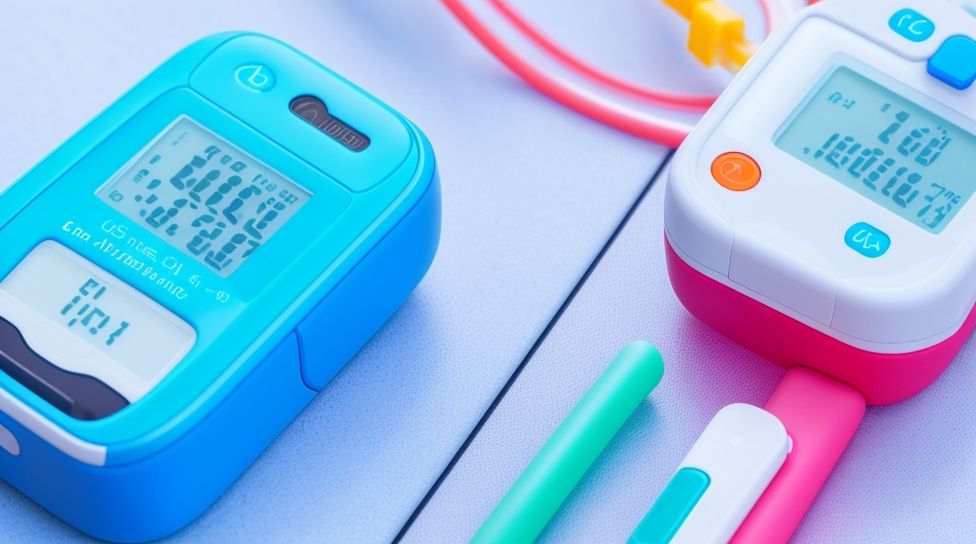
    Fasting Plasma Glucose Test

    1. The Fasting Plasma Glucose Test is a common diagnostic test used to screen for diabetes. Here are the key points to know about this test:

    2. The Fasting Plasma Glucose Test measures the amount of glucose (sugar) in your blood after fasting for at least 8 hours.
    3. It is typically performed in the morning, after an overnight fast, to get accurate results.
    4. A blood sample is taken and sent to a laboratory for analysis. The results will indicate the level of glucose in your blood.
    5. A Fasting Plasma Glucose level of less than 100 mg/dL is considered normal.
    6. If your Fasting Plasma Glucose level is between 100-125 mg/dL, it is indicative of prediabetes.
    7. A Fasting Plasma Glucose level of 126 mg/dL or higher on two separate occasions indicates diabetes.
    8. It is important to follow any fasting instructions provided by your healthcare provider to ensure accurate test results.

    Pro-tip: If you suspect you may have diabetes or are at risk for developing it, talk to your doctor about getting a Fasting Plasma Glucose Test. Early detection and diagnosis can help you manage the condition effectively and prevent complications.

    Oral Glucose Tolerance Test

    The Oral Glucose Tolerance Test (OGTT) is a diagnostic test used to measure how well the body is able to metabolize glucose. During the test, the patient consumes a drink that contains a specific amount of glucose, usually 75 grams. Blood samples are then taken at regular intervals, typically every 30 minutes to two hours, to measure the blood glucose levels.

    To create a table representing the results of the

    Time (minutes) Blood Glucose Level (mg/dL)
    0 Baseline (fasting) glucose level
    30 Blood glucose level at 30 minutes
    60 Blood glucose level at 60 minutes
    90 Blood glucose level at 90 minutes
    120 Blood glucose level at 120 minutes

    The results of the Oral Glucose Tolerance Test can help diagnose conditions such as gestational diabetes, impaired glucose tolerance, and diabetes. Normal blood glucose levels should return to baseline levels within two to three hours after consuming the glucose drink. Elevated blood glucose levels at any point during the test may indicate impaired glucose tolerance or diabetes.

    It is important to note that the OGTT requires fasting before the test, usually for at least eight hours. Certain medications may also need to be avoided before the test, as they can affect the results. The test is performed under the supervision of a healthcare professional and may cause temporary side effects such as nausea or dizziness.

    Remember, the Oral Glucose Tolerance Test is just one of the diagnostic tests used in the path to diabetes diagnosis. It is crucial to follow up with a healthcare professional for a comprehensive evaluation of your condition.

    Hemoglobin A1C Test: Because getting an official diagnosis of diabetes is like finding out you’re in a lifelong subscription to a carb-conscious club.

    Hemoglobin A1C Test

    The Hemoglobin A1C test, also known as the A1C test, is a key diagnostic tool used in the diagnosis of diabetes. Here is a list of important information about the Hemoglobin A1C test:

    1. The Hemoglobin A1C test measures the average level of blood sugar (glucose) over the past two to three months.
    2. The Hemoglobin A1C test provides a more comprehensive picture of a person’s blood sugar control compared to other tests, such as fasting plasma glucose or oral glucose tolerance test.
    3. The Hemoglobin A1C test is based on the principle that high blood sugar levels can lead to the binding of glucose molecules to hemoglobin in red blood cells.
    4. The result of the Hemoglobin A1C test is given as a percentage, representing the amount of hemoglobin that has glucose attached to it.
    5. A Hemoglobin A1C level of 6.5% or higher is diagnostic of diabetes.
    6. Levels between 5.7% and 6.4% indicate prediabetes, meaning higher than normal blood sugar levels but not high enough for a diabetes diagnosis.
    7. A Hemoglobin A1C level below 5.7% is considered normal.
    8. The Hemoglobin A1C test is convenient and doesn’t require fasting. It can be done at any time of the day.
    9. It is recommended to repeat the Hemoglobin A1C test every three months or as advised by a healthcare professional for ongoing monitoring of blood sugar control.

    Incorporating the Hemoglobin A1C test into the diagnostic process is crucial for identifying and managing diabetes effectively. If you suspect you may have diabetes or are at risk, consult with a healthcare professional who can guide you on the appropriate testing and next steps.

    Interpreting Diabetes Test Results

    Interpreting diabetes test results takes us on a journey through the spectrum of normal range, prediabetes, and diabetes. Discover the impact of these different categories as we delve into the numbers and markers that define each stage. Brace yourself for a closer look at the diagnostic thresholds and the significance they hold in the path from suspicion to confirmation of a diabetes diagnosis. Get ready to navigate the world of blood glucose levels and gain a deeper understanding of the numbers that matter when it comes to diabetes.

    Normal Range vs. Prediabetes vs. Diabetes

    The normal range for blood glucose levels varies depending on the diagnostic test used. In general, a fasting plasma glucose level between 70 and 99 mg/dL (milligrams per deciliter) is considered within the normal range. When the fasting plasma glucose level is between 100 and 125 mg/dL, it indicates prediabetes, which means there is an increased risk of developing diabetes. Diabetes is typically diagnosed when the fasting plasma glucose level is 126 mg/dL or higher on two separate occasions.

    Another diagnostic test used to determine prediabetes or diabetes is the oral glucose tolerance test. A blood glucose level below 140 mg/dL two hours after consuming a glucose-rich drink is considered normal. If the blood glucose level is between 140 and 199 mg/dL, it indicates prediabetes. A blood glucose level of 200 mg/dL or higher after two hours indicates diabetes.

    The hemoglobin A1C test, also known as the glycosylated hemoglobin test, provides an average measure of blood glucose levels over the past two to three months. A normal hemoglobin A1C level is below 5.7%. If the level is between 5.7% and 6.4%, it indicates prediabetes, while a level of 6.5% or higher indicates diabetes.

    Understanding these ranges is crucial for accurate diagnosis and appropriate management of prediabetes and diabetes. Regular monitoring and proper management can help individuals maintain blood glucose levels within the normal range and prevent or delay the onset of diabetes-related complications.

    Managing diabetes is like being a detective, using tests like urine tests, lipid profiles, and kidney function tests to solve the mystery of keeping blood sugar levels under control.

    Additional Tests for Diabetes Management

    Discover the crucial role of additional tests in managing diabetes as we delve into the world of diagnosis. Understanding the significance of urine tests, lipid profiles, and kidney function tests can provide valuable insights for effective diabetes management. Uncover the power of these essential tests in providing key information and guidance in the path towards confirming and treating this prevalent condition. Let’s uncover the facts and figures, backed by reliable sources, that shed light on the importance of these tests in the overall diabetes management journey.

    Urine Tests

    When diagnosing diabetes, urine tests play a crucial role in determining the presence of certain substances that indicate the disease. These tests can provide valuable information about glucose and ketone levels in the body, helping healthcare professionals make an accurate diagnosis.

    Test Purpose Results
    Urine Tests To measure the amount of glucose in urine If glucose is present in urine, it may indicate high blood sugar levels and suggest diabetes
    Urine Tests To detect the presence of ketones in urine Elevated ketone levels may indicate diabetic ketoacidosis, a potentially serious complication of diabetes

    It is important to note that urine tests alone are not sufficient for diagnosing diabetes. They are typically used in conjunction with blood tests and other diagnostic methods to provide a comprehensive evaluation of a person’s condition.

    Urine tests are valuable tools in the diagnosis of diabetes. They can provide essential information about glucose and ketone levels, helping healthcare professionals make accurate diagnoses and determine appropriate treatment plans.

    Don’t complicate things, just keep your cholesterol in check with a lipid profile.

    Lipid Profile

    A lipid profile, also known as a lipid panel, plays a vital role in the diagnosis and management of diabetes. This important test measures various types of lipids, including cholesterol and triglycerides, within the bloodstream. The results of a lipid profile offer valuable insights into an individual’s susceptibility to cardiovascular disease, a frequent complication associated with diabetes.

    To elaborate, let’s refer to the following table demonstrating the elements of a lipid profile and their respective normal range values:

    Lipid Component Normal Range
    Total Cholesterol Less than 200 mg/dL
    LDL Cholesterol Less than 100 mg/dL
    HDL Cholesterol 60 mg/dL and above (optimal)
    Triglycerides Less than 150 mg/dL

    It is worth noting that these values may slightly differ depending on the laboratory and their reference ranges. Therefore, it is essential to consult with a healthcare professional to accurately interpret the test results.

    Heightened levels of total cholesterol, LDL cholesterol, and triglycerides, accompanied by reduced levels of HDL cholesterol, are strongly linked to an increased risk of cardiovascular disease. Consequently, it is crucial for individuals with diabetes to maintain healthy lipid levels and minimize their risk.

    By consistently monitoring lipid profiles, healthcare providers can evaluate the effectiveness of lifestyle modifications and medications in managing cholesterol levels. Achieving and sustaining healthy lipid levels significantly contributes to reducing the risk of heart disease and promoting overall cardiovascular well-being.

    Fun Fact: According to the American Diabetes Association, it is highly recommended that adults with diabetes undergo a lipid profile test at least once per year.

    Get ready to test those kidneys, because you never know when they might decide to go on strike.

    Kidney Function Tests

    When diagnosing diabetes, Kidney Function Tests play an important role in assessing the health of the kidneys. These tests measure various aspects of kidney function and can help identify any potential issues.

    1. Blood Urea Nitrogen (BUN) Test The BUN test measures the amount of nitrogen in your blood that comes from the waste product urea. Elevated levels may indicate impaired kidney function.
    2. Creatinine Test The creatinine test measures the levels of creatinine, a waste product produced by muscle metabolism, in your blood. Higher levels can indicate kidney damage.
    3. Estimated Glomerular Filtration Rate (eGFR) eGFR estimates how well your kidneys are filtering waste from your blood. A lower eGFR may indicate decreased kidney function.
    4. Urine Albumin Test The urine albumin test checks for the presence of albumin, a type of protein, in your urine. High levels can indicate kidney damage.
    5. Urine Creatinine Test The urine creatinine test compares the amount of creatinine in your urine with the amount in your blood. This helps determine how effectively your kidneys are filtering creatinine.

    These Kidney Function Tests provide valuable information for healthcare professionals in diagnosing and managing diabetes. Regular monitoring of kidney function is essential for individuals with diabetes to detect any potential kidney problems early on and take appropriate steps to maintain kidney health.

    Some Facts About From Suspicion to Confirmation: The Path to Diabetes Diagnosis:

    • ✅ Diagnostic tests for diabetes include the A1C test, fasting plasma glucose (FPG) criteria, and 2-h plasma glucose (2-h PG) criteria. (Source: Our Team)
    • ✅ The A1C test measures average blood sugar levels over the past 2 to 3 months and an A1C level of 6.5% or higher on two separate tests indicates diabetes. (Source: Our Team)
    • ✅ Additional blood tests may be conducted to determine the type of diabetes and check for autoantibodies and ketones after diagnosis. (Source: Our Team)
    • ✅ Regular visits to the healthcare provider are necessary to manage diabetes, including checking A1C levels, monitoring cholesterol levels, and checking thyroid, liver, and kidney function. (Source: Our Team)
    • ✅ Treatment for type 1 diabetes involves taking insulin, counting carbohydrates, monitoring blood sugar levels, eating healthy foods, exercising regularly, and maintaining a healthy weight. (Source: Our Team)

    Frequently Asked Questions

    1. What are the diagnostic tests used for diabetes?

    Diagnostic tests for diabetes include the A1C test, fasting blood sugar test, and random blood sugar test. These tests measure blood sugar levels and can help confirm a diabetes diagnosis.

    2. How is type 1 diabetes diagnosed in children?

    Type 1 diabetes in children is typically diagnosed based on clinical presentation, blood tests to measure current blood sugar levels, and tests to check for the presence of autoantibodies and ketones. The destruction of β-cells and absolute insulin deficiency are telltale signs of type 1 diabetes in children.

    3. What is neonatal diabetes, and how is it diagnosed?

    Neonatal diabetes refers to diabetes diagnosed in the first few months of life. It can be caused by genetic mutations. Diagnosis is made by conducting comprehensive tests, including genetic testing, to identify specific gene mutations associated with neonatal diabetes.

    4. What is maturity-onset diabetes of the young (MODY)?

    Maturity-onset diabetes of the young (MODY) is a form of diabetes that is caused by genetic mutations. It typically presents in young individuals, usually before the age of 25. Genetic testing can be conducted to confirm the diagnosis of MODY.

    5. What are the different types of insulin used in the treatment of diabetes?

    The different types of insulin used in the treatment of diabetes include short-acting insulin, rapid-acting insulin, and intermediate-acting insulin. Short-acting insulin starts working quickly, rapid-acting insulin is used before meals, and intermediate-acting insulin has a longer duration of action.

    6. Can diabetes be caused by outside influences, such as drugs or certain medical conditions?

    Yes, specific types of diabetes can be caused by outside influences such as drug or chemical-induced diabetes or diseases of the exocrine pancreas. For example, certain medications or conditions like cystic fibrosis can lead to the development of diabetes. In these cases, diagnosis is made by evaluating the medical history and conducting appropriate tests.

  • Revolutionizing Diabetes Care with Continuous Glucose Monitoring

    Revolutionizing Diabetes Care with Continuous Glucose Monitoring

    Continuous Glucose Monitoring (CGM) has emerged as a revolutionary technology in the field of diabetes care. Unlike traditional blood glucose monitoring methods, CGM provides real-time blood sugar readings, offering numerous benefits for individuals with diabetes. This article will delve into how CGM works and its advantages over traditional methods, as well as the individuals who can benefit from CGM and how to use the devices effectively. We will explore the differences between CGM and traditional blood glucose monitoring, highlighting the unique features that CGM brings. Lastly, we will touch upon future developments in CGM technology, showcasing the exciting advancements on the horizon for diabetes management. By the end of this article, you will have a comprehensive understanding of how CGM is revolutionizing diabetes care and improving the quality of life for those with diabetes.

    Key takeaway:

    • Continuous Glucose Monitoring (CGM) revolutionizes diabetes care: CGM technology provides real-time glucose readings, enhancing diabetes management and improving quality of life for patients.
    • CGM offers benefits to various diabetes patient groups: Type 1 and Type 2 diabetes patients, as well as those with gestational diabetes, can benefit from CGM for improved monitoring and insulin dosage tuning.
    • CGM technology is advancing for future developments: Technological advances, potential improvements in safety and effectiveness, and integration with insulin infusion pumps are being explored to enhance the CGM experience.

    How Does Continuous Glucose Monitoring Work?

    How Does Continuous Glucose Monitoring  Work? - Continuous Glucose Monitoring : Revolutionizing Diabetes Care

    Photo Credits: Diabetescompass.Com by Wayne Robinson

    Continuous Glucose Monitoring (CGM) works by providing real-time information about a person’s glucose levels throughout the day and night. Here’s how it works:

    1. Sensor Placement: A small, disposable sensor is inserted under the skin, usually on the abdomen or arm. This sensor measures glucose levels in the interstitial fluid, which closely reflects blood glucose levels.
    2. Glucose Measurement: The sensor continuously measures glucose levels at regular intervals, usually every few minutes. It uses a tiny filament or electrode to detect glucose levels in the interstitial fluid.
    3. Data Transmission: The sensor wirelessly transmits the glucose readings to a receiver or a compatible device, such as a smartphone or a dedicated CGM device.
    4. Glucose Data Display: The receiver or device displays the real-time glucose readings, usually in the form of a graph or numerical values. This allows users to monitor their glucose levels throughout the day.
    5. Trend Analysis: CGM systems often provide trend arrows or indicators that show the direction and rate at which glucose levels are changing. This helps users understand whether their glucose levels are rising, falling, or stable.
    6. Alerts and Alarms: CGM devices can be programmed to provide customizable alerts and alarms based on specific glucose thresholds. This helps users stay informed of high or low glucose levels, even when they are not actively checking the device.
    7. Data Storage and Analysis: CGM systems typically store glucose data over time, allowing users and healthcare professionals to review and analyze trends, patterns, and fluctuations in glucose levels. This data can be used to make informed decisions regarding diabetes management.
    8. Insulin Adjustment: Based on the continuous glucose readings, individuals can make informed decisions about their insulin doses, timing of meals, physical activity, and other diabetes management strategies.

    Continuous Glucose Monitoring revolutionizes diabetes care by providing real-time and continuous information about glucose levels, enabling better diabetes management, reducing the risk of hypoglycemia and hyperglycemia, and improving overall quality of life for individuals with diabetes.

    Benefits of Continuous Glucose Monitoring

    Benefits of Continuous Glucose Monitoring - Continuous Glucose Monitoring : Revolutionizing Diabetes Care

    Photo Credits: Diabetescompass.Com by Walter Hernandez

    The benefits of continuous glucose monitoring (CGM) have revolutionized diabetes care, providing valuable insights and improving the management of the condition. Here are some key advantages:

    1. Real-Time Data: CGM provides real-time and continuous data on glucose levels, allowing individuals with diabetes to closely monitor their blood sugar throughout the day. This helps in making immediate and informed decisions regarding insulin dosage, diet, and physical activity.
    2. Trend Analysis: CGM devices display glucose trends over time, enabling users to identify patterns and make adjustments to their diabetes management plan. It helps in understanding how specific foods, activities, or medications affect blood sugar levels.
    3. Early Detection of Highs and Lows: CGM systems provide alerts and warnings when blood sugar levels go too high (hyperglycemia) or too low (hypoglycemia). This allows for prompt action, preventing severe complications and improving overall glycemic control.
    4. Reduced Fingerstick Testing: CGM significantly reduces the need for frequent fingerstick tests. Instead of relying solely on traditional glucose meters, CGM devices continuously monitor glucose levels, reducing the need for painful and inconvenient finger pricks.
    5. Improved Sleep: CGM systems can provide important data during sleep, detecting nocturnal hypoglycemia or hyperglycemia. This enables individuals with diabetes and their healthcare providers to make necessary adjustments to avoid nighttime blood sugar fluctuations and promote better sleep quality.
    6. Remote Monitoring: Some CGM systems offer the option for remote monitoring by healthcare professionals or loved ones. This allows for timely intervention and support, especially in cases where the individual with diabetes may not be able to recognize or address critical glucose fluctuations.
    7. Enhanced Quality of Life: By providing a more comprehensive and dynamic understanding of blood sugar levels, CGM empowers individuals with diabetes to make proactive decisions about their health. This can lead to improved glycemic control, minimizing the risk of long-term complications and enhancing overall quality of life.

    Continuous glucose monitoring has truly transformed diabetes care, offering numerous benefits that contribute to better glucose management, reduced complications, and improved well-being for individuals living with diabetes.

    Who Can Benefit from Continuous Glucose Monitoring ?

    Who Can Benefit from Continuous Glucose Monitoring ? - Continuous Glucose Monitoring : Revolutionizing Diabetes Care

    Photo Credits: Diabetescompass.Com by Raymond Jackson

    Continuous Glucose Monitoring (CGM) can benefit various individuals who have diabetes or are at risk of developing diabetes. The following groups of people can particularly benefit from CGM:

    1. People with Type 1 Diabetes: CGM is highly beneficial for individuals with Type 1 Diabetes as it provides real-time information about their glucose levels throughout the day and night. It helps in managing blood sugar levels more effectively, making it easier to adjust insulin doses and prevent hypoglycemia or hyperglycemia.
    2. People with Type 2 Diabetes: CGM can also be beneficial for individuals with Type 2 Diabetes, especially those who require insulin therapy. It provides valuable insights into their glucose patterns, allowing them to make informed decisions about diet, exercise, and medication adjustments.
    3. Gestational Diabetes: Pregnant individuals with gestational diabetes can benefit from CGM to monitor their glucose levels and ensure optimal blood sugar control during pregnancy. It helps in managing their condition and reducing the risk of complications for both the mother and the baby.
    4. Children and Adolescents: CGM is particularly helpful for children and adolescents with diabetes as it provides caregivers and healthcare professionals with real-time data on their glucose levels. It allows for better management of blood sugar levels, reducing the risk of hypoglycemia or hyperglycemia.
    5. Adults with Uncontrolled Diabetes: Adults with diabetes who struggle to achieve optimal blood sugar control can benefit from CGM. It provides continuous feedback on glucose levels, enabling them to identify patterns, make necessary lifestyle changes, and work closely with their healthcare team to adjust their treatment plan.
    6. Individuals with Hypoglycemia Unawareness: Some individuals with diabetes may have a reduced ability to detect when their blood sugar levels drop dangerously low, known as hypoglycemia unawareness. CGM can alert them to such episodes and help prevent severe hypoglycemic events.
    7. Those Seeking to Improve Diabetes Management: Even individuals without diabetes complications can benefit from CGM if they are seeking to enhance their diabetes management. It provides a comprehensive view of their glucose levels and helps in making informed decisions about diet, exercise, and medication adjustments.

    Continuous Glucose Monitoring has revolutionized diabetes care by providing individuals and healthcare professionals with valuable real-time data, leading to better management of diabetes and improved overall health outcomes.

    How to Use Continuous Glucose Monitoring Devices

    How to Use Continuous Glucose Monitoring  Devices - Continuous Glucose Monitoring : Revolutionizing Diabetes Care

    Photo Credits: Diabetescompass.Com by Gary Thompson

    Using continuous glucose monitoring (CGM) devices is a straightforward process. Follow these steps to effectively use CGM devices:

    1. Select the CGM Device: Choose a CGM device that suits your needs and is compatible with your diabetes management plan. Consult with your healthcare provider or diabetes educator to determine the best option for you.
    2. Prepare the Sensor: Before inserting the sensor, clean the application site with an alcohol wipe and let it dry. Apply an adhesive patch if required by the device’s instructions.
    3. Insert the Sensor: Follow the device-specific instructions to insert the sensor under your skin. This is typically done with a small needle or applicator provided with the device. Ensure proper placement as guided by the instructions.
    4. Connect the Transmitter: Attach the transmitter to the sensor. This component wirelessly communicates with the receiver or mobile app to provide real-time glucose readings.
    5. Calibrate the Device: Some CGM devices require calibration with fingerstick blood glucose readings to ensure accuracy. Follow the device instructions for calibration intervals and procedures.
    6. Set Thresholds and Alerts: Configure your CGM device to set personalized glucose thresholds and alerts. This allows you to receive notifications when your glucose levels go too high or too low.
    7. Monitor Glucose Readings: Check the glucose readings on the receiver or mobile app. Depending on the device, you may be able to view trends, graphs, and historical data to better understand your glucose patterns.
    8. React to Readings: Take appropriate action based on your glucose readings and any alerts received. If your glucose levels are out of range, follow your diabetes management plan, which may include adjusting insulin doses, consuming carbohydrates, or contacting your healthcare provider.
    9. Perform Routine Maintenance: Follow the device-specific instructions for sensor replacement, transmitter charging, and general device maintenance. Regularly change the sensor and transmitter as recommended to ensure accurate and reliable results.
    10. Work with Your Healthcare Team: Share your CGM data with your healthcare team during regular check-ups. They can assess the data, make adjustments to your diabetes management plan, and provide guidance for optimal glucose control.

    By following these steps and integrating CGM devices into your diabetes care routine, you can benefit from real-time glucose monitoring and make more informed decisions to manage your diabetes effectively.

    Continuous Glucose Monitoring vs. Traditional Blood Glucose Monitoring

    Continuous Glucose Monitoring  vs. Traditional Blood Glucose Monitoring - Continuous Glucose Monitoring : Revolutionizing Diabetes Care

    Photo Credits: Diabetescompass.Com by Alan Gonzalez

    Comparison between Continuous Glucose Monitoring (CGM) and Traditional Blood Glucose Monitoring:

    Aspect

    Continuous Glucose Monitoring (CGM)

    Traditional Blood Glucose Monitoring

    Method

    CGM involves continuous monitoring of glucose levels throughout the day using a small sensor inserted under the skin that measures glucose in interstitial fluid.

    Traditional monitoring involves pricking the finger to draw blood and using a blood glucose meter to obtain a single glucose reading at a specific moment in time.

    Frequency of Readings

    CGM provides continuous real-time glucose readings throughout the day, typically every few minutes, providing a wealth of data on glucose patterns and trends.

    Traditional monitoring provides individual glucose readings at specific times when the user performs a fingerstick test, usually several times a day.

    Accuracy

    CGM systems have improved in accuracy over the years and provide reliable glucose readings, although there can be slight discrepancies compared to blood glucose meter readings.

    Traditional blood glucose meters are generally accurate but may have slight variability between devices and require proper calibration and handling.

    Trend Analysis

    CGM allows for in-depth trend analysis by providing glucose data over time. Users can identify patterns, track how glucose levels change after meals or exercise, and make informed decisions about their diabetes management.

    Traditional monitoring provides a snapshot of glucose levels at a specific moment, limiting the ability to analyze trends and patterns.

    Alerts and Alarms

    CGM systems can be set to provide alerts and alarms when glucose levels are too high or too low, helping users proactively manage their diabetes and avoid dangerous situations.

    Traditional monitoring does not offer alerts or alarms for glucose levels, relying on the user to perform regular fingerstick tests and interpret the results.

    Future Developments in Continuous Glucose Monitoring Technology

    Future Developments in Continuous Glucose Monitoring  Technology - Continuous Glucose Monitoring : Revolutionizing Diabetes Care

    Photo Credits: Diabetescompass.Com by Michael Ramirez

    The future of continuous glucose monitoring (CGM) technology holds several exciting developments that can further revolutionize diabetes care. Here are some potential advancements to look forward to:

    1. Improved Accuracy: CGM technology is expected to continue improving its accuracy in measuring glucose levels. This includes minimizing calibration requirements and reducing sensor errors to provide more reliable and precise data.
    2. Extended Sensor Wear: The development of longer-lasting sensors is anticipated, allowing individuals with diabetes to wear them for extended periods without frequent replacements. This can enhance convenience and reduce overall costs.
    3. Smaller Form Factors: CGM devices are likely to become smaller and more discreet, making them less obtrusive for users. This can improve comfort and encourage wider adoption of the technology.
    4. Integration with Insulin Pumps: Integration between CGM devices and insulin pumps can enable closed-loop systems, also known as artificial pancreas systems. These systems automatically adjust insulin delivery based on real-time glucose data, offering better glycemic control.
    5. Enhanced Data Analysis: Future CGM systems may incorporate advanced data analytics and machine learning algorithms. This can provide users with more meaningful insights, personalized recommendations, and early detection of glucose patterns that may indicate potential complications or hypoglycemic events.
    6. Wireless Connectivity: CGM devices are expected to become more connected, allowing seamless data transmission to smartphones, smartwatches, or cloud platforms. This enables real-time monitoring by healthcare providers and enhances remote patient management.
    7. Continuous Glucose Control: Research is underway to develop closed-loop systems that not only monitor glucose levels but also automatically deliver insulin or other glucose-regulating medications as needed. This holds great promise for reducing the burden of diabetes management on individuals.
    8. Interoperability: Future CGM technology may focus on interoperability, allowing data exchange between different devices and platforms. This can facilitate better coordination of care among healthcare professionals and improve overall diabetes management.
    9. Non-Invasive Monitoring: Efforts are ongoing to develop non-invasive or minimally invasive CGM technologies that eliminate the need for frequent fingerstick blood glucose measurements. This can greatly enhance user experience and compliance.
    10. Data Integration: Integration of CGM data with other health-related data, such as physical activity, nutrition, and sleep patterns, can provide a more comprehensive understanding of the impact of various factors on glucose control. This holistic approach can support more personalized and effective diabetes management strategies.

    These future developments in continuous glucose monitoring technology hold immense potential to transform diabetes care, improve quality of life for individuals with diabetes, and enable more proactive and precise management of the condition.

    Some Facts About Continuous Glucose Monitoring: Revolutionizing Diabetes Care:

    • ✅ Continuous Glucose Monitoring (CGM) technology has the potential to revolutionize diabetes care. (Source: diabetesjournals.org)
    • ✅ CGM devices have the potential to make near-normal blood glucose concentrations achievable. (Source: diabetesjournals.org)
    • ✅ CGM provides real-time information on current blood glucose levels, feedback on intervention effectiveness, and warnings for dangerous levels. (Source: diabetesjournals.org)
    • ✅ The FreeStyle Libre system is a continuous glucose monitoring system that measures glucose levels through a small sensor applied to the back of the upper arm. (Source: abbott.com)
    • ✅ Studies have shown that FreeStyle Libre users who scan more frequently spend less time in hypoglycemia and experience improved average glucose levels. (Source: abbott.com)

    Frequently Asked Questions

    What is continuous glucose monitoring (CGM) and how does it revolutionize diabetes care?

    Continuous glucose monitoring (CGM) technology provides real-time feedback on blood glucose levels and the effectiveness of interventions, revolutionizing diabetes care. It helps achieve near-normal blood glucose concentrations and facilitates decision-making regarding activities like driving.

    What are the challenges associated with CGM technology?

    Challenges associated with CGM technology include high costs, limited approved uses, and insurance coverage. These factors currently limit the widespread adoption of CGM devices.

    How does the FreeStyle Libre system work?

    The FreeStyle Libre system is a continuous glucose monitoring system that utilizes a small sensor applied to the back of the upper arm. It provides real-time glucose readings for up to 10 days, allowing users to discreetly and conveniently measure their glucose levels through clothes.

    What are the benefits of using the FreeStyle Libre system?

    The FreeStyle Libre system provides real-time glucose results, historical trends, and directional trend arrows. It can reveal hypoglycemic or hyperglycemic trends, aiding in the selection of appropriate diabetes management strategies. Studies have shown that more frequent scanning with the FreeStyle Libre system can improve average glucose levels and reduce time spent in hypoglycemia.

    What is the significance of CGM for patients with type 1 diabetes?

    CGM is crucial for patients with type 1 diabetes as it helps make informed decisions about activities such as driving. It provides real-time information on blood glucose levels, intervention effectiveness, and warnings for dangerous levels.

    How does CGM technology impact diabetes treatment and management?

    CGM technology enables accurate determination of blood glucose concentrations, essential for intensified diabetes management. By providing actionable trends and patterns, CGM helps improve treatment decisions, glycemic control, and overall diabetes management.