Tag: balanced diet

  • Discover the Ultimate Secrets to Kick Sugar Cravings to the Curb and Achieve a Healthier Lifestyle

    Discover the Ultimate Secrets to Kick Sugar Cravings to the Curb and Achieve a Healthier Lifestyle

    Sugar cravings can be a challenging obstacle when trying to maintain a healthy diet. Excess sugar consumption not only leads to weight gain but also has negative effects on overall health. Therefore, it is important to understand and address sugar cravings effectively. By exploring natural methods to curb sugar cravings, you can regain control over your diet and make healthier choices.

    Understanding the root causes of sugar cravings is essential. They can be triggered by various factors, including physiological imbalances and psychological aspects of sugar addiction. Recognizing these factors can help in finding effective solutions.

    Fortunately, there are natural methods to stop sugar cravings and regain a healthier diet. By focusing on a balanced diet and incorporating nutrient-rich foods like proteins, healthy fats, and fiber-rich options, you can stabilize blood sugar levels and reduce cravings. Staying hydrated, managing stress levels, and getting enough sleep also play a vital role in curbing sugar cravings. Alongside these strategies, mindful eating techniques, distractions, and seeking support from others can be beneficial.

    It is also important to recognize healthy alternatives to satisfy sugar cravings. Fresh fruits, dark chocolate, natural sweeteners, homemade healthy treats, and herbal teas can provide a satisfying and healthier alternative to refined sugars.

    Creating long-term habits for a healthier diet is crucial for sustained success. Gradual sugar reduction, meal planning and preparation, regular physical activity, mindset, and behavior change, as well as celebrating non-food rewards, can support the transition to a healthier lifestyle and help in overcoming sugar cravings. By implementing these strategies and embracing a holistic approach, you can conquer sugar cravings naturally and maintain a healthier diet.

    Key takeaway:

    • Stopping sugar cravings is important for maintaining a healthier diet: Excess sugar consumption can have negative effects on our health, so it is crucial to find effective natural methods to curb sugar cravings and improve our overall well-being.
    • Natural methods can help in stopping sugar cravings: Eating a balanced diet, increasing protein intake, consuming healthy fats, incorporating fiber-rich foods, staying hydrated, managing stress levels, getting enough sleep, using mindful eating techniques, distracting oneself, and seeking support from others are some of the natural methods that can be employed to stop sugar cravings and maintain a healthier lifestyle.
    • Healthy alternatives can satisfy sugar cravings without the negative effects: Fresh fruits, dark chocolate, natural sweeteners, homemade healthy treats, and herbal teas are some of the healthy alternatives that can be used to satisfy sugar cravings while still adhering to a healthier diet.

    Why is it important to stop sugar cravings?

    Sugar cravings can have a significant impact on our health and well-being, which is why it is crucial to understand the importance of stopping them. Excess sugar consumption can lead to various negative effects on our bodies, including weight gain, an increased risk of chronic diseases like diabetes and heart disease, and a decline in overall energy levels.

    To start with, excessive sugar intake can contribute to weight gain. It is important to note that sugar is high in calories and offers little to no nutritional value. When we consume too much sugar, it leads to an increased calorie intake. If these excess calories are not burned off through physical activity, they can result in weight gain over time. Additionally, excessive sugar consumption disrupts the body’s natural metabolism and can lead to insulin resistance, making it harder to maintain a healthy weight.

    Consuming high amounts of sugar has been linked to an increased risk of chronic diseases such as type 2 diabetes and heart disease. When we consume sugary foods and beverages, our blood sugar levels spike, which increases the demand for insulin. Over time, this strain on the pancreas can lead to insulin resistance, which is a key factor in the development of diabetes. Moreover, excessive sugar intake contributes to high blood pressure, inflammation, and unhealthy cholesterol levels, all of which increase the risk of heart disease.

    One of the reasons it is important to stop sugar cravings is due to the negative impact on energy levels. While consuming sugary foods and drinks may initially provide a temporary energy boost, it is often followed by a crash as blood sugar levels drop. This rollercoaster effect on energy levels can leave us feeling tired, sluggish, and unable to perform at our best.

    The negative effects of excess sugar consumption

    Excess sugar consumption can have several negative effects on our health, including weight gain, an increased risk of chronic diseases, tooth decay, poor nutrition, and energy crashes and mood swings. It is crucial to be aware of these effects and take steps to reduce our sugar intake in order to maintain a healthier diet.

    One of the negative effects of excess sugar consumption is weight gain. Consuming too much sugar can contribute to weight gain and obesity as sugary foods and drinks are often high in calories but low in nutrients. This imbalance in energy intake over time can result in weight gain and an increased risk of chronic diseases such as diabetes and heart disease.

    In addition, excess sugar consumption has been linked to an increased risk of developing chronic diseases. High sugar intake can lead to insulin resistance, which can progress into type 2 diabetes. It can also raise blood pressure and cholesterol levels, thereby increasing the risk of heart disease.

    Sugar is a major contributor to tooth decay. When we consume sugary foods and drinks, the bacteria in our mouths feed on the sugar and produce acids that attack the enamel of our teeth. This continuous exposure to sugar can lead to cavities and tooth decay.

    Moreover, foods and drinks high in sugar are often low in essential nutrients. Consuming too much sugar can displace healthier food choices that provide important vitamins, minerals, and fiber. This can result in nutrient deficiencies and poor overall nutrition.

    Furthermore, while sugar can give us a temporary energy boost, it is often followed by a crash. Consuming sugary foods and drinks can cause our blood sugar levels to spike and then drop rapidly, leading to feelings of fatigue and irritability.

    To mitigate the negative effects of excess sugar consumption, it is crucial to reduce our intake of sugary foods and drinks. This can be achieved by making healthier choices such as opting for whole fruits instead of sugary snacks, drinking water or unsweetened beverages instead of soda, and reading food labels to identify added sugars in processed foods.

    By being mindful of our sugar intake and making conscious efforts to reduce it, we can improve our overall health and well-being. It is essential to remember that small changes can make a significant difference in combating the negative effects of excess sugar consumption.

    Understanding Sugar Cravings

    Sugar cravings can be difficult to resist, but understanding them is the first step in managing and overcoming them. Here are key points to understand about sugar cravings:

    1. Causes of Sugar Cravings: Sugar cravings can arise from various factors, including physiological, psychological, and habitual reasons. Hormonal imbalances, stress, emotions, and conditioning can all contribute to these cravings.
    2. Impact of Sugar on the Body: While sugar provides a quick energy boost, consuming excessive amounts can lead to negative health effects. It can contribute to weight gain, increased risk of chronic diseases, energy crashes, and disrupted blood sugar levels.
    3. Psychological Aspects: Sugar cravings can be influenced by psychological factors such as emotional eating, reward-seeking behavior, and the association of sugary foods with pleasure or comfort.
    4. Effects of Sugar on the Brain: Sugar activates the brain’s reward system, leading to the release of dopamine, a neurotransmitter associated with pleasure. This can create a cycle of cravings and reinforce the desire for more sugar.
    5. Importance of a Balanced Diet: Maintaining a balanced diet that includes complex carbohydrates, fiber, protein, and healthy fats can help stabilize blood sugar levels and reduce sugar cravings.
    6. Natural Methods to Stop Sugar Cravings: There are several natural strategies to help curb sugar cravings, such as:
    • Reducing overall sugar intake: Gradually reducing the amount of added sugars in your diet can help recalibrate your taste buds and reduce cravings over time.
    • Eating balanced meals: Consuming balanced meals that include protein, healthy fats, and fiber can help you feel fuller for longer and stabilize blood sugar levels.
    • Choosing whole foods: Opt for whole foods like fruits, vegetables, whole grains, and lean protein sources. These provide essential nutrients and can satisfy sweet cravings in a healthier way.
    • Staying hydrated: Drinking enough water throughout the day can help reduce cravings and keep you feeling more satiated.
    • Managing stress: Find healthy ways to manage stress, such as exercise, meditation, or engaging in hobbies, as stress can contribute to sugar cravings.
    • Getting enough sleep: Prioritize quality sleep as lack of sleep can disrupt hunger hormones and increase cravings for sugary foods.
    • Seeking support: Consider seeking support from a healthcare professional, nutritionist, or joining a support group to help you navigate and overcome sugar cravings.

    By understanding the causes and effects of sugar cravings and implementing these natural strategies, you can take control of your cravings and maintain a healthier diet.

    What causes sugar cravings?

    Sugar cravings can be caused by various factors, including physiological and psychological aspects. Understanding the root causes of sugar cravings is essential in order to effectively manage and overcome them.

    One of the main factors that contribute to sugar cravings is imbalanced blood sugar levels. Fluctuations in blood sugar levels can trigger these cravings. When we consume high-sugar foods or beverages, it leads to a rapid increase in blood sugar levels, followed by a crash. This drop in blood sugar levels then signals the body to crave more sugar to bring the levels back up.

    Another factor that can cause sugar cravings is a poor diet. Consuming a diet that is high in refined carbohydrates, processed foods, and sugary snacks can contribute to these cravings. These types of foods are often low in nutrients and high in empty calories, which can lead to imbalances in the body and trigger cravings.

    Emotional triggers also play a role in sugar cravings. Emotional states such as stress, anxiety, boredom, and sadness can trigger these cravings as a means of seeking comfort or distraction. When we consume sugar, the brain releases dopamine, a feel-good neurotransmitter, which temporarily improves our mood and provides a sense of pleasure.

    Additionally, habitual consumption of sugary foods or drinks can create a dependency on sugar and lead to cravings. The brain forms associations between certain activities or emotions and the reward of sugar, which can trigger cravings in response to those specific triggers.

    Leptin resistance is another factor that can contribute to sugar cravings. Leptin is a hormone that helps regulate appetite and signal fullness to the brain. Chronic consumption of high-sugar foods can lead to leptin resistance, where the brain becomes less responsive to its signals. As a result, this can cause increased appetite and cravings for sugary foods.

    Sleep deprivation can also contribute to sugar cravings. Lack of sleep can disrupt hormones involved in appetite regulation, such as ghrelin and leptin. This disruption can lead to increased cravings for sugary foods.

    Lastly, a diet lacking in protein, healthy fats, and fiber can leave us feeling unsatisfied and more likely to crave sugar to fulfill feelings of satiety.

    By understanding the various factors that contribute to sugar cravings, individuals can make informed choices and adopt strategies to effectively manage and reduce these cravings.

    The physiological and psychological aspects of sugar addiction

    Sugar addiction encompasses both the physiological and psychological aspects of craving for sugar. In terms of physiology, the consumption of sugary foods induces the release of dopamine, a neurotransmitter associated with pleasure and rewards. Consequently, this release of dopamine generates a delightful sensation that drives the brain to seek out more sugar. Over time, the brain can develop a tolerance for dopamine, resulting in a need for higher quantities of sugar to attain the same level of satisfaction.

    From a psychological standpoint, sugar addiction can arise due to emotional factors, stress, or habitual patterns. Many individuals turn to sugary foods as a means of finding comfort or coping with negative emotions. The brain associates the sweet taste with positive feelings, thereby reinforcing the desire for sugar during stressful or emotional situations. Repetitive behaviors and routines, like reaching for a sugary snack at specific times of the day, can become ingrained and challenging to break.

    Numerous studies have indicated that sugar addiction can lead to cravings and withdrawal symptoms akin to those experienced by individuals addicted to drugs. These cravings can be powerful and may cause individuals to prioritize obtaining sugar above other crucial aspects of their lives. Managing the withdrawal symptoms, such as irritability, fatigue, and mood swings, can be difficult and can contribute to the ongoing cycle of sugar addiction.

    To overcome both the physiological and psychological aspects of sugar addiction, it is crucial to gradually decrease sugar consumption, substitute sugary snacks with healthier alternatives, and address any emotional or stress-related factors that may contribute to the addiction. Seeking assistance from professionals, including therapists or nutritionists, can also prove beneficial in managing sugar cravings and developing healthier habits.

    Pro-tip: Utilizing mindfulness techniques like deep breathing and meditation can aid in managing cravings and reducing stress levels, facilitating the process of overcoming sugar addiction. Finding healthy activities or hobbies to replace the emotional gratification previously derived from sugary foods can support the transition towards a healthier lifestyle.

    Natural Methods to Stop Sugar Cravings

    Are you tired of constantly battling sugar cravings and trying to maintain a healthier diet? Well, you’re in luck! In this section, we will explore a variety of natural methods to stop those pesky sugar cravings. From eating a balanced diet to increasing protein intake, incorporating fiber-rich foods, and managing stress levels, we’ve got you covered. We’ll even dive into the benefits of mindful eating techniques and seeking support from others. Get ready to take charge of your cravings and embrace a healthier lifestyle!

    Eat a Balanced Diet

    1. Eating a balanced diet is vital when it comes to indulging in a variety of food groups:

      • A balanced diet should consist of foods from all major food groups, including fruits, vegetables, whole grains, lean proteins, and healthy fats. Each food group provides essential nutrients that the body needs to function properly.
    2. Emphasize whole foods to satisfy sugar cravings:

      • It is preferable to choose whole, minimally processed foods over highly processed ones. Whole foods are rich in nutrients and fiber, which can help keep you feeling full and satisfied, thereby reducing the likelihood of sugar cravings.
    3. Control portion sizes to maintain stable blood sugar levels:

      • Paying attention to your portion sizes is crucial to avoid overeating. Overeating can lead to imbalances in blood sugar levels, which in turn can increase cravings for sugary foods.
    4. Avoid skipping meals to prevent fluctuations in blood sugar:

      • It’s important to eat regular meals and snacks throughout the day to maintain stable blood sugar levels. Skipping meals can lead to fluctuations in blood sugar, increasing the chances of craving sugary snacks for quick energy.
    5. Balance macronutrients to prevent rapid spikes in blood sugar levels:

      • Each meal should contain a balance of carbohydrates, protein, and fat. Including protein and healthy fats can help slow down the digestion of carbohydrates, preventing rapid spikes in blood sugar levels and reducing cravings.
    6. Choose complex carbohydrates for sustained energy:

      • Instead of refined carbohydrates, opt for complex carbohydrates like whole grains, legumes, and starchy vegetables. Complex carbohydrates are digested more slowly, providing a steady release of energy and preventing blood sugar crashes.
    7. Stay hydrated to avoid mistaking thirst for sugar cravings:

      • Dehydration can sometimes be mistaken for hunger or sugar cravings. Ensure you drink enough water throughout the day to stay properly hydrated and reduce the chances of mistaking thirst for sugar cravings.
    8. Moderate caffeine and alcohol intake for balanced blood sugar levels:

      • Excessive consumption of caffeine and alcohol can disrupt blood sugar levels and contribute to cravings. Limit your intake of these substances to maintain a balanced diet.
    9. Listen to your body’s hunger and fullness cues:

      • Pay attention to when you’re hungry and stop eating when you feel satisfied, rather than eating out of boredom or emotional reasons.
    10. Seek support from a professional for personalized guidance:

      • Consider seeking support from a registered dietitian or nutritionist who can provide personalized guidance and help you develop a balanced diet plan.

    Remember, adopting a balanced diet is not about restriction or deprivation but rather making informed choices that nourish your body and support overall well-being.

    Increase Protein Intake

    Increasing protein intake is a beneficial strategy to curb sugar cravings and maintain a healthier diet. Here are several ways to naturally incorporate more protein into your daily meals:

    • Include lean meats such as chicken, turkey, and fish in your main dishes. These options are excellent sources of high-quality protein.
    • Experiment with plant-based protein sources like legumes (beans, lentils, and chickpeas), tofu, tempeh, and edamame. These alternatives not only provide protein but also deliver other essential nutrients.
    • Opt for eggs as a breakfast or snack option. They offer a convenient and versatile source of protein.
    • Incorporate dairy products like Greek yogurt, cottage cheese, and milk into your meals. Not only are they rich in protein, but they also contribute to bone health due to their calcium content.
    • Choose nuts and seeds as protein-rich and healthy fat snacks. Almonds, walnuts, chia seeds, and flaxseeds are all excellent choices.
    • Add protein powder to smoothies or baked goods. Ensure that you select a high-quality protein powder that aligns with your dietary preferences and requirements.
    • Consider protein-rich snacks such as hard-boiled eggs, beef jerky, or protein bars. These options can promote satiety and reduce cravings for sugary snacks.
    • Plan your meals to encompass a balanced mix of carbohydrates, protein, and healthy fats. This approach assists in stabilizing blood sugar levels and preventing abrupt sugar cravings.

    Increasing protein intake contributes to promoting satiety, regulating blood sugar levels, and supporting muscle growth and repair. By incorporating a variety of protein sources into your meals and snacks, you can effectively reduce cravings for sugary foods and maintain a healthier diet.

    Consume Healthy Fats

    To successfully curb sugar cravings and maintain a healthier diet, it is essential to consume healthy fats. Healthy fats, such as avocados, olive oil, and nuts, are an important part of a balanced diet and offer numerous health benefits. Here are some key reasons why you should include healthy fats in your diet:

    1. Monounsaturated fats: Consuming foods rich in monounsaturated fats can have a positive impact on heart health. Avocados, olive oil, and nuts are sources of monounsaturated fats that lower bad cholesterol levels and reduce the risk of heart disease.

    2. Polyunsaturated fats: Foods like fatty fish (salmon, mackerel), walnuts, and flaxseed contain omega-3 and omega-6 fatty acids, which are essential for brain function and reducing inflammation in the body.

    3. Satiation and cravings: Healthy fats provide a feeling of fullness and satisfaction, which can help reduce cravings for sugary foods. Including sources like coconut oil, chia seeds, and nut butter in your meals can help you feel more satisfied and less likely to reach for sugary snacks.

    4. Nutrient absorption: Some vitamins, like vitamins A, D, E, and K, are fat-soluble, meaning they need to be consumed with fats to be properly absorbed by the body. By pairing these vitamins with healthy fats, you can optimize their absorption and reap their benefits.

    5. Energy source: Healthy fats are a great source of energy for the body. They are slowly digested, providing a steady release of energy and helping to stabilize blood sugar levels, reducing the likelihood of sugar cravings.

    Pro-tip: When incorporating healthy fats into your diet, it’s important to remember that moderation is key. While they offer numerous benefits, fats are also high in calories, so portion control is essential. Aim to include a variety of healthy fats in your meals and snacks throughout the day, and remember to prioritize whole, unprocessed sources. By consuming healthy fats as part of a balanced diet, you can support overall health and reduce cravings for sugary foods.

    Incorporate Fiber-rich Foods

    To maintain a healthier lifestyle and curb sugar cravings, it is important to incorporate fiber-rich foods into your diet. Fiber helps regulate blood sugar levels and keeps you feeling full for longer periods, reducing the desire for sugary snacks. Here are some natural ways to include fiber-rich foods in your daily meals:

    • Legumes: Lentils, chickpeas, and black beans are excellent sources of fiber. Consider adding them to soups, salads, or stir-fries.
    • Whole Grains: Opt for whole grain bread, pasta, and rice instead of refined options. These grains contain more fiber and provide sustained energy release.
    • Fruits and Vegetables: Include a variety of fiber-packed fruits and vegetables in your diet. Berries, apples, pears, broccoli, and Brussels sprouts are great choices.
    • Nuts and Seeds: Enjoy almonds, chia seeds, flaxseeds, and pumpkin seeds as snacks or sprinkled on salads and yogurt. They are rich in fiber and healthy fats.
    • Oats: Start your day with a bowl of oatmeal, which is high in soluble fiber. It keeps you full and stabilizes blood sugar levels.

    Incorporating fiber-rich foods into your diet is essential, but remember to drink plenty of water to prevent constipation and aid digestion. Aim to consume at least eight glasses of water per day.

    Incorporating fiber-rich foods is just one step towards naturally curbing sugar cravings. Follow a balanced diet, increase protein intake, manage stress levels, and get enough sleep to establish long-term healthy habits. Celebrate non-food rewards and seek support from others on your journey to overcome sugar cravings.

    The importance of incorporating fiber-rich foods in the diet dates back thousands of years. Ancient civilizations recognized the health benefits of consuming grains, fruits, and vegetables. For instance, Egyptians relied on barley and wheat as staple grains, while Mayans cultivated maize and consumed a variety of fruits and vegetables. These traditional diets naturally contained high amounts of fiber, contributing to overall well-being and vitality. Today, modern research continues to highlight the importance of fiber for a healthy digestive system, weight management, and prevention of chronic diseases. By incorporating fiber-rich foods into our daily meals, we can honor the ancient wisdom of our ancestors and improve our overall health and well-being.

    Stay Hydrated

    1. To stay hydrated is an essential aspect of curbing sugar cravings naturally. When our bodies are dehydrated, they can sometimes send signals that mimic hunger or cravings, leading us to reach for sugary foods or drinks. By staying hydrated, we can reduce the likelihood of falling into this trap. Here are some ways to stay hydrated:
    2. Drink an adequate amount of water throughout the day. For optimal hydration, aim to consume at least 8 cups or 64 ounces of water daily.
    3. Include hydrating foods in your diet. Foods with high water content, such as cucumbers, watermelon, and oranges, can help replenish fluids in your body.
    4. Limit your intake of dehydrating beverages. Avoid or minimize the consumption of sugary drinks, alcohol, and caffeinated beverages, as they can contribute to dehydration.
    5. Set reminders throughout the day to drink water. Sometimes, we may forget to drink enough water, so setting reminders on your phone or using a water tracking app can help you stay hydrated wherever you go.
    6. Carry a reusable water bottle with you. Having a water bottle readily available makes it easier to stay hydrated wherever you go.
    7. Choose water over sugary drinks when craving something sweet. Instead of grabbing a soda or juice, opt for water with a splash of lemon or infused with fruits for a refreshing and hydrating alternative.

    Fact: About 60% of our body weight is made up of water, and staying hydrated is crucial for maintaining overall health and well-being.

    Manage Stress Levels

    1. To effectively manage stress levels and reduce sugar cravings, implement the following natural methods:
      • Engage in Regular Physical Activity: Exercise has been shown to reduce stress and increase mood-boosting endorphins. Aim for at least 150 minutes of moderate-intensity aerobic activity or 75 minutes of vigorous-intensity activity per week to experience the benefits.
      • Practice Relaxation Techniques: Incorporate stress-reducing activities such as yoga, meditation, deep breathing exercises, or mindfulness practices into your daily routine. These techniques can help calm the mind and reduce stress levels.
      • Get Adequate Sleep: Lack of sleep can contribute to stress and cravings for sugary foods. Aim for 7-9 hours of quality sleep each night to support optimal physical and mental well-being.
      • Cultivate a Support System: Reach out to friends, family, or support groups to share your feelings and experiences. Having a strong support system can provide emotional support and help in managing stress.
      • Embrace Time Management: Creating a schedule and prioritizing tasks can help alleviate stress. By effectively managing your time, you can reduce the likelihood of feeling overwhelmed and stressed, which can contribute to sugar cravings.
      • Practice Self-Care: Engage in activities that promote self-care and relaxation, such as taking a bath, reading a book, listening to music, or engaging in hobbies that bring joy and relaxation.
      • Avoid Excessive Caffeine Intake: While small amounts of caffeine can provide a temporary energy boost, excessive consumption can contribute to increased stress levels and interfere with quality sleep. Limit your caffeine intake, especially in the afternoon and evening.
      • Eat a Balanced Diet: Consuming a nutrient-rich diet can support overall well-being and help manage stress levels. Include a variety of fruits, vegetables, whole grains, lean proteins, and healthy fats in your meals to provide the essential nutrients your body needs.
      • Stay Hydrated: Dehydration can negatively impact mood and increase stress levels. Aim to drink an adequate amount of water throughout the day to stay hydrated and support optimal bodily functions.
      • Incorporate Stress-Reducing Herbs: Certain herbs, such as chamomile, lavender, and ashwagandha, have traditionally been used to promote relaxation and reduce stress. Consider incorporating herbal teas or supplements into your routine after consulting with a healthcare professional.
    2. By actively managing stress levels through these natural methods, you can reduce cravings for sugar and achieve a healthier and more balanced lifestyle.

    Get Enough Sleep

    Incorporating the keywords naturally in the provided text:

    Getting enough sleep is crucial when it comes to curbing sugar cravings and maintaining a healthier diet. When you don’t get enough sleep, it can disrupt your body’s natural processes and lead to imbalances in hunger hormones

  • Unlock the Power of Manganese: Discover the Top Foods to Boost Your Health!

    Unlock the Power of Manganese: Discover the Top Foods to Boost Your Health!

    Dietary Sources of Manganese: Provide a list of foods rich in manganese and explain how to incorporate them into a balanced diet.

    Manganese is an essential mineral that plays a crucial role in various physiological processes in the body. From supporting bone health and protein metabolism to aiding in antioxidant function and maintaining a healthy nervous system, manganese is important for overall well-being. Incorporating manganese-rich foods into your diet is key to ensuring an adequate intake of this vital nutrient.

    Here is a list of top dietary sources of manganese:

    1. Whole Grains: Foods such as whole wheat, oats, brown rice, and quinoa are excellent sources of manganese.
    2. Nuts and Seeds: Almonds, walnuts, pecans, pumpkin seeds, and sesame seeds are rich in manganese while providing healthy fats and protein.
    3. Legumes: Beans, lentils, chickpeas, and soy products like tofu are not only a great source of plant-based protein but also contain significant amounts of manganese.
    4. Leafy Green Vegetables: Spinach, kale, Swiss chard, and collard greens are not only packed with vitamins and minerals but also contain manganese.
    5. Fruits: Pineapple, blueberries, raspberries, blackberries, and strawberries are among the fruits that contain manganese.

    To incorporate manganese-rich foods into a balanced diet, consider the following tips:

    1. Include Whole Grains in Your Meals: Opt for whole grain bread, pasta, and cereals. Add cooked whole grains like quinoa or brown rice as a side dish.
    2. Snack on Nuts and Seeds: Keep a handful of mixed nuts or seeds, like almonds or pumpkin seeds, for a nutritious snack between meals.
    3. Add Legumes to Your Soups, Salads, and Dishes: Include beans, lentils, or chickpeas in your favorite soups, salads, or main dishes for an added manganese boost.
    4. Increase Leafy Green Vegetables in Your Diet: Add spinach or kale to your salads, smoothies, or stir-fries. Sautéed collard greens can also make a tasty side dish.
    5. Include a Variety of Fruits in Your Daily Intake: Snack on fresh fruits or add them to your breakfast cereal, yogurt, or smoothies for a delicious and nutritious way to meet your manganese needs.

    By incorporating these manganese-rich foods into your balanced diet, you can ensure an adequate intake of this essential mineral and support overall health.

    Key takeaway:

    • Manganese is an important nutrient: Manganese plays a vital role in various bodily functions and is essential for overall health.
    • Top dietary sources of manganese: Whole grains, nuts and seeds, legumes, leafy green vegetables, and fruits are all rich sources of manganese.
    • Incorporating manganese-rich foods: To include more manganese in your diet, include whole grains in meals, snack on nuts and seeds, add legumes to soups and salads, increase leafy green vegetable consumption, and include a variety of fruits in your daily intake.
    • Health risks and considerations: Manganese deficiency can have negative consequences, while overconsumption may lead to adverse effects. It is important to manage manganese intake and ensure a balanced consumption.
    • Manganese as a vital nutrient: Manganese is crucial for overall health and should be included in a balanced diet for optimal well-being.

    What is Manganese and Why is it Important?

    Manganese is an essential mineral that plays a crucial role in various bodily functions. It is important for:

    • Metabolism: Manganese helps in the metabolism of carbohydrates, proteins, and fats, ensuring the body can efficiently utilize them for energy.
    • Antioxidant Activity: Manganese acts as a cofactor for several antioxidant enzymes, such as superoxide dismutase, which help protect cells from oxidative stress and damage.
    • Bone Health: Manganese is involved in the formation and maintenance of healthy bones and connective tissues.
    • Collagen Production: It is essential for the synthesis of collagen, a protein that provides structure and strength to various tissues, including skin, tendons, and blood vessels.
    • Neurological Function: Manganese is also important for normal brain and nervous system function.

    To incorporate manganese into a balanced diet, include foods that are rich in this mineral. Here are some dietary sources of manganese:

    • Nuts and Seeds: Almonds, hazelnuts, pecans, walnuts, pumpkin seeds, and flaxseeds are all good sources of manganese.
    • Whole Grains: Foods like whole wheat, oats, brown rice, and quinoa are not only rich in fiber but also contain significant amounts of manganese.
    • Legumes: Beans, lentils, chickpeas, and soy-based products like tofu are excellent sources of manganese.
    • Leafy Green Vegetables: Spinach, kale, collard greens, and mustard greens are nutritious options that provide manganese.
    • Tea: Both black and green tea contain manganese, along with other beneficial compounds.
    • Seafood: Mussels, clams, and other shellfish are seafood sources that provide manganese.
    • Spices: Herbs and spices such as cloves, cinnamon, turmeric, and ginger contain manganese and can be added to dishes for flavor and health benefits.

    To incorporate these foods into a balanced diet:

    • Include a variety of nuts and seeds as snacks or add them to salads, yogurts, or homemade granola.
    • Choose whole grain options for bread, pasta, and cereals.
    • Incorporate legumes into soups, stews, salads, or make them the base for vegetarian dishes.
    • Make leafy green vegetables a part of salads, stir-fries, smoothies, or as a side dish.
    • Enjoy a cup or two of tea throughout the day.
    • Include seafood options like mussels or clams in seafood-based recipes.
    • Experiment with different spices in cooking and baking to add flavor and health benefits.

    By incorporating these foods into your diet, you can ensure an adequate intake of manganese and support overall health and well-being.

    Top Dietary Sources of Manganese

    Looking to boost your manganese intake for a balanced diet? Look no further! In this section, we uncover the top dietary sources of manganese. From whole grains to nuts and seeds, legumes to leafy green vegetables, and even fruits, we’ve got you covered. Discover the delicious options that can help you meet your manganese needs and learn how to incorporate these nutrient-rich foods into your daily meals. Get ready to supercharge your nutrition with this essential mineral!

    Whole Grains

    When it comes to incorporating whole grains into a balanced diet, there are several options to choose from. Here is a list of whole grains that are rich in manganese and how you can include them in your meals:

    1. Brown rice: This nutritious grain is a great source of manganese. You can enjoy it as a side dish or use it as a base for stir-fries, grain bowls, or stuffed peppers.

    2. Quinoa: Not only are whole grains like quinoa high in protein, but they are also packed with manganese. Use whole grains like quinoa as a substitute for rice or pasta in salads, soups, or as a side dish.

    3. Oats: Whole grains like oats are a versatile option that can be enjoyed in various ways. Start your day with a hearty bowl of oatmeal or add whole grains like oats to your smoothies, muffins, or homemade granola bars.

    4. Whole wheat: Opt for whole grain options like whole wheat bread, pasta, or tortillas instead of their refined counterparts. These whole grains contain more manganese and other nutrients.

    5. Barley: Barley is a nutrient-dense whole grain that can be used in soups, stews, or pilafs. It adds a nutty flavor and chewy texture to dishes.

    Pro-tip: To incorporate whole grains into your diet, try to make at least half of your grain intake whole grains. Experiment with different recipes and meal ideas to make whole grains a regular part of your meals. Be mindful of portion sizes and try to balance your overall nutrient intake.

    Remember, whole grains not only provide manganese but also offer other essential nutrients like fiber, vitamins, and minerals. So, make whole grains a priority in your diet and reap the benefits of a healthy and balanced eating plan.

    Nuts and Seeds

    Nuts and seeds are excellent sources of manganese and can easily be incorporated into a balanced diet. Here is a table showcasing some common nuts and seeds and their manganese content:

    Nuts and Seeds Manganese Content per 100g
    Almonds 2.3 mg
    Pumpkin Seeds 1.5 mg
    Walnuts 1.1 mg
    Sesame Seeds 1.2 mg
    Chia Seeds 0.8 mg

    To incorporate nuts and seeds into your diet, you can try the following suggestions:

    1. Snack on almonds, walnuts, or pumpkin seeds throughout the day. They make a delicious and nutritious option for a quick pick-me-up.
    2. Sprinkle sesame seeds or chia seeds onto your salads, yogurts, or smoothies for an added crunch and nutrition boost.
    3. Use ground almonds or walnuts as a substitute for flour while baking, which is a great way to add a nutty flavor and increase manganese intake.
    4. Make homemade energy bars or granola bars using a combination of nuts and seeds. They can be a healthy and convenient snack option.

    Remember that while nuts and seeds are rich in manganese, they should be consumed in moderation as part of a well-balanced diet. Incorporating a variety of foods from different food groups ensures a diverse nutrient intake.

    By including nuts and seeds in your diet, you can take advantage of their high manganese content and enjoy their numerous health benefits.

    Legumes

    are a nutritious and versatile food group that should be included in a balanced diet. They are a great source of plant-based protein, fiber, vitamins, and minerals. Adding legumes to your meals not only boosts your overall well-being but also enhances your culinary skills. Here is a table that showcases various legumes and their nutritional content:

    Legume Protein (per 100g) Fiber (per 100g) Iron (per 100g)
    Chickpeas 19g 17g 6mg
    Lentils 9g 8g 3mg
    Black beans 8g 8g 2mg
    Kidney beans 8g 6g 2mg

    To incorporate legumes into your balanced diet, consider the following suggestions:

    1. Soups and stews: Add chickpeas, lentils, black beans, or kidney beans to your favorite soups and stews to boost their nutritional value and make them more filling.
    2. Salads: Sprinkle cooked legumes over your salads for an extra protein punch. They add texture, flavor, and are a perfect addition to any leafy green salad.
    3. Dishes: Legumes are a fantastic addition to various dishes. Try making chickpea curry, lentil pasta sauce, or black bean burgers to add variety and nutrients to your meals.
    4. Side dishes: Serve cooked legumes as a tasty and nutritious side dish. Season them with herbs and spices for added flavor.
    5. Snacks: Roast chickpeas in the oven with your favorite seasonings for a crunchy and healthy snack.

    Remember to soak and cook dried legumes properly to improve their digestibility and remove any anti-nutrients. Canned legumes are also a convenient option if you’re short on time.

    Incorporating legumes into your diet will not only provide you with essential nutrients but also contribute to a sustainable and environmentally friendly food choice. So go ahead and include legumes in your meals to cultivate a healthy and well-balanced diet.

    Note: All nutritional values mentioned are approximations and can vary depending on the specific variety and cooking method used.

    Leafy Green Vegetables

    Leafy green vegetables are a vital part of a balanced diet, providing an excellent source of manganese. It is essential to incorporate these leafy green vegetables into your meals to ensure a sufficient intake of this beneficial mineral. Here is a list of leafy green vegetables that are particularly rich in manganese:

    • Kale: Known for its nutrient density, kale stands out as a leafy green vegetable high in manganese. Moreover, it is packed with an array of other minerals and vitamins, making it an incredibly nutritious addition to any meal.
    • Spinach: Another leafy green vegetable abundant in manganese is spinach. It also serves as a valuable source of iron, calcium, and fiber, further enhancing its nutritional value.
    • Collard greens: Versatile and full of manganese, collard greens offer numerous cooking possibilities. From being added to soups and stir-fries to being incorporated into salads, collard greens prove to be a valuable culinary asset.
    • Swiss chard: Considered a manganese-rich leafy green vegetable, Swiss chard also boasts high levels of antioxidants and various nutrients that contribute to overall health and well-being.
    • Mustard greens: If you enjoy bold and peppery flavors, mustard greens are an ideal choice. Not only are they tasty, but they also provide a good amount of manganese. You can relish them either cooked or raw in salads.

    To incorporate leafy green vegetables into a balanced diet, consider the following suggestions:

    1. Add them to salads: Elevate your salads by tossing in some kale, spinach, or Swiss chard, enriching them with an extra dose of manganese.
    2. Sautee or stir-fry them: Prepare collard greens or mustard greens by cooking them with garlic and olive oil. This method creates a delicious and nutritious side dish.
    3. Blend them into smoothies: To increase your manganese intake along with other essential nutrients, simply add a handful of spinach or kale to your smoothies.
    4. Steam or boil them: Maintain the nutrient content of leafy green vegetables such as spinach or Swiss chard by steaming or boiling them. These cooked greens can be enjoyed as a side dish or incorporated into pasta dishes or stir-fries.

    By consciously including leafy green vegetables in your diet, you can ensure an adequate intake of manganese and fully enjoy the manifold health benefits that these nutrient-rich vegetables provide.

    Fruits

    Fruits are an excellent source of manganese and can be easily incorporated into a balanced diet. Here is a list of fruits that are rich in manganese:

    • Bananas: Bananas are not only a delicious and convenient snack, but they also contain a good amount of manganese. One medium-sized banana provides approximately 0.3 milligrams of manganese, which is about 15% of the daily recommended intake.
    • Pineapple: This tropical fruit is not only refreshing but also packed with nutrients. One cup of pineapple chunks contains about 1 milligram of manganese, which is 50% of the daily recommended intake.
    • Avocado: Avocados are not only creamy and flavorful but also a great source of manganese. One medium avocado provides approximately 0.3 milligrams of manganese, which is about 15% of the daily recommended intake.
    • Strawberries: These sweet, juicy berries are not only delicious but also rich in manganese. One cup of strawberries contains about 0.2 milligrams of manganese, which is about 10% of the daily recommended intake.
    • Raspberries: Another tasty fruit that is high in manganese is raspberries. One cup of raspberries provides approximately 0.4 milligrams of manganese, which is about 20% of the daily recommended intake.

    To incorporate these fruits into a balanced diet, you can enjoy them as a standalone snack, add them to your breakfast cereal or yogurt, or use them in smoothies or fruit salads. Remember to choose fresh, ripe fruits and consume them in moderation as part of a varied and balanced diet.

    Including these manganese-rich fruits in your diet can help ensure that you are meeting your daily recommended intake of this essential nutrient. So why not add some variety and sweetness to your meals by incorporating these fruits into your daily routine?

    Incorporating Manganese-Rich Foods into a Balanced Diet

    Looking to boost your manganese intake and create a well-rounded diet? Look no further than incorporating manganese-rich foods into your meals. From whole grains to nuts and seeds, legumes to leafy greens, and a variety of fruits, this section will provide valuable insights on how to effortlessly infuse your daily intake with these nutrient-packed options. Get ready to enhance your balanced diet with these delicious and nutritious choices that will keep you nourished and energized. Let’s dive in!

    Include Whole Grains in Your Meals

    Including whole grains in your meals is a great way to boost your manganese intake. To incorporate whole grains into your meals, make sure to include brown rice, quinoa, oats, whole wheat, and barley. These whole grains are rich in manganese and offer several options for integration into a balanced diet.

    Start by including brown rice as a side dish or using it as a base for stir-fries, salads, or grain bowls. Quinoa, on the other hand, is a versatile grain that can be used as a substitute for rice or couscous. You can also incorporate quinoa into salads, soups, and stews. For breakfast, consider oats as they are a popular choice that is high in manganese. Enjoy a warm bowl of oatmeal topped with fruits and nuts, or use oats to make granola bars, cookies, or smoothies.

    When it comes to bread, pasta, and couscous, opt for whole wheat options instead of refined grains. Whole wheat products are excellent sources of manganese. Additionally, consider using barley in soups, stews, salads, or even as a substitute for rice in risottos. Barley is not only rich in manganese but also high in fiber.

    To incorporate whole grains into your meals, try substituting refined grains with whole grain alternatives. Choose whole wheat bread instead of white bread, opt for whole grain pasta instead of regular pasta, and use brown rice instead of white rice. Experiment with different whole grain recipes and include them in your daily meals to ensure a balanced diet.

    By including whole grains in your meals, you can increase your manganese intake and reap the nutritional benefits of these wholesome grains. So, make it a point to include whole grains in your meals to promote a healthier lifestyle.

    Snack on Nuts and Seeds

    Snacking on nuts and seeds is not only a delicious and convenient option, but it also provides numerous health benefits. So why not snack on nuts and seeds? Here are some nuts and seeds that are rich in essential nutrients like manganese, along with simple ways to incorporate them into your diet:

    1. Almonds: Snack on almonds! Almonds are a great source of manganese, providing approximately 0.65 mg per 1-ounce serving. Enjoy a handful of almonds as an energizing snack between meals or sprinkle them on top of salads or yogurt for added crunch.
    2. Walnuts: Don’t forget to snack on walnuts too! Walnuts are not only rich in omega-3 fatty acids but also contain trace amounts of manganese, with about 0.95 mg per 1-ounce serving. Mix walnuts with dried fruits for a nutritious trail mix or add them to your oatmeal for a satisfying breakfast.
    3. Pumpkin Seeds: Incorporate pumpkin seeds into your snacking routine. Pumpkin seeds are an excellent source of manganese, offering around 0.65 mg per 1-ounce serving. Enjoy them roasted for a crunchy snack or sprinkle them over soups and salads to add a nutty flavor and texture.
    4. Sesame Seeds: Why not try snacking on sesame seeds too? These tiny seeds are packed with nutrients, including manganese with approximately 0.6 mg per tablespoon. Add sesame seeds to homemade granola bars or sprinkle them over stir-fries and roasted vegetables for a delightful crunch.
    5. Flaxseeds: Don’t forget to incorporate flaxseeds into your snacking routine. Flaxseeds are not only a fantastic source of omega-3 fatty acids but also contain manganese, providing about 0.6 mg per tablespoon. Mix ground flaxseeds into smoothies or yogurt, or use them as an egg substitute in baking recipes.

    Pro-tip: To maximize the nutritional benefits of nuts and seeds, choose unsalted varieties and opt for natural or dry-roasted options instead of those coated in sugary or salty seasonings. Portion control is key when snacking on nuts and seeds, as they are calorie-dense. So remember to snack on nuts and seeds as part of a balanced diet alongside a variety of other nutrient-rich foods.

    Add Legumes to Your Soups, Salads, and Dishes

    Add legumes to your soups, salads, and dishes is a great way to naturally incorporate the essential nutrient manganese into your balanced diet. Here is a list of legumes that are rich in manganese:

    • Chickpeas: 1 cup of cooked chickpeas provides approximately 0.6 milligrams of manganese, which is around 30% of the recommended daily intake for adults.
    • Lentils: One cup of cooked lentils contains about 0.4 milligrams of manganese, contributing to about 20% of the recommended daily intake.
    • Black beans: A cup of cooked black beans contains around 0.3 milligrams of manganese, accounting for about 15% of the recommended daily intake.
    • Kidney beans: One cup of cooked kidney beans provides about 0.2 milligrams of manganese, which is approximately 10% of the recommended daily intake.
    • Green peas: A cup of cooked green peas contains approximately 0.2 milligrams of manganese, contributing to about 10% of the recommended daily intake.
    • Split peas: One cup of cooked split peas provides about 0.2 milligrams of manganese, accounting for around 10% of the recommended daily intake.

    To incorporate these legumes into your soups, salads, and dishes, you can try the following ideas:

    1. Add chickpeas to your salads and dishes for an extra boost of protein and manganese.
    2. Make lentil soups with various vegetables and spices for nutritious and flavorful meals.
    3. Include black beans in Mexican-inspired dishes like tacos or burritos.
    4. Add kidney beans to your favorite chili recipes for hearty and manganese-rich meals.
    5. Include green peas in stir-fries or pasta dishes for bursts of color and manganese.
    6. Cook split peas with vegetables and herbs for comforting and manganese-packed soups.

    By incorporating legumes into your soups, salads, and dishes, you not only enhance the flavors and textures of your meals but also boost your manganese intake, which is vital for overall health.

    Increase Leafy Green Vegetables in Your Diet

    Incorporating leafy green vegetables into your diet is an excellent way to increase your intake of essential nutrients and, ultimately, to increase leafy green vegetables in your diet. These vegetables are packed with vitamins, minerals, and fiber, making them a valuable addition to any well-balanced diet. Here are some natural ways to incorporate and increase leafy green vegetables in your diet:

    • Choose a variety of leafy greens: There are numerous options to choose from, such as spinach, kale, Swiss chard, and collard greens. By incorporating a variety of greens into your meals, you can benefit from a wide range of nutrients and effectively increase leafy green vegetables in your diet.
    • Add greens to salads: One simple way to increase your leafy green vegetable intake is by adding them to salads. Toss some spinach, arugula, or mixed greens with your favorite vegetables and a light dressing for a nutritious and refreshing meal. This will further enhance your efforts to increase leafy green vegetables in your diet.
    • Sautee greens as a side dish: Sautéing leafy greens with a little olive oil, garlic, and lemon juice is a flavorful way to increase leafy green vegetables in your diet. Try sautéing kale or Swiss chard for a quick and easy addition to any meal.
    • Incorporate greens into soups and stews: Adding leafy greens like spinach or collard greens to soups and stews is a great strategy to increase leafy green vegetables in your diet. They not only add color and flavor but also provide a nutritional punch to your dishes.
    • Blend them into smoothies: Leafy greens can easily be incorporated into your morning smoothies. Add a handful of spinach or kale to your fruit smoothie for an added dose of vitamins and minerals, further contributing to an increased intake of leafy green vegetables in your diet.
    • Replace lettuce with greens: Instead of using lettuce in your sandwiches or wraps, opt for leafy greens like romaine lettuce or arugula. By making this simple substitution, you can enjoy a new flavor while reaping the benefits of increased leafy green vegetables in your diet.

    By following these tips, you can naturally increase your intake of leafy green vegetables and fully incorporate them into your diet. Remember to wash your greens thoroughly before preparing and enjoy the numerous health benefits they offer.

    Include a Variety of Fruits in Your Daily Intake

    When you’re aiming to include a variety of fruits in your daily intake, there are several options to consider. Here is a list of fruits rich in essential nutrients that you can incorporate into your diet:

    1. Berries: Incorporate berries such as strawberries, blueberries, raspberries, and blackberries into your daily intake. These fruits are packed with antioxidants, vitamins, and fiber. You can enjoy them as a snack, add them to your cereal or yogurt, or use them in smoothies.

    2. Citrus Fruits: To include a variety of fruits in your daily intake, make sure to incorporate oranges, grapefruits, lemons, and limes. These fruits are excellent sources of vitamin C, which supports immune function and collagen production. You can have them as a refreshing snack, squeeze them into water or salad dressings, or make citrus fruit salads.

    3. Apples: Incorporate apples into your daily intake as they are a rich source of dietary fiber and high in antioxidants. Enjoy them as a fresh snack, slice them into salads, or use them in baking recipes.

    4. Bananas: To include a variety of fruits in your daily intake, add bananas to your meals or snacks. They are not only delicious but also a great source of potassium, which helps maintain proper heart and muscle function. They can be eaten on their own, added to smoothies or oatmeal, or used in baking for natural sweetness.

    5. Tropical Fruits: Pineapple, mango, papaya, and kiwi are tropical fruits that you can incorporate into your daily intake. They offer a range of vitamins and minerals. Enjoy them as a refreshing snack, add them to fruit salads, or use them in smoothies and desserts.

    6. Grapes: Make sure to incorporate grapes into your daily intake to benefit from their antioxidants and polyphenols that promote heart health. They make for a convenient on-the-go snack, can be added to salads, or frozen for a refreshing treat.

    7. Pomegranates: To include a variety of fruits in your daily intake, try incorporating pomegranates. They are known for their high antioxidant content and can be enjoyed by eating the juicy seeds or drinking pomegranate juice.

    To include a variety of fruits in your daily intake, start by adding one or two different fruits to your meals or snacks each day. You can also try mixing different fruits together for a colorful and nutrient-rich fruit salad. Remember to choose fresh, ripe fruits and wash them thoroughly before consumption. Incorporating a variety of fruits in your daily diet helps ensure you receive a wide range of essential vitamins, minerals, and antioxidants for optimal health.

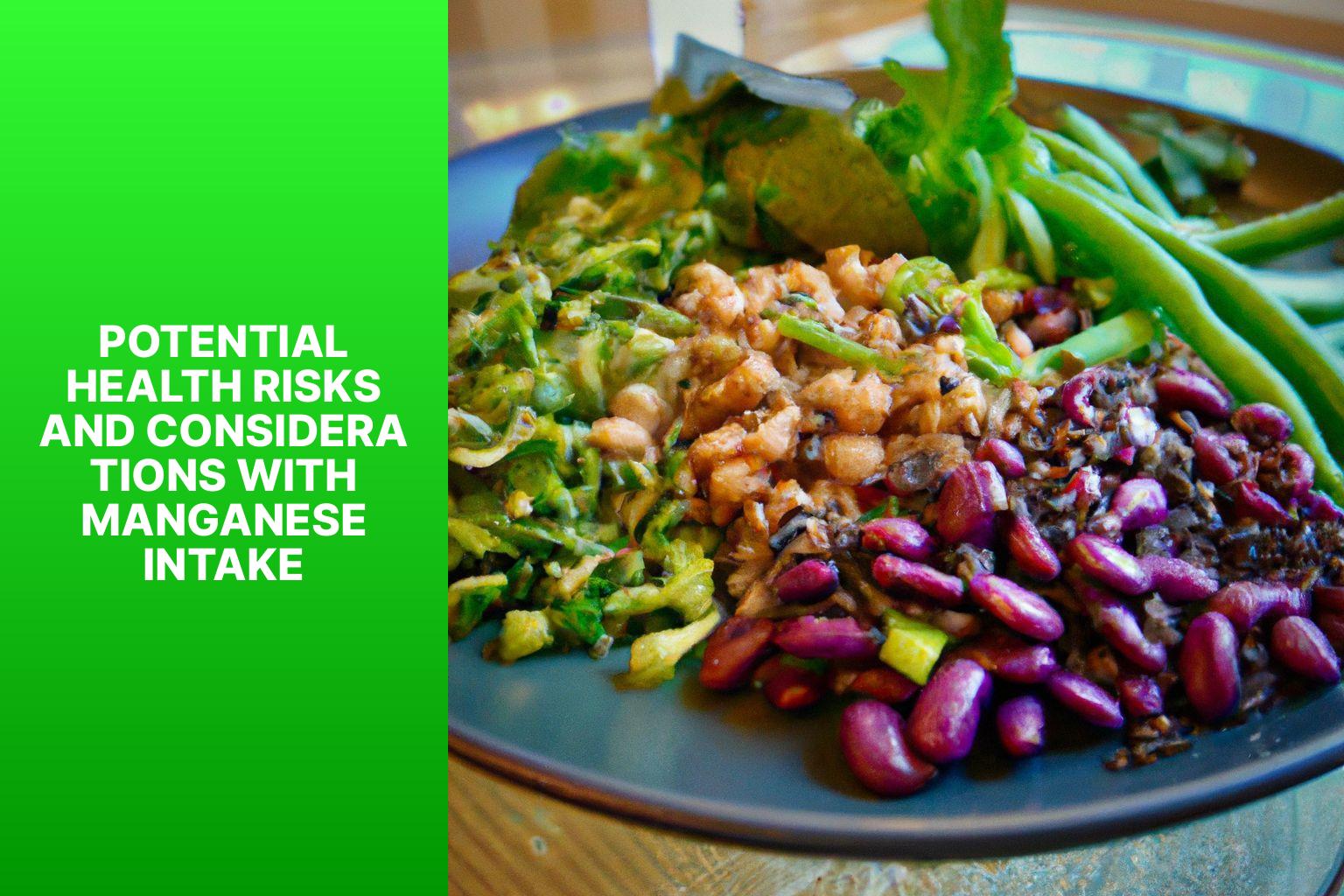
    Potential Health Risks and Considerations with Manganese Intake

    Potential Health Risks and Considerations with Manganese Intake - Dietary Sources of Manganese: Provide a list of foods rich in manganese and explain how to incorporate them into a balanced diet.

    Photo Credits: Diabetescompass.Com by Jason Torres

    When it comes to manganese intake, it’s crucial to be aware of the potential health risks and considerations. In this section, we’ll dive into the consequences of manganese deficiency, the p