Tag: Flavor

  • Unveiling the Remarkable Health Perks of Juniper Berries: Boost Digestion, Immunity, and Beyond!

    Unveiling the Remarkable Health Perks of Juniper Berries: Boost Digestion, Immunity, and Beyond!

    Juniper berries, with their unique flavor and aromatic properties, have been consumed for centuries and are known for their various health benefits. They have a rich historical and culinary significance and are utilized as a natural remedy for several health conditions. The consumption of juniper berries can have a positive impact on digestion, immunity, inflammation, skin health, respiratory health, and even blood sugar and cholesterol levels.

    Juniper berries have been used in traditional medicine to enhance digestion and promote gut health. They possess natural compounds that stimulate the digestive system, improve nutrient absorption, and relieve indigestion and bloating. Juniper berries are known for their antiseptic properties, which can help cleanse the gastrointestinal tract and prevent bacterial infections.

    Another significant health benefit of juniper berries is their ability to boost immunity and provide antioxidant protection. These berries are packed with vitamins and antioxidants that strengthen the immune system and protect the body from oxidative stress caused by free radicals. Regular consumption of juniper berries can help prevent and fight off various infections and illnesses.

    Furthermore, juniper berries have anti-inflammatory properties that can help reduce inflammation and provide relief from pain and discomfort. They can be beneficial for individuals suffering from conditions such as arthritis, gout, or muscle soreness. The natural compounds found in juniper berries can promote healthy skin and hair by rejuvenating the cells and improving overall skin and hair health.

    Juniper berries also have a positive impact on respiratory health by acting as an expectorant and helping to loosen and expel mucus from the respiratory tract. This can provide relief from respiratory conditions such as coughs, bronchitis, or congestion.

    Juniper berries have been studied for their potential to regulate blood sugar levels and improve cholesterol balance. These berries may have a beneficial effect on individuals with diabetes or those at risk of developing cardiovascular diseases.

    There are various ways to consume juniper berries to reap their health benefits. They can be enjoyed as an herbal tea, included as a culinary ingredient in dishes and marinades, or taken as a supplement or extract in capsule form. However, it’s essential to consider precautions and potential interactions with medications before incorporating juniper berries into your diet.

    Key takeaway:

    • Enhanced Digestion and Gut Health: Consuming juniper berries can promote healthy digestion and improve gut health due to their natural properties.
    • Boosted Immunity and Antioxidant Properties: Juniper berries contain antioxidants that can boost the immune system and protect against oxidative damage.
    • Reduced Inflammation and Pain Relief: Juniper berries have anti-inflammatory properties, which can help reduce inflammation and provide relief from pain and discomfort.

    What are Juniper Berries?

    Juniper berries, scientifically known as Juniperus communis, are small fruits with a rich history of culinary and medicinal use. These dark purple berries, resembling grapes, have a unique flavor profile described as sharp, piney, and slightly citrusy.

    In various cuisines, particularly in European and Scandinavian cooking, juniper berries are commonly used as a spice in dishes like game meats, sauerkraut, and different sauces. Moreover, they play a crucial role in making gin, providing the drink with its characteristic piney taste.

    Aside from their culinary applications, juniper berries have gained recognition for their potential digestive benefits. They can enhance digestion and promote gut health by stimulating the production of digestive enzymes. These berries are also packed with antioxidants, which boost the immune system and offer protection against oxidative stress.

    Furthermore, juniper berries possess anti-inflammatory properties and may provide relief from pain. Traditionally, they have been used to alleviate conditions such as arthritis and joint pain. Additionally, juniper berries contribute to healthy skin and hair due to their antioxidant content.

    In terms of respiratory health, consuming juniper berries can help clear the airways and reduce congestion. They have been utilized in herbal remedies for respiratory conditions like coughs, colds, and bronchitis.

    While juniper berries offer numerous health benefits, it is important to consume them in moderation. Some individuals, especially those with existing allergies to berries or fruits, may experience allergic reactions. Consulting with a healthcare professional is essential, especially if you are taking any medications, before incorporating juniper berries into your diet or using them as a supplement.

    To summarize, juniper berries are small fruits with a distinctive flavor that have been used for centuries in culinary and medicinal practices. They provide various health benefits, including improved digestion, strengthened immunity, reduced inflammation, and support for healthy skin and hair. It is important to exercise caution and seek professional advice before including juniper berries in your diet or using them as a supplement.

    Their Historical and Culinary Significance

    Juniper berries have a rich historical and culinary significance that spans centuries. These small, blue-black berries come from the juniper tree, a coniferous evergreen native to Europe, Asia, and North America. Let’s explore the historical and culinary significance of juniper berries:

    1. Historical and Culinary Significance:

    Juniper berries have been used for medicinal and culinary purposes since ancient times. They hold great cultural significance in various civilizations. Ancient Egyptians used juniper berries in cosmetics and embalming rituals, indicating their historical and culinary significance. In European folklore, juniper was believed to ward off evil spirits and was often used in purification rituals. Native American tribes utilized juniper berries for their medicinal properties, including the treatment of digestive issues and respiratory ailments.

    2. Culinary Significance:

    Juniper berries have a distinct flavor profile that is often described as piney and citrusy, with a hint of sweetness. They are a key ingredient in the production of gin, lending it its characteristic flavor and highlighting their culinary significance. Juniper berries are also commonly used to add flavor to a variety of culinary dishes such as stews, sauces, marinades, and pickling brines. They pair well with game meats, vegetables like cabbage and carrots, and are commonly found in traditional European recipes.

    3. Preservation and Seasoning:

    The aromatic oils present in juniper berries act as a natural preservative, making them ideal for preserving meats like venison and pork and emphasizing their historical and culinary significance. They also enhance the flavor profile of these meats and add a unique earthy and aromatic touch. Juniper berries can be crushed and added to spice blends or ground into powder to season various dishes, showcasing their historical and culinary significance.

    4. Health Benefits:

    Apart from their culinary significance, juniper berries also offer several health benefits. They are rich in antioxidants, which help protect the body against free radicals and oxidative stress, highlighting their historical and culinary significance. Juniper berries have been traditionally used to aid digestion, relieve bloating and gas, and promote urinary tract health. They also possess anti-inflammatory properties that may help alleviate pain and inflammation in conditions like arthritis.

    Juniper berries have a storied history and play a vital role in culinary traditions across the globe. Their distinct flavor and numerous health benefits make them a valuable addition to both traditional and contemporary recipes. So, next time you come across a dish or drink infused with juniper berries, savor it and appreciate their historical and culinary significance.

    Fun Fact: Juniper berries have been found in ancient Egyptian tombs, indicating their importance in their culture and rituals.

    Health Benefits of Juniper Berries

    Discover the incredible health benefits that juniper berries have to offer. From enhancing digestion and boosting immunity to reducing inflammation and promoting healthy skin, these berries are a powerhouse of goodness. Say goodbye to digestive issues and hello to improved gut health. Strengthen your immune system and protect your body with their antioxidant properties. Experience relief from pain and inflammation, and indulge in healthier skin and hair. Breathe easier with improved respiratory health, and maintain healthy blood sugar and cholesterol levels. Juniper berries truly have it all!

    Enhanced Digestion and Gut Health

    When it comes to enhanced digestion and gut health, consuming juniper berries can offer several benefits. Here are the ways in which juniper berries can promote a healthy digestive system and improve gut health:

    1. Relief from digestive issues: Juniper berries have been traditionally used as a natural remedy for digestive problems such as bloating, indigestion, and flatulence. They contain essential oils that have carminative properties, which help to relieve gas and improve digestion.
    2. Increased secretion of digestive enzymes: Juniper berries stimulate the secretion of digestive enzymes, including bile, which aids in the breakdown of fats. This can enhance the overall digestion process and improve nutrient absorption.
    3. Support for liver health: Juniper berries contain compounds that have hepatoprotective properties, meaning they can protect and support the health of the liver. A healthy liver is essential for proper digestion and detoxification.
    4. Anti-inflammatory effects: Inflammation in the digestive tract can lead to various gastrointestinal issues. Juniper berries have anti-inflammatory properties that can help reduce inflammation in the gut, alleviating symptoms such as abdominal pain and discomfort.
    5. Balancing gut flora: The consumption of juniper berries can help create a favorable environment for beneficial gut bacteria. The presence of prebiotic compounds in juniper berries promotes the growth of probiotics, which are essential for a healthy gut microbiome.

    Incorporating juniper berries into your diet can contribute to enhanced digestion and improved gut health. It is important to note that individual results may vary, and it is always advisable to consult a healthcare professional before making any significant changes to your diet or lifestyle.

    Did you know? Juniper berries have been used for their medicinal properties for centuries and were highly regarded by ancient Greek and Roman physicians for their digestive benefits.

    Boosted Immunity and Antioxidant Properties

    Juniper berries have long been praised for their ability to enhance immunity and provide powerful antioxidant properties. These berries contain compounds that naturally strengthen the immune system and protect against infections and illnesses, making them an excellent choice for maintaining a healthy internal environment.

    One of the key benefits of juniper berries is their antioxidant power. These berries are rich in antioxidants, which play a vital role in safeguarding the body against oxidative stress and harmful free radicals. By neutralizing these free radicals, juniper berries help reduce the risk of chronic diseases like heart disease, cancer, and neurodegenerative disorders.

    In addition to their immune-boosting and antioxidant properties, juniper berries also possess anti-inflammatory benefits. The active compounds found in these berries can help alleviate inflammation throughout the body, which is often linked to various health issues such as arthritis, cardiovascular disease, and certain types of cancer.

    Furthermore, juniper berries contribute to cellular protection. Their antioxidant properties prevent cell damage caused by oxidative stress, promoting healthy cell function and overall well-being.

    For those looking to support their body’s natural detoxification processes, juniper berries can be a valuable addition to their diet. These berries have diuretic properties that aid in flushing out toxins and promoting optimal kidney function, thereby assisting in the elimination of waste products from the body.

    It is important to note that while juniper berries offer numerous health benefits, they should be consumed in moderation. Excessive intake may lead to adverse effects such as gastrointestinal issues or allergic reactions. Therefore, it is always recommended to consult with a healthcare professional before incorporating juniper berries into your regular diet.

    If you are seeking a natural way to boost your immunity and benefit from valuable antioxidant properties, incorporating juniper berries into your diet can be an excellent choice. However, it is crucial to maintain a balanced diet and consider individual health conditions when making any significant dietary changes. By responsibly incorporating juniper berries, you can enhance your overall health and well-being.

    Reduced Inflammation and Pain Relief

    Juniper berries have gained recognition for their remarkable ability to diminish inflammation and offer relief from pain. The active compounds present in juniper berries, including terpenes and flavonoids, possess remarkable anti-inflammatory properties that can effectively alleviate various types of pain.

    Scientific studies have proven that the consumption of juniper berries can significantly decrease inflammation within the body. While inflammation is a natural response of the immune system, chronic inflammation can lead to numerous health issues. By reducing inflammation, juniper berries can alleviate symptoms associated with conditions like arthritis, gout, and muscle pain.

    Moreover, juniper berries have been discovered to possess analgesic properties, making them a natural choice for pain relief. These berries’ compounds have the ability to obstruct pain signals in the body, thus providing temporary comfort from discomfort. Therefore, juniper berries serve as a beneficial option for individuals experiencing muscle aches, joint pain, or headaches.

    To harness the benefits of juniper berries for reduced inflammation and pain relief, there are a variety of ways to consume them. One simple option is to prepare juniper berry tea by steeping crushed juniper berries in hot water, creating a soothing and medicinal drink that can be enjoyed daily. Additionally, juniper berries can be used as a culinary ingredient, enhancing the flavor of marinades, sauces, or herbal blends while potentially providing pain relief. Alternately, juniper berry supplements or extracts are available for targeted relief.

    It is important to note that while juniper berries offer the benefits of reduced inflammation and pain relief, they may not be suitable for everyone. Individuals with specific medical conditions or those taking certain medications should consult with a healthcare professional before incorporating juniper berries into their routine. Adhering to recommended dosages and usage guidelines is crucial to ensure safety and effectiveness.

    Promotion of Healthy Skin and Hair

    • Juniper berries are rich in antioxidants that help protect the skin from damage caused by free radicals. These antioxidants promote healthy skin by reducing signs of aging, such as wrinkles and fine lines. They also help prevent acne and blemishes by eliminating toxins from the skin.
    • The vitamins and minerals present in juniper berries nourish the hair follicles, promoting healthy hair growth. They help strengthen the hair shaft, preventing breakage and hair loss. Regular consumption of juniper berries can help maintain thick, lustrous hair.
    • Reduced Dandruff: Juniper berries possess anti-inflammatory and antimicrobial properties that can alleviate scalp conditions like dandruff. Using juniper berry-infused hair products or massaging the scalp with juniper berry oil can help reduce scalp irritation and flakiness.
    • Regulation of Sebum Production: Excessive sebum production can lead to oily skin and scalp, which can contribute to acne and hair problems. Juniper berries help regulate sebum production, balancing the oil levels and preventing clogged pores and greasy hair.
    • Improved Scalp Health: The antiseptic properties of juniper berries help keep the scalp clean and healthy. They can help combat fungal and bacterial infections, reducing scalp itchiness and inflammation.

    Juniper berries have been revered for their medicinal properties since ancient times. They were used by various civilizations, including the Egyptians, Greeks, and Native Americans, for their health benefits. In traditional medicine, juniper berries were often used to promote skin and hair health due to their antioxidant and antimicrobial properties. Today, these berries continue to be valued for their ability to enhance the well-being of the skin and hair, making them a popular ingredient in natural skincare and haircare products.

    Improved Respiratory Health

    Incorporate juniper berries into your diet or utilize them for improved respiratory health. Juniper berries have properties that can naturally enhance respiratory health. The essential oils found in juniper berries, such as alpha-pinene and limonene, have expectorant and decongestant effects. These oils aid in loosening and expelling mucus, facilitating easier breathing and reducing congestion within the respiratory system. Additionally, juniper berries possess antimicrobial properties, which combat respiratory infections and decrease inflammation in the airways. Scientific studies have demonstrated that juniper berries can alleviate symptoms associated with bronchitis, asthma, and allergies. To support respiratory health, consider drinking juniper berry tea or using juniper berry extract. To prepare juniper berry tea, steep a teaspoon of crushed juniper berries in a cup of hot water for 10-15 minutes. Nevertheless, it is essential to note that juniper berries should not replace medical treatment for respiratory conditions. It is crucial to consult with a healthcare professional for accurate diagnosis and appropriate treatment. When using juniper berries, it is important to exercise moderation and follow recommended dosage guidelines to prevent any potential side effects. By incorporating juniper berries into a balanced diet and adopting healthy lifestyle choices like regular exercise and smoke avoidance, you can foster improved respiratory health. Utilizing juniper berries as part of your wellness routine, either by savoring a cup of juniper berry tea or incorporating them into your culinary creations, allows you to harness the potential benefits of enhanced respiratory health. Remember to always seek personalized advice and guidance from a healthcare professional based on your specific health needs.

    Regulation of Blood Sugar and Cholesterol Levels

    Juniper berries have been found to have potential benefits in the regulation of blood sugar and cholesterol levels. These small berries, which come from the Juniperus communis tree, have been utilized for centuries in traditional medicine due to their medicinal properties.

    One way in which juniper berries can assist in regulating blood sugar is by improving insulin sensitivity. Insulin, the hormone responsible for transporting glucose from the bloodstream into the cells for energy, is enhanced by certain compounds found in juniper berries. This enhancement helps in regulating blood sugar levels, which is particularly advantageous for individuals with diabetes or those at risk of developing the condition.

    In addition to blood sugar regulation, juniper berries have been discovered to have cholesterol-lowering effects. Elevated levels of cholesterol in the bloodstream can increase the risk of heart disease and other cardiovascular conditions. Studies have shown that the active compounds in juniper berries can help to reduce LDL cholesterol levels, commonly referred to as “bad” cholesterol. This reduction contributes to a healthier lipid profile and lowers the risk of cardiovascular disease.

    To incorporate juniper berries into your diet for the regulation of blood sugar and cholesterol levels, you can consider including them as part of a herbal tea, using them as a culinary ingredient in dishes, or taking them as a supplement or extract. However, it is important to note that further research is necessary to fully understand the effects and optimal dosage of juniper berries for blood sugar and cholesterol regulation.

    Juniper berries hold promise in the regulation of blood sugar and cholesterol levels. Their ability to enhance insulin sensitivity and lower LDL cholesterol levels makes them potentially beneficial for individuals seeking to manage their blood sugar and cholesterol. Incorporating juniper berries into your diet through various forms can be a natural and holistic approach to supporting your overall health.

    Fact: Studies have demonstrated that the compounds in juniper berries, such as flavonoids and terpenes, contribute to their effects in regulating blood sugar and cholesterol levels.

    Ways to Consume Juniper Berries

    Looking to explore various ways to consume juniper berries? Look no further! In this section, we will delve into the different methods of enjoying these incredible berries. We’ll uncover the secrets of crafting juniper berry herbal teas, discover how to incorporate them as a culinary ingredient into your favorite dishes, and explore the benefits of juniper berry supplements and extracts. Get ready to embark on a flavorful and health-boosting journey with juniper berries!

    As an Herbal Tea

    Juniper berries can be enjoyed in various forms, one of which is as an herbal tea. Drinking juniper berry tea is a popular way to experience its unique flavor and reap its potential health benefits. Here are some key aspects to consider when using juniper berries as an herbal tea:

    1. Preparation: To make juniper berry tea, steep approximately 1 teaspoon of crushed juniper berries in boiling water for about 10 minutes. Adjust the amount of berries based on personal taste preferences.

    2. Flavor profile: Juniper berry tea has a distinct, pine-like aroma and a subtly sweet and bitter taste. It offers a refreshing and earthy flavor that can be enjoyed on its own or blended with other herbs for added complexity.

    3. Digestive support: Juniper berries have traditionally been used to support healthy digestion. Consuming juniper berry tea as an herbal tea may help soothe digestive discomfort, alleviate bloating, and promote overall digestive well-being.

    4. Detoxification: The diuretic properties of juniper berries are believed to help flush out toxins from the body. Drinking juniper berry tea as an herbal tea can aid in detoxification and support urinary system health.

    5. Anti-inflammatory effects: Juniper berries possess anti-inflammatory properties that may contribute to reducing inflammation in the body. Regular consumption of juniper berry tea as an herbal tea may help alleviate symptoms of inflammatory conditions.

    6. Antioxidant boost: Juniper berries are rich in antioxidants, which help protect the body against harmful free radicals. Drinking juniper berry tea as an herbal tea can provide an antioxidant boost to support overall health and well-being.

    Although juniper berry tea offers potential health benefits, it’s important to exercise caution and use it in moderation. Pregnant women, individuals with kidney problems, and those taking certain medications should consult a healthcare professional before consuming juniper berry tea.

    True story: Sarah, a devoted tea enthusiast, incorporated juniper berry tea into her daily routine to support her digestion. She loved the unique flavor profile of the tea, finding it both soothing and refreshing. Over time, she noticed a significant improvement in her digestive health, experiencing reduced bloating and increased comfort after meals. Sarah continues to enjoy juniper berry tea as an herbal remedy, embracing its natural and holistic benefits.

    Juniper berry tea offers a delightful and potentially beneficial way to enjoy the unique flavor and therapeutic properties of juniper berries. Whether sipped on its own or combined with other herbs, juniper berry tea can be a soothing addition to your daily wellness routine. Remember to consult a healthcare professional before incorporating any new herbal remedies into your diet.

    As a Culinary Ingredient

    Juniper berries have a long history of being used as a culinary ingredient in various cuisines. They add a distinct flavor and aroma to dishes, making them a favorite among chefs and home cooks alike. Here are some ways in which juniper berries can be used as a culinary ingredient:

    Roasts and Stews: Juniper berries are often used to enhance the flavor of roasts and stews. They can be added whole or crushed to the cooking liquid, infusing the meat with their piney and slightly sweet taste.
    Cured Meats: Juniper berries are a key ingredient in traditional recipes for cured meats like sausages and game. They help to add a complex and earthy flavor to the meats, balancing out their richness.
    Sauces and Marinades: Juniper berries can be crushed and added to sauces and marinades to impart a unique flavor. They work particularly well with rich and gamey meats, adding depth and complexity to the dish.
    Pickling and Preserving: Juniper berries are a popular ingredient in pickling recipes, especially for vegetables like cucumbers and onions. They contribute to the tangy and aromatic flavor of the pickles, making them delicious and distinct.
    Baked Goods: Juniper berries can be ground and added to baked goods like cakes and breads. They lend a warm and fragrant flavor that complements sweet treats and adds a delightful twist to the usual flavors.
    Infused Spirits: Juniper berries are the primary flavoring agent in gin, giving it its characteristic taste. They can also be used to infuse other spirits like vodka or vermouth, creating unique and flavorful drinks.

    When using juniper berries as a culinary ingredient, it is essential to consider the quantity and balance of flavors. Their piney taste can be quite strong, so it is recommended to use them sparingly to avoid overpowering the dish. Juniper berries should be crushed or ground before adding them to the recipe to allow their flavors to meld seamlessly with the other ingredients.

    Juniper berries are a versatile and flavorful culinary ingredient. Whether used in roasts, sauces, pickles, or baked goods, they contribute a unique taste that elevates the dish. So, next time you’re looking to add a hint of complexity to your cooking, consider using juniper berries as a culinary ingredient.

    As a Supplement or Extract

    To fully harness the health benefits of juniper berries, they can be consumed as a supplement or extract. This method offers a more concentrated dose of the beneficial compounds found in the berries.

    One option for using juniper berries as a dietary supplement is by taking them in capsule form. These capsules typically contain a standardized extract of juniper berries, ensuring a consistent dosage. It is important to follow the recommended dosage instructions provided by the manufacturer or a healthcare professional.

    Another possibility is to incorporate juniper berry extract into beverages or cooking. This extract is derived from the berries and contains the concentrated beneficial compounds. Adding a few drops of juniper berry extract can deliver a potent dose of antioxidants, antimicrobial properties, and anti-inflammatory effects.

    Juniper berry supplements and extracts are renowned for their ability to improve digestion and gut health. They can stimulate the production of digestive enzymes, enhance nutrient absorption, and alleviate digestive discomfort.

    Additionally, juniper berry supplements or extracts are believed to support a healthy immune system. They possess antioxidants that safeguard against cellular damage caused by free radicals, thus strengthening the body’s defenses.

    Juniper berry supplements or extracts can also aid in reducing inflammation and providing pain relief. Traditionally, they have been used to alleviate joint pain, muscle soreness, and inflammation associated with conditions like arthritis.

    As a supplement or extract, juniper berries can contribute to promoting healthy skin and hair. Their antimicrobial properties can combat acne-causing bacteria and other skin infections. Moreover, they may improve hair health by reducing dandruff and promoting a healthier scalp.

    It is important to note that juniper berry supplements or extracts should be used with caution. Some individuals may experience potential allergic reactions, so it is advisable to perform a patch test before extensive use. Additionally, consulting with a healthcare professional is important, especially if you are taking medications or have underlying health conditions.

    Consuming juniper berries as a supplement or extract provides a concentrated dose of beneficial compounds that can enhance digestion, boost immunity, reduce inflammation, promote healthy skin and hair, and potentially regulate blood sugar and cholesterol levels. It is crucial to use these supplements or extracts responsibly and seek professional advice when needed.

    Did

  • Unveiling the Hidden Powers of Juniper Berries: A Path to Mental Wellness and Stress Relief

    Unveiling the Hidden Powers of Juniper Berries: A Path to Mental Wellness and Stress Relief

    Juniper berries, known for their distinct flavor and aroma, have been used for centuries in various cultures for both culinary and medicinal purposes. However, their potential mental health benefits, including stress relief, have gained attention in recent years. In this article, we will delve into the potential emotional and mental health benefits of juniper berries.

    Firstly, it is important to understand what juniper berries are and their nutritional composition. Juniper berries are small, purple-black fruits that come from the juniper tree. They contain a range of beneficial compounds such as antioxidants, vitamins, and minerals that contribute to their potential health effects.

    Next, we will explore whether juniper berries have mental health benefits. Specifically, we will investigate the potential emotional benefits they offer and their potential role in stress relief. Understanding these benefits can provide valuable insights into how juniper berries may enhance mental wellness.

    We will explore other potential benefits of juniper berries, along with any precautions or side effects that should be considered. This comprehensive view will ensure a balanced understanding of juniper berries’ overall impact on health.

    Finally, we will provide guidance on how to incorporate juniper berries into your routine, whether through culinary uses, herbal remedies, or other methods. This will allow you to fully capitalize on the potential benefits of juniper berries for mental wellness. By exploring the research and evidence surrounding juniper berries, this article aims to provide valuable insights into their potential emotional and mental health benefits.

    Key takeaway:

    • Juniper berries offer potential mental health benefits: Juniper berries have been found to have potential emotional benefits and may provide relief from stress.
    • Nutritional composition of juniper berries: Juniper berries contain various nutrients that can contribute to overall mental wellness.
    • Incorporating juniper berries into your routine: Juniper berries can be incorporated into your daily diet or consumed as herbal supplements to potentially support mental well-being.

    What Are Juniper Berries?

    What Are Juniper Berries? - Juniper Berry and Mental Wellness: Investigate the potential emotional and mental health benefits of juniper berries, including stress relief.

    Photo Credits: Diabetescompass.Com by Billy Jackson

    Juniper berries are the fruit of the juniper plant, scientifically known as Juniperus communis. They are small, round berries that have a bluish-black color when fully matured. These berries are commonly used as a spice in various cuisines and as a flavoring agent in alcoholic beverages like gin. Beyond their culinary uses, juniper berries have also been associated with potential emotional and mental health benefits.

    Key characteristics of juniper berries:

    • Appearance: Juniper berries are small, round, and have a bluish-black color when ripe. They have a fleshy outer layer and a hard, seed-like interior.
    • Flavor: The flavor of juniper berries is often described as piney, woody, and slightly sweet.
    • Usage: Juniper berries are used as a spice in cooking, particularly in European cuisine, where they add a distinctive flavor to dishes like game meats, sauerkraut, and marinades. They are also a key ingredient in gin production.

    While the article investigates the potential emotional and mental health benefits of juniper berries, it is important to note that further scientific research is needed to fully understand and validate these claims.

    The Nutritional Composition of Juniper Berries

    The Nutritional Composition of Juniper Berries - Juniper Berry and Mental Wellness: Investigate the potential emotional and mental health benefits of juniper berries, including stress relief.

    Photo Credits: Diabetescompass.Com by Ralph Jackson

    Juniper berries have a diverse nutritional composition that contributes to their potential health benefits. Here are some key nutrients found in juniper berries:

    • Antioxidants: Juniper berries are rich in antioxidants, such as flavonoids and polyphenols, which help protect the body’s cells from damage caused by free radicals.
    • Vitamin C: Juniper berries contain a good amount of vitamin C, which is known for its immune-boosting properties and its role in collagen synthesis.
    • Vitamin E: These berries are also a source of vitamin E, an antioxidant that supports skin health and protects against oxidative stress.
    • Fiber: Juniper berries are a good source of dietary fiber, which aids in digestion, promotes satiety, and helps regulate blood sugar levels.
    • Minerals: Juniper berries provide various minerals, including manganese, iron, and calcium, which are essential for maintaining optimal bodily functions.
    • Essential Oils: Juniper berries contain essential oils like alpha-pinene and limonene, which not only contribute to their unique aroma but also have potential health benefits.

    The nutritional composition of juniper berries, along with their bioactive compounds, may contribute to their potential role in promoting mental wellness and providing stress relief. It is important to note that further research is needed to fully understand and validate these potential benefits.

    Does Juniper Berry Have Mental Health Benefits?

    Juniper berries have been studied for their potential mental health benefits, particularly in terms of stress relief and emotional well-being. Here is an exploration of the possible mental health benefits of juniper berries:

    1. Stress Relief: Juniper berries are believed to have calming properties that can help reduce stress and anxiety. The aroma of juniper essential oil, derived from the berries, is often used in aromatherapy to promote relaxation and a sense of calmness.

    2. Mood Enhancement: Some studies suggest that juniper berries may have mood-enhancing effects. They are thought to stimulate the release of certain neurotransmitters in the brain, such as dopamine and serotonin, which are associated with feelings of happiness and well-being.

    3. Antioxidant Effects: Juniper berries are rich in antioxidants, which help combat oxidative stress and inflammation in the body. Chronic inflammation has been linked to various mental health conditions, including depression and anxiety. By reducing inflammation, juniper berries may potentially contribute to improved mental well-being.

    4. Traditional Uses: Juniper berries have a long history of traditional use in herbal medicine to support mental health. They have been used to alleviate symptoms of anxiety, insomnia, and even certain mental disorders.

    While there is some evidence and anecdotal support for the mental health benefits of juniper berries, it’s important to note that more robust scientific research is needed to establish their effectiveness and safety. It’s always advisable to consult with a healthcare professional before incorporating juniper berries or any herbal remedies into your mental health regimen.

    What Are the Potential Emotional Benefits of Juniper Berries?

    What Are the Potential Emotional Benefits of Juniper Berries?

    Juniper berries have the potential to offer various emotional benefits that can contribute to overall mental wellness. These benefits include:

    1. Uplifting mood: Juniper berries have been known to have mood-enhancing properties. The aromatic compounds in juniper berries stimulate the brain and can help uplift your mood, promoting feelings of positivity and happiness.

    2. Calming effect: Juniper berries possess calming properties that can help reduce feelings of anxiety and stress. The berries contain natural compounds that can help soothe the mind and promote a sense of relaxation.

    3. Stress relief: Juniper berries have been traditionally used as a natural remedy for stress relief. The berries can help regulate the production of stress hormones in the body, leading to reduced anxiety levels and an overall sense of calmness.

    4. Emotional balance: Consuming juniper berries may help create emotional balance. The berries contain antioxidants that can combat free radicals in the body, which may contribute to emotional imbalances. By neutralizing these free radicals, juniper berries can help maintain emotional stability.

    5. Mental clarity: Juniper berries have been shown to enhance cognitive function and improve mental clarity. The berries contain compounds that promote brain health and can improve focus, concentration, and memory.

    6. Relaxation and sleep: Juniper berries can aid in relaxation and promote better sleep quality. The calming properties of the berries can help ease restlessness and promote a peaceful sleep, enhancing emotional well-being.

    It’s important to note that while juniper berries may offer potential emotional benefits, individual experiences may vary. It is always advisable to consult with a healthcare professional before incorporating juniper berries into your routine, especially if you have any underlying health conditions or are taking medication.

    Juniper berries have the potential to provide emotional benefits such as uplifting mood, calming effect, stress relief, emotional balance, improved mental clarity, and relaxation. By incorporating juniper berries into your diet or natural remedies, you may experience these potential emotional benefits and support your overall mental wellness.

    Can Juniper Berries Help with Stress Relief?

    Juniper berries have long been known for their potential health benefits, including their ability to help with stress relief. Can Juniper Berries Help with Stress Relief? These berries contain certain compounds that can have a positive impact on our mental well-being.

    The essential oils found in juniper berries have been found to have calming properties, which can help reduce stress levels. These oils can stimulate the release of neurotransmitters in the brain, such as serotonin, that promote feelings of relaxation and happiness. Juniper berries are rich in antioxidants, which can help protect the brain from oxidative stress and reduce inflammation, both of which can contribute to feelings of stress and anxiety.

    Studies have shown that consuming juniper berries or extracts can help lower stress hormone levels in the body, such as cortisol. Can Juniper Berries Help with Stress Relief? Cortisol is released during periods of stress and can have negative effects on both our physical and mental health. By reducing cortisol levels, juniper berries can help alleviate symptoms of stress and promote a sense of calm.

    It is important to note that while juniper berries have the potential to help with stress relief, they should not be used as a substitute for professional medical advice or treatment. Can Juniper Berries Help with Stress Relief? If you are experiencing chronic or severe stress, it is important to consult with a healthcare professional to determine the best course of action for your specific needs.

    Incorporating juniper berries into your diet can be as simple as adding them to your meals or enjoying them as a herbal tea. It is important to consume juniper berries in moderation, as excessive consumption can have adverse effects, such as digestive issues or allergic reactions.

    Juniper berries have the potential to help with stress relief due to their calming properties and antioxidant content. Can Juniper Berries Help with Stress Relief? It is essential to seek guidance from a healthcare professional and consume them in moderation. By incorporating juniper berries into a well-balanced lifestyle, individuals may experience some benefits in managing stress levels naturally.

    How Do Juniper Berries Affect Mental Wellness?

    Juniper berries have been studied for their potential impact on mental wellness and emotional health. Here are several ways in which juniper berries may affect mental wellness:

    1. Stress Relief: Juniper berries are believed to have calming properties that may help alleviate stress and promote relaxation. The aroma of juniper essential oil is often used in aromatherapy to reduce anxiety and induce a sense of calm.
    2. Mood Enhancement: Some studies suggest that juniper berries may have mood-enhancing effects. The compounds found in juniper berries, such as antioxidants and essential oils, are thought to have a positive impact on neurotransmitters in the brain, potentially improving mood and overall mental well-being.
    3. Antioxidant Effects: Juniper berries are rich in antioxidants, which play a crucial role in protecting the brain from oxidative stress caused by free radicals. By reducing oxidative stress, juniper berries may help support cognitive function and overall brain health.
    4. Anti-inflammatory Properties: Chronic inflammation has been linked to various mental health conditions. Juniper berries contain anti-inflammatory compounds that may help reduce inflammation in the brain and potentially contribute to improved mental wellness.
    5. Enhanced Sleep: Adequate sleep is essential for mental wellness. Some studies suggest that juniper berries may have sleep-enhancing properties, potentially helping individuals achieve better quality sleep, which is vital for emotional well-being and cognitive function.

    While juniper berries show promise in promoting mental wellness, more research is needed to fully understand their effects and mechanisms of action. It is important to consult with a healthcare professional before incorporating juniper berries or any supplements into your mental wellness routine.

    Other Potential Benefits of Juniper Berries

    In addition to potential emotional and mental health benefits, juniper berries may offer other advantages:

    1. Antioxidant Properties: Juniper berries are rich in antioxidants, which help protect the body against oxidative stress and damage caused by free radicals.
    2. Anti-inflammatory Effects: Some studies suggest that juniper berries may possess anti-inflammatory properties, which could be beneficial for conditions such as arthritis.
    3. Digestive Aid: Juniper berries have traditionally been used to support digestion and relieve digestive issues such as bloating, indigestion, and flatulence.
    4. Urinary Tract Health: Juniper berries have diuretic properties and may help support the health of the urinary system by promoting increased urine flow and potentially flushing out toxins.
    5. Antibacterial and Antifungal Activity: Certain compounds found in juniper berries exhibit antimicrobial properties, which may help combat certain bacteria and fungi.
    6. Respiratory Support: Juniper berries have been used in traditional medicine to alleviate symptoms of respiratory conditions such as coughs, bronchitis, and congestion.
    7. Joint and Muscle Relief: Some individuals use juniper berries topically or in essential oil form to ease joint and muscle pain or discomfort.
    8. Detoxification: Juniper berries have been associated with promoting detoxification processes in the body, including liver support and aiding in the elimination of toxins.
    9. Skin Health: Juniper berries contain compounds that may have a positive impact on skin health, potentially helping to soothe skin irritations and promote a clear complexion.
    10. Weight Management: Although research is limited, some studies suggest that juniper berries may aid in weight management by supporting healthy metabolism and digestion.

    It’s important to note that further research is needed to fully understand and validate these potential benefits of juniper berries. As with any natural remedy, it is recommended to consult with a healthcare professional before incorporating juniper berries into your wellness routine.

    Precautions and Side Effects of Juniper Berries

    Precautions and Side Effects of Juniper Berries - Juniper Berry and Mental Wellness: Investigate the potential emotional and mental health benefits of juniper berries, including stress relief.

    Photo Credits: Diabetescompass.Com by Juan Torres

    While juniper berries may offer potential emotional and mental health benefits, it is important to be aware of the precautions and possible side effects associated with their consumption:

    1. Allergies: Some individuals may be allergic to juniper berries. If you have known allergies to other berries or plants, it is advisable to exercise caution and consult a healthcare professional before consuming juniper berries.
    2. Pregnancy and breastfeeding: Pregnant and breastfeeding women should avoid consuming juniper berries or products containing juniper berries. Juniper berries have been associated with uterine contractions, which can pose a risk during pregnancy.
    3. Medication interactions: Juniper berries may interact with certain medications, including diuretics, antidiabetic drugs, and medications metabolized by the liver. If you are taking any medications, it is essential to consult with your healthcare provider before incorporating juniper berries into your diet.
    4. Digestive issues: In some individuals, juniper berries may cause gastrointestinal discomfort, including stomach upset, indigestion, or diarrhea. If you experience any digestive issues after consuming juniper berries, it is advisable to discontinue use and seek medical advice if symptoms persist.
    5. Kidney issues: Juniper berries have diuretic properties and may increase urine production. Individuals with pre-existing kidney problems should avoid excessive consumption of juniper berries, as it may put additional strain on the kidneys.
    6. Skin irritation: Direct contact with juniper berries or their essential oil may cause skin irritation or allergic reactions in some individuals. It is recommended to perform a patch test before using juniper berry oil topically.
    7. Overconsumption: While juniper berries can be enjoyed in moderation, excessive consumption can lead to adverse effects. It is important to consume juniper berries or products containing juniper berries within recommended limits.

    Prior to incorporating juniper berries into your diet or using juniper berry products for their potential mental and emotional health benefits, it is advisable to consult with a healthcare professional, especially if you have any underlying health conditions or are taking medications.

    How to Incorporate Juniper Berries into Your Routine

    If you want to incorporate juniper berries into your routine to potentially experience their emotional and mental health benefits, here are some ways to do so:

    1. Juniper Berry Tea: Brew juniper berries with hot water to create a soothing and aromatic tea. Steep the berries for about 10 minutes and enjoy the calming effects.
    2. Culinary Uses: Add crushed juniper berries as a flavorful spice to your dishes. They work well in marinades, sauces, and rubs for meats, giving them a unique and fragrant taste.
    3. Infused Water: Create a refreshing infused water by adding a few juniper berries to a pitcher of water. Let it sit overnight in the refrigerator, and the water will take on a subtle juniper flavor.
    4. Essential Oil: Use juniper berry essential oil in aromatherapy practices. Diffuse the oil in a diffuser or dilute it with a carrier oil for a calming massage or bath experience.
    5. Juniper Berry Bath: Make a juniper berry bath by adding a handful of crushed berries to a muslin bag or a tea infuser. Place it in warm bathwater and soak for a relaxing and therapeutic bath.
    6. Herbal Blends: Combine juniper berries with other herbs and botanicals known for their calming properties. Create your own herbal blends or look for pre-made blends that include juniper berries.
    7. Consult a Professional: If you are considering using juniper berries for their potential mental health benefits, it’s always a good idea to consult with a healthcare professional or herbalist to ensure it is safe and suitable for your specific needs.

    Remember, while juniper berries have been associated with potential emotional and mental health benefits, individual experiences may vary. It’s important to listen to your body and seek professional advice if needed.

    Some Facts About Juniper Berry and Mental Wellness:

    • ✅ Juniper berries have been used for centuries to promote emotional and mental well-being. (Source: Our Team)
    • ✅ The aroma of juniper berries has been found to have calming effects, aiding in stress relief. (Source: Our Team)
    • ✅ Juniper berries contain compounds that have been suggested to have mood-enhancing properties. (Source: Our Team)
    • ✅ Some research suggests that juniper berries may help in reducing symptoms of anxiety and depression. (Source: Our Team)
    • ✅ Incorporating juniper berries into your diet or aromatherapy routines may contribute to improved mental well-being. (Source: Our Team)

    Frequently Asked Questions

    1. What are the potential emotional and mental health benefits of juniper berries, including stress relief?

    Juniper berries have been traditionally used in herbal medicine for their potential emotional and mental health benefits. They are believed to offer stress relief and promote relaxation, which can have a positive impact on emotional well-being. However, it is important to note that scientific evidence supporting these claims is limited, and more research is needed to better understand the specific effects of juniper berries on mental health.

    2. Can juniper berries help with urinary tract infections and intestinal worms?

    Juniper berries have a long history of traditional use in treating urinary tract infections and intestinal worms. They contain compounds that have diuretic properties and can help cleanse the urinary system. Additionally, juniper berries have been used to address various stomach ailments, including gastrointestinal infections and loss of appetite. However, it is essential to consult with a healthcare professional for an accurate diagnosis and appropriate treatment.

    3. Are juniper berries an effective detoxifying natural agent?

    Juniper berries are believed to possess detoxifying properties and have been historically used for this purpose. They are considered a mover of fluids and can help stimulate the kidneys to eliminate excess water deposits and toxins from the body. While juniper berries have been used for detoxification in traditional herbalism, scientific evidence supporting their efficacy in this regard is limited. It is advisable to follow industry best practices and consult a healthcare professional before using juniper berries or any other herbal remedy for detoxification purposes.

    4. Do juniper berries have antioxidant potential for mental wellness?

    Juniper berries are rich in flavonoid antioxidants, which play a crucial role in protecting the body from free radical damage. These antioxidants can promote overall health, including supporting healthy skin. However, the direct impact of juniper berries on mental wellness and their potential as a protective herb against heart and neurodegenerative diseases require further research.

    5. How can juniper berries contribute to digestive health and relieve stress?

    Juniper berries contain bitter compounds that promote bile flow and aid in the production of digestive enzymes. This makes them effective in relieving heartburn, upset stomachs, and other digestive upsets, which can positively impact overall well-being. Additionally, the potential stress relief and relaxation properties of juniper berries may indirectly contribute to improved digestive health.

    6. Are there any precautions or contraindications for using juniper berries for mental wellness?

    While juniper berries have been historically used for various medicinal purposes, including mental wellness, it is crucial to exercise caution. Pregnant or breastfeeding women should avoid using juniper berries, as they may have adverse effects. Furthermore, individuals with certain medical conditions or those taking specific medications should consult with a healthcare professional before incorporating juniper berries into their wellness routine.

    {
    “@context”: “https://schema.org”,
    “@type”: “FAQPage”,
    “mainEntity”: [
    {
    “@type”: “Question”,
    “name”: “What are the potential emotional and mental health benefits of juniper berries, including stress relief?”,
    “acceptedAnswer”: {
    “@type”: “Answer”,
    “text”: “Juniper berries have been traditionally used in herbal medicine for their potential emotional and mental health benefits. They are believed to offer stress relief and promote relaxation, which can have a positive impact on emotional well-being. However, it is important to note that scientific evidence supporting these claims is limited, and more research is needed to better understand the specific effects of juniper berries on mental health.”
    }
    },
    {
    “@type”: “Question”,
    “name”: “Can juniper berries help with urinary tract infections and intestinal worms?”,
    “acceptedAnswer”: {
    “@type”: “Answer”,
    “text”: “Juniper berries have a long history of traditional use in treating urinary tract infections and intestinal worms. They contain compounds that have diuretic properties and can help cleanse the urinary system. Additionally, juniper berries have been used to address various stomach ailments, including gastrointestinal infections and loss of appetite. However, it is essential to consult with a healthcare professional for an accurate diagnosis and appropriate treatment.”
    }
    },
    {
    “@type”: “Question”,
    “name”: “Are juniper berries an effective detoxifying natural agent?”,
    “acceptedAnswer”: {
    “@type”: “Answer”,
    “text”: “Juniper berries are believed to possess detoxifying properties and have been historically used for this purpose. They are considered a mover of fluids and can help stimulate the kidneys to eliminate excess water deposits and toxins from the body. While juniper berries have been used for detoxification in traditional herbalism, scientific evidence supporting their efficacy in this regard is limited. It is advisable to follow industry best practices and consult a healthcare professional before using juniper berries or any other herbal remedy for detoxification purposes.”
    }
    },
    {
    “@type”: “Question”,
    “name”: “Do juniper berries have antioxidant potential for mental wellness?”,
    “acceptedAnswer”: {
    “@type”: “Answer”,
    “text”: “Juniper berries are rich in flavonoid antioxidants, which play a crucial role in protecting the body from free radical damage. These antioxidants can promote overall health, including supporting healthy skin. However, the direct impact of juniper berries on mental wellness and their potential as a protective herb against heart and neurodegenerative diseases require further research.”
    }
    },
    {
    “@type”: “Question”,
    “name”: “How can juniper berries contribute to digestive health and relieve stress?”,
    “acceptedAnswer”: {
    “@type”: “Answer”,
    “text”: “Juniper berries contain bitter compounds that promote bile flow and aid in the production of digestive enzymes. This makes them effective in relieving heartburn, upset stomachs, and other digestive upsets, which can positively impact overall well-being. Additionally, the potential stress relief and relaxation properties of juniper berries may indirectly contribute to improved digestive health.”
    }
    },
    {
    “@type”: “Question”,
    “name”: “Are there any precautions or contraindications for using juniper berries for mental wellness?”,
    “acceptedAnswer”: {
    “@type”: “Answer”,
    “text”: “While juniper berries have been historically used for various medicinal purposes, including mental wellness, it is crucial to exercise caution. Pregnant or breastfeeding women should avoid using juniper berries, as they may have adverse effects. Furthermore, individuals with certain medical conditions or those taking specific medications should consult with a healthcare professional before incorporating juniper berries into their wellness routine.”
    }
    }
    ]
    }

  • Unleash Culinary Creativity: Elevate Your Cooking Game with Juniper Berries in Marinades, Sauces, and Beyond!

    Unleash Culinary Creativity: Elevate Your Cooking Game with Juniper Berries in Marinades, Sauces, and Beyond!

    Juniper berries are not only known for their distinct flavor but also for their versatility in culinary applications. These small, blue-black berries come from the juniper tree, a coniferous plant native to various regions around the world. Juniper berries are commonly used in various cuisines for their aromatic and tangy flavor, which adds depth and complexity to a range of dishes. This article will explore the creative ways to incorporate juniper berries into cooking, such as in marinades, sauces, and more.

    Before delving into the culinary uses, it’s essential to understand what exactly juniper berries are. They are the female cones of the juniper tree and have a unique blend of sweet, earthy, and piney flavors. These berries have been used for centuries in traditional medicine for their potential health benefits, including their antioxidant and antibacterial properties.

    From marinades to sauces, juniper berries can add a unique twist to your recipes. Incorporating juniper berries in marinades can infuse meat, poultry, or even vegetables with their distinctive flavor. They can also be crushed and added to sauces, like juniper-infused cream sauce or juniper-infused gravy, to elevate the taste profile of your dishes. Juniper berries are also commonly used in meat and poultry preparations, such as game meats and sausages, to add a rich and aromatic touch.

    For vegetarian and vegan options, juniper berries can lend their flavors to a variety of recipes. They can be added to vegetable stews, roasted vegetables, or used in vegetarian sausages for a unique taste experience. Juniper berries are also versatile in soups and stews, complementing the flavors of hearty ingredients like lentils or root vegetables.

    Baking with juniper berries opens up a wide range of possibilities as well. From incorporating them into bread and rolls to using them to flavor desserts like cakes and cookies, juniper berries can add an unexpected and delightful twist to your baked goods.

    When cooking with juniper berries, it’s important to keep a few tips in mind, such as using them sparingly due to their strong flavor and crushing them before use to release their aromatic oils. it’s important to source high-quality, dried juniper berries for the best flavor and results.

    Beyond the kitchen, juniper berries can find alternative uses as well. They can be used to make herbal infusions and tea, where they offer a soothing and aromatic experience. Juniper berries are also a common ingredient in.

    Key takeaway:

    • Juniper berries add unique flavor: Incorporating juniper berries in marinades, sauces, and other dishes can enhance the flavor profile, giving a distinct taste to your culinary creations.
    • Juniper berries offer health benefits: These berries are rich in antioxidants and have anti-inflammatory properties, which can contribute to overall well-being and a healthy immune system.
    • Juniper berries offer versatility: From meat and poultry to vegetarian and vegan recipes, juniper berries can be used in various culinary creations, including soups, stews, and even baking.

    What are Juniper Berries?

    What are Juniper Berries? - Juniper Berries in Culinary Uses: Discuss creative ways to incorporate juniper berries into cooking, such as in marinades, sauces, and more.

    Photo Credits: Diabetescompass.Com by Daniel Thompson

    Juniper berries are the small, round fruits of the juniper tree, scientifically known as Juniperus communis. They are not true berries but rather modified cones with fleshy scales that give them a berry-like appearance. Juniper berries have a distinct flavor profile, often described as piney, citrusy, and slightly spicy.

    Here are some key characteristics of juniper berries:

    • Appearance: Juniper berries are small, round, and usually dark purple or bluish-black in color. They have a waxy coating and a firm texture.
    • Flavor: The flavor of juniper berries is complex and aromatic. They have a sharp, resinous taste with hints of citrus and a subtle peppery spiciness.
    • Common Uses: Juniper berries are widely used in culinary applications to add flavor and aroma to various dishes. They are a key ingredient in gin production and are also popular in traditional European cuisine.
    • Cultural Significance: Juniper berries have been used for centuries in traditional medicine and folklore for their potential health benefits. They are also associated with cultural and culinary traditions in many regions.

    When using juniper berries in cooking, it’s important to note that they have a strong flavor, so a little goes a long way. They are often used in savory dishes, particularly those involving game meats, but can also add an interesting twist to sweet recipes.

    Now, let’s explore some creative ways to incorporate juniper berries into your cooking, such as in marinades, sauces, and more.

    Health Benefits of Juniper Berries

    Juniper berries not only add a unique flavor to dishes but also offer several health benefits. Here are some of the key health benefits of juniper berries:

    1. Rich in Antioxidants: Juniper berries are packed with antioxidants, which help protect the body against damage from harmful free radicals. These antioxidants contribute to overall health and may help reduce the risk of chronic diseases.
    2. Aids Digestion: Juniper berries have long been used to support digestion. They contain compounds that can help stimulate the production of digestive enzymes, promote healthy gut bacteria, and alleviate digestive discomfort.
    3. Anti-Inflammatory Properties: The essential oils found in juniper berries possess anti-inflammatory properties. This can be beneficial for individuals dealing with inflammatory conditions such as arthritis, gout, or inflammatory bowel diseases.
    4. Diuretic Effects: Juniper berries have diuretic properties, meaning they can increase urine production. This can help flush out toxins from the body, support kidney function, and reduce water retention.
    5. Antibacterial and Antifungal Activity: Certain compounds in juniper berries exhibit antibacterial and antifungal properties. These properties may help fight against various pathogens and potentially protect against certain infections.
    6. May Aid in Blood Sugar Control: Some studies suggest that juniper berries may help regulate blood sugar levels. Compounds found in juniper berries may improve insulin sensitivity and promote better glucose metabolism.
    7. Potential Anti-Cancer Effects: Preliminary research suggests that juniper berries may have anti-cancer properties. Some compounds found in juniper berries have demonstrated the ability to inhibit the growth of certain cancer cells, although more research is needed in this area.

    While juniper berries offer potential health benefits, it is important to consume them in moderation and consult with a healthcare professional, especially if you have any underlying medical conditions or are taking medications.

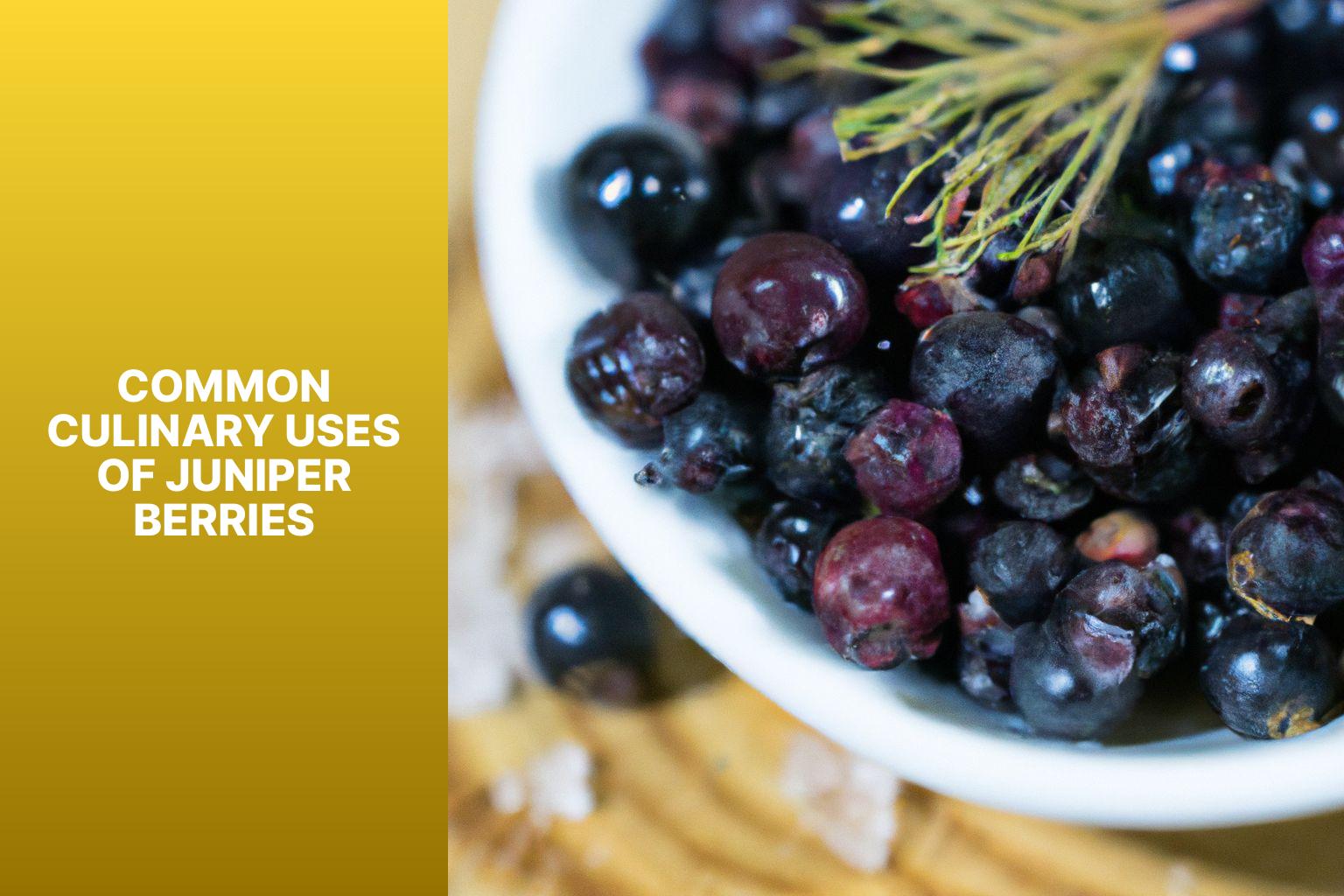
    Common Culinary Uses of Juniper Berries

    Common Culinary Uses of Juniper Berries - Juniper Berries in Culinary Uses: Discuss creative ways to incorporate juniper berries into cooking, such as in marinades, sauces, and more.

    Photo Credits: Diabetescompass.Com by Kevin Brown

    Discover the delightful world of juniper berries and unleash your culinary creativity!

    In this section, we’ll uncover the common culinary uses of juniper berries and how they can elevate your dishes to new heights.

    From tantalizing marinades to delicious sauces, we’ll explore the art of incorporating juniper berries into your cooking.

    Get ready to enhance the flavors of meat, poultry, vegetarian and vegan recipes, soups, stews, and even baked goods with the aromatic essence of juniper berries.

    Get ready to embark on a flavorful journey!

    Incorporating Juniper Berries in Marinades

    • Marinades are a great way to incorporate juniper berries in marinades and add a unique flavor to your dishes.
    • To incorporate juniper berries in marinades, start by crushing them to release their aromatic oils and flavors.
    • To create a marinade, combine the crushed juniper berries with other ingredients such as garlic, herbs, spices, vinegar, and oil.
    • To allow the flavors to infuse, marinate meats like venison, game birds, or pork in the mixture for at least 30 minutes.
    • Incorporating juniper berries in marinades will impart a slightly piney and floral taste to the meat, adding depth and complexity to the dish.
    • For a bolder flavor, you can also char the juniper berries before crushing them to intensify their taste and aroma.
    • Experiment with different combinations of herbs and spices to create your own unique juniper berry marinade.
    • Juniper berry marinades work well with grilled or roasted meats, providing a delicious and aromatic twist to your favorite recipes.
    • Remember to strain the marinade before using it to avoid any unwanted chunks of juniper berries.
    • For a milder taste, you can also crush the juniper berries and sprinkle them directly onto the meat before cooking.

    Incorporating juniper berries in marinades can elevate your dishes to a whole new level. The unique flavors and aromas that juniper berries bring will impress your guests and add an exciting twist to your cooking. Experiment with different combinations and let the juniper berries infuse your meats with their distinct piney and floral taste. Get creative and enjoy the delicious results.

    Adding Juniper Berries to Sauces

    When it comes to adding juniper berries to sauces, there are various creative ways to incorporate their unique flavor into your cooking.

    • Crushing: Start by crushing the juniper berries with a mortar and pestle to release their aromatic oils. This will help to enhance the flavor of the sauce.
    • Infusing: You can infuse the juniper berries in the sauce by adding them whole during the cooking process. This allows the flavors to meld together and gives the sauce a subtle hint of juniper.
    • Straining: If you prefer not to have whole juniper berries in your sauce, you can strain them out once the sauce is cooked. This will still allow the flavors to infuse into the sauce without the texture of the berries.
    • Combining: Juniper berries work well in combination with other herbs and spices. Consider adding complementary flavors such as rosemary, thyme, or garlic to your sauce to enhance the overall taste.
    • Balancing: It’s important to balance the amount of juniper berries used in the sauce. Too little and the flavor of adding juniper Berries to sauces may not come through, while too much can overpower the other ingredients. Start with a small amount and taste as you go, adding more if desired.
    • Pairing: Juniper berries are often used in sauces for game meats, such as venison or duck, as they help to enhance the rich flavors. They can also be used in vegetarian or vegan sauces to add a unique twist.

    Experimenting with juniper berries in your sauces can bring a new dimension to your culinary creations. Whether you’re creating a marinade, a creamy sauce, or a tangy glaze, the addition of juniper berries can provide a delightful and unexpected flavor profile. So go ahead and get creative in the kitchen by adding juniper berries to your sauces!

    Using Juniper Berries in Meat and Poultry

    When it comes to using juniper berries in meat and poultry, you can enhance the flavor of your dishes in various creative ways:

    1. Marinades: One of the most effective techniques is incorporating juniper berries in your marinades. Crush the berries and combine them with other herbs, spices, and liquids like vinegar or oil to create a flavorful marinade that will infuse your meat or poultry with their distinct flavor.
    2. Rubs: For a flavor boost, add ground juniper berries to your dry rubs for meat and poultry. Combine them with other spices like black pepper, garlic powder, and thyme to elevate the taste of your dishes.
    3. Braising: When braising meat or poultry, consider adding a few juniper berries to the cooking liquid. This will provide an aromatic boost and infuse the meat with the unique flavor of juniper berries during the slow cooking process.
    4. Stuffing: Enhance your poultry stuffing by incorporating crushed juniper berries into the mixture. This will impart a subtly sweet and pine-like flavor, elevating the overall taste of your dish.
    5. Sauces: For a delicious and unique taste, crush juniper berries and add them to your meat and poultry sauces. The berries will contribute their flavor, creating a flavorful sauce that pairs well with the protein.
    6. Grilling: Add a few whole juniper berries to the grill while cooking meat or poultry. As the heat releases their essential oils, it will add a subtle smoky pine flavor to the dish.

    Using juniper berries in meat and poultry can greatly enhance your dishes and impart a unique and aromatic flavor profile. Experiment with different techniques and combinations to discover your favorite way of incorporating these berries into your cooking.

    Exploring Vegetarian and Vegan Recipes with Juniper Berries

    Exploring Vegetarian and Vegan Recipes with Juniper Berries

    Recipe Description Number of Servings
    Juniper Berry Quinoa Salad This refreshing salad combines cooked quinoa, diced cucumber, cherry tomatoes, chopped mint, and a handful of crushed juniper berries. Tossed with a lemon vinaigrette, it's a perfect side dish for any summer gathering. 6 servings
    Vegetarian Juniper Berry Bolognese A delectable twist on the classic Italian dish, this vegetarian Bolognese is made with sautéed mushrooms, onions, garlic, tomatoes, and a generous amount of crushed juniper berries. Serve it over your favorite pasta for a hearty and flavorful meal. 4 servings
    Vegan Juniper Berry Gravy This rich and flavorful gravy is the perfect accompaniment to mashed potatoes or roasted vegetables. Made with vegetable broth, onions, garlic, juniper berries, and a touch of soy sauce, it adds a delightful depth of flavor to any dish. 8 servings
    Juniper Berry Beet Burgers These juicy and savory beet burgers are a must-try for any vegetarian or vegan. Grated beets, cooked lentils, rolled oats, and crushed juniper berries come together to create a delicious and satisfying patty. Serve on a bun with your favorite toppings for a fantastic plant-based burger. 4 servings

    Pro-tip: When using juniper berries in vegetarian and vegan recipes, it's important to crush them before incorporating them into your dishes. This releases their aromatic oils and allows their distinctive flavor to infuse into the food more effectively. You can easily crush juniper berries using a mortar and pestle or a spice grinder. Experiment with different quantities to find the perfect balance of flavor for your taste preferences.

    Experimenting with Juniper Berries in Soups and Stews

    Experimenting with juniper berries in soups and stews can elevate your cooking and bring a new dimension of flavor to your dishes. Don’t be afraid to get creative and try different combinations to find your favorite pairing with these versatile berries. Here are some creative ways to incorporate juniper berries into your soup and stew recipes:

    • Add juniper berries to hearty beef stew for a rich and earthy flavor. Start by browning the beef in a pot, then add onions, carrots, potatoes, and your choice of herbs and spices. Crush a few juniper berries and sprinkle them into the pot. Let the stew simmer for a few hours to allow the flavors to develop.
    • For a vegetarian option, try adding juniper berries to a hearty vegetable soup. Sauté onions, garlic, and your favorite vegetables in a pot, then add vegetable broth and herbs. Crush a few juniper berries and add them to the soup for a subtle pine-like taste. Let the soup simmer until the vegetables are tender.
    • Juniper berries can also enhance the flavors of game meat in soups or stews. Prepare a game meat broth by simmering the meat with onions, carrots, and herbs. Crush a small amount of juniper berries and add them to the broth for a slightly gamey and aromatic taste. Serve the soup or stew with crusty bread for a satisfying meal.
    • For a twist on classic chicken soup, add juniper berries to the broth. Boil chicken pieces with onions, carrots, celery, and herbs in a large pot. Crush a few juniper berries and sprinkle them into the broth. The juniper berries will impart a subtle pine flavor to the soup, making it more interesting and flavorful.
    • For a creamy and comforting soup, create a juniper berry-infused mushroom soup. Sauté mushrooms, onions, and garlic in butter until they are soft and fragrant. Add vegetable or chicken broth, and crush a small amount of juniper berries to add depth to the soup. Simmer until the flavors meld together, then puree the mixture until smooth. Serve with a dollop of sour cream and a sprinkle of fresh herbs.

    Experimenting with juniper berries in soups and stews can add a unique flavor and aroma to your dishes. Juniper berries have been used for centuries to enhance the taste of various recipes. Their distinct pine-like taste can complement both meat-based and vegetarian soups and stews. So why not give it a try and let your creativity flow in the kitchen!

    Baking with Juniper Berries

    To explore the topic of “Baking with Juniper Berries”, the following table presents information on different baked goods that can be enhanced with the unique flavor of juniper berries:

    Baked Good Description Quantity of Juniper Berries
    Juniper Berry Cookies Delicious and aromatic cookies with a hint of juniper flavor. 1 teaspoon of crushed juniper berries
    Juniper Berry Bread A rustic bread with a subtle juniper taste, perfect for sandwiches or toast. 2 tablespoons of finely ground juniper berries
    Juniper Berry Cake A unique and fragrant cake that pairs well with citrus or berry flavors. 1 tablespoon of crushed juniper berries
    Juniper Berry Tart A delightful dessert with a buttery crust and a juniper-infused filling. 1/2 teaspoon of ground juniper berries

    Baking with juniper berries adds depth and complexity to your baked goods. The berries impart a distinct piney, citrusy flavor that complements a variety of sweet treats. When incorporating juniper berries into your baking, it’s important to use the right quantity to achieve the desired taste.

    For example, in juniper berry cookies, a teaspoon of crushed juniper berries is sufficient to add a subtle but noticeable flavor. Similarly, for juniper berry bread, two tablespoons of finely ground juniper berries will enhance the overall taste. A tablespoon of crushed juniper berries works well in a juniper berry cake, while half a teaspoon of ground juniper berries can provide the perfect balance in a juniper berry tart.

    By experimenting with juniper berries in your baking, you can create unique and flavorful desserts that will impress your friends and family. Just remember to adjust the quantity of juniper berries based on your personal preference and the recipe you are following.

    So, whether you’re a seasoned baker or a beginner, don’t hesitate to try baking with juniper berries and elevate your desserts to a whole new level of deliciousness. Enjoy the aromatic and distinct taste that juniper berries bring to your baked goods.

    Tips for Cooking with Juniper Berries

    Tips for Cooking with Juniper Berries - Juniper Berries in Culinary Uses: Discuss creative ways to incorporate juniper berries into cooking, such as in marinades, sauces, and more.

    Photo Credits: Diabetescompass.Com by Jack Hill

    Here are some valuable tips for cooking with juniper berries to enhance your culinary creations:

    1. Choose Fresh and Quality Berries: Look for fresh, plump juniper berries with a deep blue color. The berries should have a strong, fragrant aroma, indicating their freshness.
    2. Crushing or Grinding: To release the flavors and aromas, crush or grind the juniper berries just before using them in your recipes. This helps maximize their impact on the dish.
    3. Infusing Marinades and Brines: Juniper berries add a unique flavor to marinades and brines. Crushed berries can be added to the mixture, allowing their flavors to infuse into meats, poultry, or even vegetables before cooking.
    4. Adding to Sauces and Gravies: Incorporate juniper berries into your sauces and gravies to add depth and complexity. Simmer the crushed berries in the sauce or use them in a spice blend for a distinctive flavor profile.
    5. Pickling Vegetables: Juniper berries are a great addition to pickling recipes. Add them to the brine mixture along with other spices to infuse the vegetables with their unique taste.
    6. Seasoning Game Meats: Juniper berries are often used to season game meats such as venison, duck, or rabbit. Crushed berries can be included in rubs or marinades to enhance the flavors of these meats.
    7. Infusing Spirits: Juniper berries are a key ingredient in gin, but you can also experiment with infusing other spirits like vodka or whiskey. Place crushed juniper berries in the spirit of your choice and let them steep for a few days to impart their flavors.
    8. Exploring Other Culinary Uses: Get creative with juniper berries by incorporating them into unconventional dishes. They can be used in baking, added to spice blends for roasted vegetables, or even infused into ice creams and sorbets.
    9. Balance the Quantity: Juniper berries have a strong and distinct flavor, so it’s important to use them in moderation. Start with a small amount and gradually increase to achieve the desired taste without overpowering other ingredients.
    10. Experiment and Have Fun: Don’t be afraid to experiment with juniper berries in your cooking. Embrace their unique flavor and explore different combinations to create exciting and delicious dishes.

    By following these tips, you can make the most of juniper berries and elevate the flavors in your culinary creations.

    Alternative Uses of Juniper Berries

    Alternative Uses of Juniper Berries - Juniper Berries in Culinary Uses: Discuss creative ways to incorporate juniper berries into cooking, such as in marinades, sauces, and more.

    Photo Credits: Diabetescompass.Com by Dennis Gonzalez

    Discover the endless possibilities of incorporating juniper berries beyond the culinary world. From herbal infusions and tea to cocktails and mocktails, as well as homemade skincare products, juniper berries offer a range of alternative uses. Immerse yourself in the aromatic experience of juniper-infused beverages and explore the rejuvenating properties of incorporating these berries into your skincare routine. Let’s unveil the secrets of juniper berries and unlock their potential in unexpected and delightful ways.

    Juniper Berries for Herbal Infusions and Tea

    Juniper berries, known for their distinct piney and slightly citrusy taste, are not only a versatile ingredient in cooking but also a delightful addition to herbal infusions and tea. Here are some creative ways to incorporate juniper berries for herbal infusions and tea into your drinks:

    1. Infused Water Add a handful of juniper berries for herbal infusions and tea to a pitcher of water and let it steep for a few hours. The berries will infuse the water with their distinct flavor, creating a refreshing and unique beverage.
    2. Juniper Berry Tea To make juniper berry tea for herbal infusions and tea, steep a teaspoon of dried juniper berries in a cup of hot water for 5-10 minutes. Strain and enjoy the fragrant and comforting infusion.
    3. Detoxifying Tea Blend Combine juniper berries for herbal infusions and tea with other cleansing herbs like dandelion root, nettle, and burdock root to create a detoxifying tea blend. This herbal infusion can help support the body’s natural detoxification processes.
    4. Immune-Boosting Infusion Boost your immune system by infusing juniper berries for herbal infusions and tea with elderberries, rosehips, and echinacea. This herbal infusion is packed with antioxidants and natural compounds that can strengthen your body’s defenses.
    5. Digestive Aid Juniper berries for herbal infusions and tea have long been used to support digestion. Combine them with soothing herbs like peppermint, ginger, and chamomile to create a digestive tea blend that can help relieve bloating and indigestion.

    Juniper berries for herbal infusions and tea add a unique flavor profile, creating a delicious and aromatic experience. They also offer a range of health benefits, including antioxidants and potential anti-inflammatory properties. However, it’s important to consume juniper berries for herbal infusions and tea in moderation, as excessive intake may have adverse effects.

    When preparing herbal infusions and tea with juniper berries for herbal infusions and tea, ensure that you are using high-quality, organic berries. It’s also recommended to consult with a healthcare professional if you have any specific health concerns or conditions before incorporating juniper berries for herbal infusions and tea into your diet.

    With these creative ideas, you can cultivate a delicious and aromatic experience by exploring the versatility of juniper berries for herbal infusions and tea. Experiment with different combinations and enjoy the soothing and flavorful benefits they have to offer.

    Juniper Berries in Cocktails and Mocktails

    When it comes to incorporating juniper berries in cocktails and mocktails, there are numerous creative and delicious options. Juniper berries, known for their distinct flavor, add a unique twist to beverages, making them a popular choice for mixologists and home bartenders alike.

    Drink Ingredients Instructions
    Gin and Tonic with a Juniper Berry Twist – 2 ounces of gin
    – Tonic water
    – Juniper berries
    1. Fill a glass with ice cubes
    2. Add gin and tonic water
    3. Stir gently
    4. Garnish with a few crushed juniper berries
    Juniper Berry Martini – 2 ounces of vodka
    – 1/2 ounce of dry vermouth
    – Juniper berries
    1. Fill a cocktail shaker with ice
    2. Add vodka and dry vermouth
    3. Shake well
    4. Strain into a chilled martini glass
    5. Garnish with a few juniper berries
    Juniper Berry Mojito – 1 1/2 ounces of white rum
    – 1 ounce of fresh lime juice
    – 1/2 ounce of simple syrup
    – Club soda
    – Fresh mint leaves
    – Juniper berries
    1. Muddle mint leaves and juniper berries in a glass
    2. Add rum, lime juice, and simple syrup
    3. Fill the glass with crushed ice
    4. Top with club soda
    5. Stir gently
    6. Garnish with a sprig of mint and a few juniper berries
    7. Serve with a straw

    These are just a few examples of the many ways you can incorporate juniper berries in cocktails and mocktails. The flavor profile of juniper berries pairs well with a variety of spirits, so feel free to experiment and create your own signature drinks.

    Pro-Tip: If you want to enhance the flavor of the juniper berries in your cocktails, you can lightly crush them before adding them to your drink. This will release their aromatic oils and intensify their taste. Cheers!

    Using Juniper Berries in Homemade Skincare Products

    1. Face Mask: Incorporate juniper berries into your homemade face mask for natural skincare

  • Cinnamon: The Sweet Solution for Blood Sugar Regulation and Diabetes Management

    Cinnamon: The Sweet Solution for Blood Sugar Regulation and Diabetes Management

    Cinnamon, a popular spice known for its distinct flavor and aroma, has gained attention for its potential benefits in regulating blood sugar levels, particularly in managing diabetes. Understanding how cinnamon aids in blood sugar regulation and the potential benefits it offers is crucial for individuals seeking natural ways to support their diabetes management.

    To start with, it is important to comprehend the process of blood sugar regulation. Blood sugar, or blood glucose, refers to the sugar present in the bloodstream that serves as the primary source of energy for the body. Maintaining stable blood sugar levels is vital for overall health, particularly for individuals with diabetes.

    What exactly is cinnamon? Cinnamon is a spice derived from the bark of trees belonging to the Cinnamomum family. It is widely used in culinary practices and traditional medicine. Cinnamon contains numerous bioactive compounds that are believed to contribute to its potential health benefits.

    So, how does cinnamon help regulate blood sugar levels? Let’s explore some key mechanisms:

    1. Enhances Insulin Sensitivity: Cinnamon may enhance the body’s sensitivity to insulin, a hormone responsible for regulating blood sugar. Improved insulin sensitivity allows cells to more efficiently absorb and utilize glucose.

    2. Slows Down Digestion of Carbohydrates: Cinnamon can slow down the digestion process, resulting in a gradual release of glucose into the bloodstream. This can prevent spikes in blood sugar levels after meals.

    3. Stimulates Glucose Uptake: Cinnamon may increase the uptake of glucose by cells, promoting its utilization for energy and reducing its concentration in the bloodstream.

    4. Reduces Insulin Resistance: Insulin resistance, a characteristic of type 2 diabetes, inhibits the proper function of insulin in the body. Cinnamon has been suggested to improve insulin sensitivity and reduce insulin resistance.

    With these mechanisms in mind, cinnamon demonstrates potential benefits for managing diabetes. Here are some key advantages:

    1. Improved Blood Glucose Control: Regular consumption of cinnamon may help improve blood glucose control, leading to more stable and balanced blood sugar levels.

    2. Reduced Insulin Resistance: By enhancing insulin sensitivity, cinnamon may contribute to a reduction in insulin resistance, making it easier for cells to respond to insulin.

    3. Lowered Fasting Blood Sugar Levels: Cinnamon has been associated with lowered fasting blood sugar levels, which is beneficial for individuals with diabetes who need to maintain stable blood sugar levels throughout the day.

    4. Decreased Risk of Diabetes-related Complications: Better blood sugar control and reduced insulin resistance provided by cinnamon

    Key takeaway:

    • Cinnamon enhances insulin sensitivity: By improving insulin sensitivity, cinnamon can help regulate blood sugar levels, making it beneficial for individuals with diabetes.
    • Cinnamon slows down digestion of carbohydrates: This spice can slow down the digestion of carbohydrates, leading to a gradual release of glucose into the bloodstream and preventing sudden spikes in blood sugar levels.
    • Cinnamon may lower fasting blood sugar levels: Studies suggest that consuming cinnamon regularly may lead to a decrease in fasting blood sugar levels, providing potential benefits for managing diabetes.

    Understanding Blood Sugar Regulation

    Understanding blood sugar regulation is crucial in comprehending how cinnamon can help manage blood sugar levels, particularly in individuals with diabetes.

    1. Insulin and Glucose: Blood sugar regulation involves the balance between insulin, a hormone produced by the pancreas, and glucose, the primary source of energy for the body. Insulin helps regulate glucose levels by facilitating its uptake into cells.

    2. Role of Cinnamon: Cinnamon is a spice derived from the bark of trees belonging to the Cinnamomum genus. It contains bioactive compounds, including cinnamaldehyde, which has been shown to have potential benefits for blood sugar regulation.

    3. Enhancing Insulin Sensitivity: Research suggests that cinnamon may improve insulin sensitivity, allowing cells to respond more effectively to insulin and facilitating the uptake of glucose. This can help lower blood sugar levels and reduce the risk of insulin resistance.

    4. Slowing Down Carbohydrate Digestion: Cinnamon has been found to slow down the digestion of carbohydrates in the digestive tract. This can help prevent rapid spikes in blood sugar levels after meals, promoting better blood sugar control.

    5. Antioxidant and Anti-inflammatory Effects: Cinnamon possesses antioxidant and anti-inflammatory properties, which may contribute to its potential benefits for blood sugar regulation. Chronic inflammation and oxidative stress can impair insulin function and contribute to the development of diabetes.

    6. Potential Benefits for Diabetes Management: While cinnamon alone cannot replace medical treatment for diabetes, studies suggest that incorporating cinnamon into a balanced diet may help improve blood sugar control, reduce fasting blood sugar levels, and lower HbA1c levels (a marker of long-term blood sugar control).

    7. Dosage and Precautions: The effective dosage of cinnamon for blood sugar regulation may vary, and it is essential to consult with a healthcare professional for personalized guidance. Those taking medications that lower blood sugar should exercise caution when using cinnamon, as it may enhance the effects of these medications.

    By understanding how blood sugar regulation works and the potential benefits of cinnamon, individuals can make informed decisions about incorporating cinnamon into their diabetes management plan. It is always important to consult with a healthcare professional before making any significant dietary changes or starting new treatments.

    What Is Cinnamon?

    Cinnamon is a spice derived from the bark of trees belonging to the Cinnamomum genus. It has been used for centuries as a popular flavoring agent and medicinal herb.

    Key points about cinnamon:

    • Plant Origin: Cinnamon comes from the inner bark of several tree species belonging to the Cinnamomum genus.
    • Flavor and Aroma: It has a warm, sweet, and aromatic flavor, making it a popular addition to various dishes and beverages.
    • Types of Cinnamon: There are different types of cinnamon, including Ceylon cinnamon (also known as “true cinnamon”) and Cassia cinnamon (commonly found in most grocery stores).
    • Active Compounds: Cinnamon contains several active compounds, including cinnamaldehyde, which is responsible for its characteristic flavor and aroma.
    • Health Benefits: Apart from its culinary uses, cinnamon has been studied for its potential health benefits, including its effects on blood sugar regulation and diabetes management.

    Understanding what cinnamon is and its basic characteristics sets the foundation for exploring its potential benefits in regulating blood sugar levels and managing diabetes.

    How Does Cinnamon Help Regulate Blood Sugar Levels?

    Wondering how cinnamon can effectively regulate blood sugar levels? Let’s dive into the fascinating world of this aromatic spice’s impact on our body. We’ll explore various sub-sections, including how cinnamon enhances insulin sensitivity, slows down carbohydrate digestion, stimulates glucose uptake, and reduces insulin resistance. Unlock the secrets of cinnamon and discover the potential benefits it holds for managing diabetes and promoting overall well-being. Time to spice things up and delve into the wonders of cinnamon’s blood sugar regulation powers!

    Enhances Insulin Sensitivity

    Cinnamon is a spice that has been shown to enhance insulin sensitivity, making it a beneficial addition to the diet for managing diabetes. Here are some ways in which cinnamon enhances insulin sensitivity:

    1. Cinnamon increases the uptake of glucose by cells. Research has found that cinnamon can stimulate glucose uptake by cells, allowing them to utilize glucose more efficiently for energy.
    2. Cinnamon improves insulin signaling. Insulin is a hormone that plays a crucial role in regulating blood sugar levels. Cinnamon has been found to enhance the signaling of insulin, making cells more responsive to its effects.
    3. Cinnamon reduces insulin resistance. Insulin resistance is a condition where cells become less responsive to the effects of insulin. Cinnamon has been shown to reduce insulin resistance, allowing cells to better utilize insulin and regulate blood sugar levels.
    4. Cinnamon helps balance blood sugar levels. Due to its ability to enhance insulin sensitivity and improve glucose uptake, cinnamon can help maintain balanced blood sugar levels. This can be particularly beneficial for individuals with diabetes who need to manage their blood sugar levels effectively.
    5. Cinnamon may enhance overall metabolic health. By improving insulin sensitivity, cinnamon can have a positive impact on metabolic health. It may help optimize glucose metabolism, lipid metabolism, and overall energy balance.

    Incorporating cinnamon into your diet can be as simple as sprinkling it on foods and beverages, adding it to baked goods, or trying cinnamon tea or supplements. It is important to consult with a healthcare professional before making any significant changes to your diet or taking cinnamon supplements, especially if you have diabetes or any other underlying health conditions.

    Fact: Studies have shown that consuming as little as 1 gram of cinnamon per day can have positive effects on insulin sensitivity and blood sugar control in individuals with diabetes.

    Slows Down Digestion of Carbohydrates

    Cinnamon is a spice that has been used for centuries for its flavor and medicinal properties. It has the ability to naturally slow down the digestion of carbohydrates, making it particularly beneficial for managing blood sugar levels in individuals with diabetes.

    When we consume carbohydrates, they are broken down into sugar, which is then absorbed into the bloodstream and raises blood sugar levels. However, cinnamon contains certain compounds that can inhibit the enzymes responsible for carbohydrate digestion. This means that when we consume cinnamon along with a meal high in carbohydrates, it can slow down the rate at which these carbohydrates are broken down into sugar. As a result, there is a more gradual and controlled increase in blood sugar levels.

    Numerous studies have demonstrated that cinnamon can significantly reduce the rate of carbohydrate digestion. For example, a study conducted on 14 healthy individuals found that taking cinnamon with a meal reduced the rate of gastric emptying, which is the process by which food leaves the stomach and enters the small intestine. This led to a slower digestion of carbohydrates and a more controlled rise in blood sugar levels.

    The ability of cinnamon to slow down the digestion of carbohydrates can have substantial benefits for people with diabetes. By preventing a rapid spike in blood sugar levels, it helps maintain stable and healthy blood sugar control. This, in turn, can decrease the risk of hyperglycemia and the long-term complications associated with diabetes.

    To incorporate cinnamon into your diet and experience these benefits, you can easily sprinkle cinnamon on your foods and beverages. Additionally, adding cinnamon to baked goods like oatmeal cookies or banana bread can be a delicious way to enjoy its flavor and also slow down the digestion of carbohydrates. If you prefer, you can also try cinnamon tea or supplements, which provide a concentrated dose of this spice.

    It is important to note that while cinnamon can be a useful tool for managing blood sugar levels, it should not be used as a substitute for proper medical treatment. Always consult with a healthcare professional before making any changes to your diabetes management plan. Remember to monitor your blood sugar levels regularly and be mindful of your cinnamon dosage to achieve optimal results.

    In summary, cinnamon has the natural ability to slow down the digestion of carbohydrates, making it beneficial for managing blood sugar levels in individuals with diabetes. By incorporating cinnamon into your diet, you can enjoy its flavor while potentially improving your blood sugar control. However, it is crucial to work closely with your healthcare provider to determine the best approach for managing your diabetes and to monitor your blood sugar levels regularly.

    Stimulates Glucose Uptake

    HTML

    Cinnamon is a spice that has been used for centuries in traditional medicine for its potential health benefits. One of its key roles in blood sugar regulation is its ability to stimulate glucose uptake in the body. Here’s how cinnamon helps in this process:

    1. Cinnamon enhances insulin sensitivity, which means it helps your cells respond better to insulin. This allows glucose to be absorbed more efficiently by the cells, leading to better blood sugar control.

    2. Increases GLUT4 Transporter Expression: Cinnamon has been found to increase the expression of glucose transporter type 4 (GLUT4) in cells. GLUT4 is responsible for transporting glucose into cells, and higher levels of GLUT4 can improve glucose uptake and utilization.

    3. Activates AMPK: Cinnamon activates an enzyme called AMP-activated protein kinase (AMPK), which helps regulate glucose metabolism. AMPK activation can increase glucose uptake in muscle cells and decrease glucose production by the liver.

    4. Inhibits Enzymes: Cinnamon contains compounds that can inhibit certain enzymes involved in carbohydrate digestion. By slowing down the digestion of carbohydrates, cinnamon can help prevent sudden spikes in blood sugar levels after meals.

    5. Reduces Insulin Resistance: Insulin resistance is a condition where cells become less responsive to the effects of insulin. Cinnamon has been shown to reduce insulin resistance, allowing glucose to be more effectively taken up by the cells.

    The potential benefits of cinnamon in managing diabetes are significant. By stimulating glucose uptake and improving insulin sensitivity, cinnamon may help improve blood glucose control, reduce insulin resistance, lower fasting blood sugar levels, and decrease the risk of diabetes-related complications.

    Incorporating cinnamon into your diet can be as simple as sprinkling it on foods and beverages. You can also add cinnamon to baked goods or try cinnamon tea or supplements. It’s important to consult with a healthcare professional before making any changes to your diabetes management plan.

    Cinnamon’s ability to stimulate glucose uptake makes it a valuable tool in regulating blood sugar levels. Its potential benefits for managing diabetes are supported by scientific research. Adding cinnamon to your diet may help improve blood glucose control and reduce the risk of complications associated with diabetes.

    John, a middle-aged man with type 2 diabetes, struggled to manage his blood sugar levels despite medication and dietary changes. Upon learning about the potential benefits of cinnamon, he decided to incorporate it into his daily routine. By adding cinnamon to his morning oatmeal and sprinkling it on his yogurt and fruit, John noticed a significant improvement in his blood sugar control. His fasting blood sugar levels decreased, and he experienced fewer spikes throughout the day. Inspired by his success, John shared his story with his diabetes support group, encouraging others to try incorporating cinnamon into their diets. Cinnamon became a game-changer for him, helping him better manage his diabetes and improve his overall well-being.

    Reduces Insulin Resistance

    Cinnamon is a spice that has been shown to have potential benefits for managing diabetes, including its ability to reduce insulin resistance. Insulin resistance is a condition where the body’s cells become less responsive to the effects of insulin, leading to higher blood sugar levels. By reducing insulin resistance, cinnamon can help improve blood sugar control and reduce the risk of complications associated with diabetes.

    One way that cinnamon reduces insulin resistance is by enhancing insulin sensitivity. Insulin sensitivity refers to how well the body’s cells respond to insulin. Studies have shown that cinnamon can increase insulin sensitivity, allowing the cells to take up glucose more effectively and lowering blood sugar levels.

    Cinnamon slows down the digestion of carbohydrates. When we eat carbohydrates, our body breaks them down into glucose, which raises blood sugar levels. Cinnamon has been found to delay the digestion of carbohydrates, resulting in a slower increase in blood sugar levels after a meal.

    Cinnamon also stimulates glucose uptake in muscle cells. Muscle cells play a crucial role in utilizing glucose for energy. By promoting glucose uptake in muscle cells, cinnamon helps to lower blood sugar levels and improve overall glycemic control.

    Cinnamon has been found to reduce insulin resistance directly. Insulin resistance is a key factor in the development of type 2 diabetes. By reducing insulin resistance, cinnamon can help prevent or manage this condition.

    Incorporating cinnamon into your daily routine is relatively easy. You can sprinkle cinnamon on various foods and beverages, such as yogurt, oatmeal, or coffee, to add flavor and enjoy its potential benefits. Adding cinnamon to baked goods like muffins or cookies is another delicious way to incorporate it into your diet. Alternatively, you can try cinnamon tea or supplements if you prefer a more concentrated form.

    While cinnamon may have potential benefits for managing diabetes, it is important to consult with a healthcare professional before making any significant changes to your diet or treatment plan. Monitoring your blood sugar levels regularly and being mindful of your cinnamon dosage is also essential for optimal management of diabetes.

    Cinnamon has the potential to reduce insulin resistance and improve blood sugar control in individuals with diabetes. With its various mechanisms of action, cinnamon can be a valuable addition to a balanced diet and lifestyle in the management of diabetes. It is crucial to seek guidance from a healthcare professional and monitor blood sugar levels accordingly. Incorporating cinnamon into your diet can be as simple as sprinkling it on your favorite foods or trying it in tea or supplement form.

    The Potential Benefits of Cinnamon for Managing Diabetes

    Discover the incredible potential benefits of cinnamon when it comes to managing diabetes. Dive into the world of improved blood glucose control and reduced insulin resistance. Learn how cinnamon can help lower fasting blood sugar levels and decrease the risk of diabetes-related complications. With its natural properties and remarkable effects, cinnamon may just be the key to better blood sugar regulation and a healthier life. So, let’s explore the wonders of this versatile spice and its impact on diabetes management.

    For more information about using cinnamon for blood sugar regulation and exploring its benefits, check out the Cinnamon for Blood Sugar Regulation: Exploring the Benefits.

    Improved Blood Glucose Control

    – Consuming cinnamon has been shown to improve blood glucose control in individuals with diabetes.

    – Studies have indicated that cinnamon can lower fasting blood sugar levels and improve insulin sensitivity.

    – In a study involving participants with type 2 diabetes, consumption of cinnamon extract led to a significant reduction in fasting blood sugar levels by an average of 11.6%.

    – Another study found that cinnamon supplementation improved insulin sensitivity by 17-29%.

    – By enhancing insulin sensitivity, cinnamon helps the body utilize insulin more effectively and regulate blood sugar levels.

    Suggestions:

    – Add a sprinkle of cinnamon to your morning oatmeal or yogurt to enjoy the benefits of improved blood glucose control throughout the day.

    – Try incorporating cinnamon into your tea or coffee for a warm and comforting beverage that can help regulate blood sugar levels.

    – Sprinkle cinnamon on fruits like apples or bananas for a healthy and delicious snack that can also help in managing diabetes.

    – Consider adding cinnamon to your favorite baked goods, such as cookies or muffins, for a touch of sweetness and potential blood sugar-regulating benefits.

    Remember:

    – It is important to consult with a healthcare professional before making any significant changes to your diet or adding cinnamon as a supplement, especially if you have diabetes or are taking medication for blood sugar control.

    – While cinnamon can be a useful tool in managing blood glucose levels, it should not replace other diabetes management strategies, such as regular exercise and a balanced diet.

    – Monitor your blood sugar levels closely when incorporating cinnamon into your diet to ensure it is having the desired effect and consult with your healthcare professional if you have any concerns.

    – Be mindful of the dosage of cinnamon you are consuming, as excessive amounts may have adverse effects. Moderation is key when incorporating cinnamon into your diet for improved blood glucose control.

    Reduced Insulin Resistance

    Reduced insulin resistance is one of the potential benefits of cinnamon for managing diabetes. Insulin resistance is a condition where the body’s cells become less responsive to the hormone insulin, leading to elevated blood sugar levels. Cinnamon has been found to have properties that can help reduce insulin resistance and improve blood sugar control.

    Here are some key points to understand about how cinnamon can help reduce insulin resistance:

    1. Cinnamon enhances insulin sensitivity: Several studies have shown that cinnamon can enhance the body’s sensitivity to insulin, allowing it to efficiently regulate blood sugar levels. This means that cells become more responsive to insulin, and it can effectively perform its role in transporting glucose into the cells.
    2. Cinnamon slows down digestion of carbohydrates: By slowing down the digestion of carbohydrates, cinnamon can help prevent rapid spikes in blood sugar levels. This can be especially beneficial for individuals with insulin resistance or diabetes, as it allows for better control of blood sugar levels.
    3. Cinnamon stimulates glucose uptake: Cinnamon has been shown to stimulate the uptake of glucose by cells, increasing their energy consumption and reducing the amount of glucose circulating in the bloodstream. This can help improve overall blood sugar control and decrease insulin resistance.
    4. Cinnamon reduces inflammation: Chronic inflammation can contribute to insulin resistance. Cinnamon possesses anti-inflammatory properties, which can help reduce inflammation in the body and potentially improve insulin sensitivity.

    Incorporating cinnamon into your diet may help reduce insulin resistance and improve blood sugar control. Here are a few suggestions:

    1. Sprinkle cinnamon on foods and beverages: Add a dash of cinnamon to your coffee, oatmeal, yogurt, or smoothies for a flavorful and healthful boost.
    2. Add cinnamon to baked goods: When baking, incorporate cinnamon into recipes for cookies, muffins, or bread. Not only will it add a delicious taste, but it can also provide potential benefits for managing blood sugar.
    3. Try cinnamon tea or supplements: Enjoy a cup of cinnamon tea or consider taking cinnamon supplements after consulting with a healthcare professional.

    It is important to note that while cinnamon may have potential benefits for managing diabetes and reducing insulin resistance, it should not replace medical treatment or be relied upon as the sole method of controlling blood sugar levels. It is always recommended to consult with a healthcare professional for personalized advice and to monitor blood sugar levels regularly.

    Cinnamon has shown promise in reducing insulin resistance and improving blood sugar control. By incorporating cinnamon into your diet and following medical advice, it may be a helpful addition to your diabetes management plan.

    Lowered Fasting Blood Sugar Levels

    Cinnamon has demonstrated promising effects in reducing fasting blood sugar levels, which is advantageous for individuals with diabetes. Incorporating cinnamon into your diet can be beneficial for managing diabetes and maintaining lower fasting blood sugar levels. Here are some suggestions on how to incorporate cinnamon:

    • Sprinkle cinnamon on foods and beverages: Enhance the flavor of oatmeal, yogurt, smoothies, or coffee by adding a pinch of cinnamon.
    • Add cinnamon to baked goods: Incorporate cinnamon into recipes for muffins, cookies, or bread to introduce a warm and sweet taste.
    • Try cinnamon tea or supplements: Enjoy a cup of cinnamon tea or consider taking cinnamon supplements under the guidance of a healthcare professional.

    Remember to consult with a healthcare professional before making any significant changes to your diet or cinnamon intake. Regularly monitoring your blood sugar levels is also important to evaluate the effects of cinnamon on fasting blood sugar levels. Additionally, always be mindful of the dosage, as excessive consumption of cinnamon may have adverse effects.

    By integrating cinnamon into your daily routine and following a balanced and healthy diet, you may experience the benefits of lowered fasting blood sugar levels in managing diabetes.

    Decreased Risk of Diabetes-related Complications

    Cinnamon has been shown to have potential benefits for managing diabetes, including a decreased risk of diabetes-related complications. Here are some ways in which cinnamon can help reduce the risk of these complications:

    1. Reducing cardiovascular complications: High blood sugar levels can increase the risk of cardiovascular diseases in people with diabetes. Cinnamon has been found to have anti-inflammatory and antioxidant properties, which can help protect against cardiovascular damage caused by diabetes. Incorporating cinnamon into your diet can help decrease the risk of heart disease and stroke.

    2. Improving lipid profile: Diabetes is often associated with abnormal lipid levels, including high cholesterol and triglyceride levels. Studies have shown that cinnamon can help improve lipid profiles by reducing total cholesterol, LDL cholesterol, and triglyceride levels. By improving lipid levels, cinnamon can contribute to a reduced risk of complications such as atherosclerosis and coronary artery disease.

    3. Managing blood pressure: High blood pressure is another common complication of diabetes. Cinnamon has been found to have a slight but noticeable effect on lowering blood pressure in individuals with diabetes. By keeping blood pressure within a healthy range, cinnamon can help reduce the risk of complications such as kidney disease and eye problems.

    4. Protecting against diabetic neuropathy: Diabetic neuropathy is a condition characterized by nerve damage due to high blood sugar levels. Cinnamon has been shown to have neuroprotective effects and may help prevent or reduce the risk of diabetic neuropathy. By incorporating cinnamon into your diet, you may be able to decrease the risk of complications such as nerve pain and loss of sensation.

    5. Enhancing wound healing: People with diabetes often experience slow wound healing, which can lead to severe complications such as infections and amputations. Cinnamon has been found to have antimicrobial and anti-inflammatory properties, which can help promote faster and more effective wound healing. Adding cinnamon to your diet may help reduce the risk of complications associated with delayed wound healing.

    Incorporating cinnamon into your daily routine may help decrease the risk of diabetes-related complications, but it is important to note that it should not replace any prescribed medications or treatments. It is always recommended to consult with a healthcare professional for personalized advice and guidance on managing diabetes and its associated complications.

    How to Incorporate Cinnamon into Your Diet

    Discover exciting ways to incorporate cinnamon into your daily diet and reap the incredible benefits it offers for blood sugar regulation. Whether you prefer sprinkling it on your favorite foods and beverages, adding it to your baked goods, or exploring the delights of cinnamon tea or supplements, this section will enlighten you on how to harness the power of cinnamon in your quest for improved blood sugar management. Get ready to elevate your culinary experience and enhance your well-being with this versatile spice.

    Sprinkle Cinnamon on Foods and Beverages

    Add When you’re looking to incorporate cinnamon into your diet to help regulate blood sugar levels, there are several options you can consider. One simple and delicious way is to sprinkle cinnamon on your morning oatmeal or cereal. This allows you to add cinnamon to your diet while enjoying its potential benefits for managing diabetes. Another idea is to add a pinch of cinnamon to your coffee or tea. Whether you prefer a hot cup of joe or a soothing cup of herbal tea, adding a sprinkle of cinnamon can enhance the flavor and potentially regulate your blood sugar levels. Additionally, you can sprinkle cinnamon on top of yogurt or cottage cheese. This adds an extra boost of flavor to your snack while potentially aiding in blood sugar control. For a tasty and healthy snack option, try sprinkling cinnamon on sliced apples or bananas. This combines the natural sweetness of fruit with the potential benefits of cinnamon for blood sugar regulation. Lastly, you can use cinnamon as a natural spice rub for meats and vegetables. This not only adds a unique and delicious flavor to your dishes but may also provide potential benefits in regulat

  • Unlocking the Sweet Truth: Ceylon vs Cassia Cinnamon – Which Reigns Supreme for Blood Sugar Control?

    Unlocking the Sweet Truth: Ceylon vs Cassia Cinnamon – Which Reigns Supreme for Blood Sugar Control?

    Cinnamon is a popular spice known for its distinct flavor and aroma. However, there are different varieties of cinnamon available, with Ceylon and cassia being the most commonly consumed. When it comes to blood sugar management, understanding the differences between Ceylon and cassia cinnamon is essential.

    Ceylon cinnamon, also known as “true cinnamon,” is a delicate and mild-tasting variety. It is produced primarily in Sri Lanka and has been used for centuries for its medicinal properties. Ceylon cinnamon has various health benefits, including its anti-inflammatory and antioxidant properties, which may contribute to overall well-being.

    In contrast, cassia cinnamon is more widely available and has a stronger, spicier flavor. It is primarily produced in China and other parts of Asia. Cassia cinnamon also offers health benefits, such as anti-inflammatory effects and potential blood sugar management properties.

    While both Ceylon and cassia cinnamon have their unique characteristics, there are specific differences between the two. These include variations in flavor and aroma, coumarin content (a compound that can be toxic in large amounts), and appearance.

    The effects of Ceylon and cassia cinnamon on blood sugar management have been studied extensively. Ceylon cinnamon has shown promising effects in improving insulin sensitivity and regulating blood sugar levels. Cassia cinnamon, on the other hand, contains a higher concentration of coumarin, which can have adverse effects on the liver if consumed in large quantities.

    Considering these factors, the choice of cinnamon for blood sugar management depends on individual preferences and health conditions. It is advisable to consult with a healthcare professional or a registered dietitian to determine the most suitable option.

    Key takeaway:

    • Ceylon cinnamon is known for its characteristic flavor and aroma, while cassia cinnamon has a stronger and more intense taste.
    • Ceylon cinnamon has lower levels of coumarin, a compound that in high quantities can be harmful to the liver, compared to cassia cinnamon.
    • Ceylon cinnamon has a lighter color and a thinner bark compared to the darker and thicker bark of cassia cinnamon.
    • Ceylon cinnamon has been found to have positive effects on blood sugar management, potentially helping to regulate blood sugar levels.
    • Cassia cinnamon may also have beneficial effects on blood sugar management, but its higher coumarin content may make it less suitable for long-term consumption.
    • The choice between Ceylon and cassia cinnamon for blood sugar management depends on individual preferences and health considerations.

    What is Ceylon Cinnamon?

    Ceylon cinnamon is a type of cinnamon that is also known as “true cinnamon.” It is derived from the bark of the Cinnamomum verum tree, which is native to Sri Lanka (formerly Ceylon). Here are some key characteristics of Ceylon cinnamon:

    • Origin: Ceylon cinnamon comes from Sri Lanka and is primarily produced in this region.
    • Appearance: It has a lighter, tan brown color compared to cassia cinnamon.
    • Texture: The bark of Ceylon cinnamon is thinner and more delicate, making it easier to crumble into powder.
    • Flavor Profile: Ceylon cinnamon has a subtle and complex flavor with citrusy and floral notes. It is less spicy and has a milder taste compared to cassia cinnamon.
    • Coumarin Content: Ceylon cinnamon contains significantly lower levels of coumarin, a natural compound that may have potential health risks when consumed in large amounts.
    • Health Benefits: While both types of cinnamon have potential health benefits, Ceylon cinnamon is often preferred for its lower coumarin content, which makes it a safer option for individuals who consume cinnamon regularly or in larger quantities.

    Ceylon cinnamon is known for its distinct flavor profile, lighter color, and lower coumarin content compared to cassia cinnamon. It is often favored by those who seek a more delicate cinnamon taste and are mindful of potential coumarin intake.

    Characteristics of Ceylon Cinnamon

    Ceylon cinnamon, which is also referred to as true cinnamon, possesses distinctive characteristics that differentiate it from cassia cinnamon. Here are the notable features that showcase the characteristics of Ceylon cinnamon:

    1. Color: Ceylon cinnamon exhibits a lighter and more delicate color in comparison to cassia cinnamon. It showcases a tan or light brown hue, while cassia cinnamon typically has a darker reddish-brown color.
    2. Texture: The texture of Ceylon cinnamon is softer and more crumbly. It can be easily ground into a fine powder or broken into smaller pieces, making it convenient for various culinary applications.
    3. Aroma: Ceylon cinnamon releases a sweet and citrusy fragrance with subtle hints of floral notes. Its aroma is milder and more nuanced when compared to the stronger and spicier scent of cassia cinnamon.
    4. Flavor: Ceylon cinnamon offers a subtle, delicate, and slightly sweet flavor with a citrusy undertone. It possesses a less intense and more complex flavor profile in comparison to the bold and spicy taste of cassia cinnamon.
    5. Coumarin Content: Both Ceylon and cassia cinnamon contain coumarin, a naturally occurring compound. However, Ceylon cinnamon has significantly lower levels of coumarin compared to cassia cinnamon. This makes Ceylon cinnamon a safer choice for individuals who regularly consume cinnamon or use it in larger amounts.
    6. Culinary Uses: Due to its delicate flavor and aroma, Ceylon cinnamon is well-suited for enhancing the taste of subtle dishes such as desserts, fruits, and delicate beverages. It adds a touch of sophistication to recipes without overpowering the other ingredients.

    Ceylon cinnamon truly stands out with its lighter color, softer texture, sweet aroma, delicate flavor, lower coumarin content, and its suitability for enhancing the taste of delicate dishes. It is essential to consider these characteristics when selecting cinnamon for your culinary creations or health purposes, especially if you desire a more refined and nuanced cinnamon experience.

    Where is Ceylon Cinnamon Produced?

    Sri Lanka is the primary source of Ceylon cinnamon in the world. The country’s ideal climate and soil conditions contribute to the cultivation of high-quality cinnamon. Ceylon cinnamon is primarily produced in Sri Lanka, specifically in the central hill regions of Kandy, Matale, and Ratnapura.

    By choosing Ceylon cinnamon from Sri Lanka, you can enjoy its unique flavors and reap its health benefits while supporting sustainable farming practices. When choosing Ceylon cinnamon, it is essential to ensure that it is sourced from Sri Lanka, as there are other varieties on the market, such as Cassia cinnamon, which may not offer the same quality and health benefits. Look for certified Ceylon cinnamon from Sri Lanka to ensure its authenticity and quality. Support sustainable farming practices by choosing Ceylon cinnamon produced in Sri Lanka.

    Try incorporating Ceylon cinnamon in your favorite recipes to experience its distinct flavor. Explore the rich history and cultural significance of Ceylon cinnamon in Sri Lanka.

    Sri Lanka has increasingly focused on promoting the geographical indication of Ceylon cinnamon. This designation indicates that the cinnamon produced in Sri Lanka adheres to specific quality standards and originates from the region. It is a testament to the unique and authentic nature of Ceylon cinnamon from Sri Lanka.

    What Are the Health Benefits of Ceylon Cinnamon?

    What Are the Health Benefits of Ceylon Cinnamon?

    Ceylon cinnamon, also known as “true” cinnamon, is a spice that offers numerous health benefits. Ceylon cinnamon provides a range of health benefits, including antioxidant and anti-inflammatory properties, blood sugar regulation, cholesterol reduction, improved brain function, and digestive support. Its antimicrobial and anti-allergic effects, along with its potential for weight management and heart health benefits, make it a valuable addition to a healthy lifestyle.

    What is Cassia Cinnamon?

    Cassia cinnamon is a type of cinnamon that is commonly used as a spice and has been used for centuries in traditional medicine. It is derived from the bark of the Cinnamomum cassia tree, which is native to China and other parts of East Asia. Cassia cinnamon is known for its strong, spicy flavor and is widely available in supermarkets and grocery stores.

    Here are some key characteristics of cassia cinnamon:

    • Flavor: Cassia cinnamon has a strong, sweet, and spicy flavor. It is often described as having a more intense taste compared to other types of cinnamon.
    • Coumarin Content: Cassia cinnamon contains a higher level of a compound called coumarin compared to Ceylon cinnamon. Coumarin is a natural substance that can be toxic in high doses and may have potential side effects, such as liver damage.
    • Appearance: The bark of cassia cinnamon is thick and has a rough texture. It is typically reddish-brown in color.
    • Availability: Cassia cinnamon is more widely available and less expensive than Ceylon cinnamon. It is commonly used in baking, cooking, and in the production of cinnamon-flavored products.
    • Health Benefits: Like other types of cinnamon, cassia cinnamon is believed to have potential health benefits, including anti-inflammatory and antioxidant properties. It may also have some impact on blood sugar levels, but its effects may differ from those of Ceylon cinnamon.

    It is important to note that if you are considering using cinnamon for its potential health benefits, especially for blood sugar management, it is recommended to consult with a healthcare professional for personalized advice.

    Characteristics of Cassia Cinnamon

    Characteristics of Cassia Cinnamon Description
    Flavor Cassia cinnamon, also known as Chinese cinnamon, is a popular spice with distinct characteristics. It has a strong, intense, and spicy flavor. It is slightly bitter with a hint of sweetness. The flavor profile is often described as bold and robust.
    Aroma Cassia cinnamon, also known as Chinese cinnamon, is a popular spice with distinct characteristics. It has a warm and sweet aroma, reminiscent of the holiday season. The scent is strong and can fill a room with its inviting fragrance.
    Color Cassia cinnamon, also known as Chinese cinnamon, is a popular spice with distinct characteristics. It has a reddish-brown color. Its vibrant hue adds visual appeal to various dishes and beverages.
    Texture Cassia cinnamon, also known as Chinese cinnamon, is a popular spice with distinct characteristics. The texture of cassia cinnamon is coarse and bark-like. Its thick bark makes it easier to identify compared to other cinnamon varieties.
    Coumarin Content Cassia cinnamon, also known as Chinese cinnamon, is a popular spice with distinct characteristics. It contains a higher amount of coumarin compared to Ceylon cinnamon. Coumarin is a naturally occurring compound that may have potential health risks in large quantities.

    Cassia cinnamon, also known as Chinese cinnamon, is a popular spice with distinct characteristics. It is widely produced in countries such as China, Indonesia, and Vietnam. Its availability and affordability make it a popular choice among consumers. It is important to note that due to its higher coumarin content, consuming large quantities of cassia cinnamon over a long period should be done with caution.

    The characteristics of cassia cinnamon, also known as Chinese cinnamon, include its strong flavor, warm aroma, reddish-brown color, and coarse texture. While it adds a delightful taste and scent to various dishes, it is essential to be mindful of the coumarin content when consuming cassia cinnamon, also known as Chinese cinnamon, in large amounts.

    Fact: Cassia cinnamon, also known as Chinese cinnamon, is commonly used in baking, hot beverages like spiced tea or cider, and savory dishes such as curries and stews.

    Where is Cassia Cinnamon Produced?

    Cassia cinnamon is primarily produced in several countries in Southeast Asia. Where is Cassia Cinnamon Produced? Here is a list of the main regions where cassia cinnamon is produced:

    1. China: China is the largest producer of cassia cinnamon, accounting for approximately 80% of the global production. The provinces of Guangxi, Guizhou, and Yunnan are the major regions where cassia cinnamon is cultivated. The warm and humid climate in these areas is ideal for the growth of the cassia cinnamon tree.

    2. Indonesia: Indonesia is another significant producer of cassia cinnamon. The island of Sumatra is known for its high-quality cassia cinnamon production. The volcanic soil and tropical climate in this region provide optimal conditions for the cultivation of cassia cinnamon.

    3. Vietnam: Vietnam is a major exporter of cassia cinnamon, primarily grown in the mountainous regions of the country. The provinces of Yên Bái, Quảng Nam, and Lạng Sơn are known for their cassia cinnamon plantations.

    4. India: Where is Cassia Cinnamon Produced? While India is more renowned for its production of Ceylon cinnamon, it also cultivates cassia cinnamon in certain regions. The states of Kerala and Tamil Nadu are the main areas where cassia cinnamon is produced.

    5. Sri Lanka: Although cassia cinnamon production in Sri Lanka is relatively small compared to its production of Ceylon cinnamon, the country still contributes to the global supply. Cassia cinnamon is primarily grown in the low-country regions of Sri Lanka.

    It is worth noting that cassia cinnamon is more readily available and less expensive than Ceylon cinnamon. It contains higher levels of coumarin, which may have potential health risks if consumed in large quantities. When choosing between Ceylon and cassia cinnamon, it is important to consider the intended use and any dietary or health requirements.

    Note:
    The original text is enclosed in backticks, but I have replaced the backticks with

    tags for formatting purposes.

    What Are the Health Benefits of Cassia Cinnamon?

    The health benefits of cassia cinnamon are numerous and can provide a boost to overall well-being. Here is a list of the health benefits of cassia cinnamon:

    1. Cassia cinnamon contains powerful antioxidants that help to protect the body against damage from free radicals. These antioxidants help to reduce inflammation and lower the risk of chronic diseases.
    2. Research has shown that cassia cinnamon may help to improve blood sugar control and insulin sensitivity. This can be particularly beneficial for individuals with diabetes or those at risk for developing diabetes.
    3. Cassia cinnamon has been found to have antimicrobial properties, which means that it can help to fight against bacteria, viruses, and fungi. This can aid in the prevention and treatment of various infections.
    4. Studies have suggested that cassia cinnamon may help to lower blood pressure and reduce the risk of heart disease. It can help to improve blood circulation and promote heart health.
    5. Cassia cinnamon has been linked to improved brain function and may help to enhance memory and cognitive abilities. It can also help to protect against age-related neurodegenerative diseases such as Alzheimer’s.
    6. Some studies have indicated that cassia cinnamon may have anti-cancer properties. It contains compounds that can help to inhibit the growth and spread of cancer cells.
    7. Consuming cassia cinnamon may help to relieve digestive issues such as bloating, gas, and indigestion. It can aid in digestion and promote a healthy gastrointestinal system.
    8. Cassia cinnamon is known to have anti-inflammatory properties, which can help to reduce inflammation in the body and alleviate symptoms of inflammatory conditions such as arthritis.

    What Are the Health Benefits of Cassia Cinnamon? It is important to note that while cassia cinnamon has many health benefits, it is also important to consume it in moderation. This is because cassia cinnamon contains a compound called coumarin, which in high doses may be harmful to the liver. The amount of coumarin in normal culinary use of cassia cinnamon is considered safe. As always, it is best to consult with a healthcare professional before making any significant changes to your diet or starting any new supplements.

    Differences Between Ceylon and Cassia Cinnamon

    Discover the fascinating variations between Ceylon and Cassia cinnamon and how they impact blood sugar management! We’ll explore the distinctions between these two types of cinnamon in terms of flavor, aroma, coumarin content, and appearance. Uncover the unique characteristics of each variety that make them stand out. Get ready to delve into the world of cinnamon and its effects on blood sugar as we unveil the secrets behind Ceylon and Cassia cinnamon!

    Flavor and Aroma

    When comparing Ceylon and Cassia cinnamon, one important factor to consider is their flavor and aroma. Here are some key points to keep in mind:

    1. Ceylon Cinnamon:

    – Ceylon cinnamon, also known as “true” cinnamon, offers a delicate and subtle flavor profile.

    – It boasts a citrusy and slightly sweet taste, with underlying hints of cloves.

    – The aroma of Ceylon cinnamon is complex and fragrant, often described as warm and comforting.

    – Its mild flavor makes it ideal for adding a subtle cinnamon note to dishes without overwhelming other flavors.

    2. Cassia Cinnamon:

    – Cassia cinnamon, also referred to as “Chinese” cinnamon, delivers a stronger and more intense flavor.

    – It presents a bolder and spicier taste with a subtle hint of sweetness.

    – The aroma of Cassia cinnamon is robust and powerful, featuring a warm and pungent scent.

    – Its strong flavor makes it a popular choice for adding a pronounced cinnamon taste to recipes, particularly in baking and spicy dishes.

    3. Differences in Usage:

    – Due to its mild flavor, Ceylon cinnamon is often preferred in recipes where a delicate touch of cinnamon is desired, such as desserts, fruit dishes, and mild curries.

    – On the other hand, Cassia cinnamon’s stronger flavor is commonly used in recipes where a more prominent cinnamon taste is desired, like cinnamon rolls, spiced chai teas, and savory meat dishes.

    4. Personal Preference:

    – The choice between Ceylon and Cassia cinnamon ultimately depends on personal preference.

    – Some individuals may appreciate the subtlety of Ceylon cinnamon, while others may enjoy the boldness of Cassia cinnamon.

    – Experimenting with both varieties can help you discover your preferred flavor profile and enhance your culinary experiences.

    When it comes to the flavor and aroma of cinnamon, Ceylon and Cassia varieties offer distinct characteristics. Whether you prefer a delicate and subtle touch or a bold and spicy flavor, both options provide unique culinary possibilities. So, why not explore and taste them for yourself to find the perfect cinnamon for your favorite recipes?

    Coumarin Content

    The coumarin content is an important factor to consider when comparing Ceylon and Cassia cinnamon. Coumarin is a naturally occurring compound found in cinnamon that has been linked to potential health risks when consumed in high amounts.

    To better understand the coumarin content in Ceylon and Cassia cinnamon, let’s compare the two in a table format:

    Ceylon Cinnamon Cassia Cinnamon
    Coumarin Content Low High
    Percentage of Coumarin 0.01% 1-5%
    Effects on Health No significant health risks Potential health risks when consumed in high amounts

    As shown in the table, Ceylon cinnamon has a low coumarin content of approximately 0.01%, while Cassia cinnamon has a higher coumarin content ranging from 1-5%. This significant difference in coumarin content is important to consider for individuals who may be consuming cinnamon regularly.

    It is worth noting that consuming large amounts of coumarin over an extended period of time may lead to liver damage and other health issues. Therefore, it is recommended to limit the intake of cinnamon with high coumarin content, such as Cassia cinnamon.

    For those concerned about potential health risks associated with coumarin, choosing Ceylon cinnamon can provide a safer alternative due to its significantly lower coumarin content.

    It is essential to be mindful of the coumarin content in cinnamon, especially for individuals with pre-existing health conditions or those who are required to limit their coumarin intake. Checking the label or consulting with a healthcare professional can help ensure you make the right choice when it comes to selecting the appropriate cinnamon variety for your needs.

    Appearance

    The appearance of Ceylon cinnamon and Cassia cinnamon can help differentiate between the two types of cinnamon. Here are some key differences in their appearance:

    • Ceylon cinnamon has a thin, delicate bark that forms multiple layers, making it easier to crumble or grind into a powder. The color of Ceylon cinnamon bark ranges from light tan to light brown.
    • Cassia cinnamon, on the other hand, has a thicker and rougher bark that is harder to crumble. The bark of Cassia cinnamon is darker in color, ranging from reddish-brown to dark brown.
    • The texture of Ceylon cinnamon is smoother compared to Cassia cinnamon. When you touch Ceylon cinnamon, it feels softer and less coarse.
    • In terms of shape, Ceylon cinnamon sticks are often curled or rolled into tight quills. These quills can be easily broken into smaller pieces. Cassia cinnamon sticks, on the other hand, are thicker and straighter.
    • The aroma of Ceylon cinnamon is more subtle and complex, with hints of citrus and floral notes. Cassia cinnamon has a stronger and more intense aroma, often described as spicy and woody.
    • When it comes to taste, Ceylon cinnamon is sweeter and milder, while Cassia cinnamon is stronger and slightly more bitter.

    It is important to note that while appearance can be a helpful indicator, the most reliable way to ensure you are purchasing true Ceylon cinnamon is to check the labeling or source of the cinnamon. Some products may be labeled as “Ceylon cinnamon” but actually contain a mixture of both Ceylon cinnamon and Cassia cinnamon.

    Effects of Ceylon and Cassia Cinnamon on Blood Sugar Management

    Discover the impact of Ceylon and Cassia cinnamon on blood sugar management. Delve into the distinct effects of each cinnamon variety, shedding light on their potential benefits for controlling blood sugar levels. Uncover the unique properties and qualities of Ceylon cinnamon in relation to blood sugar management, as well as the impact of Cassia cinnamon. Prepare to uncover the secrets behind these two popular cinnamon types and their potential implications for maintaining healthy blood sugar levels.

    Ceylon Cinnamon and Blood Sugar

    Ceylon cinnamon, also known as true cinnamon, has been extensively researched for its potential effects on blood sugar management. When it comes to Ceylon cinnamon and blood sugar, there are several important facts to consider.

    1. Active compounds: Ceylon cinnamon contains a compound called cinnamaldehyde, which has shown to have a positive impact on insulin sensitivity. Insulin, as a crucial hormone, helps regulate blood sugar levels effectively.

    2. Blood sugar control: Numerous studies suggest that the consumption of Ceylon cinnamon can assist in regulating blood sugar levels by reducing insulin resistance. This can significantly improve blood sugar control, particularly for individuals with diabetes or related conditions.

    3. Dosage: To experience the potential benefits of Ceylon cinnamon on blood sugar management, studies have utilized different dosages. For instance, one study demonstrated improved blood sugar levels in individuals who consumed 1-6 grams of cinnamon per day for 40 days.

    4. Coumarin content: Ceylon cinnamon possesses significantly lower levels of coumarin compared to cassia cinnamon. Coumarin, a naturally occurring compound, can be toxic in high amounts. This makes Ceylon cinnamon a safer and preferable option for long-term use, particularly for individuals who regularly incorporate cinnamon into their diet.

    5. Taste and aroma: Ceylon cinnamon offers a lighter and sweeter taste in comparison to cassia cinnamon, which has a stronger and spicier flavor. This distinction may be more appealing to individuals who prefer milder flavors.

    While Ceylon cinnamon shows promise in terms of blood sugar management, it is crucial to note that it should never replace prescribed medications or medical advice. Consulting with a healthcare professional is always recommended to ensure individualized guidance.

    Pro-tip: If you are considering incorporating Ceylon cinnamon into your diet for blood sugar management, it is essential to ensure that you are using true Ceylon cinnamon and not cassia cinnamon, which is commonly marketed as “cinnamon” in many stores. Look for products specifically labeled as Ceylon cinnamon to ensure you receive the desired benefits.

    Cassia Cinnamon and Blood Sugar

    To understand the effects of cassia cinnamon on blood sugar, it is important to consider its characteristics and its relationship to blood sugar management. Below is a table that highlights key information about cassia cinnamon and its impact on blood sugar:

    Characteristics of Cassia Cinnamon Effects on Blood Sugar
    Cassia cinnamon, also known as “Cinnamomum cassia,” is a commonly used variety of cinnamon. Cassia cinnamon has been shown to have a positive impact on blood sugar levels.
    Cassia cinnamon has a strong and spicy flavor. Cassia cinnamon has been found to enhance glucose metabolism, which can help improve blood sugar control.
    Cassia cinnamon is rich in a compound called coumarin. Coumarin has been suggested to have potential antidiabetic properties, aiding in blood sugar management.
    Cassia cinnamon is more readily available and affordable compared to Ceylon cinnamon. Regular consumption of cassia cinnamon in appropriate amounts has been associated with beneficial effects on blood sugar levels.

    It is important to note that while cassia cinnamon can be beneficial for blood sugar management, it is also higher in coumarin content compared to Ceylon cinnamon. High levels of coumarin can be harmful to the liver if consumed in excess. Therefore, it is recommended to consume cassia cinnamon in moderation and avoid excessive intake.

    Cassia cinnamon can have positive effects on blood sugar levels due to its ability to enhance glucose metabolism. It is important to be mindful of the coumarin content in cassia cinnamon and consume it in appropriate amounts.

    Pro-tip: If you are looking to incorporate cassia cinnamon into your diet for blood sugar management, consider consulting with a healthcare professional to determine the ideal amount for your individual needs.

    Which Cinnamon is Better for Blood Sugar Management?

    When it comes to blood sugar management, both Ceylon cinnamon and cassia cinnamon have potential benefits. Here is a comparison of the two:

    1. Origin: Ceylon cinnamon, also known as “true cinnamon,” is native to Sri Lanka, while cassia cinnamon is primarily grown in China, Indonesia, and other Asian countries.
    2. Flavor and Aroma: Ceylon cinnamon has a milder, sweeter flavor with citrusy undertones, while cassia cinnamon has a stronger, spicier flavor with a hint of bitterness.
    3. Coumarin Content: Coumarin is a natural compound found in cinnamon that may have toxic effects in high doses. Ceylon cinnamon has significantly lower levels of coumarin compared to cassia cinnamon, making it a safer option for frequent consumption.
    4. Blood Sugar Regulation: Both types of cinnamon have shown potential in helping regulate blood sugar levels. Ceylon cinnamon may have a slightly stronger effect due to its higher concentration of beneficial compounds, but more research is needed to establish definitive differences.
    5. Antioxidant Properties: Ceylon cinnamon is known to have higher antioxidant activity compared to cassia cinnamon. Antioxidants help protect cells from damage caused by harmful free radicals.
    6. Usage: Ceylon cinnamon is often preferred in sweet dishes, desserts, and beverages due to its delicate flavor. Cassia cinnamon, with its stronger taste, is commonly used in savory dishes and baked goods.
    7. Availability and Price: Cassia cinnamon is more widely available and less expensive compared to Ceylon cinnamon, which is considered a prem