
The management of blood sugar levels is crucial for individuals with diabetes or those at risk of developing the condition. Diet plays a significant role in this regard, and understanding its impact is essential.
The importance of diet in managing blood sugar cannot be overstated. By making informed dietary choices, individuals can effectively regulate their blood sugar levels, promoting overall health and well-being. It is important to comprehend the concept of blood sugar levels, including normal, high, and low levels to establish a baseline for comparison.
Dietary factors, such as carbohydrates, fiber, protein, and fats, directly affect blood sugar levels. Carbohydrates, especially those with a high glycemic index, can cause a rapid rise in blood sugar levels, while fiber helps to regulate this response. Proteins and fats have a minimal impact on blood sugar but are vital for overall nutrition.
Certain foods are particularly beneficial for managing blood sugar levels. Whole grains, leafy green vegetables, lean proteins, healthy fats, and low-glycemic fruits are excellent choices due to their balanced nutritional content.
Portion control is equally important in blood sugar management. Consuming the appropriate amount of food ensures a consistent and controlled release of glucose into the bloodstream.
Meal planning plays a vital role in managing blood sugar levels. Creating a balanced plate that incorporates various food groups is crucial for maintaining stable blood sugar throughout the day. Incorporating healthy snacks between meals can help prevent drastic spikes or drops in blood sugar.
Lifestyle factors, such as exercise, stress management, and quality sleep, also impact blood sugar control. Regular physical activity, stress reduction techniques, and adequate sleep contribute to overall glucose regulation.
Monitoring blood sugar levels is an essential aspect of managing diabetes or blood sugar imbalances. Glucose monitoring tools, such as blood glucose monitors, help individuals track their blood sugar levels and make necessary dietary adjustments. Collaborating with a healthcare professional is also crucial for personalized guidance and support in managing blood sugar through diet.
By understanding the role of diet in managing blood sugar, individuals can take proactive steps towards maintaining stable blood sugar levels, improving their overall health and reducing the risk of complications associated with diabetes or blood sugar imbalances.
Key takeaway:
- The Importance of Diet in Managing Blood Sugar: Diet plays a crucial role in managing blood sugar levels and should be carefully considered for optimal health.
- Understanding Blood Sugar Levels: Knowing what constitutes normal, high, and low blood sugar levels is important in effectively managing one’s diet and overall well-being.
- Dietary Factors Affecting Blood Sugar: Various dietary factors, such as carbohydrates, fiber, protein, and fats, can significantly impact blood sugar levels and should be managed accordingly for better control.
The Importance of Diet in Managing Blood Sugar
Diet plays a crucial role in managing blood sugar levels. Here are some key reasons why diet is important for blood sugar management:
- Controlling Carbohydrate Intake: Carbohydrates have the most significant impact on blood sugar levels. Consuming carbohydrates in the form of whole grains, fruits, and vegetables, and avoiding refined sugars and processed foods, can help regulate blood sugar levels.
- Managing Portion Sizes: Monitoring portion sizes is essential to maintain stable blood sugar levels. Eating balanced meals with appropriate portions of carbohydrates, proteins, and fats can prevent blood sugar spikes.
- Choosing Low Glycemic Index Foods: Foods with a low glycemic index release glucose gradually, preventing sudden spikes in blood sugar levels. Including foods like legumes, non-starchy vegetables, and whole grains can help maintain stable blood sugar levels.
- Increasing Fiber Intake: High-fiber foods slow down the release of glucose into the bloodstream, promoting better blood sugar control. Consuming foods such as fruits, vegetables, whole grains, and legumes can increase fiber intake.
- Balancing Macronutrients: A balanced diet that includes appropriate amounts of carbohydrates, proteins, and fats can aid in managing blood sugar levels. Combining carbohydrates with healthy fats and proteins can slow down the absorption of glucose into the bloodstream.
- Monitoring Sugar Intake: Reducing sugar intake, especially added sugars, is crucial for blood sugar management. Reading food labels, avoiding sugary beverages and desserts, and opting for natural sweeteners can help control blood sugar levels.
- Regular Meal Timing: Consistency in meal timing is important for managing blood sugar levels. Spacing meals evenly throughout the day and not skipping meals can prevent fluctuations in blood sugar levels.
- Individualized Approach: Each person may respond differently to various foods, so it is essential to personalize dietary choices based on individual needs, preferences, and any existing medical conditions.
- Collaboration with Healthcare Professionals: Working with healthcare professionals, such as registered dietitians or doctors specializing in diabetes management, can provide guidance and support in developing an appropriate diet plan for blood sugar management.
- Lifestyle Factors: Alongside diet, regular physical activity, stress management, and adequate sleep play vital roles in blood sugar management. Incorporating these lifestyle factors into a comprehensive approach can further enhance blood sugar control.
By understanding the importance of diet in managing blood sugar levels and implementing appropriate dietary strategies, individuals can effectively maintain stable blood sugar levels and support their overall health.
Understanding Blood Sugar Levels
Understanding blood sugar levels is crucial in managing diet for maintaining stable blood sugar levels. Here are the key points:
- Blood Sugar: Blood sugar, also known as blood glucose, refers to the amount of sugar (glucose) present in the bloodstream. It serves as the primary source of energy for the body’s cells.
- Normal Blood Sugar Levels: Normal blood sugar levels typically range between 70-99 mg/dL (milligrams per deciliter) when fasting and 140 mg/dL or lower two hours after a meal.
- Hyperglycemia: Hyperglycemia occurs when blood sugar levels are consistently high. It is associated with conditions like diabetes and can lead to various health complications if not managed properly.
- Hypoglycemia: Hypoglycemia, on the other hand, is characterized by low blood sugar levels. It can cause symptoms such as dizziness, confusion, and weakness and can be managed by consuming glucose-rich foods or beverages.
- Impact of Diet: Diet plays a significant role in managing blood sugar levels. Consuming the right balance of carbohydrates, proteins, and fats can help regulate blood sugar levels and prevent spikes or drops.
- Carbohydrates: Carbohydrates have the most significant impact on blood sugar levels. It is important to choose complex carbohydrates, such as whole grains, legumes, and vegetables, over simple carbohydrates like sugary foods and refined grains.
- Fiber: Foods high in fiber, such as fruits, vegetables, and whole grains, help slow down the absorption of glucose, resulting in more stable blood sugar levels.
- Protein: Protein can help regulate blood sugar levels by slowing down the digestion process and preventing rapid spikes. Good sources of protein include lean meats, fish, legumes, and tofu.
- Fats: Healthy fats, such as those found in avocados, nuts, and olive oil, can help improve insulin sensitivity and promote stable blood sugar levels. It is important to consume them in moderation due to their high calorie content.
- Portion Control: Monitoring portion sizes is crucial when managing blood sugar levels. Consuming balanced meals and spacing out meals throughout the day can help prevent drastic fluctuations in blood sugar.
- Consulting a Healthcare Professional: It is essential to work with a healthcare professional or registered dietitian to develop an individualized diet plan that suits specific blood sugar management needs.
By understanding blood sugar levels and making informed dietary choices, individuals can effectively manage their blood sugar and promote overall health and well-being.
What Are Normal Blood Sugar Levels?
Maintaining normal blood sugar levels is vital for overall health and preventing health complications associated with blood sugar imbalances. Normal blood sugar levels refer to the range of glucose concentration in the blood that is considered healthy and stable. Here is all you need to know about normal blood sugar levels:
1. Fasting blood sugar: A normal fasting blood sugar level, measured after abstaining from eating for at least 8 hours, typically falls between 70 and 100 milligrams per deciliter (mg/dL).
2. Postprandial blood sugar: Following a meal, blood sugar levels naturally increase. A normal postprandial blood sugar level, measured two hours after eating, is generally below 140 mg/dL.
3. Glycated hemoglobin (A1c): This blood test assesses your average blood sugar levels over the past two to three months. A normal A1c level is usually below 5.7%, indicating good blood sugar control.
It’s important to note that normal blood sugar levels may vary slightly depending on factors such as age, pregnancy, and specific medical conditions. Individuals with diabetes may have different target ranges set by their healthcare professionals to promote optimal blood sugar management.
Monitoring blood sugar levels regularly and understanding what constitutes normal levels are crucial for people with diabetes or those at risk of developing the condition. By maintaining blood sugar within the normal range, individuals can reduce the risk of complications and maintain good overall health.
One interesting fact about blood sugar levels is that they can fluctuate throughout the day based on factors such as diet, exercise, stress levels, and medication. Therefore, establishing healthy lifestyle habits, regularly monitoring blood sugar levels, and collaborating with healthcare professionals to adjust diet and medication as needed are essential to maintain stable blood sugar levels.
What Are High Blood Sugar Levels?
High blood sugar levels, also known as hyperglycemia, refer to the excessive amount of glucose in the bloodstream. These levels are commonly associated with diabetes, both type 1 and type 2. It is crucial to have an awareness of high blood sugar levels as they can have severe health consequences if left uncontrolled. Here is some important information about high blood sugar levels:
1. Elevated blood sugar levels are typically defined as having a fasting blood glucose level of 126 milligrams per deciliter (mg/dL) or higher. This means that after not consuming any food or liquids for at least eight hours, a blood test indicates that the glucose level in the blood is above the normal range.
2. High blood sugar levels can manifest in various symptoms, including increased thirst, frequent urination, fatigue, blurry vision, and delayed wound healing. Being mindful of these symptoms is essential, and if they persist, it is crucial to consult a healthcare professional.
3. If left untreated, elevated blood sugar levels can lead to long-term complications such as heart disease, kidney damage, nerve damage, and eye problems. Effectively managing blood sugar levels is essential to mitigate these complications.
4. Several factors contribute to high blood sugar levels, including uncontrolled diabetes, lack of physical activity, an unhealthy diet rich in carbohydrates and sugars, stress, and certain medications.
5. Managing high blood sugar levels requires lifestyle modifications and, if necessary, medication. This includes engaging in regular physical activity, adopting a balanced diet low in carbohydrates and sugars, consistently monitoring blood sugar levels, and adhering to prescribed medications as directed.
6. Collaborating closely with a healthcare professional is crucial in developing a personalized plan for managing high blood sugar levels. They can offer guidance on adjusting medication, making lifestyle modifications, and implementing effective monitoring techniques.
7. Regularly monitoring blood sugar levels is paramount in effectively managing high blood sugar levels. This can be achieved using glucose monitoring tools like blood glucose meters or continuous glucose monitors. These tools enable individuals to track their blood sugar levels and make necessary adjustments to their treatment plan.
What Are Low Blood Sugar Levels?
Low blood sugar levels, also known as hypoglycemia, occur when the concentration of glucose in the blood drops below normal levels. This can be a result of various factors, such as medication side effects, excessive physical activity, or an underlying health condition. Knowing the signs and symptoms of low blood sugar levels is crucial in managing this condition.
1. Shakiness and dizziness: When blood sugar levels drop, it can cause a feeling of instability, leading to trembling and dizziness.
2. Sweating: Sweating, especially when it is not associated with physical exertion or hot weather, can be a sign of low blood sugar levels.
3. Fatigue: Hypoglycemia can cause feelings of extreme tiredness or weakness.
4. Irritability and mood changes: Low blood sugar levels can affect a person’s mood, leading to irritability, confusion, and difficulty concentrating.
5. Hunger: When blood sugar levels drop, the body sends signals of hunger as it tries to increase glucose levels.
6. Headaches: Some individuals may experience headaches or migraines when their blood sugar levels are low.
7. Pale skin: A pale complexion can be a visual indicator of low blood sugar levels.
8. Rapid heartbeat: In some cases, a fast or irregular heartbeat may occur as a result of hypoglycemia.
It is important to address low blood sugar levels promptly to avoid complications. If you experience symptoms of hypoglycemia, it is recommended to consume a source of glucose, such as fruit juice, soda, or glucose tablets, to raise your blood sugar levels. Regular monitoring of blood sugar levels and working closely with a healthcare professional can help manage and prevent low blood sugar episodes.
Sarah, a 32-year-old woman with type 1 diabetes, recently started a new exercise routine to improve her overall health. One morning, after an intense workout, she began feeling lightheaded and shaky. Recognizing these as potential signs of low blood sugar levels, Sarah quickly tested her blood sugar and discovered it was indeed below the normal range. She immediately consumed a small snack containing carbohydrates, such as a granola bar, to raise her blood sugar levels. Within minutes, she started feeling better and was able to continue her day without any further issues. Sarah’s experience highlights the importance of being aware of low blood sugar symptoms and taking immediate action to manage them, especially when engaging in physical activities that can affect blood sugar levels.
Dietary Factors Affecting Blood Sugar
When it comes to managing blood sugar, our diet plays a crucial role. Let’s dive into the key dietary factors that can impact blood sugar levels. From the impact of carbohydrates to the role of fiber, the influence of protein, and the effects of fats, we’ll uncover how each of these components can affect our blood sugar. Prepare to discover some fascinating insights that will revolutionize the way you think about your diet and its impact on your health.
The Impact of Carbohydrates on Blood Sugar
Carbohydrates have a significant impact on blood sugar levels. The Impact of Carbohydrates on Blood Sugar. When consumed, carbohydrates are broken down into glucose, which is the primary source of energy for the body. Managing carbohydrate intake is crucial for individuals looking to control their blood sugar levels.
1. Carbohydrate types:
a. Complex carbohydrates, such as whole grains, legumes, and vegetables, have a slower digestion and absorption rate, resulting in a gradual rise in blood sugar levels.
b. Simple carbohydrates, found in sugary foods and beverages, are quickly broken down, leading to a rapid increase in blood sugar levels.
2. Glycemic index (GI):
a. The glycemic index is a measure of how quickly a carbohydrate-containing food raises blood sugar levels.
b. High GI foods, like white bread and sugary drinks, cause a rapid spike in blood sugar levels.
c. Low GI foods, such as fruits, vegetables, and whole grains, cause a slower and more steady increase in blood sugar levels.
3. Portion control:
a. Consuming excessive amounts of carbohydrates, even if they are low GI, can still lead to high blood sugar levels.
b. It is essential to be mindful of portion sizes to maintain stable blood sugar levels.
c. Balancing carbohydrates with protein and healthy fats can also help regulate blood sugar levels.
4. Dietary preferences:
a. Individuals with diabetes or those aiming to control blood sugar levels should focus on consuming carbohydrates from whole, unprocessed sources rather than refined or sugary foods.
b. Including a variety of carbohydrates from fruits, vegetables, whole grains, and legumes provides essential nutrients and fiber while preventing blood sugar spikes.
5. Monitoring carbohydrate intake:
a. Keeping track of the carbohydrate content of foods can help individuals manage their blood sugar levels effectively.
b. Consultation with a healthcare professional or a registered dietitian can assist in creating a tailored meal plan and determining the appropriate amount of carbohydrates per meal.
6. Individualized response:
a. Each person’s response to carbohydrates may vary depending on factors such as insulin sensitivity, physical activity level, and overall health.
b. Regular blood sugar monitoring can help individuals understand their unique carbohydrate tolerance and make necessary adjustments to their diet.
Understanding the impact of carbohydrates on blood sugar levels is crucial for individuals looking to manage their blood sugar effectively. By choosing carbohydrates wisely, practicing portion control, and considering individual responses, individuals can maintain stable blood sugar levels and support their overall health.
The Role of Fiber in Blood Sugar Management
Fiber plays an integral part in managing blood sugar levels. Incorporating fiber into your diet can have several positive effects on blood sugar control:
1. Slow carbohydrate digestion: Including fiber-rich foods like whole grains, fruits, vegetables, and legumes in your meals can help slow down the digestion of complex carbohydrates. This gradual digestion process leads to a steady release of glucose into the bloodstream, preventing sudden spikes in blood sugar levels. Make sure to include fiber-rich foods in every meal and snack to maintain a stable blood sugar level throughout the day.
2. Increased feelings of fullness: High-fiber foods are known to be more satisfying and filling, which can aid in controlling appetite and preventing overeating. By promoting satiety, fiber assists in weight management, an essential aspect of blood sugar control. Ensure that your meals include fiber-rich foods to stay satisfied and avoid excessive calorie intake.
3. Improved insulin sensitivity: Insulin, the hormone responsible for regulating blood sugar levels, can be enhanced by consuming a diet high in fiber. Studies suggest that fiber helps improve insulin sensitivity, allowing the body to use insulin more effectively and maintain optimal blood sugar control. By incorporating fiber into your diet, you can potentially enhance insulin function and prevent insulin resistance.
4. Reduced risk of type 2 diabetes: Research has shown that individuals who follow a high-fiber diet have a lower risk of developing type 2 diabetes. Fiber intake has been linked to better glycemic control and a decreased likelihood of insulin resistance. Including fiber-rich foods as part of a balanced diet can contribute to long-term blood sugar management and reduce the risk of diabetes.
Including fiber in your diet is crucial for managing blood sugar levels. Remember to drink an adequate amount of water when consuming fiber-rich foods to support their beneficial effects. Gradually increase your fiber intake to avoid digestive discomfort and consider seeking personalized guidance from a healthcare professional.
True story: Rebecca, a 45-year-old woman diagnosed with prediabetes, focused on her diet to manage her blood sugar levels. She increased her fiber intake by incorporating more fruits, vegetables, whole grains, and legumes into her meals. Over time, she noticed that her blood sugar levels stabilized, and she felt more satisfied after eating. Rebecca’s commitment to regular exercise, along with her fiber-rich diet, enabled her to prevent the progression from prediabetes to type 2 diabetes. By understanding the role of fiber in blood sugar management, Rebecca took proactive steps to prioritize her health and effectively managed her blood sugar levels.
The Influence of Protein on Blood Sugar
The influence of protein on blood sugar is significant. Incorporating protein-rich foods into your diet can help stabilize blood sugar levels, promote satiety, and support overall blood sugar management. Remember to choose lean protein sources and maintain a balanced diet to optimize your blood sugar control.
The Effect of Fats on Blood Sugar Levels
The Effect of Fats on Blood Sugar Levels
Fats play a significant role in affecting blood sugar levels. It’s important to understand how different types of fats can impact your blood sugar and overall health.
- Saturated Fats: These fats, commonly found in animal products like fatty meats and full-fat dairy, can contribute to insulin resistance and inflammation. Insulin resistance makes it harder for your body to regulate blood sugar levels properly. Limiting saturated fat intake is crucial for blood sugar management.
- Trans Fats: Trans fats are artificial fats that are typically found in processed foods such as fried foods, baked goods, and margarine. These fats can increase insulin resistance and raise levels of LDL (bad) cholesterol. Avoiding trans fats is essential for maintaining stable blood sugar levels and overall health.
- Monounsaturated Fats: These fats, found in foods like avocados, olive oil, and nuts, have a neutral effect on blood sugar levels. They can even help improve insulin sensitivity and promote heart health. Including monounsaturated fats in your diet may help stabilize blood sugar levels.
- Polyunsaturated Fats: These fats, including omega-3 and omega-6 fatty acids, are beneficial for blood sugar control and overall health. Sources of polyunsaturated fats include fatty fish, flaxseeds, chia seeds, and walnuts. These fats have been shown to improve insulin sensitivity and reduce inflammation.
It’s important to note that while certain fats can have negative effects on blood sugar levels, the overall balance of fats in your diet is also significant. Cultivating a diet that is rich in healthy fats and low in saturated and trans fats can enhance blood sugar management and support overall well-being.
Pro-tip: When choosing fats, opt for sources of monounsaturated and polyunsaturated fats like avocados, olive oil, fatty fish, and nuts. Incorporating these healthy fats into your diet can have a positive effect on blood sugar levels and contribute to better overall health.
The Best Foods for Managing Blood Sugar
When it comes to managing blood sugar levels, the right food choices play a crucial role. In this section, we will explore the best foods that can help keep your blood sugar in check. From whole grains to leafy greens, lean proteins, healthy fats, and low-glycemic fruits, we’ll uncover the power of these foods in stabilizing blood sugar levels. Prepare to discover a wealth of information that will revolutionize the way you approach your diet for optimum blood sugar management.
Whole Grains
Including whole grains in your diet can have a positive impact on managing blood sugar levels. Here are some reasons why incorporating whole grains is beneficial:
- Fiber content: Whole grains are a rich source of dietary fiber. This fiber helps slow down the absorption of glucose into the bloodstream, preventing blood sugar spikes. By including whole grains in your meals, you can aid in maintaining stable blood sugar levels.
- Nutrient density: Whole grains are packed with essential nutrients like vitamins, minerals, and antioxidants. These nutrients have various health benefits and can contribute to overall well-being.
- Slow-release energy: The complex carbohydrates present in whole grains provide a steady and sustained release of energy. This can help prevent sudden drops or spikes in blood sugar levels.
- Lower glycemic index: Whole grains have a lower glycemic index compared to refined grains. Foods with a low glycemic index cause a slower rise in blood sugar levels, making them suitable for individuals with diabetes or those trying to manage their blood sugar.
- Diverse options: There is a wide variety of whole grains to choose from, including oats, brown rice, quinoa, whole wheat, and barley. Adding variety to your diet ensures a range of nutrients and flavors.
When incorporating whole grains into your diet, it is important to consider portion sizes and preparation methods:
- Portion control: While whole grains offer numerous benefits, it is crucial to consume them in appropriate portions. Overeating any food, including whole grains, can lead to an excess intake of carbohydrates, affecting blood sugar levels.
- Preparing whole grains: Opt for minimally processed or whole grain products rather than refined grains. For example, choose whole wheat bread instead of white bread or brown rice instead of white rice. These choices retain more fiber and nutrients.
- Meal planning: Integrate whole grains into a well-balanced meal plan that includes lean proteins, leafy green vegetables, healthy fats, and low-glycemic fruits. This combination ensures a diverse range of nutrients and helps maintain stable blood sugar levels.
Incorporating whole grains into your diet can contribute to better blood sugar management. Their high fiber content, nutrient density, slow-release energy, and lower glycemic index make them an excellent choice. Remember to consume them in appropriate portions and opt for minimally processed options for maximum benefits.
Leafy Green Vegetables
Leafy green vegetables are a crucial part of a well-balanced diet for controlling blood sugar levels. Here are some important factors to consider:
Incorporating leafy green vegetables into your diet can contribute to better blood sugar manageme

Unleash Culinary Creativity: Elevate Your Cooking Game with Juniper Berries in Marinades, Sauces, and Beyond!
Juniper berries are not only known for their distinct flavor but also for their versatility in culinary applications. These small, blue-black berries come from the juniper tree, a coniferous plant native to various regions around the world. Juniper berries are commonly used in various cuisines for their aromatic and tangy flavor, which adds depth and complexity to a range of dishes. This article will explore the creative ways to incorporate juniper berries into cooking, such as in marinades, sauces, and more.
Before delving into the culinary uses, it’s essential to understand what exactly juniper berries are. They are the female cones of the juniper tree and have a unique blend of sweet, earthy, and piney flavors. These berries have been used for centuries in traditional medicine for their potential health benefits, including their antioxidant and antibacterial properties.
From marinades to sauces, juniper berries can add a unique twist to your recipes. Incorporating juniper berries in marinades can infuse meat, poultry, or even vegetables with their distinctive flavor. They can also be crushed and added to sauces, like juniper-infused cream sauce or juniper-infused gravy, to elevate the taste profile of your dishes. Juniper berries are also commonly used in meat and poultry preparations, such as game meats and sausages, to add a rich and aromatic touch.
For vegetarian and vegan options, juniper berries can lend their flavors to a variety of recipes. They can be added to vegetable stews, roasted vegetables, or used in vegetarian sausages for a unique taste experience. Juniper berries are also versatile in soups and stews, complementing the flavors of hearty ingredients like lentils or root vegetables.
Baking with juniper berries opens up a wide range of possibilities as well. From incorporating them into bread and rolls to using them to flavor desserts like cakes and cookies, juniper berries can add an unexpected and delightful twist to your baked goods.
When cooking with juniper berries, it’s important to keep a few tips in mind, such as using them sparingly due to their strong flavor and crushing them before use to release their aromatic oils. it’s important to source high-quality, dried juniper berries for the best flavor and results.
Beyond the kitchen, juniper berries can find alternative uses as well. They can be used to make herbal infusions and tea, where they offer a soothing and aromatic experience. Juniper berries are also a common ingredient in.
Key takeaway:
- Juniper berries add unique flavor: Incorporating juniper berries in marinades, sauces, and other dishes can enhance the flavor profile, giving a distinct taste to your culinary creations.
- Juniper berries offer health benefits: These berries are rich in antioxidants and have anti-inflammatory properties, which can contribute to overall well-being and a healthy immune system.
- Juniper berries offer versatility: From meat and poultry to vegetarian and vegan recipes, juniper berries can be used in various culinary creations, including soups, stews, and even baking.
What are Juniper Berries?
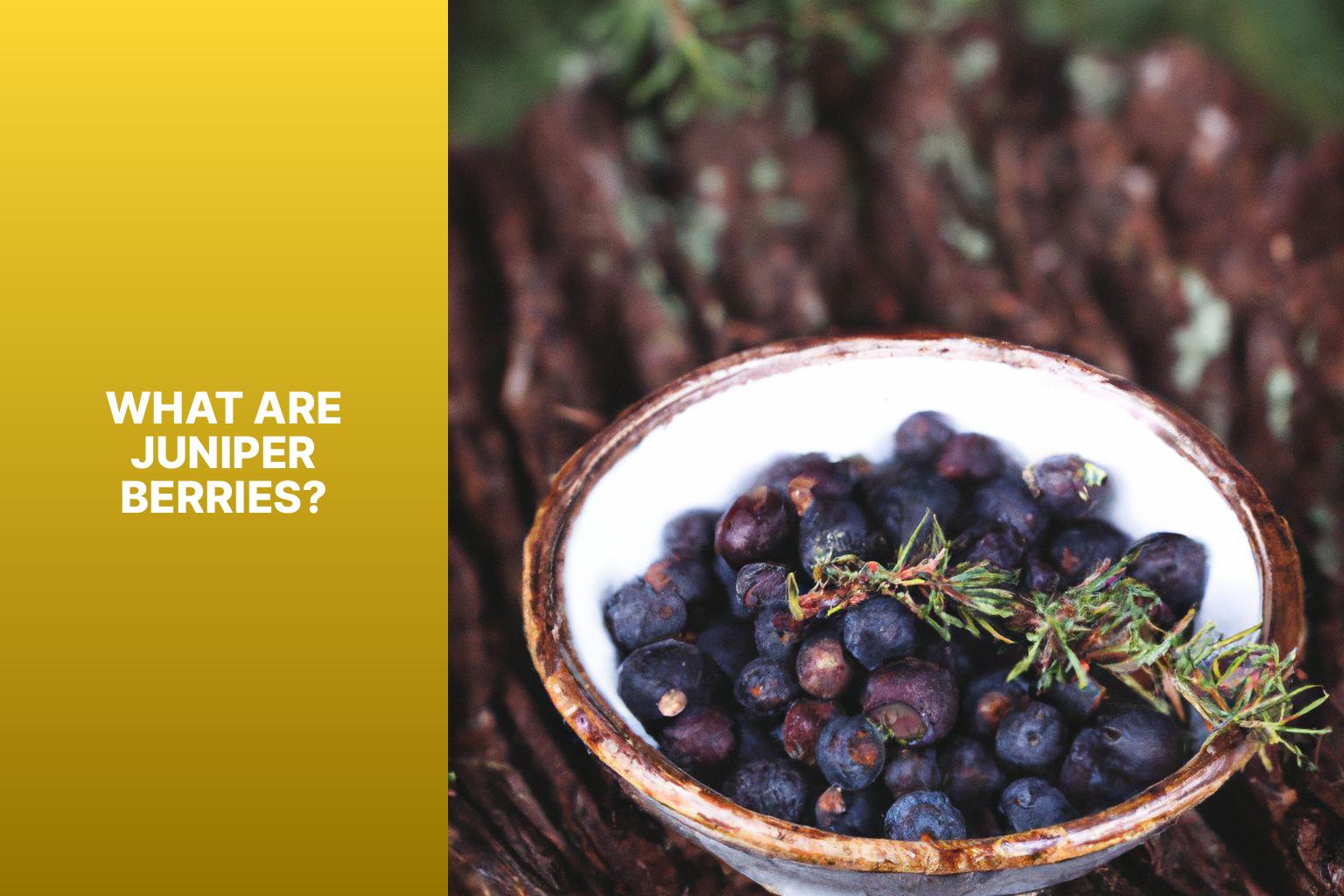
Photo Credits: Diabetescompass.Com by Daniel Thompson
Juniper berries are the small, round fruits of the juniper tree, scientifically known as Juniperus communis. They are not true berries but rather modified cones with fleshy scales that give them a berry-like appearance. Juniper berries have a distinct flavor profile, often described as piney, citrusy, and slightly spicy.
Here are some key characteristics of juniper berries:
- Appearance: Juniper berries are small, round, and usually dark purple or bluish-black in color. They have a waxy coating and a firm texture.
- Flavor: The flavor of juniper berries is complex and aromatic. They have a sharp, resinous taste with hints of citrus and a subtle peppery spiciness.
- Common Uses: Juniper berries are widely used in culinary applications to add flavor and aroma to various dishes. They are a key ingredient in gin production and are also popular in traditional European cuisine.
- Cultural Significance: Juniper berries have been used for centuries in traditional medicine and folklore for their potential health benefits. They are also associated with cultural and culinary traditions in many regions.
When using juniper berries in cooking, it’s important to note that they have a strong flavor, so a little goes a long way. They are often used in savory dishes, particularly those involving game meats, but can also add an interesting twist to sweet recipes.
Now, let’s explore some creative ways to incorporate juniper berries into your cooking, such as in marinades, sauces, and more.
Health Benefits of Juniper Berries
Juniper berries not only add a unique flavor to dishes but also offer several health benefits. Here are some of the key health benefits of juniper berries:
- Rich in Antioxidants: Juniper berries are packed with antioxidants, which help protect the body against damage from harmful free radicals. These antioxidants contribute to overall health and may help reduce the risk of chronic diseases.
- Aids Digestion: Juniper berries have long been used to support digestion. They contain compounds that can help stimulate the production of digestive enzymes, promote healthy gut bacteria, and alleviate digestive discomfort.
- Anti-Inflammatory Properties: The essential oils found in juniper berries possess anti-inflammatory properties. This can be beneficial for individuals dealing with inflammatory conditions such as arthritis, gout, or inflammatory bowel diseases.
- Diuretic Effects: Juniper berries have diuretic properties, meaning they can increase urine production. This can help flush out toxins from the body, support kidney function, and reduce water retention.
- Antibacterial and Antifungal Activity: Certain compounds in juniper berries exhibit antibacterial and antifungal properties. These properties may help fight against various pathogens and potentially protect against certain infections.
- May Aid in Blood Sugar Control: Some studies suggest that juniper berries may help regulate blood sugar levels. Compounds found in juniper berries may improve insulin sensitivity and promote better glucose metabolism.
- Potential Anti-Cancer Effects: Preliminary research suggests that juniper berries may have anti-cancer properties. Some compounds found in juniper berries have demonstrated the ability to inhibit the growth of certain cancer cells, although more research is needed in this area.
While juniper berries offer potential health benefits, it is important to consume them in moderation and consult with a healthcare professional, especially if you have any underlying medical conditions or are taking medications.
Common Culinary Uses of Juniper Berries
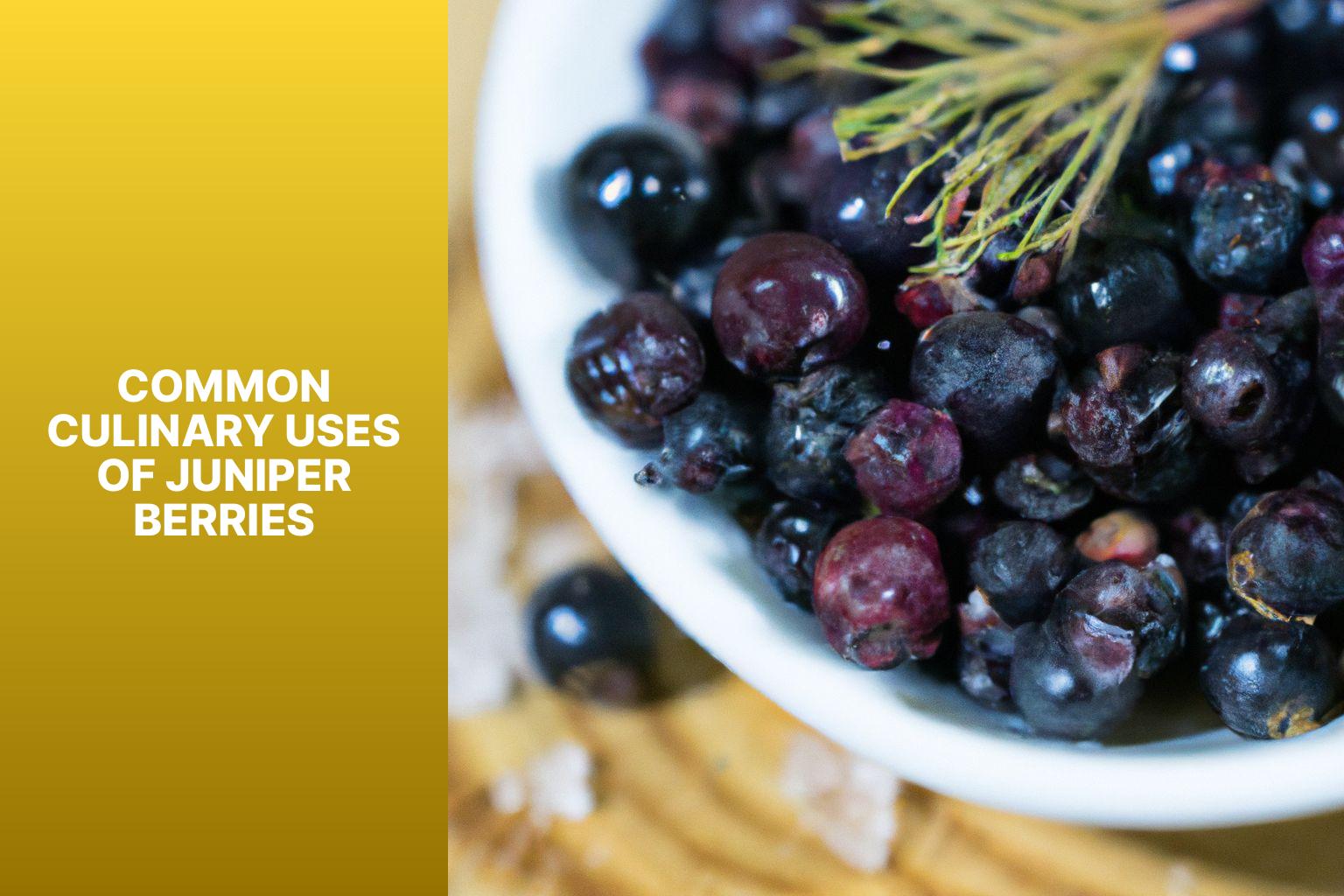
Photo Credits: Diabetescompass.Com by Kevin Brown
Discover the delightful world of juniper berries and unleash your culinary creativity!
In this section, we’ll uncover the common culinary uses of juniper berries and how they can elevate your dishes to new heights.
From tantalizing marinades to delicious sauces, we’ll explore the art of incorporating juniper berries into your cooking.
Get ready to enhance the flavors of meat, poultry, vegetarian and vegan recipes, soups, stews, and even baked goods with the aromatic essence of juniper berries.
Get ready to embark on a flavorful journey!
Incorporating Juniper Berries in Marinades
- Marinades are a great way to incorporate juniper berries in marinades and add a unique flavor to your dishes.
- To incorporate juniper berries in marinades, start by crushing them to release their aromatic oils and flavors.
- To create a marinade, combine the crushed juniper berries with other ingredients such as garlic, herbs, spices, vinegar, and oil.
- To allow the flavors to infuse, marinate meats like venison, game birds, or pork in the mixture for at least 30 minutes.
- Incorporating juniper berries in marinades will impart a slightly piney and floral taste to the meat, adding depth and complexity to the dish.
- For a bolder flavor, you can also char the juniper berries before crushing them to intensify their taste and aroma.
- Experiment with different combinations of herbs and spices to create your own unique juniper berry marinade.
- Juniper berry marinades work well with grilled or roasted meats, providing a delicious and aromatic twist to your favorite recipes.
- Remember to strain the marinade before using it to avoid any unwanted chunks of juniper berries.
- For a milder taste, you can also crush the juniper berries and sprinkle them directly onto the meat before cooking.
Incorporating juniper berries in marinades can elevate your dishes to a whole new level. The unique flavors and aromas that juniper berries bring will impress your guests and add an exciting twist to your cooking. Experiment with different combinations and let the juniper berries infuse your meats with their distinct piney and floral taste. Get creative and enjoy the delicious results.
Adding Juniper Berries to Sauces
When it comes to adding juniper berries to sauces, there are various creative ways to incorporate their unique flavor into your cooking.
- Crushing: Start by crushing the juniper berries with a mortar and pestle to release their aromatic oils. This will help to enhance the flavor of the sauce.
- Infusing: You can infuse the juniper berries in the sauce by adding them whole during the cooking process. This allows the flavors to meld together and gives the sauce a subtle hint of juniper.
- Straining: If you prefer not to have whole juniper berries in your sauce, you can strain them out once the sauce is cooked. This will still allow the flavors to infuse into the sauce without the texture of the berries.
- Combining: Juniper berries work well in combination with other herbs and spices. Consider adding complementary flavors such as rosemary, thyme, or garlic to your sauce to enhance the overall taste.
- Balancing: It’s important to balance the amount of juniper berries used in the sauce. Too little and the flavor of adding juniper Berries to sauces may not come through, while too much can overpower the other ingredients. Start with a small amount and taste as you go, adding more if desired.
- Pairing: Juniper berries are often used in sauces for game meats, such as venison or duck, as they help to enhance the rich flavors. They can also be used in vegetarian or vegan sauces to add a unique twist.
Experimenting with juniper berries in your sauces can bring a new dimension to your culinary creations. Whether you’re creating a marinade, a creamy sauce, or a tangy glaze, the addition of juniper berries can provide a delightful and unexpected flavor profile. So go ahead and get creative in the kitchen by adding juniper berries to your sauces!
Using Juniper Berries in Meat and Poultry
When it comes to using juniper berries in meat and poultry, you can enhance the flavor of your dishes in various creative ways:
| 1. Marinades: | One of the most effective techniques is incorporating juniper berries in your marinades. Crush the berries and combine them with other herbs, spices, and liquids like vinegar or oil to create a flavorful marinade that will infuse your meat or poultry with their distinct flavor. |
| 2. Rubs: | For a flavor boost, add ground juniper berries to your dry rubs for meat and poultry. Combine them with other spices like black pepper, garlic powder, and thyme to elevate the taste of your dishes. |
| 3. Braising: | When braising meat or poultry, consider adding a few juniper berries to the cooking liquid. This will provide an aromatic boost and infuse the meat with the unique flavor of juniper berries during the slow cooking process. |
| 4. Stuffing: | Enhance your poultry stuffing by incorporating crushed juniper berries into the mixture. This will impart a subtly sweet and pine-like flavor, elevating the overall taste of your dish. |
| 5. Sauces: | For a delicious and unique taste, crush juniper berries and add them to your meat and poultry sauces. The berries will contribute their flavor, creating a flavorful sauce that pairs well with the protein. |
| 6. Grilling: | Add a few whole juniper berries to the grill while cooking meat or poultry. As the heat releases their essential oils, it will add a subtle smoky pine flavor to the dish. |
Using juniper berries in meat and poultry can greatly enhance your dishes and impart a unique and aromatic flavor profile. Experiment with different techniques and combinations to discover your favorite way of incorporating these berries into your cooking.
Exploring Vegetarian and Vegan Recipes with Juniper Berries
Exploring Vegetarian and Vegan Recipes with Juniper Berries
| Recipe | Description | Number of Servings |
|---|---|---|
| Juniper Berry Quinoa Salad | This refreshing salad combines cooked quinoa, diced cucumber, cherry tomatoes, chopped mint, and a handful of crushed juniper berries. Tossed with a lemon vinaigrette, it's a perfect side dish for any summer gathering. | 6 servings |
| Vegetarian Juniper Berry Bolognese | A delectable twist on the classic Italian dish, this vegetarian Bolognese is made with sautéed mushrooms, onions, garlic, tomatoes, and a generous amount of crushed juniper berries. Serve it over your favorite pasta for a hearty and flavorful meal. | 4 servings |
| Vegan Juniper Berry Gravy | This rich and flavorful gravy is the perfect accompaniment to mashed potatoes or roasted vegetables. Made with vegetable broth, onions, garlic, juniper berries, and a touch of soy sauce, it adds a delightful depth of flavor to any dish. | 8 servings |
| Juniper Berry Beet Burgers | These juicy and savory beet burgers are a must-try for any vegetarian or vegan. Grated beets, cooked lentils, rolled oats, and crushed juniper berries come together to create a delicious and satisfying patty. Serve on a bun with your favorite toppings for a fantastic plant-based burger. | 4 servings |
Pro-tip: When using juniper berries in vegetarian and vegan recipes, it's important to crush them before incorporating them into your dishes. This releases their aromatic oils and allows their distinctive flavor to infuse into the food more effectively. You can easily crush juniper berries using a mortar and pestle or a spice grinder. Experiment with different quantities to find the perfect balance of flavor for your taste preferences.
Experimenting with Juniper Berries in Soups and Stews
Experimenting with juniper berries in soups and stews can elevate your cooking and bring a new dimension of flavor to your dishes. Don’t be afraid to get creative and try different combinations to find your favorite pairing with these versatile berries. Here are some creative ways to incorporate juniper berries into your soup and stew recipes:
- Add juniper berries to hearty beef stew for a rich and earthy flavor. Start by browning the beef in a pot, then add onions, carrots, potatoes, and your choice of herbs and spices. Crush a few juniper berries and sprinkle them into the pot. Let the stew simmer for a few hours to allow the flavors to develop.
- For a vegetarian option, try adding juniper berries to a hearty vegetable soup. Sauté onions, garlic, and your favorite vegetables in a pot, then add vegetable broth and herbs. Crush a few juniper berries and add them to the soup for a subtle pine-like taste. Let the soup simmer until the vegetables are tender.
- Juniper berries can also enhance the flavors of game meat in soups or stews. Prepare a game meat broth by simmering the meat with onions, carrots, and herbs. Crush a small amount of juniper berries and add them to the broth for a slightly gamey and aromatic taste. Serve the soup or stew with crusty bread for a satisfying meal.
- For a twist on classic chicken soup, add juniper berries to the broth. Boil chicken pieces with onions, carrots, celery, and herbs in a large pot. Crush a few juniper berries and sprinkle them into the broth. The juniper berries will impart a subtle pine flavor to the soup, making it more interesting and flavorful.
- For a creamy and comforting soup, create a juniper berry-infused mushroom soup. Sauté mushrooms, onions, and garlic in butter until they are soft and fragrant. Add vegetable or chicken broth, and crush a small amount of juniper berries to add depth to the soup. Simmer until the flavors meld together, then puree the mixture until smooth. Serve with a dollop of sour cream and a sprinkle of fresh herbs.
Experimenting with juniper berries in soups and stews can add a unique flavor and aroma to your dishes. Juniper berries have been used for centuries to enhance the taste of various recipes. Their distinct pine-like taste can complement both meat-based and vegetarian soups and stews. So why not give it a try and let your creativity flow in the kitchen!
Baking with Juniper Berries
To explore the topic of “Baking with Juniper Berries”, the following table presents information on different baked goods that can be enhanced with the unique flavor of juniper berries:
| Baked Good | Description | Quantity of Juniper Berries |
| Juniper Berry Cookies | Delicious and aromatic cookies with a hint of juniper flavor. | 1 teaspoon of crushed juniper berries |
| Juniper Berry Bread | A rustic bread with a subtle juniper taste, perfect for sandwiches or toast. | 2 tablespoons of finely ground juniper berries |
| Juniper Berry Cake | A unique and fragrant cake that pairs well with citrus or berry flavors. | 1 tablespoon of crushed juniper berries |
| Juniper Berry Tart | A delightful dessert with a buttery crust and a juniper-infused filling. | 1/2 teaspoon of ground juniper berries |
Baking with juniper berries adds depth and complexity to your baked goods. The berries impart a distinct piney, citrusy flavor that complements a variety of sweet treats. When incorporating juniper berries into your baking, it’s important to use the right quantity to achieve the desired taste.
For example, in juniper berry cookies, a teaspoon of crushed juniper berries is sufficient to add a subtle but noticeable flavor. Similarly, for juniper berry bread, two tablespoons of finely ground juniper berries will enhance the overall taste. A tablespoon of crushed juniper berries works well in a juniper berry cake, while half a teaspoon of ground juniper berries can provide the perfect balance in a juniper berry tart.
By experimenting with juniper berries in your baking, you can create unique and flavorful desserts that will impress your friends and family. Just remember to adjust the quantity of juniper berries based on your personal preference and the recipe you are following.
So, whether you’re a seasoned baker or a beginner, don’t hesitate to try baking with juniper berries and elevate your desserts to a whole new level of deliciousness. Enjoy the aromatic and distinct taste that juniper berries bring to your baked goods.
Tips for Cooking with Juniper Berries
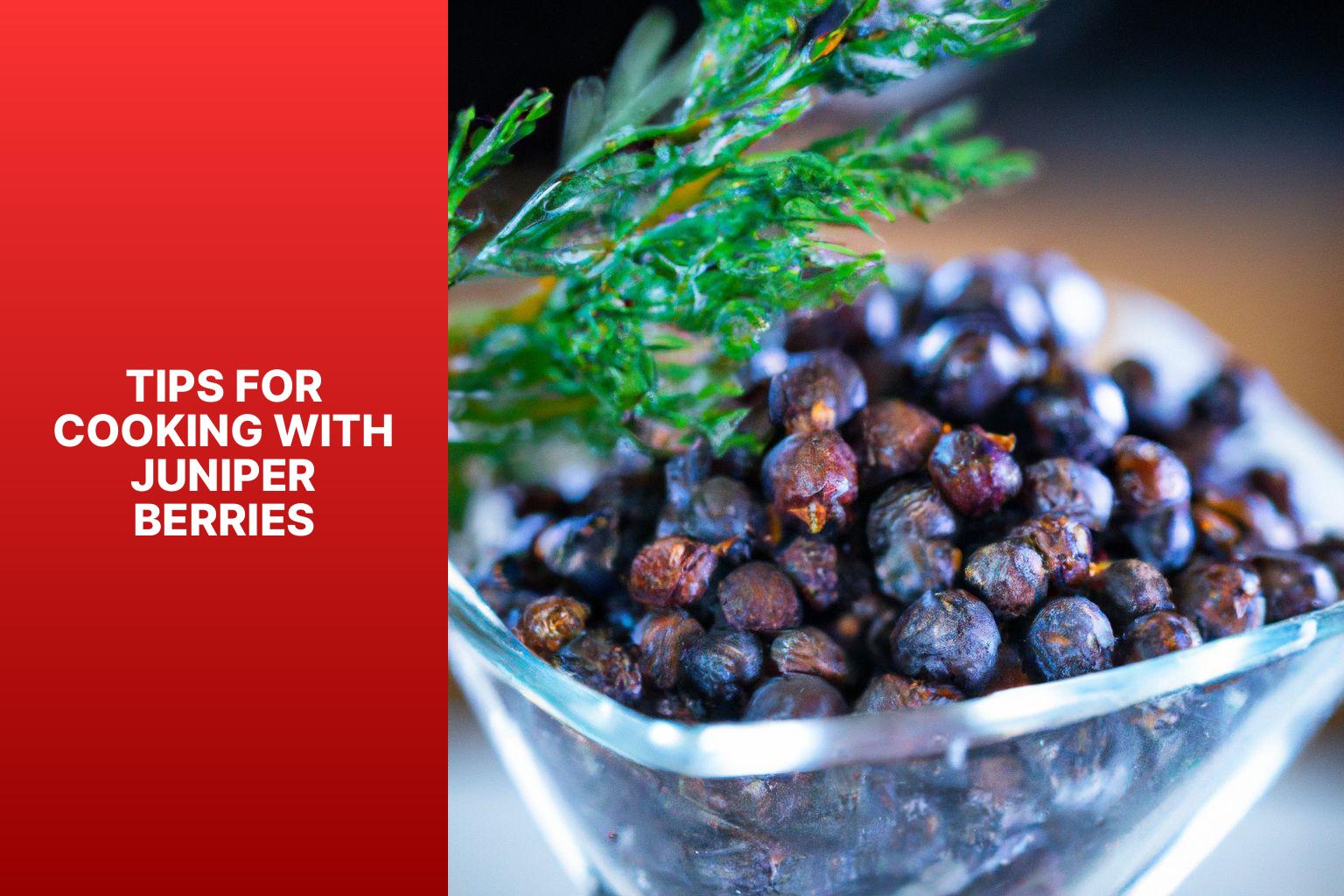
Photo Credits: Diabetescompass.Com by Jack Hill
Here are some valuable tips for cooking with juniper berries to enhance your culinary creations:
- Choose Fresh and Quality Berries: Look for fresh, plump juniper berries with a deep blue color. The berries should have a strong, fragrant aroma, indicating their freshness.
- Crushing or Grinding: To release the flavors and aromas, crush or grind the juniper berries just before using them in your recipes. This helps maximize their impact on the dish.
- Infusing Marinades and Brines: Juniper berries add a unique flavor to marinades and brines. Crushed berries can be added to the mixture, allowing their flavors to infuse into meats, poultry, or even vegetables before cooking.
- Adding to Sauces and Gravies: Incorporate juniper berries into your sauces and gravies to add depth and complexity. Simmer the crushed berries in the sauce or use them in a spice blend for a distinctive flavor profile.
- Pickling Vegetables: Juniper berries are a great addition to pickling recipes. Add them to the brine mixture along with other spices to infuse the vegetables with their unique taste.
- Seasoning Game Meats: Juniper berries are often used to season game meats such as venison, duck, or rabbit. Crushed berries can be included in rubs or marinades to enhance the flavors of these meats.
- Infusing Spirits: Juniper berries are a key ingredient in gin, but you can also experiment with infusing other spirits like vodka or whiskey. Place crushed juniper berries in the spirit of your choice and let them steep for a few days to impart their flavors.
- Exploring Other Culinary Uses: Get creative with juniper berries by incorporating them into unconventional dishes. They can be used in baking, added to spice blends for roasted vegetables, or even infused into ice creams and sorbets.
- Balance the Quantity: Juniper berries have a strong and distinct flavor, so it’s important to use them in moderation. Start with a small amount and gradually increase to achieve the desired taste without overpowering other ingredients.
- Experiment and Have Fun: Don’t be afraid to experiment with juniper berries in your cooking. Embrace their unique flavor and explore different combinations to create exciting and delicious dishes.
By following these tips, you can make the most of juniper berries and elevate the flavors in your culinary creations.
Alternative Uses of Juniper Berries

Photo Credits: Diabetescompass.Com by Dennis Gonzalez
Discover the endless possibilities of incorporating juniper berries beyond the culinary world. From herbal infusions and tea to cocktails and mocktails, as well as homemade skincare products, juniper berries offer a range of alternative uses. Immerse yourself in the aromatic experience of juniper-infused beverages and explore the rejuvenating properties of incorporating these berries into your skincare routine. Let’s unveil the secrets of juniper berries and unlock their potential in unexpected and delightful ways.
Juniper Berries for Herbal Infusions and Tea
Juniper berries, known for their distinct piney and slightly citrusy taste, are not only a versatile ingredient in cooking but also a delightful addition to herbal infusions and tea. Here are some creative ways to incorporate juniper berries for herbal infusions and tea into your drinks:
| 1. Infused Water | Add a handful of juniper berries for herbal infusions and tea to a pitcher of water and let it steep for a few hours. The berries will infuse the water with their distinct flavor, creating a refreshing and unique beverage. |
|---|---|
| 2. Juniper Berry Tea | To make juniper berry tea for herbal infusions and tea, steep a teaspoon of dried juniper berries in a cup of hot water for 5-10 minutes. Strain and enjoy the fragrant and comforting infusion. |
| 3. Detoxifying Tea Blend | Combine juniper berries for herbal infusions and tea with other cleansing herbs like dandelion root, nettle, and burdock root to create a detoxifying tea blend. This herbal infusion can help support the body’s natural detoxification processes. |
| 4. Immune-Boosting Infusion | Boost your immune system by infusing juniper berries for herbal infusions and tea with elderberries, rosehips, and echinacea. This herbal infusion is packed with antioxidants and natural compounds that can strengthen your body’s defenses. |
| 5. Digestive Aid | Juniper berries for herbal infusions and tea have long been used to support digestion. Combine them with soothing herbs like peppermint, ginger, and chamomile to create a digestive tea blend that can help relieve bloating and indigestion. |
Juniper berries for herbal infusions and tea add a unique flavor profile, creating a delicious and aromatic experience. They also offer a range of health benefits, including antioxidants and potential anti-inflammatory properties. However, it’s important to consume juniper berries for herbal infusions and tea in moderation, as excessive intake may have adverse effects.
When preparing herbal infusions and tea with juniper berries for herbal infusions and tea, ensure that you are using high-quality, organic berries. It’s also recommended to consult with a healthcare professional if you have any specific health concerns or conditions before incorporating juniper berries for herbal infusions and tea into your diet.
With these creative ideas, you can cultivate a delicious and aromatic experience by exploring the versatility of juniper berries for herbal infusions and tea. Experiment with different combinations and enjoy the soothing and flavorful benefits they have to offer.
Juniper Berries in Cocktails and Mocktails
When it comes to incorporating juniper berries in cocktails and mocktails, there are numerous creative and delicious options. Juniper berries, known for their distinct flavor, add a unique twist to beverages, making them a popular choice for mixologists and home bartenders alike.
| Drink | Ingredients | Instructions |
|---|---|---|
| Gin and Tonic with a Juniper Berry Twist | – 2 ounces of gin – Tonic water – Juniper berries |
1. Fill a glass with ice cubes 2. Add gin and tonic water 3. Stir gently 4. Garnish with a few crushed juniper berries |
| Juniper Berry Martini | – 2 ounces of vodka – 1/2 ounce of dry vermouth – Juniper berries |
1. Fill a cocktail shaker with ice 2. Add vodka and dry vermouth 3. Shake well 4. Strain into a chilled martini glass 5. Garnish with a few juniper berries |
| Juniper Berry Mojito | – 1 1/2 ounces of white rum – 1 ounce of fresh lime juice – 1/2 ounce of simple syrup – Club soda – Fresh mint leaves – Juniper berries |
1. Muddle mint leaves and juniper berries in a glass 2. Add rum, lime juice, and simple syrup 3. Fill the glass with crushed ice 4. Top with club soda 5. Stir gently 6. Garnish with a sprig of mint and a few juniper berries 7. Serve with a straw |
These are just a few examples of the many ways you can incorporate juniper berries in cocktails and mocktails. The flavor profile of juniper berries pairs well with a variety of spirits, so feel free to experiment and create your own signature drinks.
Pro-Tip: If you want to enhance the flavor of the juniper berries in your cocktails, you can lightly crush them before adding them to your drink. This will release their aromatic oils and intensify their taste. Cheers!
Using Juniper Berries in Homemade Skincare Products
1. Face Mask: Incorporate juniper berries into your homemade face mask for natural skincare

Unlock the Power of Manganese: Discover the Top Foods to Boost Your Health!
Dietary Sources of Manganese: Provide a list of foods rich in manganese and explain how to incorporate them into a balanced diet.
Manganese is an essential mineral that plays a crucial role in various physiological processes in the body. From supporting bone health and protein metabolism to aiding in antioxidant function and maintaining a healthy nervous system, manganese is important for overall well-being. Incorporating manganese-rich foods into your diet is key to ensuring an adequate intake of this vital nutrient.
Here is a list of top dietary sources of manganese:
- Whole Grains: Foods such as whole wheat, oats, brown rice, and quinoa are excellent sources of manganese.
- Nuts and Seeds: Almonds, walnuts, pecans, pumpkin seeds, and sesame seeds are rich in manganese while providing healthy fats and protein.
- Legumes: Beans, lentils, chickpeas, and soy products like tofu are not only a great source of plant-based protein but also contain significant amounts of manganese.
- Leafy Green Vegetables: Spinach, kale, Swiss chard, and collard greens are not only packed with vitamins and minerals but also contain manganese.
- Fruits: Pineapple, blueberries, raspberries, blackberries, and strawberries are among the fruits that contain manganese.
To incorporate manganese-rich foods into a balanced diet, consider the following tips:
- Include Whole Grains in Your Meals: Opt for whole grain bread, pasta, and cereals. Add cooked whole grains like quinoa or brown rice as a side dish.
- Snack on Nuts and Seeds: Keep a handful of mixed nuts or seeds, like almonds or pumpkin seeds, for a nutritious snack between meals.
- Add Legumes to Your Soups, Salads, and Dishes: Include beans, lentils, or chickpeas in your favorite soups, salads, or main dishes for an added manganese boost.
- Increase Leafy Green Vegetables in Your Diet: Add spinach or kale to your salads, smoothies, or stir-fries. Sautéed collard greens can also make a tasty side dish.
- Include a Variety of Fruits in Your Daily Intake: Snack on fresh fruits or add them to your breakfast cereal, yogurt, or smoothies for a delicious and nutritious way to meet your manganese needs.
By incorporating these manganese-rich foods into your balanced diet, you can ensure an adequate intake of this essential mineral and support overall health.
Key takeaway:
- Manganese is an important nutrient: Manganese plays a vital role in various bodily functions and is essential for overall health.
- Top dietary sources of manganese: Whole grains, nuts and seeds, legumes, leafy green vegetables, and fruits are all rich sources of manganese.
- Incorporating manganese-rich foods: To include more manganese in your diet, include whole grains in meals, snack on nuts and seeds, add legumes to soups and salads, increase leafy green vegetable consumption, and include a variety of fruits in your daily intake.
- Health risks and considerations: Manganese deficiency can have negative consequences, while overconsumption may lead to adverse effects. It is important to manage manganese intake and ensure a balanced consumption.
- Manganese as a vital nutrient: Manganese is crucial for overall health and should be included in a balanced diet for optimal well-being.
What is Manganese and Why is it Important?
Manganese is an essential mineral that plays a crucial role in various bodily functions. It is important for:
- Metabolism: Manganese helps in the metabolism of carbohydrates, proteins, and fats, ensuring the body can efficiently utilize them for energy.
- Antioxidant Activity: Manganese acts as a cofactor for several antioxidant enzymes, such as superoxide dismutase, which help protect cells from oxidative stress and damage.
- Bone Health: Manganese is involved in the formation and maintenance of healthy bones and connective tissues.
- Collagen Production: It is essential for the synthesis of collagen, a protein that provides structure and strength to various tissues, including skin, tendons, and blood vessels.
- Neurological Function: Manganese is also important for normal brain and nervous system function.
To incorporate manganese into a balanced diet, include foods that are rich in this mineral. Here are some dietary sources of manganese:
- Nuts and Seeds: Almonds, hazelnuts, pecans, walnuts, pumpkin seeds, and flaxseeds are all good sources of manganese.
- Whole Grains: Foods like whole wheat, oats, brown rice, and quinoa are not only rich in fiber but also contain significant amounts of manganese.
- Legumes: Beans, lentils, chickpeas, and soy-based products like tofu are excellent sources of manganese.
- Leafy Green Vegetables: Spinach, kale, collard greens, and mustard greens are nutritious options that provide manganese.
- Tea: Both black and green tea contain manganese, along with other beneficial compounds.
- Seafood: Mussels, clams, and other shellfish are seafood sources that provide manganese.
- Spices: Herbs and spices such as cloves, cinnamon, turmeric, and ginger contain manganese and can be added to dishes for flavor and health benefits.
To incorporate these foods into a balanced diet:
- Include a variety of nuts and seeds as snacks or add them to salads, yogurts, or homemade granola.
- Choose whole grain options for bread, pasta, and cereals.
- Incorporate legumes into soups, stews, salads, or make them the base for vegetarian dishes.
- Make leafy green vegetables a part of salads, stir-fries, smoothies, or as a side dish.
- Enjoy a cup or two of tea throughout the day.
- Include seafood options like mussels or clams in seafood-based recipes.
- Experiment with different spices in cooking and baking to add flavor and health benefits.
By incorporating these foods into your diet, you can ensure an adequate intake of manganese and support overall health and well-being.
Top Dietary Sources of Manganese
Looking to boost your manganese intake for a balanced diet? Look no further! In this section, we uncover the top dietary sources of manganese. From whole grains to nuts and seeds, legumes to leafy green vegetables, and even fruits, we’ve got you covered. Discover the delicious options that can help you meet your manganese needs and learn how to incorporate these nutrient-rich foods into your daily meals. Get ready to supercharge your nutrition with this essential mineral!
Whole Grains
When it comes to incorporating whole grains into a balanced diet, there are several options to choose from. Here is a list of whole grains that are rich in manganese and how you can include them in your meals:
1. Brown rice: This nutritious grain is a great source of manganese. You can enjoy it as a side dish or use it as a base for stir-fries, grain bowls, or stuffed peppers.
2. Quinoa: Not only are whole grains like quinoa high in protein, but they are also packed with manganese. Use whole grains like quinoa as a substitute for rice or pasta in salads, soups, or as a side dish.
3. Oats: Whole grains like oats are a versatile option that can be enjoyed in various ways. Start your day with a hearty bowl of oatmeal or add whole grains like oats to your smoothies, muffins, or homemade granola bars.
4. Whole wheat: Opt for whole grain options like whole wheat bread, pasta, or tortillas instead of their refined counterparts. These whole grains contain more manganese and other nutrients.
5. Barley: Barley is a nutrient-dense whole grain that can be used in soups, stews, or pilafs. It adds a nutty flavor and chewy texture to dishes.
Pro-tip: To incorporate whole grains into your diet, try to make at least half of your grain intake whole grains. Experiment with different recipes and meal ideas to make whole grains a regular part of your meals. Be mindful of portion sizes and try to balance your overall nutrient intake.
Remember, whole grains not only provide manganese but also offer other essential nutrients like fiber, vitamins, and minerals. So, make whole grains a priority in your diet and reap the benefits of a healthy and balanced eating plan.
Nuts and Seeds
Nuts and seeds are excellent sources of manganese and can easily be incorporated into a balanced diet. Here is a table showcasing some common nuts and seeds and their manganese content:
| Nuts and Seeds | Manganese Content per 100g |
| Almonds | 2.3 mg |
| Pumpkin Seeds | 1.5 mg |
| Walnuts | 1.1 mg |
| Sesame Seeds | 1.2 mg |
| Chia Seeds | 0.8 mg |
To incorporate nuts and seeds into your diet, you can try the following suggestions:
- Snack on almonds, walnuts, or pumpkin seeds throughout the day. They make a delicious and nutritious option for a quick pick-me-up.
- Sprinkle sesame seeds or chia seeds onto your salads, yogurts, or smoothies for an added crunch and nutrition boost.
- Use ground almonds or walnuts as a substitute for flour while baking, which is a great way to add a nutty flavor and increase manganese intake.
- Make homemade energy bars or granola bars using a combination of nuts and seeds. They can be a healthy and convenient snack option.
Remember that while nuts and seeds are rich in manganese, they should be consumed in moderation as part of a well-balanced diet. Incorporating a variety of foods from different food groups ensures a diverse nutrient intake.
By including nuts and seeds in your diet, you can take advantage of their high manganese content and enjoy their numerous health benefits.
Legumes
are a nutritious and versatile food group that should be included in a balanced diet. They are a great source of plant-based protein, fiber, vitamins, and minerals. Adding legumes to your meals not only boosts your overall well-being but also enhances your culinary skills. Here is a table that showcases various legumes and their nutritional content:
| Legume | Protein (per 100g) | Fiber (per 100g) | Iron (per 100g) |
|---|---|---|---|
| Chickpeas | 19g | 17g | 6mg |
| Lentils | 9g | 8g | 3mg |
| Black beans | 8g | 8g | 2mg |
| Kidney beans | 8g | 6g | 2mg |
To incorporate legumes into your balanced diet, consider the following suggestions:
- Soups and stews: Add chickpeas, lentils, black beans, or kidney beans to your favorite soups and stews to boost their nutritional value and make them more filling.
- Salads: Sprinkle cooked legumes over your salads for an extra protein punch. They add texture, flavor, and are a perfect addition to any leafy green salad.
- Dishes: Legumes are a fantastic addition to various dishes. Try making chickpea curry, lentil pasta sauce, or black bean burgers to add variety and nutrients to your meals.
- Side dishes: Serve cooked legumes as a tasty and nutritious side dish. Season them with herbs and spices for added flavor.
- Snacks: Roast chickpeas in the oven with your favorite seasonings for a crunchy and healthy snack.
Remember to soak and cook dried legumes properly to improve their digestibility and remove any anti-nutrients. Canned legumes are also a convenient option if you’re short on time.
Incorporating legumes into your diet will not only provide you with essential nutrients but also contribute to a sustainable and environmentally friendly food choice. So go ahead and include legumes in your meals to cultivate a healthy and well-balanced diet.
Note: All nutritional values mentioned are approximations and can vary depending on the specific variety and cooking method used.
Leafy Green Vegetables
Leafy green vegetables are a vital part of a balanced diet, providing an excellent source of manganese. It is essential to incorporate these leafy green vegetables into your meals to ensure a sufficient intake of this beneficial mineral. Here is a list of leafy green vegetables that are particularly rich in manganese:
- Kale: Known for its nutrient density, kale stands out as a leafy green vegetable high in manganese. Moreover, it is packed with an array of other minerals and vitamins, making it an incredibly nutritious addition to any meal.
- Spinach: Another leafy green vegetable abundant in manganese is spinach. It also serves as a valuable source of iron, calcium, and fiber, further enhancing its nutritional value.
- Collard greens: Versatile and full of manganese, collard greens offer numerous cooking possibilities. From being added to soups and stir-fries to being incorporated into salads, collard greens prove to be a valuable culinary asset.
- Swiss chard: Considered a manganese-rich leafy green vegetable, Swiss chard also boasts high levels of antioxidants and various nutrients that contribute to overall health and well-being.
- Mustard greens: If you enjoy bold and peppery flavors, mustard greens are an ideal choice. Not only are they tasty, but they also provide a good amount of manganese. You can relish them either cooked or raw in salads.
To incorporate leafy green vegetables into a balanced diet, consider the following suggestions:
- Add them to salads: Elevate your salads by tossing in some kale, spinach, or Swiss chard, enriching them with an extra dose of manganese.
- Sautee or stir-fry them: Prepare collard greens or mustard greens by cooking them with garlic and olive oil. This method creates a delicious and nutritious side dish.
- Blend them into smoothies: To increase your manganese intake along with other essential nutrients, simply add a handful of spinach or kale to your smoothies.
- Steam or boil them: Maintain the nutrient content of leafy green vegetables such as spinach or Swiss chard by steaming or boiling them. These cooked greens can be enjoyed as a side dish or incorporated into pasta dishes or stir-fries.
By consciously including leafy green vegetables in your diet, you can ensure an adequate intake of manganese and fully enjoy the manifold health benefits that these nutrient-rich vegetables provide.
Fruits
Fruits are an excellent source of manganese and can be easily incorporated into a balanced diet. Here is a list of fruits that are rich in manganese:
- Bananas: Bananas are not only a delicious and convenient snack, but they also contain a good amount of manganese. One medium-sized banana provides approximately 0.3 milligrams of manganese, which is about 15% of the daily recommended intake.
- Pineapple: This tropical fruit is not only refreshing but also packed with nutrients. One cup of pineapple chunks contains about 1 milligram of manganese, which is 50% of the daily recommended intake.
- Avocado: Avocados are not only creamy and flavorful but also a great source of manganese. One medium avocado provides approximately 0.3 milligrams of manganese, which is about 15% of the daily recommended intake.
- Strawberries: These sweet, juicy berries are not only delicious but also rich in manganese. One cup of strawberries contains about 0.2 milligrams of manganese, which is about 10% of the daily recommended intake.
- Raspberries: Another tasty fruit that is high in manganese is raspberries. One cup of raspberries provides approximately 0.4 milligrams of manganese, which is about 20% of the daily recommended intake.
To incorporate these fruits into a balanced diet, you can enjoy them as a standalone snack, add them to your breakfast cereal or yogurt, or use them in smoothies or fruit salads. Remember to choose fresh, ripe fruits and consume them in moderation as part of a varied and balanced diet.
Including these manganese-rich fruits in your diet can help ensure that you are meeting your daily recommended intake of this essential nutrient. So why not add some variety and sweetness to your meals by incorporating these fruits into your daily routine?
Incorporating Manganese-Rich Foods into a Balanced Diet
Looking to boost your manganese intake and create a well-rounded diet? Look no further than incorporating manganese-rich foods into your meals. From whole grains to nuts and seeds, legumes to leafy greens, and a variety of fruits, this section will provide valuable insights on how to effortlessly infuse your daily intake with these nutrient-packed options. Get ready to enhance your balanced diet with these delicious and nutritious choices that will keep you nourished and energized. Let’s dive in!
Include Whole Grains in Your Meals
Including whole grains in your meals is a great way to boost your manganese intake. To incorporate whole grains into your meals, make sure to include brown rice, quinoa, oats, whole wheat, and barley. These whole grains are rich in manganese and offer several options for integration into a balanced diet.
Start by including brown rice as a side dish or using it as a base for stir-fries, salads, or grain bowls. Quinoa, on the other hand, is a versatile grain that can be used as a substitute for rice or couscous. You can also incorporate quinoa into salads, soups, and stews. For breakfast, consider oats as they are a popular choice that is high in manganese. Enjoy a warm bowl of oatmeal topped with fruits and nuts, or use oats to make granola bars, cookies, or smoothies.
When it comes to bread, pasta, and couscous, opt for whole wheat options instead of refined grains. Whole wheat products are excellent sources of manganese. Additionally, consider using barley in soups, stews, salads, or even as a substitute for rice in risottos. Barley is not only rich in manganese but also high in fiber.
To incorporate whole grains into your meals, try substituting refined grains with whole grain alternatives. Choose whole wheat bread instead of white bread, opt for whole grain pasta instead of regular pasta, and use brown rice instead of white rice. Experiment with different whole grain recipes and include them in your daily meals to ensure a balanced diet.
By including whole grains in your meals, you can increase your manganese intake and reap the nutritional benefits of these wholesome grains. So, make it a point to include whole grains in your meals to promote a healthier lifestyle.
Snack on Nuts and Seeds
Snacking on nuts and seeds is not only a delicious and convenient option, but it also provides numerous health benefits. So why not snack on nuts and seeds? Here are some nuts and seeds that are rich in essential nutrients like manganese, along with simple ways to incorporate them into your diet:
- Almonds: Snack on almonds! Almonds are a great source of manganese, providing approximately 0.65 mg per 1-ounce serving. Enjoy a handful of almonds as an energizing snack between meals or sprinkle them on top of salads or yogurt for added crunch.
- Walnuts: Don’t forget to snack on walnuts too! Walnuts are not only rich in omega-3 fatty acids but also contain trace amounts of manganese, with about 0.95 mg per 1-ounce serving. Mix walnuts with dried fruits for a nutritious trail mix or add them to your oatmeal for a satisfying breakfast.
- Pumpkin Seeds: Incorporate pumpkin seeds into your snacking routine. Pumpkin seeds are an excellent source of manganese, offering around 0.65 mg per 1-ounce serving. Enjoy them roasted for a crunchy snack or sprinkle them over soups and salads to add a nutty flavor and texture.
- Sesame Seeds: Why not try snacking on sesame seeds too? These tiny seeds are packed with nutrients, including manganese with approximately 0.6 mg per tablespoon. Add sesame seeds to homemade granola bars or sprinkle them over stir-fries and roasted vegetables for a delightful crunch.
- Flaxseeds: Don’t forget to incorporate flaxseeds into your snacking routine. Flaxseeds are not only a fantastic source of omega-3 fatty acids but also contain manganese, providing about 0.6 mg per tablespoon. Mix ground flaxseeds into smoothies or yogurt, or use them as an egg substitute in baking recipes.
Pro-tip: To maximize the nutritional benefits of nuts and seeds, choose unsalted varieties and opt for natural or dry-roasted options instead of those coated in sugary or salty seasonings. Portion control is key when snacking on nuts and seeds, as they are calorie-dense. So remember to snack on nuts and seeds as part of a balanced diet alongside a variety of other nutrient-rich foods.
Add Legumes to Your Soups, Salads, and Dishes
Add legumes to your soups, salads, and dishes is a great way to naturally incorporate the essential nutrient manganese into your balanced diet. Here is a list of legumes that are rich in manganese:
- Chickpeas: 1 cup of cooked chickpeas provides approximately 0.6 milligrams of manganese, which is around 30% of the recommended daily intake for adults.
- Lentils: One cup of cooked lentils contains about 0.4 milligrams of manganese, contributing to about 20% of the recommended daily intake.
- Black beans: A cup of cooked black beans contains around 0.3 milligrams of manganese, accounting for about 15% of the recommended daily intake.
- Kidney beans: One cup of cooked kidney beans provides about 0.2 milligrams of manganese, which is approximately 10% of the recommended daily intake.
- Green peas: A cup of cooked green peas contains approximately 0.2 milligrams of manganese, contributing to about 10% of the recommended daily intake.
- Split peas: One cup of cooked split peas provides about 0.2 milligrams of manganese, accounting for around 10% of the recommended daily intake.
To incorporate these legumes into your soups, salads, and dishes, you can try the following ideas:
- Add chickpeas to your salads and dishes for an extra boost of protein and manganese.
- Make lentil soups with various vegetables and spices for nutritious and flavorful meals.
- Include black beans in Mexican-inspired dishes like tacos or burritos.
- Add kidney beans to your favorite chili recipes for hearty and manganese-rich meals.
- Include green peas in stir-fries or pasta dishes for bursts of color and manganese.
- Cook split peas with vegetables and herbs for comforting and manganese-packed soups.
By incorporating legumes into your soups, salads, and dishes, you not only enhance the flavors and textures of your meals but also boost your manganese intake, which is vital for overall health.
Increase Leafy Green Vegetables in Your Diet
Incorporating leafy green vegetables into your diet is an excellent way to increase your intake of essential nutrients and, ultimately, to increase leafy green vegetables in your diet. These vegetables are packed with vitamins, minerals, and fiber, making them a valuable addition to any well-balanced diet. Here are some natural ways to incorporate and increase leafy green vegetables in your diet:
- Choose a variety of leafy greens: There are numerous options to choose from, such as spinach, kale, Swiss chard, and collard greens. By incorporating a variety of greens into your meals, you can benefit from a wide range of nutrients and effectively increase leafy green vegetables in your diet.
- Add greens to salads: One simple way to increase your leafy green vegetable intake is by adding them to salads. Toss some spinach, arugula, or mixed greens with your favorite vegetables and a light dressing for a nutritious and refreshing meal. This will further enhance your efforts to increase leafy green vegetables in your diet.
- Sautee greens as a side dish: Sautéing leafy greens with a little olive oil, garlic, and lemon juice is a flavorful way to increase leafy green vegetables in your diet. Try sautéing kale or Swiss chard for a quick and easy addition to any meal.
- Incorporate greens into soups and stews: Adding leafy greens like spinach or collard greens to soups and stews is a great strategy to increase leafy green vegetables in your diet. They not only add color and flavor but also provide a nutritional punch to your dishes.
- Blend them into smoothies: Leafy greens can easily be incorporated into your morning smoothies. Add a handful of spinach or kale to your fruit smoothie for an added dose of vitamins and minerals, further contributing to an increased intake of leafy green vegetables in your diet.
- Replace lettuce with greens: Instead of using lettuce in your sandwiches or wraps, opt for leafy greens like romaine lettuce or arugula. By making this simple substitution, you can enjoy a new flavor while reaping the benefits of increased leafy green vegetables in your diet.
By following these tips, you can naturally increase your intake of leafy green vegetables and fully incorporate them into your diet. Remember to wash your greens thoroughly before preparing and enjoy the numerous health benefits they offer.
Include a Variety of Fruits in Your Daily Intake
When you’re aiming to include a variety of fruits in your daily intake, there are several options to consider. Here is a list of fruits rich in essential nutrients that you can incorporate into your diet:
1. Berries: Incorporate berries such as strawberries, blueberries, raspberries, and blackberries into your daily intake. These fruits are packed with antioxidants, vitamins, and fiber. You can enjoy them as a snack, add them to your cereal or yogurt, or use them in smoothies.
2. Citrus Fruits: To include a variety of fruits in your daily intake, make sure to incorporate oranges, grapefruits, lemons, and limes. These fruits are excellent sources of vitamin C, which supports immune function and collagen production. You can have them as a refreshing snack, squeeze them into water or salad dressings, or make citrus fruit salads.
3. Apples: Incorporate apples into your daily intake as they are a rich source of dietary fiber and high in antioxidants. Enjoy them as a fresh snack, slice them into salads, or use them in baking recipes.
4. Bananas: To include a variety of fruits in your daily intake, add bananas to your meals or snacks. They are not only delicious but also a great source of potassium, which helps maintain proper heart and muscle function. They can be eaten on their own, added to smoothies or oatmeal, or used in baking for natural sweetness.
5. Tropical Fruits: Pineapple, mango, papaya, and kiwi are tropical fruits that you can incorporate into your daily intake. They offer a range of vitamins and minerals. Enjoy them as a refreshing snack, add them to fruit salads, or use them in smoothies and desserts.
6. Grapes: Make sure to incorporate grapes into your daily intake to benefit from their antioxidants and polyphenols that promote heart health. They make for a convenient on-the-go snack, can be added to salads, or frozen for a refreshing treat.
7. Pomegranates: To include a variety of fruits in your daily intake, try incorporating pomegranates. They are known for their high antioxidant content and can be enjoyed by eating the juicy seeds or drinking pomegranate juice.
To include a variety of fruits in your daily intake, start by adding one or two different fruits to your meals or snacks each day. You can also try mixing different fruits together for a colorful and nutrient-rich fruit salad. Remember to choose fresh, ripe fruits and wash them thoroughly before consumption. Incorporating a variety of fruits in your daily diet helps ensure you receive a wide range of essential vitamins, minerals, and antioxidants for optimal health.
Potential Health Risks and Considerations with Manganese Intake
Photo Credits: Diabetescompass.Com by Jason Torres
When it comes to manganese intake, it’s crucial to be aware of the potential health risks and considerations. In this section, we’ll dive into the consequences of manganese deficiency, the p

Unlocking the Sweet Truth: Ceylon vs Cassia Cinnamon – Which Reigns Supreme for Blood Sugar Control?
Cinnamon is a popular spice known for its distinct flavor and aroma. However, there are different varieties of cinnamon available, with Ceylon and cassia being the most commonly consumed. When it comes to blood sugar management, understanding the differences between Ceylon and cassia cinnamon is essential.
Ceylon cinnamon, also known as “true cinnamon,” is a delicate and mild-tasting variety. It is produced primarily in Sri Lanka and has been used for centuries for its medicinal properties. Ceylon cinnamon has various health benefits, including its anti-inflammatory and antioxidant properties, which may contribute to overall well-being.
In contrast, cassia cinnamon is more widely available and has a stronger, spicier flavor. It is primarily produced in China and other parts of Asia. Cassia cinnamon also offers health benefits, such as anti-inflammatory effects and potential blood sugar management properties.
While both Ceylon and cassia cinnamon have their unique characteristics, there are specific differences between the two. These include variations in flavor and aroma, coumarin content (a compound that can be toxic in large amounts), and appearance.
The effects of Ceylon and cassia cinnamon on blood sugar management have been studied extensively. Ceylon cinnamon has shown promising effects in improving insulin sensitivity and regulating blood sugar levels. Cassia cinnamon, on the other hand, contains a higher concentration of coumarin, which can have adverse effects on the liver if consumed in large quantities.
Considering these factors, the choice of cinnamon for blood sugar management depends on individual preferences and health conditions. It is advisable to consult with a healthcare professional or a registered dietitian to determine the most suitable option.
Key takeaway:
- Ceylon cinnamon is known for its characteristic flavor and aroma, while cassia cinnamon has a stronger and more intense taste.
- Ceylon cinnamon has lower levels of coumarin, a compound that in high quantities can be harmful to the liver, compared to cassia cinnamon.
- Ceylon cinnamon has a lighter color and a thinner bark compared to the darker and thicker bark of cassia cinnamon.
- Ceylon cinnamon has been found to have positive effects on blood sugar management, potentially helping to regulate blood sugar levels.
- Cassia cinnamon may also have beneficial effects on blood sugar management, but its higher coumarin content may make it less suitable for long-term consumption.
- The choice between Ceylon and cassia cinnamon for blood sugar management depends on individual preferences and health considerations.
What is Ceylon Cinnamon?
Ceylon cinnamon is a type of cinnamon that is also known as “true cinnamon.” It is derived from the bark of the Cinnamomum verum tree, which is native to Sri Lanka (formerly Ceylon). Here are some key characteristics of Ceylon cinnamon:
- Origin: Ceylon cinnamon comes from Sri Lanka and is primarily produced in this region.
- Appearance: It has a lighter, tan brown color compared to cassia cinnamon.
- Texture: The bark of Ceylon cinnamon is thinner and more delicate, making it easier to crumble into powder.
- Flavor Profile: Ceylon cinnamon has a subtle and complex flavor with citrusy and floral notes. It is less spicy and has a milder taste compared to cassia cinnamon.
- Coumarin Content: Ceylon cinnamon contains significantly lower levels of coumarin, a natural compound that may have potential health risks when consumed in large amounts.
- Health Benefits: While both types of cinnamon have potential health benefits, Ceylon cinnamon is often preferred for its lower coumarin content, which makes it a safer option for individuals who consume cinnamon regularly or in larger quantities.
Ceylon cinnamon is known for its distinct flavor profile, lighter color, and lower coumarin content compared to cassia cinnamon. It is often favored by those who seek a more delicate cinnamon taste and are mindful of potential coumarin intake.
Characteristics of Ceylon Cinnamon
Ceylon cinnamon, which is also referred to as true cinnamon, possesses distinctive characteristics that differentiate it from cassia cinnamon. Here are the notable features that showcase the characteristics of Ceylon cinnamon:
- Color: Ceylon cinnamon exhibits a lighter and more delicate color in comparison to cassia cinnamon. It showcases a tan or light brown hue, while cassia cinnamon typically has a darker reddish-brown color.
- Texture: The texture of Ceylon cinnamon is softer and more crumbly. It can be easily ground into a fine powder or broken into smaller pieces, making it convenient for various culinary applications.
- Aroma: Ceylon cinnamon releases a sweet and citrusy fragrance with subtle hints of floral notes. Its aroma is milder and more nuanced when compared to the stronger and spicier scent of cassia cinnamon.
- Flavor: Ceylon cinnamon offers a subtle, delicate, and slightly sweet flavor with a citrusy undertone. It possesses a less intense and more complex flavor profile in comparison to the bold and spicy taste of cassia cinnamon.
- Coumarin Content: Both Ceylon and cassia cinnamon contain coumarin, a naturally occurring compound. However, Ceylon cinnamon has significantly lower levels of coumarin compared to cassia cinnamon. This makes Ceylon cinnamon a safer choice for individuals who regularly consume cinnamon or use it in larger amounts.
- Culinary Uses: Due to its delicate flavor and aroma, Ceylon cinnamon is well-suited for enhancing the taste of subtle dishes such as desserts, fruits, and delicate beverages. It adds a touch of sophistication to recipes without overpowering the other ingredients.
Ceylon cinnamon truly stands out with its lighter color, softer texture, sweet aroma, delicate flavor, lower coumarin content, and its suitability for enhancing the taste of delicate dishes. It is essential to consider these characteristics when selecting cinnamon for your culinary creations or health purposes, especially if you desire a more refined and nuanced cinnamon experience.
Where is Ceylon Cinnamon Produced?
Sri Lanka is the primary source of Ceylon cinnamon in the world. The country’s ideal climate and soil conditions contribute to the cultivation of high-quality cinnamon. Ceylon cinnamon is primarily produced in Sri Lanka, specifically in the central hill regions of Kandy, Matale, and Ratnapura.
By choosing Ceylon cinnamon from Sri Lanka, you can enjoy its unique flavors and reap its health benefits while supporting sustainable farming practices. When choosing Ceylon cinnamon, it is essential to ensure that it is sourced from Sri Lanka, as there are other varieties on the market, such as Cassia cinnamon, which may not offer the same quality and health benefits. Look for certified Ceylon cinnamon from Sri Lanka to ensure its authenticity and quality. Support sustainable farming practices by choosing Ceylon cinnamon produced in Sri Lanka.
Try incorporating Ceylon cinnamon in your favorite recipes to experience its distinct flavor. Explore the rich history and cultural significance of Ceylon cinnamon in Sri Lanka.
Sri Lanka has increasingly focused on promoting the geographical indication of Ceylon cinnamon. This designation indicates that the cinnamon produced in Sri Lanka adheres to specific quality standards and originates from the region. It is a testament to the unique and authentic nature of Ceylon cinnamon from Sri Lanka.
What Are the Health Benefits of Ceylon Cinnamon?
What Are the Health Benefits of Ceylon Cinnamon?
Ceylon cinnamon, also known as “true” cinnamon, is a spice that offers numerous health benefits. Ceylon cinnamon provides a range of health benefits, including antioxidant and anti-inflammatory properties, blood sugar regulation, cholesterol reduction, improved brain function, and digestive support. Its antimicrobial and anti-allergic effects, along with its potential for weight management and heart health benefits, make it a valuable addition to a healthy lifestyle.
What is Cassia Cinnamon?
Cassia cinnamon is a type of cinnamon that is commonly used as a spice and has been used for centuries in traditional medicine. It is derived from the bark of the Cinnamomum cassia tree, which is native to China and other parts of East Asia. Cassia cinnamon is known for its strong, spicy flavor and is widely available in supermarkets and grocery stores.
Here are some key characteristics of cassia cinnamon:
- Flavor: Cassia cinnamon has a strong, sweet, and spicy flavor. It is often described as having a more intense taste compared to other types of cinnamon.
- Coumarin Content: Cassia cinnamon contains a higher level of a compound called coumarin compared to Ceylon cinnamon. Coumarin is a natural substance that can be toxic in high doses and may have potential side effects, such as liver damage.
- Appearance: The bark of cassia cinnamon is thick and has a rough texture. It is typically reddish-brown in color.
- Availability: Cassia cinnamon is more widely available and less expensive than Ceylon cinnamon. It is commonly used in baking, cooking, and in the production of cinnamon-flavored products.
- Health Benefits: Like other types of cinnamon, cassia cinnamon is believed to have potential health benefits, including anti-inflammatory and antioxidant properties. It may also have some impact on blood sugar levels, but its effects may differ from those of Ceylon cinnamon.
It is important to note that if you are considering using cinnamon for its potential health benefits, especially for blood sugar management, it is recommended to consult with a healthcare professional for personalized advice.
Characteristics of Cassia Cinnamon
| Characteristics of Cassia Cinnamon | Description |
| Flavor | Cassia cinnamon, also known as Chinese cinnamon, is a popular spice with distinct characteristics. It has a strong, intense, and spicy flavor. It is slightly bitter with a hint of sweetness. The flavor profile is often described as bold and robust. |
| Aroma | Cassia cinnamon, also known as Chinese cinnamon, is a popular spice with distinct characteristics. It has a warm and sweet aroma, reminiscent of the holiday season. The scent is strong and can fill a room with its inviting fragrance. |
| Color | Cassia cinnamon, also known as Chinese cinnamon, is a popular spice with distinct characteristics. It has a reddish-brown color. Its vibrant hue adds visual appeal to various dishes and beverages. |
| Texture | Cassia cinnamon, also known as Chinese cinnamon, is a popular spice with distinct characteristics. The texture of cassia cinnamon is coarse and bark-like. Its thick bark makes it easier to identify compared to other cinnamon varieties. |
| Coumarin Content | Cassia cinnamon, also known as Chinese cinnamon, is a popular spice with distinct characteristics. It contains a higher amount of coumarin compared to Ceylon cinnamon. Coumarin is a naturally occurring compound that may have potential health risks in large quantities. |
Cassia cinnamon, also known as Chinese cinnamon, is a popular spice with distinct characteristics. It is widely produced in countries such as China, Indonesia, and Vietnam. Its availability and affordability make it a popular choice among consumers. It is important to note that due to its higher coumarin content, consuming large quantities of cassia cinnamon over a long period should be done with caution.
The characteristics of cassia cinnamon, also known as Chinese cinnamon, include its strong flavor, warm aroma, reddish-brown color, and coarse texture. While it adds a delightful taste and scent to various dishes, it is essential to be mindful of the coumarin content when consuming cassia cinnamon, also known as Chinese cinnamon, in large amounts.
Fact: Cassia cinnamon, also known as Chinese cinnamon, is commonly used in baking, hot beverages like spiced tea or cider, and savory dishes such as curries and stews.
Where is Cassia Cinnamon Produced?
Cassia cinnamon is primarily produced in several countries in Southeast Asia. Where is Cassia Cinnamon Produced? Here is a list of the main regions where cassia cinnamon is produced:
1. China: China is the largest producer of cassia cinnamon, accounting for approximately 80% of the global production. The provinces of Guangxi, Guizhou, and Yunnan are the major regions where cassia cinnamon is cultivated. The warm and humid climate in these areas is ideal for the growth of the cassia cinnamon tree.
2. Indonesia: Indonesia is another significant producer of cassia cinnamon. The island of Sumatra is known for its high-quality cassia cinnamon production. The volcanic soil and tropical climate in this region provide optimal conditions for the cultivation of cassia cinnamon.
3. Vietnam: Vietnam is a major exporter of cassia cinnamon, primarily grown in the mountainous regions of the country. The provinces of Yên Bái, Quảng Nam, and Lạng Sơn are known for their cassia cinnamon plantations.
4. India: Where is Cassia Cinnamon Produced? While India is more renowned for its production of Ceylon cinnamon, it also cultivates cassia cinnamon in certain regions. The states of Kerala and Tamil Nadu are the main areas where cassia cinnamon is produced.
5. Sri Lanka: Although cassia cinnamon production in Sri Lanka is relatively small compared to its production of Ceylon cinnamon, the country still contributes to the global supply. Cassia cinnamon is primarily grown in the low-country regions of Sri Lanka.
It is worth noting that cassia cinnamon is more readily available and less expensive than Ceylon cinnamon. It contains higher levels of coumarin, which may have potential health risks if consumed in large quantities. When choosing between Ceylon and cassia cinnamon, it is important to consider the intended use and any dietary or health requirements.
Note:
The original text is enclosed in backticks, but I have replaced the backticks with
tags for formatting purposes.
What Are the Health Benefits of Cassia Cinnamon?
The health benefits of cassia cinnamon are numerous and can provide a boost to overall well-being. Here is a list of the health benefits of cassia cinnamon:
- Cassia cinnamon contains powerful antioxidants that help to protect the body against damage from free radicals. These antioxidants help to reduce inflammation and lower the risk of chronic diseases.
- Research has shown that cassia cinnamon may help to improve blood sugar control and insulin sensitivity. This can be particularly beneficial for individuals with diabetes or those at risk for developing diabetes.
- Cassia cinnamon has been found to have antimicrobial properties, which means that it can help to fight against bacteria, viruses, and fungi. This can aid in the prevention and treatment of various infections.
- Studies have suggested that cassia cinnamon may help to lower blood pressure and reduce the risk of heart disease. It can help to improve blood circulation and promote heart health.
- Cassia cinnamon has been linked to improved brain function and may help to enhance memory and cognitive abilities. It can also help to protect against age-related neurodegenerative diseases such as Alzheimer’s.
- Some studies have indicated that cassia cinnamon may have anti-cancer properties. It contains compounds that can help to inhibit the growth and spread of cancer cells.
- Consuming cassia cinnamon may help to relieve digestive issues such as bloating, gas, and indigestion. It can aid in digestion and promote a healthy gastrointestinal system.
- Cassia cinnamon is known to have anti-inflammatory properties, which can help to reduce inflammation in the body and alleviate symptoms of inflammatory conditions such as arthritis.
What Are the Health Benefits of Cassia Cinnamon? It is important to note that while cassia cinnamon has many health benefits, it is also important to consume it in moderation. This is because cassia cinnamon contains a compound called coumarin, which in high doses may be harmful to the liver. The amount of coumarin in normal culinary use of cassia cinnamon is considered safe. As always, it is best to consult with a healthcare professional before making any significant changes to your diet or starting any new supplements.
Differences Between Ceylon and Cassia Cinnamon
Discover the fascinating variations between Ceylon and Cassia cinnamon and how they impact blood sugar management! We’ll explore the distinctions between these two types of cinnamon in terms of flavor, aroma, coumarin content, and appearance. Uncover the unique characteristics of each variety that make them stand out. Get ready to delve into the world of cinnamon and its effects on blood sugar as we unveil the secrets behind Ceylon and Cassia cinnamon!
Flavor and Aroma
When comparing Ceylon and Cassia cinnamon, one important factor to consider is their flavor and aroma. Here are some key points to keep in mind:
1. Ceylon Cinnamon:
– Ceylon cinnamon, also known as “true” cinnamon, offers a delicate and subtle flavor profile.
– It boasts a citrusy and slightly sweet taste, with underlying hints of cloves.
– The aroma of Ceylon cinnamon is complex and fragrant, often described as warm and comforting.
– Its mild flavor makes it ideal for adding a subtle cinnamon note to dishes without overwhelming other flavors.
2. Cassia Cinnamon:
– Cassia cinnamon, also referred to as “Chinese” cinnamon, delivers a stronger and more intense flavor.
– It presents a bolder and spicier taste with a subtle hint of sweetness.
– The aroma of Cassia cinnamon is robust and powerful, featuring a warm and pungent scent.
– Its strong flavor makes it a popular choice for adding a pronounced cinnamon taste to recipes, particularly in baking and spicy dishes.
3. Differences in Usage:
– Due to its mild flavor, Ceylon cinnamon is often preferred in recipes where a delicate touch of cinnamon is desired, such as desserts, fruit dishes, and mild curries.
– On the other hand, Cassia cinnamon’s stronger flavor is commonly used in recipes where a more prominent cinnamon taste is desired, like cinnamon rolls, spiced chai teas, and savory meat dishes.
4. Personal Preference:
– The choice between Ceylon and Cassia cinnamon ultimately depends on personal preference.
– Some individuals may appreciate the subtlety of Ceylon cinnamon, while others may enjoy the boldness of Cassia cinnamon.
– Experimenting with both varieties can help you discover your preferred flavor profile and enhance your culinary experiences.
When it comes to the flavor and aroma of cinnamon, Ceylon and Cassia varieties offer distinct characteristics. Whether you prefer a delicate and subtle touch or a bold and spicy flavor, both options provide unique culinary possibilities. So, why not explore and taste them for yourself to find the perfect cinnamon for your favorite recipes?
Coumarin Content
The coumarin content is an important factor to consider when comparing Ceylon and Cassia cinnamon. Coumarin is a naturally occurring compound found in cinnamon that has been linked to potential health risks when consumed in high amounts.
To better understand the coumarin content in Ceylon and Cassia cinnamon, let’s compare the two in a table format:
| Ceylon Cinnamon | Cassia Cinnamon | |
| Coumarin Content | Low | High |
| Percentage of Coumarin | 0.01% | 1-5% |
| Effects on Health | No significant health risks | Potential health risks when consumed in high amounts |
As shown in the table, Ceylon cinnamon has a low coumarin content of approximately 0.01%, while Cassia cinnamon has a higher coumarin content ranging from 1-5%. This significant difference in coumarin content is important to consider for individuals who may be consuming cinnamon regularly.
It is worth noting that consuming large amounts of coumarin over an extended period of time may lead to liver damage and other health issues. Therefore, it is recommended to limit the intake of cinnamon with high coumarin content, such as Cassia cinnamon.
For those concerned about potential health risks associated with coumarin, choosing Ceylon cinnamon can provide a safer alternative due to its significantly lower coumarin content.
It is essential to be mindful of the coumarin content in cinnamon, especially for individuals with pre-existing health conditions or those who are required to limit their coumarin intake. Checking the label or consulting with a healthcare professional can help ensure you make the right choice when it comes to selecting the appropriate cinnamon variety for your needs.
Appearance
The appearance of Ceylon cinnamon and Cassia cinnamon can help differentiate between the two types of cinnamon. Here are some key differences in their appearance:
- Ceylon cinnamon has a thin, delicate bark that forms multiple layers, making it easier to crumble or grind into a powder. The color of Ceylon cinnamon bark ranges from light tan to light brown.
- Cassia cinnamon, on the other hand, has a thicker and rougher bark that is harder to crumble. The bark of Cassia cinnamon is darker in color, ranging from reddish-brown to dark brown.
- The texture of Ceylon cinnamon is smoother compared to Cassia cinnamon. When you touch Ceylon cinnamon, it feels softer and less coarse.
- In terms of shape, Ceylon cinnamon sticks are often curled or rolled into tight quills. These quills can be easily broken into smaller pieces. Cassia cinnamon sticks, on the other hand, are thicker and straighter.
- The aroma of Ceylon cinnamon is more subtle and complex, with hints of citrus and floral notes. Cassia cinnamon has a stronger and more intense aroma, often described as spicy and woody.
- When it comes to taste, Ceylon cinnamon is sweeter and milder, while Cassia cinnamon is stronger and slightly more bitter.
It is important to note that while appearance can be a helpful indicator, the most reliable way to ensure you are purchasing true Ceylon cinnamon is to check the labeling or source of the cinnamon. Some products may be labeled as “Ceylon cinnamon” but actually contain a mixture of both Ceylon cinnamon and Cassia cinnamon.
Effects of Ceylon and Cassia Cinnamon on Blood Sugar Management
Discover the impact of Ceylon and Cassia cinnamon on blood sugar management. Delve into the distinct effects of each cinnamon variety, shedding light on their potential benefits for controlling blood sugar levels. Uncover the unique properties and qualities of Ceylon cinnamon in relation to blood sugar management, as well as the impact of Cassia cinnamon. Prepare to uncover the secrets behind these two popular cinnamon types and their potential implications for maintaining healthy blood sugar levels.
Ceylon Cinnamon and Blood Sugar
Ceylon cinnamon, also known as true cinnamon, has been extensively researched for its potential effects on blood sugar management. When it comes to Ceylon cinnamon and blood sugar, there are several important facts to consider.
1. Active compounds: Ceylon cinnamon contains a compound called cinnamaldehyde, which has shown to have a positive impact on insulin sensitivity. Insulin, as a crucial hormone, helps regulate blood sugar levels effectively.
2. Blood sugar control: Numerous studies suggest that the consumption of Ceylon cinnamon can assist in regulating blood sugar levels by reducing insulin resistance. This can significantly improve blood sugar control, particularly for individuals with diabetes or related conditions.
3. Dosage: To experience the potential benefits of Ceylon cinnamon on blood sugar management, studies have utilized different dosages. For instance, one study demonstrated improved blood sugar levels in individuals who consumed 1-6 grams of cinnamon per day for 40 days.
4. Coumarin content: Ceylon cinnamon possesses significantly lower levels of coumarin compared to cassia cinnamon. Coumarin, a naturally occurring compound, can be toxic in high amounts. This makes Ceylon cinnamon a safer and preferable option for long-term use, particularly for individuals who regularly incorporate cinnamon into their diet.
5. Taste and aroma: Ceylon cinnamon offers a lighter and sweeter taste in comparison to cassia cinnamon, which has a stronger and spicier flavor. This distinction may be more appealing to individuals who prefer milder flavors.
While Ceylon cinnamon shows promise in terms of blood sugar management, it is crucial to note that it should never replace prescribed medications or medical advice. Consulting with a healthcare professional is always recommended to ensure individualized guidance.
Pro-tip: If you are considering incorporating Ceylon cinnamon into your diet for blood sugar management, it is essential to ensure that you are using true Ceylon cinnamon and not cassia cinnamon, which is commonly marketed as “cinnamon” in many stores. Look for products specifically labeled as Ceylon cinnamon to ensure you receive the desired benefits.
Cassia Cinnamon and Blood Sugar
To understand the effects of cassia cinnamon on blood sugar, it is important to consider its characteristics and its relationship to blood sugar management. Below is a table that highlights key information about cassia cinnamon and its impact on blood sugar:
| Characteristics of Cassia Cinnamon | Effects on Blood Sugar |
| Cassia cinnamon, also known as “Cinnamomum cassia,” is a commonly used variety of cinnamon. | Cassia cinnamon has been shown to have a positive impact on blood sugar levels. |
| Cassia cinnamon has a strong and spicy flavor. | Cassia cinnamon has been found to enhance glucose metabolism, which can help improve blood sugar control. |
| Cassia cinnamon is rich in a compound called coumarin. | Coumarin has been suggested to have potential antidiabetic properties, aiding in blood sugar management. |
| Cassia cinnamon is more readily available and affordable compared to Ceylon cinnamon. | Regular consumption of cassia cinnamon in appropriate amounts has been associated with beneficial effects on blood sugar levels. |
It is important to note that while cassia cinnamon can be beneficial for blood sugar management, it is also higher in coumarin content compared to Ceylon cinnamon. High levels of coumarin can be harmful to the liver if consumed in excess. Therefore, it is recommended to consume cassia cinnamon in moderation and avoid excessive intake.
Cassia cinnamon can have positive effects on blood sugar levels due to its ability to enhance glucose metabolism. It is important to be mindful of the coumarin content in cassia cinnamon and consume it in appropriate amounts.
Pro-tip: If you are looking to incorporate cassia cinnamon into your diet for blood sugar management, consider consulting with a healthcare professional to determine the ideal amount for your individual needs.
Which Cinnamon is Better for Blood Sugar Management?
When it comes to blood sugar management, both Ceylon cinnamon and cassia cinnamon have potential benefits. Here is a comparison of the two:
- Origin: Ceylon cinnamon, also known as “true cinnamon,” is native to Sri Lanka, while cassia cinnamon is primarily grown in China, Indonesia, and other Asian countries.
- Flavor and Aroma: Ceylon cinnamon has a milder, sweeter flavor with citrusy undertones, while cassia cinnamon has a stronger, spicier flavor with a hint of bitterness.
- Coumarin Content: Coumarin is a natural compound found in cinnamon that may have toxic effects in high doses. Ceylon cinnamon has significantly lower levels of coumarin compared to cassia cinnamon, making it a safer option for frequent consumption.
- Blood Sugar Regulation: Both types of cinnamon have shown potential in helping regulate blood sugar levels. Ceylon cinnamon may have a slightly stronger effect due to its higher concentration of beneficial compounds, but more research is needed to establish definitive differences.
- Antioxidant Properties: Ceylon cinnamon is known to have higher antioxidant activity compared to cassia cinnamon. Antioxidants help protect cells from damage caused by harmful free radicals.
- Usage: Ceylon cinnamon is often preferred in sweet dishes, desserts, and beverages due to its delicate flavor. Cassia cinnamon, with its stronger taste, is commonly used in savory dishes and baked goods.
- Availability and Price: Cassia cinnamon is more widely available and less expensive compared to Ceylon cinnamon, which is considered a prem

Can Diabetics Enjoy Cantaloupe?
Key Takeaways:
- Add cantaloupe to a diabetes-friendly diet: Cantaloupe is an excellent source of fiber, which can prevent blood sugar spikes, reduce blood cholesterol, and increase satiety. It also contains various vitamins and minerals that have health benefits, such as reducing blood pressure and promoting wound healing.
- Strategic fruit selection is important for people with diabetes: While fruits can provide many health benefits, some fruits should be limited due to their high sugar content. It’s important to choose low-sugar options and consume them in moderation.
- Cantaloupe can be a healthy choice for people with diabetes: Cantaloupe is rich in nutrients like water, sodium, protein, carbohydrates, fiber, sugar, cholesterol, minerals, and vitamins. It can help reduce blood pressure and lower the risk of complications like retinopathy, nephropathy, and neuropathy. However, it’s important to monitor blood sugar levels and consult with a healthcare professional before adding it to your diet.
Benefits of adding fruit to a diabetes-friendly diet
Adding fruit to a diabetes-friendly diet has many benefits. In this section, we will discuss the advantages of introducing fiber, vitamins, and minerals through fruit consumption. We’ll explore how fiber helps prevent blood sugar spikes, lowers blood cholesterol, and increases satiety, as well as the various health benefits provided by vitamins and minerals such as reduced blood pressure, wound healing, and more.
Fiber’s role in preventing blood sugar spikes, reducing blood cholesterol, and increasing satiety
Fiber is a must for good health, especially for those with diabetes who must keep track of their blood sugar. It helps stop sugar rushes by reducing how quickly sugar gets into the blood. Fiber also helps lower cholesterol by binding it and blocking its absorption. This is important to prevent heart disease, which is linked to high cholesterol.
Fiber also increases feelings of fullness after meals. It slows down digestion, so you don’t eat too much. Adding fiber-rich fruits to a diabetes-friendly diet is great for health.
Cantaloupe is also good for you. It’s full of things like vitamin C and zinc that help wounds heal. Eating cantaloupe can also bring down your blood pressure, lowering your risk of hypertension. All in all, adding fiber and nutrient-rich foods like fruits and cantaloupe is key to staying healthy.
Vitamins and minerals’ health benefits, such as reducing blood pressure and promoting wound healing
Fruits provide many advantages to people with diabetes, including vitamins and minerals for healthier living. These nutrients can help reduce blood pressure and aid wound healing. Vitamins A, C, and E are antioxidants which protect cells from harm. For those with diabetes, B-6 and magnesium reduce inflammation which can lead to heart disease. Potassium-rich fruits like bananas, grapes, cantaloupe, and oranges help regulate blood pressure and heart function. Zinc helps wounds heal by increasing cell growth and protein synthesis. Manganese helps bones by creating collagen. Copper aids in iron absorption and red blood cell formation.
Including fruits with these vitamins and minerals is key for a balanced diet. However, it’s important to avoid fruits with high sugar content which can cause spikes in blood sugar. Cantaloupe offers several nutritional benefits over other fruits. It has high water content, low sodium, lots of fiber, and vitamins C and A. Additionally, cantaloupe has carotenoids which protect cells from damage.
Kenichi Watanabe’s journey is a great example of the power of delicious fruits. He ate melons grown with organic farming methods instead of chemical fertilizers or pesticides. The results were amazing; his skin texture improved due to the high levels of antioxidants in the melons. Fruits can make a positive difference in health, especially if you have diabetes.
Pros and cons of fruits for people with diabetes
Choosing the right fruits to include in a diabetes-friendly diet is crucial for managing glucose levels and maintaining overall health. In this section, we will explore the pros and cons of fruits for people with diabetes, specifically focusing on the importance of strategic fruit selection and highlighting which fruits should be limited due to their high sugar content. Let’s ensure that fruit consumption remains a vital part of a diabetic patient’s diet.
Importance of strategic fruit selection
Consuming fruits for a diabetes-friendly diet requires strategic selection. They are a great source of fiber, vitamins, and minerals. But, different fruits have different sugar and carbohydrate levels. To choose fruit wisely, consult a healthcare professional. Fruits with low glycemic indices are suitable. Bananas and canned fruits should be limited or avoided.
When picking fruit, consider the fiber content. Cantaloupe is a good choice. It has water and moderate fiber. Plus, antioxidants to help prevent complications. According to medical news today, this fruit can provide health advantages. Including weight loss/management. It is low in calories and provides vital nutrients without causing spikes or drops in blood sugar.
Fruits that should be limited due to high sugar content
People with diabetes should consume fruits high in sugar content in moderation. These include grapes, watermelon, bananas, mangoes, pineapples, and cherries due to their high glycemic index. Small portions of dried fruits like raisins and dates are also not recommended as they contain concentrated amounts of sugar. Fruit juice should be avoided or consumed in tiny amounts without any extra sugar. Low-sugar options such as berries, apples, peaches, and plums may be consumed.
Consulting a healthcare professional is essential for selecting the appropriate fruits and portion sizes according to dietary needs.
Cantaloupe is ideal for those with diabetes due to its low sugar content and various health benefits. It contains high water content and fiber which helps digestion and prevents glucose spikes. Additionally, cantaloupes contain minerals like potassium which lower blood pressure levels. People with diabetes complications like retinopathy, nephropathy, and neuropathy may benefit from regular cantaloupe consumption.
To benefit from cantaloupe without negative effects, stick to recommended serving sizes. Eat it with high-protein and healthy-fat foods to slow down the absorption of natural sugars. Select fresh cantaloupes instead of canned, with added sugars. Monitor blood glucose levels before and after consuming cantaloupe.
Health benefits of cantaloupe for people with diabetes
Cantaloupes are a delicious and nutritious fruit that can provide numerous benefits to people with diabetes. This section will explore the health benefits of cantaloupes for people with diabetes, including their nutritional value in terms of water, sodium, protein, carbohydrates, fiber, sugar, cholesterol, minerals, and vitamins, as well as their role in reducing blood pressure and the risk of complications like retinopathy, nephropathy, and neuropathy.
Nutritional value, including water, sodium, protein, carbohydrates, fiber, sugar, cholesterol, minerals, and vitamins
Cantaloupe is a great fruit for nutrition! It has a variety of health benefits. To understand these, it’s important to look at the nutritional value. These include water, sodium, protein, carbohydrates, fiber, sugar, cholesterol, minerals, and vitamins.
It’s good to know more about the role of each nutrient. Water helps with hydration and body temperature. Sodium helps with nerve and muscle function. Protein helps to build and repair body tissues. Carbohydrates provide energy. Fiber aids digestion and helps with satiety. Sugar needs to be moderated for blood sugar control. Cholesterol should be kept at low levels. Vitamins and minerals like C and A help with vision and immunity.
Magnesium and potassium are other minerals in cantaloupe. They help to control blood sugar and reduce risk of damage to nerves and kidneys.
People with diabetes should consult a healthcare professional about dietary choices. It’s important to monitor fruit consumption and practice moderation. A table can be used to present all the nutrients and their roles.
Role in reducing blood pressure and risk of complications like retinopathy, nephropathy, and neuropathy
Cantaloupes are great for reducing blood pressure and the risk of diabetes-related complications. Rich in minerals, vitamins, and potassium, they are ideal for diabetic patients.
The potassium content helps lower blood pressure. Regular consumption of cantaloupe lowers the risk of retinopathy, nephropathy, and neuropathy due to high sugar levels. Fiber content also assists in regulating glucose.
Cantaloupes not only offer potassium, but other minerals too. These include calcium, magnesium, phosphorus, and zinc. These minerals have numerous health benefits for diabetic patients. Vitamin C contributes to wound healing and a healthy immune system.
It’s important to consume cantaloupes in moderation as they have natural sugars. Consult a healthcare professional to enjoy the benefits of low-carb fruit options in a well-balanced diet. This provides numerous health benefits for people with diabetes.
History and popularity of cantaloupe
Cantaloupe, a sweet and succulent fruit, has been enjoyed by humans for centuries. In this section, we will explore the origins and cultivation of cantaloupes, as well as their cultural significance throughout history. Additionally, we will discover the various names and uses of cantaloupes across different cultures.
Origins and cultivation
Cantaloupe has a long history, originating in Persia (modern-day Iran). Over time, it spread to other parts of the world. Nowadays, it’s grown in warm climates and is a popular snack or main ingredient in many dishes.
Farmers grow it in warm and sunny areas, usually sowing seeds in the ground or on mounds of soil. They often trim back the extra foliage for a bigger fruit yield.
Different cultures have different names for cantaloupe. It can be called “muskmelon,” “rockmelon,” “sweet melon,” or simply “melon.” Regardless of the name, it’s highly valued for its taste and nutrition.
In the US, California is the main producer of cantaloupe. According to the USDA, it makes up 70% of all production. From the Persian melon to the European spanspek, cantaloupe is truly a global fruit.
Names and uses in different cultures
Cantaloupe, also known as muskmelon or rockmelon, has been enjoyed for centuries due to its health benefits and taste. It has various names and uses across different regions.
| Region | Name | Use |
|---|---|---|
| Middle East | Bateekh | Mixed with cream or yogurt |
| India | Kharbuja | Salads and desserts |
| China | Xigua or Gua zi | Medicine |
Nicknames exist to reflect the fruit’s unique qualities. For instance, muskmelon was named after its strong scent, and rockmelon for its tough rind. People have also found diverse ways of using cantaloupe, such as treating constipation, reducing stress levels, and even refreshing from heat exhaustion.
Including cantaloupe in a diabetes-friendly diet is a smart choice, as it offers many health benefits. Anyone keen on leading a healthy lifestyle should not skip on this nutritious fruit.
Conclusion: Cantaloupe can be a healthy choice for people with diabetes when consumed in moderation and as part of a balanced diet. It is important to monitor blood sugar levels and consult with a healthcare professional about dietary choices.
Cantaloupe is an option for diabetics. Medical professionals agree that it can be eaten, but it’s important to watch blood-sugar levels and get advice from a healthcare pro.
It’s low-calorie and has a low glycemic index. That means it won’t cause a spike in blood sugar. Plus, it contains essential vitamins and minerals for healthy eyes, immunity, and cells.
Pay attention to foods with low sugar and carbs. Cantaloupes fit that criteria. But always talk with a healthcare pro and monitor blood-sugar levels.
Cantaloupe: a healthy choice for diabetics. Important to eat it in moderation, plus consult a healthcare pro and track blood-sugar levels. Cantaloupe’s a great snack too – low in calories and full of vitamins and minerals.
Five Facts About Can Diabetics Eat Cantaloupe:
- ✅ Cantaloupe can help reduce blood pressure and the risk of complications like retinopathy, nephropathy, and neuropathy in people with diabetes. (Source: TSMP)
- ✅ Cantaloupe is rich in antioxidants and can help prevent obesity and maintain a healthy body weight. (Source: TSMP)
- ✅ Cantaloupe has a low glycemic load and contains only 13g of sugar per cup. (Source: The Diabetes Council)
- ✅ Cantaloupe is packed with nutrients, including water, protein, fiber, and various vitamins and minerals. (Source: The Diabetes Council)
- ✅ People with diabetes should consult with a healthcare professional about their diet and monitor their blood sugar levels when consuming fruit, including cantaloupe. (Source: VeryWell Health)
FAQs about Can Diabetics Eat Cantaloupe
Can diabetics eat cantaloupe?
Yes, diabetics can eat cantaloupe. Cantaloupe has a low glycemic load and is a great source of nutrients like vitamin C, potassium, fiber, and antioxidants that can help control blood sugar levels.
Is eating fruit safe for diabetes?
Yes, eating fruit can be safe for diabetes if diabetics make strategic decisions about which fruits to eat and how much. Some fruits should be limited due to their high sugar content, such as grapes and watermelon. It is important for people with diabetes to monitor their blood sugar levels and consult with a healthcare professional about their diet.
What are the potential risks of eating too much fruit for diabetes?
While eating fruit can have many positive impacts on diabetes, such as fiber that helps prevent blood sugar spikes and reduces blood cholesterol, there are potential risks to eating too much fruit. Some fruits have high sugar content, which can cause blood sugar levels to spike. Additionally, excessive fruit consumption can lead to weight gain and elevated triglyceride levels.
What are the benefits of cantaloupe for diabetics?
Cantaloupe has numerous health benefits for diabetics, including reducing blood pressure, improving heart health, and helping control blood sugar levels. It is rich in antioxidants and can help prevent obesity and maintain a healthy body weight. Cantaloupe is also low in sodium and high in potassium, which helps regulate blood pressure and improve heart health.
How much cantaloupe can diabetics consume?
One cup of cantaloupe cubes contains about 14 grams of carbohydrates and 13 grams of sugar. Diabetics can consume a moderate amount of cantaloupe as part of a balanced diet, but it is important to monitor blood sugar levels and consult with a healthcare professional about dietary changes.
What is the difference between North American and European cantaloupe?
Both North American and European cantaloupe are orange-skinned and nutritious, but the North American variant has a net-like skin structure, while the European skin is slightly ribbed. Cantaloupe belongs to the musk melon family along with honeydew and casaba melons, all part of the Cucurbitaceae family. It has been cultivated for thousands of years and is now grown all over the world, with China being the largest producer, followed by Turkey, Iran, Egypt, and the United States.


Is peanut butter beneficial for diabetics?
Key Takeaway:
- Peanut Butter can be a healthy snack option for people with diabetes: Peanut Butter has a low carbohydrate content, healthy fats, and protein. It also has a low glycemic index, helping to stabilize blood sugar levels.
- Choose the right Peanut Butter for your health needs: Opt for natural Peanut Butter with no added sugar or preservatives. It is important too to limit your consumption as Peanut Butter has high-calorie content.
- Ensure to maintain a balanced diet: Managing diabetes requires healthy choices, including healthy snacks, nuts, seeds, fruits and vegetables as well as avoiding foods that cause blood sugar spikes.
Understanding Peanut Butter and Diabetes
Did you know that peanut butter could potentially benefit individuals with diabetes? To understand how peanut butter and diabetes are related, we need to explore the definition and types of diabetes in a broader sense. In this section, we will provide an overview of what diabetes is, including its types, and how it can affect the lives of individuals. Moreover, we will dive deep into evaluating peanut butter’s nutritional benefits and drawbacks for individuals with diabetes.
Definition and types of diabetes
Type 1 and Type 2 diabetes are the two main types.
Type 1 Diabetes is when your immune system attacks insulin-producing cells. This leads to high blood sugar levels.
Type 2 Diabetes happens when your body doesn’t make enough insulin or can’t use it properly.
Gestational diabetes can occur during pregnancy. It increases the chance of mother and baby developing Type 2 diabetes in the future.
It is vital to understand the different types of diabetes. Smart food choices help manage diabetes and keep blood sugar levels healthy. Peanut butter is a great snack for people with diabetes. It’s low-carb and tasty! Peanut butter: the spread that’s good for your bread and your blood sugar levels.
Overview of peanut butter
Crazy Peanut Butter – a worldwide sensation! It’s made from roasted peanuts, ground to perfection. No added sugar or salt, just nutty goodness and health. Packed with fiber, protein, fats, magnesium and Vitamin E.
Low GI value – no sudden sugar rushes here! Carb content is low, so it’s a diabetics’ cheer. Crunchy or creamy, natural or organic – however you like it, peanut butter’s awesome.
But watch out – too much can raise blood sugar levels. So, diabetics – watch your carb intake and don’t forget the revels!
Customize snacks with fresh fruits, nuts and a spoonful of pb – it’s nourishment for your diabetes and weight loss journey. Peanut butter – tasty and healthy. But, watch your glycemic load levels!
Health Benefits of Peanut Butter for People with Diabetes
Peanut butter has become a pantry staple for many Americans, but what about for those with diabetes? In this section, we’ll explore the health benefits of peanut butter for people with diabetes, including its low carbohydrate content and high levels of healthy fats and protein. We’ll also take a look at the vitamins and minerals found in this nutty spread, its low glycemic index, as well as its ability to assist in stabilizing blood sugar levels.
Low Carbohydrate Content
Peanut butter is adored by many diabetics. It has little carbs, so it won’t cause a sudden spike in blood sugar. Plus, it has healthy fats that give energy throughout the day.
Furthermore, it’s full of vitamins and minerals like vitamin E and magnesium. These are great for overall health and can prevent a range of issues. Magnesium helps bones and muscles, and vitamin E is a powerful antioxidant.
In conclusion, peanut butter is a great choice for diabetics who want to stay healthy and regulate their blood sugar. It’s low-carb, nutritious, and delicious!
Healthy Fats and Protein
Peanut butter is a nutritious option, especially for those with diabetes. It’s packed with healthy fats and protein, which can lower bad cholesterol levels and reduce the risk of heart disease. Protein makes you feel full for longer, stopping overeating. Plus, amino acids maintain body muscle mass and repair tissues.
Choose natural peanut butter with few additives and sugars. But, watch portion size – it’s high in calories and can cause weight gain. Always consult your healthcare provider before making dietary changes.
Peanut butter can give you essential vitamins and minerals. So, enjoy a tasty and diabetic-friendly spread – just remember moderation!
Vitamins and Minerals
Peanut butter is packed with vitamins and minerals – giving it great health benefits. It is especially beneficial for those with diabetes. The vitamins and minerals have important roles in our body, like maintaining bone health, boosting immunity, and aiding wound healing.
Vitamin E, B vitamins (niacin, B6), magnesium, zinc, copper, and manganese are all found in peanut butter. It is also a good source of potassium, phosphorus, and iron.
These vitamins and minerals support normal blood clotting, maintain healthy blood pressure, and help the heart. For best results, choose a high-quality peanut butter with low sugar and moderate fat.
Lastly, peanut butter’s low glycemic index makes it a diabetes-friendly snack. Try adding some to your diet and enjoy the benefits!
Low Glycemic Index
Peanut butter’s low GI is a perk for people with diabetes. GI measures how different foods affect blood sugar levels. Peanut butter doesn’t cause high spikes in blood sugar after eating. This is because it has a high-fat and protein content, which slows down the absorption of carbs.
Low GI foods are good for weight management, reducing the risk of type 2 diabetes and heart disease.
Plus, low GI foods like peanut butter can fill you up and fend off hunger. So, it’s a great snack choice for diabetics wanting to manage their weight. Studies even suggest that low GI foods like peanut butter can improve insulin sensitivity in those with type 2 diabetes. Insulin sensitivity is how cells use insulin to manage glucose levels.
To sum it up, in moderation, peanut butter’s low GI makes it a safe food option for people with diabetes looking to keep their blood sugar steady.
Helps Stabilize Blood Sugar Levels
Peanut butter is great for managing diabetes. It has healthy fats, protein and fiber. This slows down digestion and absorption of carbs. Peanuts have a low-glycemic index which helps prevent sudden spikes in sugar levels. Plus, it’s rich in magnesium which helps insulin sensitivity and regulates glucose metabolism.
Including peanut butter in a balanced diet can help individuals with diabetes maintain stable blood sugar levels. It’s important to get the right kind and portion size. Consuming peanut butter with carbohydrates is even more effective. Balancing carbs with protein and healthy fats is a proven way to manage diabetes.
Choosing the Best Peanut Butter for Diabetics
In the world of diabetes, not all peanut butters are created equal. Choosing the right peanut butter can make all the difference in managing blood sugar levels. In this section, we’ll explore the various types of peanut butter, including low sugar options, and the importance of moderation in selecting the best peanut butter for diabetics.
Types of Peanut Butter
Peanut butter is an incredibly versatile food! There’s a wide selection of types available in stores, each with different ingredients. Here’s a table of the different types.
| Type | Ingredients |
|---|---|
| Regular | Ground roasted peanuts, salt, and natural oils or sugar. |
| Natural | Ground roasted peanuts and may have oil separation. |
| Low-fat/reduced-fat | Less fat than regular, but more sugar. |
| No-sugar-added | No added sugars, but still has natural sweetness. |
It’s worth noting that some brands offer organic, non-GMO, or gluten-free versions. People with diabetes should select the one with the least insulin response. All in all, peanut butter comes in many forms to fit various dietary needs.
Low Sugar Options
Peanut butter is a great choice for those with diabetes. It has low sugar, along with high protein, healthy fat, and essential vitamins and minerals. With so many options on the market, it can be hard to choose. It’s important to opt for low sugar to maintain stable glucose levels.
Look for natural peanut butter without added sugars or salt. Check labels for sugar content and avoid brands with high sugar. Reduced-fat or light versions may have lower sugar content. Peanut butter powders are another option; they have less sugar and retain most nutrients. Choose organic peanut butter which is free of pesticides and chemicals. Making it at home is also a great option.
Low sugar is key for those with diabetes. Avoid hydrogenated oils and palm oil; choose products with less than four grams of added sugar per serving. Natural is smarter than conventional as it doesn’t contain high fructose corn syrup. But, eat in moderation to maintain glucose levels and avoid side effects. Low sugar peanut butter contributes to overall health for those with diabetes.
Importance of Moderation
Moderation is an absolute must when it comes to peanut butter and diabetes. Too much of it can be bad for blood glucose levels. Pay attention to overall fat and carbohydrate intake.
Peanut butter is calorie-dense and high in fat, so it should be consumed carefully. Opt for low-sugar or natural varieties without added sweeteners. Track sugar intake – too much can raise blood glucose levels.
Measure out portion sizes – different brands and varieties contain varying amounts of carbs and sugars.
Get advice from a nutritionist or dietician to determine the right amount and type of peanut butter for your unique needs. This will ensure you get the necessary nutrients without compromising your health goals.
In conclusion, moderation is the key to incorporating peanut butter into a diabetic diet.
Impact of Peanut Butter on Diabetes
Peanut butter is a widely enjoyed spread that can prove to be both delicious and nutritious. However, for those with diabetes, it’s important to understand the impacts it can have on blood sugar. In this section, we will examine how peanut butter can affect blood sugar levels and the necessary adjustments that may need to be made to insulin dosages as a result.
Let’s take a closer look at the potential impact of peanut butter on diabetes.
Effect on Blood Sugar
Peanut butter is a tasty spread many adore. But, for diabetics, it’s key to know its effect on blood sugar. Peanut butter impacts blood sugar, so it must be used wisely for diabetes management.
Low glycemic index peanut butter has little effect on glucose. This is because its slow carbs are gradually absorbed, providing energy over time. Plus, protein and fiber help control sugar levels by slowing digestion.
Moderation is essential though, due to its high fat content. This can lead to weight gain and heart issues. Type 1 diabetics should be especially careful, as it can affect insulin requirements.
Research suggests two tablespoons of PB daily helps manage diabetes. But, it’s important not to overindulge, as it can cause weight gain. Plus, a study of women who ate nuts (including peanuts) twice/week found they were 21% less likely to develop type 2 diabetes.
Managing diabetes and insulin can be hard, but incorporating peanut butter can make it easier. Low glycemic index, protein and fiber can help control blood sugar levels.
Adjusting Insulin Dosage
Peanut butter is a popular, diabetes-managing food. Insulin is key for controlling blood sugar levels for people with diabetes. Eating peanut butter may require changes in insulin dosage.
Foods with a low glycemic index, like peanut butter, can help manage diabetes. They cause gradual, controlled increases in blood sugar levels, instead of sharp spikes that need more insulin. Carbohydrate intake must be tracked alongside blood sugar levels.
Before consuming peanut butter (or any food affecting insulin dosage), it is vital to consult a doctor. A physician can assess the patient’s condition and recommend the right amount of insulin.
Furthermore, not only what you eat is important, but when you eat it. For example, carbs two hours before bedtime may lead to higher, unstable glucose readings in the morning.
In conclusion, while peanut butter is a great food choice for everyone, including diabetics, managing the amount and timing of consumption can help lower the need for insulin dosage changes. People living with diabetes must monitor their blood sugar levels to take charge of their health.
If you have diabetes, certain foods that can cause sugar spikes should be avoided.
Foods to Avoid with Diabetes
Did you know that the foods you eat can have a significant impact on your blood sugar levels if you have diabetes? In this section, we’ll take a look at the foods to avoid with diabetes, and how they can cause blood sugar spikes. We’ll also discuss the importance of monitoring your carbohydrate intake, so you can keep your blood sugar levels in check. With this knowledge, you’ll be better equipped to make informed choices about the foods you eat and avoid.
Foods that Cause Blood Sugar Spikes
Blood sugar spikes can be risky for those who have diabetes. It is important to recognize the foods that cause these spikes and stay away from them to control the disease well. Common cause foods include sugary drinks, pastries, candy, cookies, and other treats, processed foods with added sugars, high-glycemic index carbs, white bread and pasta, and fried foods with saturated fats.
These foods have a high glycemic index. This means they quickly raise blood sugar levels and can be terrible for those with diabetes. To stop complications and maintain steady blood sugar levels, it is important for people with diabetes to avoid eating these foods often.
Nonetheless, completely eliminating these foods may not be the best approach. Moderation is key for diabetes management and avoiding foods that can cause blood sugar spikes. Being aware of trigger foods and learning how to control portion sizes can help individuals with diabetes have a varied diet and still keep their blood sugar levels in check.
For people with diabetes, monitoring carbs is essential, but that doesn’t mean they must give up all their favorite foods. For example, peanut butter can still be a popular snack or ingredient in a meal. By taking a careful approach to food choices and part sizes, individuals with diabetes can live a healthy and enjoyable lifestyle.
Importance of Monitoring Carbohydrate Intake
Monitoring carbohydrate intake is essential for people with diabetes. Carbohydrates in fruits and veggies are nutritious, but too much can cause blood sugar spikes. So, monitoring is critical in managing blood sugar levels.
Carb counting is a common method to manage diabetes. It means considering portion size and choosing low-glycemic-index carbs. This helps control blood sugar, without impacting it negatively.
Peanuts and peanut butter may be snacks, but should not be a sole source of nutrition. Find more info on the role of peanut butter in diabetes management in the next section.
To manage diabetes, go for healthy snacks like nuts, seeds, and fresh fruits and veggies. They are the key to controlling carbohydrate intake.
Managing Diabetes with Healthy Snacks
Elevating blood sugar levels through unhealthy snacking increases the risk of type 2 diabetes, which affects millions of people worldwide. If you have diabetes, making healthy snack choices is crucial. In this section, we will discuss managing diabetes with healthy snacks and explore some of the nutritious snacking options available.
- We will look at other healthful snacks
- Nuts and seeds
- Fresh fruits and vegetables and how they can help you manage your blood sugar levels.
Other Healthful Snacks
Diabetics must have a variety of healthy snacks for managing their condition and good health. Peanut butter is popular, but there are other nutritious ones. Nuts and seeds have healthy fats and protein. Fresh fruits and veggies provide essential vitamins, minerals, and fiber. Greek yogurt is low-fat, high-protein, low-carb, and low sugar. Hard-boiled eggs offer protein and help regulate blood sugar levels. Cottage cheese has plenty of protein and few carbs. Chickpea hummus is a great option because it’s low glycemic index.
For proper blood sugar levels, it’s important to include a variety of nutritious snacks. High protein, low carbs, and no unhealthy sugar spikes or dips. So, besides peanut butter, diabetics can enjoy nuts, seeds, fruits, veggies, Greek yogurt, hard-boiled eggs, cottage cheese, and hummus.
Nuts and Seeds
Nuts and seeds are a must-have for people with diabetes who want to snack healthily. They are filled with vitamins, minerals, fiber, and healthy fats. What’s more, they have low carbohydrate content, a low glycemic index, and provide satiety – all of which can help manage blood sugar levels and weight.
Peanut butter is also a nutritious option. It contains protein, fiber, vitamins E and B complex, and monounsaturated fats. Make nuts your go-to mid-day snack to prevent overindulging in unhealthy snacks. Roasted unsalted nuts or trail mix are great choices.
Incorporating nuts and seeds into your diet is easy. Start with small portions at mid-day snack, then progress to breakfast and dinner. Slowly increase the amount for a balanced diet that controls blood sugar levels. Get the many health benefits of nuts and seeds – make them a part of your snacking routine today!
Fresh Fruits and Vegetables
Fresh fruits and veggies are a must-have for those with diabetes! They’re nutrient-dense, low-calorie, and low in carbs. Plus, they contain insoluble fiber, which helps slow digestion and stops blood sugar spikes. And the vitamins, minerals, and fiber provide essential health benefits.
It’s important to mix up flavors and colors, and to go for whole fruits over juices or canned varieties with added sugars or syrups. Managing diabetes and obesity is essential to prevent diabesity. So, it’s important to understand the link between the two and take action. Fresh fruits and veggies are the key to a healthy life!
Understanding the Link between Diabetes and Obesity
Obesity is a major risk factor for Type 2 diabetes, and the condition of “diabesity” is becoming increasingly common. In this section, we’ll explore the relationship between diabetes and obesity, and the unique challenges that high-risk individuals face in managing their health.
Diabesity
Individuals with diabesity, a condition combining obesity and diabetes, can struggle to manage their blood sugar. This can lead to heart disease and kidney damage in the long-term.
To control blood sugar, it’s important to watch weight. Diet and exercise can help stop or slow diabetes, and lower potential problems.
Also, adding nutrient-rich foods like peanut butter to the diet may help. Peanut butter has healthy fats, fiber, protein, vitamins, and minerals. This can stabilize blood sugar and support health.
To manage diabesity, it is suggested to have a balanced meal plan. This should include fruits, veggies, lean proteins, and whole grains. Avoid processed foods that have added sugars or fats as these can cause blood sugar spikes. Regular physical activity can also help by increasing insulin sensitivity.
In conclusion, it’s like playing Russian roulette with your diet and lifestyle choices when high-risk for diabetes. Therefore, healthy habits are key to preventing and managing diabesity and its complications.
High-Risk Individuals for Diabetes
Individuals at risk of diabetes have a family history, are overweight/obese, lead a sedentary lifestyle or eat unhealthily. Reports suggest 90% of type 2 diabetes cases are linked to high BMI or obesity.
Eating peanut butter as part of a balanced diet could help manage diabetes risk factors. Peanuts/PB have been linked to improvements in cholesterol & blood pressure, both risk factors for type 2 diabetes. Get advice from your healthcare professional about adding it to your diet.
High-risk individuals should reduce intake of refined carbs, like sugary drinks & treats. Eating more protein from plant sources such as nuts & legumes may reduce insulin resistance. Increase physical activity & consume whole grains, veg & limited added sugars/fat.
If you are at risk of diabetes, it is essential to take action & consult your healthcare professional. Incorporate peanut butter in a balanced diet & focus on healthy habits to manage diabetes risk factors.
Conclusion: Is Peanut Butter Good for Diabetics?
Peanut butter can be a good option for diabetics – but only in moderation! It’s packed with protein and healthy fats, which can help regulate blood sugar levels. But diabetics must be careful not to consume too much, as peanut butter is high in calories. Natural varieties without added sugars are best.
It’s also important for diabetics to look at their overall diet and lifestyle. Peanut butter cannot replace a healthy and balanced diet. Carb intake and regular exercise must be monitored to keep blood sugar levels in check.
Some Facts About “Is Peanut Butter Good for Diabetics”:
- ✅ Peanut butter is a potentially good food for people with diabetes due to its low carbohydrate content, healthy fats, and protein. (Source: diabetesstrong.com)
- ✅ Peanut butter has a low glycemic index (GI) of 13 and only has a small effect on blood sugar levels. (Source: diabetesstrong.com)
- ✅ Combining carbohydrates with peanut butter can actually make blood sugar spike less than if only the carbohydrates were consumed. (Source: diabetesstrong.com)
- ✅ Peanut butter contains monounsaturated and polyunsaturated fats, which are considered heart-healthy fats that can help lower bad cholesterol levels (LDL) and raise good cholesterol levels (HDL) while reducing the risk of cardiovascular disease. (Source: fischerinstitute.com)
- ✅ Natural peanut butter and peanuts are low glycemic index (GI) foods, meaning they release sugar gradually into the bloodstream and do not cause sudden spikes in blood sugar levels. (Source: medicalnewstoday.com)
FAQs about Is Peanut Butter Good For Diabetics
Is peanut butter good for people with diabetes?
Yes, peanut butter can be a good food choice for people with diabetes due to its low carbohydrate content, healthy fats, and protein. Peanut butter also contains B vitamins, vitamin E, vitamin K, and magnesium which is especially important for people with prediabetes or type 2 diabetes.
What are the good things about peanut butter for people with diabetes?
Peanut butter provides healthy fats, protein, and fiber, which can be beneficial for diabetics. It also contains monounsaturated and polyunsaturated fats, which are considered heart-healthy fats that can help lower bad cholesterol levels (LDL) and raise good cholesterol levels (HDL) while reducing the risk of cardiovascular disease.
Are peanuts and peanut butter safe for people with peanut allergies?
No, peanuts and peanut butter are not safe for people with peanut allergies and can cause a severe allergic reaction known as anaphylaxis. It is important for people with peanut allergies to avoid all products containing peanuts and peanut butter.
How does peanut butter affect blood sugar?
Natural peanut butter and peanuts have a low glycemic index (GI) score, meaning they release sugar gradually into the bloodstream and do not cause sudden spikes in blood sugar levels. When consumed with carbohydrates, the fat and protein in peanut butter can slow down the digestion of the carbohydrates and result in a delayed blood sugar spike.
Why is the importance of diet comes up frequently for people with type 2 diabetes?
Diet is crucial for managing blood sugar levels for those with type 2 diabetes. Certain foods, especially those high in carbohydrates, can cause blood sugar to rise quickly, leading to sluggishness, high blood sugar, and weight gain. The right food choices can help manage blood sugar levels and overall health for those living with diabetes.
What are the risks involved in consuming peanut butter for people with diabetes?
Peanut butter can be high in calories and may contain added ingredients that are not beneficial for those with diabetes. It is important to consume peanut butter in moderation and choose varieties without added sugar or salt to avoid any negative impact on blood sugars.