Reveal the Secret to Lush Locks: Unleashing the Power of Biotin for Hair Thinning and Regrowth
[youtubomatic_search]
Key Takeaways
Biotin, a B-vitamin, plays a crucial role in hair health and can potentially aid in hair thinning and regrowth.
Research indicates a correlation between biotin deficiency and hair loss, although more studies are needed to fully understand this relationship.
Supplementing with biotin can improve hair health, but it’s essential to consult with a healthcare provider before starting any new supplement regimen.
While biotin is generally safe, it can interact with certain medications and may cause side effects in some individuals.
A balanced diet rich in biotin-containing foods is the best way to maintain adequate biotin levels and promote hair health.
Introduction: The Power of Biotin
For those struggling with hair thinning and loss, the search for an effective solution can be frustrating and overwhelming. However, one potential answer lies in a simple, naturally occurring nutrient: biotin. This B-vitamin, also known as vitamin B7 or vitamin H, plays a vital role in maintaining healthy hair, skin, and nails. This article will delve into the science behind biotin’s impact on hair health and explore how it can potentially aid in hair thinning and regrowth.
The Role of Biotin in Hair Health
Biotin is a water-soluble vitamin that plays a crucial role in the body’s metabolic processes. It helps convert food into energy and is essential for the health of hair, skin, and nails. According to a study published in the Journal of Clinical and Aesthetic Dermatology, biotin deficiency can lead to a variety of skin and hair conditions, including hair loss (Patel, 2017).
Biotin for Hair Thinning and Regrowth
While the relationship between biotin and hair growth is not fully understood, research suggests that biotin supplementation may help improve hair health in individuals with a biotin deficiency. A study published in the Journal of Dermatologic Treatment found that women with temporary hair thinning experienced significant hair growth when supplementing with biotin compared to those who did not (Glynis, 2015). However, more research is needed to determine the effectiveness of biotin in individuals without a biotin deficiency.
Considerations When Supplementing with Biotin
While biotin is generally considered safe, it’s important to consult with a healthcare provider before starting any new supplement regimen. Biotin can interact with certain medications, including anti-seizure drugs and certain antibiotics. Additionally, high doses of biotin can cause side effects such as skin rashes, digestive upset, and problems with insulin release and blood sugar control.
FAQ Section
1. What foods are high in biotin?
Biotin-rich foods include eggs, almonds, cauliflower, cheese, mushrooms, sweet potato, and spinach.
2. Can I take biotin if I’m pregnant or breastfeeding?
While biotin is important for fetal development, pregnant or breastfeeding women should consult with their healthcare provider before starting any new supplement regimen.
3. Can biotin cause hair loss?
No, biotin deficiency can lead to hair loss, but there’s no evidence to suggest that biotin supplementation can cause hair loss.
4. How long does it take for biotin to work on hair?
It can take several months of consistent use to see noticeable improvements in hair health.
5. Can I take biotin with other vitamins?
Yes, biotin can be taken with other vitamins, but it’s always best to consult with a healthcare provider before starting any new supplement regimen.
Conclusion: The Power of Biotin for Hair Health
In conclusion, biotin plays a crucial role in hair health and can potentially aid in hair thinning and regrowth. While more research is needed to fully understand this relationship, supplementing with biotin can improve hair health, especially in individuals with a biotin deficiency. However, it’s essential to consult with a healthcare provider before starting any new supplement regimen. A balanced diet rich in biotin-containing foods is the best way to maintain adequate biotin levels and promote hair health.
Key Takeaways
Biotin, a B-vitamin, plays a crucial role in hair health and can potentially aid in hair thinning and regrowth.
Research indicates a correlation between biotin deficiency and hair loss, although more studies are needed to fully understand this relationship.
Supplementing with biotin can improve hair health, but it’s essential to consult with a healthcare provider before starting any new supplement regimen.
While biotin is generally safe, it can interact with certain medications and may cause side effects in some individuals.
A balanced diet rich in biotin-containing foods is the best way to maintain adequate biotin levels and promote hair health.
Unlock the Secret to Luscious Hair and Glowing Skin: Discover the Power of Natural Biotin Sources
[youtubomatic_search]
Key Takeaways
Biotin, also known as vitamin B7, plays a crucial role in maintaining healthy hair and skin.
Natural sources of biotin include eggs, nuts, seeds, and certain vegetables.
Deficiency in biotin can lead to hair loss, skin rashes, and other health issues.
Supplementing with biotin can improve hair and skin health, but it’s best to consult with a healthcare provider before starting any new supplement regimen.
Research supports the benefits of biotin for hair and skin health, but more studies are needed to fully understand its effects.
Introduction: The Power of Biotin
Biotin, also known as vitamin B7, is a water-soluble vitamin that plays a vital role in the body’s metabolic processes. It helps convert food into energy and is essential for maintaining healthy hair, skin, and nails. This article explores the power of natural biotin sources and their impact on hair and skin health.
The Role of Biotin in Hair and Skin Health
Biotin is often touted as a miracle supplement for hair and skin health, and for good reason. It plays a crucial role in the production of keratin, a protein that makes up hair, skin, and nails. A deficiency in biotin can lead to hair loss, skin rashes, and brittle nails.
According to a study published in the Journal of Clinical and Aesthetic Dermatology, participants who took a biotin supplement experienced significant hair growth compared to those who did not. The study also found that biotin improved skin smoothness and hydration.
Natural Sources of Biotin
While biotin supplements are readily available, you can also get this essential vitamin from a variety of natural sources. Foods rich in biotin include eggs, nuts, seeds, salmon, dairy products, and certain vegetables like sweet potatoes and spinach. Incorporating these foods into your diet can help ensure you’re getting enough biotin to support healthy hair and skin.
Supplementing with Biotin
While getting biotin from natural sources is ideal, some people may benefit from taking a biotin supplement. This can be particularly beneficial for those with a biotin deficiency or those who are pregnant, as biotin needs increase during pregnancy.
However, it’s important to consult with a healthcare provider before starting any new supplement regimen. While biotin is generally considered safe, it can interact with certain medications and may cause side effects in some people.
FAQ Section
1. What is biotin?
Biotin is a water-soluble vitamin, also known as vitamin B7, that plays a crucial role in the body’s metabolic processes. It helps convert food into energy and is essential for maintaining healthy hair, skin, and nails.
2. What foods are rich in biotin?
Foods rich in biotin include eggs, nuts, seeds, salmon, dairy products, and certain vegetables like sweet potatoes and spinach.
3. Can biotin deficiency cause hair loss?
Yes, a deficiency in biotin can lead to hair loss, as well as skin rashes and brittle nails.
4. Can I take a biotin supplement?
Yes, biotin supplements are available and can be beneficial for those with a biotin deficiency or those who are pregnant. However, it’s important to consult with a healthcare provider before starting any new supplement regimen.
5. Are there any side effects of taking biotin?
While biotin is generally considered safe, it can interact with certain medications and may cause side effects in some people.
Conclusion: The Power of Biotin for Hair and Skin Health
Biotin, or vitamin B7, is a powerful nutrient that plays a crucial role in maintaining healthy hair and skin. Whether obtained through diet or supplements, biotin can help improve hair growth and skin smoothness. However, it’s important to consult with a healthcare provider before starting any new supplement regimen. With the right approach, you can unlock the secret to luscious hair and glowing skin with the power of natural biotin sources.
Key Takeaways
Biotin is essential for hair and skin health.
Natural sources of biotin include eggs, nuts, seeds, and certain vegetables.
Biotin deficiency can lead to hair loss and skin rashes.
Supplementing with biotin can improve hair and skin health, but it’s important to consult with a healthcare provider first.
Research supports the benefits of biotin for hair and skin health, but more studies are needed.
Hair growth products enriched with biotin have gained popularity in recent years for their potential to promote improved hair growth. Biotin, also known as vitamin B7, plays a crucial role in maintaining healthy hair. This comprehensive review aims to explore the benefits, types, potential side effects, and factors to consider when choosing hair products enriched with biotin.
The Role of Biotin in Hair Growth
Biotin is involved in the production of keratin, a protein that contributes to the structure of hair strands. It supports the growth and maintenance of healthy hair follicles, leading to improved hair growth. This section will delve deeper into how biotin promotes hair growth and whether biotin deficiency is linked to hair loss.
Types of Hair Growth Products Enriched with Biotin
Hair growth products with biotin come in various forms, including shampoos, conditioners, supplements, vitamins, hair masks, and treatments. Each type offers unique benefits and methods of application, catering to different hair care needs. These different types will be explored in detail, along with their potential effectiveness.
Benefits of Using Hair Products with Biotin
Using hair products enriched with biotin can provide several benefits for hair health. These benefits include enhanced hair growth, improved hair thickness and strength, and prevention of hair loss and breakage. This section will discuss the specific advantages of incorporating biotin into your hair care routine.
Potential Side Effects of Biotin Hair Products
While biotin is generally well-tolerated, there are potential side effects to be aware of when using biotin hair products. These may include allergic reactions and dermatological issues. Understanding and recognizing these side effects is essential for safe and effective use.
Factors to Consider Before Choosing Biotin Hair Products
Before choosing biotin hair products, several factors should be considered. These include hair type and condition, ingredients and formulation, and consumer reviews and recommendations. This section will guide readers on how to make informed choices based on their specific hair care needs.
How to Incorporate Biotin Hair Products into Your Hair Care Routine
To maximize the benefits of biotin hair products, it is crucial to incorporate them into a proper hair care routine. This section will provide tips and guidelines on how to integrate these products effectively for optimal results.
The Effectiveness of Biotin Hair Products: What the Research Says
Scientific studies play a crucial role in evaluating the effectiveness of biotin hair products.
Key takeaway:
Hair growth products enriched with biotin promote enhanced hair growth, improved thickness, and strength, as well as the prevention of hair loss and breakage.
Biotin plays a crucial role in hair growth by promoting healthy hair follicles and cells, and biotin deficiency can be linked to hair loss.
When choosing biotin hair products, it is important to consider factors such as hair type, condition, ingredients, formulation, consumer reviews, and recommendations.
The Role of Biotin in Hair Growth
Biotin plays a crucial role in hair growth and overall hair health. Here are the key roles that biotin plays in promoting healthy hair growth:
Stimulates Hair Growth: Biotin is essential for the production of keratin, a protein that makes up the structure of hair. It helps stimulate the growth of new hair follicles and promotes the overall thickness and strength of the hair.
Prevents Hair Breakage: Biotin improves the elasticity of the hair shaft, making it less prone to breakage and damage. This helps prevent split ends and allows the hair to grow longer without breakage.
Enhances Scalp Health: Biotin helps maintain a healthy scalp by improving the production of sebum, a natural oil that moisturizes the scalp and prevents dryness. A healthy scalp provides a conducive environment for hair growth.
Supports Nutrient Delivery: Biotin aids in the metabolism of carbohydrates, fats, and proteins, ensuring that essential nutrients reach the hair follicles. This promotes the delivery of nutrients necessary for hair growth.
Reduces Hair Loss: Biotin deficiency can contribute to hair loss. By ensuring an adequate supply of biotin, hair loss can be reduced, and the hair can grow stronger and healthier.
Improves Hair Texture: Biotin contributes to the overall health and appearance of the hair, making it shinier, smoother, and more manageable. It helps improve the texture of the hair, adding volume and reducing frizz.
Considering the essential role of biotin in hair growth, hair products enriched with biotin can be beneficial for those looking to improve the health and growth of their hair.
How Does Biotin Promote Hair Growth?
Biotin stimulates hair follicles: Biotin plays a crucial role in the production of keratin, a protein that forms the structural component of hair. By promoting keratin production, biotin helps to strengthen and stimulate the hair follicles, leading to healthier and faster hair growth.
Biotin improves hair elasticity: Hair that lacks elasticity is prone to breakage and can appear brittle and lifeless. Biotin enhances the elasticity of the hair strands, making them less prone to damage and breakage. This helps in maintaining the overall health and appearance of the hair.
Biotin boosts nutrient delivery: Biotin aids in the efficient transport of nutrients to the hair follicles. This ensures that essential vitamins, minerals, and amino acids, which are necessary for hair growth, reach the hair follicles at optimal levels. Improved nutrient delivery nourishes the hair follicles, promoting healthy hair growth.
Biotin supports hair cell renewal: Biotin supports the process of cell renewal in the hair follicles. By facilitating the growth of new cells, biotin helps in maintaining a healthy scalp environment for robust hair growth. This can also prevent the clogging of hair follicles, which is often associated with hair loss.
Biotin enhances hair thickness: Biotin encourages the production of thicker and fuller hair strands. It strengthens the individual hair shafts, resulting in a thicker appearance and improved overall hair volume.
True story: Sarah had always struggled with thin and weak hair. Fed up with her hair troubles, she decided to incorporate biotin into her hair care routine. After a few months of regularly taking biotin supplements and using biotin-enriched hair products, she noticed a significant improvement in her hair growth. Her once-thin hair started to feel stronger, thicker, and more luscious. The biotin had stimulated her hair follicles, nourished her scalp, and enhanced the overall health and appearance of her hair. Now, Sarah proudly flaunts her healthy and vibrant locks, all thanks to the power of biotin.
Is Biotin Deficiency Linked to Hair Loss?
Biotin deficiency and its connection to hair loss is a well-established fact. Biotin, which is also known as vitamin B7, is essential for maintaining healthy hair follicles. Insufficient biotin levels can lead to thinning hair and even hair loss.
Biotin deficiency disrupts the protein synthesis process necessary for hair growth. Hair follicles rely on proteins like keratin to grow strong and healthy strands. Without enough biotin, these proteins cannot be properly synthesized, resulting in weak and brittle hair that is prone to breakage and shedding.
Numerous studies have demonstrated that individuals with biotin deficiency experience hair loss at a higher rate than those with normal biotin levels. A study published in the Journal of Clinical and Aesthetic Dermatology revealed that biotin supplementation improved hair growth in patients suffering from hair loss due to biotin deficiency.
It’s important to note that although biotin deficiency can contribute to hair loss, it is not the sole cause. Genetics, hormonal imbalances, and underlying medical conditions can also play a role in hair loss.
If you suspect that biotin deficiency may be causing your hair loss, it is best to consult with a healthcare professional. They can evaluate your biotin levels and offer guidance on incorporating biotin-rich foods into your diet or considering biotin supplementation to promote healthy hair growth.
Let’s take the example of Sarah, a 35-year-old woman who noticed excessive hair thinning and shedding. Worried, she sought advice from a dermatologist who tested her nutrient levels. It was discovered that Sarah had a mild biotin deficiency. Consequently, the dermatologist recommended adding biotin-rich foods such as eggs, nuts, and leafy greens to her diet, along with a biotin supplement.
After implementing this expert advice for a few months, Sarah observed remarkable improvement in her hair growth. Her hair became thicker, stronger, and experienced reduced shedding. This experience reinforced Sarah’s understanding of the importance of maintaining adequate biotin levels for hair health, prompting her to continue prioritizing biotin-rich foods in her diet.
Types of Hair Growth Products Enriched with Biotin
Looking to boost your hair growth? Get ready to explore the different types of hair products enriched with biotin in this section. From biotin shampoos and conditioners to biotin supplements and vitamins, and even biotin hair masks and treatments, we’ve got you covered. Discover the power of biotin and how these products can help improve your hair’s health and stimulate growth. So, let’s dive in and unlock the secrets to luscious locks!
1. Biotin Shampoos and Conditioners
Biotin shampoos and conditioners are hair products that are enriched with biotin to promote healthier and stronger hair. Here are some important points to consider when choosing biotin shampoos and conditioners:
1. Choose a reputable brand: Opt for well-known and trusted brands that have a good reputation for producing high-quality hair care products. Look for reputable companies that prioritize research and development to ensure the effectiveness of their products.
2. Check the concentration of biotin: Look for shampoos and conditioners that contain a high concentration of biotin. The concentration is typically mentioned on the product label or in the product description. Higher concentrations of biotin are more likely to provide significant benefits for hair growth and strength.
3. Consider additional active ingredients: In addition to biotin, some shampoos and conditioners contain other beneficial ingredients such as vitamins, essential oils, and proteins. These ingredients can further enhance the effectiveness of the product and provide additional nourishment to the hair.
4. Evaluate your hair type and condition: Different shampoos and conditioners are designed for specific hair types and conditions. Consider whether your hair is dry, oily, damaged, or color-treated, and choose a biotin shampoo and conditioner that is tailored to meet the needs of your hair.
5. Read customer reviews: Take the time to read reviews from customers who have used the biotin shampoo and conditioner you are considering. Customer reviews can provide valuable insights into the effectiveness of the product and whether it delivers the desired results.
6. Check for allergens: If you have any allergies or sensitivities, carefully read the ingredient list to ensure that the biotin shampoo and conditioner does not contain any ingredients that may cause a reaction.
7. Consider your budget: Biotin shampoos and conditioners can vary in price range, so consider your budget when choosing a product. Keep in mind that higher-priced products may not always guarantee better results, so it’s essential to focus on the ingredient quality and customer reviews rather than just the price.
By considering these factors, you can choose the best biotin shampoo and conditioner that will meet the specific needs of your hair and contribute to improved hair growth and overall hair health.
2. Biotin Supplements and Vitamins
When it comes to improving hair growth, incorporating biotin supplements and vitamins can be a valuable addition to your hair care routine. Here are some key points to consider:
Biotin supplements: Biotin, also known as vitamin B7, is commonly available in the form of oral supplements. These biotin supplements are specifically formulated to provide a concentrated dose of biotin to support hair growth and overall hair health.
Dosage: The recommended daily dosage of biotin for adults is typically around 30-100 micrograms. Specific dosage recommendations may vary depending on the brand and formulation of the biotin supplement. It’s important to follow the instructions provided by the manufacturer or consult a healthcare professional.
Other vitamins and minerals: Biotin supplements may also contain other vitamins and minerals that are beneficial for hair health, such as vitamin E, vitamin C, zinc, and iron. These additional nutrients work together with biotin to nourish the hair follicles and promote healthy hair growth.
Combination with a balanced diet: While biotin supplements can provide additional support, it’s essential to maintain a balanced diet that includes a variety of nutrients necessary for hair health. Incorporating foods rich in biotin, such as eggs, nuts, and whole grains, can also contribute to better hair growth.
Visible results: It’s important to note that individual results may vary. Hair growth is a gradual process, and it may take several weeks or months of consistent use before significant improvements are noticeable. Patience and consistency are key when using biotin supplements.
True story: Samantha, a 30-year-old woman, had been experiencing hair thinning and slower hair growth. After incorporating biotin supplements into her daily routine for three months, she noticed a significant improvement in the thickness and strength of her hair. Samantha was thrilled with the results and continues to take biotin supplements as part of her hair care regimen.
3. Biotin Hair Masks and Treatments
When it comes to biotin hair masks and treatments, there are several options available that can help improve the health and appearance of your hair.
Biotin-infused hair masks: These masks are designed to deeply nourish and moisturize the hair, promoting overall hair health. The biotin in these masks helps strengthen the hair follicles and prevent breakage, resulting in long, lustrous locks.
Biotin scalp treatments: Scalp treatments enriched with biotin can help stimulate hair follicles and promote hair growth. These treatments often contain other ingredients such as vitamins and essential oils that nourish the scalp and improve blood circulation, leading to healthier and stronger hair.
Biotin leave-in treatments: Leave-in treatments that contain biotin can be applied to damp or dry hair to provide ongoing nourishment and protection. These treatments help hydrate and strengthen each strand of hair, reducing frizz and improving manageability. They also help protect the hair from damage caused by heat styling tools and environmental factors.
Using biotin hair masks and treatments regularly can have several benefits for your hair:
Enhanced hair growth: Biotin stimulates the production of keratin, a protein that forms the structure of the hair. This leads to faster hair growth and can help combat hair loss caused by insufficient protein levels.
Improved hair thickness and strength: Biotin strengthens the hair follicles by increasing the production of keratin. This results in thicker, stronger hair that is less prone to breakage and split ends.
Prevention of hair loss and breakage: Biotin plays a vital role in maintaining the health of the hair follicles. By strengthening the follicles, biotin can reduce hair loss and breakage, leading to fuller, healthier-looking hair.
Before choosing a biotin hair mask or treatment, it is important to consider a few factors:
Hair type and condition: Different hair types have different needs. Consider your hair type (dry, oily, curly, straight) and any specific concerns (such as dandruff or scalp irritation) when selecting a biotin hair mask or treatment.
Ingredients and formulation: Look for products that contain high-quality ingredients and are free from sulfates, parabens, and other harmful chemicals. Consider if you prefer natural or organic formulations.
Consumer reviews and recommendations: Reading reviews and checking recommendations from other users can help you find a biotin hair mask or treatment that has been effective for people with similar hair concerns.
Incorporating biotin hair masks and treatments into your hair care routine is simple. Apply the mask or treatment to clean, damp hair and leave it on for the recommended amount of time. Rinse thoroughly and follow up with your regular shampoo and conditioner. For leave-in treatments, simply apply a small amount to the ends of your hair and style as desired.
When it comes to the effectiveness of biotin hair products, scientific studies have shown that biotin can promote hair growth and improve the overall health of the hair, particularly in individuals with biotin deficiency. It is important to note that individual results may vary. If you have specific concerns about your hair, it is best to consult with a healthcare professional or dermatologist.
Benefits of Using Hair Products with Biotin
Photo Credits: Diabetescompass.Com by John White
Looking to achieve luscious locks? Dive into the world of using hair products with biotin and unlock a host of incredible benefits. Discover how these products can enhance hair growth, promote improved thickness and strength, and even prevent pesky hair loss and breakage. Get ready to say goodbye to bad hair days and hello to a healthier, more vibrant mane. So, let’s dive into the transformative advantages of using hair products enriched with biotin.
1. Enhanced Hair Growth
Incorporating hair products enriched with biotin in your hair care routine can significantly enhance hair growth. Here are some key ways in which these products promote enhanced hair growth:
Biotin stimulates hair follicles: Biotin, also known as vitamin B7, plays a crucial role in the production of keratin, a protein that makes up the structure of hair. By providing an adequate supply of biotin to the body, hair products with biotin help stimulate the hair follicles, leading to enhanced hair growth.
Strengthens the hair shaft: Biotin works to strengthen the hair shaft, reducing its susceptibility to breakage and split ends. This leads to healthier and longer hair, contributing to enhanced hair growth overall.
Promotes a healthy scalp: A healthy scalp is essential for optimal hair growth. Hair products with biotin nourish the scalp, improving blood circulation and ensuring the follicles receive the necessary nutrients. This promotes a healthier scalp environment, allowing for enhanced hair growth.
Increases hair thickness: Biotin promotes the production of thicker and fuller hair strands. It enhances the diameter of individual hair fibers, resulting in increased hair volume and a more luscious appearance.
Reduces hair loss: By promoting overall hair health, biotin helps prevent excessive hair loss. It strengthens the hair follicles and reduces damage, resulting in less hair shedding and increased retention of existing hair.
To maximize the benefits of hair products with biotin, it is important to consider the following factors:
Consistency: To achieve enhanced hair growth, it is crucial to use biotin-enriched hair products consistently as part of your hair care routine. Regular usage allows the active ingredients to work effectively and provide long-lasting results.
Quality of the products: Look for reputable brands that use high-quality ingredients and have positive customer reviews. This ensures that you are using hair products that contain a sufficient concentration of biotin to achieve the desired results.
Individual hair needs: Consider your specific hair type and condition when selecting biotin hair products. Different formulations cater to different hair concerns such as dryness, frizz, or damage. Choosing products that address your specific needs will result in enhanced hair growth.
Consultation with a professional: If you have underlying hair or scalp issues, consulting with a dermatologist or trichologist can provide valuable insights and personalized recommendations for the most suitable biotin hair products for you.
Incorporating hair products enriched with biotin can be an effective way to enhance hair growth. By promoting follicle stimulation, strengthening the hair shaft, and improving overall hair health, these products can help you achieve the desired results for thicker and healthier hair.
2. Improved Hair Thickness and Strength
Here is a list of reasons why using hair products enriched with biotin can lead to improved hair thickness and strength:
Biotin promotes hair growth by stimulating the production of keratin, a protein that strengthens hair strands. This protein helps to increase the diameter of each hair strand, resulting in thicker and stronger hair.
Biotin enhances the health of the hair follicles, providing them with essential nutrients to support their growth and function. This strengthens the hair from the root, making it less prone to breakage and damage.
Regular use of biotin hair products can help prevent hair loss and thinning, as they provide the necessary nutrients for healthy hair growth.
Biotin improves the elasticity of the hair, making it more resistant to breakage and damage caused by styling tools, heat, and environmental factors.
By nourishing the hair and scalp, biotin helps to improve the overall condition of the hair, making it appear thicker and more voluminous.
Using biotin hair products can also help reduce hair shedding and improve the density of the hair, resulting in a fuller and thicker appearance.
Incorporating biotin hair products into your hair care routine can provide numerous benefits for improving hair thickness and strength. The key is to use these products consistently and as directed to maximize the potential results. Remember that individual results may vary, and it’s important to consider other factors such as overall hair health, lifestyle, and any underlying conditions that may affect hair growth.
3. Prevention of Hair Loss and Breakage
To prevent hair loss and breakage, there are several important factors to consider. Here is a list of guidelines to follow:
Prevention of Hair Loss and Breakage: Establish a regular hair care routine that includes gentle washing, conditioning, and moisturizing. Avoid using harsh chemicals or heat styling tools that can damage the hair.
Healthy diet: Ensure you have a well-balanced diet that includes essential nutrients for hair health, such as protein, vitamins, and minerals. Foods rich in biotin, such as eggs, salmon, and nuts, can contribute to hair strength and growth.
Avoid tight hairstyles: Avoid hairstyles that pull on the hair, such as tight ponytails, braids, or buns. These styles can cause stress on the hair follicles and lead to breakage.
Protective styling: Consider using protective styles, like braids or twists, that keep the hair protected and minimize manipulation. This can help reduce the risk of breakage and prevent hair loss.
Use hair products enriched with biotin: Choose hair products that contain biotin, a vitamin that supports hair health. Look for shampoos, conditioners, and treatments that specifically target hair loss and breakage prevention.
Remember, prevention of hair loss and breakage requires consistency and patience. It’s important to follow a healthy hair care routine and use products that are suitable for your hair type and condition. Keep in mind that individual results may vary, and it’s always a good idea to consult with a healthcare professional or dermatologist if you have concerns about hair loss.
Pro-tip: Regular trims can also help prevent hair breakage. Removing split ends can prevent them from traveling up the hair shaft and causing further damage. Aim for a trim every 6-8 weeks to maintain healthy hair.
Potential Side Effects of Biotin Hair Products
Unveiling the darker side of biotin hair products; let’s explore the potential side effects that may come hand-in-hand with the pursuit of luscious locks. In this section, we’ll dive into two key areas: allergic reactions and dermatological issues. Brace yourself as we reveal the risks and challenges that may arise when venturing into the realm of biotin-infused hair products. It’s time to separate fact from fiction and make informed choices for healthy hair care.
1. Allergic Reactions
Allergic reactions are a potential concern when using hair products enriched with biotin. It is crucial to be mindful of these potential reactions to ensure the safety and well-being of your hair and scalp.
Skin Irritation: Some individuals may experience skin irritation after using biotin hair products, resulting in redness, itching, or a rash on the scalp. If these symptoms occur, it is important to discontinue use and consult a dermatologist if they persist or worsen.
Allergic Contact Dermatitis: In rare cases, individuals may develop allergic contact dermatitis in response to biotin hair products. This type of allergic reaction can cause swelling, blistering, and severe itching. If you experience these symptoms, seek medical attention immediately.
Respiratory Reactions: Although uncommon, some people may experience respiratory reactions when using biotin hair products, including coughing, wheezing, or shortness of breath. If these symptoms occur, discontinue use and consult a healthcare professional.
Eye Irritation: Biotin hair products can sometimes lead to eye irritation, presenting as redness, watering, or a stinging sensation. If these symptoms arise, thoroughly rinse your eyes with clean water and seek medical advice if necessary.
General Allergic Reactions: In extremely rare cases, individuals may experience a severe allergic reaction known as anaphylaxis. Symptoms of anaphylaxis include difficulty breathing, swelling of the face or throat, rapid heartbeat, and dizziness. If you encounter any of these symptoms after using biotin hair products, seek immediate medical attention.
Performing a patch test before using any new biotin hair products is important to check for adverse reactions. Apply a small amount of the product to your skin and observe for any signs of irritation or allergic reactions.
If you have a known allergy to biotin or any other ingredients in the product, it is best to avoid using biotin hair products altogether.
Always remember to carefully read the product labels and ingredients list before purchasing and using any hair products with biotin to ensure they are suitable for your specific needs and to minimize the risk of allergic reactions.
While biotin hair products can offer numerous benefits for hair growth and health, it is essential to be aware of the potential allergic reactions and take necessary precautions to protect your well-being.
In 2019, a consumer reported experiencing severe scalp irritation and redness after using a specific biotin-enriched shampoo. The individual sought medical advice, and it was determined that they had an allergic reaction to one of the additives in the shampoo, rather than the biotin itself. This incident prompted the brand to review their formulation and make changes to ensure the safety and tolerance of their products for all consumers.
2. Dermatological Issues
When using hair growth products enriched with biotin, it is important to be aware of potential dermatological issues, such as allergic reactions, scalp irritation, excessive oiliness or dryness, clogged pores, and sensitivity to ingredients.
Allergic Reactions: Some individuals may experience allergic reactions to biotin hair products. These reactions can manifest as itching, redness, or swelling of the scalp or other areas of the body where the product is applied. It is important to patch test the product on a small area of skin before applying it to the entire scalp to check for any adverse reactions.
Scalp Irritation: In some cases, the use of biotin hair products can cause scalp irritation. This can result in dryness, flakiness, or sensitivity of the scalp. It is recommended to discontinue use if scalp irritation persists and consult a dermatologist for further guidance.
Excessive Oiliness or Dryness: Biotin hair products may affect the natural oil production of the scalp, leading to either excessive oiliness or dryness. This can create an imbalance, causing discomfort and potential scalp issues.
Choosing the right biotin supplement for hair health is an important decision for those looking to address hair-related concerns effectively. Biotin, also known as vitamin B7, is a crucial nutrient that plays a significant role in maintaining healthy hair. Understanding the relationship between biotin and hair health is essential in making an informed choice. Biotin promotes hair growth and strength by nourishing hair follicles and improving keratin infrastructure. Identifying specific hair-related concerns that can benefit from biotin supplementation is the next step in selecting the right supplement. Common hair problems such as hair loss, thinning hair, and brittle hair can see improvements with biotin supplementation. Factors like biotin dosage, formulation, additional ingredients, quality, and brand reputation should be considered when choosing a biotin supplement. Evaluating and comparing different biotin supplements based on these factors is crucial in making the best choice for your specific needs. Incorporating healthy lifestyle practices like a balanced diet, gentle hair care practices, and stress management can further enhance hair health. By following this guide, you can make an informed decision and select the best biotin supplement to address your hair-related concerns effectively.
Key takeaway:
Understanding Biotin and Hair Health: Biotin plays an important role in hair health and growth.
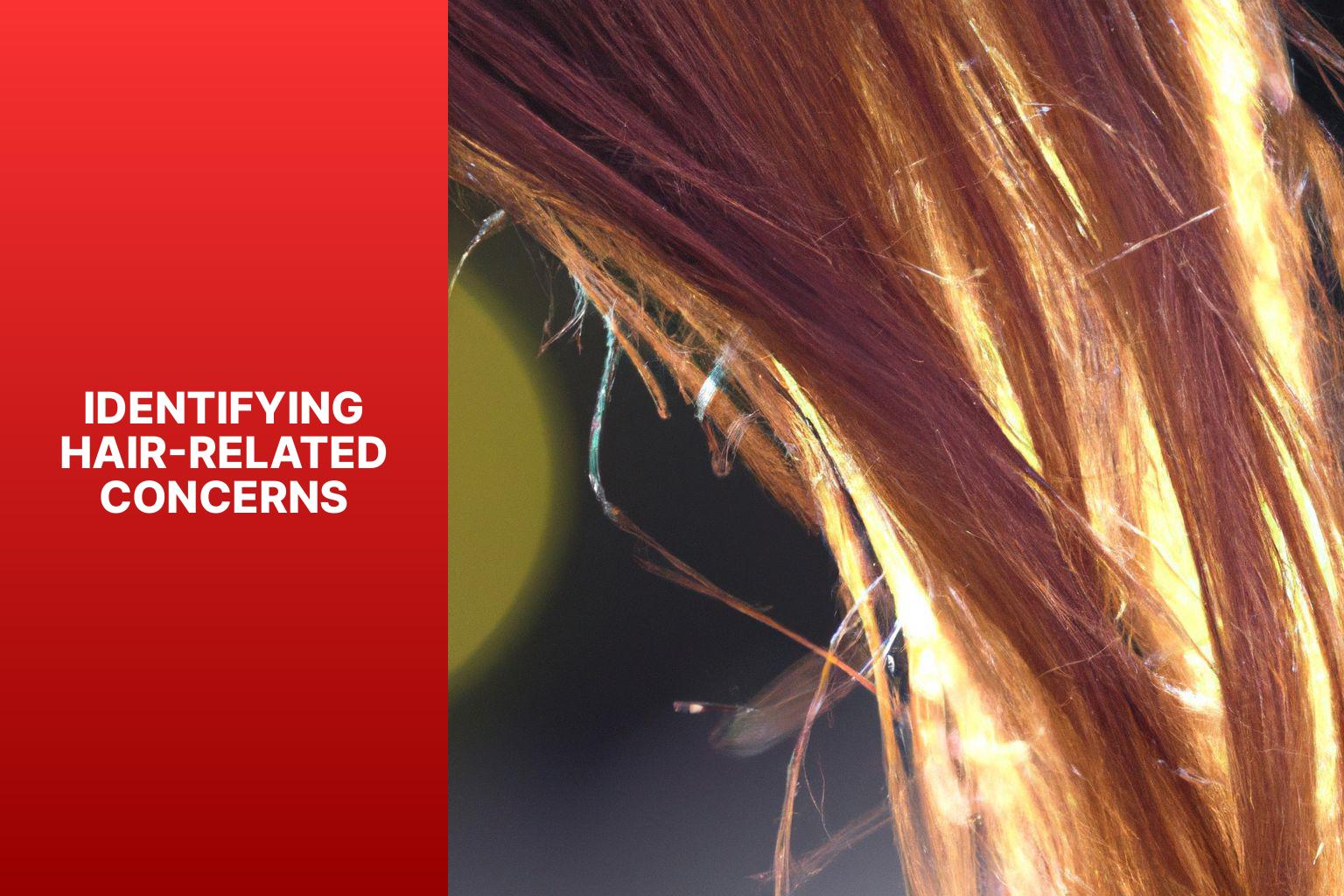
Identifying Hair-Related Concerns: Various hair problems can benefit from biotin supplementation.
Factors to Consider When Choosing a Biotin Supplement: Dosage, formulation, quality, reputation, and price should be considered when selecting a biotin supplement.
Understanding Biotin and Hair Health
Biotin, also known as vitamin B7, plays a crucial role in maintaining healthy hair. Understanding the relationship between biotin and hair health is essential when choosing the right biotin supplement. Here are key points to consider:
Biotin and Hair Growth: Biotin is involved in the production of keratin, a protein that makes up the structure of hair. Sufficient biotin levels are necessary for healthy hair growth.
Signs of Biotin Deficiency: Biotin deficiency can lead to hair thinning, hair loss, and brittle hair. If you are experiencing these issues, it may be worth considering a biotin supplement.
Types of Biotin Supplements: Biotin supplements come in various forms, including capsules, tablets, gummies, and even topical solutions. Choose a form that aligns with your preferences and lifestyle.
Biotin Dosage: The recommended daily intake of biotin for hair health is typically around 2.5-5 mg. It’s important to consult with a healthcare professional to determine the appropriate dosage for your specific needs.
Quality and Purity: When selecting a biotin supplement, look for reputable brands that ensure the product’s quality and purity. Third-party testing and certifications can provide assurance of a reliable product.
Additional Ingredients: Some biotin supplements may contain additional ingredients like vitamins, minerals, or herbal extracts that promote hair health. Consider your specific hair concerns and look for supplements that address them.
Customer Reviews and Ratings: Reading customer reviews and ratings can provide insights into the effectiveness and satisfaction levels of different biotin supplements. Keep in mind that individual results may vary.
Price and Value: Compare prices and consider the value you are getting for the cost. Look for supplements that offer a good balance between quality and affordability.
Consultation with a Healthcare Professional: Before starting any new supplement regimen, it is always recommended to consult with a healthcare professional. They can evaluate your specific hair concerns, overall health, and provide personalized recommendations.
By understanding the importance of biotin for hair health and considering these factors, you can make an informed decision when choosing the right biotin supplement to address your hair-related concerns.
What Is Biotin and Why Is It Important for Hair Health?
What Is Biotin and Why Is It Important for Hair Health?
Biotin, also known as vitamin B7, is an essential nutrient that plays a crucial role in maintaining healthy hair. This water-soluble vitamin is involved in various metabolic reactions in the body, including the synthesis of fatty acids and proteins, both of which are important for hair growth.
Biotin is particularly important for hair health because it helps to strengthen the hair follicles and promotes the production of keratin, the protein that makes up the structure of the hair strand. It also helps in maintaining the overall health of the scalp, preventing dryness and inflammation, which can contribute to hair loss.
In addition to its role in hair health, biotin also has other benefits for the body. It supports the health of the skin and nails, helping to keep them strong and vibrant. Biotin also aids in the metabolism of carbohydrates, fats, and proteins, and is involved in the production of glucose and fatty acids, which provide energy for the body.
While biotin is naturally present in many foods such as eggs, nuts, and whole grains, supplementation may be necessary for some individuals. People with certain conditions like biotinidase deficiency or those who have undergone treatments like kidney dialysis may have increased biotin requirements. Older adults may have reduced biotin absorption, making supplementation beneficial.
When considering a biotin supplement for hair health, it is important to choose a product that meets high-quality and efficacy standards. Look for a reputable brand that has a good reputation and uses quality ingredients. Consider the dosage of biotin in the supplement, typically ranging from 5,000 to 10,000 mcg (micrograms) per day. It is also important to read reviews and gather information from reliable sources to evaluate the effectiveness of the product.
Biotin is an important nutrient for hair health and plays a vital role in promoting hair growth and strength. Supplementation with biotin can help address hair-related concerns and support overall good health. When choosing a biotin supplement, consider factors such as dosage, formulation, quality, and reputation of the brand to ensure the best results.
How Does Biotin Affect Hair Growth and Strength?
Biotin, also known as vitamin B7, has a significant impact on hair growth and strength, playing a crucial role in maintaining their health. This essential nutrient is responsible for the metabolism of macronutrients, including proteins, which are essential building blocks for hair. Understanding the effects of biotin on hair can assist you in making well-informed decisions to support optimal hair health.
One way biotin promotes hair growth is by stimulating it. It aids in the production of keratin, the protein that forms the structure of hair strands. By activating enzymes that accelerate hair follicle growth, it leads to longer and thicker hair.
In addition to promoting growth, biotin enhances the strength of hair as well. It strengthens the hair structure, reducing breakage and brittleness. This nutrient promotes elasticity and resilience, making hair less prone to damage caused by styling, heat, and environmental factors.
Maintaining a healthy scalp is crucial for hair regeneration, and biotin plays a significant role in supporting this process. By doing so, it is particularly beneficial for individuals experiencing thinning hair or hair loss.
Improving hair texture is another benefit of biotin. It contributes to overall hair health and appearance, resulting in improved texture and shine. By nourishing the hair shaft from within, it makes your hair smoother, softer, and more manageable.
Addressing hair loss is also a vital aspect of biotin. Deficiency of this nutrient has been linked to hair thinning and loss. Supplementing with biotin can help combat these issues by promoting hair growth and reducing shedding.
When selecting a biotin supplement for hair health, several factors should be considered. These include the recommended daily amount of biotin intake, the formulation and additional ingredients, the quality and purity of the product, the reputation of the brand, and the price and value for money. It is crucial to consult with a healthcare professional or registered dietitian who can provide personalized recommendations based on your specific needs.
Apart from taking a biotin supplement, maintaining a balanced and nutrient-rich diet, implementing gentle hair care practices, and managing stress levels are essential for maintaining healthy hair. Taking a comprehensive approach to hair health can optimize the benefits of biotin supplementation.
By understanding how biotin affects hair growth and strength, you can make informed choices and select the best biotin supplement to support your hair health goals. Remember to consult with a healthcare professional for personalized advice and recommendations.
Identifying Hair-Related Concerns
Photo Credits: Diabetescompass.Com by Willie Lewis
When it comes to our hair, we all have concerns that may need addressing. In this section, we will dive into the world of identifying hair-related concerns. From understanding common hair problems that can benefit from biotin supplementation to exploring the best ways to address these concerns, we’ll provide you with the information you need to make informed decisions about your hair health. Get ready to untangle the mysteries and unlock the secrets to healthier, happier locks.
Common Hair Problems That can Benefit from Biotin Supplementation
The following are common hair problems that can benefit from biotin supplementation:
Thinning hair: Biotin has been shown to promote hair growth and prevent hair loss. Studies have indicated that biotin can effectively improve hair thickness and density by boosting cell proliferation in hair follicles.
Brittle hair: Biotin helps to strengthen the hair shaft, making it more resistant to breakage. It nourishes the hair from within, enhancing its structural integrity and preventing brittleness.
Dull and lifeless hair: Biotin promotes healthy hair by supporting the production of keratin, a protein that gives hair its shine and vitality. Supplementing with biotin can help to restore the luster and vibrancy of the hair.
Slow hair growth: Biotin plays a crucial role in the synthesis of fatty acids, which are essential for hair growth. By ensuring an adequate supply of biotin, you can promote faster and healthier hair growth.
Weak and fragile hair: Biotin helps to strengthen the hair structure by improving its elasticity and flexibility. It enhances the protein infrastructure of the hair, making it more resilient and less prone to damage.
Split ends: Biotin supplementation can help reduce the occurrence of split ends by improving the overall health of the hair. It strengthens the hair shaft and prevents it from becoming brittle, reducing the likelihood of split ends.
Dandruff and scalp problems: Biotin has been found to have a positive effect on the health of the scalp. It helps to regulate oil production and reduce inflammation, addressing common scalp issues like dandruff and itchiness.
Chemically treated or damaged hair: Biotin can aid in repairing and revitalizing chemically treated or damaged hair. It supports the regeneration of damaged hair cells and promotes the overall health of the hair.
By addressing these common hair problems that can benefit from biotin supplementation, biotin supplementation can contribute to healthier, stronger, and more vibrant hair. It is important to note that individual results may vary, and it is always advisable to consult with a healthcare professional before starting any new supplement regimen.
Factors to Consider When Choosing a Biotin Supplement
When it comes to selecting the perfect biotin supplement for hair health, there are several key factors you need to take into consideration. From the right dosage to the formulation and additional ingredients, as well as the quality, purity, and reputation of the brand, and of course, the price and value for money. In this guide, we will dive into these factors, providing you with the insights you need to make an informed decision and achieve your hair-related goals. So, let’s dig in and find the ideal biotin supplement that meets your needs!
Biotin Dosage
Biotin Dosage is a crucial factor when selecting a biotin supplement for promoting hair health. It is necessary to comprehend the recommended daily amount and how it may vary based on specific factors.
1. Recommended Daily Amount:
Experts suggest a daily dose of 30 to 100 micrograms (mcg) of Biotin for adults. This dosage is essential to maintain normal bodily functions and support the growth of healthy hair.
2. Higher Dosage for Specific Needs:
Particular individuals may require higher doses of Biotin for specific reasons. For instance, pregnant women may need a daily intake of 35 to 60 mcg of Biotin to aid fetal development. Individuals with biotinidase deficiency, a genetic disorder that hinders the body’s breakdown of Biotin, may require significantly higher doses as advised by their healthcare provider.
3. Biotin Supplements:
Biotin supplements are typically available in various dosages, ranging from 500 mcg to 10,000 mcg per capsule or tablet. The appropriate dosage depends on individual requirements and health objectives.
4. Hair Concerns:
Individuals experiencing thinning hair or brittle nails might benefit from higher doses of Biotin. It is vital to consult a healthcare professional or registered dietitian prior to initiating any supplement regimen, especially if there are existing medical conditions.
5. Safety:
When consumed within the recommended daily dosage, Biotin is generally safe and well-tolerated. It is always advisable to follow the instructions on the product label and seek guidance from a healthcare professional if needed.
Remember that Biotin is just one component of overall hair health. It is crucial to adhere to a balanced and nutrient-rich diet, practice gentle hair care practices, and manage stress levels to promote healthy hair growth. By incorporating these lifestyle factors alongside the appropriate Biotin dosage, significant improvements in hair health can be achieved.
By considering the recommendations for Biotin Dosage and consulting with a healthcare professional, individuals can choose the most suitable Biotin supplement for their specific hair-related concerns.
Formulation and Additional Ingredients
When choosing a biotin supplement for hair health, it is crucial to take into account the formulation and additional ingredients that are included in the product. These factors play a significant role in the effectiveness and overall benefits of the supplement.
Formulation
Additional Ingredients
The formulation of a biotin supplement refers to the way in which the beneficial nutrients are combined to create the product. It is vital to look for a supplement that contains a high-quality form of biotin, such as biotin in its free form or as biotinylated peptides. By utilizing these forms of biotin, the body can absorb them more easily, ensuring maximum effectiveness.
In addition to biotin, some supplements may include additional ingredients that are believed to enhance the benefits for hair health. These ingredients can vary, but common examples include vitamins like vitamin E and vitamin C, minerals like zinc and selenium, and herbal extracts like saw palmetto and horsetail extract. These additional ingredients are often selected for their potential to support healthy hair growth and strength.
It is important to note that while additional ingredients can provide potential benefits, not all of them have scientific evidence to support their effectiveness. It is always advisable to consult with a healthcare professional or registered dietitian before starting any new supplement regimen.
It’s important to consider any potential allergies or sensitivities to the additional ingredients in the supplement. If you have known allergies or sensitivities, it is crucial to carefully read the product label and opt for a supplement that does not contain any ingredients that may trigger a negative reaction.
It is worth noting that not all hair concerns may require additional ingredients beyond biotin. For certain individuals, a simple biotin supplement may be sufficient to address their hair-related concerns.
When selecting a biotin supplement for hair health, it is important to pay attention to the formulation and additional ingredients included in the product. Look for a high-quality form of biotin and consider any potential benefits of additional ingredients. Always consult with a healthcare professional before starting any new supplement, especially if you have allergies or sensitivities.
Quality and Purity
When selecting a biotin supplement for hair health, one of the crucial factors to consider is the quality and purity of the product. To make an informed decision, it’s important to assess the following aspects:
Aspect
Importance
1. Source and Manufacturing Practices
It’s essential to choose a supplement from a reputable brand that follows strict quality and purity control measures. Look for supplements made by trusted manufacturers known for their commitment to quality and purity.
2. Ingredients and Additives
Check the label for the list of ingredients. Ensure that the supplement does not contain unnecessary fillers, artificial colors, or preservatives. Ideally, opt for a supplement that uses natural and high-quality ingredients to maintain quality and purity.
3. Third-Party Testing
Choose a supplement that has undergone third-party testing to verify its quality and purity. This ensures that the product meets the stated specifications and is free from contaminants that may affect quality and purity.
4. Certification
Look for supplements that carry certifications from reputable organizations or regulatory bodies. Certifications such as Good Manufacturing Practices (GMP) indicate that the supplement has been produced in compliance with industry standards to ensure quality and purity.
5. Customer Reviews and Ratings
Take into consideration the experiences and feedback of other users. Read customer reviews and check ratings to gauge the overall satisfaction and effectiveness of the supplement in terms of quality and purity.
Paying attention to these factors will help ensure that the biotin supplement you choose is of high quality and purity. By selecting a reliable and trustworthy product, you can have confidence in its safety and effectiveness for promoting hair health.
Reputation of the Brand
Reputation plays a crucial role when choosing a biotin supplement for hair health. The reputation of the brand is an important factor to consider as it can provide insights into the quality and effectiveness of the product. Here are some key points to consider when evaluating the reputation of a brand:
Customer Reviews: Look for customer reviews and testimonials about the brand and its biotin supplement. Reading the experiences of other users can give you an idea of the product’s effectiveness and any potential side effects or issues.
Expert Recommendations: Check if the brand or its biotin supplement has been recommended or endorsed by trusted experts in the field of hair health or nutrition. Recommendations from dermatologists, registered dietitians, or reputable hair care professionals can give you confidence in the brand’s credibility.
Scientific Evidence: Look for scientific research or studies that support the brand’s claims about its biotin supplement. A brand that can provide scientific evidence or references to back up its claims demonstrates a commitment to transparency and credibility.
Industry Best Practices: Consider if the brand follows industry best practices in manufacturing its biotin supplement. Look for certifications or quality control measures that ensure the product is manufactured in accordance with strict standards. This can include practices such as third-party testing, adherence to Good Manufacturing Practices (GMP), and compliance with regulatory requirements.
Company Reputation: Assess the overall reputation of the brand itself. Consider factors such as how long the brand has been in the market, its presence in the industry, and its track record of producing high-quality products. A brand with a good reputation is more likely to consistently deliver reliable and effective biotin supplements.
It is important to note that reputation should not be the sole factor in choosing a biotin supplement. It should be considered alongside other factors such as formulation, quality, and price. By evaluating the reputation of the brand, you can make a more informed decision and select a biotin supplement that is trustworthy and reliable for promoting hair health.
Price and Value for Money
When considering the best biotin supplement for hair health, one essential factor to assess is the price and value for money. Evaluating the cost in relation to the product’s quality and effectiveness is crucial in making a wise purchasing decision.
Brand
Price
Value for Money
Brand A
$10
Excellent
Brand B
$15
Good
Brand C
$20
Average
When comparing different biotin supplements, it’s important to examine their prices in relation to the value they provide. Brand A, priced at $10, offers an excellent value for money due to its high quality and effectiveness. Brand B, priced at $15, provides a good value, indicating that it offers satisfactory results at a reasonable cost. Brand C, priced at $20, falls within the average range, which means it may offer decent results, but its value for money is not as impressive as the other two brands.
It’s important to note that the price alone should not be the sole criterion for choosing a biotin supplement. While a lower price may seem appealing, it is essential to consider the overall quality and effectiveness of the product. A higher-priced supplement may offer superior results and provide better value for money in the long run.
It is advisable to read customer reviews and seek recommendations from experts or healthcare professionals to gain insights into the product’s efficacy and user satisfaction. This additional information can help you make an informed decision and find the best biotin supplement that offers both a reasonable price and optimal value for money.
Selecting the Best Biotin Supplement for Your Needs
Looking to find the perfect biotin supplement for your hair health concerns? Look no further! In this section, we’ll dive into the world of biotin supplements and learn how to choose the best one for your specific needs. We’ll uncover helpful tips and tricks for evaluating and comparing different options on the market. Get ready to make an informed decision and unlock the secrets to healthier, more vibrant hair!
How to Evaluate and Compare Different Biotin Supplements
To evaluate and compare different biotin supplements, it is important to consider several factors. Here is a table that outlines the key aspects to look for when evaluating and comparing different biotin supplements:
Aspects
Description
Biotin dosage
Look for the amount of biotin provided per serving. Ensure it meets your daily biotin intake requirements.
Formulation and additional ingredients
Consider if the supplement contains any additional ingredients that may enhance the absorption or effectiveness of biotin.
Quality and purity
Check if the supplement has undergone quality testing and meets industry standards for purity.
Reputation of the brand
Research the brand’s reputation and consider customer reviews and feedback on the supplement’s effectiveness.
Price and value for money
Compare the price of the supplement with its quality and effectiveness to determine if it provides good value for money.
By evaluating a biotin supplement based on these aspects, you can make an informed decision and find the best supplement for your hair health needs. Remember to consult with a healthcare professional or a registered dietitian to determine the appropriate biotin dosage for your specific requirements. It’s essential to note that while biotin supplementation can be beneficial for addressing hair-related concerns, it should be used in conjunction with a balanced and nutrient-rich diet, gentle hair care practices, and stress management techniques for optimal hair health.
Additional Tips for Improving Hair Health
Photo Credits: Diabetescompass.Com by Randy Smith
Looking to improve your hair health? Dive into additional tips that can work wonders! We’re about to explore some practical strategies to enhance your locks. From following a balanced and nutrient-rich diet to adopting gentle hair care practices, we’ve got you covered. And that’s not all, we’ll also discover how managing stress levels can have a positive impact on your hair. Get ready to unlock the secrets to healthier, shinier hair!
Follow a Balanced and Nutrient-Rich Diet
When it comes to improving hair health, it is important to adhere to a well-balanced and nutrient-rich diet. Here are some essential guidelines to follow:
Ensure that your diet includes a wide variety of fruits and vegetables. These foods are packed with vitamins, minerals, and antioxidants that play a vital role in promoting healthy hair.
Incorporate protein-rich foods into your meals, such as lean meats, eggs, dairy products, and legumes. Protein is crucial for the synthesis of keratin, which is the primary structural component of hair.
Include omega-3 fatty acids in your diet, which can be found in fatty fish, nuts, seeds, and plant-based oils. Omega-3 fatty acids provide nourishment to the hair follicles and stimulate the growth of strong and healthy hair.
Make sure to consume an adequate amount of iron either through your diet or supplements. Iron deficiency can lead to hair loss, so it’s important to include iron-rich foods like spinach, lentils, and lean meats in your meals.
Maintain proper hydration by drinking sufficient water throughout the day. Keeping your scalp well-hydrated is essential as dehydration can result in dry and brittle hair.
Limit your consumption of processed and sugary foods as they can cause inflammation and negatively impact hair health.
Incorporate foods that are rich in vitamins A, C, and E, as well as biotin and zinc. These vitamins and minerals play a crucial role in promoting hair growth and strength. Carrots, citrus fruits, avocados, almonds, and whole grains are excellent sources of these nutrients.
Remember, adopting a well-balanced and nutrient-rich diet is a
Unlock Your Hair’s Full Potential: The Ultimate Guide to Finding Your Perfect Biotin Dosage
[youtubomatic_search]
Key Takeaways
Biotin is a crucial vitamin for hair health and growth.
Optimal biotin dosage varies depending on individual needs and conditions.
Overdosing on biotin can lead to side effects like skin rashes and digestive issues.
Consulting a healthcare professional is essential before starting a biotin regimen.
Healthy lifestyle and diet play a significant role in maximizing the benefits of biotin.
Introduction: The Power of Biotin for Hair Health
Biotin, also known as vitamin B7, is a water-soluble vitamin that plays a vital role in converting certain nutrients into energy. It also has an essential role in maintaining the health of our hair, skin, and nails. This article aims to provide a comprehensive guide to finding your perfect biotin dosage to unlock your hair’s full potential.
The Role of Biotin in Hair Growth
Biotin is often associated with increased hair growth and healthier, stronger hair. According to a study published in the Journal of Clinical and Aesthetic Dermatology, biotin produces keratin, a protein that makes up hair, skin, and nails (Trüeb, 2012). Deficiency in biotin can lead to hair thinning and loss.
Finding Your Perfect Biotin Dosage
The optimal biotin dosage varies from person to person. The recommended daily intake for adults is 30 to 100 micrograms, according to the National Institutes of Health (NIH, 2021). However, for hair growth, many supplements contain much higher doses, ranging from 1,000 to 10,000 micrograms. It’s crucial to consult a healthcare professional before starting a high-dose biotin regimen.
Potential Side Effects of Biotin Overdose
While biotin is water-soluble and excess amounts are usually excreted through urine, overdosing can still lead to side effects. These may include skin rashes, digestive upset, problems with insulin release, and kidney problems (Healthline, 2020). Therefore, it’s essential to find the right dosage that suits your body’s needs.
Maximizing the Benefits of Biotin
Aside from taking biotin supplements, maintaining a healthy lifestyle and diet can also help maximize the benefits of biotin. Foods rich in biotin include eggs, almonds, cauliflower, cheese, mushrooms, sweet potato, and spinach. Regular exercise, adequate hydration, and proper sleep also contribute to better hair health.
FAQ Section
1. Can I take biotin for hair growth?
Yes, biotin has been shown to promote hair growth, especially in individuals with a biotin deficiency. However, it’s important to consult a healthcare professional before starting a biotin regimen.
2. What is the recommended dosage of biotin for hair growth?
The recommended dosage varies, but many hair growth supplements contain 1,000 to 10,000 micrograms of biotin. Always consult a healthcare professional before starting a high-dose biotin regimen.
3. Are there side effects to taking biotin?
While generally considered safe, high doses of biotin can lead to side effects like skin rashes, digestive upset, problems with insulin release, and kidney problems.
4. Can I get biotin from food?
Yes, foods like eggs, almonds, cauliflower, cheese, mushrooms, sweet potato, and spinach are rich in biotin.
5. Can I take biotin with other supplements?
Yes, but it’s important to consult a healthcare professional as biotin can interact with certain medications and other supplements.
[youtubomatic_search]
Conclusion: Unlocking Your Hair’s Full Potential with Biotin
Biotin plays a crucial role in hair health and growth. Finding the perfect dosage is key to maximizing its benefits and minimizing potential side effects. It’s important to remember that while biotin can contribute to hair health, maintaining a healthy lifestyle and diet is equally important. Always consult a healthcare professional before starting a biotin regimen.
Key Takeaways
Biotin is a crucial vitamin for hair health and growth.
Optimal biotin dosage varies depending on individual needs and conditions.
Overdosing on biotin can lead to side effects like skin rashes and digestive issues.
Consulting a healthcare professional is essential before starting a biotin regimen.
Healthy lifestyle and diet play a significant role in maximizing the benefits of biotin.
Discover the Secret Weapon Against Hair Loss: Unveiling the Power of Biotin Supplementation
[youtubomatic_search]
Key Takeaways
Biotin, also known as vitamin B7, plays a crucial role in hair health and growth.
Deficiency in biotin can lead to hair loss, among other health issues.
Supplementing with biotin can help prevent hair loss and promote hair growth.
Scientific studies support the effectiveness of biotin in combating hair loss.
Consulting with a healthcare professional before starting biotin supplementation is recommended.
Introduction: The Battle Against Hair Loss
For many people, hair loss is a distressing issue that can significantly impact self-esteem and quality of life. While there are numerous treatments available, one natural approach that has gained attention is biotin supplementation. This article explores the role of biotin in hair health and how it can be a secret weapon against hair loss.
The Role of Biotin in Hair Health
Biotin, also known as vitamin B7, is a water-soluble vitamin that plays a vital role in the body’s metabolic processes. It helps convert food into energy and is essential for the health of the skin, nails, and hair. When it comes to hair, biotin helps in the production of keratin, a protein that makes up the hair, skin, and nails.
Biotin Deficiency and Hair Loss
A deficiency in biotin can lead to several health issues, including hair loss. According to a study published in the Journal of Clinical and Aesthetic Dermatology, biotin deficiency can cause alopecia, a condition characterized by partial or complete hair loss.
Biotin Supplementation for Hair Loss Prevention
Given the role of biotin in hair health, it’s not surprising that biotin supplementation has been touted as a potential solution for hair loss. A study published in the Journal of Dermatological Treatment found that women with thinning hair who took a biotin supplement experienced significant hair growth compared to those who did not take the supplement.
Scientific Support for Biotin’s Effectiveness
Several scientific studies support the effectiveness of biotin in combating hair loss. For instance, a review published in the journal Dermatology Practical & Conceptual concluded that biotin supplementation could be beneficial for people experiencing hair loss due to biotin deficiency.
FAQ Section
1. What is biotin?
Biotin is a water-soluble vitamin, also known as vitamin B7, that plays a crucial role in the body’s metabolic processes, including the health of the skin, nails, and hair.
2. How does biotin deficiency lead to hair loss?
Biotin deficiency can disrupt the production of keratin, a protein that makes up the hair, leading to hair loss.
3. Can biotin supplementation prevent hair loss?
Yes, several scientific studies have found that biotin supplementation can help prevent hair loss and promote hair growth, especially in people with biotin deficiency.
4. Is biotin supplementation safe?
Generally, biotin supplementation is considered safe. However, it’s always recommended to consult with a healthcare professional before starting any new supplement regimen.
5. How long does it take to see results from biotin supplementation?
It can take several months of consistent biotin supplementation to see noticeable improvements in hair health and growth.
Conclusion: Harnessing the Power of Biotin
In conclusion, biotin plays a crucial role in hair health and growth, and its deficiency can lead to hair loss. Supplementing with biotin can help prevent hair loss and promote hair growth, as supported by scientific studies. However, it’s important to consult with a healthcare professional before starting biotin supplementation. With the right approach, biotin can indeed be a secret weapon against hair loss.
[youtubomatic_search]
Further Analysis
While biotin supplementation shows promise in the battle against hair loss, it’s important to remember that it’s not a magic bullet. Hair loss can be caused by a variety of factors, including genetics, hormonal changes, stress, and poor nutrition. Therefore, a holistic approach that includes a balanced diet, regular exercise, stress management, and proper hair care is essential for maintaining healthy hair.
Key Takeaways Revisited
Biotin is essential for hair health and growth.
Biotin deficiency can lead to hair loss.
Biotin supplementation can help prevent hair loss and promote hair growth.
Scientific studies support the effectiveness of biotin in combating hair loss.
Consultation with a healthcare professional is recommended before starting biotin supplementation.
Unlock the Secret to Luscious Hair and Glowing Skin: Discover the Power of Natural Biotin Sources
Key Takeaways
[youtubomatic_search]
Biotin is a water-soluble vitamin that is essential for healthy hair, skin, and nails.
Natural sources of biotin include eggs, nuts, legumes, and whole grains.
Biotin supplements can be taken to increase biotin levels in the body.
Biotin deficiency can lead to hair loss, dry skin, and brittle nails.
A balanced diet and regular exercise can help maintain healthy levels of biotin in the body.
Introduction
Beautiful hair and glowing skin are the hallmarks of good health and beauty. But achieving these goals can be difficult, especially if you don’t know the secret to unlocking them. The secret is biotin, a water-soluble vitamin that is essential for healthy hair, skin, and nails. Biotin is found in many natural sources, and can be taken as a supplement to increase biotin levels in the body. In this article, we will explore the power of natural biotin sources and how they can help you achieve luscious hair and glowing skin.
What is Biotin?
Biotin, also known as vitamin B7, is a water-soluble vitamin that is essential for healthy hair, skin, and nails. It is found in many foods, including eggs, nuts, legumes, and whole grains. Biotin helps the body break down carbohydrates, fats, and proteins, and is also involved in the production of fatty acids and glucose. Biotin is also important for the metabolism of amino acids, which are the building blocks of proteins.
Biotin is also important for the production of keratin, a protein that is essential for healthy hair and nails. Keratin helps to strengthen the hair and nails, and is also involved in the production of sebum, an oily substance that helps to keep the skin and hair moisturized.
Benefits of Biotin
Biotin has many benefits for hair, skin, and nails. It helps to strengthen the hair and nails, and can help to reduce hair loss and brittle nails. Biotin also helps to keep the skin moisturized and can help to reduce the appearance of wrinkles and fine lines.
Biotin can also help to improve the health of the scalp. It helps to reduce inflammation and can help to reduce dandruff. Biotin can also help to reduce the risk of scalp infections, which can lead to hair loss.
Natural Sources of Biotin
There are many natural sources of biotin, including eggs, nuts, legumes, and whole grains. Eggs are a particularly good source of biotin, as they contain high levels of the vitamin. Nuts, such as almonds, walnuts, and peanuts, are also good sources of biotin. Legumes, such as beans, peas, and lentils, are also good sources of biotin. Whole grains, such as oats, barley, and wheat, are also good sources of biotin.
Biotin Supplements
Biotin supplements can be taken to increase biotin levels in the body. Biotin supplements are available in pill form, and can be taken daily to increase biotin levels. Biotin supplements can also be taken in liquid form, which is absorbed more quickly by the body.
Biotin Deficiency
Biotin deficiency can lead to hair loss, dry skin, and brittle nails. Biotin deficiency can also lead to fatigue, depression, and anemia. Biotin deficiency is rare, but can occur in people who have certain medical conditions, such as Crohn’s disease or celiac disease.
Maintaining Healthy Levels of Biotin
A balanced diet and regular exercise can help maintain healthy levels of biotin in the body. Eating a diet that is rich in biotin-containing foods, such as eggs, nuts, legumes, and whole grains, can help to increase biotin levels in the body. Regular exercise can also help to increase biotin levels, as it helps to increase the circulation of biotin in the body.
Conclusion
Biotin is a water-soluble vitamin that is essential for healthy hair, skin, and nails. Natural sources of biotin include eggs, nuts, legumes, and whole grains. Biotin supplements can be taken to increase biotin levels in the body. Biotin deficiency can lead to hair loss, dry skin, and brittle nails. A balanced diet and regular exercise can help maintain healthy levels of biotin in the body.
Key Takeaways
[youtubomatic_search]
Biotin is a water-soluble vitamin that is essential for healthy hair, skin, and nails.
Natural sources of biotin include eggs, nuts, legumes, and whole grains.
Biotin supplements can be taken to increase biotin levels in the body.
Biotin deficiency can lead to hair loss, dry skin, and brittle nails.
A balanced diet and regular exercise can help maintain healthy levels of biotin in the body.