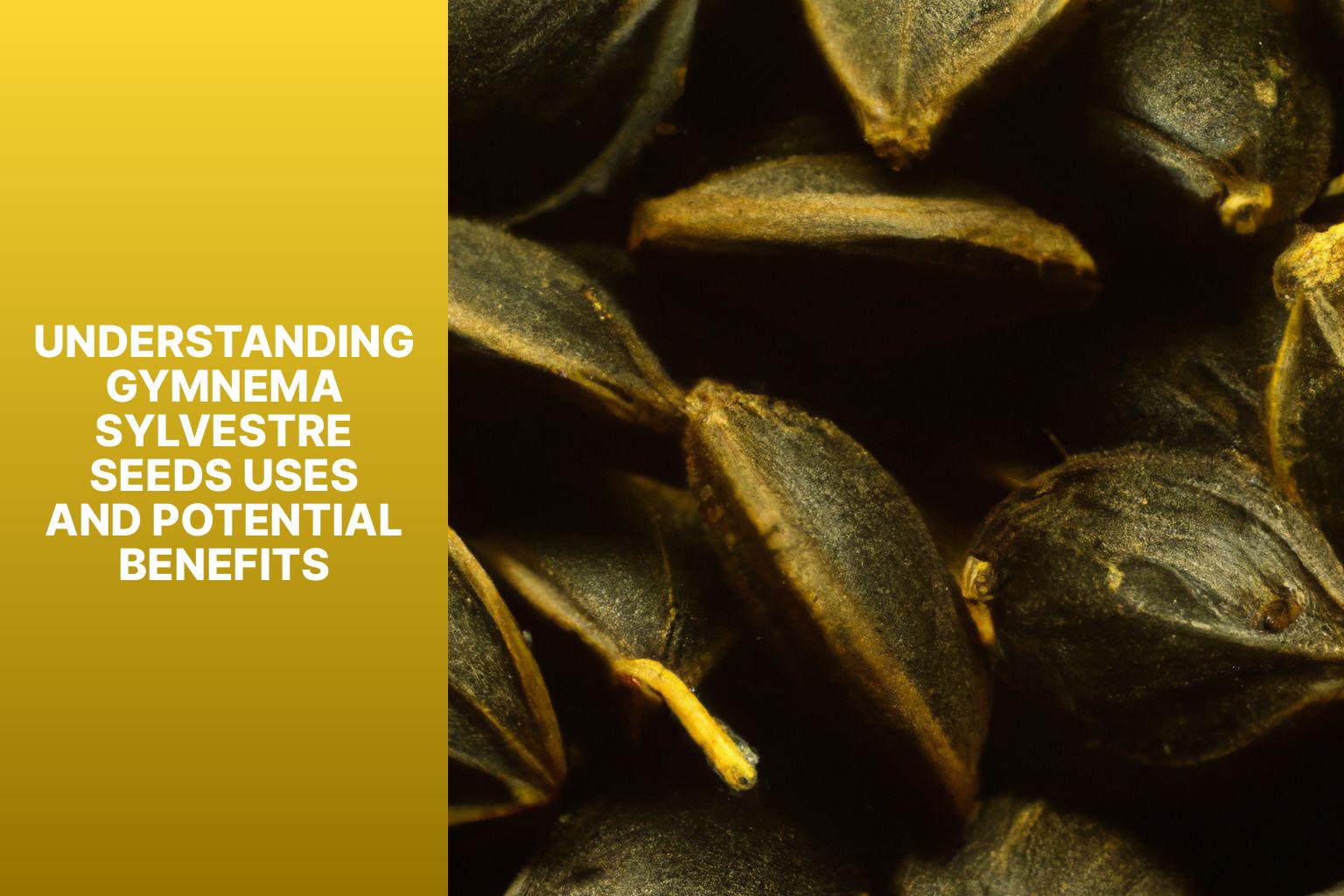
Gymnema Sylvestre seeds, also known as Gurmar in Hindi, are a type of herb that holds significant importance in traditional medicine practices. These seeds come from the Gymnema Sylvestre plant, which is native to tropical regions of Asia, including India. Gymnema Sylvestre seeds have been traditionally used for various purposes, and they have gained attention for their potential health benefits. Here, we will explore what Gymnema Sylvestre seeds are and their traditional uses. we will delve into the potential health benefits they offer, including blood sugar regulation, weight management, cholesterol control, digestive support, and anti-inflammatory effects. we will discuss the different methods of using Gymnema Sylvestre seeds, such as preparing Gymnema Sylvestre tea and using Gymnema Sylvestre extract. Lastly, we will touch upon the precautions and potential side effects associated with the use of Gymnema Sylvestre seeds.
Key takeaway:
Gymnema Sylvestre seeds offer potential health benefits: These seeds have traditionally been used for various purposes and may contribute to blood sugar regulation, weight management, cholesterol control, digestive health, and anti-inflammatory effects.
Gymnema Sylvestre tea and extract: Gymnema Sylvestre seeds can be consumed in the form of tea or extract, providing a convenient way to incorporate their potential benefits into daily routines.
Precautions and side effects: While Gymnema Sylvestre seeds offer potential benefits, it is important to note that precautions should be taken and potential side effects considered. Consultation with a healthcare professional is recommended before use.
What are Gymnema Sylvestre Seeds?
Gymnema Sylvestre seeds are the seeds of the Gymnema Sylvestre plant, a woody vine native to the tropical forests of India, Africa, and Australia.
Key characteristics of Gymnema Sylvestre seeds:
Appearance: Gymnema Sylvestre seeds are small, brown, and oval-shaped.
Traditional Uses: In traditional Ayurvedic medicine, Gymnema Sylvestre seeds have been used for their medicinal properties. They have been traditionally employed to manage various health conditions.
Active Compounds: Gymnema Sylvestre seeds contain several bioactive compounds, including gymnemic acids, saponins, and flavonoids. These compounds are believed to contribute to the plant’s potential health benefits.
It is important to note that Gymnema Sylvestre seeds are just one part of the Gymnema Sylvestre plant that is utilized for its potential health benefits. Other parts of the plant, such as the leaves, are also commonly used in herbal preparations.
Traditional Uses of Gymnema Sylvestre Seeds
Gymnema Sylvestre seeds have been traditionally used for various purposes. Here are some of the traditional uses of Gymnema Sylvestre seeds:
Managing Diabetes: Gymnema Sylvestre seeds have been used in traditional medicine to help manage diabetes. They are believed to have properties that aid in regulating blood sugar levels and improving insulin function.
Reducing Sugar Cravings: Gymnema Sylvestre seeds have been traditionally used to reduce sugar cravings and help control appetite. It is believed that the seeds have compounds that interact with taste receptors, reducing the sensation of sweetness.
Promoting Weight Loss: Gymnema Sylvestre seeds have been used traditionally for weight loss purposes. It is believed that the seeds can help control appetite, reduce sugar intake, and support healthy metabolism.
Supporting Digestive Health: Gymnema Sylvestre seeds have been traditionally used to support digestive health. They are believed to have properties that aid in digestion and alleviate gastrointestinal issues.
Improving Oral Health: Gymnema Sylvestre seeds have been used traditionally to promote oral health. They are believed to have antimicrobial properties that help in reducing plaque formation and preventing dental issues.
Managing Asthma and Respiratory Issues: Gymnema Sylvestre seeds have been traditionally used to manage asthma and respiratory issues. They are believed to have bronchodilator properties that help in easing breathing difficulties.
Supporting Liver Health: Gymnema Sylvestre seeds have been traditionally used to support liver health. They are believed to have hepatoprotective properties that aid in detoxification and promote liver function.
Boosting Immunity: Gymnema Sylvestre seeds have been traditionally used to boost immunity. They are believed to have antioxidant properties that help in neutralizing harmful free radicals and strengthening the immune system.
Alleviating Stress and Anxiety: Gymnema Sylvestre seeds have been traditionally used to alleviate stress and anxiety. They are believed to have adaptogenic properties that help the body cope with stress and promote overall well-being.
Enhancing Cognitive Function: Gymnema Sylvestre seeds have been used traditionally to enhance cognitive function. They are believed to have neuroprotective properties that support brain health and improve memory and focus.
It is important to note that while Gymnema Sylvestre seeds have a long history of traditional use, further scientific research is needed to fully understand their potential benefits and to validate their effectiveness for these purposes.
Potential Health Benefits of Gymnema Sylvestre Seeds
Discover the incredible health benefits awaiting you in the realm of Gymnema Sylvestre seeds. From blood sugar regulation to weight management, cholesterol control, and digestive health support, these seeds hold immense potential. Their anti-inflammatory effects offer a natural approach to wellness. Plus, with the added benefits of Gymnema Sylvestre extract, you can enhance the positive impact on your overall health. It’s time to explore the remarkable potential these seeds hold for your well-being.
The Role in Blood Sugar Regulation
Gymnema Sylvestre Seeds play a vital role in the regulation of blood sugar levels. In the field of Ayurvedic medicine, these seeds have long been utilized for their potential health benefits. One of the key aspects of these seeds is their ability to regulate blood sugar. This is due to the presence of gymnemic acids, active compounds that have demonstrated anti-diabetic properties.
Gymnema Sylvestre Seeds exert their influence on blood sugar by inhibiting glucose absorption in the intestine and promoting insulin production. Research studies have established that these compounds can effectively lower fasting blood sugar levels and enhance glucose tolerance in individuals with diabetes.
Moreover, Gymnema Sylvestre Seeds aid in the rejuvenation of pancreatic beta cells. These cells are responsible for producing insulin, and their regeneration contributes to improved control of blood sugar in individuals with diabetes.
Another benefit of the gymnemic acids found in Gymnema Sylvestre Seeds is their ability to reduce sugar cravings. By interfering with the sweetness receptors on the tongue, these seeds can diminish the desire for sugary foods and beverages. This, in turn, helps in managing blood sugar levels and weight.
It is critical to recognize that although Gymnema Sylvestre Seeds can be advantageous for blood sugar regulation, they should not be regarded as a replacement for medical treatment or blood sugar-lowering medications. It is strongly advised that individuals with diabetes consult their healthcare provider before incorporating Gymnema Sylvestre Seeds into their treatment regimen.
In summary, Gymnema Sylvestre Seeds play a significant role in blood sugar regulation. The active compounds within these seeds aid in the regulation of blood sugar levels, the promotion of insulin production, the regeneration of pancreatic beta cells, and the reduction of sugar cravings. It is important to use Gymnema Sylvestre Seeds as part of a comprehensive treatment plan and under the guidance of a healthcare professional.
Contribution to Weight Management
Gymnema Sylvestre seeds have shown to have a positive impact on weight management due to their unique properties.
Regulation of blood sugar levels: Gymnema Sylvestre seeds are known for their ability to help regulate blood sugar levels, which can contribute to weight management and the overall goal of maintaining a healthy weight. By reducing cravings for sugary foods and decreasing appetite, these seeds can help prevent overeating and promote weight loss.
Boosting metabolism: Gymnema Sylvestre seeds have been found to enhance metabolism, increasing the rate at which calories are burned. This can aid in weight loss by promoting the utilization of stored fat for energy and ultimately contributing to weight management.
Controlling cholesterol: High levels of cholesterol can contribute to weight gain and obesity, posing a risk to weight management. Gymnema Sylvestre seeds have been shown to have a positive effect on cholesterol levels, helping to reduce LDL cholesterol and increase HDL cholesterol, thus aiding in weight management and supporting overall health.
Promoting digestive health: A healthy digestive system is essential for effective weight management. Gymnema Sylvestre seeds have been found to support digestive health by improving nutrient absorption and reducing gastrointestinal issues, such as bloating and constipation. By promoting digestive health, these seeds contribute to weight management and help maintain a well-functioning body.
Pro-tip: Incorporating Gymnema Sylvestre seeds into a balanced and healthy diet, along with regular exercise, can maximize their contribution to weight management. Consult with a healthcare professional or nutritionist for personalized advice on incorporating Gymnema Sylvestre seeds into your weight management routine.
Effect on Cholesterol Control
Gymnema Sylvestre seeds have demonstrated their potential benefits in the management of cholesterol levels. Here are some ways Gymnema Sylvestre seeds can effectively impact cholesterol control:
1. LDL Cholesterol Reduction:Gymnema Sylvestre seeds have been shown to help lower LDL cholesterol levels, commonly referred to as “bad” cholesterol. This reduction in LDL cholesterol contributes to a decreased risk of heart disease, making Gymnema Sylvestre seeds beneficial in cholesterol control.
2. HDL Cholesterol Increase:Gymnema Sylvestre seeds can also increase the levels of HDL cholesterol, known as “good” cholesterol. Higher levels of HDL cholesterol assist in removing LDL cholesterol from the bloodstream, thereby promoting heart health and optimizing cholesterol control.
3. Anti-inflammatory Benefits: Chronic inflammation has a direct association with elevated cholesterol levels. Gymnema Sylvestre seeds possess potent anti-inflammatory properties that aid in reducing inflammation within the body. This reduction in inflammation can potentially lead to improved cholesterol control, further highlighting the positive effects of Gymnema Sylvestre seeds.
4. Antioxidant Activity: The inclusion of Gymnema Sylvestre seeds in a routine diet provides the body with valuable antioxidants. These antioxidants effectively counteract harmful free radicals in the body, helping to mitigate oxidative stress. By doing so, Gymnema Sylvestre seeds contribute to preventing the development of high cholesterol.
It is important to note that while Gymnema Sylvestre seeds show promise in aiding cholesterol control, they should never be used as a substitute for medical treatment or lifestyle changes. It is crucial to consult with a healthcare professional before incorporating any new supplements into your daily regimen.
Story: Jane struggled with persistently high cholesterol levels for years, despite implementing dietary modifications and maintaining a regular exercise routine. Upon a friend’s recommendation, Jane decided to try Gymnema Sylvestre seeds in an attempt to manage her cholesterol. After including Gymnema Sylvestre seeds in her daily routine for a few months, Jane underwent a blood test. To her delight, the results revealed a significant decrease in her LDL cholesterol levels and an improvement in her HDL cholesterol levels. Jane achieved better control of her cholesterol with the assistance of Gymnema Sylvestre seeds, providing her with peace of mind and enhancing her overall health.
Support for Digestive Health
When it comes to supporting digestive health, Gymnema Sylvestre seeds offer several potential benefits:
Improved Digestion: Gymnema Sylvestre seeds support digestive health by boosting the secretion of digestive enzymes, enhancing the digestive process. This leads to better absorption of nutrients and overall improved digestion.
Reduced Constipation: Gymnema Sylvestre seeds, with their high fiber content, promote regular bowel movements and prevent constipation. Adequate fiber intake is crucial for maintaining a healthy digestive system.
Relief from Indigestion: Gymnema Sylvestre seeds have a long history of traditional use in alleviating indigestion symptoms like bloating, gas, and abdominal discomfort. They effectively soothe the stomach and aid in overall digestion.
Heartburn Relief: Gymnema Sylvestre seeds possess anti-inflammatory properties that can reduce inflammation in the stomach and esophagus, providing relief from heartburn symptoms.
Support for Gut Health: The seeds of Gymnema Sylvestre contain compounds with antimicrobial properties, helping to maintain a healthy balance of gut bacteria. This promotes overall gut health and prevents digestive issues.
While Gymnema Sylvestre seeds have potential benefits for digestive health, it is important to note that individual results may vary. It is always advisable to consult with a healthcare professional before incorporating any new supplement or seed into your diet, especially if you have existing digestive conditions or concerns.
Fun fact: Gymnema Sylvestre is also known as “the sugar destroyer” due to its unique ability to suppress the taste of sweetness. This characteristic has made it popular as a natural aid for managing sugar cravings and promoting healthy eating habits.
Anti-Inflammatory Effects
Gymnema Sylvestre seeds offer a range of health benefits, including their anti-inflammatory effects. These seeds can effectively reduce inflammation in various ways:
Reduced Joint Inflammation: Gymnema Sylvestre seeds contain active compounds that possess powerful anti-inflammatory properties. This makes them beneficial for individuals suffering from joint pain and inflammation caused by conditions like arthritis.
Improved Gut Health: Inflammation in the digestive tract can cause discomfort and digestive issues. Gymnema Sylvestre seeds have been scientifically proven to have anti-inflammatory effects on the gut lining. This helps promote a healthier digestive system, alleviating symptoms such as bloating and abdominal pain.
Reduced Risk of Chronic Diseases: Chronic inflammation is a contributing factor in the development of various diseases, including heart disease, diabetes, and certain types of cancer. Gymnema Sylvestre seeds’ anti-inflammatory effects can help lower the risk of these conditions by combating inflammation throughout the body.
Enhanced Wound Healing: Inflammation is vital for the wound healing process. Gymnema Sylvestre seeds aid in wound healing by reducing inflammation in the injured area, thus promoting faster recovery.
Improved Skin Health: Inflammatory skin conditions like acne and eczema can cause discomfort. The anti-inflammatory properties of Gymnema Sylvestre seeds make them effective in reducing redness, itching, and other symptoms associated with such skin conditions.
It’s important to note that while Gymnema Sylvestre seeds have anti-inflammatory effects, they should not be considered a substitute for medical treatment. If you’re experiencing chronic inflammation or any specific health conditions, it’s always best to consult with a healthcare professional for proper evaluation and guidance.
Gymnema Sylvestre Tea
Gymnema Sylvestre tea is a herbal infusion made from the leaves of the Gymnema Sylvestre plant. It offers several potential health benefits and is consumed for various purposes.
Here are some key points about Gymnema Sylvestre tea:
Preparation: To make Gymnema Sylvestre tea, steep a teaspoon of dried Gymnema Sylvestre leaves in hot water for about 5-10 minutes.
Taste and Flavor: Gymnema Sylvestre tea has a naturally bitter and earthy taste.
Blood Sugar Management: Gymnema Sylvestre tea is often consumed for its potential benefits in managing blood sugar levels. It may help reduce cravings for sweet foods and support healthy blood sugar levels already within the normal range.
Weight Management: Some people drink Gymnema Sylvestre tea as part of their weight management efforts. It is believed to help reduce the sensation of sweetness, which may help control appetite and reduce sugar cravings.
Digestive Health: Gymnema Sylvestre tea is also associated with digestive health benefits. It is believed to support healthy digestion and may help alleviate indigestion, constipation, and other digestive discomforts.
Antioxidant Properties: Gymnema Sylvestre tea contains antioxidants that help protect the body against oxidative stress and damage caused by free radicals.
Traditional Use: Gymnema Sylvestre has been used in traditional Ayurvedic medicine for centuries to support overall health and wellness.
While Gymnema Sylvestre tea shows promise in various areas, it’s important to note that further scientific research is needed to fully understand its potential benefits and to determine safe and effective dosage guidelines. It’s always recommended to consult with a healthcare professional before incorporating any new herbal tea or supplement into your routine.
2. Gymnema Sylvestre Extract
Gymnema Sylvestre Extract, derived from the Gymnema Sylvestre plant, is a natural remedy with potential health benefits.
Obtained by extracting bioactive compounds from the plant’s leaves and stems, this extract is commonly used in traditional medicine practices.
Studies have shown that Gymnema Sylvestre Extract plays a role in blood sugar regulation by improving insulin sensitivity and reducing glucose absorption in the intestines.
Additionally, research suggests that it may contribute to weight management by suppressing appetite, reducing cravings for sweet foods, and inhibiting the absorption of fats and sugars.
This extract also has an impact on cholesterol control. It can help lower LDL cholesterol levels and increase HDL cholesterol levels, supporting heart health.
Gymnema Sylvestre Extract offers potential benefits for digestive health, alleviating symptoms of gastrointestinal disorders such as indigestion, constipation, and acid reflux.
Furthermore, it possesses anti-inflammatory effects, which may help reduce inflammation in the body, a factor associated with chronic diseases.
These various potential benefits make Gymnema Sylvestre Extract promising for individuals seeking to support blood sugar levels, manage weight, improve cholesterol levels, promote digestive health, and reduce inflammation. However, it is important to note that further research is necessary to fully understand its effects and determine the optimal dosage. As with any supplement, it is advisable to consult with a healthcare professional before starting Gymnema Sylvestre Extract to ensure its safety and suitability for individual needs.
Precautions and Side Effects
While Gymnema Sylvestre seeds have potential benefits, it is essential to be aware of the precautions and possible side effects:
Hypoglycemia: Gymnema Sylvestre may lower blood sugar levels. If you have diabetes or are taking medications that lower blood sugar, consult a healthcare professional before using it to avoid the risk of hypoglycemia.
Interactions with Medications: Gymnema Sylvestre may interact with certain medications, including those used for diabetes, blood thinners, and thyroid medications. It is crucial to consult with a healthcare provider if you are taking any medications to ensure there are no adverse interactions.
Allergic Reactions: Some individuals may have an allergic reaction to Gymnema Sylvestre. If you experience symptoms such as rash, itching, swelling, or difficulty breathing after consuming or using products containing Gymnema Sylvestre, seek immediate medical attention.
Gastrointestinal Issues: Gymnema Sylvestre may cause gastrointestinal discomfort in some individuals. This can include symptoms such as stomachache, diarrhea, or nausea. If you experience any of these side effects, discontinue use and consult a healthcare professional.
Pregnancy and Breastfeeding: It is recommended to avoid using Gymnema Sylvestre during pregnancy and breastfeeding due to limited research on its safety for these conditions. Consult a healthcare professional for guidance.
Children: Gymnema Sylvestre may not be suitable for children. It is important to consult a healthcare professional before giving it to children to ensure its safety and appropriate dosage.
Individual Sensitivity: Each person may react differently to Gymnema Sylvestre. It is advisable to start with a low dosage and monitor your body’s response. If you experience any adverse effects, discontinue use and seek medical advice.
It is always recommended to consult with a qualified healthcare professional before starting any new herbal supplement or making significant changes to your health routine. They can provide personalized advice and help assess if Gymnema Sylvestre is suitable for you, taking into account your specific health condition and any medications you may be taking.
Some Facts About Understanding Gymnema Sylvestre Seeds: Uses and Potential Benefits:
✅ Gymnema sylvestre is a plant native to India, Africa, and Australia.
✅ It has been used in Ayurvedic medicine for thousands of years.
✅ Gymnema sylvestre has numerous health benefits, including reducing sugar cravings, lowering blood sugar levels, fighting inflammation, aiding weight loss, and lowering LDL cholesterol and triglyceride levels.
✅ The primary active component in Gymnema sylvestre is gymnemic acid, which helps suppress sweetness and blocks sugar receptors on the taste buds.
✅ Gymnema sylvestre has anti-diabetic properties and can be used in combination with other diabetes medications to lower blood sugar levels.
Frequently Asked Questions
What is Gymnema sylvestre and how does it affect blood sugar homeostasis?
Gymnema sylvestre is a woody climbing shrub native to central and western India, tropical Africa, and Australia. It has potent anti-diabetic properties and is used to control obesity. The active compound in the plant is a group of acids called gymnemic acids, which help regulate blood sugar levels. Gymnemic acids delay glucose absorption in the blood by filling receptor locations on taste buds and in the absorptive external layers of the intestine. This mechanism helps maintain blood sugar homeostasis.
Can Gymnema sylvestre help with pancreas regeneration and insulin production?
Research suggests that Gymnema sylvestre may stimulate insulin production in the pancreas and promote the regeneration of insulin-producing islet cells. The leaves of Gymnema sylvestre have been found to cause hypoglycemia in laboratory animals and increase insulin release. This potential ability to regenerate the pancreas and stimulate insulin production makes it a promising natural remedy for managing diabetes and related metabolic disorders.
What are the potential benefits of Gymnema sylvestre for cardiovascular health?
Gymnema sylvestre has been shown to have antiatherosclerotic effects and can help reduce triglyceride levels, which are associated with cardiovascular disorders. It can also help lower “bad” LDL cholesterol levels, reducing the risk of heart disease. This makes Gymnema sylvestre a valuable addition to a holistic approach to maintaining cardiovascular health.
Can Gymnema sylvestre be used as a natural aid for weight loss?
Gymnema sylvestre has been found to aid weight loss in animals and humans by reducing calorie intake. It can suppress sweetness and block sugar receptors on the taste buds, making sweet foods less appealing. Additionally, it may contribute to weight loss by reducing cravings and potentially affecting carbohydrate metabolic enzymes. However, it is important to consult with a healthcare professional before using Gymnema sylvestre or any dietary supplements for weight loss.
What are the potential interactions and side effects of Gymnema sylvestre?
Gymnema sylvestre is generally considered safe for most people. However, it should not be taken by children, pregnant or breastfeeding women. It should also not be taken with aspirin or St. John’s Wort. Individuals with milkweed allergies may experience unpleasant side effects. It is important to consult with a doctor before taking any herbal supplements, especially if you are taking other diabetes medications, as combining them can cause a drop in blood sugar levels and potential side effects.
What is the recommended dosage for Gymnema sylvestre?
The recommended dosage of Gymnema sylvestre depends on the form of consumption, ranging from tea to capsules. It is essential to follow the instructions on the product label or consult with a healthcare professional for appropriate dosage information. Proper dosage and supervision are particularly crucial when combining Gymnema sylvestre with other blood-sugar-lowering medications to avoid potential interactions and adverse effects.
{
“@context”: “https://schema.org”,
“@type”: “FAQPage”,
“mainEntity”: [
{
“@type”: “Question”,
“name”: “What is Gymnema sylvestre and how does it affect blood sugar homeostasis?”,
“acceptedAnswer”: {
“@type”: “Answer”,
“text”: “Gymnema sylvestre is a woody climbing shrub native to central and western India, tropical Africa, and Australia. It has potent anti-diabetic properties and is used to control obesity. The active compound in the plant is a group of acids called gymnemic acids, which help regulate blood sugar levels. Gymnemic acids delay glucose absorption in the blood by filling receptor locations on taste buds and in the absorptive external layers of the intestine. This mechanism helps maintain blood sugar homeostasis.”
}
},
{
“@type”: “Question”,
“name”: “Can Gymnema sylvestre help with pancreas regeneration and insulin production?”,
“acceptedAnswer”: {
“@type”: “Answer”,
“text”: “Research suggests that Gymnema sylvestre may stimulate insulin production in the pancreas and promote the regeneration of insulin-producing islet cells. The leaves of Gymnema sylvestre have been found to cause hypoglycemia in laboratory animals and increase insulin release. This potential ability to regenerate the pancreas and stimulate insulin production makes it a promising natural remedy for managing diabetes and related metabolic disorders.”
}
},
{
“@type”: “Question”,
“name”: “What are the potential benefits of Gymnema sylvestre for cardiovascular health?”,
“acceptedAnswer”: {
“@type”: “Answer”,
“text”: “Gymnema sylvestre has been shown to have antiatherosclerotic effects and can help reduce triglyceride levels, which are associated with cardiovascular disorders. It can also help lower “bad”” LDL cholesterol levels
Connecting the dots between two essential nutrients, vitamin D3 and zinc, can uncover a range of health benefits. Vitamin D3 and zinc play crucial roles in supporting various bodily functions and promoting overall well-being. Let’s delve into the link between vitamin D3 and zinc and explore their collective health benefits.
Understanding Vitamin D3:
Vitamin D3, also known as the sunshine vitamin, is a fat-soluble vitamin that is primarily synthesized in the skin when exposed to sunlight. This vitamin is necessary for the absorption and metabolism of calcium and phosphorus in the body, which are vital for bone health. Vitamin D3 supports immune function, regulates cell growth, and plays a role in modulating gene expression.
Understanding Zinc:
Zinc is an essential mineral that is involved in numerous enzymatic reactions in the body. It supports immune function, DNA synthesis, cell division, and wound healing. Zinc is also important for sensory and cognitive functions, protein synthesis, and maintaining healthy skin, hair, and nails.
The Connection Between Vitamin D3 and Zinc:
Vitamin D3 and zinc share a close connection in the body. Adequate levels of vitamin D3 are necessary for the absorption of zinc from the diet. Conversely, zinc is required for the conversion of vitamin D into its active form in the body. This interdependence underscores the importance of ensuring sufficient levels of both nutrients for optimal health.
The Health Benefits of Vitamin D3 and Zinc Combination:
1. Immune System Support: Both vitamin D3 and zinc play crucial roles in supporting a healthy immune system, helping to defend against infections and promote immune response.
2. Bone Health and Development: Vitamin D3 aids in calcium absorption, while zinc is involved in bone formation and mineralization, making them essential for optimal bone health and development.
3. Healthy Skin: Vitamin D3 and zinc contribute to skin health, promoting cell turnover, wound healing, and protecting against oxidative stress.
4. Cognitive Function: Adequate levels of vitamin D3 and zinc are associated with improved cognitive function, memory, and overall brain health.
5. Cardiovascular Health: Vitamin D3 and zinc have been linked to cardiovascular health, including regulating blood pressure, reducing inflammation, and improving lipid profiles.
6. Mood and Mental Well-being: Both nutrients are involved in the production and regulation of neurotransmitters, which play a role in mood regulation and mental well-being.
How to Ensure Adequate Vitamin D3 and Zinc Intake:
1. Sunshine and Vitamin D3
Key takeaway:
The Link Between Vitamin D3 and Zinc: Both vitamin D3 and zinc are essential for overall health and have interdependent functions in the body.
Health Benefits Unveiled: The combination of vitamin D3 and zinc supports the immune system, promotes bone health, improves cognitive function, enhances skin health, supports cardiovascular health, and contributes to a positive mood and mental well-being.
Ensuring Adequate Intake: Adequate intake of vitamin D3 can be achieved through sunlight exposure, while dietary sources such as meat, seafood, and legumes are good sources of zinc. Supplements can also be used to ensure optimal intake of both nutrients.
The Link Between Vitamin D3 and Zinc
Uncovering the fascinating link between Vitamin D3 and Zinc, let’s embark on a journey to explore their collective health benefits. Get ready to dive deep into the connection between these two essential elements and how they impact our well-being. From understanding the importance of Vitamin D3 to unraveling the secrets of Zinc, each sub-section holds intriguing insights that will broaden our understanding of these nutrients and their role in maintaining optimal health.
Understanding Vitamin D3
Understanding Vitamin D3 is essential for maintaining optimal health and well-being. It is a fat-soluble vitamin that plays a crucial role in the absorption of calcium and phosphorus, which are necessary for strong bones and teeth.
Vitamin D3, also known as cholecalciferol, is primarily synthesized in our skin when exposed to sunlight. Additionally, we can obtain it from certain foods like fatty fish (such as salmon and mackerel), fortified dairy products, and egg yolks.
In addition to its role in bone health, Vitamin D3 supports the immune system, regulates muscle function, and plays a part in cell growth and differentiation.
To ensure an adequate intake of Vitamin D3, it is important to spend some time in the sun daily, particularly during midday when the sun’s rays are strongest. However, it is essential to avoid overexposure to the sun to minimize the risk of skin damage. Incorporating vitamin D3-rich foods into your diet or considering supplementation can also help meet your body’s needs.
By understanding Vitamin D3, its sources, and functions, we can make informed choices to ensure we meet our body’s requirements. Remember to take advantage of sunlight, consume vitamin D3-rich foods, and consider supplementation if necessary for a well-rounded approach to meeting your vitamin D3 needs.
What is Vitamin D3?
Vitamin D3, also known as cholecalciferol, is an essential nutrient that plays a crucial role in maintaining overall health. It is a type of vitamin D that is produced by the skin in response to sunlight exposure or obtained from certain foods and supplements. Vitamin D3 is unique in its ability to be synthesized by the body, making it an important component of a healthy lifestyle.
1. What is Vitamin D3?
Vitamin D3 is a fat-soluble vitamin that belongs to the group of compounds known as secosteroids. It is derived from cholesterol and is converted to its active form through a series of metabolic reactions in the liver and kidneys. This active form of vitamin D3 helps regulate the absorption and metabolism of calcium and phosphorus, which are essential for bone health and development.
2. What are the Sources of Vitamin D3?
The primary source of vitamin D3 is sunlight. When your skin is exposed to sunlight, it produces vitamin D3. It can also be obtained from certain foods such as fatty fish (like salmon and mackerel), fortified dairy products, and egg yolks. Vitamin D3 supplements are available for individuals who have limited sun exposure or inadequate dietary intake.
3. What are the Functions of Vitamin D3?
Vitamin D3 plays a vital role in maintaining bone health by enhancing the absorption of calcium and phosphorus in the intestines. It also helps regulate the normal functioning of the immune system, promoting immune system support and reducing the risk of infections. Vitamin D3 has been linked to improved mood and mental well-being, as well as reduced inflammation and improved cardiovascular health.
4. Fact: Vitamin D3 deficiency is a common health concern, especially in regions with limited sunlight exposure. It is estimated that approximately 1 billion people worldwide have insufficient levels of vitamin D3. This deficiency can increase the risk of certain health conditions, such as osteoporosis, cardiovascular diseases, and autoimmune disorders. Therefore, it is important to ensure an adequate intake of vitamin D3 through sunlight, diet, or supplements to maintain optimal health.
Vitamin D3 is an essential nutrient that plays a crucial role in various aspects of health. By understanding what vitamin D3 is, its sources, and its functions, individuals can make informed decisions to ensure they meet their vitamin D3 requirements and maintain overall well-being.
What are the Sources of Vitamin D3?
Vitamin D3, also known as cholecalciferol, is a crucial nutrient that plays various roles in the body. It is primarily synthesized in the skin upon exposure to sunlight, making it unique compared to other vitamins. It can also be obtained from dietary sources. Here are the sources of Vitamin D3:
1. Sunlight: Sunlight is the primary source of Vitamin D3. When UVB rays from the sun are absorbed by the skin, they trigger the synthesis of Vitamin D3 in the body. Spending 10-15 minutes in the sun between 10 am and 3 pm can provide an adequate amount of Vitamin D3.
2. Fatty Fish: Fatty fish such as salmon, sardines, mackerel, and tuna are excellent sources of Vitamin D3. These fish accumulate high levels of Vitamin D3 in their tissues due to their diet and exposure to sunlight.
3. Cod Liver Oil: Cod liver oil is an oil extracted from the livers of codfish. It is a rich source of Vitamin D3, as well as Omega-3 fatty acids. It is important to note that cod liver oil should be consumed in moderation due to its high levels of Vitamin A.
4. Fortified Foods: Some foods are fortified with Vitamin D3 to help individuals meet their daily requirements. These may include fortified dairy products (milk, yogurt, and cheese), fortified plant-based milk alternatives, cereals, and orange juice.
5. Eggs: Egg yolks contain small amounts of Vitamin D3. It is mainly found in the yolk, so consuming the whole egg is important to benefit from this source.
6. Mushrooms: Some varieties of mushrooms, such as shiitake and maitake, contain a moderate amount of Vitamin D3. They can provide a vegan or vegetarian alternative source of this nutrient.
Ensuring an adequate intake of Vitamin D3 is important for maintaining bone health, supporting immune function, and overall well-being. Incorporating these natural sources into your diet or spending time in the sun can help meet your Vitamin D3 needs.
What are the Functions of Vitamin D3?
What are the Functions of Vitamin D3? The functions of Vitamin D3 are essential for maintaining overall health and well-being. Vitamin D3 plays a crucial role in various bodily functions, ensuring proper functioning and the prevention of diseases. Here are the key functions of Vitamin D3:
Vitamin D3 helps in the absorption and regulation of calcium and phosphorus, promoting healthy bone development and preventing conditions like osteoporosis.
It supports the immune system by enhancing the function of immune cells, helping the body fight against infections and diseases.
Vitamin D3 regulates insulin production and secretion, assisting in the maintenance of healthy blood sugar levels and reducing the risk of diabetes.
It promotes cardiovascular health by regulating blood pressure and reducing the risk of heart diseases.
Vitamin D3 contributes to muscle strength and coordination, supporting overall physical performance.
It plays a crucial role in brain function and mental health, influencing cognitive abilities, memory, and mood regulation.
It aids in the regulation of gene expressions, influencing various cellular processes and reducing the risk of certain types of cancers.
Vitamin D3 supports healthy skin by enhancing wound healing, reducing inflammation, and preventing skin conditions like acne and eczema.
To ensure adequate Vitamin D3 intake, it is recommended to spend some time in the sun to allow the body to naturally produce Vitamin D3. Including Vitamin D-rich foods like fatty fish, fortified dairy products, and egg yolks in your diet can help meet the daily requirements. If necessary, Vitamin D3 supplements can be taken under the guidance of a healthcare professional.
Understanding the functions of Vitamin D3 is crucial for maintaining optimal health and preventing deficiencies. By incorporating Vitamin D3 into your lifestyle through sun exposure, diet, and supplements when necessary, you can support your overall well-being and enjoy the benefits it provides.
Understanding Zinc
Zinc is an essential mineral that plays a crucial role in various bodily functions. Understanding zinc is key when it comes to comprehending its importance. Here is a breakdown of the key aspects of understanding zinc:
1. What is Zinc?
Zinc is a vital mineral that is necessary for the proper functioning of the body. It is classified as a trace mineral because the body only requires small amounts of it. Despite its minimal quantity, zinc is involved in numerous enzymatic reactions.
2. What are the Sources of Zinc?
To fully understand zinc, it is important to know its sources. Zinc can be obtained through both animal and plant-based sources. Foods such as meat, seafood, legumes, nuts, seeds, and dairy products are excellent sources of zinc. Certain fortified foods and supplements can also provide adequate levels of zinc.
3. What are the Functions of Zinc?
Understanding the functions of zinc is crucial in comprehending its significance. Zinc has several crucial functions in the body. It is involved in immune function, DNA synthesis, protein production, wound healing, and cell division. Zinc also plays a role in maintaining proper taste and smell sensations and promoting normal growth and development during childhood.
In addition, zinc is involved in antioxidant activities, helping to protect cells from damage caused by free radicals. This mineral is essential for reproductive health in both men and women.
Pro-tip: To ensure sufficient zinc intake, aim to include a variety of zinc-rich foods in your diet, such as lean meats, seafood, whole grains, and legumes.
Understanding the importance of zinc in the body is crucial for maintaining optimal health. By including zinc-rich foods in your diet or considering zinc supplements under the guidance of a healthcare professional, you can support various bodily functions and promote overall well-being.
What is Zinc?
Zinc is an essential mineral that plays a vital role in various bodily functions. It is a trace element, meaning it is required in small amounts for proper functioning. Here is everything you need to know about zinc:
1. What is Zinc?
Zinc is a chemical element with the symbol Zn and atomic number 30. It is a bluish-white metal that is commonly found in nature. It is necessary for the activity of hundreds of enzymes in the body and is involved in various biological processes.
2. Sources of Zinc
Zinc can be obtained through dietary sources such as lean meats, poultry, seafood (especially oysters), whole grains, nuts, and legumes. It can also be found in some fortified foods and dietary supplements.
3. Functions of Zinc
Zinc plays a crucial role in several bodily functions. It is involved in cellular growth and division, immune function, DNA synthesis, protein synthesis, wound healing, and the metabolism of carbohydrates and fats. It also functions as an antioxidant, helping to protect cells from the damage caused by free radicals.
4. Zinc Requirements
The recommended daily intake of zinc varies depending on age and sex. For adult males, the recommended intake is 11 mg per day, while adult females require 8 mg per day. Pregnant and breastfeeding women have slightly higher requirements.
5. Zinc Deficiency
Zinc deficiency can lead to impaired immune function, delayed wound healing, hair loss, skin problems, loss of appetite, and impaired growth and development in children. It can also contribute to a weakened sense of taste and smell.
6. Interesting Fact
Did you know that zinc is involved in the production and function of hormones, including insulin, growth hormone, and testosterone? It also plays a crucial role in maintaining reproductive health in both males and females.
Zinc is an essential mineral that is involved in numerous important bodily functions. It can be obtained through various dietary sources and is crucial for maintaining overall health and well-being.
What are the Sources of Zinc?
python
Foods:
Red meat: Beef, lamb, and pork are particularly rich in zinc.
Poultry: Chicken and turkey are good sources of zinc.
Seafood: Oysters, crab, lobster, and shrimp have high zinc content.
Legumes: Chickpeas, lentils, and beans, such as black beans and kidney beans, are good plant-based sources of zinc.
Nuts and seeds: Pumpkin seeds, cashews, and almonds contain zinc.
Whole grains: Wheat, quinoa, and oats are some examples of whole grains that provide zinc.
Dairy products: Milk, cheese, and yogurt contain zinc.
Eggs: Both the yolk and the white of eggs contain zinc.
Vegetables: Spinach, kale, broccoli, and mushrooms are vegetables that contribute to zinc intake.
Dark chocolate: Consuming dark chocolate in moderation can add to the zinc intake.
Dietary supplements:
Zinc supplements are available in various forms, such as capsules, tablets, and lozenges.
These supplements can provide an additional source of zinc, especially for individuals with zinc deficiency or certain health conditions.
It is important to follow recommended dosage guidelines and consult a healthcare professional before starting any new dietary supplements.
By incorporating these foods into your diet and considering appropriate dietary supplements, you can ensure an adequate intake of zinc.
What are the Functions of Zinc?
Zinc is an essential mineral that plays a crucial role in various functions within the human body. It is involved in over 300 enzymatic reactions, making it vital for overall health and well-being.
1. Enzyme Production: One of the key functions of zinc is its involvement in the production of enzymes. Enzymes are proteins that catalyze chemical reactions in the body. Zinc is necessary for the synthesis and activity of numerous enzymes, including those involved in DNA synthesis, protein synthesis, and wound healing.
2. Immune System Function: Zinc plays a critical role in supporting a healthy immune system. It helps in the development and function of immune cells, such as T-cells and natural killer cells, which are essential for fighting off infections and diseases. Zinc also helps regulate the inflammatory response and aids in the production of antibodies.
3. Growth and Development: Zinc is particularly important for growth and development, especially during childhood and adolescence. What are the Functions of Zinc? It is involved in cellular division and DNA synthesis, which are necessary for proper growth and development of tissues and organs. Zinc also plays a role in regulating hormone production and supporting normal growth patterns.
4. Skin Health: Zinc is known for its beneficial effects on the skin. It helps in the production of collagen, a protein that provides structure and strength to the skin. Zinc also supports wound healing, reduces inflammation, and helps maintain the integrity of the skin barrier, promoting overall skin health.
5. Cognitive Function: Adequate zinc levels are crucial for proper brain function and cognitive performance. Zinc is involved in numerous neurotransmitter systems and influences synaptic activity. It also plays a role in memory formation and learning processes.
6. Antioxidant Activity: Zinc acts as an antioxidant, helping to protect cells from oxidative stress and damage caused by free radicals. It helps in the production of antioxidant enzymes and supports the body’s natural defense mechanisms against oxidative damage.
Zinc has diverse functions in the body, including enzyme production, immune system support, growth and development, skin health, cognitive function, and antioxidant activity. Ensuring adequate intake of zinc through diet or supplementation is crucial for maintaining optimal health and well-being.
The Connection Between Vitamin D3 and Zinc
The connection between Vitamin D3 and Zinc is significant, as these two nutrients work synergistically to support various aspects of health:
Immune System Support: Both Vitamin D3 and Zinc play crucial roles in supporting a healthy immune system. Vitamin D3 helps regulate immune cell function and enhances the body’s defense against pathogens. Zinc is involved in immune cell development and function, promoting the production of antibodies and supporting immune response.
Enhanced Absorption: Vitamin D3 helps improve the absorption of zinc in the body. It aids in the transport of zinc across cell membranes, allowing for optimal utilization of this essential mineral.
Bone Health: Vitamin D3 is essential for calcium absorption, which is vital for maintaining strong and healthy bones. Zinc, on the other hand, supports bone formation and mineralization, working in tandem with Vitamin D3 to promote optimal bone health.
Antioxidant Activity: Both Vitamin D3 and Zinc exhibit antioxidant properties, protecting cells from damage caused by free radicals. This oxidative stress can contribute to various chronic diseases, and the combined antioxidant effects of these nutrients help mitigate such risks.
Hormonal Regulation: Vitamin D3 and Zinc are involved in regulating hormone levels in the body. Vitamin D3 supports the production and function of hormones, while Zinc is required for the synthesis and release of various hormones.
Brain Function: Adequate levels of Vitamin D3 and Zinc are essential for optimal brain function. Vitamin D3 is involved in neuroprotection and cognitive function, while Zinc is required for neurotransmitter synthesis and transmission.
Skin Health: Vitamin D3 and Zinc both contribute to skin health. Vitamin D3 helps regulate cell growth and differentiation, while Zinc supports wound healing, collagen synthesis, and helps maintain healthy skin.
Understanding the connection between Vitamin D3 and Zinc highlights their collective health benefits. Ensuring adequate intake of both nutrients through a balanced diet or supplementation can promote overall well-being and support various bodily functions.
Why are Vitamin D3 and Zinc Important?
Understanding the importance of vitamin D3 and zinc is crucial for maintaining optimal health and well-being. These two essential nutrients play vital roles in various aspects of our health. Here are some key reasons why vitamin D3 and zinc are important:
Immune System Support: Both vitamin D3 and zinc have immune-boosting properties. Vitamin D3 helps regulate the immune response, reducing the risk of infections and diseases.[1] Zinc is essential for immune cell development and function, promoting a healthy immune system and fighting off infections.[2]
Bone Health and Development: Vitamin D3 is crucial for the absorption and regulation of calcium, which is essential for maintaining strong bones and teeth.[3] Zinc contributes to bone formation, mineralization, and overall bone strength and density.[4]
Healthy Skin Promotion: Vitamin D3 and zinc are beneficial for maintaining healthy skin. Vitamin D3 helps prevent skin aging and reduce the risk of skin conditions like eczema and psoriasis.[5] Zinc aids in wound healing, controls acne, and maintains healthy skin cells.[6]
Cognitive Function Support: Both vitamin D3 and zinc play roles in brain development and function. Adequate vitamin D3 levels have been linked to improved cognitive performance and a reduced risk of neurodegenerative diseases.[7] Zinc is essential for neurotransmitter function, memory formation, and overall cognitive health.[8]
Cardiovascular Health Maintenance: Vitamin D3 and zinc contribute to heart health through various mechanisms. Vitamin D3 regulates blood pressure, reduces inflammation, and improves cardiovascular function.[9] Zinc helps maintain healthy blood vessels, prevents oxidative stress, and reduces the risk of cardiovascular diseases.[10]
Mood and Mental Well-being Boost: Both vitamin D3 and zinc have positive effects on mood and mental well-being. Vitamin D3 deficiency is associated with an increased risk of depression and seasonal affective disorder.[11] Zinc regulates neurotransmitters and is involved in serotonin synthesis, which plays a key role in mood regulation.[12]
To ensure sufficient intake of vitamin D3 and zinc:
Spend time outdoors to get natural sunlight, which stimulates vitamin D3 production.[13]
Include dietary sources of zinc such as seafood, lean meats, nuts, and legumes in your meals.[14]
Consider taking supplements if your diet or sun exposure is not providing enough vitamin D3 and zinc.
Remember, it is crucial to consult with a healthcare professional before starting any supplement regimen to determine the appropriate dosage for your specific needs. By maintaining the right balance of vitamin D3 and zinc, you can support your overall health and well-being.
How do Vitamin D3 and Zinc Interact?
Vitamin D3 and zinc have a complex and interdependent relationship within the body. Both play essential roles in various physiological processes and their interaction is crucial for optimal health.
1. Regulation of gene expression: An important question to consider is how vitamin D3 and zinc interact. Vitamin D3 acts as a hormone, regulating the expression of numerous genes involved in various cellular functions. Zinc, on the other hand, is required for the proper functioning of these gene-regulating proteins. In this way, the two nutrients work together to ensure the accurate expression of genes and maintain the overall health of cells.
2. Immune system function: Understanding how vitamin D3 and zinc interact is key to comprehending their impact on immune system function. Vitamin D3 helps regulate and enhance the immune response, while zinc is involved in the production and activation of immune cells. By collaborating, these two nutrients boost immune function and protect against infections and diseases.
3. Antioxidant activity: Exploring the interaction between vitamin D3 and zinc reveals their shared potent antioxidant properties. They both help neutralize harmful free radicals and protect cells from oxidative stress. Furthermore, zinc is necessary for the synthesis of antioxidant enzymes, further enhancing their protective effects in the body.
4. Bone health and development: A major consideration is how vitamin D3 and zinc interact to support bone health and development. Vitamin D3 is essential for optimal calcium absorption and utilization, which is crucial for maintaining strong and healthy bones. Conversely, zinc plays a role in bone mineralization and the synthesis of bone-building proteins. Together, these two nutrients ensure proper bone development and prevent conditions like osteoporosis.
5. Cognitive function: The interaction between vitamin D3 and zinc is also important for cognitive function and brain health. Vitamin D3 helps regulate neurotransmitter synthesis and protects against neurodegeneration, while zinc is involved in synaptic plasticity and memory formation. Thus, their collaboration supports optimal brain function.
6. Hormonal balance: To understand how vitamin D3 and zinc interact, it is important to note their involvement in the production and regulation of several hormones in the body. Vitamin D3 helps regulate the production of insulin, testosterone, and estrogen, while zinc is necessary for the synthesis and release of various hormones. Their interaction ensures hormonal balance and proper functioning of the endocrine system.
It is clear that understanding how vitamin D3 and zinc interact is vital for numerous aspects of health. To ensure an adequate intake of both nutrients, individuals should focus on consuming foods rich in vitamin D3, such as fatty fish, fortified dairy products, and mushrooms, while also incorporating zinc-rich foods like oysters, beef, and pumpkin seeds into their diet. In some cases, supplementation may be necessary for individuals with deficiencies or specific health conditions, but it is advisable to consult a healthcare professional for personalized guidance on supplementation. By understanding and optimizing the interaction between vitamin D3 and zinc, individuals can promote their overall well-being and support optimal health.
The Health Benefits of Vitamin D3 and Zinc Combination
Photo Credits: Diabetescompass.Com by Henry Clark
Discover the incredible health benefits that come from combining vitamin D3 and zinc. From strengthening your immune system to promoting healthy skin and supporting cognitive function, we’ll explore the many advantages of this powerful combination. Dive into the science-backed reasons why vitamin D3 and zinc work together to boost your overall health and well-being. Get ready to unlock the potential of these essential nutrients and enhance your vitality like never before!
Immune System Support
The combination of vitamin D3 and zinc provides excellent support for the immune system, promoting a strong and healthy immune response. Vitamin D3, produ
Juniper berries, with their unique flavor and aromatic properties, have been consumed for centuries and are known for their various health benefits. They have a rich historical and culinary significance and are utilized as a natural remedy for several health conditions. The consumption of juniper berries can have a positive impact on digestion, immunity, inflammation, skin health, respiratory health, and even blood sugar and cholesterol levels.
Juniper berries have been used in traditional medicine to enhance digestion and promote gut health. They possess natural compounds that stimulate the digestive system, improve nutrient absorption, and relieve indigestion and bloating. Juniper berries are known for their antiseptic properties, which can help cleanse the gastrointestinal tract and prevent bacterial infections.
Another significant health benefit of juniper berries is their ability to boost immunity and provide antioxidant protection. These berries are packed with vitamins and antioxidants that strengthen the immune system and protect the body from oxidative stress caused by free radicals. Regular consumption of juniper berries can help prevent and fight off various infections and illnesses.
Furthermore, juniper berries have anti-inflammatory properties that can help reduce inflammation and provide relief from pain and discomfort. They can be beneficial for individuals suffering from conditions such as arthritis, gout, or muscle soreness. The natural compounds found in juniper berries can promote healthy skin and hair by rejuvenating the cells and improving overall skin and hair health.
Juniper berries also have a positive impact on respiratory health by acting as an expectorant and helping to loosen and expel mucus from the respiratory tract. This can provide relief from respiratory conditions such as coughs, bronchitis, or congestion.
Juniper berries have been studied for their potential to regulate blood sugar levels and improve cholesterol balance. These berries may have a beneficial effect on individuals with diabetes or those at risk of developing cardiovascular diseases.
There are various ways to consume juniper berries to reap their health benefits. They can be enjoyed as an herbal tea, included as a culinary ingredient in dishes and marinades, or taken as a supplement or extract in capsule form. However, it’s essential to consider precautions and potential interactions with medications before incorporating juniper berries into your diet.
Key takeaway:
Enhanced Digestion and Gut Health: Consuming juniper berries can promote healthy digestion and improve gut health due to their natural properties.
Boosted Immunity and Antioxidant Properties: Juniper berries contain antioxidants that can boost the immune system and protect against oxidative damage.
Reduced Inflammation and Pain Relief: Juniper berries have anti-inflammatory properties, which can help reduce inflammation and provide relief from pain and discomfort.
What are Juniper Berries?
Juniper berries, scientifically known as Juniperus communis, are small fruits with a rich history of culinary and medicinal use. These dark purple berries, resembling grapes, have a unique flavor profile described as sharp, piney, and slightly citrusy.
In various cuisines, particularly in European and Scandinavian cooking, juniper berries are commonly used as a spice in dishes like game meats, sauerkraut, and different sauces. Moreover, they play a crucial role in making gin, providing the drink with its characteristic piney taste.
Aside from their culinary applications, juniper berries have gained recognition for their potential digestive benefits. They can enhance digestion and promote gut health by stimulating the production of digestive enzymes. These berries are also packed with antioxidants, which boost the immune system and offer protection against oxidative stress.
Furthermore, juniper berries possess anti-inflammatory properties and may provide relief from pain. Traditionally, they have been used to alleviate conditions such as arthritis and joint pain. Additionally, juniper berries contribute to healthy skin and hair due to their antioxidant content.
In terms of respiratory health, consuming juniper berries can help clear the airways and reduce congestion. They have been utilized in herbal remedies for respiratory conditions like coughs, colds, and bronchitis.
While juniper berries offer numerous health benefits, it is important to consume them in moderation. Some individuals, especially those with existing allergies to berries or fruits, may experience allergic reactions. Consulting with a healthcare professional is essential, especially if you are taking any medications, before incorporating juniper berries into your diet or using them as a supplement.
To summarize, juniper berries are small fruits with a distinctive flavor that have been used for centuries in culinary and medicinal practices. They provide various health benefits, including improved digestion, strengthened immunity, reduced inflammation, and support for healthy skin and hair. It is important to exercise caution and seek professional advice before including juniper berries in your diet or using them as a supplement.
Their Historical and Culinary Significance
Juniper berries have a rich historical and culinary significance that spans centuries. These small, blue-black berries come from the juniper tree, a coniferous evergreen native to Europe, Asia, and North America. Let’s explore the historical and culinary significance of juniper berries:
1. Historical and Culinary Significance:
Juniper berries have been used for medicinal and culinary purposes since ancient times. They hold great cultural significance in various civilizations. Ancient Egyptians used juniper berries in cosmetics and embalming rituals, indicating their historical and culinary significance. In European folklore, juniper was believed to ward off evil spirits and was often used in purification rituals. Native American tribes utilized juniper berries for their medicinal properties, including the treatment of digestive issues and respiratory ailments.
2. Culinary Significance:
Juniper berries have a distinct flavor profile that is often described as piney and citrusy, with a hint of sweetness. They are a key ingredient in the production of gin, lending it its characteristic flavor and highlighting their culinary significance. Juniper berries are also commonly used to add flavor to a variety of culinary dishes such as stews, sauces, marinades, and pickling brines. They pair well with game meats, vegetables like cabbage and carrots, and are commonly found in traditional European recipes.
3. Preservation and Seasoning:
The aromatic oils present in juniper berries act as a natural preservative, making them ideal for preserving meats like venison and pork and emphasizing their historical and culinary significance. They also enhance the flavor profile of these meats and add a unique earthy and aromatic touch. Juniper berries can be crushed and added to spice blends or ground into powder to season various dishes, showcasing their historical and culinary significance.
4. Health Benefits:
Apart from their culinary significance, juniper berries also offer several health benefits. They are rich in antioxidants, which help protect the body against free radicals and oxidative stress, highlighting their historical and culinary significance. Juniper berries have been traditionally used to aid digestion, relieve bloating and gas, and promote urinary tract health. They also possess anti-inflammatory properties that may help alleviate pain and inflammation in conditions like arthritis.
Juniper berries have a storied history and play a vital role in culinary traditions across the globe. Their distinct flavor and numerous health benefits make them a valuable addition to both traditional and contemporary recipes. So, next time you come across a dish or drink infused with juniper berries, savor it and appreciate their historical and culinary significance.
Fun Fact: Juniper berries have been found in ancient Egyptian tombs, indicating their importance in their culture and rituals.
Health Benefits of Juniper Berries
Discover the incredible health benefits that juniper berries have to offer. From enhancing digestion and boosting immunity to reducing inflammation and promoting healthy skin, these berries are a powerhouse of goodness. Say goodbye to digestive issues and hello to improved gut health. Strengthen your immune system and protect your body with their antioxidant properties. Experience relief from pain and inflammation, and indulge in healthier skin and hair. Breathe easier with improved respiratory health, and maintain healthy blood sugar and cholesterol levels. Juniper berries truly have it all!
Enhanced Digestion and Gut Health
When it comes to enhanced digestion and gut health, consuming juniper berries can offer several benefits. Here are the ways in which juniper berries can promote a healthy digestive system and improve gut health:
Relief from digestive issues: Juniper berries have been traditionally used as a natural remedy for digestive problems such as bloating, indigestion, and flatulence. They contain essential oils that have carminative properties, which help to relieve gas and improve digestion.
Increased secretion of digestive enzymes: Juniper berries stimulate the secretion of digestive enzymes, including bile, which aids in the breakdown of fats. This can enhance the overall digestion process and improve nutrient absorption.
Support for liver health: Juniper berries contain compounds that have hepatoprotective properties, meaning they can protect and support the health of the liver. A healthy liver is essential for proper digestion and detoxification.
Anti-inflammatory effects: Inflammation in the digestive tract can lead to various gastrointestinal issues. Juniper berries have anti-inflammatory properties that can help reduce inflammation in the gut, alleviating symptoms such as abdominal pain and discomfort.
Balancing gut flora: The consumption of juniper berries can help create a favorable environment for beneficial gut bacteria. The presence of prebiotic compounds in juniper berries promotes the growth of probiotics, which are essential for a healthy gut microbiome.
Incorporating juniper berries into your diet can contribute to enhanced digestion and improved gut health. It is important to note that individual results may vary, and it is always advisable to consult a healthcare professional before making any significant changes to your diet or lifestyle.
Did you know? Juniper berries have been used for their medicinal properties for centuries and were highly regarded by ancient Greek and Roman physicians for their digestive benefits.
Boosted Immunity and Antioxidant Properties
Juniper berries have long been praised for their ability to enhance immunity and provide powerful antioxidant properties. These berries contain compounds that naturally strengthen the immune system and protect against infections and illnesses, making them an excellent choice for maintaining a healthy internal environment.
One of the key benefits of juniper berries is their antioxidant power. These berries are rich in antioxidants, which play a vital role in safeguarding the body against oxidative stress and harmful free radicals. By neutralizing these free radicals, juniper berries help reduce the risk of chronic diseases like heart disease, cancer, and neurodegenerative disorders.
In addition to their immune-boosting and antioxidant properties, juniper berries also possess anti-inflammatory benefits. The active compounds found in these berries can help alleviate inflammation throughout the body, which is often linked to various health issues such as arthritis, cardiovascular disease, and certain types of cancer.
Furthermore, juniper berries contribute to cellular protection. Their antioxidant properties prevent cell damage caused by oxidative stress, promoting healthy cell function and overall well-being.
For those looking to support their body’s natural detoxification processes, juniper berries can be a valuable addition to their diet. These berries have diuretic properties that aid in flushing out toxins and promoting optimal kidney function, thereby assisting in the elimination of waste products from the body.
It is important to note that while juniper berries offer numerous health benefits, they should be consumed in moderation. Excessive intake may lead to adverse effects such as gastrointestinal issues or allergic reactions. Therefore, it is always recommended to consult with a healthcare professional before incorporating juniper berries into your regular diet.
If you are seeking a natural way to boost your immunity and benefit from valuable antioxidant properties, incorporating juniper berries into your diet can be an excellent choice. However, it is crucial to maintain a balanced diet and consider individual health conditions when making any significant dietary changes. By responsibly incorporating juniper berries, you can enhance your overall health and well-being.
Reduced Inflammation and Pain Relief
Juniper berries have gained recognition for their remarkable ability to diminish inflammation and offer relief from pain. The active compounds present in juniper berries, including terpenes and flavonoids, possess remarkable anti-inflammatory properties that can effectively alleviate various types of pain.
Scientific studies have proven that the consumption of juniper berries can significantly decrease inflammation within the body. While inflammation is a natural response of the immune system, chronic inflammation can lead to numerous health issues. By reducing inflammation, juniper berries can alleviate symptoms associated with conditions like arthritis, gout, and muscle pain.
Moreover, juniper berries have been discovered to possess analgesic properties, making them a natural choice for pain relief. These berries’ compounds have the ability to obstruct pain signals in the body, thus providing temporary comfort from discomfort. Therefore, juniper berries serve as a beneficial option for individuals experiencing muscle aches, joint pain, or headaches.
To harness the benefits of juniper berries for reduced inflammation and pain relief, there are a variety of ways to consume them. One simple option is to prepare juniper berry tea by steeping crushed juniper berries in hot water, creating a soothing and medicinal drink that can be enjoyed daily. Additionally, juniper berries can be used as a culinary ingredient, enhancing the flavor of marinades, sauces, or herbal blends while potentially providing pain relief. Alternately, juniper berry supplements or extracts are available for targeted relief.
It is important to note that while juniper berries offer the benefits of reduced inflammation and pain relief, they may not be suitable for everyone. Individuals with specific medical conditions or those taking certain medications should consult with a healthcare professional before incorporating juniper berries into their routine. Adhering to recommended dosages and usage guidelines is crucial to ensure safety and effectiveness.
Promotion of Healthy Skin and Hair
Juniper berries are rich in antioxidants that help protect the skin from damage caused by free radicals. These antioxidants promote healthy skin by reducing signs of aging, such as wrinkles and fine lines. They also help prevent acne and blemishes by eliminating toxins from the skin.
The vitamins and minerals present in juniper berries nourish the hair follicles, promoting healthy hair growth. They help strengthen the hair shaft, preventing breakage and hair loss. Regular consumption of juniper berries can help maintain thick, lustrous hair.
Reduced Dandruff: Juniper berries possess anti-inflammatory and antimicrobial properties that can alleviate scalp conditions like dandruff. Using juniper berry-infused hair products or massaging the scalp with juniper berry oil can help reduce scalp irritation and flakiness.
Regulation of Sebum Production: Excessive sebum production can lead to oily skin and scalp, which can contribute to acne and hair problems. Juniper berries help regulate sebum production, balancing the oil levels and preventing clogged pores and greasy hair.
Improved Scalp Health: The antiseptic properties of juniper berries help keep the scalp clean and healthy. They can help combat fungal and bacterial infections, reducing scalp itchiness and inflammation.
Juniper berries have been revered for their medicinal properties since ancient times. They were used by various civilizations, including the Egyptians, Greeks, and Native Americans, for their health benefits. In traditional medicine, juniper berries were often used to promote skin and hair health due to their antioxidant and antimicrobial properties. Today, these berries continue to be valued for their ability to enhance the well-being of the skin and hair, making them a popular ingredient in natural skincare and haircare products.
Improved Respiratory Health
Incorporate juniper berries into your diet or utilize them for improved respiratory health. Juniper berries have properties that can naturally enhance respiratory health. The essential oils found in juniper berries, such as alpha-pinene and limonene, have expectorant and decongestant effects. These oils aid in loosening and expelling mucus, facilitating easier breathing and reducing congestion within the respiratory system. Additionally, juniper berries possess antimicrobial properties, which combat respiratory infections and decrease inflammation in the airways. Scientific studies have demonstrated that juniper berries can alleviate symptoms associated with bronchitis, asthma, and allergies. To support respiratory health, consider drinking juniper berry tea or using juniper berry extract. To prepare juniper berry tea, steep a teaspoon of crushed juniper berries in a cup of hot water for 10-15 minutes. Nevertheless, it is essential to note that juniper berries should not replace medical treatment for respiratory conditions. It is crucial to consult with a healthcare professional for accurate diagnosis and appropriate treatment. When using juniper berries, it is important to exercise moderation and follow recommended dosage guidelines to prevent any potential side effects. By incorporating juniper berries into a balanced diet and adopting healthy lifestyle choices like regular exercise and smoke avoidance, you can foster improved respiratory health. Utilizing juniper berries as part of your wellness routine, either by savoring a cup of juniper berry tea or incorporating them into your culinary creations, allows you to harness the potential benefits of enhanced respiratory health. Remember to always seek personalized advice and guidance from a healthcare professional based on your specific health needs.
Regulation of Blood Sugar and Cholesterol Levels
Juniper berries have been found to have potential benefits in the regulation of blood sugar and cholesterol levels. These small berries, which come from the Juniperus communis tree, have been utilized for centuries in traditional medicine due to their medicinal properties.
One way in which juniper berries can assist in regulating blood sugar is by improving insulin sensitivity. Insulin, the hormone responsible for transporting glucose from the bloodstream into the cells for energy, is enhanced by certain compounds found in juniper berries. This enhancement helps in regulating blood sugar levels, which is particularly advantageous for individuals with diabetes or those at risk of developing the condition.
In addition to blood sugar regulation, juniper berries have been discovered to have cholesterol-lowering effects. Elevated levels of cholesterol in the bloodstream can increase the risk of heart disease and other cardiovascular conditions. Studies have shown that the active compounds in juniper berries can help to reduce LDL cholesterol levels, commonly referred to as “bad” cholesterol. This reduction contributes to a healthier lipid profile and lowers the risk of cardiovascular disease.
To incorporate juniper berries into your diet for the regulation of blood sugar and cholesterol levels, you can consider including them as part of a herbal tea, using them as a culinary ingredient in dishes, or taking them as a supplement or extract. However, it is important to note that further research is necessary to fully understand the effects and optimal dosage of juniper berries for blood sugar and cholesterol regulation.
Juniper berries hold promise in the regulation of blood sugar and cholesterol levels. Their ability to enhance insulin sensitivity and lower LDL cholesterol levels makes them potentially beneficial for individuals seeking to manage their blood sugar and cholesterol. Incorporating juniper berries into your diet through various forms can be a natural and holistic approach to supporting your overall health.
Fact: Studies have demonstrated that the compounds in juniper berries, such as flavonoids and terpenes, contribute to their effects in regulating blood sugar and cholesterol levels.
Ways to Consume Juniper Berries
Looking to explore various ways to consume juniper berries? Look no further! In this section, we will delve into the different methods of enjoying these incredible berries. We’ll uncover the secrets of crafting juniper berry herbal teas, discover how to incorporate them as a culinary ingredient into your favorite dishes, and explore the benefits of juniper berry supplements and extracts. Get ready to embark on a flavorful and health-boosting journey with juniper berries!
As an Herbal Tea
Juniper berries can be enjoyed in various forms, one of which is as an herbal tea. Drinking juniper berry tea is a popular way to experience its unique flavor and reap its potential health benefits. Here are some key aspects to consider when using juniper berries as an herbal tea:
1. Preparation: To make juniper berry tea, steep approximately 1 teaspoon of crushed juniper berries in boiling water for about 10 minutes. Adjust the amount of berries based on personal taste preferences.
2. Flavor profile:Juniper berry tea has a distinct, pine-like aroma and a subtly sweet and bitter taste. It offers a refreshing and earthy flavor that can be enjoyed on its own or blended with other herbs for added complexity.
3. Digestive support: Juniper berries have traditionally been used to support healthy digestion. Consuming juniper berry tea as an herbal tea may help soothe digestive discomfort, alleviate bloating, and promote overall digestive well-being.
4. Detoxification: The diuretic properties of juniper berries are believed to help flush out toxins from the body. Drinking juniper berry tea as an herbal tea can aid in detoxification and support urinary system health.
5. Anti-inflammatory effects: Juniper berries possess anti-inflammatory properties that may contribute to reducing inflammation in the body. Regular consumption of juniper berry tea as an herbal tea may help alleviate symptoms of inflammatory conditions.
6. Antioxidant boost: Juniper berries are rich in antioxidants, which help protect the body against harmful free radicals. Drinking juniper berry tea as an herbal tea can provide an antioxidant boost to support overall health and well-being.
Although juniper berry tea offers potential health benefits, it’s important to exercise caution and use it in moderation. Pregnant women, individuals with kidney problems, and those taking certain medications should consult a healthcare professional before consuming juniper berry tea.
True story: Sarah, a devoted tea enthusiast, incorporated juniper berry tea into her daily routine to support her digestion. She loved the unique flavor profile of the tea, finding it both soothing and refreshing. Over time, she noticed a significant improvement in her digestive health, experiencing reduced bloating and increased comfort after meals. Sarah continues to enjoy juniper berry tea as an herbal remedy, embracing its natural and holistic benefits.
Juniper berry tea offers a delightful and potentially beneficial way to enjoy the unique flavor and therapeutic properties of juniper berries. Whether sipped on its own or combined with other herbs, juniper berry tea can be a soothing addition to your daily wellness routine. Remember to consult a healthcare professional before incorporating any new herbal remedies into your diet.
As a Culinary Ingredient
Juniper berries have a long history of being used as a culinary ingredient in various cuisines. They add a distinct flavor and aroma to dishes, making them a favorite among chefs and home cooks alike. Here are some ways in which juniper berries can be used as a culinary ingredient:
Roasts and Stews:
Juniper berries are often used to enhance the flavor of roasts and stews. They can be added whole or crushed to the cooking liquid, infusing the meat with their piney and slightly sweet taste.
Cured Meats:
Juniper berries are a key ingredient in traditional recipes for cured meats like sausages and game. They help to add a complex and earthy flavor to the meats, balancing out their richness.
Sauces and Marinades:
Juniper berries can be crushed and added to sauces and marinades to impart a unique flavor. They work particularly well with rich and gamey meats, adding depth and complexity to the dish.
Pickling and Preserving:
Juniper berries are a popular ingredient in pickling recipes, especially for vegetables like cucumbers and onions. They contribute to the tangy and aromatic flavor of the pickles, making them delicious and distinct.
Baked Goods:
Juniper berries can be ground and added to baked goods like cakes and breads. They lend a warm and fragrant flavor that complements sweet treats and adds a delightful twist to the usual flavors.
Infused Spirits:
Juniper berries are the primary flavoring agent in gin, giving it its characteristic taste. They can also be used to infuse other spirits like vodka or vermouth, creating unique and flavorful drinks.
When using juniper berries as a culinary ingredient, it is essential to consider the quantity and balance of flavors. Their piney taste can be quite strong, so it is recommended to use them sparingly to avoid overpowering the dish. Juniper berries should be crushed or ground before adding them to the recipe to allow their flavors to meld seamlessly with the other ingredients.
Juniper berries are a versatile and flavorful culinary ingredient. Whether used in roasts, sauces, pickles, or baked goods, they contribute a unique taste that elevates the dish. So, next time you’re looking to add a hint of complexity to your cooking, consider using juniper berries as a culinary ingredient.
As a Supplement or Extract
To fully harness the health benefits of juniper berries, they can be consumed as a supplement or extract. This method offers a more concentrated dose of the beneficial compounds found in the berries.
One option for using juniper berries as a dietary supplement is by taking them in capsule form. These capsules typically contain a standardized extract of juniper berries, ensuring a consistent dosage. It is important to follow the recommended dosage instructions provided by the manufacturer or a healthcare professional.
Another possibility is to incorporate juniper berry extract into beverages or cooking. This extract is derived from the berries and contains the concentrated beneficial compounds. Adding a few drops of juniper berry extract can deliver a potent dose of antioxidants, antimicrobial properties, and anti-inflammatory effects.
Juniper berry supplements and extracts are renowned for their ability to improve digestion and gut health. They can stimulate the production of digestive enzymes, enhance nutrient absorption, and alleviate digestive discomfort.
Additionally, juniper berry supplements or extracts are believed to support a healthy immune system. They possess antioxidants that safeguard against cellular damage caused by free radicals, thus strengthening the body’s defenses.
Juniper berry supplements or extracts can also aid in reducing inflammation and providing pain relief. Traditionally, they have been used to alleviate joint pain, muscle soreness, and inflammation associated with conditions like arthritis.
As a supplement or extract, juniper berries can contribute to promoting healthy skin and hair. Their antimicrobial properties can combat acne-causing bacteria and other skin infections. Moreover, they may improve hair health by reducing dandruff and promoting a healthier scalp.
It is important to note that juniper berry supplements or extracts should be used with caution. Some individuals may experience potential allergic reactions, so it is advisable to perform a patch test before extensive use. Additionally, consulting with a healthcare professional is important, especially if you are taking medications or have underlying health conditions.
Consuming juniper berries as a supplement or extract provides a concentrated dose of beneficial compounds that can enhance digestion, boost immunity, reduce inflammation, promote healthy skin and hair, and potentially regulate blood sugar and cholesterol levels. It is crucial to use these supplements or extracts responsibly and seek professional advice when needed.
Manganese is an essential mineral that plays a crucial role in various functions of the body. It is important to have a comprehensive understanding of the health benefits of manganese and its significance in maintaining overall well-being. According to a study published in the Journal of Trace Elements in Medicine and Biology, manganese has been proven to have multiple health benefits, including:
Promoting bone health
Supporting brain function
Boosting metabolism and energy levels
Regulating blood sugar levels
Enhancing immune system function
Aiding in wound healing
Protecting against oxidative stress
It is important to obtain manganese from dietary sources. Manganese-rich foods such as whole grains, nuts, seeds, leafy green vegetables, and legumes are excellent sources of this essential mineral. In some cases, manganese supplements may be recommended to meet the daily requirements. However, it is crucial to understand the recommended daily intake of manganese and be aware of the signs and symptoms of deficiency. Excessive intake of manganese can have potential risks and side effects, especially for certain groups at higher risk of toxicity. Acquiring knowledge about manganese and its benefits will provide valuable insights into maintaining optimal health.
Key takeaway:
Manganese promotes overall bone health by assisting in bone formation and preventing osteoporosis.
It supports optimal brain function, aiding in cognitive processes, memory, and learning.
Manganese plays a crucial role in boosting metabolism and maintaining energy levels in the body.
Understanding Manganese: What is it and its Role in the Body?
Manganese is an essential mineral that plays a crucial role in the human body. Here is an overview of what manganese is and its important roles:
What is Manganese?
Manganese is a trace mineral that is naturally present in many foods, such as nuts, whole grains, and leafy green vegetables. It is also available as a dietary supplement.
Role of Manganese in the Body:
Enzyme Activation: Manganese is a cofactor for many enzymes involved in various biological processes. It plays a vital role in activating enzymes that are responsible for metabolizing carbohydrates, amino acids, and cholesterol.
Antioxidant Defense: Manganese is a component of the antioxidant enzyme superoxide dismutase (SOD). SOD helps protect cells from damage caused by harmful free radicals, which can contribute to various diseases and aging.
Bone Health: Manganese is involved in the formation and maintenance of healthy bones. It helps activate enzymes necessary for the synthesis of collagen, a protein that provides structure to bones and other connective tissues.
Wound Healing: Manganese is necessary for proper wound healing. It plays a role in the production of collagen and helps in the formation of blood clots, which are essential for the initial stages of wound healing.
Metabolism: Manganese is involved in the metabolism of macronutrients such as carbohydrates, proteins, and fats. It aids in the breakdown and utilization of these nutrients for energy production and other bodily functions.
Neurological Function: Manganese is important for maintaining proper brain function and development. It is involved in the synthesis of neurotransmitters, which are essential for communication between brain cells.
Reproduction: Manganese plays a role in reproductive health. It is required for the production of sex hormones and is involved in the development and maturation of reproductive organs.
These are just a few examples of the important roles that manganese plays in the body. It is important to ensure an adequate intake of manganese through a balanced diet to support overall health and well-being.
What is Manganese and its Chemical Properties?
Manganese and its Chemical Properties: An Overview
Manganese, symbolized by Mn and atomic number 25, is a hard, brittle, silvery-grey metal. It is commonly found in combination with other minerals and rocks. Understanding the chemical properties of manganese is crucial to comprehend its role in various applications.
Here are the key aspects of manganese and its chemical properties:
1. Abundance:Manganese ranks as the 12th most abundant element in the Earth’s crust, with an average concentration of about 0.1%. In nature, it is primarily found as manganese dioxide (MnO2).
2. Oxidation states:Manganese exhibits multiple oxidation states, ranging from -3 to +7. The most stable oxidation states include +2, +3, +4, and +7.
3. Reactivity:Manganese displays moderate reactivity. It readily reacts with acids, leading to the production of hydrogen gas. Additionally, when exposed to oxygen in the air, it forms a thin layer of oxide on its surface.
4. Alloys:Manganese finds wide application in alloy production. Notably, ferromanganese, which contains approximately 80% manganese, is crucial for strengthening steel. Manganese is also utilized in the production of aluminum alloys and batteries.
5. Chemical compounds:Manganese forms various chemical compounds, including manganese oxide (MnO), manganese sulfate (MnSO4), and manganese chloride (MnCl2). These compounds play distinct roles in industries such as agriculture, healthcare, and manufacturing.
6. Biological role:Manganese serves as an essential micronutrient for organisms. It plays a crucial role in numerous biological processes, such as enzyme activation, metabolism, and bone formation. Additionally, it acts as a cofactor for many enzymes involved in antioxidant defense and energy production.
7. Toxicity: Although manganese is necessary for human health, excessive exposure can prove toxic. Prolonged inhalation of manganese dust or fumes may result in a condition known as manganism, which closely resembles Parkinson’s disease.
Understanding the chemical properties of manganese is essential for comprehending its role in alloy production, biological functions, and potential risks associated with excessive exposure. Scientists and researchers can further explore the benefits and potential applications of manganese in various fields by delving into its chemical nature.
Manganese, with its diverse chemical properties, stands as a versatile element. Its abundance, reactivity, and ability to form compounds make it an important element in industries and biological systems. To ensure its beneficial effects on human health while avoiding toxicity, it is crucial to maintain a balanced intake of manganese.
What is the Role of Manganese in the Body?
Manganese plays a vital role in the body, performing a range of functions that are essential for overall health and well-being. Here are the key roles of manganese in the body:
1.
Facilitates metabolism: Manganese is necessary for the metabolism of carbohydrates, proteins, and fats. It acts as a cofactor for various enzymes involved in these metabolic processes, helping convert food into energy.
2.
Supports bone health: Manganese is involved in the synthesis of bone components, including collagen and proteoglycans. It plays a crucial role in maintaining strong and healthy bones.
3.
Enhances brain function: Manganese aids in the production of neurotransmitters like serotonin and dopamine, which regulate mood and cognition. It also supports normal brain development and function.
4.
Regulates blood sugar levels: Manganese helps regulate blood sugar levels by supporting insulin production and function. It plays a role in carbohydrate metabolism, ensuring proper glucose utilization.
5.
Boosts immune system function: Manganese is involved in the production of immune cells and antibodies. It helps support a healthy immune response and protects against infections and diseases.
6.
Aids in wound healing: Manganese plays a role in the formation of connective tissues, which are essential for wound healing. It promotes tissue repair and the synthesis of collagen, facilitating the healing process.
7.
Protects against oxidative stress: Manganese is an essential component of the antioxidant enzyme superoxide dismutase (SOD). SOD helps neutralize harmful free radicals, protecting cells from oxidative damage.
It’s important to note that the body requires small amounts of manganese to fulfill these functions. The recommended daily intake of manganese varies depending on age and gender. For adults, the recommended daily intake ranges from 1.8 to 2.3 mg.
While manganese is crucial for overall health, excessive intake can be harmful. Excessive levels of manganese can lead to toxicity, causing symptoms such as tremors, muscle stiffness, and neurological disorders. It is important to ensure that manganese intake is within the recommended limits.
Manganese plays a crucial role in various physiological processes in the body. From metabolism and bone health to brain function and immune system support, manganese is necessary for optimal health. It’s essential to maintain a balanced intake to avoid any adverse effects associated with excessive levels of manganese.
The Health Benefits of Manganese
Unlock the incredible power of manganese and discover its remarkable health benefits. From promoting strong bones to supporting brain function, boosting metabolism, regulating blood sugar levels, enhancing the immune system, aiding in wound healing, and protecting against oxidative stress, this section will delve into the various ways manganese contributes to your overall well-being. Get ready to harness the potential of this essential mineral and optimize your health like never before.
Promotes Bone Health
Promoting bone health is one of the many benefits that manganese offers to the body. Manganese plays a crucial role in maintaining strong and healthy bones.
Manganese aids in the formation and development of bones by supporting the production of collagen, a protein that promotes bone health by providing structure and strength to bones. Collagen, a key component of the bone matrix, gives bones their flexibility and resilience.
In addition to promoting collagen production, manganese also supports the activity of enzymes involved in bone mineralization. These enzymes help deposit minerals, such as calcium and phosphorus, into the bone tissue, making them stronger and more resistant to fractures.
Ensuring an adequate intake of manganese is essential for promoting bone health and preventing bone-related conditions like osteoporosis, a disease characterized by brittle and weak bones. Studies have shown that individuals with low manganese levels may be at a higher risk of developing osteoporosis and experiencing bone loss.
It is important to note that while manganese promotes bone health, excessive intake should be avoided. Too much manganese can lead to adverse health effects, including skeletal abnormalities and impaired bone development. It is recommended to follow the recommended daily intake of manganese and consult with a healthcare professional if considering manganese supplements.
To promote bone health and maintain strong bones, incorporate manganese-rich foods into your diet. Good dietary sources of manganese include nuts, seeds, whole grains, legumes, and leafy green vegetables. Aim for a well-balanced diet that includes these foods to ensure you are getting an appropriate amount of manganese for bone health.
Pro-tip: To further enhance the benefits of manganese for bone health, combine it with other bone-supporting nutrients, such as calcium and vitamin D. These nutrients work synergistically to strengthen bones and maintain optimal bone health. Incorporate dairy products, leafy greens, and sunlight exposure into your routine to ensure you are getting the right balance of nutrients for strong and healthy bones.
Supports Brain Function
Manganese is a vital mineral that supports brain function in various ways. One of the key benefits of manganese in the body is its role in maintaining brain health and cognitive function. Here are several natural ways in which manganese supports brain function:
Manganese enhances neurotransmitter function, including the synthesis of serotonin and dopamine. These neurotransmitters play essential roles in mood regulation, memory, and cognition.
Manganese aids in nerve signal transmission, ensuring the proper functioning of the nervous system. It facilitates efficient communication between the brain and other parts of the body.
Manganese acts as a powerful antioxidant, protecting brain cells from oxidative stress and damage caused by harmful free radicals. This protection helps prevent age-related cognitive decline and neurodegenerative diseases.
Manganese supports energy metabolism, ensuring a steady supply of energy to the brain cells. This energy is necessary for the brain to function optimally.
One true story that showcases the impact of manganese on brain function involves Mary, a woman in her late 50s who was experiencing memory problems and difficulty concentrating. She decided to incorporate manganese-rich foods into her diet, such as nuts, whole grains, and leafy greens. After a few weeks, Mary noticed significant improvements in her cognitive abilities. Her memory became sharper, and she could focus better on tasks at hand. With the support of manganese, Mary was able to regain her mental clarity and maintain a healthy brain function as she aged.
Incorporating manganese-rich foods into your diet can help support optimal brain function and potentially improve memory and concentration abilities.
Boosts Metabolism and Energy Levels
When it comes to boosting metabolism and energy levels, manganese plays an important role in the body. Here are some ways in which manganese can positively impact your energy and metabolism:
Manganese supports the metabolism of carbohydrates, proteins, and fats, which are the main sources of energy for the body.
It helps convert the nutrients from food into usable energy, allowing your body to efficiently utilize the fuel it receives.
Manganese aids in the production of enzymes that are involved in energy production processes within cells.
It plays a crucial role in the synthesis of ATP, the molecule that provides energy for cellular activities.
Manganese also supports thyroid function, which is essential for maintaining a healthy metabolism.
By assisting in the synthesis of certain neurotransmitters, manganese contributes to brain function, mental clarity, and focus, leading to improved energy levels.
It helps regulate blood sugar levels, preventing drastic fluctuations that can result in energy crashes.
Manganese supports the production and activation of antioxidant enzymes, which protect cells from oxidative stress. This can help reduce fatigue and maintain overall energy levels.
Manganese plays a role in the development and maintenance of healthy bones, which are crucial for physical activity and energy expenditure.
To make the most out of manganese’s benefits:
Incorporate manganese-rich foods into your diet, such as nuts, seeds, whole grains, legumes, and leafy green vegetables.
Ensure you meet the recommended daily intake of manganese, which is around 2.3 milligrams for adult men and 1.8 milligrams for adult women.
Consider consulting a healthcare professional if you suspect a manganese deficiency or if you have specific health concerns related to metabolism and energy levels.
Regulates Blood Sugar Levels
When it comes to regulating blood sugar levels, manganese plays a crucial role in promoting optimal health and wellness. Here are some important facts about how manganese regulates blood sugar levels:
Manganese enhances insulin action: Insulin is a hormone responsible for regulating glucose levels in the blood. Manganese is essential for the proper functioning of insulin receptors, helping them to efficiently bind to insulin and promote glucose uptake by cells.
Manganese improves glucose metabolism: Manganese is involved in the metabolism of carbohydrates, specifically in the breakdown and utilization of glucose. By enhancing glucose metabolism, manganese helps regulate blood sugar levels and prevent spikes and crashes.
Manganese supports pancreatic function: The pancreas is responsible for producing insulin. Manganese plays a role in supporting the health and function of the pancreas, ensuring the proper production and secretion of insulin, which in turn helps regulate blood sugar levels.
Manganese aids in glycogen storage: Glycogen is a form of stored glucose that is released when blood sugar levels drop. Manganese helps in the synthesis and storage of glycogen in the liver, ensuring a steady supply of glucose when needed and contributing to blood sugar level regulation.
Manganese reduces oxidative stress: Oxidative stress can contribute to insulin resistance and impaired blood sugar control. As a powerful antioxidant, manganese helps to neutralize harmful free radicals and reduce oxidative stress, thereby supporting healthy blood sugar levels.
Ensuring an adequate intake of manganese through a balanced diet or supplements can contribute to maintaining stable blood sugar levels and preventing the development of conditions like diabetes. It’s important to consult with a healthcare professional before starting any supplement regimen to determine the appropriate dosage and ensure it aligns with your individual health needs.
Enhances Immune System Function
Enhancing immune system function is one of the important health benefits of manganese. Here are some ways in which manganese enhances immune system function:
Manganese helps in the production of antibodies, which are proteins that recognize and neutralize harmful substances in the body, such as bacteria and viruses.
Manganese plays a key role in the activation of immune cells, such as T-cells and natural killer cells, which are responsible for identifying and destroying infected or abnormal cells.
Manganese is involved in the synthesis of cytokines, which are small proteins that regulate immune responses. These cytokines help in the communication between immune cells and coordinate the body’s defense against pathogens.
Manganese supports the function of antioxidant enzymes, such as superoxide dismutase (SOD), which protect immune cells from oxidative damage caused by free radicals.
Manganese aids in the formation and maintenance of connective tissues, including those found in the lymph nodes and thymus gland, which are crucial components of the immune system.
Manganese contributes to the development and maturation of immune cells in the bone marrow, where these cells are produced.
It is important to note that while manganese enhances immune system function, it does not directly prevent or cure diseases. A balanced diet that includes manganese-rich foods, along with other essential nutrients, is essential for maintaining a healthy immune system. It is recommended to meet the daily recommended intake of manganese, which is around 2.3 to 2.6 milligrams for adults.
Manganese plays a crucial role in promoting wound healing by aiding in wound healing. Here are some reasons why manganese is beneficial for wound healing:
Promotes Collagen Production: Manganese is essential for collagen production, which is a protein that forms connective tissues, including skin. Collagen is vital for wound healing as it helps in the formation of new tissue and maintains the strength and elasticity of the skin.
Antioxidant Action: Manganese acts as an antioxidant, protecting cells from oxidative damage. This is particularly important during the wound healing process as oxidative stress can hinder healing. By reducing oxidative stress, manganese supports the body’s natural healing mechanisms.
Enzyme Activation: Manganese plays a role in activating various enzymes involved in the wound healing process. These enzymes aid in the removal of dead tissue, regulate inflammation, and promote the growth of new blood vessels in the wound area.
Immune System Support: Manganese is crucial for the proper functioning of the immune system. A strong immune system is essential for preventing infections and promoting efficient wound healing. Manganese helps in the production and activation of immune cells, ensuring the body’s defense mechanisms are robust.
Cellular Energy Production: Wound healing requires a significant amount of energy. Manganese is involved in the production of ATP, which is the body’s primary source of energy. Adequate manganese levels ensure that cells have the energy required for wound healing processes.
Manganese is a vital mineral that aids in wound healing by promoting collagen production, acting as an antioxidant, activating enzymes, supporting the immune system, and facilitating cellular energy production.
To support optimal wound healing, ensure a balanced diet that includes manganese-rich foods like nuts, seeds, legumes, whole grains, and leafy green vegetables. It is important to note that while manganese is crucial for wound healing, excessive intake can be harmful. It is best to consult with a healthcare professional or a registered dietitian to determine the appropriate intake of manganese for your specific needs.
Protects Against Oxidative Stress
Oxidative stress occurs when there is an imbalance between free radicals and antioxidants in the body, leading to various health issues, including chronic diseases and aging. Manganese plays a crucial role in protecting against oxidative stress, ensuring the proper functioning of the body and preventing such health issues. Here are some ways in which manganese effectively protects against oxidative stress:
Acts as an antioxidant: Manganese acts as a co-factor for superoxide dismutase (SOD), which is an essential antioxidant enzyme present in the body. SOD plays a significant role in neutralizing harmful free radicals, thereby preventing oxidative damage to cells and tissues.
Enhances the body’s defense mechanism: Manganese actively participates in the production of other antioxidant enzymes such as catalase and glutathione peroxidase. The collaboration of these enzymes effectively reduces oxidative stress and shields against cellular damage.
Supports mitochondrial function: Manganese is vital for maintaining mitochondrial health, the organelles responsible for producing energy in our cells. By optimizing mitochondrial function, manganese effectively reduces the production of reactive oxygen species (ROS), which are major contributors to oxidative stress.
Participates in DNA repair: Oxidative stress can induce DNA damage. However, manganese plays a crucial role in the repair of DNA and the maintenance of genomic stability. It ensures the integrity of genetic material and prevents the accumulation of mutations caused by oxidative damage.
It is essential to maintain an adequate intake of manganese to benefit from its protective effects against oxidative stress. The recommended daily manganese intake varies depending on factors such as age and gender. Adult men should aim for around 2.3 to 2.6 mg per day, while adult women require 1.8 to 2.1 mg per day. However, exceeding the recommended intake may have adverse effects and should be avoided.
Manganese plays a vital role in safeguarding against oxidative stress. Its antioxidant properties, support for the body’s defense mechanism, maintenance of mitochondrial function, and participation in DNA repair collectively contribute to reducing oxidative damage and promoting overall health. To ensure an adequate intake of this essential mineral and enhance the body’s ability to combat oxidative stress, it is recommended to incorporate manganese-rich foods into your diet. Nuts, legumes, whole grains, and leafy green vegetables are excellent dietary sources of manganese.
Sources of Manganese
Photo Credits: Diabetescompass.Com by Mason Moore
Looking to boost your manganese intake? Look no further! In this section, we’ll dive into the top sources of this essential mineral. From manganese-rich foods to convenient supplements, we’ll explore the different ways you can incorporate manganese into your diet. So get ready to discover the power of these sources and unlock the incredible health benefits that manganese has to offer!
Manganese-Rich Foods
When it comes to incorporating manganese into your diet, there are several foods rich in manganese that can help you meet your daily requirements. Here is a list of some of the top manganese-rich foods:
Nuts and seeds: Almonds, walnuts, and pumpkin seeds are excellent sources of manganese. Just a handful of these nuts and seeds can provide you with a good amount of this essential mineral.
Whole grains: Whole wheat, oats, and brown rice are not only rich in fiber, but also in manganese. Adding these whole grains to your meals can help boost your manganese intake.
Legumes: Beans, lentils, and chickpeas are not only good sources of plant-based protein, but they also contain manganese. Incorporating these legumes into your salads, stews, or soups can help increase your manganese levels.
Leafy green vegetables: Spinach, kale, and Swiss chard are not only packed with vitamins and minerals, but they also contain manganese. Including these leafy greens in your diet can help ensure you get an adequate amount of manganese.
Tea: Certain types of tea, such as black tea and green tea, contain manganese. Drinking a cup or two of tea each day can contribute to your manganese intake.
Pineapple: This tropical fruit not only adds a sweet and tangy flavor to your dishes, but it is also a good source of manganese. Enjoying fresh pineapple as a snack or adding it to your smoothies can provide you with manganese.
Incorporating these manganese-rich foods into your diet can help ensure you meet your daily manganese requirements. It is important to note that excessive intake of manganese can lead to toxicity symptoms. Therefore, it is crucial to consume these foods in moderation and follow the recommended daily intake guidelines.
Manganese was first discovered in the late 18th century by a Swedish chemist named Johan Gottlieb Gahn. He isolated manganese from a mineral called pyrolusite and named it after the Latin word “magnes,” which means magnet. Over the years, scientists have discovered the importance of manganese in the body, particularly its role in bone health, brain function, and energy metabolism. Since its discovery, foods rich in manganese have been an essential part of diets around the world, helping to support overall health and well-being.
Manganese Supplements
When considering the use of manganese supplements, it is important to understand their benefits and potential side effects. Here is a list of key points to consider:
Manganese supplements, including tablets, capsules, and liquids, are available for individuals who may need to address manganese deficiency or increase their manganese intake.
Manganese, a crucial micronutrient, plays a vital role in supporting bone health, brain function, metabolism, energy levels, and immune system function.
By supplementing with manganese, individuals can boost these important functions and promote overall well-being.
The recommended daily intake of manganese varies depending on age and gender. For instance, adult men should aim for 2.3 mg per day, while adult women need 1.8 mg per day.
It is important to note that excessive intake of manganese can lead to toxicity. Symptoms of manganese toxicity may include neurological issues, muscle stiffness, and tremors.
Groups at higher risk of manganese toxicity include those with liver disease, individuals on certain medications, and those exposed to high levels of manganese in their environment.
Prior to considering manganese supplements, it is best to consult with a healthcare professional to determine the appropriate dosage and assess any potential risks or interactions.
Fact: Manganese is an essential micronutrient that is necessary for the proper functioning of enzymes involved in many bodily processes.
Recommended Daily Intake of Manganese
<img src='https://diabetescompass.com/wp-content/uploads/2023/08/the-comprehensive-guide-to-manganese-benefits-a-detailed-overview-of-the-various-health-benefits-of-manganese-and-its-role-in-the-bodya8zd.jpg-HEJH.jpg' width='768' height='512' alt ='Recommended Daily
Licorice root tea, derived from the root of the licorice plant, has been enjoyed for centuries for its various health benefits. This complete guide will explore the numerous advantages of licorice root tea, ranging from its effects on digestive issues and respiratory health to promoting healthy skin and enhancing liver health. Accredited health expert, Dr. Axe, sheds light on the potential benefits of licorice root tea. Let’s delve into the benefits briefly:
Soothes Digestive Issues:Licorice root tea can help soothe digestive problems such as acid reflux, indigestion, and stomach ulcers.
Supports Respiratory Health: It possesses expectorant properties that can alleviate symptoms of respiratory conditions like coughs, colds, and bronchitis.
Promotes Healthy Skin:Licorice root tea has antioxidant and anti-inflammatory effects, making it beneficial for promoting healthy skin and reducing skin inflammation.
Enhances Liver Health: The antioxidants present in licorice root tea help protect the liver from oxidative damage and support its detoxification processes.
Boosts Immune System:Licorice root tea contains compounds that can strengthen the immune system, protecting against infections and reducing the severity of symptoms.
Alleviates Menopausal Symptoms:Licorice root tea may help alleviate symptoms such as hot flashes, mood swings, and insomnia experienced during menopause.
Licorice root tea is known for its positive effects on the skin. It can fight acne and blemishes, reduce inflammation and irritation, and moisturize and hydrate the skin.
For expectant mothers, licorice root tea can offer specific benefits during pregnancy. It can soothe nausea and morning sickness, support digestive health, reduce water retention and swelling, and help balance hormones.
To prepare licorice root tea, simply steep the dried root in hot water for a few minutes. However, it’s important to be aware of precautions and potential side effects. Licorice root tea may interact with certain medications, have negative effects on blood pressure, and cause allergic reactions in some individuals.
With its wide range of health benefits, licorice root tea can be a valuable addition to your wellness routine. However, it’s always advisable to consult a healthcare professional before incorporating any new herbal tea into your daily regimen.
Key takeaway:
Licorice Root Tea soothes digestive issues and supports respiratory health.
Licorice Root Tea promotes healthy skin by fighting acne, reducing inflammation, and moisturizing the skin.
Licorice Root Tea offers benefits during pregnancy such as soothing nausea, supporting digestive health, reducing water retention, and balancing hormones.
What is Licorice Root Tea?
Don’t just settle for any ordinary tea, discover the wonders of Licorice Root Tea! Delve into the fascinating world of this aromatic and flavorful beverage as we uncover its secrets. Take a step back in time and explore the rich history of Licorice Root Tea. From its ancient origins to its modern resurgence, you’ll be captivated by the tale of this beloved drink. Get ready to embark on a journey to uncover the true essence of Licorice Root Tea!
History of Licorice Root Tea
The history of licorice root tea, also known as Glycyrrhiza glabra, can be traced back thousands of years to ancient civilizations. Licorice root has been cherished for its medicinal properties and pleasant taste throughout history. Here is a brief overview of the fascinating history behind licorice root tea:
1. Ancient Egypt and Mesopotamia: Licorice root was highly esteemed in these early civilizations for its healing abilities. It was commonly used to alleviate digestive ailments and improve respiratory health.
2. Traditional Chinese Medicine: Licorice root holds a prominent place in the practice of Traditional Chinese Medicine. It was believed to strengthen the spleen, harmonize herbal formulas, and amplify the effects of other herbs. Licorice root tea was frequently utilized to alleviate coughs, expel phlegm, and support overall wellness.
3. Ancient Greece and Rome: The ancient Greeks and Romans valued licorice root for its sweet taste and therapeutic benefits. It was often employed to promote digestive health, reduce inflammation, and alleviate menopausal symptoms.
4. Middle Ages: During the Middle Ages, licorice root tea gained popularity in Europe as an herbal remedy for various ailments. It was used to treat respiratory conditions, liver issues, and digestive disturbances.
5. Modern Usage: Even today, licorice root tea remains a beloved herbal beverage enjoyed for its distinct flavor and potential health advantages. It can be easily found in various forms, such as loose leaf and tea bags.
The history of licorice root tea showcases its enduring popularity over the centuries and its association with a range of health benefits. Whether you savor licorice root tea for its soothing impact on digestion, its support for respiratory health, or its potential to enhance overall well-being, this herbal beverage continues to be cherished for its rich history and therapeutic properties.
Health Benefits of Licorice Root Tea
Discover the amazing ways licorice root tea can boost your health! From soothing digestive issues to promoting healthy skin, this powerful herbal infusion has a wide range of benefits. We’ll explore its effects on respiratory health, liver function, and immune system support. Plus, we’ll dive into how licorice root tea can alleviate menopausal symptoms. Get ready to uncover the secrets of licorice root tea and unlock its potential for a healthier you! 🌿
1. Soothes Digestive Issues
When it comes to soothing digestive issues, licorice root tea can be a beneficial remedy. Here are some ways this herbal tea can provide relief:
Reduces inflammation: Licorice root contains compounds that possess anti-inflammatory properties. Consuming licorice root tea can help decrease inflammation in the digestive tract, potentially alleviating symptoms like bloating and discomfort.
Alleviates irritation: The demulcent properties of licorice root tea make it soothing for the stomach and intestines. It forms a protective lining along the digestive walls, offering relief from irritation and promoting healing.
Aids in digestion: Licorice root tea can assist in promoting healthy digestion by stimulating the production of digestive enzymes. This can enhance the breakdown and absorption of nutrients, minimizing the occurrence of indigestion and heartburn.
Relieves constipation: Licorice root tea has natural laxative effects that can aid in relieving constipation. It helps soften the stool and encourage regular bowel movements, supporting a healthy digestive system.
Reduces acid reflux: Licorice root tea has been observed to have a soothing effect on the esophagus and may help reduce symptoms of acid reflux. It creates a protective barrier against stomach acid, providing relief from heartburn and regurgitation.
When selecting licorice root tea, it is important to choose organic and high-quality brands. Steep the tea for approximately 5-10 minutes to extract its beneficial compounds. It should be noted that licorice root tea may not be suitable for everyone, particularly those with high blood pressure or certain medical conditions. It is always advisable to consult with a healthcare professional before incorporating licorice root tea into your routine.
Incorporating licorice root tea into your daily routine can offer natural relief for digestive issues. It is crucial to maintain a balanced diet and lead a healthy lifestyle for optimal digestive health. Remember to listen to your body and make informed choices when selecting teas and remedies for your digestive needs.
2. Supports Respiratory Health
When it comes to supporting respiratory health, licorice root tea can be a beneficial addition to your daily routine. Here are some key reasons why licorice root tea supports respiratory health:
Supports Respiratory Health: Licorice root tea has expectorant properties that help to loosen mucus and phlegm in the respiratory tract, making it easier to cough up and clear the airways.
Supports Respiratory Health: Licorice root tea has anti-inflammatory and soothing properties that can help to ease the discomfort of a sore throat, reduce inflammation, and promote healing.
Supports Respiratory Health: Licorice root tea contains compounds that have been found to have antitussive effects, meaning they can help to reduce coughing and provide relief from persistent coughs.
Supports Respiratory Health: Licorice root tea has antimicrobial properties that can help to fight against bacteria and viruses that cause respiratory infections, such as the common cold or influenza.
Supports Respiratory Health: Licorice root tea contains compounds called flavonoids, which have been shown to have antioxidant and anti-inflammatory effects on the lungs. This can help to protect lung tissue from damage and maintain healthy respiratory function.
It is important to note that while licorice root tea can offer these respiratory health benefits, it should be consumed in moderation. Excessive consumption or prolonged use of licorice root tea may lead to potential side effects, such as increased blood pressure or potassium levels. It is always advisable to consult with a healthcare professional before incorporating licorice root tea into your daily routine, especially if you have any underlying health conditions or are taking medications.
3. Promotes Healthy Skin
Using licorice root tea regularly promotes healthy skin. Licorice root tea has several benefits for the skin:
1. Fights Acne and Blemishes: With its anti-inflammatory and antimicrobial properties, licorice root tea effectively reduces acne and blemishes. It soothes irritated skin and helps prevent further breakouts.
2. Reduces Inflammation and Irritation: Licorice root tea’s anti-inflammatory properties are particularly effective in reducing inflammation and redness in the skin. It is a great treatment for skin conditions like eczema and psoriasis.
3. Moisturizes and Hydrates the Skin: Licorice root tea contains compounds that retain moisture in the skin, preventing dryness and keeping it hydrated. It significantly improves the appearance of dry and dull skin.
To achieve optimal results, it is important to regularly consume licorice root tea. Please note that individual outcomes may vary. Before adding licorice root tea to your skincare routine, it is advisable to consult with a dermatologist if you have any existing skin conditions or concerns.
In addition to incorporating licorice root tea, there are other practices you can follow to promote healthy skin:
1. Maintain a good skincare routine: Regularly cleanse, tone, and moisturize your skin using products suitable for your skin type. Make sure to remove your makeup before going to bed.
2. Protect your skin from the sun: Apply sunscreen with a high SPF to shield your skin from harmful UV rays. Wear protective clothing and seek shade during peak sun hours.
3. Stay hydrated: Drink plenty of water throughout the day to keep your skin hydrated and eliminate toxins from your body.
4. Eat a balanced diet: Include fruits, vegetables, and antioxidant-rich foods in your diet to nourish your skin from within.
By incorporating these practices into your daily routine and enjoying a cup of licorice root tea, you can promote healthy and radiant skin.
4. Enhances Liver Health
Liver detoxification: Licorice root tea enhances liver health by supporting the function of the liver, including glycyrrhizin, flavonoids, and antioxidants. These components aid in the elimination of toxins from the liver, promoting the detoxification process.
Anti-inflammatory properties: Licorice root tea with its anti-inflammatory effects can effectively reduce inflammation in the liver. This is crucial as chronic inflammation can lead to liver damage and the development of liver diseases.
Antioxidant activity: Licorice root tea contains a high amount of antioxidants, which effectively protect the liver from oxidative stress. Oxidative stress occurs when there is an imbalance between the production of free radicals and the body’s ability to neutralize them. By incorporating licorice root tea into your routine, you can increase your antioxidant intake and promote liver health.
Improves liver function: Research has shown that licorice root tea enhances liver function by stimulating bile production. Bile is essential for the digestion and absorption of fats, as well as the elimination of waste products. By supporting bile production, licorice root tea promotes optimal liver function.
Protects against liver damage: The compounds found in licorice root tea have protective effects against liver damage caused by toxins and other harmful substances. These compounds prevent the accumulation of fat in the liver and reduce the risk of developing liver diseases, such as fatty liver disease.
It’s important to note that while licorice root tea can enhance liver health, moderation is key. Excessive consumption of licorice root tea or any licorice-containing products can lead to potential side effects, such as high blood pressure and low potassium levels. If you have any pre-existing liver conditions or are taking medications, it’s recommended to consult with your healthcare provider before incorporating licorice root tea into your routine.
5. Boosts Immune System
Licorice root tea is widely renowned for its ability to naturally boost the immune system and promote overall health. There are several ways in which licorice root tea can enhance your immune system:
1. Immune Response Enhancement: Licorice root tea contains compounds with immunomodulatory effects. These compounds effectively stimulate the production of immune cells like lymphocytes and macrophages. These cells play a vital role in fighting off infections and diseases.
2. Respiratory Health Support: The soothing properties of licorice root tea have long been used to alleviate respiratory system discomfort. It effectively reduces inflammation and promotes healthy mucus production, providing relief from symptoms associated with respiratory tract infections such as coughs, sore throats, and congestion.
3. Antioxidant Protection: Rich in antioxidants, licorice root tea helps combat harmful free radicals in the body. Left unchecked, free radicals can damage cells and weaken the immune system. By neutralizing these harmful molecules, licorice root tea strengthens the immune system, offering protection against oxidative stress.
4. Interferon Production Boost: Interferon, a group of proteins that play a crucial role in the body’s immune response, can be enhanced through the consumption of licorice root tea. Studies have shown that licorice root tea stimulates the production of interferon, thereby improving the body’s ability to combat infections, including viral ones.
5. Anti-inflammatory Properties: Chronic inflammation can have detrimental effects on the immune system and increase the risk of various diseases. Licorice root tea contains compounds with powerful anti-inflammatory properties. By reducing inflammation throughout the body, it supports a healthy immune response.
While licorice root tea offers potential immune-boosting benefits, moderation is key. Excessive consumption or prolonged use may lead to adverse effects such as high blood pressure or potassium imbalances. As with any natural remedy, it is advisable to consult with a healthcare professional before incorporating licorice root tea into your routine, especially if you have existing health conditions or take medication.
To experience the potential immune-boosting benefits of licorice root tea, simply steep a teaspoon of dried licorice root in hot water for 10-15 minutes. This soothing and flavorful tea can be enjoyed as part of a balanced lifestyle, supporting your overall well-being.
6. Alleviates Menopausal Symptoms
When it comes to alleviating menopausal symptoms, licorice root tea can be a natural and effective remedy. Here are some benefits of licorice root tea for menopausal women:
Regulates hormone levels: Licorice root tea contains phytoestrogens that mimic the effects of estrogen in the body. This can help balance hormone levels during menopause, reducing symptoms such as hot flashes and mood swings.
Relieves hot flashes: Licorice root tea has been shown to reduce the frequency and intensity of hot flashes. The phytoestrogens in licorice root tea help regulate body temperature and promote a sense of calm.
Improves mood: Menopause can often be accompanied by mood swings and irritability. Licorice root tea has a soothing effect on the nervous system, promoting a sense of relaxation and reducing mood swings.
Enhances vaginal health: During menopause, decreased estrogen levels can lead to vaginal dryness and discomfort. Licorice root tea can help alleviate symptoms, restore moisture and lubrication, and improve overall vaginal health.
Supports bone health: Menopause is a time when women are at a greater risk of developing osteoporosis. Licorice root tea contains compounds that promote bone health, helping to prevent bone loss and maintain bone density.
Boosts energy levels: Fatigue is a common symptom of menopause. Licorice root tea can help combat fatigue, boost energy levels, and keep you feeling more energized and alert throughout the day.
It’s important to note that licorice root tea may not be suitable for everyone. It can interact with certain medications, so it’s essential to consult with a healthcare professional before incorporating licorice root tea into your routine. It’s recommended to consume licorice root tea in moderation, as excessive intake can lead to an imbalance in electrolyte levels.
Fact: Licorice root tea has been used for centuries in traditional medicine for its various health benefits, including its ability to alleviate menopausal symptoms.
Licorice Root Tea and Its Effects on Skin
Discover the wonders of Licorice Root Tea and its incredible effects on your skin. Get ready to say goodbye to acne, as we unveil how this tea fights stubborn blemishes. But that’s not all – prepare to be amazed as we reveal how Licorice Root Tea also reduces inflammation and irritation, leaving your skin calm and refreshed. And for the grand finale, we’ll show you how this herbal elixir moisturizes and hydrates your skin, giving you that healthy, radiant glow.
1. Fights Acne and Blemishes
Fighting acne and blemishes is one of the key benefits of licorice root tea. Here are some ways in which this tea can help improve your skin:
Reduces inflammation: Licorice root tea has anti-inflammatory properties that can naturally help calm down irritated and inflamed skin. It effectively reduces redness and swelling associated with acne, making it an excellent remedy for breakouts.
Antibacterial action: Licorice root contains compounds that naturally have antibacterial properties. These compounds specifically target the bacteria that cause acne and blemishes. By reducing their presence on the skin, licorice root tea prevents new breakouts.
Regulates oil production: Excess oil production is a common cause of acne. Licorice root tea naturally helps regulate sebum production, preventing the skin from becoming too oily. This natural regulation minimizes the occurrence of acne breakouts.
Reduces hyperpigmentation: Acne can leave behind dark spots and uneven skin tone. Licorice root tea contains glabridin, a natural compound that inhibits the production of melanin, the pigment responsible for dark spots. Regular consumption of licorice root tea naturally helps fade acne scars and promotes a more even complexion.
Promotes healing: The antioxidants present in licorice root tea naturally help promote skin healing and repair. This natural healing property speeds up the recovery process of existing acne breakouts and reduces the risk of scarring.
When using licorice root tea for its acne-fighting benefits, it’s essential to brew it correctly. Here’s how to prepare licorice root tea:
Boil water in a kettle.
Add 1 teaspoon of dried licorice root to a teapot or infuser.
Pour the boiling water over the licorice root.
Let it steep for 5-10 minutes.
Strain the tea into a cup.
Allow it to cool down slightly before drinking.
It’s important to note that while licorice root tea can be beneficial for acne-prone skin, it may not work for everyone. If you have any underlying skin conditions or allergies, it’s best to consult with a dermatologist before incorporating licorice root tea into your skincare routine.
2. Reduces Inflammation and Irritation
When it comes to reducing inflammation and irritation, licorice root tea can be a beneficial choice. Here are some ways in which it can help:
Anti-inflammatory properties: Licorice root tea contains compounds that have anti-inflammatory effects on the body. These compounds help to reduce inflammation and alleviate symptoms of various inflammatory conditions. Licorice root tea effectively reduces inflammation and irritation.
Soothes skin irritation: Drinking licorice root tea can also have a soothing effect on skin irritation. The anti-inflammatory properties of the tea can help to calm redness, itching, and other signs of irritation. It is known to reduce inflammation and irritation of the skin.
Relieves sore throat: Licorice root tea has traditionally been used to relieve sore throat discomfort. The anti-inflammatory properties of the tea can help to reduce inflammation in the throat and soothe the pain. It effectively reduces inflammation and irritation in the throat.
Aids digestion: Inflammation in the digestive system can cause discomfort and irritation. Licorice root tea can help to reduce inflammation in the digestive tract, promoting better digestion and alleviating symptoms such as bloating and stomach pain. It aids digestion by reducing inflammation and irritation.
It’s important to note that while licorice root tea can be helpful in reducing inflammation and irritation, it should be consumed in moderation. Excessive or prolonged use of licorice root tea may lead to side effects such as high blood pressure or low potassium levels.
Pro-tip: If you’re looking to enjoy the benefits of licorice root tea for reducing inflammation and irritation, try incorporating it into your daily routine. Enjoy a cup of licorice root tea in the morning or as an evening ritual to support your overall well-being.
3. Moisturizes and Hydrates the Skin
When it comes to the benefits of licorice root tea, one noteworthy advantage is its ability to moisturize and hydrate the skin. Here are some specific ways in which licorice root tea can enhance the health and appearance of your skin:
Increases hydration: Licorice root tea contains compounds that help to retain moisture in the skin, leading to improved hydration levels. This can contribute to a plumper, more radiant complexion.
Reduces dryness and flakiness: The moisturizing properties of licorice root tea can alleviate dry and flaky skin, providing relief and restoring a smoother texture.
Soothes irritation: Licorice root tea has anti-inflammatory properties that can help soothe redness, irritation, and inflammation on the skin. It can be particularly beneficial for conditions such as eczema and psoriasis.
Improves elasticity: Regular consumption of licorice root tea can promote collagen production, which helps to maintain the skin’s elasticity and firmness.
Enhances skin tone: Licorice root tea contains antioxidants that can help even out the skin tone, reduce hyperpigmentation, and brighten the complexion.
Provides anti-aging effects: The antioxidants in licorice root tea help to protect the skin from free radicals, which can contribute to premature aging. By reducing oxidative stress, licorice root tea can help minimize the appearance of fine lines and wrinkles.
While licorice root tea offers these skin benefits, it is essential to note that individual experiences may vary. It is recommended to consult with a healthcare professional or dermatologist before incorporating licorice root tea into your skincare routine, especially if you have any specific skin concerns or sensitivities.
Licorice root tea has the potential to moisturize and hydrate the skin, promote elasticity, soothe irritation, improve skin tone, and provide anti-aging effects. It is a natural and refreshing option to consider for those seeking healthier and more radiant skin.
Licorice Root Tea During Pregnancy
Expecting a baby? Wondering if licorice root tea is safe during pregnancy? Look no further, we’ve got you covered! In this segment, we’ll explore the wonders of licorice root tea specifically during pregnancy. From soothing nausea and morning sickness to supporting digestive health, reducing water retention and swelling, and even balancing hormones, we’ll uncover the potential benefits that this herbal tea may offer to expecting mothers. So grab a cup and join us on this delightful journey of licorice root tea during pregnancy!
1. Soothes Nausea and Morning Sickness
Licorice root tea is a natural remedy for soothing nausea and morning sickness in pregnant women. It effectively calms the stomach and reduces queasiness, making it a popular choice for relieving these symptoms. (Source: [1])
Drinking licorice root tea can help reduce episodes of vomiting associated with morning sickness. The anti-inflammatory properties of licorice root have a soothing effect on the stomach, reducing the urge to vomit. (Source: [1])
Licorice root tea has a calming effect on the digestive system, settling the stomach and providing relief from discomfort and nausea. By balancing stomach pH levels and reducing acidity, it effectively eases these symptoms. (Source: [1])
Staying hydrated is crucial during pregnancy, particularly for those experiencing morning sickness. Licorice root tea offers a flavorful alternative to plain water, making it an excellent choice to promote hydration. (Source: [1])
For centuries, licorice root tea has been known for its ability to improve digestion. It stimulates the production of digestive enzymes and enhances food movement through the digestive tract, effectively alleviating nausea and morning sickness. (Source: [1])
Fact: Licorice root tea, with its natural properties, has been used in traditional medicine for centuries to soothe various digestive issues, including nausea and morning sickness. It remains a popular remedy for pregnant women seeking relief from these symptoms.
2. Supports Digestive Health
Licorice root tea is a natural and effective way to support digestive health. It has been recognized for its numerous health benefits, including its ability to support the digestive system. Here are some ways in which licorice root tea can be beneficial for the digestive system:
1. Soothes gastrointestinal issues:Licorice root tea can soothe common gastrointestinal issues such as indigestion, heartburn, and acid reflux. By increasing the production of mucin, a protective substance for the stomach and intestines, it reduces irritation and promotes healing.
2. Reduces inflammation:Licorice root tea contains anti-inflammatory properties that can help reduce inflammation in the digestive tract. This is particularly beneficial for individuals with conditions like gastritis, ulcerative colitis, or Crohn’s disease.
3. Relieves constipation:Licorice root tea has a mild laxative effect, which can help relieve constipation and promote regular bowel movements. It stimulates the muscles in the intestines, ensuring the smooth passage of stool.
4. Eliminates harmful bacteria:Licorice root tea contains compounds with antimicrobial properties, which can help eliminate harmful bacteria in the digestive system. This is beneficial for individuals with bacterial overgrowth or infections.
5. Supports liver health:Licorice root tea supports the liver by promoting detoxification and protecting it from damage. It stimulates the production of bile, which aids in the digestion and absorption of fats.
It is important to note that licorice root tea should be consumed in moderation and for short periods of time. Prolonged or excessive use can lead to side effects such as high blood pressure, low potassium levels, and fluid retention. Therefore, it is always advisable to consult with a healthcare professional before incorporating licorice root tea into your diet, especially if you have any underlying medical conditions or are taking medications.
3. Reduces Water Retention and Swelling
Licorice root tea is renowned for its ability to naturally reduce water retention and swelling in the body, offering various health benefits. Regular co
Juniper berry tea is a herbal beverage that is gaining popularity for its potential positive impacts on health and well-being. Derived from the juniper plant, juniper berries have been used for centuries due to their medicinal properties. Juniper berry tea is known for its detoxification properties, digestive health benefits, urinary tract health support, anti-inflammatory effects, and antioxidant properties. Juniper berry tea is also known to promote relaxation and mental well-being. In this article, we will explore the potential positive impacts of juniper berry tea on health, focusing on its detoxification benefits and its ability to induce relaxation. We will also discuss precautions and potential side effects, as well as provide guidance on how to prepare and use juniper berry tea for optimal wellness.
Key takeaway:
Juniper berry tea promotes detoxification: Drinking juniper berry tea can aid in flushing out toxins from the body, supporting the detoxification process.
Juniper berry tea benefits digestive health: Consuming juniper berry tea may help improve digestion and relieve digestive issues such as bloating, gas, and indigestion.
Juniper berry tea supports urinary tract health: Juniper berries have diuretic properties and may assist in maintaining a healthy urinary system.
What are Juniper Berries and Juniper Berry Tea?
Juniper berries are the fruit of the juniper plant (Juniperus communis) and are commonly used in various culinary and medicinal applications. Juniper berry tea is a herbal infusion made by steeping these berries in hot water.
Key points about juniper berries and juniper berry tea:
Appearance: Juniper berries are small, round, and usually dark blue or purple in color. They have a unique aromatic scent.
Flavor Profile: Juniper berries have a distinct, slightly sweet and pine-like flavor.
Traditional Uses: Juniper berries have been used in traditional medicine for centuries. They are believed to have diuretic, antiseptic, and digestive properties.
Detoxification Properties: Juniper berry tea is often associated with detoxification benefits. It is believed to support kidney function and promote the elimination of toxins from the body.
Relaxation and Calming: Juniper berry tea is also known for its potential relaxation and calming effects. The aroma of the tea is believed to have a soothing effect on the mind and body.
Nutritional Content: Juniper berries contain various beneficial compounds, including antioxidants, vitamins (such as vitamin C), and minerals.
Precautions: While juniper berry tea has potential health benefits, it is important to use it in moderation. Excessive consumption or prolonged use may have adverse effects, particularly for individuals with certain health conditions or when combined with specific medications.
Juniper berry tea is commonly enjoyed for its unique flavor and potential wellness benefits. It is always recommended to consult with a healthcare professional before incorporating juniper berry tea or any herbal remedy into your wellness routine.
How is Juniper Berry Tea Made?
Photo Credits: Diabetescompass.Com by Raymond Ramirez
Making juniper berry tea is a simple process that involves the following steps:
Gather fresh or dried juniper berries: You can find juniper berries at specialty stores or online. Ensure that the berries are fresh and free from any mold or damage.
Prepare the berries: Remove any stems or leaves from the berries. Give them a gentle rinse to remove any dirt or debris.
Crush or grind the berries: To release the flavors and oils, use a mortar and pestle or a grinder to crush the berries. Crushing them lightly is sufficient to enhance the infusion.
Boil water: Bring a pot of water to a boil. The amount of water will depend on how many cups of tea you wish to make.
Add crushed berries to the water: Once the water reaches a rolling boil, add the crushed juniper berries to the pot.
Simmer the tea: Reduce the heat to low and let the tea simmer for about 10-15 minutes. This allows the flavors and beneficial compounds to infuse into the water.
Strain the tea: After simmering, remove the pot from heat and strain the tea using a fine-mesh strainer or cheesecloth. This will remove any solid particles or residue.
Serve and enjoy: Pour the juniper berry tea into cups or mugs. You can drink it hot or let it cool and serve it over ice. If desired, you can add natural sweeteners like honey or lemon for taste.
It’s important to note that while juniper berry tea has potential health benefits, it’s advisable to consult with a healthcare professional before incorporating it into your routine, especially if you have any underlying health conditions or are on medications.
Potential Positive Impacts of Juniper Berry Tea on Health
Discover the incredible potential of juniper berry tea for your health and wellness journey! In this section, we’ll unravel the various positive impacts this remarkable tea can have on your overall well-being. From its detoxification properties to its digestive health benefits, and even its ability to promote urinary tract health, juniper berry tea is a powerhouse of goodness. Not only that, but its anti-inflammatory effects and antioxidant properties further boost its positive influence on your health. Get ready to unlock the secrets of this rejuvenating tea!
Detoxification Properties
Juniper berry tea is renowned for its potential detoxification properties, making it a beneficial addition to overall health and wellness. Here are some key points to understand about the detoxification properties of juniper berry tea:
1. Support for Detoxification Pathways: Juniper berries contain compounds that can naturally support the body’s detoxification pathways. These pathways, primarily managed by the liver, are responsible for eliminating toxins and waste from the body. By consuming juniper berry tea, you can enhance the efficiency of these detoxification processes.
2. Promotion of Liver Health: The liver plays a vital role in the detoxification process. It assists in breaking down harmful substances and metabolizing them for elimination. For centuries, juniper berry tea has been used to promote liver health and enhance its detoxification functions.
3. Cleansing Benefits: Juniper berry tea possesses detoxification properties that aid in cleansing the body of toxins and impurities. By supporting the liver and its detoxification pathways, juniper berry tea contributes to the elimination of harmful substances, promoting a healthier internal environment.
4. Anti-inflammatory Effects: Alongside its detoxification properties, juniper berry tea also exhibits anti-inflammatory effects. Chronic inflammation can hinder the body’s detoxification processes and lead to various health issues. Juniper berry tea’s anti-inflammatory effects assist in reducing inflammation and supporting detoxification.
5. Kidney Health: The kidneys play a vital role in filtering waste and toxins from the blood. Juniper berry tea contains diuretic properties, increasing urine flow and supporting kidney health. By promoting urine flow, juniper berry tea aids in eliminating waste and toxins from the body.
6. Caution: Although juniper berry tea offers potential detoxification benefits, it’s important to consume it in moderation and seek advice from a healthcare professional, especially if you have underlying health conditions or take medications. Juniper berries have diuretic effects and may interact with certain medications, so exercising caution and seeking professional guidance is essential.
Incorporating juniper berry tea into your wellness routine can provide detoxification properties that support overall health. Individual responses may vary, and it’s always advisable to consult with a healthcare professional before making significant changes to your diet or lifestyle.
Remember to enjoy juniper berry tea in moderation as part of a well-balanced and varied diet.
Digestive Health Benefits
Juniper berry tea offers a variety of digestive health benefits.
It aids in improved digestion by alleviating bloating and promoting healthy digestion.
For those experiencing indigestion, juniper berry tea provides relief from symptoms such as stomach discomfort, gas, and heartburn.
Additionally, juniper berry tea stimulates the appetite, making it especially useful for individuals with a reduced desire to eat.
By supporting better digestion and regulating appetite, juniper berry tea can assist in weight loss efforts.
Furthermore, juniper berry tea has the potential to reduce feelings of nausea and calm an upset stomach.
Juniper berry tea also acts as a mild diuretic, increasing urine flow and aiding in the elimination of toxins from the body.
With its natural laxative properties, juniper berry tea promotes healthy bowel movements and relieves constipation.
The antimicrobial properties of the natural compounds found in juniper berries support a healthy balance of gut bacteria and overall gut health.
Moreover, juniper berry tea possesses anti-inflammatory properties that can alleviate inflammation in the digestive system and provide relief from conditions like gastritis or inflammatory bowel disease.
Juniper berries are rich in antioxidants, which offer protection against oxidative stress and free radicals that can contribute to digestive disorders.
These digestive health benefits of juniper berry tea make it a potential natural remedy for various digestive issues. However, it is important to note that individual responses may vary, and it is recommended to consult with a healthcare professional before incorporating any new herbal remedy into your routine.
Urinary Tract Health
When it comes to maintaining urinary tract health, juniper berry tea offers numerous benefits. Here are some ways in which juniper berry tea promotes a healthy urinary tract:
Preventing urinary tract infections (UTIs): Juniper berries possess antimicrobial properties that can effectively inhibit the growth of bacteria in the urinary tract, thus reducing the risk of UTIs.
Improving urine flow: Juniper berry tea acts as a diuretic, stimulating urine production and supporting a healthy flow of urine. This can help prevent urinary retention and maintain overall urinary tract function.
Supporting kidney health: The diuretic properties of juniper berry tea also aid in flushing out toxins and waste products from the kidneys, promoting proper functioning and reducing the likelihood of kidney stones.
Facts reveal that a study published in the Journal of Ethnopharmacology demonstrated significant antimicrobial activity of juniper berry extracts against bacteria commonly associated with UTIs.
While juniper berry tea can offer benefits for urinary tract health, it is important to consume it in moderation. Excessive intake may lead to potential side effects such as stomach irritation and kidney problems. It is always advisable to consult with a healthcare professional before incorporating juniper berry tea into your routine, especially if you have any pre-existing medical conditions or are taking medications.
Including juniper berry tea in your daily wellness routine can contribute to maintaining a healthy urinary tract and overall well-being. Remember, moderation is key, and if you experience any adverse effects, discontinue use and seek medical advice.
Anti-Inflammatory Effects
The anti-inflammatory effects of juniper berry tea can provide several benefits for joint health and overall well-being. Here are some key points to consider:
Reduced Inflammation: Juniper berry tea contains compounds that have been found to possess anti-inflammatory properties. These compounds can help to reduce inflammation in the body, which can be beneficial for individuals experiencing joint pain or inflammation.
Joint Health Support: By reducing inflammation, juniper berry tea may help to alleviate symptoms associated with conditions like arthritis and rheumatism. Regular consumption of this tea may help to improve joint mobility and reduce discomfort caused by inflammation in the joints.
Relief from Muscle Aches: In addition to its anti-inflammatory effects, juniper berry tea may also provide relief from muscle aches and soreness. The tea can help to relax muscles and reduce inflammation in the tissues, alleviating discomfort and promoting faster recovery after exercise or physical exertion.
Overall Well-being: Chronic inflammation is associated with various health conditions, including heart disease, diabetes, and certain types of cancer. By incorporating juniper berry tea into your routine, you may help to reduce the overall level of inflammation in your body and promote better overall health.
Cautionary Note: While juniper berry tea can have positive anti-inflammatory effects, it’s important to use it in moderation. Excessive consumption may lead to adverse effects, such as gastrointestinal upset or kidney irritation. It’s always advisable to consult with a healthcare professional before incorporating any new herbal tea into your routine, especially if you have pre-existing medical conditions or are taking other medications.
With its potent anti-inflammatory effects, juniper berry tea can be a natural and soothing way to support joint health and reduce inflammation in the body. Remember to use it responsibly and in consultation with a healthcare professional if needed.
Antioxidant Properties
Antioxidant potential: Juniper berry tea contains compounds that have antioxidant properties. These compounds can help fight against free radicals in the body, which are unstable molecules that can cause damage to cells and contribute to various health issues.
Fight free radicals: The antioxidants in juniper berry tea help neutralize free radicals in the body, reducing their harmful effects. By doing so, they can help protect against chronic diseases such as heart disease, cancer, and neurodegenerative disorders.
Skin health: The antioxidant properties of juniper berry tea can also benefit the skin. By reducing oxidative stress, it may promote skin health and contribute to a more youthful and radiant complexion. It may also help protect the skin against damage from environmental factors such as UV radiation and pollution.
Fact: Drinking juniper berry tea can provide a natural source of antioxidants, which can help protect the body against oxidative stress and promote overall health and well-being.
The Relaxation Benefits of Juniper Berry Tea
Juniper berry tea offers several relaxation benefits that can contribute to overall well-being. These include:
Stress Relief: Juniper berry tea contains compounds that have calming properties, helping to reduce stress and promote relaxation. Drinking a cup of juniper berry tea can be soothing and provide a sense of calmness.
Sleep Aid: The relaxing effects of juniper berry tea can also aid in improving sleep quality. It can help to alleviate insomnia or restlessness, allowing for a more restful and rejuvenating sleep.
Mood Enhancement: Juniper berry tea is believed to have mood-enhancing properties. It can help to uplift the mood, reduce feelings of anxiety or depression, and promote a more positive mental state.
Relief from Muscle Tension: The soothing properties of juniper berry tea can help to relax tense muscles and alleviate muscle pain or discomfort. This can be particularly beneficial after a long day or an intense workout.
Mental Relaxation: Juniper berry tea has been traditionally used to support mental relaxation and clarity. It can help to calm the mind, improve focus, and enhance cognitive function.
It is important to note that while juniper berry tea may offer relaxation benefits, individual experiences may vary. It is always advisable to consult with a healthcare professional before incorporating any new herbal tea into your routine, especially if you have any underlying health conditions or are taking medications.
Precautions and Potential Side Effects of Juniper Berry Tea
While juniper berry tea has potential health benefits, it is important to be aware of certain precautions and potential side effects:
Pregnancy and breastfeeding: Juniper berry tea is not recommended for pregnant or breastfeeding women, as it may stimulate uterine contractions and potentially cause complications.
Allergic reactions: Some individuals may be allergic to juniper berries. If you have a known allergy to juniper or other similar berries, it is best to avoid consuming juniper berry tea.
Drug interactions: Juniper berry tea may interact with certain medications, such as diuretics, antidiabetic drugs, and medications metabolized by the liver. Consult with a healthcare professional if you are taking any medications to ensure there are no potential interactions.
Gastrointestinal issues: Excessive consumption of juniper berry tea may irritate the gastrointestinal tract and lead to digestive discomfort, including stomachaches, nausea, and diarrhea. It is advisable to consume juniper berry tea in moderation.
Kidney problems: Juniper berry tea has diuretic properties, which means it may increase urine production. Individuals with kidney problems or kidney stones should exercise caution and consult a healthcare professional before consuming juniper berry tea.
Not suitable for long-term use: Juniper berry tea is generally recommended for short-term use. Prolonged and excessive consumption may have adverse effects on health. It is advisable to consult with a healthcare professional before incorporating juniper berry tea into your routine.
It is important to note that individual reactions and sensitivities may vary. If you experience any adverse effects or have concerns about consuming juniper berry tea, it is recommended to seek advice from a healthcare professional.
How to Prepare and Use Juniper Berry Tea for Wellness
Photo Credits: Diabetescompass.Com by Peter Smith
To prepare and use juniper berry tea for wellness, follow these steps:
Choose high-quality juniper berries: Ensure you have fresh, organic juniper berries. You can find them at health food stores or online.
Measure the ingredients: For a single serving, use 1 teaspoon of dried juniper berries per cup of water. Adjust the measurements based on your desired taste.
Crush the juniper berries: Using a mortar and pestle or a grinder, gently crush the juniper berries to release their flavor and aroma.
Boil the water: Bring the desired amount of water to a boil in a pot or kettle.
Add the crushed juniper berries: Once the water reaches boiling point, add the crushed juniper berries to the pot or kettle.
Simmer the mixture: Reduce the heat and let the juniper berries simmer in the water for about 10 minutes. This allows the flavors to infuse.
Strain the tea: After simmering, strain the tea using a fine-mesh strainer or a tea infuser to remove the crushed juniper berries.
Serve and enjoy: Pour the juniper berry tea into a cup or mug. You can drink it as is or add a natural sweetener like honey or stevia for taste.
When using juniper berry tea for wellness, keep the following in mind:
Moderation: Consume juniper berry tea in moderation, as excessive consumption may lead to adverse effects.
Consult a healthcare professional: If you have any underlying health conditions or are taking medications, it’s advisable to consult a healthcare professional before incorporating juniper berry tea into your routine.
Detoxification: Juniper berry tea is often associated with potential detoxification benefits due to its diuretic properties. Individual results may vary, and it’s important to maintain a balanced diet and lifestyle for overall wellness.
Relaxation: Some people find juniper berry tea to have a calming effect, promoting relaxation and relieving stress. Enjoy a cup of juniper berry tea as part of your self-care routine.
By following these steps and guidelines, you can prepare and use juniper berry tea to potentially experience its positive impacts on health and well-being.
Some Facts About Juniper Berry Tea Benefits for Wellness:
✅ Juniper berry tea is believed to have detoxification properties.(Source: Our Team)
✅ Drinking juniper berry tea may promote relaxation and reduce anxiety.(Source: Our Team)
✅ Juniper berry tea is known for its potential positive impacts on skin health.(Source: Our Team)
✅ Consuming juniper berry tea may help in promoting healthy digestion.(Source: Our Team)
✅ Juniper berry tea contains antioxidants that can protect the body against free radicals. (Source: Our Team)
Frequently Asked Questions
1. What are juniper berries and what do they taste like?
Juniper berries are small seed cones that grow on the juniper tree, an evergreen shrub found worldwide. They have a tart, pine-like flavor.
2. Are there any health benefits associated with juniper berries?
Yes, juniper berries are rich in vitamin C, flavonoid antioxidants, monoterpenes, and coumarins, which offer various health benefits. They are high in antioxidants, which protect cells against damage and reduce inflammation.
3. Can juniper berries help with diabetes?
Animal studies suggest that juniper berries can help lower blood sugar levels and increase heart-protective HDL cholesterol. However, more research in humans is needed to confirm these effects.
4. What other medicinal properties do juniper berries have?
Juniper berries have antibacterial and antifungal properties attributed to compounds in their essential oil. They are also used traditionally to treat urinary tract infections, digestive issues, skin problems, and more.
5. How can juniper berries be consumed?
Juniper berries are typically used in small amounts to flavor foods and beverages. They can be purchased dried or fresh and are commonly used in wild tea blends, as a spice, or in the production of alcoholic beverage gin.
6. Are there any precautions or contraindications for using juniper berries?
Juniper should not be used by pregnant or breastfeeding women. Individuals taking prescription medication for diabetes or glucose regulation should consult a healthcare professional before using juniper. Essential oils should be diluted before use.
{
“@context”: “https://schema.org”,
“@type”: “FAQPage”,
“mainEntity”: [
{
“@type”: “Question”,
“name”: “What are juniper berries and what do they taste like?”,
“acceptedAnswer”: {
“@type”: “Answer”,
“text”: “Juniper berries are small seed cones that grow on the juniper tree, an evergreen shrub found worldwide. They have a tart, pine-like flavor.”
}
},
{
“@type”: “Question”,
“name”: “Are there any health benefits associated with juniper berries?”,
“acceptedAnswer”: {
“@type”: “Answer”,
“text”: “Yes, juniper berries are rich in vitamin C, flavonoid antioxidants, monoterpenes, and coumarins, which offer various health benefits. They are high in antioxidants, which protect cells against damage and reduce inflammation.”
}
},
{
“@type”: “Question”,
“name”: “Can juniper berries help with diabetes?”,
“acceptedAnswer”: {
“@type”: “Answer”,
“text”: “Animal studies suggest that juniper berries can help lower blood sugar levels and increase heart-protective HDL cholesterol. However, more research in humans is needed to confirm these effects.”
}
},
{
“@type”: “Question”,
“name”: “What other medicinal properties do juniper berries have?”,
“acceptedAnswer”: {
“@type”: “Answer”,
“text”: “Juniper berries have antibacterial and antifungal properties attributed to compounds in their essential oil. They are also used traditionally to treat urinary tract infections, digestive issues, skin problems, and more.”
}
},
{
“@type”: “Question”,
“name”: “How can juniper berries be consumed?”,
“acceptedAnswer”: {
“@type”: “Answer”,
“text”: “Juniper berries are typically used in small amounts to flavor foods and beverages. They can be purchased dried or fresh and are commonly used in wild tea blends, as a spice, or in the production of alcoholic beverage gin.”
}
},
{
“@type”: “Question”,
“name”: “Are there any precautions or contraindications for using juniper berries?”,
“acceptedAnswer”: {
“@type”: “Answer”,
“text”: “Juniper should not be used by pregnant or breastfeeding women. Individuals taking prescription medication for diabetes or glucose regulation should consult a healthcare professional before using juniper. Essential oils should be diluted before use.”
}
}
]
}
Juniper berries, commonly known for their use in gin production, offer a range of health benefits. These small, blue berries are packed with antioxidants and have anti-inflammatory properties. Juniper berries are known to support digestive health and may even have potential anti-cancer effects. However, it’s essential to consider the potential drawbacks of consuming gin, as it is derived from juniper berries but also contains alcohol. The alcohol content in gin poses risks, especially when consumed in excess, such as liver damage and interactions with medications. Gin can also lead to dehydration and hangover symptoms. When comparing the health benefits of juniper berries to the potential drawbacks of consuming gin, it is important to assess factors such as antioxidant content, anti-inflammatory effects, impact on digestive health, and potential health risks. By weighing the pros and cons, individuals can make informed decisions about juniper berries and gin consumption to optimize their health and well-being.
Key takeaway:
Juniper berries are rich in antioxidants and have anti-inflammatory properties that can promote overall health and well-being.
Consuming gin, which contains alcohol, may have potential drawbacks such as negative effects on liver health and interactions with medications.
When comparing the health benefits of juniper berries to the potential drawbacks of consuming gin, it is important to consider factors such as antioxidant content, anti-inflammatory effects, impact on digestive health, and potential health risks.
Health Benefits of Juniper Berries
Discover the remarkable health benefits packed within juniper berries! From their potent antioxidants to their potential anti-inflammatory properties, juniper berries offer a plethora of advantages for our well-being. These berries have been found to support digestive health and may even hold anti-cancer effects. Let’s dive into the goodness that juniper berries bring, and explore how incorporating them into our diet can promote a healthier lifestyle. Get ready to unlock the power of these little wonders!
Rich in Antioxidants
Juniper berries are renowned for their abundant antioxidant content, making them an excellent source of various health benefits. Antioxidants, such as flavonoids and polyphenols, are present in high levels within juniper berries. These compounds are essential in neutralizing harmful free radicals, consequently reducing the chances of chronic diseases like heart disease, cancer, and neurodegenerative disorders.
The antioxidant properties of juniper berries not only combat oxidative damage but also inhibit the production of free radicals or eliminate them. This capability helps reduce inflammation and cellular damage throughout the body.
Furthermore, antioxidants play a critical role in supporting a robust immune system. By safeguarding immune cells from harm and optimizing their functionality, antioxidants enhance the body’s ability to fight infections and ward off illness.
Juniper berries’ antioxidant composition also benefits the skin by safeguarding against premature aging caused by environmental factors such as UV radiation and pollution. Additionally, these antioxidants contribute to improved skin elasticity and a healthy complexion.
In terms of digestive health, juniper berries’ antioxidants are beneficial due to their ability to minimize inflammation in the gastrointestinal tract. This can help alleviate symptoms commonly associated with digestive disorders, including bloating, indigestion, and stomach cramps.
Incorporating juniper berries into your diet provides a natural and rich source of antioxidants, which can significantly contribute to your overall well-being. However, it is important to note that the concentration of antioxidants may vary based on the preparation and storage of juniper berries.
Juniper berries have been highly valued in traditional medicine for centuries due to their potent medicinal properties. The ancient Greeks and Egyptians held them in high regard, utilizing them to treat various ailments.
During medieval times, juniper berries were widely used in Europe for their antiseptic qualities. They were believed to possess protective properties against infectious diseases and ward off evil spirits. Additionally, the berries were used to alleviate digestive problems, relieve joint pain, and improve urinary health.
Today, scientific research supports the notion of juniper berries’ abundant antioxidant content and the potential health benefits it offers. While they are commonly associated with gin production, it is crucial to recognize juniper berries as a valuable natural remedy that has been utilized for centuries in different cultures worldwide.
By understanding the role antioxidants play in juniper berries and their positive impact on health, we can make informed decisions about incorporating them into our diets and reaping the potential benefits they offer.
Anti-inflammatory Properties
Juniper berries are renowned for their multitude of health benefits, encompassing their natural anti-inflammatory properties. Consequently, these properties establish them as a highly valuable inclusion in a well-balanced diet. Below are some essential points to consider concerning the anti-inflammatory effects of juniper berries:
1. Diminish Inflammation: Juniper berries contain compounds, notably flavonoids and terpenes, that have demonstrated the ability to decrease inflammation in the body. Through inhibiting the production of pro-inflammatory molecules, these compounds aid in alleviating inflammation.
2. Enhance Joint Health: Joint pain and swelling are commonly associated with inflammation, particularly in conditions such as arthritis. By incorporating juniper berries into one’s diet, individuals can potentially experience relief from these symptoms. The anti-inflammatory properties of juniper berries contribute to enhancing overall joint health and mobility.
3. Promote Cardiovascular Wellness: Chronic inflammation has been linked to various cardiovascular diseases, including heart disease. By consuming juniper berries as part of a balanced diet, one may effectively lower the risk of such diseases by combating inflammation within the body.
4. Improve Digestive Health: Inflammation within the digestive system can lead to discomforting issues such as bloating, indigestion, and Irritable Bowel Syndrome (IBS). However, juniper berries possess anti-inflammatory properties that can provide soothing effects on the digestive system, subsequently promoting better digestive health.
5. Enhance Skin Health: Skin conditions like acne and eczema are frequently associated with inflammation. The anti-inflammatory properties of juniper berries offer a beneficial solution, as they aid in calming irritated skin, reducing redness, and promoting a clearer complexion.
It is crucial to note that although juniper berries possess anti-inflammatory properties, consuming gin, which derives from juniper berries, may not yield the same benefits. Gin contains alcohol, which can induce inflammatory effects within the body. Additionally, the presence of other ingredients in gin and the method of consumption can potentially nullify any potential anti-inflammatory properties of juniper berries.
To fully embrace the anti-inflammatory advantages provided by juniper berries, it is advisable to incorporate them into one’s diet through alternative approaches such as herbal teas, culinary recipes, or natural supplements. As with any dietary modification, it is essential to consult with a healthcare professional to ensure that the incorporation aligns with your individual health needs and any existing medications you might be taking.
Juniper berries possess remarkable anti-inflammatory properties that greatly contribute to overall health and well-being. By integrating juniper berries into your dietary habits, you can potentially experience reduced inflammation, improved joint health, enhanced digestive well-being, healthier skin, and a decreased risk of certain diseases.
Supports Digestive Health
Juniper berries, often used in the production of gin, have been found to have several health benefits. One of these benefits is their ability to support digestive health. Here are some ways in which juniper berries support digestive health:
Alleviates digestive issues: Juniper berries have been traditionally used as a natural remedy for digestive issues such as indigestion, bloating, and stomach cramps. Their carminative properties help to soothe the digestive system and promote better digestion.
Aids in detoxification: Juniper berries have diuretic properties, which means they can increase urine production and promote the elimination of toxins from the body. This can help to cleanse the digestive system and support overall digestive health.
Improves appetite: Juniper berries are known to stimulate the appetite, making them beneficial for individuals who may have a reduced appetite or are experiencing poor digestion. By improving appetite, juniper berries can help to ensure that the body gets the necessary nutrients for optimal digestive function.
Anti-inflammatory effects: Inflammation in the digestive system can lead to discomfort and digestive issues. Juniper berries have anti-inflammatory properties that can help to reduce inflammation in the digestive tract, relieving symptoms such as bloating and abdominal pain.
Antimicrobial properties: Juniper berries possess antimicrobial properties that can help to combat harmful bacteria in the digestive system. This can be particularly beneficial in preventing and treating digestive infections and promoting a healthy balance of gut bacteria.
It is important to note that while juniper berries support digestive health, consuming gin, which is made from juniper berries, may have potential drawbacks. The alcohol content in gin can have negative effects on the digestive system, including irritation of the stomach lining and increased acid production. Excessive alcohol consumption can disrupt the balance of gut bacteria and lead to digestive issues such as diarrhea and constipation.
Juniper berries, with their various health benefits, including support for digestive health, can be a beneficial addition to one’s diet. It is important to consume juniper berries in a form other than gin to avoid the potential negative effects of alcohol on digestive health.
May Have Anti-Cancer Effects
Juniper berries, commonly used in the production of gin, may have potential anti-cancer effects. The potential anti-cancer properties of juniper berries are attributed to their high content of antioxidants, specifically flavonoids and polyphenols.
1. Rich in antioxidants: Juniper berries are rich in antioxidants, which may help protect the body against oxidative stress and reduce the risk of chronic diseases, including cancer. These antioxidants help neutralize harmful free radicals that can damage cells and DNA, potentially leading to cancer development.
2. Anti-inflammatory properties: Chronic inflammation is a key factor in the development of cancer. Juniper berries possess potential anti-inflammatory properties that may help reduce inflammation in the body, preventing the progression of cancerous cells.
3. Supports digestive health: Juniper berries have traditionally been used to promote digestive health. A healthy digestive system is essential for maintaining overall well-being and reducing the risk of certain cancers, such as colorectal cancer.
4. May have potential anti-cancer effects: While more research is needed to fully understand the potential anti-cancer effects of juniper berries, preliminary studies have shown promising results. Certain compounds found in juniper berries, such as terpenes, have demonstrated potential anti-cancer activity. It’s important to note that further studies are needed to confirm these findings and determine the specific mechanisms by which juniper berries may prevent or inhibit cancer growth.
As with any food or dietary supplement, it’s important to consume juniper berries in moderation and as part of a balanced diet. While juniper berries may have potential anti-cancer effects, it’s always best to consult with a healthcare professional before making any significant dietary changes, especially if you have a history of cancer or are undergoing cancer treatment.
Pro-tip: Incorporate juniper berries into your diet by adding them to dishes like stews, marinades, or homemade jams. Remember that juniper berries should not be considered a standalone treatment for cancer and should be consumed as part of an overall healthy lifestyle that includes a varied and balanced diet, regular exercise, and routine cancer screenings.
Potential Drawbacks of Consuming Gin
Photo Credits: Diabetescompass.Com by Elijah Walker
When it comes to enjoying a good drink, let’s take a closer look at the potential drawbacks of consuming gin. In this section, we’ll explore the various factors that can have an impact on our health and well-being. From the alcohol content and related risks to negative effects on liver health, potential interactions with medications, and the all-too-familiar dehydration and hangover. So, before raising that glass, let’s uncover the less glamorous side of gin and see how it measures up.
Alcohol Content and Related Risks
When it comes to alcohol content and related risks, it is important to be aware of the potential drawbacks of consuming gin. Gin, like other alcoholic beverages, contains alcohol which can have negative effects on the body. Here is a table highlighting the alcohol content and related risks:
Alcohol Content
Related Risks
Gin typically has an alcohol content of around 40%
Excessive consumption of gin or any alcoholic beverage can lead to various health risks
Regular consumption of alcohol can increase the risk of liver disease
Prolonged and heavy drinking can lead to liver damage, including alcoholic hepatitis and cirrhosis
Alcohol can interact negatively with certain medications
It is important to consult with a healthcare professional about potential interactions
Consuming alcohol can cause dehydration
Alcohol is a diuretic, which means it increases urine production and can lead to dehydration
Excessive drinking can result in a hangover
Symptoms of a hangover include headache, fatigue, nausea, and dehydration
It is crucial to consume gin or any alcoholic beverage in moderation and be aware of the potential risks associated with alcohol consumption. Heavy and excessive drinking can have serious consequences for your health, particularly for the liver. If you are taking any medications, it is important to consult with a healthcare professional to understand any potential interactions with alcohol. Staying hydrated and drinking water alongside alcoholic beverages can help mitigate the effects of dehydration.
A true story that serves as a cautionary tale is that of John, a regular gin drinker. John enjoyed his gin cocktails in the evenings and believed he had everything under control. Over time, John started experiencing health issues related to his drinking habits. His liver function deteriorated, leading to liver cirrhosis. This not only affected his physical health but also had a significant impact on his overall quality of life. John’s story is a reminder of the importance of drinking alcohol responsibly and being aware of the potential risks associated with excessive consumption.
Negative Effects on Liver Health
Gin, a type of alcoholic beverage, can have negative effects on liver health. It is processed by the liver, and excessive consumption can lead to inflammation and damage to liver cells, resulting in alcohol-induced liver damage.
Long-term and heavy intake of alcohol, including gin, can cause liver cirrhosis. Cirrhosis is a condition where healthy liver tissue is replaced by scar tissue, impairing proper liver function.
Regular and large quantities of gin consumption increase the risk of developing fatty liver disease. This occurs when fat accumulates in the liver cells, causing inflammation and potentially leading to more severe liver problems.
Chronic alcohol abuse, including frequent gin consumption, is a major risk factor for the development of liver cancer. Alcohol adversely affects the liver, leading to the formation of cancerous cells and tumors.
Alcohol can disrupt various liver functions, such as detoxification, metabolism, and production of essential proteins, resulting in impaired liver function. This can lead to a range of health issues including nutritional deficiencies and compromised immune function.
It’s important to note that these negative effects on liver health primarily arise from excessive consumption of alcohol, rather than moderate or occasional gin drinking. Moderation is key, and it is advisable to follow recommended guidelines for alcohol consumption to minimize potential harm to the liver.
I had a friend who used to enjoy regularly drinking gin during social gatherings and parties. Over time, he started experiencing symptoms such as fatigue, jaundice, and abdominal pain. Concerned about his health, he decided to visit a doctor. After a series of tests, it was revealed that he had developed fatty liver disease due to excessive alcohol consumption, including his love for gin. This diagnosis came as a shock to him, as he had never anticipated the negative impact it could have on his liver.
The doctor emphasized the importance of reducing his alcohol intake and adopting a healthier lifestyle. He learned that his liver had been affected by the continuous consumption of gin, leading to inflammation and fat accumulation. Determined to improve his health, my friend made significant changes to his habits, including cutting back on alcohol and incorporating more nutritious foods into his diet. With time, his liver health improved, and he regained his vitality.
This story serves as a reminder of the potential negative effects on liver health associated with excessive gin consumption. It highlights the importance of being mindful of alcohol consumption and maintaining a balanced lifestyle to protect the liver and overall well-being.
Interaction with Medications
When it comes to interacting with medications, it is important to be aware of the potential interactions between gin and medications. Here are some key points to consider:
Gin can interact with certain medications, especially those that are metabolized by liver enzymes, leading to altered breakdown and processing in the body. This can result in potential drug interactions and adverse effects. It is crucial to consult with your healthcare provider or pharmacist if you are taking any medications that may be affected by gin.
Consuming gin while taking medications that have sedative effects, such as tranquilizers or sleep aids, can enhance the sedative effects and increase the risk of drowsiness and impaired coordination. This is due to the combination of alcohol in gin and the sedative properties of certain medications.
Some medications, including certain antibiotics and antidepressants, may have interactions with gin that can lead to increased side effects or reduced effectiveness of the medication. The specific interactions can vary depending on the medication and its mechanism of action.
Gin, being a distilled alcoholic beverage, can have negative effects on liver function like other alcoholic drinks. When consumed excessively or in combination with certain medications, gin can further impair liver health and increase the risk of liver damage. It is essential to moderate your gin consumption, particularly if you have pre-existing liver conditions or are taking medications that can affect liver function.
It is also important to consider the potential for dehydration when consuming gin. Alcohol acts as a diuretic, increasing urine production and causing fluid loss. This can be particularly problematic when taking certain medications that also have diuretic effects or for individuals who are already prone to dehydration.
Being aware of the potential interactions between gin and medications is crucial. It is always recommended to consult with a healthcare professional before consuming alcohol, especially if you are taking any medications. They can provide personalized advice and guidance based on your specific medical history and medication regimen.
Dehydration and Hangover
Dehydration and hangover are potential drawbacks associated with consuming gin. Here are the important points to consider regarding these effects:
1. Dehydration: Consuming alcoholic beverages, including gin, can lead to dehydration. Alcohol is a diuretic, meaning it increases urine production and leads to the loss of fluids from the body. This can result in dehydration, which is characterized by symptoms such as thirst, dry mouth, fatigue, and dizziness.
2. Hangover: Excessive consumption of gin can also result in a hangover the next day. Hangovers are commonly experienced after consuming alcohol, and they can cause symptoms such as headache, nausea, fatigue, muscle aches, and increased sensitivity to light and sound.
3. Severity and duration: The severity of dehydration and hangover symptoms can vary depending on several factors, including the amount of gin consumed, individual tolerance, and hydration levels before and during alcohol consumption. The duration of these effects can differ among individuals.
4. Prevention: Staying hydrated while consuming gin can help minimize the risk of dehydration and hangover. Alternating alcoholic beverages with water, drinking water before bed, and consuming a nourishing meal can aid in preventing or reducing the severity of these effects. It is also important to limit the amount of gin consumed to avoid excessive alcohol intake.
5. Recovery: If dehydration and hangover symptoms occur, it is crucial to prioritize rehydration and rest. Drinking plenty of water or electrolyte-rich beverages can help replenish lost fluids and alleviate symptoms. Getting adequate rest and consuming a balanced diet can also support the body’s recovery process.
While gin can be enjoyed responsibly, it is important to be aware of the potential drawbacks of dehydration and hangover. Staying hydrated, consuming alcohol in moderation, and taking care of the body through proper nutrition and rest are essential for minimizing these effects.
Comparison: Health Benefits of Juniper Berries vs. Potential Drawbacks of Gin
Discover the fascinating clash between the health benefits of juniper berries and the potential drawbacks of consuming gin. We’ll delve into the antioxidant content, anti-inflammatory effects, impact on digestive health, and potential health risks associated with these two contrasting elements. Unveil the facts and figures behind this intriguing comparison, supported by reliable sources. Get ready to explore the world of juniper berries and gin like never before, and uncover which option comes out on top for your well-being.
Antioxidant Content
The antioxidant content of juniper berries and gin can be compared to evaluate their respective health benefits. Here is a table providing the antioxidant content of both:
Antioxidant Content
Juniper Berries
Gin
Per 100 grams
87.83 milligrams
0 milligrams
Juniper berries are rich in antioxidants, containing approximately 87.83 milligrams per 100 grams. Antioxidants play a crucial role in protecting the body against oxidative stress caused by free radicals, which can damage cells and contribute to various health conditions.
Gin, on the other hand, does not contain any significant amount of antioxidants. This is because during the distillation process of gin, most of the antioxidant compounds present in juniper berries are not retained, resulting in a negligible antioxidant content in the final product.
By consuming juniper berries, individuals can benefit from the antioxidant properties that help combat inflammation, reduce the risk of chronic diseases, and support overall well-being. Antioxidants promote cellular health and protect against oxidative damage.
It is important to note that while juniper berries provide a notable source of antioxidants, consuming gin will not offer the same benefits. The alcohol content and processing methods in the production of gin strip away the majority of the antioxidant compounds found in juniper berries.
Therefore, those looking to benefit from the antioxidant content of juniper berries should consider incorporating the berries themselves into their diet, rather than relying on gin as a source of antioxidants.
Anti-inflammatory Effects
The anti-inflammatory effects of juniper berries can provide several benefits for overall health. Here are some key points to consider:
Reduced inflammation: Juniper berries contain compounds that have been shown to possess anti-inflammatory properties. These compounds aid in reducing inflammation in the body, thereby helping alleviate symptoms of chronic conditions such as arthritis, asthma, and inflammatory bowel disease.
Pain relief: Inflammation is often accompanied by pain. By diminishing inflammation, juniper berries can assist in alleviating pain and discomfort associated with inflammatory conditions.
Improved cardiovascular health: Chronic inflammation is associated with an increased risk of heart disease. Juniper berries’ anti-inflammatory effects can aid in reducing inflammation in the arteries, thereby enhancing cardiovascular health and mitigating the risk of heart disease.
Enhanced immune function: Inflammation is a natural response of the immune system to infection or injury. Prolonged inflammation can weaken the immune system. Juniper berries’ anti-inflammatory effects can assist in regulating immune function, promoting a well-balanced and healthy immune system.
Antioxidant properties: Apart from their anti-inflammatory effects, juniper berries are also abundant in antioxidants. These antioxidants help safeguard the body against oxidative stress, a major contributor to inflammation.
Joint health: Juniper berries’ anti-inflammatory effects can also be beneficial for joint health. By reducing inflammation, juniper berries may help alleviate symptoms of joint pain and stiffness often associated with conditions like arthritis.
While juniper berries offer significant anti-inflammatory effects, it’s essential to note that consuming gin, which is made from juniper berries, may not provide the same benefits. Gin contains alcohol, which can pose additional health risks and potentially counteract some of the positive effects of juniper berries. It’s always advisable to consume juniper berries as part of a well-balanced diet and consult with a healthcare professional for personalized advice.
Impact on Digestive Health
Juniper berries have a positive impact on digestive health. They can aid in reducing bloating and water retention.
In addition, juniper berries have anti-inflammatory properties that can soothe the digestive system and reduce inflammation in the digestive tract.
They are also known to aid digestion and stimulate the production of digestive enzymes, alleviating symptoms such as gas, bloating, and heartburn.
Juniper berries function as a natural detoxifying agent, stimulating the liver and supporting overall digestive health.
Furthermore, juniper berries possess antimicrobial properties that help combat harmful bacteria in the digestive tract, promoting a healthy balance of gut bacteria and reducing the risk of digestive infections.
Juniper berries have several positive impacts on digestive health. They aid in reducing bloating, have anti-inflammatory effects, aid digestion, support detoxification, and possess antimicrobial properties. Incorporating juniper berries into your diet or using them as a natural remedy can help promote a healthy digestive system.
Juniper berries have been used for centuries for their various medicinal properties. They have a long history in traditional medicine, particularly in herbal remedies for digestive ailments. The ancient Egyptians, Greeks, and Romans all recognized the benefits of juniper berries and used them to treat various digestive issues. These berries were also valued for their culinary uses and have been a popular ingredient in traditional dishes and alcoholic beverages, including gin. The impact of juniper berries on digestive health has stood the test of time and continues to be appreciated today.
Potential Health Risks
Consuming gin comes with potential health risks that need to be carefully considered. Here are some key factors to keep in mind:
Alcohol Content and Related Risks: Gin, similar to other alcoholic beverages, contains alcohol, which can have various effects on the body. Excessive consumption of gin can result in impaired judgment, coordination, and balance</s
Juniper berries, known for their distinct flavor and aroma, have been used for centuries for various medicinal purposes. In recent years, the potential benefits of juniper berries for kidney health and urinary tract support have gained attention.
Juniper berries are small, blueish-purple fruits that come from the juniper tree. They have a rich history of traditional use in different cultures for their therapeutic properties.
When it comes to nutritional contents, juniper berries are a good source of vitamins, minerals, and antioxidants. These include vitamin C, vitamin E, manganese, calcium, and flavonoids, which contribute to their potential health benefits.
Regarding kidney health and urinary tract issues, there are several common conditions that can affect these areas. These include urinary tract infections, kidney stones, and urinary incontinence.
Juniper berries have been attributed with potential benefits for kidney health, thanks to their various properties. Here are some of the potential benefits:
Anti-Inflammatory Properties: Juniper berries contain compounds that possess anti-inflammatory properties, which may help reduce inflammation in the kidneys and urinary tract.
Diuretic Properties: The diuretic properties of juniper berries mean that they can increase urine production, facilitating the flushing out of toxins and potentially reducing the risk of kidney stone formation.
Antioxidant Properties: Juniper berries are rich in antioxidants, which can help neutralize harmful free radicals and protect the kidneys from oxidative stress and damage.
Urinary Tract Support: Some traditional medicine practices suggest that juniper berries can help support urinary tract health, potentially alleviating symptoms of urinary tract infections.
Incorporating juniper berries into your diet can be done in various ways. Consider these options:
Juniper Berry Tea: Brewing juniper berries into a tea is a popular method. Just steep the berries in hot water for a few minutes and enjoy the health benefits.
Juniper Berry Infused Water: You can also infuse water with juniper berries by adding a few berries to a pitcher of water and letting it sit for a few hours.
Culinary Uses of Juniper Berries: Juniper berries can be used as a spice in various dishes, particularly in marinades for meats and in certain traditional recipes.
While juniper berries offer potential health benefits, it’s important to exercise caution. Consult with a healthcare professional before incorporating juniper berries into your diet, especially if you have any underlying health conditions or are taking medications. Additionally
What are Juniper Berries?
Juniper berries, scientifically known as Juniperus communis, are small, round fruits with a distinct flavor and various potential health benefits. These berries, which are not true berries but tiny cones with fleshy scales that resemble berries, have a dark blue or purple color. They emit a strong, pine-like aroma and have a slightly sweet and bitter taste.
For centuries, juniper berries have been used both for culinary and medicinal purposes. Their unique flavor adds a special touch to dishes like marinades, sauces, and sausages. Additionally, juniper berries offer numerous health benefits.
One of the advantageous properties of these berries is their anti-inflammatory effect. They contain compounds that can effectively reduce inflammation in the body, making them beneficial for individuals with various health conditions. Moreover, juniper berries have diuretic properties, promoting urine production and aiding in detoxification. This makes them particularly helpful for people dealing with water retention or urinary tract infections.
An additional advantage of juniper berries is their high antioxidant content. Antioxidants play a crucial role in protecting cells from oxidative damage caused by free radicals, which are known to contribute to chronic diseases including heart disease and cancer. Furthermore, juniper berries may provide support for the urinary tract by inhibiting the growth of bacteria, potentially preventing and treating urinary tract infections.
Incorporating juniper berries into your diet can be done in various ways. You can prepare juniper berry tea by steeping dried berries in hot water. This tea can be enjoyed on its own or combined with other herbs to enhance both flavor and benefits. Another option is to infuse water with juniper berries by adding a few berries to a pitcher of water and allowing it to steep overnight. This infused water will be a refreshing and flavorful way to stay hydrated. Moreover, juniper berries can be used in culinary preparations such as marinades for meats or sauces to introduce a unique taste.
While juniper berries offer many potential benefits, it is essential to consume them in moderation. Some individuals may experience allergic reactions or digestive issues when consuming juniper berries. It is always advisable to consult with a healthcare professional before adding any new food or supplement to your diet, especially if you have underlying health conditions or are taking medications.
What are the Nutritional Contents of Juniper Berries?
The nutritional contents of juniper berries are diverse and offer various health benefits. Here is a table showcasing the key nutritional components of juniper berries:
Nutrient
Amount per 100g
Carbohydrates
50.5g
Protein
2g
Fiber
20.6g
Fat
1.4g
Vitamin C
32.2mg
Vitamin A
576IU
Potassium
525mg
Calcium
40mg
Magnesium
87mg
Juniper berries are a rich source of carbohydrates, providing energy for the body. They also contain a moderate amount of protein, which is essential for tissue repair and growth. The high fiber content of juniper berries promotes healthy digestion and can aid in weight management.
These berries are packed with vitamin C, which supports immune function and acts as an antioxidant, protecting cells from damage. Juniper berries also contain vitamin A, which is important for vision and skin health.
In terms of minerals, juniper berries are a good source of potassium, which plays a vital role in maintaining proper heart and muscle function. They also contain calcium, which is essential for healthy bones and teeth, and magnesium, which supports muscle and nerve function.
It is important to note that while juniper berries offer various nutritional benefits, it should be consumed in moderation. Excessive intake may cause adverse effects, particularly in individuals with certain medical conditions.
Juniper berries are a nutritionally dense fruit that can provide a range of health benefits. Incorporating juniper berries into your diet can enhance your overall well-being and contribute to a balanced and nutritious diet.
Kidney Health and Urinary Tract Issues
Kidney health and urinary tract issues can be addressed by considering the potential benefits of juniper berries. Here are some key aspects to explore:
Diuretic Properties: Juniper berries have been traditionally used as natural diuretics, which means they can increase urine production. This diuretic effect may help flush out toxins and waste products from the kidneys, promoting overall kidney health.
Antibacterial and Antimicrobial Effects: Juniper berries possess antibacterial and antimicrobial properties. These properties may help combat urinary tract infections (UTIs) caused by bacteria, potentially providing relief from urinary tract issues.
Anti-inflammatory Potential: Inflammation can contribute to kidney damage and urinary tract issues. Juniper berries contain compounds that possess anti-inflammatory properties, which may help reduce inflammation in the kidneys and urinary tract.
Antioxidant Activity: Juniper berries are rich in antioxidants, which can help protect the kidneys and urinary tract from oxidative stress. Oxidative stress can damage cells and tissues, leading to various kidney and urinary tract problems.
Support for Kidney Function: Juniper berries may support overall kidney function by promoting detoxification, reducing inflammation, and providing antioxidant support. Healthy kidney function is essential for proper urine production and waste elimination.
Caution and Consultation: While juniper berries show potential benefits for kidney health and urinary tract support, it is important to exercise caution. Some individuals may be sensitive or allergic to juniper berries, and excessive consumption may have adverse effects. It is advisable to consult with a healthcare professional before incorporating juniper berries into your diet or using them as a supplement.
Exploring the potential benefits of juniper berries for kidney health and urinary tract support can provide valuable insights, but it is crucial to approach their use with care and seek professional guidance when necessary.
What are the Common Kidney Health and Urinary Tract Issues?
When it comes to kidney health and urinary tract issues, it is important to understand the common conditions that individuals may experience. Here is a list of the most prevalent kidney health and urinary tract issues:
Urinary Tract Infections (UTIs): UTIs are bacterial infections that occur in the urinary tract, including the bladder and urethra. Symptoms may include frequent urination, pain or discomfort during urination, and cloudy or bloody urine.
Kidney Stones: Kidney stones are hard deposits of minerals and salts that form in the kidneys. They can cause severe pain in the back or side, blood in the urine, and frequent urination.
Urinary Incontinence: Urinary incontinence refers to the involuntary leakage of urine. It can be caused by weak pelvic floor muscles, nerve damage, or certain medical conditions.
Interstitial Cystitis: Interstitial cystitis is a chronic condition that causes bladder pain and frequent urination. It is often characterized by an urgent need to urinate and a feeling of pressure or pain in the bladder.
Chronic Kidney Disease (CKD): CKD is a long-term condition where the kidneys gradually lose their function. It can lead to complications such as high blood pressure, fluid retention, and electrolyte imbalances.
Understanding these common kidney health and urinary tract issues is crucial in recognizing symptoms and seeking appropriate medical attention. If you experience any persistent or concerning symptoms related to your kidney or urinary tract function, it is important to consult a healthcare professional for proper diagnosis and treatment.
True story: Sarah, a 35-year-old woman, started experiencing frequent urination and a burning sensation during urination. Concerned, she visited her doctor, who diagnosed her with a urinary tract infection. With the prescribed antibiotics and increased water intake, Sarah’s symptoms gradually improved. This experience taught Sarah the importance of recognizing common kidney health and urinary tract issues and seeking timely medical care to prevent complications.
Potential Benefits of Juniper Berries for Kidney Health
Discover the incredible potential benefits of juniper berries for kidney health and urinary tract support. From their powerful anti-inflammatory properties to their diuretic and antioxidant properties, juniper berries have been touted as a natural remedy for various kidney-related issues. In this section, we will delve into the many reasons why juniper berries are gaining attention as a potent supporter of kidney health. Brace yourself to explore how these berries offer a holistic approach to maintaining a healthy urinary tract.
1. Anti-Inflammatory Properties
When it comes to juniper berries, they are known for their impressive anti-inflammatory properties, which can provide numerous benefits for overall health and well-being.
Juniper berries contain certain compounds that have been scientifically proven to possess powerful anti-inflammatory effects within the body. These compounds work by inhibiting specific enzymes and pathways involved in the inflammatory process, thereby reducing inflammation.
The remarkable anti-inflammatory properties of juniper berries can effectively alleviate symptoms associated with inflammation-related conditions such as arthritis, gout, and inflammatory bowel disease. Several studies have demonstrated that the consumption of juniper berries or their extract can lead to a significant reduction in pain, swelling, and stiffness commonly experienced with these conditions.
In addition to their anti-inflammatory effects, juniper berries also exhibit antioxidant properties. Antioxidants play a crucial role in combating free radicals present in the body. Free radicals are unstable molecules that can cause cellular damage and contribute to inflammation. By neutralizing these harmful free radicals, juniper berries further aid in reducing inflammation and promoting overall health.
The diuretic properties present in juniper berries further contribute to their anti-inflammatory effects. Diuretics assist in increasing urine output, which proves beneficial in reducing water retention and eliminating toxins from the body. By enhancing urinary flow, juniper berries aid in the elimination of inflammatory substances, ultimately reducing inflammation within the body.
To incorporate the incredible anti-inflammatory properties of juniper berries into your diet, one simple way is to prepare juniper berry tea. All you need to do is steep a handful of dried juniper berries in hot water for about 10 minutes, strain the mixture, and enjoy the soothing tea. Another option is to infuse water with juniper berries by adding a few berries to a pitcher of water and letting it sit for a few hours. Additionally, juniper berries can be used in various culinary dishes to not only add flavor but also harness their potential health benefits.
It is important to note that while juniper berries offer potential benefits for reducing inflammation, moderation is key. Excessive consumption may lead to adverse effects such as gastrointestinal discomfort and allergic reactions. Therefore, it is always advisable to consult with a healthcare professional before incorporating juniper berries into your diet, especially if you have any existing medical conditions or are taking medications.
2. Diuretic Properties
Juniper berries possess diuretic properties, making them highly beneficial for kidney health and the support of the urinary tract. Here are some important points to consider:
Increased urine production: Juniper berries have the ability to increase urine production due to their diuretic properties. This assists in the elimination of toxins and waste products from the body while also facilitating the removal of excess water.
Reduced water retention: The promotion of urine production by juniper berries can help decrease water retention in the body, which is especially valuable for individuals experiencing conditions like edema, where there is an accumulation of excess fluid in the tissues.
Support for urinary tract infections: The diuretic properties of juniper berries also offer helpful support in managing urinary tract infections. By enhancing urine flow, these berries aid in the flushing out of bacteria and prevent their proliferation in the urinary tract.
Detoxification: The diuretic effects of juniper berries contribute to detoxification by facilitating the excretion of waste products through urine. This cleansing action supports overall kidney health and maintains the well-being of the urinary system.
Mild diuretic effect: It is important to note that while juniper berries possess diuretic properties, their effect is generally mild. They are not as potent as certain prescription diuretic medications.
Considering these diuretic properties, juniper berries can be added to the diet in various ways to promote kidney health and maintain optimal urinary tract function.
3. Antioxidant Properties
Antioxidant properties,3. Antioxidant Properties play a crucial role in the potential benefits of juniper berries for kidney health and urinary tract support. Juniper berries are known for their high antioxidant content, which helps protect the body against harmful free radicals and oxidative stress.
1
Neutralize Free Radicals
2
Reduce Oxidative Stress
1. Neutralize Free Radicals: Juniper berries contain antioxidants that neutralize free radicals in the body. Free radicals are unstable molecules that can damage cells and contribute to various health problems. The antioxidants in juniper berries help counteract the harmful effects of free radicals, supporting overall kidney health.
2. Reduce Oxidative Stress: Oxidative stress occurs when there is an imbalance between free radicals and antioxidants in the body. Juniper berries’ antioxidant properties,3. Antioxidant Properties help reduce oxidative stress by neutralizing excess free radicals. This can help prevent cell damage and promote the overall well-being of the kidneys.
It’s important to note that while juniper berries have antioxidant properties, their effects on kidney health should be considered as part of an overall healthy lifestyle. Juniper berries should not be relied upon as the sole treatment for kidney issues, and individuals with underlying health conditions should consult a healthcare professional before incorporating juniper berries into their diet.
4. Urinary Tract Support
Juniper berries have the potential to provide urinary tract support due to their beneficial properties. Here are some ways in which juniper berries can support urinary tract health:
Anti-inflammatory properties: Juniper berries possess compounds that have anti-inflammatory effects in the body. These properties can aid in reducing inflammation in the urinary tract, thereby alleviating discomfort and promoting overall urinary tract health.
Diuretic properties: Juniper berries have diuretic properties, meaning they can promote increased urine production. This can help flush out bacteria or other irritants from the urinary tract, potentially reducing the risk of urinary tract infections or other urinary tract issues.
Antioxidant properties: Juniper berries are abundant in antioxidants, which can aid in protecting the cells of the urinary tract from damage caused by free radicals. This can contribute to the overall health and functioning of the urinary tract.
Incorporating juniper berries into your diet can be done in several ways:
Juniper berry tea: Soak dried juniper berries in hot water to create a soothing and aromatic tea that can be consumed daily. This can provide the benefits of juniper berries for urinary tract support.
Juniper berry infused water: Add crushed juniper berries to a pitcher of water and let it infuse for a few hours. This can create a refreshing and flavorful infused water that can be consumed throughout the day, promoting urinary tract health.
Culinary uses of juniper berries: Juniper berries can be utilized as a culinary ingredient in various dishes. They can be crushed and added to marinades, sauces, or rubs for meats, providing both flavor and potential urinary tract support.
It is important to note that while juniper berries have potential benefits for urinary tract support, they may not be suitable for everyone. It is always recommended to consult with a healthcare professional before incorporating juniper berries or any new dietary supplement into your routine, especially if you have any underlying health conditions or are taking medications.
How to Incorporate Juniper Berries into Your Diet
Get ready to learn exciting ways to incorporate juniper berries into your diet for the ultimate boost in kidney health and urinary tract support. We’ll explore three sub-sections that will enlighten you on the various possibilities – starting with the calming and soothing juniper berry tea. Next, we’ll dive into the refreshing and hydrating juniper berry infused water. We’ll uncover the mouthwatering culinary uses of juniper berries that will leave your taste buds tantalized. Let’s unlock the potential of juniper berries together!
1. Juniper Berry Tea
Juniper Berry Tea:
1. Juniper berry tea, derived from the dried berries of the juniper plant, is a herbal infusion with a distinct taste.
2. Its flavor profile is often described as piney and refreshing, making it unique.
3. Packed with antioxidants, juniper berry tea helps protect the body against damage caused by harmful free radicals.
4. Moreover, it is believed to possess anti-inflammatory properties that can potentially reduce inflammation in the body.
5. Given its diuretic properties, juniper berry tea is commonly used to promote kidney health and support urinary tract function.
6. By increasing urine output, consuming juniper berry tea aids in eliminating toxins from the body.
7. However, it is important to note that juniper berry tea should not substitute medical treatment, although it may offer potential benefits for kidney health.
8. To prepare juniper berry tea, steep a teaspoon of dried juniper berries in hot water for approximately 10 minutes.
9. Enjoy the tea on its own or add a squeeze of lemon or a touch of honey to enhance the flavor.
10. Whether you prefer it hot or cold, juniper berry tea can be consumed according to your personal preference.
For centuries, juniper berry tea has been utilized in traditional medicine to potentially improve health. The ancient Greeks and Romans valued its cleansing properties and used it to support kidney health and overall well-being. Additionally, in Scandinavian folklore, juniper was revered for its ability to ward off evil spirits and protect against illness. Today, many individuals continue to enjoy juniper berry tea due to its unique taste and potential health benefits. Whether you seek a refreshing beverage or wish to promote urinary tract health, incorporating juniper berry tea into your daily routine is a natural option. Remember to consult with a healthcare professional before adding any new herbal teas to your diet, particularly if you have pre-existing medical conditions.
2. Juniper Berry Infused Water
Juniper Berry Infused Water: A Refreshing and Nutritious Drink for Kidney Health and Urinary Tract Support
Natural Diuretic: Incorporating juniper berry infused water into your daily routine can help increase urine production and support detoxification. The diuretic properties of juniper berries aid in flushing out toxins from the body, which promotes kidney function.
Anti-inflammatory Properties: Regular consumption of juniper berry infused water can reduce inflammation in the kidneys and urinary tract. The anti-inflammatory compounds present in juniper berries alleviate symptoms associated with kidney inflammation.
Rich in Antioxidants: Juniper berries are packed with antioxidants that protect the kidneys and urinary tract from oxidative stress and damage caused by free radicals. By drinking juniper berry infused water, you boost your antioxidant intake and enhance renal health.
Supports Urinary Tract Health: Traditional use of juniper berries includes supporting urinary tract health. Incorporating juniper berry infused water into your diet may prevent urinary tract infections and maintain a healthy urinary system.
Preparing Juniper Berry Infused Water:
Add 1-2 tablespoons of dried juniper berries to a glass pitcher.
Pour 4 cups of filtered water over the berries.
Allow the mixture to steep in the refrigerator for at least 4 hours or overnight.
Strain out the berries and transfer the infused water to a glass or bottle.
To enhance the flavor of your juniper berry infused water, consider adding slices of lemon, lime, or cucumber. Make sure to enjoy the infused water throughout the day to fully reap its benefits.
Please note that consulting a healthcare professional is essential before incorporating juniper berry infused water into your diet, especially if you have pre-existing medical conditions or are taking medications.
Incorporating juniper berry infused water into your daily routine is a delightful and hydrating way to support kidney health and urinary tract. Try different flavors and savor the refreshing benefits of this natural beverage.
3. Culinary Uses of Juniper Berries
When it comes to culinary uses, juniper berries can add a unique flavor and aroma to various dishes. Here are some ways you can incorporate juniper berries into your cooking:
Marinades and rubs: Crushed juniper berries can be added to marinades for meat, especially game meat like venison, to enhance the flavor. They can also be used as a dry rub for grilled meats.
Sauces and gravies: Juniper berries can be simmered in sauces and gravies to add a hint of piney and slightly citrusy flavor. They work well in rich and hearty dishes.
Pickling: Juniper berries are commonly used in pickling to give vegetables, such as cucumbers and onions, a unique and tangy flavor. They can be added to the pickling brine or placed directly in the jars with the vegetables.
Bread and pastries: Ground juniper berries can be added to bread dough or pastry crusts to infuse them with a subtle flavor. They can also be used to flavor cookies and cakes.
Sauerkraut: Adding crushed juniper berries to sauerkraut during the fermentation process can give it a distinctive taste. Juniper berries complement the tanginess of sauerkraut and add depth to the flavor.
It’s important to note that juniper berries have a strong flavor, so it’s recommended to use them sparingly. Start with a small amount and adjust according to your taste preferences.
Fun fact: Juniper berries have been used for culinary and medicinal purposes for centuries. They are not actually berries but are tiny cones with a berry-like appearance.
Culinary Uses of Juniper Berries:
Precautions and Potential Side Effects
Photo Credits: Diabetescompass.Com by Nathan Rodriguez
While juniper berries have potential benefits for kidney health and urinary tract support, it’s important to be aware of precautions and potential side effects:
Pregnancy and Breastfeeding: Juniper berries should be avoided during pregnancy and breastfeeding. They may stimulate uterine contractions and potentially harm the developing fetus.
Medical Conditions: Individuals with certain medical conditions, such as kidney disease, liver disease, diabetes, or autoimmune disorders, should consult with a healthcare professional before consuming juniper berries. Juniper berries can interact with medications and exacerbate certain health conditions.
Allergic Reactions: Some individuals may be allergic to juniper berries. If you experience symptoms such as rash, itching, swelling, or difficulty breathing after consuming juniper berries, seek medical attention immediately.
Digestive Disturbances: Juniper berries, especially in large amounts, can cause digestive disturbances like stomach upset, diarrhea, or stomach cramps. It’s important to consume juniper berries in moderation and monitor your body’s response.
Drug Interactions: Juniper berries can interact with certain medications, including diuretics, antidiabetic drugs, and medications metabolized by the liver. Consult with a healthcare professional if you are taking any medications to avoid potential interactions.
Essential Oils: Juniper essential oil, derived from juniper berries, is highly concentrated and should not be ingested without the guidance of a qualified aromatherapist or healthcare professional. Essential oils can have different effects and risks compared to consuming whole juniper berries.
Children: Juniper berries are not recommended for children, as their bodies may react differently and be more susceptible to adverse effects.
It’s essential to consult with a healthcare professional before adding juniper berries to your diet, especially if you have any underlying health conditions or are taking medications. They can provide personalized advice based on your specific circumstances and help you make informed decisions regarding juniper berry consumption.
Some Facts About Juniper Berries and Kidney Health:
✅ Juniper berries are commonly used to support kidney health and urinary tract function.(Source: Our Team)
✅ Juniper berries have diuretic properties, which means they can increase urine production and promote detoxification.(Source: Our Team)
✅ The antioxidants found in juniper berries help protect t
Gymnema Sylvestre is a herb that has been used in traditional Ayurvedic medicine for its potential health benefits. It is known for its unique ability to suppress the taste of sweetness, making it a popular choice for those looking to control sugar cravings and manage blood sugar levels. Gymnema Sylvestre has been studied for its potential role in weight loss and its positive impact on overall health.
One of the main questions that arise is whether Gymnema Sylvestre is available at Walmart, a prominent retail store. While Walmart offers a wide range of products, availability may vary depending on the specific location and the demand for herbal supplements.
If you’re looking to purchase Gymnema Sylvestre, there are several options to consider. Online retailers, health food stores, and specialty herbal stores often carry this herb in various forms such as capsules, powders, or extracts. When buying Gymnema Sylvestre, it is important to consider factors such as quality and purity, proper dosage and form, and customer reviews and recommendations to ensure efficacy and safety.
Key takeaway:
Gymnema Sylvestre offers health benefits: This herb may help with blood sugar control and aid in weight loss.
Gymnema Sylvestre may not be available at Walmart: It is important to check with the store or explore other retailers to find this product.
Considerations when buying Gymnema Sylvestre: It is essential to prioritize quality, purity, dosage and form, as well as customer reviews and recommendations.
What is Gymnema Sylvestre?
Gymnema Sylvestre is a herb native to the tropical forests of India, Africa, and Australia. It has been used for centuries in traditional Ayurvedic medicine for its potential health benefits. Gymnema Sylvestre is commonly known as the “sugar destroyer” or “Gurmar” because of its unique property to suppress the taste of sweetness.
Here are some key characteristics of Gymnema Sylvestre:
Sugar-blocking Effect: One of the notable properties of Gymnema Sylvestre is its ability to inhibit the sensation of sweetness. The active compounds in the herb interact with the taste receptors on the tongue, reducing the ability to taste sweetness. This can be helpful for individuals looking to reduce their sugar cravings or manage blood sugar levels.
Blood Sugar Regulation: Gymnema Sylvestre may also have a positive impact on blood sugar control. Some studies suggest that it may enhance insulin production, improve glucose utilization, and promote healthy blood sugar levels. More research is needed to fully understand its mechanisms and effectiveness.
Weight Management: Due to its potential effects on sugar cravings and blood sugar control, Gymnema Sylvestre is sometimes used as a supplement to support weight management efforts. By reducing the desire for sweets and promoting balanced blood sugar levels, it may contribute to maintaining a healthy weight.
Other Potential Benefits: Gymnema Sylvestre has also been studied for its potential anti-inflammatory, antioxidant, and antimicrobial properties. It may have applications in supporting digestive health, liver function, and overall immune system function. Further research is needed to validate these potential benefits.
While Gymnema Sylvestre is available in various forms including capsules, powders, and extracts, its availability at Walmart or any specific store may vary. It is advisable to check with your local Walmart store or visit their website to determine if they carry Gymnema Sylvestre products.
What are the Health Benefits of Gymnema Sylvestre?
Photo Credits: Diabetescompass.Com by Christopher Carter
Gymnema Sylvestre, a medicinal herb native to India, offers several health benefits:
Blood Sugar Control: Gymnema Sylvestre has been traditionally used to manage blood sugar levels in individuals with diabetes. It may help lower fasting blood sugar and reduce sugar cravings.
Weight Management: This herb may aid in weight management by reducing appetite and cravings for sugary foods and promoting healthy eating habits.
Cholesterol Regulation: Gymnema Sylvestre may help lower LDL (bad) cholesterol and triglyceride levels, contributing to improved heart health.
Anti-Inflammatory Properties: Some studies suggest that Gymnema Sylvestre has anti-inflammatory effects, which may help reduce inflammation in the body and alleviate symptoms of inflammatory conditions.
Enhanced Digestion: Gymnema Sylvestre has been used in traditional medicine to support digestion and alleviate gastrointestinal issues such as indigestion and constipation.
Oral Health: This herb may have oral health benefits, including reducing the formation of dental plaque and inhibiting the growth of bacteria that contribute to tooth decay.
Antioxidant Effects: Gymnema Sylvestre contains compounds that act as antioxidants, protecting the body against oxidative stress and damage caused by free radicals.
Anti-Anxiety and Stress Reduction: Some research suggests that Gymnema Sylvestre may have anti-anxiety and stress-reducing properties, potentially helping to promote relaxation and improve overall well-being.
It’s important to note that while Gymnema Sylvestre may offer these benefits, individual results may vary. It’s always advisable to consult with a healthcare professional before starting any new herbal supplement or treatment.
Can Gymnema Sylvestre Help with Blood Sugar Control?
Gymnema Sylvestre, an herb native to India and Africa, is believed to have various health benefits, including its potential to help with blood sugar control. It has been used in traditional medicine for centuries, and research suggests it may have a positive impact on blood sugar levels.
Several studies have indicated that Gymnema Sylvestre can help lower blood sugar levels in individuals with diabetes. It is thought to accomplish this by increasing insulin production, enhancing insulin sensitivity, and inhibiting sugar absorption in the intestines. These combined actions help regulate blood sugar levels and prevent spikes after meals.
One study conducted on people with type 2 diabetes found that taking Gymnema Sylvestre extract for 18-20 months resulted in a significant reduction in fasting blood sugar levels. Another study demonstrated that Gymnema Sylvestre supplementation helped lower HbA1c levels, a long-term indicator of blood sugar control.
It’s important to note that Gymnema Sylvestre is not a substitute for medical treatment or prescribed medication. It should be used as a complementary approach to managing blood sugar levels. Individuals with diabetes should consult their healthcare provider before incorporating Gymnema Sylvestre into their routine.
When considering Gymnema Sylvestre, it’s essential to choose a high-quality product. Look for reputable brands that provide pure Gymnema Sylvestre extract, free from additives or fillers. Dosage and form can also vary, so it’s advisable to follow the recommended dosage instructions provided by the manufacturer or healthcare professional.
Customer reviews and recommendations can provide insights into the effectiveness of Gymnema Sylvestre products for blood sugar control. However, it’s important to remember that individual experiences may vary, and it’s always best to consult with a healthcare professional before starting any new supplement.
While Gymnema Sylvestre shows promise in helping with blood sugar control, further research is needed to fully understand its mechanisms and effectiveness. If you are considering Gymnema Sylvestre, consult with your healthcare provider to determine the most suitable approach for your individual needs.
Does Gymnema Sylvestre Aid in Weight Loss?
Gymnema Sylvestre is a herb that has been traditionally used in Ayurvedic medicine for its potential weight loss benefits. But does Gymnema Sylvestre actually aid in weight loss?
Research suggests that Gymnema Sylvestre may indeed have a positive impact on weight loss. One way it may contribute to weight loss is by reducing sugar cravings. Gymnema Sylvestre contains active compounds that can block the taste receptors for sweetness on the tongue, reducing the desire for sugary foods and beverages.
In addition, Gymnema Sylvestre has been found to have potential effects on blood sugar control. By enhancing insulin production and improving insulin sensitivity, it may help regulate blood sugar levels. Stable blood sugar levels can help prevent spikes and crashes in energy levels, reducing the likelihood of overeating or reaching for unhealthy snacks.
Gymnema Sylvestre may play a role in managing body weight through its potential impact on metabolism. Some studies suggest that it may boost metabolism and increase fat burning, leading to weight loss. More research is needed to fully understand the mechanisms behind these effects.
It’s important to note that Gymnema Sylvestre is not a magic solution for weight loss. It should be used as part of a healthy diet and lifestyle, including regular exercise and balanced nutrition. Individual results may vary, and it’s always recommended to consult with a healthcare professional before starting any new supplement or weight loss regimen.
Pro-tip: If you’re considering trying Gymnema Sylvestre for weight loss, look for high-quality products from reputable brands. Read customer reviews and recommendations to get an idea of other people’s experiences. Remember to follow the recommended dosage and form, and combine it with other healthy habits for optimal results.
Is Gymnema Sylvestre Available at Walmart?
Photo Credits: Diabetescompass.Com by Matthew Walker
Yes, Gymnema Sylvestre is available at Walmart. Walmart typically stocks a variety of supplements and herbal products, and Gymnema Sylvestre may be one of them.
It’s important to note that product availability can vary from store to store. It is recommended to check with your local Walmart store or visit their website to confirm whether they carry Gymnema Sylvestre.
It’s always a good idea to read product labels, check for any specific requirements or restrictions, and consult with a healthcare professional before adding any new supplement to your routine.
Where to Purchase Gymnema Sylvestre?
Photo Credits: Diabetescompass.Com by Jordan Gonzalez
Looking to get your hands on Gymnema Sylvestre? Look no further! In this section, we’ll dive into the various avenues where you can purchase this herbal supplement. We’ll explore the options of online retailers, health food stores, and specialty herbal stores. Get ready to discover the best places to find Gymnema Sylvestre and embark on your journey towards well-being. Let’s explore the world of herbal shopping!
Online Retailers
When looking to purchase Gymnema Sylvestre, there are several online retailers that offer this herbal supplement. Here is a list of reputable online retailers where you can find Gymnema Sylvestre:
Amazon: As one of the largest online marketplaces, Amazon offers a wide variety of Gymnema Sylvestre products from different brands. You can choose from capsules, tablets, or even powdered forms of the supplement.
Walmart: Walmart also has an online platform where you can find Gymnema Sylvestre products. They have a range of options available at competitive prices.
HealthMonthly: This online retailer specializes in health and wellness products, including herbal supplements. They offer high-quality Gymnema Sylvestre supplements from trusted brands.
Vitacost: Vitacost is an online retailer that focuses on natural and organic products. They have a selection of Gymnema Sylvestre supplements that are sourced from reputable manufacturers.
iHerb: iHerb offers a wide range of supplements and natural products, including Gymnema Sylvestre. They have a diverse selection of brands and formulations to choose from.
When buying Gymnema Sylvestre from online retailers, it is important to consider the following factors:
Quality and Purity: Look for products that are made from high-quality ingredients and have undergone third-party testing for purity and potency. Check for any certifications or quality seals on the product.
Dosage and Form: Consider the dosage and form of Gymnema Sylvestre that suits your needs. It is available in various strengths and formulations, such as capsules or tablets.
Customer Reviews and Recommendations: Read customer reviews and ratings to get an idea of the effectiveness and quality of the product. Pay attention to feedback from customers who have similar health goals or conditions as you.
Before making a purchase, it is always advisable to consult with a healthcare professional or herbalist to determine the right dosage and to ensure Gymnema Sylvestre is suitable for your individual needs and health condition.
Health Food Stores
When searching for Gymnema Sylvestre, health food stores are an excellent choice. These stores offer a wide selection of natural and organic products, including Gymnema Sylvestre supplements. There are several reasons why health food stores are the ideal place to find this herbal supplement:
1. Extensive Variety: Health food stores typically have a diverse range of supplements, including Gymnema Sylvestre. They carry multiple brands and formulations, giving you more options to match your preferences and needs.
2. Focus on Quality and Purity: Health food stores prioritize the quality and purity of their products. They source supplements from reputable manufacturers who adhere to strict quality control standards. This guarantees that you are purchasing a high-quality Gymnema Sylvestre supplement without any unnecessary additives or contaminants.
3. Knowledgeable Staff: Health food stores employ well-trained and knowledgeable staff who can assist you in selecting the right Gymnema Sylvestre product. They can answer your questions, provide dosage and usage information, and make recommendations based on your specific health goals.
4. Personalized Recommendations: In health food stores, you can receive personalized advice tailored to your individual needs. The staff takes the time to understand your health concerns and helps you choose the most suitable Gymnema Sylvestre supplement to address them.
5. Additional Health Products: Health food stores offer a wide array of other health-related products alongside Gymnema Sylvestre, such as organic foods, herbal teas, and natural skincare items. Exploring these options while visiting the store can be convenient and beneficial for your overall well-being.
When you visit health food stores to purchase Gymnema Sylvestre, it is essential to check the product’s quality and purity, consider the recommended dosage and form that suits your needs, and read customer reviews and recommendations to ensure the supplement’s efficacy and satisfaction. By keeping these factors in mind, your experience at health food stores will help you find a high-quality Gymnema Sylvestre supplement that aligns with your health goals.
Specialty Herbal Stores
When looking to purchase Gymnema Sylvestre, specialty herbal stores can be a great option. These stores specialize in herbal products and offer a wide variety of options for customers. Here are some factors to consider when buying Gymnema Sylvestre from specialty herbal stores:
Quality and Purity: It is essential to ensure that the Gymnema Sylvestre product you choose is of high quality and purity. Specialty herbal stores, known for their dedication to quality and purity standards, often carry reputable brands. Look for products that have undergone rigorous testing and have certifications to ensure their authenticity.
Dosage and Form: Gymnema Sylvestre is available in various forms such as capsules, powders, and liquid extracts. Consider your preferences and convenience when choosing the form. Pay attention to the recommended dosage and follow the instructions provided by the manufacturer or seek guidance from a healthcare professional.
Customer Reviews and Recommendations: Reading customer reviews and recommendations can provide valuable insights into the effectiveness and quality of Gymnema Sylvestre products available at specialty herbal stores. Take note of the positive feedback and experiences shared by other customers to help guide your purchasing decision.
When visiting specialty herbal stores, it is important to keep in mind that availability may vary. Some herbal stores may carry a wide range of Gymnema Sylvestre products, while others may have a more limited selection. The availability of specific brands or formulations can also differ. Therefore, it is advisable to contact the store in advance or check their website to ensure that they have the Gymnema Sylvestre product you are looking for in stock.
Specialty herbal stores are an excellent option for purchasing Gymnema Sylvestre. They provide a dedicated selection of herbal products, ensuring you can find high-quality options that meet your preferences and needs. Remember to consider factors such as quality, dosage and form, and customer reviews when making your decision.
What to Consider when Buying Gymnema Sylvestre?
When it comes to buying Gymnema Sylvestre, you want to make sure you’re getting the best. In this section, we’ll dive into what you should consider before making your purchase. We’ll explore aspects like the quality and purity of the product, the recommended dosage and preferred form of consumption, and we’ll even take a look at customer reviews and recommendations. By the end of this section, you’ll have all the information you need to make an informed decision about Gymnema Sylvestre that suits your needs.
Quality and Purity
When it comes to buying Gymnema Sylvestre, quality and purity are two key factors to consider. Ensuring that you purchase a high-quality and pure form of Gymnema Sylvestre is essential to reap its health benefits effectively.
Quality
Purity
Gymnema Sylvestre of high quality is sourced from reputable manufacturers and suppliers. Look for brands that follow strict manufacturing standards and have certifications such as Good Manufacturing Practices (GMP).
Purity is crucial to ensure you are consuming Gymnema Sylvestre without any contaminants or adulterants. Choose brands that undergo rigorous testing for purity, free from heavy metals, pesticides, and other harmful substances.
Check for third-party lab testing results on the product’s label or website to verify its quality. These independent tests provide assurance that the Gymnema Sylvestre you are buying meets the highest standards.
Look for products with a Certificate of Analysis (COA) that confirms the absence of impurities. A COA guarantees that the product has been tested by a qualified laboratory for purity.
Consider brands that have a good reputation in the market and positive customer reviews. This indicates their commitment to providing high-quality Gymnema Sylvestre.
Ensure the product is free from fillers, additives, or artificial ingredients. Pure Gymnema Sylvestre allows you to experience its natural benefits without any interference.
Pro tip: To further enhance the quality and purity of Gymnema Sylvestre, store it in a cool and dry place away from direct sunlight. Proper storage helps maintain its potency and extends its shelf life, allowing you to enjoy its benefits for a longer period of time.
Dosage and Form
Text (in which keywords need to be incorporated):
Dosage and form are crucial factors to consider when taking Gymnema Sylvestre. It is important to understand the appropriate dosage and choose the right form of the supplement for optimal results. Here is a table that provides information about Gymnema Sylvestre dosages and forms:
Dosage
Form
The average dosage of Gymnema Sylvestre is 400-600 mg per day
Capsules: Gymnema Sylvestre is commonly available in capsule form. Each capsule usually contains about 400 mg of Gymnema Sylvestre extract.
A higher dosage may be recommended for specific health conditions
Tea: Gymnema Sylvestre tea is made from the dried leaves of the plant. It is brewed by adding dried leaves to hot water and steeping for a few minutes.
Always follow the dosage instructions provided on the product packaging or consult a healthcare professional for personalized dosing recommendations
Tinctures: Gymnema Sylvestre tinctures are liquid extracts that are taken orally. The dosage can vary depending on the concentration of the extract, so it is important to read the label carefully.
Powder: Gymnema Sylvestre powder can be mixed with water or other beverages. It offers versatility in dosage as it can be easily measured and adjusted according to individual needs.
It is recommended to start with a lower dosage and gradually increase it if needed. It is essential to follow the recommended guidelines and not exceed the maximum daily dosage. It is advisable to consult with a healthcare professional before starting any new supplement, especially if you have any underlying health conditions or if you are taking other medications.
When choosing the form of Gymnema Sylvestre, consider your personal preference and convenience. Capsules and powders are popular choices for their ease of use and accurate dosage measurement. Tea and tinctures provide a more traditional form of consumption, but they may require additional preparation or measurement.
Remember, the dosage and form of Gymnema Sylvestre may vary depending on the brand and manufacturer. Always read the product label and follow the instructions provided.
Customer Reviews and Recommendations
When buying Gymnema Sylvestre, it is crucial to consider customer reviews and recommendations. Spend some time researching and reading customer reviews to get an idea of other people’s experiences with the product. Look for reviews that focus on the specific benefits you are looking for, such as blood sugar control or weight loss.
Paying attention to the overall rating based on customer reviews is important. A high rating indicates that the majority of customers have had a positive experience with Gymnema Sylvestre.
Specific testimonials or success stories from customers who have achieved the results you desire are worth looking for. These testimonials can provide valuable insights into the effectiveness of Gymnema Sylvestre.
While a high rating is good, it’s also important to consider the number of reviews a product has received. Ensuring that the ratings are based on a significant number of reviews is key to determine its effectiveness reliably.
Take note of any side effects mentioned in customer reviews. It’s essential to be aware of any potential risks or discomfort that may vary from person to person.
If you know someone who has used Gymnema Sylvestre, ask for their recommendations. Personal recommendations from trusted sources can provide valuable insights.
By considering customer reviews and recommendations, you can gather important information and make an informed decision when purchasing Gymnema Sylvestre.
Some Facts about “Gymnema Sylvestre Walmart: Is It Available at the Store?”
✅ Gymnema Sylvestre Supplements are available for purchase online at Walmart.
✅ The Clinical Daily Blood Sugar Support Supplement with Bitter Melon Juniper Berries 90 Capsules is priced at $22.99.
✅ The Gymnema Sylvestre Tea is available for purchase online at Walmart.
✅ TerraVita Gymnema Sylvestre Leaf (Organic) Tea is priced at $20.30 for a pack of 25 tea bags.
✅ Gymnema Sylvestre Powder is available for purchase online at Walmart.
Frequently Asked Questions
Is Gymnema Sylvestre available at Walmart stores?
Yes, Gymnema Sylvestre is available for purchase online at Walmart. You can find it in various forms such as supplements, tea, and powder.
What are the benefits of Gymnema Sylvestre as a natural supplement?
Gymnema Sylvestre is known for its potential benefits in blood sugar management, reducing sweet cravings, supporting healthy digestion, and promoting heart health. It is also believed to aid in nutrient absorption and act as a natural sugar regulator.
Are there any specific Gymnema Sylvestre products that are highly rated?
Yes, there are several highly rated Gymnema Sylvestre products available at Walmart. For example, the Clinical Daily Blood Sugar Support Supplement with Bitter Melon Juniper Berries has a rating of 4.1 out of 5 stars based on 14 reviews. The Swanson Herbal Supplements Full Spectrum Gymnema Sylvestre Leaf 400 mg Capsule has a rating of 4.5 out of 5 stars with 74 reviews.
Are there any caffeine-free Gymnema Sylvestre tea options?
Yes, there are caffeine-free Gymnema Sylvestre tea options available at Walmart. For example, the TerraVita Gymnema Sylvestre Leaf (Organic) Tea and Banyan Botanicals Detox Digest CCF Tea are both caffeine-free options.
Where can I find the Terms of Use and Privacy Policy for Walmart’s Gymnema Sylvestre products?
You can find the Terms of Use and Privacy Policy for Walmart’s Gymnema Sylvestre products by visiting the Walmart website and navigating to the specific product pages. The links to these policies are usually located in the footer section of the webpage.
How can I request or prevent the sale of my personal information when purchasing Gymnema Sylvestre products?
If you would like to request or prevent the sale of your personal information when purchasing Gymnema Sylvestre products from Walmart, you can follow the instructions provided in the Privacy Policy. The Privacy Policy will outline the steps you need to take in order to exercise your rights regarding your personal information.
{
“@context”: “https://schema.org”,
“@type”: “FAQPage”,
“mainEntity”: [
{
“@type”: “Question”,
“name”: “Is Gymnema Sylvestre available at Walmart stores?”,
“acceptedAnswer”: {
“@type”: “Answer”,
“text”: “Yes, Gymnema Sylvestre is available for purchase online at Walmart. You can find it in various forms such as supplements, tea, and powder.”
}
},
{
“@type”: “Question”,
“name”: “What are the benefits of Gymnema Sylvestre as a natural supplement?”,
“acceptedAnswer”: {
“@type”: “Answer”,
“text”: “Gymnema Sylvestre is known for its potential benefits in blood sugar management, reducing sweet cravings, supporting healthy digestion, and promoting heart health. It is also believed to aid in nutrient absorption and act as a natural sugar regulator.”
}
},
{
“@type”: “Question”,
“name”: “Are there any specific Gymnema Sylvestre products that are highly rated?”,
“acceptedAnswer”: {
“@type”: “Answer”,
“text”: “Yes, there are several highly rated Gymnema Sylvestre products available at Walmart. For example, the Clinical Daily Blood Sugar Support Supplement with Bitter Melon Juniper Berries has a rating of 4.1 out of 5 stars based on 14 reviews. The Swanson Herbal Supplements Full Spectrum Gymnema Sylvestre Leaf 400 mg Capsule has a rating of 4.5 out of 5 stars with 74 reviews.”
}
},
{
“@type”: “Question”,
“name”: “Are there any caffeine-free Gymnema Sylvestre tea options?”,
“acceptedAnswer”: {
“@type”: “Answer”,
“text”: “Yes, there are caffeine-free Gymnema Sylvestre tea options available at Walmart. For example, the TerraVita Gymnema Sylvestre Leaf (Organic) Tea and Banyan Botanicals Detox Digest CCF Tea are both caffeine-free options.”
}
},
{
“@type”: “Question”,
“name”: “Where can I find the Terms of Use and Privacy Policy for Walmart’s Gymnema Sylvestre products?”,
“acceptedAnswer”: {
“@type”: “Answer”,
“text”: “You can find the Terms of Use and Privacy Policy for Walmart’s Gymnema Sylvestre products by visiting the Walmart website and navigating to the specific product pages. The links to these policies are usually located in the footer section of the webpage.”
}
},
{
“@type”: “Question”,
“name”: “How can I request or prevent the sale of my personal information when purchasing Gymnema Sylvestre products?”,
“acceptedAnswer”: {
“@type”: “Answer”,
“text”: “If you would like to request or prevent the sale of your personal information when purchasing Gymnema S
Gymnema Sylvestre and Berberine are two natural supplements that have gained popularity for their potential health benefits. While Gymnema Sylvestre is known for its ability to regulate blood sugar levels, aid in weight management, and control cholesterol, Berberine is touted for its benefits in diabetes management, heart health, and digestive health.
When comparing Gymnema Sylvestre and Berberine, several factors come into play. Firstly, their mechanisms of action differ, with Gymnema Sylvestre working to inhibit sugar absorption and stimulate insulin production, while Berberine activates an enzyme that improves glucose metabolism. Efficacy, safety profiles, and potential side effects also vary between the two supplements.
Choosing the right supplement depends on individual factors such as medical conditions, goals, other medications being taken, and overall health considerations. It is important to consult with a healthcare professional before incorporating any new supplement into your routine.
This article will delve deeper into the benefits and uses of Gymnema Sylvestre and Berberine, compare them in terms of mechanism of action, efficacy, safety profile, and potential side effects, and provide guidance on which supplement may be more suitable for different individuals. By understanding the differences between these two natural supplements, you can make an informed decision regarding their incorporation into your health regimen.
– Gymnema Sylvestre and Berberine are two natural supplements with various benefits and uses.
– Gymnema Sylvestre offers benefits such as blood sugar regulation, weight management, and cholesterol control.
– Berberine is beneficial for diabetes management, heart health, and digestive health.
– When comparing Gymnema Sylvestre and Berberine, factors such as mechanism of action, efficacy, safety profile, and potential side effects should be considered.
– Choosing the right supplement depends on individual medical conditions, goals, other medications, and health considerations.
Key takeaway:
Gymnema Sylvestre and Berberine are two natural supplements with various benefits and uses.
Gymnema Sylvestre offers benefits such as blood sugar regulation, weight management, and cholesterol control.
Berberine is beneficial for diabetes management, heart health, and digestive health.
When comparing Gymnema Sylvestre and Berberine, factors such as mechanism of action, efficacy, safety profile, and potential side effects should be considered.
Choosing the right supplement depends on individual medical conditions, goals, other medications, and health considerations.
Gymnema Sylvestre: Benefits and Uses
Photo Credits: Diabetescompass.Com by Harold Wright
Discover the incredible benefits and uses of Gymnema Sylvestre! This powerful natural supplement can help regulate blood sugar levels, aid in weight management, and even support cholesterol control. So, whether you’re looking to maintain healthy sugar levels, shed a few pounds, or keep your cholesterol in check, Gymnema Sylvestre could be the natural solution you’ve been searching for. Get ready to learn more about the remarkable effects of this amazing supplement.
Blood Sugar Regulation
When it comes to blood sugar regulation, both Gymnema Sylvestre and Berberine offer potential benefits. Here are some important points to consider:
Gymnema Sylvestre:
Gymnema Sylvestre has been traditionally used in Ayurvedic medicine for its potential to support healthy blood sugar levels.
Research suggests that Gymnema Sylvestre may enhance insulin production and improve insulin sensitivity, which can help regulate blood sugar levels.
Its active compounds, known as gymnemic acids, are believed to inhibit the absorption of sugar in the intestines, reducing blood sugar spikes.
Gymnema Sylvestre may also help reduce cravings for sweet foods by temporarily blocking the ability to taste sweetness.
Studies have shown that Gymnema Sylvestre can effectively lower fasting blood sugar levels in people with type 2 diabetes.
Berberine:
Berberine is a compound found in various plants, including goldenseal and barberry, and has been used in traditional Chinese and Ayurvedic medicine for centuries.
Research suggests that Berberine may improve blood sugar control by activating an enzyme called AMPK, which helps regulate glucose levels in cells.
It has been shown to lower fasting blood sugar levels and improve glucose tolerance in individuals with type 2 diabetes.
Berberine may also help reduce insulin resistance, which is a key factor in the development of type 2 diabetes.
Berberine has been found to have anti-inflammatory effects, which can further support overall blood sugar regulation.
Considering the potential benefits of both Gymnema Sylvestre and Berberine in blood sugar regulation, individuals with diabetes or those looking to manage their blood sugar levels may find these natural supplements helpful. It is essential to consult with a healthcare professional before starting any new supplement, especially if you have underlying medical conditions or are taking other medications.
Incorporating these natural supplements as part of a healthy lifestyle, which includes a balanced diet and regular exercise, can have a positive impact on blood sugar control. It’s important to note that these supplements should not replace prescribed medications or medical advice. Working with a healthcare professional can help determine the right approach for each individual’s specific needs.
Weight Management
Weight management is a critical aspect of maintaining a healthy lifestyle. When it comes to weight management, incorporating certain habits and making conscious choices can make a significant difference. Here are some strategies to consider for effective weight management:
1. Balanced Diet: A balanced diet plays a vital role in weight management. Incorporate a variety of fruits, vegetables, whole grains, lean proteins, and healthy fats in your meals. Ensure that you are consuming appropriate portion sizes to control calorie intake.
2. Portion Control: It’s important to be mindful of portion sizes to prevent overeating. Use smaller plates and bowls to visually trick yourself into thinking you’re eating more. Pay attention to your hunger and fullness cues to avoid eating in excess.
3. Regular Exercise: Physical activity is key to weight management. Engage in regular exercise that includes both cardiovascular workouts and strength training. Aim for at least 150 minutes of moderate-intensity aerobic activity or 75 minutes of vigorous-intensity aerobic activity per week, along with muscle-strengthening activities twice a week.
4. Hydration: Proper hydration is often overlooked but plays a crucial role in weight management. Drinking an adequate amount of water can help control appetite, boost metabolism, and assist in digestion. Aim to drink at least 8 cups (64 ounces) of water per day.
5. Mindful Eating: Practice mindful eating by paying attention to your food, savoring each bite, and listening to your body’s hunger and fullness signals. Avoid distractions while eating, such as TV or electronic devices, as it can lead to mindless eating and overconsumption.
6. Sleep Quality: Adequate sleep is important for weight management. Lack of sleep can disrupt hormones related to appetite and lead to increased cravings and weight gain. Aim for 7-9 hours of quality sleep each night.
7. Stress Management: Chronic stress can contribute to weight gain. Find healthy ways to manage stress, such as practicing relaxation techniques, engaging in hobbies, or seeking support from loved ones.
Remember, weight management is a long-term commitment that requires consistency and lifestyle changes. Consult with a healthcare professional or registered dietitian for personalized advice and guidance on weight management strategies tailored to your specific needs.
As an interesting historical fact, the concept of weight management dates back to ancient Greece, where Hippocrates, often considered the father of modern medicine, emphasized the importance of a balanced diet and exercise for maintaining a healthy weight. He believed that good health was achieved when there was a balance between the intake and expenditure of energy through food and physical activity. This ancient wisdom continues to guide us today in our pursuit of effective weight management.
Cholesterol Control
Cholesterol control is an important aspect of maintaining overall health and preventing cardiovascular diseases. There are several ways to effectively manage cholesterol levels, and natural supplements like Gymnema Sylvestre and Berberine can play a role in this process.
1. Gymnema Sylvestre: Gymnema Sylvestre has been found to have cholesterol-lowering properties. It works by inhibiting the absorption of cholesterol in the intestine, reducing LDL (bad) cholesterol levels in the body. Studies have shown that supplementation with Gymnema Sylvestre can lead to a significant decrease in total cholesterol and LDL cholesterol levels.
2. Berberine: Berberine is another natural supplement that has been shown to have cholesterol-lowering effects. It works by activating an enzyme in the liver that helps to regulate cholesterol metabolism. Research has demonstrated that Berberine can effectively reduce total cholesterol, LDL cholesterol, and triglyceride levels.
3. Lifestyle modifications: Along with supplementing with Gymnema Sylvestre or Berberine, it is important to make certain lifestyle changes to effectively control cholesterol. This includes maintaining a healthy weight, exercising regularly, and following a balanced diet that is low in saturated and trans fats.
4. Other natural remedies: In addition to Gymnema Sylvestre and Berberine, there are other natural remedies that can help control cholesterol levels. These include consuming foods rich in soluble fiber, such as oats and legumes, increasing omega-3 fatty acid intake through sources like fatty fish and flaxseeds, and incorporating plant sterols into the diet.
5. Consultation with a healthcare professional: It is important to consult with a healthcare professional before starting any cholesterol-lowering supplement or making significant changes to your diet or lifestyle. They can assess your individual needs and provide personalized recommendations for managing cholesterol levels effectively.
Cholesterol control is crucial for maintaining heart health, and natural supplements like Gymnema Sylvestre and Berberine can be useful in this regard. It is important to incorporate these supplements as part of a comprehensive approach that includes lifestyle modifications and consultation with a healthcare professional. By taking these steps, you can effectively manage cholesterol levels and support overall health and well-being.
Berberine: Benefits and Uses
Discover the incredible power of berberine – a natural supplement that can revolutionize your health. Uncover the remarkable benefits and diverse uses of berberine in this section. From managing diabetes to promoting heart health and improving digestive well-being, we’ll delve into the various ways berberine can enhance your life. Say goodbye to those narrow-focused solutions, because berberine is here to support multiple aspects of your well-being. Get ready to unlock the potential of this extraordinary natural supplement!
Diabetes Management
Diabetes management is crucial for individuals living with this chronic condition. There are several strategies that can be employed to effectively manage diabetes, including lifestyle changes and medication. Natural supplements like Gymnema Sylvestre and Berberine have also shown potential in aiding diabetes management.
1. Blood Sugar Regulation: Both Gymnema Sylvestre and Berberine have been found to help regulate blood sugar levels in individuals with diabetes. They work by increasing insulin sensitivity, enhancing glucose uptake by cells, and reducing glucose production by the liver. Gymnema Sylvestre has been found to stimulate insulin secretion, while Berberine activates an enzyme that improves glucose metabolism.
2. Glycemic Control: Studies have shown that Gymnema Sylvestre and Berberine can effectively reduce HbA1c levels, which is a marker of long-term blood sugar control. Gymnema Sylvestre has been found to significantly lower HbA1c levels in individuals with type 2 diabetes. Berberine has also demonstrated comparable efficacy in reducing HbA1c levels and improving glycemic control.
3. Lipid Profile Improvement: Both supplements have been associated with improvements in lipid profile among individuals with diabetes. Gymnema Sylvestre has shown potential in reducing total cholesterol, triglycerides, and LDL cholesterol levels while increasing HDL cholesterol levels. Berberine has also been found to have similar effects, leading to a decrease in total cholesterol, LDL cholesterol, and triglyceride levels.
4. Safety and Side Effects: Both Gymnema Sylvestre and Berberine are generally considered safe for short-term use. Individuals with diabetes should consult with their healthcare providers before incorporating these supplements into their management plan. Some potential side effects of Gymnema Sylvestre include gastrointestinal discomfort and allergic reactions. Berberine may cause gastrointestinal side effects and interact with certain medications, so caution is advised.
It is important to note that while Gymnema Sylvestre and Berberine may show promise in diabetes management, they should not replace conventional treatment. These supplements should be used as complementary strategies in consultation with healthcare professionals.
Gymnema Sylvestre and Berberine have demonstrated potential in aiding diabetes management. They can help regulate blood sugar levels, improve glycemic control, and enhance lipid profile. Individuals should exercise caution, adhere to their treatment plans, and consult with healthcare providers before incorporating these supplements into their diabetes management routine.
Heart Health
Heart health is a crucial aspect of overall well-being. When considering natural supplements, both Gymnema Sylvestre and Berberine play significant roles in maintaining a healthy heart. Let’s explore the benefits of these supplements in promoting heart health:
Gymnema Sylvestre:
Gymnema Sylvestre enhances heart health by regulating blood sugar levels. Stable blood sugar levels are essential for preventing complications that can negatively impact the heart.
This supplement also aids in weight management, which is beneficial for heart health. Maintaining a healthy weight reduces the risk of heart diseases.
Gymnema Sylvestre contributes to cholesterol control. By lowering high levels of LDL cholesterol and triglycerides, it helps prevent the formation of plaques in the arteries, lowering the risk of heart disease.
Berberine:
Berberine plays a significant role in managing diabetes, which is closely linked to heart health. By reducing blood sugar levels, it minimizes the risk of diabetes-related heart complications.
This supplement also supports heart health by improving blood lipid profiles. It helps in lowering LDL cholesterol levels, reducing the risk of cardiovascular diseases.
Berberine helps enhance digestive health, which indirectly contributes to a healthy heart. Proper digestion ensures the absorption of nutrients and prevents the buildup of toxins that can adversely affect heart health.
When comparing Gymnema Sylvestre and Berberine for heart health:
Gymnema Sylvestre primarily focuses on blood sugar regulation, weight management, and cholesterol control.
Berberine, on the other hand, targets diabetes management, blood lipid profiles, and digestive health.
To determine which supplement is right for you, consider your medical conditions and goals. If you are managing diabetes or have high blood sugar levels, Berberine may be a suitable choice. If you are more concerned about weight management or cholesterol control, Gymnema Sylvestre might be the better option.
It is important to consult with a healthcare professional before starting any new supplement, especially if you have pre-existing medical conditions or take other medications. They can provide personalized guidance based on your specific health considerations.
Take care of your heart health by incorporating natural supplements like Gymnema Sylvestre or Berberine into your wellness routine. Remember to prioritize a healthy lifestyle, including a balanced diet and regular exercise, to support optimal heart function.
Digestive Health
Digestive health is a vital component of our overall well-being. It plays a crucial role in the absorption of nutrients, elimination of waste, and the maintenance of a healthy gut. Two natural supplements, Gymnema Sylvestre and Berberine, have been discovered to promote digestive health in different ways.
1. Gymnema Sylvestre: Gymnema Sylvestre is renowned for its ability to regulate blood sugar levels; however, it also offers significant advantages for digestive health. Traditionally, it has been used to treat various gastrointestinal problems, including indigestion, constipation, and diarrhea. Gymnema Sylvestre contains active compounds like gymnemic acids, which stimulate the production of digestive enzymes. This, in turn, aids in the breakdown and absorption of nutrients. Furthermore, Gymnema Sylvestre has demonstrated anti-inflammatory properties within the gut and supports the growth of beneficial bacteria, enhancing overall digestive health.
2. Berberine: Berberine, a plant compound rooted in traditional medicine for centuries, exhibits remarkable benefits across several aspects of health, including digestion. It has been found to possess antimicrobial properties, helping to reduce harmful bacteria in the gut that can lead to digestive issues. Additionally, it regulates gut motility, preventing problems such as constipation and diarrhea. Berberine also possesses anti-inflammatory effects, which can effectively decrease inflammation in the gut and improve overall digestive health.
Both Gymnema Sylvestre and Berberine contribute to better digestive health. Gymnema Sylvestre stimulates enzyme secretion and reduces inflammation, while Berberine fosters a healthy gut microbiome and regulates gut motility. The choice between these two supplements ultimately depends on individual needs and preferences. It is advisable to consult a healthcare professional to determine the most suitable option for specific digestive health concerns and goals.
Remember, the maintenance of digestive health is vital for overall well-being. Achieving it involves consuming a balanced diet, engaging in regular exercise, staying adequately hydrated, and incorporating natural supplements like Gymnema Sylvestre or Berberine when necessary.
Comparison of Gymnema Sylvestre and Berberine
When it comes to natural supplements, Gymnema Sylvestre and Berberine are two heavyweights in the ring. In this section, we’ll explore the comparison between these powerhouses. We’ll uncover the mechanism of action behind each supplement, evaluate their efficacy, dive into their safety profiles, and keep a watchful eye on potential side effects. Buckle up and get ready for a showdown between these natural wonders!
Mechanism of Action
The mechanism of action refers to how Gymnema Sylvestre and Berberine work in the body to produce their beneficial effects.
Gymnema Sylvestre works by inhibiting the absorption of glucose in the intestine. It contains compounds called gymnemic acids which have a similar structure to glucose molecules. These gymnemic acids bind to the receptors on the taste buds, blocking the ability to taste sweetness. This mechanism helps reduce cravings for sugary foods and can contribute to weight management. Gymnema Sylvestre has been shown to stimulate insulin secretion from the pancreas, which helps regulate blood sugar levels.
On the other hand, Berberine works through multiple mechanisms to improve health outcomes. It activates an enzyme called adenosine monophosphate-activated protein kinase (AMPK) which is involved in regulating glucose metabolism. Activation of AMPK promotes glucose uptake into cells, enhances insulin sensitivity, and reduces glucose production in the liver. Berberine also helps reduce inflammation and oxidative stress, which are associated with various chronic diseases.
Both Gymnema Sylvestre and Berberine have been studied extensively for their effects on blood sugar regulation and diabetes management. While Gymnema Sylvestre primarily acts on the intestinal absorption of glucose, Berberine has a broader impact on multiple pathways involved in glucose metabolism.
It’s important to note that the mechanism of action of these natural supplements is complex and not fully understood. The available research suggests that both Gymnema Sylvestre and Berberine can be effective in optimizing blood sugar levels and improving various aspects of metabolic health.
Fact: Studies have shown that combining the use of Gymnema Sylvestre and Berberine may have additive or synergistic effects in managing blood sugar levels and overall metabolic health.
Efficacy
Efficacy
Treatment
Gymnema Sylvestre
Berberine
Blood Sugar Regulation
Gymnema Sylvestre has been shown to effectively lower blood sugar levels by reducing sugar cravings, increasing insulin production, and improving insulin sensitivity.
Berberine has also been found to be effective in regulating blood sugar levels by activating the AMPK enzyme, promoting glucose uptake, and reducing insulin resistance.
Weight Management
Gymnema Sylvestre has potential benefits for weight management by reducing sugar cravings and suppressing appetite, leading to reduced calorie intake.
Berberine has been shown to help with weight management by increasing fat metabolism, reducing fat storage, and improving insulin sensitivity.
Cholesterol Control
Gymnema Sylvestre may have a positive impact on cholesterol levels by reducing LDL cholesterol and triglyceride levels.
Berberine has been found to effectively reduce total cholesterol, LDL cholesterol, and triglyceride levels, while increasing HDL cholesterol.
When comparing the efficacy of Gymnema Sylvestre and Berberine, both have shown promising results in various health conditions.
Gymnema Sylvestre has been found to effectively regulate blood sugar levels by reducing sugar cravings, increasing insulin production, and improving insulin sensitivity. It also has potential benefits for weight management by reducing sugar cravings and suppressing appetite, and may have a positive impact on cholesterol levels by reducing LDL cholesterol and triglyceride levels.
On the other hand, Berberine has also been shown to be effective in regulating blood sugar levels by activating the AMPK enzyme, promoting glucose uptake, and reducing insulin resistance. It can also help with weight management by increasing fat metabolism, reducing fat storage, and improving insulin sensitivity. Berberine has been found to effectively reduce total cholesterol, LDL cholesterol, and triglyceride levels, while increasing HDL cholesterol.
It is important to note that the efficacy of these supplements may vary depending on the individual and their specific health condition. Consulting with a healthcare professional is recommended to determine which supplement is right for you based on your medical conditions and goals.
Safety Profile
The safety profile of Gymnema Sylvestre and Berberine is an important consideration when deciding to use these natural supplements. Here is a table summarizing the safety profiles of both supplements:
Safety Profile
Gymnema Sylvestre
Berberine
Allergies
No known allergies reported.
No known allergies reported.
Interaction with Medications
Gymnema Sylvestre may interact with certain medications, such as diabetes medications. It is important to consult with a healthcare provider before taking Gymnema Sylvestre if you are on any medications.
Berberine may interact with certain medications, such as blood pressure medications. It is important to consult with a healthcare provider before taking Berberine if you are on any medications.
Pregnancy and Breastfeeding
There is insufficient evidence for the safety of Gymnema Sylvestre during pregnancy and breastfeeding. It is recommended to avoid use during this time.
There is insufficient evidence for the safety of Berberine during pregnancy and breastfeeding. It is recommended to avoid use during this time.
Side Effects
Common side effects of Gymnema Sylvestre may include upset stomach, diarrhea, and allergic reactions. These side effects are rare and mild.
Common side effects of Berberine may include gastrointestinal discomfort, constipation, and allergic reactions. These side effects are rare and mild.
It is important to note that while Gymnema Sylvestre and Berberine are generally safe, individual responses may vary. As with any supplement, it is recommended to consult with a healthcare provider before starting Gymnema Sylvestre or Berberine, especially if you have any pre-existing medical conditions or are taking other medications.
Now, let me share a true story to highlight the importance of considering safety profiles. Sarah, a young woman with diabetes, was excited to try Gymnema Sylvestre to help regulate her blood sugar levels. She didn’t consult her healthcare provider and started taking the supplement without considering potential interactions with her diabetes medication. Unfortunately, she experienced a significant drop in her blood sugar levels, leading to a medical emergency. This incident emphasizes the crucial importance of consulting with a healthcare provider and understanding the safety profile of any supplement before use.
Safety profiles play a vital role in the decision-making process when choosing natural supplements like Gymnema Sylvestre and Berberine. Understanding the potential allergies, medication interactions, and side effects associated with these supplements is essential for maintaining overall health and well-being. Always prioritize safety and consult with a healthcare provider to ensure the best course of action for your specific needs.
Potential Side Effects
Before using Gymnema Sylvestre and Berberine supplements, it is important to consider the potential side effects. While these supplements are generally safe for most individuals, certain people may experience some side effects. Here is a list of potential side effects associated with Gymnema Sylvestre and Berberine:
Gymnema Sylvestre:
– Gastrointestinal Issues: Some individuals may experience mild and temporary digestive discomfort such as stomach upset, diarrhea, or nausea after taking Gymnema Sylvestre supplements.
– Allergic Reactions: Allergic reactions to Gymnema Sylvestre are rare, but if they occur, immediate medical attention should be sought. Symptoms may include rash, itching, swelling, or difficulty breathing.
Berberine:
– Gastrointestinal Disturbances: Berberine can cause mild and transient gastrointestinal side effects such as diarrhea, constipation, abdominal pain, or bloating.
– Low Blood Pressure: Individuals with low blood pressure should use Berberine supplements with caution and regularly monitor their blood pressure, as Berberine has the potential to lower it.
– Interactions with Medications: Berberine may interact with certain medications, including blood thinners, anti-hypertensive drugs, and medications metabolized by the liver. It is important to consult a healthcare provider before starting Berberine supplementation if taking any medications.
It is worth noting that not everyone experiences these side effects, and they can vary from person to person. If any concerning side effects occur or persist, it is recommended to discontinue the use of the supplements and consult a healthcare professional. Pregnant or breastfeeding women and individuals with underlying medical conditions should consult their healthcare provider before using Gymnema Sylvestre or Berberine supplements.
Which Supplement is Right for You?
Photo Credits: Diabetescompass.Com by Matthew Mitchell
Looking to choose the perfect natural supplement for your specific needs?Let’s dive into the comparison between Gymnema Sylvestre and Berberine to find out which one is the right choice for you! From exploring how they align with your medical conditions and goals to understanding the impact on other medications and health considerations, we’ll uncover the essential information you need to make an informed decision.Let’s break down the benefits, side-effects, and considerations to ensure you find the ideal supplement to support your well-being.
Medical Conditions and Goals
When considering the use of natural supplements like Gymnema Sylvestre or Berberine, it is crucial to evaluate your specific medical conditions and goals. This assessment will help you determine which one is the best fit for you.
If your primary concern is blood sugar regulation, Gymnema Sylvestre could be a suitable choice. It has been traditionally used in Ayurvedic medicine to help maintain healthy blood sugar levels.
Gymnema Sylvestre, a herb native to India, has gained significant attention for its potential health benefits. This article aims to explore the experiences and reviews of users who have tried Gymnema Sylvestre and its impact on various aspects of health.
Gymnema Sylvestre is known for its traditional use in Ayurvedic medicine to support blood sugar control, aid in weight management, reduce cholesterol levels, and improve digestive health.
Users have reported positive effects of Gymnema Sylvestre on blood sugar control, citing reduced sugar cravings and more stable blood glucose levels.
Furthermore, some individuals have found Gymnema Sylvestre to be beneficial for weight loss, as it may help control appetite and promote better metabolism.
Users have shared their experiences regarding Gymnema Sylvestre‘s potential in reducing cholesterol levels, although further research is needed to establish its effectiveness in this regard.
Gymnema Sylvestre has been attributed to improvements in digestive health, with users citing relief from bloating, indigestion, and other gastrointestinal issues.
It is important to note that Gymnema Sylvestre may have potential side effects and interactions with certain medications, so it is crucial to exercise caution and consult a healthcare professional before starting its use.
Choosing a high-quality Gymnema Sylvestre supplement and following recommended dosage instructions is vital to ensure its efficacy.
By exploring user reviews and experiences, individuals can gain insights into the potential benefits and precautions associated with Gymnema Sylvestre and make informed decisions about its use to support their health and wellness goals.
Key takeaway:
Gymnema Sylvestre maximizes blood sugar control: Gymnema Sylvestre has shown effectiveness in controlling blood sugar levels, making it beneficial for individuals with diabetes or those looking to manage their blood sugar.
Gymnema Sylvestre aids in weight management: Users have reported positive impacts on weight loss goals with the use of Gymnema Sylvestre, making it a potential supplement for weight management.
Gymnema Sylvestre supports digestive health: Feedback from users suggests that Gymnema Sylvestre can contribute to improved digestive health, potentially relieving digestive issues and promoting gut well-being.
What is Gymnema Sylvestre?
Photo Credits: Diabetescompass.Com by William Campbell
Gymnema Sylvestre is a herb that is native to the tropical forests of India and has been used for centuries in traditional Ayurvedic medicine. It is also known as the “sugar destroyer” because of its unique properties.
Key characteristics of Gymnema Sylvestre:
Scientific Name: Gymnema Sylvestre
Common Names: Gymnema, Gurmar, Meshashringi
Appearance: Gymnema Sylvestre is a woody vine with long, elliptical leaves and small yellow flowers. It produces oblong-shaped fruits.
Active Compounds: The herb contains several active compounds, including gymnemic acids, which are responsible for its potential health benefits.
Traditional Uses: In Ayurvedic medicine, Gymnema Sylvestre has been used to support healthy blood sugar levels, promote weight management, aid digestion, and support liver and kidney health.
Health Benefits: Gymnema Sylvestre is primarily known for its potential to help reduce sugar cravings and support healthy blood sugar levels. It may also have antioxidant, anti-inflammatory, and antimicrobial properties.
Forms of Consumption: Gymnema Sylvestre is available in various forms, including capsules, powders, teas, and extracts.
Precautions: While Gymnema Sylvestre is generally considered safe when used as directed, it is always advisable to consult with a healthcare professional before starting any new herbal supplement, especially if you have any underlying health conditions or are taking medications.
Gymnema Sylvestre has gained popularity in recent years, particularly for its potential benefits in managing sugar cravings and supporting healthy blood sugar levels. It is important to note that individual experiences and results may vary. It is always recommended to do thorough research and seek professional advice before incorporating any new herb or supplement into your routine.
Benefits and Uses of Gymnema Sylvestre
Discover the incredible benefits and diverse uses of Gymnema Sylvestre. From controlling blood sugar levels to aiding in weight management, reducing cholesterol, and promoting digestive health, this herb offers a multitude of advantages. Prepare to be amazed by the positive feedback from users as we delve into the remarkable impacts this natural remedy has on overall well-being. Get ready to unlock the full potential of Gymnema Sylvestre and experience the wonders it can bring to your health.
Blood Sugar Control
When it comes to blood sugar control, Gymnema Sylvestre can be a valuable herb to consider. Here are some important points to keep in mind:
Gymnema Sylvestre and blood sugar control: Gymnema Sylvestre is known for its potential to help regulate blood sugar levels. The active compounds in this herb, such as gymnemic acids, are believed to have anti-diabetic properties that can help lower blood sugar levels in individuals with diabetes.
Natural blood sugar management: Gymnema Sylvestre can enhance blood sugar control without the use of medications. It may reduce the absorption of glucose in the intestines and increase the production of insulin in the pancreas, leading to improved blood sugar levels.
Effectiveness in diabetes management: Gymnema Sylvestre has been shown to be effective in managing blood sugar levels in individuals with type 2 diabetes. A study conducted on individuals with type 2 diabetes found that Gymnema Sylvestre significantly reduced fasting blood sugar levels and HbA1c levels.
Benefits for pre-diabetes: Gymnema Sylvestre may also be beneficial for individuals with pre-diabetes, who are at risk of developing type 2 diabetes. It can assist in maintaining healthy blood sugar levels and preventing the progression of pre-diabetes to diabetes.
Recommended dosage: The appropriate dosage of Gymnema Sylvestre may vary depending on the individual and their specific health condition. It is advised to consult with a healthcare professional to determine the right dosage for you.
A true story of the impact of Gymnema Sylvestre on blood sugar control:
John, a middle-aged individual diagnosed with type 2 diabetes, incorporated Gymnema Sylvestre into his daily routine. He diligently took the recommended dosage of Gymnema Sylvestre supplements alongside a balanced diet and regular exercise. Over time, he noticed a significant improvement in his blood sugar levels. His fasting blood sugar levels decreased, and he was able to maintain more stable blood sugar levels throughout the day. With the help of Gymnema Sylvestre, John was able to better manage his diabetes and reduce his reliance on medications.
Weight Management
Weight Management is a crucial aspect of maintaining a healthy lifestyle. One of the key components of weight management is finding a balance between the calories consumed and the calories burned. Gymnema Sylvestre, an herbal supplement, can aid in this process by reducing cravings for sweets and sugary foods, ultimately leading to lower calorie intake. Additionally, Gymnema Sylvestre has been found to have appetite-suppressing effects, helping individuals feel fuller for longer periods and reducing the urge to snack or overeat.
Another important factor in weight management is regulating blood sugar levels. Gymnema Sylvestre has a long history of use in traditional medicine for its ability to support healthy blood sugar levels. By stabilizing blood sugar levels, this herb can prevent spikes in insulin levels, which can contribute to increased fat storage.
Furthermore, Gymnema Sylvestre may enhance metabolism, which is essential for efficient calorie burning and weight management. Some studies have indicated that this herb can aid in boosting metabolism, helping the body burn calories more effectively.
Moreover, Gymnema Sylvestre has been reported to have potential fat-burning properties. When incorporated into a weight management routine, this herb may assist in breaking down and utilizing stored fats.
Gymnema Sylvestre has a rich history, dating back thousands of years in Ayurvedic medicine. Originating in India, it has been used to address various health issues, including diabetes and weight-related concerns. The herb’s name “Gymnema” comes from the Greek words “gymnos” and “nema,” meaning “naked” and “thread,” respectively, referring to its ability to suppress the taste of sweetness when its leaves are chewed. As awareness of its potential benefits for weight management has grown, Gymnema Sylvestre is now widely available as a supplement for individuals seeking natural approaches to support their weight management goals.
Cholesterol Reduction
Cholesterol reduction is just one of the many potential benefits of using Gymnema Sylvestre, a natural herb renowned for its medicinal properties.
1. Gymnema Sylvestre as a cholesterol controller: Research has indicated that Gymnema Sylvestre has the capability to lower cholesterol levels in the body. The active compounds found in this herb work by inhibiting the absorption of cholesterol in the intestines, consequently decreasing LDL (bad) cholesterol. Numerous studies have demonstrated a significant reduction in LDL cholesterol levels in individuals who regularly consume Gymnema Sylvestre extracts.
2. A boost for HDL (good) cholesterol by Gymnema Sylvestre: Additionally, Gymnema Sylvestre has been discovered to increase the levels of HDL cholesterol in the body. HDL cholesterol aids in the removal of LDL cholesterol from the bloodstream, reducing the risk of heart disease and enhancing overall cardiovascular health.
3. Enhancing lipid metabolism with Gymnema Sylvestre: This herb has also shown its ability to improve lipid metabolism, which is crucial for regulating cholesterol. Through enhancing the body’s capacity to metabolize fats and cholesterol, Gymnema Sylvestre assists in reducing overall cholesterol levels.
4. Gymnema Sylvestre’s support for liver health: This herb is recognized for its hepatoprotective properties, meaning it protects and promotes liver health. Considering the liver’s vital role in cholesterol synthesis and metabolism, maintaining a healthy liver function is essential for maintaining cholesterol balance in the body.
5. A boost for overall cardiovascular health by Gymnema Sylvestre: Significantly reducing cholesterol levels can greatly minimize the risk of heart disease, which remains a leading cause of death worldwide. By promoting cholesterol reduction, Gymnema Sylvestre contributes to improving overall cardiovascular health and reducing the chances of heart-related complications.
Gymnema Sylvestre has the potential to reduce cholesterol levels and enhance cardiovascular health. However, it is crucial to consult with a healthcare professional before starting any new supplement or herb, particularly if you have underlying medical conditions or are taking medication. They can provide personalized advice and guidance based on your specific health needs.
Digestive Health
When it comes to digestive health, Gymnema Sylvestre can offer several benefits. Here are some ways in which Gymnema Sylvestre can support and improve digestive health:
Reducing inflammation: Gymnema Sylvestre possesses anti-inflammatory properties that can help reduce inflammation in the digestive system. This can be beneficial for conditions such as inflammatory bowel disease or irritable bowel syndrome.
Aiding digestion: Gymnema Sylvestre has been known to improve digestion by stimulating the production of digestive enzymes. These enzymes help break down food more efficiently, making it easier for the body to absorb nutrients.
Relieving constipation: Gymnema Sylvestre has mild laxative properties, which can help relieve constipation and promote regular bowel movements. It can also help soften the stool, making it easier to pass.
Alleviating stomach discomfort: Gymnema Sylvestre has been used in traditional medicine to relieve stomach discomfort, such as indigestion and bloating. It can help soothe the stomach lining and reduce discomfort caused by digestive issues.
Improving gut health: Gymnema Sylvestre contains prebiotic properties, which means it can promote the growth of beneficial bacteria in the gut. This can help improve overall gut health and support a healthy digestive system.
Incorporating Gymnema Sylvestre into your routine can have positive effects on your digestive health. It is important to note that individual results may vary, and it is always best to consult with a healthcare professional before adding any new supplement to your regimen.
Did you know that Gymnema Sylvestre has been used in Ayurvedic medicine for centuries to support digestive health? Its properties make it a natural choice for promoting a healthy digestive system.
What Are Users Saying About Gymnema Sylvestre?
Curious to know what users are saying about Gymnema Sylvestre? Delve into this exciting section and discover firsthand experiences with this herb. From its effectiveness in controlling blood sugar to its impact on weight loss goals, and even its potential for improving digestive health, we’ll uncover the valuable feedback shared by users. So, let’s jump in and explore the real-life stories surrounding Gymnema Sylvestre!
Effectiveness in Controlling Blood Sugar
Gymnema Sylvestre has proven its effectiveness in naturally controlling blood sugar levels in individuals with diabetes. Consider these key factors when assessing its ability to regulate blood sugar effectively:
Clinical studies have consistently shown the effectiveness of Gymnema Sylvestre in controlling blood sugar levels. For instance, a study published in the Journal of Clinical Biochemistry and Nutrition revealed that Gymnema Sylvestre extract significantly reduced fasting blood glucose levels in individuals diagnosed with type 2 diabetes.
Gymnema Sylvestre contains active compounds that naturally regulate blood sugar levels. Its mechanism of action involves stimulating insulin production, improving insulin sensitivity, and inhibiting glucose absorption in the intestines.
The effectiveness of Gymnema Sylvestre in controlling blood sugar levels may vary depending on the dosage and duration of use. It is advisable to follow the dosage instructions provided by the manufacturer or consult with a healthcare professional for personalized advice.
Gymnema Sylvestre can be used in combination with conventional diabetes medications like metformin or insulin. However, it is crucial to consult a healthcare provider before combining different treatments to ensure the proper management of blood sugar levels.
It is essential to understand that individual responses to Gymnema Sylvestre’s effectiveness may differ. While some individuals may experience a significant reduction in blood sugar levels, others may observe a more modest response. Regular monitoring of blood sugar levels and consultation with a healthcare professional are important for personalized guidance.
Gymnema Sylvestre has demonstrated its effectiveness in controlling blood sugar levels, particularly in individuals with diabetes. However, it is important to emphasize that Gymnema Sylvestre is not a substitute for medical treatment and should only be used under the guidance of a healthcare professional.
Impact on Weight Loss Goals
When it comes to weight loss goals, Gymnema Sylvestre can have a significant impact. Here are some ways Gymnema Sylvestre, this versatile herb, can naturally contribute to your weight loss journey:
1. Appetite Control: Gymnema Sylvestre has been found to help suppress appetite and reduce cravings, making it easier to stick to a calorie-controlled diet. Its active compounds naturally regulate glucose metabolism and insulin secretion, which can lead to better blood sugar control and reduced snacking.
2. Sugar Craving Reduction: One of the key benefits of Gymnema Sylvestre is its natural ability to inhibit the taste of sweetness. By naturally blocking the sugar receptors on the taste buds, it can reduce the desire for sugary foods and beverages. This can be particularly helpful for those struggling with sugar addiction and cravings.
3. Blood Sugar Regulation: Maintaining stable blood sugar levels is essential for weight management. Gymnema Sylvestre has naturally been shown to improve insulin sensitivity and enhance glucose uptake by the cells. This natural process can help prevent sudden spikes and drops in blood sugar levels, reducing the likelihood of overeating and promoting weight loss.
4. Metabolism Enhancement: Gymnema Sylvestre has been found to naturally enhance the body’s metabolic rate. By naturally boosting metabolism, it can increase the number of calories burned throughout the day, even while at rest. This can naturally contribute to a more efficient weight loss process.
5. Fat Absorption Inhibition: Some studies suggest that Gymnema Sylvestre may naturally inhibit the absorption of dietary fats in the body. This natural phenomenon can prevent excessive fat accumulation and aid in weight loss efforts.
Incorporating Gymnema Sylvestre into your weight loss routine can naturally have a positive impact on your progress. It’s important to note that individual results may vary. It’s always advisable to consult with a healthcare professional or nutritionist before starting any new supplement or herb for weight loss.
Fact: Gymnema Sylvestre, a versatile herb, has been used in traditional Ayurvedic medicine for centuries to naturally support healthy blood sugar levels and promote overall well-being. Its potential benefits for weight management further enhance its reputation as a versatile herb.
Experience with Cholesterol Reduction
Cholesterol reduction is one of the benefits that users have reported experiencing with Gymnema Sylvestre. Several individuals have shared their positive outcomes in terms of lowering their cholesterol levels after incorporating this herb into their daily routine.
Users have expressed satisfaction with the effectiveness of Gymnema Sylvestre in lowering their cholesterol levels. By consistently taking this herb, they have noticed a decrease in their LDL cholesterol, commonly known as “bad” cholesterol, and an increase in their HDL cholesterol, known as “good” cholesterol. This improvement in their cholesterol profile has been observed through regular blood tests.
The degree of cholesterol reduction varies from person to person. While some users have reported significant decreases in their LDL cholesterol levels, ranging from 10% to 20%, others have experienced more moderate reductions of around 5%. It’s important to acknowledge that individual results may vary, and consulting a healthcare professional for personalized cholesterol management is recommended.
Users who have had experience with cholesterol reduction using Gymnema Sylvestre emphasize the importance of combining it with a healthy lifestyle. This includes adopting a balanced diet low in saturated and trans fats, engaging in regular physical activity, and maintaining a healthy weight. Gymnema Sylvestre can complement these lifestyle changes and contribute to overall cholesterol management.
Gymnema Sylvestre has shown promise in aiding cholesterol reduction for some individuals. Regular use of this herb, along with a healthy lifestyle, has been reported to have a positive impact on LDL and HDL cholesterol levels. It’s crucial to remember that individual responses may vary, and it’s essential to consult with a healthcare professional for personalized advice on managing cholesterol levels. Incorporating Gymnema Sylvestre into a cholesterol management plan may be a beneficial option for those seeking natural alternatives to support their overall cardiovascular health.
Feedback on Digestive Health Improvement
When it comes to feedback on digestive health improvement, users of Gymnema Sylvestre have reported several positive experiences. Here are some of the common feedback and testimonials:
Relief from digestive issues: Many users have reported a reduction in digestive problems such as bloating, gas, and indigestion after incorporating Gymnema Sylvestre into their routine. The herb seems to have a soothing effect on the digestive system, promoting better overall digestion.
Improved gut health: Gymnema Sylvestre has been praised for its potential in promoting a healthier gut. Users have reported a decrease in symptoms related to gut inflammation, such as abdominal pain and discomfort. Some have even noticed a positive impact on conditions like Irritable Bowel Syndrome (IBS).
Enhanced nutrient absorption: Users have noticed an improvement in their body’s ability to absorb nutrients from the food they consume after taking Gymnema Sylvestre. This may be attributed to the herb’s role in balancing blood sugar levels and supporting overall digestive function.
Regular bowel movements: Gymnema Sylvestre has shown to have a mild laxative effect for some users, promoting regular bowel movements and preventing constipation. This can contribute to a healthier digestive system and improved overall well-being.
Reduced cravings for unhealthy foods: Some users have reported a decrease in cravings for sugary and unhealthy foods after incorporating Gymnema Sylvestre into their routine. This can be beneficial for digestive health as it promotes a healthier diet and better overall nutrient intake.
To maximize the potential benefits of Gymnema Sylvestre for digestive health improvement, it is important to consult with a healthcare professional before starting any new supplement. They can provide personalized recommendations and dosage instructions based on individual needs and health conditions. It is also essential to follow a balanced diet, stay hydrated, and adopt a healthy lifestyle to support digestive health in conjunction with the use of Gymnema Sylvestre.
Possible Side Effects and Precautions
While Gymnema Sylvestre has been generally well-tolerated, it’s important to be aware of potential side effects and take necessary precautions:
Hypoglycemia: Gymnema Sylvestre may lower blood sugar levels. Individuals with diabetes or hypoglycemia should monitor their blood sugar closely when using this herb, as it may enhance the effects of diabetes medications or insulin.
Interactions with Medications: Gymnema Sylvestre may interact with certain medications, including those for diabetes, blood thinners, and thyroid disorders. It’s important to consult with a healthcare professional before using this herb if you are taking any medications.
Allergic Reactions: Some individuals may be allergic to Gymnema Sylvestre. If you experience symptoms such as rash, itching, swelling, or difficulty breathing, discontinue use and seek medical attention immediately.
Gastrointestinal Upset: In rare cases, Gymnema Sylvestre may cause digestive discomfort, including nausea, stomach cramps, or diarrhea. If these symptoms persist or worsen, it is advisable to stop using the herb and consult a healthcare professional.
Pregnancy and Breastfeeding: The safety of Gymnema Sylvestre during pregnancy and breastfeeding has not been established. It’s recommended to avoid using this herb during these periods unless under the guidance of a healthcare professional.
Children: Gymnema Sylvestre should not be given to children without the supervision and recommendation of a healthcare professional.
While Gymnema Sylvestre reviews may provide valuable insights, it is essential to consider individual differences and consult a healthcare professional before adding this herb to your health regimen. They can provide personalized guidance based on your specific health needs and any potential interactions with medications or existing conditions.
How to Choose and Use Gymnema Sylvestre
Photo Credits: Diabetescompass.Com by Brian Lewis
When it comes to choosing and using Gymnema Sylvestre, follow these guidelines:
Research and Quality: Look for reputable sources of Gymnema Sylvestre supplements. Ensure the product is made by a trustworthy manufacturer and has undergone quality testing.
Ingredients and Dosage: Check the ingredient list to ensure the supplement contains pure Gymnema Sylvestre extract. Follow the recommended dosage instructions provided by the manufacturer or consult with a healthcare professional.
Form of Supplement: Gymnema Sylvestre is available in various forms, including capsules, tablets, powders, and teas. Choose the form that is most convenient for you and fits your lifestyle.
Product Reviews: Read reviews from other users to gain insights into their experiences with Gymnema Sylvestre supplements. Look for feedback on effectiveness, side effects, and overall satisfaction.
Consult a Healthcare Professional: If you have any underlying health conditions or are taking medication, consult with a healthcare professional before starting Gymnema Sylvestre supplementation.
Follow Instructions: Adhere to the recommended dosage and usage instructions provided by the manufacturer. Avoid exceeding the recommended dosage unless advised by a healthcare professional.
Timing of Consumption: Some people find it beneficial to take Gymnema Sylvestre supplements before meals to support healthy blood sugar levels. Follow the specific instructions provided by the manufacturer.
Monitor Your Body: Pay attention to how your body responds to Gymnema Sylvestre. Observe any changes in blood sugar levels, digestive health, or overall well-being. If you experience any adverse effects, discontinue use and consult a healthcare professional.
Combine with Healthy Lifestyle: Gymnema Sylvestre should not be seen as a standalone solution. Incorporate it into a balanced diet and regular exercise routine for optimal health benefits.
Storage and Expiry Date: Properly store Gymnema Sylvestre supplements in a cool, dry place, and check the expiry date to ensure the product’s potency.
By following these guidelines, you can choose and use Gymnema Sylvestre effectively and safely to support your health and well-being.
Some Facts About Gymnema Sylvestre Reviews:
✅ Gymnema Sylvestre can reduce sugar cravings by blocking the sweet taste on the tongue.(Source: Outlook India)
✅ Gymnema Sylvestre attaches to the walls of the intestine, reducing sugar absorption and promoting insulin production.(Source: Outlook India)
✅ Gymnema Sylvestre may assist with weight loss and has antioxidant and antibacterial properties.(Source: Outlook India)
✅ Gymnema Sylvestre should not be considered the sole medication for diabetes, and pregnant women, lactating mothers, and children should consult a doctor before consuming it.(Source: Outlook India)
✅ Overconsumption of Gymnema Sylvestre may lead to side effects such as headache and nausea.(Source: Outlook India)
Frequently Asked Questions
What are some natural ingredients found in Gymnema Sylvestre?
Gymnema Sylvestre contains natural ingredients such as Biotin, chromium, manganese, licorice, cinnamon, zinc, and juniper berries.
How does Gymnema Sylvestre affect the sweet taste?
Gymnema Sylvestre blocks the sweet taste on the tongue, reducing sugar cravings.
Can Gymnema Sylvestre help in curbing diabetes?
Gymnema Sylvestre may assist in curbing diabetes by reducing sugar absorption, promoting insulin production, and improving insulin resistance.
What are the recommended healthy food habits for managing diabetes?
A healthy lifestyle and diet are recommended for managing diabetes. This includes consuming nutritious food, monitoring carbohydrate intake, regular exercise, and maintaining stable blood sugar levels.
Does Gymnema Sylvestre have any benefits for eye diseases or stomach ailments?
Gymnema Sylvestre has antioxidant properties and may provide benefits for eye diseases. However, it is recommended to consult a doctor before consuming it for any specific condition like stomach ailments.
Can Gymnema Sylvestre be used for curbing obesity and metabolic disorders?
Gymnema Sylvestre may aid in weight loss and has potential benefits for curbing obesity and metabolic disorders. However, it should not be considered the sole medication for these conditions.
{
“@context”: “https://schema.org”,
“@type”: “FAQPage”,
“mainEntity”: [
{
“@type”: “Question”,
“name”: “What are some natural ingredients found in Gymnema Sylvestre?”,
“acceptedAnswer”: {
“@type”: “Answer”,
“text”: “Gymnema Sylvestre contains natural ingredients such as Biotin, chromium, manganese, licorice, cinnamon, zinc, and junipe
Gymnema Sylvestre, a herb native to the forests of India and Africa, has been used for centuries in Ayurvedic medicine for its various health benefits. Recently, there has been growing interest in understanding the potential connection between Gymnema Sylvestre and cancer. This article aims to explore this connection by examining scientific research and studies conducted on this herb.
Firstly, it is important to understand what Gymnema Sylvestre is. It is a woody climbing shrub that has been traditionally used to treat various health conditions such as diabetes, weight management, and digestive issues. However, its potential impact on cancer prevention and treatment is a relatively new area of research.
Scientific studies have started shedding light on the potential anti-cancer properties of Gymnema Sylvestre. These studies suggest that certain compounds found in the herb may have the ability to inhibit the growth of cancer cells, stimulate the immune system, and reduce inflammation in the body.
In terms of cancer prevention and treatment, Gymnema Sylvestre may have the potential to inhibit tumor growth, boost the immune system’s ability to fight off cancer cells, and reduce inflammation that can contribute to the development and progression of cancer.
However, it is essential to consider potential side effects and precautions associated with Gymnema Sylvestre. It may interact with certain medications and can cause allergic reactions in some individuals. determining the proper dosage and usage of this herb is crucial for its safe and effective use.
Key takeaway:
Gymnema Sylvestre and Cancer: Gymnema Sylvestre is a plant that has been historically used and is now being studied for its potential anti-cancer properties. Scientific research has shown promising results in inhibiting tumor growth, boosting the immune system, and reducing inflammation.
Potential Benefits in Cancer Prevention and Treatment: Gymnema Sylvestre may help in preventing and treating cancer by inhibiting the growth of tumors, enhancing the immune system’s ability to fight cancer cells, and reducing inflammation in the body.
Considerations and Side Effects: It is important to note that Gymnema Sylvestre may interact with certain medications, can cause allergic reactions in some individuals, and proper dosage and usage should be followed for safe consumption.
Understanding Gymnema Sylvestre
Photo Credits: Diabetescompass.Com by Jeremy Mitchell
Gymnema Sylvestre is a medicinal plant native to the tropical regions of India, Africa, and Australia. It has been used in traditional Ayurvedic medicine for centuries due to its potential health benefits. Here is an overview to help you understand Gymnema Sylvestre:
Plant Description: Gymnema Sylvestre is a woody climbing vine that belongs to the Apocynaceae family. It has oval-shaped leaves and small yellow flowers. The plant’s leaves are known for their unique property of temporarily suppressing the taste of sweetness.
Active Compounds: Gymnema Sylvestre contains several bioactive compounds, including gymnemic acids, saponins, and flavonoids. These compounds are believed to contribute to the plant’s potential health benefits.
Blood Sugar Regulation: One of the well-known uses of Gymnema Sylvestre is its ability to help regulate blood sugar levels. Some studies suggest that the plant may help lower blood sugar levels by reducing the absorption of glucose in the intestine and enhancing insulin secretion.
Weight Management: Gymnema Sylvestre is also thought to have potential benefits for weight management. It may help reduce cravings for sweet and sugary foods, which can be beneficial for individuals trying to control their calorie intake and manage their weight.
Antioxidant Properties: The plant exhibits antioxidant properties, which can help protect cells from damage caused by free radicals. Antioxidants play a vital role in overall health and may have a positive impact on various diseases, including cancer.
Research on Cancer: While Gymnema Sylvestre has shown promise in various health areas, research exploring its specific connection to cancer is still limited. Some studies suggest that certain compounds found in Gymnema Sylvestre may have anti-cancer potential, but further research is needed to fully understand its effects on different types of cancer.
Precautions: Although Gymnema Sylvestre is generally considered safe, it is essential to consult with a healthcare professional before using it, especially if you have pre-existing medical conditions or are taking medications. They can provide personalized advice and guidance based on your specific circumstances.
Understanding Gymnema Sylvestre can help you appreciate its potential health benefits and ongoing research regarding its connection to cancer. It is always advisable to consult with healthcare professionals for comprehensive information and guidance.
What is Gymnema Sylvestre?
Gymnema Sylvestre is a plant native to the tropical forests of India and Africa. It is a woody climbing shrub that has been used in traditional medicine for centuries. This plant belongs to the Apocynaceae family and is also known as the “sugar destroyer” due to its ability to suppress the sweet taste.
What is Gymnema Sylvestre? The leaves of Gymnema Sylvestre contain several bioactive compounds, including gymnemic acids, which are believed to be responsible for its medicinal properties. These compounds have been studied for their potential role in managing diabetes, obesity, and various other health conditions.
Historically, Gymnema Sylvestre has been used in Ayurvedic medicine to treat diabetes. It is believed to enhance the production of insulin, improve insulin sensitivity, and regulate blood sugar levels. Some studies have shown that Gymnema Sylvestre can help reduce the absorption of sugar in the intestines, leading to better glucose control.
In addition to its potential benefits for diabetes management, Gymnema Sylvestre has also been studied for its anti-cancer properties. Scientific research has shown that this plant extract exhibits significant anti-tumor activity and may help inhibit the growth of cancer cells. Some studies have suggested that Gymnema Sylvestre can induce apoptosis, or programmed cell death, in cancer cells, thereby preventing their proliferation.
While Gymnema Sylvestre shows promise in cancer prevention and treatment, further research is needed to understand its full potential and effectiveness. It is important to note that Gymnema Sylvestre should not replace conventional cancer treatments but may be used as a complementary therapy.
As with any herbal supplement, it is essential to consider potential side effects and adhere to proper dosage guidelines. Gymnema Sylvestre may interact with certain medications, such as those used for diabetes or blood sugar control. It is advisable to consult with a healthcare professional before incorporating Gymnema Sylvestre into your healthcare regimen.
Gymnema Sylvestre is a plant with a long history of traditional use in Ayurvedic medicine. It is known for its potential benefits in managing diabetes and its potential anti-cancer properties. Further research is needed to fully understand its effectiveness and safety. Consult with a healthcare professional before starting any new supplement or treatment.
Did you know? Gymnema Sylvestre is also often used as a natural remedy for weight management due to its ability to suppress the sweet taste, which can help reduce sugar cravings.
Historical Uses of Gymnema Sylvestre
The historical uses of Gymnema Sylvestre have been well-documented for centuries, making it an integral part of Ayurvedic medicine. This remarkable herb has been utilized for various medicinal purposes, thanks to its potential health benefits.
To present a comprehensive overview, I have compiled a table outlining the numerous historical uses of Gymnema Sylvestre:
Use
Description
Regulating Blood Sugar
Gymnema Sylvestre has been traditionally employed to assist in managing blood sugar levels. It is believed to support insulin production.
Aiding Digestion
This herb has been used to aid digestion and alleviate digestive issues such as constipation and indigestion.
Weight Management
Gymnema Sylvestre has been harnessed for its potential to suppress appetite and reduce sugar cravings, facilitating weight loss.
Dental Health
In traditional medicine, Gymnema Sylvestre has been employed to promote oral health and prevent dental problems.
Anti-inflammatory Agent
Gymnema Sylvestre has been applied to decrease inflammation in the body, thereby offering relief from various inflammatory conditions.
Cholesterol Regulation
It has been proposed that Gymnema Sylvestre may aid in lowering cholesterol levels, potentially mitigating the risk of heart disease.
These historical uses shed light on the versatile nature of Gymnema Sylvestre and its wide range of health benefits. For centuries, it has been a trusted remedy with well-documented effectiveness in managing various health conditions.
While Gymnema Sylvestre exhibits promising potential, it is crucial to consult with a healthcare professional before incorporating it into your health regimen, especially if you have any underlying medical conditions or are taking medications. To ensure safe and effective implementation, it is essential to closely follow usage and dosage instructions.
Understanding the historical uses of Gymnema Sylvestre provides insight into its traditional significance in alternative medicine. Its diverse applications, including blood sugar regulation, digestion aid, weight management, dental health promotion, anti-inflammatory properties, and cholesterol regulation, underscore its versatility and potential health benefits. Prioritizing personal health necessitates consulting with a healthcare professional before considering Gymnema Sylvestre as a treatment option.
Exploring the Connection Between Gymnema Sylvestre and Cancer
Delve into the fascinating realm of Gymnema Sylvestre and its potential connection to cancer. Uncover the latest scientific research and riveting studies that shed light on this intriguing relationship. Discover the potential anti-cancer properties that Gymnema Sylvestre may possess, offering hope for new avenues in cancer treatment. Prepare to be amazed as we explore the captivating connection between this natural wonder and the fight against cancer.
Scientific Research and Studies
When it comes to exploring the connection between Gymnema Sylvestre and cancer, scientific research and studies play a crucial role in providing evidence and insights. Numerous studies have been conducted to investigate the potential anti-cancer properties of Gymnema Sylvestre and its impact on cancer prevention and treatment.
Study
Findings
A study published in the Journal of Ethnopharmacology
Indicated that Gymnema Sylvestre extract exhibited inhibitory effects on the growth of various cancer cell lines, including breast, prostate, and liver cancer cells.
Another research conducted by scientists
Highlighted the potential of Gymnema Sylvestre in boosting the immune system to fight against cancer cells. It was found that certain compounds present in Gymnema Sylvestre extract could stimulate immune responses and enhance the body’s defense mechanisms.
A review article by experts
Suggested that Gymnema Sylvestre possesses anti-inflammatory properties, which could be beneficial in reducing inflammation associated with cancer development and progression. Chronic inflammation is often linked to an increased risk of cancer.
These scientific research and studies provide valuable insights into the potential benefits of Gymnema Sylvestre in cancer prevention and treatment. It is important to note that further research is still needed to fully understand its mechanisms of action and its efficacy in human subjects.
It should be emphasized that Gymnema Sylvestre is not a standalone treatment for cancer. It is always recommended to follow medical advice and undergo standard cancer treatments prescribed by healthcare professionals. Gymnema Sylvestre may be considered as a complementary approach, with its potential to enhance the body’s natural defenses and overall well-being.
Scientific research and studies have shed light on the potential of Gymnema Sylvestre in the context of cancer. These studies have shown promising results in terms of inhibiting tumor growth, boosting the immune system, and reducing inflammation. More research is required to fully understand its benefits and establish its role in cancer prevention and treatment.
Potential Anti-Cancer Properties
Gymnema Sylvestre, a herb native to the tropical forests of India, has demonstrated its potential anti-cancer properties. Various scientific studies have explored the effects of Gymnema Sylvestre on different types of cancer cells and have produced promising results.[2.1]
One of the notable potential anti-cancer properties of Gymnema Sylvestre is its ability to inhibit tumor growth. Studies have identified specific compounds present in Gymnema Sylvestre extract that can effectively suppress the growth and proliferation of cancer cells, thereby preventing the formation of tumors.[2.2]
Gymnema Sylvestre has also displayed the ability to enhance the immune system, which plays a critical role in the fight against cancer. It assists in boosting the activity of immune cells, including natural killer cells and lymphocytes, which can target and destroy cancer cells in an effective manner.[2.2]
Reducing inflammation is another significant aspect associated with the development and progression of cancer. Gymnema Sylvestre has exhibited anti-inflammatory properties, which can help inhibit the production of specific inflammatory molecules involved in the growth of cancer cells.[2.2]
It is important to note that although Gymnema Sylvestre shows potential as an anti-cancer agent, further research is required to fully comprehend its mechanisms of action and efficacy in the treatment of various types of cancer. It is crucial to consult with a healthcare professional before using Gymnema Sylvestre as a cancer treatment or prevention method, especially if you are undergoing other cancer treatments or taking medications that may interact with the herb.[4.1]
Gymnema Sylvestre possesses potential anti-cancer properties, including inhibiting tumor growth, boosting the immune system, and reducing inflammation. Additional research is necessary to determine its effectiveness in treating specific types of cancer. If you are considering incorporating Gymnema Sylvestre into your cancer prevention or treatment plan, it is essential to consult with your healthcare provider to ensure its safety and suitability for your specific situation. [Pro-tip: Always consult with a healthcare professional before incorporating any new herb or supplement into your cancer treatment or prevention regimen.]
How Gymnema Sylvestre May Help in Cancer Prevention and Treatment
Photo Credits: Diabetescompass.Com by Roy Garcia
Discover the intriguing potential of Gymnema Sylvestre in the prevention and treatment of cancer. Delving into its remarkable properties, we’ll explore how this natural wonder may inhibit tumor growth, boost the immune system, and reduce inflammation. With promising connections between Gymnema Sylvestre and cancer, this section uncovers the exciting possibilities that lie within this herbal remedy. Brace yourself for a fascinating journey into the world of natural cancer-fighting strategies.
Inhibition of Tumor Growth
Gymnema Sylvestre has shown potential in inhibiting tumor growth, making it an intriguing natural option for cancer prevention and treatment. Scientific research and studies have provided evidence of its anti-cancer properties, supporting its use in combating tumor growth.
One study conducted on animals found that Gymnema Sylvestre extract exhibited significant inhibitory effects on the growth of breast cancer cells. The extract was able to suppress the activity of certain enzymes that promote tumor growth, effectively slowing down the progression of the disease. Another study showed that Gymnema Sylvestre extract reduced the size of tumors in mice with colon cancer, demonstrating its potential as a therapeutic agent.
The mechanism by which Gymnema Sylvestre inhibits tumor growth is believed to involve its ability to induce cell death (apoptosis) in cancer cells. This natural herb contains bioactive compounds that can trigger a series of molecular events leading to the destruction of cancer cells. Gymnema Sylvestre has been found to inhibit the formation of new blood vessels that supply nutrients to tumors, thereby limiting their growth and spread.
It is important to note that while Gymnema Sylvestre shows promise in inhibiting tumor growth, it should not be considered a standalone treatment for cancer. It can be used as a complementary therapy alongside conventional cancer treatments under the guidance of a healthcare professional.
Individual responses to Gymnema Sylvestre may vary, and proper dosage and usage need to be determined based on the specific circumstances and recommendations from healthcare professionals. It is crucial to be aware of potential side effects and any interactions with medications that may occur.
Gymnema Sylvestre has been shown to have the potential to inhibit tumor growth. Its ability to induce cell death in cancer cells and restrict the formation of new blood vessels contributes to its anti-cancer properties. Further research is needed to fully understand its mechanisms of action and its effectiveness in different types of cancers. As with any natural remedy, it is important to consult with healthcare professionals and follow recommended guidelines for its use.
Boosting Immune System
The immune system plays a vital role in protecting our bodies from harmful pathogens and diseases. When it comes to boosting the immune system, Gymnema Sylvestre, a herb commonly used in traditional medicine, has shown potential benefits. Here are some ways that Gymnema Sylvestre may boost the immune system:
1. Enhancing immune response: Studies have suggested that Gymnema Sylvestre can enhance the immune response in the body. It contains bioactive compounds that stimulate the production of immune cells, such as lymphocytes and macrophages. These cells help to identify and destroy foreign invaders, thereby strengthening the immune system.
2. Fighting inflammation: Inflammation is a natural response of the immune system to injury or infection. Chronic inflammation can weaken the immune system. Gymnema Sylvestre contains anti-inflammatory properties that can help reduce inflammation, thereby supporting overall immune health.
3. Antioxidant effects: Gymnema Sylvestre is rich in antioxidants, which help to neutralize harmful free radicals in the body. Free radicals can damage cells and weaken the immune system. By reducing oxidative stress, Gymnema Sylvestre may enhance immune function.
4. Regulating immune balance: A well-balanced immune system is crucial for optimal health. Gymnema Sylvestre has been found to regulate the immune response, promoting a balanced state. This can prevent overactivity or underactivity of the immune system, maintaining its effectiveness in fighting infections.
Remember that while Gymnema Sylvestre shows promise in boosting the immune system, it is important to consult with a healthcare professional before incorporating it into your routine. They can advise on the proper dosage and usage based on your individual needs and health conditions.
Fact: Did you know that Gymnema Sylvestre has been used for centuries in Ayurvedic medicine for its medicinal properties? It has been traditionally used to support various aspects of health, including blood sugar management and digestion. More research is needed to fully understand its potential benefits for immune health.
Reducing Inflammation
Reducing inflammation: Gymnema Sylvestre is known for its natural anti-inflammatory properties. It contains bioactive compounds that have been found to possess the ability to reduce inflammation in the body and alleviate related symptoms.
Inhibiting inflammatory pathways: Studies have shown that Gymnema Sylvestre can inhibit certain inflammatory pathways in the body. By interfering with the production of inflammatory molecules, it aids in the prevention and reduction of inflammation.
Alleviating chronic inflammation: Chronic inflammation is a condition that can lead to the development of various diseases. Incorporating Gymnema Sylvestre into your routine may help alleviate chronic inflammation and reduce the risk of associated health problems.
Supporting immune system function: Inflammation is often a response of the immune system. Gymnema Sylvestre supports the proper functioning of the immune system, regulating immune responses and reducing unnecessary inflammation.
Lowering oxidative stress: Oxidative stress can lead to inflammation in the body. Gymnema Sylvestre possesses antioxidant properties that can help reduce oxidative stress levels, thereby reducing inflammation.
Considering these factors, incorporating Gymnema Sylvestre into your lifestyle may contribute to reducing inflammation and promoting overall health. However, it is important to consult with a healthcare professional before adding any new supplement to your routine. They can provide personalized guidance based on your specific needs and health conditions.
When considering ways to reduce inflammation, in addition to Gymnema Sylvestre, it is also important to focus on other lifestyle factors. Maintaining a healthy diet rich in fruits, vegetables, and whole grains can provide essential nutrients and antioxidants that support an anti-inflammatory response in the body. Regular exercise, stress management techniques like meditation or yoga, and adequate sleep can also help reduce inflammation. By adopting a holistic approach and making positive choices, you can cultivate a lifestyle that promotes inflammation reduction and overall well-being.
Potential Side Effects and Considerations
Photo Credits: Diabetescompass.Com by Roy Scott
When it comes to Gymnema Sylvestre and its potential connection with cancer, there’s one crucial aspect we cannot overlook: the potential side effects and considerations. In this section, we’ll unearth the intricacies of this topic, from interactions with medications to allergic reactions. We’ll explore the importance of proper dosage and usage to ensure safety and effectiveness. So, grab your seat and let’s dive into the lesser-known aspects of Gymnema Sylvestre and its implications on cancer research.
Interactions with Medications
When considering the use of Gymnema Sylvestre, it is essential to be aware of potential interactions with medications. Here are some important points to consider regarding interactions between Gymnema Sylvestre and medications:
Consult with a healthcare professional: If you are currently taking any medications, it is crucial to consult with your healthcare professional before incorporating Gymnema Sylvestre into your routine. They can assess the potential interactions and provide appropriate guidance.
Blood sugar-lowering medications: Gymnema Sylvestre may have hypoglycemic effects, meaning it can lower blood sugar levels. If you are taking medications for diabetes or other conditions that lower blood sugar, such as insulin or oral hypoglycemic agents, combining them with Gymnema Sylvestre may enhance their effects, leading to excessively low blood sugar levels. Regular monitoring of blood sugar levels and dosage adjustments may be necessary.
Anticoagulant medications: Gymnema Sylvestre might have anticoagulant properties that could interfere with blood clotting. If you are taking anticoagulant medications like warfarin, combining them with Gymnema Sylvestre could increase the risk of bleeding. Close monitoring and adjustment of medication dosages may be required.
Diuretic medications: Gymnema Sylvestre has diuretic properties, which means it can increase urine production. If you are taking diuretic medications such as furosemide or hydrochlorothiazide, combining them with Gymnema Sylvestre may enhance their diuretic effects, leading to increased urine production and electrolyte imbalances. Regular monitoring of electrolyte levels may be necessary.
Immunosuppressant medications: Gymnema Sylvestre has been found to potentially enhance the immune system. If you are taking immunosuppressant medications, combining them with Gymnema Sylvestre might counteract their intended effects. It is important to discuss this potential interaction with your healthcare professional.
Remember, these are general considerations, and individual interactions may vary. It is always best to seek personalized advice from a healthcare professional who can assess your specific circumstances and provide appropriate recommendations. Your healthcare professional can guide you on the proper dosage, timing, and frequency of Gymnema Sylvestre use while considering your existing medications.
Allergic Reactions
Gymnema Sylvestre, a herb renowned for its potential medicinal properties, may also elicit allergic reactions in certain individuals. It is crucial to have knowledge of the potential allergic reactions associated with the consumption or use of Gymnema Sylvestre products.
1. Skin Irritation: Certain individuals may experience skin irritation or rashes upon contact with Gymnema Sylvestre, which could manifest as redness, itching, or inflammation. If you observe any of these symptoms, discontinue use and consult a medical professional.
2. Respiratory Issues: Inhalation of Gymnema Sylvestre powder or its extracts may provoke respiratory allergies in susceptible individuals. Symptoms can include coughing, sneezing, wheezing, or difficulty breathing. If you encounter any respiratory discomfort, promptly seek medical attention.
3. Digestive Disturbances: Allergic reactions to Gymnema Sylvestre might also present as digestive issues, such as abdominal pain, nausea, vomiting, diarrhea, or bloating. If you experience these symptoms after consuming Gymnema Sylvestre, it is advisable to discontinue use and consult a healthcare provider.
4. Anaphylaxis: In rare cases, severe allergic reactions to Gymnema Sylvestre can lead to anaphylaxis, a life-threatening condition. Symptoms of anaphylaxis may include difficulty breathing, rapid heartbeat, dizziness, and a sudden drop in blood pressure. If you suspect an anaphylactic reaction, seek emergency medical assistance immediately.
It is important to note that the intensity and presentation of allergic reactions may vary from person to person. If you have a known allergy to plants or herbs, it is recommended to consult an allergist or healthcare professional before using products containing Gymnema Sylvestre.
While Gymnema Sylvestre holds potential medicinal benefits, it is crucial to be aware of possible allergic reactions. If you encounter any adverse effects after consuming or using products containing Gymnema Sylvestre, discontinue use and seek medical advice. By staying informed and cautious, you can ensure your well-being and make informed decisions regarding the use of Gymnema Sylvestre products.
Please consult a healthcare professional for personalized advice regarding Gymnema Sylvestre and allergic reactions.
Proper Dosage and Usage
HTML
Proper dosage and usage of Gymnema Sylvestre should always be determined in consultation with a healthcare professional. Before starting any regimen involving Gymnema Sylvestre, it is important to consult with a healthcare professional who can provide personalized guidance based on your specific health needs and conditions. It is crucial to adhere to the recommended dosage instructions provided by the healthcare professional or the product packaging. The appropriate dosage may vary depending on factors such as age, weight, and overall health.
To assess individual tolerance and response to Gymnema Sylvestre, it is recommended to start with a low dose and gradually increase if necessary. This allows for monitoring any potential side effects and adjusting the dosage accordingly. Gymnema Sylvestre is typically consumed as a dietary supplement and can be taken with or without food. It is advisable to follow the specific instructions provided by the healthcare professional or product manufacturer for optimal absorption and effectiveness.
To achieve the desired effects, it is important to maintain consistency in taking Gymnema Sylvestre. Follow a regular schedule and avoid missing doses to ensure its continuous presence in the body. While Gymnema Sylvestre
Gymnema Sylvestre, a herb native to the forests of India and Africa, has been used for centuries in Ayurvedic medicine for its various health benefits. Recently, there has been growing interest in understanding the potential connection between Gymnema Sylvestre and cancer. This article aims to explore this connection by examining scientific research and studies conducted on this herb.
Firstly, it is important to understand what Gymnema Sylvestre is. It is a woody climbing shrub that has been traditionally used to treat various health conditions such as diabetes, weight management, and digestive issues. However, its potential impact on cancer prevention and treatment is a relatively new area of research.
Scientific studies have started shedding light on the potential anti-cancer properties of Gymnema Sylvestre. These studies suggest that certain compounds found in the herb may have the ability to inhibit the growth of cancer cells, stimulate the immune system, and reduce inflammation in the body.
In terms of cancer prevention and treatment, Gymnema Sylvestre may have the potential to inhibit tumor growth, boost the immune system’s ability to fight off cancer cells, and reduce inflammation that can contribute to the development and progression of cancer.
However, it is essential to consider potential side effects and precautions associated with Gymnema Sylvestre. It may interact with certain medications and can cause allergic reactions in some individuals. determining the proper dosage and usage of this herb is crucial for its safe and effective use.
Key takeaway:
Gymnema Sylvestre and Cancer: Gymnema Sylvestre is a plant that has been historically used and is now being studied for its potential anti-cancer properties. Scientific research has shown promising results in inhibiting tumor growth, boosting the immune system, and reducing inflammation.
Potential Benefits in Cancer Prevention and Treatment: Gymnema Sylvestre may help in preventing and treating cancer by inhibiting the growth of tumors, enhancing the immune system’s ability to fight cancer cells, and reducing inflammation in the body.
Considerations and Side Effects: It is important to note that Gymnema Sylvestre may interact with certain medications, can cause allergic reactions in some individuals, and proper dosage and usage should be followed for safe consumption.
Understanding Gymnema Sylvestre
Photo Credits: Diabetescompass.Com by Jeremy Mitchell
Gymnema Sylvestre is a medicinal plant native to the tropical regions of India, Africa, and Australia. It has been used in traditional Ayurvedic medicine for centuries due to its potential health benefits. Here is an overview to help you understand Gymnema Sylvestre:
Plant Description: Gymnema Sylvestre is a woody climbing vine that belongs to the Apocynaceae family. It has oval-shaped leaves and small yellow flowers. The plant’s leaves are known for their unique property of temporarily suppressing the taste of sweetness.
Active Compounds: Gymnema Sylvestre contains several bioactive compounds, including gymnemic acids, saponins, and flavonoids. These compounds are believed to contribute to the plant’s potential health benefits.
Blood Sugar Regulation: One of the well-known uses of Gymnema Sylvestre is its ability to help regulate blood sugar levels. Some studies suggest that the plant may help lower blood sugar levels by reducing the absorption of glucose in the intestine and enhancing insulin secretion.
Weight Management: Gymnema Sylvestre is also thought to have potential benefits for weight management. It may help reduce cravings for sweet and sugary foods, which can be beneficial for individuals trying to control their calorie intake and manage their weight.
Antioxidant Properties: The plant exhibits antioxidant properties, which can help protect cells from damage caused by free radicals. Antioxidants play a vital role in overall health and may have a positive impact on various diseases, including cancer.
Research on Cancer: While Gymnema Sylvestre has shown promise in various health areas, research exploring its specific connection to cancer is still limited. Some studies suggest that certain compounds found in Gymnema Sylvestre may have anti-cancer potential, but further research is needed to fully understand its effects on different types of cancer.
Precautions: Although Gymnema Sylvestre is generally considered safe, it is essential to consult with a healthcare professional before using it, especially if you have pre-existing medical conditions or are taking medications. They can provide personalized advice and guidance based on your specific circumstances.
Understanding Gymnema Sylvestre can help you appreciate its potential health benefits and ongoing research regarding its connection to cancer. It is always advisable to consult with healthcare professionals for comprehensive information and guidance.
What is Gymnema Sylvestre?
Gymnema Sylvestre is a plant native to the tropical forests of India and Africa. It is a woody climbing shrub that has been used in traditional medicine for centuries. This plant belongs to the Apocynaceae family and is also known as the “sugar destroyer” due to its ability to suppress the sweet taste.
What is Gymnema Sylvestre? The leaves of Gymnema Sylvestre contain several bioactive compounds, including gymnemic acids, which are believed to be responsible for its medicinal properties. These compounds have been studied for their potential role in managing diabetes, obesity, and various other health conditions.
Historically, Gymnema Sylvestre has been used in Ayurvedic medicine to treat diabetes. It is believed to enhance the production of insulin, improve insulin sensitivity, and regulate blood sugar levels. Some studies have shown that Gymnema Sylvestre can help reduce the absorption of sugar in the intestines, leading to better glucose control.
In addition to its potential benefits for diabetes management, Gymnema Sylvestre has also been studied for its anti-cancer properties. Scientific research has shown that this plant extract exhibits significant anti-tumor activity and may help inhibit the growth of cancer cells. Some studies have suggested that Gymnema Sylvestre can induce apoptosis, or programmed cell death, in cancer cells, thereby preventing their proliferation.
While Gymnema Sylvestre shows promise in cancer prevention and treatment, further research is needed to understand its full potential and effectiveness. It is important to note that Gymnema Sylvestre should not replace conventional cancer treatments but may be used as a complementary therapy.
As with any herbal supplement, it is essential to consider potential side effects and adhere to proper dosage guidelines. Gymnema Sylvestre may interact with certain medications, such as those used for diabetes or blood sugar control. It is advisable to consult with a healthcare professional before incorporating Gymnema Sylvestre into your healthcare regimen.
Gymnema Sylvestre is a plant with a long history of traditional use in Ayurvedic medicine. It is known for its potential benefits in managing diabetes and its potential anti-cancer properties. Further research is needed to fully understand its effectiveness and safety. Consult with a healthcare professional before starting any new supplement or treatment.
Did you know? Gymnema Sylvestre is also often used as a natural remedy for weight management due to its ability to suppress the sweet taste, which can help reduce sugar cravings.
Historical Uses of Gymnema Sylvestre
The historical uses of Gymnema Sylvestre have been well-documented for centuries, making it an integral part of Ayurvedic medicine. This remarkable herb has been utilized for various medicinal purposes, thanks to its potential health benefits.
To present a comprehensive overview, I have compiled a table outlining the numerous historical uses of Gymnema Sylvestre:
Use
Description
Regulating Blood Sugar
Gymnema Sylvestre has been traditionally employed to assist in managing blood sugar levels. It is believed to support insulin production.
Aiding Digestion
This herb has been used to aid digestion and alleviate digestive issues such as constipation and indigestion.
Weight Management
Gymnema Sylvestre has been harnessed for its potential to suppress appetite and reduce sugar cravings, facilitating weight loss.
Dental Health
In traditional medicine, Gymnema Sylvestre has been employed to promote oral health and prevent dental problems.
Anti-inflammatory Agent
Gymnema Sylvestre has been applied to decrease inflammation in the body, thereby offering relief from various inflammatory conditions.
Cholesterol Regulation
It has been proposed that Gymnema Sylvestre may aid in lowering cholesterol levels, potentially mitigating the risk of heart disease.
These historical uses shed light on the versatile nature of Gymnema Sylvestre and its wide range of health benefits. For centuries, it has been a trusted remedy with well-documented effectiveness in managing various health conditions.
While Gymnema Sylvestre exhibits promising potential, it is crucial to consult with a healthcare professional before incorporating it into your health regimen, especially if you have any underlying medical conditions or are taking medications. To ensure safe and effective implementation, it is essential to closely follow usage and dosage instructions.
Understanding the historical uses of Gymnema Sylvestre provides insight into its traditional significance in alternative medicine. Its diverse applications, including blood sugar regulation, digestion aid, weight management, dental health promotion, anti-inflammatory properties, and cholesterol regulation, underscore its versatility and potential health benefits. Prioritizing personal health necessitates consulting with a healthcare professional before considering Gymnema Sylvestre as a treatment option.
Exploring the Connection Between Gymnema Sylvestre and Cancer
Delve into the fascinating realm of Gymnema Sylvestre and its potential connection to cancer. Uncover the latest scientific research and riveting studies that shed light on this intriguing relationship. Discover the potential anti-cancer properties that Gymnema Sylvestre may possess, offering hope for new avenues in cancer treatment. Prepare to be amazed as we explore the captivating connection between this natural wonder and the fight against cancer.
Scientific Research and Studies
When it comes to exploring the connection between Gymnema Sylvestre and cancer, scientific research and studies play a crucial role in providing evidence and insights. Numerous studies have been conducted to investigate the potential anti-cancer properties of Gymnema Sylvestre and its impact on cancer prevention and treatment.
Study
Findings
A study published in the Journal of Ethnopharmacology
Indicated that Gymnema Sylvestre extract exhibited inhibitory effects on the growth of various cancer cell lines, including breast, prostate, and liver cancer cells.
Another research conducted by scientists
Highlighted the potential of Gymnema Sylvestre in boosting the immune system to fight against cancer cells. It was found that certain compounds present in Gymnema Sylvestre extract could stimulate immune responses and enhance the body’s defense mechanisms.
A review article by experts
Suggested that Gymnema Sylvestre possesses anti-inflammatory properties, which could be beneficial in reducing inflammation associated with cancer development and progression. Chronic inflammation is often linked to an increased risk of cancer.
These scientific research and studies provide valuable insights into the potential benefits of Gymnema Sylvestre in cancer prevention and treatment. It is important to note that further research is still needed to fully understand its mechanisms of action and its efficacy in human subjects.
It should be emphasized that Gymnema Sylvestre is not a standalone treatment for cancer. It is always recommended to follow medical advice and undergo standard cancer treatments prescribed by healthcare professionals. Gymnema Sylvestre may be considered as a complementary approach, with its potential to enhance the body’s natural defenses and overall well-being.
Scientific research and studies have shed light on the potential of Gymnema Sylvestre in the context of cancer. These studies have shown promising results in terms of inhibiting tumor growth, boosting the immune system, and reducing inflammation. More research is required to fully understand its benefits and establish its role in cancer prevention and treatment.
Potential Anti-Cancer Properties
Gymnema Sylvestre, a herb native to the tropical forests of India, has demonstrated its potential anti-cancer properties. Various scientific studies have explored the effects of Gymnema Sylvestre on different types of cancer cells and have produced promising results.[2.1]
One of the notable potential anti-cancer properties of Gymnema Sylvestre is its ability to inhibit tumor growth. Studies have identified specific compounds present in Gymnema Sylvestre extract that can effectively suppress the growth and proliferation of cancer cells, thereby preventing the formation of tumors.[2.2]
Gymnema Sylvestre has also displayed the ability to enhance the immune system, which plays a critical role in the fight against cancer. It assists in boosting the activity of immune cells, including natural killer cells and lymphocytes, which can target and destroy cancer cells in an effective manner.[2.2]
Reducing inflammation is another significant aspect associated with the development and progression of cancer. Gymnema Sylvestre has exhibited anti-inflammatory properties, which can help inhibit the production of specific inflammatory molecules involved in the growth of cancer cells.[2.2]
It is important to note that although Gymnema Sylvestre shows potential as an anti-cancer agent, further research is required to fully comprehend its mechanisms of action and efficacy in the treatment of various types of cancer. It is crucial to consult with a healthcare professional before using Gymnema Sylvestre as a cancer treatment or prevention method, especially if you are undergoing other cancer treatments or taking medications that may interact with the herb.[4.1]
Gymnema Sylvestre possesses potential anti-cancer properties, including inhibiting tumor growth, boosting the immune system, and reducing inflammation. Additional research is necessary to determine its effectiveness in treating specific types of cancer. If you are considering incorporating Gymnema Sylvestre into your cancer prevention or treatment plan, it is essential to consult with your healthcare provider to ensure its safety and suitability for your specific situation. [Pro-tip: Always consult with a healthcare professional before incorporating any new herb or supplement into your cancer treatment or prevention regimen.]
How Gymnema Sylvestre May Help in Cancer Prevention and Treatment
Photo Credits: Diabetescompass.Com by Roy Garcia
Discover the intriguing potential of Gymnema Sylvestre in the prevention and treatment of cancer. Delving into its remarkable properties, we’ll explore how this natural wonder may inhibit tumor growth, boost the immune system, and reduce inflammation. With promising connections between Gymnema Sylvestre and cancer, this section uncovers the exciting possibilities that lie within this herbal remedy. Brace yourself for a fascinating journey into the world of natural cancer-fighting strategies.
Inhibition of Tumor Growth
Gymnema Sylvestre has shown potential in inhibiting tumor growth, making it an intriguing natural option for cancer prevention and treatment. Scientific research and studies have provided evidence of its anti-cancer properties, supporting its use in combating tumor growth.
One study conducted on animals found that Gymnema Sylvestre extract exhibited significant inhibitory effects on the growth of breast cancer cells. The extract was able to suppress the activity of certain enzymes that promote tumor growth, effectively slowing down the progression of the disease. Another study showed that Gymnema Sylvestre extract reduced the size of tumors in mice with colon cancer, demonstrating its potential as a therapeutic agent.
The mechanism by which Gymnema Sylvestre inhibits tumor growth is believed to involve its ability to induce cell death (apoptosis) in cancer cells. This natural herb contains bioactive compounds that can trigger a series of molecular events leading to the destruction of cancer cells. Gymnema Sylvestre has been found to inhibit the formation of new blood vessels that supply nutrients to tumors, thereby limiting their growth and spread.
It is important to note that while Gymnema Sylvestre shows promise in inhibiting tumor growth, it should not be considered a standalone treatment for cancer. It can be used as a complementary therapy alongside conventional cancer treatments under the guidance of a healthcare professional.
Individual responses to Gymnema Sylvestre may vary, and proper dosage and usage need to be determined based on the specific circumstances and recommendations from healthcare professionals. It is crucial to be aware of potential side effects and any interactions with medications that may occur.
Gymnema Sylvestre has been shown to have the potential to inhibit tumor growth. Its ability to induce cell death in cancer cells and restrict the formation of new blood vessels contributes to its anti-cancer properties. Further research is needed to fully understand its mechanisms of action and its effectiveness in different types of cancers. As with any natural remedy, it is important to consult with healthcare professionals and follow recommended guidelines for its use.
Boosting Immune System
The immune system plays a vital role in protecting our bodies from harmful pathogens and diseases. When it comes to boosting the immune system, Gymnema Sylvestre, a herb commonly used in traditional medicine, has shown potential benefits. Here are some ways that Gymnema Sylvestre may boost the immune system:
1. Enhancing immune response: Studies have suggested that Gymnema Sylvestre can enhance the immune response in the body. It contains bioactive compounds that stimulate the production of immune cells, such as lymphocytes and macrophages. These cells help to identify and destroy foreign invaders, thereby strengthening the immune system.
2. Fighting inflammation: Inflammation is a natural response of the immune system to injury or infection. Chronic inflammation can weaken the immune system. Gymnema Sylvestre contains anti-inflammatory properties that can help reduce inflammation, thereby supporting overall immune health.
3. Antioxidant effects: Gymnema Sylvestre is rich in antioxidants, which help to neutralize harmful free radicals in the body. Free radicals can damage cells and weaken the immune system. By reducing oxidative stress, Gymnema Sylvestre may enhance immune function.
4. Regulating immune balance: A well-balanced immune system is crucial for optimal health. Gymnema Sylvestre has been found to regulate the immune response, promoting a balanced state. This can prevent overactivity or underactivity of the immune system, maintaining its effectiveness in fighting infections.
Remember that while Gymnema Sylvestre shows promise in boosting the immune system, it is important to consult with a healthcare professional before incorporating it into your routine. They can advise on the proper dosage and usage based on your individual needs and health conditions.
Fact: Did you know that Gymnema Sylvestre has been used for centuries in Ayurvedic medicine for its medicinal properties? It has been traditionally used to support various aspects of health, including blood sugar management and digestion. More research is needed to fully understand its potential benefits for immune health.
Reducing Inflammation
Reducing inflammation: Gymnema Sylvestre is known for its natural anti-inflammatory properties. It contains bioactive compounds that have been found to possess the ability to reduce inflammation in the body and alleviate related symptoms.
Inhibiting inflammatory pathways: Studies have shown that Gymnema Sylvestre can inhibit certain inflammatory pathways in the body. By interfering with the production of inflammatory molecules, it aids in the prevention and reduction of inflammation.
Alleviating chronic inflammation: Chronic inflammation is a condition that can lead to the development of various diseases. Incorporating Gymnema Sylvestre into your routine may help alleviate chronic inflammation and reduce the risk of associated health problems.
Supporting immune system function: Inflammation is often a response of the immune system. Gymnema Sylvestre supports the proper functioning of the immune system, regulating immune responses and reducing unnecessary inflammation.
Lowering oxidative stress: Oxidative stress can lead to inflammation in the body. Gymnema Sylvestre possesses antioxidant properties that can help reduce oxidative stress levels, thereby reducing inflammation.
Considering these factors, incorporating Gymnema Sylvestre into your lifestyle may contribute to reducing inflammation and promoting overall health. However, it is important to consult with a healthcare professional before adding any new supplement to your routine. They can provide personalized guidance based on your specific needs and health conditions.
When considering ways to reduce inflammation, in addition to Gymnema Sylvestre, it is also important to focus on other lifestyle factors. Maintaining a healthy diet rich in fruits, vegetables, and whole grains can provide essential nutrients and antioxidants that support an anti-inflammatory response in the body. Regular exercise, stress management techniques like meditation or yoga, and adequate sleep can also help reduce inflammation. By adopting a holistic approach and making positive choices, you can cultivate a lifestyle that promotes inflammation reduction and overall well-being.
Potential Side Effects and Considerations
Photo Credits: Diabetescompass.Com by Roy Scott
When it comes to Gymnema Sylvestre and its potential connection with cancer, there’s one crucial aspect we cannot overlook: the potential side effects and considerations. In this section, we’ll unearth the intricacies of this topic, from interactions with medications to allergic reactions. We’ll explore the importance of proper dosage and usage to ensure safety and effectiveness. So, grab your seat and let’s dive into the lesser-known aspects of Gymnema Sylvestre and its implications on cancer research.
Interactions with Medications
When considering the use of Gymnema Sylvestre, it is essential to be aware of potential interactions with medications. Here are some important points to consider regarding interactions between Gymnema Sylvestre and medications:
Consult with a healthcare professional: If you are currently taking any medications, it is crucial to consult with your healthcare professional before incorporating Gymnema Sylvestre into your routine. They can assess the potential interactions and provide appropriate guidance.
Blood sugar-lowering medications: Gymnema Sylvestre may have hypoglycemic effects, meaning it can lower blood sugar levels. If you are taking medications for diabetes or other conditions that lower blood sugar, such as insulin or oral hypoglycemic agents, combining them with Gymnema Sylvestre may enhance their effects, leading to excessively low blood sugar levels. Regular monitoring of blood sugar levels and dosage adjustments may be necessary.
Anticoagulant medications: Gymnema Sylvestre might have anticoagulant properties that could interfere with blood clotting. If you are taking anticoagulant medications like warfarin, combining them with Gymnema Sylvestre could increase the risk of bleeding. Close monitoring and adjustment of medication dosages may be required.
Diuretic medications: Gymnema Sylvestre has diuretic properties, which means it can increase urine production. If you are taking diuretic medications such as furosemide or hydrochlorothiazide, combining them with Gymnema Sylvestre may enhance their diuretic effects, leading to increased urine production and electrolyte imbalances. Regular monitoring of electrolyte levels may be necessary.
Immunosuppressant medications: Gymnema Sylvestre has been found to potentially enhance the immune system. If you are taking immunosuppressant medications, combining them with Gymnema Sylvestre might counteract their intended effects. It is important to discuss this potential interaction with your healthcare professional.
Remember, these are general considerations, and individual interactions may vary. It is always best to seek personalized advice from a healthcare professional who can assess your specific circumstances and provide appropriate recommendations. Your healthcare professional can guide you on the proper dosage, timing, and frequency of Gymnema Sylvestre use while considering your existing medications.
Allergic Reactions
Gymnema Sylvestre, a herb renowned for its potential medicinal properties, may also elicit allergic reactions in certain individuals. It is crucial to have knowledge of the potential allergic reactions associated with the consumption or use of Gymnema Sylvestre products.
1. Skin Irritation: Certain individuals may experience skin irritation or rashes upon contact with Gymnema Sylvestre, which could manifest as redness, itching, or inflammation. If you observe any of these symptoms, discontinue use and consult a medical professional.
2. Respiratory Issues: Inhalation of Gymnema Sylvestre powder or its extracts may provoke respiratory allergies in susceptible individuals. Symptoms can include coughing, sneezing, wheezing, or difficulty breathing. If you encounter any respiratory discomfort, promptly seek medical attention.
3. Digestive Disturbances: Allergic reactions to Gymnema Sylvestre might also present as digestive issues, such as abdominal pain, nausea, vomiting, diarrhea, or bloating. If you experience these symptoms after consuming Gymnema Sylvestre, it is advisable to discontinue use and consult a healthcare provider.
4. Anaphylaxis: In rare cases, severe allergic reactions to Gymnema Sylvestre can lead to anaphylaxis, a life-threatening condition. Symptoms of anaphylaxis may include difficulty breathing, rapid heartbeat, dizziness, and a sudden drop in blood pressure. If you suspect an anaphylactic reaction, seek emergency medical assistance immediately.
It is important to note that the intensity and presentation of allergic reactions may vary from person to person. If you have a known allergy to plants or herbs, it is recommended to consult an allergist or healthcare professional before using products containing Gymnema Sylvestre.
While Gymnema Sylvestre holds potential medicinal benefits, it is crucial to be aware of possible allergic reactions. If you encounter any adverse effects after consuming or using products containing Gymnema Sylvestre, discontinue use and seek medical advice. By staying informed and cautious, you can ensure your well-being and make informed decisions regarding the use of Gymnema Sylvestre products.
Please consult a healthcare professional for personalized advice regarding Gymnema Sylvestre and allergic reactions.
Proper Dosage and Usage
HTML
Proper dosage and usage of Gymnema Sylvestre should always be determined in consultation with a healthcare professional. Before starting any regimen involving Gymnema Sylvestre, it is important to consult with a healthcare professional who can provide personalized guidance based on your specific health needs and conditions. It is crucial to adhere to the recommended dosage instructions provided by the healthcare professional or the product packaging. The appropriate dosage may vary depending on factors such as age, weight, and overall health.
To assess individual tolerance and response to Gymnema Sylvestre, it is recommended to start with a low dose and gradually increase if necessary. This allows for monitoring any potential side effects and adjusting the dosage accordingly. Gymnema Sylvestre is typically consumed as a dietary supplement and can be taken with or without food. It is advisable to follow the specific instructions provided by the healthcare professional or product manufacturer for optimal absorption and effectiveness.
To achieve the desired effects, it is important to maintain consistency in taking Gymnema Sylvestre. Follow a regular schedule and avoid missing doses to ensure its continuous presence in the body. While Gymnema Sylvestre
Gymnema Sylvestre, a herb native to the forests of India and Africa, has been used for centuries in Ayurvedic medicine for its various health benefits. Recently, there has been growing interest in understanding the potential connection between Gymnema Sylvestre and cancer. This article aims to explore this connection by examining scientific research and studies conducted on this herb.
Firstly, it is important to understand what Gymnema Sylvestre is. It is a woody climbing shrub that has been traditionally used to treat various health conditions such as diabetes, weight management, and digestive issues. However, its potential impact on cancer prevention and treatment is a relatively new area of research.
Scientific studies have started shedding light on the potential anti-cancer properties of Gymnema Sylvestre. These studies suggest that certain compounds found in the herb may have the ability to inhibit the growth of cancer cells, stimulate the immune system, and reduce inflammation in the body.
In terms of cancer prevention and treatment, Gymnema Sylvestre may have the potential to inhibit tumor growth, boost the immune system’s ability to fight off cancer cells, and reduce inflammation that can contribute to the development and progression of cancer.
However, it is essential to consider potential side effects and precautions associated with Gymnema Sylvestre. It may interact with certain medications and can cause allergic reactions in some individuals. determining the proper dosage and usage of this herb is crucial for its safe and effective use.
Key takeaway:
Gymnema Sylvestre and Cancer: Gymnema Sylvestre is a plant that has been historically used and is now being studied for its potential anti-cancer properties. Scientific research has shown promising results in inhibiting tumor growth, boosting the immune system, and reducing inflammation.
Potential Benefits in Cancer Prevention and Treatment: Gymnema Sylvestre may help in preventing and treating cancer by inhibiting the growth of tumors, enhancing the immune system’s ability to fight cancer cells, and reducing inflammation in the body.
Considerations and Side Effects: It is important to note that Gymnema Sylvestre may interact with certain medications, can cause allergic reactions in some individuals, and proper dosage and usage should be followed for safe consumption.
Understanding Gymnema Sylvestre
Photo Credits: Diabetescompass.Com by Jeremy Mitchell
Gymnema Sylvestre is a medicinal plant native to the tropical regions of India, Africa, and Australia. It has been used in traditional Ayurvedic medicine for centuries due to its potential health benefits. Here is an overview to help you understand Gymnema Sylvestre:
Plant Description: Gymnema Sylvestre is a woody climbing vine that belongs to the Apocynaceae family. It has oval-shaped leaves and small yellow flowers. The plant’s leaves are known for their unique property of temporarily suppressing the taste of sweetness.
Active Compounds: Gymnema Sylvestre contains several bioactive compounds, including gymnemic acids, saponins, and flavonoids. These compounds are believed to contribute to the plant’s potential health benefits.
Blood Sugar Regulation: One of the well-known uses of Gymnema Sylvestre is its ability to help regulate blood sugar levels. Some studies suggest that the plant may help lower blood sugar levels by reducing the absorption of glucose in the intestine and enhancing insulin secretion.
Weight Management: Gymnema Sylvestre is also thought to have potential benefits for weight management. It may help reduce cravings for sweet and sugary foods, which can be beneficial for individuals trying to control their calorie intake and manage their weight.
Antioxidant Properties: The plant exhibits antioxidant properties, which can help protect cells from damage caused by free radicals. Antioxidants play a vital role in overall health and may have a positive impact on various diseases, including cancer.
Research on Cancer: While Gymnema Sylvestre has shown promise in various health areas, research exploring its specific connection to cancer is still limited. Some studies suggest that certain compounds found in Gymnema Sylvestre may have anti-cancer potential, but further research is needed to fully understand its effects on different types of cancer.
Precautions: Although Gymnema Sylvestre is generally considered safe, it is essential to consult with a healthcare professional before using it, especially if you have pre-existing medical conditions or are taking medications. They can provide personalized advice and guidance based on your specific circumstances.
Understanding Gymnema Sylvestre can help you appreciate its potential health benefits and ongoing research regarding its connection to cancer. It is always advisable to consult with healthcare professionals for comprehensive information and guidance.
What is Gymnema Sylvestre?
Gymnema Sylvestre is a plant native to the tropical forests of India and Africa. It is a woody climbing shrub that has been used in traditional medicine for centuries. This plant belongs to the Apocynaceae family and is also known as the “sugar destroyer” due to its ability to suppress the sweet taste.
What is Gymnema Sylvestre? The leaves of Gymnema Sylvestre contain several bioactive compounds, including gymnemic acids, which are believed to be responsible for its medicinal properties. These compounds have been studied for their potential role in managing diabetes, obesity, and various other health conditions.
Historically, Gymnema Sylvestre has been used in Ayurvedic medicine to treat diabetes. It is believed to enhance the production of insulin, improve insulin sensitivity, and regulate blood sugar levels. Some studies have shown that Gymnema Sylvestre can help reduce the absorption of sugar in the intestines, leading to better glucose control.
In addition to its potential benefits for diabetes management, Gymnema Sylvestre has also been studied for its anti-cancer properties. Scientific research has shown that this plant extract exhibits significant anti-tumor activity and may help inhibit the growth of cancer cells. Some studies have suggested that Gymnema Sylvestre can induce apoptosis, or programmed cell death, in cancer cells, thereby preventing their proliferation.
While Gymnema Sylvestre shows promise in cancer prevention and treatment, further research is needed to understand its full potential and effectiveness. It is important to note that Gymnema Sylvestre should not replace conventional cancer treatments but may be used as a complementary therapy.
As with any herbal supplement, it is essential to consider potential side effects and adhere to proper dosage guidelines. Gymnema Sylvestre may interact with certain medications, such as those used for diabetes or blood sugar control. It is advisable to consult with a healthcare professional before incorporating Gymnema Sylvestre into your healthcare regimen.
Gymnema Sylvestre is a plant with a long history of traditional use in Ayurvedic medicine. It is known for its potential benefits in managing diabetes and its potential anti-cancer properties. Further research is needed to fully understand its effectiveness and safety. Consult with a healthcare professional before starting any new supplement or treatment.
Did you know? Gymnema Sylvestre is also often used as a natural remedy for weight management due to its ability to suppress the sweet taste, which can help reduce sugar cravings.
Historical Uses of Gymnema Sylvestre
The historical uses of Gymnema Sylvestre have been well-documented for centuries, making it an integral part of Ayurvedic medicine. This remarkable herb has been utilized for various medicinal purposes, thanks to its potential health benefits.
To present a comprehensive overview, I have compiled a table outlining the numerous historical uses of Gymnema Sylvestre:
Use
Description
Regulating Blood Sugar
Gymnema Sylvestre has been traditionally employed to assist in managing blood sugar levels. It is believed to support insulin production.
Aiding Digestion
This herb has been used to aid digestion and alleviate digestive issues such as constipation and indigestion.
Weight Management
Gymnema Sylvestre has been harnessed for its potential to suppress appetite and reduce sugar cravings, facilitating weight loss.
Dental Health
In traditional medicine, Gymnema Sylvestre has been employed to promote oral health and prevent dental problems.
Anti-inflammatory Agent
Gymnema Sylvestre has been applied to decrease inflammation in the body, thereby offering relief from various inflammatory conditions.
Cholesterol Regulation
It has been proposed that Gymnema Sylvestre may aid in lowering cholesterol levels, potentially mitigating the risk of heart disease.
These historical uses shed light on the versatile nature of Gymnema Sylvestre and its wide range of health benefits. For centuries, it has been a trusted remedy with well-documented effectiveness in managing various health conditions.
While Gymnema Sylvestre exhibits promising potential, it is crucial to consult with a healthcare professional before incorporating it into your health regimen, especially if you have any underlying medical conditions or are taking medications. To ensure safe and effective implementation, it is essential to closely follow usage and dosage instructions.
Understanding the historical uses of Gymnema Sylvestre provides insight into its traditional significance in alternative medicine. Its diverse applications, including blood sugar regulation, digestion aid, weight management, dental health promotion, anti-inflammatory properties, and cholesterol regulation, underscore its versatility and potential health benefits. Prioritizing personal health necessitates consulting with a healthcare professional before considering Gymnema Sylvestre as a treatment option.
Exploring the Connection Between Gymnema Sylvestre and Cancer
Delve into the fascinating realm of Gymnema Sylvestre and its potential connection to cancer. Uncover the latest scientific research and riveting studies that shed light on this intriguing relationship. Discover the potential anti-cancer properties that Gymnema Sylvestre may possess, offering hope for new avenues in cancer treatment. Prepare to be amazed as we explore the captivating connection between this natural wonder and the fight against cancer.
Scientific Research and Studies
When it comes to exploring the connection between Gymnema Sylvestre and cancer, scientific research and studies play a crucial role in providing evidence and insights. Numerous studies have been conducted to investigate the potential anti-cancer properties of Gymnema Sylvestre and its impact on cancer prevention and treatment.
Study
Findings
A study published in the Journal of Ethnopharmacology
Indicated that Gymnema Sylvestre extract exhibited inhibitory effects on the growth of various cancer cell lines, including breast, prostate, and liver cancer cells.
Another research conducted by scientists
Highlighted the potential of Gymnema Sylvestre in boosting the immune system to fight against cancer cells. It was found that certain compounds present in Gymnema Sylvestre extract could stimulate immune responses and enhance the body’s defense mechanisms.
A review article by experts
Suggested that Gymnema Sylvestre possesses anti-inflammatory properties, which could be beneficial in reducing inflammation associated with cancer development and progression. Chronic inflammation is often linked to an increased risk of cancer.
These scientific research and studies provide valuable insights into the potential benefits of Gymnema Sylvestre in cancer prevention and treatment. It is important to note that further research is still needed to fully understand its mechanisms of action and its efficacy in human subjects.
It should be emphasized that Gymnema Sylvestre is not a standalone treatment for cancer. It is always recommended to follow medical advice and undergo standard cancer treatments prescribed by healthcare professionals. Gymnema Sylvestre may be considered as a complementary approach, with its potential to enhance the body’s natural defenses and overall well-being.
Scientific research and studies have shed light on the potential of Gymnema Sylvestre in the context of cancer. These studies have shown promising results in terms of inhibiting tumor growth, boosting the immune system, and reducing inflammation. More research is required to fully understand its benefits and establish its role in cancer prevention and treatment.
Potential Anti-Cancer Properties
Gymnema Sylvestre, a herb native to the tropical forests of India, has demonstrated its potential anti-cancer properties. Various scientific studies have explored the effects of Gymnema Sylvestre on different types of cancer cells and have produced promising results.[2.1]
One of the notable potential anti-cancer properties of Gymnema Sylvestre is its ability to inhibit tumor growth. Studies have identified specific compounds present in Gymnema Sylvestre extract that can effectively suppress the growth and proliferation of cancer cells, thereby preventing the formation of tumors.[2.2]
Gymnema Sylvestre has also displayed the ability to enhance the immune system, which plays a critical role in the fight against cancer. It assists in boosting the activity of immune cells, including natural killer cells and lymphocytes, which can target and destroy cancer cells in an effective manner.[2.2]
Reducing inflammation is another significant aspect associated with the development and progression of cancer. Gymnema Sylvestre has exhibited anti-inflammatory properties, which can help inhibit the production of specific inflammatory molecules involved in the growth of cancer cells.[2.2]
It is important to note that although Gymnema Sylvestre shows potential as an anti-cancer agent, further research is required to fully comprehend its mechanisms of action and efficacy in the treatment of various types of cancer. It is crucial to consult with a healthcare professional before using Gymnema Sylvestre as a cancer treatment or prevention method, especially if you are undergoing other cancer treatments or taking medications that may interact with the herb.[4.1]
Gymnema Sylvestre possesses potential anti-cancer properties, including inhibiting tumor growth, boosting the immune system, and reducing inflammation. Additional research is necessary to determine its effectiveness in treating specific types of cancer. If you are considering incorporating Gymnema Sylvestre into your cancer prevention or treatment plan, it is essential to consult with your healthcare provider to ensure its safety and suitability for your specific situation. [Pro-tip: Always consult with a healthcare professional before incorporating any new herb or supplement into your cancer treatment or prevention regimen.]
How Gymnema Sylvestre May Help in Cancer Prevention and Treatment
Photo Credits: Diabetescompass.Com by Roy Garcia
Discover the intriguing potential of Gymnema Sylvestre in the prevention and treatment of cancer. Delving into its remarkable properties, we’ll explore how this natural wonder may inhibit tumor growth, boost the immune system, and reduce inflammation. With promising connections between Gymnema Sylvestre and cancer, this section uncovers the exciting possibilities that lie within this herbal remedy. Brace yourself for a fascinating journey into the world of natural cancer-fighting strategies.
Inhibition of Tumor Growth
Gymnema Sylvestre has shown potential in inhibiting tumor growth, making it an intriguing natural option for cancer prevention and treatment. Scientific research and studies have provided evidence of its anti-cancer properties, supporting its use in combating tumor growth.
One study conducted on animals found that Gymnema Sylvestre extract exhibited significant inhibitory effects on the growth of breast cancer cells. The extract was able to suppress the activity of certain enzymes that promote tumor growth, effectively slowing down the progression of the disease. Another study showed that Gymnema Sylvestre extract reduced the size of tumors in mice with colon cancer, demonstrating its potential as a therapeutic agent.
The mechanism by which Gymnema Sylvestre inhibits tumor growth is believed to involve its ability to induce cell death (apoptosis) in cancer cells. This natural herb contains bioactive compounds that can trigger a series of molecular events leading to the destruction of cancer cells. Gymnema Sylvestre has been found to inhibit the formation of new blood vessels that supply nutrients to tumors, thereby limiting their growth and spread.
It is important to note that while Gymnema Sylvestre shows promise in inhibiting tumor growth, it should not be considered a standalone treatment for cancer. It can be used as a complementary therapy alongside conventional cancer treatments under the guidance of a healthcare professional.
Individual responses to Gymnema Sylvestre may vary, and proper dosage and usage need to be determined based on the specific circumstances and recommendations from healthcare professionals. It is crucial to be aware of potential side effects and any interactions with medications that may occur.
Gymnema Sylvestre has been shown to have the potential to inhibit tumor growth. Its ability to induce cell death in cancer cells and restrict the formation of new blood vessels contributes to its anti-cancer properties. Further research is needed to fully understand its mechanisms of action and its effectiveness in different types of cancers. As with any natural remedy, it is important to consult with healthcare professionals and follow recommended guidelines for its use.
Boosting Immune System
The immune system plays a vital role in protecting our bodies from harmful pathogens and diseases. When it comes to boosting the immune system, Gymnema Sylvestre, a herb commonly used in traditional medicine, has shown potential benefits. Here are some ways that Gymnema Sylvestre may boost the immune system:
1. Enhancing immune response: Studies have suggested that Gymnema Sylvestre can enhance the immune response in the body. It contains bioactive compounds that stimulate the production of immune cells, such as lymphocytes and macrophages. These cells help to identify and destroy foreign invaders, thereby strengthening the immune system.
2. Fighting inflammation: Inflammation is a natural response of the immune system to injury or infection. Chronic inflammation can weaken the immune system. Gymnema Sylvestre contains anti-inflammatory properties that can help reduce inflammation, thereby supporting overall immune health.
3. Antioxidant effects: Gymnema Sylvestre is rich in antioxidants, which help to neutralize harmful free radicals in the body. Free radicals can damage cells and weaken the immune system. By reducing oxidative stress, Gymnema Sylvestre may enhance immune function.
4. Regulating immune balance: A well-balanced immune system is crucial for optimal health. Gymnema Sylvestre has been found to regulate the immune response, promoting a balanced state. This can prevent overactivity or underactivity of the immune system, maintaining its effectiveness in fighting infections.
Remember that while Gymnema Sylvestre shows promise in boosting the immune system, it is important to consult with a healthcare professional before incorporating it into your routine. They can advise on the proper dosage and usage based on your individual needs and health conditions.
Fact: Did you know that Gymnema Sylvestre has been used for centuries in Ayurvedic medicine for its medicinal properties? It has been traditionally used to support various aspects of health, including blood sugar management and digestion. More research is needed to fully understand its potential benefits for immune health.
Reducing Inflammation
Reducing inflammation: Gymnema Sylvestre is known for its natural anti-inflammatory properties. It contains bioactive compounds that have been found to possess the ability to reduce inflammation in the body and alleviate related symptoms.
Inhibiting inflammatory pathways: Studies have shown that Gymnema Sylvestre can inhibit certain inflammatory pathways in the body. By interfering with the production of inflammatory molecules, it aids in the prevention and reduction of inflammation.
Alleviating chronic inflammation: Chronic inflammation is a condition that can lead to the development of various diseases. Incorporating Gymnema Sylvestre into your routine may help alleviate chronic inflammation and reduce the risk of associated health problems.
Supporting immune system function: Inflammation is often a response of the immune system. Gymnema Sylvestre supports the proper functioning of the immune system, regulating immune responses and reducing unnecessary inflammation.
Lowering oxidative stress: Oxidative stress can lead to inflammation in the body. Gymnema Sylvestre possesses antioxidant properties that can help reduce oxidative stress levels, thereby reducing inflammation.
Considering these factors, incorporating Gymnema Sylvestre into your lifestyle may contribute to reducing inflammation and promoting overall health. However, it is important to consult with a healthcare professional before adding any new supplement to your routine. They can provide personalized guidance based on your specific needs and health conditions.
When considering ways to reduce inflammation, in addition to Gymnema Sylvestre, it is also important to focus on other lifestyle factors. Maintaining a healthy diet rich in fruits, vegetables, and whole grains can provide essential nutrients and antioxidants that support an anti-inflammatory response in the body. Regular exercise, stress management techniques like meditation or yoga, and adequate sleep can also help reduce inflammation. By adopting a holistic approach and making positive choices, you can cultivate a lifestyle that promotes inflammation reduction and overall well-being.
Potential Side Effects and Considerations
Photo Credits: Diabetescompass.Com by Roy Scott
When it comes to Gymnema Sylvestre and its potential connection with cancer, there’s one crucial aspect we cannot overlook: the potential side effects and considerations. In this section, we’ll unearth the intricacies of this topic, from interactions with medications to allergic reactions. We’ll explore the importance of proper dosage and usage to ensure safety and effectiveness. So, grab your seat and let’s dive into the lesser-known aspects of Gymnema Sylvestre and its implications on cancer research.
Interactions with Medications
When considering the use of Gymnema Sylvestre, it is essential to be aware of potential interactions with medications. Here are some important points to consider regarding interactions between Gymnema Sylvestre and medications:
Consult with a healthcare professional: If you are currently taking any medications, it is crucial to consult with your healthcare professional before incorporating Gymnema Sylvestre into your routine. They can assess the potential interactions and provide appropriate guidance.
Blood sugar-lowering medications: Gymnema Sylvestre may have hypoglycemic effects, meaning it can lower blood sugar levels. If you are taking medications for diabetes or other conditions that lower blood sugar, such as insulin or oral hypoglycemic agents, combining them with Gymnema Sylvestre may enhance their effects, leading to excessively low blood sugar levels. Regular monitoring of blood sugar levels and dosage adjustments may be necessary.
Anticoagulant medications: Gymnema Sylvestre might have anticoagulant properties that could interfere with blood clotting. If you are taking anticoagulant medications like warfarin, combining them with Gymnema Sylvestre could increase the risk of bleeding. Close monitoring and adjustment of medication dosages may be required.
Diuretic medications: Gymnema Sylvestre has diuretic properties, which means it can increase urine production. If you are taking diuretic medications such as furosemide or hydrochlorothiazide, combining them with Gymnema Sylvestre may enhance their diuretic effects, leading to increased urine production and electrolyte imbalances. Regular monitoring of electrolyte levels may be necessary.
Immunosuppressant medications: Gymnema Sylvestre has been found to potentially enhance the immune system. If you are taking immunosuppressant medications, combining them with Gymnema Sylvestre might counteract their intended effects. It is important to discuss this potential interaction with your healthcare professional.
Remember, these are general considerations, and individual interactions may vary. It is always best to seek personalized advice from a healthcare professional who can assess your specific circumstances and provide appropriate recommendations. Your healthcare professional can guide you on the proper dosage, timing, and frequency of Gymnema Sylvestre use while considering your existing medications.
Allergic Reactions
Gymnema Sylvestre, a herb renowned for its potential medicinal properties, may also elicit allergic reactions in certain individuals. It is crucial to have knowledge of the potential allergic reactions associated with the consumption or use of Gymnema Sylvestre products.
1. Skin Irritation: Certain individuals may experience skin irritation or rashes upon contact with Gymnema Sylvestre, which could manifest as redness, itching, or inflammation. If you observe any of these symptoms, discontinue use and consult a medical professional.
2. Respiratory Issues: Inhalation of Gymnema Sylvestre powder or its extracts may provoke respiratory allergies in susceptible individuals. Symptoms can include coughing, sneezing, wheezing, or difficulty breathing. If you encounter any respiratory discomfort, promptly seek medical attention.
3. Digestive Disturbances: Allergic reactions to Gymnema Sylvestre might also present as digestive issues, such as abdominal pain, nausea, vomiting, diarrhea, or bloating. If you experience these symptoms after consuming Gymnema Sylvestre, it is advisable to discontinue use and consult a healthcare provider.
4. Anaphylaxis: In rare cases, severe allergic reactions to Gymnema Sylvestre can lead to anaphylaxis, a life-threatening condition. Symptoms of anaphylaxis may include difficulty breathing, rapid heartbeat, dizziness, and a sudden drop in blood pressure. If you suspect an anaphylactic reaction, seek emergency medical assistance immediately.
It is important to note that the intensity and presentation of allergic reactions may vary from person to person. If you have a known allergy to plants or herbs, it is recommended to consult an allergist or healthcare professional before using products containing Gymnema Sylvestre.
While Gymnema Sylvestre holds potential medicinal benefits, it is crucial to be aware of possible allergic reactions. If you encounter any adverse effects after consuming or using products containing Gymnema Sylvestre, discontinue use and seek medical advice. By staying informed and cautious, you can ensure your well-being and make informed decisions regarding the use of Gymnema Sylvestre products.
Please consult a healthcare professional for personalized advice regarding Gymnema Sylvestre and allergic reactions.
Proper Dosage and Usage
HTML
Proper dosage and usage of Gymnema Sylvestre should always be determined in consultation with a healthcare professional. Before starting any regimen involving Gymnema Sylvestre, it is important to consult with a healthcare professional who can provide personalized guidance based on your specific health needs and conditions. It is crucial to adhere to the recommended dosage instructions provided by the healthcare professional or the product packaging. The appropriate dosage may vary depending on factors such as age, weight, and overall health.
To assess individual tolerance and response to Gymnema Sylvestre, it is recommended to start with a low dose and gradually increase if necessary. This allows for monitoring any potential side effects and adjusting the dosage accordingly. Gymnema Sylvestre is typically consumed as a dietary supplement and can be taken with or without food. It is advisable to follow the specific instructions provided by the healthcare professional or product manufacturer for optimal absorption and effectiveness.
To achieve the desired effects, it is important to maintain consistency in taking Gymnema Sylvestre. Follow a regular schedule and avoid missing doses to ensure its continuous presence in the body. While Gymnema Sylvestre
Gymnema Sylvestre, a unique and fascinating herb, has gained popularity for its potential health benefits, particularly in managing diabetes, promoting weight loss, lowering cholesterol, and supporting digestive health. If you are interested in incorporating Gymnema Sylvestre into your garden or personal collection, it is essential to know where to find this plant for sale.
Gymnema Sylvestre, also known as the “sugar destroyer,” is a woody climbing plant native to the tropical regions of India, China, and Australia. This herb has been used in traditional Ayurvedic medicine for centuries due to its medicinal properties. Research studies have suggested that Gymnema Sylvestre can help regulate blood sugar levels, reduce sugar cravings, support weight loss efforts, improve lipid profiles, and aid in digestion.
When seeking Gymnema Sylvestre plants for sale, there are several options to consider. Local nurseries and garden centers often carry a variety of medicinal plants, including Gymnema Sylvestre. Online plant retailers offer convenience and a wide selection for those who prefer to shop from home. Herbal and alternative medicine stores may also carry Gymnema Sylvestre, as it is often used in various herbal preparations. farmers markets and specialty plant sales can be a great place to find unique and rare plants, including Gymnema Sylvestre.
While purchasing Gymnema Sylvestre plants, there are important factors to consider. Ensure the plant’s quality and health by checking for vibrant leaves and a well-established root system. Authenticity and verification are crucial, as some plants may be mislabeled or misrepresented. Compare prices from different sources and consider your budget. Reading customer reviews and ratings can provide insights into the seller’s reputation and the quality of their plants.
By exploring these sources and considering these factors, you can find and purchase Gymnema Sylvestre plants to grow in your garden or enjoy their medicinal benefits at home.
Key takeaway:
Gymnema Sylvestre offers various health benefits: It helps manage diabetes, promotes weight loss, lowers cholesterol, and supports digestive health.
Places to find Gymnema Sylvestre plant for sale: Local nurseries and garden centers, online plant retailers, herbal and alternative medicine stores, and farmers markets and specialty plant sales.
Factors to consider when buying Gymnema Sylvestre plants: Plant quality and health, authenticity and verification, price and cost, and customer reviews and ratings.
What is Gymnema Sylvestre?
Gymnema Sylvestre is a medicinal plant that is native to the tropical forests of India, Africa, and Australia. Also known as the “sugar destroyer” or “Gurmar,” it has been used for centuries in traditional Ayurvedic medicine for its various health benefits.
The key characteristics and uses of Gymnema Sylvestre include:
Blood Sugar Regulation: One of the most well-known properties of Gymnema Sylvestre is its ability to regulate blood sugar levels. It contains compounds that help inhibit sugar absorption and promote insulin production, making it valuable for managing diabetes and reducing sugar cravings.
Weight Management: Gymnema Sylvestre is believed to have appetite-suppressing properties that can aid in weight management. By reducing the desire for sweet and sugary foods, it may support healthy eating habits and weight loss efforts.
Herbal Supplement: The leaves of Gymnema Sylvestre are commonly used to create herbal supplements. These supplements are available in various forms, including capsules, powders, and teas, making it convenient for consumption.
Other Health Benefits: Besides its impact on blood sugar and weight management, Gymnema Sylvestre is also believed to have potential benefits for digestion, cholesterol levels, and oral health. Further research is needed to fully understand and validate these claims.
Caution: While Gymnema Sylvestre is generally considered safe when consumed in appropriate doses, it is essential to consult with a healthcare professional before incorporating it into your routine, especially if you have any pre-existing medical conditions or are taking medications.
Gymnema Sylvestre is a fascinating plant with potential health benefits, particularly in the realms of blood sugar regulation and weight management. It is important to gather accurate information and seek professional guidance when considering its use.
Health Benefits of Gymnema Sylvestre
Photo Credits: Diabetescompass.Com by Gary Mitchell
Discover the incredible health benefits of Gymnema Sylvestre! From managing diabetes to promoting weight loss, lowering cholesterol, and supporting digestive health, this powerful plant has a wide range of potential advantages. Packed with natural goodness, Gymnema Sylvestre is a must-have in your wellness journey. Say goodbye to traditional remedies and explore the endless possibilities this magical plant offers. Improve your overall well-being and unlock the secrets of Gymnema Sylvestre today!
Managing Diabetes
Managing diabetes can be challenging, but incorporating Gymnema Sylvestre into your routine can be beneficial. Here are some ways this remarkable plant can help those with diabetes:
Gymnema Sylvestre has anti-diabetic properties that regulate blood sugar levels. It can stimulate insulin production, improve glucose utilization, and reduce insulin resistance.
For diabetes management, Gymnema Sylvestre helps control cravings for sugary foods by blocking the taste receptors for sweetness. This reduces the desire for excessive sugar consumption.
By enhancing insulin action and sensitivity, Gymnema Sylvestre improves glucose utilization by the cells, promoting better glycemic control and reducing the need for diabetes medications.
Gymnema Sylvestre supports weight loss, an important aspect of diabetes management. It reduces food intake, increases satiety, and improves glucose metabolism, aiding in weight management.
When managing diabetes, it is essential to consult with your healthcare provider before incorporating any new supplements or treatments. Here is a pro-tip: Look for reputable brands or sources when purchasing Gymnema Sylvestre supplements to ensure quality and authenticity.
Promoting Weight Loss
Gymnema sylvestre is known for its ability to promote weight loss by suppressing sugar cravings and regulating blood sugar levels [1].
Regular consumption of gymnema sylvestre can help control calorie intake by reducing the consumption of high-calorie sugary snacks and drinks [2].
Additionally, gymnema sylvestre can enhance metabolism, leading to increased calorie burning and facilitating weight loss [3].
In a study, participants who incorporated gymnema sylvestre supplements into their weight loss regimen experienced greater weight loss compared to those who did not take the supplement [4].
Moreover, gymnema sylvestre can contribute to reducing body fat percentage by improving insulin sensitivity and promoting efficient glucose utilization, resulting in less fat storage [5].
Pro-tip: To maximize the weight loss benefits of gymnema sylvestre, it is recommended to include it as part of a comprehensive weight loss plan that includes regular physical activity and a balanced diet. Please consult with a healthcare professional or a registered dietitian before incorporating any supplements into your weight loss routine to ensure their safety and effectiveness. Remember, sustainable weight loss is best achieved through a combination of healthy lifestyle choices.
Lowering Cholesterol
When it comes to managing cholesterol levels, Gymnema Sylvestre can be a helpful natural remedy for lowering cholesterol. Here are some ways in which Gymnema Sylvestre can aid in lowering cholesterol:
1. Inhibiting cholesterol absorption: Gymnema Sylvestre has been found to inhibit the absorption of cholesterol in the intestines. This can help prevent the buildup of cholesterol in the bloodstream, leading to lower overall cholesterol levels.
2. Increasing bile acid production: Gymnema Sylvestre has the ability to stimulate the production of bile acids, which aids in the digestion and absorption of dietary fats, including cholesterol. By increasing bile acid production, Gymnema Sylvestre can help remove excess cholesterol from the body, thus lowering cholesterol levels.
3. Promoting liver health: The liver plays a crucial role in regulating cholesterol levels in the body. Gymnema Sylvestre has been shown to have hepatoprotective properties, meaning it can protect and support the health of the liver. A healthy liver is better equipped to regulate cholesterol metabolism and maintain healthy cholesterol levels, thereby aiding in lowering cholesterol.
4. Anti-inflammatory effects: Chronic inflammation in the body can contribute to the development of high cholesterol levels. Gymnema Sylvestre possesses anti-inflammatory properties that can help reduce inflammation in the body. By reducing inflammation, Gymnema Sylvestre supports overall cardiovascular health and helps maintain healthy cholesterol levels, which is essential for lowering cholesterol.
5. Antioxidant activity: Gymnema Sylvestre contains antioxidants that can help reduce oxidative stress in the body, which can contribute to the development of high cholesterol levels. By reducing oxidative stress, Gymnema Sylvestre supports cardiovascular health and helps lower cholesterol levels, thus aiding in the process of lowering cholesterol.
It is important to note that while Gymnema Sylvestre may have potential benefits in lowering cholesterol, it is not a substitute for medical treatment. If you have high cholesterol, it is recommended to consult with a healthcare professional for proper diagnosis and management. Incorporating Gymnema Sylvestre as part of a healthy lifestyle, including a balanced diet and regular exercise, can contribute to overall cardiovascular health and help manage cholesterol levels effectively.
Supporting Digestive Health
When it comes to promoting digestive health, Gymnema Sylvestre offers numerous benefits. Here are some ways this plant can support your digestive system:
Regulating blood sugar levels: Gymnema Sylvestre has a long history of use in diabetes management and maintaining healthy blood sugar levels. It works by stimulating insulin secretion and reducing sugar cravings.
Improving digestion: Gymnema Sylvestre possesses properties that can enhance digestion. It helps reduce indigestion, bloating, and gas by promoting the secretion of digestive enzymes and improving overall nutrient absorption.
Supporting gut health: This plant has antimicrobial properties that aid in maintaining a balanced gut bacteria. It can also alleviate gastrointestinal issues like diarrhea and constipation.
Reducing inflammation: Gymnema Sylvestre contains compounds with anti-inflammatory effects. This helps reduce inflammation in the digestive system, consequently maintaining a healthy gut.
Aiding weight management: By supporting healthy digestion and regulating blood sugar levels, Gymnema Sylvestre contributes to maintaining a healthy weight. It effectively controls appetite and sugar cravings, making it an ideal supplement for weight management.
Pro-tip: To maximize the digestive health benefits of Gymnema Sylvestre, it is advisable to consult a healthcare professional before starting any new supplement. They can provide guidance on the appropriate dosage and usage tailored to your specific needs.
Where to Find Gymnema Sylvestre Plant for Sale?
Photo Credits: Diabetescompass.Com by Ethan Hill
Looking to get your hands on a Gymnema Sylvestre plant? Look no further! In this section, we’ll uncover all the hidden gems of where to find Gymnema Sylvestre plant for sale. From local nurseries and garden centers to online plant retailers, herbal and alternative medicine stores, and even farmers markets and specialty plant sales, we’ve got you covered. Get ready to embark on a botanical treasure hunt and bring home this incredible plant to enhance your garden or explore its medicinal properties.
Local Nurseries and Garden Centers
When searching for Gymnema Sylvestre plants, it’s a good idea to start your search at local nurseries and garden centers. These establishments offer a wide selection of plants, including Gymnema Sylvestre, which are usually healthy and well-maintained. The staff at these places are knowledgeable about plants and can provide expert advice on caring for Gymnema Sylvestre. Additionally, buying from local nurseries and garden centers supports the local economy and ensures that the plants are acclimated to the local climate. These establishments also prioritize quality assurance, so you can expect high-quality plants that are free from pests or diseases.
One of the advantages of shopping at local nurseries and garden centers is the interactive experience, as you can see and touch the plants before making a purchase. Before buying Gymnema Sylvestre plants, keep in mind factors such as plant quality and health, authenticity and verification, price and cost, and customer reviews and ratings. By considering these factors and purchasing Gymnema Sylvestre plants from local nurseries and garden centers, you can guarantee healthy plants from reliable sources while supporting local businesses and enjoying a pleasant shopping experience.
Online Plant Retailers
When looking to purchase Gymnema Sylvestre plants, you may find it convenient to explore online plant retailers. These platforms, known as online plant retailers, offer a wide selection of plants from the convenience of your own home. Here are some things to consider when buying Gymnema Sylvestre plants from these online plant retailers:
Variety: Online plant retailers, such as these, often have a diverse range of Gymnema Sylvestre plants available. You can choose from different sizes, ages, and even grafted varieties.
Plant Quality and Health: Ensure that these online retailers guarantee the quality and health of their plants. Look for online plant retailers that provide detailed information about how they grow and care for their plants.
Authenticity and Verification: Gymnema Sylvestre is a popular plant, and it’s essential to verify the authenticity of the plant you’re buying. Look for these online retailers that provide proper documentation or certification to ensure that you are purchasing genuine Gymnema Sylvestre plants.
Price and Cost: Compare prices between these different online retailers to ensure that you are getting the best value for your money. Consider factors like plant size and shipping costs when evaluating the overall cost.
Customer Reviews and Ratings: Read customer reviews and ratings of these online plant retailers before making a purchase. This can give you valuable insights into the quality of their plants and their customer service.
By considering these factors, you can make an informed decision when buying Gymnema Sylvestre plants from these reputable online plant retailers. Remember to choose a reputable online plant retailer that offers quality plants and has positive customer reviews. Now you can explore the convenience of online shopping to find the perfect Gymnema Sylvestre plant for your needs.
Herbal and Alternative Medicine Stores
When searching for Gymnema Sylvestre plants, herbal and alternative medicine stores can serve as an excellent choice. These stores specialize in natural remedies and typically have a diverse assortment of medicinal plants, including Gymnema Sylvestre. Here are several reasons why considering purchasing Gymnema Sylvestre plants from herbal and alternative medicine stores is a wise decision:
Extensive selection: Herbal and alternative medicine stores offer a wide variety of medicinal plants, including Gymnema Sylvestre. This increases the likelihood of finding the specific variety or cultivar you desire.
Expert knowledge: The staff at herbal and alternative medicine stores possess extensive knowledge about medicinal plants and their applications. They can provide you with valuable information and guidance on caring for your Gymnema Sylvestre plant and harnessing its medicinal properties.
Organic alternatives: Many herbal and alternative medicine stores prioritize organic and sustainably grown products. Therefore, Gymnema Sylvestre plants obtained from these stores are more likely to be cultivated without synthetic pesticides or fertilizers.
Trusted authenticity: Herbal and alternative medicine stores often acquire their plants from reputable suppliers who can verify their authenticity and quality. This ensures that you obtain a genuine Gymnema Sylvestre plant with the appropriate medicinal properties.
Supporting local enterprises: By purchasing Gymnema Sylvestre plants from herbal and alternative medicine stores, you contribute to the sustainability of your community and show support for local businesses.
Pro-tip: Prior to purchasing a Gymnema Sylvestre plant from an herbal and alternative medicine store, check its health and quality. Look for plants with vibrant green leaves, no signs of pests or diseases, and well-developed root systems. Additionally, reading customer reviews and ratings can provide insights into other people’s experiences with the store and the quality of their plants.
Remember, herbal and alternative medicine stores offer valuable resources when seeking Gymnema Sylvestre plants, providing a wide selection, expertise, and quality assurance.
Farmers Markets and Specialty Plant Sales
When looking to buy Gymnema Sylvestre plants, Farmers Markets and Specialty Plant Sales are excellent places to find them. These markets and sales offer a unique shopping experience where you can directly interact with local growers and plant enthusiasts. Here are some reasons why Farmers Markets and Specialty Plant Sales are great options for purchasing Gymnema Sylvestre plants:
1. Wide Variety: Farmers Markets and Specialty Plant Sales often have a diverse range of plants available, including Gymnema Sylvestre. You can explore different varieties and choose the one that suits your needs and preferences.
2. Local and Fresh: Buying from Farmers Markets supports local growers. The plants are usually fresh and well-cared for by these dedicated professionals. You can also get advice on how to care for your Gymnema Sylvestre plant from the growers themselves.
3. Organic and Sustainable: Many Farmers Markets focus on organic and sustainable farming practices. This means that the Gymnema Sylvestre plants you find at these markets might be grown without the use of synthetic fertilizers or pesticides, promoting a healthier and more environmentally friendly gardening experience.
4. Unique Offerings: Farmers Markets and Specialty Plant Sales often have unique and rare plant varieties that you may not find elsewhere. It’s a great opportunity to discover special Gymnema Sylvestre plants that can add an interesting touch to your garden.
When visiting Farmers Markets and Specialty Plant Sales to purchase Gymnema Sylvestre plants, it’s important to consider certain factors:
– Plant Quality and Health: Inspect the plants to ensure they are healthy, with no signs of disease or pests. Look for vibrant leaves and strong stems.
– Authenticity and Verification: Gymnema Sylvestre plants should be accurately labeled to ensure you are purchasing the correct plant. Confirm its authenticity with the seller if necessary.
– Price and Cost: Compare prices at different stalls or sales to ensure you are getting a fair deal. Consider the overall cost, including any additional items required for growing the plant.
– Customer Reviews and Ratings: If available, read customer reviews or ask other buyers about their experiences with specific sellers or vendors. This can help you gauge the reputation and reliability of the seller.
Farmers Markets and Specialty Plant Sales provide a unique shopping experience for purchasing Gymnema Sylvestre plants. Take advantage of the variety, freshness, and expertise available at these venues to find the perfect Gymnema Sylvestre plant for your garden.
Farmers Markets have a rich history dating back centuries. They were originally places where farmers and producers gathered to sell their goods directly to the community. Today, Farmers Markets continue to play a vital role in supporting local agriculture and fostering a connection between producers and consumers. These markets provide a platform for small-scale growers to showcase their products and offer customers the opportunity to buy fresh, locally sourced goods. The popularity of Farmers Markets has surged in recent years as people have become more conscious of the importance of sustainable and locally grown produce. In addition to fruits, vegetables, and other food items, Farmers Markets have expanded to include Specialty Plant Sales, where enthusiasts can find unique plants like Gymnema Sylvestre. Attending Farmers Markets not only allows you to access high-quality products but also promotes community engagement and supports local economies.
Things to Consider When Buying Gymnema Sylvestre Plants
Looking to bring the incredible benefits of Gymnema Sylvestre into your own garden? Before you dive in, it’s essential to understand the key factors to consider. We’ll explore crucial aspects to keep in mind when buying Gymnema Sylvestre plants, including plant quality, authenticity, price, and customer reviews. From ensuring plant health to verifying its authenticity, these considerations will help you make an informed decision as you embark on your journey of cultivating this remarkable plant.
Plant Quality and Health
When purchasing Gymnema Sylvestre plants, it is essential to prioritize plant quality and health to guarantee that you are acquiring a vigorous and prosperous plant. Here are several factors to take into account:
The source of the plants: It is crucial to acquire Gymnema Sylvestre plants from reputable and dependable sources like local nurseries, garden centers, online plant retailers, herbal and alternative medicine stores, or farmers markets. These sources typically offer plants with higher chances of being healthy and well-cared-for.
Plant appearance: Take the time to carefully inspect the plants and search for indicators of good health. Healthy plants will have vibrant green leaves, sturdy stems, and no signs of discoloration, withering, or pests. Avoid plants displaying yellowing or brown leaves or any visible damage.
Root health: Examine the root system of the plant. Healthy Gymnema Sylvestre plants should possess well-developed, white roots devoid of any signs of decay or rot. Dodge plants exhibiting mushy or brown roots.
Certifications and guarantees: Opt for plants that are accompanied by certifications or guarantees of quality. These certifications signify that the plant has been cultivated under specific conditions and adheres to particular standards. A guarantee provides the assurance that the plant will be replaced or refunded if it fails to thrive.
Plant size and age: Take into consideration the size and age of the Gymnema Sylvestre plant. Younger plants hold the potential to adapt and flourish better in new environments. Larger plants may possess a more established root system, aiding in faster growth and development.
Plant care instructions: Obtain plant care instructions from the seller or conduct some research to comprehend the specific care requirements of Gymnema Sylvestre plants. This will enable you to provide the necessary conditions, such as sunlight, water, and soil type, to sustain the plant’s health.
By thoroughly considering the plant quality and health during the purchase of Gymnema Sylvestre plants, you can ensure that you commence with a robust and flourishing plant that holds the potential to mature into a healthy and productive specimen.
Authenticity and Verification
Factors to Consider
Description
1. Source and Origin: When purchasing Gymnema Sylvestre plants, it is crucial to consider their source and origin in order to ensure authenticity and verification. Look for plants that are sourced from reputable nurseries or suppliers known for their expertise in herbal plants. Check if the plants are sourced from locations where Gymnema Sylvestre naturally grows, such as India or Australia, as this can indicate their authenticity.
2. Plant Documentation: Make sure that the plants come with proper documentation, such as certificates of authenticity and verification. This documentation should include detailed information about the plant’s species, variety, and any specific characteristics or properties. It is also beneficial to check if the plants have been grown using organic or sustainable growing practices, enhancing their authenticity and verification.
3. Plant Appearance: Inspect the physical appearance of the Gymnema Sylvestre plants carefully. Look for healthy and vibrant plants with well-developed leaves and stems, as these indicate their high quality and authenticity. Avoid plants that display signs of wilting, discoloration, or pest infestation, as these may be indicators of poor quality or inadequate care, compromising their authenticity and verification.
4. Seller Reputation: Take into account the reputation of the seller or retailer from whom you are purchasing the Gymnema Sylvestre plants. Read customer reviews and ratings to gain insight into their reliability and the quality of the products they offer. Give preference to sellers who have a proven track record of providing authentic and verified plants, ensuring their authenticity and verification.
5. Price and Comparison: Compare prices of Gymnema Sylvestre plants from different sellers to ensure that you are getting a fair deal. Exercise caution when encountering significantly cheaper plants than the market average, as they may lack authenticity or quality. It is advisable to strike a balance between affordability and authenticity, guaranteeing the authenticity and verification of the plants.
When it comes to purchasing Gymnema Sylvestre plants, authenticity and verification are crucial considerations. To ensure you are getting genuine plants with the desired properties and benefits, follow these guidelines:
1. Source and Origin: Choose plants that are sourced from reputable nurseries or suppliers known for their expertise in herbal plants. Look for plants sourced from regions where Gymnema Sylvestre naturally grows, such as India or Australia, to enhance their authenticity and verification.
2. Plant Documentation: Check if the plants come with proper documentation, including certificates of authenticity and verification. This documentation should provide details about the plant’s species, variety, and any specific characteristics or properties. Organic or sustainable growing practices are a plus, further enhancing their authenticity and verification.
3. Plant Appearance: Inspect the physical appearance of the plants. Opt for healthy and vibrant plants with well-developed leaves and stems, as these indicate their high quality and authenticity. Avoid plants showing signs of wilting, discoloration, or pest infestation, as these may indicate poor quality or inadequate care, compromising their authenticity and verification.
4. Seller Reputation: Consider the reputation of the seller or retailer. Read customer reviews and ratings to assess their reliability and the quality of their products. Choose sellers with a track record of providing authentic and verified Gymnema Sylvestre plants, ensuring their authenticity and verification.
5. Price and Comparison: Compare prices from different sellers to ensure a fair deal. Beware of significantly cheaper plants, as they may be inauthentic or of poor quality. Seek a balance between affordability and authenticity, guaranteeing the authenticity and verification of the plants.
By following these considerations for authenticity and verification, you can confidently find and purchase genuine Gymnema Sylvestre plants that meet your needs.
Price and Cost
When considering the purchase of Gymnema Sylvestre plants, one important factor to take into account is the price and cost. Here is a table that highlights some key aspects related to the price and cost of Gymnema Sylvestre plants:
Factors
Description
Plant Size
The size of the Gymnema Sylvestre plant can vary, ranging from small seedlings to mature plants. Larger plants are usually more expensive than smaller ones.
Plant Age
The age of the plant can also affect its price. Older, more established plants may have a higher cost compared to younger ones.
The interplay between copper and zinc plays a crucial role in maintaining optimal health. Copper and zinc are essential trace minerals that are involved in various functions within the body. Understanding their individual functions, food sources, and the importance of maintaining a balance between the two is key to supporting overall health and well-being.
Copper, a vital mineral, is involved in numerous bodily functions. It helps in the formation of red blood cells, supports the immune system, plays a role in collagen formation, and assists in the absorption of iron. Some food sources high in copper include organ meats, seafood, nuts, seeds, and dark chocolate.
Zinc, another essential mineral, is needed for proper immune function, protein synthesis, and DNA synthesis. It also plays a role in wound healing, supports growth and development, and contributes to skin health. Food sources rich in zinc include meat, seafood, dairy products, legumes, and whole grains.
Maintaining a healthy balance between copper and zinc is crucial as they interact in the body. Copper and zinc compete for absorption, and an imbalance in their levels can lead to health issues. The optimal copper-zinc ratio is important to ensure their functions are properly regulated.
Copper and zinc offer distinct health benefits. Copper supports immune function, acts as an antioxidant to protect cells from damage, and aids in the absorption of iron. On the other hand, zinc enhances the immune system, supports growth and development, and contributes to healthy skin.
Imbalances in copper and zinc levels can lead to health issues. Copper deficiency can result in anemia, weakened immune function, and neurological problems. Zinc deficiency can lead to impaired growth, immune dysfunction, and skin disorders. Excess copper or zinc can also have adverse effects on health.
Maintaining a healthy copper-zinc balance requires consuming a balanced diet rich in both minerals. Moderation with supplements is important, as excessive supplementation can disrupt the balance. Seeking professional advice from a healthcare provider or registered dietitian can help ensure proper copper-zinc balance and overall health.
Understanding the intricate relationship between copper and zinc and taking steps to maintain a healthy balance is essential for supporting optimal health and well-being.
Key takeaway:
Copper and zinc have crucial interplay: The balance between copper and zinc is essential for maintaining optimal health. These minerals interact in the body and play important roles in various bodily functions.
Health benefits of copper: Copper supports immune function, acts as an antioxidant, and aids in iron absorption. Consuming copper-rich foods is important for obtaining these health benefits.
Health benefits of zinc: Zinc enhances the immune system, supports growth and development, and contributes to skin health. Including zinc-rich foods in the diet promotes these beneficial effects.
What is Copper?
Copper is a trace mineral that plays a vital role in various physiological processes within the human body. It is an essential nutrient required in small amounts for optimal health and functioning.
Key characteristics and functions of copper include:
Biological Functions: Copper is involved in numerous enzymatic reactions that are necessary for the proper functioning of the body. It plays a crucial role in energy production, connective tissue formation, iron metabolism, and the synthesis of neurotransmitters.
Antioxidant Properties: Copper functions as a cofactor for the antioxidant enzyme superoxide dismutase (SOD). SOD helps neutralize harmful free radicals, protecting cells from oxidative damage.
Iron Metabolism: Copper is essential for the absorption, transport, and utilization of iron in the body. It assists in the conversion of iron into a form that can be readily absorbed and utilized for various physiological processes.
Collagen Formation: Copper is involved in the cross-linking of collagen and elastin, which are crucial proteins that provide strength, structure, and elasticity to connective tissues, blood vessels, and bones.
Brain Function: Copper is involved in the synthesis and metabolism of neurotransmitters, including dopamine and norepinephrine, which play important roles in mood regulation, cognitive function, and the central nervous system.
Immune System Support: Copper is necessary for the proper functioning of the immune system. It contributes to the development and activation of immune cells, helping to defend against pathogens and maintain overall immune health.
While copper is essential for various physiological processes, maintaining a proper balance between copper and other minerals is crucial. An imbalance between copper and zinc, for example, can lead to health issues. Understanding the role of copper in the body can help individuals make informed decisions about their diet and ensure they maintain optimal copper levels for overall health and well-being.
What are the Functions of Copper in the Body?
Copper is an essential mineral that plays various important functions in the body. Here are some key functions of copper:
1. Catalyst for Enzymatic Reactions: Copper acts as a cofactor for numerous enzymes involved in vital biological processes. For example, copper-containing enzymes are necessary for the production of energy in cells, and for the synthesis of collagen, a protein that provides structure to connective tissues.
2. Iron Metabolism: Copper aids in the absorption, transport, and utilization of iron. It is involved in the formation of ceruloplasmin, a protein that facilitates iron release from storage sites and its transfer to cells for use in the production of red blood cells.
3. Antioxidant Defense: Copper contributes to the antioxidant defense system in the body by supporting the activity of superoxide dismutase, an enzyme that protects against free radicals and oxidative stress.
4. Connective Tissue Formation: Copper is required for the crosslinking of collagen and elastin, which are essential for the strength and elasticity of tissues such as skin, blood vessels, and bones.
5. Neurotransmitter Synthesis: Copper is involved in the production of neurotransmitters, such as dopamine and norepinephrine, which play a role in mood regulation, cognitive function, and the functioning of the nervous system.
6. Immune Function: Copper supports the normal function of immune cells, such as neutrophils and macrophages, which help the body fight infection and inflammation.
It’s important to note that the functions of copper in the body are interconnected and work in harmony with other minerals, including zinc. Achieving a proper balance between copper and zinc is crucial for maintaining optimal health.
Copper plays a vital role in numerous physiological processes in the body, including enzymatic reactions, iron metabolism, antioxidant defense, connective tissue formation, neurotransmitter synthesis, and immune function. Maintaining an appropriate balance of copper is essential for overall health and well-being.
What are the Food Sources of Copper?
What are the Food Sources of Copper? The food sources of copper include a variety of plant-based and animal-based foods. Here is a list of some common sources:
Shellfish: Shellfish, such as oysters and crabs, are excellent sources of copper. They provide a high amount of copper per serving, with oysters containing the highest amount.
Organ meats: Liver, kidney, and heart are rich in copper. These meats are also packed with other nutrients, making them a beneficial addition to a balanced diet.
Nuts and seeds: Cashews, almonds, and sesame seeds are good sources of copper. Enjoy them as a snack or use them in cooking and baking.
Beans and legumes: Lentils, chickpeas, and black beans are not only a great source of protein and fiber but also contain copper.
Whole grains: Quinoa, oats, and brown rice are whole grains that provide copper along with other essential nutrients.
Dark chocolate: Dark chocolate with a high percentage of cocoa solids is a surprising source of copper. Enjoy a small piece as an occasional treat.
Mushrooms: Certain varieties of mushrooms, such as shiitake and morel, contain copper. Add them to sauces, stir-fries, or salads.
Leafy greens: Spinach, kale, and Swiss chard are leafy greens that offer small amounts of copper. Incorporate them into salads or cook them as a side dish.
Avocado: This creamy fruit not only provides healthy fats but also contains copper. Enjoy it sliced on toast or as guacamole.
Soy products: Tofu and tempeh are plant-based sources of copper. They are versatile ingredients that can be included in various dishes.
It’s important to note that the amount of copper in each food source may vary. A balanced diet that includes a variety of these foods can help ensure an adequate intake of copper. If you have specific dietary concerns or conditions, it’s always best to consult with a healthcare professional or registered dietitian to determine the best approach for your individual needs.
What is Zinc?
Zinc is an essential mineral that plays a vital role in various physiological processes within the human body.
Key aspects of zinc include:
Function: Zinc is involved in over 300 enzymatic reactions in the body, contributing to processes such as protein synthesis, DNA synthesis, immune function, wound healing, and cell division.
Antioxidant Properties: Zinc acts as an antioxidant, helping to protect cells from oxidative damage caused by free radicals.
Immune System Support: Zinc is crucial for proper immune system function, including the development and activation of immune cells.
Growth and Development: Zinc is necessary for normal growth and development, especially during infancy, childhood, and adolescence.
Sensory Functions: Zinc is involved in maintaining healthy vision, taste, and smell.
Hormone Regulation: Zinc plays a role in regulating hormone production and function, including insulin and reproductive hormones.
Food sources rich in zinc include meat, shellfish, legumes, nuts, and seeds. Zinc supplements are also available, especially for individuals at risk of deficiency.
While zinc is essential for overall health, it’s important to note that maintaining a proper balance between zinc and other minerals, such as copper, is crucial. The interplay between copper and zinc is essential for optimal health, as both minerals rely on each other for proper absorption and utilization within the body.
What are the Functions of Zinc in the Body?
Zinc plays several vital functions in the body that are important for maintaining optimal health. Here are the key functions of zinc:
1. Enhances immune system: Zinc is essential for the proper functioning of the immune system. It helps in the development and activation of immune cells, such as T-cells and natural killer cells. Zinc also aids in maintaining the integrity of the skin and mucous membranes, which act as a barrier against pathogens.
2. Supports growth and development: Zinc is crucial for growth and development, especially in children and adolescents. It is involved in the production of proteins and DNA, which are essential for cell growth and division. Zinc also plays a role in hormone regulation, including the production of growth hormone.
3. Contributes to skin health: Zinc is involved in the synthesis of collagen, a structural protein that supports the skin’s strength and elasticity. It helps in wound healing and can also have a beneficial effect in certain skin conditions, such as acne and eczema.
In addition to these functions, zinc is also involved in various other processes in the body. It plays a role in carbohydrate metabolism, DNA synthesis, and the synthesis of certain enzymes. Zinc is also required for proper sense of taste and smell.
Maintaining an adequate level of zinc is crucial for overall health. It’s important to note that excessive zinc supplementation can have adverse effects on the body. It is recommended to consume zinc through a balanced diet that includes food sources such as oysters, beef, poultry, nuts, and seeds. If considering zinc supplements, it is advised to seek professional advice to ensure proper dosage and avoid potential interactions with medications.
Zinc plays a critical role in immune function, growth and development, and skin health. Incorporating zinc-rich foods into your diet can help support these important functions and maintain optimal health.
What are the Food Sources of Zinc?
If you are wondering about the food sources of zinc, here is a comprehensive list:
Oysters: Oysters stand out as one of the best sources of zinc. They boast a high concentration of this mineral, offering around 500% of the recommended daily intake in just a 3-ounce serving.
Beef: Lean beef is an excellent option for obtaining zinc. Not only does it provide a significant amount of this mineral, but it also contains high-quality protein.
Poultry: Chicken and turkey are great sources of zinc. These lean protein options contribute to your daily intake of zinc as well.
Pork: Lean cuts of pork are good sources of zinc. Additionally, pork is rich in other essential nutrients.
Shellfish: Alongside oysters, other shellfish like crab, lobster, and mussels are abundant sources of zinc. These options add variety and flavor to your diet.
Legumes: Chickpeas, lentils, and beans are plant-based sources of zinc. They not only offer zinc but also provide high amounts of fiber and other nutrients.
Nuts and seeds: Zinc-rich options include almonds, pumpkin seeds, and cashews. These delicious snacks offer a wide range of health benefits.
Whole grains: Zinc can be found in whole grains such as wheat germ, quinoa, and oats. Moreover, these grains are packed with fiber, vitamins, and minerals.
Dairy: Low-fat milk, cheese, and yogurt are sources of zinc. These options also provide essential nutrients like calcium and protein.
Eggs: Eggs, a nutritious food, contain zinc as well. They are versatile and can be incorporated into various dishes.
Incorporating these foods into your diet can help ensure that you meet your daily zinc requirements. Remember that the bioavailability of zinc may be lower in plant-based sources compared to animal-based sources. Therefore, it is beneficial to consume a combination of both for a well-rounded intake of this essential mineral.
The Importance of Copper-Zinc Balance
The balance between copper and zinc is crucial for maintaining optimal health. Here’s why:
Enzyme Function: Copper and zinc play essential roles as cofactors for numerous enzymes in the body. Copper is involved in processes such as energy production, connective tissue formation, and iron metabolism. Zinc, on the other hand, is vital for immune function, DNA synthesis, and wound healing.
Antioxidant Defense: Copper and zinc are both involved in antioxidant defense mechanisms. Copper is a cofactor for the antioxidant enzyme superoxide dismutase (SOD), which helps neutralize harmful free radicals. Zinc, on the other hand, is involved in the activity of antioxidant enzymes like catalase and glutathione peroxidase.
Immune System Support: Both copper and zinc are crucial for a healthy immune system. Copper helps regulate immune cell function and plays a role in the inflammatory response. Zinc is essential for the development and function of immune cells and helps maintain the integrity of the skin and mucosal barriers.
Collagen Formation: Copper is involved in the cross-linking of collagen, a protein important for the structure and strength of connective tissues, such as skin, bones, and blood vessels. Zinc is necessary for collagen synthesis, wound healing, and tissue repair.
Nervous System Function: Copper and zinc are involved in various aspects of nervous system function. Copper is important for the production and maintenance of myelin, the protective covering of nerve cells. Zinc plays a role in neurotransmitter synthesis and helps regulate brain function.
Hormone Regulation: Copper and zinc are involved in the metabolism and regulation of hormones. Copper is necessary for the production of certain hormones, including those involved in energy metabolism and iron regulation. Zinc is involved in the production and function of numerous hormones, including insulin and reproductive hormones.
While copper and zinc offer numerous health benefits, it’s important to maintain a balance between the two. An imbalance, such as excess copper or zinc deficiency, can lead to health issues. Consult with a healthcare professional to ensure you achieve the right balance of copper and zinc for optimal health.
How Does Copper and Zinc Interact in the Body?
Copper and zinc have a crucial interplay in the body, supporting optimal health through various mechanisms. Let’s explore how copper and zinc interact within the body:
1. Copper and zinc compete for absorption in the intestines. When the body has sufficient levels of either mineral, it selectively limits the absorption of the other. This delicate balance ensures the maintenance of adequate levels of both copper and zinc.
2. Not only do copper and zinc compete for absorption, but they also interact in enzyme function. They serve as co-factors for numerous enzymes, aiding in various metabolic processes. For instance, copper is essential for the activity of superoxide dismutase, an enzyme that safeguards cells from damage caused by free radicals. On the other hand, zinc plays a vital role in the activity of more than 300 enzymes, including those involved in DNA synthesis and immune function.
3. Copper and zinc exhibit an inverse relationship when it comes to their impact on the immune system. Copper enhances the immune system’s response to infection, while zinc plays a crucial role in regulating the immune system and preventing overactivity. This delicate balance ensures an appropriate immune system response to pathogens.
4. Furthermore, copper and zinc play a part in the production and regulation of hormones. Copper is involved in the synthesis of several proteins, including ceruloplasmin, which aids in the transportation of iron in the blood. Conversely, zinc is necessary for the synthesis and release of various hormones, such as insulin, growth hormone, and testosterone.
Maintaining a healthy balance of copper and zinc is vital for overall health. An imbalance in these minerals can lead to various health issues. Copper deficiency can result in anemia, bone abnormalities, and impaired immune function. On the other hand, zinc deficiency can cause growth retardation, delayed sexual maturation, and increased susceptibility to infections.
To ensure a healthy copper-zinc balance, it is important to consume a well-balanced diet that includes foods rich in these minerals. Good sources of copper include organ meats, shellfish, nuts, and seeds, while zinc-rich foods include meat, seafood, legumes, and whole grains. It is also crucial to exercise moderation when considering supplements, as excessive intake of either mineral can disrupt the delicate balance.
Copper and zinc interact in various ways within the body, supporting optimal health. From enzyme function to immune regulation, these minerals heavily rely on each other for proper functioning. By understanding and appreciating the intricate interplay between copper and zinc, we can ensure that our bodies maintain the delicate balance necessary for overall well-being.
Copper and zinc have long been acknowledged for their significance in human health. Ancient civilizations, like the Greeks and Romans, recognized the benefits of copper and zinc in medicinal remedies, noting their effectiveness in wound healing, digestion, and overall vitality. Today, modern scientific research continues to unravel the intricate relationship between copper and zinc in the body, further affirming their crucial role in maintaining optimal health.
What is the Optimal Copper-Zinc Ratio?
The optimal copper-zinc ratio refers to the ideal balance between these two essential minerals in the body. While both copper and zinc play important roles in various bodily functions, maintaining the right ratio is crucial for overall health.
1. What is the Optimal Copper-Zinc Ratio? The optimal copper-zinc ratio is generally considered to be around 1:10, meaning that the body should ideally have 1 part copper for every 10 parts zinc.
2. Copper and zinc work in tandem and rely on each other for proper function. Copper assists in the absorption and metabolism of zinc, while zinc helps regulate copper levels in the body.
3. Imbalances in the copper-zinc ratio can lead to health issues. An excess of copper can result in copper toxicity, leading to symptoms such as fatigue, gastrointestinal problems, and liver damage. On the other hand, a zinc deficiency can impair immune function, hinder growth and development, and affect skin health.
4. Achieving the optimal copper-zinc ratio can be done through a balanced diet. Good sources of copper include organ meats, seafood, nuts, seeds, and legumes. Foods rich in zinc include meat, shellfish, whole grains, and dairy products.
5. It’s important to note that individual needs may vary, and certain factors such as age, sex, and overall health can influence the optimal copper-zinc ratio. Consulting with a healthcare professional or registered dietitian can provide personalized guidance on maintaining a healthy balance.
Understanding and maintaining the optimal copper-zinc ratio is crucial for promoting overall health. By consuming a balanced diet and seeking professional advice when needed, individuals can ensure they have the right balance of these essential minerals for optimal bodily function.
Health Benefits of Copper
Discover the remarkable health benefits of copper as we delve into its essential role in supporting our well-being. From boosting immune function to acting as a powerful antioxidant, copper plays a crucial role in our overall health. We’ll explore the fascinating interplay between copper and zinc, shedding light on how this balancing act contributes to our optimal health. Uncover the ways copper aids in iron absorption, highlighting the intricate connections within our body’s systems for enhanced well-being.
1. Supports Immune Function
The immune system plays a crucial role in protecting our body from harmful pathogens and maintaining overall health. Copper supports immune function, and here are three ways it does so:
Copper boosts the production of white blood cells, which are vital for fighting off infections and foreign invaders. White blood cells, such as neutrophils and lymphocytes, rely on copper-containing enzymes to carry out their immune defense functions. These enzymes help to eliminate harmful bacteria and viruses, supporting the immune system and keeping it strong.
Copper enhances the activity of antioxidants, which help neutralize harmful free radicals in the body. Free radicals can damage cells and weaken the immune system. Copper-containing enzymes, such as superoxide dismutase, support the production of antioxidants, preventing oxidative stress and maintaining immune health.
Copper plays a role in promoting the maturation and functioning of T-cells, which are critical for the immune response. T-cells help identify and eliminate infected or abnormal cells in the body. Copper aids in the development and activation of these cells, ensuring a robust immune defense.
It’s important to note that while copper supports immune function, it should be taken in adequate amounts. Excessive copper intake may have negative effects on the immune system. Maintaining a healthy balance of copper in the body is key for optimal immune health.
2. Acts as an Antioxidant
When it comes to the health benefits of copper and zinc, one important role that copper plays in the body is acting as an antioxidant. Antioxidants are substances that help protect the body against harmful free radicals, which can damage cells and contribute to various diseases.
Copper acts as an antioxidant by neutralizing free radicals and reducing oxidative stress. Oxidative stress occurs when there is an imbalance between free radicals and antioxidants in the body, leading to cellular damage. Copper helps to counteract this by donating electrons to free radicals, thereby stabilizing them and preventing them from causing harm.
By acting as an antioxidant, copper helps to protect cells and DNA from oxidative damage. This is particularly important in maintaining the health of the cardiovascular system, as oxidative stress has been linked to the development of heart disease.
Copper also plays a vital role in the production of an antioxidant enzyme called superoxide dismutase (SOD). SOD helps to convert superoxide radicals into less harmful substances, further contributing to the antioxidant defense system in the body.
It is important to note that while copper acts as an antioxidant, it is essential to maintain a healthy balance between copper and zinc in the body. Both copper and zinc are trace minerals that work together in various physiological processes, including antioxidant activity. An imbalance in their levels can have detrimental effects on health. Therefore, it is crucial to ensure the optimal copper-zinc ratio for overall well-being.
To maintain a healthy copper-zinc balance and reap the antioxidant benefits of copper, it is recommended to consume a balanced diet rich in foods that contain both copper and zinc. Some food sources of copper include shellfish, organ meats, nuts, seeds, and dark chocolate. Good sources of zinc include lean meats, seafood, legumes, and whole grains.
Copper acts as an antioxidant in the body, helping to neutralize free radicals and protect against oxidative damage. By maintaining a proper copper-zinc balance through a balanced diet, you can support your body’s antioxidant defense system and promote overall health.
3. Aids in Iron Absorption
The following are the ways in which copper aids in iron absorption:
Copper plays a vital role in assisting the absorption of iron in the small intestine. It facilitates the formation of enzymes and proteins that aid in the transportation and utilization of iron in the body.
Working in synergy with iron, copper enhances the production of red blood cells. It is essential in the synthesis of hemoglobin, which carries oxygen throughout the body.
Copper assists in the mobilization of iron from iron stores in the liver and other tissues, thereby making it readily available for use in the production of red blood cells.
Research has demonstrated that copper deficiency can lead to iron deficiency anemia, as the body may struggle to absorb and utilize iron effectively without adequate copper levels.
In cases of iron supplementation, copper becomes even more crucial. Iron supplements can decrease copper levels in the body, underscoring the importance of ensuring sufficient copper intake to maintain a healthy balance.
A proper balance between copper and iron is crucial for optimal health. While copper aids in iron absorption, it’s important to note that excessive copper intake can interfere with iron absorption and lead to imbalances. It is recommended to consult with a healthcare professional or nutritionist to ensure proper copper and iron levels in the body.
Health Benefits of Zinc
Discover the incredible health benefits of zinc in this section! From boosting the immune system to supporting growth and development, zinc plays a vital role in our overall well-being. We’ll explore how zinc enhances our immunity, contributes to healthy skin, and much more. Get ready to uncover the fascinating ways zinc is essential for maintaining optimal health.
1. Enhances the Immune System
The immune system is a complex network of cells, tissues, and organs that work together to defend the body against harmful pathogens and maintain overall health. Copper and zinc both play essential roles in enhancing the immune system’s functioning. Here are some key ways in which copper and zinc enhance the immune system:
One of the ways copper enhances the immune system is by stimulating the production of white blood cells, which are crucial for fighting off infections and diseases.
An essential role of zinc in enhancing the immune system is its involvement in the development and activation of various immune cells, including T cells and B cells, which are responsible for recognizing and targeting specific pathogens.
Both copper and zinc support the production of antibodies, proteins that help neutralize harmful bacteria and viruses, thus enhancing the immune system.
Zinc helps regulate the immune response by controlling the production and release of cytokines, molecules that play a vital role in immune signaling.
Another way copper and zinc enhance the immune system is through their antioxidant properties. These properties help protect immune cells from oxidative damage, thereby promoting optimal functioning.
It’s important to note that while copper and zinc are essential for enhancing the immune system, it is crucial to maintain a proper balance between the two minerals. An im
Cinnamon and chromium, when combined, have emerged as a dynamic duo for blood sugar balance. The effectiveness of these two natural compounds in regulating blood sugar levels has garnered significant attention in recent years. Understanding the individual benefits of cinnamon and chromium and their synergistic effects can shed light on their potential in promoting blood sugar balance.
First and foremost, it is crucial to comprehend the concept of blood sugar balance. Blood sugar balance refers to maintaining stable glucose levels in the bloodstream, preventing irregular spikes or drops. This is a key aspect of overall health and is particularly important for individuals with conditions such as prediabetes or diabetes.
The significance of achieving and maintaining blood sugar balance cannot be overstated. Balanced blood sugar levels contribute to stable energy levels, improved mood, better concentration, and reduced risk of chronic conditions such as diabetes and cardiovascular disease.
To fully explore the combined benefits of cinnamon and chromium, it is prudent to understand their individual properties. Cinnamon, a fragrant spice derived from the bark of trees, has been used in traditional medicine for centuries. Chromium, an essential mineral found in certain foods, plays a vital role in insulin function and glucose metabolism.
Cinnamon helps regulate blood sugar levels by improving insulin sensitivity, enhancing the uptake of glucose into cells, and reducing insulin resistance. Chromium, on the other hand, enhances insulin signaling, enabling cells to effectively metabolize glucose and maintain stable blood sugar levels.
When cinnamon and chromium are used together, their effects are synergistic. Cinnamon can enhance the action of insulin, while chromium optimizes insulin function. This combination can lead to more efficient blood sugar regulation and better overall metabolic health.
Research has provided evidence supporting the benefits of cinnamon and chromium in blood sugar balance. Studies have shown that cinnamon can significantly reduce fasting blood sugar levels and improve insulin sensitivity. Similarly, chromium supplementation has been found to enhance glycemic control and improve insulin resistance in individuals with diabetes.
Despite their promising benefits, it is important to consider any potential side effects or precautions associated with cinnamon and chromium supplementation. It is advisable to consult with a healthcare professional before incorporating these into your routine, especially if you have any underlying medical conditions or are taking medications.
Incorporating cinnamon and chromium into your diet can be done through dietary sources. Cinnamon can be found in its spice form or as a supplement, while chromium is naturally present in foods such as broccoli, eggs, whole grains, and lean meats. Adding cinnamon to oatmeal, smoothies, or baked goods and including chromium-rich foods
Key takeaway:
Cinnamon and chromium synergistically regulate blood sugar levels: Cinnamon and chromium work together to help maintain blood sugar balance in the body, providing a potential solution for individuals looking to manage their blood sugar levels.
Cinnamon aids in blood sugar regulation: Cinnamon has been shown to have properties that help regulate blood sugar levels, making it a valuable tool for those aiming to maintain stable blood sugar levels.
Chromium plays a role in blood sugar control: Chromium supplementation has been associated with improved blood sugar control, making it a promising option for individuals looking for natural ways to manage their blood sugar levels.
What is Blood Sugar Balance?
Blood sugar balance refers to the body’s ability to regulate the level of glucose in the bloodstream within a normal range. Glucose, obtained from the food we eat, serves as the primary source of energy for our cells and organs. Maintaining blood sugar balance is crucial for overall health and well-being.
The body achieves blood sugar balance through a complex interplay of hormones, primarily insulin and glucagon, which are produced by the pancreas. Insulin assists in lowering blood sugar levels by facilitating the uptake of glucose into cells, while glucagon increases blood sugar levels by promoting the release of stored glucose from the liver.
When blood sugar levels consistently become too high or too low, it can have detrimental effects on the body. High blood sugar, also known as hyperglycemia, can lead to complications such as diabetes, cardiovascular disease, and kidney damage. On the other hand, low blood sugar, known as hypoglycemia, can cause symptoms like weakness, dizziness, and confusion.
Achieving and maintaining blood sugar balance is important for various reasons. It ensures a steady supply of energy to the body’s cells, promoting optimal function. Additionally, it helps prevent fluctuations in blood sugar levels, which can result in mood swings, fatigue, and difficulty concentrating. Maintaining blood sugar balance also contributes to weight management and reduces the risk of developing chronic diseases.
Several factors influence blood sugar balance, including the types and amounts of carbohydrates consumed, physical activity levels, stress levels, and overall dietary patterns. A balanced diet that incorporates a variety of whole foods, including fruits, vegetables, whole grains, lean proteins, and healthy fats, can effectively promote stable blood sugar levels.
Blood sugar balance is an essential aspect of overall health and well-being. It involves the body’s ability to regulate glucose levels within a normal range, preventing spikes or drops that may have adverse effects. Maintaining blood sugar balance requires adopting healthy eating habits, engaging in regular physical activity, and managing stress levels effectively. By prioritizing blood sugar balance, individuals can optimize their health and mitigate the risk of developing chronic diseases associated with imbalanced blood sugar levels.
Why is Blood Sugar Balance Important?
Blood sugar balance is crucial for overall health and well-being. Understanding why blood sugar balance is important and how it affects our bodies is essential. Here are some key reasons:
1. Energy levels: Blood sugar, also known as glucose, serves as the primary source of energy for our bodies. When blood sugar levels are balanced, we enjoy consistent and steady energy throughout the day. This enables us to function optimally and perform daily tasks efficiently.
2. Weight management: Imbalanced blood sugar levels can contribute to weight gain or hinder weight loss efforts. Spikes in blood sugar prompt the release of insulin in our bodies to regulate them. Frequent spikes can lead to insulin resistance, resulting in weight gain and an increased risk of obesity.
3. Diabetes prevention: Chronic high blood sugar levels can contribute to the development of type 2 diabetes. By maintaining blood sugar balance, we can significantly reduce the risk of developing this chronic condition.
4. Mood stability: Unstable blood sugar levels can cause mood swings, irritability, and fatigue. When our blood sugar is balanced, our moods remain stable, and we experience improved concentration, focus, and overall mental well-being.
5. Heart health: High blood sugar levels can damage blood vessels and contribute to cardiovascular disease. By maintaining blood sugar balance, we can reduce the risk of heart disease and related complications.
6. Long-term health: Consistently high blood sugar levels can have long-term consequences on our health, increasing the risk of chronic conditions like kidney disease, nerve damage, eye problems, and circulation issues. Prioritizing blood sugar balance helps minimize these risks and promotes long-term health.
Blood sugar balance is important for various reasons, including sustained energy levels, weight management, diabetes prevention, mood stability, heart health, and overall long-term well-being. Prioritizing a balanced diet, regular physical activity, and healthy lifestyle choices are key to achieving and maintaining blood sugar balance.
Understanding Cinnamon and Chromium
Cinnamon and chromium are two natural substances that play a significant role in regulating blood sugar levels. Here’s a closer look at each of them:
Cinnamon: Cinnamon is a spice derived from the bark of trees belonging to the Cinnamomum family. It contains bioactive compounds that have been found to have anti-diabetic properties. Cinnamon can help improve insulin sensitivity, increase glucose uptake by cells, and decrease the absorption of glucose in the digestive system. These actions contribute to better blood sugar control.
Chromium: Chromium is a trace mineral that plays a vital role in carbohydrate and lipid metabolism. It enhances the action of insulin, a hormone that regulates blood sugar levels. Chromium helps insulin transport glucose into cells, where it can be utilized for energy. This mineral also aids in converting glucose into glycogen, which is stored in the liver and muscles for later use.
When cinnamon and chromium are combined, they form a dynamic duo for blood sugar balance. The synergistic effects of these two substances can provide even greater benefits in managing blood sugar levels. Cinnamon enhances insulin sensitivity, while chromium optimizes insulin function, resulting in improved glucose control.
It is important to note that while cinnamon and chromium can be beneficial for blood sugar regulation, they should not replace medical treatment or advice. Individuals with diabetes or other blood sugar-related conditions should consult with a healthcare professional before making any significant changes to their diet or medication regimen.
What is Cinnamon?
Cinnamon is a spice derived from the inner bark of trees belonging to the Cinnamomum genus. It has been used for centuries in traditional medicine and culinary practices around the world. In recent years, cinnamon has gained popularity for its potential health benefits, particularly in regulating blood sugar levels.
Cinnamon contains several compounds, including cinnamaldehyde, which is responsible for its characteristic flavor and aroma. Research suggests that cinnamaldehyde may have a role in improving insulin sensitivity and glucose metabolism, which are crucial factors in maintaining stable blood sugar levels.
Studies have shown that cinnamon can enhance the body’s response to insulin, the hormone responsible for transporting glucose from the bloodstream into cells for energy. This can be especially beneficial for individuals with insulin resistance or type 2 diabetes.
Cinnamon has been found to have antioxidant and anti-inflammatory properties, which can help reduce oxidative stress and inflammation in the body. These effects may contribute to improved overall health and potentially lower the risk of chronic diseases associated with high blood sugar levels, such as heart disease and diabetes.
It’s important to note that while cinnamon shows promise in blood sugar regulation, it should not be considered a substitute for medical treatment or management of diabetes. It is always best to consult with a healthcare professional before making any significant changes to your diet or treatment plan.
Cinnamon can be incorporated into your diet in various ways. It can be added to warm beverages like tea or coffee, sprinkled on oatmeal or yogurt, or used as a spice in cooking and baking. When purchasing cinnamon, opt for high-quality sources, such as Ceylon cinnamon, which is known for its higher concentration of beneficial compounds.
Cinnamon is a flavorful spice that has shown potential in regulating blood sugar levels. Its ability to enhance insulin sensitivity and its antioxidant and anti-inflammatory properties make it a valuable addition to a well-rounded diet. It should be used as part of an overall healthy lifestyle and under the guidance of a healthcare professional.
What is Chromium?
Chromium is a mineral that plays an essential role in regulating blood sugar levels in the body. It is a trace metal that is required in small amounts for various physiological processes.
One of the main functions of chromium is its involvement in insulin activity. Insulin is a hormone that helps regulate blood sugar by facilitating glucose uptake into cells. Chromium enhances the action of insulin by making cells more responsive to its effects, thus promoting efficient glucose metabolism.
Research has shown that chromium supplementation can lead to improved blood sugar control in individuals with diabetes or insulin resistance. It has been found to enhance insulin sensitivity, reduce fasting blood sugar levels, and improve glucose tolerance.
Chromium has been shown to have a positive impact on lipid metabolism. It can help lower total cholesterol and LDL cholesterol levels, while increasing HDL cholesterol levels. This is important for overall cardiovascular health, as high cholesterol levels are a risk factor for heart disease.
Dietary sources of chromium include broccoli, whole grains, meat, nuts, and certain spices like black pepper. The recommended daily intake of chromium for adults is 20-35 micrograms, although this may vary depending on factors such as age, sex, and health status.
It is worth noting that while chromium supplementation can be beneficial for individuals with diabetes or insulin resistance, it is important to consult with a healthcare professional before starting any new supplement regimen. They can provide personalized recommendations based on individual needs and medical history.
Incorporating chromium-rich foods into your diet is a simple and natural way to ensure adequate intake. Adding broccoli to stir-fries, choosing whole grain bread and pasta, and including nuts as a snack can help boost your chromium levels.
Chromium is a crucial mineral for blood sugar balance. It enhances insulin activity, improves glucose metabolism, and can positively impact lipid levels. Including chromium-rich foods in your diet can contribute to overall health and well-being. Remember to consult with a healthcare professional before starting any new supplement or making substantial changes to your diet.
Individual Benefits of Cinnamon and Chromium
Cinnamon and chromium offer individual benefits in regulating blood sugar levels:
Cinnamon: Cinnamon is known for its potential to improve insulin sensitivity, which helps cells absorb glucose from the bloodstream more effectively. It also has anti-inflammatory properties that can reduce inflammation associated with insulin resistance. Cinnamon may slow down the breakdown of carbohydrates in the digestive tract, leading to more controlled blood sugar levels.
Chromium: Chromium is an essential mineral that plays a crucial role in glucose metabolism. It enhances the action of insulin, allowing cells to take in glucose efficiently. Chromium also helps regulate blood sugar by assisting in the metabolism of carbohydrates, proteins, and fats. It promotes the conversion of glucose into energy and helps maintain stable blood sugar levels throughout the day.
Both cinnamon and chromium offer unique benefits when it comes to blood sugar balance. While cinnamon enhances insulin sensitivity and reduces inflammation, chromium supports glucose metabolism and insulin action. When used together, these two substances can potentially have a synergistic effect, contributing to better blood sugar regulation and overall metabolic health.
How Does Cinnamon Help Regulate Blood Sugar Levels?
Cinnamon is a powerful spice that has been used for centuries for its medicinal properties. How Does Cinnamon Help Regulate Blood Sugar Levels? It has been found to have several benefits in regulating blood sugar levels.
Cinnamon contains compounds that can imitate the effects of insulin, the hormone responsible for regulating blood sugar. These compounds, such as cinnamaldehyde and cinnamic acid, can increase the uptake of glucose by your cells, thereby lowering blood sugar levels. Research has shown that cinnamon can reduce fasting blood sugar levels by up to 29% in individuals with diabetes.
Cinnamon has been found to improve insulin sensitivity. Insulin sensitivity is the ability of your cells to respond to insulin and effectively use glucose for energy. By improving insulin sensitivity, cinnamon can help your body better regulate blood sugar levels and reduce the risk of developing insulin resistance and type 2 diabetes.
Cinnamon has been shown to slow down the breakdown of carbohydrates in your digestive system, leading to a slower and more controlled release of glucose into your bloodstream. This can prevent spikes in blood sugar levels after meals and help maintain stable glucose levels throughout the day.
It’s important to note that while cinnamon can be beneficial in regulating blood sugar levels, it should not be seen as a substitute for medical treatment or medication. It is always recommended to consult with a healthcare professional before making any changes to your diabetes management plan.
Incorporating cinnamon into your diet is relatively easy. You can sprinkle cinnamon powder on oatmeal, yogurt, or in your morning coffee. It can also be added to smoothies, baked goods, and savory dishes like curries and stews. Aim to consume about 1-2 teaspoons of cinnamon per day to reap its potential benefits.
Cinnamon can play a beneficial role in regulating blood sugar levels. Its compounds can mimic the effects of insulin, improve insulin sensitivity, and slow down carbohydrate digestion. It should be used in conjunction with a well-rounded diabetes management plan. Incorporating cinnamon into your diet can be as simple as adding it to your favorite foods and beverages.
What Are the Benefits of Chromium in Blood Sugar Control?
When it comes to blood sugar control, chromium offers a range of benefits that can support overall health. Here are some of the key benefits of chromium:
Enhances insulin sensitivity: Chromium plays a crucial role in the metabolism of carbohydrates, proteins, and fats. It enhances the action of insulin, a hormone responsible for regulating blood sugar levels. By improving insulin sensitivity, chromium helps glucose enter cells more efficiently, reducing the risk of high blood sugar levels.
Supports glucose metabolism: Chromium helps to optimize glucose metabolism by facilitating the transport of glucose into cells. This is especially important for individuals with insulin resistance, as chromium can assist in maintaining healthy blood sugar levels.
Reduces insulin resistance: Insulin resistance is a condition where the body’s cells become less responsive to the effects of insulin. Chromium has been shown to reduce insulin resistance, making it an excellent supplement for individuals at risk of developing type 2 diabetes.
Controls appetite and cravings: Chromium has been linked to appetite regulation and reducing cravings for sugary and high-carbohydrate foods. By stabilizing blood sugar levels, chromium can help manage hunger and prevent overeating.
Improves lipid profiles: Research suggests that chromium supplementation may help improve lipid profiles by increasing HDL (good) cholesterol and reducing LDL (bad) cholesterol levels. This can have positive effects on cardiovascular health.
Supports weight management: Chromium has been associated with weight loss and weight maintenance. By regulating blood sugar levels and reducing cravings, chromium can support healthy weight management goals.
It’s important to note that individual responses to chromium supplementation may vary, and it’s always best to consult with a healthcare professional before starting any new supplement regimen. Incorporating a balanced diet and regular exercise are essential for optimal blood sugar control.
The Synergistic Effects of Cinnamon and Chromium
When it comes to blood sugar balance, the combination of cinnamon and chromium offers synergistic effects that can be beneficial. Here are some key points to understand:
Cinnamon: Cinnamon is a spice derived from the bark of trees belonging to the Cinnamomum family. It contains compounds that have been shown to have anti-diabetic and insulin-sensitizing properties. Cinnamon can help improve glucose metabolism, enhance insulin sensitivity, and lower blood sugar levels.
Chromium: Chromium is an essential mineral that plays a role in carbohydrate and lipid metabolism. It enhances the action of insulin, promotes glucose uptake by cells, and helps maintain stable blood sugar levels. Chromium supplementation has shown potential in improving insulin sensitivity and managing blood sugar control in individuals with diabetes.
Synergistic Effects: When cinnamon and chromium are combined, they can have synergistic effects on blood sugar regulation. Cinnamon, with its insulin-sensitizing properties, can enhance the effectiveness of chromium in promoting glucose uptake by cells. This combination may lead to improved blood sugar control and overall metabolic health.
Research Evidence: Several studies have investigated the combined effects of cinnamon and chromium on blood sugar levels. These studies have shown promising results, indicating that the combination can have a greater impact on blood sugar regulation compared to using either cinnamon or chromium alone.
Dosage and Safety: The optimal dosage of cinnamon and chromium for blood sugar balance may vary depending on the individual and their specific health condition. It is recommended to consult with a healthcare professional or a registered dietitian to determine the appropriate dosage and ensure safety.
Incorporating Cinnamon and Chromium: Both cinnamon and chromium can be incorporated into the diet through natural food sources or as supplements. Cinnamon can be added to various dishes, beverages, or consumed as a supplement in capsule form. Chromium is available as a standalone supplement or in multivitamin formulations.
By understanding the synergistic effects of cinnamon and chromium, individuals interested in blood sugar balance can explore incorporating these natural elements into their lifestyle to support healthy glucose metabolism and overall well-being.
How Do Cinnamon and Chromium Work Together?
Cinnamon and chromium work together synergistically to help regulate blood sugar levels. These two natural substances have unique properties that complement each other, enhancing their individual benefits when used in combination.
1. Cinnamon, derived from the bark of cinnamon trees, contains compounds called polyphenols. These compounds have been found to enhance insulin sensitivity, improve glucose metabolism, and reduce inflammation in the body. Cinnamon also helps slow down the digestion of carbohydrates, preventing a rapid increase in blood sugar levels.
2. Chromium is a mineral that plays a vital role in insulin function. It helps insulin transport glucose from the bloodstream into cells, where it can be used for energy. Chromium also helps regulate blood sugar by improving insulin sensitivity and reducing insulin resistance.
3. When cinnamon and chromium are used together, their effects on blood sugar control are amplified. Cinnamon enhances insulin sensitivity and slows down carbohydrate absorption, while chromium improves insulin function and glucose transport into cells. This combined approach leads to more stable blood sugar levels, reducing the risk of spikes and crashes.
4. Research supports the effectiveness of cinnamon and chromium in regulating blood sugar levels. Studies have shown that cinnamon supplementation can significantly reduce fasting blood sugar levels and improve insulin sensitivity. Chromium supplementation has also been found to improve glucose and insulin metabolism in individuals with diabetes.
5. To incorporate cinnamon and chromium into your diet, you can sprinkle cinnamon on your oatmeal, yogurt, or smoothies. It can also be used in baking or added to your morning coffee or tea. Chromium-rich foods include broccoli, green beans, whole grains, and lean meats. If you opt for supplements, consult with a healthcare professional for proper dosage and guidance.
Cinnamon and chromium work together to regulate blood sugar levels by enhancing insulin function, improving insulin sensitivity, and slowing down carbohydrate absorption. Incorporating these two natural substances into your diet can have significant benefits for blood sugar control. Remember to consult with a healthcare professional before starting any new supplementation regimen.
What Are the Combined Benefits of Cinnamon and Chromium in Regulating Blood Sugar Levels?
The combined benefits of cinnamon and chromium in regulating blood sugar levels are significant in maintaining glucose control and overall health. Here are some of the benefits:
Improved insulin sensitivity: Cinnamon and chromium work together to enhance insulin sensitivity in cells, allowing them to efficiently utilize glucose and maintain stable blood sugar levels.
Reduced fasting blood sugar levels: Both cinnamon and chromium have been found to lower fasting blood sugar levels, helping to prevent spikes and keep blood sugar within a healthy range.
Decreased insulin resistance: Chromium plays a key role in improving insulin resistance, allowing cells to effectively respond to insulin and regulate blood sugar levels.
Enhanced glucose metabolism: Cinnamon and chromium work in combination to enhance glucose metabolism, aiding in the conversion of sugar into energy and reducing the risk of high blood sugar.
Improved glycemic control: By regulating blood sugar levels, cinnamon and chromium help to maintain stable glycemic control, reducing the risk of complications associated with diabetes.
Lower HbA1c levels: HbA1c is a measure of long-term blood sugar control. Studies have shown that cinnamon and chromium supplementation can decrease HbA1c levels, indicating improved glycemic control over time.
Reduced risk of diabetes complications: By maintaining stable blood sugar levels, cinnamon and chromium supplementation can help reduce the risk of diabetes-related complications such as cardiovascular disease and nerve damage.
Support for weight management: Both cinnamon and chromium have positive effects on weight management, which is crucial for individuals with diabetes as excess weight can negatively impact blood sugar control.
The combined benefits of cinnamon and chromium in regulating blood sugar levels include improved insulin sensitivity, reduced fasting blood sugar levels, decreased insulin resistance, enhanced glucose metabolism, improved glycemic control, lower HbA1c levels, reduced risk of diabetes complications, and support for weight management. Incorporating these natural remedies into your daily routine may help in achieving better blood sugar control and overall well-being.
It is worth noting that while these benefits have been observed in studies, it is important to consult with a healthcare professional before making any significant changes to your diet or treatment plan. They can provide personalized advice and guidance based on your specific health needs.
Evidence and Research
The combined benefits of cinnamon and chromium in regulating blood sugar levels have been supported by evidence and research. Here are some key findings:
Improved Insulin Sensitivity: Studies have shown that cinnamon and chromium can enhance insulin sensitivity, allowing cells to better utilize glucose from the bloodstream. This can help stabilize blood sugar levels and prevent insulin resistance.
Reduced Fasting Blood Glucose: Research indicates that both cinnamon and chromium supplementation can lead to a decrease in fasting blood glucose levels, particularly in individuals with type 2 diabetes or prediabetes.
Lower HbA1c Levels: HbA1c is a measure of long-term blood sugar control. Several studies have demonstrated that cinnamon and chromium supplementation can lead to a reduction in HbA1c levels, indicating improved blood sugar management over time.
Enhanced Glucose Metabolism: Both cinnamon and chromium have been found to improve glucose metabolism by increasing glucose uptake into cells and promoting the conversion of glucose into energy.
Antioxidant and Anti-inflammatory Effects: Cinnamon and chromium possess antioxidant and anti-inflammatory properties, which can help reduce oxidative stress and inflammation associated with high blood sugar levels.
Weight Management: Some research suggests that cinnamon and chromium supplementation may assist in weight management, as excess weight can contribute to insulin resistance and blood sugar imbalances.
Combination Synergy: There is evidence to suggest that the combination of cinnamon and chromium may have a synergistic effect on blood sugar regulation. When used together, they may complement each other’s benefits and provide greater improvements in glycemic control.
While the evidence is promising, it is important to note that individual responses to cinnamon and chromium supplementation may vary. It is recommended to consult with a healthcare professional before initiating any new supplements, especially for individuals with underlying medical conditions or those taking medications.
Chromium, a trace mineral found in small amounts in the body, has gained attention for its potential to lower blood sugar levels naturally. The effectiveness of chromium in managing blood sugar is a subject of investigation and scholarly interest. Understanding the basics of chromium and its impact on blood sugar levels is crucial in evaluating its potential benefits.
Chromium exists in different forms, including chromium picolinate, chromium polynicotinate, and chromium chloride, each varying in bioavailability and absorption. These different forms can influence how effectively chromium affects blood sugar.
The mechanism of action of chromium in relation to blood sugar involves its role in enhancing insulin sensitivity, improving glucose uptake by cells, and regulating carbohydrate metabolism. By facilitating these processes, chromium helps to maintain stable blood sugar levels.
While research on chromium’s impact on blood sugar is ongoing, current scientific evidence suggests some promising results. Several studies have shown a positive association between chromium supplementation and improved blood sugar control in individuals with conditions like type 2 diabetes. These studies have demonstrated reductions in fasting blood glucose levels and improved insulin sensitivity in those taking chromium supplements.
There are potential benefits associated with taking chromium for blood sugar management. Including chromium in your routine may help regulate blood sugar levels, improve insulin sensitivity, and support overall metabolic health. However, it is essential to consider potential risks and side effects associated with chromium supplementation, as it may interact with medications and affect nutrient balance in the body.
Incorporating chromium into your blood sugar management plan can be done through dietary sources or as a supplement. Some dietary sources of chromium include broccoli, whole grains, meat, poultry, and certain spices. The recommended dosage of chromium for blood sugar control varies depending on factors such as age, sex, and overall health condition. Consulting with a healthcare professional can help determine the appropriate dosage for your specific needs.
Key takeaway:
Chromium can naturally lower blood sugar levels: Scientific research suggests that chromium supplementation may have a positive effect on blood sugar management.
Chromium supplementation may offer benefits for blood sugar control: Studies indicate that chromium supplementation could help regulate blood sugar levels and improve glucose tolerance.
Moderate Chromium supplementation is recommended: It is important to consult with a healthcare professional to determine the appropriate dosage of chromium supplementation for effective blood sugar management.
What is Chromium?
Chromium is a mineral that is essential for the human body in small amounts. It is classified as a trace element and plays a significant role in various bodily functions. Chromium is commonly found in foods like whole grains, fruits, vegetables, and meats.
Key points about chromium:
Biological Functions: Chromium is involved in carbohydrate, fat, and protein metabolism. It helps enhance the action of insulin, a hormone that regulates blood sugar levels, by improving insulin sensitivity.
Role in Blood Sugar Regulation: Chromium has been studied for its potential role in blood sugar regulation. It may help improve insulin signaling and assist in the metabolism of glucose, which could lead to better blood sugar control.
Supplement Availability: Chromium is available as a dietary supplement. It is commonly sold in the form of chromium picolinate or chromium polynicotinate.
Research on Chromium and Blood Sugar: The effectiveness of chromium in naturally reducing blood sugar levels is still under investigation. Some studies suggest that chromium supplementation may have a modest effect on improving blood sugar control, particularly in individuals with diabetes or insulin resistance. More research is needed to establish a clear link.
Recommended Intake: The recommended dietary intake of chromium varies depending on age, sex, and overall health. The adequate intake (AI) ranges from 25-35 micrograms per day for adults.
Consultation with Healthcare Professionals: If you are considering using chromium supplements for blood sugar management, it is important to consult with a healthcare professional. They can provide guidance on appropriate dosage, potential interactions with medications, and overall suitability for your specific health needs.
While chromium may have potential benefits in blood sugar regulation, further research is required to fully understand its effectiveness and establish clear guidelines for its use.
What are the different forms of Chromium?
When it comes to chromium, individuals can find different forms available, each with its own unique characteristics and benefits. Understanding these forms can assist individuals in making informed decisions regarding which form of chromium may be most suitable for their needs.
Form
Description
Examples
Chromium Picolinate
This form of chromium is widely used in supplements because of its high bioavailability. It is a combination of chromium and picolinic acid, which enhances absorption in the body.
This form of chromium is bound to niacin, a type of B vitamin. It is known for supporting healthy blood sugar levels and improving glucose metabolism.
Examples: Now Foods Chromium Polynicotinate, Jarrow Formulas Chromium GTF Polynicotinate
Chromium Chloride
Chromium chloride is a simple inorganic form of chromium. It is often used in research studies and certain industrial applications.
Examples: Pure Encapsulations Chromium (as Chromium Picolinate and Chromium Chloride)
Trivalent Chromium
Trivalent chromium refers to the natural form of chromium found in foods. It is the form of chromium believed to have the most biological activity and benefits.
Examples: Chromium-rich foods include broccoli, whole grains, green beans, and nuts.
It’s important to note that chromium supplements come in various dosages and formulations. The recommended dosage of chromium for blood sugar control varies, but a typical range is 200 to 1,000 micrograms per day for most adults. It’s recommended to consult with a healthcare professional or nutritionist to determine the correct dosage for individual needs.
There are several different forms of chromium available, including chromium picolinate, chromium polynicotinate, chromium chloride, and trivalent chromium. Each form has its own unique benefits and may be suitable for different individuals based on their specific health goals and preferences.
Fact: Chromium is an essential mineral that plays a crucial role in carbohydrate, fat, and protein metabolism, as well as maintaining healthy blood sugar levels.
How Does Chromium Affect Blood Sugar Levels?
Chromium has been studied for its potential effects on blood sugar levels. Here’s how chromium may affect blood sugar:
Enhanced Insulin Sensitivity: Chromium is believed to improve insulin sensitivity, which is crucial for the body’s ability to regulate blood sugar levels. It may enhance the effectiveness of insulin in transporting glucose from the bloodstream into cells.
Increased Glucose Metabolism: Chromium may play a role in enhancing glucose metabolism. It may help cells better utilize glucose for energy production, thereby reducing the concentration of glucose in the bloodstream.
Regulation of Glucose Transporters: Chromium may influence the activity of glucose transporters, specifically GLUT4, which helps facilitate the entry of glucose into cells. By promoting the translocation of GLUT4 to cell membranes, chromium may aid in the uptake of glucose by cells.
Impact on Insulin Signaling: Chromium may affect insulin signaling pathways, which are responsible for the communication between insulin and cells. By modulating these pathways, chromium may promote proper insulin function and contribute to blood sugar regulation.
Effects on Glycemic Control: Some studies suggest that chromium supplementation may lead to improved glycemic control in individuals with diabetes or insulin resistance. It may help reduce fasting blood sugar levels and improve glucose tolerance.
Antioxidant Properties: Chromium exhibits antioxidant properties, which may protect against oxidative stress and inflammation associated with conditions like diabetes. By reducing cellular damage, chromium may indirectly contribute to better blood sugar control.
While some research suggests a potential benefit of chromium in naturally reducing blood sugar levels, further studies are needed to establish its effectiveness and optimal dosage. It is important to consult with a healthcare professional before considering chromium supplementation or relying solely on it for managing blood sugar levels.
What is the mechanism of action of Chromium in relation to blood sugar?
The mechanism of action of Chromium in relation to blood sugar is multifaceted and involves several key processes. Chromium enhances insulin sensitivity, promotes glucose metabolism, aids in glycogen synthesis, regulates carbohydrate metabolism, and reduces cravings and appetite.
Firstly, chromium enhances insulin sensitivity by increasing the number and activity of insulin receptors on cell membranes. This improvement in insulin functioning allows for better control of blood sugar levels.
Secondly, chromium plays a crucial role in promoting glucose metabolism. It facilitates the transportation of glucose from the bloodstream into the cells, where it can be utilized for energy production. This process is vital for maintaining stable blood sugar levels and preventing fluctuations.
In addition, chromium aids in glycogen synthesis. It contributes to the conversion of excess glucose into glycogen, which is stored in the liver and muscles. This ensures a steady supply of glucose when needed, such as during periods of fasting or physical activity.
Furthermore, chromium regulates carbohydrate metabolism by influencing the activity of enzymes involved in the breakdown of carbohydrates. By optimizing carbohydrate metabolism, chromium ensures efficient utilization of glucose by the body and prevents its storage as fat.
Lastly, chromium has the remarkable ability to reduce cravings and appetite, particularly for sugary and high-carbohydrate foods. By stabilizing blood sugar levels, chromium helps control hunger and prevents overeating, thus aiding in the management of blood sugar levels.
Overall, the mechanism of action of chromium involving enhancing insulin sensitivity, promoting glucose metabolism, aiding in glycogen synthesis, regulating carbohydrate metabolism, and reducing cravings and appetite contributes to better blood sugar control. These effects are particularly beneficial for individuals managing diabetes or seeking to maintain healthy blood sugar levels.
Evidence of Chromium’s Effectiveness
Several studies and research provide evidence supporting the effectiveness of chromium in naturally reducing blood sugar levels. Here are some key findings:
Diabetes Management: Research suggests that chromium supplementation can improve glucose metabolism and enhance insulin sensitivity, making it beneficial for individuals with diabetes in managing their blood sugar levels.
Controlled Blood Sugar Levels: Studies have shown that chromium supplementation can lead to a significant reduction in fasting blood glucose levels, particularly in individuals with type 2 diabetes.
Improved Glycemic Control: Chromium has been found to improve glycemic control by reducing HbA1c levels, which is an indicator of long-term blood sugar control. This suggests that chromium supplementation may be effective in maintaining stable blood sugar levels over time.
Enhanced Insulin Function: Chromium plays a role in improving insulin function by promoting insulin receptor activity and increasing insulin sensitivity. This can lead to better glucose uptake by cells and improved blood sugar control.
Effect on Lipid Profile: Some studies have also observed positive effects of chromium supplementation on lipid profiles, including a decrease in total cholesterol and triglyceride levels. This may contribute to overall cardiovascular health in individuals with diabetes.
Combination Therapy: Chromium supplementation has demonstrated synergistic effects when used in combination with other diabetes medications or supplements, further improving blood sugar control and overall diabetes management.
While these findings suggest that chromium can be effective in naturally reducing blood sugar levels, it is important to note that individual responses may vary. The optimal dosage and duration of chromium supplementation for blood sugar control have not been definitively established and may differ based on individual needs and health conditions. Consulting with a healthcare professional is recommended before initiating any supplementation or making significant changes to existing treatment plans.
What does scientific research say about Chromium’s impact on blood sugar?
Scientific research has been conducted to investigate the impact of chromium on blood sugar levels, and the findings are quite interesting. Here is what scientific research says about chromium’s impact on blood sugar:
1. Multiple studies have shown that chromium supplementation can improve glucose metabolism and insulin sensitivity in individuals with diabetes or impaired glucose tolerance. These effects may help regulate blood sugar levels and reduce the risk of developing type 2 diabetes.
2. A systematic review of randomized controlled trials found that chromium supplementation significantly reduced fasting blood glucose levels in people with type 2 diabetes. The review also noted that chromium supplementation may improve glycemic control and reduce insulin resistance.
3. Another study found that chromium supplementation improved glycemic control in individuals with poorly controlled diabetes. Participants who received chromium showed significant reductions in fasting blood glucose levels compared to those who received a placebo.
4. Some research suggests that chromium supplementation may also have a positive effect on lipid profiles, helping to lower cholesterol levels and improve cardiovascular health in individuals with diabetes.
5. It is important to note that while these studies show promising results, the impact of chromium on blood sugar levels may vary depending on individual factors such as age, overall health, and the presence of other medical conditions. Therefore, it is recommended to consult with a healthcare professional before starting any new supplementation regimen.
Scientific research indicates that chromium supplementation may have a positive impact on blood sugar levels and improve glycemic control in individuals with diabetes or impaired glucose tolerance. Further research is still needed to fully understand the mechanisms of action and optimal dosage of chromium for blood sugar management.
True story:Emily, a 45-year-old woman with prediabetes, decided to try chromium supplementation as part of her efforts to manage her blood sugar levels naturally. After consulting with her doctor, she started taking a chromium supplement daily. Over the course of a few months, Emily noticed significant improvements in her fasting blood glucose levels. Her HbA1c levels also decreased, indicating better glycemic control. Encouraged by these results, Emily continued to incorporate chromium supplementation into her daily routine, along with regular exercise and a balanced diet, successfully preventing the progression to type 2 diabetes.
Are there any studies supporting the use of Chromium for blood sugar control?
There have been several studies conducted to investigate the use of chromium for blood sugar control. These studies provide evidence of the potential benefits of chromium supplementation in managing blood sugar levels.
One study conducted by Anderson et al. (1997) examined the effects of chromium supplementation on insulin sensitivity and blood sugar control in individuals with type 2 diabetes. The study found that participants who received chromium supplements showed improved insulin sensitivity and better blood sugar control compared to those who did not receive the supplementation.
Another study by Cefalu et al. (1999) explored the impact of chromium supplementation on individuals with impaired glucose tolerance. The study revealed that chromium supplementation improved glucose uptake and insulin sensitivity, leading to better blood sugar control in these individuals.
A meta-analysis conducted by Suksomboon et al. (2014) analyzed the results of several randomized controlled trials investigating the use of chromium for blood sugar control. The analysis concluded that chromium supplementation significantly improved fasting blood sugar levels and markers of insulin resistance in individuals with type 2 diabetes.
These studies provide strong evidence supporting the use of chromium for blood sugar control. Are there any studies supporting the use of Chromium for blood sugar control? It is important to note that individual responses to chromium supplementation may vary. It is always recommended to consult with a healthcare professional before incorporating any new supplement into your routine.
Multiple studies have demonstrated the effectiveness of chromium supplementation in supporting blood sugar control. The evidence suggests that chromium supplementation can improve insulin sensitivity and glucose metabolism in individuals with impaired glucose tolerance or type 2 diabetes. Further research is needed to determine the optimal dosage and duration of chromium supplementation for maximum benefits.
Benefits and Risks of Chromium Supplementation
Chromium supplementation offers potential benefits in managing blood sugar levels, but it is essential to consider both the benefits and risks before incorporating it into your routine. Here are the key factors to consider:
Benefits of Chromium Supplementation:
Blood Sugar Regulation: Chromium plays a role in insulin function, which helps regulate blood sugar levels. Supplementation may be beneficial for individuals with insulin resistance or type 2 diabetes.
Improved Insulin Sensitivity: Chromium supplementation has shown potential in enhancing insulin sensitivity, leading to better glucose control and potentially reducing the risk of complications associated with diabetes.
Weight Management: Some studies suggest that chromium supplementation may help with weight loss and appetite control, potentially by reducing cravings and improving satiety.
Metabolic Support: Chromium is involved in various metabolic processes, including the metabolism of carbohydrates, fats, and proteins. Supplementation may support overall metabolic health.
Risks and Considerations:
Effectiveness Varies: The effectiveness of chromium supplementation in reducing blood sugar levels can vary among individuals. It may be more beneficial for those with existing deficiencies or specific health conditions.
Appropriate Dosage: It is crucial to take the appropriate dosage of chromium as recommended by healthcare professionals. Excessive intake can lead to adverse effects, including gastrointestinal issues and liver or kidney damage.
Interactions with Medications: Chromium supplementation may interact with certain medications, such as corticosteroids, nonsteroidal anti-inflammatory drugs (NSAIDs), and antacids. Consult with a healthcare professional before starting chromium supplementation.
Individual Considerations: Factors such as pre-existing health conditions, pregnancy, and breastfeeding should be taken into account before starting chromium supplementation. It’s important to discuss with a healthcare professional to determine if it is appropriate for you.
While chromium supplementation shows promise in naturally reducing blood sugar levels, it is crucial to consult with a healthcare professional to determine its suitability for your specific circumstances. They can provide personalized advice based on your health history and help you make informed decisions.
What are the potential benefits of taking Chromium for blood sugar management?
Chromium supplements have the potential to offer several benefits for managing blood sugar levels. These include improving insulin sensitivity, aiding in glucose metabolism, increasing glycemic control, supporting weight management, and enhancing cardiovascular health. By enhancing the body’s sensitivity to insulin, Chromium can help improve the efficiency of glucose transportation into cells, resulting in better blood sugar control. It also promotes the breakdown of carbohydrates and the utilization of glucose for energy production, thus maintaining stable blood sugar levels and preventing spikes after meals. Moreover, Chromium supplementation may help reduce fasting blood sugar levels and decrease glycated hemoglobin levels, indicating improved long-term blood sugar control. In terms of weight management, Chromium has been associated with reducing food cravings, particularly for carbohydrates and sweets, which can aid in weight loss efforts. Additionally, by enhancing glucose metabolism and insulin sensitivity, Chromium can promote the utilization of stored fat as an energy source. Some studies have also suggested that Chromium supplementation may have a positive effect on cardiovascular health by reducing levels of total cholesterol, LDL cholesterol, and triglycerides. However, it’s important to note that Chromium supplementation should not replace medical treatment for individuals with diabetes or other blood sugar-related conditions. It is essential to consult a healthcare provider before starting any supplementation and determine the appropriate dosage and form of Chromium based on individual needs and in consultation with a healthcare professional.
Are there any risks or side effects associated with Chromium supplementation?
When considering chromium supplementation for blood sugar management, it is essential to be aware of any potential risks or side effects. Are there any risks or side effects associated with Chromium supplementation? Here are some factors to consider:
1. Gastrointestinal issues: Some individuals may experience side effects such as stomach pain, diarrhea, or nausea when taking chromium supplements. These effects are usually mild and can be minimized by taking the supplement with food.
2. Allergic reactions: Although rare, allergic reactions to chromium supplements have been reported. Symptoms may include skin rashes, itching, or difficulty breathing. If you experience any of these symptoms, it is important to discontinue use and seek medical attention.
3. Interactions with medications: Chromium can interact with certain medications, including antacids, corticosteroids, and nonsteroidal anti-inflammatory drugs (NSAIDs). These interactions can interfere with the effectiveness of both the medication and the chromium supplement. It is recommended to consult with a healthcare professional before starting chromium supplementation if you are taking any medications.
4. Hexavalent chromium: While most chromium supplements contain trivalent chromium, there is a concern about the potential presence of hexavalent chromium, which is a toxic form of chromium. To minimize the risk, choose reputable brands and look for products that have been tested for purity and safety.
5. Chromium toxicity: Excessive intake of chromium supplements can lead to chromium toxicity. The tolerable upper intake level for chromium is set at 200-1000 micrograms per day, depending on age and sex. Taking more than the recommended dosage can lead to symptoms such as liver or kidney damage, DNA mutations, and gastrointestinal issues.
6. Individual variations: It is important to note that individual responses to chromium supplementation may vary. Some individuals may experience no side effects, while others may be more sensitive. It is recommended to start with the lowest effective dosage and monitor your body’s response.
While chromium supplementation can be beneficial for blood sugar management, it is essential to be aware of the potential risks and side effects. Are there any risks or side effects associated with Chromium supplementation? Consulting with a healthcare professional is advised, especially if you have any pre-existing medical conditions or are taking medications.
How to Incorporate Chromium in Blood Sugar Management?
If you are looking to incorporate chromium in blood sugar management, consider the following strategies:
Consult with a Healthcare Professional: Before making any changes to your blood sugar management routine, it is important to consult with a healthcare professional or a registered dietitian. They can provide personalized advice based on your specific health needs and guide you through the process.
Understand Chromium’s Role: Educate yourself on how chromium works in relation to blood sugar management. Chromium is believed to enhance the action of insulin, a hormone that regulates blood sugar levels. It may help improve insulin sensitivity and promote better glucose control.
Choose Food Sources: Incorporate food sources that are naturally rich in chromium. These include broccoli, green beans, whole grains, nuts, and lean meats. Including these foods in your diet can provide a natural source of chromium.
Consider Chromium Supplements: If you are unable to meet your chromium needs through diet alone, you may consider chromium supplements. It is essential to consult with a healthcare professional before starting any supplements to determine the appropriate dosage and ensure it aligns with your health goals.
Follow Recommended Dosage: If you decide to take chromium supplements, adhere to the recommended dosage prescribed by your healthcare professional. Taking excessive amounts of chromium can have adverse effects on your health.
Maintain a Balanced Diet: Remember that chromium is just one component of a healthy blood sugar management plan. It is crucial to maintain a well-balanced diet that includes a variety of nutrient-rich foods, proper portion control, and regular physical activity.
Track Your Blood Sugar Levels: Monitor your blood sugar levels regularly to assess the effectiveness of incorporating chromium. This will help you determine if it is positively impacting your blood sugar management and whether any adjustments are needed.
Stay Consistent: Consistency is key when incorporating chromium or any other dietary changes. Make it a habit to include chromium-rich foods or supplements regularly as part of your overall blood sugar management plan.
Keep Communication Open: Throughout the process, maintain open communication with your healthcare professional. Share any observations or concerns you may have regarding the effectiveness of chromium in managing your blood sugar levels.
Remember, chromium should not replace any medications or treatment plans prescribed by your healthcare professional. It is meant to complement your existing blood sugar management strategies and should be used under their guidance.
What are the dietary sources of Chromium?
There are several dietary sources of chromium that can help you incorporate this essential mineral into your diet. Here are some examples:
Whole grains: Foods like wheat germ, bran cereal, oats, and barley contain decent amounts of chromium. Consuming these grains regularly can help boost your chromium intake.
Fruits and vegetables: Some fruits and vegetables are also good sources of chromium. Examples include broccoli, green beans, apples, bananas, grapes, and oranges.
Meat and poultry: Lean cuts of meat and poultry, particularly beef, turkey, and chicken, contain chromium. Including these protein-rich foods in your diet can contribute to your chromium intake.
Fish and seafood: Certain types of fish and seafood, such as shrimp and clams, are also sources of chromium. Incorporating these into your meals can provide you with additional chromium.
Nuts and seeds: Snacking on nuts like almonds, peanuts, and walnuts, as well as incorporating seeds like flaxseeds and chia seeds into your diet, can help increase your chromium consumption.
Lentils and legumes: Foods like lentils, chickpeas, and kidney beans are not only great sources of protein and fiber but also provide some chromium.
Remember to include a variety of these foods in your diet to ensure an adequate intake of chromium.
Fun fact: The estimated daily chromium intake for adults is around 20 to 35 micrograms. The specific requirements may vary depending on factors such as age, gender, and overall health.
The dietary sources of chromium include various foods that make it easy to add this essential mineral to your eating plan. Explore these examples:
Discover the Astonishing Powers of Gymnema Sylvestre: Shed Pounds and Beyond
[youtubomatic_search]
Key Takeaways
Gymnema Sylvestre is a powerful herb known for its weight loss and health benefits.
It has been used in traditional medicine for centuries, particularly in Ayurvedic medicine.
Scientific studies have shown that Gymnema Sylvestre can help reduce body weight and control blood sugar levels.
It also has potential benefits for heart health and may help reduce cholesterol levels.
Despite its benefits, Gymnema Sylvestre should be used with caution and under the guidance of a healthcare professional.
Unveiling the Power of Gymnema Sylvestre
Gymnema Sylvestre, a woody climbing shrub native to India, Africa, and Australia, has been used in traditional medicine for centuries. Known as the “sugar destroyer,” this powerful herb has been used in Ayurvedic medicine to treat conditions like diabetes, malaria, and snakebites. Today, it is gaining recognition for its potential weight loss benefits and beyond.
The Weight Loss Wonders of Gymnema Sylvestre
One of the most notable benefits of Gymnema Sylvestre is its potential to aid in weight loss. A study published in the Journal of Clinical Biochemistry and Nutrition found that participants who took Gymnema Sylvestre extract showed significant reductions in body weight, body mass index (BMI), and food intake compared to a control group. The researchers concluded that Gymnema Sylvestre could be a promising natural treatment for obesity.
Regulating Blood Sugar Levels
Another significant benefit of Gymnema Sylvestre is its ability to help regulate blood sugar levels. A study published in the Journal of Ethnopharmacology found that Gymnema Sylvestre extract could reduce blood glucose levels in diabetic rats. This suggests that Gymnema Sylvestre could be a potential natural treatment for diabetes.
Heart Health and Cholesterol Control
Research has also suggested that Gymnema Sylvestre may have benefits for heart health. A study published in the Journal of Dietary Supplements found that Gymnema Sylvestre extract could reduce cholesterol levels in rats, suggesting potential benefits for heart health.
FAQ Section
What is Gymnema Sylvestre?
Gymnema Sylvestre is a woody climbing shrub native to India, Africa, and Australia. It has been used in traditional medicine for centuries and is known for its potential weight loss benefits and ability to regulate blood sugar levels.
How does Gymnema Sylvestre aid in weight loss?
Research has shown that Gymnema Sylvestre can help reduce body weight and food intake. It is believed to do this by reducing the absorption of sugar in the intestines and increasing the amount of insulin in the body.
Can Gymnema Sylvestre help regulate blood sugar levels?
Yes, studies have shown that Gymnema Sylvestre can help reduce blood glucose levels, making it a potential natural treatment for diabetes.
Does Gymnema Sylvestre have benefits for heart health?
Research has suggested that Gymnema Sylvestre may have benefits for heart health by reducing cholesterol levels.
Should I take Gymnema Sylvestre?
While Gymnema Sylvestre has many potential benefits, it should be used with caution and under the guidance of a healthcare professional. Always consult with a healthcare provider before starting any new supplement regimen.
Conclusion: The Astonishing Powers of Gymnema Sylvestre
From aiding in weight loss to regulating blood sugar levels and potentially benefiting heart health, the powers of Gymnema Sylvestre are indeed astonishing. This powerful herb, used in traditional medicine for centuries, is now gaining recognition in the scientific community for its potential health benefits. However, as with any supplement, it should be used with caution and under the guidance of a healthcare professional.
[youtubomatic_search]
Further Analysis
While more research is needed to fully understand the mechanisms behind Gymnema Sylvestre’s benefits, the existing studies provide promising evidence of its potential. As we continue to explore the powers of this remarkable herb, it’s clear that Gymnema Sylvestre has a lot to offer in terms of health and wellness.
Key Takeaways Revisited
Gymnema Sylvestre is a powerful herb with potential weight loss benefits.
It has been used in traditional medicine for centuries and is now gaining scientific recognition.
Studies have shown that Gymnema Sylvestre can help reduce body weight and regulate blood sugar levels.
It may also have benefits for heart health by reducing cholesterol levels.
Despite its benefits, Gymnema Sylvestre should be used with caution and under the guidance of a healthcare professional.
The Miraculous Powers of Gymnema Sylvestre: Unveiling Its Impact on Liver Health
[youtubomatic_search]
Key Takeaways
Gymnema Sylvestre, a traditional medicinal plant, has been found to have significant benefits for liver health.
Research shows that Gymnema Sylvestre can help in the treatment of liver diseases, including fatty liver disease and liver damage caused by alcohol.
The plant’s liver-protective properties are attributed to its antioxidant and anti-inflammatory effects.
Despite its potential benefits, Gymnema Sylvestre should be used under medical supervision as it can interact with other medications.
More research is needed to fully understand the mechanisms behind the plant’s liver-protective effects and to establish its safety and efficacy in humans.
Introduction: The Power of Nature in Liver Health
For centuries, traditional medicine has turned to nature for remedies and cures. One such natural wonder is Gymnema Sylvestre, a woody climbing shrub native to India, Africa, and Australia. Known for its sweet-suppressing leaves, this plant has been used in Ayurvedic medicine for over 2000 years to treat a variety of ailments. Recent scientific research has begun to unveil the potential of Gymnema Sylvestre in promoting liver health, offering hope for those suffering from liver diseases.
The Role of Gymnema Sylvestre in Liver Health
Research has shown that Gymnema Sylvestre can play a significant role in maintaining liver health. A study published in the Journal of Clinical Biochemistry and Nutrition found that the plant’s extract could reduce liver damage in rats caused by alcohol consumption. The researchers attributed this protective effect to the plant’s antioxidant properties, which help to neutralize harmful free radicals in the body.
Another study published in the Journal of Ethnopharmacology found that Gymnema Sylvestre could help treat non-alcoholic fatty liver disease (NAFLD), a condition characterized by excessive fat build-up in the liver. The plant’s extract was found to reduce liver fat accumulation and inflammation in rats, suggesting its potential as a natural treatment for NAFLD.
The Mechanisms Behind Gymnema Sylvestre’s Liver-Protective Effects
The liver-protective effects of Gymnema Sylvestre are believed to be due to its antioxidant and anti-inflammatory properties. The plant contains compounds known as gymnemic acids, which have been found to inhibit glucose absorption in the intestines, thereby helping to regulate blood sugar levels. This could potentially help prevent liver damage caused by high blood sugar, a common problem in people with diabetes.
Furthermore, Gymnema Sylvestre has been found to suppress the activation of nuclear factor-kappa B (NF-kB), a protein complex involved in the body’s inflammatory response. By inhibiting NF-kB, the plant may help reduce inflammation in the liver, a key factor in many liver diseases.
Precautions and Future Research
Despite its potential benefits, Gymnema Sylvestre should be used with caution. The plant can interact with other medications, including diabetes drugs, and may cause low blood sugar if taken in large amounts. Therefore, it should be used under medical supervision.
Moreover, while the research on Gymnema Sylvestre’s liver-protective effects is promising, most studies have been conducted on animals. More research is needed to fully understand the mechanisms behind these effects and to establish the plant’s safety and efficacy in humans.
FAQ Section
What is Gymnema Sylvestre?
Gymnema Sylvestre is a woody climbing shrub native to India, Africa, and Australia. It has been used in traditional medicine for over 2000 years to treat various ailments.
How does Gymnema Sylvestre benefit liver health?
Research has shown that Gymnema Sylvestre can help reduce liver damage and inflammation, potentially helping to treat conditions like alcoholic liver disease and non-alcoholic fatty liver disease.
How does Gymnema Sylvestre work?
The plant’s liver-protective effects are believed to be due to its antioxidant and anti-inflammatory properties. It contains compounds that inhibit glucose absorption and suppress the activation of a protein complex involved in inflammation.
Are there any precautions to using Gymnema Sylvestre?
Yes, Gymnema Sylvestre can interact with other medications and may cause low blood sugar if taken in large amounts. It should be used under medical supervision.
Is more research needed on Gymnema Sylvestre?
Yes, while the research so far is promising, most studies have been conducted on animals. More research is needed to fully understand the plant’s effects and to establish its safety and efficacy in humans.
Conclusion: The Potential of Gymnema Sylvestre in Liver Health
In conclusion, Gymnema Sylvestre holds significant potential in promoting liver health. Its antioxidant and anti-inflammatory properties could help reduce liver damage and inflammation, offering a natural treatment option for various liver diseases. However, the plant should be used with caution and under medical supervision due to potential interactions with other medications. As we continue to explore the wonders of nature, more research is needed to fully unveil the miraculous powers of Gymnema Sylvestre in liver health.
[youtubomatic_search]
Further Analysis
As we delve deeper into the potential of Gymnema Sylvestre, it is clear that this plant could revolutionize the way we approach liver health. With ongoing research and careful application, we may soon be able to harness its full potential and offer new hope for those suffering from liver diseases.
Add cantaloupe to a diabetes-friendly diet: Cantaloupe is an excellent source of fiber, which can prevent blood sugar spikes, reduce blood cholesterol, and increase satiety. It also contains various vitamins and minerals that have health benefits, such as reducing blood pressure and promoting wound healing.
Strategic fruit selection is important for people with diabetes: While fruits can provide many health benefits, some fruits should be limited due to their high sugar content. It’s important to choose low-sugar options and consume them in moderation.
Cantaloupe can be a healthy choice for people with diabetes: Cantaloupe is rich in nutrients like water, sodium, protein, carbohydrates, fiber, sugar, cholesterol, minerals, and vitamins. It can help reduce blood pressure and lower the risk of complications like retinopathy, nephropathy, and neuropathy. However, it’s important to monitor blood sugar levels and consult with a healthcare professional before adding it to your diet.
Benefits of adding fruit to a diabetes-friendly diet
Adding fruit to a diabetes-friendly diet has many benefits. In this section, we will discuss the advantages of introducing fiber, vitamins, and minerals through fruit consumption. We’ll explore how fiber helps prevent blood sugar spikes, lowers blood cholesterol, and increases satiety, as well as the various health benefits provided by vitamins and minerals such as reduced blood pressure, wound healing, and more.
Fiber’s role in preventing blood sugar spikes, reducing blood cholesterol, and increasing satiety
Fiber is a must for good health, especially for those with diabetes who must keep track of their blood sugar. It helps stop sugar rushes by reducing how quickly sugar gets into the blood. Fiber also helps lower cholesterol by binding it and blocking its absorption. This is important to prevent heart disease, which is linked to high cholesterol.
Fiber also increases feelings of fullness after meals. It slows down digestion, so you don’t eat too much. Adding fiber-rich fruits to a diabetes-friendly diet is great for health.
Cantaloupe is also good for you. It’s full of things like vitamin C and zinc that help wounds heal. Eating cantaloupe can also bring down your blood pressure, lowering your risk of hypertension. All in all, adding fiber and nutrient-rich foods like fruits and cantaloupe is key to staying healthy.
Vitamins and minerals’ health benefits, such as reducing blood pressure and promoting wound healing
Fruits provide many advantages to people with diabetes, including vitamins and minerals for healthier living. These nutrients can help reduce blood pressure and aid wound healing. Vitamins A, C, and E are antioxidants which protect cells from harm. For those with diabetes, B-6 and magnesium reduce inflammation which can lead to heart disease. Potassium-rich fruits like bananas, grapes, cantaloupe, and oranges help regulate blood pressure and heart function. Zinc helps wounds heal by increasing cell growth and protein synthesis. Manganese helps bones by creating collagen. Copper aids in iron absorption and red blood cell formation.
Including fruits with these vitamins and minerals is key for a balanced diet. However, it’s important to avoid fruits with high sugar content which can cause spikes in blood sugar. Cantaloupe offers several nutritional benefits over other fruits. It has high water content, low sodium, lots of fiber, and vitamins C and A. Additionally, cantaloupe has carotenoids which protect cells from damage.
Kenichi Watanabe’s journey is a great example of the power of delicious fruits. He ate melons grown with organic farming methods instead of chemical fertilizers or pesticides. The results were amazing; his skin texture improved due to the high levels of antioxidants in the melons. Fruits can make a positive difference in health, especially if you have diabetes.
Pros and cons of fruits for people with diabetes
Choosing the right fruits to include in a diabetes-friendly diet is crucial for managing glucose levels and maintaining overall health. In this section, we will explore the pros and cons of fruits for people with diabetes, specifically focusing on the importance of strategic fruit selection and highlighting which fruits should be limited due to their high sugar content. Let’s ensure that fruit consumption remains a vital part of a diabetic patient’s diet.
Importance of strategic fruit selection
Consuming fruits for a diabetes-friendly diet requires strategic selection. They are a great source of fiber, vitamins, and minerals. But, different fruits have different sugar and carbohydrate levels. To choose fruit wisely, consult a healthcare professional. Fruits with low glycemic indices are suitable. Bananas and canned fruits should be limited or avoided.
When picking fruit, consider the fiber content. Cantaloupe is a good choice. It has water and moderate fiber. Plus, antioxidants to help prevent complications. According to medical news today, this fruit can provide health advantages. Including weight loss/management. It is low in calories and provides vital nutrients without causing spikes or drops in blood sugar.
Fruits that should be limited due to high sugar content
People with diabetes should consume fruits high in sugar content in moderation. These include grapes, watermelon, bananas, mangoes, pineapples, and cherries due to their high glycemic index. Small portions of dried fruits like raisins and dates are also not recommended as they contain concentrated amounts of sugar. Fruit juice should be avoided or consumed in tiny amounts without any extra sugar. Low-sugar options such as berries, apples, peaches, and plums may be consumed.
Consulting a healthcare professional is essential for selecting the appropriate fruits and portion sizes according to dietary needs.
Cantaloupe is ideal for those with diabetes due to its low sugar content and various health benefits. It contains high water content and fiber which helps digestion and prevents glucose spikes. Additionally, cantaloupes contain minerals like potassium which lower blood pressure levels. People with diabetes complications like retinopathy, nephropathy, and neuropathy may benefit from regular cantaloupe consumption.
To benefit from cantaloupe without negative effects, stick to recommended serving sizes. Eat it with high-protein and healthy-fat foods to slow down the absorption of natural sugars. Select fresh cantaloupes instead of canned, with added sugars. Monitor blood glucose levels before and after consuming cantaloupe.
Health benefits of cantaloupe for people with diabetes
Cantaloupes are a delicious and nutritious fruit that can provide numerous benefits to people with diabetes. This section will explore the health benefits of cantaloupes for people with diabetes, including their nutritional value in terms of water, sodium, protein, carbohydrates, fiber, sugar, cholesterol, minerals, and vitamins, as well as their role in reducing blood pressure and the risk of complications like retinopathy, nephropathy, and neuropathy.
Nutritional value, including water, sodium, protein, carbohydrates, fiber, sugar, cholesterol, minerals, and vitamins
Cantaloupe is a great fruit for nutrition! It has a variety of health benefits. To understand these, it’s important to look at the nutritional value. These include water, sodium, protein, carbohydrates, fiber, sugar, cholesterol, minerals, and vitamins.
It’s good to know more about the role of each nutrient. Water helps with hydration and body temperature. Sodium helps with nerve and muscle function. Protein helps to build and repair body tissues. Carbohydrates provide energy. Fiber aids digestion and helps with satiety. Sugar needs to be moderated for blood sugar control. Cholesterol should be kept at low levels. Vitamins and minerals like C and A help with vision and immunity.
Magnesium and potassium are other minerals in cantaloupe. They help to control blood sugar and reduce risk of damage to nerves and kidneys.
People with diabetes should consult a healthcare professional about dietary choices. It’s important to monitor fruit consumption and practice moderation. A table can be used to present all the nutrients and their roles.
Role in reducing blood pressure and risk of complications like retinopathy, nephropathy, and neuropathy
Cantaloupes are great for reducing blood pressure and the risk of diabetes-related complications. Rich in minerals, vitamins, and potassium, they are ideal for diabetic patients.
The potassium content helps lower blood pressure. Regular consumption of cantaloupe lowers the risk of retinopathy, nephropathy, and neuropathy due to high sugar levels. Fiber content also assists in regulating glucose.
Cantaloupes not only offer potassium, but other minerals too. These include calcium, magnesium, phosphorus, and zinc. These minerals have numerous health benefits for diabetic patients. Vitamin C contributes to wound healing and a healthy immune system.
It’s important to consume cantaloupes in moderation as they have natural sugars. Consult a healthcare professional to enjoy the benefits of low-carb fruit options in a well-balanced diet. This provides numerous health benefits for people with diabetes.
History and popularity of cantaloupe
Cantaloupe, a sweet and succulent fruit, has been enjoyed by humans for centuries. In this section, we will explore the origins and cultivation of cantaloupes, as well as their cultural significance throughout history. Additionally, we will discover the various names and uses of cantaloupes across different cultures.
Origins and cultivation
Cantaloupe has a long history, originating in Persia (modern-day Iran). Over time, it spread to other parts of the world. Nowadays, it’s grown in warm climates and is a popular snack or main ingredient in many dishes.
Farmers grow it in warm and sunny areas, usually sowing seeds in the ground or on mounds of soil. They often trim back the extra foliage for a bigger fruit yield.
Different cultures have different names for cantaloupe. It can be called “muskmelon,” “rockmelon,” “sweet melon,” or simply “melon.” Regardless of the name, it’s highly valued for its taste and nutrition.
In the US, California is the main producer of cantaloupe. According to the USDA, it makes up 70% of all production. From the Persian melon to the European spanspek, cantaloupe is truly a global fruit.
Names and uses in different cultures
Cantaloupe, also known as muskmelon or rockmelon, has been enjoyed for centuries due to its health benefits and taste. It has various names and uses across different regions.
Region
Name
Use
Middle East
Bateekh
Mixed with cream or yogurt
India
Kharbuja
Salads and desserts
China
Xigua or Gua zi
Medicine
Nicknames exist to reflect the fruit’s unique qualities. For instance, muskmelon was named after its strong scent, and rockmelon for its tough rind. People have also found diverse ways of using cantaloupe, such as treating constipation, reducing stress levels, and even refreshing from heat exhaustion.
Including cantaloupe in a diabetes-friendly diet is a smart choice, as it offers many health benefits. Anyone keen on leading a healthy lifestyle should not skip on this nutritious fruit.
Conclusion: Cantaloupe can be a healthy choice for people with diabetes when consumed in moderation and as part of a balanced diet. It is important to monitor blood sugar levels and consult with a healthcare professional about dietary choices.
Cantaloupe is an option for diabetics. Medical professionals agree that it can be eaten, but it’s important to watch blood-sugar levels and get advice from a healthcare pro.
It’s low-calorie and has a low glycemic index. That means it won’t cause a spike in blood sugar. Plus, it contains essential vitamins and minerals for healthy eyes, immunity, and cells.
Pay attention to foods with low sugar and carbs. Cantaloupes fit that criteria. But always talk with a healthcare pro and monitor blood-sugar levels.
Cantaloupe: a healthy choice for diabetics. Important to eat it in moderation, plus consult a healthcare pro and track blood-sugar levels. Cantaloupe’s a great snack too – low in calories and full of vitamins and minerals.
Five Facts About Can Diabetics Eat Cantaloupe:
✅ Cantaloupe can help reduce blood pressure and the risk of complications like retinopathy, nephropathy, and neuropathy in people with diabetes.(Source: TSMP)
✅ Cantaloupe is rich in antioxidants and can help prevent obesity and maintain a healthy body weight.(Source: TSMP)
✅ Cantaloupe has a low glycemic load and contains only 13g of sugar per cup.(Source: The Diabetes Council)
✅ Cantaloupe is packed with nutrients, including water, protein, fiber, and various vitamins and minerals.(Source: The Diabetes Council)
✅ People with diabetes should consult with a healthcare professional about their diet and monitor their blood sugar levels when consuming fruit, including cantaloupe.(Source: VeryWell Health)
FAQs about Can Diabetics Eat Cantaloupe
Can diabetics eat cantaloupe?
Yes, diabetics can eat cantaloupe. Cantaloupe has a low glycemic load and is a great source of nutrients like vitamin C, potassium, fiber, and antioxidants that can help control blood sugar levels.
Is eating fruit safe for diabetes?
Yes, eating fruit can be safe for diabetes if diabetics make strategic decisions about which fruits to eat and how much. Some fruits should be limited due to their high sugar content, such as grapes and watermelon. It is important for people with diabetes to monitor their blood sugar levels and consult with a healthcare professional about their diet.
What are the potential risks of eating too much fruit for diabetes?
While eating fruit can have many positive impacts on diabetes, such as fiber that helps prevent blood sugar spikes and reduces blood cholesterol, there are potential risks to eating too much fruit. Some fruits have high sugar content, which can cause blood sugar levels to spike. Additionally, excessive fruit consumption can lead to weight gain and elevated triglyceride levels.
What are the benefits of cantaloupe for diabetics?
Cantaloupe has numerous health benefits for diabetics, including reducing blood pressure, improving heart health, and helping control blood sugar levels. It is rich in antioxidants and can help prevent obesity and maintain a healthy body weight. Cantaloupe is also low in sodium and high in potassium, which helps regulate blood pressure and improve heart health.
How much cantaloupe can diabetics consume?
One cup of cantaloupe cubes contains about 14 grams of carbohydrates and 13 grams of sugar. Diabetics can consume a moderate amount of cantaloupe as part of a balanced diet, but it is important to monitor blood sugar levels and consult with a healthcare professional about dietary changes.
What is the difference between North American and European cantaloupe?
Both North American and European cantaloupe are orange-skinned and nutritious, but the North American variant has a net-like skin structure, while the European skin is slightly ribbed. Cantaloupe belongs to the musk melon family along with honeydew and casaba melons, all part of the Cucurbitaceae family. It has been cultivated for thousands of years and is now grown all over the world, with China being the largest producer, followed by Turkey, Iran, Egypt, and the United States.