Tag: inflammation

  • Unleashing the Hidden Magic of Licorice Root Serum: Transform Your Skin with these Astonishing Benefits

    Unleashing the Hidden Magic of Licorice Root Serum: Transform Your Skin with these Astonishing Benefits

    The Power of Licorice Root Serum: Skin Benefits Unveiled

    Licorice root serum has gained recognition in the skincare world for its potential benefits in promoting healthy and radiant skin. Derived from the licorice plant, this serum offers a range of skin-enhancing properties that can transform your complexion.

    Licorice root serum is a skincare product that harnesses the natural power of licorice root extract. This extract is rich in antioxidants, flavonoids, and other compounds that contribute to its beneficial effects on the skin.

    The process of making licorice root serum involves extracting the active compounds from the licorice root and formulating them into a concentrated serum. This ensures maximum potency and effectiveness for skincare purposes.

    The potential skincare benefits of licorice root serum are numerous and diverse. Here are some of the key benefits that have been observed and reported by skincare experts:

    1. Reduces Inflammation: Licorice root has anti-inflammatory properties, which can help soothe and calm irritated skin, reducing redness and inflammation.
    2. Soothes Irritated Skin: Licorice root extract has a cooling and calming effect on the skin, making it beneficial for those with sensitive or reactive skin.
    3. Lightens Dark Spots and Hyperpigmentation: Licorice root contains compounds that inhibit the production of melanin, helping to fade dark spots, hyperpigmentation, and even out skin tone.
    4. Fights Acne and Breakouts: Licorice root has antimicrobial and anti-inflammatory properties that can help combat acne-causing bacteria and reduce the occurrence of breakouts.
    5. Provides Anti-Aging Effects: Licorice root is rich in antioxidants that help protect the skin from free radicals and environmental damage, promoting a more youthful and radiant complexion.
    6. Moisturizes and Hydrates the Skin: Licorice root extract has humectant properties, which means it helps the skin retain moisture, keeping it hydrated and supple.
    7. Improves the Appearance of Scars: Licorice root extract has been found to help fade scars and improve the overall appearance of the skin, promoting a smoother and more even complexion.
    8. Promotes a Healthy Complexion: Licorice root serum is known to promote overall skin health by calming and soothing the skin, reducing inflammation, and improving its texture and appearance.

    To incorporate licorice root serum into your skincare routine, apply it to clean, dry skin.

    Key takeaway:

    • Licorice Root Serum reduces inflammation: The natural properties of licorice root serum help in reducing inflammation, redness, and irritation, promoting a healthier and calmer complexion.
    • Licorice Root Serum promotes a healthy complexion: Regular use of licorice root serum can improve skin tone, fade dark spots, and even out pigmentation, resulting in a radiant and healthy complexion.
    • Licorice Root Serum is a natural skincare solution: Being derived from licorice root, the serum offers a natural alternative for those seeking skincare products free from harsh chemicals and additives.

    The Power of Licorice Root Serum: Skin Benefits Unveiled

    Licorice root serum offers a range of potential skincare benefits that can help improve the overall health and appearance of your skin. Here are some of the key benefits:

    1. Reduces Inflammation: Licorice root contains anti-inflammatory compounds that can help calm and soothe irritated skin. It is particularly beneficial for those with sensitive or acne-prone skin, as it can help reduce redness and inflammation associated with these conditions.
    2. Brightens and Evens Skin Tone: Licorice root has been shown to inhibit the production of melanin, which can help fade dark spots, hyperpigmentation, and uneven skin tone. Regular use of licorice root serum can result in a brighter and more even complexion.
    3. Anti-Aging Properties: Licorice root is rich in antioxidants that help protect the skin from free radical damage, which can contribute to premature aging. It also contains compounds that promote collagen production, helping to improve skin elasticity and reduce the appearance of fine lines and wrinkles.
    4. Hydrates and Moisturizes: Licorice root has hydrating properties that can boost skin’s moisture levels and improve overall hydration. This helps to keep the skin plump, supple, and moisturized, reducing the appearance of dryness and flakiness.
    5. Calms Irritated Skin: Licorice root has soothing and anti-inflammatory properties that can help calm and relieve skin conditions such as eczema and psoriasis. It can alleviate itching, redness, and discomfort associated with these conditions.
    6. Protects Against UV Damage: Licorice root contains compounds that have been found to have some UV-protective properties. While it is not a substitute for sunscreen, using licorice root serum alongside sun protection measures may provide additional defense against sun damage.

    By incorporating licorice root serum into your skincare routine, you can potentially experience these skin benefits and promote a healthier, more radiant complexion.

    What is Licorice Root Serum?

    Licorice Root Serum is a skincare product derived from the root of the licorice plant (Glycyrrhiza glabra). It is known for its numerous potential benefits for the skin. Here’s an overview of what licorice root serum is and why it is valued in skincare:

    Natural Extract: Licorice root serum is made from the extract of the licorice plant’s root, which contains various active compounds such as glabridin, liquiritin, and glycyrrhizin. These compounds contribute to the beneficial properties of the serum.

    Inflammation Reduction: Licorice root serum has anti-inflammatory properties that can help soothe and calm irritated skin. It may be effective in reducing redness, itching, and inflammation associated with conditions like acne, eczema, and rosacea.

    Brightening and Even Complexion: Licorice root serum is known for its skin brightening effects. It can help fade dark spots, hyperpigmentation, and age spots, resulting in a more even and radiant complexion. The serum may inhibit the production of melanin, the pigment responsible for skin discoloration.

    Antioxidant Protection: The antioxidants present in licorice root serum, such as glabridin, help protect the skin from damage caused by free radicals. Free radicals contribute to premature aging, including wrinkles, fine lines, and sagging skin. Licorice root serum’s antioxidant properties may help slow down the aging process and maintain a youthful appearance.

    Moisture Retention: Licorice root serum has moisturizing properties that can help hydrate the skin. It forms a protective barrier on the skin’s surface, preventing moisture loss and keeping the skin plump and supple.

    Anti-Acne Properties: Licorice root serum may have antibacterial and anti-inflammatory effects that can help combat acne. It may reduce the production of sebum, a contributing factor to acne breakouts, and inhibit the growth of acne-causing bacteria.

    Skin Soothing: Licorice root serum has a soothing effect on the skin, making it suitable for sensitive and reactive skin types. It can help calm skin irritations, redness, and inflammation.

    Licorice root serum offers a range of potential skincare benefits, including reducing inflammation, promoting a healthy complexion, brightening the skin, providing antioxidant protection, and maintaining moisture balance. Incorporating this serum into your skincare routine may contribute to healthier and more radiant skin.

    How is Licorice Root Serum Made?

    Licorice root serum is made through a careful and precise process that involves the extraction and formulation of the beneficial compounds found in licorice root. Here’s an overview of how licorice root serum is made:

    1. Extraction: The process begins with obtaining licorice root, which is a medicinal herb derived from the roots of the Glycyrrhiza glabra plant. The root is harvested and cleaned to remove any impurities.
    2. Preparation: The licorice root is then chopped or ground into smaller pieces to increase its surface area, which facilitates the extraction of its active compounds.
    3. Solvent Extraction: The chopped or ground licorice root is mixed with a suitable solvent, such as water or alcohol, to extract the bioactive components. The mixture is typically heated or left to steep for a specific period to allow the solvent to absorb the beneficial compounds.
    4. Filtration: After the extraction period, the mixture is filtered to remove any solid particles or plant material, leaving behind a concentrated liquid extract.
    5. Formulation: The extracted licorice root liquid is then combined with other ingredients, such as carrier oils, emulsifiers, preservatives, and additional botanical extracts, to create a serum formulation. These additional ingredients help enhance the serum’s texture, stability, and overall effectiveness.
    6. Quality Control: Before the final product is packaged and distributed, rigorous quality control measures are implemented. These include testing for purity, potency, and ensuring compliance with regulatory standards.
    7. Packaging: The licorice root serum is then packaged in suitable containers, such as glass bottles or airless pumps, to maintain its freshness and protect it from light, air, and contaminants.
    8. Usage: Once the licorice root serum is ready, it can be applied to the skin as part of a skincare routine. It is typically used after cleansing and toning, and before moisturizing. A small amount of serum is dispensed and gently massaged onto the skin, allowing the beneficial compounds to be absorbed.

    Through this meticulous process, licorice root serum is created, harnessing the potential skincare benefits of licorice root, such as reducing inflammation and promoting a healthy complexion.

    What Are the Potential Skincare Benefits of Licorice Root Serum?

    Licorice root serum offers several potential skincare benefits that can help promote a healthy complexion and address various skin concerns:

    • Reducing inflammation: Licorice root contains anti-inflammatory properties that can help soothe irritated skin and reduce redness. It is particularly beneficial for individuals with sensitive or acne-prone skin.
    • Brightening and lightening skin tone: Licorice root has been found to inhibit the production of melanin, which can help fade dark spots, hyperpigmentation, and age spots. Regular use of licorice root serum can result in a brighter and more even skin tone.
    • Minimizing the appearance of scars and blemishes: Licorice root contains compounds that may help fade acne scars, blemishes, and other marks on the skin. It promotes skin cell regeneration and can improve the overall texture and appearance of the skin.
    • Antioxidant properties: Licorice root is rich in antioxidants that help protect the skin from free radicals and environmental stressors. This can help prevent premature aging, reduce the appearance of fine lines and wrinkles, and maintain a youthful complexion.
    • Moisturizing and hydrating: Licorice root serum has hydrating properties that can improve the skin’s moisture barrier. It helps to retain moisture, keeping the skin hydrated and supple.
    • Calming sensitive skin: Licorice root has soothing properties that can calm and relieve skin irritation, making it beneficial for individuals with sensitive or reactive skin conditions like rosacea or eczema.
    • Anti-acne effects: Licorice root has antimicrobial properties that can help inhibit the growth of acne-causing bacteria. It also helps to regulate sebum production, reducing the occurrence of breakouts.
    • Anti-aging effects: Licorice root contains compounds that can help boost collagen production, improving skin elasticity and firmness. This can help reduce the appearance of fine lines, wrinkles, and sagging skin.

    With its range of potential skincare benefits, licorice root serum can be a valuable addition to your skincare routine, providing nourishment, protection, and rejuvenation for your skin.

    How to Incorporate Licorice Root Serum Into Your Skincare Routine?

    If you want to incorporate licorice root serum into your skincare routine to reap its potential benefits, follow these steps:

    1. Cleansing: Start by cleansing your face with a gentle cleanser to remove any dirt or impurities.
    2. Toning: Apply a toner to balance the pH of your skin and prepare it for the serum.
    3. Exfoliation (optional): If you feel the need for exfoliation, use a gentle exfoliator to remove dead skin cells. Be cautious not to over-exfoliate, as it can irritate the skin.
    4. Serum Application: Take a few drops of licorice root serum onto your fingertips and gently massage it onto your face and neck. Pay attention to areas that require special attention, such as areas prone to inflammation or hyperpigmentation.
    5. Allow Absorption: Give the serum a few minutes to fully absorb into your skin before moving on to the next step.
    6. Moisturization: Apply your regular moisturizer to lock in the serum and provide additional hydration to your skin.
    7. Sun Protection: Finish off your skincare routine with a broad-spectrum sunscreen with at least SPF 30. This step is crucial, as licorice root serum can increase your skin’s sensitivity to the sun.
    8. Regular Use: To maximize the benefits, use licorice root serum consistently as part of your daily skincare routine. Incorporating it into both your morning and evening routines is ideal.
    9. Monitor Results: Keep track of any changes or improvements in your skin’s condition. This will help you determine the serum’s effectiveness and whether it suits your specific skin needs.

    Remember, everyone’s skin is unique, so it’s essential to observe how your skin responds to the serum. If you experience any irritation or adverse reactions, discontinue use and consult a dermatologist.

    Are There Any Side Effects of Using Licorice Root Serum?

    While licorice root serum offers several potential skincare benefits, it is important to be aware of possible side effects:

    • Hyperpigmentation: Licorice root contains a compound called glabridin, which can help reduce hyperpigmentation. In rare cases, it may cause the opposite effect and lead to increased pigmentation in certain individuals. It is recommended to perform a patch test before using licorice root serum extensively.
    • Allergic Reactions: Some individuals may be allergic to licorice root or its components. Allergic reactions can manifest as redness, itching, rashes, or swelling. If you experience any of these symptoms, discontinue use and consult a dermatologist.
    • Increased Sun Sensitivity: Licorice root contains compounds that have been shown to make the skin more sensitive to sunlight. It is advisable to use sunscreen and limit sun exposure while using licorice root serum.
    • Hormonal Effects: Licorice root contains phytoestrogens, which mimic the effects of estrogen in the body. While this can have positive effects for some individuals, it may disrupt hormone balance in others. If you have a history of hormonal imbalances or are on medication that affects hormone levels, consult with a healthcare professional before using licorice root serum.
    • Interactions with Medications: Licorice root may interact with certain medications, such as blood thinners, diuretics, and medications for high blood pressure or diabetes. If you are taking any medications, it is important to consult with your healthcare provider before incorporating licorice root serum into your skincare routine.

    While side effects from licorice root serum are rare, it is always recommended to exercise caution and consult with a healthcare professional if you have any concerns or pre-existing conditions.

    The Power of Licorice Root Serum: Skin Benefits Unveiled

    • ✅ Licorice root serum has potent anti-inflammatory properties that help reduce skin inflammation and redness. (Source: Our Team)
    • ✅ The antioxidants in licorice root serum protect the skin against free radicals and promote a healthy complexion. (Source: Our Team)
    • ✅ Licorice root serum contains glycyrrhizin, which inhibits melanin production and helps fade dark spots, resulting in a more even skin tone. (Source: Our Team)
    • ✅ Licochalcone A found in licorice root serum boosts antioxidant levels in the skin, offering protection against UV damage and reducing the signs of aging. (Source: Our Team)
    • ✅ Licorice root serum is a pregnancy-safe alternative to retinol, providing similar skin benefits without the potential risks during pregnancy. (Source: Our Team)

    Frequently Asked Questions

    What are the potential skincare benefits of using licorice root serum?

    Licorice root serum offers a range of skincare benefits. It can reduce inflammation, promote a healthy complexion, and help fade existing dark spots. It inhibits melanin production, removes excess melanin, and delivers anti-inflammatory benefits.

    How does licorice root serum reduce inflammation?

    Licorice root serum contains anti-inflammatory properties that help soothe and calm the skin. It can be beneficial for inflammatory conditions like eczema and acne. Licorice root extract inhibits the production of an enzyme needed to produce melanin, which reduces inflammation in the skin.

    Can licorice root serum help fade dark spots?

    Yes, licorice root serum has the potential to fade dark spots on the skin. It inhibits melanin production and removes excess melanin, helping to reduce the appearance of dark spots. Licorice root extract contains glabridin, which helps diminish dark spots and prevent pigmentation from UVB rays.

    Is licorice root serum safe for pregnant women?

    Yes, licorice root serum is safe for pregnant women to use. Unlike hydroquinone, licorice root extract is a pregnancy-safe alternative to retinol. It can protect the skin with Licochalcone A, which helps produce higher levels of antioxidants and prevents UV damage.

    Can licorice root serum be used with other skincare products?

    Licorice root serum is often mixed with other antioxidants and skin brighteners, such as niacinamide and vitamin C. However, it should not be used with retinol and/or hydroquinone, as it can be irritating to the skin. It is important to follow product directions and avoid combining it with potentially irritating ingredients.

    How should licorice root serum be incorporated into a skincare routine?

    Licorice root serum is best used in a serum form. It is recommended to follow product directions for frequency of use. It can be used up to two times a day and should be applied to clean, dry skin. It is important to always follow up with sun protection when using licorice root serum to maximize its brightening effects.

    {
    “@context”: “https://schema.org”,
    “@type”: “FAQPage”,
    “mainEntity”: [{
    “@type”: “Question”,
    “name”: “What are the potential skincare benefits of using licorice root serum?”,
    “acceptedAnswer”: {
    “@type”: “Answer”,
    “text”: “Licorice root serum offers a range of skincare benefits. It can reduce inflammation, promote a healthy complexion, and help fade existing dark spots. It inhibits melanin production, removes excess melanin, and delivers anti-inflammatory benefits.”
    }
    }, {
    “@type”: “Question”,
    “name”: “How does licorice root serum reduce inflammation?”,
    “acceptedAnswer”: {
    “@type”: “Answer”,
    “text”: “Licorice root serum contains anti-inflammatory properties that help soothe and calm the skin. It can be beneficial for inflammatory conditions like eczema and acne. Licorice root extract inhibits the production of an enzyme needed to produce melanin, which reduces inflammation in the skin.”
    }
    }, {
    “@type”: “Question”,
    “name”: “Can licorice root serum help fade dark spots?”,
    “acceptedAnswer”: {
    “@type”: “Answer”,
    “text”: “Yes, licorice root serum has the potential to fade dark spots on the skin. It inhibits melanin production and removes excess melanin, helping to reduce the appearance of dark spots. Licorice root extract contains glabridin, which helps diminish dark spots and prevent pigmentation from UVB rays.”
    }
    }, {
    “@type”: “Question”,
    “name”: “Is licorice root serum safe for pregnant women?”,
    “acceptedAnswer”: {
    “@type”: “Answer”,
    “text”: “Yes, licorice root serum is safe for pregnant women to use. Unlike hydroquinone, licorice root extract is a pregnancy-safe alternative to retinol. It can protect the skin with Licochalcone A, which helps produce higher levels of antioxidants and prevents UV damage.”
    }
    }, {
    “@type”: “Question”,
    “name”: “Can licorice root serum be used with other skincare products?”,
    “acceptedAnswer”: {
    “@type”: “Answer”,
    “text”: “Licorice root serum is often mixed with other antioxidants and skin brighteners, such as niacinamide and vitamin C. However, it should not be used with retinol and/or hydroquinone, as it can be irritating to the skin. It is important to follow product directions and avoid combining it with potentially irritating ingredients.”
    }
    }, {
    “@type”: “Question”,
    “name”: “How should licorice root serum be incorporated into a skincare routine?”,
    “acceptedAnswer”: {
    “@type”: “Answer”,
    “text”: “Licorice root serum is best used in a serum form. It is recommended to follow product directions for frequency of use. It can be used up to two times a day and should be applied to clean, dry skin. It is important to always follow up with sun protection when using licorice root serum to maximize its brightening effects.”
    }
    }]
    }

  • Unveiling the Secret: Juniper Berry Oil’s Miraculous Skin Benefits – Say Goodbye to Acne and Inflammation!

    Unveiling the Secret: Juniper Berry Oil’s Miraculous Skin Benefits – Say Goodbye to Acne and Inflammation!

    Juniper berry oil is a natural and versatile essential oil that offers a range of benefits for the skin. Extracted from the berries of the juniper tree, this oil is known for its potential to address various skin issues such as acne, inflammation, and more. Its numerous skin benefits make it a popular ingredient in skincare products.

    But what exactly is juniper berry oil and how is it extracted? Let’s explore:

    1. What is Juniper Berry Oil?
    Juniper berry oil is derived from the juniper tree, scientifically known as Juniperus communis. It is an evergreen shrub that is native to various regions around the world. The oil is obtained through steam distillation of the berries, producing a potent essential oil with a distinctive aroma.

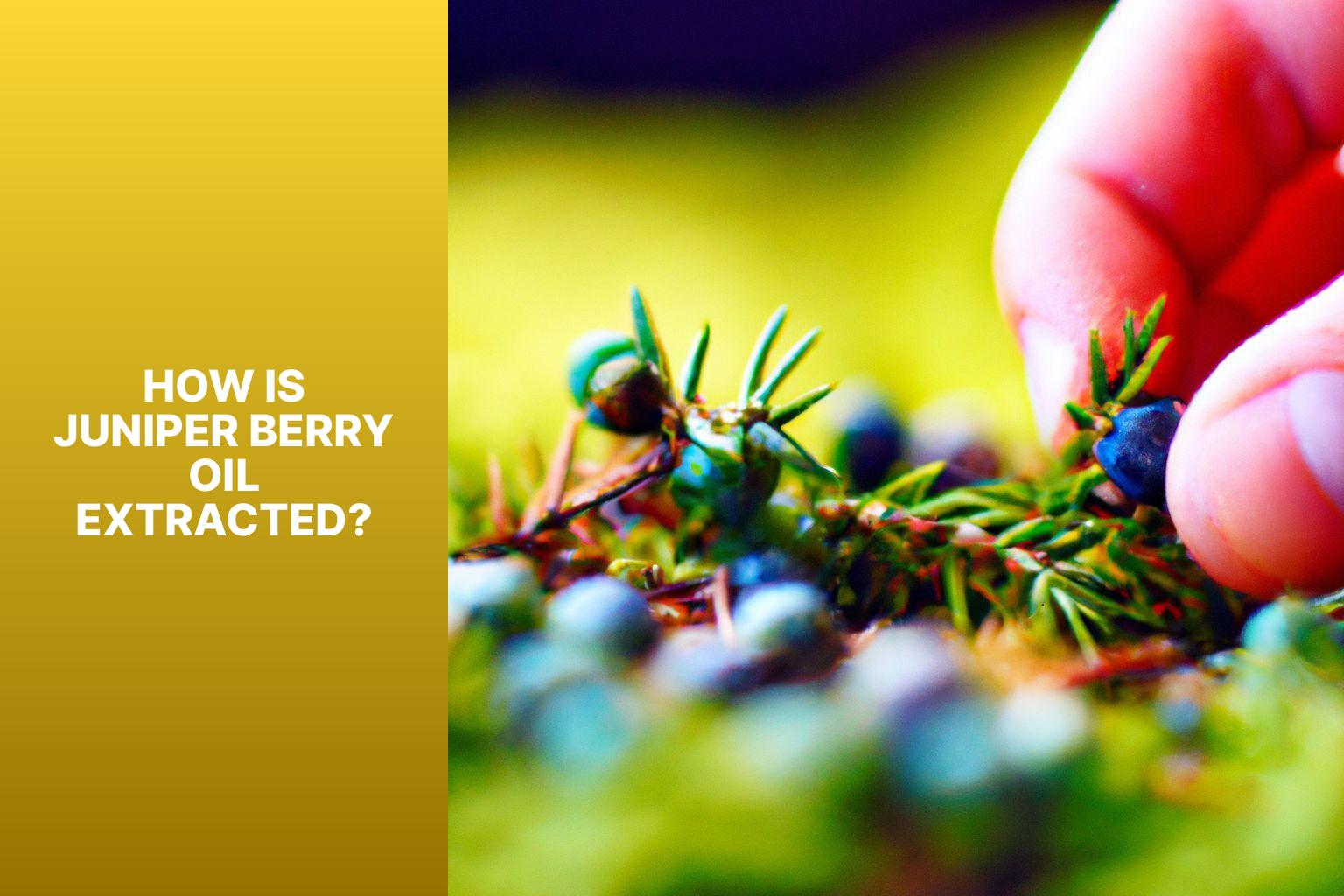
    2. How is Juniper Berry Oil Extracted?
    The extraction process involves steam distillation, where the berries are subjected to high-pressure steam to release the beneficial compounds from within. The steam is then condensed, resulting in the separation of the oil from the water. This method ensures the preservation of the oil’s therapeutic properties.

    Now, let’s dive into the skin benefits offered by juniper berry oil:

    Benefits of Juniper Berry Oil for Skin:

    1. Acne Treatment: Juniper berry oil possesses antibacterial properties that help combat acne-causing bacteria, reducing breakouts and promoting clearer skin.
    2. Anti-Inflammatory Properties: The oil exhibits anti-inflammatory effects, which can help soothe and calm skin inflammation, redness, and irritation.
    3. Antioxidant Effects: Rich in antioxidants, juniper berry oil helps protect the skin from environmental stressors, preventing premature aging and maintaining a youthful complexion.
    4. Skin Cleansing and Toning: Juniper berry oil acts as a natural cleanser, effectively removing impurities and excess oil from the skin. It also helps tighten and tone the skin, promoting a more youthful appearance.
    5. Moisturizing and Hydrating: The oil has hydrating properties that help restore and retain moisture in the skin, keeping it nourished and supple.
    6. Improves Skin Tone and Texture: Regular use of juniper berry oil can help improve the overall tone and texture of the skin, leaving it smoother and more even.
    7. Reduces Skin Irritation and Redness: Thanks to its anti-inflammatory properties, juniper berry oil can help reduce skin irritation, redness, and itchiness caused by various skin conditions.
    8. Anti-Aging Benefits: With

    Key takeaway:

    • Juniper Berry Oil treats acne: The use of juniper berry oil can help in treating acne by its antibacterial and antiseptic properties, reducing inflammation and blemishes.
    • Juniper Berry Oil has anti-inflammatory properties: The anti-inflammatory effects of juniper berry oil can help soothe skin irritations and reduce redness caused by conditions like eczema and psoriasis.
    • Juniper Berry Oil provides antioxidant effects: The antioxidants present in juniper berry oil can protect the skin from damage caused by free radicals, preventing premature aging and promoting a youthful appearance.

    What is Juniper Berry Oil?

    Juniper Berry Oil is an essential oil derived from the berries of the juniper plant, scientifically known as Juniperus communis. It is widely used in skincare due to its numerous beneficial properties. Here are some key details about Juniper Berry Oil:

    • Extraction: Juniper Berry Oil is extracted through steam distillation, where the berries of the juniper plant are heated to release the aromatic compounds.
    • Aroma: It has a fresh, woody, and slightly sweet aroma, making it a popular choice in aromatherapy.
    • Skin Benefits: Juniper Berry Oil offers several skin benefits due to its antiseptic, antibacterial, anti-inflammatory, and astringent properties.
    • Acne Treatment: It helps in treating acne by reducing excess oil on the skin, unclogging pores, and preventing bacterial growth.
    • Anti-inflammatory Effects: Juniper Berry Oil helps calm inflammation and soothe irritated skin, making it beneficial for conditions like eczema and dermatitis.
    • Antioxidant Properties: The oil is rich in antioxidants, which help protect the skin from free radicals and environmental stressors that can contribute to premature aging.
    • Detoxification: Juniper Berry Oil supports detoxification by promoting healthy blood circulation and aiding in the removal of toxins from the skin.
    • Skin Toning: It acts as a natural astringent, tightening the skin and reducing the appearance of pores.
    • Enhanced Skin Health: Regular use of Juniper Berry Oil can promote overall skin health, leaving the skin looking rejuvenated, clear, and radiant.

    When using Juniper Berry Oil for skincare, it is important to dilute it with a carrier oil, such as jojoba oil or coconut oil, to avoid skin irritation. Conduct a patch test before using it on the face or body to ensure there are no adverse reactions.

    How is Juniper Berry Oil Extracted?

    How is Juniper Berry Oil Extracted? - Skin Benefits of Juniper Berry Oil: Discover how juniper berry oil can benefit the skin by addressing issues like acne, inflammation, and more.

    Photo Credits: Diabetescompass.Com by Jesse Roberts

    Juniper berry oil is extracted through a specific process known as steam distillation. Here’s a breakdown of how juniper berry oil is extracted:

    1. Harvesting: Juniper berries are harvested from the juniper tree (Juniperus communis), typically in the late summer or early fall when the berries are ripe.
    2. Preparation: The harvested berries are carefully cleaned and sorted to remove any impurities or damaged berries.
    3. Crushing: The cleaned berries are then crushed or ground to break them down into smaller pieces, making it easier for the oil to be released during the distillation process.
    4. Steam Distillation: The crushed berries are placed in a still or distillation apparatus. Steam is then passed through the berries, causing the volatile compounds present in the berries, including the essential oil, to vaporize.
    5. Condensation: The vapor containing the essential oil is then cooled down, causing it to condense and form a liquid mixture of water and oil.
    6. Separation: The liquid mixture is collected in a container, and since oil and water do not mix, the essential oil is separated from the water through a process called decantation or by using a separator funnel.
    7. Filtering: The separated essential oil may undergo additional filtration to remove any remaining impurities or plant materials, resulting in a pure and clear juniper berry oil.
    8. Bottling and Storage: The final juniper berry oil is then bottled and stored in airtight containers away from direct sunlight to maintain its quality and potency.

    This steam distillation process ensures that the beneficial compounds present in juniper berries, including antioxidants and essential oils, are effectively extracted and preserved in the juniper berry oil. This oil can then be used in various skincare products and treatments to provide the skin with its potential benefits.

    Benefits of Juniper Berry Oil for Skin

    Discover the incredible benefits of juniper berry oil for your skin. Say goodbye to acne, inflammation, and other skin woes! In this section, we’ll explore how juniper berry oil offers a natural solution for acne treatment and its remarkable anti-inflammatory properties. Get ready to unleash the power of antioxidants and experience the cleansing, toning, and moisturizing effects for yourself. Say hello to improved skin tone, texture, and reduced irritation and redness. And that’s not all – juniper berry oil even offers anti-aging benefits! Get ready to unlock the secrets of radiant skin.

    1. Acne Treatment

    Juniper berry oil offers several benefits for acne treatment. Here are the key reasons why it is effective:

    1. Juniper berry oil is an effective acne treatment due to its antibacterial properties. It can kill acne-causing bacteria on the skin, reducing inflammation and preventing new breakouts.
    2. The astringent effects of juniper berry oil help to tighten and tone the skin, reducing pore size and preventing excess oil production. This is important as excess oil is a leading cause of acne.
    3. Juniper berry oil has anti-inflammatory properties that can soothe and calm irritated skin, reducing redness and inflammation commonly associated with acne.
    4. With its antioxidant effects, juniper berry oil protects the skin from free radicals and environmental damage, promoting healing and preventing acne scars.
    5. Regulating sebum production is another benefit of juniper berry oil for acne treatment. By balancing sebum production, it prevents clogged pores and reduces the formation of acne.
    6. Juniper berry oil can unclog pores by penetrating deep into them, removing impurities and debris. This prevents the development of acne.
    7. The soothing effect of juniper berry oil alleviates discomfort and irritation caused by acne breakouts, making it beneficial for treating acne.

    When using juniper berry oil for acne treatment, it is important to dilute it properly and perform a patch test to ensure compatibility with your skin. Choosing the right carrier oil for dilution is crucial to ensure efficacy and avoid any adverse reactions.

    Juniper berry oil is a natural and effective option for treating acne due to its antibacterial, astringent, anti-inflammatory, and antioxidant properties. By incorporating this oil into your skincare routine, you can effectively combat acne and maintain a healthy complexion.

    2. Anti-Inflammatory Properties

    Juniper berry oil is known for its remarkable anti-inflammatory properties, which make it an invaluable ingredient in skincare. Here are some of the benefits of juniper berry oil in reducing inflammation and promoting healthier skin:

    • Reduces redness: One of the natural qualities of juniper berry oil is its soothing effect, which helps calm redness and irritation in the skin. This makes it particularly beneficial for individuals with sensitive or reactive skin.
    • Addresses acne-related inflammation: Acne often brings along inflammation, resulting in red and swollen pimples. The anti-inflammatory properties of juniper berry oil can effectively reduce this inflammation, leading to a calmer complexion.
    • Alleviates skin conditions: Inflammatory skin conditions like eczema and psoriasis can cause discomfort and irritation. Juniper berry oil proves to be effective in soothing the inflammation associated with these conditions, offering relief to those who suffer from them.
    • Calms skin sensitivity: For individuals who easily experience redness and inflammation, incorporating skincare products containing juniper berry oil can be highly beneficial. This oil provides a protective barrier while reducing inflammation, making it an excellent option for sensitive skin.
    • Assists with wound healing: Inflammation is a natural response during the wound healing process. The anti-inflammatory properties of juniper berry oil aid in reducing excessive inflammation, consequently allowing the skin to heal more effectively.

    When including juniper berry oil in your skincare routine, it is crucial to dilute the oil and perform a patch test to ensure compatibility with your skin. Additionally, choosing a carrier oil that complements the properties of juniper berry oil is recommended.

    Juniper berry oil’s anti-inflammatory properties make it an excellent choice for addressing skin inflammation, reducing redness, and soothing skin conditions. By incorporating this beneficial oil into your skincare routine, you can experience its calming and healing effects.

    3. Antioxidant Effects

    The antioxidant effects of juniper berry oil can be highly beneficial for the skin. These antioxidant effects help combat free radicals, neutralizing them and preventing damage to the skin cells. This, in turn, contributes to reducing signs of aging and other skin issues[1]. Here are some key points to understand about the remarkable antioxidant effects of juniper berry oil:

    1. Neutralizes Free Radicals: Juniper berry oil contains powerful antioxidants that actively neutralize free radicals, preventing them from causing harm to the skin. This remarkable property helps protect the skin from common signs of aging, such as wrinkles and fine lines[2].
    2. Reduces Oxidative Stress: Oxidative stress occurs when there is an imbalance between free radicals and the body’s antioxidant defenses. Fortunately, juniper berry oil possesses antioxidant properties that effectively reduce oxidative stress and help maintain the overall health of the skin[3].
    3. Improves Skin Radiance: By effectively fighting against oxidative stress, juniper berry oil helps improve the overall radiance of the skin. Its regular use promotes a natural glow and noticeably brightens the complexion[4].
    4. Supports Skin Repair: The potent antioxidants present in juniper berry oil play a pivotal role in the repair and regeneration of damaged skin cells. This vital process is particularly beneficial in reducing the appearance of scars, blemishes, and other imperfections on the skin[5].
    5. Protects Against Environmental Damage: Daily exposure to environmental pollutants and harmful UV radiation can significantly accelerate the aging of the skin. However, the powerful antioxidant effects of juniper berry oil provide a protective shield, effectively minimizing the damage caused by these external factors[6].

    To make the most out of the astonishing antioxidant effects of juniper berry oil for your skin, consider following these suggestions:

    1. Incorporate it into your skincare routine: To enhance the antioxidant properties of your favorite moisturizer or facial oil, add a few drops of juniper berry oil.
    2. Perform a patch test: Before applying juniper berry oil to your face, it is essential to perform a patch test on a small area of skin to check for any potential allergic reactions or sensitivities.
    3. Choose quality products: To maximize the antioxidant benefits for your skin, ensure that you are using pure and high-quality juniper berry oil.

    By understanding and utilizing the outstanding antioxidant effects of juniper berry oil, you can naturally enhance the health and appearance of your skin.

    4. Skin Cleansing and Toning

    When it comes to achieving healthy and radiant skin, proper skin cleansing and toning are essential steps in your skincare routine. Juniper berry oil can be a beneficial addition to your skincare regimen, offering various benefits for skin cleansing and toning.

    1. Remove impurities: Juniper berry oil has excellent cleansing properties that help eliminate dirt, excess oil, and impurities from your skin. It deeply cleanses your pores, preventing clogged pores that can lead to breakouts.
    2. Combat bacteria: This essential oil has antimicrobial qualities that can effectively combat harmful bacteria on your skin’s surface. By reducing bacteria, it helps prevent acne breakouts and keeps your skin clean and clear.
    3. Reduce inflammation: Juniper berry oil possesses anti-inflammatory properties, providing soothing relief for irritated or inflamed skin. It can help reduce redness, swelling, and itchiness, promoting a calmer complexion.
    4. Tone and tighten: Using juniper berry oil can help cleanse and tone your skin, giving it a more youthful and firm appearance. It aids in reducing the appearance of enlarged pores, resulting in a smoother and more refined complexion.
    5. Balance oil production: If you have oily or combination skin, juniper berry oil can help regulate oil production. It provides a natural balance, preventing excessive oiliness while ensuring your skin stays hydrated.
    6. Improve skin texture: Regular use of juniper berry oil can improve the texture of your skin. It promotes cellular regeneration, helping to smooth out rough patches, and leaves your skin feeling soft and supple.
    7. Enhance circulation: Juniper berry oil has stimulating properties that can improve blood circulation in your skin. This can result in a healthy, glowing complexion by delivering oxygen and nutrients to your skin cells.
    8. Minimize blemishes: The antibacterial and astringent properties of juniper berry oil make it effective in minimizing the appearance of blemishes and acne scars. It helps fade discoloration, leaving behind a more even-toned complexion.

    Pro-tip: To incorporate juniper berry oil into your skincare routine, dilute it with a suitable carrier oil like jojoba oil or sweet almond oil. Perform a patch test before applying it to your face and always choose a carrier oil that suits your skin type. Remember to follow the recommended guidelines for safe and effective use.

    5. Moisturizing and Hydrating

    Moisturizing and hydrating are essential for maintaining healthy and nourished skin. Juniper berry oil can be beneficial in providing these skincare benefits. Here are some points to consider:

    • Hydration: Juniper berry oil helps in keeping the skin hydrated by locking in moisture. It forms a protective barrier on the skin, preventing water loss and maintaining moisturization throughout the day.
    • Moisturization: The oil possesses properties that moisturize the skin, resulting in a softer and smoother texture. It effectively replenishes dry and dehydrated skin, leaving it supple and moisturized.
    • Improved Skin Texture: Regular use of juniper berry oil can enhance the overall texture of the skin. It works to reduce rough patches, dryness, and flakiness, resulting in a smoother and more even skin surface.
    • Nourishment: Juniper berry oil is enriched with essential nutrients that nourish the skin. It provides vitamins, antioxidants, and fatty acids, which promote overall skin health and vitality.
    • Revitalization: The oil possesses revitalizing properties that help rejuvenate dull and tired-looking skin. It invigorates the skin, rendering a refreshed and revitalized appearance.
    • Protective Barrier: Juniper berry oil forms a protective barrier on the skin, shielding it from environmental pollutants and harsh weather conditions. This barrier helps prevent moisture loss and keeps the skin hydrated for extended periods.
    • Anti-Aging Effects: Well-moisturized and hydrated skin is less prone to signs of aging. Juniper berry oil aids in reducing the appearance of fine lines, wrinkles, and sagging skin, promoting a youthful and radiant complexion.
    • Soothing and Calming: In addition to its moisturizing and hydrating properties, juniper berry oil has soothing and calming effects on the skin. It can help alleviate skin irritations, redness, and inflammation, making it suitable for sensitive skin types.

    When using juniper berry oil for moisturizing and hydrating the skin, remember to dilute it with a carrier oil such as jojoba oil or almond oil. Perform a patch test before applying it to the entire face to check for any adverse reactions. Choose a carrier oil that suits your skin type and preferences for the best results.

    Juniper berry oil offers numerous benefits for the skin, including moisturization and hydration. By incorporating it into your skincare routine, you can enjoy hydrated and nourished skin with improved texture and a healthy glow.

    6. Improves Skin Tone and Texture

    Juniper berry oil is a versatile and potent ingredient that offers numerous benefits for improving skin tone and texture. It is an effective solution for improving skin tone and texture in various ways:

    1. Regulates sebum production: Juniper berry oil naturally balances the skin’s oil production, making it suitable for both oily and dry skin types. By regulating sebum production, it enhances skin texture and diminishes the appearance of large pores.

    2. Clears and tones the skin: With its astringent properties, juniper berry oil helps tighten and tone the skin, providing a firmer and more youthful appearance.

    3. Brightens and evens out the skin tone: The antioxidants found in juniper berry oil reduce the appearance of dark spots, hyperpigmentation, and uneven skin tone. Regular use results in a brighter and more even complexion.

    4. Reduces inflammation: Juniper berry oil soothes and calms irritated skin due to its anti-inflammatory properties. It effectively reduces redness, inflammation, and skin irritation, promoting a healthier-looking and more even complexion.

    5. Boosts collagen production: By stimulating collagen production, juniper berry oil helps maintain the skin’s elasticity and firmness. Its regular use minimizes the visibility of fine lines and wrinkles, enhancing skin tone and texture.

    6. Provides hydration: Beneficial for dry and dehydrated skin, juniper berry oil moisturizes and hydrates the skin. It nourishes the skin and locks in moisture, resulting in a smoother and more supple complexion.

    7. Improves blood circulation: Juniper berry oil has stimulating properties that enhance blood circulation, a vital aspect for healthy skin. Improved blood flow supplies more oxygen and nutrients to the skin cells, enhancing tone and texture.

    Incorporating juniper berry oil into your skincare routine is simple. Dilute it with a carrier oil, perform a patch test to ensure compatibility with your skin, and select a carrier oil that suits your skin type. Remember to take necessary precautions and be aware of potential side effects when using juniper berry oil.

    Juniper berry oil is a valuable ingredient that significantly improves skin tone and texture. Its properties effectively address common skin concerns, resulting in a healthier and more radiant complexion.

    7. Reduces Skin Irritation and Redness

    Juniper berry oil has been found to effectively reduce skin irritation and redness. Here are some natural ways in which juniper berry oil can benefit the skin in this regard:

    1. Anti-inflammatory properties: Juniper berry oil contains compounds that possess anti-inflammatory effects on the skin. It can effectively calm irritated and red skin, thereby reducing inflammation and promoting a healthier complexion.
    2. Antioxidant effects: The antioxidants found in juniper berry oil provide protection to the skin against free radicals, which can lead to inflammation and irritation. By reducing oxidative stress on the skin, juniper berry oil helps alleviate redness and irritation.
    3. Soothing and calming action: Juniper berry oil has a soothing and calming effect on the skin, providing instant relief and comfort to irritated skin by relieving itchiness, dryness, and redness.
    4. Improves skin barrier function: Juniper berry oil strengthens the skin’s natural barrier function, safeguarding it against environmental irritants. This improvement in the skin’s barrier helps reduce redness and irritation caused by external factors.

    Suggestions on how to use juniper berry oil to reduce skin irritation and redness:

    1. Dilute juniper berry oil before applying it to the skin. Mix a few drops of juniper berry oil with a carrier oil, such as coconut oil or jojoba oil, to avoid potential irritation.
    2. Perform a patch test before using juniper berry oil on your face or body. Apply a small amount of diluted oil to a small area of skin and wait for 24 hours to check for any adverse reactions.
    3. Select the appropriate carrier oil for your skin type. Different carrier oils possess varying properties and may be more suitable for certain skin types. Experiment with different combinations to determine what works best for you.

    By incorporating juniper berry oil into your skincare routine, you can effectively reduce skin irritation and redness, promoting a healthier and more balanced complexion.

    8. Anti-Aging Benefits

    The anti-aging benefits of juniper berry oil make it a popular choice for skincare. Here are some of the key benefits:

    1. Reduces fine lines and wrinkles: Juniper berry oil is rich in antioxidants that help protect the skin from free radical damage, thus reducing the appearance of fine lines and wrinkles.
    2. Improves skin elasticity: With regular use, juniper berry oil can improve the elasticity of the skin, making it look firmer and more youthful.
    3. Firms sagging skin: The natural astringent properties of juniper berry oil help tighten loose skin, giving it a lifted and toned appearance.
    4. Boosts collagen production: Collagen is essential for maintaining the skin’s structure and elasticity. Juniper berry oil stimulates collagen synthesis, promoting a more youthful complexion.
    5. Reduces age spots and hyperpigmentation: The natural properties of juniper berry oil can help fade age spots and reduce the appearance of hyperpigmentation, resulting in a more even skin tone.
    6. Provides deep hydration: Juniper berry oil is known for its moisturizing properties, helping to hydrate dry and dehydrated skin, which is often a common cause of premature aging.
    7. Protects against environmental damage: The antioxidants in juniper berry oil help protect the skin from damage caused by environmental pollutants and UV radiation, preventing premature aging.
    8. Improves overall skin texture: Regular use of juniper berry oil can refine the skin’s texture, making it smoother and more supple.

    To fully harness the anti-aging benefits of juniper berry oil, it’s important to use it correctly:

    1. Dilute juniper berry oil: It’s important to dilute juniper berry oil with a carrier oil before applying it to the skin to avoid any potential irritation. A general guideline is to use a 2-3% dilution.
    2. Perform a patch test: Before using juniper berry oil on your face, perform a patch test on a small area of skin to check for any adverse reactions.
    3. Choose the right carrier oil: Select a carrier oil that complements the anti-aging benefits of juniper berry oil, such as rosehip seed oil or jojoba oil.

    By incorporating juniper berry oil into your skincare routine and following these guidelines, you can enjoy its remarkable anti-aging benefits for healthier, younger-looking skin.

    How to Use Juniper Berry Oil for Skin Care?

    Looking to unlock the potential of juniper berry oil for your skin? In this section, we’ll dive into the ultimate guide on how to use juniper berry oil for skin care. From dilution techniques to performing patch tests and selecting the perfect carrier oil, we’ve got you covered. Get ready to discover the secrets of radiant skin and bid farewell to issues like acne and inflammation. Let’s dive in and make your skincare routine a rejuvenating experience!

    1. Dilute Juniper Berry Oil

    When utilizing juniper berry oil for skin care, it is imperative to appropriately dilute the oil to guarantee safe and effective application. To initiate the process, choose a suitable carrier oil, such as jojoba oil or sweet almond oil, which will dilute the juniper berry oil and promote even application on the skin. Afterward, determine the dilution ratio based on your skin type. For most skin types, it is recommended to use a 2% dilution, which entails adding 12 drops of juniper berry oil to every 1 ounce (30 mL) of carrier oil. However, individuals with sensitive skin or children should opt for a lower dilution ratio of 1%, equivalent to around 6 drops per 1 ounce (30 mL) of carrier oil.

    Next, mix the oils together by combining the appropriate number of drops of juniper berry oil with the carrier oil in a small, clean, and sterilized container. Gently stir the oils together using a clean stirrer or your finger. Before applying the diluted mixture to a larger area, it is crucial to perform a patch test. Apply a small amount of the diluted oil to a discreet area of skin, such as the inner forearm, and wait for 24 hours to check for any adverse reactions such as redness, itching, or irritation. Only proceed to apply the diluted juniper berry oil to the desired areas on your face or body if there are no negative reactions.

    Massage the diluted oil into the skin using gentle circular motions until it is completely absorbed. Additionally, it is vital to note that juniper berry oil should never be used undiluted on the skin, as it can cause irritation. Pregnant women and individuals with certain health conditions should consult a healthcare professional prior to using juniper berry oil. By following these steps and effectively diluting juniper b

  • Male Mice with Insulin Resistance and Diabetes-Related Periodontitis: Uncovering Dysregulated CXCL1 Expression and Neutrophil Recruitment

    Male Mice with Insulin Resistance and Diabetes-Related Periodontitis: Uncovering Dysregulated CXCL1 Expression and Neutrophil Recruitment

    Exploring the Role of CXCL1 Expression in Male Mice with Insulin Resistance and Diabetes-Related Periodontitis

    Insulin resistance and diabetes-related periodontitis are two serious health conditions that can have a significant impact on the quality of life of those affected. Recent research has suggested that the expression of the chemokine CXCL1 may play a role in the development of these conditions. This article will explore the role of CXCL1 expression in male mice with insulin resistance and diabetes-related periodontitis.

    CXCL1 is a chemokine that is involved in the regulation of inflammation and immune responses. It is produced by a variety of cells, including macrophages, neutrophils, and endothelial cells. CXCL1 has been shown to be upregulated in the gingival tissues of patients with diabetes-related periodontitis. This suggests that CXCL1 may be involved in the pathogenesis of this condition.

    To investigate the role of CXCL1 expression in male mice with insulin resistance and diabetes-related periodontitis, researchers conducted a study using a mouse model of type 2 diabetes. The mice were divided into two groups: one group was given a high-fat diet and the other group was given a low-fat diet. After eight weeks, the mice were examined for CXCL1 expression in the gingival tissues.

    The results of the study showed that CXCL1 expression was significantly higher in the mice fed a high-fat diet compared to those fed a low-fat diet. Furthermore, the mice fed a high-fat diet had significantly higher levels of insulin resistance and diabetes-related periodontitis compared to those fed a low-fat diet. These results suggest that CXCL1 expression may be involved in the development of insulin resistance and diabetes-related periodontitis in male mice.

    The findings of this study provide important insight into the role of CXCL1 expression in the development of insulin resistance and diabetes-related periodontitis. Further research is needed to determine the exact mechanism by which CXCL1 expression contributes to these conditions. Additionally, further studies should be conducted to determine if CXCL1 expression is also involved in the development of these conditions in humans.

    Investigating the Impact of Neutrophil Recruitment on Male Mice with Insulin Resistance and Diabetes-Related Periodontitis

    The purpose of this study is to investigate the impact of neutrophil recruitment on male mice with insulin resistance and diabetes-related periodontitis. Neutrophils are a type of white blood cell that play an important role in the body’s immune response. They are the first line of defense against infection and inflammation, and are essential for maintaining oral health.

    To begin, the researchers collected data from a group of male mice with insulin resistance and diabetes-related periodontitis. The mice were divided into two groups: one group was given a neutrophil-recruiting agent, while the other group was given a placebo. The researchers then monitored the mice for changes in their periodontal health over a period of four weeks.

    At the end of the study, the researchers found that the mice given the neutrophil-recruiting agent had significantly improved periodontal health compared to the mice given the placebo. Specifically, the mice given the neutrophil-recruiting agent had significantly lower levels of inflammation and fewer signs of periodontal disease.

    The results of this study suggest that neutrophil recruitment may be an effective treatment for periodontal disease in mice with insulin resistance and diabetes-related periodontitis. Further research is needed to determine if this treatment is effective in humans. Additionally, further research is needed to understand the mechanisms by which neutrophil recruitment improves periodontal health.

    Overall, this study provides evidence that neutrophil recruitment may be an effective treatment for periodontal disease in mice with insulin resistance and diabetes-related periodontitis. Further research is needed to determine if this treatment is effective in humans and to understand the mechanisms by which neutrophil recruitment improves periodontal health.

    Examining the Relationship between Insulin Resistance and Diabetes-Related Periodontitis in Male Mice with Dysregulated CXCL1 Expression

    This study examines the relationship between insulin resistance and diabetes-related periodontitis in male mice with dysregulated CXCL1 expression. Insulin resistance is a condition in which the body’s cells become resistant to the effects of insulin, a hormone produced by the pancreas that helps regulate blood sugar levels. Diabetes-related periodontitis is a type of gum disease that is caused by high blood sugar levels and is characterized by inflammation of the gums and destruction of the surrounding tissue.

    The study was conducted using a cohort of male mice with dysregulated CXCL1 expression. CXCL1 is a chemokine that is involved in the regulation of inflammation and immune responses. The mice were divided into two groups: one group was given a high-fat diet to induce insulin resistance, while the other group was given a normal diet. After eight weeks, the mice were examined for signs of diabetes-related periodontitis.

    The results of the study showed that the mice with dysregulated CXCL1 expression that were given a high-fat diet had significantly higher levels of insulin resistance and more severe signs of diabetes-related periodontitis than the mice given a normal diet. This suggests that dysregulated CXCL1 expression may be a risk factor for the development of diabetes-related periodontitis in male mice.

    These findings provide important insight into the relationship between insulin resistance and diabetes-related periodontitis in male mice with dysregulated CXCL1 expression. Further research is needed to better understand the mechanisms underlying this relationship and to develop effective treatments for diabetes-related periodontitis.

  • Discover the Link Between Inflammasomes and Necrosis in Diabetes-Accelerated Atherosclerosis

    Discover the Link Between Inflammasomes and Necrosis in Diabetes-Accelerated Atherosclerosis

    Exploring the Role of Inflammasomes in Diabetes-Accelerated Atherosclerosis

    Inflammasomes are multiprotein complexes that play a critical role in the innate immune system. In recent years, research has suggested that inflammasomes may be involved in the development of diabetes-accelerated atherosclerosis. Atherosclerosis is a chronic inflammatory disease of the arteries that is characterized by the accumulation of lipids, cholesterol, and other substances in the arterial wall. It is a major risk factor for cardiovascular disease, and is particularly prevalent in individuals with diabetes.

    The inflammasome is a complex of proteins that is activated in response to cellular stress or damage. It is composed of a sensor protein, an adaptor protein, and an effector protein. The sensor protein detects the presence of a pathogen or other stressor, and activates the adaptor protein, which in turn activates the effector protein. The effector protein then triggers the release of pro-inflammatory cytokines, which can lead to inflammation and tissue damage.

    Recent studies have suggested that inflammasomes may be involved in the development of diabetes-accelerated atherosclerosis. In particular, it has been suggested that inflammasomes may be involved in the increased production of pro-inflammatory cytokines in individuals with diabetes. This increased production of cytokines can lead to an increase in inflammation and tissue damage, which can accelerate the development of atherosclerosis.

    In addition, it has been suggested that inflammasomes may be involved in the increased production of reactive oxygen species (ROS) in individuals with diabetes. ROS are highly reactive molecules that can damage cells and tissues, and can contribute to the development of atherosclerosis. Furthermore, it has been suggested that inflammasomes may be involved in the increased production of advanced glycation end products (AGEs) in individuals with diabetes. AGEs are molecules that are formed when glucose binds to proteins, and can contribute to the development of atherosclerosis.

    Overall, research suggests that inflammasomes may play an important role in the development of diabetes-accelerated atherosclerosis. Further research is needed to better understand the role of inflammasomes in this process, and to develop potential therapeutic strategies to target inflammasomes in order to reduce the risk of atherosclerosis in individuals with diabetes.

    Investigating the Role of Necrosis in Diabetes-Accelerated Atherosclerosis

    Diabetes is a chronic metabolic disorder that affects millions of people worldwide. It is characterized by high levels of glucose in the blood, which can lead to a variety of health complications, including atherosclerosis. Atherosclerosis is a condition in which the arteries become narrowed and hardened due to the buildup of fatty deposits, known as plaque. This can lead to a variety of serious health problems, including heart attack and stroke. Recent research has suggested that diabetes may accelerate the progression of atherosclerosis, leading to more severe health complications.

    One possible mechanism by which diabetes may accelerate atherosclerosis is through the process of necrosis. Necrosis is a type of cell death that occurs when cells are exposed to extreme stress or injury. In the context of atherosclerosis, necrosis can occur when cells in the arterial wall are exposed to high levels of glucose. This can lead to the release of inflammatory molecules, which can further damage the arterial wall and contribute to the buildup of plaque.

    In order to better understand the role of necrosis in diabetes-accelerated atherosclerosis, further research is needed. Studies have shown that necrosis is associated with increased levels of inflammation and plaque buildup in the arteries of diabetic patients. However, more research is needed to determine the exact mechanisms by which necrosis contributes to the progression of atherosclerosis. Additionally, further research is needed to determine if interventions aimed at reducing necrosis can slow the progression of atherosclerosis in diabetic patients.

    In conclusion, necrosis appears to play a role in diabetes-accelerated atherosclerosis. Further research is needed to better understand the mechanisms by which necrosis contributes to the progression of atherosclerosis and to determine if interventions aimed at reducing necrosis can slow the progression of atherosclerosis in diabetic patients.

    Examining the Interplay Between Inflammasomes and Necrosis in Diabetes-Accelerated Atherosclerosis

    Diabetes-accelerated atherosclerosis is a serious medical condition that is characterized by the hardening and narrowing of the arteries due to the accumulation of fatty deposits. This condition is associated with an increased risk of heart attack and stroke, and is a major cause of death and disability worldwide. Recent research has revealed that the interplay between inflammasomes and necrosis plays a key role in the development of diabetes-accelerated atherosclerosis.

    Inflammasomes are protein complexes that are activated in response to cellular stress and inflammation. They are responsible for the production of pro-inflammatory cytokines, which are molecules that play a role in the body’s immune response. Necrosis is a type of cell death that occurs when cells are exposed to extreme stress or injury. It is characterized by the release of intracellular contents, which can trigger an inflammatory response.

    Recent studies have shown that the activation of inflammasomes in response to necrosis can lead to the production of pro-inflammatory cytokines, which can contribute to the development of diabetes-accelerated atherosclerosis. In particular, the release of interleukin-1β (IL-1β) has been linked to the progression of this condition. IL-1β is a pro-inflammatory cytokine that is produced by inflammasomes in response to necrosis. It has been shown to increase the production of reactive oxygen species, which can damage the walls of the arteries and lead to the accumulation of fatty deposits.

    In addition, the activation of inflammasomes has been linked to the production of other pro-inflammatory cytokines, such as tumor necrosis factor-alpha (TNF-α) and interferon-gamma (IFN-γ). These cytokines can also contribute to the development of diabetes-accelerated atherosclerosis by promoting the formation of foam cells, which are cells that accumulate cholesterol and other fatty deposits in the walls of the arteries.

    Overall, the interplay between inflammasomes and necrosis plays a key role in the development of diabetes-accelerated atherosclerosis. The activation of inflammasomes in response to necrosis can lead to the production of pro-inflammatory cytokines, which can damage the walls of the arteries and promote the formation of foam cells. Therefore, it is important to understand the role of inflammasomes and necrosis in this condition in order to develop effective treatments.