Unveiling the Secret: How Chromium Revolutionizes Blood Sugar Control and Balanced Nutrition
[youtubomatic_search]
Key Takeaways
Chromium plays a crucial role in the metabolism of carbohydrates and lipids, contributing to blood sugar control and balanced nutrition.
Chromium deficiency can lead to impaired glucose tolerance and elevated blood sugar levels, increasing the risk of developing type 2 diabetes.
Supplementation with chromium can improve insulin sensitivity and blood sugar control, especially in individuals with type 2 diabetes or prediabetes.
Chromium is found in a variety of foods, but the bioavailability can vary significantly, making supplementation a viable option for many individuals.
While chromium supplementation is generally considered safe, it’s important to consult with a healthcare provider before starting any new supplement regimen.
Introduction: The Role of Chromium in Blood Sugar Control and Nutrition
Chromium, a trace mineral found in various foods, plays a pivotal role in the metabolism of carbohydrates and lipids. It enhances the action of insulin, a hormone critical to the metabolism and storage of carbohydrate, fat, and protein in the body. Despite its importance, chromium’s role in blood sugar control and balanced nutrition is often overlooked.
The Impact of Chromium Deficiency
Chromium deficiency can lead to impaired glucose tolerance and elevated blood sugar levels. According to a study published in the Journal of Nutritional Biochemistry, chromium deficiency is associated with an increased risk of developing type 2 diabetes and cardiovascular diseases (Cefalu WT, Hu FB, 2004).
Chromium Supplementation for Improved Blood Sugar Control
Research has shown that supplementation with chromium can improve insulin sensitivity and blood sugar control. A meta-analysis of 25 randomized controlled trials found that chromium supplementation significantly improved glycemic control in individuals with type 2 diabetes (Suksomboon N, Poolsup N, Yuwanakorn A, 2014).
Food Sources and Bioavailability of Chromium
Chromium is found in a variety of foods, including whole grains, lean meats, fruits, and vegetables. However, the bioavailability of chromium from food can vary significantly, ranging from 0.4% to 2.5% (Anderson RA, 1997). This variability, combined with the fact that the average daily intake of chromium from food is often below the recommended amount, makes supplementation a viable option for many individuals.
FAQ Section
1. What is the recommended daily intake of chromium?
The recommended daily intake of chromium for adults ranges from 20 to 35 micrograms, depending on age and sex (National Institutes of Health, 2021).
2. Are there any side effects associated with chromium supplementation?
Chromium supplementation is generally considered safe, but high doses can cause side effects such as stomach discomfort, low blood sugar, and kidney or liver damage (National Institutes of Health, 2021).
3. Can I get enough chromium from my diet?
While it’s possible to get enough chromium from a balanced diet, many people do not. The bioavailability of chromium from food can vary significantly, and the average daily intake is often below the recommended amount (Anderson RA, 1997).
4. Can chromium supplementation help with weight loss?
Some research suggests that chromium supplementation may help with weight loss, but the evidence is mixed. More research is needed to confirm these findings (National Institutes of Health, 2021).
5. Should I take a chromium supplement?
Whether or not you should take a chromium supplement depends on your individual needs and circumstances. It’s always best to consult with a healthcare provider before starting any new supplement regimen.
Conclusion: The Power of Chromium in Blood Sugar Control and Nutrition
In conclusion, chromium plays a crucial role in blood sugar control and balanced nutrition. Its deficiency can lead to impaired glucose tolerance and elevated blood sugar levels, increasing the risk of developing type 2 diabetes. Supplementation with chromium can improve insulin sensitivity and blood sugar control, especially in individuals with type 2 diabetes or prediabetes. While chromium is found in a variety of foods, the bioavailability can vary significantly, making supplementation a viable option for many individuals. However, it’s important to consult with a healthcare provider before starting any new supplement regimen.
[youtubomatic_search]
Further Analysis
As we delve deeper into the role of chromium in blood sugar control and balanced nutrition, it’s clear that this trace mineral holds significant potential for improving health outcomes. With ongoing research and increased awareness, we can hope to see more individuals benefiting from the power of chromium in the near future.
Key Takeaways Revisited
Chromium plays a crucial role in the metabolism of carbohydrates and lipids, contributing to blood sugar control and balanced nutrition.
Chromium deficiency can lead to impaired glucose tolerance and elevated blood sugar levels, increasing the risk of developing type 2 diabetes.
Supplementation with chromium can improve insulin sensitivity and blood sugar control, especially in individuals with type 2 diabetes or prediabetes.
Chromium is found in a variety of foods, but the bioavailability can vary significantly, making supplementation a viable option for many individuals.
While chromium supplementation is generally considered safe, it’s important to consult with a healthcare provider before starting any new supplement regimen.
“Magnesium and zinc are essential minerals that play crucial roles in maintaining overall health and wellness. Understanding the significance of these minerals and their impact on our bodies is essential for ensuring optimal well-being.
Magnesium, a topic explored in a study published in the International Journal of Environmental Research and Public Health, is a mineral that is involved in numerous functions within the body. It is responsible for regulating muscle and nerve function, supporting a healthy immune system, maintaining a steady heartbeat, and promoting strong bones. Recognizing the symptoms of magnesium deficiency, such as muscle cramps, fatigue, and irregular heartbeat, can help prevent potential health issues. Consuming magnesium-rich foods like leafy greens, nuts, and whole grains is key to maintaining adequate levels of this mineral.
Similarly, zinc is another essential mineral that is vital for overall health and well-being. Zinc, as described in a research paper by Prasad et al., plays a crucial role in supporting immune function, promoting wound healing, facilitating proper growth and development, and ensuring optimal senses of taste and smell. Recognizing the symptoms of zinc deficiency, such as recurrent infections, hair loss, and delayed wound healing, is crucial for addressing potential health concerns. Consuming zinc-rich foods like meat, legumes, and seeds can help fulfill the body’s zinc requirements.
The relationship between magnesium and zinc is synergistic, as they often work together to support various bodily functions. The duo plays a vital role in immune function, metabolism, and overall cellular health. Supplementing with magnesium and zinc together can provide additional benefits, such as improved energy levels, enhanced cognitive function, and better mood regulation.
To ensure adequate intake of these minerals, it is important to understand the recommended daily intake. The daily recommended intake of magnesium varies depending on age, sex, and life stage, but typically ranges from 310 to 420 milligrams for adults. The daily recommended intake of zinc, on the other hand, ranges from 8 to 11 milligrams for adults. It is important to note that these recommended intakes may vary based on individual needs and health conditions, so consulting with a healthcare professional is always a good idea.
Incorporating magnesium and zinc into our daily lives is crucial for maintaining overall health and wellness. By understanding their roles and ensuring proper intake, we can support our bodies in functioning optimally and lead healthier lives.”
1. Magnesium and zinc are crucial for maintaining overall health and wellness.
2. Magnesium plays a key role in various bodily functions, and its deficiency can lead to several symptoms.
3. Zinc also has important functions in the body, and its deficiency can cause specific symptoms.
4. Both magnesium and zinc work together synergistically to promote better health and wellness.
5. Supplementing with magnesium and zinc together can provide added benefits.
6. It is important to ensure you meet the recommended daily intake of magnesium and zinc for optimal health.
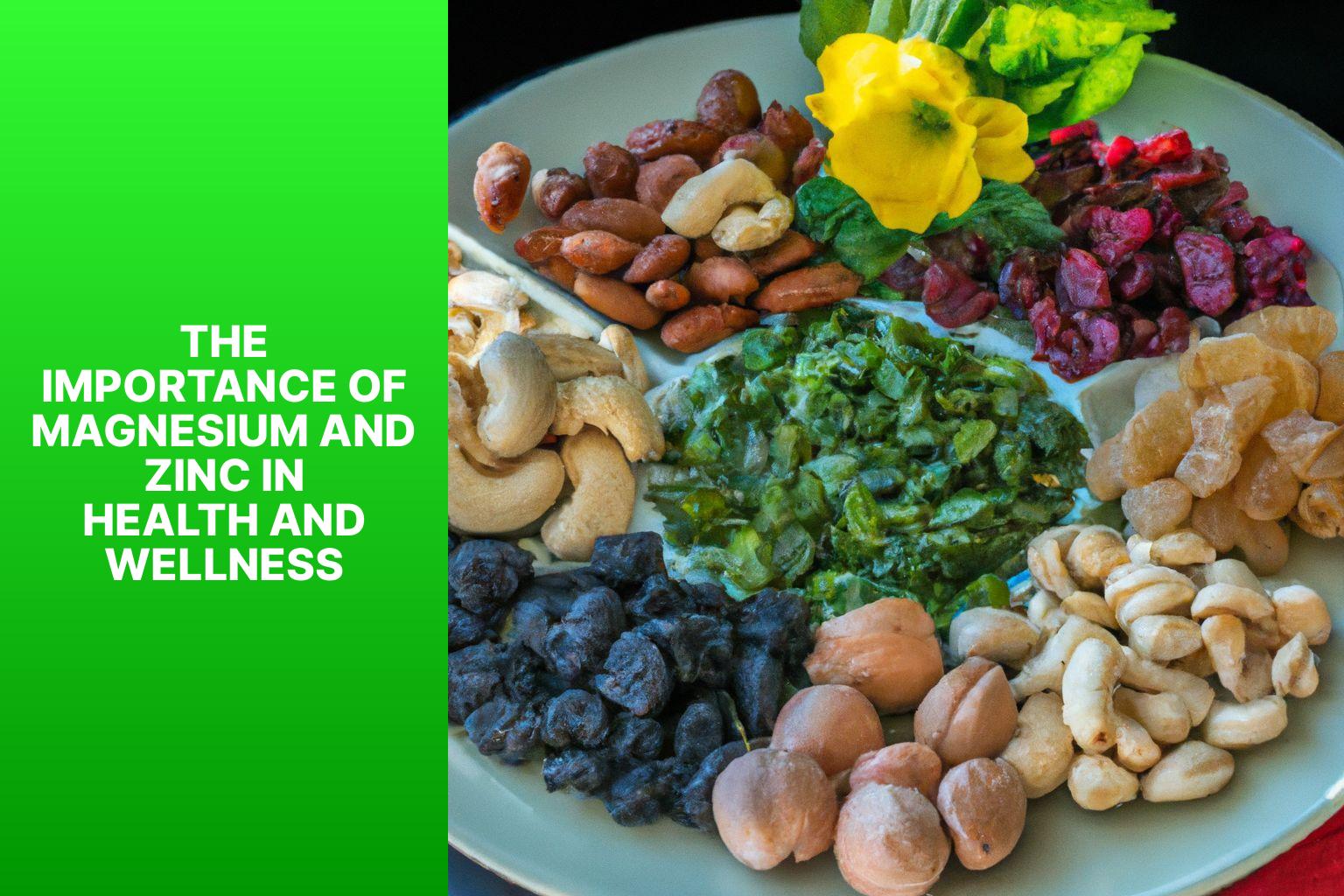
The Importance of Magnesium and Zinc in Health and Wellness
Photo Credits: Diabetescompass.Com by Austin Young
Magnesium and zinc play essential roles in maintaining overall health and wellness. Here’s why they are important:
Magnesium: Magnesium is involved in over 300 biochemical reactions in the body. It helps maintain normal nerve and muscle function, supports a healthy immune system, regulates blood pressure, and plays a role in energy metabolism. Magnesium also contributes to the formation of strong bones and teeth.
Zinc: Zinc is necessary for various bodily functions, including immune system function, wound healing, DNA synthesis, and cell division. It is involved in the metabolism of carbohydrates, protein, and fat. Zinc also supports normal growth and development during pregnancy, childhood, and adolescence.
Together, magnesium and zinc have several interrelated roles that contribute to overall health and wellness:
Immune System Support: Both magnesium and zinc play vital roles in supporting a healthy immune system. They help regulate immune cell function and promote the production of antibodies, which are essential for fighting off infections and diseases.
Energy Production: Magnesium and zinc are involved in energy metabolism and the production of ATP (adenosine triphosphate), the body’s primary energy molecule. They aid in converting food into energy and maintaining optimal energy levels.
Stress Management: Magnesium and zinc have been linked to stress management and mood regulation. They play a role in the production and regulation of neurotransmitters, such as serotonin, which is known to impact mood and promote feelings of well-being.
Bone Health: Both minerals contribute to maintaining strong and healthy bones. Magnesium aids in the absorption and metabolism of calcium, a crucial mineral for bone density. Zinc is involved in bone formation and mineralization, supporting bone strength and integrity.
Antioxidant Defense: Magnesium and zinc act as cofactors for various antioxidant enzymes in the body, such as superoxide dismutase (SOD). These enzymes help neutralize harmful free radicals, protecting cells from oxidative damage and promoting overall health.
It is important to ensure an adequate intake of both magnesium and zinc through a balanced diet or, if necessary, through supplementation. Consulting with a healthcare professional can help determine the appropriate dosage and ensure optimal levels for maintaining overall health and wellness.
The Role of Magnesium in Maintaining Overall Health and Wellness
Magnesium plays a crucial role in maintaining overall health and wellness through its involvement in various bodily functions:
Energy Production: Magnesium is essential for converting food into energy. It helps activate enzymes that are involved in breaking down carbohydrates, proteins, and fats, enabling the body to produce and utilize energy effectively.
Protein Synthesis: Magnesium is necessary for protein synthesis, which is vital for the growth, repair, and maintenance of tissues and organs in the body. It is involved in the production of DNA, RNA, and the formation of new proteins.
Enzyme Function: Many enzymes in the body require magnesium as a cofactor to carry out their functions. These enzymes are involved in various processes such as DNA repair, muscle contraction, nerve function, and hormone regulation.
Heart Health: Magnesium plays a role in maintaining a healthy heart. It helps regulate heart rhythm, supports blood vessel health, and contributes to the relaxation and contraction of cardiac muscles.
Bone Health: Magnesium is important for bone health as it helps regulate calcium levels in the body. It works alongside vitamin D and calcium to promote bone formation and mineralization, reducing the risk of osteoporosis.
Nervous System Function: Magnesium helps regulate neurotransmitters, which are chemical messengers that transmit signals in the brain and nervous system. It supports healthy nerve function, muscle contraction, and relaxation.
Sleep Quality: Magnesium is known for its ability to promote relaxation and improve sleep quality. It supports the production of melatonin, a hormone that regulates the sleep-wake cycle.
Stress Management: Magnesium has a calming effect on the body and may help reduce stress and anxiety. It plays a role in the regulation of the stress hormone cortisol and supports the function of the adrenal glands.
Immune System Support: Magnesium is involved in immune system function and helps maintain a healthy immune response. It supports the production and activity of immune cells, contributing to overall immune system health.
Blood Sugar Regulation: Magnesium plays a role in insulin metabolism and helps regulate blood sugar levels. It supports insulin sensitivity and may reduce the risk of developing insulin resistance and type 2 diabetes.
Ensuring an adequate intake of magnesium through a balanced diet or supplementation can help support these essential functions and contribute to overall health and wellness.
What is Magnesium?
What is Magnesium? Magnesium is an essential mineral that plays a vital role in maintaining overall health and wellness. Here are some key points to understand what magnesium is:
Magnesium is a chemical element with the symbol Mg and atomic number 12
It is the eighth most abundant element in the Earth’s crust and the third most abundant element in seawater
It is a vital nutrient for plants, animals, and humans, necessary for the proper functioning of the body
Magnesium is involved in over 300 biochemical reactions in the body, including energy production, protein synthesis, muscle and nerve function, blood pressure regulation, and DNA maintenance
It is necessary for the formation and maintenance of healthy bones and teeth
Magnesium also plays a role in the metabolism of carbohydrates, fats, and proteins
It helps regulate the levels of other essential minerals like calcium, potassium, and zinc in the body
Dietary sources of magnesium include green leafy vegetables, nuts, seeds, whole grains, legumes, and seafood
Some individuals may have an increased need for magnesium, such as pregnant women, athletes, and those with certain medical conditions
A deficiency in magnesium can lead to symptoms such as muscle cramps, weakness, fatigue, irritability, and abnormal heart rhythms
Understanding what magnesium is and its importance in the body can help individuals make informed decisions about their health and wellness. Incorporating magnesium-rich foods into the diet and ensuring adequate magnesium intake can contribute to overall well-being.
Ancient civilizations, such as the Egyptians and Greeks, recognized the healing properties of magnesium-rich waters. The use of magnesium in medicine dates back thousands of years. In the early 19th century, magnesium was isolated and studied as a distinct element. Today, magnesium continues to be a valuable mineral in promoting and maintaining optimal health.
What are the Functions of Magnesium in the Body?
The Functions of Magnesium in the Body
Magnesium plays a crucial role in various functions within the body. It is an essential mineral that is involved in over 300 biochemical reactions, making it vital for overall health and wellness.
1. Regulates muscle and nerve function: Magnesium helps in the contraction and relaxation of muscles, including the heart. It aids in the proper functioning of the nervous system by allowing nerves to send signals in a coordinated manner.
2. Supports energy production: Magnesium is necessary for the production of adenosine triphosphate (ATP), which is the energy currency of the body. It helps convert food into energy and is involved in the metabolism of carbohydrates, proteins, and fats.
3. Enhances bone health: Magnesium is a key component of bone structure. It works in conjunction with calcium and vitamin D to promote the growth and maintenance of healthy bones. Adequate magnesium levels contribute to optimal bone density and lower the risk of osteoporosis.
4. Regulates blood sugar levels: Magnesium helps regulate insulin, a hormone responsible for maintaining stable blood sugar levels. It aids in glucose metabolism and influences insulin sensitivity, contributing to proper blood sugar control.
5. Supports cardiovascular health: Magnesium is involved in maintaining a healthy heartbeat and blood pressure. It helps relax blood vessels, improving blood flow and reducing the risk of hypertension and cardiovascular diseases.
6. Assists in DNA and protein synthesis: Magnesium is necessary for the synthesis of DNA, RNA, and proteins. It plays a role in cell division and the creation of new cells, contributing to growth, repair, and overall cellular function.
7. Promotes sleep and relaxation: Magnesium has calming effects on the nervous system and promotes good sleep. It helps regulate neurotransmitters involved in sleep regulation, such as melatonin.
The functions of magnesium in the body are diverse and essential for overall health and wellness. From muscle and nerve function to energy production and bone health, adequate magnesium levels are necessary for optimal bodily functions. Incorporating magnesium-rich foods like leafy greens, nuts, seeds, and whole grains into your diet can help ensure you meet your daily magnesium needs and support these vital functions.
What are the Symptoms of Magnesium Deficiency?
When it comes to magnesium deficiency, it’s important to know what the symptoms are. What are the Symptoms of Magnesium Deficiency? These symptoms can vary depending on the severity of the deficiency and can affect different areas of the body. Here is a list of the symptoms of magnesium deficiency:
Muscle cramps: One common symptom of magnesium deficiency is muscle cramps. These cramps can be painful and may occur frequently.
Fatigue: Magnesium plays a crucial role in energy production, so a deficiency can lead to feelings of fatigue and low energy levels.
Weakness: Along with fatigue, magnesium deficiency can also cause weakness in the muscles, making everyday activities more difficult.
Irregular heartbeat: Magnesium is involved in maintaining a healthy heart rhythm. A deficiency can contribute to irregular heartbeats or palpitations.
Mood changes: Magnesium plays a role in neurotransmitter function, so a deficiency can affect mood, leading to symptoms such as irritability, anxiety, and depression.
Insomnia: Adequate magnesium levels are important for quality sleep. Deficiency can lead to difficulty falling asleep or staying asleep throughout the night.
Headaches: Some individuals with magnesium deficiency may experience frequent headaches or migraines.
Weak bones: Magnesium is essential for bone health. A deficiency can contribute to weakened bones and an increased risk of osteoporosis.
High blood pressure: Low levels of magnesium can negatively affect blood pressure regulation, potentially leading to hypertension.
Impaired glucose metabolism: Magnesium deficiency has been linked to insulin resistance and impaired glucose metabolism, increasing the risk of developing type 2 diabetes.
It’s important to note that these symptoms can be caused by other factors as well, so it’s always recommended to consult with a healthcare professional for a proper diagnosis. If you suspect magnesium deficiency, they can conduct tests to measure your magnesium levels and provide appropriate guidance on supplementation or dietary changes. Taking care of your magnesium intake is essential for maintaining overall health and well-being.
What Foods are High in Magnesium?
When it comes to maintaining overall health and wellness, it is important to incorporate foods that are high in magnesium into your diet. Magnesium is an essential mineral that plays a crucial role in a wide range of bodily functions and processes. It is involved in more than 300 enzymatic reactions in the body, making it a vital nutrient to support optimal health.
What foods are high in magnesium? Here are some options:
Spinach: This leafy green vegetable is not only rich in iron but also a good source of magnesium. Just one cup of cooked spinach provides about 39% of the recommended daily intake of magnesium.
Almonds: These tasty nuts are packed with magnesium. Just a 1-ounce serving of almonds contains approximately 20% of the recommended daily intake of magnesium.
Pumpkin seeds: These small seeds are not only a great source of fiber but also a good source of magnesium. A quarter cup of pumpkin seeds provides around 47% of the recommended daily intake of magnesium.
Avocado: Aside from being delicious and nutritious, avocados are also a good source of magnesium. One medium-sized avocado contains about 15% of the recommended daily intake of magnesium.
Black beans: These legumes are not only rich in fiber and protein but also a good source of magnesium. A cup of cooked black beans provides approximately 30% of the recommended daily intake of magnesium.
Quinoa: This gluten-free grain-like seed is not only a great source of protein but also a good source of magnesium. One cup of cooked quinoa contains about 30% of the recommended daily intake of magnesium.
Dark chocolate: Good news for chocolate lovers! Dark chocolate is not only rich in antioxidants but also a good source of magnesium. Just one ounce of dark chocolate with high cocoa content provides around 16% of the recommended daily intake of magnesium.
By incorporating these magnesium-rich foods into your diet, you can ensure that you are getting an adequate amount of this important mineral to support your overall health and well-being. Remember to include a variety of these foods in your meals to reap the maximum benefits.
The Role of Zinc in Maintaining Overall Health and Wellness
Zinc plays a crucial role in maintaining overall health and wellness. Here are some key aspects of its role:
Immune Function: Zinc is essential for a healthy immune system. It helps in the production and functioning of immune cells, aids in wound healing, and supports the body’s defense against infections.
Enzyme Activity: Zinc is a cofactor for numerous enzymes involved in various biochemical reactions in the body. These enzymes play a vital role in metabolism, DNA synthesis, protein synthesis, and other essential processes.
Growth and Development: Zinc is necessary for proper growth and development, especially during childhood and adolescence. It is involved in cell division, protein synthesis, and the production of hormones that regulate growth.
Brain Function: Zinc is important for cognitive function and maintaining a healthy brain. It is involved in neurotransmitter regulation, which affects mood, memory, and learning. Zinc deficiency has been associated with cognitive impairments.
Antioxidant Defense: Zinc is a component of antioxidant enzymes that help protect cells from oxidative damage. It helps neutralize harmful free radicals and reduces the risk of chronic diseases.
Reproductive Health: Zinc is essential for reproductive health in both men and women. It plays a role in hormone production, sperm development, and fertility. In women, zinc is important for proper egg development and hormonal balance.
Skin Health: Zinc is beneficial for maintaining healthy skin. It aids in collagen synthesis, wound healing, and the regulation of oil production. Zinc has been used to treat certain skin conditions like acne and dermatitis.
Metabolism and Energy Production: Zinc is involved in carbohydrate, protein, and fat metabolism. It helps convert food into energy and supports the normal functioning of the metabolic processes in the body.
Eye Health: Zinc is present in high concentrations in the retina, and it plays a role in visual function. It is involved in the metabolism of vitamin A, which is crucial for good vision.
Bone Health: Zinc is necessary for proper bone formation and mineralization. It helps in the synthesis of collagen, a protein that provides structure to bones and joints.
Ensuring an adequate intake of zinc through a balanced diet or supplementation can contribute to maintaining overall health and wellness.
What is Zinc?
Zinc is an essential mineral that plays a crucial role in maintaining overall health and wellness. What is Zinc? It is a trace element that is required in small amounts for various physiological functions in the body.
Zinc is involved in over 300 enzymatic reactions, helping to support the functioning of enzymes involved in DNA synthesis, immune function, protein synthesis, and wound healing. It also plays a role in cell division and growth.
The symptoms of zinc deficiency can include impaired immune function, delayed wound healing, hair loss, diarrhea, and loss of appetite. Therefore, it is important to consume adequate amounts of this mineral through your diet or supplementation.
Foods that are high in zinc include oysters, beef, poultry, beans, nuts, and whole grains. Consuming a variety of these foods can help ensure that you are meeting your daily zinc requirements.
The daily recommended intake of zinc varies depending on age and sex. For adult men, the recommended daily intake is 11 milligrams, while for adult women, it is 8 milligrams. Pregnant and lactating women may require higher amounts.
Zinc and magnesium also work together synergistically in the body. Zinc is necessary for the absorption of magnesium, and both minerals play a role in maintaining proper immune function and supporting overall well-being.
Zinc is an essential mineral that is important for various functions in the body. It is necessary for proper immune function, DNA synthesis, and wound healing. Including zinc-rich foods in your diet and meeting the recommended daily intake can help support your overall health and wellness.
True story: Jane, a young woman in her thirties, had been experiencing frequent illnesses and slow wound healing. After a visit to her doctor, she discovered that she had a zinc deficiency. With the guidance of her healthcare provider, she started incorporating more zinc-rich foods into her diet and taking a zinc supplement. Over time, she noticed significant improvements in her immune function and noticed that her wounds were healing quicker than before. Jane’s story illustrates the importance of zinc in maintaining overall health and wellness.
What are the Functions of Zinc in the Body?
Zinc, an essential mineral, performs a variety of vital functions in promoting overall health and well-being. What are the functions of zinc in the body? Let’s delve into its key roles:
Enzyme function: Zinc acts as a critical component for numerous enzymes involved in important biochemical reactions such as metabolism, DNA synthesis, and immune function.
Immune system support: The normal functioning of the immune system heavily relies on zinc. It aids in the development and activation of immune cells, as well as the production of antibodies that combat infections and diseases.
Wound healing: Zinc plays a crucial role in the wound healing process. It facilitates collagen synthesis, which is necessary for the formation of new tissue and the repair of damaged skin.
DNA synthesis and cell division: Zinc is indispensable for DNA synthesis and cell division, which are vital processes for growth, development, and tissue repair.
Taste and smell regulation: Zinc actively participates in regulating both taste and smell. It facilitates the activation of taste buds and ensures proper transmission of signals to the brain for the perception of taste and smell.
Growth and development: Adequate zinc levels are vital for normal growth and development in children. It is essential for appropriate cell division, protein synthesis, and the production of growth hormones.
Reproduction and fertility: Zinc plays a crucial role in reproductive health by contributing to hormone production, sperm production, and ovulation. Insufficient zinc levels can lead to fertility problems in both men and women.
Antioxidant activity: Acting as a potent antioxidant, zinc shields cells from damage caused by free radicals. It effectively neutralizes these harmful molecules, thereby reducing oxidative stress.
To support these essential functions in the body, it is important to ensure an adequate intake of zinc through a well-balanced diet or supplements. Foods rich in zinc include oysters, beef, chicken, nuts, seeds, and legumes. Prior to commencing any supplementation, it is advisable to consult with a healthcare professional for personalized guidance.
What are the Symptoms of Zinc Deficiency?
Symptoms of Zinc Deficiency: What are the Symptoms of Zinc Deficiency?
1. Decreased immune function: Zinc plays a crucial role in supporting the immune system. A deficiency in zinc can weaken the immune response, making individuals more susceptible to infections and illnesses.
2. Delayed wound healing: Zinc is essential for proper wound healing. A deficiency in zinc can lead to slower healing of wounds and skin ulcers.
3. Loss of appetite: Zinc deficiency can result in a decreased sense of taste and smell, leading to a loss of appetite.
4. Hair loss: Inadequate levels of zinc may contribute to hair loss and thinning hair. Zinc is involved in the growth and regeneration of hair follicles.
5. Skin problems: Zinc deficiency has been linked to various skin conditions, including dermatitis, psoriasis, and acne.
6. Impaired growth and development: Zinc is crucial for proper growth and development, especially during childhood and adolescence. A deficiency can lead to stunted growth and delayed sexual maturation.
7. Cognitive and mood disturbances: Zinc is involved in brain function and neurotransmitter regulation. A deficiency in zinc can lead to cognitive deficits, memory problems, and mood disorders.
8. Reduced fertility: Zinc is involved in reproductive health and hormone regulation. Inadequate zinc levels can affect fertility in both men and women.
It is important to note that these symptoms may vary in severity depending on the extent of the deficiency and individual factors. If you suspect a zinc deficiency, it is recommended to consult with a healthcare professional for proper diagnosis and treatment.
What Foods are High in Zinc?
When it comes to maintaining overall health and wellness, having a diet rich in essential minerals like zinc is crucial. Zinc plays a vital role in various bodily functions and is found in a variety of foods. Here are some foods that are high in zinc:
Oysters: Oysters are one of the best sources of zinc. Just 6 medium-sized oysters can provide about 31.6 milligrams of zinc, which is more than double the daily recommended intake for adults.
Beef: Beef is another excellent source of zinc. A 3-ounce serving of beef can provide around 7 milligrams of zinc.
Pumpkin seeds: These nutritious seeds are not only a tasty snack but also a great source of zinc. Just a quarter cup of pumpkin seeds contains about 2.5 milligrams of zinc.
Lentils: If you’re looking for a plant-based source of zinc, lentils are a good option. One cup of cooked lentils contains approximately 2 milligrams of zinc.
Sesame seeds: These tiny seeds are rich in zinc. One ounce of sesame seeds provides around 2 milligrams of zinc.
These are just a few examples of foods that are high in zinc. Incorporating these foods into your diet can help ensure you meet your daily zinc requirements. It’s important to note that the recommended daily intake of zinc varies based on factors such as age and sex. Consulting with a healthcare professional or a registered dietitian can help you determine how much zinc you should be consuming daily.
In addition to consuming zinc-rich foods, it’s also important to maintain a balanced diet that includes a variety of other essential nutrients. Eating a diverse range of fruits, vegetables, whole grains, and lean proteins can contribute to overall health and wellness.
The Synergistic Relationship Between Magnesium and Zinc
Photo Credits: Diabetescompass.Com by Jeremy Miller
Magnesium and zinc have a synergistic relationship in maintaining overall health and wellness. Here are the key roles of magnesium and zinc and how they
Dietary Sources of Manganese: Provide a list of foods rich in manganese and explain how to incorporate them into a balanced diet.
Manganese is an essential mineral that plays a crucial role in various physiological processes in the body. From supporting bone health and protein metabolism to aiding in antioxidant function and maintaining a healthy nervous system, manganese is important for overall well-being. Incorporating manganese-rich foods into your diet is key to ensuring an adequate intake of this vital nutrient.
Here is a list of top dietary sources of manganese:
Whole Grains: Foods such as whole wheat, oats, brown rice, and quinoa are excellent sources of manganese.
Nuts and Seeds: Almonds, walnuts, pecans, pumpkin seeds, and sesame seeds are rich in manganese while providing healthy fats and protein.
Legumes: Beans, lentils, chickpeas, and soy products like tofu are not only a great source of plant-based protein but also contain significant amounts of manganese.
Leafy Green Vegetables: Spinach, kale, Swiss chard, and collard greens are not only packed with vitamins and minerals but also contain manganese.
Fruits: Pineapple, blueberries, raspberries, blackberries, and strawberries are among the fruits that contain manganese.
To incorporate manganese-rich foods into a balanced diet, consider the following tips:
Include Whole Grains in Your Meals: Opt for whole grain bread, pasta, and cereals. Add cooked whole grains like quinoa or brown rice as a side dish.
Snack on Nuts and Seeds: Keep a handful of mixed nuts or seeds, like almonds or pumpkin seeds, for a nutritious snack between meals.
Add Legumes to Your Soups, Salads, and Dishes: Include beans, lentils, or chickpeas in your favorite soups, salads, or main dishes for an added manganese boost.
Increase Leafy Green Vegetables in Your Diet: Add spinach or kale to your salads, smoothies, or stir-fries. Sautéed collard greens can also make a tasty side dish.
Include a Variety of Fruits in Your Daily Intake: Snack on fresh fruits or add them to your breakfast cereal, yogurt, or smoothies for a delicious and nutritious way to meet your manganese needs.
By incorporating these manganese-rich foods into your balanced diet, you can ensure an adequate intake of this essential mineral and support overall health.
Key takeaway:
Manganese is an important nutrient: Manganese plays a vital role in various bodily functions and is essential for overall health.
Top dietary sources of manganese: Whole grains, nuts and seeds, legumes, leafy green vegetables, and fruits are all rich sources of manganese.
Incorporating manganese-rich foods: To include more manganese in your diet, include whole grains in meals, snack on nuts and seeds, add legumes to soups and salads, increase leafy green vegetable consumption, and include a variety of fruits in your daily intake.
Health risks and considerations: Manganese deficiency can have negative consequences, while overconsumption may lead to adverse effects. It is important to manage manganese intake and ensure a balanced consumption.
Manganese as a vital nutrient: Manganese is crucial for overall health and should be included in a balanced diet for optimal well-being.
What is Manganese and Why is it Important?
Manganese is an essential mineral that plays a crucial role in various bodily functions. It is important for:
Metabolism: Manganese helps in the metabolism of carbohydrates, proteins, and fats, ensuring the body can efficiently utilize them for energy.
Antioxidant Activity: Manganese acts as a cofactor for several antioxidant enzymes, such as superoxide dismutase, which help protect cells from oxidative stress and damage.
Bone Health: Manganese is involved in the formation and maintenance of healthy bones and connective tissues.
Collagen Production: It is essential for the synthesis of collagen, a protein that provides structure and strength to various tissues, including skin, tendons, and blood vessels.
Neurological Function: Manganese is also important for normal brain and nervous system function.
To incorporate manganese into a balanced diet, include foods that are rich in this mineral. Here are some dietary sources of manganese:
Nuts and Seeds: Almonds, hazelnuts, pecans, walnuts, pumpkin seeds, and flaxseeds are all good sources of manganese.
Whole Grains: Foods like whole wheat, oats, brown rice, and quinoa are not only rich in fiber but also contain significant amounts of manganese.
Legumes: Beans, lentils, chickpeas, and soy-based products like tofu are excellent sources of manganese.
Leafy Green Vegetables: Spinach, kale, collard greens, and mustard greens are nutritious options that provide manganese.
Tea: Both black and green tea contain manganese, along with other beneficial compounds.
Seafood: Mussels, clams, and other shellfish are seafood sources that provide manganese.
Spices: Herbs and spices such as cloves, cinnamon, turmeric, and ginger contain manganese and can be added to dishes for flavor and health benefits.
To incorporate these foods into a balanced diet:
Include a variety of nuts and seeds as snacks or add them to salads, yogurts, or homemade granola.
Choose whole grain options for bread, pasta, and cereals.
Incorporate legumes into soups, stews, salads, or make them the base for vegetarian dishes.
Make leafy green vegetables a part of salads, stir-fries, smoothies, or as a side dish.
Enjoy a cup or two of tea throughout the day.
Include seafood options like mussels or clams in seafood-based recipes.
Experiment with different spices in cooking and baking to add flavor and health benefits.
By incorporating these foods into your diet, you can ensure an adequate intake of manganese and support overall health and well-being.
Top Dietary Sources of Manganese
Looking to boost your manganese intake for a balanced diet? Look no further! In this section, we uncover the top dietary sources of manganese. From whole grains to nuts and seeds, legumes to leafy green vegetables, and even fruits, we’ve got you covered. Discover the delicious options that can help you meet your manganese needs and learn how to incorporate these nutrient-rich foods into your daily meals. Get ready to supercharge your nutrition with this essential mineral!
Whole Grains
When it comes to incorporating whole grains into a balanced diet, there are several options to choose from. Here is a list of whole grains that are rich in manganese and how you can include them in your meals:
1. Brown rice: This nutritious grain is a great source of manganese. You can enjoy it as a side dish or use it as a base for stir-fries, grain bowls, or stuffed peppers.
2. Quinoa: Not only are whole grains like quinoa high in protein, but they are also packed with manganese. Use whole grains like quinoa as a substitute for rice or pasta in salads, soups, or as a side dish.
3. Oats: Whole grains like oats are a versatile option that can be enjoyed in various ways. Start your day with a hearty bowl of oatmeal or add whole grains like oats to your smoothies, muffins, or homemade granola bars.
4. Whole wheat: Opt for whole grain options like whole wheat bread, pasta, or tortillas instead of their refined counterparts. These whole grains contain more manganese and other nutrients.
5. Barley: Barley is a nutrient-dense whole grain that can be used in soups, stews, or pilafs. It adds a nutty flavor and chewy texture to dishes.
Pro-tip: To incorporate whole grains into your diet, try to make at least half of your grain intake whole grains. Experiment with different recipes and meal ideas to make whole grains a regular part of your meals. Be mindful of portion sizes and try to balance your overall nutrient intake.
Remember, whole grains not only provide manganese but also offer other essential nutrients like fiber, vitamins, and minerals. So, make whole grains a priority in your diet and reap the benefits of a healthy and balanced eating plan.
Nuts and Seeds
Nuts and seeds are excellent sources of manganese and can easily be incorporated into a balanced diet. Here is a table showcasing some common nuts and seeds and their manganese content:
Nuts and Seeds
Manganese Content per 100g
Almonds
2.3 mg
Pumpkin Seeds
1.5 mg
Walnuts
1.1 mg
Sesame Seeds
1.2 mg
Chia Seeds
0.8 mg
To incorporate nuts and seeds into your diet, you can try the following suggestions:
Snack on almonds, walnuts, or pumpkin seeds throughout the day. They make a delicious and nutritious option for a quick pick-me-up.
Sprinkle sesame seeds or chia seeds onto your salads, yogurts, or smoothies for an added crunch and nutrition boost.
Use ground almonds or walnuts as a substitute for flour while baking, which is a great way to add a nutty flavor and increase manganese intake.
Make homemade energy bars or granola bars using a combination of nuts and seeds. They can be a healthy and convenient snack option.
Remember that while nuts and seeds are rich in manganese, they should be consumed in moderation as part of a well-balanced diet. Incorporating a variety of foods from different food groups ensures a diverse nutrient intake.
By including nuts and seeds in your diet, you can take advantage of their high manganese content and enjoy their numerous health benefits.
Legumes
are a nutritious and versatile food group that should be included in a balanced diet. They are a great source of plant-based protein, fiber, vitamins, and minerals. Adding legumes to your meals not only boosts your overall well-being but also enhances your culinary skills. Here is a table that showcases various legumes and their nutritional content:
Legume
Protein (per 100g)
Fiber (per 100g)
Iron (per 100g)
Chickpeas
19g
17g
6mg
Lentils
9g
8g
3mg
Black beans
8g
8g
2mg
Kidney beans
8g
6g
2mg
To incorporate legumes into your balanced diet, consider the following suggestions:
Soups and stews: Add chickpeas, lentils, black beans, or kidney beans to your favorite soups and stews to boost their nutritional value and make them more filling.
Salads: Sprinkle cooked legumes over your salads for an extra protein punch. They add texture, flavor, and are a perfect addition to any leafy green salad.
Dishes: Legumes are a fantastic addition to various dishes. Try making chickpea curry, lentil pasta sauce, or black bean burgers to add variety and nutrients to your meals.
Side dishes: Serve cooked legumes as a tasty and nutritious side dish. Season them with herbs and spices for added flavor.
Snacks: Roast chickpeas in the oven with your favorite seasonings for a crunchy and healthy snack.
Remember to soak and cook dried legumes properly to improve their digestibility and remove any anti-nutrients. Canned legumes are also a convenient option if you’re short on time.
Incorporating legumes into your diet will not only provide you with essential nutrients but also contribute to a sustainable and environmentally friendly food choice. So go ahead and include legumes in your meals to cultivate a healthy and well-balanced diet.
Note: All nutritional values mentioned are approximations and can vary depending on the specific variety and cooking method used.
Leafy Green Vegetables
Leafy green vegetables are a vital part of a balanced diet, providing an excellent source of manganese. It is essential to incorporate these leafy green vegetables into your meals to ensure a sufficient intake of this beneficial mineral. Here is a list of leafy green vegetables that are particularly rich in manganese:
Kale: Known for its nutrient density, kale stands out as a leafy green vegetable high in manganese. Moreover, it is packed with an array of other minerals and vitamins, making it an incredibly nutritious addition to any meal.
Spinach: Another leafy green vegetable abundant in manganese is spinach. It also serves as a valuable source of iron, calcium, and fiber, further enhancing its nutritional value.
Collard greens: Versatile and full of manganese, collard greens offer numerous cooking possibilities. From being added to soups and stir-fries to being incorporated into salads, collard greens prove to be a valuable culinary asset.
Swiss chard: Considered a manganese-rich leafy green vegetable, Swiss chard also boasts high levels of antioxidants and various nutrients that contribute to overall health and well-being.
Mustard greens: If you enjoy bold and peppery flavors, mustard greens are an ideal choice. Not only are they tasty, but they also provide a good amount of manganese. You can relish them either cooked or raw in salads.
To incorporate leafy green vegetables into a balanced diet, consider the following suggestions:
Add them to salads: Elevate your salads by tossing in some kale, spinach, or Swiss chard, enriching them with an extra dose of manganese.
Sautee or stir-fry them: Prepare collard greens or mustard greens by cooking them with garlic and olive oil. This method creates a delicious and nutritious side dish.
Blend them into smoothies: To increase your manganese intake along with other essential nutrients, simply add a handful of spinach or kale to your smoothies.
Steam or boil them: Maintain the nutrient content of leafy green vegetables such as spinach or Swiss chard by steaming or boiling them. These cooked greens can be enjoyed as a side dish or incorporated into pasta dishes or stir-fries.
By consciously including leafy green vegetables in your diet, you can ensure an adequate intake of manganese and fully enjoy the manifold health benefits that these nutrient-rich vegetables provide.
Fruits
Fruits are an excellent source of manganese and can be easily incorporated into a balanced diet. Here is a list of fruits that are rich in manganese:
Bananas: Bananas are not only a delicious and convenient snack, but they also contain a good amount of manganese. One medium-sized banana provides approximately 0.3 milligrams of manganese, which is about 15% of the daily recommended intake.
Pineapple: This tropical fruit is not only refreshing but also packed with nutrients. One cup of pineapple chunks contains about 1 milligram of manganese, which is 50% of the daily recommended intake.
Avocado: Avocados are not only creamy and flavorful but also a great source of manganese. One medium avocado provides approximately 0.3 milligrams of manganese, which is about 15% of the daily recommended intake.
Strawberries: These sweet, juicy berries are not only delicious but also rich in manganese. One cup of strawberries contains about 0.2 milligrams of manganese, which is about 10% of the daily recommended intake.
Raspberries: Another tasty fruit that is high in manganese is raspberries. One cup of raspberries provides approximately 0.4 milligrams of manganese, which is about 20% of the daily recommended intake.
To incorporate these fruits into a balanced diet, you can enjoy them as a standalone snack, add them to your breakfast cereal or yogurt, or use them in smoothies or fruit salads. Remember to choose fresh, ripe fruits and consume them in moderation as part of a varied and balanced diet.
Including these manganese-rich fruits in your diet can help ensure that you are meeting your daily recommended intake of this essential nutrient. So why not add some variety and sweetness to your meals by incorporating these fruits into your daily routine?
Incorporating Manganese-Rich Foods into a Balanced Diet
Looking to boost your manganese intake and create a well-rounded diet? Look no further than incorporating manganese-rich foods into your meals. From whole grains to nuts and seeds, legumes to leafy greens, and a variety of fruits, this section will provide valuable insights on how to effortlessly infuse your daily intake with these nutrient-packed options. Get ready to enhance your balanced diet with these delicious and nutritious choices that will keep you nourished and energized. Let’s dive in!
Include Whole Grains in Your Meals
Including whole grains in your meals is a great way to boost your manganese intake. To incorporate whole grains into your meals, make sure to include brown rice, quinoa, oats, whole wheat, and barley. These whole grains are rich in manganese and offer several options for integration into a balanced diet.
Start by including brown rice as a side dish or using it as a base for stir-fries, salads, or grain bowls. Quinoa, on the other hand, is a versatile grain that can be used as a substitute for rice or couscous. You can also incorporate quinoa into salads, soups, and stews. For breakfast, consider oats as they are a popular choice that is high in manganese. Enjoy a warm bowl of oatmeal topped with fruits and nuts, or use oats to make granola bars, cookies, or smoothies.
When it comes to bread, pasta, and couscous, opt for whole wheat options instead of refined grains. Whole wheat products are excellent sources of manganese. Additionally, consider using barley in soups, stews, salads, or even as a substitute for rice in risottos. Barley is not only rich in manganese but also high in fiber.
To incorporate whole grains into your meals, try substituting refined grains with whole grain alternatives. Choose whole wheat bread instead of white bread, opt for whole grain pasta instead of regular pasta, and use brown rice instead of white rice. Experiment with different whole grain recipes and include them in your daily meals to ensure a balanced diet.
By including whole grains in your meals, you can increase your manganese intake and reap the nutritional benefits of these wholesome grains. So, make it a point to include whole grains in your meals to promote a healthier lifestyle.
Snack on Nuts and Seeds
Snacking on nuts and seeds is not only a delicious and convenient option, but it also provides numerous health benefits. So why not snack on nuts and seeds? Here are some nuts and seeds that are rich in essential nutrients like manganese, along with simple ways to incorporate them into your diet:
Almonds: Snack on almonds! Almonds are a great source of manganese, providing approximately 0.65 mg per 1-ounce serving. Enjoy a handful of almonds as an energizing snack between meals or sprinkle them on top of salads or yogurt for added crunch.
Walnuts: Don’t forget to snack on walnuts too! Walnuts are not only rich in omega-3 fatty acids but also contain trace amounts of manganese, with about 0.95 mg per 1-ounce serving. Mix walnuts with dried fruits for a nutritious trail mix or add them to your oatmeal for a satisfying breakfast.
Pumpkin Seeds: Incorporate pumpkin seeds into your snacking routine. Pumpkin seeds are an excellent source of manganese, offering around 0.65 mg per 1-ounce serving. Enjoy them roasted for a crunchy snack or sprinkle them over soups and salads to add a nutty flavor and texture.
Sesame Seeds: Why not try snacking on sesame seeds too? These tiny seeds are packed with nutrients, including manganese with approximately 0.6 mg per tablespoon. Add sesame seeds to homemade granola bars or sprinkle them over stir-fries and roasted vegetables for a delightful crunch.
Flaxseeds: Don’t forget to incorporate flaxseeds into your snacking routine. Flaxseeds are not only a fantastic source of omega-3 fatty acids but also contain manganese, providing about 0.6 mg per tablespoon. Mix ground flaxseeds into smoothies or yogurt, or use them as an egg substitute in baking recipes.
Pro-tip: To maximize the nutritional benefits of nuts and seeds, choose unsalted varieties and opt for natural or dry-roasted options instead of those coated in sugary or salty seasonings. Portion control is key when snacking on nuts and seeds, as they are calorie-dense. So remember to snack on nuts and seeds as part of a balanced diet alongside a variety of other nutrient-rich foods.
Add Legumes to Your Soups, Salads, and Dishes
Add legumes to your soups, salads, and dishes is a great way to naturally incorporate the essential nutrient manganese into your balanced diet. Here is a list of legumes that are rich in manganese:
Chickpeas: 1 cup of cooked chickpeas provides approximately 0.6 milligrams of manganese, which is around 30% of the recommended daily intake for adults.
Lentils: One cup of cooked lentils contains about 0.4 milligrams of manganese, contributing to about 20% of the recommended daily intake.
Black beans: A cup of cooked black beans contains around 0.3 milligrams of manganese, accounting for about 15% of the recommended daily intake.
Kidney beans: One cup of cooked kidney beans provides about 0.2 milligrams of manganese, which is approximately 10% of the recommended daily intake.
Green peas: A cup of cooked green peas contains approximately 0.2 milligrams of manganese, contributing to about 10% of the recommended daily intake.
Split peas: One cup of cooked split peas provides about 0.2 milligrams of manganese, accounting for around 10% of the recommended daily intake.
To incorporate these legumes into your soups, salads, and dishes, you can try the following ideas:
Add chickpeas to your salads and dishes for an extra boost of protein and manganese.
Make lentil soups with various vegetables and spices for nutritious and flavorful meals.
Include black beans in Mexican-inspired dishes like tacos or burritos.
Add kidney beans to your favorite chili recipes for hearty and manganese-rich meals.
Include green peas in stir-fries or pasta dishes for bursts of color and manganese.
Cook split peas with vegetables and herbs for comforting and manganese-packed soups.
By incorporating legumes into your soups, salads, and dishes, you not only enhance the flavors and textures of your meals but also boost your manganese intake, which is vital for overall health.
Increase Leafy Green Vegetables in Your Diet
Incorporating leafy green vegetables into your diet is an excellent way to increase your intake of essential nutrients and, ultimately, to increase leafy green vegetables in your diet. These vegetables are packed with vitamins, minerals, and fiber, making them a valuable addition to any well-balanced diet. Here are some natural ways to incorporate and increase leafy green vegetables in your diet:
Choose a variety of leafy greens: There are numerous options to choose from, such as spinach, kale, Swiss chard, and collard greens. By incorporating a variety of greens into your meals, you can benefit from a wide range of nutrients and effectively increase leafy green vegetables in your diet.
Add greens to salads: One simple way to increase your leafy green vegetable intake is by adding them to salads. Toss some spinach, arugula, or mixed greens with your favorite vegetables and a light dressing for a nutritious and refreshing meal. This will further enhance your efforts to increase leafy green vegetables in your diet.
Sautee greens as a side dish: Sautéing leafy greens with a little olive oil, garlic, and lemon juice is a flavorful way to increase leafy green vegetables in your diet. Try sautéing kale or Swiss chard for a quick and easy addition to any meal.
Incorporate greens into soups and stews: Adding leafy greens like spinach or collard greens to soups and stews is a great strategy to increase leafy green vegetables in your diet. They not only add color and flavor but also provide a nutritional punch to your dishes.
Blend them into smoothies: Leafy greens can easily be incorporated into your morning smoothies. Add a handful of spinach or kale to your fruit smoothie for an added dose of vitamins and minerals, further contributing to an increased intake of leafy green vegetables in your diet.
Replace lettuce with greens: Instead of using lettuce in your sandwiches or wraps, opt for leafy greens like romaine lettuce or arugula. By making this simple substitution, you can enjoy a new flavor while reaping the benefits of increased leafy green vegetables in your diet.
By following these tips, you can naturally increase your intake of leafy green vegetables and fully incorporate them into your diet. Remember to wash your greens thoroughly before preparing and enjoy the numerous health benefits they offer.
Include a Variety of Fruits in Your Daily Intake
When you’re aiming to include a variety of fruits in your daily intake, there are several options to consider. Here is a list of fruits rich in essential nutrients that you can incorporate into your diet:
1. Berries: Incorporate berries such as strawberries, blueberries, raspberries, and blackberries into your daily intake. These fruits are packed with antioxidants, vitamins, and fiber. You can enjoy them as a snack, add them to your cereal or yogurt, or use them in smoothies.
2. Citrus Fruits: To include a variety of fruits in your daily intake, make sure to incorporate oranges, grapefruits, lemons, and limes. These fruits are excellent sources of vitamin C, which supports immune function and collagen production. You can have them as a refreshing snack, squeeze them into water or salad dressings, or make citrus fruit salads.
3. Apples: Incorporate apples into your daily intake as they are a rich source of dietary fiber and high in antioxidants. Enjoy them as a fresh snack, slice them into salads, or use them in baking recipes.
4. Bananas: To include a variety of fruits in your daily intake, add bananas to your meals or snacks. They are not only delicious but also a great source of potassium, which helps maintain proper heart and muscle function. They can be eaten on their own, added to smoothies or oatmeal, or used in baking for natural sweetness.
5. Tropical Fruits: Pineapple, mango, papaya, and kiwi are tropical fruits that you can incorporate into your daily intake. They offer a range of vitamins and minerals. Enjoy them as a refreshing snack, add them to fruit salads, or use them in smoothies and desserts.
6. Grapes: Make sure to incorporate grapes into your daily intake to benefit from their antioxidants and polyphenols that promote heart health. They make for a convenient on-the-go snack, can be added to salads, or frozen for a refreshing treat.
7. Pomegranates: To include a variety of fruits in your daily intake, try incorporating pomegranates. They are known for their high antioxidant content and can be enjoyed by eating the juicy seeds or drinking pomegranate juice.
To include a variety of fruits in your daily intake, start by adding one or two different fruits to your meals or snacks each day. You can also try mixing different fruits together for a colorful and nutrient-rich fruit salad. Remember to choose fresh, ripe fruits and wash them thoroughly before consumption. Incorporating a variety of fruits in your daily diet helps ensure you receive a wide range of essential vitamins, minerals, and antioxidants for optimal health.
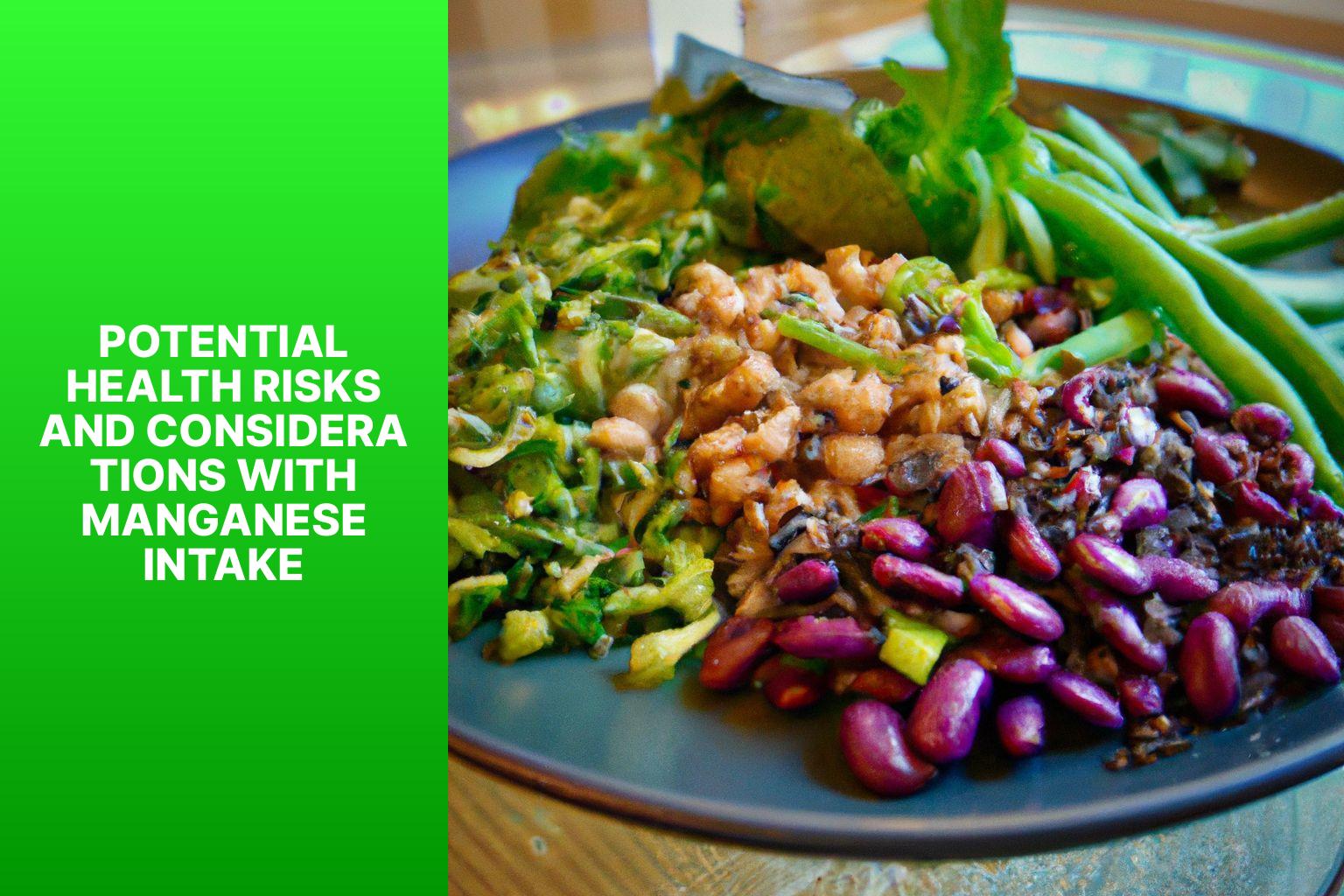
Potential Health Risks and Considerations with Manganese Intake
Photo Credits: Diabetescompass.Com by Jason Torres
When it comes to manganese intake, it’s crucial to be aware of the potential health risks and considerations. In this section, we’ll dive into the consequences of manganese deficiency, the p