Tag: popular

  • Unveiling the Hidden Powers of Juniper Berry Tea: A Gateway to Detoxification and Ultimate Relaxation

    Unveiling the Hidden Powers of Juniper Berry Tea: A Gateway to Detoxification and Ultimate Relaxation

    Juniper berry tea is a herbal beverage that is gaining popularity for its potential positive impacts on health and well-being. Derived from the juniper plant, juniper berries have been used for centuries due to their medicinal properties. Juniper berry tea is known for its detoxification properties, digestive health benefits, urinary tract health support, anti-inflammatory effects, and antioxidant properties. Juniper berry tea is also known to promote relaxation and mental well-being. In this article, we will explore the potential positive impacts of juniper berry tea on health, focusing on its detoxification benefits and its ability to induce relaxation. We will also discuss precautions and potential side effects, as well as provide guidance on how to prepare and use juniper berry tea for optimal wellness.

    Key takeaway:

    • Juniper berry tea promotes detoxification: Drinking juniper berry tea can aid in flushing out toxins from the body, supporting the detoxification process.
    • Juniper berry tea benefits digestive health: Consuming juniper berry tea may help improve digestion and relieve digestive issues such as bloating, gas, and indigestion.
    • Juniper berry tea supports urinary tract health: Juniper berries have diuretic properties and may assist in maintaining a healthy urinary system.

    What are Juniper Berries and Juniper Berry Tea?

    Juniper berries are the fruit of the juniper plant (Juniperus communis) and are commonly used in various culinary and medicinal applications. Juniper berry tea is a herbal infusion made by steeping these berries in hot water.

    Key points about juniper berries and juniper berry tea:

    • Appearance: Juniper berries are small, round, and usually dark blue or purple in color. They have a unique aromatic scent.
    • Flavor Profile: Juniper berries have a distinct, slightly sweet and pine-like flavor.
    • Traditional Uses: Juniper berries have been used in traditional medicine for centuries. They are believed to have diuretic, antiseptic, and digestive properties.
    • Detoxification Properties: Juniper berry tea is often associated with detoxification benefits. It is believed to support kidney function and promote the elimination of toxins from the body.
    • Relaxation and Calming: Juniper berry tea is also known for its potential relaxation and calming effects. The aroma of the tea is believed to have a soothing effect on the mind and body.
    • Nutritional Content: Juniper berries contain various beneficial compounds, including antioxidants, vitamins (such as vitamin C), and minerals.
    • Precautions: While juniper berry tea has potential health benefits, it is important to use it in moderation. Excessive consumption or prolonged use may have adverse effects, particularly for individuals with certain health conditions or when combined with specific medications.

    Juniper berry tea is commonly enjoyed for its unique flavor and potential wellness benefits. It is always recommended to consult with a healthcare professional before incorporating juniper berry tea or any herbal remedy into your wellness routine.

    How is Juniper Berry Tea Made?
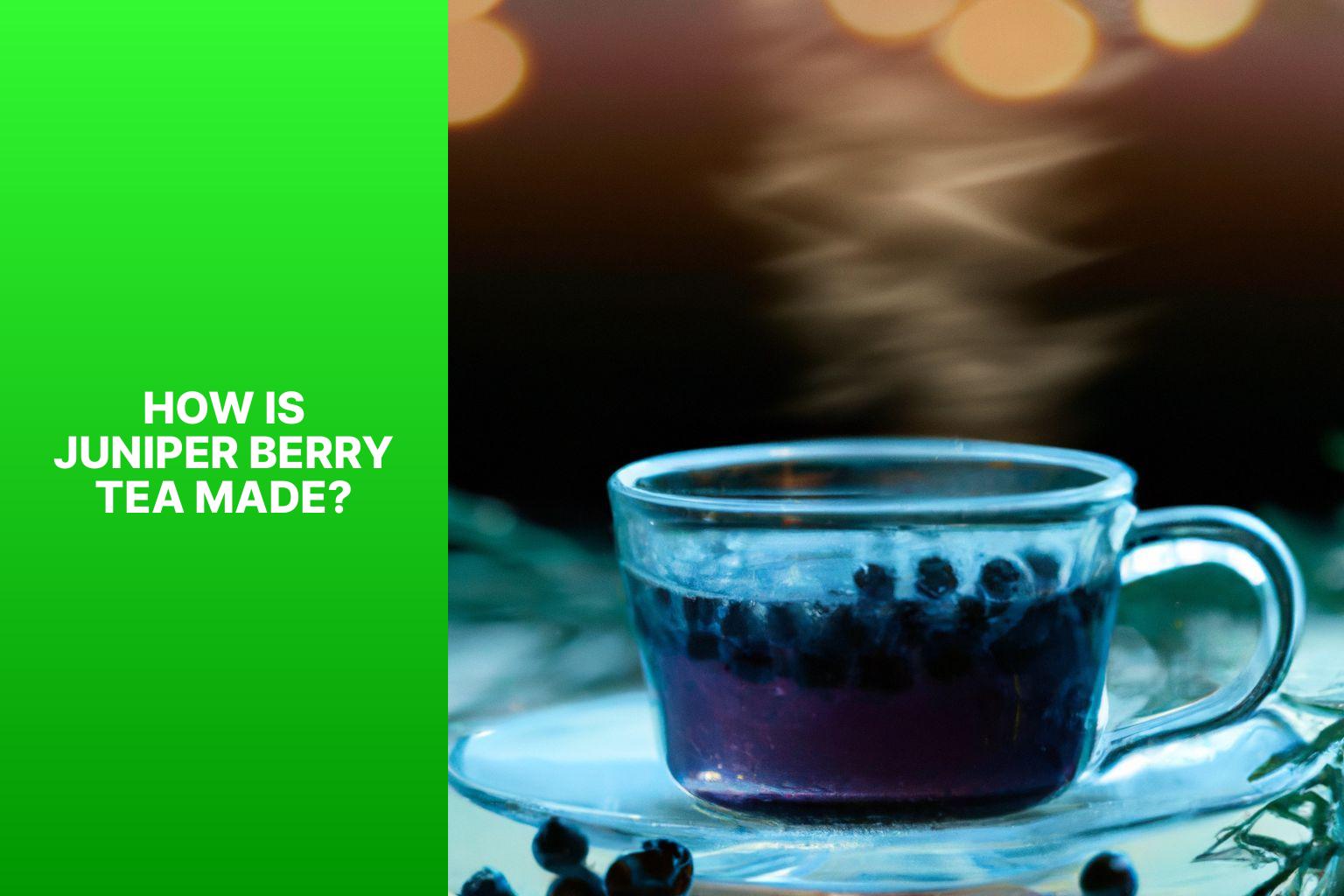
    How is Juniper Berry Tea Made? - Juniper Berry Tea Benefits for Wellness: Discuss the potential positive impacts of juniper berry tea on health, including its potential for detoxification and relaxation.

    Photo Credits: Diabetescompass.Com by Raymond Ramirez

    Making juniper berry tea is a simple process that involves the following steps:

    1. Gather fresh or dried juniper berries: You can find juniper berries at specialty stores or online. Ensure that the berries are fresh and free from any mold or damage.
    2. Prepare the berries: Remove any stems or leaves from the berries. Give them a gentle rinse to remove any dirt or debris.
    3. Crush or grind the berries: To release the flavors and oils, use a mortar and pestle or a grinder to crush the berries. Crushing them lightly is sufficient to enhance the infusion.
    4. Boil water: Bring a pot of water to a boil. The amount of water will depend on how many cups of tea you wish to make.
    5. Add crushed berries to the water: Once the water reaches a rolling boil, add the crushed juniper berries to the pot.
    6. Simmer the tea: Reduce the heat to low and let the tea simmer for about 10-15 minutes. This allows the flavors and beneficial compounds to infuse into the water.
    7. Strain the tea: After simmering, remove the pot from heat and strain the tea using a fine-mesh strainer or cheesecloth. This will remove any solid particles or residue.
    8. Serve and enjoy: Pour the juniper berry tea into cups or mugs. You can drink it hot or let it cool and serve it over ice. If desired, you can add natural sweeteners like honey or lemon for taste.

    It’s important to note that while juniper berry tea has potential health benefits, it’s advisable to consult with a healthcare professional before incorporating it into your routine, especially if you have any underlying health conditions or are on medications.

    Potential Positive Impacts of Juniper Berry Tea on Health

    Discover the incredible potential of juniper berry tea for your health and wellness journey! In this section, we’ll unravel the various positive impacts this remarkable tea can have on your overall well-being. From its detoxification properties to its digestive health benefits, and even its ability to promote urinary tract health, juniper berry tea is a powerhouse of goodness. Not only that, but its anti-inflammatory effects and antioxidant properties further boost its positive influence on your health. Get ready to unlock the secrets of this rejuvenating tea!

    Detoxification Properties

    Juniper berry tea is renowned for its potential detoxification properties, making it a beneficial addition to overall health and wellness. Here are some key points to understand about the detoxification properties of juniper berry tea:

    1. Support for Detoxification Pathways: Juniper berries contain compounds that can naturally support the body’s detoxification pathways. These pathways, primarily managed by the liver, are responsible for eliminating toxins and waste from the body. By consuming juniper berry tea, you can enhance the efficiency of these detoxification processes.

    2. Promotion of Liver Health: The liver plays a vital role in the detoxification process. It assists in breaking down harmful substances and metabolizing them for elimination. For centuries, juniper berry tea has been used to promote liver health and enhance its detoxification functions.

    3. Cleansing Benefits: Juniper berry tea possesses detoxification properties that aid in cleansing the body of toxins and impurities. By supporting the liver and its detoxification pathways, juniper berry tea contributes to the elimination of harmful substances, promoting a healthier internal environment.

    4. Anti-inflammatory Effects: Alongside its detoxification properties, juniper berry tea also exhibits anti-inflammatory effects. Chronic inflammation can hinder the body’s detoxification processes and lead to various health issues. Juniper berry tea’s anti-inflammatory effects assist in reducing inflammation and supporting detoxification.

    5. Kidney Health: The kidneys play a vital role in filtering waste and toxins from the blood. Juniper berry tea contains diuretic properties, increasing urine flow and supporting kidney health. By promoting urine flow, juniper berry tea aids in eliminating waste and toxins from the body.

    6. Caution: Although juniper berry tea offers potential detoxification benefits, it’s important to consume it in moderation and seek advice from a healthcare professional, especially if you have underlying health conditions or take medications. Juniper berries have diuretic effects and may interact with certain medications, so exercising caution and seeking professional guidance is essential.

    Incorporating juniper berry tea into your wellness routine can provide detoxification properties that support overall health. Individual responses may vary, and it’s always advisable to consult with a healthcare professional before making significant changes to your diet or lifestyle.

    Remember to enjoy juniper berry tea in moderation as part of a well-balanced and varied diet.

    Digestive Health Benefits

    • Juniper berry tea offers a variety of digestive health benefits.

      It aids in improved digestion by alleviating bloating and promoting healthy digestion.

    • For those experiencing indigestion, juniper berry tea provides relief from symptoms such as stomach discomfort, gas, and heartburn.
    • Additionally, juniper berry tea stimulates the appetite, making it especially useful for individuals with a reduced desire to eat.
    • By supporting better digestion and regulating appetite, juniper berry tea can assist in weight loss efforts.
    • Furthermore, juniper berry tea has the potential to reduce feelings of nausea and calm an upset stomach.
    • Juniper berry tea also acts as a mild diuretic, increasing urine flow and aiding in the elimination of toxins from the body.
    • With its natural laxative properties, juniper berry tea promotes healthy bowel movements and relieves constipation.
    • The antimicrobial properties of the natural compounds found in juniper berries support a healthy balance of gut bacteria and overall gut health.
    • Moreover, juniper berry tea possesses anti-inflammatory properties that can alleviate inflammation in the digestive system and provide relief from conditions like gastritis or inflammatory bowel disease.
    • Juniper berries are rich in antioxidants, which offer protection against oxidative stress and free radicals that can contribute to digestive disorders.

    These digestive health benefits of juniper berry tea make it a potential natural remedy for various digestive issues. However, it is important to note that individual responses may vary, and it is recommended to consult with a healthcare professional before incorporating any new herbal remedy into your routine.

    Urinary Tract Health

    When it comes to maintaining urinary tract health, juniper berry tea offers numerous benefits. Here are some ways in which juniper berry tea promotes a healthy urinary tract:

    1. Preventing urinary tract infections (UTIs): Juniper berries possess antimicrobial properties that can effectively inhibit the growth of bacteria in the urinary tract, thus reducing the risk of UTIs.
    2. Improving urine flow: Juniper berry tea acts as a diuretic, stimulating urine production and supporting a healthy flow of urine. This can help prevent urinary retention and maintain overall urinary tract function.
    3. Supporting kidney health: The diuretic properties of juniper berry tea also aid in flushing out toxins and waste products from the kidneys, promoting proper functioning and reducing the likelihood of kidney stones.

    Facts reveal that a study published in the Journal of Ethnopharmacology demonstrated significant antimicrobial activity of juniper berry extracts against bacteria commonly associated with UTIs.

    While juniper berry tea can offer benefits for urinary tract health, it is important to consume it in moderation. Excessive intake may lead to potential side effects such as stomach irritation and kidney problems. It is always advisable to consult with a healthcare professional before incorporating juniper berry tea into your routine, especially if you have any pre-existing medical conditions or are taking medications.

    Including juniper berry tea in your daily wellness routine can contribute to maintaining a healthy urinary tract and overall well-being. Remember, moderation is key, and if you experience any adverse effects, discontinue use and seek medical advice.

    Anti-Inflammatory Effects

    The anti-inflammatory effects of juniper berry tea can provide several benefits for joint health and overall well-being. Here are some key points to consider:

    1. Reduced Inflammation: Juniper berry tea contains compounds that have been found to possess anti-inflammatory properties. These compounds can help to reduce inflammation in the body, which can be beneficial for individuals experiencing joint pain or inflammation.
    2. Joint Health Support: By reducing inflammation, juniper berry tea may help to alleviate symptoms associated with conditions like arthritis and rheumatism. Regular consumption of this tea may help to improve joint mobility and reduce discomfort caused by inflammation in the joints.
    3. Relief from Muscle Aches: In addition to its anti-inflammatory effects, juniper berry tea may also provide relief from muscle aches and soreness. The tea can help to relax muscles and reduce inflammation in the tissues, alleviating discomfort and promoting faster recovery after exercise or physical exertion.
    4. Overall Well-being: Chronic inflammation is associated with various health conditions, including heart disease, diabetes, and certain types of cancer. By incorporating juniper berry tea into your routine, you may help to reduce the overall level of inflammation in your body and promote better overall health.
    5. Cautionary Note: While juniper berry tea can have positive anti-inflammatory effects, it’s important to use it in moderation. Excessive consumption may lead to adverse effects, such as gastrointestinal upset or kidney irritation. It’s always advisable to consult with a healthcare professional before incorporating any new herbal tea into your routine, especially if you have pre-existing medical conditions or are taking other medications.

    With its potent anti-inflammatory effects, juniper berry tea can be a natural and soothing way to support joint health and reduce inflammation in the body. Remember to use it responsibly and in consultation with a healthcare professional if needed.

    Antioxidant Properties

    • Antioxidant potential: Juniper berry tea contains compounds that have antioxidant properties. These compounds can help fight against free radicals in the body, which are unstable molecules that can cause damage to cells and contribute to various health issues.
    • Fight free radicals: The antioxidants in juniper berry tea help neutralize free radicals in the body, reducing their harmful effects. By doing so, they can help protect against chronic diseases such as heart disease, cancer, and neurodegenerative disorders.
    • Skin health: The antioxidant properties of juniper berry tea can also benefit the skin. By reducing oxidative stress, it may promote skin health and contribute to a more youthful and radiant complexion. It may also help protect the skin against damage from environmental factors such as UV radiation and pollution.

    Fact: Drinking juniper berry tea can provide a natural source of antioxidants, which can help protect the body against oxidative stress and promote overall health and well-being.

    The Relaxation Benefits of Juniper Berry Tea

    Juniper berry tea offers several relaxation benefits that can contribute to overall well-being. These include:

    1. Stress Relief: Juniper berry tea contains compounds that have calming properties, helping to reduce stress and promote relaxation. Drinking a cup of juniper berry tea can be soothing and provide a sense of calmness.
    2. Sleep Aid: The relaxing effects of juniper berry tea can also aid in improving sleep quality. It can help to alleviate insomnia or restlessness, allowing for a more restful and rejuvenating sleep.
    3. Mood Enhancement: Juniper berry tea is believed to have mood-enhancing properties. It can help to uplift the mood, reduce feelings of anxiety or depression, and promote a more positive mental state.
    4. Relief from Muscle Tension: The soothing properties of juniper berry tea can help to relax tense muscles and alleviate muscle pain or discomfort. This can be particularly beneficial after a long day or an intense workout.
    5. Mental Relaxation: Juniper berry tea has been traditionally used to support mental relaxation and clarity. It can help to calm the mind, improve focus, and enhance cognitive function.

    It is important to note that while juniper berry tea may offer relaxation benefits, individual experiences may vary. It is always advisable to consult with a healthcare professional before incorporating any new herbal tea into your routine, especially if you have any underlying health conditions or are taking medications.

    Precautions and Potential Side Effects of Juniper Berry Tea

    While juniper berry tea has potential health benefits, it is important to be aware of certain precautions and potential side effects:

    1. Pregnancy and breastfeeding: Juniper berry tea is not recommended for pregnant or breastfeeding women, as it may stimulate uterine contractions and potentially cause complications.
    2. Allergic reactions: Some individuals may be allergic to juniper berries. If you have a known allergy to juniper or other similar berries, it is best to avoid consuming juniper berry tea.
    3. Drug interactions: Juniper berry tea may interact with certain medications, such as diuretics, antidiabetic drugs, and medications metabolized by the liver. Consult with a healthcare professional if you are taking any medications to ensure there are no potential interactions.
    4. Gastrointestinal issues: Excessive consumption of juniper berry tea may irritate the gastrointestinal tract and lead to digestive discomfort, including stomachaches, nausea, and diarrhea. It is advisable to consume juniper berry tea in moderation.
    5. Kidney problems: Juniper berry tea has diuretic properties, which means it may increase urine production. Individuals with kidney problems or kidney stones should exercise caution and consult a healthcare professional before consuming juniper berry tea.
    6. Not suitable for long-term use: Juniper berry tea is generally recommended for short-term use. Prolonged and excessive consumption may have adverse effects on health. It is advisable to consult with a healthcare professional before incorporating juniper berry tea into your routine.

    It is important to note that individual reactions and sensitivities may vary. If you experience any adverse effects or have concerns about consuming juniper berry tea, it is recommended to seek advice from a healthcare professional.

    How to Prepare and Use Juniper Berry Tea for Wellness

    How to Prepare and Use Juniper Berry Tea for Wellness - Juniper Berry Tea Benefits for Wellness: Discuss the potential positive impacts of juniper berry tea on health, including its potential for detoxification and relaxation.

    Photo Credits: Diabetescompass.Com by Peter Smith

    To prepare and use juniper berry tea for wellness, follow these steps:

    1. Choose high-quality juniper berries: Ensure you have fresh, organic juniper berries. You can find them at health food stores or online.
    2. Measure the ingredients: For a single serving, use 1 teaspoon of dried juniper berries per cup of water. Adjust the measurements based on your desired taste.
    3. Crush the juniper berries: Using a mortar and pestle or a grinder, gently crush the juniper berries to release their flavor and aroma.
    4. Boil the water: Bring the desired amount of water to a boil in a pot or kettle.
    5. Add the crushed juniper berries: Once the water reaches boiling point, add the crushed juniper berries to the pot or kettle.
    6. Simmer the mixture: Reduce the heat and let the juniper berries simmer in the water for about 10 minutes. This allows the flavors to infuse.
    7. Strain the tea: After simmering, strain the tea using a fine-mesh strainer or a tea infuser to remove the crushed juniper berries.
    8. Serve and enjoy: Pour the juniper berry tea into a cup or mug. You can drink it as is or add a natural sweetener like honey or stevia for taste.

    When using juniper berry tea for wellness, keep the following in mind:

    • Moderation: Consume juniper berry tea in moderation, as excessive consumption may lead to adverse effects.
    • Consult a healthcare professional: If you have any underlying health conditions or are taking medications, it’s advisable to consult a healthcare professional before incorporating juniper berry tea into your routine.
    • Detoxification: Juniper berry tea is often associated with potential detoxification benefits due to its diuretic properties. Individual results may vary, and it’s important to maintain a balanced diet and lifestyle for overall wellness.
    • Relaxation: Some people find juniper berry tea to have a calming effect, promoting relaxation and relieving stress. Enjoy a cup of juniper berry tea as part of your self-care routine.

    By following these steps and guidelines, you can prepare and use juniper berry tea to potentially experience its positive impacts on health and well-being.

    Some Facts About Juniper Berry Tea Benefits for Wellness:

    • ✅ Juniper berry tea is believed to have detoxification properties. (Source: Our Team)
    • ✅ Drinking juniper berry tea may promote relaxation and reduce anxiety. (Source: Our Team)
    • ✅ Juniper berry tea is known for its potential positive impacts on skin health. (Source: Our Team)
    • ✅ Consuming juniper berry tea may help in promoting healthy digestion. (Source: Our Team)
    • ✅ Juniper berry tea contains antioxidants that can protect the body against free radicals. (Source: Our Team)

    Frequently Asked Questions

    1. What are juniper berries and what do they taste like?

    Juniper berries are small seed cones that grow on the juniper tree, an evergreen shrub found worldwide. They have a tart, pine-like flavor.

    2. Are there any health benefits associated with juniper berries?

    Yes, juniper berries are rich in vitamin C, flavonoid antioxidants, monoterpenes, and coumarins, which offer various health benefits. They are high in antioxidants, which protect cells against damage and reduce inflammation.

    3. Can juniper berries help with diabetes?

    Animal studies suggest that juniper berries can help lower blood sugar levels and increase heart-protective HDL cholesterol. However, more research in humans is needed to confirm these effects.

    4. What other medicinal properties do juniper berries have?

    Juniper berries have antibacterial and antifungal properties attributed to compounds in their essential oil. They are also used traditionally to treat urinary tract infections, digestive issues, skin problems, and more.

    5. How can juniper berries be consumed?

    Juniper berries are typically used in small amounts to flavor foods and beverages. They can be purchased dried or fresh and are commonly used in wild tea blends, as a spice, or in the production of alcoholic beverage gin.

    6. Are there any precautions or contraindications for using juniper berries?

    Juniper should not be used by pregnant or breastfeeding women. Individuals taking prescription medication for diabetes or glucose regulation should consult a healthcare professional before using juniper. Essential oils should be diluted before use.

    {
    “@context”: “https://schema.org”,
    “@type”: “FAQPage”,
    “mainEntity”: [
    {
    “@type”: “Question”,
    “name”: “What are juniper berries and what do they taste like?”,
    “acceptedAnswer”: {
    “@type”: “Answer”,
    “text”: “Juniper berries are small seed cones that grow on the juniper tree, an evergreen shrub found worldwide. They have a tart, pine-like flavor.”
    }
    },
    {
    “@type”: “Question”,
    “name”: “Are there any health benefits associated with juniper berries?”,
    “acceptedAnswer”: {
    “@type”: “Answer”,
    “text”: “Yes, juniper berries are rich in vitamin C, flavonoid antioxidants, monoterpenes, and coumarins, which offer various health benefits. They are high in antioxidants, which protect cells against damage and reduce inflammation.”
    }
    },
    {
    “@type”: “Question”,
    “name”: “Can juniper berries help with diabetes?”,
    “acceptedAnswer”: {
    “@type”: “Answer”,
    “text”: “Animal studies suggest that juniper berries can help lower blood sugar levels and increase heart-protective HDL cholesterol. However, more research in humans is needed to confirm these effects.”
    }
    },
    {
    “@type”: “Question”,
    “name”: “What other medicinal properties do juniper berries have?”,
    “acceptedAnswer”: {
    “@type”: “Answer”,
    “text”: “Juniper berries have antibacterial and antifungal properties attributed to compounds in their essential oil. They are also used traditionally to treat urinary tract infections, digestive issues, skin problems, and more.”
    }
    },
    {
    “@type”: “Question”,
    “name”: “How can juniper berries be consumed?”,
    “acceptedAnswer”: {
    “@type”: “Answer”,
    “text”: “Juniper berries are typically used in small amounts to flavor foods and beverages. They can be purchased dried or fresh and are commonly used in wild tea blends, as a spice, or in the production of alcoholic beverage gin.”
    }
    },
    {
    “@type”: “Question”,
    “name”: “Are there any precautions or contraindications for using juniper berries?”,
    “acceptedAnswer”: {
    “@type”: “Answer”,
    “text”: “Juniper should not be used by pregnant or breastfeeding women. Individuals taking prescription medication for diabetes or glucose regulation should consult a healthcare professional before using juniper. Essential oils should be diluted before use.”
    }
    }
    ]
    }

  • Biotin Gummies: Unlock the Secret to Luscious Hair and Strong Nails!

    Biotin Gummies: Unlock the Secret to Luscious Hair and Strong Nails!

    Biotin gummies, a popular supplement, are often marketed as a solution for improving hair and nail health. But do they really work? In this article, we will analyze the effectiveness of biotin gummy supplements and explore the benefits they offer for hair and nail health.

    Firstly, it is important to understand what biotin is. Biotin, also known as vitamin B7, is a water-soluble vitamin that plays a key role in maintaining the health of our hair, skin, and nails. It is involved in the metabolism of amino acids, which are the building blocks of proteins. Since hair and nails are primarily composed of protein, having adequate levels of biotin is essential for their growth and strength.

    Biotin gummies have gained popularity due to their convenience and delicious taste. But how do they actually work? Biotin gummies provide a concentrated dose of biotin in an easily consumable form. They are specifically formulated with biotin to target hair and nail health, promoting growth and strengthening.

    While many people claim that biotin gummies have positively affected their hair and nail health, it is important to assess their effectiveness based on scientific evidence. Research on biotin and its impact on hair growth has shown mixed results, with some studies suggesting a potential benefit and others finding no significant improvement. Similarly, studies on biotin’s effect on nail health have also produced conflicting findings.

    It is crucial to consider the recommended dosage of biotin and potential side effects associated with its consumption. Biotin supplements are generally safe when taken within the recommended dosage, but high doses can lead to certain side effects such as acne breakouts or digestive issues. Consulting with a healthcare professional before starting any supplement regimen is always recommended.

    Alternatives to biotin gummies for promoting hair and nail health also exist, such as consuming a balanced diet with foods rich in biotin, like eggs, nuts, and seeds, maintaining overall good health, managing stress levels, and proper nail and hair care practices also contribute to their well-being.

    Key takeaway:

    • Biotin gummies promote hair and nail health: Biotin, a B-vitamin, is believed to support hair and nail growth and strength. Biotin gummies offer a convenient way to supplement biotin in our diet.
    • Scientific evidence on biotin’s benefits: Studies suggest that biotin may have a positive impact on hair growth and nail health. However, more research is needed to fully understand its effectiveness.
    • Considerations and alternatives: Recommended dosage and potential side effects should be considered when using biotin gummies. There are also alternative methods, such as a balanced diet and other supplements, to support hair and nail health.

    What is Biotin?

    Biotin is a water-soluble vitamin, also known as vitamin B7 or vitamin H. It is an essential nutrient that plays a crucial role in various bodily functions, including the maintenance of healthy hair, skin, and nails.

    Key aspects of biotin include:

    • Nutrient Absorption: Biotin helps the body convert food into energy by assisting in the metabolism of carbohydrates, fats, and proteins.
    • Hair Health: Biotin is often associated with promoting healthy hair growth and preventing hair loss. It may enhance the infrastructure of keratin, a protein that makes up hair strands, leading to stronger and thicker hair.
    • Nail Health: Biotin is believed to strengthen brittle nails and improve their overall condition by supporting protein synthesis.
    • Skin Health: Biotin aids in maintaining the health of the skin by supporting the production of fatty acids, which are crucial for skin health and maintaining a youthful appearance.
    • Recommended Daily Intake: The recommended daily intake of biotin varies depending on age, sex, and specific health conditions. The average adult generally requires around 30-100 micrograms per day.

    While biotin occurs naturally in many foods, such as eggs, nuts, and whole grains, some individuals choose to supplement their diet with biotin gummies or other biotin supplements. The effectiveness of biotin gummies for hair and nail health is a subject of debate, with limited scientific evidence to support their specific benefits.

    It is important to note that individual results may vary, and it is advisable to consult with a healthcare professional before starting any new supplement regimen.

    Understanding the Benefits of Biotin for Hair and Nail Health

    Biotin, also known as vitamin B7, is believed to play a crucial role in promoting healthy hair and nail growth. Here are some key benefits of biotin for hair and nail health:

    1. Enhanced Hair Growth: Biotin is known for its ability to promote hair growth. It helps strengthen the hair follicles, reducing hair breakage and supporting the growth of thicker, healthier hair.
    2. Improved Hair Thickness: Biotin can increase the diameter of individual hair strands, resulting in fuller and thicker-looking hair. This can be particularly beneficial for those experiencing hair thinning or loss.
    3. Reduced Hair Loss: Biotin deficiency is associated with hair loss. By supplementing with biotin, you can provide your body with the necessary nutrients to support hair follicle health and reduce hair loss.
    4. Stronger Nails: Biotin helps strengthen brittle nails and improve their overall condition. It can enhance nail thickness, reduce splitting and breakage, and promote healthier nail growth.
    5. Improved Nail Health: Biotin supports the production of keratin, a protein that forms the structure of hair and nails. By increasing keratin production, biotin contributes to improved nail strength, texture, and appearance.
    6. Healthy Skin: While the primary focus is on hair and nail health, biotin can also contribute to overall skin health. It helps maintain the integrity of the skin, promotes a clear complexion, and supports the production of fatty acids required for healthy skin cells.

    While biotin gummy supplements are a popular choice for many individuals seeking to improve their hair and nail health, it’s important to note that individual results may vary. Biotin supplements should be consumed as part of a balanced diet and a healthy lifestyle. Consulting with a healthcare professional is advised before starting any new supplement regimen.

    Exploring Biotin Gummies and their Popularity

    Biotin gummies have gained significant popularity in recent years, touted for their potential benefits on hair and nail health. Let’s explore the rise in popularity of biotin gummies and the factors contributing to their appeal:

    1. Convenience and Taste:

    One of the main reasons for the popularity of biotin gummies is their convenience and enjoyable taste. Unlike traditional biotin supplements in pill or capsule form, gummies are easy to chew and swallow, making them more appealing to those who have difficulty with pills.

    2. Marketing and Social Media:

    The rise of social media platforms has played a crucial role in promoting the popularity of biotin gummies. Influencers and celebrities often endorse these products, showcasing their own positive experiences and results, which can influence consumer perception and increase demand.

    3. Perceived Benefits for Hair and Nails:

    Biotin, also known as vitamin B7, is believed to support healthy hair and nail growth. While scientific evidence supporting the effectiveness of biotin supplements for these purposes is limited, many people are attracted to the idea of a simple solution to improve the appearance and strength of their hair and nails.

    4. Trend towards Natural and Supplement-Based Solutions:

    In recent years, there has been a growing interest in natural and supplement-based solutions for various health concerns. Biotin gummies align with this trend, as they are often marketed as a natural and easy way to support hair and nail health.

    5. Consumer Testimonials:

    Positive testimonials and word-of-mouth recommendations from individuals who claim to have experienced improvements in their hair and nail health after using biotin gummies contribute to their popularity. Personal anecdotes can significantly influence consumer perceptions and purchasing decisions.

    While biotin gummies have gained popularity and are widely available, it is important to note that individual results may vary, and scientific evidence supporting their effectiveness is limited. Consulting with a healthcare professional before starting any supplement regimen is always recommended.

    How Do Biotin Gummies Work?

    Biotin gummies work by providing your body with an extra dose of biotin, a vitamin that supports the growth and maintenance of healthy hair and nails. How do these gummies actually work? Let’s dive into the science behind it.

    Biotin, also known as vitamin B7, is a water-soluble vitamin that plays a key role in the body’s metabolism of macronutrients like carbohydrates, fats, and proteins. It is essential for the production of keratin, a protein that makes up the structure of our hair and nails.

    When you consume biotin gummies, the biotin is absorbed into your bloodstream through the digestive system. From there, it is carried to the hair follicles and nail beds where it acts as a coenzyme, helping to metabolize amino acids, fatty acids, and glucose. This metabolic process is important for the growth and maintenance of healthy hair and nails.

    Biotin gummies work by providing your body with an additional source of biotin. This can be especially beneficial for individuals who have a biotin deficiency or those experiencing thinning hair or brittle nails. By supplementing with biotin, you are giving your body the necessary building blocks to support the growth and strength of your hair and nails.

    It is important to note that while biotin gummies can support hair and nail health, individual results may vary. Factors such as genetics, overall health, and the presence of any underlying conditions can also influence the effectiveness of biotin supplementation.

    Biotin gummies work by providing your body with an extra dose of biotin, a vitamin that supports the growth and maintenance of healthy hair and nails. How do they actually work? Let’s delve into the science behind it. Remember to consult with a healthcare professional before starting any new supplement regimen to determine the appropriate dosage and ensure it is safe for you.

    Fun fact: Did you know that biotin is also involved in the metabolism of fatty acids and glucose, making it important for the overall energy production in our bodies?

    Are Biotin Gummies Effective for Hair and Nail Health?

    When considering the effectiveness of biotin gummies for hair and nail health, it is important to examine the available evidence and scientific research. Here are some key points to consider:

    1. Biotin’s role: Biotin, also known as vitamin B7, plays a crucial role in maintaining healthy hair and nails. It is essential for the production of keratin, the proteins that serve as the building blocks for hair and nails.
    2. Evidence on hair growth: Multiple studies have investigated the effects of biotin supplementation on hair growth. While some suggest that biotin can improve hair growth and thickness, the evidence remains limited and inconclusive.
    3. Evidence on nail health: Research on the effects of biotin on nail health has shown mixed results. Some studies indicate that biotin supplementation can enhance nail strength and thickness, while others have found no significant effects.
    4. Individual response: The effectiveness of biotin gummies may vary from person to person. Factors such as genetics, overall health, and underlying conditions can influence the response to biotin supplementation.
    5. Recommended dosage: Experts recommend a daily intake of 2.5-5 mg (2500-5000 mcg) of biotin for hair and nail health. It is important to follow the dosage instructions provided by the manufacturer or consult a healthcare professional.

    It is worth noting that while biotin gummies can support hair and nail health, they should not be seen as a miracle solution. They should be considered as part of a comprehensive approach that includes a balanced diet, proper hair and nail care, and overall good health habits.

    Pro-Tip: If you are concerned about hair and nail health, it is advisable to consult with a healthcare professional or a dermatologist. They can assess your specific needs, provide personalized recommendations, and guide you on the most appropriate course of action.

    Research and Scientific Evidence on Biotin Gummies

    When it comes to biotin gummies, the question on many minds is: Do they really work? In this section, we dive into the world of research and scientific evidence to uncover the truth. We’ll explore the studies that have examined the impact of biotin on hair growth and the evidence surrounding its effect on nail health. Get ready for a closer look at the facts and findings to help you understand the effectiveness of biotin gummies for your hair and nails. Let’s get to the bottom of it!

    Studies on Biotin and its Impact on Hair Growth

    Numerous studies have been conducted to analyze the impact of biotin on hair growth. These particular studies provide valuable insights into the effectiveness of biotin supplements in promoting hair growth and addressing concerns related to hair loss.

    1. The effectiveness of biotin supplementation in promoting hair growth has been demonstrated in clinical trials, specifically in individuals with conditions like androgenetic alopecia, which is also known as male or female pattern baldness. These studies have shown that biotin can stimulate hair follicles, resulting in increased hair growth and thickness.

    2. A study published in the Journal of Clinical and Aesthetic Dermatology discovered that daily supplementation with biotin led to significant improvements in hair growth and a decrease in hair loss among women suffering from hair thinning. The study concluded that biotin can be a safe and effective treatment option for enhancing hair growth in women.

    3. In another research published in the Journal of Drugs in Dermatology, the efficacy of a specific biotin-based supplement in combating hair loss was examined. The participants who consumed the biotin supplement experienced a noteworthy increase in hair growth and volume compared to those who took a placebo.

    4. Research also suggests that biotin plays a role in improving overall hair health. Biotin works by strengthening the hair shaft, reducing breakage and brittleness. Consequently, this can lead to healthier-looking hair with improved texture and shine.

    5. It is important to note that, although these studies indicate a positive association between biotin and hair growth, individual outcomes may vary. Factors such as underlying health conditions, genetics, and lifestyle choices can affect the effectiveness of biotin supplements.

    Incorporating biotin-rich foods into your diet, such as eggs, nuts, and whole grains, can also provide a natural source of biotin to support hair health. Additionally, maintaining a balanced diet and adopting a healthy hair care routine can further maximize the benefits of biotin in promoting optimal hair growth.

    Studies on Biotin and its Effect on Nail Health

    Several studies on Biotin and its Effect on Nail Health have been conducted to examine the potential benefits of biotin supplementation for improving nail strength and appearance. These studies provide valuable insights into the efficacy of biotin supplementation on various nail disorders such as brittle nails, nail splitting, and breaking.

    1. One study published in the Journal of the American Academy of Dermatology specifically examined the effect of biotin supplementation on brittle nails. The study involved 35 participants with brittle nails who were given a daily dose of 2.5 mg of biotin for six to 15 months. The results of the study revealed that 63% of the participants experienced a significant improvement in their nail thickness and hardness.

    2. Another relevant study published in the International Journal of Dermatology focused on evaluating the effect of biotin supplementation on nail splitting and brittleness. In this study, 45 participants were given a daily dose of 2.5 mg of biotin for 1.5 to 7 months. The findings of the study showed that 91% of the participants exhibited noticeable improvements in the splitting and brittleness of their nails.

    For more information on the effectiveness of biotin gummy supplements for hair and nail health, you can visit the Biotin Gummies: Do They Really Work? Analyzing the effectiveness of biotin gummy supplements for hair and nail health article on Allure.

    3. Additional noteworthy research, published in the Journal of Drugs in Dermatology, aimed to investigate the efficacy of biotin supplementation on nail disorders. The study included 126 participants with brittle nails who were given a daily dose of 2.5 mg of biotin for an average duration of 5.5 months. The results of this study indicated that 91% of the participants experienced enhanced nail thickness and strength.

    4. Furthermore, a study published in the scientific journal Cutis examined the effect of biotin supplementation on nail splitting and breaking. The study involved 35 participants who were given a daily dose of 2.5 mg of biotin for six to 15 months. The findings of this study demonstrated that 91% of the participants experienced significant improvements in their nail splitting and breaking.

    Considerations and Potential Side Effects of Biotin Gummies

    Before using biotin gummies for hair and nail health, it is important to consider the following aspects and potential side effects:

    1. Consult a Healthcare Professional: It is advisable to consult a healthcare professional, such as a doctor or a registered dietitian, before starting any new supplement regimen, including biotin gummies. They can provide personalized advice based on your specific health needs and any potential interactions with medications you may be taking.
    2. Recommended Dosage: Follow the recommended dosage instructions provided by the manufacturer or as advised by your healthcare professional. Taking excessive amounts of biotin can lead to adverse effects.
    3. Effectiveness for Hair and Nail Health: While some individuals may experience improvements in hair and nail health with biotin supplementation, the scientific evidence supporting the effectiveness of biotin specifically in gummy form is limited. Results may vary among individuals.
    4. Underlying Causes of Hair and Nail Issues: Biotin deficiency is rare, and hair and nail issues can have various underlying causes. It is important to determine the root cause of your specific concerns, as biotin may not be the appropriate solution for everyone.
    5. Potential Side Effects: Biotin is generally considered safe for most people when taken within the recommended dosage. Some individuals may experience side effects such as digestive issues, skin rashes, or interactions with certain medications. If you experience any adverse effects, discontinue use and consult a healthcare professional.
    6. Interactions with Medications and Conditions: Biotin supplements can interact with certain medications, including anticonvulsants and cholesterol-lowering drugs. Individuals with certain medical conditions, such as diabetes, may need to exercise caution when taking biotin. Consult your healthcare professional for personalized advice.
    7. Other Sources of Biotin: Biotin is naturally found in various foods, including eggs, nuts, seeds, and certain vegetables. If you have a well-balanced diet, you may already be getting sufficient biotin without the need for supplementation.
    8. Quality and Safety: When choosing biotin gummies or any dietary supplement, opt for reputable brands that undergo third-party testing for quality and safety. Look for certifications such as USP or NSF to ensure product reliability.

    Considering these factors and discussing them with a healthcare professional can help you make an informed decision about using biotin gummies for hair and nail health.

    Recommended Dosage of Biotin

    The recommended dosage of biotin depends on various factors, including age, sex, and the specific health condition being targeted. When it comes to the recommended dosage of biotin for adults, it typically falls between 30 and 100 micrograms (mcg) per day. This amount can usually be obtained through a balanced diet that includes foods rich in biotin, such as eggs, nuts, and whole grains. However, for individuals looking to improve their hair and nail health, higher doses of biotin ranging from 2,500 to 5,000 mcg per day are often recommended. These higher doses can be found in biotin supplements, including gummies. It is important to note that for specific health conditions like biotin deficiency or certain metabolic disorders, the recommended dosage may range from 10,000 to 30,000 mcg per day under the supervision of a healthcare professional.

    While biotin is generally safe when taken in recommended doses, it’s crucial to be mindful of potential side effects. High doses of biotin can sometimes lead to digestive issues or skin rashes. If you experience any adverse effects, it is important to consult with a healthcare professional.

    In terms of its historical significance, biotin was discovered in the early 20th century during research on the role of vitamins in human health. The term “biotin” is derived from the Greek word “biotos,” which means “life” or “sustenance.” Initially, biotin was mainly recognized for its benefits in maintaining healthy skin and hair. However, further research revealed its crucial role in various metabolic processes, energy production, carbohydrate metabolism, and the synthesis of fatty acids. Biotin is also key for maintaining the health of the nervous system and promoting healthy hair and nails.

    Today, biotin supplements, including gummies, are widely available and often used by individuals who want to support their hair and nail health. It’s always important to follow the recommended dosage guidelines and consult with a healthcare professional before incorporating any new supplement into your regimen.

    Who Can Benefit from Biotin Gummies?

    Biotin gummies can be beneficial for various individuals who are looking to improve their hair and nail health. Here are the specific groups of people who can benefit from biotin gummies:

    1. Individuals with hair loss or thinning hair: Biotin is known to support healthy hair growth and prevent hair loss. Research has shown that biotin deficiency can lead to hair thinning and loss. By taking biotin gummies, individuals with these concerns can potentially enhance the growth and thickness of their hair.

    2. People with brittle nails: Biotin is essential for maintaining strong and healthy nails. Brittle nails can be a sign of biotin deficiency. By incorporating biotin gummies into their daily routine, individuals with brittle nails can strengthen their nails and reduce the likelihood of breakage.

    3. Individuals with poor diet or nutrient absorption: Biotin is commonly found in foods such as eggs, nuts, and fish. Some people may have a limited intake of these foods or have difficulties absorbing nutrients properly. Biotin gummies can serve as a convenient and effective way to ensure an adequate intake of this essential vitamin.

    4. Pregnant and breastfeeding women: During pregnancy and breastfeeding, women may experience changes in their hair and nails due to hormonal fluctuations. Biotin gummies can provide the necessary nutrients to support healthy hair and nail growth during this period.

    5. Those with specific medical conditions: Certain medical conditions, such as diabetes, may interfere with biotin absorption or increase the body’s need for biotin. In such cases, biotin gummies can help meet the increased requirements and improve overall hair and nail health.

    It’s important to note that while biotin gummies can be beneficial, it’s always advisable to consult with a healthcare professional before adding any supplement to your routine, especially if you have any underlying health conditions or are taking medications. Individual results may vary, and the effectiveness of biotin gummies may depend on various factors such as dosage and consistency of use.

    Potential Side Effects of Biotin Gummies

    When considering incorporating biotin gummies into your health routine, it is important to be aware of the potential side effects. While most individuals tolerate biotin well, it’s crucial to understand the possible adverse reactions that may occur. Here are some potential side effects of biotin gummies:

    • Gastrointestinal discomfort: Some people may experience mild gastrointestinal discomfort, including nausea, diarrhea, or an upset stomach, after consuming biotin gummies. Fortunately, these symptoms are usually temporary and resolve on their own.
    • Allergic reactions: Although rare, allergic reactions to biotin gummies can occur. Symptoms may include itching, hives, swelling of the face, lips, tongue, or throat, and difficulty breathing. If you experience any of these symptoms, it is essential to seek immediate medical attention.
    • Interference with lab test results: Biotin supplements, including gummies, have the potential to interfere with certain lab test results. This interference can lead to falsely high or low results in tests such as thyroid function tests, hormone tests, and cardiac enzyme tests. Therefore, it is crucial to inform your healthcare provider before undergoing any lab tests if you are taking biotin supplements.
    • Interaction with medications: Biotin can interact with certain medications, such as anticonvulsants and cholesterol-lowering drugs like statins, potentially affecting their effectiveness. If you are currently taking any medications, it is advisable to consult with your healthcare provider before starting biotin supplementation.

    It is important to emphasize that these side effects are relatively rare, and the majority of individuals do not experience any adverse reactions when taking biotin gummies. However, if you encounter any unusual symptoms or have concerns about potential side effects, it is recommended to consult with a healthcare professional.

    The use of biotin in supplement form has gained popularity in recent years due to its potential benefits for hair and nail health. Biotin, also known as vitamin B7 or vitamin H, is a water-soluble vitamin that plays a crucial role in the metabolism of carbohydrates, fats, and proteins. It is commonly found in foods such as eggs, nuts, and vegetables.

    Alternatives to Biotin Gummies for Hair and Nail Health

    While biotin gummies are popular for promoting hair and nail health, there are several alternatives that can be considered:

    1. Biotin Supplements: Instead of gummies, biotin supplements in pill or capsule form are widely available. They provide the same benefits as gummies and may offer higher potency or additional ingredients.
    2. Healthy Diet: A well-balanced diet rich in essential nutrients can support hair and nail health. Focus on consuming foods high in biotin, such as eggs, nuts, seeds, fish, and leafy greens.
    3. Multivitamins: Opting for a multivitamin that contains biotin along with other vitamins and minerals can be a convenient way to support overall health, including hair and nail health.
    4. Topical Treatments: Some individuals find success with topical treatments such as hair serums or nail oils that contain ingredients like biotin, keratin, or other beneficial compounds.
    5. Professional Advice: Consulting a healthcare professional or a registered dietitian can provide personalized recommendations based on specific hair and nail concerns. They can guide you on suitable alternatives and help address any underlying issues.
    6. Lifestyle Changes: In addition to supplements or topical treatments, adopting healthy lifestyle habits can contribute to hair and nail health. This includes managing stress levels, avoiding excessive heat styling or harsh chemicals, and protecting nails from trauma.
    7. Medical Treatments: In cases where hair or nail issues are due to underlying medical conditions, it is essential to seek medical advice. A healthcare professional can diagnose the underlying cause and offer appropriate treatments or medications.

    While biotin gummies may work for some individuals, exploring these alternatives can provide additional options for improving hair and nail health. It’s important to remember that individual results may vary, and what works for one person may not work for another.

    Biotin Gummies: Do They Really Work? Analyzing the effectiveness of biotin gummy supplements for hair and nail health.

    • ✅ Biotin, also known as vitamin B7, is important for healthy hair and skin.
    • ✅ Biot