Unlock the Secret to Luscious Hair and Glowing Skin: Discover the Power of Natural Biotin Sources
[youtubomatic_search]
Key Takeaways
Biotin, also known as vitamin B7, plays a crucial role in maintaining healthy hair and skin.
Natural sources of biotin include eggs, nuts, seeds, and certain vegetables.
Deficiency in biotin can lead to hair loss, skin rashes, and other health issues.
Supplementing with biotin can improve hair and skin health, but it’s best to consult with a healthcare provider before starting any new supplement regimen.
Research supports the benefits of biotin for hair and skin health, but more studies are needed to fully understand its effects.
Introduction: The Power of Biotin
Biotin, also known as vitamin B7, is a water-soluble vitamin that plays a vital role in the body’s metabolic processes. It helps convert food into energy and is essential for maintaining healthy hair, skin, and nails. This article explores the power of natural biotin sources and their impact on hair and skin health.
The Role of Biotin in Hair and Skin Health
Biotin is often touted as a miracle supplement for hair and skin health, and for good reason. It plays a crucial role in the production of keratin, a protein that makes up hair, skin, and nails. A deficiency in biotin can lead to hair loss, skin rashes, and brittle nails.
According to a study published in the Journal of Clinical and Aesthetic Dermatology, participants who took a biotin supplement experienced significant hair growth compared to those who did not. The study also found that biotin improved skin smoothness and hydration.
Natural Sources of Biotin
While biotin supplements are readily available, you can also get this essential vitamin from a variety of natural sources. Foods rich in biotin include eggs, nuts, seeds, salmon, dairy products, and certain vegetables like sweet potatoes and spinach. Incorporating these foods into your diet can help ensure you’re getting enough biotin to support healthy hair and skin.
Supplementing with Biotin
While getting biotin from natural sources is ideal, some people may benefit from taking a biotin supplement. This can be particularly beneficial for those with a biotin deficiency or those who are pregnant, as biotin needs increase during pregnancy.
However, it’s important to consult with a healthcare provider before starting any new supplement regimen. While biotin is generally considered safe, it can interact with certain medications and may cause side effects in some people.
FAQ Section
1. What is biotin?
Biotin is a water-soluble vitamin, also known as vitamin B7, that plays a crucial role in the body’s metabolic processes. It helps convert food into energy and is essential for maintaining healthy hair, skin, and nails.
2. What foods are rich in biotin?
Foods rich in biotin include eggs, nuts, seeds, salmon, dairy products, and certain vegetables like sweet potatoes and spinach.
3. Can biotin deficiency cause hair loss?
Yes, a deficiency in biotin can lead to hair loss, as well as skin rashes and brittle nails.
4. Can I take a biotin supplement?
Yes, biotin supplements are available and can be beneficial for those with a biotin deficiency or those who are pregnant. However, it’s important to consult with a healthcare provider before starting any new supplement regimen.
5. Are there any side effects of taking biotin?
While biotin is generally considered safe, it can interact with certain medications and may cause side effects in some people.
Conclusion: The Power of Biotin for Hair and Skin Health
Biotin, or vitamin B7, is a powerful nutrient that plays a crucial role in maintaining healthy hair and skin. Whether obtained through diet or supplements, biotin can help improve hair growth and skin smoothness. However, it’s important to consult with a healthcare provider before starting any new supplement regimen. With the right approach, you can unlock the secret to luscious hair and glowing skin with the power of natural biotin sources.
Key Takeaways
Biotin is essential for hair and skin health.
Natural sources of biotin include eggs, nuts, seeds, and certain vegetables.
Biotin deficiency can lead to hair loss and skin rashes.
Supplementing with biotin can improve hair and skin health, but it’s important to consult with a healthcare provider first.
Research supports the benefits of biotin for hair and skin health, but more studies are needed.
Collagen and biotin are two popular supplements that are often touted for their potential benefits in promoting skin and hair health. Understanding how these two substances work together can provide valuable insight into maximizing their effectiveness. In this article, we will explore the importance of collagen for skin and hair health, the role of biotin in promoting skin and hair health, and how collagen and biotin work together synergistically. We will also provide guidelines for using collagen and biotin supplements, including recommended dosages and potential side effects. By the end of this article, you will have a comprehensive understanding of collagen and biotin and how they can contribute to healthier skin and hair. So, let’s dive in and explore the fascinating world of collagen and biotin for skin and hair health.
Key takeaway:
Collagen and biotin promote skin and hair health: Understanding the roles of collagen and biotin in skin and hair health is crucial for maintaining their vitality and appearance.
Collagen benefits skin health: Collagen plays a vital role in maintaining skin elasticity, firmness, and hydration, contributing to a more youthful and healthy complexion.
Biotin enhances hair health: Biotin supports the growth and strength of hair by improving its structure, preventing breakage, and promoting healthy scalp conditions.
The Importance of Collagen for Skin and Hair Health
Collagen plays a vital role in maintaining the health and appearance of both skin and hair. Here’s why collagen is crucial for skin and hair health:
Skin Elasticity and Firmness: Collagen is a protein that provides structural support to the skin. It helps maintain skin elasticity, making it appear firm and youthful. With age, collagen production decreases, leading to sagging skin and the formation of wrinkles.
Reduced Wrinkles and Fine Lines: Collagen helps reduce the appearance of wrinkles and fine lines by improving skin moisture retention and promoting cell turnover. It enhances the skin’s ability to repair and regenerate, resulting in smoother and more youthful-looking skin.
Improved Hair Strength and Thickness: Collagen is a major component of hair follicles and the dermal layer of the scalp. It provides structural support, strength, and thickness to the hair strands. Insufficient collagen can lead to weak, brittle hair and hair loss.
Promotion of Hair Growth: Collagen stimulates hair follicle cells, promoting hair growth. It also enhances blood circulation to the scalp, ensuring the delivery of essential nutrients to support healthy hair growth.
Protection against Environmental Damage: Collagen helps protect the skin and hair from damage caused by environmental factors such as UV radiation, pollution, and free radicals. It acts as a barrier, preventing the penetration of harmful substances and reducing oxidative stress.
Biotin Synergy with Collagen: Biotin, also known as vitamin B7, works synergistically with collagen to promote skin and hair health. Biotin supports the production of keratin, a protein that strengthens hair and nails. It also helps maintain healthy skin by improving moisture retention and promoting cell growth.
By understanding the importance of collagen for skin and hair health, you can make informed choices to support collagen production through lifestyle changes, dietary choices, and the use of collagen and biotin supplements or skincare products.
What is Collagen and its Role in Skin and Hair?
Collagen: Understanding its Importance in Maintaining Healthy Skin and Hair
Collagen is a vital protein that plays a significant role in the health and appearance of our skin and hair. Let’s delve into what collagen is and how it contributes to the well-being of our skin and hair:
1. Collagen, a protein abundantly found in our bodies, particularly in our skin and hair, acts as a building block for these tissues. It provides them with structure, strength, and elasticity.
2. In our skin, collagen plays a crucial role in maintaining firmness and preventing sagging. By reducing the appearance of wrinkles and fine lines, collagen contributes to a more youthful and rejuvenated complexion.
3. When it comes to wound healing, collagen takes center stage. It aids in sealing and repairing damaged skin, promoting faster healing and minimizing the risk of scarring.
4. Regarding hair, collagen is a key component of both hair follicles and the hair shaft itself. It offers strength and support, preventing hair breakage and fostering healthy growth.
5. Unfortunately, as we age, the production of collagen decreases in our bodies. Consequently, visible signs of aging, such as wrinkles, sagging skin, and thinning hair, may emerge.
6. Factors like exposure to UV radiation, pollution, and an unhealthy diet can also expedite collagen depletion.
7. Thankfully, we can restore the levels of this crucial protein by incorporating collagen into our skincare and haircare routines. Topical treatments or oral supplements are effective methods to achieve this.
8. Elevating collagen levels through supplementation can have a transformative impact on the overall health and appearance of our skin and hair. Research shows that collagen supplements increase skin hydration, elasticity, and thickness while promoting stronger and healthier hair.
9. It’s important to note that collagen supplementation works wonders when complemented by a healthy lifestyle and a well-balanced diet.
10. Additionally, utilizing skincare and haircare products that contain collagen or encourage collagen production can further enhance the benefits of collagen supplementation.
Understanding the significance of collagen and its role in skin and hair health is essential for making informed decisions about our skincare and haircare routines. By incorporating collagen into our daily regimen, we can effectively support the vitality and well-being of our skin and hair, resulting in a more youthful and vibrant appearance.
How Does Collagen Benefit Skin Health?
Collagen is a crucial protein that plays a significant role in promoting skin health. It provides structural support to the skin, ensuring that it remains firm and elastic. The benefits of collagen for skin health are numerous and profound. So, how does collagen benefit skin health?
Collagen helps to reduce the appearance of wrinkles and fine lines. As we age, our bodies produce less collagen, leading to the formation of wrinkles. By supplementing with collagen, you can boost your body’s collagen levels, effectively minimizing the signs of aging and promoting smoother, more youthful-looking skin.
In addition to reducing wrinkles, collagen also improves skin hydration. It enhances the skin’s ability to retain moisture, leading to a more plump and hydrated complexion. This is essential for maintaining the skin’s barrier function and preventing dryness and irritation.
Collagen promotes the production of other proteins like elastin, which contributes to the skin’s elasticity. This elasticity allows the skin to bounce back after stretching, reducing the likelihood of sagging and promoting a more toned appearance.
Collagen also helps to improve the overall texture and tone of the skin. It can reduce the appearance of scars and hyperpigmentation, creating a more even complexion. Collagen can help to strengthen the skin, making it more resistant to damage from environmental factors like UV radiation and pollution.
To benefit from collagen’s effects on the skin, it is important to choose high-quality collagen supplements. Look for supplements that contain hydrolyzed collagen peptides, as these are more easily absorbed by the body. It is also advisable to follow the recommended dosage instructions provided by the manufacturer to ensure optimal results.
Collagen offers numerous benefits for skin health. By promoting firmness, elasticity, hydration, and an even complexion, collagen can contribute to maintaining youthful and healthy-looking skin. Incorporating collagen supplements into your skincare routine can be an effective way to support and enhance the natural processes of your skin.
How Does Collagen Benefit Hair Health?
Collagen is an essential component for maintaining healthy hair. It plays a crucial role in providing the necessary structural support and strength for hair growth and integrity. Let’s explore the various benefits that collagen offers to hair health:
1. Promotes hair growth: Collagen is vital for the production of keratin, the protein building block of hair strands. By increasing collagen levels, you can stimulate faster hair growth and strengthen existing hair follicles.
2. Enhances hair thickness and volume: Collagen helps in increasing the diameter of individual hair strands, resulting in the appearance of thicker and more voluminous hair. This benefit is especially advantageous for individuals with thin or fine hair.
3. Improves hair elasticity: Collagen is renowned for its ability to enhance the elasticity and flexibility of the hair shaft. This quality helps prevent hair breakage, split ends, and other types of damage, leading to healthier and stronger hair.
4. Restores moisture and prevents dryness: Collagen aids in retaining moisture within the hair, preventing dryness and brittleness. By maintaining an optimal moisture balance, collagen contributes to improved hair texture and overall hydration.
5. Reduces frizz and improves manageability: Collagen’s improved elasticity and moisture-retaining properties are significant in reducing frizz and making hair more manageable. This results in easier styling and a sleeker, more polished appearance.
It’s essential to note that the effectiveness of collagen for hair health may vary among individuals. Factors such as age, genetics, and overall health can influence the impact collagen has on hair. Therefore, it is recommended to support collagen production through a well-balanced diet, incorporating foods rich in collagen-building nutrients like vitamin C, amino acids, and antioxidants.
Collagen truly is a valuable asset in promoting healthy hair. By incorporating collagen into your hair care routine, you can enhance hair growth, thickness, elasticity, moisture, and manageability. Combine this with a healthy lifestyle and proper hair care practices for irresistibly luscious and vibrant hair.
The Role of Biotin in Promoting Skin and Hair Health
Photo Credits: Diabetescompass.Com by Paul Davis
Biotin plays a vital role in promoting skin and hair health. Here’s how:
Collagen Production: Biotin is an essential nutrient that supports the production of collagen. Collagen is a protein that provides structure and strength to the skin, hair, and nails. Biotin helps activate enzymes involved in collagen synthesis, contributing to the overall health and appearance of the skin and hair.
Healthy Hair Growth: Biotin aids in maintaining healthy hair growth by supporting the production of keratin, a protein that makes up the structure of hair. It strengthens the hair follicles and prevents breakage, resulting in stronger, thicker, and more resilient hair.
Preventing Hair Loss: Biotin deficiency can lead to hair loss or thinning. By ensuring an adequate intake of biotin, you can help prevent hair loss and promote hair regrowth. Biotin strengthens the hair shaft, improves elasticity, and contributes to the overall health of the hair follicles.
Promoting Skin Health: Biotin is involved in maintaining the health of the skin cells. It helps in the synthesis of fatty acids, which are important for maintaining the skin’s protective barrier. Biotin also plays a role in regulating inflammation, keeping the skin healthy and reducing the risk of skin conditions.
Enhancing Nail Strength: Biotin deficiency can lead to brittle and weak nails. By supporting the production of keratin, biotin helps improve the strength and thickness of nails, promoting healthier and more resilient nails.
Overall Skin and Hair Maintenance: Biotin, along with collagen, contributes to the overall maintenance of skin and hair health. By ensuring an adequate intake of biotin, you can support the body’s natural processes that keep the skin and hair looking vibrant, nourished, and youthful.
Understanding the role of biotin in promoting skin and hair health highlights its importance as a supplement or natural nutrient to incorporate into your daily routine.
What is Biotin and its Impact on Skin and Hair?
Biotin, also known as vitamin B7 or vitamin H, plays a significant role in promoting skin and hair health. Here are some key points to understand about what biotin is and its impact on skin and hair:
1. Biotin is a water-soluble vitamin that is essential for the metabolism of fats, carbohydrates, and proteins. It is involved in the production of energy and the synthesis of important molecules, including fatty acids and amino acids.
2. Biotin has a direct impact on skin health. It helps in maintaining the integrity of the skin by promoting the production of keratin, a protein that is essential for the structure and strength of the skin. Biotin also supports the growth and repair of skin cells, contributing to a healthy and vibrant complexion.
3. In terms of hair health, biotin plays a crucial role. It is involved in the production of keratin, the main protein component of hair. Adequate levels of biotin are essential for strong and healthy hair growth. Biotin deficiency can lead to hair loss, thinning hair, and brittle hair.
4. Biotin not only enhances hair strength but also supports hair growth. It promotes the production of new hair cells, which can help increase hair thickness and volume. Biotin also nourishes the hair follicles, ensuring that they remain healthy and active.
5. Biotin deficiency is rare but can occur in certain cases, such as during pregnancy or due to certain medical conditions. In such cases, supplementing with biotin can help maintain optimal levels and support skin and hair health.
6. It is important to note that while biotin can contribute to improving the overall health of the skin and hair, it is not a miraculous solution for all hair or skin problems. It works best when combined with a balanced diet, proper hair and skin care, and a healthy lifestyle.
7. The recommended daily intake of biotin for adults is 30-100 micrograms (mcg). Higher doses of biotin supplements are often used for specific purposes, such as promoting hair growth or strengthening nails.
Biotin is a vital nutrient that plays a crucial role in promoting skin and hair health. It supports the production of important proteins and aids in the growth and maintenance of healthy skin and hair. It is important to ensure a balanced diet and proper care for overall skin and hair health.
How Does Biotin Promote Skin Health?
Biotin, also known as vitamin B7, plays a significant role in promoting skin health. It is involved in several key processes that contribute to maintaining the health and appearance of the skin.
How Does Biotin Promote Skin Health?
1. Enhancing cell turnover:Biotin helps to promote the production of new skin cells and aids in their proper growth and development. This renewal of skin cells is essential for maintaining a healthy complexion and reducing the appearance of dullness and dryness.
2. Moisturizing the skin:Biotin plays a role in the production of fatty acids, which are important for maintaining the skin’s moisture barrier. By supporting the skin’s natural moisture levels, biotin helps to prevent dryness, flakiness, and roughness.
3. Supporting collagen production:Collagen is a protein that provides structure and elasticity to the skin. Biotin supports the production of collagen, helping to enhance the skin’s firmness and elasticity. By promoting collagen synthesis, biotin can help reduce the appearance of fine lines and wrinkles.
4. Preventing skin conditions:Biotin deficiency has been linked to various skin issues, such as dermatitis, dryness, and rashes. Adequate biotin levels can help prevent these skin conditions and keep the skin healthy and nourished.
5. Promoting a healthy complexion:Biotin contributes to the overall health of the skin, giving it a radiant and youthful appearance. It helps to even out the skin tone, reduce redness, and promote a healthy glow.
To promote skin health, it is important to ensure an adequate intake of biotin. The recommended daily intake of biotin for adults is 30 mcg. Biotin can be obtained from various food sources such as eggs, nuts, whole grains, and leafy green vegetables. If you have specific skin concerns or low biotin levels, you may consider taking biotin supplements after consulting with a healthcare professional.
Biotin promotes skin health by enhancing cell turnover, moisturizing the skin, supporting collagen production, preventing skin conditions, and promoting a healthy complexion. Incorporating biotin-rich foods into your diet or considering biotin supplements can help maintain the health and appearance of your skin.
Note: The information provided here is for informational purposes only and should not be taken as medical advice. Please consult with a healthcare professional before making any changes to your diet or starting any supplements.
How Does Biotin Promote Hair Health?
Biotin, also known as vitamin B7 or vitamin H, plays a crucial role in promoting hair health. It is a water-soluble B vitamin that is essential for maintaining the health of our hair and the growth and strength of our hair strands. Let’s explore how biotin supports hair health in the following ways:
1. Supports Hair Growth: Biotin stimulates hair follicles, promoting hair growth. It aids in the production of keratin, a key structural protein that forms our hair strands. Additionally, biotin increases the elasticity of the hair cortex, preventing breakage and encouraging longer, healthier hair.
2. Prevents Hair Loss: Biotin deficiency can lead to hair loss. By ensuring an adequate intake of biotin, you can help prevent hair loss and promote the growth of new hair. Biotin improves the strength of the hair follicles, reducing hair loss caused by breakage.
3. Enhances Hair Thickness: Biotin improves the thickness and density of hair strands. It provides strength and structure to the hair shaft, resulting in fuller and thicker-looking hair.
4. Nourishes Hair Roots: Biotin enhances the health of the hair follicles and nourishes the hair roots. This promotes better hair growth from the roots, leading to healthier and stronger hair strands.
5. Maintains Scalp Health: Biotin aids in maintaining a healthy scalp by reducing dryness, itchiness, and flakiness. These scalp conditions can contribute to hair loss. A healthy scalp provides an ideal environment for hair growth.
To promote overall hair health, it is recommended to consume an adequate amount of biotin through your diet or by taking biotin supplements. For adults, the recommended dosage of biotin usually ranges from 30-100 micrograms per day. Consulting with a healthcare professional can help determine the appropriate dosage for your specific needs.
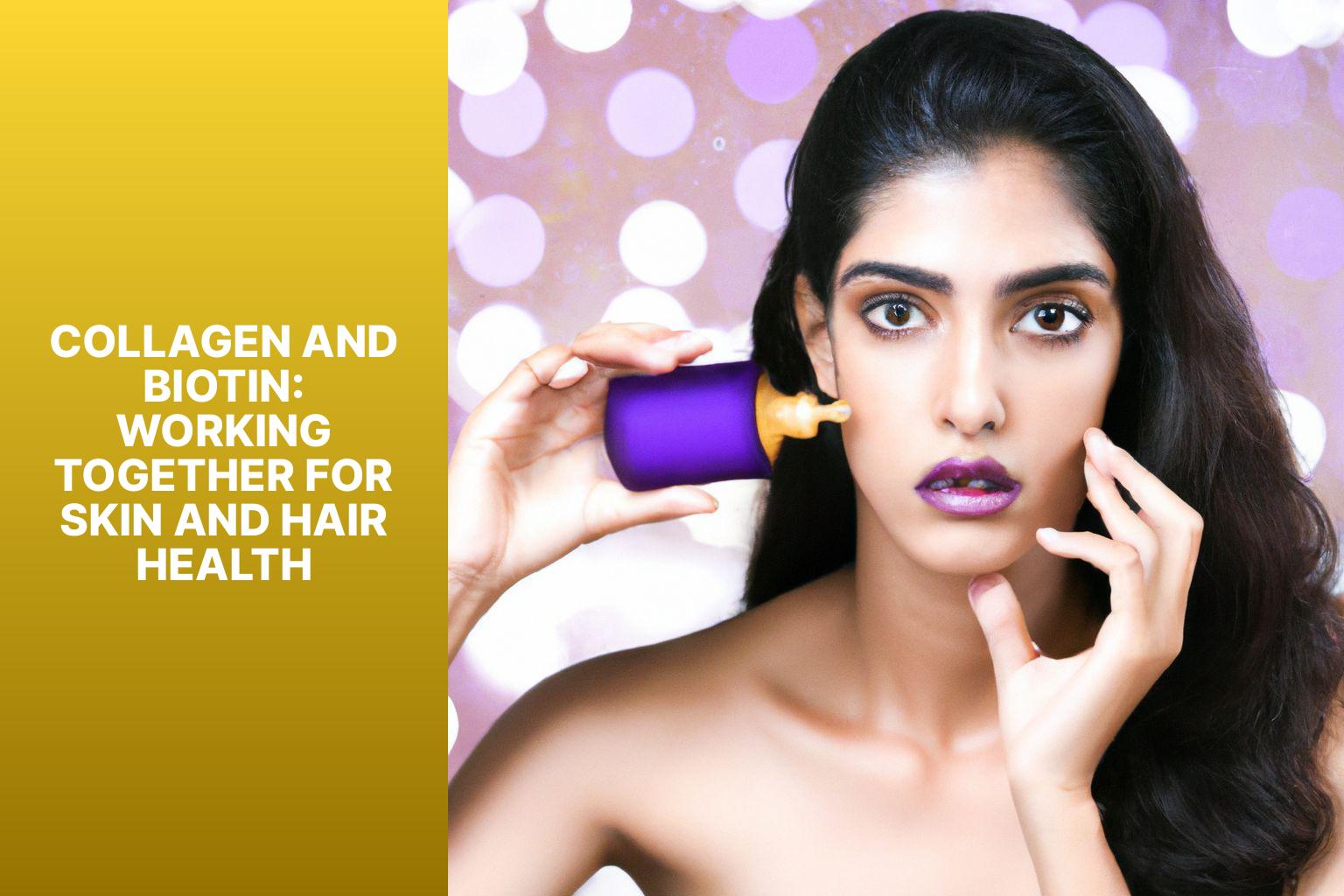
Collagen and Biotin: Working Together for Skin and Hair Health
Photo Credits: Diabetescompass.Com by Wayne Young
Discover the powerful partnership of collagen and biotin as they work harmoniously to enhance the health of your skin and hair. Learn how these two dynamic components complement each other, boosting collagen production with biotin and improving biotin absorption with collagen. Uncover the secrets behind their synergy and unlock the potential of this dynamic duo for promoting a vibrant and radiant appearance. Buckle up as we dive into the fascinating world of collagen and biotin and uncover their combined benefits for skin and hair health.
Complementary Benefits: How Collagen and Biotin Work in Synergy
When it comes to promoting skin and hair health, collagen and biotin work together in synergy to provide complementary benefits. Here are some ways in which collagen and biotin work together:
Boosting collagen production: Collagen is a protein that is essential for maintaining the structure and elasticity of the skin and hair. Biotin plays a crucial role in the synthesis of collagen, helping to enhance collagen production in the body.
Enhancing skin health: Collagen helps promote skin hydration, firmness, and elasticity, reducing the appearance of wrinkles and fine lines. Biotin complements these effects by promoting healthy cell growth and repair, leading to improved overall skin health.
Strengthening hair health: Collagen provides the necessary building blocks for hair growth and strength. Biotin, on the other hand, helps to nourish the hair follicles and promote healthy hair growth, reducing hair breakage and improving hair thickness.
Supporting nail health: Both collagen and biotin contribute to nail health. Collagen helps strengthen the nails by improving their structure, while biotin helps prevent nail brittleness and supports healthy nail growth.
Combating signs of aging: Collagen and biotin work synergistically to counteract the effects of aging on the skin and hair. Collagen improves skin elasticity and reduces the appearance of wrinkles, while biotin promotes healthy hair growth and reduces hair loss associated with aging.
While collagen and biotin offer complementary benefits, it’s important to note that individual results may vary. The effectiveness of collagen and biotin in promoting skin and hair health depends on various factors, including age, genetics, and overall health. It’s always advisable to consult with a healthcare professional before starting any new supplement regimen.
True story: Sarah, a 40-year-old woman, started taking collagen and biotin supplements to improve her skin and hair health. After a few weeks of consistent use, she noticed a significant improvement in the elasticity of her skin, with reduced fine lines and improved firmness. Her hair became thicker and shinier, with reduced hair breakage. Sarah was thrilled with the complementary benefits of collagen and biotin, as they allowed her to achieve healthier and more youthful-looking skin and hair.
Enhancing Collagen Production with Biotin
To enhance collagen production with biotin and boost the overall health and vitality of your skin and hair, consider the following strategies:
Incorporate biotin-rich foods into your diet: Including biotin-rich foods like eggs, nuts, seeds, and leafy greens in your meals can naturally increase your biotin intake and support collagen production.
Take a biotin supplement: If your diet lacks biotin or you want to ensure you’re getting enough, a high-quality biotin supplement providing the recommended daily dosage can be beneficial.
Combine biotin with collagen-boosting nutrients: Enhance collagen production further by combining biotin with crucial nutrients like vitamin C and zinc. Incorporating foods such as citrus fruits, berries, and seafood into your diet will naturally increase your intake of these collagen-boosting nutrients.
Use biotin-enriched skincare products: Apart from oral consumption, applying biotin or biotin-rich ingredients topically can promote collagen production and improve skin health. Look for skincare products specifically formulated with biotin.
Maintain a healthy lifestyle: Leading a healthy lifestyle is essential for supporting collagen production. Adequate sleep, stress management, hydration, and protection from excessive sun exposure are all crucial factors.
Remember, individual results may vary when it comes to biotin’s effectiveness in supporting collagen production. It’s always recommended to consult with a healthcare professional before making significant changes to your diet or starting new supplements. By following these steps, you can naturally enhance collagen production with biotin and promote the overall health and vitality of your skin and hair.
Improving Biotin Absorption with Collagen
Collagen acts as a carrier: Collagen plays a crucial role in improving biotin absorption in the body. It serves as a carrier molecule, facilitating the transportation of biotin across the intestinal wall and into the bloodstream. This enhanced absorption ensures that biotin efficiently reaches its target cells, maximizing its effectiveness.
Synergistic relationship: Collagen and biotin work together synergistically to enhance overall skin and hair health. Collagen provides the necessary structural support for healthy skin and hair, while biotin boosts the production of keratin, a protein that strengthens and nourishes the hair and nails.
Increased bioavailability: Biotin is a water-soluble vitamin and its absorption can be limited. The presence of collagen helps increase the bioavailability of biotin, allowing the body to utilize it more effectively. This improved bioavailability ensures that the body can benefit fully from the potential of biotin.
Improved nutrient delivery: Collagen not only aids in biotin absorption but also facilitates its delivery to the target tissues. The presence of collagen in the bloodstream ensures that biotin is efficiently transported to the cells responsible for skin and hair health. This efficient nutrient delivery promotes optimal skin and hair function.
Optimal dosage: When combining collagen and biotin, it is important to consider the appropriate dosage for each. The recommended dosage for collagen supplementation is typically around 2.5-10 grams per day, while the recommended dosage for biotin is usually around 2.5-5 milligrams per day. Following these recommended dosages will help ensure the best results.
By incorporating collagen and biotin together, you can improve the absorption of biotin in the body, enhancing its effectiveness in promoting skin and hair health. The synergistic relationship between collagen and biotin guarantees that these two nutrients work together to provide optimal benefits. With collagen acting as a carrier and enhancing the bioavailability of biotin, the body can efficiently utilize this essential vitamin. Collagen aids in delivering biotin to the target tissues, ensuring that it reaches the cells responsible for skin and hair health.
Throughout history, the combination of collagen and biotin has been widely embraced by individuals seeking to improve the condition of their skin and hair. Ancient civilizations recognized the importance of collagen-rich foods, such as bone broth, in promoting skin and hair health. Similarly, biotin-rich foods like eggs and nuts have long been consumed for their beneficial effects on skin and hair. Today, with advancements in scientific research and the availability of collagen and biotin supplements, people can conveniently and effectively enhance biotin absorption with collagen, experiencing transformative effects on their skin and hair.
Guidelines for Using Collagen and Biotin for Skin and Hair Health
Discover the secrets to optimizing your skin and hair health with collagen and biotin. Unleashing the transformative power of these natural wonders is closer than you think. In this section, we uncover the guidelines that will help you harness the true potential of collagen and biotin. From recommended dosages to potential side effects and precautions, we’ve got you covered. And don’t worry, we’ll also share insights on how to choose high-quality supplements that can work wonders for your skin and hair. Get ready to unlock your natural beauty!
Recommended Dosages of Collagen and Biotin
When it comes to taking collagen and biotin supplements for skin and hair health, it’s essential to consider the recommended dosages. Here is a table outlining the recommended dosages of collagen and biotin:
Supplement
Recommended Dosage
Collagen
2.5-10 grams per day
Biotin
2.5-5 milligrams per day
–
It’s important to note that these recommended dosages may vary depending on individua
Licorice root chews are a natural and delicious way to promote skin health. With their amazing properties and benefits, these chews offer a holistic approach to addressing common skincare concerns. The licorice root, derived from the Glycyrrhiza glabra plant, has been used for centuries in traditional medicine for its medicinal properties. Licorice root chews contain active compounds that contribute to skin health in various ways.
Licorice root chews can contribute to skin health through their:
Anti-Inflammatory Properties:Licorice root contains anti-inflammatory compounds that help calm and soothe irritated skin, reducing redness and inflammation.
Antioxidant Effects: The chews are rich in antioxidants that combat free radicals, preventing oxidative stress and damage to the skin cells.
Moisturizing and Hydrating Properties: Licorice root chews help hydrate and moisturize the skin, promoting a healthy and supple complexion.
Skin Brightening and Hyperpigmentation Reduction: Licorice root contains components that inhibit the production of melanin, helping to fade hyperpigmentation and brighten the skin.
These benefits of licorice root chews make them an excellent choice for addressing common skin concerns such as acne and breakouts, skin irritation and redness, uneven skin tone and dark spots, and signs of aging like wrinkles.
Incorporating licorice root chews into your skincare routine can be done in various ways, including consuming them as a dietary supplement, creating a homemade face mask, or using them as a spot treatment. However, it is important to note that licorice root chews may have precautions and potential side effects, especially for those with certain medical conditions or taking specific medications.
By harnessing the power of licorice root chews, you can take a natural and holistic approach to achieve healthy, radiant skin.
Key takeaway:
Licorice root chews contribute to skin health: Licorice root chews have anti-inflammatory properties, antioxidant effects, and moisturizing properties, which can help improve skin health.
Addressing common skin concerns with licorice root chews: Licorice root chews can help alleviate acne and breakouts, reduce skin irritation and redness, improve uneven skin tone and dark spots, and reduce signs of aging like wrinkles.
Incorporating licorice root chews into your skincare routine: Licorice root chews can be consumed, used as a homemade face mask, or applied as a spot treatment to enhance your skincare routine.
Licorice Root Chews: A Natural Approach to Skin Health
Licorice root chews offer a natural and holistic approach to promoting skin health and addressing common skin concerns. Here’s how licorice root chews can contribute to skin health:
Anti-inflammatory properties: Licorice root contains compounds that possess anti-inflammatory properties. These compounds help reduce skin inflammation, redness, and irritation caused by conditions like acne, eczema, and rosacea.
Antioxidant effects: Licorice root is rich in antioxidants, such as flavonoids and polyphenols. These antioxidants help protect the skin from damage caused by free radicals, which can contribute to premature aging and skin dullness.
Skin brightening: Licorice root contains a compound called glabridin, which inhibits the production of melanin, the pigment responsible for dark spots and hyperpigmentation. Regular consumption of licorice root chews may help even out skin tone and promote a brighter complexion.
Moisturizing and soothing: Licorice root has moisturizing and soothing properties that can help hydrate the skin and alleviate dryness and itchiness. It can also provide relief to individuals with sensitive or irritated skin.
Anti-microbial effects: Licorice root possesses antimicrobial properties that can help combat bacteria and fungi that contribute to skin infections and breakouts. This makes it a valuable ingredient for individuals struggling with acne or other bacterial skin conditions.
UV protection: Some studies suggest that licorice root may offer mild sun protection by inhibiting certain enzymes that trigger the production of pigmentation in response to UV exposure. It should not be relied upon as a sole form of sun protection.
Collagen production: Licorice root contains compounds that may stimulate the production of collagen, a protein essential for maintaining skin elasticity and firmness. This can help reduce the appearance of fine lines and wrinkles.
While licorice root chews can provide potential benefits for skin health, it’s important to note that individual results may vary. It’s always recommended to consult with a healthcare professional before introducing any new supplements or making significant changes to your skincare routine.
What Are Licorice Root Chews?
Licorice root chews are a natural product that can contribute to skin health and address common skin concerns. Licorice root, also known as Gan Cao, is a plant with pale whitish-blue flowers and feather-like leaves. Licorice root chews, also referred to as dietary supplements made from licorice root extract, can provide various internal health benefits. These chews contain compounds such as glycyrrhiza inflata and glycyrrhiza glabra, known for their health-promoting properties. So, what exactly are licorice root chews and how can they benefit your skin?
One of the key benefits of licorice root chews is their anti-inflammatory properties. They help reduce inflammation in the body, making them particularly beneficial for individuals with skin conditions like acne and breakouts. These chews can also soothe skin irritation and redness, offering a valuable addition to your skincare routine.
Additionally, licorice root chews have antioxidant effects. They protect the skin from free radicals, which can cause damage and contribute to premature aging. By incorporating licorice root chews into your skincare routine, you enhance the antioxidant defense system of your skin.
Moisturizing and hydrating properties are also attributed to licorice root chews. They help retain moisture in the skin, preventing dryness and promoting a healthy complexion. For individuals with dry or sensitive skin, licorice root chews are an excellent choice.
Another remarkable effect of licorice root chews is their ability to brighten the skin and reduce hyperpigmentation. They can even out skin tone and diminish the appearance of dark spots. Some compounds present in licorice root chews inhibit the production of melanin, the pigment responsible for skin color, making them a natural remedy for hyperpigmentation issues.
To incorporate licorice root chews into your skincare routine, you have a few options. First, you can consume them as a dietary supplement, following the recommended dosage provided by the manufacturer. Alternatively, you can create a homemade licorice root chews face mask by mixing the chews with other natural ingredients like honey or yogurt. Apply this mask to your face, leave it on for a specific duration, and then rinse off. Lastly, you can use licorice root chews as a spot treatment by crushing a few chews, mixing them with water to create a paste, and applying it to specific areas of concern. Leave the paste on for some time before washing off.
However, it is crucial to note that licorice root chews may not be suitable for everyone. Individuals with liver problems or those taking prescription drugs should avoid them, as licorice root can interact with certain medications. Additionally, licorice root chews may cause breathing problems or hormonal imbalances when used excessively. It is always recommended to consult with a healthcare professional before incorporating licorice root chews into your skincare routine.
How Can Licorice Root Chews Contribute to Skin Health?
When it comes to skincare, licorice root chews have gained popularity in recent years due to their numerous benefits for the skin. Licorice root contains compounds that have anti-inflammatory effects, making it beneficial for conditions such as acne and rosacea by reducing redness and inflammation. Additionally, licorice root is rich in antioxidants, which protect the skin against damage from free radicals, preventing premature aging and other skin issues. Licorice root also has moisturizing and hydrating properties, making it suitable for dry and dehydrated skin. It replenishes the skin’s moisture barrier and locks in hydration, leaving the skin soft and supple. Another notable benefit of licorice root is its ability to reduce hyperpigmentation and brighten the skin. It contains glabridin, a compound that inhibits the production of melanin responsible for dark spots. Licorice root chews can address common skin concerns such as acne, skin irritation, uneven skin tone, and signs of aging. The anti-inflammatory and antioxidant properties of licorice root help calm inflamed skin, reduce redness, and prevent breakouts. Its skin brightening effects also even out the skin tone and reduce the appearance of dark spots. To incorporate licorice root chews into your skincare routine, you can consume them as a dietary supplement or create a homemade face mask by grinding them into a powder and mixing with other natural ingredients. They can also be used as a spot treatment for blemishes or dark spots. However, it’s important to note that licorice root chews may not be suitable for everyone, especially those with liver problems or kidney diseases. Consulting a healthcare provider or doing a patch test is recommended, particularly for individuals with sensitive skin. In summary, licorice root chews contribute to skin health through their anti-inflammatory, antioxidant, moisturizing, and brightening effects, addressing various skin concerns and improving overall appearance.
Anti-Inflammatory Properties
The anti-inflammatory properties of licorice root chews make them highly beneficial for skin health. They have been found to effectively reduce inflammation and provide relief for various skin conditions. Licorice root contains compounds that soothe and calm irritated skin, helping to minimize redness and inflammation commonly caused by acne and eczema. Additionally, licorice root chews alleviate the severity of symptoms in conditions like psoriasis and rosacea, as inflammation plays a significant role in these conditions.
One of the remarkable benefits of licorice root chews is their ability to enhance wound healing. By reducing inflammation and promoting cell regeneration, licorice root chews accelerate the healing process of minor wounds and cuts. Applying licorice root chews topically can be particularly helpful in this regard.
Furthermore, licorice root chews have been proven to minimize skin redness and hyperpigmentation. They have a skin-lightening effect, and their anti-inflammatory properties contribute to reducing redness caused by skin sensitivity. This makes licorice root chews a valuable ingredient for those dealing with skin discoloration issues.
Additionally, licorice root chews offer protection against UV-induced skin damage. Prolonged exposure to the sun can result in chronic inflammation, premature aging, and skin damage. However, licorice root chews contain compounds that have photoprotective effects, reducing inflammation caused by sun exposure and safeguarding the skin against harmful UV rays.
It is important to note that while licorice root chews deliver remarkable anti-inflammatory benefits, individual experiences may vary. To ensure safety and efficacy, it is advisable to consult a healthcare professional or dermatologist before incorporating licorice root chews into your skincare routine, especially if you have specific skin concerns or medical conditions.
Antioxidant Effects
The antioxidant effects of licorice root chews greatly contribute to skin health and can effectively address common skin concerns. Here are some ways in which licorice root chews can benefit the skin:
– Reduced oxidative stress: Licorice root contains antioxidants that naturally neutralize harmful free radicals in the body. These free radicals can damage skin cells and contribute to premature aging. By consuming licorice root chews, you can enhance your body’s natural defense against oxidative stress and promote healthier, more youthful-looking skin.
– Protection against UV damage: Licorice root also contains compounds that provide photoprotective properties. These compounds help shield the skin from the harmful effects of UV radiation, including sunburn, skin discoloration, and DNA damage. By incorporating licorice root chews into your skincare routine, you can strengthen your skin’s natural defense against the sun’s harmful rays.
– Inhibition of melanin production: Licorice root contains a compound called glabridin, which has been proven to inhibit the production of melanin in the skin. Melanin is responsible for skin pigmentation, and excessive production can lead to hyperpigmentation issues such as dark spots and uneven skin tone. By consuming licorice root chews or applying licorice topically, you can help brighten the skin and reduce the appearance of hyperpigmentation.
– Anti-inflammatory properties: Licorice root chews possess anti-inflammatory effects that effectively soothe irritated and inflamed skin. This benefit is particularly advantageous for individuals with acne-prone skin or conditions like eczema and psoriasis. By reducing inflammation, licorice root chews can alleviate redness, swelling, and discomfort associated with these skin concerns.
– Moisturizing and hydrating properties: Licorice root has natural moisturizing and hydrating properties that effectively nourish and hydrate the skin. This improvement in skin hydration enhances skin elasticity, promotes a healthy skin barrier, and prevents dryness and flakiness. By incorporating licorice root chews into your skincare routine, you can enhance your skin’s moisture levels and maintain a soft and supple complexion.
When considering licorice root chews for skin health, it is important to note that individual results may vary. It is always recommended to consult with a healthcare professional or dermatologist before starting any new dietary supplement or skincare regimen. It is essential to consume licorice root chews in moderation and adhere to the recommended dosage limits to avoid any potential side effects.
Moisturizing and Hydrating Properties
Licorice root chews possess natural compounds that have moisturizing and hydrating properties, making them beneficial for skin health and effectively addressing common skin concerns. Below are the key points to consider:
1. Hydration Boost: The natural compounds found in licorice root chews aid in retaining moisture within the skin. Whether consumed or applied topically, licorice root helps to hydrate the skin, keeping it plump and supple.
2. Soothing and Calming:Licorice root possesses anti-inflammatory properties that can effectively calm irritated and inflamed skin. It works to reduce redness and provide relief for sensitive skin conditions like eczema and rosacea.
3. Antioxidant Protection: Rich in antioxidants, licorice root chews offer protection against oxidative stress caused by free radicals. This helps in preventing premature aging, as well as the formation of wrinkles and fine lines.
4. Brightening Effect:Licorice root contains natural compounds that inhibit the production of melanin, the pigment responsible for dark spots and hyperpigmentation. Consistent use of licorice root chews can result in a brighter complexion and even skin tone.
5. Healing Properties:Licorice root has been utilized for centuries in traditional medicine due to its healing properties. It can effectively soothe skin conditions such as acne and promote faster healing of blemishes and scars.
Incorporating licorice root chews into your skincare routine can be done in several ways:
– Consuming Licorice Root Chews: Daily consumption of licorice root chews provides internal benefits for the skin, promoting hydration and a healthy complexion.
– Creating Homemade Face Mask: You can create a moisturizing face mask by mixing licorice root powder with honey or yogurt. Apply the mixture to your face, leave it on for 15-20 minutes, and then rinse off for hydrated and radiant skin.
– Using Licorice Root Chews as a Spot Treatment: Crush a licorice root chew into a paste and apply it directly to blemishes or areas of hyperpigmentation. Leave it on overnight and rinse off in the morning for targeted treatment.
It’s important to note that while licorice root chews offer numerous benefits, they may not be suitable for everyone. If you have any underlying health conditions or are taking prescription medications, it’s best to consult with a healthcare professional before incorporating licorice root chews into your skincare routine.
Licorice root chews provide moisturizing and hydrating properties that significantly contribute to overall skin health. With their hydration benefits, ability to soothe irritation, antioxidant protection, brightening effects, and healing properties, incorporating licorice root chews into your skincare regimen can lead to healthier and more radiant skin.
Skin Brightening and Hyperpigmentation Reduction
Licorice root chews can contribute to skin brightening and reduction of hyperpigmentation by offering natural benefits. Here are the ways in which licorice root chews can help improve skin tone and reduce hyperpigmentation:
1. Licorice root chews contain natural compounds that inhibit the production of melanin, the pigment responsible for skin color. By inhibiting melanin production, licorice root chews can naturally brighten the skin and reduce the appearance of dark spots and hyperpigmentation.
2. Licorice root chews also possess anti-inflammatory properties, which can help even out skin tone and reduce the visibility of hyperpigmentation. Inflammation often contributes to skin discoloration and unevenness.
3. Rich in antioxidants, licorice root chews protect the skin from oxidative damage caused by free radicals. Oxidative stress can lead to skin aging and the development of dark spots. By neutralizing free radicals, licorice root chews can help prevent hyperpigmentation and promote a more youthful complexion.
4. Additionally, licorice root chews have moisturizing and hydrating properties. Dry skin often appears dull and lackluster. By providing hydration and increasing moisture levels, licorice root chews can contribute to a brighter and more radiant complexion.
To incorporate licorice root chews into your skincare routine, you can consume them as a dietary supplement for internal health benefits that support skin brightening and hyperpigmentation reduction. Another option is creating a homemade face mask by crushing the chews into a fine powder, mixing it with a carrier agent like honey or yogurt, and applying it to the skin for about 15-20 minutes before rinsing off. Additionally, you can use licorice root chews as a spot treatment by applying a small amount directly onto dark spots or areas with hyperpigmentation.
Remember that while licorice root chews offer benefits for skin health, they may not be suitable for everyone. Some individuals may experience sensitivity or allergic reactions to licorice, so it’s advisable to perform a patch test before using them on the face. It’s also recommended to consult with a healthcare professional if you have any pre-existing skin conditions or if you are taking prescription medication before incorporating licorice root chews into your skincare routine.
Licorice root chews can contribute to skin brightening and reduction of hyperpigmentation through their anti-inflammatory, antioxidant, moisturizing, and hydrating properties. By incorporating licorice root chews into your skincare routine, you can promote a more even skin tone and achieve a brighter, healthier complexion.
Addressing Common Skin Concerns with Licorice Root Chews
Discover the power of Licorice Root Chews in tackling common skin concerns head-on. From dealing with acne and breakouts to addressing skin irritation and redness, as well as combating uneven skin tone and dark spots, and even fighting the signs of aging like wrinkles. These delectable chews offer a natural approach to achieving healthier and more radiant skin. Say goodbye to your skin woes and embrace the rejuvenating benefits of Licorice Root Chews.
Acne and Breakouts
Dealing with acne and breakouts can be quite bothersome and can significantly impact our self-confidence. A natural solution to help combat these common skin concerns is by incorporating licorice root chews into your skincare routine. Licorice root chews offer several benefits that can contribute to improving acne and breakouts:
Anti-inflammatory properties: Licorice root contains compounds that possess anti-inflammatory effects on the skin. These compounds effectively reduce redness, swelling, and irritation associated with acne breakouts.
Antioxidant effects: Licorice root is abundant in antioxidants that safeguard the skin against damage caused by free radicals. Free radicals are known to contribute to the development of acne and breakouts. By including licorice root chews in your skincare routine, you can effectively combat free radical damage and promote healthier skin.
Moisturizing and hydrating properties: Licorice root chews contain moisturizing and hydrating properties that help maintain the skin’s moisture levels. Well-hydrated skin is less prone to excessive oil production, which can contribute to clogged pores and breakouts.
Oil regulation: Licorice root chews aid in regulating the production of sebum, which is the skin’s natural oil. Excessive oil production can lead to pore blockage and the development of acne. By incorporating licorice root chews into your routine, you can effectively control oil production and prevent breakouts.
Bacterial growth inhibition: Licorice root has been found to possess antibacterial properties, which can help inhibit the growth of acne-causing bacteria on the skin. By reducing bacterial growth, licorice root chews can prevent the formation of new acne lesions and promote clearer skin.
While addressing acne and breakouts, it is important to note that the results may vary from person to person. It is recommended to consult with a dermatologist or skincare professional for personalized advice and treatment options. In addition, maintaining a consistent skincare routine and making healthy lifestyle choices are crucial for supporting overall skin health.
Skin Irritation and Redness
Licorice root chews can be a valuable natural remedy for addressing skin irritation and redness. The active compounds found in licorice root, such as glycyrrhizin and flavonoids, have been shown to possess anti-inflammatory properties, which can help reduce redness and calm irritated skin.
Skin irritation and redness can be caused by various factors, including allergic reactions, environmental irritants, and skin conditions such as eczema or rosacea. Licorice root chews can help alleviate these symptoms by soothing inflamed skin and reducing redness.
One study found that licorice root extract applied topically helped improve symptoms of dermatitis and reduced redness in patients. This emphasizes the effectiveness of licorice root in calming irritated skin.
The anti-inflammatory properties of licorice root can help soothe skin conditions like acne and rashes. Licorice root chews can be used as a spot treatment to target specific areas of irritation and redness.
To incorporate licorice root chews into your skincare routine, you can consume them orally or create a homemade face mask. Consuming licorice root chews regularly can provide internal health benefits and potentially improve skin conditions from within.
It’s important to note that licorice root chews should be used with caution, as they may interact with certain medications or have side effects in high doses. It’s recommended to consult with a healthcare professional before incorporating licorice root chews into your routine, especially if you have any underlying health conditions.
Licorice root chews can contribute to skin health by reducing skin irritation and redness due to their anti-inflammatory properties. It’s essential to use them responsibly and seek professional advice when necessary to ensure the best results and minimize any potential risks.
As a side note, licorice root has a rich history dating back to ancient civilizations like Egypt and China. It has been traditionally used for various medicinal purposes, including the treatment of digestive problems, respiratory issues, and skin ailments. Licorice root’s soothing properties have made it a popular ingredient in traditional remedies worldwide. Its feather-like leaves and pale whitish-blue flowers make it a distinctive plant, and its versatility as a natural remedy has been valued in diverse cultures throughout history.
Uneven Skin Tone and Dark Spots
Licorice root chews can be beneficial for improving uneven skin tone and reducing the appearance of dark spots. Here is how licorice root chews can contribute to skin health and address these common skin concerns:
Anti-Inflammatory Properties: Licorice root chews contain compounds that have anti-inflammatory effects on the skin. This can help soothe irritated skin and reduce redness associated with uneven skin tone and dark spots.
Antioxidant Effects: Licorice root chews are rich in antioxidants, which help protect the skin from damage caused by free radicals. These antioxidants can help brighten the skin and reduce the appearance of dark spots.
Moisturizing and Hydrating Properties: Licorice root chews have moisturizing and hydrating properties, which can help improve the overall texture and tone of the skin. By keeping the skin well-hydrated, licorice root chews can promote a more even skin tone and reduce the visibility of dark spots.
Skin Brightening: Licorice root chews contain compounds that inhibit the production of melanin, the pigment responsible for dark spots on the skin. By reducing melanin production, licorice root chews can help brighten the skin and improve uneven skin tone.
Hyperpigmentation Reduction: Licorice root chews have been shown to help reduce hyperpigmentation, including dark spots caused by sun damage or post-inflammatory hyperpigmentation. Regular consumption or topical application of licorice root chews can gradually fade these dark spots and even out the skin tone.
To incorporate licorice root chews into your skincare routine for uneven skin tone and dark spots, consider consuming them as a dietary supplement or creating a homemade face mask. You can also use licorice root chews as a spot treatment by applying them directly to the affected areas.
It’s important to note that while licorice root chews are generally safe for consumption, individuals with certain health conditions, such as liver problems or kidney diseases, should consult with a healthcare professional before using licorice root chews. If you have sensitive skin, it’s recommended to do a patch test before applying licorice root chews topically.
Licorice root chews offer natural solutions for improving uneven skin tone and reducing the appearance of dark spots. Their anti-inflammatory, antioxidant, moisturizing, and skin brightening properties make them a beneficial addition to any skincare routine.
Aging Signs and Wrinkles
Licorice root chews are a natural remedy that can contribute to maintaining skin health and addressing common concerns like aging signs and wrinkles. Here’s how they work:
1. Anti-inflammatory properties: Licorice root chews contain compounds with anti-inflammatory effects on the skin. These compounds help reduce redness, inflammation, and irritation associated with aging signs and wrinkles.
2. Antioxidant effects: Rich in antioxidants, licorice root chews protect the skin from damage caused by free radicals. Free radicals can accelerate the aging process and lead to the formation of wrinkles. By neutralizing these free radicals, licorice root chews help maintain a youthful appearance.
3. Moisturizing and hydrating properties: Aging skin often lacks moisture and becomes dry, which leads to the formation of wrinkles. Licorice root chews possess moisturizing and hydrating properties that keep the skin hydrated and reduce the appearance of fine lines and wrinkles.
4. Skin brightening and hyperpigmentation reduction: Licorice root chews contain compounds that can help reduce melanin production, the pigment responsible for dark spots and hyperpigmentation. By inhibiting melanin production, licorice root chews can brighten the skin, even out skin tone, and reduce the visibility of aging signs.
To incorporate licorice root chews into your skincare routine:
– Consuming licorice root chews: Enjoy licorice root chews as a dietary supplement to benefit from their internal health benefits, including their effects on the skin.
– Creating a homemade licorice root chews face mask: Crush the licorice root chews into a powder and mix it with other skincare ingredients like honey or yogurt. Apply the mask to your face, leave it on for 10-15 minutes, and then rinse off to reveal refreshed and rejuvenated skin.
– Using licorice root chews as a spot treatment: Crush a licorice root chew into a powder and mix it with a few drops of water to create a paste. Apply the pas
Unlocking the Secret to Flawless Skin: How Biotin Transforms Your Complexion
[youtubomatic_search]
Key Takeaways
Biotin, also known as vitamin B7, plays a crucial role in maintaining healthy skin.
Deficiency in biotin can lead to various skin problems, including rashes, acne, and dryness.
Supplementing with biotin can help improve skin health and promote a clear complexion.
While biotin is generally safe, it’s important to consult with a healthcare provider before starting any new supplement regimen.
Topical biotin products can also be beneficial for skin health.
Introduction: The Power of Biotin for Skin Health
When it comes to achieving flawless skin, many people turn to expensive creams, serums, and treatments. However, the secret to a clear complexion might be simpler than you think. Biotin, a B-vitamin also known as vitamin B7, has been shown to play a crucial role in skin health. This article will delve into the science behind biotin and how it can transform your complexion.
The Role of Biotin in Skin Health
Biotin is a water-soluble vitamin that is essential for the body’s metabolic processes. It helps convert food into energy and plays a key role in the health of your hair, skin, and nails. According to a study published in the Journal of Clinical and Aesthetic Dermatology, biotin deficiency can lead to a variety of skin problems, including rashes, acne, and dryness (source).
On the other hand, supplementing with biotin can help improve skin health. A study published in the Journal of Drugs in Dermatology found that participants who took a biotin supplement experienced significant improvements in skin hydration and a reduction in skin scaling and roughness (source).
Biotin Supplements: A Path to Clear Complexion
While biotin is found in many foods, including eggs, nuts, and whole grains, some people may benefit from taking a biotin supplement. This is especially true for those who have a biotin deficiency or who are at risk of developing one, such as pregnant women or those with certain medical conditions.
However, it’s important to note that while biotin supplements can be beneficial, they are not a cure-all for skin problems. As with any supplement, it’s important to consult with a healthcare provider before starting a new regimen.
Topical Biotin: A Boost for Skin Health
In addition to oral supplements, topical biotin products can also be beneficial for skin health. According to a study published in the Journal of Cosmetic Dermatology, a biotin-containing cream improved skin hydration and reduced skin roughness and scaling in participants (source).
FAQ Section
1. What is biotin?
Biotin is a water-soluble vitamin, also known as vitamin B7, that plays a crucial role in the body’s metabolic processes.
2. How does biotin benefit the skin?
Biotin helps maintain healthy skin by improving hydration and reducing roughness and scaling. Deficiency in biotin can lead to various skin problems, including rashes, acne, and dryness.
3. Can taking a biotin supplement improve my skin?
Yes, supplementing with biotin can help improve skin health. However, it’s important to consult with a healthcare provider before starting any new supplement regimen.
4. Can I use biotin topically for skin benefits?
Yes, topical biotin products, such as creams and serums, can also be beneficial for skin health.
5. Are there any side effects of using biotin for skin?
Biotin is generally safe for most people. However, some people may experience mild side effects such as nausea, cramping, or diarrhea. If you experience any adverse effects, stop using the product and consult with a healthcare provider.
Conclusion: Biotin – The Key to Flawless Skin
In conclusion, biotin plays a crucial role in maintaining healthy skin. Whether through diet, supplements, or topical products, incorporating biotin into your skincare routine can help promote a clear, hydrated, and flawless complexion. However, it’s important to remember that while biotin can be beneficial, it’s not a cure-all for skin problems. Always consult with a healthcare provider before starting any new supplement or skincare regimen.
Key Takeaways
Biotin is essential for skin health and can help improve hydration and reduce roughness and scaling.
Deficiency in biotin can lead to various skin problems, including rashes, acne, and dryness.
Supplementing with biotin or using topical biotin products can help promote a clear complexion.
Always consult with a healthcare provider before starting any new supplement or skincare regimen.
Unlocking the Hidden Powers of Biotin: Unveiling its Surprising Impact on Overall Well-being
[youtubomatic_search]
Key Takeaways
Biotin, also known as vitamin B7, plays a crucial role in maintaining overall health.
It aids in the metabolism of carbohydrates, fats, and proteins, contributing to energy production.
Biotin has been linked to improved hair, skin, and nail health.
Research suggests that biotin may support brain function and help maintain a healthy cardiovascular system.
Despite its benefits, biotin deficiency is rare but can lead to several health issues.
Introduction: The Powerhouse Vitamin
Often overlooked in the realm of health and wellness, biotin, or vitamin B7, is a powerhouse nutrient with a myriad of benefits. This water-soluble vitamin plays a pivotal role in our body’s metabolic processes, helping convert food into energy. Beyond its metabolic functions, biotin’s impact on overall well-being is surprisingly broad, influencing everything from hair and skin health to brain function and cardiovascular health.
The Metabolic Marvel
One of biotin’s primary roles in the body is aiding in the metabolism of carbohydrates, fats, and proteins. This process is crucial for energy production, which fuels our daily activities and bodily functions. According to a study published in the Journal of Nutrition, biotin enhances insulin sensitivity, which can help regulate blood sugar levels, potentially benefiting those with type 2 diabetes.
Beauty Booster
Biotin’s reputation as a beauty booster is well-earned. Numerous studies, including one published in the Journal of Dermatological Treatment, have linked biotin supplementation to improved hair and nail health. Additionally, biotin may contribute to healthier skin, as it plays a role in the production of fatty acids that nourish the skin.
Brain and Heart Health
Emerging research suggests that biotin may support brain function and maintain a healthy cardiovascular system. A study in the Journal of Nutrition found that biotin deficiency was associated with neurological symptoms, including depression and lethargy. Furthermore, a study in the American Journal of Clinical Nutrition found that biotin may help lower levels of LDL (“bad”) cholesterol, which can contribute to heart disease.
Biotin Deficiency: A Rare but Serious Condition
While biotin deficiency is rare due to its presence in many foods, it can lead to several health issues, including hair loss, skin rashes, and neurological symptoms. Certain populations, including pregnant women and those with certain genetic disorders, are at a higher risk of biotin deficiency.
FAQ Section
1. What is biotin?
Biotin, also known as vitamin B7, is a water-soluble vitamin that plays a crucial role in the body’s metabolic processes.
2. What are the benefits of biotin?
Biotin aids in the metabolism of carbohydrates, fats, and proteins, contributes to hair, skin, and nail health, and may support brain function and cardiovascular health.
3. What are the symptoms of biotin deficiency?
Biotin deficiency can lead to hair loss, skin rashes, and neurological symptoms such as depression and lethargy.
4. Who is at risk of biotin deficiency?
Pregnant women and those with certain genetic disorders are at a higher risk of biotin deficiency.
5. How can I increase my biotin intake?
Biotin is found in a variety of foods, including eggs, fish, meat, seeds, nuts, and certain vegetables.
Conclusion: The Hidden Power of Biotin
From its role in metabolism to its impact on hair, skin, and nail health, biotin’s benefits are broad and significant. Emerging research suggests that this powerhouse vitamin may also support brain function and cardiovascular health. While biotin deficiency is rare, it can lead to several health issues, highlighting the importance of this often-overlooked nutrient. As we continue to explore the hidden powers of biotin, its surprising impact on overall well-being becomes increasingly clear.
Key Takeaways
Biotin is a crucial nutrient that aids in metabolism and contributes to hair, skin, and nail health.
Emerging research suggests that biotin may support brain function and cardiovascular health.
Biotin deficiency, while rare, can lead to several health issues.
Pregnant women and those with certain genetic disorders are at a higher risk of biotin deficiency.
Biotin is found in a variety of foods, making it easy to incorporate into your diet.
Unlock the Secret to Luscious Hair and Glowing Skin: Discover the Power of Natural Biotin Sources
Key Takeaways
[youtubomatic_search]
Biotin is a water-soluble vitamin that is essential for healthy hair, skin, and nails.
Natural sources of biotin include eggs, nuts, legumes, and whole grains.
Biotin supplements can be taken to increase biotin levels in the body.
Biotin deficiency can lead to hair loss, dry skin, and brittle nails.
A balanced diet and regular exercise can help maintain healthy levels of biotin in the body.
Introduction
Beautiful hair and glowing skin are the hallmarks of good health and beauty. But achieving these goals can be difficult, especially if you don’t know the secret to unlocking them. The secret is biotin, a water-soluble vitamin that is essential for healthy hair, skin, and nails. Biotin is found in many natural sources, and can be taken as a supplement to increase biotin levels in the body. In this article, we will explore the power of natural biotin sources and how they can help you achieve luscious hair and glowing skin.
What is Biotin?
Biotin, also known as vitamin B7, is a water-soluble vitamin that is essential for healthy hair, skin, and nails. It is found in many foods, including eggs, nuts, legumes, and whole grains. Biotin helps the body break down carbohydrates, fats, and proteins, and is also involved in the production of fatty acids and glucose. Biotin is also important for the metabolism of amino acids, which are the building blocks of proteins.
Biotin is also important for the production of keratin, a protein that is essential for healthy hair and nails. Keratin helps to strengthen the hair and nails, and is also involved in the production of sebum, an oily substance that helps to keep the skin and hair moisturized.
Benefits of Biotin
Biotin has many benefits for hair, skin, and nails. It helps to strengthen the hair and nails, and can help to reduce hair loss and brittle nails. Biotin also helps to keep the skin moisturized and can help to reduce the appearance of wrinkles and fine lines.
Biotin can also help to improve the health of the scalp. It helps to reduce inflammation and can help to reduce dandruff. Biotin can also help to reduce the risk of scalp infections, which can lead to hair loss.
Natural Sources of Biotin
There are many natural sources of biotin, including eggs, nuts, legumes, and whole grains. Eggs are a particularly good source of biotin, as they contain high levels of the vitamin. Nuts, such as almonds, walnuts, and peanuts, are also good sources of biotin. Legumes, such as beans, peas, and lentils, are also good sources of biotin. Whole grains, such as oats, barley, and wheat, are also good sources of biotin.
Biotin Supplements
Biotin supplements can be taken to increase biotin levels in the body. Biotin supplements are available in pill form, and can be taken daily to increase biotin levels. Biotin supplements can also be taken in liquid form, which is absorbed more quickly by the body.
Biotin Deficiency
Biotin deficiency can lead to hair loss, dry skin, and brittle nails. Biotin deficiency can also lead to fatigue, depression, and anemia. Biotin deficiency is rare, but can occur in people who have certain medical conditions, such as Crohn’s disease or celiac disease.
Maintaining Healthy Levels of Biotin
A balanced diet and regular exercise can help maintain healthy levels of biotin in the body. Eating a diet that is rich in biotin-containing foods, such as eggs, nuts, legumes, and whole grains, can help to increase biotin levels in the body. Regular exercise can also help to increase biotin levels, as it helps to increase the circulation of biotin in the body.
Conclusion
Biotin is a water-soluble vitamin that is essential for healthy hair, skin, and nails. Natural sources of biotin include eggs, nuts, legumes, and whole grains. Biotin supplements can be taken to increase biotin levels in the body. Biotin deficiency can lead to hair loss, dry skin, and brittle nails. A balanced diet and regular exercise can help maintain healthy levels of biotin in the body.
Key Takeaways
[youtubomatic_search]
Biotin is a water-soluble vitamin that is essential for healthy hair, skin, and nails.
Natural sources of biotin include eggs, nuts, legumes, and whole grains.
Biotin supplements can be taken to increase biotin levels in the body.
Biotin deficiency can lead to hair loss, dry skin, and brittle nails.
A balanced diet and regular exercise can help maintain healthy levels of biotin in the body.