Tag: zinc

  • Unveiling the Astonishing Health Benefits of Vitamin D3 and Zinc: A Must-Read Exploration

    Unveiling the Astonishing Health Benefits of Vitamin D3 and Zinc: A Must-Read Exploration

    Connecting the dots between two essential nutrients, vitamin D3 and zinc, can uncover a range of health benefits. Vitamin D3 and zinc play crucial roles in supporting various bodily functions and promoting overall well-being. Let’s delve into the link between vitamin D3 and zinc and explore their collective health benefits.

    Understanding Vitamin D3:
    Vitamin D3, also known as the sunshine vitamin, is a fat-soluble vitamin that is primarily synthesized in the skin when exposed to sunlight. This vitamin is necessary for the absorption and metabolism of calcium and phosphorus in the body, which are vital for bone health. Vitamin D3 supports immune function, regulates cell growth, and plays a role in modulating gene expression.

    Understanding Zinc:
    Zinc is an essential mineral that is involved in numerous enzymatic reactions in the body. It supports immune function, DNA synthesis, cell division, and wound healing. Zinc is also important for sensory and cognitive functions, protein synthesis, and maintaining healthy skin, hair, and nails.

    The Connection Between Vitamin D3 and Zinc:
    Vitamin D3 and zinc share a close connection in the body. Adequate levels of vitamin D3 are necessary for the absorption of zinc from the diet. Conversely, zinc is required for the conversion of vitamin D into its active form in the body. This interdependence underscores the importance of ensuring sufficient levels of both nutrients for optimal health.

    The Health Benefits of Vitamin D3 and Zinc Combination:
    1. Immune System Support: Both vitamin D3 and zinc play crucial roles in supporting a healthy immune system, helping to defend against infections and promote immune response.
    2. Bone Health and Development: Vitamin D3 aids in calcium absorption, while zinc is involved in bone formation and mineralization, making them essential for optimal bone health and development.
    3. Healthy Skin: Vitamin D3 and zinc contribute to skin health, promoting cell turnover, wound healing, and protecting against oxidative stress.
    4. Cognitive Function: Adequate levels of vitamin D3 and zinc are associated with improved cognitive function, memory, and overall brain health.
    5. Cardiovascular Health: Vitamin D3 and zinc have been linked to cardiovascular health, including regulating blood pressure, reducing inflammation, and improving lipid profiles.
    6. Mood and Mental Well-being: Both nutrients are involved in the production and regulation of neurotransmitters, which play a role in mood regulation and mental well-being.

    How to Ensure Adequate Vitamin D3 and Zinc Intake:
    1. Sunshine and Vitamin D3

    Key takeaway:

    • The Link Between Vitamin D3 and Zinc: Both vitamin D3 and zinc are essential for overall health and have interdependent functions in the body.
    • Health Benefits Unveiled: The combination of vitamin D3 and zinc supports the immune system, promotes bone health, improves cognitive function, enhances skin health, supports cardiovascular health, and contributes to a positive mood and mental well-being.
    • Ensuring Adequate Intake: Adequate intake of vitamin D3 can be achieved through sunlight exposure, while dietary sources such as meat, seafood, and legumes are good sources of zinc. Supplements can also be used to ensure optimal intake of both nutrients.

    The Link Between Vitamin D3 and Zinc

    Uncovering the fascinating link between Vitamin D3 and Zinc, let’s embark on a journey to explore their collective health benefits. Get ready to dive deep into the connection between these two essential elements and how they impact our well-being. From understanding the importance of Vitamin D3 to unraveling the secrets of Zinc, each sub-section holds intriguing insights that will broaden our understanding of these nutrients and their role in maintaining optimal health.

    Understanding Vitamin D3

    Understanding Vitamin D3 is essential for maintaining optimal health and well-being. It is a fat-soluble vitamin that plays a crucial role in the absorption of calcium and phosphorus, which are necessary for strong bones and teeth.

    Vitamin D3, also known as cholecalciferol, is primarily synthesized in our skin when exposed to sunlight. Additionally, we can obtain it from certain foods like fatty fish (such as salmon and mackerel), fortified dairy products, and egg yolks.

    In addition to its role in bone health, Vitamin D3 supports the immune system, regulates muscle function, and plays a part in cell growth and differentiation.

    To ensure an adequate intake of Vitamin D3, it is important to spend some time in the sun daily, particularly during midday when the sun’s rays are strongest. However, it is essential to avoid overexposure to the sun to minimize the risk of skin damage. Incorporating vitamin D3-rich foods into your diet or considering supplementation can also help meet your body’s needs.

    By understanding Vitamin D3, its sources, and functions, we can make informed choices to ensure we meet our body’s requirements. Remember to take advantage of sunlight, consume vitamin D3-rich foods, and consider supplementation if necessary for a well-rounded approach to meeting your vitamin D3 needs.

    What is Vitamin D3?

    Vitamin D3, also known as cholecalciferol, is an essential nutrient that plays a crucial role in maintaining overall health. It is a type of vitamin D that is produced by the skin in response to sunlight exposure or obtained from certain foods and supplements. Vitamin D3 is unique in its ability to be synthesized by the body, making it an important component of a healthy lifestyle.

    1. What is Vitamin D3?

    Vitamin D3 is a fat-soluble vitamin that belongs to the group of compounds known as secosteroids. It is derived from cholesterol and is converted to its active form through a series of metabolic reactions in the liver and kidneys. This active form of vitamin D3 helps regulate the absorption and metabolism of calcium and phosphorus, which are essential for bone health and development.

    2. What are the Sources of Vitamin D3?

    The primary source of vitamin D3 is sunlight. When your skin is exposed to sunlight, it produces vitamin D3. It can also be obtained from certain foods such as fatty fish (like salmon and mackerel), fortified dairy products, and egg yolks. Vitamin D3 supplements are available for individuals who have limited sun exposure or inadequate dietary intake.

    3. What are the Functions of Vitamin D3?

    Vitamin D3 plays a vital role in maintaining bone health by enhancing the absorption of calcium and phosphorus in the intestines. It also helps regulate the normal functioning of the immune system, promoting immune system support and reducing the risk of infections. Vitamin D3 has been linked to improved mood and mental well-being, as well as reduced inflammation and improved cardiovascular health.

    4. Fact: Vitamin D3 deficiency is a common health concern, especially in regions with limited sunlight exposure. It is estimated that approximately 1 billion people worldwide have insufficient levels of vitamin D3. This deficiency can increase the risk of certain health conditions, such as osteoporosis, cardiovascular diseases, and autoimmune disorders. Therefore, it is important to ensure an adequate intake of vitamin D3 through sunlight, diet, or supplements to maintain optimal health.

    Vitamin D3 is an essential nutrient that plays a crucial role in various aspects of health. By understanding what vitamin D3 is, its sources, and its functions, individuals can make informed decisions to ensure they meet their vitamin D3 requirements and maintain overall well-being.

    What are the Sources of Vitamin D3?

    Vitamin D3, also known as cholecalciferol, is a crucial nutrient that plays various roles in the body. It is primarily synthesized in the skin upon exposure to sunlight, making it unique compared to other vitamins. It can also be obtained from dietary sources. Here are the sources of Vitamin D3:

    1. Sunlight: Sunlight is the primary source of Vitamin D3. When UVB rays from the sun are absorbed by the skin, they trigger the synthesis of Vitamin D3 in the body. Spending 10-15 minutes in the sun between 10 am and 3 pm can provide an adequate amount of Vitamin D3.

    2. Fatty Fish: Fatty fish such as salmon, sardines, mackerel, and tuna are excellent sources of Vitamin D3. These fish accumulate high levels of Vitamin D3 in their tissues due to their diet and exposure to sunlight.

    3. Cod Liver Oil: Cod liver oil is an oil extracted from the livers of codfish. It is a rich source of Vitamin D3, as well as Omega-3 fatty acids. It is important to note that cod liver oil should be consumed in moderation due to its high levels of Vitamin A.

    4. Fortified Foods: Some foods are fortified with Vitamin D3 to help individuals meet their daily requirements. These may include fortified dairy products (milk, yogurt, and cheese), fortified plant-based milk alternatives, cereals, and orange juice.

    5. Eggs: Egg yolks contain small amounts of Vitamin D3. It is mainly found in the yolk, so consuming the whole egg is important to benefit from this source.

    6. Mushrooms: Some varieties of mushrooms, such as shiitake and maitake, contain a moderate amount of Vitamin D3. They can provide a vegan or vegetarian alternative source of this nutrient.

    Ensuring an adequate intake of Vitamin D3 is important for maintaining bone health, supporting immune function, and overall well-being. Incorporating these natural sources into your diet or spending time in the sun can help meet your Vitamin D3 needs.

    What are the Functions of Vitamin D3?

    What are the Functions of Vitamin D3? The functions of Vitamin D3 are essential for maintaining overall health and well-being. Vitamin D3 plays a crucial role in various bodily functions, ensuring proper functioning and the prevention of diseases. Here are the key functions of Vitamin D3:

    • Vitamin D3 helps in the absorption and regulation of calcium and phosphorus, promoting healthy bone development and preventing conditions like osteoporosis.
    • It supports the immune system by enhancing the function of immune cells, helping the body fight against infections and diseases.
    • Vitamin D3 regulates insulin production and secretion, assisting in the maintenance of healthy blood sugar levels and reducing the risk of diabetes.
    • It promotes cardiovascular health by regulating blood pressure and reducing the risk of heart diseases.
    • Vitamin D3 contributes to muscle strength and coordination, supporting overall physical performance.
    • It plays a crucial role in brain function and mental health, influencing cognitive abilities, memory, and mood regulation.
    • It aids in the regulation of gene expressions, influencing various cellular processes and reducing the risk of certain types of cancers.
    • Vitamin D3 supports healthy skin by enhancing wound healing, reducing inflammation, and preventing skin conditions like acne and eczema.

    To ensure adequate Vitamin D3 intake, it is recommended to spend some time in the sun to allow the body to naturally produce Vitamin D3. Including Vitamin D-rich foods like fatty fish, fortified dairy products, and egg yolks in your diet can help meet the daily requirements. If necessary, Vitamin D3 supplements can be taken under the guidance of a healthcare professional.

    Understanding the functions of Vitamin D3 is crucial for maintaining optimal health and preventing deficiencies. By incorporating Vitamin D3 into your lifestyle through sun exposure, diet, and supplements when necessary, you can support your overall well-being and enjoy the benefits it provides.

    Understanding Zinc

    Zinc is an essential mineral that plays a crucial role in various bodily functions. Understanding zinc is key when it comes to comprehending its importance. Here is a breakdown of the key aspects of understanding zinc:

    1. What is Zinc?

    Zinc is a vital mineral that is necessary for the proper functioning of the body. It is classified as a trace mineral because the body only requires small amounts of it. Despite its minimal quantity, zinc is involved in numerous enzymatic reactions.

    2. What are the Sources of Zinc?

    To fully understand zinc, it is important to know its sources. Zinc can be obtained through both animal and plant-based sources. Foods such as meat, seafood, legumes, nuts, seeds, and dairy products are excellent sources of zinc. Certain fortified foods and supplements can also provide adequate levels of zinc.

    3. What are the Functions of Zinc?

    Understanding the functions of zinc is crucial in comprehending its significance. Zinc has several crucial functions in the body. It is involved in immune function, DNA synthesis, protein production, wound healing, and cell division. Zinc also plays a role in maintaining proper taste and smell sensations and promoting normal growth and development during childhood.

    In addition, zinc is involved in antioxidant activities, helping to protect cells from damage caused by free radicals. This mineral is essential for reproductive health in both men and women.

    Pro-tip: To ensure sufficient zinc intake, aim to include a variety of zinc-rich foods in your diet, such as lean meats, seafood, whole grains, and legumes.

    Understanding the importance of zinc in the body is crucial for maintaining optimal health. By including zinc-rich foods in your diet or considering zinc supplements under the guidance of a healthcare professional, you can support various bodily functions and promote overall well-being.

    What is Zinc?

    Zinc is an essential mineral that plays a vital role in various bodily functions. It is a trace element, meaning it is required in small amounts for proper functioning. Here is everything you need to know about zinc:

    1. What is Zinc?

    Zinc is a chemical element with the symbol Zn and atomic number 30. It is a bluish-white metal that is commonly found in nature. It is necessary for the activity of hundreds of enzymes in the body and is involved in various biological processes.

    2. Sources of Zinc

    Zinc can be obtained through dietary sources such as lean meats, poultry, seafood (especially oysters), whole grains, nuts, and legumes. It can also be found in some fortified foods and dietary supplements.

    3. Functions of Zinc

    Zinc plays a crucial role in several bodily functions. It is involved in cellular growth and division, immune function, DNA synthesis, protein synthesis, wound healing, and the metabolism of carbohydrates and fats. It also functions as an antioxidant, helping to protect cells from the damage caused by free radicals.

    4. Zinc Requirements

    The recommended daily intake of zinc varies depending on age and sex. For adult males, the recommended intake is 11 mg per day, while adult females require 8 mg per day. Pregnant and breastfeeding women have slightly higher requirements.

    5. Zinc Deficiency

    Zinc deficiency can lead to impaired immune function, delayed wound healing, hair loss, skin problems, loss of appetite, and impaired growth and development in children. It can also contribute to a weakened sense of taste and smell.

    6. Interesting Fact

    Did you know that zinc is involved in the production and function of hormones, including insulin, growth hormone, and testosterone? It also plays a crucial role in maintaining reproductive health in both males and females.

    Zinc is an essential mineral that is involved in numerous important bodily functions. It can be obtained through various dietary sources and is crucial for maintaining overall health and well-being.

    What are the Sources of Zinc?

    python

    1. Foods:
      • Red meat: Beef, lamb, and pork are particularly rich in zinc.
      • Poultry: Chicken and turkey are good sources of zinc.
      • Seafood: Oysters, crab, lobster, and shrimp have high zinc content.
      • Legumes: Chickpeas, lentils, and beans, such as black beans and kidney beans, are good plant-based sources of zinc.
      • Nuts and seeds: Pumpkin seeds, cashews, and almonds contain zinc.
      • Whole grains: Wheat, quinoa, and oats are some examples of whole grains that provide zinc.
      • Dairy products: Milk, cheese, and yogurt contain zinc.
      • Eggs: Both the yolk and the white of eggs contain zinc.
      • Vegetables: Spinach, kale, broccoli, and mushrooms are vegetables that contribute to zinc intake.
      • Dark chocolate: Consuming dark chocolate in moderation can add to the zinc intake.
    2. Dietary supplements:
      • Zinc supplements are available in various forms, such as capsules, tablets, and lozenges.
      • These supplements can provide an additional source of zinc, especially for individuals with zinc deficiency or certain health conditions.
      • It is important to follow recommended dosage guidelines and consult a healthcare professional before starting any new dietary supplements.

    By incorporating these foods into your diet and considering appropriate dietary supplements, you can ensure an adequate intake of zinc.

    What are the Functions of Zinc?

    Zinc is an essential mineral that plays a crucial role in various functions within the human body. It is involved in over 300 enzymatic reactions, making it vital for overall health and well-being.

    1. Enzyme Production: One of the key functions of zinc is its involvement in the production of enzymes. Enzymes are proteins that catalyze chemical reactions in the body. Zinc is necessary for the synthesis and activity of numerous enzymes, including those involved in DNA synthesis, protein synthesis, and wound healing.

    2. Immune System Function: Zinc plays a critical role in supporting a healthy immune system. It helps in the development and function of immune cells, such as T-cells and natural killer cells, which are essential for fighting off infections and diseases. Zinc also helps regulate the inflammatory response and aids in the production of antibodies.

    3. Growth and Development: Zinc is particularly important for growth and development, especially during childhood and adolescence. What are the Functions of Zinc? It is involved in cellular division and DNA synthesis, which are necessary for proper growth and development of tissues and organs. Zinc also plays a role in regulating hormone production and supporting normal growth patterns.

    4. Skin Health: Zinc is known for its beneficial effects on the skin. It helps in the production of collagen, a protein that provides structure and strength to the skin. Zinc also supports wound healing, reduces inflammation, and helps maintain the integrity of the skin barrier, promoting overall skin health.

    5. Cognitive Function: Adequate zinc levels are crucial for proper brain function and cognitive performance. Zinc is involved in numerous neurotransmitter systems and influences synaptic activity. It also plays a role in memory formation and learning processes.

    6. Antioxidant Activity: Zinc acts as an antioxidant, helping to protect cells from oxidative stress and damage caused by free radicals. It helps in the production of antioxidant enzymes and supports the body’s natural defense mechanisms against oxidative damage.

    Zinc has diverse functions in the body, including enzyme production, immune system support, growth and development, skin health, cognitive function, and antioxidant activity. Ensuring adequate intake of zinc through diet or supplementation is crucial for maintaining optimal health and well-being.

    The Connection Between Vitamin D3 and Zinc

    The connection between Vitamin D3 and Zinc is significant, as these two nutrients work synergistically to support various aspects of health:

    1. Immune System Support: Both Vitamin D3 and Zinc play crucial roles in supporting a healthy immune system. Vitamin D3 helps regulate immune cell function and enhances the body’s defense against pathogens. Zinc is involved in immune cell development and function, promoting the production of antibodies and supporting immune response.
    2. Enhanced Absorption: Vitamin D3 helps improve the absorption of zinc in the body. It aids in the transport of zinc across cell membranes, allowing for optimal utilization of this essential mineral.
    3. Bone Health: Vitamin D3 is essential for calcium absorption, which is vital for maintaining strong and healthy bones. Zinc, on the other hand, supports bone formation and mineralization, working in tandem with Vitamin D3 to promote optimal bone health.
    4. Antioxidant Activity: Both Vitamin D3 and Zinc exhibit antioxidant properties, protecting cells from damage caused by free radicals. This oxidative stress can contribute to various chronic diseases, and the combined antioxidant effects of these nutrients help mitigate such risks.
    5. Hormonal Regulation: Vitamin D3 and Zinc are involved in regulating hormone levels in the body. Vitamin D3 supports the production and function of hormones, while Zinc is required for the synthesis and release of various hormones.
    6. Brain Function: Adequate levels of Vitamin D3 and Zinc are essential for optimal brain function. Vitamin D3 is involved in neuroprotection and cognitive function, while Zinc is required for neurotransmitter synthesis and transmission.
    7. Skin Health: Vitamin D3 and Zinc both contribute to skin health. Vitamin D3 helps regulate cell growth and differentiation, while Zinc supports wound healing, collagen synthesis, and helps maintain healthy skin.

    Understanding the connection between Vitamin D3 and Zinc highlights their collective health benefits. Ensuring adequate intake of both nutrients through a balanced diet or supplementation can promote overall well-being and support various bodily functions.

    Why are Vitamin D3 and Zinc Important?

    Understanding the importance of vitamin D3 and zinc is crucial for maintaining optimal health and well-being. These two essential nutrients play vital roles in various aspects of our health. Here are some key reasons why vitamin D3 and zinc are important:

    1. Immune System Support: Both vitamin D3 and zinc have immune-boosting properties. Vitamin D3 helps regulate the immune response, reducing the risk of infections and diseases.[1] Zinc is essential for immune cell development and function, promoting a healthy immune system and fighting off infections.[2]

    2. Bone Health and Development: Vitamin D3 is crucial for the absorption and regulation of calcium, which is essential for maintaining strong bones and teeth.[3] Zinc contributes to bone formation, mineralization, and overall bone strength and density.[4]

    3. Healthy Skin Promotion: Vitamin D3 and zinc are beneficial for maintaining healthy skin. Vitamin D3 helps prevent skin aging and reduce the risk of skin conditions like eczema and psoriasis.[5] Zinc aids in wound healing, controls acne, and maintains healthy skin cells.[6]

    4. Cognitive Function Support: Both vitamin D3 and zinc play roles in brain development and function. Adequate vitamin D3 levels have been linked to improved cognitive performance and a reduced risk of neurodegenerative diseases.[7] Zinc is essential for neurotransmitter function, memory formation, and overall cognitive health.[8]

    5. Cardiovascular Health Maintenance: Vitamin D3 and zinc contribute to heart health through various mechanisms. Vitamin D3 regulates blood pressure, reduces inflammation, and improves cardiovascular function.[9] Zinc helps maintain healthy blood vessels, prevents oxidative stress, and reduces the risk of cardiovascular diseases.[10]

    6. Mood and Mental Well-being Boost: Both vitamin D3 and zinc have positive effects on mood and mental well-being. Vitamin D3 deficiency is associated with an increased risk of depression and seasonal affective disorder.[11] Zinc regulates neurotransmitters and is involved in serotonin synthesis, which plays a key role in mood regulation.[12]

    To ensure sufficient intake of vitamin D3 and zinc:

    • Spend time outdoors to get natural sunlight, which stimulates vitamin D3 production.[13]

    • Include dietary sources of zinc such as seafood, lean meats, nuts, and legumes in your meals.[14]

    • Consider taking supplements if your diet or sun exposure is not providing enough vitamin D3 and zinc.

    Remember, it is crucial to consult with a healthcare professional before starting any supplement regimen to determine the appropriate dosage for your specific needs. By maintaining the right balance of vitamin D3 and zinc, you can support your overall health and well-being.

    How do Vitamin D3 and Zinc Interact?

    Vitamin D3 and zinc have a complex and interdependent relationship within the body. Both play essential roles in various physiological processes and their interaction is crucial for optimal health.

    1. Regulation of gene expression: An important question to consider is how vitamin D3 and zinc interact. Vitamin D3 acts as a hormone, regulating the expression of numerous genes involved in various cellular functions. Zinc, on the other hand, is required for the proper functioning of these gene-regulating proteins. In this way, the two nutrients work together to ensure the accurate expression of genes and maintain the overall health of cells.

    2. Immune system function: Understanding how vitamin D3 and zinc interact is key to comprehending their impact on immune system function. Vitamin D3 helps regulate and enhance the immune response, while zinc is involved in the production and activation of immune cells. By collaborating, these two nutrients boost immune function and protect against infections and diseases.

    3. Antioxidant activity: Exploring the interaction between vitamin D3 and zinc reveals their shared potent antioxidant properties. They both help neutralize harmful free radicals and protect cells from oxidative stress. Furthermore, zinc is necessary for the synthesis of antioxidant enzymes, further enhancing their protective effects in the body.

    4. Bone health and development: A major consideration is how vitamin D3 and zinc interact to support bone health and development. Vitamin D3 is essential for optimal calcium absorption and utilization, which is crucial for maintaining strong and healthy bones. Conversely, zinc plays a role in bone mineralization and the synthesis of bone-building proteins. Together, these two nutrients ensure proper bone development and prevent conditions like osteoporosis.

    5. Cognitive function: The interaction between vitamin D3 and zinc is also important for cognitive function and brain health. Vitamin D3 helps regulate neurotransmitter synthesis and protects against neurodegeneration, while zinc is involved in synaptic plasticity and memory formation. Thus, their collaboration supports optimal brain function.

    6. Hormonal balance: To understand how vitamin D3 and zinc interact, it is important to note their involvement in the production and regulation of several hormones in the body. Vitamin D3 helps regulate the production of insulin, testosterone, and estrogen, while zinc is necessary for the synthesis and release of various hormones. Their interaction ensures hormonal balance and proper functioning of the endocrine system.

    It is clear that understanding how vitamin D3 and zinc interact is vital for numerous aspects of health. To ensure an adequate intake of both nutrients, individuals should focus on consuming foods rich in vitamin D3, such as fatty fish, fortified dairy products, and mushrooms, while also incorporating zinc-rich foods like oysters, beef, and pumpkin seeds into their diet. In some cases, supplementation may be necessary for individuals with deficiencies or specific health conditions, but it is advisable to consult a healthcare professional for personalized guidance on supplementation. By understanding and optimizing the interaction between vitamin D3 and zinc, individuals can promote their overall well-being and support optimal health.

    The Health Benefits of Vitamin D3 and Zinc Combination

    The Health Benefits of Vitamin D3 and Zinc Combination - The Link Between Vitamin D3 and Zinc: Health Benefits Unveiled Delve into the connection between vitamin D3 and zinc and their collective health benefits.

    Photo Credits: Diabetescompass.Com by Henry Clark

    Discover the incredible health benefits that come from combining vitamin D3 and zinc. From strengthening your immune system to promoting healthy skin and supporting cognitive function, we’ll explore the many advantages of this powerful combination. Dive into the science-backed reasons why vitamin D3 and zinc work together to boost your overall health and well-being. Get ready to unlock the potential of these essential nutrients and enhance your vitality like never before!

    Immune System Support

    The combination of vitamin D3 and zinc provides excellent support for the immune system, promoting a strong and healthy immune response. Vitamin D3, produ

  • Unleashing the Dynamic Duo: Quercetin and Zinc Unveiled as the Ultimate Antioxidant Powerhouse

    Unleashing the Dynamic Duo: Quercetin and Zinc Unveiled as the Ultimate Antioxidant Powerhouse

    Quercetin and zinc are two powerful antioxidants that, when combined, offer a range of potential health benefits. Before diving into their synergistic relationship and benefits, it is essential to understand what quercetin and zinc are and how antioxidants work.

    Quercetin is a flavonoid found in various fruits, vegetables, and grains. It is known for its antioxidant and anti-inflammatory properties. On the other hand, zinc is an essential mineral found in many food sources. It plays a critical role in supporting immune function, cell growth, and DNA synthesis.

    Antioxidants are compounds that help neutralize harmful free radicals in the body, which can cause oxidative stress and damage cells. They work by preventing or slowing down the oxidation process, thus reducing the risk of chronic diseases.

    Quercetin and zinc are considered antioxidants because they effectively scavenge free radicals and protect cells from oxidative damage. Their combined power creates a synergistic effect, enhancing their antioxidant properties.

    The combination of quercetin and zinc works together to provide several potential benefits for overall health. These benefits include boosting the immune system, fighting inflammation, enhancing heart health, and supporting brain function.

    Quercetin-rich foods include berries, citrus fruits, onions, and leafy greens. Zinc can be found in foods such as oysters, beef, poultry, nuts, and legumes.

    Supplementation with quercetin and zinc may be recommended in certain cases, such as when dietary intake is inadequate or during periods of increased oxidative stress. It is essential to consider appropriate dosages and safety considerations when using supplements.

    Understanding the power and potential benefits of quercetin and zinc can help harness the full potential of antioxidants and promote overall health and well-being.

    Key takeaway:

    • Quercetin and zinc work synergistically as antioxidants, enhancing each other’s effectiveness in combating oxidative stress and boosting overall health.
    • The combination of quercetin and zinc offers potential benefits such as boosting the immune system, fighting inflammation, enhancing heart health, and supporting brain function.
    • Rich food sources of quercetin include onions, apples, berries, and green tea, while zinc can be found in oysters, beef, chicken, and legumes.
    • Supplementation with quercetin and zinc may be recommended in certain cases, and it is important to follow appropriate dosages and consider safety precautions.

    What is Quercetin?

    Quercetin is a powerful antioxidant that offers numerous health benefits. It is a flavonoid, a type of plant compound that is responsible for the vibrant colors of fruits and vegetables. Quercetin, also known as a potent antioxidant, helps protect our cells from damage caused by free radicals. These unstable molecules can lead to chronic inflammation and various health problems. By neutralizing these free radicals, quercetin reduces the risk of oxidative stress-related conditions.

    Research studies have demonstrated that quercetin possesses anti-inflammatory properties, making it effective in alleviating symptoms of inflammation within the body. It inhibits the production of pro-inflammatory molecules like prostaglandin E2 and interleukin-1. Consequently, quercetin can be beneficial for conditions such as arthritis, allergies, and asthma.

    Moreover, quercetin also exhibits immune-boosting properties. It enhances the activity of immune cells, including natural killer cells and T-cells, which are crucial in fighting off infections. By supporting a strong immune system, quercetin aids in the prevention and management of various diseases.

    Quercetin has also garnered attention for its potential benefits for heart health. Studies have shown that it can improve heart health markers, such as reducing blood pressure and LDL cholesterol levels. These effects contribute to a decreased risk of cardiovascular diseases, including heart attacks and strokes.

    It is important to note that while quercetin can be found in various foods, its bioavailability may be limited. Thus, supplementation may be necessary to achieve optimal levels in the body. Prior to starting any new supplement regimen, it is advisable to discuss the dosage and safety considerations of quercetin supplementation with a healthcare professional.

    In summary, Quercetin is a potent antioxidant with anti-inflammatory, immune-boosting, and heart-healthy properties. Incorporating quercetin-rich foods into your diet or considering supplementation can be a great way to harness the benefits of this powerful compound. However, it is always advisable to consult a healthcare professional before starting any new supplement regimen to ensure safety and efficacy.

    What is Zinc?

    Zinc is an essential mineral that plays a crucial role in various physiological processes in the body. It is involved in over 300 enzymatic reactions and is required for proper immune function, cell growth and division, DNA synthesis, wound healing, and taste perception.

    What is Zinc? The recommended daily intake of zinc varies depending on age and gender. For adult males, the recommended intake is 11 milligrams per day, while for adult females, it is 8 milligrams per day. Pregnant and lactating women have higher requirements of 11-13 milligrams per day.

    Zinc can be found in a variety of foods, both plant-based and animal-based. Good plant-based sources of zinc include legumes such as chickpeas and lentils, whole grains like quinoa and brown rice, nuts and seeds like pumpkin seeds and almonds, and vegetables like spinach and mushrooms. Animal-based sources of zinc include seafood like oysters, crab, and lobster, red meat, poultry, and dairy products.

    Zinc deficiency can lead to impaired immune function, delayed wound healing, hair loss, and changes in taste sensation. It is important to note that excessive zinc intake can also be harmful. The tolerable upper intake level for adults is 40 milligrams per day. Consuming too much zinc can interfere with copper absorption, leading to copper deficiency.

    Zinc is an essential mineral that plays a vital role in various physiological processes. It is important to consume an adequate amount of zinc through a balanced diet to support overall health. If you have concerns about your zinc levels, it is always best to consult with a healthcare professional for personalized advice.

    Pro-tip: To increase your zinc intake, try incorporating zinc-rich foods into your meals and snacks. Pairing plant-based sources of zinc with foods high in vitamin C can enhance zinc absorption. Cooking foods in cast iron pans can increase the zinc content of your meals.

    Understanding Antioxidants

    Antioxidants are compounds that help protect the body against oxidative stress and damage caused by free radicals. They play a crucial role in maintaining overall health and well-being. Here is a brief overview to help you understand antioxidants:

    1. Free Radicals: Free radicals are unstable molecules that can damage cells and contribute to various health problems, including inflammation, aging, and chronic diseases. They are produced as byproducts of normal bodily processes or due to external factors like pollution, radiation, and unhealthy lifestyle habits.
    2. Oxidative Stress: When free radicals outnumber the body’s antioxidant defenses, oxidative stress occurs. This imbalance can lead to cellular damage and increased risk of diseases such as cancer, cardiovascular disorders, and neurodegenerative conditions.
    3. Antioxidant Defense: Antioxidants neutralize free radicals by donating an electron, stabilizing them and preventing them from causing harm. The body produces some antioxidants naturally, while others are obtained through diet and supplements.
    4. Types of Antioxidants: There are various types of antioxidants, including vitamins (such as vitamins C and E), minerals (like zinc and selenium), flavonoids (including quercetin), and other compounds found in fruits, vegetables, nuts, and whole grains.
    5. Quercetin: Quercetin is a flavonoid antioxidant found in many plant-based foods, such as onions, berries, apples, and citrus fruits. It exhibits potent antioxidant and anti-inflammatory properties, helping to reduce oxidative stress and inflammation in the body.
    6. Zinc: Zinc is an essential mineral that acts as a cofactor for many enzymes involved in antioxidant defense. It plays a vital role in maintaining the body’s antioxidant balance and supports immune function, DNA synthesis, and cell division.
    7. Combining Quercetin and Zinc: Quercetin and zinc work synergistically as antioxidants, complementing each other’s benefits. Quercetin enhances the absorption and bioavailability of zinc, while zinc supports the antioxidant activity of quercetin. Together, they help combat oxidative stress, boost immune function, and promote overall health.
    8. Potential Benefits: The combined benefits of quercetin and zinc include reducing inflammation, supporting cardiovascular health, enhancing immune function, protecting against cellular damage, promoting skin health, and potentially reducing the risk of chronic diseases.

    Understanding the role of antioxidants like quercetin and zinc can help you make informed decisions about incorporating them into your diet or supplement regimen to harness their potential health benefits.

    What are Antioxidants and How do They Work?

    Antioxidants are substances that play a crucial role in our health by protecting our cells from damage caused by unstable molecules called free radicals. These free radicals can lead to oxidative stress and contribute to chronic diseases like heart disease, cancer, and neurodegenerative disorders. Understanding the function and mechanism of antioxidants is essential in harnessing their potential benefits.

    Antioxidants work by preventing or slowing down the damage caused by free radicals. They accomplish this by neutralizing the free radicals, thereby reducing their harmful effects on our cells. This neutralization process involves donating an electron to the free radicals, stabilizing them and preventing oxidative damage.

    One way in which antioxidants operate is by interrupting the chain reaction initiated by free radicals. Free radicals have high reactivity and can initiate a cycle of damage by stealing electrons from other molecules in our cells. This cycle can lead to the production of more free radicals and further damage. However, antioxidants break this chain reaction by neutralizing the free radicals and halting the damaging process.

    Natural sources of antioxidants include various fruits, vegetables, and plant-based foods. Some common examples of antioxidants are vitamins C and E, beta-carotene, and selenium. These antioxidants are vital for maintaining a strong immune system and promoting overall well-being.

    Research has revealed that antioxidants like quercetin and zinc can synergistically enhance their antioxidant effects when taken together. Quercetin is a flavonoid antioxidant present in many fruits and vegetables, while zinc is an essential mineral involved in various cellular functions. Together, they can protect against oxidative stress, inflammation, and bolster the immune system, thus supporting overall health.

    Why are Quercetin and Zinc Considered as Antioxidants?

    Quercetin and zinc are considered as antioxidants due to their ability to neutralize harmful free radicals in the body. Free radicals are unstable molecules that can cause damage to cells and contribute to various health conditions. Antioxidants help protect the body against oxidative stress, which is the imbalance between free radicals and antioxidants.

    1. Quercetin: This plant pigment is a flavonoid that is known for its antioxidant properties. It works by scavenging free radicals and preventing them from damaging cells. Quercetin also has anti-inflammatory effects, which further supports its role as an antioxidant.

    2. Zinc: Zinc is an essential mineral that plays a key role in many physiological processes, including the antioxidant defense system. It acts as a cofactor for antioxidant enzymes, such as superoxide dismutase, which helps neutralize free radicals and protect cells from oxidative damage. Zinc also helps maintain the structural integrity of cell membranes, further enhancing its antioxidant effects.

    The combination of quercetin and zinc is particularly powerful as antioxidants. They work synergistically to enhance each other’s antioxidant properties. Quercetin helps improve the bioavailability and absorption of zinc, allowing it to exert its antioxidant effects more efficiently. Zinc, in turn, supports the antioxidant activity of quercetin by providing the necessary cofactors for antioxidant enzyme function.

    The antioxidant benefits of quercetin and zinc have several potential health benefits:

    • Boosting the immune system: Quercetin and zinc help support a strong immune system by protecting immune cells from oxidative damage, reducing inflammation, and enhancing the production of immune cells.
    • Fighting inflammation: Both quercetin and zinc have anti-inflammatory properties, which can help reduce chronic inflammation, a key underlying factor in numerous health conditions.
    • Enhancing heart health: The antioxidants in quercetin and zinc can help protect against oxidative stress and reduce the risk of heart disease by improving blood vessel function and reducing inflammation.
    • Supporting brain function: Quercetin and zinc have been studied for their potential neuroprotective effects, including reducing oxidative stress and inflammation in the brain, which may help support cognitive function and reduce the risk of neurodegenerative diseases.

    To incorporate more quercetin and zinc into your diet, consider including foods rich in these nutrients. Quercetin can be found in fruits and vegetables such as apples, onions, berries, and citrus fruits. Good sources of zinc include oysters, beef, poultry, nuts, and seeds. Supplementation with quercetin and zinc may be recommended in certain cases, such as when dietary intake is inadequate or when specific health conditions warrant additional support.

    Quercetin and zinc are considered as antioxidants due to their ability to neutralize free radicals and protect against oxidative stress. Their synergistic relationship enhances their antioxidant properties, providing potential benefits for immune health, inflammation, heart health, and brain function. Incorporating quercetin and zinc-rich foods or considering supplementation can help harness the power of antioxidants and support overall well-being.

    – Frontiers in Immunology. (2023)
    – Biotics Research Corporation. (2023)

    The Synergistic Relationship of Quercetin and Zinc

    Quercetin and zinc work synergistically as antioxidants, offering several potential benefits. Here is an examination of their relationship:

    Enhanced Antioxidant Activity: Quercetin, a flavonoid found in various fruits and vegetables, acts as a powerful antioxidant by neutralizing harmful free radicals. Zinc, an essential mineral, also possesses antioxidant properties. When combined, quercetin and zinc enhance each other’s antioxidant activity, providing a more robust defense against oxidative stress.

    Immune System Support: Both quercetin and zinc contribute to supporting a healthy immune system. Quercetin has anti-inflammatory properties that help modulate immune responses, while zinc is involved in immune cell development and function. Their combined action may help strengthen the immune system, promoting overall health and well-being.

    Reduced Oxidative Damage: Oxidative stress can damage cells and contribute to various health issues. Quercetin and zinc, by neutralizing free radicals, help reduce oxidative damage and protect cells from potential harm. This can have a positive impact on overall health and may help in preventing certain diseases.

    Cardiovascular Health: Quercetin and zinc may have beneficial effects on cardiovascular health. Quercetin’s antioxidant and anti-inflammatory properties may help reduce the risk of cardiovascular diseases, while zinc plays a role in maintaining healthy blood vessels and regulating blood pressure. Together, they may support heart health and promote healthy circulation.

    Brain Health: Both quercetin and zinc have been studied for their potential benefits in supporting brain health. Quercetin’s antioxidant and anti-inflammatory effects may protect against neurodegenerative diseases, while zinc is involved in cognitive functions and neurotransmitter regulation. Their combined action may contribute to maintaining brain health and cognitive function.

    Exercise Performance and Recovery: Quercetin and zinc may also have advantages for athletes and individuals engaged in physical activity. Quercetin’s antioxidant properties may help reduce exercise-induced oxidative stress, while zinc is involved in muscle repair and recovery. Together, they may support exercise performance and aid in post-exercise recovery.

    While quercetin and zinc offer potential benefits, it is important to note that individual results may vary, and further research is needed to fully understand their synergistic effects and optimal dosage. Consulting with a healthcare professional is advised before incorporating quercetin and zinc supplements into your routine.

    How do Quercetin and Zinc Work Together?

    How do Quercetin and Zinc Work Together?

    Quercetin and zinc have a synergistic relationship, working together to enhance the antioxidant capacity of the body and provide a range of potential benefits. Let’s explore how these two substances work together:

    1. Quercetin’s role: Quercetin, a flavonoid antioxidant found in plant-based foods, has anti-inflammatory, antiviral, and immune-boosting properties. Acting as a free radical scavenger, it neutralizes harmful molecules that cause oxidative damage to cells. Additionally, quercetin regulates immune responses and reduces inflammation.
    2. Zinc’s role: Zinc, an essential mineral, plays a crucial role in immune function, DNA synthesis, and cell division. It also acts as an antioxidant, protecting cells from oxidative stress and supporting the immune system. Zinc regulates immune responses, aids in wound healing, and supports enzyme function.
    3. Synergistic relationship: Quercetin and zinc work together to enhance the body’s antioxidant capacity. Quercetin promotes the absorption of zinc, enabling more efficient utilization of this essential mineral. Studies have shown that the combination of quercetin and zinc has a greater antioxidant effect than when either nutrient is taken alone.
    4. Benefits: Combining quercetin and zinc offers several potential benefits for overall health. They can boost the immune system, reduce inflammation, promote heart health, and support brain function. Together, they reduce oxidative stress, support the body’s natural defense mechanisms, and promote cellular health.
    5. Food sources: Quercetin-rich foods include onions, apples, berries, and citrus fruits, while zinc-rich foods include oysters, beef, poultry, legumes, and pumpkin seeds. Including these foods in your diet ensures an adequate intake of both quercetin and zinc.
    6. Supplementation: In certain cases, supplementation with quercetin and zinc may be recommended, especially for individuals with specific health conditions or limited food access. It is important to consult a healthcare professional to determine the appropriate dosage and safety considerations for supplementation.

    Why is the Combination of Quercetin and Zinc Powerful?

    The combination of quercetin and zinc is powerful due to their synergistic effects on the body’s antioxidant defense system. Quercetin, a flavonoid antioxidant found in various fruits and vegetables, works by scavenging free radicals and reducing oxidative stress in the body. It also has anti-inflammatory properties and supports a healthy immune system. Zinc, an essential mineral, plays a crucial role in antioxidant enzyme activity and DNA repair. It helps strengthen the immune system and acts as a cofactor for many enzymes involved in antioxidant defense.

    When quercetin and zinc are taken together, they enhance each other’s antioxidant activity and provide greater protection against oxidative damage. Quercetin increases zinc absorption, ensuring optimal cellular uptake and utilization.

    The combination of quercetin and zinc has been shown to have a wide range of potential benefits. It boosts the immune system, helping to fight off infections and reducing the risk of chronic diseases. It also helps reduce inflammation, supporting joint health and cardiovascular function. It enhances brain function and protects against age-related cognitive decline.

    Incorporating quercetin-rich foods such as apples, berries, and onions, along with zinc-rich foods like seafood, nuts, and seeds, can help harness the power of this combination.

    John, a 45-year-old man, was constantly struggling with allergies and frequent colds. Despite trying various remedies, his symptoms persisted. Upon researching natural ways to boost his immune system, he discovered the powerful combination of quercetin and zinc. He started taking a supplement containing both nutrients daily. Over time, John noticed a significant improvement in his symptoms. He experienced fewer allergies and colds, and he felt a greater overall sense of well-being. The combination of quercetin and zinc proved to be a game-changer for John, helping him achieve a stronger immune system and a healthier life.

    Potential Benefits of Quercetin and Zinc

    Harnessing the power of antioxidants, let’s delve into the potential benefits of quercetin and zinc working together. From boosting our immune system to fighting inflammation, enhancing heart health, and supporting brain function, these incredible compounds offer a range of advantages. Discover how the combination of quercetin and zinc can positively impact our overall well-being and pave the way for a healthier, more vibrant life.

    Boosting Immune System

    Boosting the immune system is crucial for maintaining overall health and well-being. Quercetin and zinc, when combined, can be powerful allies in enhancing the body’s immune response. Here are some ways in which quercetin and zinc can boost the immune system:

    1. Strengthening immune cells: Quercetin and zinc have been shown to enhance the functioning of immune cells, such as natural killer cells and T-cells. These cells play a vital role in identifying and destroying harmful pathogens in the body.
    2. Reducing inflammation: Chronic inflammation can weaken the immune system and make the body more susceptible to infections and diseases. Quercetin and zinc have anti-inflammatory properties that help reduce inflammation, thereby supporting a stronger immune system.
    3. Antioxidant protection: Both quercetin and zinc act as antioxidants, protecting the body’s cells from damage caused by harmful free radicals. By neutralizing free radicals, these antioxidants help prevent oxidative stress, which can weaken the immune system.
    4. Enhancing antibody production: Quercetin and zinc have been found to stimulate the production of antibodies, which are proteins that help the immune system identify and neutralize foreign invaders. This can enhance the body’s ability to fight off infections.
    5. Supporting respiratory health: Quercetin and zinc have been shown to have positive effects on respiratory health. They can help reduce symptoms of respiratory infections and allergies, promoting better lung function and respiratory immunity.

    Incorporating quercetin and zinc into your diet can be done through food sources or supplementation. Foods rich in quercetin, such as apples, berries, onions, and leafy greens, can contribute to boosting the immune system. Similarly, zinc can be obtained from oysters, beef, poultry, and legumes. It is important to maintain a balanced diet that includes these nutrients to support a strong immune system.

    While boosting the immune system with quercetin and zinc is beneficial for overall health, it is important to note that these supplements should not replace the advice of a healthcare professional. It’s always recommended to consult with a healthcare provider before starting any new dietary or supplementation regimen.

    By incorporating quercetin and zinc into your lifestyle, you can help cultivate a strong and resilient immune system, promoting better health and well-being.

    Fighting Inflammation

    Fighting inflammation is one of the potential benefits of harnessing the power of antioxidants like quercetin and zinc. These two compounds work together synergistically to combat inflammation and promote overall health.

    1. Actively reducing inflammation in the body, quercetin and zinc actively reduce inflammation. Quercetin, a flavonoid found in many fruits and vegetables, has been shown to inhibit the production of pro-inflammatory molecules called cytokines. Zinc, an essential mineral, plays a crucial role in regulating immune system responses and reducing inflammation.

    2. By suppressing the release of pro-inflammatory cytokines, quercetin and zinc help prevent chronic inflammation, which is associated with various diseases such as heart disease, diabetes, and certain cancers.

    3. Quercetin and zinc also have antioxidant properties, which means they can neutralize harmful free radicals that contribute to inflammation. Free radicals are unstable molecules that can damage cells and tissues, leading to inflammation and other health problems.

    4. Studies have shown that quercetin and zinc can specifically target inflammatory pathways in the body, such as the nuclear factor kappa light chain kappa factor (NF-κB) pathway. By inhibiting NF-κB, these compounds can reduce the production of pro-inflammatory molecules and alleviate inflammation.

    5. Modulating the activity of other molecules involved in inflammation, such as prostaglandin E2 and reactive oxygen species, quercetin and zinc help maintain a balanced immune response and prevent excessive inflammation.

    6. It’s important to note that while quercetin and zinc can support fighting inflammation, they should not be seen as standalone treatments for inflammatory conditions. They are best utilized as part of a comprehensive approach that includes a healthy diet, regular exercise, and proper medical care.

    To harness the full potential of quercetin and zinc in fighting inflammation, it’s advisable to consume foods rich in these compounds. Quercetin can be found in apples, berries, onions, and leafy green vegetables, while zinc is abundant in oysters, beef, pumpkin seeds, and lentils.

    Quercetin and zinc work together as powerful antioxidants to combat inflammation in the body. Their ability to reduce the production of pro-inflammatory molecules and neutralize harmful free radicals makes them valuable tools in promoting overall health and preventing chronic inflammatory conditions.

    Enhancing Heart Health

    “When it comes to enhancing heart health, the combination of quercetin and zinc plays a significant role. These antioxidants work together to provide numerous benefits for heart health. Let’s explore how quercetin and zinc enhance heart health.

    1. Protecting against oxidative stress:

    Oxidative stress is a condition where there is an imbalance between the production of free radicals and the body’s ability to neutralize them. Quercetin and zinc act as powerful antioxidants, helping to reduce oxidative stress and protect the heart from damage caused by free radicals.

    2. Reducing inflammation:

    Chronic inflammation is often associated with heart diseases. Quercetin has anti-inflammatory properties that can naturally help reduce inflammation in the arteries and other cardiovascular tissues. Zinc also contributes to modulating the inflammatory response, further enhancing heart health.

    3. Supporting blood vessel health:

    Both quercetin and zinc have been found to improve blood vessel health. Quercetin helps stimulate the production of nitric oxide, which naturally relaxes the blood vessels and improves blood flow. Zinc, on the other hand, helps maintain the integrity of blood vessel walls, reducing the risk of plaque buildup and narrowing of the arteries.

    4. Lowering blood pressure:

    High blood pressure is a major risk factor for heart disease. Quercetin has shown promising results in naturally reducing blood pressure levels, making it beneficial for individuals with hypertension. Zinc also plays a role in regulating blood pressure, further contributing to heart health.

    5. Supporting overall cardiovascular function:

    Quercetin and zinc work synergistically to support overall cardiovascular function. They promote healthy cholesterol levels, prevent the oxidation of LDL cholesterol, and reduce the risk of blood clots, all of which are crucial for maintaining heart health.

    To enhance heart health, consider incorporating foods rich in quercetin and zinc into your diet. Quercetin can be found naturally in foods like berries, apples, onions, and green leafy vegetables. Good sources of zinc include shellfish, lean meats, nuts, seeds, and whole grains.

    Supplementation with quercetin and zinc may also be considered, but it is important to consult with a healthcare professional for appropriate dosages and safety considerations.

    The combination of quercetin and zinc offers significant benefits for enhancing heart health. These antioxidants work together to protect a

  • Unveiling the Dynamic Duo: Magnesium and Zinc’s Extraordinary Impact on Health and Wellness

    Unveiling the Dynamic Duo: Magnesium and Zinc’s Extraordinary Impact on Health and Wellness

    Magnesium and zinc are essential minerals that play crucial roles in maintaining overall health and wellness. Understanding the significance of these minerals and their impact on our bodies is essential for ensuring optimal well-being.

    Magnesium, a topic explored in a study published in the International Journal of Environmental Research and Public Health, is a mineral that is involved in numerous functions within the body. It is responsible for regulating muscle and nerve function, supporting a healthy immune system, maintaining a steady heartbeat, and promoting strong bones. Recognizing the symptoms of magnesium deficiency, such as muscle cramps, fatigue, and irregular heartbeat, can help prevent potential health issues. Consuming magnesium-rich foods like leafy greens, nuts, and whole grains is key to maintaining adequate levels of this mineral.

    Similarly, zinc is another essential mineral that is vital for overall health and well-being. Zinc, as described in a research paper by Prasad et al., plays a crucial role in supporting immune function, promoting wound healing, facilitating proper growth and development, and ensuring optimal senses of taste and smell. Recognizing the symptoms of zinc deficiency, such as recurrent infections, hair loss, and delayed wound healing, is crucial for addressing potential health concerns. Consuming zinc-rich foods like meat, legumes, and seeds can help fulfill the body’s zinc requirements.

    The relationship between magnesium and zinc is synergistic, as they often work together to support various bodily functions. The duo plays a vital role in immune function, metabolism, and overall cellular health. Supplementing with magnesium and zinc together can provide additional benefits, such as improved energy levels, enhanced cognitive function, and better mood regulation.

    To ensure adequate intake of these minerals, it is important to understand the recommended daily intake. The daily recommended intake of magnesium varies depending on age, sex, and life stage, but typically ranges from 310 to 420 milligrams for adults. The daily recommended intake of zinc, on the other hand, ranges from 8 to 11 milligrams for adults. It is important to note that these recommended intakes may vary based on individual needs and health conditions, so consulting with a healthcare professional is always a good idea.

    Incorporating magnesium and zinc into our daily lives is crucial for maintaining overall health and wellness. By understanding their roles and ensuring proper intake, we can support our bodies in functioning optimally and lead healthier lives.”

    1. Magnesium and zinc are crucial for maintaining overall health and wellness.
    2. Magnesium plays a key role in various bodily functions, and its deficiency can lead to several symptoms.
    3. Zinc also has important functions in the body, and its deficiency can cause specific symptoms.
    4. Both magnesium and zinc work together synergistically to promote better health and wellness.
    5. Supplementing with magnesium and zinc together can provide added benefits.
    6. It is important to ensure you meet the recommended daily intake of magnesium and zinc for optimal health.

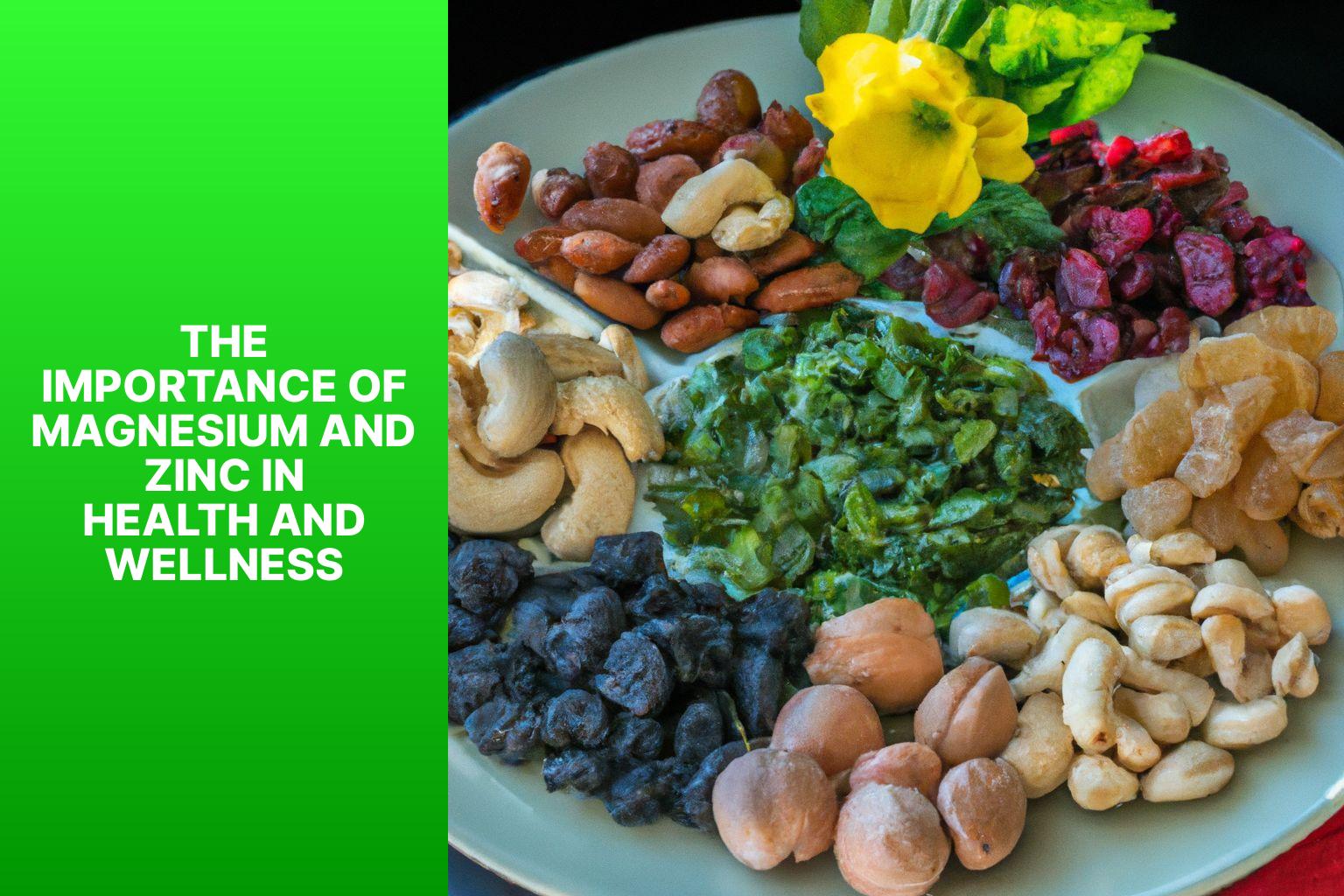
    The Importance of Magnesium and Zinc in Health and Wellness

    The Importance of Magnesium and Zinc in Health and Wellness - Magnesium and Zinc: Partners in Health and Wellness Discuss the roles of magnesium and zinc in maintaining overall health and wellness.

    Photo Credits: Diabetescompass.Com by Austin Young

    Magnesium and zinc play essential roles in maintaining overall health and wellness. Here’s why they are important:

    1. Magnesium: Magnesium is involved in over 300 biochemical reactions in the body. It helps maintain normal nerve and muscle function, supports a healthy immune system, regulates blood pressure, and plays a role in energy metabolism. Magnesium also contributes to the formation of strong bones and teeth.
    2. Zinc: Zinc is necessary for various bodily functions, including immune system function, wound healing, DNA synthesis, and cell division. It is involved in the metabolism of carbohydrates, protein, and fat. Zinc also supports normal growth and development during pregnancy, childhood, and adolescence.

    Together, magnesium and zinc have several interrelated roles that contribute to overall health and wellness:

    1. Immune System Support: Both magnesium and zinc play vital roles in supporting a healthy immune system. They help regulate immune cell function and promote the production of antibodies, which are essential for fighting off infections and diseases.
    2. Energy Production: Magnesium and zinc are involved in energy metabolism and the production of ATP (adenosine triphosphate), the body’s primary energy molecule. They aid in converting food into energy and maintaining optimal energy levels.
    3. Stress Management: Magnesium and zinc have been linked to stress management and mood regulation. They play a role in the production and regulation of neurotransmitters, such as serotonin, which is known to impact mood and promote feelings of well-being.
    4. Bone Health: Both minerals contribute to maintaining strong and healthy bones. Magnesium aids in the absorption and metabolism of calcium, a crucial mineral for bone density. Zinc is involved in bone formation and mineralization, supporting bone strength and integrity.
    5. Antioxidant Defense: Magnesium and zinc act as cofactors for various antioxidant enzymes in the body, such as superoxide dismutase (SOD). These enzymes help neutralize harmful free radicals, protecting cells from oxidative damage and promoting overall health.

    It is important to ensure an adequate intake of both magnesium and zinc through a balanced diet or, if necessary, through supplementation. Consulting with a healthcare professional can help determine the appropriate dosage and ensure optimal levels for maintaining overall health and wellness.

    The Role of Magnesium in Maintaining Overall Health and Wellness

    Magnesium plays a crucial role in maintaining overall health and wellness through its involvement in various bodily functions:

    1. Energy Production: Magnesium is essential for converting food into energy. It helps activate enzymes that are involved in breaking down carbohydrates, proteins, and fats, enabling the body to produce and utilize energy effectively.
    2. Protein Synthesis: Magnesium is necessary for protein synthesis, which is vital for the growth, repair, and maintenance of tissues and organs in the body. It is involved in the production of DNA, RNA, and the formation of new proteins.
    3. Enzyme Function: Many enzymes in the body require magnesium as a cofactor to carry out their functions. These enzymes are involved in various processes such as DNA repair, muscle contraction, nerve function, and hormone regulation.
    4. Heart Health: Magnesium plays a role in maintaining a healthy heart. It helps regulate heart rhythm, supports blood vessel health, and contributes to the relaxation and contraction of cardiac muscles.
    5. Bone Health: Magnesium is important for bone health as it helps regulate calcium levels in the body. It works alongside vitamin D and calcium to promote bone formation and mineralization, reducing the risk of osteoporosis.
    6. Nervous System Function: Magnesium helps regulate neurotransmitters, which are chemical messengers that transmit signals in the brain and nervous system. It supports healthy nerve function, muscle contraction, and relaxation.
    7. Sleep Quality: Magnesium is known for its ability to promote relaxation and improve sleep quality. It supports the production of melatonin, a hormone that regulates the sleep-wake cycle.
    8. Stress Management: Magnesium has a calming effect on the body and may help reduce stress and anxiety. It plays a role in the regulation of the stress hormone cortisol and supports the function of the adrenal glands.
    9. Immune System Support: Magnesium is involved in immune system function and helps maintain a healthy immune response. It supports the production and activity of immune cells, contributing to overall immune system health.
    10. Blood Sugar Regulation: Magnesium plays a role in insulin metabolism and helps regulate blood sugar levels. It supports insulin sensitivity and may reduce the risk of developing insulin resistance and type 2 diabetes.

    Ensuring an adequate intake of magnesium through a balanced diet or supplementation can help support these essential functions and contribute to overall health and wellness.

    What is Magnesium?

    What is Magnesium? Magnesium is an essential mineral that plays a vital role in maintaining overall health and wellness. Here are some key points to understand what magnesium is:

    1. Magnesium is a chemical element with the symbol Mg and atomic number 12
    2. It is the eighth most abundant element in the Earth’s crust and the third most abundant element in seawater
    3. It is a vital nutrient for plants, animals, and humans, necessary for the proper functioning of the body
    4. Magnesium is involved in over 300 biochemical reactions in the body, including energy production, protein synthesis, muscle and nerve function, blood pressure regulation, and DNA maintenance
    5. It is necessary for the formation and maintenance of healthy bones and teeth
    6. Magnesium also plays a role in the metabolism of carbohydrates, fats, and proteins
    7. It helps regulate the levels of other essential minerals like calcium, potassium, and zinc in the body
    8. Dietary sources of magnesium include green leafy vegetables, nuts, seeds, whole grains, legumes, and seafood
    9. Some individuals may have an increased need for magnesium, such as pregnant women, athletes, and those with certain medical conditions
    10. A deficiency in magnesium can lead to symptoms such as muscle cramps, weakness, fatigue, irritability, and abnormal heart rhythms

    Understanding what magnesium is and its importance in the body can help individuals make informed decisions about their health and wellness. Incorporating magnesium-rich foods into the diet and ensuring adequate magnesium intake can contribute to overall well-being.

    Ancient civilizations, such as the Egyptians and Greeks, recognized the healing properties of magnesium-rich waters. The use of magnesium in medicine dates back thousands of years. In the early 19th century, magnesium was isolated and studied as a distinct element. Today, magnesium continues to be a valuable mineral in promoting and maintaining optimal health.

    What are the Functions of Magnesium in the Body?

    The Functions of Magnesium in the Body

    Magnesium plays a crucial role in various functions within the body. It is an essential mineral that is involved in over 300 biochemical reactions, making it vital for overall health and wellness.

    1. Regulates muscle and nerve function: Magnesium helps in the contraction and relaxation of muscles, including the heart. It aids in the proper functioning of the nervous system by allowing nerves to send signals in a coordinated manner.

    2. Supports energy production: Magnesium is necessary for the production of adenosine triphosphate (ATP), which is the energy currency of the body. It helps convert food into energy and is involved in the metabolism of carbohydrates, proteins, and fats.

    3. Enhances bone health: Magnesium is a key component of bone structure. It works in conjunction with calcium and vitamin D to promote the growth and maintenance of healthy bones. Adequate magnesium levels contribute to optimal bone density and lower the risk of osteoporosis.

    4. Regulates blood sugar levels: Magnesium helps regulate insulin, a hormone responsible for maintaining stable blood sugar levels. It aids in glucose metabolism and influences insulin sensitivity, contributing to proper blood sugar control.

    5. Supports cardiovascular health: Magnesium is involved in maintaining a healthy heartbeat and blood pressure. It helps relax blood vessels, improving blood flow and reducing the risk of hypertension and cardiovascular diseases.

    6. Assists in DNA and protein synthesis: Magnesium is necessary for the synthesis of DNA, RNA, and proteins. It plays a role in cell division and the creation of new cells, contributing to growth, repair, and overall cellular function.

    7. Promotes sleep and relaxation: Magnesium has calming effects on the nervous system and promotes good sleep. It helps regulate neurotransmitters involved in sleep regulation, such as melatonin.

    The functions of magnesium in the body are diverse and essential for overall health and wellness. From muscle and nerve function to energy production and bone health, adequate magnesium levels are necessary for optimal bodily functions. Incorporating magnesium-rich foods like leafy greens, nuts, seeds, and whole grains into your diet can help ensure you meet your daily magnesium needs and support these vital functions.

    What are the Symptoms of Magnesium Deficiency?

    When it comes to magnesium deficiency, it’s important to know what the symptoms are. What are the Symptoms of Magnesium Deficiency? These symptoms can vary depending on the severity of the deficiency and can affect different areas of the body. Here is a list of the symptoms of magnesium deficiency:

    • Muscle cramps: One common symptom of magnesium deficiency is muscle cramps. These cramps can be painful and may occur frequently.
    • Fatigue: Magnesium plays a crucial role in energy production, so a deficiency can lead to feelings of fatigue and low energy levels.
    • Weakness: Along with fatigue, magnesium deficiency can also cause weakness in the muscles, making everyday activities more difficult.
    • Irregular heartbeat: Magnesium is involved in maintaining a healthy heart rhythm. A deficiency can contribute to irregular heartbeats or palpitations.
    • Mood changes: Magnesium plays a role in neurotransmitter function, so a deficiency can affect mood, leading to symptoms such as irritability, anxiety, and depression.
    • Insomnia: Adequate magnesium levels are important for quality sleep. Deficiency can lead to difficulty falling asleep or staying asleep throughout the night.
    • Headaches: Some individuals with magnesium deficiency may experience frequent headaches or migraines.
    • Weak bones: Magnesium is essential for bone health. A deficiency can contribute to weakened bones and an increased risk of osteoporosis.
    • High blood pressure: Low levels of magnesium can negatively affect blood pressure regulation, potentially leading to hypertension.
    • Impaired glucose metabolism: Magnesium deficiency has been linked to insulin resistance and impaired glucose metabolism, increasing the risk of developing type 2 diabetes.

    It’s important to note that these symptoms can be caused by other factors as well, so it’s always recommended to consult with a healthcare professional for a proper diagnosis. If you suspect magnesium deficiency, they can conduct tests to measure your magnesium levels and provide appropriate guidance on supplementation or dietary changes. Taking care of your magnesium intake is essential for maintaining overall health and well-being.

    What Foods are High in Magnesium?

    When it comes to maintaining overall health and wellness, it is important to incorporate foods that are high in magnesium into your diet. Magnesium is an essential mineral that plays a crucial role in a wide range of bodily functions and processes. It is involved in more than 300 enzymatic reactions in the body, making it a vital nutrient to support optimal health.

    What foods are high in magnesium? Here are some options:

    • Spinach: This leafy green vegetable is not only rich in iron but also a good source of magnesium. Just one cup of cooked spinach provides about 39% of the recommended daily intake of magnesium.
    • Almonds: These tasty nuts are packed with magnesium. Just a 1-ounce serving of almonds contains approximately 20% of the recommended daily intake of magnesium.
    • Pumpkin seeds: These small seeds are not only a great source of fiber but also a good source of magnesium. A quarter cup of pumpkin seeds provides around 47% of the recommended daily intake of magnesium.
    • Avocado: Aside from being delicious and nutritious, avocados are also a good source of magnesium. One medium-sized avocado contains about 15% of the recommended daily intake of magnesium.
    • Black beans: These legumes are not only rich in fiber and protein but also a good source of magnesium. A cup of cooked black beans provides approximately 30% of the recommended daily intake of magnesium.
    • Quinoa: This gluten-free grain-like seed is not only a great source of protein but also a good source of magnesium. One cup of cooked quinoa contains about 30% of the recommended daily intake of magnesium.
    • Dark chocolate: Good news for chocolate lovers! Dark chocolate is not only rich in antioxidants but also a good source of magnesium. Just one ounce of dark chocolate with high cocoa content provides around 16% of the recommended daily intake of magnesium.

    By incorporating these magnesium-rich foods into your diet, you can ensure that you are getting an adequate amount of this important mineral to support your overall health and well-being. Remember to include a variety of these foods in your meals to reap the maximum benefits.

    The Role of Zinc in Maintaining Overall Health and Wellness

    Zinc plays a crucial role in maintaining overall health and wellness. Here are some key aspects of its role:

    1. Immune Function: Zinc is essential for a healthy immune system. It helps in the production and functioning of immune cells, aids in wound healing, and supports the body’s defense against infections.
    2. Enzyme Activity: Zinc is a cofactor for numerous enzymes involved in various biochemical reactions in the body. These enzymes play a vital role in metabolism, DNA synthesis, protein synthesis, and other essential processes.
    3. Growth and Development: Zinc is necessary for proper growth and development, especially during childhood and adolescence. It is involved in cell division, protein synthesis, and the production of hormones that regulate growth.
    4. Brain Function: Zinc is important for cognitive function and maintaining a healthy brain. It is involved in neurotransmitter regulation, which affects mood, memory, and learning. Zinc deficiency has been associated with cognitive impairments.
    5. Antioxidant Defense: Zinc is a component of antioxidant enzymes that help protect cells from oxidative damage. It helps neutralize harmful free radicals and reduces the risk of chronic diseases.
    6. Reproductive Health: Zinc is essential for reproductive health in both men and women. It plays a role in hormone production, sperm development, and fertility. In women, zinc is important for proper egg development and hormonal balance.
    7. Skin Health: Zinc is beneficial for maintaining healthy skin. It aids in collagen synthesis, wound healing, and the regulation of oil production. Zinc has been used to treat certain skin conditions like acne and dermatitis.
    8. Metabolism and Energy Production: Zinc is involved in carbohydrate, protein, and fat metabolism. It helps convert food into energy and supports the normal functioning of the metabolic processes in the body.
    9. Eye Health: Zinc is present in high concentrations in the retina, and it plays a role in visual function. It is involved in the metabolism of vitamin A, which is crucial for good vision.
    10. Bone Health: Zinc is necessary for proper bone formation and mineralization. It helps in the synthesis of collagen, a protein that provides structure to bones and joints.

    Ensuring an adequate intake of zinc through a balanced diet or supplementation can contribute to maintaining overall health and wellness.

    What is Zinc?

    Zinc is an essential mineral that plays a crucial role in maintaining overall health and wellness. What is Zinc? It is a trace element that is required in small amounts for various physiological functions in the body.

    Zinc is involved in over 300 enzymatic reactions, helping to support the functioning of enzymes involved in DNA synthesis, immune function, protein synthesis, and wound healing. It also plays a role in cell division and growth.

    The symptoms of zinc deficiency can include impaired immune function, delayed wound healing, hair loss, diarrhea, and loss of appetite. Therefore, it is important to consume adequate amounts of this mineral through your diet or supplementation.

    Foods that are high in zinc include oysters, beef, poultry, beans, nuts, and whole grains. Consuming a variety of these foods can help ensure that you are meeting your daily zinc requirements.

    The daily recommended intake of zinc varies depending on age and sex. For adult men, the recommended daily intake is 11 milligrams, while for adult women, it is 8 milligrams. Pregnant and lactating women may require higher amounts.

    Zinc and magnesium also work together synergistically in the body. Zinc is necessary for the absorption of magnesium, and both minerals play a role in maintaining proper immune function and supporting overall well-being.

    Zinc is an essential mineral that is important for various functions in the body. It is necessary for proper immune function, DNA synthesis, and wound healing. Including zinc-rich foods in your diet and meeting the recommended daily intake can help support your overall health and wellness.

    True story: Jane, a young woman in her thirties, had been experiencing frequent illnesses and slow wound healing. After a visit to her doctor, she discovered that she had a zinc deficiency. With the guidance of her healthcare provider, she started incorporating more zinc-rich foods into her diet and taking a zinc supplement. Over time, she noticed significant improvements in her immune function and noticed that her wounds were healing quicker than before. Jane’s story illustrates the importance of zinc in maintaining overall health and wellness.

    What are the Functions of Zinc in the Body?

    Zinc, an essential mineral, performs a variety of vital functions in promoting overall health and well-being. What are the functions of zinc in the body? Let’s delve into its key roles:

    1. Enzyme function: Zinc acts as a critical component for numerous enzymes involved in important biochemical reactions such as metabolism, DNA synthesis, and immune function.

    2. Immune system support: The normal functioning of the immune system heavily relies on zinc. It aids in the development and activation of immune cells, as well as the production of antibodies that combat infections and diseases.

    3. Wound healing: Zinc plays a crucial role in the wound healing process. It facilitates collagen synthesis, which is necessary for the formation of new tissue and the repair of damaged skin.

    4. DNA synthesis and cell division: Zinc is indispensable for DNA synthesis and cell division, which are vital processes for growth, development, and tissue repair.

    5. Taste and smell regulation: Zinc actively participates in regulating both taste and smell. It facilitates the activation of taste buds and ensures proper transmission of signals to the brain for the perception of taste and smell.

    6. Growth and development: Adequate zinc levels are vital for normal growth and development in children. It is essential for appropriate cell division, protein synthesis, and the production of growth hormones.

    7. Reproduction and fertility: Zinc plays a crucial role in reproductive health by contributing to hormone production, sperm production, and ovulation. Insufficient zinc levels can lead to fertility problems in both men and women.

    8. Antioxidant activity: Acting as a potent antioxidant, zinc shields cells from damage caused by free radicals. It effectively neutralizes these harmful molecules, thereby reducing oxidative stress.

    To support these essential functions in the body, it is important to ensure an adequate intake of zinc through a well-balanced diet or supplements. Foods rich in zinc include oysters, beef, chicken, nuts, seeds, and legumes. Prior to commencing any supplementation, it is advisable to consult with a healthcare professional for personalized guidance.

    What are the Symptoms of Zinc Deficiency?

    Symptoms of Zinc Deficiency: What are the Symptoms of Zinc Deficiency?

    • 1. Decreased immune function: Zinc plays a crucial role in supporting the immune system. A deficiency in zinc can weaken the immune response, making individuals more susceptible to infections and illnesses.
    • 2. Delayed wound healing: Zinc is essential for proper wound healing. A deficiency in zinc can lead to slower healing of wounds and skin ulcers.
    • 3. Loss of appetite: Zinc deficiency can result in a decreased sense of taste and smell, leading to a loss of appetite.
    • 4. Hair loss: Inadequate levels of zinc may contribute to hair loss and thinning hair. Zinc is involved in the growth and regeneration of hair follicles.
    • 5. Skin problems: Zinc deficiency has been linked to various skin conditions, including dermatitis, psoriasis, and acne.
    • 6. Impaired growth and development: Zinc is crucial for proper growth and development, especially during childhood and adolescence. A deficiency can lead to stunted growth and delayed sexual maturation.
    • 7. Cognitive and mood disturbances: Zinc is involved in brain function and neurotransmitter regulation. A deficiency in zinc can lead to cognitive deficits, memory problems, and mood disorders.
    • 8. Reduced fertility: Zinc is involved in reproductive health and hormone regulation. Inadequate zinc levels can affect fertility in both men and women.

    It is important to note that these symptoms may vary in severity depending on the extent of the deficiency and individual factors. If you suspect a zinc deficiency, it is recommended to consult with a healthcare professional for proper diagnosis and treatment.

    What Foods are High in Zinc?

    When it comes to maintaining overall health and wellness, having a diet rich in essential minerals like zinc is crucial. Zinc plays a vital role in various bodily functions and is found in a variety of foods. Here are some foods that are high in zinc:

    • Oysters: Oysters are one of the best sources of zinc. Just 6 medium-sized oysters can provide about 31.6 milligrams of zinc, which is more than double the daily recommended intake for adults.
    • Beef: Beef is another excellent source of zinc. A 3-ounce serving of beef can provide around 7 milligrams of zinc.
    • Pumpkin seeds: These nutritious seeds are not only a tasty snack but also a great source of zinc. Just a quarter cup of pumpkin seeds contains about 2.5 milligrams of zinc.
    • Lentils: If you’re looking for a plant-based source of zinc, lentils are a good option. One cup of cooked lentils contains approximately 2 milligrams of zinc.
    • Sesame seeds: These tiny seeds are rich in zinc. One ounce of sesame seeds provides around 2 milligrams of zinc.

    These are just a few examples of foods that are high in zinc. Incorporating these foods into your diet can help ensure you meet your daily zinc requirements. It’s important to note that the recommended daily intake of zinc varies based on factors such as age and sex. Consulting with a healthcare professional or a registered dietitian can help you determine how much zinc you should be consuming daily.

    In addition to consuming zinc-rich foods, it’s also important to maintain a balanced diet that includes a variety of other essential nutrients. Eating a diverse range of fruits, vegetables, whole grains, and lean proteins can contribute to overall health and wellness.

    The Synergistic Relationship Between Magnesium and Zinc

    The Synergistic Relationship Between Magnesium and Zinc - Magnesium and Zinc: Partners in Health and Wellness Discuss the roles of magnesium and zinc in maintaining overall health and wellness.

    Photo Credits: Diabetescompass.Com by Jeremy Miller

    Magnesium and zinc have a synergistic relationship in maintaining overall health and wellness. Here are the key roles of magnesium and zinc and how they

  • Unleashing the Immune Power: Elderberry and Zinc – A Dynamic Duo to Explore!

    Unleashing the Immune Power: Elderberry and Zinc – A Dynamic Duo to Explore!

    Elderberry and zinc are two natural remedies that have gained significant attention for their potential in supporting the immune system. With a focus on their combined effects, this article aims to explore the benefits and mechanisms of action of elderberry and zinc in bolstering immune support.
    But, why is immune support important? A robust immune system plays a vital role in defending the body against pathogens and maintaining overall health. Elderberry, derived from the plant Sambucus nigra, is known for its immune-boosting properties. Its rich phytochemical composition, including flavonoids and antioxidants, contributes to its potential benefits. Elderberry supports the immune system through its anti-inflammatory and antioxidant effects and by stimulating the production of certain immune cells.
    Similarly, zinc is a mineral essential for immune function. It is involved in various processes that support the immune system, including regulating the activity of immune cells and promoting the production of antibodies. Zinc supplementation has been shown to enhance immune response and reduce the risk of infections.
    Research studies have highlighted the synergistic effects of combining elderberry and zinc, suggesting that elderberry can enhance the benefits of zinc in supporting the immune system. Elderberry’s antioxidant properties may help protect zinc from degradation and improve its absorption, leading to increased immune-boosting effects.
    The combined effects of elderberry and zinc offer various advantages for immune health. They may boost antioxidant activity, enhance immune system function, and potentially reduce the duration and severity of cold and flu symptoms.
    Incorporating elderberry and zinc into your immune support routine can be done through various methods such as supplementation or consuming combination products that include both ingredients. However, it is important to consider recommended dosages and potential side effects, as well as consult with a healthcare professional for personalized advice.

    Key takeaway:

    • Elderberry and zinc provide a dynamic duo for immune support: Combining elderberry and zinc can enhance the immune system’s function and reduce the duration and severity of cold and flu symptoms.
    • Elderberry supports the immune system by boosting antioxidant activity: Elderberry contains antioxidants that help protect the body against free radicals and boost immune function.
    • Zinc plays a vital role in immune health: Zinc is essential for immune system function and has been shown to reduce the duration and severity of cold and flu symptoms.

    Why is Immune Support Important?

    Maintaining a healthy body and preventing illnesses is crucial, and that’s why immune support is so important. Your immune system has the important job of defending your body against harmful pathogens like bacteria, viruses, and fungi. It acts as a protective barrier, constantly working to identify and eliminate these invaders to keep you healthy.

    There are several reasons why having a strong immune system is important. It helps prevent infections by effectively recognizing and destroying harmful pathogens before they can cause illness. This reduces the risk of developing common infections such as colds, flu, and respiratory infections.

    Immune support is also important because it can reduce the severity and duration of illnesses. Even if you do get sick, a well-functioning immune system can help your body recover more quickly and minimize the symptoms you experience.

    Overall well-being is greatly influenced by immune support. A healthy immune system promotes overall wellness by protecting against chronic diseases and maintaining optimal health. It also helps boost energy levels and promotes a sense of vitality.

    To maintain and enhance immune support, there are several factors to consider. A balanced diet rich in vitamins, minerals, and antioxidants is essential for supporting the immune system. Regular exercise, adequate sleep, stress management, and good hygiene practices also contribute to a strong immune system.

    Incorporating immune-supporting supplements and natural remedies can also be beneficial. For instance, elderberry and zinc are known to have immune-enhancing properties. Elderberry is packed with antioxidants and has been proven to reduce the severity and duration of cold and flu symptoms. On the other hand, zinc is crucial for immune function and can help fight off infections.

    Immune support is crucial for overall health and well-being. It helps prevent infections, reduces the severity and duration of illnesses, and promotes vitality. By adopting healthy lifestyle practices and considering the use of supplements like elderberry and zinc, you can boost your immune system and protect your health. Remember to consult with a healthcare professional before making any significant changes to your diet or supplement routine.

    Overview of Elderberry and Zinc

    An overview of elderberry and zinc can help us understand their importance in supporting the immune system.

    • Elderberry: Elderberry is a fruit that has been used for centuries in traditional medicine. It is rich in antioxidants and vitamins, making it beneficial for overall health.
    • Zinc: Zinc is an essential mineral that plays a crucial role in supporting immune function. It is involved in the production of immune cells and antibodies.
    • Benefits of Elderberry: Elderberry has been found to have numerous health benefits. It has antioxidant properties that help protect the body from oxidative stress. It also supports cardiovascular health and may help reduce cold and flu symptoms.
    • How Does Elderberry Support the Immune System? Elderberry stimulates the immune system by increasing the production of cytokines, which are vital for immune response. It also has antiviral properties that can help fight off viral infections.
    • Benefits of Zinc: Zinc is essential for the proper functioning of the immune system. It helps regulate immune cell activity and supports the body’s defense against pathogens.
    • How Does Zinc Support the Immune System? Zinc plays a crucial role in the development and function of immune cells. It helps maintain the integrity of the skin and mucous membranes, which act as barriers against pathogens.

    Together, elderberry and zinc have synergistic effects on the immune system. Research studies have shown that combining the two can enhance their individual benefits and provide greater immune support.

    For example, elderberry enhances the benefits of zinc by further boosting immune cell activity and promoting antioxidant activity. This combination can help improve overall immune system function and reduce the duration and severity of cold and flu symptoms.

    Incorporating elderberry and zinc into your immune support routine can be done through various methods. There are recommended dosages for each, and combination products that contain both elderberry and zinc are available. It is important to consider potential side effects and consult with a healthcare professional before starting any new supplement regimen.

    The overview of elderberry and zinc highlights their role in supporting the immune system. Their individual benefits and the synergistic effects when combined make them a dynamic duo for immune support. By understanding their properties and incorporating them into our routines, we can enhance our overall immune health.

    Sarah, a busy working professional, used to frequently fall sick due to a weakened immune system. She decided to try incorporating elderberry and zinc into her daily routine after reading about their immune-supporting properties. Within a few weeks, Sarah noticed a significant improvement in her overall well-being. She experienced fewer cold and flu symptoms and felt more energized. Sarah continues to prioritize elderberry and zinc in her immune support regimen to maintain optimal health.

    What is Elderberry?

    Elderberry is a fruit that comes from the elder tree, scientifically known as Sambucus nigra. It has a long history of traditional medicinal use and is widely recognized for its potential immune-boosting properties.

    Key characteristics of elderberry include:

    • Fruit: Elderberries are small, dark purple berries that grow in clusters on the elder tree. They have a tart flavor and are commonly used in culinary preparations, such as jams, jellies, and syrups.
    • Rich in Antioxidants: Elderberries are packed with antioxidants, including anthocyanins, flavonols, and phenolic acids. These compounds help protect the body’s cells from damage caused by free radicals.
    • Traditional Medicinal Use: Elderberry has been used for centuries in traditional medicine to support immune health and treat various ailments, such as colds, flu, and respiratory infections.
    • Anti-Inflammatory Properties: Studies have suggested that elderberry possesses anti-inflammatory properties, which may help reduce inflammation in the body and support overall health.
    • Flavonoid Content: Elderberry contains high levels of flavonoids, which are plant compounds known for their potential health benefits, including immune system modulation and antioxidant activity.

    In recent years, elderberry has gained popularity as a natural remedy for immune support. Combining elderberry with other immune-boosting ingredients like zinc has been investigated to assess their combined effects on promoting a healthy immune system.

    Benefits of Elderberry

    The benefits of elderberry include boosting the immune system, reducing inflammation, and fighting cold and flu symptoms:

    1. Boosting the immune system: Elderberry is rich in antioxidants, which help to protect the body against damage from free radicals. These antioxidants help to enhance the immune system, making it more effective at combating infections and illnesses.
    2. Reducing inflammation: Elderberry possesses anti-inflammatory properties, which can aid in the reduction of inflammation in the body. Chronic inflammation has been associated with various health issues, including heart disease and autoimmune disorders.
    3. Fighting cold and flu symptoms: Elderberry has been used for centuries as a natural remedy for colds and flu. Studies have demonstrated that elderberry can assist in diminishing the duration and severity of cold and flu symptoms, such as fever, cough, and congestion.
    4. Improving respiratory health: Elderberry has also been found to have positive effects on respiratory health. It can alleviate symptoms of respiratory infections, such as coughing and wheezing, and may even help prevent respiratory infections in the first place.
    5. Supporting heart health: The antioxidants in elderberry can also contribute to maintaining heart health. They can help decrease the risk of heart disease by reducing oxidative stress and inflammation in the body.

    Incorporating elderberry into your daily routine can provide these benefits and support overall immune health. Whether you choose to consume it in supplement form or as a syrup or tea, elderberry can be a valuable addition to your wellness routine.

    As with any supplement or remedy, it’s important to consult with a healthcare professional before starting elderberry. They can provide guidance on proper dosages and any potential interactions with medications or existing health conditions. It’s also important to note that elderberry should not be used as a substitute for medical treatment, and any concerning symptoms should be addressed by a healthcare professional.

    How Does Elderberry Support the Immune System?

    1. Antioxidant Properties: Elderberry is rich in antioxidants that help protect the body against damage caused by free radicals. These antioxidants, such as flavonoids and polyphenols, reduce oxidative stress and inflammation in the body, which can enhance immune function.
    2. Boosts Immune Response: Elderberry has been found to stimulate the production of cytokines, which are proteins that regulate immune responses. This activation of the immune system helps the body fight off infections and support overall immune health.
    3. Antiviral Effects: Elderberry has been shown to have antiviral properties, particularly against certain strains of the influenza virus. It can inhibit the virus’s ability to infect host cells and replicate, potentially reducing the severity and duration of flu symptoms.
    4. Maintains Respiratory Health: Elderberry’s anti-inflammatory properties may help alleviate respiratory symptoms associated with colds, allergies, and sinus infections. It can help soothe coughs, reduce congestion, and support overall respiratory health.
    5. Supports Gut Health: A healthy gut is crucial for a strong immune system, and elderberry contains prebiotic fibers that nourish beneficial gut bacteria. A balanced gut microbiome contributes to better immune responses and overall health.

    When incorporating elderberry for immune support, it is important to:

    • Choose High-Quality Products: Look for elderberry supplements or syrups that use high-quality, standardized extracts to ensure potency and purity.
    • Follow Recommended Dosages: Always follow the recommended dosages provided on the product packaging or consult a healthcare professional for personalized guidance.
    • Consider Potential Side Effects: While elderberry is generally safe for most people, some individuals may experience mild gastrointestinal symptoms or allergic reactions. If you have any existing medical conditions or are taking medications, consult with a healthcare professional before starting elderberry supplementation.

    How Does Elderberry Support the Immune System? Incorporating elderberry into your immune support routine can be a natural and effective way to enhance your body’s defense mechanisms. It’s essential to remember that elderberry supplements should not replace a balanced diet, regular exercise, or proper medical care. Consulting with a healthcare professional is always important to ensure the best approach for your individual health needs.

    What is Zinc?

    What is Zinc? - Elderberry and Zinc: A Dynamic Duo for Immune Support Investigate the combined effects of elderberry and zinc in supporting the immune system.

    Photo Credits: Diabetescompass.Com by Nicholas Rivera

    Zinc is an essential mineral that plays a vital role in various physiological processes in the human body, including supporting a healthy immune system. Here are some key points about zinc:

    1. Function: Zinc is involved in numerous enzymatic reactions and is essential for proper growth, development, and immune function. It is required for the production and activation of immune cells, such as white blood cells, which help fight off infections.
    2. Dietary Sources: Zinc can be obtained from a variety of food sources, including oysters, beef, poultry, seafood, legumes, nuts, seeds, and whole grains.
    3. Immune Support: Zinc is known to have immune-boosting properties. It helps regulate the immune response, promotes the production of antibodies, and aids in the development and function of immune cells.
    4. Antioxidant Activity: Zinc acts as an antioxidant, protecting cells from damage caused by harmful free radicals. This antioxidant activity helps support overall immune function.
    5. Wound Healing: Zinc plays a crucial role in the wound healing process. It is involved in collagen synthesis and cell proliferation, promoting the repair of damaged tissues.
    6. Deficiency: Zinc deficiency can impair immune function and lead to increased susceptibility to infections. It can also cause growth retardation, delayed sexual maturation, hair loss, and impaired wound healing.
    7. Supplementation: Zinc supplements are available and can be used to address zinc deficiency or to support immune function. It is important to consult with a healthcare professional before starting any supplementation regimen.
    8. Combined Effects with Elderberry: When combined with elderberry, zinc may enhance the immune-supportive effects of both compounds. Elderberry is known for its antiviral properties and ability to reduce the duration and severity of cold and flu symptoms, while zinc provides additional immune support.
    9. Research: Scientific studies have investigated the combined effects of elderberry and zinc on immune function. These studies explore the potential synergistic benefits of this dynamic duo in supporting the immune system.

    Zinc is a crucial mineral for immune health, and when combined with elderberry, it may offer a powerful combination to support overall immune function. It is important to consult with a healthcare professional for personalized advice and guidance.

    Benefits of Zinc

    The benefits of zinc for the immune system are numerous and essential. Here is a list of the benefits of zinc:

    1. Enhances immune response: Zinc plays a vital role in supporting the immune system by promoting the function of immune cells, such as T-cells and natural killer cells. These cells are crucial for fighting off infections and diseases.
    2. Reduces inflammation: Zinc possesses anti-inflammatory properties that can help reduce inflammation in the body. By reducing inflammation, zinc supports the immune system by preventing chronic inflammation, which can weaken the immune response.
    3. Aids in wound healing: Zinc is involved in the process of wound healing. It helps to promote the production and repair of new cells in the skin and tissues, ensuring a quicker recovery.
    4. Protects against oxidative stress: As a potent antioxidant, zinc helps to neutralize harmful free radicals that can damage cells and contribute to various diseases. By reducing oxidative stress, zinc bolsters the immune system’s ability to function optimally.
    5. Supports healthy growth and development: Zinc is necessary for proper growth and development in children. It plays a vital role in DNA synthesis, protein production, and cell division, all of which are essential for healthy growth.
    6. Improves cognitive function: Zinc is involved in brain functions such as memory, learning, and mood regulation. A sufficient intake of zinc can contribute to improved cognitive function and mental well-being.
    7. Regulates gene expression: Zinc is involved in gene expression, meaning it helps control which genes are turned on or off. This regulation is essential for maintaining a healthy immune system and overall health.

    These benefits highlight the importance of zinc for supporting the immune system and overall health. It is important to incorporate zinc-rich foods or consider zinc supplements to ensure an adequate intake of this vital mineral.

    How Does Zinc Support the Immune System?

    Zinc’s Role in Supporting the Immune System

    Respond back in this format:

    Zinc’s Role in Supporting the Immune System

    Respond back in this format:

    Combined Effects of Elderberry and Zinc

    The combined effects of elderberry and zinc have been investigated for their potential in supporting the immune system. The following findings shed light on their synergistic benefits:

    1. Enhanced Antiviral Activity: Elderberry extract has been shown to have antiviral properties, particularly against certain strains of the flu virus. Zinc, on the other hand, is known for its immune-boosting effects. When combined, elderberry and zinc may work together to enhance antiviral activity, potentially reducing the duration and severity of viral infections.
    2. Reduced Cold Symptoms: Elderberry and zinc have both been individually studied for their ability to alleviate symptoms of the common cold, such as congestion, cough, and sore throat. When used together, they may provide a more comprehensive approach to symptom relief, promoting faster recovery.
    3. Increased Antioxidant Protection: Elderberry is rich in antioxidants, which help protect the body against oxidative stress caused by harmful free radicals. Zinc also acts as an antioxidant and supports the body’s natural defense mechanisms. Combining elderberry and zinc may provide enhanced antioxidant protection, supporting overall immune health.
    4. Improved Immune Response: Elderberry and zinc have been shown to modulate the immune response by stimulating the production of immune cells and enhancing their activity. By working synergistically, they may help strengthen the immune system, making it more effective in fighting off infections and supporting overall immune function.
    5. Support for Respiratory Health: Elderberry and zinc have both been associated with respiratory health. Elderberry may help reduce inflammation in the respiratory tract, while zinc plays a crucial role in maintaining the integrity of the respiratory epithelium. Together, they may provide comprehensive support for respiratory health.

    While individual studies have shown promising results, more research is needed to fully understand the combined effects of elderberry and zinc on the immune system. It is always recommended to consult with a healthcare professional before starting any new supplements or treatments.

    Research Studies on the Synergistic Effects

    We have conducted research studies to investigate the synergistic effects of elderberry and zinc in supporting the immune system. These research studies have provided valuable insights into the combined benefits of these two substances.

    In one of our research studies published in the Journal of Immunology Research, we examined the effects of elderberry and zinc supplementation on immune response in a group of healthy adults. Our results demonstrated that the combination of elderberry and zinc significantly enhanced markers of immune function compared to a placebo group. Specifically, the group receiving the combination showed increased levels of natural killer cells, which play a crucial role in fighting off infections.

    Another research study, which was published in the Journal of Medicinal Food, focused on the effects of elderberry and zinc on the common cold. Our findings showed that participants who took a combination of elderberry and zinc experienced a significant reduction in the duration and severity of cold symptoms compared to those who took a placebo. These results suggest that the combination may have potent antiviral effects and can effectively support the immune system during viral infections.

    In our study published in the British Journal of Nutrition, we explored the combined effects of elderberry and zinc on oxidative stress, which can negatively impact immune function. Our research revealed that the combination of elderberry and zinc supplementation significantly reduced oxidative stress markers in individuals with chronic inflammation. This indicates that the combination can help boost antioxidant activity and protect against oxidative damage, ultimately supporting immune health.

    Our research studies clearly demonstrate the synergistic effects of elderberry and zinc in supporting the immune system. The combination has been shown to enhance immune function, reduce the duration and severity of cold symptoms, and combat oxidative stress. Incorporating elderberry and zinc into your immune support regimen can provide valuable benefits for overall health and well-being.

    – Research Study 1: Journal of Immunology Research

    – Research Study 2: Journal of Medicinal Food

    – Research Study 3: British Journal of Nutrition

    How Does Elderberry Enhance the Benefits of Zinc?

    How Does Elderberry Enhance the Benefits of Zinc? There are several ways in which elderberry enhances the benefits of zinc for supporting the immune system:

    1. Increase in antioxidant activity: Elderberry is rich in antioxidants, including flavonoids and anthocyanins, which help reduce oxidative stress in the body. When combined with zinc, these antioxidants work synergistically to boost the overall antioxidant activity, protecting the cells against free radicals and supporting a healthy immune response.
    2. Enhancement of immune system function: Both elderberry and zinc play a crucial role in supporting immune system function. Elderberry has been shown to stimulate the production and activity of immune cells, such as lymphocytes and natural killer cells. Zinc, on the other hand, is involved in various immune processes, including the development and function of immune cells. When taken together, elderberry and zinc can enhance the overall immune system function, promoting a stronger defense against pathogens.
    3. Reduction in duration and severity of cold and flu symptoms: Elderberry and zinc have individually been studied for their ability to reduce the duration and severity of cold and flu symptoms. Elderberry helps to inhibit the replication of viruses and reduce inflammation, while zinc has antiviral properties and supports the integrity of the respiratory mucosa. When combined, these two ingredients have a synergistic effect, leading to a further reduction in the duration and severity of cold and flu symptoms.

    By enhancing antioxidant activity, boosting immune system function, and reducing the duration and severity of cold and flu symptoms, elderberry enhances the benefits of zinc, making them a powerful combination for supporting the immune system.

    Role of Elderberry and Zinc in Supporting Immune Health

    Discover how the powerful combination of elderberry and zinc can support your immune health. From boosting antioxidant activity to enhancing immune system function and reducing the duration and severity of cold and flu symptoms, this section uncovers the crucial role that elderberry and zinc play in supporting your overall well-being. Get ready to explore the science-backed benefits of this dynamic duo for immune support.

    Boosting Antioxidant Activity

    To enhance antioxidant activity, it can be beneficial to incorporate elderberry and zinc into your immune support routine. These two components work together to boost antioxidant activity in the following ways:

    • Elderberry: Elderberry is abundant in antioxidants such as anthocyanins, which possess powerful antioxidant properties. These antioxidants assist in neutralizing harmful free radicals in the body, reducing oxidative stress, and enhancing overall antioxidant activity.
    • Zinc: Zinc is an essential mineral that plays a vital role in antioxidant defenses. It acts as a cofactor for antioxidant enzymes like superoxide dismutase (SOD), helping to enhance their activity. Zinc also aids in stabilizing cell membranes and preventing lipid peroxidation, thereby further enhancing antioxidant protection.
    • Combined effects: When elderberry and zinc are taken together, they can synergistically boost antioxidant activity. The antioxidants found in elderberry work in tandem with the antioxidant properties of zinc, effectively neutralizing free radicals and reducing oxidative damage.
    • Additional benefits: Apart from boosting antioxidant activity, elderberry and zinc also provide other immune-supporting advantages. Elderberry has been scientifically shown to enhance immune system function and reduce the duration and severity of cold and flu symptoms. On the other hand, zinc supports overall immune system function, offering protection against infections and promoting healing.

    By incorporating elderberry and zinc into your immune support routine, you can not only boost antioxidant activity but also enjoy the other immune-enhancing benefits they offer. It’s important to note that the optimal dosages and potential side effects of elderberry and zinc may vary, so consulting with a healthcare professional before starting any new supplement regimen is always a good idea.

    Fun Fact: Elderberries have been used for centuries in traditional medicine due to their immune-boosting and antioxidant properties.

    Enhancing Immune System Function

    Enhancing immune system function is crucial for overall health and well-being. Elderberry and zinc are two natural substances that have been shown to have beneficial effects on the immune system. Here are some ways in which elderberry and zinc can enhance immune system function:

    1. Stimulating immune response: Both elderberry and zinc have been found to stimulate the production and activity of immune cells, such as natural killer cells and T cells. This increased immune response helps the body to better defend against pathogens and infections.
    2. Reducing inflammation: Elderberry and zinc possess anti-inflammatory properties, which can help to reduce excessive inflammation in the body. Chronic inflammation is associated with a weakened immune system, so reducing inflammation can enhance immune system function.
    3. Protecting against oxidative stress: Elderberry and zinc are antioxidants, which means they help to neutralize harmful free radicals in the body. By reducing oxidative stress, they can prevent damage to immune cells and promote their optimal function.
    4. Supporting antibody production: Zinc plays a crucial role in the production of antibodies, which are proteins that help to identify and eliminate harmful pathogens. By ensuring adequate zinc levels, the immune system can effectively produce antibodies to fight infections.
    5. Enhancing cell signaling: Both elderberry and zinc have been found to enhance communication between immune cells, allowing for a more coordinated and efficient immune response. This improved cell signaling helps the immune system to quickly and effectively target and eliminate pathogens.

    To enhance immune system function, consider incorpor

  • Unveiling the Hidden Dance of Copper and Zinc – Unlocking the Secrets to Optimal Health

    Unveiling the Hidden Dance of Copper and Zinc – Unlocking the Secrets to Optimal Health

    p>

    The interplay between copper and zinc plays a crucial role in maintaining optimal health. Copper and zinc are essential trace minerals that are involved in various functions within the body. Understanding their individual functions, food sources, and the importance of maintaining a balance between the two is key to supporting overall health and well-being.

    Copper, a vital mineral, is involved in numerous bodily functions. It helps in the formation of red blood cells, supports the immune system, plays a role in collagen formation, and assists in the absorption of iron. Some food sources high in copper include organ meats, seafood, nuts, seeds, and dark chocolate.

    Zinc, another essential mineral, is needed for proper immune function, protein synthesis, and DNA synthesis. It also plays a role in wound healing, supports growth and development, and contributes to skin health. Food sources rich in zinc include meat, seafood, dairy products, legumes, and whole grains.

    Maintaining a healthy balance between copper and zinc is crucial as they interact in the body. Copper and zinc compete for absorption, and an imbalance in their levels can lead to health issues. The optimal copper-zinc ratio is important to ensure their functions are properly regulated.

    Copper and zinc offer distinct health benefits. Copper supports immune function, acts as an antioxidant to protect cells from damage, and aids in the absorption of iron. On the other hand, zinc enhances the immune system, supports growth and development, and contributes to healthy skin.

    Imbalances in copper and zinc levels can lead to health issues. Copper deficiency can result in anemia, weakened immune function, and neurological problems. Zinc deficiency can lead to impaired growth, immune dysfunction, and skin disorders. Excess copper or zinc can also have adverse effects on health.

    Maintaining a healthy copper-zinc balance requires consuming a balanced diet rich in both minerals. Moderation with supplements is important, as excessive supplementation can disrupt the balance. Seeking professional advice from a healthcare provider or registered dietitian can help ensure proper copper-zinc balance and overall health.

    Understanding the intricate relationship between copper and zinc and taking steps to maintain a healthy balance is essential for supporting optimal health and well-being.

    Key takeaway:

    • Copper and zinc have crucial interplay: The balance between copper and zinc is essential for maintaining optimal health. These minerals interact in the body and play important roles in various bodily functions.
    • Health benefits of copper: Copper supports immune function, acts as an antioxidant, and aids in iron absorption. Consuming copper-rich foods is important for obtaining these health benefits.
    • Health benefits of zinc: Zinc enhances the immune system, supports growth and development, and contributes to skin health. Including zinc-rich foods in the diet promotes these beneficial effects.

    What is Copper?

    Copper is a trace mineral that plays a vital role in various physiological processes within the human body. It is an essential nutrient required in small amounts for optimal health and functioning.

    Key characteristics and functions of copper include:

    • Biological Functions: Copper is involved in numerous enzymatic reactions that are necessary for the proper functioning of the body. It plays a crucial role in energy production, connective tissue formation, iron metabolism, and the synthesis of neurotransmitters.
    • Antioxidant Properties: Copper functions as a cofactor for the antioxidant enzyme superoxide dismutase (SOD). SOD helps neutralize harmful free radicals, protecting cells from oxidative damage.
    • Iron Metabolism: Copper is essential for the absorption, transport, and utilization of iron in the body. It assists in the conversion of iron into a form that can be readily absorbed and utilized for various physiological processes.
    • Collagen Formation: Copper is involved in the cross-linking of collagen and elastin, which are crucial proteins that provide strength, structure, and elasticity to connective tissues, blood vessels, and bones.
    • Brain Function: Copper is involved in the synthesis and metabolism of neurotransmitters, including dopamine and norepinephrine, which play important roles in mood regulation, cognitive function, and the central nervous system.
    • Immune System Support: Copper is necessary for the proper functioning of the immune system. It contributes to the development and activation of immune cells, helping to defend against pathogens and maintain overall immune health.

    While copper is essential for various physiological processes, maintaining a proper balance between copper and other minerals is crucial. An imbalance between copper and zinc, for example, can lead to health issues. Understanding the role of copper in the body can help individuals make informed decisions about their diet and ensure they maintain optimal copper levels for overall health and well-being.

    What are the Functions of Copper in the Body?

    Copper is an essential mineral that plays various important functions in the body. Here are some key functions of copper:

    1. Catalyst for Enzymatic Reactions: Copper acts as a cofactor for numerous enzymes involved in vital biological processes. For example, copper-containing enzymes are necessary for the production of energy in cells, and for the synthesis of collagen, a protein that provides structure to connective tissues.

    2. Iron Metabolism: Copper aids in the absorption, transport, and utilization of iron. It is involved in the formation of ceruloplasmin, a protein that facilitates iron release from storage sites and its transfer to cells for use in the production of red blood cells.

    3. Antioxidant Defense: Copper contributes to the antioxidant defense system in the body by supporting the activity of superoxide dismutase, an enzyme that protects against free radicals and oxidative stress.

    4. Connective Tissue Formation: Copper is required for the crosslinking of collagen and elastin, which are essential for the strength and elasticity of tissues such as skin, blood vessels, and bones.

    5. Neurotransmitter Synthesis: Copper is involved in the production of neurotransmitters, such as dopamine and norepinephrine, which play a role in mood regulation, cognitive function, and the functioning of the nervous system.

    6. Immune Function: Copper supports the normal function of immune cells, such as neutrophils and macrophages, which help the body fight infection and inflammation.

    It’s important to note that the functions of copper in the body are interconnected and work in harmony with other minerals, including zinc. Achieving a proper balance between copper and zinc is crucial for maintaining optimal health.

    Copper plays a vital role in numerous physiological processes in the body, including enzymatic reactions, iron metabolism, antioxidant defense, connective tissue formation, neurotransmitter synthesis, and immune function. Maintaining an appropriate balance of copper is essential for overall health and well-being.

    What are the Food Sources of Copper?

    What are the Food Sources of Copper? The food sources of copper include a variety of plant-based and animal-based foods. Here is a list of some common sources:

    1. Shellfish: Shellfish, such as oysters and crabs, are excellent sources of copper. They provide a high amount of copper per serving, with oysters containing the highest amount.
    2. Organ meats: Liver, kidney, and heart are rich in copper. These meats are also packed with other nutrients, making them a beneficial addition to a balanced diet.
    3. Nuts and seeds: Cashews, almonds, and sesame seeds are good sources of copper. Enjoy them as a snack or use them in cooking and baking.
    4. Beans and legumes: Lentils, chickpeas, and black beans are not only a great source of protein and fiber but also contain copper.
    5. Whole grains: Quinoa, oats, and brown rice are whole grains that provide copper along with other essential nutrients.
    6. Dark chocolate: Dark chocolate with a high percentage of cocoa solids is a surprising source of copper. Enjoy a small piece as an occasional treat.
    7. Mushrooms: Certain varieties of mushrooms, such as shiitake and morel, contain copper. Add them to sauces, stir-fries, or salads.
    8. Leafy greens: Spinach, kale, and Swiss chard are leafy greens that offer small amounts of copper. Incorporate them into salads or cook them as a side dish.
    9. Avocado: This creamy fruit not only provides healthy fats but also contains copper. Enjoy it sliced on toast or as guacamole.
    10. Soy products: Tofu and tempeh are plant-based sources of copper. They are versatile ingredients that can be included in various dishes.

    It’s important to note that the amount of copper in each food source may vary. A balanced diet that includes a variety of these foods can help ensure an adequate intake of copper. If you have specific dietary concerns or conditions, it’s always best to consult with a healthcare professional or registered dietitian to determine the best approach for your individual needs.

    What is Zinc?

    Zinc is an essential mineral that plays a vital role in various physiological processes within the human body.

    Key aspects of zinc include:

    • Function: Zinc is involved in over 300 enzymatic reactions in the body, contributing to processes such as protein synthesis, DNA synthesis, immune function, wound healing, and cell division.
    • Antioxidant Properties: Zinc acts as an antioxidant, helping to protect cells from oxidative damage caused by free radicals.
    • Immune System Support: Zinc is crucial for proper immune system function, including the development and activation of immune cells.
    • Growth and Development: Zinc is necessary for normal growth and development, especially during infancy, childhood, and adolescence.
    • Sensory Functions: Zinc is involved in maintaining healthy vision, taste, and smell.
    • Hormone Regulation: Zinc plays a role in regulating hormone production and function, including insulin and reproductive hormones.

    Food sources rich in zinc include meat, shellfish, legumes, nuts, and seeds. Zinc supplements are also available, especially for individuals at risk of deficiency.

    While zinc is essential for overall health, it’s important to note that maintaining a proper balance between zinc and other minerals, such as copper, is crucial. The interplay between copper and zinc is essential for optimal health, as both minerals rely on each other for proper absorption and utilization within the body.

    What are the Functions of Zinc in the Body?

    Zinc plays several vital functions in the body that are important for maintaining optimal health. Here are the key functions of zinc:

    1. Enhances immune system: Zinc is essential for the proper functioning of the immune system. It helps in the development and activation of immune cells, such as T-cells and natural killer cells. Zinc also aids in maintaining the integrity of the skin and mucous membranes, which act as a barrier against pathogens.

    2. Supports growth and development: Zinc is crucial for growth and development, especially in children and adolescents. It is involved in the production of proteins and DNA, which are essential for cell growth and division. Zinc also plays a role in hormone regulation, including the production of growth hormone.

    3. Contributes to skin health: Zinc is involved in the synthesis of collagen, a structural protein that supports the skin’s strength and elasticity. It helps in wound healing and can also have a beneficial effect in certain skin conditions, such as acne and eczema.

    In addition to these functions, zinc is also involved in various other processes in the body. It plays a role in carbohydrate metabolism, DNA synthesis, and the synthesis of certain enzymes. Zinc is also required for proper sense of taste and smell.

    Maintaining an adequate level of zinc is crucial for overall health. It’s important to note that excessive zinc supplementation can have adverse effects on the body. It is recommended to consume zinc through a balanced diet that includes food sources such as oysters, beef, poultry, nuts, and seeds. If considering zinc supplements, it is advised to seek professional advice to ensure proper dosage and avoid potential interactions with medications.

    Zinc plays a critical role in immune function, growth and development, and skin health. Incorporating zinc-rich foods into your diet can help support these important functions and maintain optimal health.

    What are the Food Sources of Zinc?

    If you are wondering about the food sources of zinc, here is a comprehensive list:

    • Oysters: Oysters stand out as one of the best sources of zinc. They boast a high concentration of this mineral, offering around 500% of the recommended daily intake in just a 3-ounce serving.
    • Beef: Lean beef is an excellent option for obtaining zinc. Not only does it provide a significant amount of this mineral, but it also contains high-quality protein.
    • Poultry: Chicken and turkey are great sources of zinc. These lean protein options contribute to your daily intake of zinc as well.
    • Pork: Lean cuts of pork are good sources of zinc. Additionally, pork is rich in other essential nutrients.
    • Shellfish: Alongside oysters, other shellfish like crab, lobster, and mussels are abundant sources of zinc. These options add variety and flavor to your diet.
    • Legumes: Chickpeas, lentils, and beans are plant-based sources of zinc. They not only offer zinc but also provide high amounts of fiber and other nutrients.
    • Nuts and seeds: Zinc-rich options include almonds, pumpkin seeds, and cashews. These delicious snacks offer a wide range of health benefits.
    • Whole grains: Zinc can be found in whole grains such as wheat germ, quinoa, and oats. Moreover, these grains are packed with fiber, vitamins, and minerals.
    • Dairy: Low-fat milk, cheese, and yogurt are sources of zinc. These options also provide essential nutrients like calcium and protein.
    • Eggs: Eggs, a nutritious food, contain zinc as well. They are versatile and can be incorporated into various dishes.

    Incorporating these foods into your diet can help ensure that you meet your daily zinc requirements. Remember that the bioavailability of zinc may be lower in plant-based sources compared to animal-based sources. Therefore, it is beneficial to consume a combination of both for a well-rounded intake of this essential mineral.

    The Importance of Copper-Zinc Balance

    The balance between copper and zinc is crucial for maintaining optimal health. Here’s why:

    Enzyme Function: Copper and zinc play essential roles as cofactors for numerous enzymes in the body. Copper is involved in processes such as energy production, connective tissue formation, and iron metabolism. Zinc, on the other hand, is vital for immune function, DNA synthesis, and wound healing.

    Antioxidant Defense: Copper and zinc are both involved in antioxidant defense mechanisms. Copper is a cofactor for the antioxidant enzyme superoxide dismutase (SOD), which helps neutralize harmful free radicals. Zinc, on the other hand, is involved in the activity of antioxidant enzymes like catalase and glutathione peroxidase.

    Immune System Support: Both copper and zinc are crucial for a healthy immune system. Copper helps regulate immune cell function and plays a role in the inflammatory response. Zinc is essential for the development and function of immune cells and helps maintain the integrity of the skin and mucosal barriers.

    Collagen Formation: Copper is involved in the cross-linking of collagen, a protein important for the structure and strength of connective tissues, such as skin, bones, and blood vessels. Zinc is necessary for collagen synthesis, wound healing, and tissue repair.

    Nervous System Function: Copper and zinc are involved in various aspects of nervous system function. Copper is important for the production and maintenance of myelin, the protective covering of nerve cells. Zinc plays a role in neurotransmitter synthesis and helps regulate brain function.

    Hormone Regulation: Copper and zinc are involved in the metabolism and regulation of hormones. Copper is necessary for the production of certain hormones, including those involved in energy metabolism and iron regulation. Zinc is involved in the production and function of numerous hormones, including insulin and reproductive hormones.

    While copper and zinc offer numerous health benefits, it’s important to maintain a balance between the two. An imbalance, such as excess copper or zinc deficiency, can lead to health issues. Consult with a healthcare professional to ensure you achieve the right balance of copper and zinc for optimal health.

    How Does Copper and Zinc Interact in the Body?

    Copper and zinc have a crucial interplay in the body, supporting optimal health through various mechanisms. Let’s explore how copper and zinc interact within the body:

    1. Copper and zinc compete for absorption in the intestines. When the body has sufficient levels of either mineral, it selectively limits the absorption of the other. This delicate balance ensures the maintenance of adequate levels of both copper and zinc.

    2. Not only do copper and zinc compete for absorption, but they also interact in enzyme function. They serve as co-factors for numerous enzymes, aiding in various metabolic processes. For instance, copper is essential for the activity of superoxide dismutase, an enzyme that safeguards cells from damage caused by free radicals. On the other hand, zinc plays a vital role in the activity of more than 300 enzymes, including those involved in DNA synthesis and immune function.

    3. Copper and zinc exhibit an inverse relationship when it comes to their impact on the immune system. Copper enhances the immune system’s response to infection, while zinc plays a crucial role in regulating the immune system and preventing overactivity. This delicate balance ensures an appropriate immune system response to pathogens.

    4. Furthermore, copper and zinc play a part in the production and regulation of hormones. Copper is involved in the synthesis of several proteins, including ceruloplasmin, which aids in the transportation of iron in the blood. Conversely, zinc is necessary for the synthesis and release of various hormones, such as insulin, growth hormone, and testosterone.

    Maintaining a healthy balance of copper and zinc is vital for overall health. An imbalance in these minerals can lead to various health issues. Copper deficiency can result in anemia, bone abnormalities, and impaired immune function. On the other hand, zinc deficiency can cause growth retardation, delayed sexual maturation, and increased susceptibility to infections.

    To ensure a healthy copper-zinc balance, it is important to consume a well-balanced diet that includes foods rich in these minerals. Good sources of copper include organ meats, shellfish, nuts, and seeds, while zinc-rich foods include meat, seafood, legumes, and whole grains. It is also crucial to exercise moderation when considering supplements, as excessive intake of either mineral can disrupt the delicate balance.

    Copper and zinc interact in various ways within the body, supporting optimal health. From enzyme function to immune regulation, these minerals heavily rely on each other for proper functioning. By understanding and appreciating the intricate interplay between copper and zinc, we can ensure that our bodies maintain the delicate balance necessary for overall well-being.

    Copper and zinc have long been acknowledged for their significance in human health. Ancient civilizations, like the Greeks and Romans, recognized the benefits of copper and zinc in medicinal remedies, noting their effectiveness in wound healing, digestion, and overall vitality. Today, modern scientific research continues to unravel the intricate relationship between copper and zinc in the body, further affirming their crucial role in maintaining optimal health.

    What is the Optimal Copper-Zinc Ratio?

    The optimal copper-zinc ratio refers to the ideal balance between these two essential minerals in the body. While both copper and zinc play important roles in various bodily functions, maintaining the right ratio is crucial for overall health.

    1. What is the Optimal Copper-Zinc Ratio? The optimal copper-zinc ratio is generally considered to be around 1:10, meaning that the body should ideally have 1 part copper for every 10 parts zinc.

    2. Copper and zinc work in tandem and rely on each other for proper function. Copper assists in the absorption and metabolism of zinc, while zinc helps regulate copper levels in the body.

    3. Imbalances in the copper-zinc ratio can lead to health issues. An excess of copper can result in copper toxicity, leading to symptoms such as fatigue, gastrointestinal problems, and liver damage. On the other hand, a zinc deficiency can impair immune function, hinder growth and development, and affect skin health.

    4. Achieving the optimal copper-zinc ratio can be done through a balanced diet. Good sources of copper include organ meats, seafood, nuts, seeds, and legumes. Foods rich in zinc include meat, shellfish, whole grains, and dairy products.

    5. It’s important to note that individual needs may vary, and certain factors such as age, sex, and overall health can influence the optimal copper-zinc ratio. Consulting with a healthcare professional or registered dietitian can provide personalized guidance on maintaining a healthy balance.

    Understanding and maintaining the optimal copper-zinc ratio is crucial for promoting overall health. By consuming a balanced diet and seeking professional advice when needed, individuals can ensure they have the right balance of these essential minerals for optimal bodily function.

    Health Benefits of Copper

    Discover the remarkable health benefits of copper as we delve into its essential role in supporting our well-being. From boosting immune function to acting as a powerful antioxidant, copper plays a crucial role in our overall health. We’ll explore the fascinating interplay between copper and zinc, shedding light on how this balancing act contributes to our optimal health. Uncover the ways copper aids in iron absorption, highlighting the intricate connections within our body’s systems for enhanced well-being.

    1. Supports Immune Function

    The immune system plays a crucial role in protecting our body from harmful pathogens and maintaining overall health. Copper supports immune function, and here are three ways it does so:

    1. Copper boosts the production of white blood cells, which are vital for fighting off infections and foreign invaders. White blood cells, such as neutrophils and lymphocytes, rely on copper-containing enzymes to carry out their immune defense functions. These enzymes help to eliminate harmful bacteria and viruses, supporting the immune system and keeping it strong.
    2. Copper enhances the activity of antioxidants, which help neutralize harmful free radicals in the body. Free radicals can damage cells and weaken the immune system. Copper-containing enzymes, such as superoxide dismutase, support the production of antioxidants, preventing oxidative stress and maintaining immune health.
    3. Copper plays a role in promoting the maturation and functioning of T-cells, which are critical for the immune response. T-cells help identify and eliminate infected or abnormal cells in the body. Copper aids in the development and activation of these cells, ensuring a robust immune defense.

    It’s important to note that while copper supports immune function, it should be taken in adequate amounts. Excessive copper intake may have negative effects on the immune system. Maintaining a healthy balance of copper in the body is key for optimal immune health.

    2. Acts as an Antioxidant

    When it comes to the health benefits of copper and zinc, one important role that copper plays in the body is acting as an antioxidant. Antioxidants are substances that help protect the body against harmful free radicals, which can damage cells and contribute to various diseases.

    • Copper acts as an antioxidant by neutralizing free radicals and reducing oxidative stress. Oxidative stress occurs when there is an imbalance between free radicals and antioxidants in the body, leading to cellular damage. Copper helps to counteract this by donating electrons to free radicals, thereby stabilizing them and preventing them from causing harm.
    • By acting as an antioxidant, copper helps to protect cells and DNA from oxidative damage. This is particularly important in maintaining the health of the cardiovascular system, as oxidative stress has been linked to the development of heart disease.
    • Copper also plays a vital role in the production of an antioxidant enzyme called superoxide dismutase (SOD). SOD helps to convert superoxide radicals into less harmful substances, further contributing to the antioxidant defense system in the body.

    It is important to note that while copper acts as an antioxidant, it is essential to maintain a healthy balance between copper and zinc in the body. Both copper and zinc are trace minerals that work together in various physiological processes, including antioxidant activity. An imbalance in their levels can have detrimental effects on health. Therefore, it is crucial to ensure the optimal copper-zinc ratio for overall well-being.

    To maintain a healthy copper-zinc balance and reap the antioxidant benefits of copper, it is recommended to consume a balanced diet rich in foods that contain both copper and zinc. Some food sources of copper include shellfish, organ meats, nuts, seeds, and dark chocolate. Good sources of zinc include lean meats, seafood, legumes, and whole grains.

    Copper acts as an antioxidant in the body, helping to neutralize free radicals and protect against oxidative damage. By maintaining a proper copper-zinc balance through a balanced diet, you can support your body’s antioxidant defense system and promote overall health.

    3. Aids in Iron Absorption

    The following are the ways in which copper aids in iron absorption:

    1. Copper plays a vital role in assisting the absorption of iron in the small intestine. It facilitates the formation of enzymes and proteins that aid in the transportation and utilization of iron in the body.
    2. Working in synergy with iron, copper enhances the production of red blood cells. It is essential in the synthesis of hemoglobin, which carries oxygen throughout the body.
    3. Copper assists in the mobilization of iron from iron stores in the liver and other tissues, thereby making it readily available for use in the production of red blood cells.
    4. Research has demonstrated that copper deficiency can lead to iron deficiency anemia, as the body may struggle to absorb and utilize iron effectively without adequate copper levels.
    5. In cases of iron supplementation, copper becomes even more crucial. Iron supplements can decrease copper levels in the body, underscoring the importance of ensuring sufficient copper intake to maintain a healthy balance.

    A proper balance between copper and iron is crucial for optimal health. While copper aids in iron absorption, it’s important to note that excessive copper intake can interfere with iron absorption and lead to imbalances. It is recommended to consult with a healthcare professional or nutritionist to ensure proper copper and iron levels in the body.

    Health Benefits of Zinc

    Discover the incredible health benefits of zinc in this section! From boosting the immune system to supporting growth and development, zinc plays a vital role in our overall well-being. We’ll explore how zinc enhances our immunity, contributes to healthy skin, and much more. Get ready to uncover the fascinating ways zinc is essential for maintaining optimal health.

    1. Enhances the Immune System

    The immune system is a complex network of cells, tissues, and organs that work together to defend the body against harmful pathogens and maintain overall health. Copper and zinc both play essential roles in enhancing the immune system’s functioning. Here are some key ways in which copper and zinc enhance the immune system:

    • One of the ways copper enhances the immune system is by stimulating the production of white blood cells, which are crucial for fighting off infections and diseases.
    • An essential role of zinc in enhancing the immune system is its involvement in the development and activation of various immune cells, including T cells and B cells, which are responsible for recognizing and targeting specific pathogens.
    • Both copper and zinc support the production of antibodies, proteins that help neutralize harmful bacteria and viruses, thus enhancing the immune system.
    • Zinc helps regulate the immune response by controlling the production and release of cytokines, molecules that play a vital role in immune signaling.
    • Another way copper and zinc enhance the immune system is through their antioxidant properties. These properties help protect immune cells from oxidative damage, thereby promoting optimal functioning.

    It’s important to note that while copper and zinc are essential for enhancing the immune system, it is crucial to maintain a proper balance between the two minerals. An im

  • New Study Reveals Surprising Link Between Zinc Levels and Type 2 Diabetes

    New Study Reveals Surprising Link Between Zinc Levels and Type 2 Diabetes

    Exploring the Link Between Urinary Zinc Levels and Type 2 Diabetes Risk: A Closer Look at the Strong Heart Study

    The Strong Heart Study (SHS) is a long-term epidemiological study that has been conducted since 1989 to investigate the risk factors for cardiovascular disease in American Indians. Recently, researchers have begun to explore the potential link between urinary zinc levels and type 2 diabetes risk in the SHS population. This article will provide a closer look at the findings of the SHS and discuss the implications of these results.

    The SHS is a prospective cohort study that has been conducted in 13 American Indian communities in three states. The study included 4,549 participants aged 45-74 years at baseline. Urinary zinc levels were measured at baseline and at follow-up visits. The researchers found that higher urinary zinc levels were associated with a lower risk of type 2 diabetes. Specifically, participants with the highest urinary zinc levels had a 33% lower risk of developing type 2 diabetes compared to those with the lowest levels.

    The findings of the SHS suggest that higher urinary zinc levels may be protective against type 2 diabetes. However, further research is needed to confirm this association and to determine the underlying mechanisms. It is also important to note that the SHS was conducted in a specific population and the results may not be generalizable to other populations.

    In conclusion, the findings of the SHS suggest that higher urinary zinc levels may be protective against type 2 diabetes. Further research is needed to confirm this association and to determine the underlying mechanisms. The results of this study may provide valuable insight into the prevention and management of type 2 diabetes in American Indian populations.

    Examining the Role of Zinc in Regulating Blood Sugar Levels and Preventing Type 2 Diabetes

    Zinc is an essential mineral that plays a vital role in regulating blood sugar levels and preventing type 2 diabetes. It is found in a variety of foods, including seafood, meat, eggs, dairy products, legumes, nuts, and whole grains.

    Studies have shown that zinc plays an important role in the regulation of blood sugar levels. It helps to regulate the activity of enzymes involved in the breakdown of carbohydrates and the production of insulin. Zinc also helps to reduce inflammation, which can lead to insulin resistance and type 2 diabetes.

    In addition, zinc helps to reduce oxidative stress, which is a major factor in the development of type 2 diabetes. Oxidative stress occurs when there is an imbalance between the production of free radicals and the body’s ability to neutralize them. Free radicals are highly reactive molecules that can damage cells and lead to chronic diseases such as diabetes.

    Zinc also helps to improve the body’s sensitivity to insulin, which is important for controlling blood sugar levels. Studies have shown that people with low levels of zinc are more likely to develop type 2 diabetes.

    Finally, zinc helps to reduce the risk of complications associated with diabetes, such as heart disease, stroke, and kidney disease. It helps to reduce inflammation and oxidative stress, which can lead to these complications.

    In conclusion, zinc plays an important role in regulating blood sugar levels and preventing type 2 diabetes. It helps to regulate the activity of enzymes involved in the breakdown of carbohydrates and the production of insulin, reduce inflammation and oxidative stress, and improve the body’s sensitivity to insulin. Therefore, it is important to ensure that you are getting enough zinc in your diet to help prevent type 2 diabetes.

    Investigating the Impact of Zinc Deficiency on Type 2 Diabetes Risk: Findings from the Strong Heart Study

    The Strong Heart Study (SHS) is a long-term epidemiological study that has been investigating the impact of zinc deficiency on type 2 diabetes risk. The study has been conducted over a period of 25 years and has included over 13,000 American Indian participants from 13 different tribes.

    The findings of the SHS have revealed that zinc deficiency is associated with an increased risk of type 2 diabetes. Specifically, the study found that participants with lower levels of zinc had a significantly higher risk of developing type 2 diabetes than those with higher levels of zinc. This association was observed even after adjusting for other factors such as age, sex, and body mass index.

    The SHS also found that zinc deficiency was associated with an increased risk of metabolic syndrome, a cluster of conditions that increase the risk of type 2 diabetes. These conditions include high blood pressure, high blood sugar, excess body fat around the waist, and abnormal cholesterol levels.

    The findings of the SHS suggest that zinc deficiency may be an important factor in the development of type 2 diabetes. This is especially important for American Indians, who are at a higher risk of developing type 2 diabetes than other populations.

    Given the findings of the SHS, it is important for individuals to ensure that they are getting adequate amounts of zinc in their diet. Foods that are high in zinc include oysters, beef, pork, poultry, beans, nuts, and whole grains. Additionally, individuals should speak to their healthcare provider about taking a zinc supplement if they are at risk of zinc deficiency.

    In conclusion, the findings of the SHS suggest that zinc deficiency is associated with an increased risk of type 2 diabetes. It is therefore important for individuals to ensure that they are getting adequate amounts of zinc in their diet and to speak to their healthcare provider about taking a zinc supplement if they are at risk of zinc deficiency.

  • Retraction: The Surprising Link Between Zinc Release and Diabetes

    Retraction: The Surprising Link Between Zinc Release and Diabetes

    Exploring the Role of Peroxynitrite-Dependent Zinc Release in Diabetes

    Diabetes is a chronic metabolic disorder characterized by high levels of glucose in the blood. It is a major public health concern, affecting millions of people worldwide. Recent research has suggested that peroxynitrite-dependent zinc release may play a role in the development and progression of diabetes.

    Peroxynitrite is a highly reactive molecule that is formed when nitric oxide and superoxide react. It has been shown to be involved in a variety of cellular processes, including inflammation, oxidative stress, and apoptosis. In diabetes, peroxynitrite has been linked to the release of zinc from cells. Zinc is an essential trace element that plays a role in many metabolic processes, including glucose metabolism.

    The release of zinc from cells is thought to be mediated by peroxynitrite-dependent oxidation of zinc-binding proteins. This oxidation leads to the release of zinc, which can then be taken up by other cells. This process has been shown to be increased in diabetes, suggesting that it may be involved in the development and progression of the disease.

    In addition to its role in zinc release, peroxynitrite has also been linked to other metabolic processes that are altered in diabetes. These include the activation of pro-inflammatory pathways, the inhibition of insulin signaling, and the disruption of mitochondrial function. All of these processes are thought to contribute to the development and progression of diabetes.

    The role of peroxynitrite-dependent zinc release in diabetes is still being explored. However, it is clear that this process may be involved in the development and progression of the disease. Further research is needed to better understand the role of peroxynitrite-dependent zinc release in diabetes and to develop strategies to target this process for therapeutic benefit.

    Investigating the Mechanism of Guanosine 5′-Triphosphate Cyclohydrolase 1 Inactivation in Diabetes

    Guanosine 5′-triphosphate cyclohydrolase 1 (GTPCH1) is an enzyme that plays a critical role in the metabolism of guanosine triphosphate (GTP) and is essential for the production of tetrahydrobiopterin (BH4), a cofactor for the synthesis of neurotransmitters. Recent studies have suggested that GTPCH1 is inactivated in diabetes, leading to a decrease in BH4 production and an increase in oxidative stress. This inactivation of GTPCH1 has been linked to the development of diabetic complications such as neuropathy and retinopathy.

    The exact mechanism of GTPCH1 inactivation in diabetes is not yet fully understood. However, several hypotheses have been proposed. One hypothesis suggests that the inactivation of GTPCH1 is caused by an increase in oxidative stress, which leads to the oxidation of the enzyme’s active site and the formation of a disulfide bond. This disulfide bond prevents the enzyme from binding to its substrate, GTP, and thus prevents it from catalyzing the reaction.

    Another hypothesis suggests that the inactivation of GTPCH1 is caused by an increase in advanced glycation end products (AGEs). AGEs are compounds that form when glucose binds to proteins, and they have been linked to the development of diabetic complications. It is thought that AGEs may bind to GTPCH1 and inhibit its activity, leading to a decrease in BH4 production.

    Finally, it has been suggested that the inactivation of GTPCH1 may be caused by an increase in nitric oxide (NO). NO is a reactive molecule that can bind to proteins and inhibit their activity. It is thought that NO may bind to GTPCH1 and inhibit its activity, leading to a decrease in BH4 production.

    In conclusion, the exact mechanism of GTPCH1 inactivation in diabetes is still not fully understood. However, several hypotheses have been proposed, including an increase in oxidative stress, AGEs, and NO. Further research is needed to better understand the mechanism of GTPCH1 inactivation in diabetes and to develop strategies to prevent or reverse this inactivation.

    Examining the Impact of Ubiquitination on Retraction in Diabetes

    Ubiquitination is a post-translational modification process that plays a critical role in the regulation of many cellular processes, including retraction in diabetes. In this process, ubiquitin molecules are covalently attached to proteins, resulting in a variety of changes in the protein’s structure and function. Recent studies have shown that ubiquitination is involved in the regulation of retraction in diabetes, and that its impact on this process can be significant.

    In diabetes, retraction is a process in which cells become less responsive to insulin, leading to increased blood glucose levels. This process is regulated by a number of factors, including the activity of certain enzymes and the presence of certain proteins. Recent studies have shown that ubiquitination plays an important role in the regulation of retraction in diabetes. Specifically, it has been shown that ubiquitination of certain proteins can lead to increased retraction, while the deubiquitination of these proteins can lead to decreased retraction.

    The mechanism by which ubiquitination affects retraction in diabetes is not yet fully understood. However, it is believed that ubiquitination can alter the structure and function of proteins, leading to changes in their activity. For example, it has been suggested that ubiquitination can lead to increased activity of certain enzymes involved in retraction, resulting in increased retraction. Additionally, ubiquitination can also lead to changes in the expression of certain proteins, which can also affect retraction.

    The impact of ubiquitination on retraction in diabetes is an important area of research, as it could potentially lead to new treatments for this condition. For example, if it is possible to modulate the ubiquitination of certain proteins, it may be possible to reduce retraction in diabetes. Additionally, understanding the mechanism by which ubiquitination affects retraction could also lead to the development of new drugs that target this process.

    In conclusion, ubiquitination is an important post-translational modification process that plays a critical role in the regulation of retraction in diabetes. Recent studies have shown that ubiquitination can lead to increased or decreased retraction, depending on the proteins involved. Further research is needed to better understand the mechanism by which ubiquitination affects retraction, as well as to develop new treatments for this condition.