Tag: skincare

  • Unleash the Power of Licorice Root Extract for Flawless Skin: Discover the Astonishing Benefits of Brightening and Soothing Your Skin

    Unleash the Power of Licorice Root Extract for Flawless Skin: Discover the Astonishing Benefits of Brightening and Soothing Your Skin

    Licorice root extract has gained increasing popularity in the skincare industry for its potential benefits in brightening and soothing the skin. Dive into the world of licorice root extract and explore its potential in skincare.

    What is Licorice Root Extract?

    Licorice root extract is derived from the roots of the licorice plant, scientifically known as Glycyrrhiza glabra. It has been used in traditional medicine for centuries due to its various medicinal properties, including its potential skincare benefits.

    How Does Licorice Root Extract Benefit the Skin?

    Licorice root extract offers several potential benefits for the skin, making it a sought-after ingredient in skincare products. Here are some key advantages to consider:

    1. Skin Brightening Properties: Licorice root extract contains compounds that may help reduce the appearance of dark spots, hyperpigmentation, and uneven skin tone, resulting in a brighter complexion.
    2. Soothing and Calming Effect: Licorice root extract possesses anti-inflammatory properties that may help soothe irritated and sensitive skin, reducing redness and inflammation.
    3. Anti-Inflammatory and Antioxidant Properties: The extract is rich in antioxidants that can help protect the skin against free radicals, potentially reducing oxidative stress and promoting overall skin health.

    How Does Licorice Root Extract Work in Skincare Products?

    Licorice root extract can be incorporated into skincare products through topical application. Its key components, including glycyrrhizin, liquiritin, and glabridin, have been identified for their potential skin benefits.

    Does Licorice Root Extract Actually Work for Skin Care?

    To determine the effectiveness of licorice root extract for skincare, various studies and research have been conducted. Clinical studies have suggested its potential in brightening the skin and reducing hyperpigmentation. Furthermore, customer reviews and testimonials also provide anecdotal evidence of its positive impact on the skin.

    Are There Any Side Effects or Risks in Using Licorice Root Extract?

    Licorice root extract is generally considered safe for most individuals when used in skincare products. However, some people may experience allergic reactions or skin irritation. It is important to conduct a patch test before using products containing this extract and consult a dermatologist if any adverse reactions occur.

    How to Use Licorice Root Extract in Your Skin Care Routine?

    When using licorice root extract in your skincare routine, it is crucial to choose products from reputable brands. Patch testing is recommended to ensure compatibility with your skin. Once confirmed

    – Licorice root extract for skincare offers potential benefits such as brightening and soothing the skin.
    – It is rich in antioxidants and has anti-inflammatory properties, making it suitable for sensitive skin.
    – Clinical studies and customer reviews support the effectiveness of licorice root extract in skincare products.

    What is Licorice Root Extract?

    Licorice Root Extract is a natural ingredient derived from the root of the licorice plant (Glycyrrhiza glabra). It has been used for centuries in traditional medicine and skincare due to its potential benefits for the skin.

    This extract contains various active compounds, including glycyrrhizin, glabridin, and liquiritin, which contribute to its skincare properties. Licorice root extract is known for its:

    • Brightening Properties: Licorice root extract may help reduce the appearance of dark spots, hyperpigmentation, and uneven skin tone. It inhibits the enzyme responsible for melanin production, which can result in a brighter and more even complexion.
    • Soothing and Anti-Inflammatory Effects: The anti-inflammatory properties of licorice root extract can help calm and soothe irritated or sensitive skin. It may assist in reducing redness, itching, and inflammation associated with conditions like eczema and rosacea.
    • Antioxidant Benefits: Licorice root extract contains antioxidants that help protect the skin from damage caused by free radicals. These antioxidants can help prevent premature aging, such as fine lines, wrinkles, and sagging skin.
    • Moisturizing and Hydrating Properties: Licorice root extract has humectant properties, meaning it can attract and retain moisture in the skin. This can help improve skin hydration and maintain a healthy, supple complexion.
    • Anti-Bacterial and Anti-Fungal Properties: Some studies suggest that licorice root extract possesses antimicrobial properties, making it beneficial for individuals with acne-prone skin. It may help inhibit the growth of acne-causing bacteria and fungi.

    It is important to note that while licorice root extract shows promise in skincare, individual results may vary. It is advisable to do a patch test before incorporating any new skincare ingredient and consult with a dermatologist if you have specific skin concerns or conditions.

    How Does Licorice Root Extract Benefit the Skin?

    Discover the wonders of licorice root extract and how it can transform your skincare routine. Unveiling its potential benefits, we delve into how licorice root extract can enhance the skin in various ways. From its remarkable skill in brightening the complexion to its soothing and calming effects on troubled skin, to its powerful anti-inflammatory and antioxidant properties, this section uncovers the secrets of licorice root extract and its remarkable impact on your skin. Get ready to unveil a whole new level of skincare goodness!

    Skin Brightening Properties

    Licorice root extract is known for its skin brightening properties, which make it a valuable ingredient in skincare products. Here are some important points to note about how it can brighten the skin:

    1. Reduces hyperpigmentation: The glabridin in licorice root extract inhibits the production of tyrosinase, an enzyme involved in melanin formation. By decreasing melanin production, it helps fade dark spots and even out skin tone.
    2. Lightens skin tone: Licorice root extract naturally lightens the skin, giving it a brighter appearance. It is especially helpful for individuals with post-inflammatory hyperpigmentation or sun damage.
    3. Blocks UV-induced pigmentation: The compounds present in licorice root extract can hinder the activation of UV-induced enzymes that contribute to melanin production. This helps prevent the formation of dark spots caused by sun exposure.
    4. Anti-inflammatory effects: Licorice root extract possesses anti-inflammatory properties that can soothe irritated and inflamed skin. It is beneficial for individuals with sensitive skin or conditions like atopic dermatitis.
    5. Antioxidant properties: Licorice root extract contains antioxidants that protect the skin from environmental stressors and reactive oxygen species. This enhances the overall health and appearance of the skin.

    When incorporating licorice root extract into your skincare routine, it is crucial to select products with an effective concentration of the extract. It is also recommended to conduct a patch test to ensure compatibility with your skin. Licorice root extract is suitable for all skin types, but it may be particularly beneficial for those with oily or acne-prone skin due to its ability to regulate oil production. Pregnant women should consult their healthcare provider before using skincare products containing licorice root extract. Indeed, licorice root extract is a natural and effective ingredient for achieving a brighter and more radiant complexion.

    Soothing and Calming Effect

    Licorice root extract is well-known for its natural ability to soothe and calm the skin, making it a highly sought-after ingredient in various skincare products. For centuries, this extract has been used in traditional medicine due to its exceptional medicinal properties.

    The incredible soothing and calming effect of licorice root extract is attributed to its powerful anti-inflammatory properties. It effectively reduces redness, irritation, and inflammation, making it an ideal choice for individuals with sensitive or irritated skin. Additionally, licorice root extract has the remarkable ability to inhibit the production of certain enzymes that trigger skin inflammation.

    Individuals with skin conditions like atopic dermatitis will find licorice root extract particularly beneficial as it helps to alleviate itching and soothe inflamed skin, providing much-needed relief. Furthermore, its anti-inflammatory properties make it an excellent option for individuals with hormonal conditions that may cause skin inflammation.

    In addition to its soothing properties, incorporating licorice root extract into your skincare routine can also help brighten your skin. It works by effectively inhibiting the production of excess melanin, the pigment responsible for dark spots and premature discoloration. By preventing melanin formation, licorice root extract aids in fading existing dark spots and lightening the overall skin tone.

    When selecting skincare products, it is crucial to choose those that contain a significant amount of licorice root extract to fully enjoy its benefits. Additionally, patch testing is recommended to ensure that you do not have any adverse reactions to the extract. Fortunately, licorice root extract is suitable for all skin types, including sensitive skin.

    Soothe and calm your skin today with licorice root extract, which not only provides a soothing effect but also brightens your complexion. Choose natural skincare products that harness the power of this remarkable ingredient, offering both soothing benefits and skin brightening properties.

    Anti-Inflammatory and Antioxidant Properties

    The anti-inflammatory and antioxidant properties of licorice root extract make it a valuable ingredient in skincare products. Licorice root extract contains compounds that can reduce inflammation in the skin, effectively calming the skin. It also has antioxidant properties that help protect the skin from damage caused by free radicals and environmental stressors. In addition, licorice root extract has skin brightening properties, helping to fade existing dark spots and prevent the formation of new ones. It is gentle on the skin, making it suitable for those with sensitive or easily irritated skin. When incorporating skincare products, it is important to look for active ingredients like licorice root extract. However, it is recommended to patch test new products before applying to the entire face and consult with a healthcare provider if pregnant.

    Licorice root extract is a versatile skincare ingredient known for its anti-inflammatory and antioxidant properties. By incorporating products that contain this natural extract, individuals can experience the soothing, brightening, and protective effects it offers for their skin.

    How Does Licorice Root Extract Work in Skincare Products?

    Discover the magic behind licorice root extract in skincare! Unveiling the wonders of this natural ingredient, we dive into the science of how licorice root extract works in skincare products. Prepare to be amazed as we explore the benefits of topical application and unlock the power of its key components. Say goodbye to dullness and welcome a brighter, soothed complexion with licorice root extract! Let’s delve into the secrets that this remarkable ingredient holds for your skin.

    Topical Application

    When it comes to incorporating licorice root extract into skincare routines, topical application is a popular method. This natural ingredient offers several benefits that can enhance the overall health and appearance of the skin.

    Benefit Description
    Skin Brightening Licorice root extract contains glabridin, a compound that inhibits the production of tyrosinase, an enzyme involved in melanin formation. This helps to lighten and brighten the skin tone, reducing the appearance of dark spots and discoloration.
    Soothing and Calming Effect The anti-inflammatory properties of licorice root extract make it suitable for topical application on irritated and inflamed skin. It can help reduce redness, itching, and inflammation associated with conditions like atopic dermatitis.
    Antioxidant Properties Licorice root extract is rich in antioxidants, which help neutralize reactive oxygen species and protect the skin from environmental stressors. This can prevent premature aging and improve overall skin health.

    When it comes to topical application of licorice root extract, it is important to choose the right products that contain a sufficient concentration of the extract to yield desirable results. Patch testing is recommended before incorporating it into your skincare routine, especially for individuals with sensitive skin or a history of allergies. Integration into the skincare routine can be done by applying a thin layer of the product containing licorice root extract to cleansed skin, followed by the application of moisturizer or other skincare products. For maximum benefits, regular and consistent use is important.

    It should be noted that while licorice root extract offers numerous benefits for the skin, it is not a standalone wonder ingredient. It works best when combined with other potent actives, such as vitamin C, to address specific skincare concerns effectively. Pregnant women should consult with their healthcare providers before using products containing licorice root extract, as there is limited research on its safety during pregnancy.

    Topical application of licorice root extract can be a valuable addition to a skincare routine, offering brightening, soothing, and antioxidant benefits. By choosing the right products and incorporating it properly into the skincare regimen, individuals can enjoy the potential benefits of this natural ingredient for healthier and more radiant skin.

    Key Components in Licorice Root Extract

    Licorice root extract contains various key components that make it a valuable ingredient in skincare products. Some of the key components in licorice root extract include Glabridin, Licochalcone A, Glycyrrhizin, Flavonoids, Isoliquiritigenin, Glabrone, Liquiritin, and Quercetin.

    Glabridin helps inhibit excess melanin production, reducing the appearance of dark spots and hyperpigmentation. Licochalcone A provides anti-inflammatory and antioxidant effects, soothing and calming irritated skin. Glycyrrhizin offers anti-inflammatory benefits, reducing redness and inflammation caused by skin conditions such as atopic dermatitis. Flavonoids contribute to skin brightening properties, giving the skin a more radiant and even tone. Isoliquiritigenin acts as an antioxidant, protecting the skin from environmental stress and reactive oxygen species. Glabrone helps regulate oil production, making it beneficial for oily and acne-prone skin. Liquiritin assists in preventing dark spots and pre-mature discoloration by inhibiting the enzyme responsible for melanin formation. Quercetin provides additional antioxidant properties, protecting the skin against free radical damage.

    These key components in licorice root extract work together to provide numerous benefits for the skin, including brightening, soothing, and protecting against inflammation and oxidative stress. Incorporating skincare products with licorice root extract can be an effective addition to any skincare routine, aiding in achieving a more even, youthful, and healthy complexion.

    Does Licorice Root Extract Actually Work for Skin Care?

    Curious about the efficacy of licorice root extract for skincare? Let’s dive into the question: Does Licorice Root Extract Actually Work for Skin Care? In this section, we’ll explore clinical studies and research as well as customer reviews and testimonials, uncovering the potential benefits of incorporating licorice root extract into your skincare routine. Get ready to discover the science-backed facts and real-life experiences that shed light on the effectiveness of this natural skincare ingredient.

    Clinical Studies and Research

    “Clinical studies and research have extensively examined the potential benefits of using licorice root extract in skincare products. Here are some key findings from these studies:

    1. Skin brightening: Clinical studies and research have shown that licorice root extract can effectively lighten skin tone and fade existing dark spots. It works by inhibiting the production of melanin, the pigment responsible for skin coloration. Research has shown that licorice root extract can reduce hyperpigmentation caused by factors such as sun damage or hormonal conditions.

    2. Anti-inflammatory effects: In the field of clinical studies and research, it has been found that licorice root extract has significant anti-inflammatory benefits. It helps to calm and soothe irritated skin, making it beneficial for individuals with sensitive or inflamed skin conditions such as atopic dermatitis. The extract’s anti-inflammatory properties also make it useful for reducing redness and soothing reactive skin.

    3. Antioxidant properties: Based on clinical studies and research, licorice root extract contains compounds that act as antioxidants, which help to protect the skin from environmental stress and neutralize reactive oxygen species. These antioxidants not only prevent premature aging but also promote overall skin health.

    4. UV protection: Clinical studies and research have shown that licorice root extract has UV-blocking enzymes that provide some natural sun defense. It is important to note that licorice root extract should not be used as a substitute for proper sun protection measures, such as wearing sunscreen and avoiding excessive sun exposure.

    It is worth noting that while licorice root extract offers many benefits for the skin, it may not be as potent as some other active ingredients. It provides a natural alternative for those looking to achieve brighter and smoother skin without the use of more aggressive compounds.

    When incorporating licorice root extract into your skincare routine, it is important to choose products that contain a sufficient amount of the extract to deliver the desired benefits. Patch testing is also recommended, especially for individuals with sensitive skin, to ensure compatibility. Licorice root extract can be used in various skincare products such as face creams or serums.

    Clinical studies and research have provided valuable insights into the potential benefits of licorice root extract for skincare. The extract’s skin brightening, soothing, and anti-inflammatory properties make it a valuable addition to skincare routines. Further research is needed to fully understand its mechanisms of action and potential interactions with other skincare ingredients.”

    Customer Reviews and Testimonials

    Customer reviews and testimonials are a valuable resource for understanding the effectiveness and satisfaction of using licorice root extract in skincare. Here are some important points to consider:

    1. Positive feedback: Many customers have reported positive results after using skincare products containing licorice root extract. They have seen improvements in skin tone, brightness, and overall appearance. Some have also noticed a reduction in dark spots and inflammation.
    2. Effective for sensitive skin: Customers with sensitive skin have praised the soothing and calming effects of licorice root extract. It has helped reduce redness, irritation, and sensitivity, making it suitable for those with delicate skin conditions.
    3. Brightening properties: Several reviewers have mentioned the brightening effects of licorice root extract on the skin. They have noticed a more radiant and even complexion as the extract lightens dark spots and hyperpigmentation.
    4. Anti-inflammatory benefits: Customers with inflammatory skin conditions like acne or eczema have found relief by using licorice root extract in their skincare routines. The extract’s anti-inflammatory properties help calm and heal the skin.
    5. Compatibility with other skincare ingredients: Many customers have found that licorice root extract works well with other skincare ingredients like vitamin C. It enhances the effectiveness of these ingredients in preventing dark spots and promoting a healthier complexion.

    It is important to note that individual results may vary. While licorice root extract has received customer reviews and testimonials indicating its positive effects, it may not work equally well for everyone. It is recommended to patch test any new product containing licorice root extract before integrating it into your regular skincare routine.

    Customer reviews and testimonials provide valuable insights into the potential benefits and effectiveness of licorice root extract in skincare. They help you make an informed decision about incorporating licorice root extract into your own skincare routine by understanding the experiences of others who have used these products.

    Are There Any Side Effects or Risks in Using Licorice Root Extract?

    While licorice root extract is generally considered safe for most individuals, it is important to be aware of potential side effects and risks. Here are some factors to consider:

    1. Allergic Reactions: Some individuals may be allergic to licorice root extract. If you have a known allergy to plants in the Fabaceae family, such as peas, lentils, or soybeans, it is advisable to avoid using products containing licorice root extract.
    2. Topical Irritation: In rare cases, licorice root extract may cause skin irritation or sensitization. If you experience redness, itching, or any other adverse reactions after applying a product containing licorice root extract, discontinue use and consult a dermatologist.
    3. Interaction with Medications: Licorice root extract contains compounds that can interact with certain medications, such as blood thinners, high blood pressure medications, and corticosteroids. If you are taking any medications, it is important to consult with your healthcare provider before using products containing licorice root extract.
    4. Pregnancy and Breastfeeding: Limited research is available on the safety of licorice root extract during pregnancy and breastfeeding. It is recommended to err on the side of caution and avoid using products containing licorice root extract during these periods, unless advised otherwise by a healthcare professional.

    It is always advisable to perform a patch test before using any new skincare product containing licorice root extract. Apply a small amount of the product to a small area of your skin and monitor for any adverse reactions for at least 24 hours.

    If you have any concerns or pre-existing skin conditions, it is best to consult with a dermatologist or healthcare professional before incorporating licorice root extract or products containing it into your skincare routine.

    How to Use Licorice Root Extract in Your Skin Care Routine?

    Looking to incorporate licorice root extract into your skincare routine? Let’s dive into how to use this natural ingredient effectively. Discover the key elements of choosing the right products, the importance of patch testing, and seamless integration into your current skincare regimen. Get ready to unlock the potential benefits of licorice root extract for a brighter, soothed complexion.

    Choosing the Right Products

    When it comes to choosing the right products for incorporating licorice root extract into your skincare routine, consider the following factors.

    Product Type Key Considerations
    Face Creams Look for face creams that contain licorice root extract as one of the active ingredients. These creams are specifically formulated to deliver the maximum benefits of licorice root extract to the skin. Check the product label or description to ensure it specifically mentions the inclusion of licorice root extract.
    Skincare and Cosmetic Products Explore various skincare and cosmetic products that feature licorice root extract. These can include serums, toners, masks, and spot treatments. Read product labels and descriptions to identify the presence of licorice root extract and consider your specific skin concerns when choosing these products.

    Keep the following points in mind while selecting products:

    • Check for any other beneficial ingredients: Licorice root extract can be combined with other active ingredients to enhance its effectiveness. Look for products that also contain ingredients like vitamin C, which can help prevent dark spots and promote skin brightening.
    • Consider your skin type and concerns: Licorice root extract can benefit all skin types, but different products may be better suited for specific concerns. For example, if you have sensitive or irritated skin, choose products that highlight the anti-inflammatory effects of licorice root extract.
    • Research product reviews and recommendations: Customer reviews and testimonials can provide valuable insights into the efficacy of licorice root extract in different products. Look for feedback from individuals with similar skin concerns to gather more information about the product’s performance.
    • Avoid mixing with licorice extract: While licorice root extract is generally safe for use, it is important to avoid using it in combination with licorice extract in skincare products. Licorice extract is more potent and may cause adverse reactions on the skin.

    By considering the product type, checking for additional beneficial ingredients, taking your skin type and concerns into account, researching reviews, and avoiding mixing with licorice extract, you can make informed choices when selecting products that contain licorice root extract for your skincare routine.

    Patch Testing

    1. When incorporating licorice root extract into your skincare routine, it is crucial to perform a patch test to ensure compatibility and minimize the risk of adverse reactions.
    2. Prior to beginning the patch test, make sure to cleanse the area and ensure it is free of any other product residue or impurities.
    3. Apply a small amount of the product containing licorice root extract to a discreet area of your skin, such as the inner forearm or behind the ear.
    4. Leave the product on the area for at least 24 hours and avoid exposing the tested area to excessive moisture or other potential irritants.
    5. After 24 hours, examine the tested area for any signs of irritation, redness, swelling, itching, or discomfort. If any of these reactions occur, discontinue use of the product.
    6. If there is no reaction or only a mild reaction after the patch test, you can proceed with caution and consider incorporating the product into your skincare routine. It is advisable to start with a lower frequency of use and gradually increase it to monitor your skin’s response.

    Patch testing is particularly important if you have sensitive or reactive skin as it helps identify potential irritants and allergens. If you have any existing skin conditions, allergies, or concerns, it is recommended to consult with a dermatologist or skincare professional.

    By performing a patch test before integrating licorice root extract into your skincare routine, you can ensure that the product is suitable for your skin and minimize the risk of negative reactions.

    Integration into Your Skincare Routine

    1. When integrating licorice root extract into your skincare routine, it is important to start with clean skin. Begin by washing your face with a gentle cleanser to remove any dirt or impurities.
    2. After cleansing, apply a toner to balance the pH of your skin. This will help prepare your skin for the next steps in your routine.
    3. Next, apply a serum or treatment product containing licorice root extract. Look for products that specifically mention licorice root extract as an active ingredient.
    4. Gently massage the product into your skin using upward motions. This will help promote absorption and improve circulation.
    5. Follow up with a moisturizer to lock in hydration and nourish the skin. Look for moisturizers that contain additional beneficial ingredients like hyaluronic acid or vitamin C.
    6. Don’t forget to apply sunscreen. Licorice root extract can help protect the skin from sun damage, but it is still important to use a broad-spectrum sunscreen with at least SPF 30.

    History of Licorice Root Extract:

    Licorice root extract has been used for centuries in traditional medicine and skincare practices. It is derived from the root of the licorice plant, which is native to parts of Asia and Europe. The plant has long been known for its medicinal properties and was used by ancient civilizations to treat various ailments.

    In skincare, licorice root extract is valued for its brightening, soothing, and anti-inflammatory effects. It can help fade existing dark spots, prevent pre-mature discoloration caused by sun damage, and lighten the skin tone. Licorice root extract also has antioxidant properties, which can help protect the skin from environmental stress and reactive oxygen species.

    With its wide range of benefits and natural fragrance properties, licorice root extract has become a popular ingredient in skincare and cosmetic products. It is used in various formulations, including face creams, serums, and masks, to enhance the overall appearance and health of the skin.

    In summary, integrating licorice root extract into your skincare routine can provide various benefits, including brightening the skin, soothing irritation, and protect

  • Unveiling the Hidden Powers of Zinc-based Sunscreens: Your Ultimate Shield Against Skin Damage

    Unveiling the Hidden Powers of Zinc-based Sunscreens: Your Ultimate Shield Against Skin Damage

    Sunscreen is a crucial component of any skincare routine as it helps protect the skin from harmful UV rays that can cause damage, aging, and even skin cancer. However, beyond UV rays, there are other factors that can impact the health of our skin. This article will explore the benefits of using zinc-based sunscreens, which offer comprehensive skin protection beyond UV rays.

    Zinc is a vital mineral that plays a crucial role in various bodily functions, including skin health. It is commonly used in sunscreens due to its unique properties and benefits. By understanding the properties and benefits of zinc, we can better appreciate why zinc-based sunscreens are a preferred choice.

    When it comes to sunscreens, there are different types available. However, zinc-based sunscreens have certain advantages that set them apart. By comparing them with other types, we can gain a better understanding of why zinc-based sunscreens are a reliable option for skin protection.

    One of the key benefits of zinc in sunscreens is its effectiveness in protecting against both UVA and UVB rays. This broad spectrum protection ensures comprehensive defense against the harmful effects of the sun.

    Zinc-based sunscreens offer gentleness and soothing effects on the skin, making them suitable for those with sensitive skin. This aspect allows individuals to protect their skin without experiencing irritation or adverse reactions.

    By using zinc-based sunscreens, users can avail themselves of various benefits for comprehensive skin protection. These include broad spectrum protection against UVA and UVB rays, enhanced defense against infrared radiation, reduction of free radicals and oxidative stress, anti-inflammatory properties, and non-toxicity for regular use.

    Choosing the right zinc-based sunscreen involves considering factors such as zinc concentration, SPF level, formulations, and application methods. By ensuring proper application and reapplication, users can maximize the benefits and maintain effective protection.

    Key takeaway:

    • Zinc-based sunscreens provide comprehensive skin protection: By offering broad spectrum protection against UVA and UVB rays, zinc-based sunscreens can effectively shield the skin from harmful radiation.
    • Zinc-based sunscreens offer additional benefits: In addition to sun protection, zinc-based sunscreens also provide enhanced defense against infrared radiation, reduce free radicals and oxidative stress, and have anti-inflammatory and soothing effects on the skin.
    • Zinc-based sunscreens are safe and easy to use: Non-toxic and safe for regular use, zinc-based sunscreens can be chosen based on their zinc concentration and SPF, and should be applied and reapplied properly to harness their full protective power.

    Understanding the Importance of Sunscreen for Skin Protection

    Sunscreen plays a crucial role in skin protection and is vital for understanding the importance of defending our skin from the sun’s harmful rays. It acts as a protective barrier, shielding our skin from both UVA and UVB rays, which can cause premature aging and sunburns, respectively. Additionally, regular use of sunscreen significantly reduces the risk of skin cancer, including melanoma, the deadliest form. It also helps prevent photoaging, keeping the skin youthful and free from wrinkles, fine lines, and sagging. Sunscreens with a high SPF effectively protect against sunburns, allowing us to enjoy outdoor activities without worry. By preventing hyperpigmentation, such as sunspots and melasma, sunscreen helps maintain an even and radiant skin tone. Furthermore, choosing a sunscreen that offers broad-spectrum protection ensures comprehensive defense against harmful UVA and UVB rays, minimizing long-term damage. It is worth noting that sunscreen is not only essential for the skin but also for the delicate area around the eyes. Applying sunscreen around the eyes helps prevent eye damage, including cataracts and premature aging of the skin. Understanding the importance of sunscreen for skin protection is paramount in maintaining healthy, youthful-looking skin. By making sunscreen a priority in our daily skincare routine, we can effectively shield our skin from harmful UV rays, reduce the risk of skin cancer, prevent premature aging, and achieve a radiant complexion.

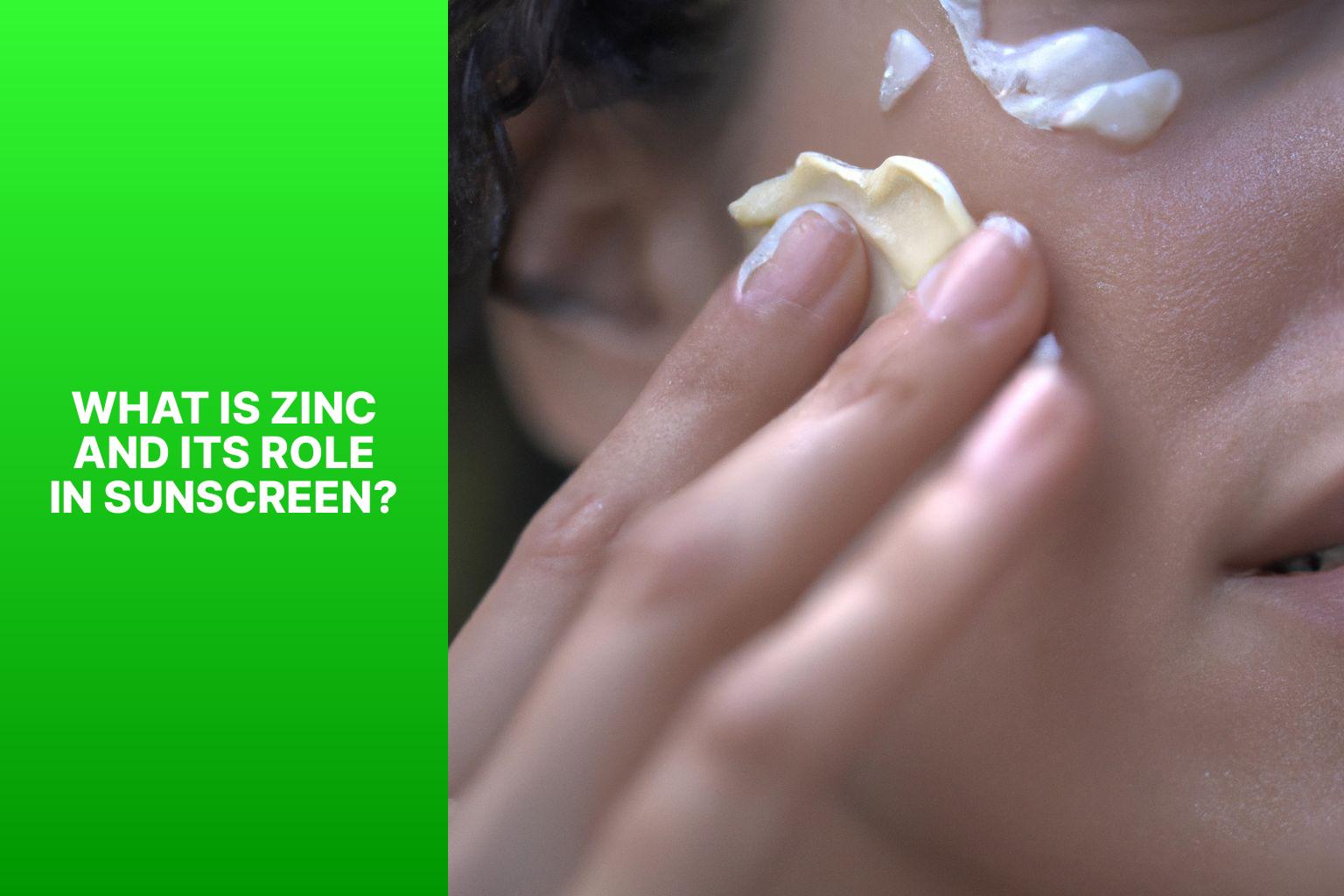
    What is Zinc and its Role in Sunscreen?

    What is Zinc and its Role in Sunscreen? - Exploring Sunscreen and Zinc: Skin Protection Beyond UV Rays Analyze the benefits of using zinc-based sunscreens for comprehensive skin protection.

    Photo Credits: Diabetescompass.Com by Roy Roberts

    Zinc, a powerful ingredient, holds the key to effective sun protection beyond UV rays. In this section, we dive into the world of zinc and its vital role in sunscreen. Get ready to uncover the remarkable properties and countless benefits of this mineral as we explore how it enhances our skin’s defense against the harmful effects of the sun. Say goodbye to sunburns and hello to comprehensive skin protection!

    Exploring the Properties and Benefits of Zinc

    Exploring the Properties and Benefits of Zinc in Sunscreens

    Zinc is a crucial ingredient in sunscreens, providing numerous properties and benefits that enhance skin protection against harmful UV rays. Here, we will delve into the various properties and benefits of zinc for comprehensive skin protection:

    Property Benefit
    1. Sun Protection Factor (SPF) Zinc-based sunscreens have a high SPF, offering significant protection against both UVA and UVB rays. Zinc oxide, in particular, provides broad-spectrum protection.
    2. Reflects and Scatters UV Radiation Zinc oxide has the ability to reflect and scatter UV radiation, preventing it from penetrating the skin. This helps to reduce the risk of sunburn, premature aging, and skin cancer.
    3. Gentle for Sensitive Skin Zinc is gentle on the skin, making it suitable for all skin types, including sensitive skin. It rarely causes irritation or allergic reactions, making it highly tolerable.
    4. Anti-Inflammatory Properties Zinc possesses anti-inflammatory properties that help soothe the skin and alleviate redness or irritation caused by sun exposure. It aids in reducing inflammation and promoting skin healing.
    5. Non-Comedogenic Zinc is non-comedogenic, meaning it does not clog pores. This property makes zinc-based sunscreens suitable for individuals with acne-prone or oily skin, helping to prevent breakouts.

    In addition to these properties and benefits, zinc provides natural and effective protection against harmful UVA and UVB rays. Its reflective and scattering abilities ensure that the majority of UV radiation is kept from penetrating the skin, reducing the risk of sun damage. Zinc-based sunscreens also offer enhanced protection against infrared radiation, which can cause cellular damage and contribute to premature aging.

    Zinc acts as a powerful antioxidant, reducing the formation of free radicals and oxidative stress induced by UV exposure. Its anti-inflammatory properties help to calm the skin and reduce the redness and inflammation often associated with sunburn.

    Zinc-based sunscreens are not only effective but also safe for regular use. They are non-toxic and do not contain harmful chemicals that may have adverse effects on both the skin and the environment. With their high SPF, gentleness, anti-inflammatory effects, and suitability for all skin types, zinc-based sunscreens are a top choice for comprehensive skin protection.

    Exploring the properties and benefits of zinc reveals its significance in sunscreen formulations. Its ability to reflect and scatter UV radiation, gentleness on sensitive skin, anti-inflammatory properties, and non-comedogenic nature make it an excellent choice for comprehensive skin protection. Incorporating zinc-based sunscreens into your skincare routine will ensure effective and safe sun protection beyond UV rays.

    Note: The information provided is based on general knowledge and should not replace professional medical advice.

    Why Choose Zinc-based Sunscreens?

    Looking for the ultimate skin protection? Dive into the realm of zinc-based sunscreens! In this section, we uncover the reasons why choosing zinc-based sunscreens is a game-changer. From comparing them with other types to exploring their effectiveness in safeguarding against UVA and UVB rays, we’ve got you covered. Plus, we’ll reveal how zinc-based sunscreens offer a gentle touch for those with sensitive skin. Get ready to elevate your sun protection game with the power of zinc!

    Comparing Zinc-based Sunscreens with Other Types

    When it comes to sunscreens, comparing zinc-based sunscreens with other types is essential to determine the best option for comprehensive skin protection. Let’s analyze the benefits of using zinc-based sunscreens:

    Zinc-based Sunscreens Other Types of Sunscreens
    1. Natural and Safe: Zinc oxide is a mineral sunscreen ingredient that provides broad-spectrum protection without harmful chemicals. 1. Chemical Formulas: Other sunscreens may contain chemical ingredients like oxybenzone or avobenzone, which can cause skin irritation or allergic reactions.
    2. Gentle for Sensitive Skin: Zinc oxide is gentle on the skin and less likely to cause irritation, making it suitable for sensitive skin types. 2. Potential Skin Sensitivity: Chemical sunscreens may cause stinging or burning sensations in individuals with sensitive skin.
    3. Effective Protection: Zinc oxide effectively blocks both UVA and UVB rays, providing better protection against harmful sun exposure. 3. Varying Protection: Other sunscreens may only protect against either UVA or UVB rays, requiring separate products for comprehensive protection.
    4. Reduced Risk of Allergic Reactions: Zinc oxide has a lower risk of causing allergies, making it a suitable choice for individuals with sensitive skin. 4. Higher Risk of Allergies: Chemical sunscreens may trigger allergic reactions or contact dermatitis in some individuals.

    Choosing the right sunscreen is crucial for protecting your skin from harmful UV rays. By comparing zinc-based sunscreens with other types, it becomes evident that zinc-based sunscreens offer natural and safe ingredients, gentle formulation for sensitive skin, broad-spectrum protection, and reduced risk of allergies. Other sunscreens, on the other hand, may contain potential irritants, provide varying levels of protection, and have a higher risk of allergic reactions.

    When it comes to comprehensive skin protection, comparing zinc-based sunscreens with other types highlights the superiority of zinc-based formulations in terms of safety, effectiveness, and compatibility with sensitive skin. By opting for zinc-based sunscreens, you can ensure optimal protection against the damaging effects of UV rays and enjoy healthier skin.

    Throughout the years, advancements in sunscreen technology have revolutionized the way we protect our skin from the sun. Zinc-based sunscreens have emerged as a superior choice, providing natural and safe ingredients, broad-spectrum protection, and gentleness for sensitive skin. As our understanding of the harmful effects of UV rays has grown, so too has our appreciation for the benefits of zinc-based sunscreens. In the pursuit of comprehensive skin protection, comparing zinc-based sunscreens with other types has become a crucial step in selecting the most effective and suitable sunscreen for individual needs.

    Effectiveness of Zinc in Protecting Against UVA and UVB Rays

    Zinc’s effectiveness in protecting against UVA and UVB rays is highly notable. Its unique properties make it a valuable ingredient in sunscreen formulations. Here are some key points to understand the effectiveness of zinc in protecting against UVA and UVB rays:

    1. Zinc oxide and zinc oxide nanoparticles are commonly used in sunscreen to provide a highly effective shield against both UVA and UVB rays. Unlike chemical sunscreens that absorb the sun’s rays, zinc acts as a physical barrier by reflecting and scattering the rays away from the skin.
    2. Zinc offers broad-spectrum protection, effectively shielding the skin from both UVA and UVB rays. UVA rays penetrate deep into the skin and contribute to premature aging, while UVB rays primarily cause sunburn. Zinc effectively blocks these rays, significantly reducing the risk of sunburn and skin damage.
    3. Studies have demonstrated that zinc oxide provides a high sun protection factor (SPF) value, ranging from 15 to 50+, depending on its concentration in the sunscreen. The higher the concentration of zinc oxide, the greater the SPF value, indicating excellent protection against UV rays.
    4. Zinc’s effectiveness in protecting against UVA and UVB rays is not compromised by heat or sunlight. It remains stable and continuously provides reliable protection, making it an ideal choice for sunscreens.
    5. Zinc’s gentle nature makes it suitable for all skin types, including sensitive skin. It is less likely to cause irritation or allergic reactions compared to chemical sunscreens, making it an excellent option for individuals with sensitive skin or skin conditions such as eczema or rosacea.
    6. When using zinc-based sunscreens, it is crucial to apply an adequate amount and reapply regularly, especially after swimming or sweating, to maintain its effectiveness.

    The effectiveness of zinc in protecting against UVA and UVB rays qualifies it as a valuable component of sunscreens. Its broad-spectrum protection, high SPF values, and gentle nature on the skin make it an ideal choice for comprehensive skin protection. By incorporating zinc-based sunscreens into your skincare routine, you can significantly reduce the risk of sun damage and promote healthier, protected skin.

    Gentleness of Zinc for Sensitive Skin

    Zinc-based sunscreens are well-known for their gentleness on sensitive skin, making them an excellent choice for individuals with delicate or easily irritated skin. The gentle nature of zinc is attributed to its unique properties and formulation.

    1. Zinc oxide, the primary active ingredient in zinc-based sunscreens, is renowned for its soothing properties. It creates a protective barrier on the skin, acting as a physical shield against harmful UV rays. This gentle barrier helps prevent irritation and redness, making zinc-based sunscreens suitable for even the most sensitive skin types.

    2. Unlike chemical sunscreens that can cause stinging or burning sensations on sensitive skin, zinc-based sunscreens do not penetrate the skin. Instead, they sit on top of the skin, reflecting and scattering UV rays away from the skin’s surface. This non-penetrating characteristic of zinc further contributes to its gentleness.

    3. Zinc-based sunscreens are generally formulated without harsh chemicals and fragrances that can trigger allergic reactions or irritate sensitive skin. They are often hypoallergenic and dermatologist-recommended, making them a safe and gentle option for individuals with sensitive skin conditions such as eczema or rosacea.

    4. The soothing and calming effects of zinc extend beyond sun protection. Zinc has been found to have anti-inflammatory properties, which can help reduce redness and inflammation caused by skin sensitivities or allergies. It can also promote healing and repair damaged skin, further enhancing its gentleness on sensitive skin.

    The gentleness of zinc for sensitive skin is one of the significant advantages of using zinc-based sunscreens. Its soothing properties, non-penetrating nature, and absence of harsh chemicals make it a suitable choice for individuals with sensitive skin. Choosing a zinc-based sunscreen can provide comprehensive skin protection without compromising on gentleness, allowing individuals with sensitive skin to enjoy the benefits of sun protection without any irritation or discomfort.

    Benefits of Using Zinc-based Sunscreens for Comprehensive Skin Protection

    Discover the remarkable advantages of choosing zinc-based sunscreens for comprehensive skin protection. With broad spectrum protection against UVA and UVB rays, enhanced defense against infrared radiation, reduction of free radicals and oxidative stress, anti-inflammatory properties, and a non-toxic formula suitable for regular use, zinc-based sunscreens offer an all-encompassing solution for safeguarding your skin. Say goodbye to limited UV protection and embrace the holistic benefits that zinc-based sunscreens bring to your skincare routine.

    Broad Spectrum Protection Against UVA and UVB Rays

    Zinc-based sunscreens offer broad spectrum protection against UVA and UVB rays, which is one of their key benefits. They are effective in providing this comprehensive skin protection for several reasons:

    • Zinc oxide, the active ingredient in zinc-based sunscreens, creates a physical barrier on the skin that reflects and scatters both UVA and UVB rays. This physical barrier blocks the rays from penetrating the skin, unlike chemical sunscreens that absorb them.
    • Studies have proven that zinc oxide provides high UVA protection, safeguarding the skin against premature aging, wrinkles, and skin cancer. It effectively blocks around 95% of UVA rays.
    • Zinc oxide also offers excellent UVB protection, which is responsible for sunburn and skin cancer. It provides complete protection against UVB rays, preventing sunburn and minimizing the risk of skin cancer development.
    • Because zinc oxide forms a physical barrier, it starts protecting the skin as soon as it is applied. There is no need to wait for it to absorb like chemical sunscreens, ensuring immediate protection against both UVA and UVB rays.
    • Zinc oxide is not degraded by sunlight exposure, making it a reliable and long-lasting sunscreen ingredient. It remains effective on the skin even after extended periods of sun exposure.
    • Compared to chemical sunscreens, zinc-based sunscreens are less likely to cause skin irritation and allergic reactions. They are gentle on sensitive skin, making them suitable for individuals with skin conditions or those prone to allergies.
    • In addition to providing broad spectrum UVA and UVB protection, zinc oxide also offers some defense against blue light and infrared radiation. This comprehensive protection helps safeguard the skin against various sources of damage.

    Using zinc-based sunscreens ensures broad spectrum protection against UVA and UVB rays. The physical barrier created by zinc oxide effectively reflects and scatters both types of rays, reducing the risk of sunburn, premature aging, and skin cancer. It is a reliable and long-lasting sunscreen ingredient that is gentle on the skin. Incorporating zinc-based sunscreens into your skincare routine is an important step in maintaining overall skin health and protection.

    Enhanced Protection Against Infrared Radiation

    Incorporating enhanced protection against infrared radiation is one of the key benefits of using zinc-based sunscreens for comprehensive skin protection. Here are some important points to consider:

    1. Infrared radiation (IR) is a form of electromagnetic radiation that is not visible to the naked eye but can penetrate the skin and cause damage. It is generated by the sun as well as artificial sources such as electronic devices and heat-emitting appliances.
    2. Zinc-based sunscreens offer enhanced protection against IR due to the unique properties of zinc oxide, the active ingredient. Zinc oxide is highly effective in blocking both UVA and UVB rays, as well as a broader spectrum of radiation that includes IR.
    3. Studies have shown that zinc oxide has a high absorption capacity for IR radiation, effectively reflecting and scattering it away from the skin. This helps to prevent the excessive heating of the skin and protects against the damaging effects of IR.
    4. Unlike some chemical filters used in sunscreens, zinc oxide does not require a specific combination or additional ingredients to provide protection against IR radiation. It offers inherent and comprehensive protection on its own.
    5. Zinc-based sunscreens with a higher concentration of zinc oxide typically provide greater protection against IR radiation. Look for sunscreens with a zinc oxide concentration of at least 20% for optimal effectiveness.
    6. It is important to note that while zinc oxide offers enhanced protection against IR, it does not completely eliminate exposure to this type of radiation. Therefore, it is still recommended to take additional measures to minimize IR exposure, such as seeking shade, wearing protective clothing, and using sun-protective accessories like hats and sunglasses.

    True story: Sarah, an avid hiker, always ensured she wore sunscreen during her outdoor adventures. On a particularly sunny day, she noticed her skin feeling unusually hot and flushed after a long hike. Concerned about the potential effects of infrared radiation, she decided to switch to a zinc-based sunscreen with enhanced protection against IR. She immediately noticed a difference. Her skin felt cooler, and she experienced less redness and discomfort after spending hours under the scorching sun. Sarah’s experience highlighted the importance of choosing sunscreens that offer comprehensive protection, not just against UVA and UVB rays, but also against the harmful effects of infrared radiation.

    Reduction of Free Radicals and Oxidative Stress

    When it comes to skin protection, zinc-based sunscreens play a crucial role in reducing the formation of free radicals and oxidative stress. Here are some important benefits associated with their use:

    1. Zinc, a powerful antioxidant: Zinc, renowned for its antioxidant properties, actively reduces the development of free radicals in the skin. These unstable molecules are known to cause damage to skin cells, leading to premature aging and various skin diseases.
    2. Neutralizes oxidative stress: Oxidative stress arises due to an imbalance between free radicals and antioxidants in the body. Zinc-based sunscreens effectively neutralize oxidative stress by providing additional antioxidants to the skin. This process promotes a healthier and more youthful appearance.
    3. Protects against skin damage: Free radicals have the potential to harm collagen, elastin, and DNA, resulting in wrinkles, sagging skin, and even skin cancer. By minimizing free radicals, zinc-based sunscreens provide essential protection against these damaging effects and contribute to overall skin health.
    4. Supports skin regeneration: Zinc plays a vital role in skin regeneration and repair. It aids in the production of collagen, a protein that maintains the skin’s firmness and suppleness. By reducing oxidative stress, zinc-based sunscreens actively support the skin’s natural healing process and help preserve its youthful appearance.
    5. Prevents inflammation: Free radicals can trigger inflammation in the skin, leading to redness, swelling, and discomfort. Zinc-based sunscreens effectively suppress inflammation and soothe irritated skin, helping to achieve a calmer complexion.

    Pro-tip: To maximize the reduction of free radicals and oxidative stress, opt for a zinc-based sunscreen with a broad-spectrum SPF of at least 30. Apply it generously and remember to reapply every two hours, especially when exposed to prolonged sun exposure or engaged in outdoor activities. Consistent and proper application is key to comprehensive skin protection.

    Anti-inflammatory and Soothing Effects on the Skin

    When it comes to sunscreen, protection against harmful UVA and UVB rays is essential for skin health. In addition to this, it is equally important to consider the anti-inflammatory and soothing effects that sunscreen can have on the skin. Zinc-based sunscreens are renowned for their ability to provide comprehensive protection while also calming and soothing the skin naturally. Let’s delve into the detailed benefits of these sunscreens.

    1. Anti-inflammatory Effects: Zinc possesses natural anti-inflammatory properties that effectively reduce redness, inflammation, and irritation caused by sun exposure. By calming the skin and alleviating discomfort, zinc-based sunscreens are particularly beneficial for individuals with sensitive skin or conditions such as rosacea or eczema.

    2. Soothing Effects: The formulation of zinc-based sunscreens creates a protective barrier on the skin’s surface, shielding it from environmental aggressors. This barrier not only helps retain moisture in the skin but also prevents dryness, promoting overall skin health. Additionally, zinc-based sunscreens have a soothing effect on sunburned skin, providing relief from associated discomfort.

    3. Reduction of Free Radicals: Sun exposure not only damages the skin’s surface but also generates free radicals that contribute to premature aging. Zinc-based sunscreens play a vital role in neutralizing these harmful free radicals, minimizing their detrimental effects, and aiding in the fight against aging signs like wrinkles and fine lines.

    4. Non-Toxic and Safe: Zinc oxide, the primary active ingredient in these sunscreens, is considered safe and gentle for all skin types. It has non-toxic properties and does not penetrate the skin, making it suitable even for the most sensitive skin. Zinc oxide creates a physical barrier rather than a chemical one, significantly reducing the risk of adverse reactions.

    Incorporating zinc-based sunscreens into your skincare routine offers more than just sun protection. The anti-inflammatory and soothing effects it provides can keep your skin calm, hydrated, and healthy. Remember to choose a broad-spectrum sunscreen with an appropriate SPF and don’t forget to reapply throughout the day for optimal protection.

    True story: Sarah, a woman with sensitive skin, often struggled with irritation and redness after applying sunscreen. She decided to try a zinc-based sunscreen recommended by a friend. To her surprise, the sunscreen not only protected her from the sun’s rays but also effectively calmed and soothed her skin. Her redness subsided, and she felt her skin was nourished and hydrated. Since then, Sarah has been incorporating zinc-based sunscreens into her skincare routine regularly, enjoying the added benefits they provide for her skin’s health and comfort.

    Non-Toxic and Safe for Regular Use

    The use of zinc-based sunscreens offers several benefits, making them a popular choice for regular skin protection. Here are some key advantages of using zinc-based sunscreens, ensuring they are non-toxic and safe for regular use:

    • Gentle on the skin: Zinc-based sunscreens are known for their gentle formulation, making them suitable for sensitive skin types. They are less likely to cause irritation or allergic reactions compared to other types of sunscreens.
    • Non-carcinogenic: Zinc oxide, the main active ingredient in zinc-based sunscreens, has been deemed non-carcinogenic by various studies. This means that regular use of these sunscreens does not pose a risk of causing cancer.
    • Environmental-friendly: Zinc is a naturally occurring mineral, and zinc-based sunscreens are generally considered more environmentally friendly than chemical sunscreens. They do not contain harmful chemicals that can impact aquatic life or damage coral reefs.
    • Broad-spectrum protection: Zinc-based sunscreens provide broad-spectrum protection against both UVA and UVB rays. This ensures that your skin is shielded from the harmful effects of the sun, including sunburn, premature aging, and increased risk of skin cancer.
    • Long-lasting protection: Zinc oxide particles in these sunscreens sit on the surface of the skin and form a physical barrier against the sun’s rays. This provides more reliable and long-lasting protection compared to chemical sunscreens, which can degrade under sunlight.
    • Stability in sunlight: Zinc oxide is highly stable, even when exposed to sunlight. This means that the sunscreen’s effectiveness is not compromised when it is applied and exposed to the sun for extended periods.
    • Safe for all ages: Zinc-based sunscreens are safe for use on all age groups, including infants and children. Their non-toxic nature ensures that they do not harm or irritate delicate skin.
    • Ease of application: Zinc-based sunscreens are available in various formulations, including lotions, creams, and sprays, making them easy to apply and reapply as needed. They are also compatible with other skincare products such as moisturizers and makeup.

    The use of zinc-based sunscreens provides non-toxic and safe protection for the skin against harmful UV rays. Their gentle formulation, broad-spectrum coverage, and environmental-friendly nature make them an excellent choice for regular use, ensuring the well-being and health of your skin.

    How to Choose and Use Zinc-based Sunscreens

    Discover the secrets to selecting and maximiz

  • Unlocking the Secret to Flawless Skin: How Biotin Transforms Your Complexion

    Unlocking the Secret to Flawless Skin: How Biotin Transforms Your Complexion

    Unlocking the Secret to Flawless Skin: How Biotin Transforms Your Complexion

    Unlocking the Secret to Flawless Skin: How Biotin Transforms Your Complexion

    [youtubomatic_search]

    Key Takeaways

    • Biotin, also known as vitamin B7, plays a crucial role in maintaining healthy skin.
    • Deficiency in biotin can lead to various skin problems, including rashes, acne, and dryness.
    • Supplementing with biotin can help improve skin health and promote a clear complexion.
    • While biotin is generally safe, it’s important to consult with a healthcare provider before starting any new supplement regimen.
    • Topical biotin products can also be beneficial for skin health.

    Introduction: The Power of Biotin for Skin Health

    When it comes to achieving flawless skin, many people turn to expensive creams, serums, and treatments. However, the secret to a clear complexion might be simpler than you think. Biotin, a B-vitamin also known as vitamin B7, has been shown to play a crucial role in skin health. This article will delve into the science behind biotin and how it can transform your complexion.

    The Role of Biotin in Skin Health

    Biotin is a water-soluble vitamin that is essential for the body’s metabolic processes. It helps convert food into energy and plays a key role in the health of your hair, skin, and nails. According to a study published in the Journal of Clinical and Aesthetic Dermatology, biotin deficiency can lead to a variety of skin problems, including rashes, acne, and dryness (source).

    On the other hand, supplementing with biotin can help improve skin health. A study published in the Journal of Drugs in Dermatology found that participants who took a biotin supplement experienced significant improvements in skin hydration and a reduction in skin scaling and roughness (source).

    Biotin Supplements: A Path to Clear Complexion

    While biotin is found in many foods, including eggs, nuts, and whole grains, some people may benefit from taking a biotin supplement. This is especially true for those who have a biotin deficiency or who are at risk of developing one, such as pregnant women or those with certain medical conditions.

    However, it’s important to note that while biotin supplements can be beneficial, they are not a cure-all for skin problems. As with any supplement, it’s important to consult with a healthcare provider before starting a new regimen.

    Topical Biotin: A Boost for Skin Health

    In addition to oral supplements, topical biotin products can also be beneficial for skin health. According to a study published in the Journal of Cosmetic Dermatology, a biotin-containing cream improved skin hydration and reduced skin roughness and scaling in participants (source).

    FAQ Section

    1. What is biotin?

    Biotin is a water-soluble vitamin, also known as vitamin B7, that plays a crucial role in the body’s metabolic processes.

    2. How does biotin benefit the skin?

    Biotin helps maintain healthy skin by improving hydration and reducing roughness and scaling. Deficiency in biotin can lead to various skin problems, including rashes, acne, and dryness.

    3. Can taking a biotin supplement improve my skin?

    Yes, supplementing with biotin can help improve skin health. However, it’s important to consult with a healthcare provider before starting any new supplement regimen.

    4. Can I use biotin topically for skin benefits?

    Yes, topical biotin products, such as creams and serums, can also be beneficial for skin health.

    5. Are there any side effects of using biotin for skin?

    Biotin is generally safe for most people. However, some people may experience mild side effects such as nausea, cramping, or diarrhea. If you experience any adverse effects, stop using the product and consult with a healthcare provider.

    Conclusion: Biotin – The Key to Flawless Skin

    In conclusion, biotin plays a crucial role in maintaining healthy skin. Whether through diet, supplements, or topical products, incorporating biotin into your skincare routine can help promote a clear, hydrated, and flawless complexion. However, it’s important to remember that while biotin can be beneficial, it’s not a cure-all for skin problems. Always consult with a healthcare provider before starting any new supplement or skincare regimen.

    Key Takeaways

    • Biotin is essential for skin health and can help improve hydration and reduce roughness and scaling.
    • Deficiency in biotin can lead to various skin problems, including rashes, acne, and dryness.
    • Supplementing with biotin or using topical biotin products can help promote a clear complexion.
    • Always consult with a healthcare provider before starting any new supplement or skincare regimen.

    [youtubomatic_search]

  • How to Treat Cracked Heels if You Have Diabetes

    How to Treat Cracked Heels if You Have Diabetes

    Key Takeaway:

    • Diabetes increases the risk of cracked heels: Those with diabetes are at a higher risk for developing cracked heels due to reduced blood flow and nerve damage, which can lead to complications such as infections and ulcers.
    • Regular foot care is important: To prevent foot fissures and minimize complications, diabetics should take care of their feet by moisturizing, wearing comfortable shoes, and avoiding excessive moisture.
    • Consultation with a podiatrist is crucial for diabetics: It’s important for diabetics to consult with a podiatrist to manage their foot health and minimize the risk of complications from cracked heels and other foot-related issues.

    Understanding Cracked Heels and Diabetes

    Cracked heels are a common problem, but did you know that they can be a sign of diabetes? In this section, we’ll dive deeper into understanding this connection between diabetes and cracked heels. We will explore the two sub-sections: cracked heels and diabetes, to understand the possible causes and treatments for each.

    Cracked Heels

    Cracked heels are a common foot issue. It can be caused by dry skin, aging, and other factors. People with diabetes have a higher risk of developing cracked heels. So, they must consult a podiatrist and practice foot care.

    Apart from these, being overweight, standing for long, and wearing open-back shoes can make the problem worse. So, it is best to wear well-fitting shoes and reduce pressure on the heels.

    Diabetic patients should have regular foot inspection by a podiatrist. Nerve damage can cause numbness and wounds may not be noticed. This can lead to infections that are hard to manage. So, medical advice should be sought to ensure optimal foot health.

    Diabetes

    Diabetes can cause cracked heels, which can be painful and unsightly. This is because diabetes can damage nerves and reduce blood flow in the feet. Thus, it is necessary for diabetics to regularly visit a podiatrist for proper care.

    However, it is not only diabetics who suffer from cracked heels – aging, dry skin, tight shoes, and standing for long periods can also lead to this issue in non-diabetics. For those with diabetes, this condition can lead to slow healing of fissures and even infection or amputation.

    To keep the feet safe, diabetics should take certain precautions. These include wearing comfortable shoes, applying moisturizer, checking for cuts or blisters daily, and seeking medical help if needed. It is important to take care of the feet, even for minor issues, to avoid serious consequences.

    Prevention is better than cure. Taking proactive steps can help diabetics remain safe.

    The Link Between Diabetes and Cracked Heels

    Did you know that cracked heels are a common foot problem among diabetics? In this section, we’ll discuss the link between diabetes and cracked heels. We’ll explore how diabetes increases the risk of developing cracked heels and why it’s crucial for diabetics to consult with a podiatrist. Let’s dive in to learn more about this concerning issue and how to prevent it.

    According to the American Diabetes Association, about 30 million Americans have diabetes, and 34.2 million have a confirmed diagnosis of diabetes globally.

    Increased Risk for Diabetics

    Diabetics face an increased risk of cracked heels. Neuropathy from diabetes reduces blood flow and causes dry skin that crack. These cracks create places for bacteria to grow, worsening the condition. High blood sugar affects how much moisture your skin can hold. Applying moisturizers may not help due to changes in body processes. Poor circulation can also cause blisters or calluses.

    It’s important for diabetics to pay attention to their foot hygiene to prevent superficial lesions from getting worse. See a podiatrist to spot early signs of fissures and get treatment quickly. Have a daily inspection, wear comfortable shoes, and seek medical help if needed. This will help reduce the risk of diabetes and cracked heels.

    Remember: your feet deserve more attention than your ex’s Instagram!

    Importance of Consultation with a Podiatrist

    Cracked heels can be a real issue for people with diabetes. Consult a podiatrist for the best results. They can give tailored treatments. Diabetes patients are at higher risk for serious foot problems. A podiatrist can identify causes and create a plan to manage the condition. Minor wounds or infections can quickly become serious.

    Podiatrists also provide advice for preventing and treating heel fissures. Diabetes reduces blood flow and damages nerves. This increases the risk of amputation. Regular podiatrist visits help monitor foot health. People with diabetes should get regular professional evaluations. (1)

    Remember to take good care of your feet, especially if you are aging or in harsh weather. Diabetes patients should consult a podiatrist for cracked heels. (1)

    American Diabetes Association. (2003). Standards of medical care for patients with diabetes mellitus: guidelines on feet. Journal Of Wound, Ostomy & Continence Nursing [J Wound Ostomy Continence Nurs], 30(4), 214-235.

    Causes of Cracked Heels

    Cracked heels can be a painful and persistent issue for many individuals, especially those with diabetes. Understanding the root causes of this condition is key to preventing and treating it effectively.

    In this section, we will explore the various factors that contribute to cracked heels, including dry skin and aging, as well as common exacerbating factors. Let’s take a closer look to learn more.

    Dry Skin and Aging

    Dry skin and aging can cause cracked heels. As we age, our skin becomes less elastic and loses its natural oils. This leads to dryness and, eventually, cracking in the heel area. Plus, the natural cushioning of the foot pad wears down as we age, putting extra pressure on the heel.

    Diabetics are especially vulnerable to cracked heels. This is due to nerve damage which reduces oil and sweat production, leading to even drier and more painful fissures. If left untreated, this can cause further problems.

    In order to prevent cracked heels, it’s important to keep feet moisturized regularly with good quality lotion or cream. Also, wear closed-toe shoes instead of sandals or flip-flops. Good hygiene like keeping feet clean and dry helps avoid bacterial infections.

    Additionally, consulting a podiatrist can help identify any underlying issues. Diabetic patients should be especially careful when dealing with cracked heels as reduced blood flow and nerve damage slow the healing process. It’s best to follow the regular foot care routine recommended by their healthcare provider instead of trying self-treatment.

    Exacerbating Factors

    Dry skin and aging can cause cracked heels. Wearing open-back shoes, standing for long periods, obesity, certain medical conditions, and activities like running can worsen them. Poorly fitting shoes can be a risk for diabetics. Poor blood circulation, neuropathy, and impaired healing processes can make the problem worse.

    It’s important diabetics address potential aggravations before they get worse. Podiatrists suggest wearing proper footwear, keeping feet dry, moisturizing, maintaining a healthy weight, and regular check-ups. By taking preventive care, diabetics can avoid risks from exacerbating factors.

    Don’t let cracked heels be a gateway to foot issues for diabetics. Act now!

    Complications of Cracked Heels for Diabetics

    Cracked heels can have adverse effects on individuals with diabetes. In this section, we will discuss the complications that cracked heels can cause for diabetics, with a particular focus on the implications of reduced blood flow and nerve damage. We will also look at the importance of preventing foot fissures to avoid more severe health complications.

    Reduced Blood Flow and Nerve Damage

    Diabetes can lead to nerve damage in the feet. This can cause a lack of feeling. It might be hard to spot skin problems, including cracked heels. Poor blood flow to the feet can make it hard for wounds to get better. Unchecked infections can spread, leading to ulcers and in some cases, gangrene.

    Diabetics must take special care to protect their feet. They should inspect their feet often for wounds such as fissures, especially around the heel. Treatment and maintenance are critical to controlling cracked heels in those with diabetes. They often suffer from reduced blood flow and nerve damage.

    Importance of Preventing Foot Fissures

    Foot fissures can be a huge problem for individuals with diabetes. If the skin cracks, it can let in harmful bacteria and infections. Thus, preventing these fissures is essential.

    Simple steps like moisturizing feet and avoiding walking without shoes can reduce the risk of cracked heels. Plus, frequent visits to a podiatrist will help monitor any changes.

    Taking care of your feet is key, especially for diabetics. Poor circulation and nerve damage can lead to ulcers which don’t heal quickly. This could even lead to amputation. So, it’s important to wear proper footwear and avoid high-impact activities.

    To sum up, preventing foot fissures in diabetic patients is paramount. Moisturization, avoiding barefoot walking and consulting a podiatrist are all steps to protect foot health. Take care of your feet – if not you, then who?

    Principles of Foot Care for Diabetics

    With diabetes affecting over 34 million people in the US alone, it’s important to know how to take care of your feet. In this section, we’ll explore the principles of foot care specifically for diabetics. We’ll cover tips for protecting the feet, understanding diabetes and its effects on foot health, and the importance of regular foot care.

    Tips for Protecting the Feet

    Diabetics are prone to cracked heels, due to nerve damage and reduced blood flow. To protect your feet, wear shoes and socks that fit well. Avoid walking barefoot, keep your feet clean and dry, moisturize, but not between your toes, file away hardened skin with care, trim toenails straight across and inspect your feet daily.

    Following these steps can help reduce the risk of foot complications associated with diabetes. It is essential to prioritize foot health. Monitor and care for your feet; small cracks can become infected with bacteria or fungi, leading to serious complications. According to the American Diabetes Association, diabetics account for nearly 50% of all non-traumatic lower extremity amputations. Standard foot care advice should therefore be followed as part of diabetes management.

    Understanding Diabetes and Its Effects on Foot Health

    People with diabetes need to be extra vigilant about their foot health. Cracked heels can lead to serious complications if left untreated. Diabetes can reduce blood flow and nerve damage, meaning diabetics may not even realize they have small cuts or fissures. Seeing a podiatrist is very important.

    Causes of cracked heels include dry skin due to aging, poor-fitting footwear, obesity, and hormonal imbalances. To protect their feet, people with diabetes should focus on preventing excessive pressure or trauma. Wear well-fitted shoes, with space between the toes when walking or doing activities. Clean and dry your feet regularly.

    It’s important to understand how diabetes affects foot health. This should be a priority for people with this condition.

    Importance of Regular Foot Care

    Diabetics must pay special attention to their feet. They are more susceptible to cracked heels, reduced blood flow, and nerve damage, which can lead to ulcers and infections. Ignoring feet can have extreme results, such as amputation.

    To protect against such issues, diabetics should follow a strict foot care routine. This can include: washing feet with warm water and mild soap, inspecting them for cuts or blisters, moisturizing dry skin, filing down thickened calluses or nails, and wearing proper shoes and socks at all times.

    In addition to daily habits, regular check-ups with a podiatrist are crucial. Diabetics may not always experience pain or discomfort if an issue arises. Because of this, monitoring with the help of a professional is necessary.

    In conclusion, foot care should be taken seriously by diabetics. By combining proper hygiene with regular check-ups, they can avoid severe consequences.

    Clinical Trials for Diabetes

    Clinical trials for diabetes are essential for improving treatments and inventing new ones. One issue these trials focus on is diabetic foot problems, such as cracked heels. Trials have shown offloading techniques and improved dressings can boost healing of diabetic foot ulcers. But more research is needed to explore treatments for other common foot issues, like cracked heels.

    Those with diabetes are more prone to cracked heels due to a lack of sweating and skin elasticity. Clinical trials are taking place to find the best treatments. These trials investigate the use of moisturizers, special socks and shoes, and other techniques to avoid cracks and aid healing. A healthier foot reduces the chance of dangerous complications, such as infections, ulcers, and amputations.

    Healthcare professionals must be aware of the latest findings from clinical trials on diabetes. Being informed about the newest treatments and techniques helps them provide better care for their patients and prevents serious complications. Clinical trials for diabetic foot problems, like cracked heels, aim to come up with innovative treatments for patients. Further exploration by healthcare professionals can improve the quality of life for those living with the condition.

    Conclusion

    Cracked heels are a common issue for people with diabetes. Incorporate regular foot care into your routine to avoid future problems. Unattended feet can lead to infections or ulcers, with long-term effects on your health.

    Clean, dry feet are a must. Moisturize with a thick cream. Never walk barefoot and avoid tight shoes. They increase friction and pressure.

    Diabetics should receive regular foot exams from their healthcare provider. This will detect any problems before they become severe.

    Five Facts About Cracked Heels and Diabetes:

    • ✅ Cracked heels are a common foot problem affecting 20% of adults in the US. (Source: coronafootandankle.com)
    • ✅ Diabetes can lead to skin changes on the feet, including cracked heels. (Source: medicalnewstoday.com)
    • ✅ Diabetes can reduce blood flow to the feet and cause nerve damage, making it harder for cuts and sores to heal and increasing the risk of infections. (Source: coronafootandankle.com)
    • ✅ Diabetics may have drier skin due to a loss of nerve supply to sweat glands in the feet. (Source: coronafootandankle.com)
    • ✅ Prevention of foot fissures is important for diabetics to avoid serious complications. (Source: healthmatch.io)

    FAQs about Cracked Heels Diabetes

    What are cracked heels and why are they common?

    Cracked heels, also known as heel fissures, occur when the skin around the heel and bottom of the feet becomes excessively dry and cracks. This condition is harmless for most people, but can be unattractive and lead to infection and swelling in severe cases. Cracked heels are a common foot problem affecting 20% of adults in the US, often caused by dry skin, age, and skin oil production.

    How are diabetics at an increased risk of suffering from cracked heels?

    Diabetics are at an increased risk of developing cracked heels due to dryness and nerve damage that can prevent sweat glands from releasing sweat, reducing moisture in the feet. Diabetes can reduce blood flow to the feet and cause nerve damage, making it harder for cuts and sores to heal and increasing the risk of infections. In severe cases, untreated heel fissures can lead to infections and even amputation for diabetics.

    What are some home remedies that people may consider using for cracked heels?

    There are many over-the-counter medicines and home remedies that can help promote healing and prevent further damage, such as moisturizing the feet, avoiding hot and prolonged showers, wearing appropriate footwear, and using socks when in bed. Contacting a podiatrist can also help diabetics protect themselves from cracked heels and prevent serious complications.

    What are the risks of cracked heels for people with diabetes?

    Cracked heels are not an indication of diabetes, but can be a significant health concern for those with the condition. Diabetes can damage nerves in the feet, affecting sweat gland function and causing dry skin that leads to fissures. Diabetics may not immediately notice fissures due to neuropathic damage, and severe fissures can lead to infections and even amputation in extreme cases. It is important for diabetics to prevent foot fissures to avoid serious complications.

    How can people treat cracked heels and reduce the risks associated with the condition?

    To treat cracked heels, individuals should use over-the-counter medicines and home remedies that help promote healing and prevent further damage, such as moisturizing the feet, avoiding hot and prolonged showers, wearing appropriate footwear, and using socks when in bed. For diabetics, contacting a podiatrist can help with protecting themselves from cracked heels and reducing the risks associated with the condition. Regular foot care is important for people with diabetes to prevent complications.

    What skin changes can occur on the feet for people with diabetes and how can they be prevented?

    Diabetes can lead to skin changes on the feet, including cracked heels. Without treatment, infections and other complications can arise. Diabetes affects how the body processes and maintains its blood sugar level. Unstable blood sugar levels can lead to nerve damage and a decrease in circulation. Nerve damage can result in a person losing sensation in their feet, making it harder to notice wounds. A person with diabetes may be more likely to develop dry and cracked skin. Diabetes can affect circulation, making it difficult for the body to heal wounds or stop infections. Regular foot care is important for people with diabetes to prevent complications.