
Truvia vs Stevia: Are They the Same?
Truvia vs Stevia: Are they the same? Learn the key differences in composition, ingredients, and how each sweetener affects blood sugar management.


On this page
Introduction to Sweeteners
When you reach for a sweetener labeled "stevia" or see Truvia on the shelf, it's easy to assume they're interchangeable. They're not. The confusion is understandable: both products trace their sweetness back to the same plant, but what ends up in the packet or bottle can differ significantly in composition, processing, and additional ingredients.
The distinction matters especially if you're navigating blood sugar management or trying to reduce sugar intake. Artificial sweeteners and sugar substitutes are many times sweeter than table sugar and contain little to no calories, making them appealing alternatives for weight control and glucose regulation. Yet ongoing debate surrounds whether these products pose health risks, and renewed interest continues in identifying safe, palatable options as concerns grow about obesity and type 2 diabetes.
This article decodes the Truvia vs Stevia question by examining what each product actually contains, how they're made, and what the research indicates about their effects on blood sugar and overall health. For a broader look at how different sweeteners affect glucose levels, see our guide on sugar substitute options and which sweeteners spike blood glucose.
What is Truvia?
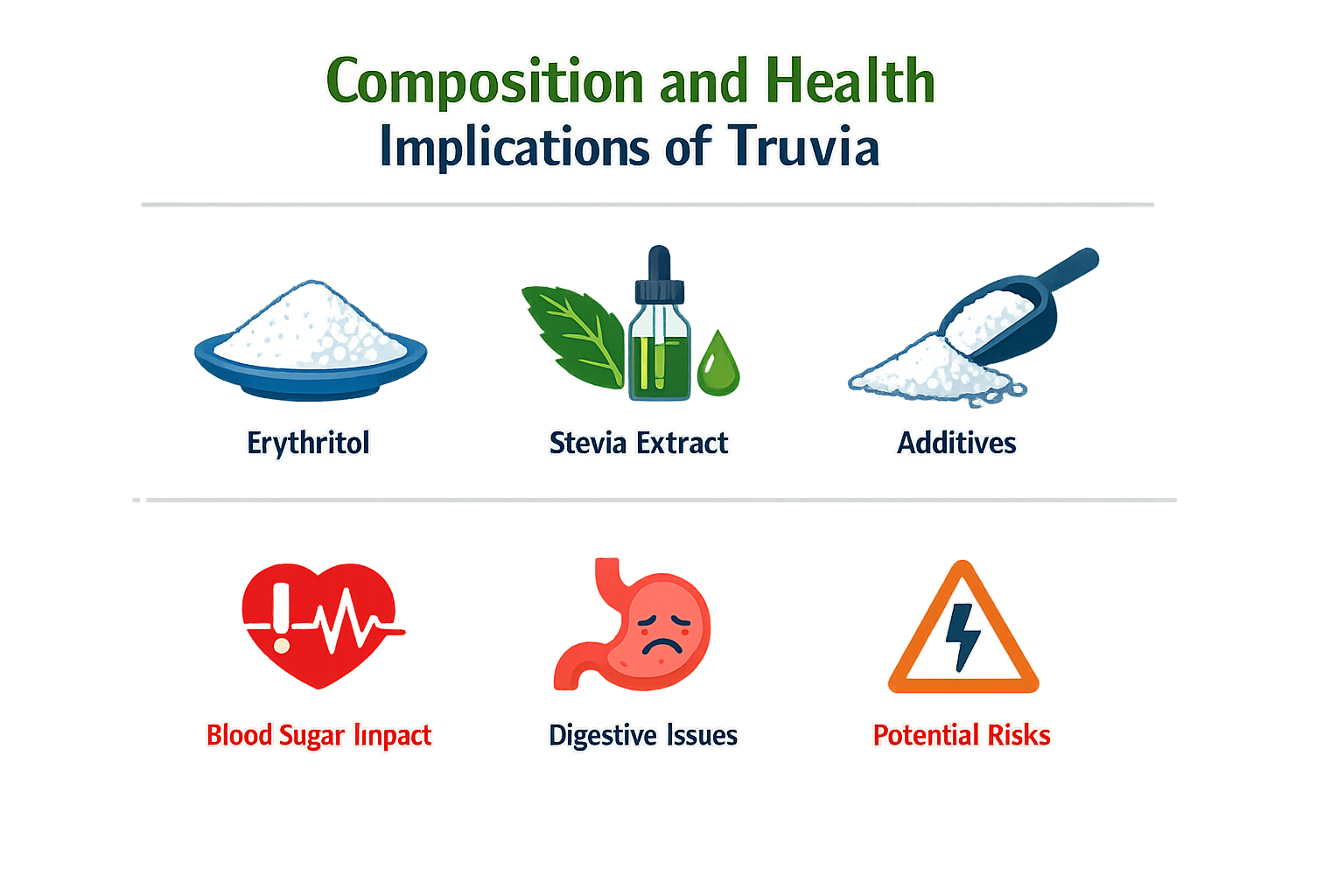
Truvia is a branded sweetener product that contains stevia leaf extract as one of its components, but it is not pure stevia. The formulation includes erythritol (a sugar alcohol), natural flavors, and rebaudioside A — a specific steviol glycoside extracted from the stevia plant. This blend creates a product with a taste profile and texture designed to mimic table sugar more closely than pure stevia extract alone.
Composition and Ingredients
The primary ingredient in Truvia by volume is erythritol, which provides bulk and helps the product measure like sugar in recipes. Rebaudioside A, the stevia-derived sweetening component, is present in much smaller amounts but delivers the majority of the sweetness. Natural flavors are added to mask the bitter aftertaste sometimes associated with steviol glycosides. This combination means Truvia is a processed product rather than a simple plant extract.
Because erythritol is a sugar alcohol, Truvia contains a small number of calories — approximately 3 calories per packet — though this is often marketed as "zero calorie" under FDA labeling rules that allow rounding down. For individuals managing carbohydrate intake, erythritol has minimal impact on blood glucose, but it is not entirely inert.
Safety and Regulatory Status
Truvia's ingredients have undergone safety evaluation by regulatory agencies. Extensive scientific research has demonstrated the safety of low-calorie sweeteners approved for use in foods in the U.S. and Europe, including stevia-derived products. Both the FDA and the European Food Safety Authority have reviewed steviol glycosides and sugar alcohols like erythritol through multiple rounds of risk assessment.
Some research suggests that steviol glycosides may influence insulin secretion. Studies have shown that stevioside and rebaudioside A can enhance glucose-induced insulin secretion in laboratory settings, though the clinical significance of this effect in typical dietary use remains an area of ongoing investigation. If you're adjusting medications or tracking blood-glucose responses to specific foods, discuss any sweetener changes with your care team to understand how they fit into your overall plan.
Common Uses in Foods and Beverages
Truvia is widely used as a tabletop sweetener and appears in a range of packaged foods, beverages, and baking products. Its granulated form is designed to replace sugar in coffee, tea, and recipes, while manufacturers incorporate it into reduced-sugar yogurts, protein bars, and flavored waters. The erythritol base allows it to provide volume and browning properties that pure stevia extract cannot, making it more versatile in commercial food production.
For a broader look at how different sweeteners compare in their effects on blood glucose, see our guide on sugar substitute options and which sweeteners spike blood glucose.
What is Stevia?
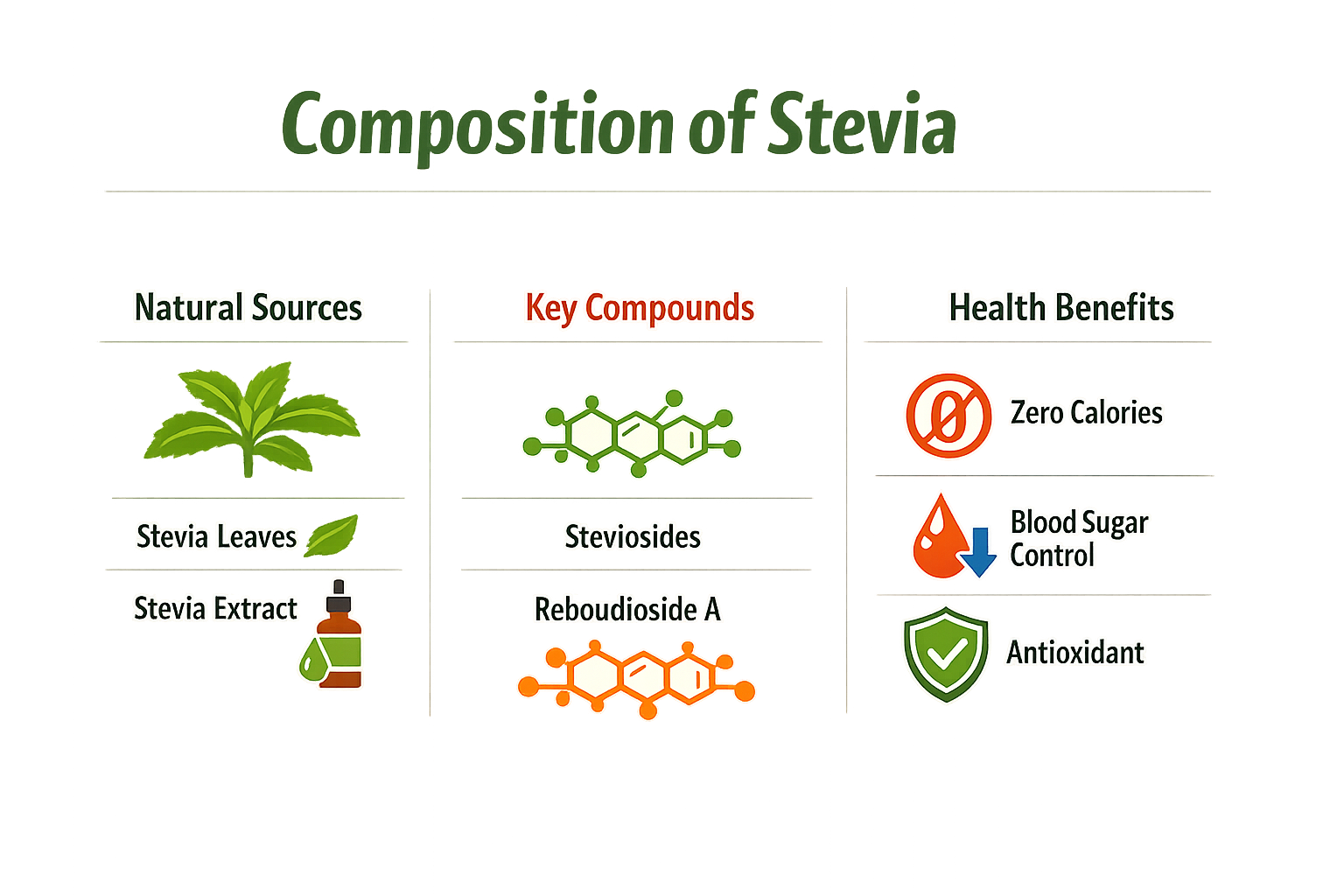
Stevia is a noncaloric sweetener extracted from the leaves of Stevia rebaudiana Bertoni, a plant native to Central and South America. The plant has been used as a sweetener since ancient times, and today its extracts serve as a high-potency alternative to sugar. Unlike Truvia, which is a branded product containing stevia leaf extract alongside other ingredients, stevia in its pure form refers to the compounds—primarily steviol glycosides—isolated directly from the plant.
The appeal of stevia has grown alongside rising rates of type 2 diabetes, obesity, and metabolic disorders worldwide. Because it contains no calories and does not raise blood glucose, stevia extracts offer a way to add sweetness without the glycemic impact of sugar. For people managing diabetes or prediabetes, understanding what stevia is and how it differs from branded formulations can inform better choices at the grocery store and in meal planning.
Stevia's Composition and Active Compounds
Stevia leaf extracts contain steviol glycosides, the sweet-tasting molecules responsible for the plant's intense sweetness—often 200 to 300 times sweeter than table sugar. The most common glycosides in commercial extracts are rebaudioside A (Reb-A) and stevioside. Pure stevia products typically list "stevia leaf extract" or "steviol glycosides" as the sole sweetening ingredient, with no added bulking agents or flavors.
Because steviol glycosides are so potent, manufacturers sometimes blend stevia extract with other ingredients to improve texture, volume, or taste. When you see "stevia" on a label, check the ingredient list: some products are 100% stevia extract, while others—like Truvia—combine stevia with erythritol and natural flavors. The distinction matters for anyone tracking carbohydrate intake or monitoring blood glucose response.
Health Effects and Metabolic Impact
Stevia extracts have been studied for their potential role in managing diabetes and metabolic disease. Research indicates that stevia can help control blood glucose levels, reduce oxidative stress, and lower diabetes risk when used as part of a broader dietary strategy. Because stevia does not contain carbohydrates and does not trigger an insulin response, it allows people with diabetes to enjoy sweetness without the glucose spike that follows sugar consumption.
For context on how different sweeteners affect glucose, see our guide to sugar substitute options and which sweeteners spike blood glucose.
While stevia shows promise in diabetes management, it is not a standalone treatment. It works best as one component of a meal plan that balances carbohydrates, protein, and fat. If you're newly diagnosed or adjusting your diet, confirm with your care team how stevia fits into your overall glucose-management strategy.
How Stevia is Used in Foods and Beverages
Stevia appears in a wide range of products: tabletop sweeteners, flavored waters, protein bars, yogurt, and baked goods. Some brands sell pure stevia extract in liquid or powder form, which can be used drop by drop or by the pinch. Other products blend stevia with bulking agents like erythritol or inulin to mimic the volume and texture of sugar in recipes.
When choosing a stevia product, read the ingredient list carefully. Pure stevia extract contains only steviol glycosides, while blended products may include sugar alcohols, dextrose, or maltodextrin—ingredients that can carry a small carbohydrate load. For baking and cooking, some people prefer blends because they measure cup-for-cup like sugar; for beverages or minimal sweetening, a concentrated liquid extract may be more practical.
Stevia's aftertaste—sometimes described as licorice-like or slightly bitter—varies by formulation and individual taste perception. Reb-A extracts tend to have a cleaner taste than stevioside-heavy blends, which is why many commercial products now specify "Reb-A" on the label.
Comparative Analysis of Truvia and Stevia
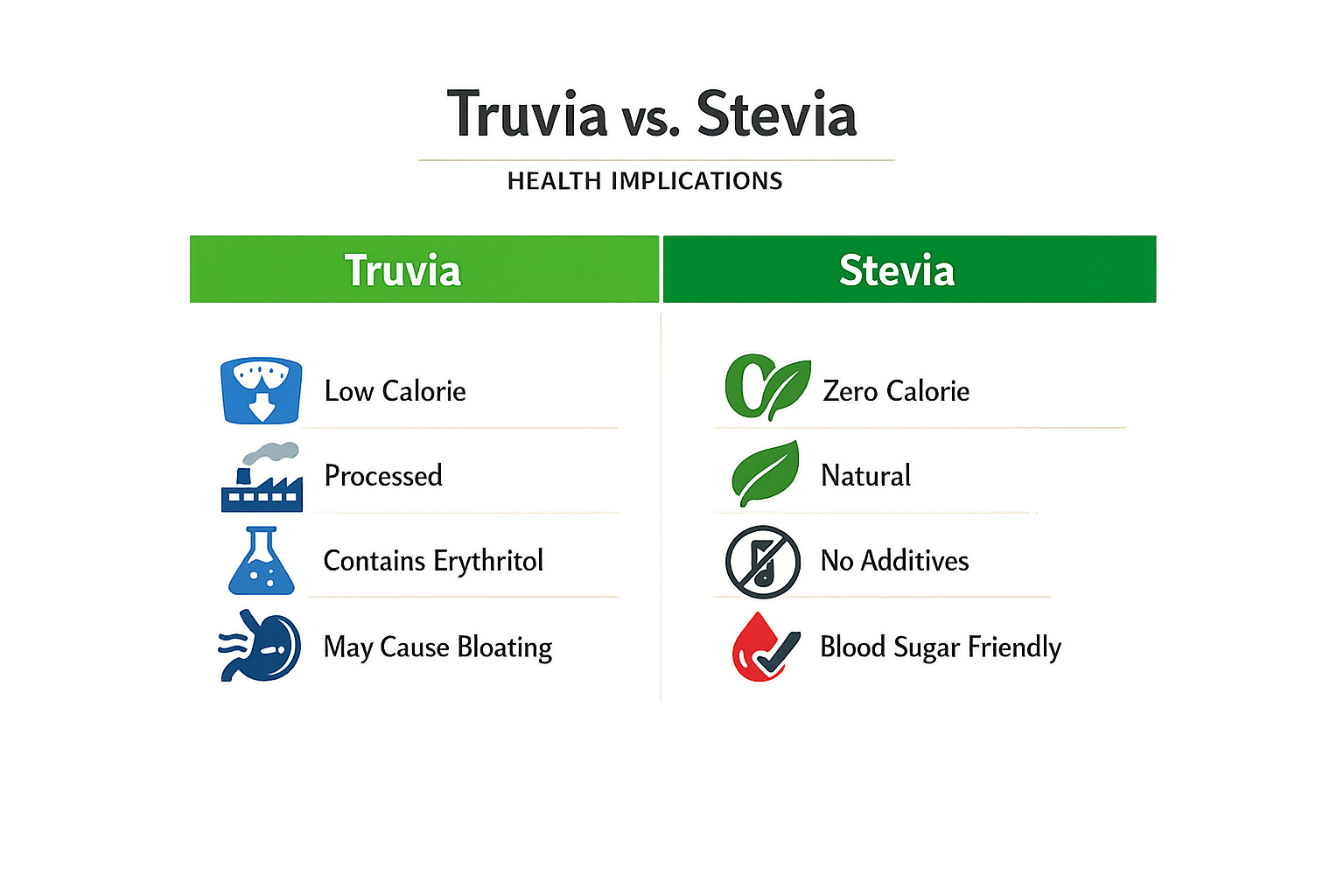
Now that we've examined each sweetener individually, let's look at how Truvia and stevia compare side-by-side in composition, metabolic effects, and practical use.
Composition and Processing Differences
The core distinction lies in what you're actually consuming. Pure stevia extract contains steviol glycosides—primarily stevioside and rebaudioside A—isolated from the stevia plant. Truvia, by contrast, is a formulated product: it combines rebaudioside A (one specific steviol glycoside) with erythritol (a sugar alcohol) and natural flavors. The erythritol provides bulk and masks some of the bitter aftertaste associated with high-purity stevia extracts, but it also means Truvia is not simply "stevia in a packet."
Both sweeteners deliver near-zero calories at the amounts typically used, but their ingredient lists diverge. If you're tracking additives or managing sensitivities, that difference matters—erythritol can cause digestive discomfort in some people at higher doses, while pure stevia extract generally does not.
Effects on Blood Sugar and Insulin
Research on steviol glycosides—the active compounds in both products—suggests they may enhance glucose-induced insulin secretion through a mechanism involving the TRPM5 channel, which is present in both taste cells and pancreatic beta cells. In controlled trials, stevioside and rebaudioside A have been shown to support insulin release in a dose-dependent manner, though the clinical significance of this effect in everyday use remains under investigation.
The metabolic effects of non-caloric sweeteners like Truvia and stevia are still debated in the research community, particularly regarding long-term glucose regulation. Both sweeteners are considered non-nutritive and do not raise blood glucose acutely in the way table sugar does, but individual responses can vary. If you're managing diabetes, monitoring your own blood-glucose response after introducing any new sweetener—including these—is a practical step. For more context on how different sugar substitute options affect blood glucose, see our comparative guide.
Safety and Regulatory Status
Both Truvia and pure stevia extracts have undergone safety evaluations by regulatory bodies including the U.S. Food and Drug Administration (FDA) and the European Food Safety Authority (EFSA). Steviol glycosides are Generally Recognized as Safe (GRAS) in the United States, and Truvia's formulation has received the same designation. These evaluations rely on scientific evidence establishing a reasonable certainty of no harm at typical consumption levels.
That said, the regulatory pathways differ slightly: pure stevia extracts are approved as a general sweetener ingredient, while Truvia is approved as a specific branded formulation. Both have been tested for carcinogenicity, allergenicity, and effects on reproduction and development, with no significant safety concerns identified in the peer-reviewed literature to date.
Practical Considerations for Daily Use
When choosing between Truvia and stevia, consider your priorities:
- Taste and texture: Truvia's erythritol base makes it measure and behave more like sugar in recipes, with a milder aftertaste. Pure stevia extract is intensely sweet and often requires conversion charts; a little goes a long way, and the aftertaste can be polarizing.
- Ingredient simplicity: If you prefer a single-ingredient sweetener, pure stevia extract fits that profile. Truvia is a blend and includes added flavors.
- Digestive tolerance: Erythritol is generally well-tolerated, but some people experience bloating or loose stools at higher intakes (typically above 20–30 grams per day). Pure stevia does not carry this risk.
- Cost and availability: Truvia is widely available in retail and often priced competitively. Pure stevia extracts vary in price depending on purity and brand; liquid stevia extracts tend to be more concentrated and economical per use.
Neither sweetener is inherently "better"—the right choice depends on how you plan to use it, what other ingredients you're comfortable with, and how your body responds.
Conclusion
Truvia and stevia are not the same, though they share a common origin. Stevia refers to the whole-leaf extract or purified steviol glycosides from the Stevia rebaudiana plant, while Truvia is a branded product that combines rebaudioside A (a single steviol glycoside) with erythritol and natural flavors. The distinction matters for blood-glucose management: pure stevia extracts have been shown in intervention trials to lower fasting and post-prandial blood glucose levels in people with type 2 diabetes, while Truvia's added erythritol—a sugar alcohol—introduces a different metabolic profile that may affect some individuals differently.
For readers navigating sweetener choices with diabetes, the key takeaway is to read ingredient labels carefully. Pure stevia products contain only steviol glycosides, while blended products like Truvia include bulking agents that change the overall composition. Research suggests stevia can be used safely as a sweetener substitute and may offer cardiovascular benefits in long-standing diabetes, though higher-dose randomized trials are still needed to confirm optimal intake levels. When choosing between the two, consider your tolerance for sugar alcohols, your blood-glucose response (which you can track with a meter or CGM), and whether you prefer a product with additional ingredients or a single-source extract.
Ultimately, both options can fit into a diabetes-friendly eating plan when used in moderation. Confirm your own sweetener strategy with your care team, especially if you're adjusting medications or tracking tight glucose targets. For a broader view of how different sweeteners affect blood glucose, see our guide to sugar substitute options and which sweeteners spike blood glucose. As research continues to clarify the long-term effects of non-nutritive sweeteners, staying informed and checking your own numbers remains the most reliable path forward.
Related reading

Maren Alcott is the lead presenter at DiabetesCompass. She is an AI-presented digital character. Every article Maren presents is researched and fact-checked by the DiabetesCompass editorial team against the ADA Standards of Care, peer-reviewed journals, and named clinical sources. Maren does not give medical advice — for questions about your specific situation, talk to your care team.