
Type 1 Diabetes Symptoms in Children and Adults
Type 1 diabetes is a chronic autoimmune condition in which the body's immune system attacks and destroys the insulin-producing beta cells in the pancreas.


On this page
Introduction
Type 1 diabetes is a chronic autoimmune condition in which the body's immune system attacks and destroys the insulin-producing beta cells in the pancreas. According to research published by the National Institutes of Health, this destruction results in absolute insulin deficiency, meaning the body can no longer regulate blood glucose levels without external insulin. While type 1 diabetes can develop at any age, it is most frequently diagnosed during childhood and adolescence.
Our team at DiabetesCompass has gathered research from leading diabetes organizations to help families and individuals recognize the warning signs early. Understanding what to watch for can make the difference between a timely diagnosis and a medical emergency. The classic symptoms — often remembered as the "four Ts" (thirst, toilet, tired, thinner) — typically develop over days to weeks and require immediate medical attention.
Recognizing these symptoms quickly matters because undiagnosed type 1 diabetes can progress to diabetic ketoacidosis (DKA), a life-threatening condition. For more context on early warning signs before a diabetes diagnosis, understanding the progression of symptoms can help caregivers and adults seek care before complications develop. The condition affects an estimated 587,000 children under age 15 worldwide, with approximately 96,100 new cases diagnosed annually in this age group.
While type 1 diabetes has no cure and no established prevention strategies, early recognition and proper management with insulin therapy allow individuals to live full, active lives. The key is knowing what to look for and acting quickly when symptoms appear.
Problem Statement
Type 1 diabetes symptoms often go unrecognized or are mistaken for less serious conditions, delaying diagnosis and increasing the risk of life-threatening complications. In many cases, families and individuals do not realize that symptoms such as frequent urination, excessive thirst, and unexplained weight loss signal a medical emergency. By the time a diagnosis is made, a significant number of patients have already progressed to diabetic ketoacidosis (DKA), a severe condition that requires immediate hospitalization.
When Symptoms Are Missed or Misinterpreted
Common symptoms of type 1 diabetes — including dehydration, fever, abdominal pain, polyuria (frequent urination), and polydipsia (excessive thirst) — can resemble viral illnesses or gastrointestinal conditions. Research from sub-Saharan Africa found that 75% of children diagnosed with type 1 diabetes presented with DKA at onset, and the most prevalent presenting symptoms were dehydration (16 cases), fever (14), abdominal pain (12), and polyuria and polydipsia (12). This pattern of delayed recognition is not unique to one region; it reflects a broader challenge in distinguishing diabetes symptoms from more familiar childhood illnesses.
Parents and caregivers may attribute increased thirst to hot weather, frequent urination to drinking more fluids, and fatigue to a busy schedule. Without awareness of how these symptoms cluster and escalate, families may wait days or weeks before seeking medical evaluation, during which time the child's condition deteriorates.
Barriers to Timely Diagnosis
Management of type 1 diabetes in sub-Saharan Africa and other resource-limited settings is particularly challenging due to delayed diagnosis, limited availability of insulin and glucose monitoring supplies, poor glycemic control, and high treatment-related costs. These systemic barriers mean that even when symptoms are recognized, access to diagnostic testing and specialist care may be delayed or unavailable. In many communities, healthcare providers at the primary care level may lack the training or resources to identify and respond to type 1 diabetes symptoms quickly.
The rate of undiagnosed diabetes is high in most countries of sub-Saharan Africa, and individuals who are unaware they have the disorder are at very high risk of chronic complications.
The consequences of delayed diagnosis extend beyond the acute crisis of DKA. Studies from the region report high rates of acute and chronic complications and excess mortality among children and young people with type 1 diabetes, reflecting structural inequities in access to care and continuity of treatment. When diagnosis is delayed, the window for preventing long-term complications narrows, and families face a steeper learning curve in managing a condition that requires daily insulin, blood glucose monitoring, and careful attention to diet and activity.
The Cost of Misrecognition
Families who do not recognize early signs of diabetes may also struggle with the emotional and financial toll of a late diagnosis. Emergency hospitalization for DKA is more expensive and traumatic than a planned outpatient evaluation, and the shock of a sudden diagnosis leaves little time for education and preparation. Our team has seen how the combination of symptom misinterpretation, limited healthcare access, and inadequate public awareness creates a cascade of missed opportunities for early intervention.
Addressing the problem of unrecognized type 1 diabetes symptoms requires both individual awareness and systemic change: families need clear, accessible information about what to watch for, and healthcare systems need the infrastructure and training to support timely diagnosis and ongoing care.
Solution Steps for Recognizing Symptoms
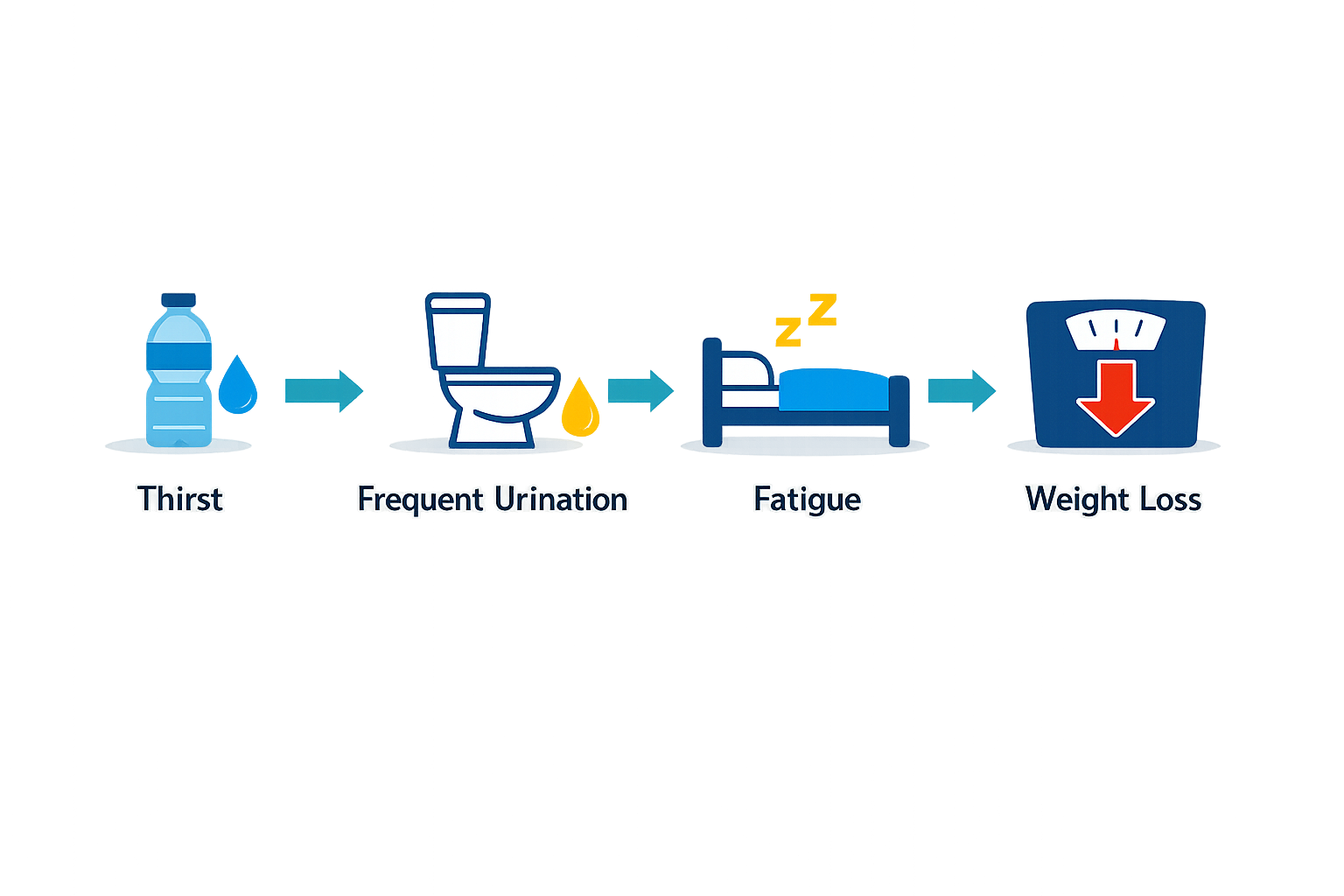
Recognizing type 1 diabetes symptoms early can make the difference between a smooth diagnosis and a medical emergency. Our team reviewed the clinical literature to outline the most common presentations and the steps families and individuals can take when symptoms appear.
Common Symptoms Across All Ages
Type 1 diabetes symptoms tend to develop quickly — often over a few weeks — and they stem from the body's inability to move glucose out of the bloodstream and into cells. The most frequently observed symptoms include:
- Excessive thirst and frequent urination — when blood sugar rises, the kidneys work overtime to filter it out, pulling water with it and triggering constant thirst
- Unexplained weight loss — without insulin, cells cannot access glucose for energy, so the body begins breaking down muscle and fat instead
- Extreme fatigue — cells starved of glucose leave the person feeling drained, even after rest
- Increased hunger — despite eating, the body signals that it needs more fuel because glucose is not reaching the cells
- Blurred vision — high blood sugar can cause the lens of the eye to swell temporarily, distorting vision
In one study of children presenting with type 1 diabetes, the most common symptoms were dehydration, fever, abdominal pain, and the combination of excessive urination and thirst. Importantly, 75% of children in that cohort presented with diabetic ketoacidosis (DKA) at diagnosis — a serious condition that occurs when the body begins breaking down fat for energy and producing acidic ketones.
Step-by-Step: What to Do When Symptoms Appear
Step 1
Document the symptoms
Write down what you are observing: how often the person is urinating, how much they are drinking, any weight changes, and how long the symptoms have been present. This timeline helps the care team assess urgency and supports faster diagnosis.
Step 2
Contact your primary care provider or pediatrician
Call the office and describe the symptoms clearly. Many providers will ask you to bring the person in the same day or direct you to urgent care or the emergency department, depending on severity. Do not wait for a routine appointment if symptoms are progressing quickly.
Step 3
Prepare for possible testing
The provider will likely order a blood glucose test and may check for ketones in the urine. If blood sugar is elevated and ketones are present, the diagnosis can often be made on the spot. Be ready to discuss family history of autoimmune conditions and any recent illnesses, as these can be relevant.
Step 4
Follow the care team's guidance on next steps
If type 1 diabetes is confirmed, the immediate priority is stabilizing blood sugar and preventing or treating DKA. This may involve hospitalization, starting insulin, and working with an endocrinologist and diabetes educator to build a management plan. The first days can feel overwhelming; the care team will walk you through each piece.
Recognizing Symptoms in Young Children
In children who are not yet verbal or who cannot articulate what they are feeling, caregivers often notice behavioral changes first: irritability, bedwetting after being toilet-trained, or a sudden drop in energy during play. Infants may have unusually wet diapers or show signs of dehydration — sunken eyes, dry mouth, or fewer tears when crying. Any combination of these signs, especially if paired with increased thirst or feeding, warrants an immediate call to the pediatrician.
Recognizing Symptoms in Adolescents and Adults
In older children, teens, and adults, the same core symptoms appear, but they may be attributed to stress, a busy schedule, or another illness at first. Adults sometimes dismiss extreme thirst as a response to exercise or hot weather, and weight loss may be mistaken for intentional dieting. If you or someone you know is experiencing these symptoms without an obvious cause, early diagnosis can prevent serious complications.
Type 1 diabetes is less common in adults than in children, but it can and does occur at any age. When symptoms develop in adulthood, they may progress slightly more slowly than in children, but the underlying mechanism — autoimmune destruction of insulin-producing cells — is the same, and the need for insulin is just as immediate.
The number of children diagnosed with type 1 diabetes is increasing by approximately 3% per year worldwide, making early recognition more important than ever.
What Happens After Symptom Recognition
Once type 1 diabetes is diagnosed, the focus shifts to education, stabilization, and building a sustainable management routine. The care team will teach insulin administration, blood glucose monitoring, carbohydrate counting, and how to recognize and treat low blood sugar. These skills take time to develop, and the first few weeks often involve frequent contact with the diabetes team as everyone learns what works.
Short-term complications — hypoglycemia (low blood sugar), hyperglycemia (high blood sugar), and ketoacidosis — are managed through careful monitoring and insulin adjustment. Long-term complications, including heart disease, retinopathy, neuropathy, and kidney disease, are prevented or delayed through consistent blood sugar control, regular medical follow-up, and healthy lifestyle habits. The care team will outline a monitoring schedule and explain what numbers to aim for; those targets are individualized and should be confirmed with your own providers.
Tips and Tricks for Caregivers
Caregivers and family members play a vital role in recognizing type 1 diabetes symptoms and ensuring timely medical care. Whether you are caring for a child or supporting an adult family member, understanding how to monitor for symptoms, communicate with healthcare providers, and advocate for appropriate care can make a meaningful difference in outcomes.
Keep a Symptom Log
When you notice potential type 1 diabetes symptoms — excessive thirst, frequent urination, unexplained weight loss, or unusual fatigue — start documenting them. Write down what you observe, when it happens, and how often. This log becomes a concrete reference point during medical appointments and helps your care team assess patterns that might otherwise be missed in conversation.
For children, track changes in behavior alongside physical symptoms: increased irritability, difficulty concentrating at school, or bedwetting after a period of being dry at night. For adults, note whether symptoms interfere with daily activities or worsen at specific times of day.
Communicate Clearly with Healthcare Providers
Bring your symptom log to every appointment. When describing what you have observed, use specific language rather than general impressions. Instead of "they seem tired," say "they have been napping twice a day for the past two weeks, which is new." Concrete details help clinicians distinguish between vague concerns and patterns that warrant immediate testing.
If you suspect type 1 diabetes based on the symptoms you are seeing, say so directly. Ask for blood glucose testing and, if appropriate, testing for diabetic ketoacidosis. You are not diagnosing — you are providing observations and asking for the tests that can confirm or rule out the condition.
Support Children Using Diabetes Technology
Once a child is diagnosed, caregivers often coordinate the use of continuous glucose monitors, insulin delivery systems, and other diabetes management tools. According to current guidelines, children at school should be assisted in utilizing the latest technology — including continuous glucose monitors, automated insulin delivery systems, and insulin pumps — as recommended by their diabetes care team. Work with school staff to ensure that your child has access to these devices during the school day and that adults supervising them understand how the technology works.
For more context on the early warning signs that might prompt this kind of monitoring, see our guide to Early Signs of Diabetes: Warning Signs Before Diagnosis.
Understand That Age Affects Diabetes Control
Research indicates that age above 12 years is significantly associated with poorer diabetes control. Adolescents face unique challenges — growth spurts, hormonal changes, increasing independence, and social pressures — that can make blood sugar management more complex. Caregivers supporting teenagers should anticipate that this period may require more frequent contact with the care team, adjustments to insulin regimens, and open conversations about the realities of living with type 1 diabetes during a time of rapid change.
Advocate for Timely Care
In some settings, families face barriers to accessing insulin, diabetes supplies, or specialized care. If you encounter delays, unclear guidance, or gaps in coverage, document what you need and escalate your requests. Contact patient advocacy organizations, ask your care team for referrals to social workers or case managers, and inquire about manufacturer assistance programs or community resources that can help bridge gaps while you work toward a sustainable care plan.
Your role as a caregiver includes not only recognizing symptoms but also ensuring that the person you are supporting receives the testing, treatment, and ongoing management they need. Trust what you observe, ask direct questions, and persist when the situation calls for it.
Conclusion
Recognizing type 1 diabetes symptoms early — excessive thirst, frequent urination, unexplained weight loss, and fatigue — can make the difference between a straightforward diagnosis and a life-threatening emergency. Our team reviewed the clinical literature and the ADA's guidance before writing this orientation, and the message is consistent: these symptoms emerge when the body can no longer regulate blood glucose without insulin, and they require immediate medical evaluation.
Type 1 diabetes is an autoimmune condition that destroys the insulin-producing beta cells in the pancreas, leaving the body unable to manage blood sugar on its own. Globally, type 1 diabetes accounts for approximately 5–10% of all diabetes cases, and the number of children diagnosed each year continues to rise. Early recognition matters because untreated type 1 diabetes can progress rapidly to diabetic ketoacidosis, a medical emergency that requires hospitalization.
If you or someone in your household shows these symptoms — especially the combination of increased thirst, frequent urination, and weight loss despite normal or increased eating — contact your primary care provider or an urgent care clinic the same day. Do not wait for symptoms to worsen or for a routine appointment weeks away. A fingerstick glucose test and, if indicated, additional lab work can confirm or rule out diabetes within hours, and early diagnosis allows you to start insulin therapy before complications develop.
For caregivers and parents, trust your observations. You know your child's normal patterns better than anyone, and if something feels wrong — a sudden change in thirst, bedwetting after years of dry nights, or a drop in energy that does not match a cold or growth spurt — it is worth a same-day call to the pediatrician. The ADA's Standards of Care emphasize that children and adolescents benefit from early, individualized diabetes care, and that starts with recognizing the symptoms and acting on them.
Once diagnosed, type 1 diabetes requires lifelong insulin therapy, blood glucose monitoring, and coordination with an endocrinology team, but it is a condition that can be managed well with the right support and education. Our article on early signs of diabetes covers the broader warning signs across diabetes types and may help you understand what to watch for in the months ahead.
The key takeaway: type 1 diabetes symptoms are urgent, not subtle. When you see them, act the same day. Confirm the diagnosis with your care team, start treatment promptly, and give yourself or your family member the best foundation for long-term health.

Maren Alcott is the lead presenter at DiabetesCompass. She is an AI-presented digital character. Every article Maren presents is researched and fact-checked by the DiabetesCompass editorial team against the ADA Standards of Care, peer-reviewed journals, and named clinical sources. Maren does not give medical advice — for questions about your specific situation, talk to your care team.
DiabetesCompass uses clearly identified digital editorial voices. See our AI disclosure for how bylines and AI-assisted production work.