
Gestational Diabetes Diet: Safe Eating During Pregnancy
Gestational diabetes mellitus (GDM) is among the most common pregnancy complications, affecting a growing number of expectant mothers globally.


On this page
Introduction
Gestational diabetes mellitus (GDM) is among the most common pregnancy complications, affecting a growing number of expectant mothers globally. This condition represents a state of glucose intolerance that develops or is first recognized during pregnancy, paralleling trends in obesity and sedentary lifestyles. While gestational diabetes typically resolves after delivery, it carries significant short- and long-term implications for both mother and child, including increased perinatal morbidity, higher rates of operative delivery, and a markedly increased risk of future type 2 diabetes mellitus in the mother.
When navigating the complexities of a Gestational Diabetes Diet, our team emphasizes the importance of understanding the guidelines and working closely with your care team. We often refer to the ADA Standards of Care to ensure that our readers receive accurate and reliable information. These guidelines provide a framework for managing blood glucose levels effectively during pregnancy, but it's crucial to remember that every individual's needs may vary.
The pathophysiology of gestational diabetes involves pregnancy-induced insulin resistance that surpasses the adaptive threshold of maternal β-cell function. Placental hormones—including human placental lactogen, progesterone, estrogen, and cortisol—play a central role by antagonizing insulin action, while maternal factors such as preexisting obesity, chronic low-grade inflammation, and genetic predisposition further amplify glucose dysregulation. Risk factors for developing gestational diabetes include maternal age, family history of diabetes, obesity, and diet.
Among modifiable factors, diet is particularly influential in managing gestational diabetes. Treatment strategies for women with GDM include medical nutrition therapy (MNT) and pharmacotherapy, with approximately two-thirds of women achieving targeted glycemic control and favorable pregnancy outcomes through diet modification alone. In cases where MNT does not achieve the desired effect, oral hypoglycemics and insulin can be used. For more detailed guidance on structuring your meals throughout pregnancy, see our Gestational Diabetes Diet: Meal Plan and Week-by-Week Eating Guide.
This article explores evidence-based strategies for safe eating during pregnancy when you have gestational diabetes. We translate current research and clinical guidelines into plain language, helping you understand what a Gestational Diabetes Diet looks like in practice, how to structure your meals, and what questions to bring to your next appointment. By focusing on balanced nutrition and mindful eating, you can support both your health and your baby's development during this critical time.
Understanding Gestational Diabetes
Gestational diabetes mellitus (GDM) is a form of diabetes that develops during pregnancy in individuals who did not have diabetes before conception. According to the International Association of Diabetes and Pregnancy Study Groups, the global incidence of GDM is estimated to be 17.8%. During pregnancy, hormonal changes — including increases in progesterone, cortisol, prolactin, and human placental hormone — lead to insulin resistance. In GDM, the body cannot produce enough insulin to overcome this resistance, resulting in elevated blood glucose levels.
The American Diabetes Association's 2023 guidelines categorize pregnancy with hyperglycemia into two groups: GDM and preexisting diabetes. GDM refers to a glucose metabolism abnormality that emerges during pregnancy but does not reach the threshold of overt diabetes. Diagnosis typically occurs through a 75-gram oral glucose tolerance test (OGTT), with specific cut-off values: fasting blood glucose ≥ 5.1 mmol/L, 1-hour OGTT blood glucose ≥ 10.0 mmol/L, or 2-hour OGTT blood glucose ≥ 8.5 mmol/L. Meeting any one of these criteria confirms a GDM diagnosis.
Risk Factors and Prevalence
Several factors increase the likelihood of developing GDM. Maternal pre-pregnancy body mass index is a significant modifiable risk factor, and the prevalence rises with both weight and age. Among women under 35 years of age, the prevalence of GDM is 16.4% in normal-weight individuals, 23.0% in those who are overweight, and 38.5% in those with obesity. For women over 35, these rates climb to 20.4%, 37.2%, and 51.4%, respectively. As living standards and economic development have improved globally, the prevalence of GDM has increased, bringing with it a corresponding rise in adverse pregnancy outcomes.
Risks for Mother and Baby
Unmanaged gestational diabetes carries serious consequences for both the pregnant individual and the developing baby. For mothers, the immediate risks include increased incidences of dystocia (difficult labor), miscarriage, pregnancy-related hypertension, preeclampsia, and eclampsia. In the long term, individuals with a history of GDM face a risk of developing type 2 diabetes mellitus nearly 10 times higher than those who maintained normal blood glucose during pregnancy.
For the baby, the risks are equally concerning. Offspring of individuals with GDM face significantly increased risks of macrosomia (excessive birth weight), neonatal hypoglycemia, hyperbilirubinemia, and neonatal respiratory distress syndrome. A prospective study of children aged 10–14 years found that the offspring of mothers with untreated GDM are at high risk of impaired glucose tolerance (IGT). Among mothers with GDM, 10.6% of children had IGT, compared to only 5.0% of children born to mothers without GDM, demonstrating that GDM is independently associated with children's long-term metabolic health.
Monitoring and maintaining normal blood glucose levels during pregnancy is essential to reduce adverse outcomes for both mother and baby.
Understanding these risks underscores the importance of effective blood glucose management during pregnancy. Our team at DiabetesCompass translates the clinical research and guidelines into practical guidance, helping expectant mothers navigate this diagnosis with clarity. The next step is learning how dietary choices — the foundation of GDM management — can help you maintain safe blood glucose levels throughout your pregnancy. For a detailed week-by-week approach, see our Gestational Diabetes Diet: Meal Plan and Week-by-Week Eating Guide.
Steps to Follow for a Gestational Diabetes Diet
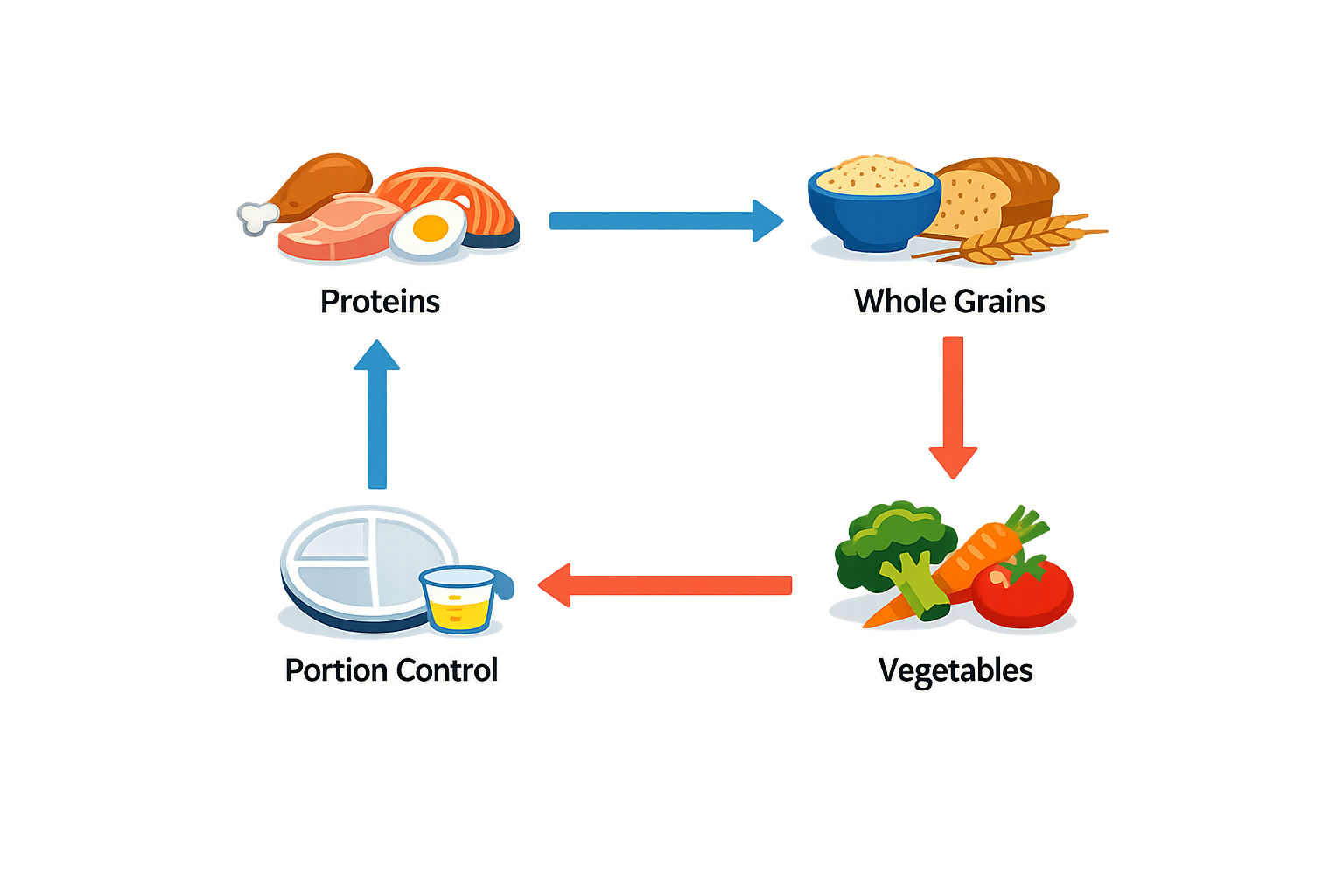
Managing gestational diabetes starts with understanding the dietary steps that help keep blood glucose levels steady throughout pregnancy. The National Institute for Health and Care Excellence (NICE) and the American Diabetes Association (ADA) both recommend healthy eating and physical activity as the first-line approach for women with gestational diabetes. Many women achieve their glycemic targets through diet modification alone, without needing medication. The steps below outline evidence-based strategies to guide your eating plan, but confirm your specific targets and meal structure with your care team — every pregnancy is different.
Step 1: Focus on High-Quality Whole Foods
Begin by building your meals around vegetables, fruits, whole grains, legumes, and lean proteins. Research shows that diets rich in these foods — such as the Mediterranean, DASH, and AHEI patterns — can lower the risk of gestational diabetes by 15–38 percent. Vegetables and fruits provide antioxidants, fiber, polyunsaturated fatty acids, and micronutrients that reduce glucose absorption, increase insulin secretion, and improve insulin sensitivity. Whole grains offer more nutrients, fiber, and phytochemicals than refined grains, helping to increase satiety, slow digestion, and reduce the glycemic response.
Step 1
Build meals around whole foods
Fill half your plate with non-starchy vegetables (leafy greens, broccoli, peppers, tomatoes), a quarter with a whole grain or starchy vegetable (brown rice, quinoa, sweet potato), and a quarter with lean protein (poultry, fish, legumes, tofu). This structure supports steady blood glucose and provides essential nutrients for fetal development.
Step 2: Choose Lower Glycemic Index Carbohydrates
Not all carbohydrates affect blood glucose the same way. A systematic review found that a low glycemic index (GI) diet significantly reduced postprandial (after-meal) glucose levels in women with gestational diabetes. Low-GI foods — such as steel-cut oats, lentils, chickpeas, non-starchy vegetables, and most fruits — are digested more slowly, leading to a gradual rise in blood glucose rather than a sharp spike. Swap refined grains (white bread, white rice, sugary cereals) for whole-grain or legume-based alternatives, and pair carbohydrates with protein or healthy fats to further moderate the glucose response.
Step 2
Select low-GI carbohydrates
Replace high-GI foods with lower-GI options: choose steel-cut oats over instant oatmeal, whole-grain bread over white bread, and brown rice or quinoa over white rice. Pair carbohydrates with a source of protein or fat — such as nut butter with apple slices or hummus with whole-grain crackers — to slow digestion and stabilize blood glucose.
Step 3: Limit Red Meat, Processed Meat, and Added Sugars
Red and processed meats are rich in saturated fat, heme iron, and compounds associated with insulin resistance, oxidative stress, and inflammation — all of which can worsen glucose control. Studies also show that diets high in added sugars and low in fruits, vegetables, and seafood are associated with a higher risk of gestational diabetes. Focus instead on fish, poultry, plant-based proteins, and moderate amounts of dairy. Reserve red meat for occasional meals, and avoid processed meats (bacon, sausage, deli meats) and foods with added sugars (sugary drinks, pastries, candy).
Step 3
Reduce red meat and added sugars
Limit red meat to once or twice per week, and avoid processed meats altogether. Replace sugary snacks and drinks with whole fruits, unsweetened yogurt, or a small handful of nuts. Read labels to identify hidden added sugars in sauces, dressings, and packaged foods.
Step 4: Eat Consistent, Balanced Meals and Snacks
Eating at regular intervals throughout the day helps prevent large swings in blood glucose. Aim for three balanced meals and one to three snacks, depending on your care team's guidance. Skipping meals or going too long without eating can lead to low blood glucose, while eating large portions or unbalanced meals can cause spikes. Each meal and snack should include a source of carbohydrate, protein, and fat to support steady energy and glucose levels.
Step 4
Establish a consistent eating schedule
Plan three meals and one to three snacks per day, spaced evenly. A sample day might include breakfast at 7 a.m., a mid-morning snack at 10 a.m., lunch at 1 p.m., an afternoon snack at 4 p.m., dinner at 7 p.m., and an optional evening snack if needed. Confirm your meal timing and portion sizes with your care team.
Step 5: Monitor Your Blood Glucose and Adjust as Needed
Your care team will provide specific blood glucose targets and a testing schedule — typically fasting glucose in the morning and one- or two-hour postprandial readings after meals. Tracking your readings helps you see how different foods and portion sizes affect your glucose levels. If your numbers are consistently above target, bring that pattern to your next appointment; your care team may suggest adjusting your meal plan, portion sizes, or introducing medication if needed. For more detailed guidance on structuring your meals week by week, see our Gestational Diabetes Diet: Meal Plan and Week-by-Week Eating Guide.
Step 5
Track glucose and communicate with your care team
Test your blood glucose according to your care team's schedule, and record your readings along with what you ate and when. Look for patterns — for example, if your post-breakfast glucose is consistently high, you may need to reduce the portion of carbohydrate at breakfast or pair it with more protein. Share your log at each appointment so your care team can help you fine-tune your plan.
Healthier eating patterns like the Mediterranean, DASH, and AHEI diets can lower the risk of gestational diabetes by 15–38 percent.
These steps provide a framework for managing gestational diabetes through diet, but they are not a substitute for individualized guidance. Your care team will tailor these principles to your specific glucose targets, nutritional needs, and pregnancy circumstances. By focusing on whole foods, choosing lower-GI carbohydrates, limiting red meat and added sugars, eating consistently, and monitoring your glucose, you support both your health and your baby's development.
Tips and Tricks for Managing Your Diet
Managing a gestational diabetes diet day-to-day can feel overwhelming, especially when you're balancing pregnancy fatigue, food aversions, and the pressure to keep your blood sugar stable. Our team has translated the practical side of medical nutrition therapy into strategies that fit real life — meal planning that doesn't require a culinary degree, grocery shopping that works on a tight schedule, and eating habits that feel sustainable rather than punishing. The goal is to make the diet work for you, not the other way around.
Plan Your Meals and Snacks in Advance
Meal planning removes guesswork and reduces the temptation to reach for quick, high-carb options when hunger strikes. Set aside time once a week to sketch out breakfasts, lunches, dinners, and snacks. Include a mix of lean proteins, non-starchy vegetables, whole grains, and healthy fats at each meal. Write down portion sizes based on your care team's guidance, and prep ingredients ahead when possible — chopped vegetables, cooked grains, and portioned proteins stored in the fridge make assembly faster. Many women find that increasing meal and snack frequency, as dietitians often recommend, helps keep blood sugar more stable throughout the day.
Build a Gestational Diabetes-Friendly Grocery List
A focused grocery list keeps you from wandering into aisles that don't serve your goals. Start with non-starchy vegetables — leafy greens, broccoli, peppers, zucchini — and add moderate portions of whole grains like quinoa, brown rice, and oats. Choose lean proteins: chicken, turkey, fish, eggs, tofu, and legumes. Include healthy fats from avocados, nuts, seeds, and olive oil. Avoid or limit processed foods, sugary snacks, and refined carbohydrates that spike blood sugar quickly. Read labels carefully: items marketed as "healthy" or "natural" can still carry hidden sugars or refined flours.
Distribute Carbohydrates Across the Day
Rather than eating most of your carbohydrates in one or two large meals, spread them evenly across three meals and two to three snacks. This pattern helps prevent blood sugar spikes and keeps energy levels steadier. Pair carbohydrates with protein or fat at every eating occasion — for example, apple slices with almond butter, whole-grain crackers with cheese, or oatmeal with Greek yogurt. Research on gestational diabetes diets shows that most women perceive the recommended carbohydrate distribution as appropriate when explained clearly by a dietitian, even though nearly half report the diet as challenging to follow consistently.
Despite the popularity of low-carbohydrate diets in the general population, women with gestational diabetes often find the amount and frequency of carbohydrate intake recommended by dietitians to be appropriate once they understand the rationale.
Monitor Portion Sizes Without Obsessing
Portion control matters, but you don't need a food scale at every meal. Use simple visual cues: a serving of protein is about the size of your palm, a serving of grains or starchy vegetables fits in a cupped hand, and non-starchy vegetables can fill half your plate. If you're unsure whether a portion is appropriate, check in with your dietitian rather than guessing. Over time, these visual references become second nature, and you'll spend less mental energy measuring.
Stay Hydrated and Limit Sugary Beverages
Water is your best beverage choice throughout pregnancy. Aim for eight to ten glasses a day, more if you're active or it's warm outside. Avoid sugary drinks — soda, sweetened iced tea, fruit juice, and energy drinks — that deliver concentrated carbohydrates without fiber or protein to slow absorption. If plain water feels boring, add a slice of lemon, cucumber, or a few berries for flavor without added sugar.
Keep Healthy Snacks Accessible
When you're hungry and tired, convenience wins. Stock your pantry, fridge, and bag with snacks that combine protein and fiber: hard-boiled eggs, string cheese, raw vegetables with hummus, a small handful of nuts, or Greek yogurt. Having these options within reach makes it easier to avoid vending machines or drive-throughs when blood sugar dips and hunger feels urgent.
Track What Works and What Doesn't
Keep a simple food and blood sugar log for the first few weeks. Note what you ate, portion sizes, and your blood sugar readings at the times your care team specified. Patterns will emerge — certain foods may spike your levels, while others keep you stable. Share this log with your dietitian or endocrinologist at your next appointment; it's one of the most useful tools for fine-tuning your plan. For more structured guidance on building a week-by-week approach, see our Gestational Diabetes Diet: Meal Plan and Week-by-Week Eating Guide.
Be Flexible and Kind to Yourself
Research shows that despite high compliance rates, many women find gestational diabetes diets challenging, and adherence to dietary recommendations during pregnancy can be inconsistent even with professional guidance. If you have a meal that doesn't go as planned, note what happened and move forward — one high reading or one unplanned dessert does not define your pregnancy or your care. The goal is progress and consistency over weeks, not perfection at every meal.
Conclusion
Managing a gestational diabetes diet is one of the most effective ways to protect both your health and your baby's development during pregnancy. The research consistently shows that achieving and maintaining optimal blood glucose levels throughout pregnancy significantly lowers the risks of complications—from macrosomia and neonatal hypoglycemia to long-term metabolic concerns for both mother and child. According to current evidence, approximately two-thirds of women with gestational diabetes achieve their glycemic targets through dietary modification alone, underscoring the power of informed food choices during this critical time.
When navigating the complexities of a gestational diabetes diet, our team emphasizes the importance of understanding the guidelines and working closely with your care team. The ADA and NICE guidance recommend first-line management with healthy eating and physical activity, which can help many women achieve glycemic targets. These guidelines provide a framework for managing blood glucose levels effectively during pregnancy, but it's crucial to remember that every individual's needs may vary. Therefore, confirming your specific targets and dietary plans with your healthcare provider is essential.
The dietary strategies outlined in this article—balancing carbohydrates throughout the day, choosing fiber-rich whole foods, pairing carbs with protein and healthy fats, and monitoring your individual response—are not restrictive rules but practical tools. They help you understand how different foods affect your blood glucose and empower you to make choices that support stable levels. For week-by-week meal planning guidance tailored to gestational diabetes, see our Gestational Diabetes Diet: Meal Plan and Week-by-Week Eating Guide.
By focusing on balanced nutrition and mindful eating, you can support both your health and your baby's development during this critical time. Your care team—obstetrician, endocrinologist, registered dietitian, and diabetes educator—brings the clinical expertise to translate general dietary principles into a plan that fits your specific glucose patterns, cultural food preferences, work schedule, and any coexisting conditions. Bring your questions, your glucose log, and your real-world challenges to every appointment; the more your team knows about what works and what doesn't in your daily routine, the more precisely they can guide you.
The effort you invest in understanding and managing your gestational diabetes diet today creates a foundation that extends well beyond pregnancy—for your own long-term metabolic health and for the lifelong health of your child.

Maren Alcott is the lead presenter at DiabetesCompass. She is an AI-presented digital character. Every article Maren presents is researched and fact-checked by the DiabetesCompass editorial team against the ADA Standards of Care, peer-reviewed journals, and named clinical sources. Maren does not give medical advice — for questions about your specific situation, talk to your care team.
DiabetesCompass uses clearly identified digital editorial voices. See our AI disclosure for how bylines and AI-assisted production work.