
Gestational Diabetes Diet: Meal Plan and Week-by-Week Eating Guide
Follow a week-by-week gestational diabetes diet meal plan with balanced nutrition strategies, carb timing, and practical eating guidance for blood sugar control.


On this page
Introduction
A gestational diabetes meal plan is the cornerstone of managing blood glucose during pregnancy. Gestational diabetes develops when the body cannot produce enough insulin to meet the increased demands of pregnancy. During pregnancy, hormones from the placenta naturally increase insulin resistance to ensure glucose reaches the developing baby. For most women, the pancreas adapts by producing more insulin. When that adaptation falls short, blood glucose rises above the target range, and gestational diabetes is diagnosed.
The condition carries immediate and long-term implications. In the short term, uncontrolled blood glucose increases the risk of larger-than-expected babies, operative delivery, and neonatal hypoglycemia. Over the longer horizon, women who have had gestational diabetes face a markedly higher risk of developing type 2 diabetes, and their children are at greater risk for obesity and metabolic conditions later in life.
Diet is the cornerstone of gestational diabetes management. Approximately two-thirds of women diagnosed with GDM achieve targeted glucose control through medical nutrition therapy alone, without requiring insulin or oral medications. A week-by-week gestational diabetes meal plan provides structure during a time when food preferences, energy levels, and schedule demands shift rapidly. Understanding which foods stabilize glucose, how portion size and timing affect readings, and how to navigate common pregnancy cravings makes the difference between reactive troubleshooting and confident, proactive management.
This guide walks through a practical, week-by-week framework for eating right with gestational diabetes. It translates the research on dietary patterns—particularly the evidence supporting Mediterranean-style eating—into actionable meal strategies that fit real-world pregnancy routines. Whether you are newly diagnosed or refining an existing plan, the goal is the same: stable glucose, healthy weight gain, and the best possible start for both mother and baby. For context on how early glucose changes are identified, see our guide on A1C of 5.7: What It Means for Your Health and Next Steps.
Understanding Gestational Diabetes
Gestational diabetes occurs when insulin resistance rises beyond expected levels during pregnancy, leading to maternal hyperglycemia. During a typical pregnancy, the body naturally becomes more insulin-resistant to ensure a continuous supply of glucose reaches the developing baby. In most women, the pancreas compensates by producing additional insulin. In GDM, however, this balance fails: insulin resistance climbs higher than normal, while the pancreatic beta cells cannot keep up, resulting in elevated blood glucose levels.
What Causes Gestational Diabetes?
Several factors contribute to this metabolic shift. Placental hormones—including human placental lactogen, progesterone, estrogen, and cortisol—play a central role by interfering with insulin's effectiveness. At the same time, low-grade inflammation, altered adipokines (signaling molecules from fat tissue), and the increased metabolic demands of pregnancy create additional strain on the body's glucose regulation system.
Women with underlying risk factors start pregnancy with reduced metabolic reserves, making them more vulnerable as these normal physiologic changes progress. Risk factors include age (particularly over 35), genetics, polycystic ovary syndrome, family history of diabetes, and lifestyle factors such as pre-pregnancy body mass index. Recent studies show that maternal pre-pregnancy BMI is a modifiable risk factor, with GDM prevalence rising sharply in overweight and obese women across all age groups. source
Implications for Mother and Baby
GDM carries significant short- and long-term consequences for both mother and child. For mothers, the condition increases the immediate risks of dystocia (difficult labor), miscarriage, preeclampsia, and eclampsia. It also raises the likelihood of operative delivery. Although GDM typically resolves after delivery, the long-term outlook is sobering: women with a history of GDM face a risk of developing type 2 diabetes that is nearly 10 times higher than women who maintained normal blood glucose during pregnancy.
For the baby, GDM increases the risks of macrosomia (excessive birth weight), neonatal hypoglycemia, hyperbilirubinemia (jaundice), and respiratory distress syndrome. These complications can complicate delivery and require specialized neonatal care. Beyond the immediate perinatal period, offspring of pregnancies complicated by GDM are at greater risk of obesity, impaired glucose tolerance, and cardiometabolic disease later in life. Prospective studies in children aged 10–14 years show that those born to mothers with untreated GDM have double the rate of impaired glucose tolerance compared to children of mothers without GDM.
Monitoring and maintaining normal blood glucose levels during pregnancy is essential to reduce these risks. Early identification and effective management—including dietary modification, physical activity, and when necessary, pharmacotherapy—can mitigate many of the adverse outcomes associated with GDM. The next section outlines a practical, week-by-week approach to eating right with gestational diabetes, focusing on balanced nutrition strategies that support both maternal and fetal health.
Week-by-Week Gestational Diabetes Meal Plan
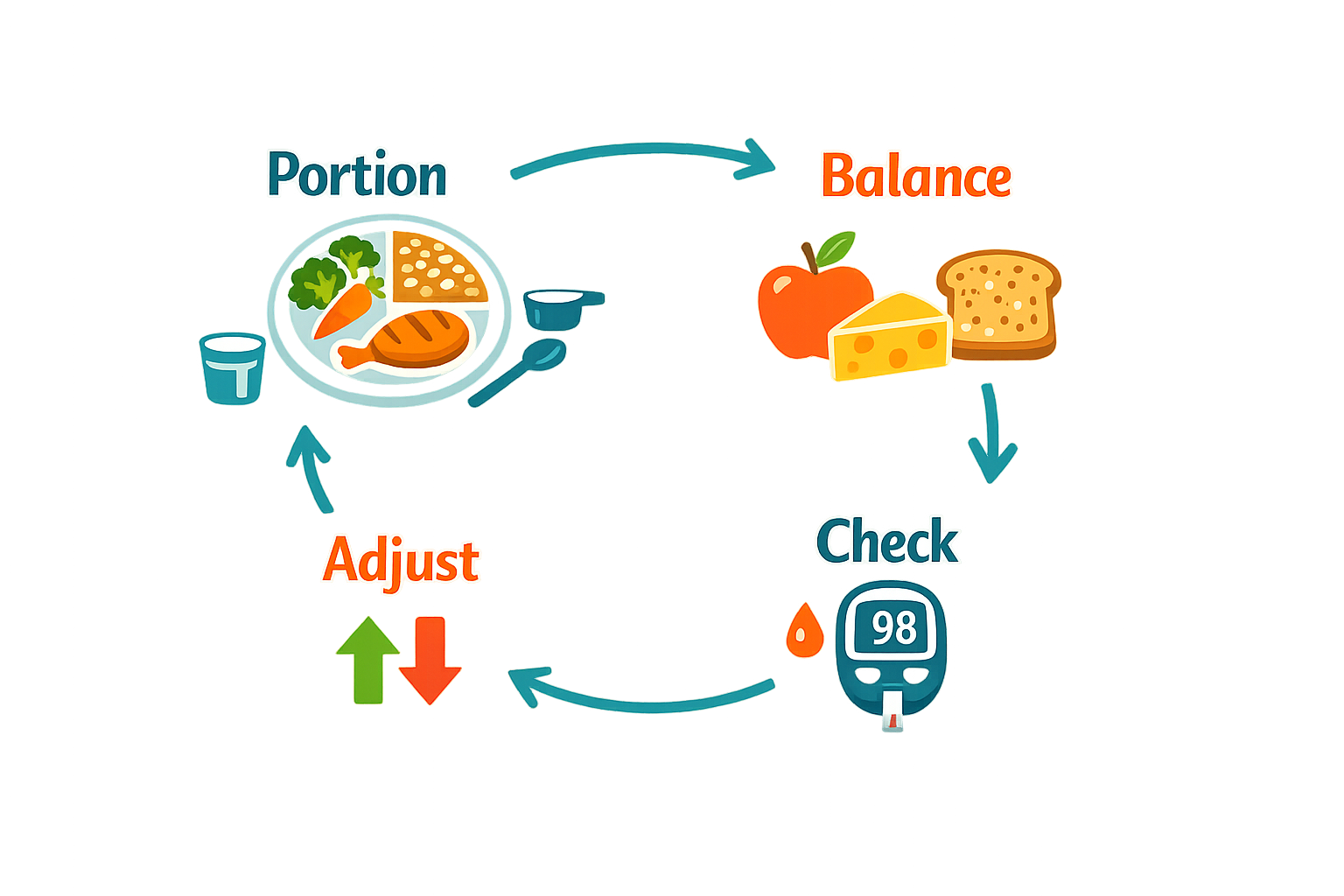
Managing gestational diabetes through diet is not about following a one-size-fits-all prescription. The eating pattern that works for you will depend on your baseline metabolism, your care team's guidance, and how your body responds to different foods at different times of day. The goal is to keep blood glucose stable while nourishing both you and your baby — and for most women, that means working with carbohydrate distribution, meal timing, and food pairings rather than eliminating entire food groups.
Medical nutrition therapy is the first-line treatment for gestational diabetes. Research shows that approximately two-thirds of women achieve target glucose control through diet modification alone, without needing medication. source The framework below is built around principles supported by clinical evidence: balanced macronutrient intake, consistent carbohydrate timing, and a Mediterranean-style dietary pattern that emphasizes whole foods, healthy fats, and fiber.
Week 1–2: Establishing Your Baseline
Before making changes, spend a few days logging what you eat and when, alongside your glucose readings. This creates a baseline that helps you and your dietitian identify which meals or snacks are spiking your numbers and which combinations keep you stable. Write down portion sizes, carbohydrate sources, and how you felt after each meal.
Most gestational diabetes meal plans aim for roughly 45–50% of daily calories from carbohydrate, distributed across three meals and two to three snacks. That translates to about 30–45 grams of carbohydrate per meal and 15–30 grams per snack, but your care team will give you personalized targets. The key is consistency: eating similar amounts of carbohydrate at similar times each day helps your body regulate insulin response.
During these first two weeks, focus on structure rather than perfection. Eat breakfast within an hour of waking, space meals about 4–5 hours apart, and include a bedtime snack if your care team recommends it. Pair carbohydrate with protein or fat at every meal — for example, whole-grain toast with almond butter, Greek yogurt with berries, or brown rice with grilled chicken and vegetables.
Week 3–4: Refining Food Choices
By week three, you have enough glucose data to see patterns. Use those patterns to refine your food choices. If pasta causes a spike, try a smaller portion paired with a large salad and lean protein, or swap it for a legume-based pasta with more fiber. If white rice sends your numbers high, switch to brown rice, quinoa, or cauliflower rice mixed with a grain.
The Mediterranean diet — high in vegetables, whole grains, legumes, nuts, olive oil, and fish, with limited red meat and refined sugar — has been shown to improve glycemic control and limit excessive weight gain in women with gestational diabetes. It also reduces the need for medication in many cases. Build your meals around this framework: a base of non-starchy vegetables, a moderate portion of whole-grain or starchy carbohydrate, a palm-sized serving of protein, and a source of healthy fat like olive oil, avocado, or nuts.
Week 5–6: Meal Timing and Snack Strategy
Meal timing matters as much as meal content. Skipping meals or going too long between eating can cause blood sugar to drop, followed by a rebound spike when you finally eat. Conversely, eating too close together can stack glucose loads and prevent your numbers from returning to baseline.
Snacks are not optional extras — they are part of the plan. A mid-morning snack (2–3 hours after breakfast) and a mid-afternoon snack (2–3 hours after lunch) help prevent the blood sugar swings that come from long gaps between meals. A bedtime snack that combines carbohydrate with protein or fat — such as whole-grain crackers with cheese, or apple slices with peanut butter — can help stabilize overnight glucose and prevent morning highs.
By this point, you should have a rotation of meals and snacks that work for your numbers. Write them down. When you are tired or pressed for time, having a short list of "safe" meals removes the guesswork and reduces decision fatigue.
Week 7 and Beyond: Sustaining the Pattern
Once you have a working gestational diabetes meal plan, the challenge shifts from figuring out what to eat to sustaining the pattern through the remainder of pregnancy. Batch-cook staples like grilled chicken, hard-boiled eggs, roasted vegetables, and cooked grains on the weekend so you can assemble balanced meals quickly during the week. Keep portable snacks — nuts, cheese sticks, whole-grain crackers, fruit — in your bag, your car, and your desk.
If your glucose numbers start to drift upward despite consistent eating, it is not a failure of willpower or diet. Insulin resistance naturally increases as pregnancy progresses, and many women need medication adjustments in the third trimester regardless of how carefully they eat. Stay in close contact with your care team, report your numbers honestly, and adjust the plan as needed.
Portion Guidance and Plate Composition
This plate model is a visual shortcut, not a rigid rule. Your dietitian may adjust the proportions based on your glucose response, your weight gain trajectory, and your individual energy needs. Some women do better with slightly lower carbohydrate at breakfast and slightly more at lunch; others need the opposite. The framework is a starting point — your data tells you where to go from there.
Tips and Tricks for Managing Diet
Managing a gestational diabetes meal plan doesn't require culinary expertise or hours in the kitchen — it requires a few reliable strategies that fit into your day. Most women find that simple adjustments to grocery shopping, cooking, and dining out keep blood sugar steady without adding complexity to an already full schedule.
Smart Grocery Shopping
Start with a list built around whole foods: vegetables, lean proteins, whole grains, legumes, and healthy fats. The Mediterranean diet pattern — emphasizing fruits, vegetables, whole grains, nuts, and olive oil — has shown consistent benefit in improving glycemic control and limiting excessive weight gain during pregnancy. Stock your pantry with staples like rolled oats, quinoa, canned beans, and extra-virgin olive oil, so you always have a foundation for balanced meals.
Read labels carefully. Many packaged foods marketed as "healthy" or "whole grain" carry added sugars or refined starches that can spike blood sugar. Compare carbohydrate counts per serving, and choose products with fiber content close to or above three grams per serving — fiber slows glucose absorption and helps maintain steadier levels between meals.
Cooking at Home
Batch cooking saves time and reduces the temptation to reach for convenience foods when you're tired. Prepare proteins (grilled chicken, baked salmon, hard-boiled eggs) and grains (brown rice, farro) in larger quantities on the weekend, then assemble meals quickly during the week. Roast a sheet pan of vegetables with olive oil and herbs — they keep well and add volume and nutrients to any plate.
Portion control matters, but it doesn't mean measuring every bite forever. Use your plate as a guide: fill half with non-starchy vegetables, one quarter with lean protein, and one quarter with a whole-grain or starchy carbohydrate. Pair carbohydrates with protein or fat at every meal and snack — this combination moderates the glucose response and keeps you satisfied longer.
Many women report being advised to increase meal and snack frequency compared to their usual eating pattern. Smaller, more frequent meals help distribute carbohydrate intake throughout the day, preventing large glucose spikes and supporting stable energy levels. If you're new to this rhythm, set reminders on your phone until it becomes routine.
Dining Out
Restaurant meals can fit into a gestational diabetes meal plan with a few adjustments. Review the menu online before you go, so you're not making decisions when you're hungry. Look for grilled, baked, or steamed preparations rather than fried or breaded options. Ask for dressings and sauces on the side — they often contain hidden sugars and can be portioned more carefully when served separately.
Substitute non-starchy vegetables for starches when possible. Swap fries or mashed potatoes for a side salad or steamed broccoli. If bread arrives at the table, ask the server to remove it or take one small piece and set the basket aside. These small changes add up without making the meal feel restrictive.
For more guidance on managing prediabetes and related metabolic conditions, see Supplements for Prediabetes and Metformin Alternatives for context on complementary approaches to blood sugar management. If you're interested in continuous glucose monitoring during pregnancy, our review of the best CGM for non-diabetics covers over-the-counter options that can help track patterns.
Practical Tips for Staying on Track
- Plan snacks in advance. Keep portable options like a small apple with almond butter, a cheese stick with whole-grain crackers, or a handful of nuts in your bag.
- Hydrate consistently. Water supports digestion and helps prevent mistaking thirst for hunger. Aim for steady intake throughout the day.
- Track patterns, not perfection. If a meal sends your blood sugar higher than expected, note what you ate and adjust the portion or pairing next time. Learning your individual response takes a few weeks.
- Involve your household. When family members eat similar meals, managing your diet becomes simpler and less isolating. Many of the foods that support blood sugar control benefit everyone at the table.
Adjustments to diet during pregnancy take time to yield results, and consistency matters more than perfection. High-quality eating patterns established before and during pregnancy reduce the risk of gestational diabetes and support long-term metabolic health for both mother and child. Work closely with your dietitian to tailor these strategies to your preferences, schedule, and blood sugar response — individualized guidance makes the plan sustainable.
Conclusion
Following a structured week-by-week gestational diabetes meal plan gives you a practical framework for managing blood glucose while supporting your baby's development. The meal-planning strategies covered in this guide—balanced carbohydrate timing, consistent portions, and choosing whole foods over refined options—form the foundation of effective gestational diabetes management. Research shows that approximately two-thirds of women with gestational diabetes achieve target blood glucose levels through dietary changes alone, making nutrition one of the most powerful tools at your disposal. source
The Mediterranean dietary pattern, with its emphasis on vegetables, whole grains, legumes, healthy fats from olive oil and nuts, and moderate fish intake, has emerged as one of the most evidence-supported approaches for gestational diabetes. Early adoption of this eating pattern during pregnancy improves glycemic control, helps limit excessive weight gain, and in many cases reduces the need for medication. These benefits extend beyond pregnancy: women with a history of gestational diabetes face nearly 10 times the risk of developing type 2 diabetes later in life compared to those with normal blood glucose during pregnancy, making the habits you build now important for your long-term health as well.
Your healthcare team—obstetrician, registered dietitian, and diabetes educator—remains your most important resource. They can tailor carbohydrate targets to your individual response, adjust meal timing if you're experiencing morning nausea or overnight lows, and determine when medication or insulin may be needed if diet and activity aren't enough. If you're navigating prediabetes alongside gestational diabetes or looking for additional context on glucose monitoring, our guide to A1C levels and what they mean offers additional perspective on interpreting your numbers and next steps.
Managing gestational diabetes through diet is not about perfection; it's about consistency, observation, and adjustment. The week-by-week structure gives you a starting point, but your own glucose patterns and how you feel will guide the details. With the right eating plan and regular communication with your care team, you can keep blood glucose in a healthy range, support a healthy pregnancy, and build habits that serve you well after delivery.

Maren Alcott is the lead presenter at DiabetesCompass. She is an AI-presented digital character. Every article Maren presents is researched and fact-checked by the DiabetesCompass editorial team against the ADA Standards of Care, peer-reviewed journals, and named clinical sources. Maren does not give medical advice — for questions about your specific situation, talk to your care team.