
Creating a Healthy Diet for Type 2 Diabetes: A Step-by-Step Guide
Learn how to create a healthy diet for type 2 diabetes with this step-by-step guide, tailored for better blood sugar management and well-being.

On this page
Introduction
Creating a healthy diet plan for type 2 diabetes is a cornerstone of effective management. Type 2 diabetes is characterized by the impairment of insulin-secreting β-cells in the pancreas and a blunted response to insulin, making dietary choices directly affect how your body regulates blood glucose. Food raises blood sugar, and the right combination of nutrients can help your body use insulin more effectively.
The challenge many people face is not a lack of willingness to eat better, but uncertainty about where to start. With numerous dietary approaches available—Mediterranean diet, plant-based eating, low-carbohydrate plans, and others—there is no single "diabetes diet" that works for everyone. What matters is finding an eating pattern you can sustain, one that fits your preferences, your schedule, and your body's response. A comprehensive diabetes management plan incorporates dietary strategies alongside medication, monitoring, and lifestyle adjustments.
Why Diet Matters Beyond Weight Loss
While weight loss is often emphasized in diabetes management, the composition of your diet matters independently. Different dietary patterns—due to varying macronutrient compositions and levels of caloric restriction—can have different effects on the mechanisms regulating glucose homeostasis, even when weight loss is equivalent. Mediterranean and plant-based diets have provided the most consistent evidence for improved glycemic control, suggesting that elements common to both patterns—abundant intake of fruits, vegetables, whole grains, legumes, and nuts—may contribute to better blood sugar regulation.
This guide walks through the practical steps of creating a healthy diet plan for type 2 diabetes: understanding the problem, building a personalized approach, and implementing strategies that fit into daily life. The goal is not perfection, but sustainable progress—small, deliberate changes that add up to meaningful improvements in how you feel and how your body manages glucose.
Understanding the Problem
Type 2 diabetes is characterized by the impairment of insulin-secreting β-cells in the pancreas and a blunted response to insulin—meaning the body either doesn't produce enough insulin or can't use it effectively. This creates a persistent challenge: dietary choices directly influence blood glucose levels, yet there's no single "right" diet that works for everyone. The gap between knowing that food matters and understanding which foods to prioritize—and in what amounts—leaves many people newly diagnosed feeling uncertain about where to start.
Why Dietary Choices Feel Overwhelming
Unhealthy lifestyles, including being overweight and consuming poor-quality diets, significantly increase the risk of developing type 2 diabetes. Once diagnosed, reversing those patterns requires more than good intentions. The modern food environment—dominated by calorie-dense processed foods, refined carbohydrates, and sugary drinks—makes consistent healthy eating difficult. Even when someone commits to change, challenges around long-term adherence, potential nutrient deficiencies, and accessibility issues can derail progress.
The Impact on Blood Glucose Control
Post-meal blood glucose spikes are a hallmark of type 2 diabetes, and dietary composition plays a central role in managing them. Research shows that certain eating patterns—such as Mediterranean and plant-based diets rich in vegetables, whole grains, legumes, and nuts—are associated with improved glycemic control and reduced diabetes risk. However, the evidence also reveals that no single macronutrient distribution (low-carb, low-fat, high-protein) consistently outperforms the others across all individuals. What works depends on personal response, cultural food preferences, medication regimen, and daily routine.
For a broader look at how diet fits into the full spectrum of diabetes care, see our guide to Diabetes Management: A Complete Guide to Care and Control.
Why Adherence Matters More Than Perfection
The most evidence-supported dietary approaches share common elements: an emphasis on minimally processed whole foods, regular meals, and sustainable portion control. Yet adherence remains the determining factor. A technically "optimal" diet that someone can't maintain for more than a few weeks delivers less benefit than a moderate plan followed consistently over months. The challenge isn't finding the perfect meal template—it's building a plan that aligns with real-world constraints, food access, cooking skills, and personal preferences, while still supporting stable blood glucose and long-term health.
How Do You Create a Healthy Diet Plan for Type 2 Diabetes?
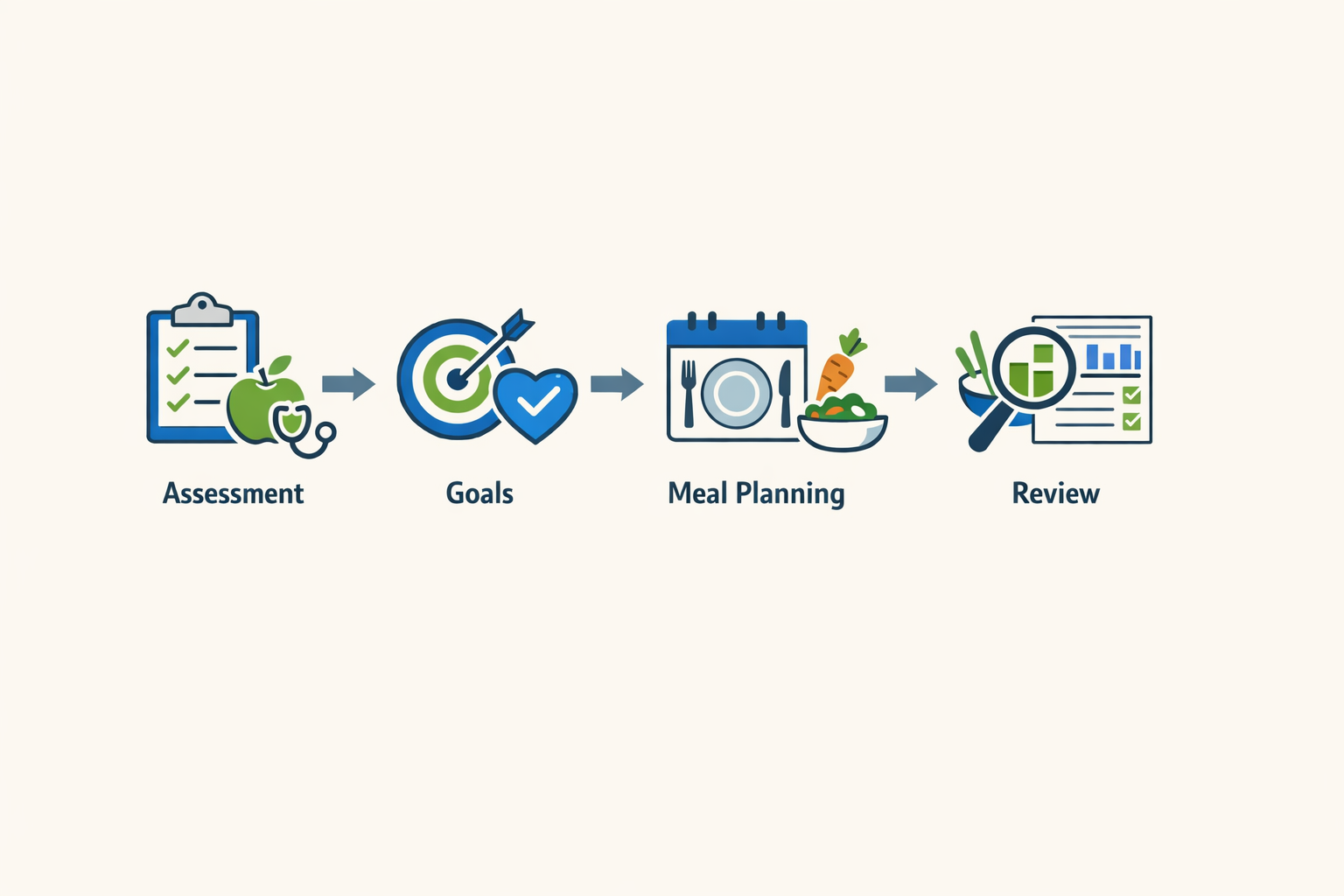
Building a diet plan for type 2 diabetes does not require perfection — it requires a framework you can follow consistently. The steps below walk you through assessing your current eating patterns, choosing a dietary approach that fits your life, and integrating physical activity to support blood-glucose management.
Step 1: Assess Your Current Dietary Needs and Patterns
Start by documenting what you eat now. Keep a three-day food record that includes meals, snacks, portion sizes, and the timing of each eating occasion. Note any patterns — skipped meals, late-night eating, reliance on processed foods, or foods that seem to spike your glucose if you are monitoring.
Bring this record to your next appointment with your care team. A registered dietitian or certified diabetes care and education specialist can help you identify which foods are contributing to elevated blood glucose and which are working in your favor. They will also review any medications you are taking, as some diabetes medications interact with meal timing or carbohydrate intake.
Step 2: Choose a Dietary Approach Supported by Evidence
Research supports several dietary patterns for type 2 diabetes management. The most consistent evidence points to the Mediterranean diet and plant-based diets, both of which emphasize whole grains, legumes, vegetables, fruits, and nuts. These patterns have been shown to improve glycemic control and reduce cardiovascular risk.
Other approaches include low-carbohydrate diets, which show short-term benefits for weight management and A1C reduction but may be harder to maintain long-term, and high-protein diets, which have mixed results for glycemic control. The right pattern is the one you can sustain — discuss your preferences, cultural food traditions, and lifestyle with your care team before committing to a specific plan.
| Dietary Approach | Key Features | Evidence for Type 2 Diabetes |
|---|---|---|
| Mediterranean Diet | High in fruits, vegetables, whole grains, legumes, nuts; moderate fish and poultry; limited red meat | Strong evidence for improved glycemic control and reduced diabetes risk |
| Plant-Based Diet | Emphasizes plant foods; reduced or eliminated animal products | Lowers glycemic indices and cardiovascular markers |
| Low-Carbohydrate Diet | Restricts carbohydrate intake; higher fat and protein | Short-term benefits for weight loss and A1C reduction; adherence challenging |
| High-Protein Diet | Increased protein intake; varied carbohydrate levels | Mixed results; some lipid benefits but inconsistent glycemic effects |
Step 3: Plan Your Meals Around Whole Foods
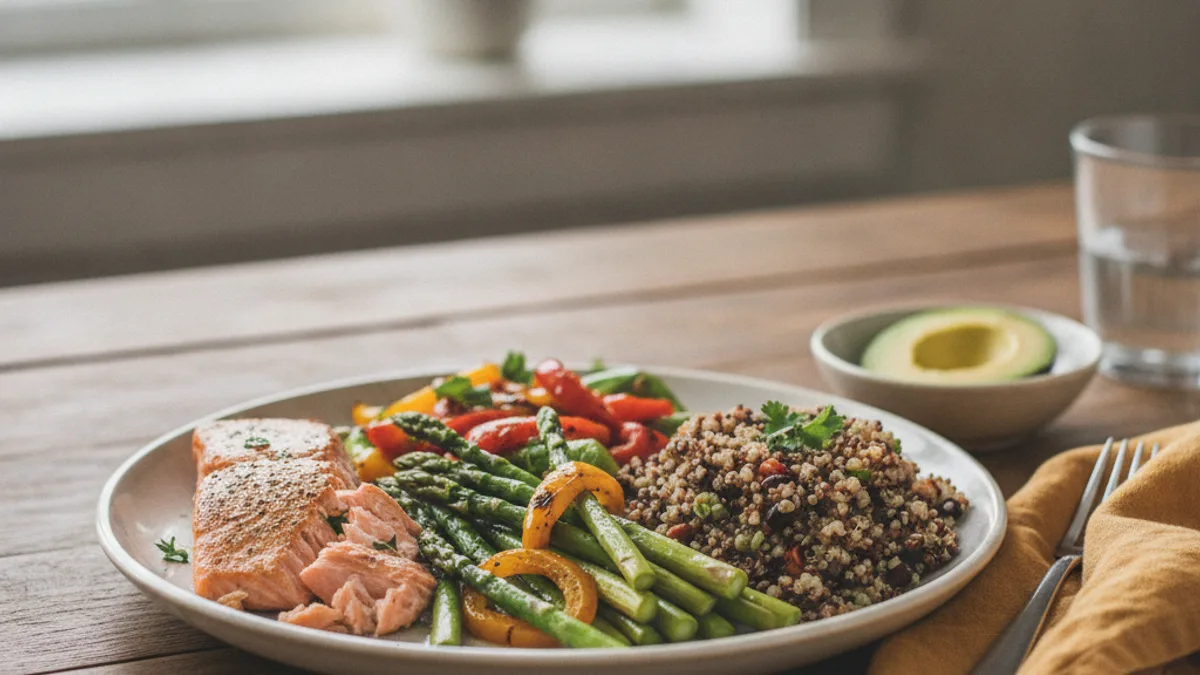
Once you have selected a dietary pattern, structure your meals around minimally processed whole foods. Fill half your plate with non-starchy vegetables — leafy greens, broccoli, peppers, tomatoes. Reserve one quarter for lean protein — poultry, fish, tofu, legumes — and one quarter for whole grains or starchy vegetables like quinoa, brown rice, or sweet potato.
This plate method simplifies portion control and ensures balanced macronutrient distribution without requiring you to count every gram of carbohydrate. If you are using a continuous glucose monitor (CGM) or checking your blood glucose regularly, you can observe how specific foods and portion sizes affect your glucose trace and adjust accordingly.
For more comprehensive guidance on managing blood glucose day to day, see our Diabetes Management Strategies for Daily Blood Sugar Control.
Step 4: Incorporate Regular Physical Activity
Physical activity improves insulin sensitivity and glycemic control independent of weight loss. Large-scale trials, including the Diabetes Prevention Program, have shown that combining a lower-calorie diet with 150–210 minutes of moderate exercise per week can reduce the risk of developing type 2 diabetes by up to 50 percent in people with prediabetes.
For those already living with type 2 diabetes, the combination of aerobic exercise (walking, cycling, swimming) and resistance training (bodyweight exercises, free weights, resistance bands) appears most effective. High-intensity interval training (HIIT) also shows promise for improving metabolic health, though it may not be appropriate for everyone — confirm your exercise plan with your care team, especially if you have cardiovascular concerns or are taking medications that affect heart rate or blood pressure.
Step 1
Start with what you can sustain
If 150 minutes per week feels unrealistic, begin with 10-minute walks after meals. Consistency matters more than intensity in the first weeks. Gradually increase duration and add resistance exercises as your routine becomes habitual.
Step 2
Monitor your response
Check your blood glucose before and after exercise to understand how your body responds. Some people experience a glucose drop during or after activity; others see a temporary rise. Knowing your pattern helps you adjust meal timing and medication doses safely.
Step 3
Coordinate with your care team
If you take insulin or medications that can cause hypoglycemia (such as sulfonylureas), discuss exercise timing and any necessary dose adjustments with your provider. Never reduce or stop a prescribed medication without explicit guidance from your care team.
Step 5: Track, Adjust, and Reassess Regularly
A diet plan is not static. Your needs will shift as your weight changes, your activity level evolves, or your medication regimen is adjusted. Schedule follow-up appointments with your dietitian or diabetes educator every three to six months, or sooner if your glucose patterns change unexpectedly.
Bring your food records, glucose logs, and any questions about foods or meals that did not perform as expected. Adjustments are normal — they are part of the process, not evidence of failure.
Tips and Tricks for Successful Meal Planning
Sticking to a healthy diet plan for type 2 diabetes requires more than understanding what to eat — it demands practical strategies for shopping, cooking, and navigating social meals. The gap between knowing the right foods and consistently eating them is where many people struggle. These tips translate the plan into daily habits that fit real life.
Build a Shopping List Around Whole Foods
Start each shopping trip with a list organized by food group: non-starchy vegetables, whole grains, lean proteins, healthy fats, and limited fruit. Shop the perimeter of the store first — produce, meat and fish counters, dairy — before moving to center aisles for staples like canned beans, whole-grain pasta, and spices. Buying seasonal vegetables and store-brand whole grains keeps costs manageable. Frozen vegetables without added sauces offer convenience and long shelf life without sacrificing nutrition.
Avoid shopping when hungry; hunger increases impulse purchases of processed snacks and refined carbohydrates. Read labels for hidden sugars in items marketed as healthy — flavored yogurts, granola bars, and salad dressings often contain more added sugar than dessert items.
Prep Components, Not Just Full Meals
Meal prep doesn't require cooking seven identical lunches on Sunday. Instead, prepare versatile components: roast a sheet pan of vegetables, cook a pot of quinoa or brown rice, grill several chicken breasts, and portion nuts into small containers. Throughout the week, combine these elements in different ways — grain bowls, salads, stir-fries, wraps. This approach reduces monotony while maintaining structure.
Batch-cook legumes like lentils and chickpeas; they freeze well and add plant-based protein to any meal. Pre-portion snacks immediately after shopping: divide nuts, cut vegetables, and measure hummus into single-serving containers to prevent overeating and simplify grab-and-go options.
Navigate Restaurants With a Plan
Dining out doesn't derail a diabetes diet plan if you approach it strategically. Review the menu online before arriving; most restaurants post nutrition information or ingredient lists. Look for grilled, baked, or steamed proteins rather than fried options. Request sauces and dressings on the side to control added sugars and fats. Substitute non-starchy vegetables for starches like fries or white rice.
Ask questions without apology: Can the fish be grilled without butter? Does the salad dressing contain added sugar? Is the soup thickened with flour or cream? Restaurant staff expect these questions and can usually accommodate them. Split an entrée with a companion or ask for a to-go container when the meal arrives and immediately pack half — portion sizes at many restaurants exceed reasonable serving sizes by two or three times.
For more context on integrating diet into a broader management approach, see Diabetes Management Strategies for Daily Blood Sugar Control.
Address Common Adherence Challenges
Long-term adherence to any dietary pattern is difficult. Research examining Mediterranean and plant-based diets for type 2 diabetes notes that challenges include maintaining motivation over time, managing potential nutrient gaps, and accessing recommended foods in all communities. Recognize these obstacles early and build workarounds: if fresh produce is expensive or unavailable, frozen and canned options (low-sodium, no added sugar) provide similar benefits. If cooking feels overwhelming, start with one or two simple recipes and repeat them until they become routine.
The best diet plan is the one you can sustain — perfection for a week matters less than consistency over months.
Track what works and what doesn't. If breakfast is chaotic, prep overnight oats or egg muffins the night before. If evenings are too rushed for cooking, use a slow cooker or pressure cooker to prepare dinner while you're at work. Small adjustments accumulate into sustainable habits.
Incorporate Physical Activity Alongside Diet
Diet and exercise work together; neither alone produces the same metabolic benefit as both combined. Regular physical activity improves insulin sensitivity and supports weight management, which in turn supports better blood glucose control. The Mediterranean lifestyle includes movement as a core component, not an optional add-on.
You don't need a gym membership or elaborate equipment. Walking after meals — even for 10 to 15 minutes — can blunt post-meal glucose spikes. Resistance exercises using body weight (squats, push-ups, planks) build muscle, which helps the body use glucose more efficiently. Find activities you'll actually do: gardening, dancing, swimming, or playing with children all count as physical activity.
Conclusion
Creating a healthy diet plan for type 2 diabetes is not a one-time fix — it is an ongoing process that adapts to your body, your schedule, and your care team's guidance. The steps outlined in this guide — understanding which foods affect your blood sugar, building balanced meals around whole foods, planning ahead, and tracking your responses — form a foundation that you can refine over time. No single dietary pattern works for everyone, but the evidence consistently points to approaches that emphasize vegetables, whole grains, lean proteins, and healthy fats while minimizing processed foods and added sugars.
Research shows that even modest weight loss achieved through a combination of a low-calorie diet and regular physical activity can reduce the risk of developing Type 2 Diabetes in people with prediabetes by up to 50%. For those already living with the condition, dietary changes paired with consistent monitoring can improve glycemic control, support cardiovascular health, and reduce reliance on some medications — though any medication adjustments must be made with your care team, never on your own.
Your diet plan should work with your life, not against it. If a particular eating pattern feels unsustainable or conflicts with your cultural food traditions, talk to your care team about alternatives. Mediterranean and plant-based diets have strong evidence for improving glycemic control, but the best plan is the one you can follow consistently. Bring your meal logs, your glucose readings, and your questions to your next appointment — your provider can help you interpret what is working and what needs adjustment.
For a broader view of how diet fits into the full spectrum of diabetes care, see our Diabetes Management: A Complete Guide to Care and Control. Managing Type 2 Diabetes is a team effort, and you are at the center of that team. The choices you make at each meal matter, and the effort you put into planning, tracking, and refining your approach compounds over time into better health outcomes.
Frequently asked questions
What is the best diet plan for type 2 diabetes?
No single diet plan works for everyone with type 2 diabetes. Mediterranean and plant-based diets have the strongest evidence for improving glycemic control and cardiovascular health. The best plan is one you can sustain long-term that fits your food preferences, cultural traditions, and daily routine. Work with a registered dietitian to create a personalized approach.
How quickly will dietary changes improve my blood sugar?
Many people see improvements in blood glucose levels within a few days to weeks of making consistent dietary changes, especially when reducing refined carbohydrates and processed foods. Longer-term benefits — such as A1C reduction and improved insulin sensitivity — typically emerge over three to six months of sustained adherence.
Can I reverse type 2 diabetes with diet alone?
Some people achieve remission of type 2 diabetes through significant weight loss and sustained dietary changes, but this is not universal and depends on factors including disease duration, beta-cell function, and individual metabolic response. Any changes to medication — including reducing or stopping diabetes medications — must be made under the supervision of your care team, never independently.
Do I need to count carbohydrates on a diabetes diet plan?
Carbohydrate counting can be helpful for some people, especially those taking insulin or certain medications. However, it is not required for everyone. The plate method — filling half your plate with non-starchy vegetables, one quarter with lean protein, and one quarter with whole grains or starchy vegetables — provides a simpler framework that supports balanced eating without detailed tracking.
What foods should I avoid with type 2 diabetes?
Limit or avoid refined carbohydrates (white bread, sugary cereals), sugary drinks (soda, sweetened coffee drinks, fruit juice), processed snacks, and foods high in added sugars and unhealthy fats. Focus instead on whole foods: vegetables, whole grains, lean proteins, legumes, nuts, and limited fruit. Small portions of less-healthy foods can fit into an overall balanced plan — rigid restriction often backfires.

Maren Alcott is the lead presenter at DiabetesCompass. She is an AI-presented digital character. Every article Maren presents is researched and fact-checked by the DiabetesCompass editorial team against the ADA Standards of Care, peer-reviewed journals, and named clinical sources. Maren does not give medical advice — for questions about your specific situation, talk to your care team.
DiabetesCompass uses clearly identified digital editorial voices. See our AI disclosure for how bylines and AI-assisted production work.