
Diabetes Management Strategies for Daily Blood Sugar Control
Discover evidence-based diabetes management strategies to help maintain healthy blood sugar levels through medication, monitoring, nutrition, and lifestyle approaches.


On this page
Introduction to Diabetes Management
Diabetes management is the coordinated set of actions taken every day to keep blood glucose levels as close as possible to a target range. That target is determined by your care team based on your diabetes type, other health conditions, medication regimen, and risk of hypoglycemia. For most adults with type 2 diabetes, the American Diabetes Association's Standards of Care suggest an A1C below 7% as a reasonable goal, but your own number may be different — confirm your target with your endocrinologist or primary care provider rather than adopting a population-level guideline.
The work of management spans medication adherence, blood-glucose or continuous-glucose monitoring, meal planning, physical activity, and coordination with your care team. It is not a single intervention. Research consistently shows that combining several strategies — for example, medication plus structured monitoring plus consistent meal timing — produces better outcomes than any one approach in isolation. The 2019 global incidence of diabetes was estimated at 463 million people, with 4.2 million deaths attributed to the condition and its complications that year, underscoring the scale of the challenge and the importance of effective daily management.
Improper management can lead to both immediate dangers — such as severe hypoglycemia or diabetic ketoacidosis — and long-term complications including cardiovascular disease, chronic kidney disease, neuropathy, and retinopathy. These risks are not theoretical; they are the documented consequences of sustained hyperglycemia and metabolic instability. The goal of daily management is to prevent these outcomes by maintaining glycemic control within the range your care team has identified as safe and effective for you.
Diabetes management is also a learned skill. Newly diagnosed individuals often feel overwhelmed by the volume of new information, the need to coordinate multiple medications or devices, and the pressure to make immediate lifestyle changes. It is normal for management to feel effortful at first. Competence builds over weeks and months as you learn to read your glucose patterns, recognize how different foods and activities affect your levels, and develop routines that fit your daily life. For caregivers managing diabetes in a household member, the learning curve includes coordinating appointments, understanding polypharmacy interactions, and recognizing warning signs that require clinical attention.
This guide walks through the evidence-based strategies that form the foundation of daily diabetes management. It is written for people who are newly diagnosed, those refining an existing management plan, and caregivers coordinating care for a family member. The sections that follow explain what diabetes management is, why it matters, how to manage blood sugar day-to-day, best practices drawn from clinical guidelines, common mistakes to avoid, and answers to frequently asked questions. Each section cites the research and manufacturer guidance that supports the recommendations, and every numeric target or threshold is presented with the instruction to confirm your own numbers with your care team. If you are looking for an overview of how continuous glucose monitors work in real time, that context can help you understand one of the monitoring tools discussed in later sections.
Management is not a pass-fail test. It is a daily practice, and the goal is progress — not perfection — in keeping your glucose levels stable and your long-term risk low.
Discover effective strategies for diabetes management to help you maintain healthy blood sugar levels every day.
What is Diabetes Management?
Diabetes management is the coordinated set of actions taken to keep blood glucose levels within a target range and reduce the risk of complications. It includes monitoring blood sugar, taking prescribed medications, following a meal plan, staying physically active, and attending regular medical appointments. The goal is to balance these components so that glucose levels stay stable throughout the day.
Diabetes mellitus is a chronic metabolic condition characterized by elevated blood glucose levels due to defects in insulin secretion, resistance to insulin action, or both. Type 1 diabetes results from insufficient insulin production, while type 2 diabetes involves insulin resistance combined with inadequate insulin secretion. Without consistent management, high blood glucose can damage blood vessels, nerves, kidneys, eyes, and other organs over time.
Effective diabetes management is not a single action but a daily practice. It requires understanding how food, activity, stress, sleep, and medication interact to influence glucose levels. For many people with type 1 diabetes, this means multiple daily insulin injections or use of an insulin pump. For those with type 2 diabetes, management may include oral medications, injectable therapies, or insulin, depending on the stage of the condition and individual response to treatment.
Core Components of Diabetes Management
The foundation of diabetes management rests on five interconnected pillars: blood glucose monitoring, medication adherence, nutrition planning, physical activity, and regular medical follow-up. Each element supports the others, and gaps in one area can destabilize the entire system.
Blood glucose monitoring provides the data needed to make informed decisions. Whether using a fingerstick meter or a continuous glucose monitor (CGM), tracking trends helps identify patterns and adjust treatment. Medication adherence ensures that prescribed therapies work as intended — skipped doses or inconsistent timing can lead to unpredictable glucose swings.
Nutrition planning focuses on balancing carbohydrate intake with medication and activity levels. Physical activity helps the body use insulin more efficiently and can lower blood glucose both during and after exercise. Regular medical appointments allow the care team to review A1C results, adjust medications, screen for complications, and update the management plan as needs change.
Why a Structured Approach Matters
A structured diabetes management plan reduces guesswork and provides a clear framework for daily decisions. It defines target glucose ranges, outlines when and how to check blood sugar, specifies medication timing and doses, and includes guidance for handling high or low glucose episodes. This structure helps prevent both hyperglycemia (high blood sugar) and hypoglycemia (low blood sugar), which can cause immediate symptoms and long-term harm.
Without structure, diabetes management becomes reactive rather than proactive. People may wait until symptoms appear before checking glucose or adjusting treatment, which often means the problem has already escalated. A proactive approach — checking glucose at scheduled times, taking medications consistently, and planning meals in advance — keeps glucose levels more stable and reduces the frequency of urgent interventions.
The care team plays a central role in building and refining this structure. Endocrinologists, primary care providers, diabetes educators, dietitians, and pharmacists each contribute expertise to the plan. Regular communication with the team ensures that the plan evolves as the condition changes, new medications become available, or life circumstances shift.
Diabetes management is a daily practice, not a one-time fix — consistency in small actions compounds into long-term stability.
Why Diabetes Management Matters
Effective diabetes management is the difference between living well with diabetes and facing serious health consequences. Without consistent attention to blood sugar levels, diabetes can damage blood vessels, nerves, and organs throughout the body—often silently, over years.
The stakes are clear: improper management can lead to macro-vascular complications (heart disease, stroke), micro-vascular damage (kidney disease, vision loss, nerve damage), metabolic acidosis, and in severe cases, life-threatening emergencies. These outcomes are not inevitable. They are largely preventable through sustained glycemic control.
Preventing Long-Term Complications
High blood sugar damages the lining of blood vessels and nerves. Over time, this leads to complications that affect quality of life and longevity:
- Cardiovascular disease: People with diabetes face two to four times the risk of heart attack and stroke compared to those without diabetes.
- Kidney damage (nephropathy): Diabetes is the leading cause of kidney failure in the United States.
- Vision loss (retinopathy): Uncontrolled blood sugar can damage the blood vessels in the retina, leading to blindness.
- Nerve damage (neuropathy): This can cause pain, numbness, and digestive issues, and increases the risk of foot ulcers and amputations.
- Metabolic crises: Severe hyperglycemia can trigger diabetic ketoacidosis (DKA) in type 1 diabetes or hyperosmolar hyperglycemic state (HHS) in type 2 diabetes—both medical emergencies.
These complications share a common root: prolonged exposure to elevated glucose levels. Bringing blood sugar into a target range—defined individually with your care team—interrupts the damage cycle.
Supporting Overall Health and Quality of Life
Beyond preventing specific complications, diabetes management supports daily function. Stable blood sugar improves energy, mood, sleep quality, and cognitive performance. It reduces the frequency of hypoglycemic episodes (which can be dangerous and disruptive) and hyperglycemic swings (which cause fatigue, thirst, and frequent urination).
For those managing prediabetes, early intervention can delay or prevent progression to type 2 diabetes entirely. The same principles—monitoring, nutrition, physical activity, and in some cases medication—apply across the spectrum of glucose dysregulation.
Consistent glycemic control reduces the risk of diabetes-related complications by up to 40%, making daily management one of the most effective interventions available.
The Role of Individualized Care
Diabetes management is not one-size-fits-all. Target blood sugar ranges, medication regimens, and monitoring frequency vary based on diabetes type, duration, age, other health conditions, and personal goals. What works for one person may not work for another.
That's why every management plan should be developed with—and regularly revisited by—your care team. They will help you balance the benefits of tight glycemic control against the risks of hypoglycemia, adjust for life changes (pregnancy, illness, aging), and incorporate your preferences and daily realities.
The goal is not perfection. It's sustained, realistic control that fits your life and protects your future health.
How to Manage Your Blood Sugar Levels Daily
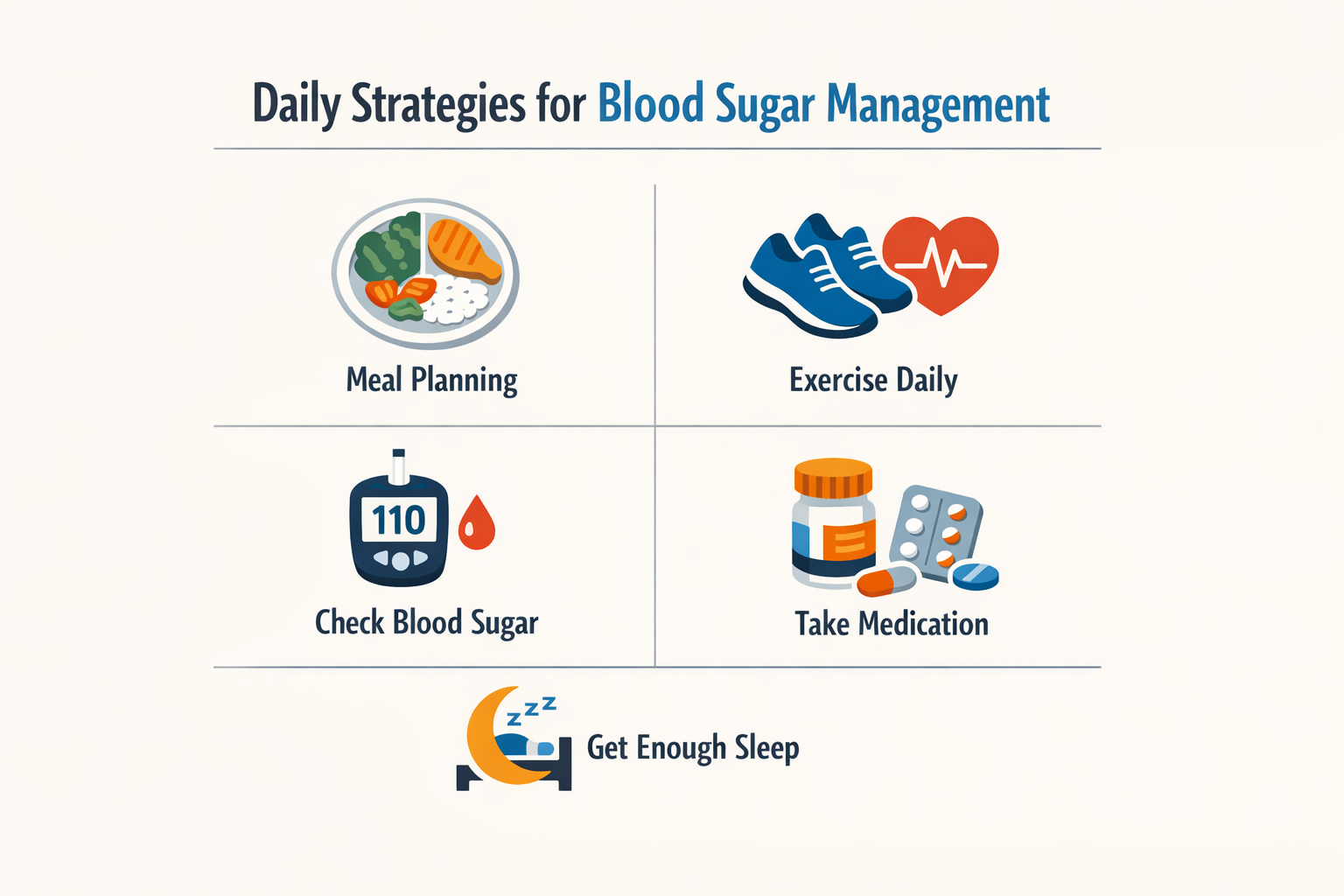
Daily blood sugar management is not a single task but a set of connected behaviors that respond to different situations throughout the day. Research identifies three distinct cycles of self-management: routine checks and adjustments, reactive responses to unexpected events like low blood sugar, and reflective reviews of patterns over time. Each cycle requires different skills and supports different aspects of glucose control.
Build a Routine Checking and Adjustment Cycle
The routine cycle involves the daily behaviors that keep blood sugar within target range in response to food, activity, and medication. This includes checking blood glucose at consistent times, planning meals and insulin doses, and implementing adjustments based on the data gathered. Many people repeat this cycle several times each day as parameters shift.
Monitoring blood glucose levels helps in identifying patterns and adjusting insulin doses accordingly to achieve optimal glycemic control. Continuous glucose monitoring (CGM) or frequent self-monitoring of blood glucose (SMBG) provides valuable data for tailoring insulin administration timing. The frequency and timing of checks should align with the treatment plan the care team has outlined — some people check before meals and at bedtime, others add post-meal checks or overnight readings depending on their medication regimen and glucose patterns.
For those using insulin, individualized care is essential. Insulin therapy should be tailored to patient-specific factors, including lifestyle, blood glucose patterns, and hypoglycemia risk. Exercise impacts blood glucose levels, often lowering them, so those with active lifestyles may need lower insulin doses or adjustments in timing to prevent hypoglycemia during and after physical activity. Shift workers or those with irregular schedules may require flexible insulin regimens that fit their unique routines.
Respond to Unanticipated Events
The reactive cycle describes the self-management behaviors required to manage the impact of unanticipated events that affect blood glucose regulation — hypoglycemia, suspected illness, or the presence of ketones. The steps involve checking, re-checking, problem solving, reflecting, and planning. This cycle is in response to an atypical event and incorporates actions to reduce the incidence of these events where possible.
One barrier to effective reactive management is impaired awareness of hypoglycemia. When physiological cues are absent, there is no trigger to check blood glucose and treat a low. Anyone experiencing reduced hypo awareness should discuss detection strategies and safety plans with their care team, as this significantly affects day-to-day management and risk.
Anxiety about managing diabetes and acute symptoms can lead to disengagement from self-management behaviors, contributing to a global withdrawal from necessary care. Recognizing when fear or distress is driving avoidance — rather than a lack of knowledge — is an important signal to seek psychological support alongside diabetes education.
Review Patterns and Adjust Over Time
The reflective cycle describes the longer-term review of blood glucose data, ideally on a weekly basis, to evaluate the impact of daily self-management behaviors. The steps involve planning, implementing, reviewing, monitoring, and problem solving. This cycle supports the fine-tuning of habitual self-management behaviors by identifying patterns in blood glucose data and the instigation of more long-term adjustments such as changing background insulin dose or mealtime ratios.
Many people find the reflective cycle the most challenging. It requires stepping back from moment-to-moment adjustments to see larger trends — recognizing that morning readings are consistently high, or that a particular meal or activity pattern affects glucose in a predictable way. For more guidance on understanding what specific glucose numbers mean and how to discuss patterns with a care team, see A1C of 5.7: What It Means for Your Health and Next Steps.
Sustained engagement in diabetes self-management behaviours is a critical element in achieving improvements in glycated haemoglobin (HbA1c) and minimising risk of complications.
Reflective review is not the same as spontaneous decision-making in the moment. It benefits from impulse control and emotion regulation — the ability to sit with data that may be frustrating or confusing, and to approach it as information rather than judgment. Self-management programs that teach pattern recognition should also provide skills in managing the emotional responses that can disrupt this process in real life.
Tailor Management to Individual Factors
Diet, physical activity, work schedule, and personal preferences significantly influence insulin regimens and daily management routines. Some people prefer fewer injections or specific times for medication administration. Understanding and incorporating these preferences improves adherence to the management plan.
Regular blood glucose monitoring helps identify trends and patterns. If someone experiences morning hyperglycemia (the dawn phenomenon), their nighttime insulin dose may need adjustment. Based on glucose monitoring data, insulin doses can be fine-tuned. Individualized targets are set based on age, comorbidities, and overall health — younger, healthier individuals might aim for stricter glycemic control, while older adults or those with multiple comorbidities may have more relaxed targets to avoid hypoglycemia.
The first 12 weeks after starting insulin is generally known as the titration phase, when the risk of hypoglycemia is higher and can lead to early discontinuation of insulin therapy. Close communication with the care team during this period helps navigate dose adjustments and reduces the likelihood of stopping treatment prematurely due to lows or frustration.
Best Practices for Diabetes Management

Sustained engagement with diabetes management requires more than knowing what to do — it requires building habits that last beyond the first few months. Research identifies three distinct behavioral cycles that support long-term blood sugar control: routine daily checks and adjustments, reactive responses to unexpected events like hypoglycemia or illness, and reflective review of patterns over time. Each cycle plays a different role, and all three must work together for effective management.
Build Routine, Reactive, and Reflective Habits
The routine cycle involves daily glucose checks, meal planning, and implementing insulin or medication adjustments based on regular data. This cycle may repeat several times throughout the day as food intake, physical activity, and other factors shift. The reactive cycle addresses unanticipated events — hypoglycemia, suspected illness, or the presence of ketones — and includes checking, rechecking, problem-solving, and planning to reduce future occurrences. The reflective cycle supports weekly review of glucose data to identify patterns, evaluate the impact of daily habits, and fine-tune long-term adjustments such as background insulin doses or mealtime ratios.
Establishing and maintaining routines reduces the cognitive burden of behavioral change and makes it less likely that necessary steps will be skipped. Routine becomes an enabler when it shifts diabetes management from a series of conscious decisions to a set of automatic behaviors.
Tailor Your Approach to Your Goals
Different diabetes management goals require different strategies. If weight loss is the priority, insulin-reduction strategies may be more appropriate than frequent carbohydrate intake to prevent hypoglycemia. If exercise performance is the goal, carbohydrate loading before and during activity — with insulin doses adjusted accordingly — may maximize performance while maintaining blood sugar control. If fitness improvement is the focus, anticipate a reduction in total daily insulin requirements as insulin sensitivity increases with training.
For individuals with type 1 diabetes, a structured approach to exercise management involves asking targeted questions about exercise goals, glycemic targets, activity type, and timing. This framework helps select the most appropriate tools and refine recommendations over time using glucose monitoring data. You can explore additional context on how continuous glucose monitoring supports these adjustments when planning exercise routines.
Address Emotional and Cognitive Influences
Anxiety about managing diabetes — fear of hypoglycemia, worry about long-term complications, or concern about "getting it wrong" — can lead to disengagement from self-management behaviors. When anxiety becomes overwhelming, some individuals withdraw from checking glucose or reviewing data to avoid the emotional discomfort associated with the condition. This withdrawal can affect all self-management behaviors, not just isolated tasks.
Self-management interventions that extend beyond education and skill training to include psychological support — managing anxiety, building resilience, and sustaining motivation through habit formation and enablement — address the emotional and cognitive experiences that influence long-term engagement. Acceptance, beliefs, perceptions, and concerns all shape how consistently individuals follow through with necessary behaviors.
Pursue Individualized Nutrition Plans
Weight management in type 1 diabetes is most appropriately pursued through individualized dietary plans that emphasize sustainable caloric reduction while ensuring safety regarding both hypoglycemia and hyperglycemia risks. Low-carbohydrate and ketogenic diets raise specific concerns in type 1 diabetes, including increased hypoglycemia risk, depletion of glycogen stores, and potential predisposition to diabetic ketoacidosis. Evidence on these approaches remains inconsistent, and well-designed trials are limited.
Dietary effectiveness in diabetes management is driven primarily by patient preference and sustained adherence rather than adherence to a specific macronutrient distribution. Individualized plans that account for lifestyle, goals, and safety considerations are more likely to support long-term success than rigid prescriptive approaches.
| Management Cycle | Frequency | Key Behaviors | Primary Goal |
|---|---|---|---|
| Routine | Multiple times daily | Check glucose, plan meals, adjust insulin | Keep blood sugar in target range |
| Reactive | As needed (unanticipated events) | Treat hypoglycemia, manage illness, recheck glucose | Respond to atypical events and reduce recurrence |
| Reflective | Weekly | Review glucose data, identify patterns, adjust long-term doses | Fine-tune habitual behaviors |
Common Mistakes in Diabetes Management
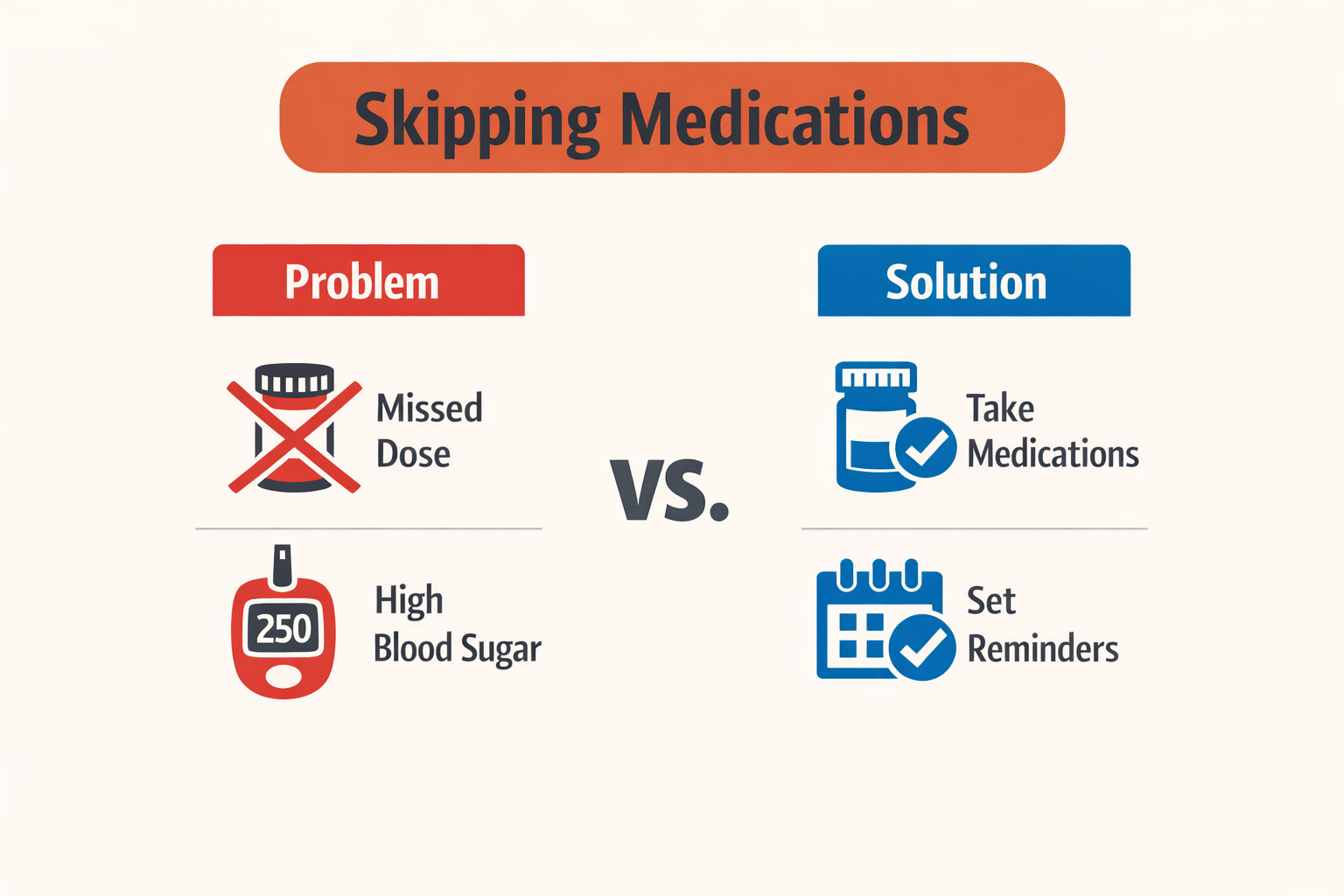
Even with the best intentions, diabetes management can go off track in predictable ways. Understanding where people commonly stumble — and why — helps you recognize patterns early and adjust before they become entrenched habits. These missteps rarely stem from a lack of effort; more often, they reflect gaps in knowledge, emotional barriers, or routines that worked initially but no longer serve changing circumstances.
Focusing Only on the Moment, Not the Pattern
Many people manage blood glucose reactively — treating a high reading here, a low reading there — without stepping back to look at trends over days or weeks. Research on type 1 diabetes self-management identifies three distinct behavioral cycles: Routine (daily adjustments), Reactive (responding to unexpected highs or lows), and Reflective (reviewing data to identify patterns and make longer-term adjustments). The Reflective cycle — the weekly or biweekly review of glucose data to spot patterns and fine-tune insulin ratios or meal responses — is the one people struggle with most, yet it's essential for sustained control.
Without regular pattern review, you may repeatedly correct the same problem without addressing its root cause. A morning high might be a one-time event, or it might signal that your overnight basal insulin needs adjustment — you won't know unless you look at a week's worth of mornings together.
Letting Anxiety Drive Decisions Instead of Data
Anxiety about hypoglycemia, complications, or "getting it wrong" can quietly reshape diabetes management in unhelpful ways. Some people run blood glucose persistently high to avoid lows; others avoid checking altogether when they suspect a bad number. Research analyzing barriers to sustained self-management found that anxiety — related to hypoglycemia, long-term health, and fear of making mistakes — was a key factor in automatic motivation, sometimes prompting withdrawal from self-management behaviors to reduce emotional discomfort.
Fear is a reasonable response to real risks, but when it becomes the primary decision-making input, it can override the data in front of you. The result is often either over-correction (treating a mild low with far too many carbs) or avoidance (skipping a necessary insulin dose because you're unsure).
Anxiety about diabetes can prompt withdrawal from self-management, reducing acceptance and engagement over time.
Treating Diabetes Management as Static
What worked six months ago may not work now. Life changes — new work schedules, different activity levels, medication adjustments, stress, illness, hormonal shifts — all affect blood glucose, yet many people continue the same routines long after they've stopped being effective. Self-management is not a one-time setup; it requires ongoing adjustment.
This mistake often shows up as frustration: "I'm doing everything right, but my numbers are worse." The issue isn't effort — it's that the plan itself needs updating. Diabetes management programs like DAFNE (Dose Adjustment for Normal Eating) often see initial improvements that fade after 12 months, not because people forget the skills, but because they don't continue adapting them to changing circumstances.
For practical guidance on adjusting your approach when standard strategies aren't enough, see Wegovy for Prediabetes: Microdose GLP-1 for Type 2 & Prediabetes.
Relying on Willpower Instead of Systems
Diabetes management involves dozens of daily decisions and actions — checking glucose, timing medications, planning meals, responding to highs and lows. Relying on willpower and memory to execute all of these consistently is a setup for failure. People who sustain good management over time build systems: routines that reduce cognitive load, reminders that prompt action, and environments that make the right choice the easy choice.
Research on sustained self-management identified establishing and maintaining routines as one of the few enablers (rather than barriers) to long-term success. Routines reduce the mental effort required for each decision and make behavioral sequences less likely to be disrupted.
Ignoring Emotional and Psychological Factors
Diabetes management is often framed as a technical problem: learn the skills, apply them, achieve good control. But sustained engagement depends heavily on emotional and cognitive factors — acceptance of the condition, beliefs about one's ability to manage it, anxiety, resilience, and motivation. A large portion of barriers to self-management identified in research related to motivation: beliefs, perceptions, anxieties, concerns, and acceptance all influenced whether people stayed engaged with their care routines.
When someone is struggling with management, the issue may not be a knowledge gap. It may be unaddressed anxiety, diabetes burnout, or difficulty accepting the permanence of the condition. Effective self-management programs increasingly recognize the need for psychological support alongside education — strategies to manage anxiety, build resilience, and sustain motivation over the long term.
Trying to Do It All Alone
Diabetes self-management is called "self"-management, but that doesn't mean going it alone. People who sustain good control typically have support systems: a care team they trust, family or friends who understand the condition, and access to resources when they need help. Trying to figure everything out independently — especially when facing new challenges or setbacks — often leads to prolonged struggle.
Multidisciplinary care teams, peer support groups, and diabetes education programs exist because this condition is complex and benefits from multiple perspectives. Asking for help isn't a sign of failure; it's a core component of effective management.
Frequently Asked Questions About Diabetes Management
Many people living with diabetes or supporting someone who does encounter similar questions as they navigate daily management. The following addresses common concerns that arise when balancing monitoring, medication, nutrition, and the emotional demands of sustained self-management.
How often should I check my blood glucose?
Checking frequency depends on the type of diabetes, the treatment plan, and individual circumstances. People using insulin—whether for type 1 or type 2 diabetes—typically check more often than those managing with oral medications alone. A care team will recommend a schedule that aligns with medication timing, meal patterns, and activity levels. Some people check before meals and at bedtime; others add checks two hours after eating or before exercise. Continuous glucose monitors (CGMs) provide real-time data without fingersticks, which can support more frequent review of glucose patterns without the physical burden of repeated testing.
What should you do if your blood sugar is consistently out of range?
When glucose readings fall outside target ranges for several days, contact the care team rather than making medication adjustments independently. Persistent highs or lows signal that something in the current plan—medication dose, meal timing, activity level, or stress response—may need adjustment. Bring a log or download of recent readings to the appointment; patterns over time guide more precise changes than isolated numbers. If readings are dangerously high (above 250 mg/dL with ketones) or dangerously low (below 70 mg/dL repeatedly), reach out to a provider the same day.
Can I manage diabetes without medication?
For some people with type 2 diabetes or prediabetes, structured nutrition changes and regular physical activity can bring glucose into target range without medication—at least initially. However, diabetes is a progressive condition, and many people eventually need medication as the pancreas produces less insulin over time. Type 1 diabetes always requires insulin; there is no alternative. The decision to start, adjust, or stop any medication belongs to the care team and should never be made unilaterally based on supplement marketing or anecdotal advice.
How do I handle diabetes management when I'm sick?
Illness, infection, and fever raise blood glucose even when eating less than usual. The body releases stress hormones that increase insulin resistance, so glucose may climb despite reduced food intake. Continue taking diabetes medications as prescribed unless the care team advises otherwise, and check glucose more frequently—every 3–4 hours if possible. If using insulin, the provider may recommend temporary dose adjustments. Stay hydrated, monitor for ketones if glucose is persistently high, and contact the care team if unable to keep fluids down, if ketones are moderate or high, or if glucose remains above 250 mg/dL for more than a few hours.
What if I forget to take my medication?
The response depends on the medication type and how much time has passed. For once-daily medications, if it's been only a few hours, take the missed dose; if it's nearly time for the next dose, skip the missed one and resume the regular schedule—never double up. For insulin, the guidance varies by formulation (long-acting versus mealtime), so confirm the plan with the care team in advance. Write down "what to do if I miss a dose" instructions for each medication and keep the list accessible. Pillboxes, phone alarms, and medication-reminder apps reduce the likelihood of missed doses.
How can I stay motivated when diabetes management feels overwhelming?
Sustained self-management is driven as much by emotional resilience as by knowledge and skill. Research on type 1 diabetes self-management identified anxiety, difficulty accepting the diagnosis, and emotional discomfort as barriers that lead people to disengage from daily routines. Establishing consistent habits—checking glucose at the same times, prepping meals in batches, scheduling movement into the day—reduces the cognitive load and makes management feel less like a series of decisions and more like a rhythm. When anxiety or burnout surfaces, naming it to the care team opens the door to referrals for diabetes education, counseling, or peer support groups. Many people find that connecting with others who manage the same condition reduces isolation and provides practical problem-solving strategies.
Self-management programs should be person-centered, flexible, and tailored to individual needs and motivations to ensure successful engagement.
How do you know if your diabetes management plan is working?
A1C results every 3–6 months show the average glucose level over the preceding weeks and provide a benchmark for whether the current approach is keeping glucose in a healthy range. However, A1C alone doesn't reveal daily variability—how often glucose spikes or drops, or how much time is spent in target range. CGM data, if available, adds that layer of detail. Beyond numbers, consider energy levels, wound healing, vision stability, and absence of frequent infections; these are indirect but meaningful signals. Regular check-ins with the care team—reviewing not just lab results but also how the plan fits into daily life—help identify when adjustments are needed before complications develop. For more context on what A1C results mean and how they guide next steps, see A1C of 5.7: What It Means for Your Health and Next Steps.
What should you ask your care team at the next appointment?
Bring a list. Ask about any glucose patterns that seem confusing—why readings spike at a certain time of day, why lows happen overnight, or why the same meal produces different results on different days. Confirm target ranges for fasting glucose, post-meal glucose, and A1C, and ask how close current results are to those targets. If a medication was recently started or adjusted, ask what signs indicate it's working and when to expect results. Request written instructions for sick-day management, travel adjustments, and what to do if a dose is missed. If emotional strain, burnout, or difficulty sustaining routines is present, ask about referrals to a diabetes educator, dietitian, or mental health provider with diabetes experience.
Conclusion and Next Steps
Sustained diabetes management is built on daily behaviors that work together across different time scales — routine monitoring and adjustments, reactive responses to unexpected events like hypoglycemia or illness, and reflective review of patterns over days and weeks. The strategies outlined in this guide — consistent blood glucose monitoring, medication adherence, structured meal planning, regular physical activity, and stress management — form the foundation of effective daily blood sugar control. Each piece supports the others, and together they reduce the risk of both short-term complications and long-term damage to organs, nerves, and blood vessels.
Research on sustained self-management in type 1 diabetes identifies emotional and cognitive factors — particularly anxiety about complications, fear of hypoglycemia, and acceptance of the condition — as significant influences on whether people maintain these behaviors over time. Self-management is not only a technical skill set; it requires psychological resilience, habit formation, and tailored support that addresses individual barriers. Programs that combine education with psychological strategies — including anxiety management, goal-setting, and person-centered care planning — show promise in helping people sustain improvements beyond the initial months after diagnosis.
Your next steps depend on where you are in your diabetes journey. If you are newly diagnosed, focus on establishing the routine cycle: daily monitoring, learning how food and activity affect your blood sugar, and building the habit of consistent medication use. If you have been managing diabetes for months or years, the reflective cycle — reviewing patterns in your glucose data weekly, identifying trends, and discussing adjustments with your care team — becomes the priority. Understanding what your A1C number means can help frame those conversations and set realistic goals with your provider.
Diabetes management is not static. Life events, changing routines, new medications, and shifts in physical or emotional health all require adaptation. The strategies that work well today may need refinement next month or next year. What matters is sustained engagement — checking in regularly, adjusting when needed, and reaching out to your care team when barriers emerge. Diabetes management is a long-term practice, not a short-term fix, and building systems that support consistency over time is what protects your health in the years ahead.

Maren Alcott is the lead presenter at DiabetesCompass. She is an AI-presented digital character. Every article Maren presents is researched and fact-checked by the DiabetesCompass editorial team against the ADA Standards of Care, peer-reviewed journals, and named clinical sources. Maren does not give medical advice — for questions about your specific situation, talk to your care team.