
Metformin for Type 2 Diabetes: What to Expect When Starting
Learn what to expect when starting metformin for type 2 diabetes, including how it works, common side effects, and tips for a smoother experience.


On this page
Introduction
When you receive a type 2 diabetes diagnosis, metformin is often the first medication your care team will discuss. This isn't arbitrary—metformin has decades of evidence supporting its effectiveness and safety profile, and major organizations including the American Diabetes Association recommend it as the initial pharmacological approach for most people with type 2 diabetes.
Our team has reviewed the ADA's Standards of Care and peer-reviewed research to provide a clear picture of what starting metformin actually looks like. Metformin works by improving how your body responds to its own insulin and reducing the amount of glucose your liver releases into your bloodstream. It doesn't force your pancreas to produce more insulin, which makes it different from some other diabetes medications.
The experience of starting metformin varies from person to person. Some people notice improvements in their blood sugar readings within days, while others see gradual changes over several weeks. Side effects—particularly digestive symptoms—are common initially but often decrease as your body adjusts. If you're considering supplements for prediabetes and metformin alternatives, understanding how metformin works helps you have informed conversations with your care team about your treatment plan.
This guide walks through the practical realities of starting metformin: what happens in your body, what side effects you might encounter, how to manage the adjustment period, and when to reach out to your care team. Your exact experience will depend on your individual health profile, which is why your care team remains your best resource for personalizing your treatment approach.
Understanding the Need for Metformin in Type 2 Diabetes
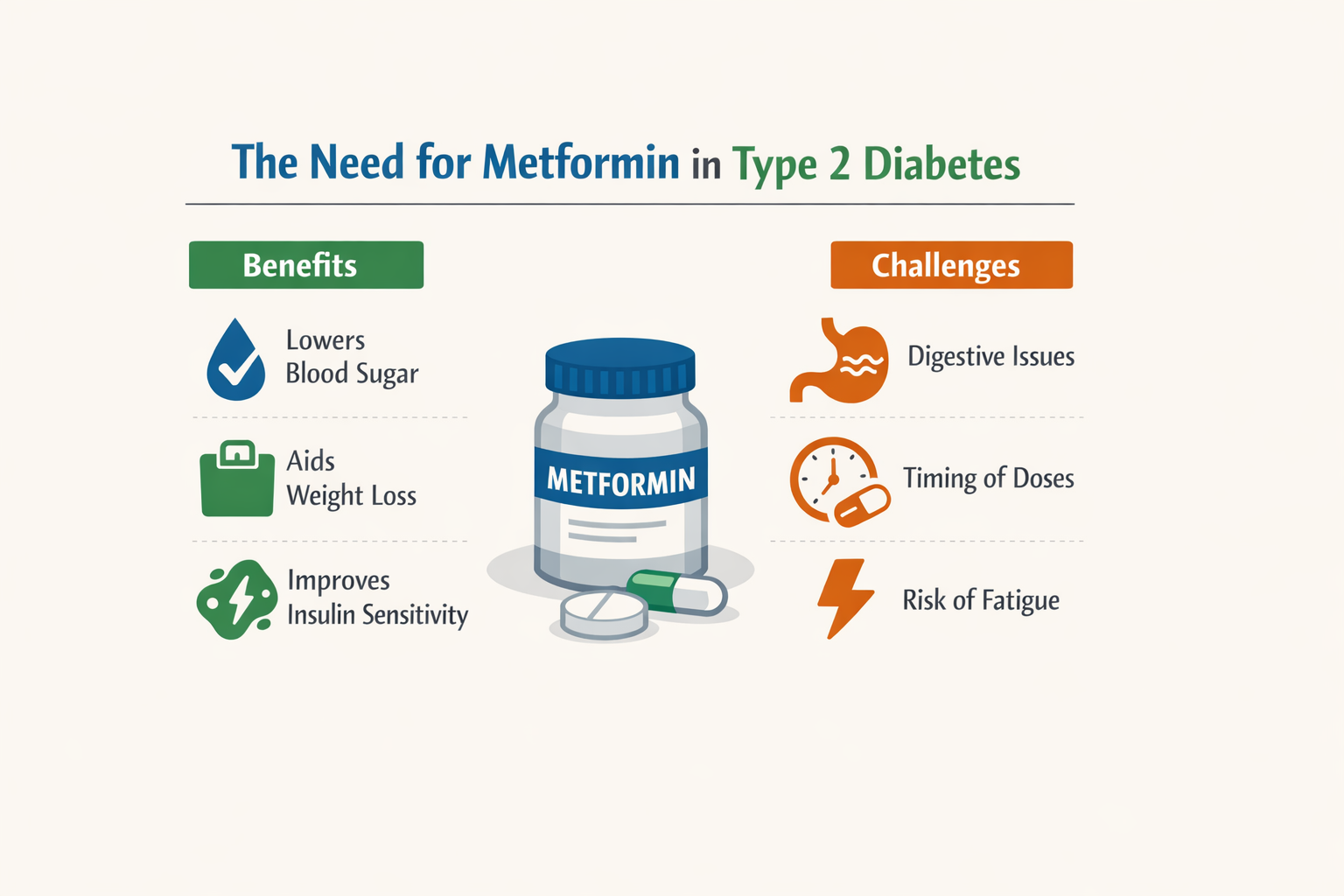
Type 2 diabetes affects ninety to ninety-five percent of all diabetes cases worldwide. Before starting medication, many people face challenges managing blood sugar through lifestyle changes alone — diet adjustments and exercise may not be enough to bring glucose levels into a safer range. When A1C remains elevated despite these efforts, the body's insulin resistance and reduced insulin production require pharmaceutical support.
Metformin has become the most widely recommended first-line treatment for type 2 diabetes, prescribed to 80–85% of patients with the condition. More than 120 million people with type 2 diabetes use metformin globally. The American Diabetes Association and International Diabetes Foundation both recommend metformin as the primary oral glucose-lowering medication alongside lifestyle modifications.
Why Metformin Is Often the First Choice
Metformin addresses two core problems in type 2 diabetes: it improves the body's sensitivity to insulin and reduces the amount of glucose the liver releases into the bloodstream. For people who are overweight, metformin offers an additional benefit — it does not typically cause weight gain and may support modest weight loss, unlike some other diabetes medications.
Research shows metformin reduces the risk of microvascular complications — damage to small blood vessels in the eyes, kidneys, and nerves. It has also been associated with a decreased risk of myocardial infarction in people with prediabetes. Beyond type 2 diabetes, metformin is sometimes prescribed for prediabetes, gestational diabetes, and polycystic ovary syndrome.
Challenges Before Starting Treatment
Before beginning metformin, patients often experience frustration with unpredictable blood sugar levels, fatigue, increased thirst, and the anxiety of a new diagnosis. The transition from lifestyle-only management to medication can feel like an admission that diet and exercise "failed" — but that framing misses the biology. Type 2 diabetes is a progressive condition; needing medication reflects the disease process, not personal failure.
Some people worry about side effects or long-term medication use. Others face confusion about how metformin fits into their overall care plan, especially if they're managing other conditions or taking multiple medications. These concerns are valid, and discussing them openly with your care team helps tailor the approach to your specific situation.
For more context on managing prediabetes and early intervention options, see Supplements for Prediabetes and Metformin Alternatives.
Metformin is the drug of choice for type 2 diabetes patients who are overweight because it reduces weight gain and the risk of microvascular problems.
Individual Variation in Response
Not everyone responds to metformin in the same way. Genetic factors influence how the body processes the medication and how effectively it lowers blood sugar. Research shows that pharmacogenetic variations — differences in genes related to drug metabolism — account for some of the differences in glycemic response. African Americans, for example, have shown better glycemic control with metformin compared to European Americans in some studies, though individual variation remains significant within all groups.
In children and adolescents with newly diagnosed type 2 diabetes, the failure rate for metformin monotherapy has been as high as 50%, meaning half required additional medications or dose escalation. This underscores the importance of regular monitoring and follow-up appointments to assess whether metformin is meeting your blood sugar targets.
Your care team will use A1C tests, fasting glucose measurements, and symptom tracking to evaluate your response. If metformin alone does not bring your levels into the target range your doctor sets with you, combination therapy or dose adjustments are common next steps — not a sign that the medication "isn't working," but part of the standard treatment pathway for a progressive condition.
Solution Steps: What to Expect When Starting Metformin
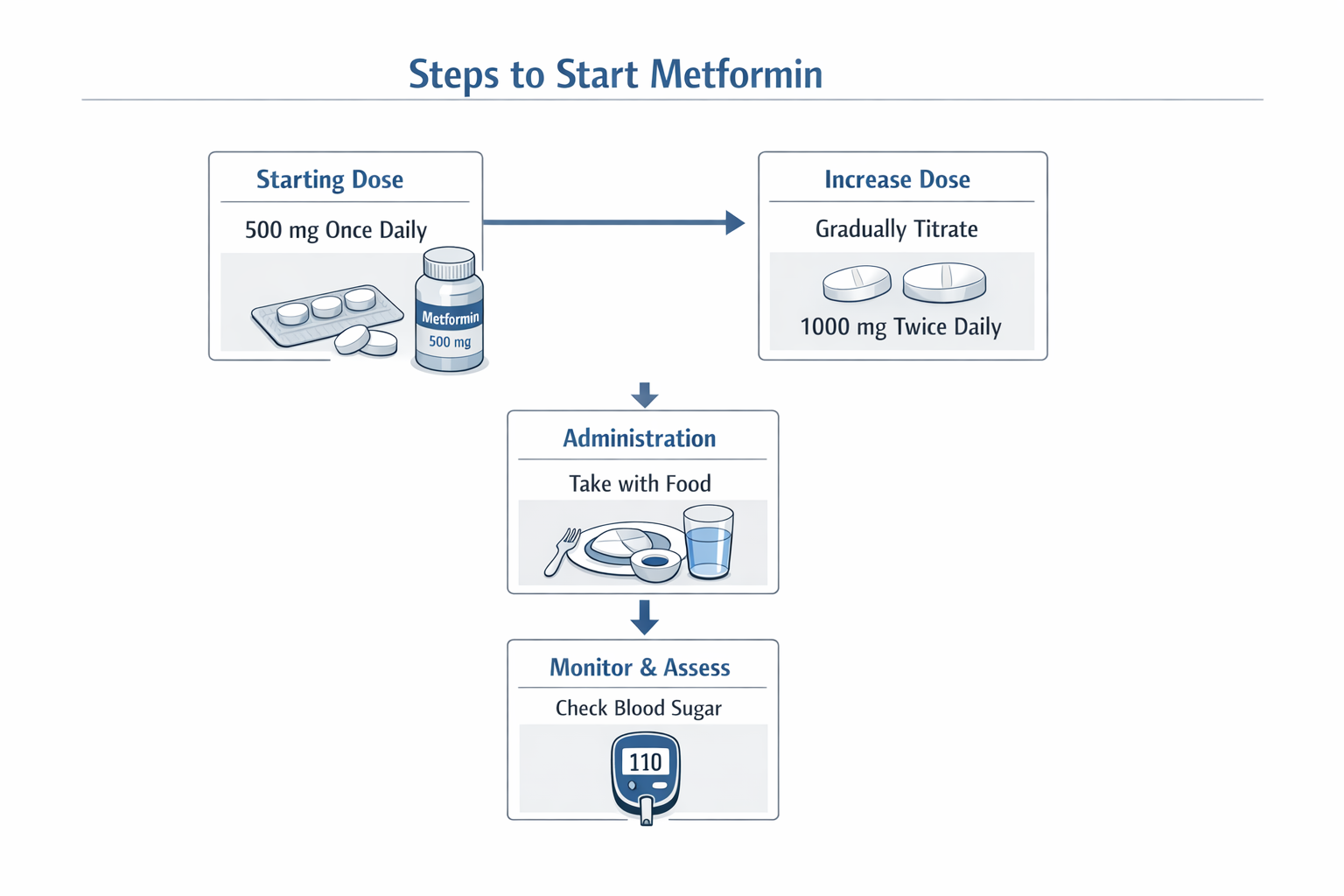
Starting metformin is a structured process that unfolds over several weeks. Your care team will guide you through dosage adjustments, monitoring, and what to watch for as your body adapts to the medication. Here's what the early weeks typically look like.
Starting with a Low Dose
Most people begin metformin at a low dose — often 500 mg once or twice daily — to minimize gastrointestinal side effects while the body adjusts. Research shows that initial dosing typically ranges from 500 mg to 1000 mg per day, with the dose gradually increased based on blood sugar response and tolerability.
Your care team will prescribe an initial dose, usually 500 mg taken once or twice daily with meals. Taking metformin with food helps reduce stomach upset. Follow the exact dosing schedule your provider gives you — this is not a one-size-fits-all medication, and your plan is tailored to your situation.
Gastrointestinal symptoms — nausea, diarrhea, stomach discomfort — are common when starting metformin, but they often decrease after the first one to two weeks. If side effects are severe or persistent, contact your care team before making any changes. Extended-release formulations (metformin XR) may improve tolerability and are worth discussing if standard metformin causes ongoing issues.
Gradual Dose Increases
After the initial adjustment period, your provider may increase your dose every one to two weeks until you reach the target dose that effectively manages your blood sugar. The total daily dose can range from 1000 mg to 2000 mg, depending on individual response and tolerance.
Dose increases are gradual and deliberate. Your care team will monitor your blood sugar levels and any side effects before adjusting the dose. Most people take metformin twice daily, though some regimens call for three times daily. Adherence to the prescribed schedule is essential — skipping doses or adjusting on your own can reduce effectiveness.
Monitoring Blood Sugar and A1C
Metformin's effectiveness is measured through regular blood sugar checks and A1C tests. Many people see reductions in A1C of 1% to 1.5% over several months, though individual results vary. Your care team will establish a monitoring schedule that fits your situation.
Your provider will tell you how often to check your blood sugar at home and what numbers to watch for. Keep a log or use a tracking app to share results at follow-up appointments. These numbers help your care team decide whether your current dose is working or if adjustments are needed.
Expect to see your provider within the first month or two after starting metformin, and then at regular intervals — often every three to six months — for A1C checks and medication review. These appointments are the time to discuss side effects, ask about dosing, and confirm that your treatment plan is still the right fit.
Metformin's glycemic control builds over weeks to months, not days — consistency and communication with your care team are what make it work.
What Happens If Metformin Alone Isn't Enough
For some people, metformin as a single medication may not bring blood sugar to target levels. If that's the case, your provider may add a second medication — such as a GLP-1 receptor agonist or SGLT-2 inhibitor — to your regimen. This is a normal part of type 2 diabetes management and doesn't mean metformin has failed; it means your treatment plan is evolving to meet your needs. If you're exploring additional options, Wegovy for Prediabetes: Microdose GLP-1 for Type 2 & Prediabetes covers how newer medications can work alongside metformin.
Adherence and Long-Term Effectiveness
Taking metformin consistently — at least 80% of prescribed doses — is directly linked to better blood sugar control and cardiovascular outcomes. Pill counts and pharmacy refill records are often used to track adherence in clinical settings, and your care team may ask about missed doses at appointments. If you're struggling with the regimen, speak up — there are strategies (extended-release formulations, timing adjustments, reminder systems) that can help.
Tips and Tricks for a Smooth Transition to Metformin
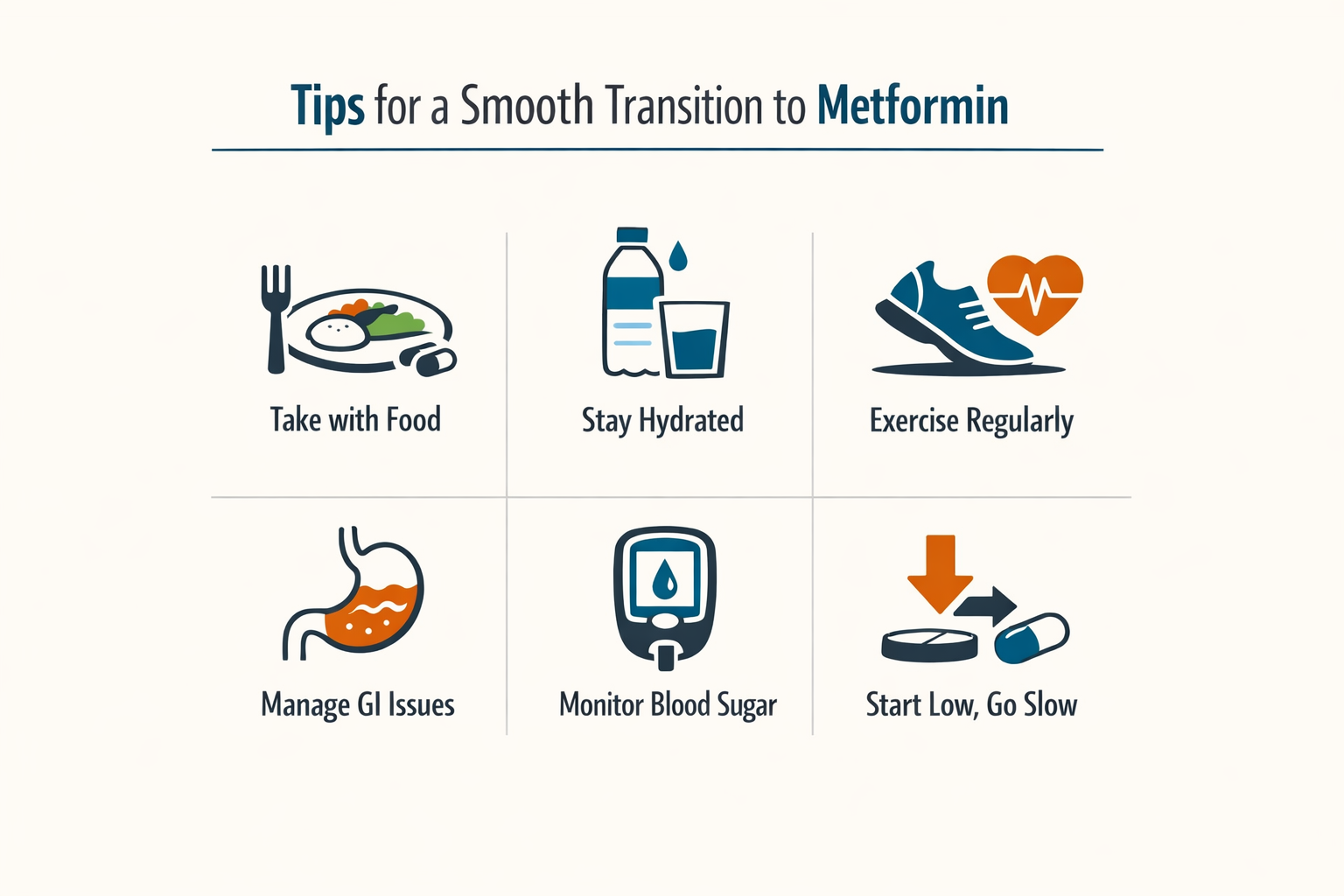
Starting metformin often comes with a learning curve, but a few practical strategies can make the transition smoother and help you stay on track. The goal is to minimize side effects, support the medication's effectiveness, and build habits that fit into your daily routine. These tips are drawn from clinical guidance and real-world patterns observed in metformin adherence research.
Choosing the Right Formulation
If gastrointestinal side effects become a barrier, ask your care team about switching to the extended-release formulation. Extended-release metformin (often labeled metformin XR or ER) delivers the medication more gradually, which can reduce the intensity of nausea, diarrhea, and bloating. Research shows that extended-release formulations improve both tolerability and adherence compared to immediate-release versions, particularly for people who experience persistent stomach upset. The immediate-release formulation carries a higher risk of bloating and diarrhea, so if you're struggling with those symptoms, the extended-release option may be worth discussing at your next appointment.
Timing and Food
Take metformin with food — ideally with your largest meal of the day. Food slows absorption and buffers the stomach lining, which helps reduce nausea and cramping. If you're on a twice-daily dose, pair each dose with a substantial meal rather than a light snack. Consistency in timing also helps: taking metformin at roughly the same time each day keeps blood levels stable and makes the habit easier to maintain.
If you miss a dose, take it as soon as you remember — unless it's almost time for the next scheduled dose. In that case, skip the missed dose and resume your regular schedule. Never double up to make up for a missed dose.
Managing Gastrointestinal Side Effects
Gastrointestinal symptoms — particularly diarrhea, nausea, and abdominal discomfort — are the most common side effects when starting metformin. These symptoms are usually temporary and tend to improve within the first few weeks as your body adjusts. Starting with a lower dose and gradually increasing it (as directed by your care team) gives your digestive system time to adapt.
If symptoms persist beyond the first month or become severe, contact your care team. Persistent diarrhea can lead to dehydration and electrolyte imbalances, so it's important to address it early rather than waiting it out. Your provider may adjust your dose, switch formulations, or explore other options.
Supporting Adherence
Higher adherence to metformin-based regimens directly correlates with better long-term glycemic control and cardiovascular outcomes. Practical strategies that support adherence include:
- Pill organizers or reminder apps: Set a daily alarm or use a medication tracker to avoid missed doses.
- Pairing with a routine: Link your dose to an existing habit, like brushing your teeth or sitting down for dinner.
- Refill reminders: Set up automatic refills or calendar alerts so you never run out.
- Open communication with your care team: If side effects or logistical barriers are making it hard to stay consistent, bring them up at your next visit. There are often solutions — different formulations, adjusted timing, or combination therapies — that can help.
For context on how metformin fits into the broader landscape of diabetes management, see our guide to supplements for prediabetes and metformin alternatives.
Hypoglycemia Awareness
Metformin alone rarely causes hypoglycemia (low blood sugar), but the risk increases when it's used alongside other diabetes medications, particularly insulin or sulfonylureas. If you're on combination therapy, learn to recognize the early signs of low blood sugar: shakiness, sweating, confusion, rapid heartbeat, or intense hunger. Keep a source of fast-acting carbohydrate (glucose tablets, juice, or regular soda) on hand, and discuss a hypoglycemia action plan with your care team.
Lifestyle Integration
Metformin works best when paired with consistent lifestyle habits. Regular physical activity and balanced meals support the medication's glucose-lowering effects and help maintain stable blood sugar levels. You don't need to overhaul your entire routine overnight — small, sustainable changes (like a daily walk or swapping refined carbs for whole grains) add up over time.
Stay hydrated, especially if you're experiencing any gastrointestinal side effects. Dehydration can worsen nausea and fatigue, and adequate fluid intake supports kidney function, which is important for metformin clearance.
When to Check In
Schedule follow-up appointments as recommended by your care team — typically within the first few months of starting metformin. These visits allow your provider to assess how well the medication is working, monitor for side effects, and adjust your treatment plan as needed. Bring a log of your blood glucose readings, any side effects you've noticed, and questions about your regimen.
If you experience unusual symptoms — severe fatigue, muscle pain, difficulty breathing, or an irregular heartbeat — contact your care team immediately. While rare, these can be signs of lactic acidosis, a serious condition that requires prompt medical attention.
Conclusion
Starting metformin for type 2 diabetes marks an important step in managing blood glucose levels and reducing long-term complications. The medication offers proven glycemic control, often lowering A1C by 1% to 1.5%, and provides cardiovascular benefits that extend beyond glucose management alone. While the first few weeks may bring gastrointestinal side effects for some, these typically diminish as your body adjusts, and extended-release formulations can improve tolerability from the outset.
Every person's response to metformin varies. Some achieve target glucose levels quickly, while others may need dose adjustments or additional medications over time. What matters most is maintaining open communication with your care team—report any persistent side effects, ask about your A1C trends, and discuss how the medication fits into your broader diabetes management plan. Your providers can tailor your regimen, whether that means adjusting timing, switching formulations, or eventually adding complementary therapies if needed.
For additional context on glucose monitoring and early intervention strategies, explore our guide on A1C of 5.7: What It Means for Your Health and Next Steps. Remember that metformin is a tool, not a cure—it works best alongside consistent lifestyle habits and regular follow-up. By staying engaged with your treatment and asking the right questions at each appointment, you position yourself for the best possible outcomes as you navigate type 2 diabetes care.

Maren Alcott is the lead presenter at DiabetesCompass. She is an AI-presented digital character. Every article Maren presents is researched and fact-checked by the DiabetesCompass editorial team against the ADA Standards of Care, peer-reviewed journals, and named clinical sources. Maren does not give medical advice — for questions about your specific situation, talk to your care team.