
Building Your Type 2 Diabetes Meal Plan: What to Eat and When

On this page
Introduction
A type 2 diabetes meal plan is a structured approach to eating that keeps your blood glucose stable while meeting your nutritional needs. Building your type 2 diabetes meal plan starts with understanding that diet plays a central role in blood-sugar management. Research confirms that dietary modifications are foundational to treating and managing type 2 diabetes, yet the sheer number of approaches—Mediterranean, plant-based, low-carbohydrate, intermittent fasting, and others—can make it hard to know where to begin.
This article cuts through the noise. You'll find a step-by-step framework for constructing a type 2 diabetes meal plan that addresses the core challenge: keeping blood glucose stable while meeting your nutritional needs and fitting your daily life. We'll cover what to put on your plate, how to time your meals, and how to troubleshoot common obstacles.
Whether you're newly diagnosed or refining an existing routine, the goal is the same: a type 2 diabetes meal plan you can sustain, adjust, and rely on as part of your broader diabetes management strategy. The sections ahead break down the challenges, the building blocks, and the practical tips that make meal planning work in the real world.
Table of Contents
- Understanding the Challenges of Meal Planning with Type 2 Diabetes
- Steps to Build Your Type 2 Diabetes Meal Plan
- Tips and Tricks for Successful Meal Planning
- FAQ
- Conclusion
- Sources
Understanding the Challenges of Meal Planning with Type 2 Diabetes
Planning meals with type 2 diabetes means navigating a landscape where no single approach works for everyone. The research shows a wide variety of dietary patterns—Mediterranean, plant-based, low-carbohydrate, low-calorie, intermittent fasting, and low-glycemic—but there is no clear consensus on which strategy delivers the best results for every person. What works well for one individual may not suit another's routine, preferences, or metabolic response.
This lack of agreement creates real confusion. You may read one source recommending a low-carb approach and another advocating for a plant-based plan rich in whole grains. Both cite evidence, yet their guidance diverges. The result is decision fatigue before you even start cooking.
Balancing Immediate and Long-Term Goals
Meal planning for type 2 diabetes involves two overlapping challenges: managing blood sugar day-to-day and sustaining the plan over months and years. Short-term improvements in weight loss and insulin sensitivity are well-documented across multiple dietary patterns, but long-term adherence remains difficult. A plan that produces early results may become unsustainable if it requires foods that are expensive, hard to find, or incompatible with your household's eating habits.
Navigating Nutrient Deficiencies and Accessibility
Some dietary approaches carry risks of nutrient gaps. Very low-calorie or highly restrictive patterns may leave out essential vitamins, minerals, or macronutrients if not carefully constructed. At the same time, accessibility varies widely: certain foods central to a Mediterranean or plant-based diet may not be available or affordable in every region or season.
The challenge is to build a type 2 diabetes meal plan that supports stable blood sugar, meets your nutritional needs, and fits the practical realities of your budget, location, and daily schedule. This requires more than following a template—it means adapting general guidance to your specific context and confirming your approach with your care team.
Diet is a critical factor in the treatment and management of type 2 diabetes, yet the large number of dietary approaches and general lack of consensus regarding efficacy creates uncertainty for those trying to choose a path forward.
Understanding these challenges—the absence of a one-size-fits-all solution, the tension between short-term results and long-term sustainability, and the need to address both nutrient adequacy and practical accessibility—sets the foundation for building a type 2 diabetes meal plan that you can actually follow. The next section outlines a step-by-step approach to constructing that plan.
Steps to Build Your Type 2 Diabetes Meal Plan
Building a type 2 diabetes meal plan doesn't require perfection — it requires a framework you can follow consistently. The steps below walk through choosing foods, timing meals, and controlling portions in a way that supports stable blood sugar without demanding constant calculation.
Step 1: Choose a Dietary Pattern That Fits Your Life
Research supports several dietary approaches for type 2 diabetes, and the best one is the one you'll actually follow. The Mediterranean diet — emphasizing vegetables, fruits, legumes, nuts, whole grains, fish, and olive oil, with minimal red meat and dairy — shows consistent benefits for glycemic control and cardiovascular health. Plant-based diets, which are high in fiber and low in saturated fats, improve insulin sensitivity and support weight management. Low-carbohydrate diets can reduce HbA1c and body weight in the short term, though long-term adherence is often difficult.
The American Diabetes Association recommends focusing on overall dietary quality: whole grains, legumes, nuts, fruits, vegetables, and minimal refined or processed foods. Within that framework, green leafy vegetables and cruciferous vegetables (broccoli, cauliflower, Brussels sprouts) show particular protective effects. Choose the pattern that aligns with your food preferences, cultural traditions, and daily routine — adherence matters more than the label.
Step 2: Build Each Plate Around Three Components
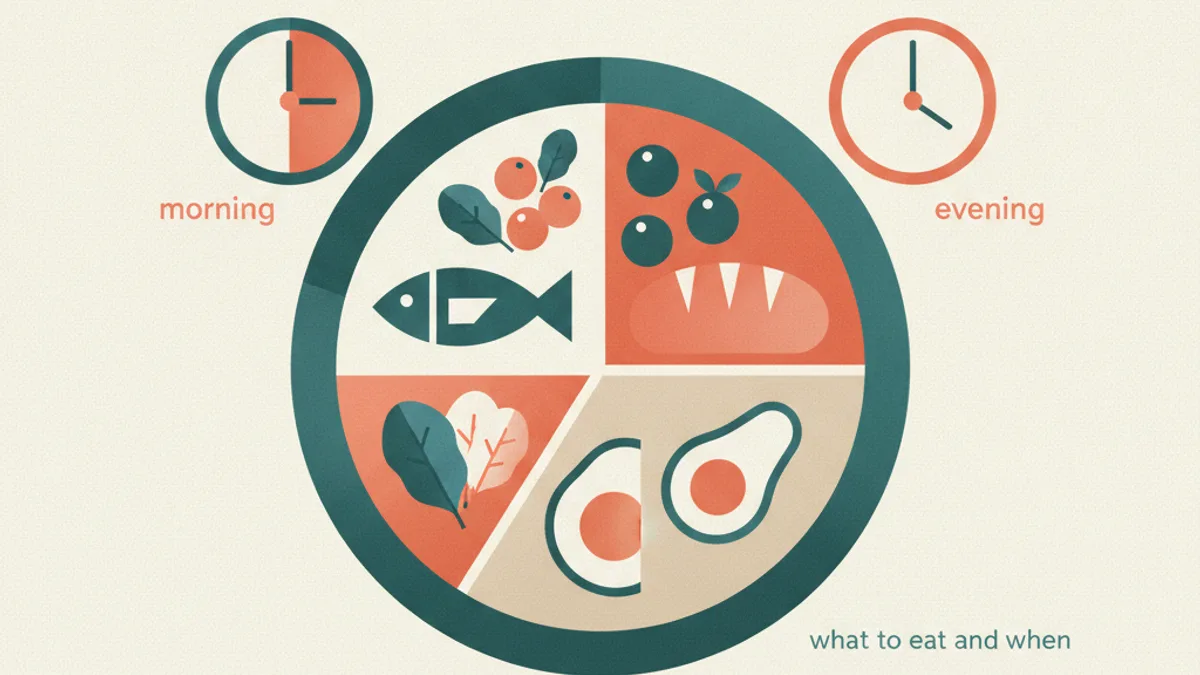
A practical meal-planning method divides each plate into three parts: non-starchy vegetables (half the plate), lean protein (one quarter), and whole-grain or starchy carbohydrate (one quarter). Non-starchy vegetables — leafy greens, peppers, tomatoes, cucumbers, zucchini — provide fiber and volume without raising blood sugar significantly. Lean protein sources include fish, poultry, beans, lentils, tofu, and eggs. Whole grains — brown rice, quinoa, barley, whole-wheat pasta — and starchy vegetables like sweet potatoes provide carbohydrate in a form that includes fiber and nutrients.
This structure keeps carbohydrate portions consistent from meal to meal, which helps predict blood-sugar responses and makes medication timing more straightforward. It also ensures adequate protein and fiber, both of which slow carbohydrate absorption and improve satiety.
Step 1
Map your current plate
Before changing anything, photograph or sketch what a typical lunch and dinner look like now. Identify the carbohydrate portion, the protein, and the vegetables. This baseline shows where adjustments will have the most impact.
Step 2
Adjust proportions gradually
If your current plate is half carbohydrate and minimal vegetables, shift the balance over two to three weeks. Start by adding a side salad or steamed vegetable, then reduce the carbohydrate portion by a third. Small changes compound without triggering the sense that everything is restricted.
Step 3: Plan Meal Timing and Frequency
Meal timing affects blood sugar in two ways: it determines when glucose enters the bloodstream, and it influences how your body responds to that glucose. Eating at consistent times each day — breakfast, lunch, and dinner at roughly the same hours — helps regulate insulin secretion and makes blood-sugar patterns more predictable. Some people do well with three meals and one or two small snacks; others prefer eating within a restricted time window (for example, all meals between 8 a.m. and 6 p.m.).
Intermittent fasting protocols — alternate-day fasting, the 5:2 diet (normal eating five days, 500–600 calories on two non-consecutive days), or time-restricted feeding — show promise for weight loss and glycemic control, independent of total calorie reduction. These approaches may improve insulin sensitivity and cardiovascular health, though they require coordination with any glucose-lowering medications to avoid hypoglycemia. Discuss timing changes with your care team, especially if you take insulin or a sulfonylurea.
For most people starting out, three meals spaced four to five hours apart, with optional snacks if needed to prevent hunger or low blood sugar, provides a stable foundation. Once that pattern is consistent, you can experiment with timing adjustments if desired.
Step 4: Control Portions Without Weighing Every Bite
Portion control doesn't require a food scale or a calorie-counting app, though those tools can be helpful if you prefer precision. Visual cues work well for most people: a serving of cooked grains or starchy vegetables is about the size of your fist; a serving of protein is about the size of your palm; a serving of fat (nuts, oil, avocado) is about the size of your thumb. Non-starchy vegetables can fill the rest of the plate without strict measurement.
Another approach is to use smaller plates and bowls, which naturally reduce portion sizes without the sense of deprivation that comes from a half-empty large plate. Pre-portioning snacks — putting a handful of nuts in a small container rather than eating from the bag — prevents unintentional overeating.
Portion sizes matter because even healthy foods raise blood sugar if eaten in large quantities. A cup of cooked quinoa and three cups of cooked quinoa have very different glucose impacts, even though the food itself is nutritionally sound. Consistency in portion size, meal to meal and day to day, makes blood-sugar patterns easier to interpret and adjust.
Step 5: Minimize Sugar-Sweetened and Artificially Sweetened Beverages
Sugar-sweetened beverages — soda, sweetened tea, fruit juice, energy drinks, flavored coffee drinks — raise blood sugar rapidly and provide little satiety, making them a poor fit for any type 2 diabetes meal plan. Water, unsweetened tea, black coffee, and sparkling water are better default choices.
Artificially sweetened beverages were once considered a neutral alternative, but recent evidence suggests they may reduce insulin sensitivity and alter glucose regulation with continuous exposure. One meta-analysis found that artificial sweeteners were associated with a higher risk of type 2 diabetes, though the evidence is still limited. If you use them, treat them as an occasional tool rather than a staple.
Coffee, interestingly, shows a protective effect: higher consumption is associated with a 35% reduction in type 2 diabetes risk compared to lower consumption. This finding comes from observational studies, so it's not a prescription to drink more coffee, but it does suggest that moderate coffee intake (without added sugar or high-fat creamers) fits within a diabetes-friendly eating pattern.
Step 6: Combine Your Type 2 Diabetes Meal Plan With Physical Activity
Diet and exercise work synergistically to improve glycemic control, insulin sensitivity, and cardiovascular health. Combined aerobic and resistance training — for example, 50% walking or cycling and 50% bodyweight exercises or weights — shows the strongest evidence for reducing fasting glucose and HbA1c. High-intensity interval training (HIIT) is another effective option for improving metabolic health, though it requires medical clearance if you have cardiovascular complications.
Physical activity doesn't need to be formalized or gym-based to be effective. A 20-minute walk after each meal, resistance bands at home three times a week, or a combination of household tasks and recreational activity all contribute to better glucose regulation. The American Diabetes Association recommends at least 150 minutes per week of moderate-intensity activity for people at risk of or living with type 2 diabetes.
For a broader look at coordinating meal planning with medication, monitoring, and other aspects of daily management, see our diabetes management complete guide and our guide to diabetes management strategies.
A combination of dietary modification and physical activity — particularly Mediterranean and plant-based diets coupled with combined aerobic and resistance exercise — appears to be the most effective strategy for the prevention and management of type 2 diabetes.
Step 7: Track and Adjust Based on Your Blood Sugar Response
No type 2 diabetes meal plan is complete without feedback. Blood glucose monitoring — whether fingerstick checks or continuous glucose monitoring — shows how your body responds to specific foods, portion sizes, and meal timing. Check your blood sugar before meals and one to two hours after meals to see the impact of what you ate. Patterns over several days reveal which foods or combinations cause spikes, which keep glucose stable, and which timing strategies work best for you.
Use this data to refine your plan. If breakfast always causes a spike, try reducing the carbohydrate portion or adding more protein. If blood sugar drops mid-afternoon, add a small snack or adjust your lunch composition. If a particular food consistently raises glucose more than expected, reduce the portion or pair it with more fiber and fat to slow absorption.
Your care team can help interpret these patterns and adjust medications if needed. The goal is a type 2 diabetes meal plan that keeps blood sugar in your target range most of the time, not perfection at every meal.
Tips and Tricks for Successful Meal Planning
Meal planning for type 2 diabetes becomes easier with strategies that fit into your daily routine. The goal is not perfection — it's building a pattern you can sustain. The research shows that structured dietary approaches work when they reduce both cognitive load and decision fatigue, and when they align with your schedule and preferences.
Start with a Weekly Template
Choose three to five core meals that you rotate through the week. A template removes the need to plan from scratch every day. For example, designate Monday and Thursday as sheet-pan dinners with a protein and roasted vegetables, Tuesday as a grain bowl night, and Wednesday as a slow-cooker meal. This approach mirrors the diabetes management strategies that emphasize consistency over complexity.
Emphasize Whole Foods Over Processed Ones
The American Diabetes Association guideline recommends focusing on whole grains, legumes, nuts, fruits, and vegetables while minimizing refined and processed foods. This doesn't mean eliminating convenience foods entirely; it means choosing minimally processed options when you need them. Frozen vegetables without added sauces, canned beans with no added sugar, and plain Greek yogurt are all whole-food-adjacent shortcuts.
The overall quality of food consumed, with an emphasis on whole grains, legumes, nuts, fruits and vegetables, is more important than fixating on individual nutrients.
Use a Flexible Framework, Not a Rigid Menu
Rigid meal plans often fail when life interrupts. Instead, build a flexible framework: identify a protein, a non-starchy vegetable, and a carbohydrate source for each meal, then swap components based on what you have or what sounds appealing. A Mediterranean-style pattern — vegetables, fruits, legumes, nuts, beans, whole grains, fish, and unsaturated fats like olive oil, with minimal meat and dairy — offers built-in variety and aligns with the dietary strategies shown to support glucose control.
Combine Diet with Movement
Physical activity improves insulin sensitivity and glucose regulation independently of weight loss. The ADA recommends at least 150 minutes per week of moderate-intensity activity, such as brisk walking, spread over at least three days with no more than two consecutive rest days. Pairing meal planning with a walking routine after meals can improve post-meal glucose response. Structured lifestyle interventions that combine dietary changes with regular physical activity have been shown to prevent or delay the progression of type 2 diabetes.
Prep in Small Batches
You don't need to meal-prep an entire week at once. Prepping two to three days' worth of lunches or chopping vegetables the night before can reduce friction without requiring a full Sunday afternoon in the kitchen. Small, repeatable habits compound over time.
Keep a Running Grocery List
Maintain a list on your phone or a notepad in the kitchen. Add items as you run low or as you plan meals. This reduces the mental effort of remembering what you need and minimizes impulse purchases when you're at the store.
Frequently asked questions
What is the best type 2 diabetes meal plan?
There is no single best type 2 diabetes meal plan that works for everyone. Research supports Mediterranean, plant-based, low-carbohydrate, and other evidence-based patterns. The best plan is the one you can sustain that keeps your blood sugar stable and meets your nutritional needs. Work with your care team to identify the approach that fits your preferences, routine, and medical goals.
How many carbs should I eat per meal with type 2 diabetes?
Carbohydrate needs vary by individual, activity level, medications, and blood-sugar targets. Many people with type 2 diabetes aim for 45-60 grams of carbohydrate per meal, but your care team may recommend a different target. Consistency in carbohydrate portions from meal to meal helps predict blood-sugar responses and makes medication timing easier.
Can I follow a type 2 diabetes meal plan if I'm vegetarian or vegan?
Yes. Plant-based diets high in fiber and low in saturated fats improve insulin sensitivity and support weight management. Focus on legumes, whole grains, nuts, seeds, and non-starchy vegetables as your core foods. Ensure adequate protein and vitamin B12, and work with a dietitian to confirm your plan meets all nutritional needs.
Should I skip meals or try intermittent fasting with type 2 diabetes?
Intermittent fasting may improve glycemic control and insulin sensitivity, but it requires coordination with your care team, especially if you take insulin or other glucose-lowering medications. Skipping meals without adjusting medication doses can cause dangerous low blood sugar. Discuss any fasting or meal-timing changes with your prescriber before starting.
How do I know if my type 2 diabetes meal plan is working?
Track your blood glucose before and one to two hours after meals to see how your body responds to specific foods and portions. Look for patterns over several days. A working meal plan keeps blood sugar in your target range most of the time, supports stable energy, and fits into your daily routine without constant stress. Your care team can help interpret your data and adjust your approach as needed.
Conclusion
Building a type 2 diabetes meal plan is not about perfection—it's about finding a sustainable pattern that keeps your blood sugar stable and fits your life. The research shows that while many dietary approaches can support glucose control, there is no single "best" diet for everyone with type 2 diabetes. What matters is choosing a structure you can maintain, whether that's a Mediterranean-style eating pattern, a lower-carbohydrate approach, or another evidence-based framework that aligns with your preferences and your care team's guidance.
The most effective type 2 diabetes meal plan is the one you'll actually follow. Start with the basics: balance carbohydrates with protein and fat at each meal, eat at consistent times when possible, and track how different foods affect your blood sugar. Small, incremental changes—swapping refined grains for whole grains, adding a serving of vegetables to lunch, or moving dinner thirty minutes earlier—often produce more lasting results than dramatic overhauls.
Remember that a type 2 diabetes meal plan is one component of a broader diabetes management plan that includes medication, physical activity, and regular monitoring. Your care team—physician, diabetes educator, or dietitian—should review your meal plan and adjust it as your needs change. Blood sugar patterns, A1C trends, weight changes, and medication adjustments all influence what and when you eat, so expect your plan to evolve over time.
If you're newly diagnosed or feeling overwhelmed, start small: focus on one meal at a time, use the plate method as a visual guide, and give yourself permission to learn as you go. Building a type 2 diabetes meal plan that works is a process, not a single decision, and every meal is a chance to gather data and refine your approach.
Related reading
Preventing Diabetes Kidney Problems: Protect Your Kidneys with Diet

Maren Alcott is the lead presenter at DiabetesCompass. She is an AI-presented digital character. Every article Maren presents is researched and fact-checked by the DiabetesCompass editorial team against the ADA Standards of Care, peer-reviewed journals, and named clinical sources. Maren does not give medical advice — for questions about your specific situation, talk to your care team.
DiabetesCompass uses clearly identified digital editorial voices. See our AI disclosure for how bylines and AI-assisted production work.