
Diabetes Management: A Complete Guide to Care and Control
Learn proven diabetes management strategies, from blood sugar monitoring to medication, diet, and lifestyle changes that support long-term health and control.


On this page
Introduction to Diabetes Management
Diabetes management is the coordinated effort to keep blood glucose levels within a target range through a combination of monitoring, medication, nutrition, physical activity, and medical oversight. For the estimated 463 million adults living with diabetes globally—90% of whom have type 2 diabetes—effective management is not optional; it is the foundation for preventing both immediate risks like severe hypoglycemia and long-term complications affecting the eyes, kidneys, nerves, and cardiovascular system.
In our work, we focus on providing clear and accessible information to help individuals navigate the complexities of diabetes management. Our team diligently reviews authoritative sources like the ADA Standards of Care to ensure that the guidance we share is accurate and reliable. For those newly diagnosed, understanding what the numbers mean and knowing what questions to ask at your next appointment can be crucial steps in managing diabetes effectively.
This guide is designed for people who are newly diagnosed with diabetes, those supporting a family member with the condition, and anyone seeking a clearer understanding of how diabetes care works in practice. We will walk through what diabetes management actually involves, why it matters for long-term health, how to build a sustainable daily routine, best practices drawn from clinical guidelines, and common mistakes that can derail progress. You will also find answers to frequently asked questions and a roadmap for the next steps in your care journey. For additional context on glucose monitoring technology, see our guide on how continuous glucose monitors work.
Whether you are learning to interpret your first A1C result, deciding whether to start a new medication class, or coordinating care for a loved one, this guide translates the clinical language of diabetes care into actionable, plain-language steps. We emphasize the importance of confirming any targets or treatment plans with your own care team, as personalized medical advice is essential. By the end, you will have a clearer picture of what effective diabetes management looks like day to day and how to work with your healthcare team to achieve stable, sustainable control.
Explore effective diabetes management strategies in this comprehensive guide.
What is Diabetes Management?
Diabetes management is the ongoing process of keeping blood glucose levels within a target range to reduce the risk of complications and support long-term health. It involves a combination of monitoring, medication, nutrition, physical activity, and regular communication with a care team. The goal is not perfection — it's sustained control that minimizes both high and low blood glucose events while fitting into daily life.
Effective diabetes management requires maintaining glycemic control to reduce the risk of microvascular complications, such as nerve damage and kidney disease, and cardiovascular events like heart attack and stroke. The approach varies by diabetes type, individual health status, and treatment plan, but the core components remain consistent across most cases.
Core Components of Diabetes Management
Diabetes management rests on several interconnected pillars. Each plays a role in keeping glucose levels stable and preventing both immediate and long-term complications.
Glucose monitoring provides the data that informs every other decision. This may involve fingerstick blood glucose checks, continuous glucose monitoring (CGM), or a combination of both. Monitoring reveals patterns — how meals, activity, stress, and medications affect glucose — and helps identify trends that warrant adjustment. A1C testing, typically done every three to six months, offers a longer-term average but does not capture daily variability or acute events like overnight lows.
Medication and insulin therapy are tailored to the type of diabetes and the individual's glucose control. For type 2 diabetes, this might include metformin, GLP-1 receptor agonists, SGLT2 inhibitors, or insulin. For type 1 diabetes, insulin is essential from diagnosis. The care team determines which medications to use, when to adjust doses, and how to layer therapies as needs change. Dosing decisions always belong to the prescribing clinician — never to general guidance.
Nutrition planning focuses on understanding how carbohydrates, fats, and proteins affect blood glucose. Many people work with a registered dietitian to develop a meal plan that aligns with their glucose targets, medication schedule, and personal preferences. The emphasis is on consistency, portion awareness, and timing rather than rigid restriction.
Physical activity helps the body use insulin more effectively and can lower blood glucose both during and after exercise. The type, intensity, and timing of activity all influence glucose levels, and individuals learn through monitoring how their bodies respond. Some activities lower glucose quickly; others may cause a temporary rise followed by a delayed drop.
Care team coordination ties everything together. This typically includes a primary care provider or endocrinologist, a diabetes educator (often a CDCES), a dietitian, and sometimes a pharmacist or mental health professional. Regular appointments allow for medication adjustments, pattern review, and troubleshooting challenges like hypoglycemia or persistent highs.
How Diabetes Management Differs by Type
Type 1 diabetes requires insulin from the outset, delivered via injections or an insulin pump. Management focuses on matching insulin doses to carbohydrate intake, activity, and current glucose levels. Many people with type 1 use CGM to track glucose in real time and adjust insulin proactively.
Type 2 diabetes often begins with lifestyle modification and oral medications, with insulin added later if needed. The progression varies widely — some people achieve target glucose levels with metformin and dietary changes, while others require multiple medications or insulin within the first few years. Best CGM for Non Diabetics: OTC Options for Prediabetes explores how glucose monitoring tools are now accessible for those managing prediabetes or early type 2.
Gestational diabetes, which develops during pregnancy, requires close glucose monitoring and often insulin to protect both mother and baby. Targets are stricter than for non-pregnant individuals, and the condition typically resolves after delivery — though it raises the risk of type 2 diabetes later.
What Diabetes Management Is Not
Diabetes management is not a cure, and it is not a short-term intervention. It is a sustained, adaptive process that evolves as the body, medications, and life circumstances change. It does not eliminate all glucose variability — even with excellent control, blood sugar will fluctuate. The aim is to keep those fluctuations within a range that minimizes risk, not to achieve a flat line.
It is also not a one-size-fits-all protocol. Two people with the same A1C may have very different daily glucose patterns, medication regimens, and management challenges. Personalization — guided by the care team and informed by monitoring data — is central to effective diabetes management.
Why Diabetes Management Matters
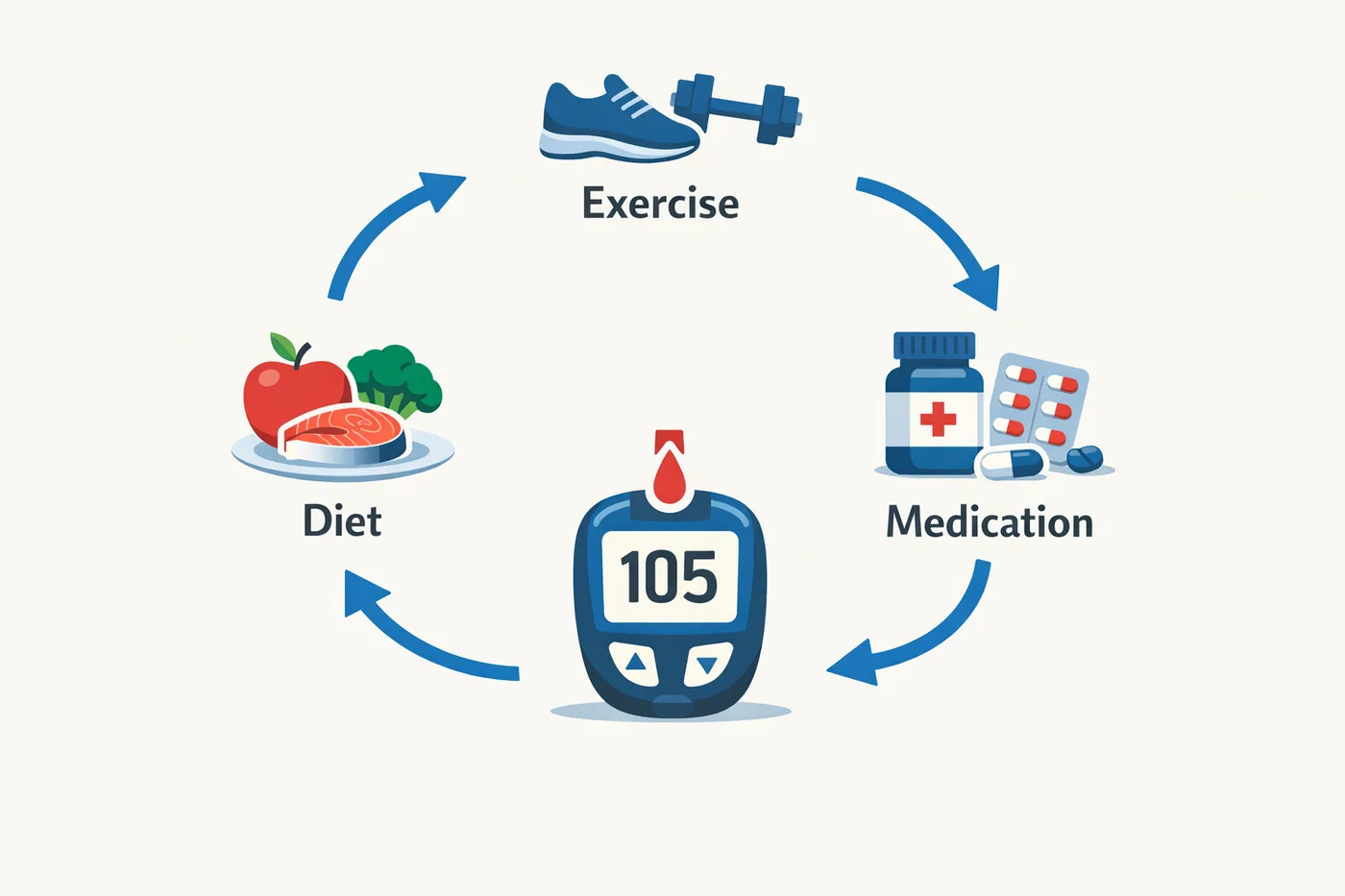
Effective diabetes management is not optional — it is the foundation of long-term health and quality of life for anyone living with diabetes. Without consistent attention to blood glucose control, the risks of serious complications escalate quickly. Improper management can lead to macro-vascular diseases such as heart attack and stroke, micro-vascular complications including kidney damage and vision loss, metabolic acidosis, and in severe cases, death. These outcomes are not abstract possibilities; they are documented consequences when glycemic control is neglected.
The complexity of diabetes management means that sustained engagement with self-care behaviours is critical. Research identifies that sustained self-management involves a complex set of behaviours — routine monitoring, reactive problem-solving when blood glucose swings unexpectedly, and reflective review of patterns over time. Each of these cycles requires different skills, and individuals may find certain behaviours more challenging than others. The difficulty is not just in learning what to do once, but in maintaining those behaviours consistently over months and years.
The Long-Term Stakes
The stakes extend beyond immediate blood glucose readings. Sustained self-management is directly linked to improvements in glycated haemoglobin (A1C) and a reduction in the risk of complications. When self-management lapses — even temporarily — the body's systems begin to show strain. Elevated glucose damages blood vessels, nerves, and organs incrementally. The damage is often silent until it becomes severe, which is why proactive management matters even when someone feels well.
For many, the challenge is not understanding what to do, but sustaining those behaviours over time. Initial improvements after starting a structured self-management program often fade within 12 months if emotional and cognitive barriers — such as anxiety about hypoglycaemia, fear of complications, or difficulty accepting the condition — are not addressed. Diabetes management is as much about managing the emotional and psychological dimensions as it is about monitoring glucose and adjusting insulin.
Quality of Life and Daily Function
Beyond preventing clinical complications, effective diabetes management preserves daily function and independence. Uncontrolled blood glucose can cause fatigue, difficulty concentrating, mood swings, and physical discomfort that interfere with work, relationships, and routine activities. Conversely, stable glucose levels support energy, mental clarity, and the capacity to engage fully in life. For those managing diabetes alongside other responsibilities — caregiving, employment, or chronic conditions — effective self-management reduces the cognitive and emotional burden of constant crisis management.
The reflective cycle of diabetes management, which involves reviewing blood glucose data over time and making longer-term adjustments, is often the most difficult for individuals to sustain. This cycle requires planning, implementing changes, monitoring results, and problem-solving when patterns do not improve. It is also the cycle that supports fine-tuning of daily routines and prevents the reactive, high-stress management that leads to burnout. Understanding what an A1C of 5.7 means for your health can help contextualize these longer-term goals and the importance of consistent monitoring.
Sustained engagement in diabetes self-management behaviours is a critical element in achieving improvements in A1C and minimising risk of complications.
The Role of Support and Structure
Effective diabetes management is not a solitary effort. It requires access to education, tools, and a care team that can provide guidance tailored to the individual's circumstances. Self-management programs that extend beyond short-term knowledge acquisition to include psychological support, habit formation, and strategies for managing anxiety and maintaining motivation are more likely to produce lasting results. The barriers to sustained self-management — ranging from physical symptoms like impaired awareness of hypoglycaemia to social and environmental challenges such as changing life events — must be addressed systematically.
Confirm your own targets, medication adjustments, and self-management goals with your care team. What works for one person may not work for another, and personalized medical advice is essential to navigate the complexity of diabetes management safely and effectively.
How to Manage Diabetes Effectively

Managing diabetes effectively involves consistent attention to multiple areas of daily life — blood glucose monitoring, medication adherence, meal planning, physical activity, and coordination with the care team. Research on sustained self-management identifies three interconnected behavioral cycles: routine daily adjustments, reactive responses to unanticipated events, and reflective review of patterns over time. Each cycle requires specific skills, and individuals often find certain behaviors more challenging than others.
This section outlines actionable strategies that support sustained engagement across all three cycles, drawing on evidence about what helps people maintain glycemic control over the long term.
Build a Routine Monitoring and Adjustment Cycle
The routine cycle describes the adaptive self-management behaviors required to keep blood glucose within target on a daily basis, influenced by food intake, physical activity, and alcohol consumption. The steps involve daily checking, planning, and implementing a response based on regular data gathered. This cycle may need to be enacted several times a day in response to fluctuating parameters.
Establishing and maintaining routines diminishes the cognitive burden of behavioral change and reduces the likelihood of sequences being disrupted. For many, this means checking blood glucose at consistent times — before meals, two hours after meals, and before bed — and recording the results in a logbook or app. Patterns emerge more clearly when the data collection is consistent.
For those using insulin or certain oral medications, routine adjustment involves calculating doses based on current glucose readings, planned carbohydrate intake, and anticipated activity. The goal is not perfection on every check, but a stable pattern that the care team can evaluate and refine at follow-up appointments.
Develop Reactive Strategies for Unanticipated Events
The reactive cycle describes the self-management behaviors required to manage the impact of unanticipated events that affect blood glucose regulation — hypoglycemia, suspected illness, or the presence of ketones. The steps involve checking, rechecking, problem-solving, reflecting, and planning. This cycle is in response to an atypical event and incorporates actions to reduce the incidence of these events where possible.
Hypoglycemia (low blood glucose) requires immediate treatment: consuming 15 grams of fast-acting carbohydrate, waiting 15 minutes, and rechecking. If the reading remains low, repeat the treatment. Once the episode resolves, review what preceded it — a skipped meal, unplanned exercise, or a medication timing issue — and note it for discussion with the care team.
Illness can disrupt glucose control even when food intake drops. During illness, check glucose more frequently, stay hydrated, and follow the sick-day plan provided by the care team. For those using insulin, ketone testing may be necessary if glucose remains elevated despite treatment.
Reactive strategies also include having supplies on hand: fast-acting glucose tablets or gel, a glucagon kit if prescribed, extra test strips, and contact information for the care team. Anticipating these situations reduces the stress when they occur.
Implement a Reflective Review Cycle
The reflective cycle describes the longer-term review of blood glucose data — ideally on a weekly basis — to evaluate the impact of daily self-management behaviors. The steps involve planning, implementing, reviewing, monitoring, and problem-solving. This cycle supports the fine-tuning of habitual self-management behaviors by identifying patterns in blood glucose data and the instigation of more long-term adjustments.
Many people find the reflective cycle the most challenging. It requires stepping back from the immediate numbers and looking for trends: Are mornings consistently high? Do afternoons show more variability? Is there a pattern around certain meals or activities? This analysis informs conversations with the care team about adjusting background insulin doses, mealtime ratios, or medication timing.
Continuous glucose monitoring (CGM) systems simplify this process by generating reports that highlight time-in-range, variability, and patterns across days and weeks. For those interested in exploring CGM options, Best CGM for Non Diabetics: OTC Options for Prediabetes provides an overview of available systems and their features.
Reflective review also includes evaluating non-glycemic factors: sleep quality, stress levels, medication adherence, and emotional well-being. These factors influence glucose control and often require adjustments beyond the diabetes regimen itself.
Coordinate with the Care Team
Effective diabetes management is a collaborative effort. Regular appointments with the endocrinologist, primary care provider, diabetes educator, and dietitian ensure that the treatment plan evolves as the condition and life circumstances change. Between appointments, keep a record of glucose readings, medication changes, hypoglycemia episodes, and any questions that arise.
Bring this record to every visit. It provides the care team with the data needed to make informed adjustments and demonstrates engagement in the process. If a medication is not working as expected, if side effects are interfering with adherence, or if life changes (a new job, a move, a pregnancy) are affecting management, communicate these promptly rather than waiting for the next scheduled visit.
Self-management interventions should extend beyond educational strategies to include psychological support that helps manage anxiety, bolster resilience, and enhance motivation over the long term.
Address Psychological and Emotional Factors
Anxiety about hypoglycemia, fear of complications, frustration with unpredictable glucose readings, and the emotional burden of daily self-management all influence behavior. Research identifies anxiety as a key factor in automatic motivation — it can prompt withdrawal from self-management to reduce discomfort, or it can motivate stricter adherence depending on how it is framed and supported.
Self-management programs that incorporate psychological support — cognitive-behavioral strategies, acceptance-based approaches, or peer support groups — show better sustained engagement than education alone. If anxiety or low mood is interfering with diabetes management, discuss it with the care team. Mental health support is part of comprehensive diabetes care, not an optional add-on.
Leverage Technology to Simplify Management
Recent advances in diabetes technology — continuous glucose monitors, insulin pumps, automated insulin delivery systems, and dosing advisors — improve the accuracy and safety of insulin therapy and simplify glucose monitoring. Although these technologies have been primarily developed for type 1 diabetes, people with type 2 diabetes face similar challenges in achieving glycemic targets and can benefit from these tools as well.
CGM systems provide real-time glucose data and trend arrows, reducing the need for frequent fingerstick tests and offering early warnings of high or low glucose. Insulin pumps deliver precise doses throughout the day and can be programmed for different basal rates during sleep, exercise, or illness. Automated insulin delivery systems adjust basal insulin delivery based on CGM readings, reducing the manual decision-making burden.
Not every person with diabetes requires or desires advanced technology, and access remains a barrier for many. However, for those who struggle with frequent hypoglycemia, high variability, or the cognitive load of multiple daily injections, these tools can meaningfully improve both glycemic control and quality of life. Discuss eligibility and insurance coverage with the care team.
Maintain Flexibility and Adapt Over Time
Diabetes management is not static. The strategies that work in the first year after diagnosis may need adjustment as the body changes, as other health conditions emerge, or as life circumstances shift. Sustained self-management requires ongoing learning, problem-solving, and willingness to adapt.
When a routine stops working — glucose readings drift out of range despite adherence, or a medication loses effectiveness — it is a signal to revisit the plan with the care team, not a sign of personal failure. Diabetes is a progressive condition, and treatment intensification is often necessary over time. Recognizing this early and adjusting proactively prevents complications and reduces the emotional burden of feeling that management is slipping.
Best Practices in Diabetes Management
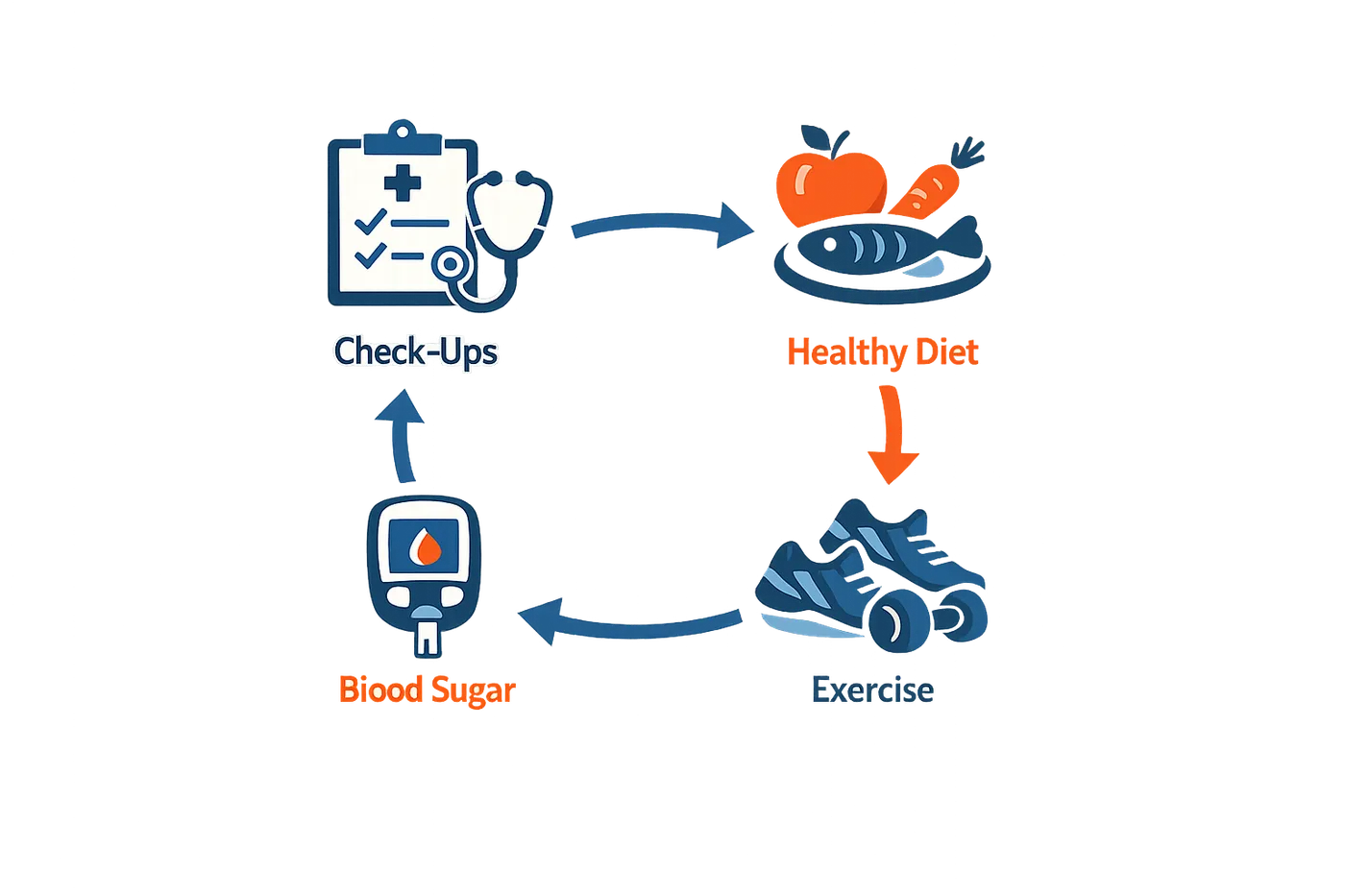
Successful diabetes management rests on consistent habits rather than perfect execution. The practices that support long-term health combine structured routines—monitoring, medication timing, meal planning—with flexibility when circumstances shift. What works for one person may need adjustment for another, and what works today may need refinement as your body, your schedule, or your treatment plan changes.
The best practices outlined here draw from clinical guidelines and research on what helps people maintain stable glucose levels, reduce complication risk, and sustain their routines over months and years. None of these practices replaces the personalized plan you develop with your care team; instead, they provide a framework to guide your daily decisions and help you recognize when a strategy is working or when it's time to adjust.
Align Physical Activity with Your Glucose Goals
Exercise affects blood glucose in ways that vary by intensity, duration, and timing. A structured approach starts with identifying your exercise goal—whether that's weight management, performance, socialization, or general fitness—because the goal shapes how you manage glucose around activity.
For weight management, an insulin-reduction strategy during and after exercise helps avoid excessive carbohydrate intake that would counteract calorie expenditure. If your primary goal is performance, you may focus on carbohydrate timing and intake that matches the nutritional demands of the activity, adjusting insulin doses accordingly to maintain stable glucose without interrupting your session. When socialization or fun is the priority, minimizing the need to stop for glucose checks or snack breaks may mean adjusting basal insulin in advance rather than relying on mid-activity corrections.
As fitness improves and insulin sensitivity increases with regular training, anticipate a gradual reduction in total daily insulin requirement. Revisit your exercise management plan with your care team periodically, using glucose monitoring data to refine carbohydrate intake, insulin timing, and pre-activity adjustments.
Leverage Technology to Simplify Monitoring and Dosing
Diabetes technologies—continuous glucose monitoring systems, insulin pumps, and dosing advisors—improve the accuracy and safety of insulin therapy while reducing the cognitive load of manual tracking. These tools are no longer reserved for specific diabetes types; people with type 2 diabetes who require insulin face similar challenges in achieving glycemic targets and can benefit from the same advances.
Continuous glucose monitors (CGMs) provide real-time data that reveal patterns fingerstick testing cannot capture: overnight lows, post-meal spikes, and the delayed effects of exercise or stress. This visibility helps you and your care team make more precise adjustments to medication timing, meal composition, and activity planning. For those newly considering a CGM, understanding how a Dexcom CGM works can clarify what to expect from real-time glucose monitoring.
Insulin pumps and automated delivery systems reduce the risk of dosing errors and allow for finer adjustments than multiple daily injections. Dosing advisors—whether standalone apps or integrated into pump systems—calculate bolus doses based on current glucose, carbohydrate intake, and active insulin, removing guesswork and reducing the risk of stacking doses too close together.
Adopting these technologies does not eliminate the need for clinical oversight; rather, it shifts the conversation with your care team from retrospective troubleshooting to proactive refinement. The data these tools generate becomes the foundation for iterative improvements in your management plan.
Technology simplifies the mechanics of glucose management, but the strategy behind its use—what targets to pursue, when to adjust, and how to interpret the data—still requires collaboration with your care team.
Establish Consistent Routines Without Rigidity
Consistency in meal timing, medication schedules, and sleep patterns provides a stable baseline that makes it easier to identify what's working and what needs adjustment. When routines are erratic, it becomes difficult to distinguish whether a high or low glucose reading resulted from a missed dose, an unusual meal, poor sleep, or an underlying trend that requires a treatment change.
At the same time, rigid adherence to a plan that isn't working—or that no longer fits your life—undermines long-term success. The goal is a routine that's consistent enough to reveal patterns but flexible enough to adapt when circumstances change: a shift in work schedule, a new medication, an illness, or a change in physical activity level.
Document your routines and any deviations in a way that's sustainable for you—whether that's a logbook, a notes app, or the memory feature of your glucose meter or CGM. When you meet with your care team, this record becomes the evidence base for adjustments. Without it, decisions rely on recall and averages rather than specific patterns.
Confirm Targets and Adjust Based on Data
Blood glucose targets, A1C goals, and medication doses are not universal. They depend on your diabetes type, your risk of hypoglycemia, your other health conditions, and your personal circumstances. The targets you work toward should come from your care team, not from generalized guidance or someone else's plan.
Once targets are established, use your glucose data—whether from fingersticks or CGM—to assess whether your current approach is getting you there. If you're consistently above or below target at specific times of day, that's actionable information. Bring it to your next appointment with notes on what you've tried and what you've observed. Adjustments to medication, meal composition, or activity timing should be made in consultation with your care team, not by trial and error in isolation.
For those managing prediabetes or early type 2 diabetes, understanding what an A1C of 5.7 means can clarify where you stand and what steps might prevent progression.
Anticipate and Plan for Disruptions
Illness, travel, stress, and schedule changes all affect glucose control. The best time to plan for these disruptions is before they happen. Work with your care team to establish sick-day rules—how to adjust insulin or other medications when you're unwell, what glucose and ketone levels warrant a call, and what supplies to keep on hand. For travel, plan how you'll store insulin, carry supplies through security, and manage time zone changes if you're crossing multiple zones.
Stress—whether acute or chronic—raises cortisol and other hormones that increase insulin resistance. Recognizing this connection helps you avoid self-blame when glucose runs high during stressful periods and reminds you to check in with your care team if the pattern persists.
Common Mistakes in Diabetes Management
Many people with diabetes work hard to keep blood glucose in range, yet certain recurring missteps can undermine even the most diligent efforts. These pitfalls often stem from incomplete knowledge, fear, or the sheer complexity of managing a condition that requires multiple daily decisions. Recognizing these common mistakes and understanding how to avoid them can make a meaningful difference in long-term outcomes and day-to-day quality of life.
Delaying Insulin Therapy When It's Needed
A significant number of people who have a clinical requirement for insulin therapy are reluctant to begin or intensify treatment due to fear of hypoglycaemia and poor understanding of treatment regimens. This reluctance can lead to prolonged periods of elevated blood glucose, increasing the risk of complications. When oral medications or other injectables no longer maintain glycaemic control, insulin becomes a necessary tool — not a sign of failure.
If your care team recommends insulin, ask them to explain how it works, what the dosing schedule looks like, and how hypoglycaemia risk is managed. Understanding the rationale and the safeguards can reduce anxiety and support timely treatment intensification.
Skipping the Reflective Cycle
Diabetes self-management involves more than responding to the moment. Research identifies three behavioural cycles: Routine (daily checking and adjusting), Reactive (managing hypoglycaemia or illness), and Reflective (reviewing patterns over time to fine-tune insulin doses or meal ratios). Many people excel at the first two but neglect the third.
The Reflective cycle — reviewing blood glucose data weekly to identify trends — is often the most challenging, yet it supports the long-term adjustments that prevent repeated highs or lows. Setting aside time each week to look for patterns, and discussing them with your care team, can help you move from reactive problem-solving to proactive control.
Letting Anxiety Drive Disengagement
Anxiety related to diabetes — fear of hypoglycaemia, worry about complications, or distress about "getting it wrong" — significantly influences motivation and can lead to withdrawal from self-management behaviours. When anxiety becomes overwhelming, some people reduce checking frequency, skip insulin doses, or avoid reviewing data altogether, hoping to minimize the emotional discomfort associated with the condition.
This withdrawal can create a cycle: less engagement leads to worse control, which increases anxiety further. If diabetes-related anxiety is affecting your ability to manage the condition, talk to your care team about psychological support options. Addressing the emotional side of diabetes is as important as addressing the metabolic side.
Ignoring the Need for Routine and Structure
Establishing and maintaining routines diminishes the cognitive burden of behavioural change and reduces the likelihood of self-management sequences being disrupted. When diabetes tasks are scattered throughout the day without a consistent pattern, it becomes easy to forget a dose, skip a check, or miss a meal.
Building a routine — checking glucose at the same times, taking medication with the same daily anchor (breakfast, bedtime), reviewing data on the same day each week — creates automaticity. The behaviour becomes habitual rather than effortful, freeing up mental energy for the Reactive and Reflective cycles when they're needed.
Failing to Adapt Self-Management Around Life Changes
Difficulty adapting self-management routines in the face of changing life events — new caring responsibilities, a different work schedule, travel, or illness — is a common barrier. Diabetes management that worked well in one context may not transfer seamlessly to another, and people sometimes try to force the old routine into a new situation rather than adjusting it.
When life circumstances change, revisit your self-management plan with your care team. Adjustments to timing, dosing, or monitoring frequency may be needed to maintain control in the new context. For those managing a family member's diabetes, understanding how to calibrate a Dexcom G7 or other devices during transitions can help maintain continuity of care.
Relying on Spontaneous Decision-Making Instead of Reflection
Spontaneous, in-the-moment decisions about insulin doses or carbohydrate intake can work in the short term, but they often lead to inconsistent control. The Reflective cycle promotes the benefit of reviewing data over time and making deliberate, pattern-based adjustments rather than reacting to each reading in isolation.
Impulse control and emotion regulation skills support this reflective process. When you see a high reading, the impulse may be to correct aggressively; when you see a low, the impulse may be to overtreat. Pausing, considering the context, and referring to your established correction guidelines can prevent overcorrections and improve overall stability.
Overlooking the Role of Knowledge Gaps
Sub-optimal knowledge and skills — difficulty assessing and adjusting meal-time ratios, uncertainty about managing physical activity, or incomplete understanding of how illness affects blood glucose — can act as barriers to all self-management behaviours. These gaps are not a personal failing; they reflect the complexity of the condition and the limits of what can be covered in a single education session.
If you're unsure about a specific aspect of your regimen, ask. Diabetes education is not a one-time event but an ongoing process. Many care teams offer follow-up sessions, and diabetes educators can provide targeted skill-building in areas where you feel less confident.
Frequently Asked Questions about Diabetes Management
What is the difference between A1C and daily blood sugar monitoring?
A1C measures your average blood glucose over the past two to three months. It's the primary marker for long-term glucose management and helps predict the risk of complications. However, A1C does not capture acute events — it won't show a low blood sugar overnight or a spike after a meal. Daily monitoring, whether through fingerstick testing or continuous glucose monitoring (CGM), fills that gap by showing real-time glucose levels and trends throughout the day.
For many people, combining both methods gives the clearest picture: A1C for the long view, daily monitoring for the immediate adjustments.
How often should you check your blood sugar?
The frequency depends on your diabetes type, your treatment plan, and your care team's guidance. People using insulin — especially multiple daily injections or a pump — typically check more often, sometimes before meals, at bedtime, and occasionally overnight. Those managing type 2 diabetes with oral medications or lifestyle changes alone may check less frequently, often a few times per week or as directed.
Self-monitoring of blood glucose (SMBG) with fingerstick tests does not provide continuous data, and factors like pain and inconvenience can reduce testing frequency. If you find yourself skipping checks or missing nocturnal patterns, discuss CGM options with your care team — continuous monitoring can reduce the burden and improve detection of trends.
Can you stop checking your blood sugar if your A1C is in range?
No. A1C reflects an average, not the full story. Two people with the same A1C can have very different daily glucose patterns — one stable, the other swinging between highs and lows. Those fluctuations, called glycemic variability, matter for how you feel day-to-day and for long-term health. Stopping monitoring means losing visibility into those swings.
Your care team may adjust the frequency of checks based on stable control, but eliminating monitoring altogether removes an essential feedback loop for medication, diet, and activity decisions.
What should you do if your blood sugar is consistently high or low?
Consistent highs or lows are a signal to contact your care team — do not adjust medication doses on your own. High readings may indicate that your current regimen needs modification, whether that's medication timing, dosage, or adding a new agent. Consistent lows suggest over-treatment and carry immediate safety risks, including confusion, falls, and loss of consciousness.
Document the patterns: time of day, recent meals, activity, and any medication changes. That record helps your clinician make precise adjustments rather than guessing.
Is continuous glucose monitoring (CGM) better than fingerstick testing?
CGM provides more data and greater convenience than fingerstick testing. It tracks glucose continuously, alerts you to trends before they become urgent, and captures overnight patterns that fingersticks miss. For people on insulin or those with unpredictable glucose swings, CGM often leads to tighter control and fewer surprises.
That said, CGM is not universally necessary. Some people manage well with periodic fingerstick checks, especially if their glucose is stable and they are not on insulin. The choice depends on your treatment complexity, your glucose variability, and your insurance coverage. For more on how CGM devices work and who benefits most, see our guide on how Dexcom CGM works.
Can I manage diabetes without medication?
Some people with type 2 diabetes or prediabetes achieve target glucose levels through diet, weight loss, and physical activity alone — but this is not universal, and it is not a substitute for medical guidance. Diabetes is progressive; beta-cell function declines over time, and what works today may not work in two years. Avoiding or delaying medication when it is indicated increases the risk of complications.
If you prefer to start with lifestyle changes, work with your care team to set a clear timeline and measurable targets. If those targets are not met within the agreed window, medication becomes the next step — not a failure, but a tool to protect long-term health.
How do you know if your diabetes management plan is working?
A working plan shows up in three places: your glucose data, your A1C trend, and how you feel. Stable daily readings without frequent lows, an A1C moving toward or holding at your individualized target, and energy that supports your daily routine are all positive signs.
If any of those falter — if you're experiencing frequent lows, if A1C is rising, or if fatigue and thirst are worsening — the plan needs adjustment. Diabetes management is not static; it evolves with changes in weight, activity, stress, other medications, and the disease itself.
What are the most important numbers to track?
Beyond glucose and A1C, track blood pressure, cholesterol (LDL, HDL, triglycerides), and kidney function (eGFR and urine albumin). Diabetes affects the cardiovascular and renal systems, and these markers often signal trouble before symptoms appear. Your care team will order these labs periodically — make sure you understand the results and what they mean for your treatment.
Weight and waist circumference also matter, particularly for type 2 diabetes, where modest weight loss can significantly improve glucose control.
Conclusion and Next Steps for Diabetes Management
Diabetes management is not a single skill or a one-time decision — it is a layered, ongoing process that adapts to changing circumstances, life events, and new information. The evidence shows that sustained engagement with self-management behaviors is critical for improving glycated hemoglobin levels and reducing the risk of complications over time. This engagement depends on more than knowledge alone; it requires establishing routines, responding to unexpected events, and regularly reviewing data to identify patterns and adjust strategies.
In our work, we focus on providing clear and accessible information to help individuals navigate the complexities of diabetes management. Our team diligently reviews authoritative sources like the ADA Standards of Care to ensure that the guidance we share is accurate and reliable. For those newly diagnosed, understanding what the numbers mean and knowing what questions to ask at your next appointment can be crucial steps in managing diabetes effectively.
Research identifies three interconnected cycles of self-management behavior: routine daily adjustments (such as checking blood glucose and planning meals), reactive responses to unanticipated events (like treating hypoglycemia or managing illness), and reflective review of longer-term patterns (such as weekly data analysis to fine-tune insulin ratios or medication timing). Each cycle plays a distinct role, and individuals may find certain behaviors more challenging than others. The reflective cycle — the practice of stepping back to review trends rather than reacting in the moment — is often the most difficult to sustain, yet it supports the fine-tuning that leads to better long-term control.
Barriers to sustained self-management are numerous and varied. Physical symptoms such as impaired awareness of hypoglycemia can disrupt the routine cycle by removing the physiological cues that prompt checking and treatment. Social and environmental factors — like changing work schedules, new caregiving responsibilities, or limited access to healthcare — can make it harder to maintain established routines. Emotional influences, particularly anxiety related to hypoglycemia or fear of long-term complications, can lead to withdrawal from self-management behaviors as a way to reduce discomfort. Addressing these barriers requires more than education; it calls for psychological support, habit formation strategies, and person-centered care planning that respects individual values and motivations.
Enablers of sustained self-management include establishing and maintaining routines, which reduce the cognitive burden of constant decision-making, and accessing tailored support that addresses the specific behaviors an individual finds most challenging. Multi-disciplinary care teams, ongoing training for healthcare providers in person-centered approaches, and the integration of psychological support into diabetes programs all contribute to better long-term outcomes. For further guidance on monitoring tools and approaches, see our Dexcom Stelo Review: Features, Accuracy & Cost (2024).
Moving Forward
If you are managing diabetes or supporting someone who is, the next steps are practical and specific. Identify which self-management behaviors you find most difficult — is it the daily routine, the response to unexpected events, or the longer-term review and adjustment? Bring that observation to your next appointment and ask your care team for targeted strategies. Confirm any blood glucose targets, A1C goals, or medication adjustments with your own healthcare provider, as personalized medical advice is essential.
Consider whether anxiety, acceptance, or emotional discomfort is influencing your engagement with self-management. If so, ask about psychological support, counseling, or diabetes education programs that include behavioral and emotional components. Explore whether establishing a specific routine — such as a weekly data review or a consistent meal-planning schedule — could reduce decision fatigue and make sustained self-management more achievable.
By translating complex medical guidelines into plain language, we aim to empower individuals and caregivers with the knowledge needed to make informed decisions about their health. Diabetes management is a long-term commitment, but it is also a set of learnable, adjustable behaviors. With the right support, clear information, and a focus on the specific challenges you face, sustained self-management is within reach.

Maren Alcott is the lead presenter at DiabetesCompass. She is an AI-presented digital character. Every article Maren presents is researched and fact-checked by the DiabetesCompass editorial team against the ADA Standards of Care, peer-reviewed journals, and named clinical sources. Maren does not give medical advice — for questions about your specific situation, talk to your care team.