
Insulin Therapy Essentials: What Type 1 Patients Need to Know


On this page
Introduction

When navigating insulin therapy for Type 1 diabetes, understanding the essentials can feel overwhelming. Our team has reviewed the ADA Standards of Care to provide clarity on this topic. It's crucial to remember that insulin therapy is highly individualized—while general guidelines exist, confirming your specific targets and regimen with your care team is vital to ensure your treatment aligns with your unique health needs and lifestyle.
For people with Type 1 diabetes, insulin therapy is not optional; it is the cornerstone of daily management. Without insulin, blood glucose levels rise dangerously, leading to serious complications. The ADA and EASD emphasize that insulin regimens must be tailored to patient-specific factors, including lifestyle, blood glucose patterns, and the risk of hypoglycemia. This means there is no single "correct" way to use insulin—what works for one person may not work for another.
Starting insulin therapy involves careful consideration of several factors: your fasting plasma glucose (FPG), haemoglobin A1c (HbA1c), postprandial glucose (PPG), and any existing cardiovascular concerns. These measurements help your care team design an initial regimen and set individualized targets. Younger, healthier patients might aim for stricter glycemic control, while those with other health conditions may have more relaxed targets to avoid the risk of low blood sugar.
The first 12 weeks of insulin therapy—often called the titration phase—carry a higher risk of hypoglycemia. During this period, doses are adjusted based on blood glucose monitoring data, and patients learn to recognize patterns in their readings. This phase is critical: understanding how your body responds to insulin, meals, and physical activity helps you and your care team fine-tune your regimen. For more guidance on starting insulin therapy, see our article on Insulin Therapy for Type 1 Diabetes: Getting Started.
Factors such as diet, physical activity, work schedule, and personal preferences significantly influence insulin regimens. Exercise, for example, often lowers blood glucose levels, so patients with active lifestyles may need lower insulin doses or adjustments in timing to prevent hypoglycemia during and after physical activity. Shift workers or those with irregular schedules may require flexible insulin regimens that fit their unique routines. Some patients prefer fewer injections or specific times for insulin administration—understanding and incorporating these preferences can improve adherence and overall success.
Effective insulin therapy is a collaborative process. Your care team will help you identify trends in your blood glucose data, adjust doses as needed, and set realistic goals. If you experience morning hyperglycemia (the dawn phenomenon), for instance, your nighttime insulin dose may need adjustment. Regular communication with your healthcare providers ensures that your insulin regimen evolves with your changing needs, lifestyle, and health status.
Understanding the Challenges of Insulin Therapy
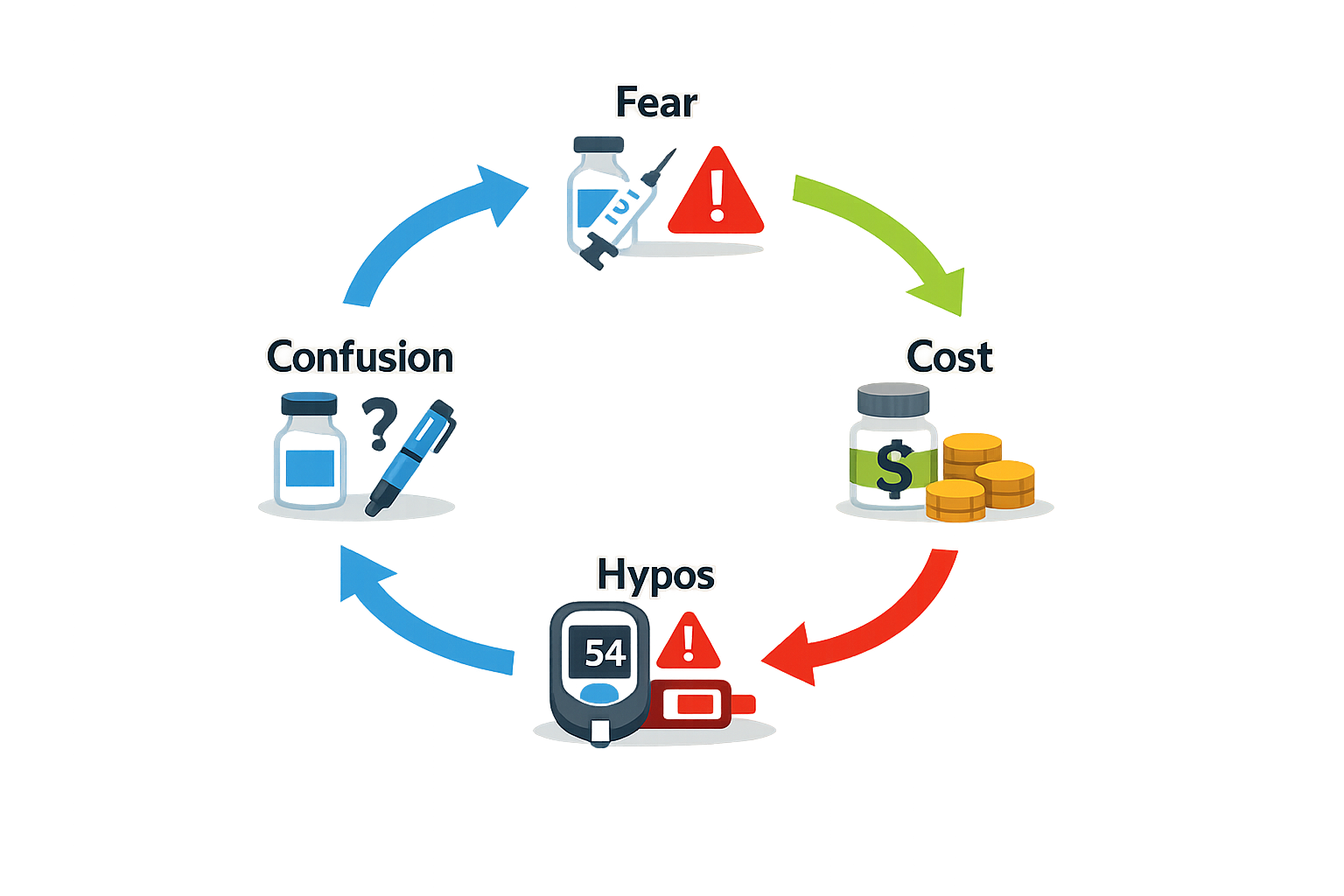
Starting insulin therapy can feel daunting, and many patients face real obstacles that go beyond the mechanics of injections or pump settings. Research shows that a significant number of people who have a clinical requirement for insulin therapy are reluctant to intensify treatment due to fear of hypoglycemia, poor understanding of treatment regimens, or lack of engagement — putting them at higher risk of developing complications from poor glycemic control. These concerns are not abstract: they shape how patients and care teams approach insulin initiation and ongoing management.
The Titration Phase and Early Discontinuation Risk
The first 12 weeks after starting insulin — known as the titration phase — carry the highest risk of hypoglycemia and can lead to early discontinuation of therapy. During this window, doses are adjusted frequently as your care team works to find the regimen that fits your blood glucose patterns, lifestyle, and hypoglycemia risk. The American Diabetes Association and the European Association for the Study of Diabetes emphasize individualized care: insulin therapy should be tailored to patient-specific factors, not prescribed from a template.
Severe hypoglycemia is rare in patients initiating insulin, but the fear of it is not. Providers should address potential barriers to insulin initiation and provide reassurance, while patients benefit from understanding the potential causes of hypoglycemia and how to recognize early warning signs. For more on the practicalities of starting insulin, see Insulin Therapy for Type 1 Diabetes: Getting Started.
Weight Gain and Overbasalization
Modest weight gain is expected with initiation of basal insulin therapy, and patient expectations need to be managed. Weight gain can be mitigated through lifestyle changes and use of combination therapies. While weight concerns are commonly reported as a reason for avoidance of insulin therapy, larger studies comparing continuous subcutaneous insulin infusion (CSII) to multiple daily injections (MDI) showed no significant difference in weight gain between the two methods — an important reassurance for patients weighing their options.
Another challenge that emerges over time is overbasalization: using too much basal insulin without addressing mealtime needs. Clinical signals such as a basal dose of more than 0.5 units per kilogram, significant variability, hypoglycemia, and a bedtime-to-morning glucose differential greater than 50 mg/dL may warrant assessment. When overbasalization is detected, a reevaluation should be conducted to further individualize therapy — this might mean adding mealtime insulin or adjusting the basal dose downward.
Lifestyle Factors and Regimen Complexity
Factors such as diet, physical activity, work schedule, and personal preferences can significantly influence insulin regimens. Exercise impacts blood glucose levels, often lowering them; patients with active lifestyles may need lower insulin doses or adjustments in timing to prevent hypoglycemia during and after physical activity. Shift workers or those with irregular schedules may require flexible insulin regimens, and some patients prefer fewer injections or specific times for insulin administration. Understanding and incorporating these preferences can improve adherence to the insulin regimen.
Insulin therapy should be tailored to patient-specific factors, including lifestyle, blood glucose patterns, and hypoglycemia risk — not prescribed from a template.
Continuous glucose monitoring (CGM) or frequent self-monitoring of blood glucose provides valuable data for tailoring insulin administration timing. Regular blood glucose monitoring helps identify trends and patterns: for example, if a patient experiences morning hyperglycemia (the dawn phenomenon), their nighttime insulin dose may need adjustment. Based on glucose monitoring data, insulin doses can be fine-tuned, and individualized targets are set based on a patient's age, comorbidities, and overall health. Younger, healthier patients might aim for stricter glycemic control, while older patients or those with multiple comorbidities may have more relaxed targets to avoid hypoglycemia.
Technology Adoption and Usability Concerns
Over the past decade, the rise of diabetes technologies — including dosing advisors, continuous glucose monitoring systems, insulin pumps, and automated insulin delivery systems — has led to great improvements in the therapies available. However, limited expertise of healthcare providers in the use of insulin pumps in general may represent a barrier to widespread adoption. User perceptions of usability significantly influence attitudes towards commencing insulin pump therapy, even in younger age groups. In older age groups, other barriers to uptake may include cognitive decline, eyesight problems, or lack of manual dexterity.
For this reason, insulin pump manufacturers have focused on improving designs to reduce training needs and potential for user error. Simpler designs and user-friendly devices encourage uptake across all ages. Participants who were completely autonomous using their insulin pump, or who involved a nurse to manage their pump, had greater HbA1c improvements compared to those who were only technically autonomous — highlighting the value of support and education alongside the technology itself.
Steps to Effective Insulin Therapy Management
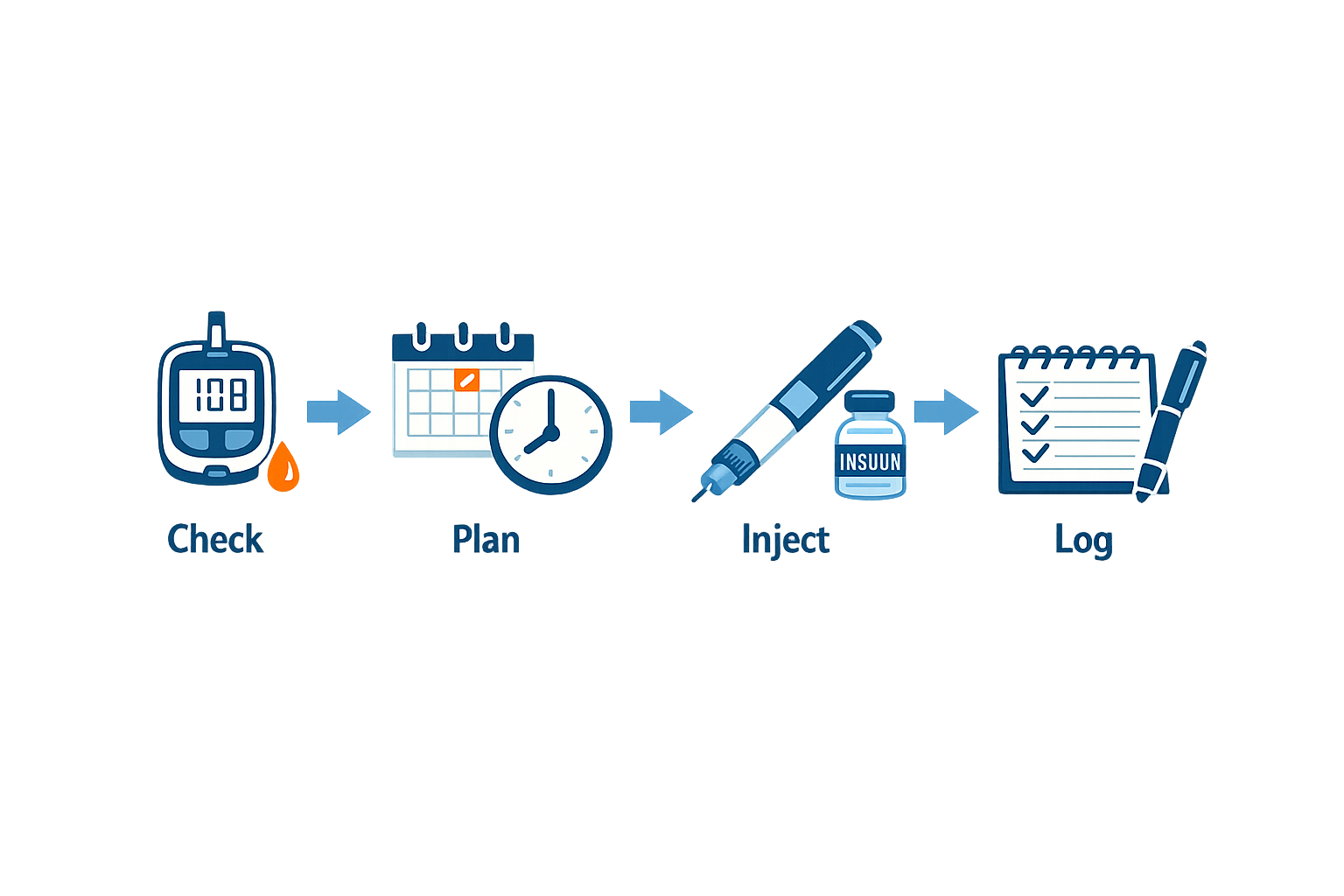
Managing insulin therapy effectively requires a structured approach tailored to each person's routine, glucose patterns, and lifestyle. The American Diabetes Association (ADA) and the European Association for the Study of Diabetes (EASD) emphasize individualized care — insulin therapy should be adjusted to fit patient-specific factors, including work schedules, physical activity levels, and hypoglycemia risk. What follows is a step-by-step framework for working with your care team to optimize insulin therapy.
Monitor Blood Glucose Patterns Consistently
Regular blood glucose monitoring helps identify trends that inform insulin dose adjustments. Continuous glucose monitoring (CGM) or frequent self-monitoring of blood glucose (SMBG) provides valuable data for tailoring insulin administration timing. For example, if morning hyperglycemia (the dawn phenomenon) appears consistently, your nighttime insulin dose may need adjustment — a question worth bringing to your next appointment.
Monitoring is not about hitting a single number every time; it's about recognizing patterns over days and weeks. Your care team uses that data to fine-tune doses and timing, aiming for stable glucose levels that fit your individual targets.
Step 1
Establish a consistent monitoring routine
Set specific times each day to check blood glucose — typically before meals, two hours after meals, at bedtime, and occasionally overnight. Record the readings along with notes about meals, activity, and how you feel. Share this log with your care team at every visit so they can spot trends and recommend adjustments.
Adjust Insulin Doses Based on Lifestyle Factors
Exercise impacts blood glucose levels, often lowering them. Patients with active lifestyles may need lower insulin doses or adjustments in timing to prevent hypoglycemia during and after physical activity. Shift workers or those with irregular schedules may require flexible insulin regimens — tailoring insulin therapy to fit unique routines helps maintain stable blood glucose levels.
Some patients prefer fewer injections or specific times for insulin administration. Understanding and incorporating these preferences can improve adherence to the insulin regimen. Discuss your daily routine openly with your care team; insulin therapy works best when it aligns with how you actually live.
Step 2
Coordinate insulin timing with daily activities
Before making changes, talk with your care team about how your work schedule, exercise routine, and meal timing affect your glucose. They may suggest adjusting your basal insulin dose, shifting bolus timing around workouts, or carrying fast-acting carbohydrates during high-activity periods. Document what works and what doesn't, and refine the plan together.
Plan for Situational Adjustments
In certain situations — illness, travel, and exercise — additional monitoring and insulin dose adjustments may be required. Illness can raise blood glucose unpredictably; travel across time zones shifts meal and sleep schedules; intense or prolonged exercise can drop glucose hours after the activity ends. Each scenario calls for a plan made in advance with your care team.
Step 3
Prepare contingency plans with your care team
At a routine visit, walk through scenarios: "What if I get the flu?" "What if I'm hiking all day?" "What if my flight is delayed and I miss a meal?" Your care team can give you specific instructions — such as increasing monitoring frequency, adjusting doses by a set amount, or when to call for guidance. Write these plans down and keep them accessible.
Individualize Glycemic Targets
Individualized targets are set based on a patient's age, comorbidities, and overall health. Younger, healthier patients might aim for stricter glycemic control, while older patients or those with multiple comorbidities may have more relaxed targets to avoid hypoglycemia. Your target A1C, fasting glucose range, and post-meal glucose range are not universal — they are negotiated between you and your care team based on what is safe and achievable for your situation.
Confirm your own targets at every visit, especially if your health status or daily routine has changed. For more context on how to approach insulin therapy when you're newly diagnosed, see our guide on Insulin Therapy for Type 1 Diabetes: Getting Started.
Step 4
Review and confirm your targets regularly
At each appointment, ask your care team to state your current A1C goal, your fasting glucose range, and your post-meal glucose range. Write them down. If life circumstances change — a new job, a new exercise routine, a new medication, or a new health condition — ask whether your targets should change too.
Combine Insulin with Other Therapies When Appropriate
Combination therapies of basal insulin with non-insulin anti-hyperglycemic medications may result in complementary effects, including potential reductions in weight, hypoglycemia, insulin dose, and HbA1c levels. The choice of combination therapy should be individualized based on patient characteristics and careful consideration of the advantages and disadvantages of each agent. Dose adjustments and increased frequency of blood glucose monitoring may be required when co-administering other medications with basal insulin.
Never start, stop, or adjust a medication on your own. If you're curious whether adding or changing a medication might help, bring the question to your care team — they'll weigh the evidence and your specific situation.
Tips and Tricks for Successful Insulin Use
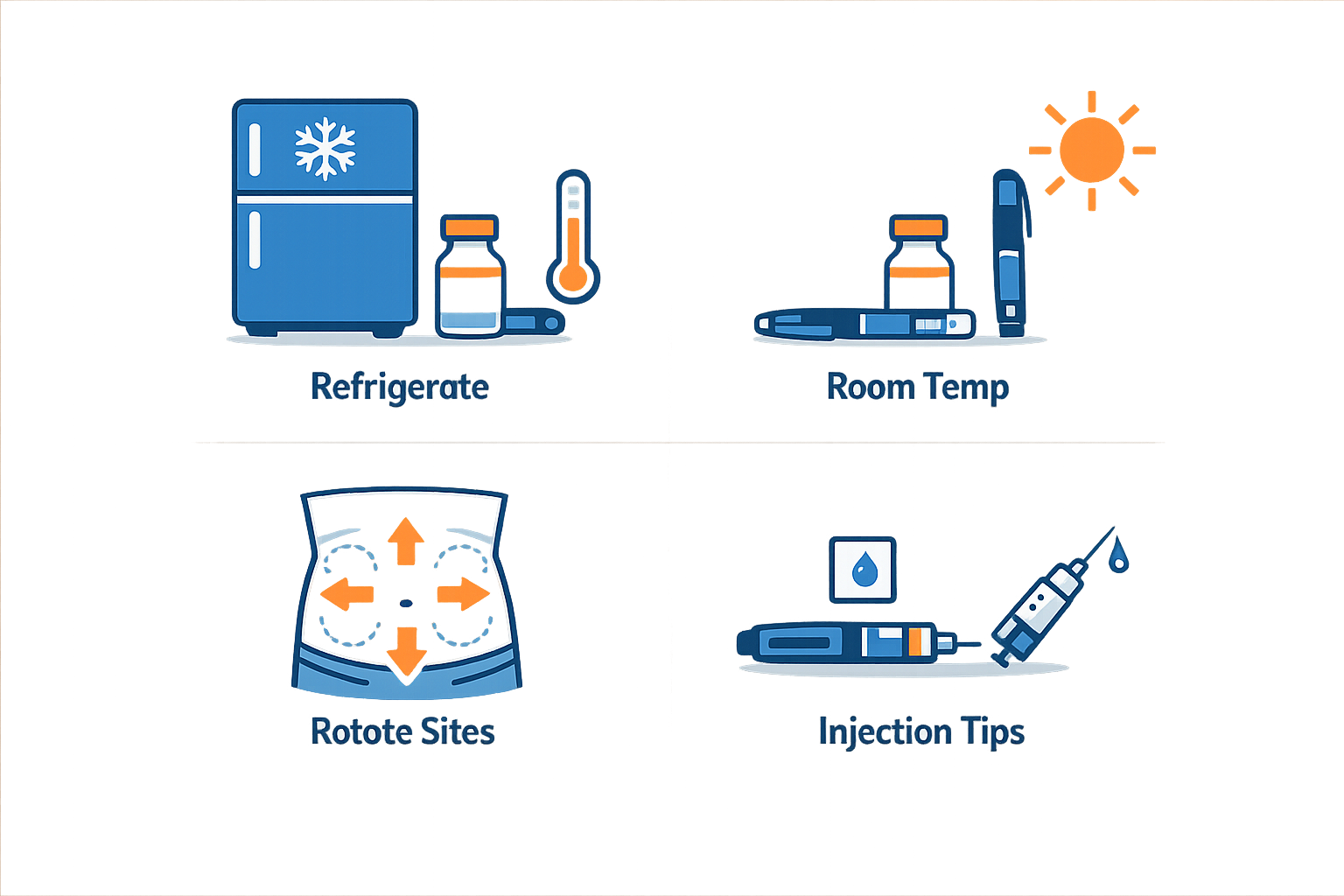
Optimizing insulin therapy takes more than understanding the mechanics — it requires practical strategies that fit into daily life. Our team reviewed recent research on technology adoption and therapy barriers to identify approaches that help people with type 1 diabetes navigate the complexities of insulin management.
Address Hypoglycemia Fears with Your Care Team
Fear of hypoglycemia is a common barrier to effective insulin therapy intensification. Research published in a 2020 review found that healthcare professionals sometimes adopt 'safer' insulin dosing strategies — often insufficient — due to concerns about low blood sugar, a pattern known as clinical inertia. If you find yourself hesitant to adjust doses or worried about lows, bring those concerns to your next appointment. Your care team can help you identify patterns, adjust basal or bolus insulin safely, and establish individualized glucose targets that balance control with safety.
Evaluate Device Usability Before You Commit
Not all insulin delivery devices suit every person. A randomized trial assessing insulin pump usability found that user perceptions of how easy a device is to operate significantly influence attitudes toward starting pump therapy. If you are considering an insulin pump or continuous glucose monitor, ask your diabetes educator or endocrinologist for a hands-on demonstration. Try the buttons, review the screen layout, and assess whether the device fits your manual dexterity, vision, and daily routine. Simpler designs with fewer steps reduce training burden and potential for user error.
User perceptions of usability significantly influence attitudes towards commencing insulin pump therapy, even in younger age groups.
Plan for Age-Related or Physical Barriers
Older adults or anyone with cognitive decline, reduced eyesight, or limited manual dexterity may face additional challenges with insulin devices. Insulin pump manufacturers have responded by improving designs to reduce training needs and simplify operation, but it is still worth confirming that a device works for your situation. If fine motor skills are a concern, ask whether your pump or pen has larger buttons, audio cues, or automated features that reduce the number of manual steps. Involving a family member or nurse in device management — as one study showed — can also improve glycemic outcomes when full autonomy is difficult.
Use Technology to Simplify Monitoring
Continuous glucose monitoring systems, dosing advisors, and automated insulin delivery systems have improved therapy options, particularly for people requiring insulin. While much of the focus has been on type 1 diabetes, the principles apply broadly: technology can reduce the cognitive load of tracking glucose, calculating doses, and responding to trends. If you are not yet using a CGM, discuss with your care team whether one might help you identify patterns that manual fingersticks miss. For more guidance on starting insulin therapy and integrating these tools, see our article on Insulin Therapy for Type 1 Diabetes: Getting Started.
Confirm Weight and Cardiovascular Considerations
Weight gain is a commonly reported concern that sometimes leads people to avoid or delay insulin therapy. Larger studies comparing insulin pump therapy to multiple daily injections found no significant difference in weight gain between the two methods, which is reassuring for those weighing their options. If weight or cardiovascular risk is a concern for you, bring it up explicitly with your care team — they can help you assess the trade-offs and adjust your regimen or other medications to address it.
Conclusion
Managing insulin therapy for type 1 diabetes is a continuous learning process that requires patience, attention to detail, and ongoing communication with your care team. Throughout this article, we have explored the essential components of effective insulin therapy: understanding the different insulin types and their roles, recognizing common challenges like hypoglycemia and weight concerns, implementing practical management strategies, and optimizing your daily routine with proven tips.
Our team has reviewed the ADA Standards of Care and recent research to provide clarity on these topics. What stands out consistently is that insulin therapy is highly individualized — while general guidelines exist, confirming your specific targets, insulin regimen, and adjustment protocols with your care team is vital. This collaborative approach ensures that your treatment aligns with your unique health needs, lifestyle, and goals.
Research shows that many patients and healthcare providers hesitate to intensify insulin therapy due to concerns about hypoglycemia, weight gain, or treatment complexity. However, understanding the mechanisms behind these concerns can empower you to address them proactively. For instance, studies indicate that severe hypoglycemia is rare when insulin is carefully titrated with appropriate monitoring, and modest weight gain can be mitigated through lifestyle adjustments and, when appropriate, combination therapies.
The advances in diabetes technology — including continuous glucose monitoring systems, insulin pumps, and automated delivery systems — have transformed insulin therapy management. These tools provide valuable insights into how your body responds to insulin, food, and activity, enabling more precise adjustments and better outcomes. If you are newly diagnosed or considering changes to your current regimen, exploring Insulin Therapy for Type 1 Diabetes: Getting Started can provide additional orientation for your first steps.
Remember that effective insulin therapy is not about achieving perfection every day; it is about building sustainable habits, staying engaged with your care team, and making informed adjustments as your needs evolve. Bring your questions, your glucose logs, and your observations to every appointment. Your care team is there to help you navigate the challenges and celebrate the progress.
With the right knowledge, tools, and support, insulin therapy becomes not just manageable but a pathway to living well with type 1 diabetes.
Explore essential information about insulin therapy for Type 1 diabetes and what patients need to know for effective management.
Table of Contents
- Introduction — Introduce the topic of insulin therapy for Type 1 diabetes and its importance in managing the condition.
- Understanding the Challenges of Insulin Therapy — Highlight the common challenges and misconceptions surrounding insulin therapy for Type 1 diabetes.
- Steps to Effective Insulin Therapy Management — Provide a step-by-step guide on how Type 1 diabetes patients can effectively manage their insulin therapy.
- Tips and Tricks for Successful Insulin Use — Offer practical tips and tricks for Type 1 patients to optimize their insulin therapy experience.
- Conclusion — Summarize the key points discussed and encourage ongoing communication with healthcare teams regarding insulin therapy.
- Table of Contents

Maren Alcott is the lead presenter at DiabetesCompass. She is an AI-presented digital character. Every article Maren presents is researched and fact-checked by the DiabetesCompass editorial team against the ADA Standards of Care, peer-reviewed journals, and named clinical sources. Maren does not give medical advice — for questions about your specific situation, talk to your care team.
DiabetesCompass uses clearly identified digital editorial voices. See our AI disclosure for how bylines and AI-assisted production work.