
Can You Reverse Type 2 Diabetes? The Role of Diet and Weight Loss

On this page
Introduction
The question "can you reverse type 2 diabetes?" appears in millions of searches each year, and it reflects both hope and confusion. Type 2 diabetes is a chronic condition that affects the way the body processes blood sugar, and its prevalence is rising — projections estimate that more than 170 million people will have diabetes by 2030, with the highest rates in older adults. The language around "reversal" can be misleading, because type 2 diabetes does not disappear the way an infection clears after antibiotics. What the research does show is that significant weight loss and dietary changes can bring blood sugar into a normal range without medication for some people, a state clinicians call remission.
Reverse type 2 diabetes is a phrase that captures a powerful possibility: that substantial weight loss combined with dietary changes can restore normal glucose levels without medication. Diet is a critical factor in the treatment and management of type 2 diabetes, but there are many dietary approaches and a general lack of consensus on which strategy is most effective. Some people respond well to low-carbohydrate eating, others to calorie restriction or intermittent fasting, and still others to plant-based or Mediterranean patterns. The evidence base is large but fragmented, and what works for one person may not work for another. This variability makes it essential to work closely with your care team when considering any major dietary change, particularly if you are taking insulin or other glucose-lowering medications.
This guide translates the research on diabetes management strategies — including diet, weight loss, and the concept of remission — into plain language. It explains what "reversal" means in clinical terms, what the evidence shows about different dietary approaches, and how to coordinate any changes safely with your healthcare provider. The goal is not to promise a cure, but to give you the context you need to make informed decisions and ask the right questions at your next appointment.
Can You Reverse Type 2 Diabetes? Understanding the Challenge
When someone receives a type 2 diabetes diagnosis, the language around the condition often creates confusion. You may hear the word "reverse" in online articles, see claims about eliminating medications, or encounter promises that a specific diet will "cure" diabetes. These messages can make it difficult to understand what is actually possible and what your care team means when they discuss treatment goals.
The Challenge of Defining "Reversal"
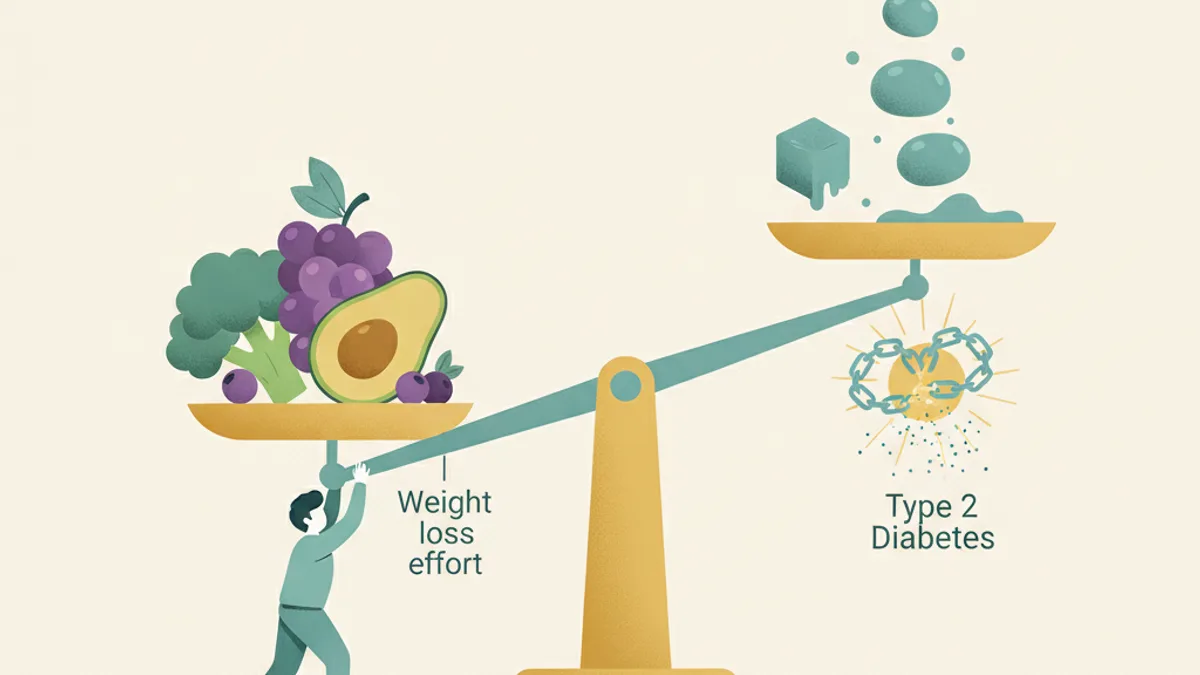
The term "reverse" suggests a permanent return to a pre-diagnosis state, but type 2 diabetes does not work that way. When blood glucose levels normalize through weight loss, dietary changes, or medication, the condition is better described as being in remission rather than reversed or cured. Remission means that glucose levels fall into a non-diabetic range without the need for glucose-lowering medications, but it requires ongoing effort to maintain. If weight is regained or dietary patterns shift back, glucose levels typically rise again.
This distinction matters because it shapes realistic expectations. A person who achieves remission still has type 2 diabetes in their medical history and may need to resume treatment if circumstances change. The pancreas and insulin response do not fully reset to their pre-diagnosis function.
Lack of Consensus on Dietary Approaches
Diet is a critical factor in managing type 2 diabetes, but there is no single dietary strategy that works universally. Research has examined Mediterranean diets, plant-based diets, low-calorie and very-low-calorie diets, intermittent fasting, low-carbohydrate and very-low-carbohydrate diets, and low-glycemic diets. Each approach has evidence supporting its use, but there is a general lack of consensus regarding which strategy is most effective for a given individual.
This absence of a clear winner creates decision fatigue. You may read one article recommending carbohydrate restriction and another promoting whole grains. Both may cite legitimate research, yet they offer conflicting advice. The reality is that modifications to habitual dietary practices play an important role in treatment and management, but the best approach depends on your individual metabolism, preferences, medication regimen, and ability to sustain the changes long-term.
Misconceptions About Stopping Medications
One of the most harmful misconceptions is that achieving better glucose control through diet and weight loss means you should stop taking prescribed medications, including insulin. Some online sources frame medication—particularly insulin—as a failure or something to avoid. This framing is dangerous.
Medications are tools that work alongside lifestyle changes, not obstacles to overcome. If your glucose levels improve significantly and consistently, your care team may adjust or reduce your medications. But that decision must come from your doctor or endocrinologist, not from an article or a diet program. Stopping or reducing medication on your own can lead to dangerously high glucose levels, diabetic ketoacidosis, or other acute complications.
The Weight Loss Requirement
Many studies showing diabetes remission involve significant weight loss—often 10 to 15 percent of body weight or more. For some people, this is achievable and sustainable. For others, it is not, due to metabolic factors, medications that promote weight gain, mobility limitations, or other health conditions. The emphasis on weight loss as the primary path to remission can create a sense of failure when it does not happen, even when other aspects of diabetes management are going well.
Weight loss is one tool, not the only tool. Glucose control, cardiovascular risk reduction, kidney protection, and quality of life are all valid treatment goals, regardless of whether remission is achieved.
The best diabetes management plan is the one you can sustain, not the one that promises the fastest results.
Solution Steps
Managing type 2 diabetes through diet and weight loss is not about a single dramatic change — it is a sequence of deliberate, evidence-supported steps that work together. The research shows that even modest weight loss can produce significant metabolic benefits, and that the composition of your diet matters as much as the calories you reduce. These steps are designed to be introduced one at a time, in consultation with your care team, so that changes are sustainable and medically appropriate.
Step 1: Set a realistic weight-loss target with your care team
Step 1
Set a realistic weight-loss target with your care team
Large-scale trials have shown that losing just 5–7% of your initial body weight can reduce the risk of developing type 2 diabetes in people with prediabetes by up to 50%. For someone weighing 200 pounds, that is 10–14 pounds — a modest, achievable goal. Your care team will help you set a target that accounts for your current medications, comorbidities, and individual health status. This is not a cosmetic goal; it is a metabolic intervention with measurable effects on glucose homeostasis.
Step 2: Adopt a structured eating pattern that emphasizes whole foods
Step 2
Adopt a structured eating pattern that emphasizes whole foods
The Mediterranean diet and plant-based diets have provided the most consistent evidence for improving glycemic control and reducing cardiovascular risk. Both patterns share common elements: abundant intake of fruits, vegetables, whole grains, legumes, and nuts, with limited consumption of processed meats, refined carbohydrates, and sugary drinks. Adherence to the Mediterranean diet is inversely associated with the risk of developing type 2 diabetes — the more closely you follow it, the lower your risk. Work with a registered dietitian to translate these principles into meals that fit your culture, budget, and preferences. For more structured guidance, see our Gestational Diabetes Diet: Meal Plan and Week-by-Week Eating Guide for a framework that applies to glucose management broadly.
Step 3: Incorporate regular physical activity — both aerobic and resistance training
Step 3
Incorporate regular physical activity — both aerobic and resistance training
The Diabetes Prevention Program and the Finnish Diabetes Prevention Study demonstrated that 150–210 minutes of moderate physical activity per week, combined with a low-calorie diet, cuts the risk of progression from prediabetes to type 2 diabetes by half. The most effective programs combine aerobic exercise (walking, cycling, swimming) with resistance training (weights, bands, bodyweight exercises). This combination improves insulin sensitivity, glycemic control, and cardiovascular risk factors more effectively than either modality alone. Start where you are — even 10-minute sessions count — and build gradually under your care team's supervision.
Step 4: Monitor your progress with objective measures, not just the scale
Step 4
Monitor your progress with objective measures, not just the scale
Weight is one marker, but it is not the only one. Track your fasting glucose, A1C (with your care team), blood pressure, and how you feel day to day. Some people see improvements in glucose control before significant weight loss occurs, especially when they shift to a diet higher in fiber and lower in refined carbohydrates. Keep a simple log — date, weight, fasting glucose, and any medication changes — and review it with your care team at every visit. This creates a shared record that informs adjustments to your plan.
Step 5: Adjust medications in partnership with your care team as your metabolic health improves
Step 5
Adjust medications in partnership with your care team as your metabolic health improves
As you lose weight and improve your diet and activity level, your need for certain medications may decrease. Some people are able to reduce doses or discontinue medications entirely — always under medical supervision. Never stop, reduce, or change a prescribed medication on your own, even if your glucose readings improve. Your care team will use your monitoring data to determine when and how to adjust your regimen safely. This is not a sign of failure if you still need medication; it is a sign that your treatment plan is being tailored to your current metabolic state.
Tips and Tricks
Putting research into daily practice can feel overwhelming when you're managing type 2 diabetes, especially if you're balancing work, caregiving, or other health conditions. The strategies below focus on small, sustainable changes that fit into real life — not sweeping overhauls that collapse after a week.
Start With One Meal at a Time
You don't need to transform your entire diet overnight. Pick one meal — breakfast, lunch, or dinner — and adjust the balance of what's on your plate. Add an extra serving of non-starchy vegetables, swap refined grains for whole grains, or replace sugary drinks with water or unsweetened tea. Once that change feels routine, move to the next meal. This incremental approach builds habits that last.
Pair Movement With Existing Routines
Exercise doesn't require a gym membership or an hour-long block of time. Research shows that even modest activity — 150 to 210 minutes per week — improves glucose control when paired with dietary changes. Break that into 20- to 30-minute sessions: a walk after dinner, a lunchtime stroll, or a few minutes of resistance exercises while the coffee brews. Anchor the activity to something you already do daily, and it becomes easier to sustain.
Track What Matters to You
Some people find that logging meals, glucose readings, or weekly weight helps them see patterns and stay accountable. Others find tracking stressful or time-consuming. Choose the method that fits your temperament: a notebook, a smartphone app, or simply checking in with your care team at each appointment. The goal is insight, not perfection.
Build a Flexible Plate Template
Rather than memorizing carb counts or calorie targets, use a visual guide: fill half your plate with non-starchy vegetables, a quarter with lean protein, and a quarter with whole grains or starchy vegetables. This approach aligns with plant-based and Mediterranean dietary patterns, both of which show consistent benefits for glycemic control and cardiovascular health. It's adaptable to different cuisines and doesn't require measuring every ingredient.
Small, consistent changes to what you eat and how you move compound over time — they don't need to be dramatic to be effective.
Plan for the Hard Days
Life disrupts routines: illness, travel, stress, schedule changes. Decide in advance what your fallback plan looks like. Stock your pantry with shelf-stable options that fit your eating pattern — canned beans, frozen vegetables, whole-grain crackers, nut butter. Know which takeout or restaurant meals work for you. Accept that some days you'll do less than your baseline, and that's not failure — it's part of managing a chronic condition over the long term.
For a structured framework that integrates these strategies into a comprehensive care plan, see our guide to Diabetes Management Strategies for Daily Blood Sugar Control.
Work With Your Care Team on Medication Adjustments
As your diet and activity level change, your medication needs may shift. If you're taking insulin, a sulfonylurea, or another glucose-lowering medication, weight loss or increased physical activity can increase your risk of hypoglycemia. Don't adjust doses on your own — bring your glucose log to your next appointment and ask whether your regimen should change. Your care team can help you balance lifestyle changes with safe, effective medication use.
Frequently asked questions
Can you reverse type 2 diabetes permanently?
Type 2 diabetes does not reverse permanently in the sense of a cure. What research shows is that some people can achieve remission — normal blood glucose levels without medication — through significant weight loss and sustained dietary changes. Remission requires ongoing effort; if weight is regained or dietary patterns shift, glucose levels typically rise again.
How much weight do you need to lose to reverse type 2 diabetes?
Evidence from large cohort studies shows that losing more than 10% of baseline body weight in the first year after diagnosis is associated with a significantly higher chance of remission at five years. Even modest weight loss of 5–7% can produce meaningful improvements in glucose control and reduce the risk of progression in people with prediabetes.
What is the best diet to reverse type 2 diabetes?
There is no single best diet for everyone. Mediterranean diets, plant-based diets, low-carbohydrate diets, and calorie-restricted diets all have evidence supporting their use. The most effective diet is the one you can sustain long-term and that aligns with your individual metabolism, preferences, and medical needs. Work with a registered dietitian and your care team to find the right approach for you.
Can you stop taking diabetes medication if you reverse type 2 diabetes?
If your glucose levels improve significantly and consistently through weight loss and dietary changes, your care team may reduce or discontinue your medications. This decision must come from your doctor or endocrinologist, not from self-adjustment. Never stop, reduce, or change a prescribed medication on your own, even if your glucose readings improve.
How long does it take to reverse type 2 diabetes?
The timeline varies by individual. Some people see improvements in glucose control within weeks of starting a structured diet and exercise program, while achieving formal remission — defined as normal glucose levels without medication for at least three months — may take six months to a year or longer. Early intervention after diagnosis improves the likelihood of remission.
Conclusion
The question "can you reverse type 2 diabetes?" doesn't have a simple yes-or-no answer, but the research offers meaningful direction. Evidence shows that substantial weight loss — particularly losing more than 10% of baseline body weight in the first year after diagnosis — is associated with a significantly higher chance of remission at five years. In one population-based cohort study of 867 people with newly diagnosed type 2 diabetes, 30% achieved remission after five years, and those who lost more than 10% of their body weight in year one had a 70% higher chance of remission compared to those who lost less weight. Every kilogram lost was associated with a 7% higher chance of remission, regardless of which specific diet or lifestyle intervention was used.
What matters most is acting early. The evidence consistently points to attempting remission as soon as possible after diagnosis, when the body's insulin-producing capacity may still be more responsive to weight loss and metabolic change. This doesn't mean chasing a cure or abandoning your care team's guidance — it means working with your doctor to set realistic weight-loss goals, adjusting medications as your glucose levels improve, and monitoring your progress with regular A1C and fasting glucose checks.
Remission is not guaranteed, and it is not the only measure of success. Many people achieve better glucose control, reduce their medication burden, and lower their risk of complications without meeting the formal remission threshold. The goal is a sustainable approach that fits your life, supports your long-term health, and keeps you in close communication with your care team. Whether you reach remission or simply improve your metabolic health, the effort is worth it — and the earlier you start, the better your odds.
For a broader view of how different strategies fit together, see our guide to Diabetes Management: A Complete Guide to Care and Control and our Diabetes Management Plan: Steps That Actually Work.

Maren Alcott is the lead presenter at DiabetesCompass. She is an AI-presented digital character. Every article Maren presents is researched and fact-checked by the DiabetesCompass editorial team against the ADA Standards of Care, peer-reviewed journals, and named clinical sources. Maren does not give medical advice — for questions about your specific situation, talk to your care team.
DiabetesCompass uses clearly identified digital editorial voices. See our AI disclosure for how bylines and AI-assisted production work.