
Type 2 Diabetes and Weight Loss: The Connection Explained
Discover how type 2 diabetes and weight loss are connected, including how weight affects insulin resistance, blood sugar control, and management strategies.


On this page
Introduction
Type 2 diabetes and weight loss are deeply interconnected, yet the relationship between them is more complex than simple cause and effect. When blood glucose rises and insulin resistance develops, the body's ability to manage energy and weight changes in fundamental ways. Our team has reviewed the ADA Standards of Care and peer-reviewed research to bring you accurate, actionable information about this connection.
For many people newly diagnosed with type 2 diabetes, questions about weight management arise immediately. Does losing weight improve blood sugar control? How does insulin resistance affect weight? What role does body weight play in the progression of diabetes? These questions matter because the answers shape daily decisions about diet, activity, and medication.
Type 2 diabetes mellitus is defined by three core features: raised blood glucose, insulin resistance, and low insulin sensitivity. As the condition progresses, beta cells in the pancreas initially compensate by increasing their mass and function to produce more insulin. However, when beta cell death outpaces their ability to regenerate, beta cell exhaustion occurs and diabetes fully emerges. Weight plays a role at multiple points in this biological cascade, influencing both insulin resistance and the workload placed on beta cells.
Understanding how diabetes medications for different types work alongside weight management can provide additional context for your treatment plan. The interplay between medication, weight, and blood sugar control is something your care team will help you navigate based on your individual health profile.
Research into the optimal dietary and lifestyle approaches for managing type 2 diabetes continues to evolve. While evidence supports the value of weight management in improving glycemic control, the specific strategies that work best vary from person to person. What remains clear is that any approach to weight loss in the context of type 2 diabetes should be guided by professional medical advice tailored to your unique situation.
Problem Statement
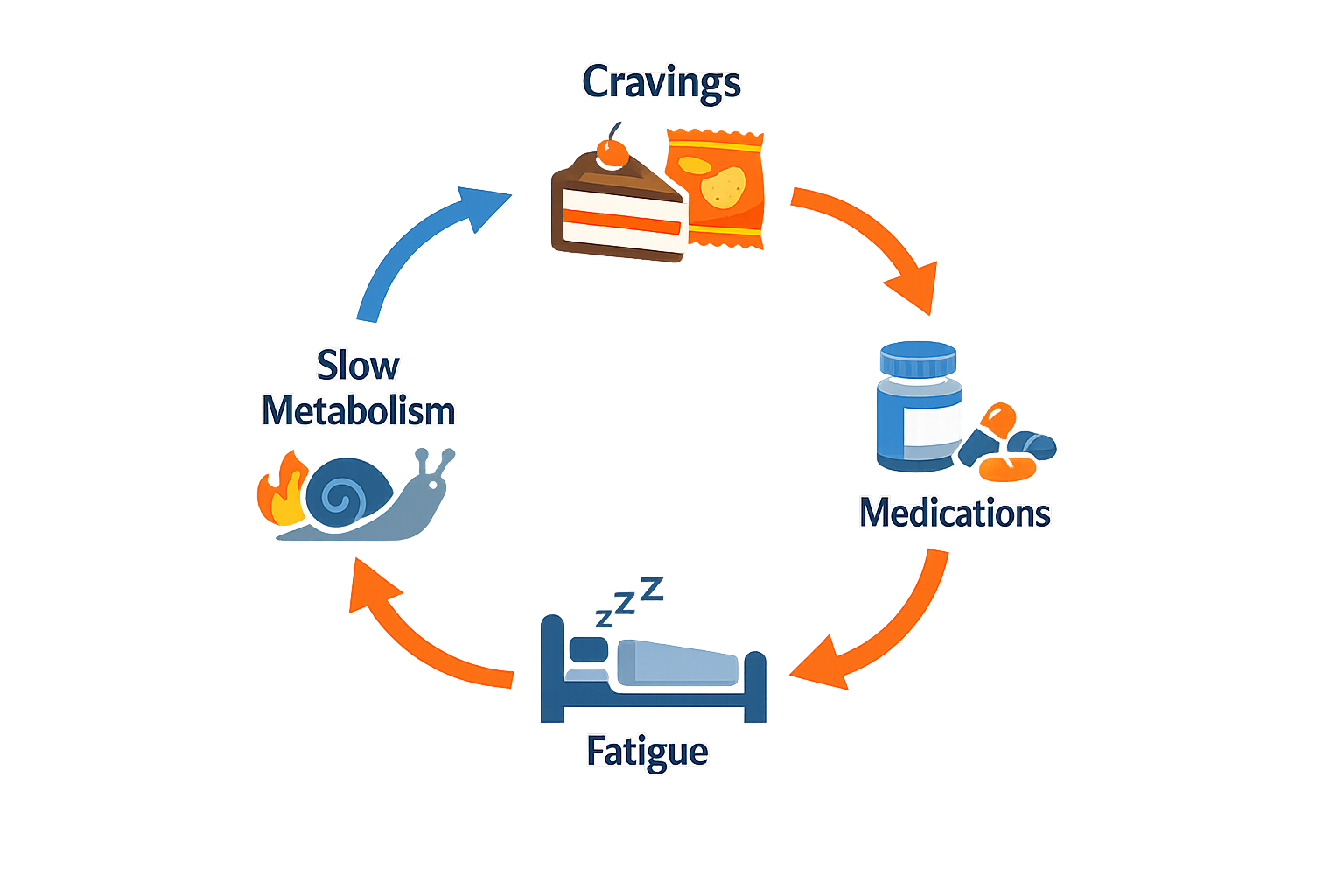
Managing weight when you have type 2 diabetes presents a set of interconnected challenges that go beyond simple calorie counting. Type 2 diabetes is characterized by raised blood glucose, insulin resistance, and low insulin sensitivity—conditions that make weight management more complex than it would be otherwise. The relationship between excess weight and diabetes creates a cycle: carrying extra weight worsens insulin resistance, while insulin resistance can make losing weight more difficult.
The Physiological Challenge
Insulin resistance means your body's cells don't respond efficiently to insulin, the hormone that helps glucose enter cells for energy. When cells resist insulin's signal, your pancreas produces more insulin to compensate. Elevated insulin levels can promote fat storage, particularly around the abdomen, and make it harder for your body to burn stored fat for energy. This creates a frustrating situation where the very condition you're trying to manage through weight loss is also working against your weight-loss efforts.
There is limited evidence on the optimal approaches to control hyperglycemia in type 2 diabetes patients, which means many people receive conflicting dietary advice. Some are told to focus on low-carbohydrate eating, others hear that low-fat diets are best, and still others are advised to simply reduce calories. Without clear, personalized guidance, it's easy to feel uncertain about which approach will work for your specific situation.
The Practical Barriers
Beyond the metabolic challenges, daily life presents its own obstacles. Medications commonly prescribed for type 2 diabetes can affect weight in different ways. Some medications may cause weight gain as a side effect, while others are weight-neutral or may support modest weight loss. Understanding how your current medications interact with your weight-management goals is essential, but it requires a conversation with your care team—not a one-size-fits-all answer from a website or a well-meaning friend.
Additionally, the emotional and psychological aspects of managing both a chronic condition and weight can be draining. Feelings of frustration when progress is slow, confusion about what to eat, and concern about long-term health outcomes all add to the mental load. For those newly diagnosed, the learning curve is steep: you're adjusting to blood glucose monitoring, understanding medication timing, and trying to implement lifestyle changes all at once.
The Information Gap
Many people with type 2 diabetes receive general advice—"eat healthier," "exercise more," "lose some weight"—without the specific context they need. What does "healthier" mean when you're managing blood sugar? How much exercise is enough, and what type? How much weight loss actually makes a difference in your A1C or insulin sensitivity? These questions often go unanswered in brief medical appointments, leaving individuals to piece together information from various sources, not all of which are reliable.
For more context on how medications fit into your overall management plan, see our guide on Diabetes Medications for Different Types: What Works Best.
The disconnect between general weight-loss advice and diabetes-specific needs creates real risk. Strategies that work well for people without diabetes—such as intermittent fasting or very low-calorie diets—may not be safe or effective for someone taking certain diabetes medications. Without tailored guidance, well-intentioned efforts can lead to blood sugar swings, medication interactions, or unsustainable approaches that don't address the root metabolic issues.
Solution Steps
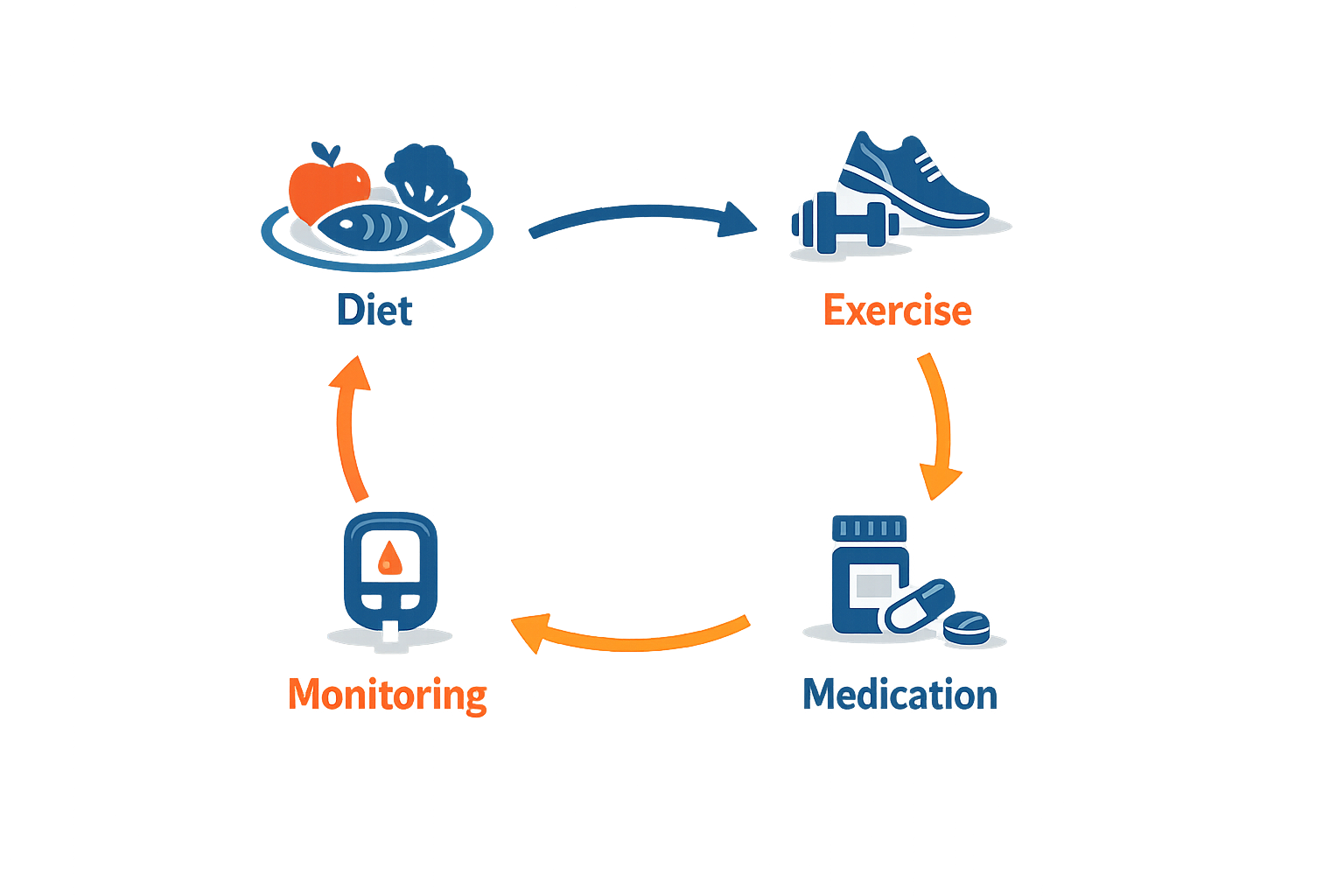
Managing weight when you have type 2 diabetes requires a structured approach that addresses both blood sugar control and sustainable weight reduction. The steps below are drawn from clinical research and professional guidelines, but they are not prescriptions — every recommendation here should be confirmed with your own care team before you act on it.
Step 1: Work with Your Care Team to Set a Safe Weight-Loss Target
Before making any changes to your diet or activity level, schedule a conversation with your doctor, endocrinologist, or diabetes educator. Research shows that losing more than 10% of baseline body weight in the first year after diagnosis is associated with a 70% higher chance of remission at five years. However, your safe target depends on your current medications, kidney function, cardiovascular health, and other individual factors that only your care team can assess.
Ask your care team to document your current weight, A1C, and any medication adjustments that may be needed as you lose weight. Some diabetes medications — particularly insulin and sulfonylureas — carry a risk of hypoglycemia if doses are not adjusted as weight comes off. Your provider will set a realistic timeline and a monitoring schedule.
Step 2: Adopt a Hypocaloric Diet Appropriate for Your Situation
The American Diabetes Association recommends a hypocaloric diet — one that creates a calorie deficit — for overweight or obese adults with type 2 diabetes to induce weight loss. However, there is no single "diabetes diet." Research comparing Mediterranean, low-carbohydrate, low-fat, vegetarian, and high-protein diets shows that many approaches can work, and the best one is the one you can sustain.
Some people with type 2 diabetes achieve remission using intensive total diet replacement programs (formula diets), while others succeed with simpler food-based low-calorie approaches. One UK general-practice evaluation reported remission in 59 out of 128 patients who persisted with low-calorie diet advice for an average of 23 months. The key is persistence and close monitoring — every kilogram of weight lost is associated with a 7% higher chance of remission at five years, regardless of the specific diet regimen.
Work with a registered dietitian or your care team to select a calorie target and meal structure that fits your life. If you take insulin or a sulfonylurea, coordinate meal timing and carbohydrate intake with your dosing schedule to avoid lows. Track your blood sugar and your weight weekly, and bring the log to every follow-up appointment.
For context on how medications interact with diet changes, see Metformin for Type 2 Diabetes: What to Expect When Starting.
Step 3: Increase Physical Activity Gradually and Safely
Physical activity improves insulin sensitivity, helps preserve muscle mass during weight loss, and contributes to the calorie deficit needed for weight reduction. However, if you have been sedentary or have complications such as neuropathy, retinopathy, or cardiovascular disease, you must clear any new exercise plan with your doctor first.
Begin with 10–15 minutes of walking or other low-impact activity most days of the week, and gradually increase duration and intensity as tolerated. Monitor your blood sugar before and after exercise, especially if you take insulin or a sulfonylurea — activity can lower blood sugar for hours afterward. Keep a fast-acting carbohydrate source with you in case of a low.
Step 4: Monitor and Adjust Medications as Weight Comes Off
Weight loss changes your insulin sensitivity, which means the medication doses that were appropriate at your starting weight may become too high as you lose. This is especially true for insulin, sulfonylureas, and meglitinides. Do not reduce or stop any medication on your own — medication adjustments must be made by your prescriber based on your blood-sugar data and your rate of weight loss.
Some newer diabetes medications, particularly GLP-1 receptor agonists and SGLT2 inhibitors, are associated with weight loss as a secondary effect. If you are starting or adjusting these medications, your provider will monitor both your A1C and your weight to assess response.
Step 5: Reassess Progress Every 3–6 Months
Weight loss and diabetes remission are not static outcomes — they require ongoing monitoring and adjustment. Schedule regular follow-ups to review your A1C, weight trend, medication list, and any complications or side effects. Research suggests that remission should be attempted as early as possible after diagnosis, but the window does not close — sustained weight loss at any stage of type 2 diabetes improves outcomes.
Weigh yourself weekly at the same time of day, and bring a three-month log to each appointment. Your care team will look for a steady downward trend, not perfection. If weight loss stalls or reverses, they will help you identify barriers — medication side effects, uncontrolled stress, sleep disruption, or an eating pattern that is no longer sustainable.
Tips and Tricks
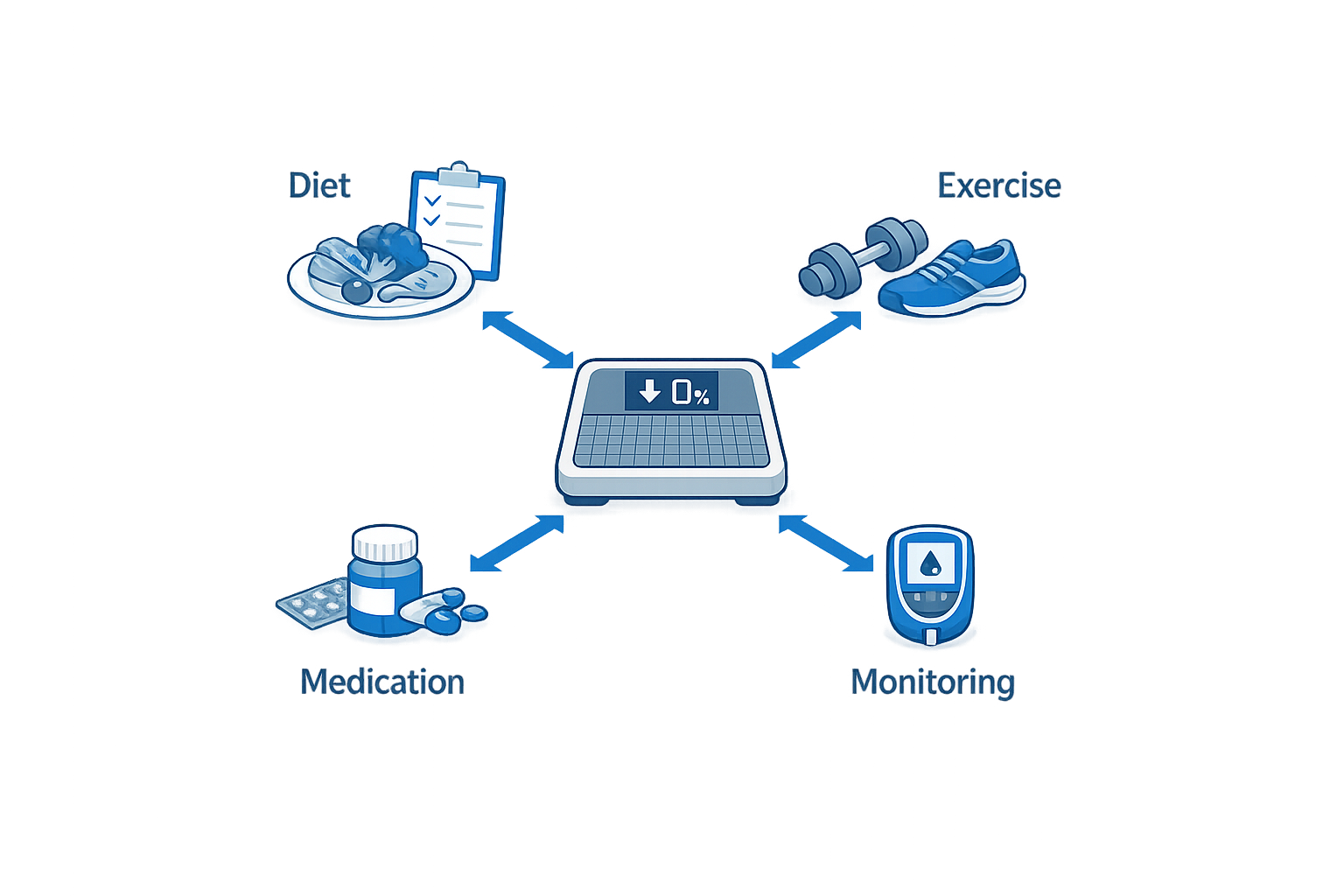
Weight loss with type 2 diabetes requires strategies that work with your body's specific metabolic challenges. The following practical tips are supported by research and designed to help you navigate the intersection of blood sugar management and sustainable weight reduction.
Focus on Incremental Weight Loss
Research shows that every kilogram of weight lost is associated with a 7% higher chance of diabetes remission at five years, regardless of the specific diet approach used. This finding reinforces that consistency matters more than perfection — small, steady losses add up to meaningful metabolic improvements over time.
Rather than targeting rapid drops, aim for gradual reductions that you can maintain. Losing 10% or more of your baseline body weight is a clinically significant milestone often associated with improved insulin sensitivity and better blood sugar control, but getting there in manageable increments reduces the risk of burnout and makes the process more sustainable.
Coordinate Weight Loss With Your Medication Plan
As you lose weight, your body's insulin sensitivity typically improves, which means your medication needs may shift. This is especially true if you take insulin or medications that can cause low blood sugar. Never adjust doses on your own — work closely with your care team to monitor blood sugar patterns and make changes safely.
Some diabetes medications support weight loss as part of their mechanism, while others may make weight reduction more challenging. If you're finding weight loss difficult despite consistent effort, ask your provider whether your current medication regimen might be adjusted. For context on how different medication classes work, see Diabetes Medications for Different Types: What Works Best.
Prioritize Protein and Fiber
Meals built around lean protein and high-fiber foods help stabilize blood sugar and promote satiety, making it easier to maintain a calorie deficit without feeling deprived. Protein-rich foods — such as poultry, fish, eggs, legumes, and low-fat dairy — require more energy to digest and help preserve muscle mass during weight loss.
Fiber slows carbohydrate absorption, which moderates post-meal glucose spikes. Aim to include non-starchy vegetables, whole grains, and legumes at most meals. These foods also add volume without adding excessive calories, which supports portion control naturally.
Loss of more than 10% of baseline body weight in the first year after diagnosis was associated with a 70% higher chance of remission at 5 years.
Monitor Blood Sugar Patterns During Weight Loss
Weight loss changes how your body responds to food, activity, and medication, so blood sugar patterns you've relied on may shift. If you use a continuous glucose monitor (CGM), review your traces weekly to spot trends — such as lows during exercise or unexpected spikes after meals you thought were safe.
If you check blood sugar with a meter, consider testing before and two hours after meals during the initial weeks of a weight loss effort to understand how your new eating pattern affects your glucose. Share those logs with your care team so they can provide guidance tailored to your specific responses.
Plan for Plateaus and Setbacks
Weight loss is rarely linear, and plateaus are common even when you're doing everything correctly. Metabolic adaptation, water retention, and natural hormonal fluctuations can all stall progress temporarily. Rather than abandoning your plan, treat plateaus as an opportunity to reassess portion sizes, activity levels, and stress management.
Setbacks — a week of higher blood sugar, a regained pound or two, a skipped workout routine — are part of the process, not evidence of failure. What matters is returning to your plan without self-judgment. Diabetes management and weight loss are both long-term projects; consistency over months and years outweighs perfection over days and weeks.
Conclusion
Understanding the connection between type 2 diabetes and weight loss is a critical step in managing your health effectively. Throughout this article, we've explored how excess weight contributes to insulin resistance, how even modest weight loss can improve blood sugar control, and the practical strategies that support sustainable progress. The evidence is clear: weight management is not about perfection—it's about consistent, informed choices that align with your body's needs and your care team's guidance.
Research shows that early intervention matters. Studies have found that individuals who lose weight soon after diagnosis have significantly better outcomes, with some achieving remission when weight loss is substantial and sustained. Every kilogram lost can improve your body's insulin sensitivity, reduce medication burden, and lower your risk of complications. However, these outcomes depend on working closely with your healthcare provider to tailor a plan that fits your specific situation, medical history, and goals.
Our team is dedicated to helping individuals navigate the complexities of type 2 diabetes and weight loss. We've reviewed the ADA's Standards of Care and other reputable sources to ensure that the information we provide is both reliable and relevant. Understanding the interplay between type 2 diabetes and weight management can empower you to make informed decisions that support your health goals. Remember, every step you take should be aligned with professional medical advice tailored to your unique situation.
If you're looking for more guidance on medications that support weight loss and blood sugar control, explore our article on Wegovy for Prediabetes: Microdose GLP-1 for Type 2 & Prediabetes to learn how these therapies work and what to discuss with your doctor.
The path forward is not about quick fixes or drastic measures—it's about building habits that you can maintain, monitoring your progress with your care team, and adjusting your approach as your body responds. Weight loss in the context of type 2 diabetes is a tool, not a test. With the right support and accurate information, you can take meaningful steps toward better health.

Maren Alcott is the lead presenter at DiabetesCompass. She is an AI-presented digital character. Every article Maren presents is researched and fact-checked by the DiabetesCompass editorial team against the ADA Standards of Care, peer-reviewed journals, and named clinical sources. Maren does not give medical advice — for questions about your specific situation, talk to your care team.
DiabetesCompass uses clearly identified digital editorial voices. See our AI disclosure for how bylines and AI-assisted production work.