
Type 2 Diabetes Diet: How to Eat Well for Better Health
Learn how a type 2 diabetes diet can help you manage blood sugar. Discover meal planning strategies, food choices, and eating patterns for better health.


On this page
Introduction to the Type 2 Diabetes Diet
Navigating a type 2 diabetes diet can feel overwhelming at first, but understanding the basics can make it more manageable. Type 2 diabetes is a growing health concern worldwide, with incidence rates continuing to rise. Diet plays a critical role in treatment and management, yet the sheer number of dietary approaches—Mediterranean, plant-based, low-carbohydrate, intermittent fasting, and more—can leave you unsure where to start.
Our team has delved into the latest ADA Standards of Care to ensure that the information we provide is both accurate and actionable. When it comes to managing type 2 diabetes through diet, it is crucial to focus on balanced nutrition, which includes a variety of fruits, vegetables, whole grains, and lean proteins. However, it's essential to remember that dietary needs can vary significantly from person to person. For context on how medications work alongside diet, see our guide to diabetes medications for different types.
This guide will walk you through what a type 2 diabetes diet is, why it matters, how to create a plan that works for you, and the best practices to follow. We'll also cover common mistakes to avoid and answer frequently asked questions. Our role is to translate complex guidelines into plain language that empowers you to make informed choices about your diet. Remember, the key to managing type 2 diabetes effectively is not just about what you eat, but also about how you integrate these choices into your daily life.
Explore our complete guide to the type 2 diabetes diet and learn how to eat well for better health.
What is a Type 2 Diabetes Diet?
A type 2 diabetes diet is not a single rigid meal plan — it is an approach to eating that helps manage blood sugar levels while supporting overall health. The goal is to choose foods and eating patterns that keep glucose steady, reduce the risk of complications, and align with your individual health needs. Unlike fad diets or restrictive programs, a type 2 diabetes diet emphasizes balance, variety, and consistency rather than elimination.
At its core, this approach focuses on nutrient-dense foods — vegetables, whole grains, lean proteins, and healthy fats — while managing carbohydrate intake to avoid sharp blood sugar spikes. Carbohydrates have the most direct effect on glucose levels, so understanding portion sizes and timing becomes essential. However, carbohydrates are not off-limits; the emphasis is on choosing complex carbs (like whole grains and legumes) over refined sugars and processed starches.
Key Components of a Type 2 Diabetes Diet
Several dietary strategies have been studied for their effects on type 2 diabetes management. Research reviewed in a comprehensive analysis of dietary interventions shows that approaches like the Mediterranean diet, plant-based eating, low-carbohydrate plans, and intermittent fasting can each support glucose control and metabolic health when tailored to individual needs. No single pattern works for everyone, which is why working with your care team to confirm your own targets and food tolerances is critical.
A well-rounded type 2 diabetes diet typically includes:
- Non-starchy vegetables (leafy greens, broccoli, peppers, zucchini) as the foundation of most meals
- Whole grains (brown rice, quinoa, oats, whole-wheat products) in measured portions
- Lean proteins (poultry, fish, tofu, legumes, eggs) to support satiety and muscle health
- Healthy fats (olive oil, avocado, nuts, seeds) in moderate amounts
- Fruit in appropriate portions, focusing on whole fruit rather than juice
- Limited added sugars and highly processed foods to avoid rapid glucose spikes
Portion control and meal timing also matter. Eating consistent amounts of carbohydrates at regular intervals helps prevent both high and low blood sugar swings, especially if you take medications that affect insulin levels. For more context on how medications interact with food choices, see Diabetes Medications for Different Types: What Works Best.
Diet is a critical factor in the treatment and management of type 2 diabetes, with multiple evidence-based approaches available to support glucose control and metabolic health.
The emphasis is not on perfection but on patterns — what you eat most of the time shapes your outcomes more than occasional indulgences. Building a sustainable eating routine that you can maintain long-term is more valuable than following a restrictive plan that feels impossible to keep up.
Why a Type 2 Diabetes Diet Matters
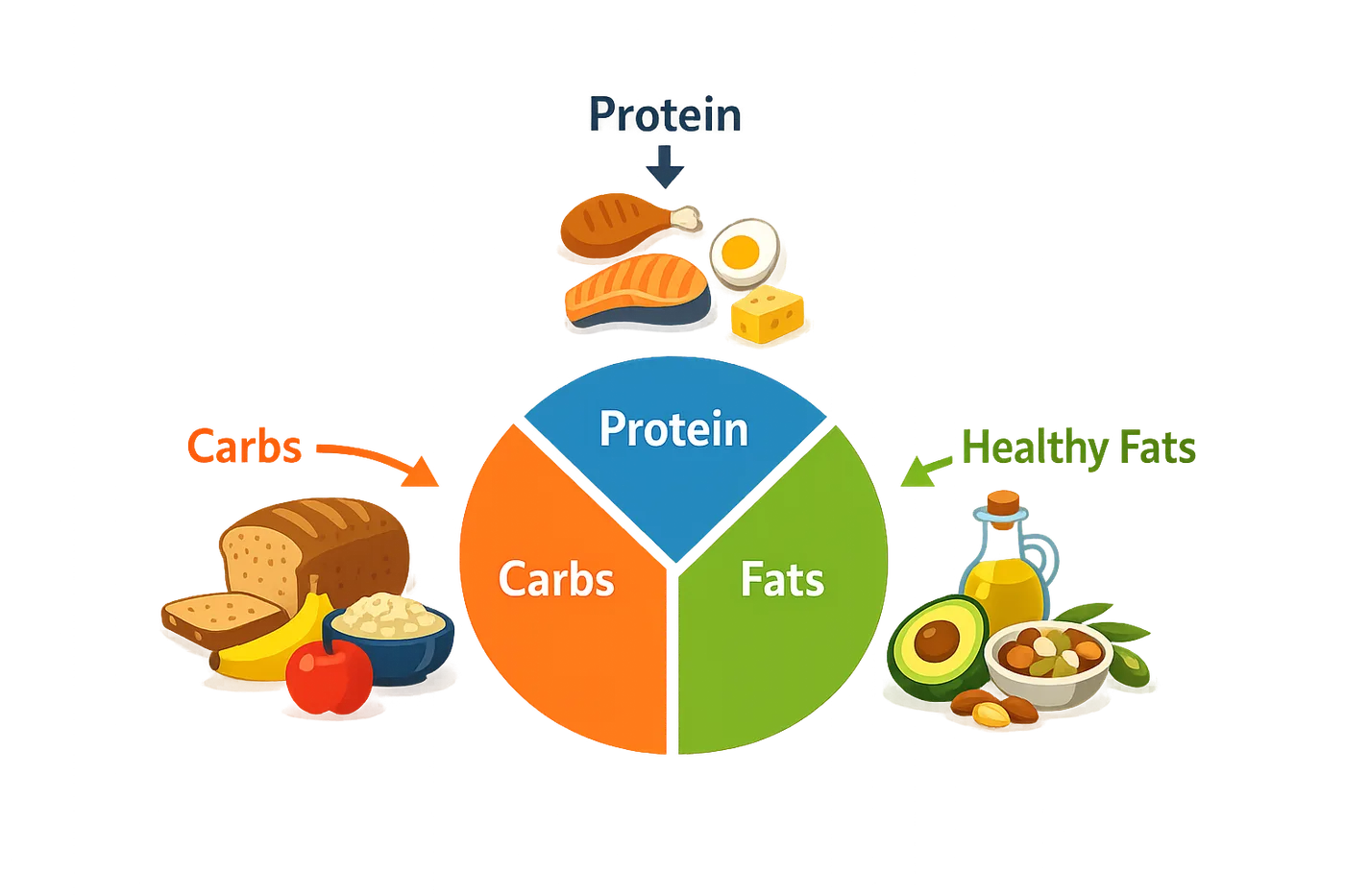
Diet is one of the most powerful tools for managing type 2 diabetes, influencing everything from daily blood sugar levels to long-term health outcomes. What you eat directly affects how your body processes glucose, how well your medications work, and whether complications develop over time. The right dietary approach can improve glucose control, support beta cell function, and reduce the risk of cardiovascular disease—outcomes that extend well beyond the numbers on a meter.
Unlike medications that target specific pathways, diet works across multiple systems simultaneously. It influences insulin sensitivity, inflammation levels, gut microbiota composition, and body weight—all factors that play a role in diabetes progression. Research shows that certain eating patterns, such as the Mediterranean diet, improve metabolic health and are particularly suitable for managing type 2 diabetes through their emphasis on whole grains, vegetables, nuts, seeds, and moderate amounts of fish and poultry.
Long-Term Health Benefits
The impact of a well-planned type 2 diabetes diet extends far beyond immediate glucose readings. Caloric restriction, for example, has been shown to improve glucose control and beta cell function in individuals with type 2 diabetes, with very low-calorie diets even demonstrating the possibility of diabetes remission in some cases. These outcomes matter because they represent not just better numbers, but reduced medication burden, fewer complications, and improved quality of life.
Cardiovascular protection is another critical benefit. Type 2 diabetes increases vulnerability to heart disease, but dietary patterns rich in anti-inflammatory and antioxidant compounds can help counter this risk. The Mediterranean diet, for instance, has proven benefits over several cardiovascular risk factors, offering protection that complements glucose management. These effects come from the diet's whole-food components—olive oil, fatty fish, nuts, and colorful vegetables—rather than from any single nutrient or supplement.
Why Personalization Matters
While general dietary guidelines provide a strong foundation, individual responses to specific foods and eating patterns can vary significantly. What stabilizes blood sugar for one person may cause a spike in another, depending on factors like medication regimen, activity level, insulin resistance, and even gut microbiota composition. This variability is why confirming any dietary changes with your own care team is essential—they can help you interpret your glucose data and adjust your plan to match your specific health goals.
The evidence supporting dietary intervention in type 2 diabetes continues to grow, with multiple approaches showing benefit. Whether you're newly diagnosed or managing diabetes for years, understanding why diet matters can help you approach meal planning as a form of active treatment rather than a set of restrictions. For more context on how medications and diet work together, see Diabetes Medications for Different Types: What Works Best.
How to Create a Type 2 Diabetes Diet Plan
Building a type 2 diabetes diet plan is not about following a single rigid template—it's about finding an eating pattern that fits your preferences, your schedule, and your blood-sugar response. The research identifies several approaches that support glucose control and cardiovascular health, including low-carbohydrate patterns, plant-based eating, higher-protein structures, and the Mediterranean diet. Each carries its own strengths and trade-offs in weight management, insulin sensitivity, and long-term adherence.
Your goal is to choose a framework that you can sustain, then adjust portion sizes, meal timing, and food choices based on how your body responds. The steps below walk you through the process of assembling a personalized plan, from selecting a dietary pattern to monitoring your results with your care team.
Step 1: Choose a Dietary Pattern That Matches Your Preferences
Start by evaluating the four main patterns supported by the evidence: low-carbohydrate diets, plant-based diets, high-protein diets, and the Mediterranean diet. Low-carbohydrate approaches emphasize reducing total carb intake to moderate post-meal glucose spikes; plant-based patterns prioritize vegetables, legumes, whole grains, and minimize animal products; high-protein diets increase protein relative to carbohydrate to support satiety and muscle preservation; and the Mediterranean diet centers on olive oil, fish, nuts, and whole grains with moderate carbohydrate.
Each pattern has documented benefits for weight loss, insulin sensitivity improvement, and cardiovascular health, but also presents challenges—long-term adherence can be difficult, and some patterns may require careful planning to avoid nutrient gaps. Select the one that aligns with your food preferences, cultural eating habits, and daily routine. If you're unsure, discuss the options with a registered dietitian or your care team before committing.
Step 2: Set Portion and Timing Targets
Once you've chosen a pattern, establish portion guidelines and meal timing. If you're following a low-carbohydrate approach, you'll need to define your daily carbohydrate budget—common ranges fall between 50 and 150 grams per day, but your target should be confirmed with your care team based on your medication regimen and glucose trends. For plant-based or Mediterranean patterns, portion control centers on balancing carbohydrate-rich foods (grains, legumes, fruit) with non-starchy vegetables and healthy fats.
Meal timing matters as well. Spreading carbohydrate intake across three meals rather than concentrating it in one sitting can flatten glucose excursions. Some people benefit from consistent meal times; others find flexibility easier to maintain. Track your initial plan in a food log or app for the first two weeks to identify patterns and portion sizes that keep your glucose stable.
Step 3: Build a Weekly Menu and Shopping List
Translate your chosen pattern into a concrete weekly menu. List breakfast, lunch, dinner, and any planned snacks for each day, then generate a shopping list organized by category—produce, proteins, grains, dairy or alternatives, and pantry staples. A written menu reduces decision fatigue and makes it easier to stick to your plan when you're tired or pressed for time.
For example, a Mediterranean-pattern week might include grilled fish with roasted vegetables and quinoa on Monday, a lentil and vegetable stew on Tuesday, and a chickpea salad with olive oil and whole-grain pita on Wednesday. A low-carbohydrate week might feature scrambled eggs with spinach and avocado for breakfast, a large salad with grilled chicken for lunch, and baked salmon with cauliflower rice for dinner. Batch-cook components—roasted vegetables, cooked grains, portioned proteins—on the weekend to streamline weeknight assembly.
Step 1
Draft your first week
Write out seven days of meals that follow your chosen pattern. Include portion estimates and note which meals can be prepped in advance. Share the draft with your dietitian or care team for feedback before you shop.
Step 4: Monitor Your Glucose Response and Adjust
After one to two weeks on your new plan, review your blood-glucose logs or continuous glucose monitor traces to see how your body responds. Look for post-meal spikes, overnight lows, or patterns of high fasting glucose. If a particular meal consistently drives your glucose higher than your target range, adjust the portion size, swap a high-carbohydrate component for a lower-carb alternative, or add more fiber or protein to slow digestion.
Caloric restriction—reducing total daily energy intake—has been shown to improve glucose control and beta cell function in people with type 2 diabetes, and very low-calorie approaches have demonstrated potential for diabetes remission in some cases. However, any significant calorie reduction should be undertaken with medical supervision to ensure nutritional adequacy and medication safety. Bring your glucose logs and food records to your next appointment and ask your care team whether your current calorie level and macronutrient balance are appropriate for your goals.
Step 5: Refine for Long-Term Adherence
Once you've identified a meal structure and portion pattern that supports stable glucose, focus on sustainability. Add variety to prevent boredom—rotate proteins, try new vegetables, experiment with herbs and spices. Plan for social meals, travel, and holidays by identifying flexible swaps and portion strategies that keep you within your pattern without requiring rigid restriction.
Long-term adherence is the most common challenge across all dietary patterns for type 2 diabetes. If you find yourself struggling to stick with your plan, revisit your initial pattern choice with your dietitian. It may be that a different framework—one that allows more flexibility or aligns better with your cultural food traditions—will be easier to maintain over months and years. The goal is a plan that becomes routine, not a perpetual diet that feels like deprivation.
For more context on how medications and diet work together in type 2 diabetes management, see our guide to diabetes medications for different types.
Best Practices for Eating Well with Type 2 Diabetes

Maintaining a healthy diet with type 2 diabetes requires consistent habits rather than perfection. The ADA Standards of Care emphasize overall dietary patterns over single nutrients, recognizing that how foods work together matters more than isolated components. Research shows that dietary interventions can produce significant improvements in glycemic control when applied consistently over time.
Focus on Whole Dietary Patterns
Rather than fixating on individual foods or nutrients, structure your eating around recognized patterns that support blood sugar management. The Mediterranean diet—built on vegetables, fruits, legumes, nuts, whole grains, fish, and olive oil, with minimal processed foods—has demonstrated protective effects in multiple studies. The DASH diet and eating patterns with high Alternative Healthy Eating Index (AHEI) scores share similar principles: emphasizing whole foods and minimizing refined products. These approaches work not by eliminating food groups but by shifting the balance toward nutrient-dense choices that support insulin sensitivity.
Combine Diet with Physical Activity
Physical activity amplifies the benefits of dietary changes by directly increasing insulin sensitivity and supporting weight management. The ADA recommends at least 150 minutes per week of moderate-intensity activity (such as brisk walking) for those at risk of type 2 diabetes. Combined diet and physical activity interventions show stronger effects than diet alone, with improvements in beta cell function and glucose regulation independent of weight loss. Aerobic and resistance exercise together enhance the metabolic benefits of Mediterranean and plant-based eating patterns.
Practice Caloric Awareness Without Rigid Restriction
Caloric restriction improves glucose control and beta cell function in individuals with type 2 diabetes, and very low-calorie approaches have shown the potential for diabetes remission in some cases. However, sustainable caloric awareness—understanding portion sizes and energy density—is more practical for most people than extreme restriction. Low-calorie and low-fat eating patterns are among the ADA-recommended strategies, but the emphasis is on quality: whole grains, legumes, nuts, fruits, vegetables, and minimal processing.
The overall quality of food consumed, with an emphasis on whole grains, legumes, nuts, fruits and vegetables, and minimal refined and processed foods, is critical for long-term diabetes management.
Consider Beverage Choices Carefully
Sugar-sweetened beverages significantly increase type 2 diabetes risk, making water, unsweetened tea, and black coffee the safest default choices. Higher coffee consumption is associated with a 35% reduction in type 2 diabetes risk compared to lower consumption, though this finding reflects observational data and variations in coffee preparation (such as added sugar or milk) matter. Artificial sweeteners remain a topic of ongoing research; some evidence suggests they may reduce acute insulin response and decrease insulin sensitivity in healthy individuals, and one meta-analysis found an association with higher diabetes risk. Confirm any major beverage changes with your care team.
Prioritize Consistency Over Perfection
No single meal or day defines your diabetes management. Dietary patterns are cumulative: what you eat most of the time shapes your metabolic health more than occasional deviations. If you're newly diagnosed or adjusting your eating habits, focus on building one or two sustainable changes at a time rather than overhauling everything at once. For more context on how diet fits into your broader diabetes care plan, see our guide on diabetes medications for different types.
Common Mistakes to Avoid in a Type 2 Diabetes Diet
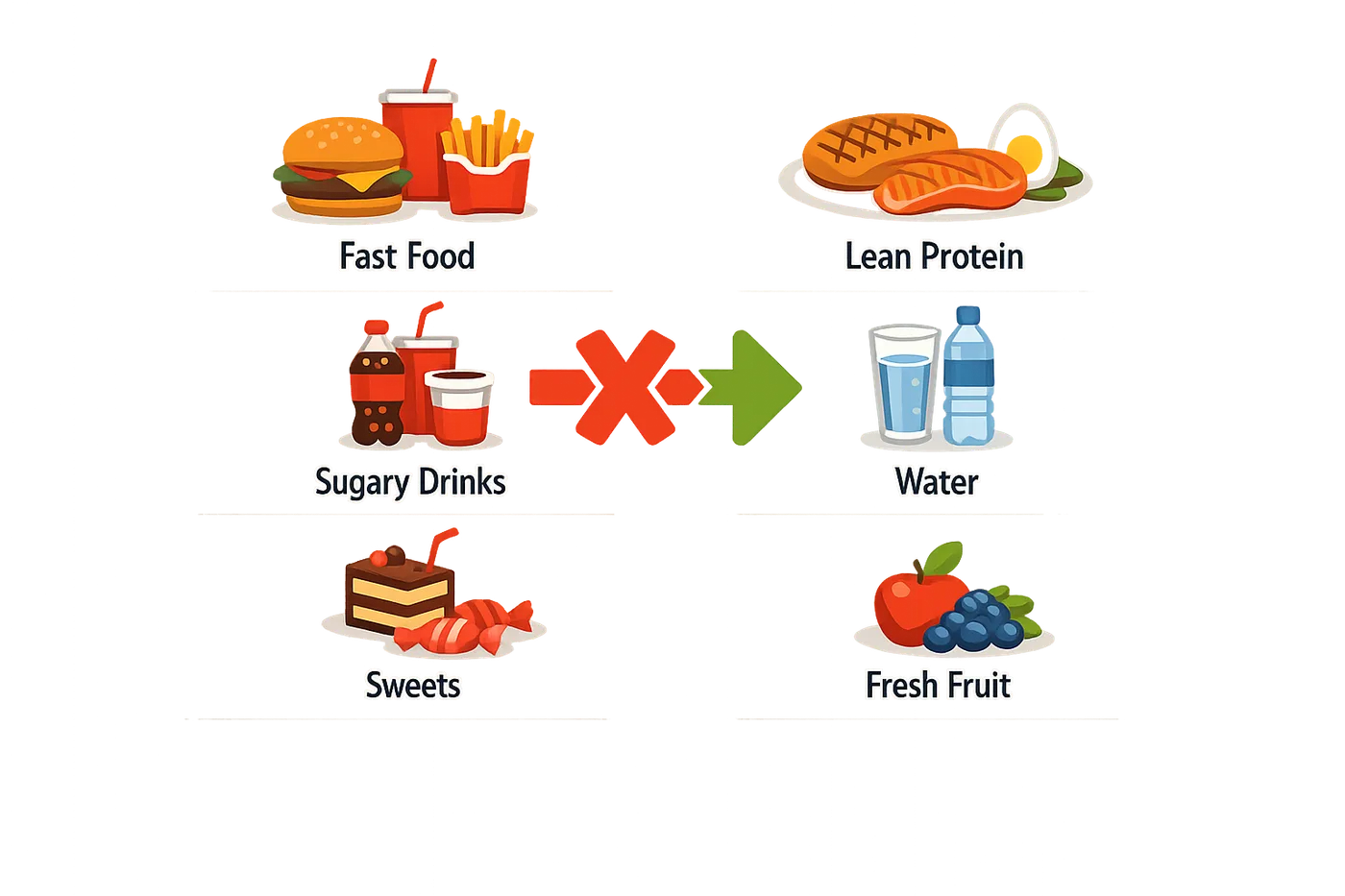
Even with the best intentions, certain dietary missteps can make managing type 2 diabetes harder than it needs to be. Recognizing these common pitfalls early helps you build a sustainable eating pattern that supports stable blood sugar without unnecessary frustration.
Cutting Out Too Many Foods at Once
One of the most frequent mistakes is adopting an overly restrictive diet right after diagnosis. Low-carbohydrate approaches, for example, can improve insulin sensitivity and support weight loss in the short term, but their restrictive nature may lead to cravings and challenges in maintaining dietary variety over time. When you eliminate entire food groups or drastically reduce carbohydrate intake without a clear plan, long-term adherence becomes difficult. A more balanced approach—gradually adjusting portion sizes and carbohydrate sources rather than banning whole categories—tends to be more sustainable.
Ignoring Portion Sizes and Total Carbohydrate Load
Even nutrient-dense foods can raise blood sugar if portions are too large. A common mistake is assuming that "healthy" carbohydrates—like fruit, whole-grain bread, or brown rice—can be eaten freely. The total amount of carbohydrate in a meal matters as much as the type. Without portion awareness, blood sugar can spike even when food choices seem sound. Using measuring tools, reading nutrition labels, and learning what a standard serving looks like can prevent unintentional overconsumption.
Relying on "Diabetic" Packaged Foods
Products marketed as "diabetic-friendly" or "sugar-free" are not automatically better choices. Many contain sugar alcohols, added fats, or refined starches that can still affect blood sugar and overall health. These foods can also be more expensive and may not offer the nutrient density of whole foods like vegetables, legumes, and lean proteins. Rather than relying on specialty products, building meals around whole, minimally processed ingredients gives you more control over what you're eating.
Skipping Meals or Eating Irregularly
Skipping meals—especially breakfast—or eating at inconsistent times can lead to blood sugar swings and make it harder to manage hunger later in the day. When you go too long without eating, you may end up overeating at the next meal, which can cause a spike. Regular, balanced meals help keep blood sugar more stable and make it easier to plan medication timing if you're taking glucose-lowering drugs.
Overlooking Hidden Carbohydrates and Added Sugars
Sauces, condiments, flavored yogurts, and beverages often contain hidden sugars and carbohydrates that add up quickly. A tablespoon of ketchup, a sweetened coffee drink, or a serving of salad dressing can contribute more carbohydrate than expected. Reading ingredient lists and nutrition labels helps you spot these hidden sources and make adjustments before they affect your blood sugar.
Not Coordinating Diet Changes with Your Care Team
Changing your eating pattern—especially if you're also taking medication—without discussing it with your doctor or diabetes educator can lead to hypoglycemia or other complications. If you reduce carbohydrate intake significantly, for example, your medication doses may need adjustment. Your care team can help you make dietary changes safely and ensure that your eating plan aligns with your overall treatment goals. For more on how medications interact with dietary changes, see Diabetes Medications for Different Types: What Works Best.
Expecting Immediate Results or Perfection
Blood sugar management is a long-term process, and expecting rapid or dramatic changes can lead to frustration and burnout. Small, consistent adjustments—like swapping refined grains for whole grains, adding more vegetables to meals, or eating at regular intervals—often produce better long-term outcomes than drastic overhauls. Progress may be gradual, and occasional setbacks are normal. The goal is a sustainable pattern that fits your life, not perfection at every meal.
Frequently Asked Questions about Type 2 Diabetes Diet
Navigating a type 2 diabetes diet raises many questions, especially when you're newly diagnosed or adjusting to new guidance. This section addresses common concerns and clarifies points that often cause confusion.
Can I eat fruit if I have type 2 diabetes?
Yes. Fruit contains natural sugars, but it also provides fiber, vitamins, and minerals that support overall health. The fiber in whole fruit slows digestion and helps moderate blood-sugar response. Portion matters: a small apple or a half-cup of berries is a reasonable serving for most people. Fruit juice, on the other hand, concentrates the sugar and removes the fiber, which can cause a sharper glucose rise. Confirm portion guidance that fits your individual plan with your care team.
Do I need to avoid all carbohydrates?
No. Carbohydrates are not off-limits; the goal is to choose high-quality sources and manage portions. Whole grains, legumes, and starchy vegetables deliver fiber and nutrients alongside their carbohydrate content. Refined carbohydrates — white bread, sugary snacks, pastries — offer less nutritional value and tend to raise blood sugar more quickly. Balancing carbohydrate intake across meals, rather than eliminating it entirely, supports stable glucose levels and provides energy for daily activity.
Is the Mediterranean diet a good option for type 2 diabetes?
Research supports the Mediterranean diet as a beneficial pattern for metabolic health and type 2 diabetes management. It emphasizes vegetables, whole grains, legumes, nuts, olive oil, and moderate amounts of fish and poultry, while limiting red meat and processed foods. Studies show this pattern improves markers of glucose control and supports cardiovascular health, which is particularly relevant for people with type 2 diabetes. It is not the only effective approach, but it is one well-supported option to discuss with your care team.
How often should I eat throughout the day?
Meal timing depends on your medication regimen, activity level, and personal preference. Some people do well with three balanced meals; others benefit from smaller, more frequent meals or planned snacks to prevent blood-sugar dips. If you take insulin or certain oral medications, timing meals consistently can help align food intake with medication action. Your care team can help you determine a schedule that matches your treatment plan and daily routine.
Can supplements replace medication for managing blood sugar?
No. Supplements do not replace prescribed medications. Some supplements, such as vitamin D, may support glucose control when used alongside standard treatment, but the evidence is limited and dose-dependent. A meta-analysis suggested that a minimal dose of 4000 IU per day of vitamin D was required to show positive effects on HbA1c and fasting glucose, but this does not mean stopping or reducing medication. Always confirm supplement use with your care team, and never reduce or stop a prescribed medication without their guidance.
What if I eat something "off-plan"?
One meal or one food choice does not undo your overall management. Blood-sugar levels fluctuate, and occasional higher-carbohydrate meals are part of normal life. The key is to return to your usual eating pattern at the next meal, monitor your glucose if you use a meter or CGM, and note how different foods affect you over time. Rigid all-or-nothing thinking can make sustained adherence harder; flexibility and consistency across weeks and months matter more than perfection at every meal.
Should I follow a low-carbohydrate or ketogenic diet?
Low-carbohydrate and very low-carbohydrate (ketogenic) diets can improve blood-sugar control and support weight loss in some people with type 2 diabetes. However, they require careful coordination with your care team, especially if you take insulin or medications that lower blood sugar, because reducing carbohydrate intake can increase the risk of hypoglycemia. These diets are not suitable for everyone, and long-term adherence can be challenging. Discuss the risks and benefits with your care team before making a significant dietary change.
How do I know if my diet is working?
You can track progress through blood-glucose readings, A1C results, weight trends, energy levels, and how you feel day to day. If you use a continuous glucose monitor, you can see patterns in real time and adjust food choices accordingly. For a broader understanding of how to interpret your numbers, see How to Read Blood Sugar Numbers: A Guide for Diabetes and Glucose. Regular check-ins with your care team provide context for these metrics and help you refine your approach over time.
Conclusion: Embracing a Healthy Eating Lifestyle
Managing type 2 diabetes through diet is not about perfection — it is about building sustainable habits that support your health over time. Throughout this guide, we have explored what a type 2 diabetes diet looks like, why it matters for blood sugar control and long-term health, and how to create a meal plan that fits your life. We have covered best practices like portion awareness, balanced plates, and mindful carbohydrate choices, as well as common mistakes to avoid, such as skipping meals or eliminating entire food groups without guidance.
The evidence is clear: dietary choices play a central role in managing type 2 diabetes. Research shows that unhealthy lifestyles, including poor diet quality, significantly increase the risk of complications, while structured approaches like caloric awareness and nutrient-dense eating can improve glucose control and support metabolic health. Our role is to translate complex guidelines into plain language that empowers you to make informed choices about your diet, but remember that dietary needs vary significantly from person to person. Always confirm any dietary changes with your own care team to ensure your plan aligns with your specific health goals and medical needs.
Embracing a healthy eating lifestyle means integrating these choices into your daily routine in a way that feels manageable, not restrictive. It is about learning what works for your body, staying curious about your responses to different foods, and adjusting as needed with the support of your healthcare providers. If you are newly diagnosed or adjusting to new medications, understanding how to read blood sugar numbers can help you see how your food choices connect to your glucose patterns.
The key to managing type 2 diabetes effectively is not just about what you eat, but also about how you integrate these choices into your daily life. You are not alone in this process — your care team, your support network, and resources like this guide are here to help you navigate the path forward with confidence.

Maren Alcott is the lead presenter at DiabetesCompass. She is an AI-presented digital character. Every article Maren presents is researched and fact-checked by the DiabetesCompass editorial team against the ADA Standards of Care, peer-reviewed journals, and named clinical sources. Maren does not give medical advice — for questions about your specific situation, talk to your care team.
DiabetesCompass uses clearly identified digital editorial voices. See our AI disclosure for how bylines and AI-assisted production work.