
Managing Gestational Diabetes: Safe Eating for You and Your Baby

On this page
Introduction

Gestational diabetes mellitus (GDM) is a medical complication of glucose intolerance that develops during pregnancy and is among the most common pregnancy complications. For many women, a diagnosis of gestational diabetes arrives without warning during routine prenatal screening, often between 24 and 28 weeks of pregnancy. The news can feel overwhelming, especially when you're already navigating the physical and emotional demands of pregnancy.
If not adequately managed, GDM can lead to serious fetomaternal complications. But here's the important part: with the right approach to eating and monitoring, most women with gestational diabetes go on to have healthy pregnancies and healthy babies. Diet is not just one tool among many — it's the cornerstone of managing gestational diabetes, and for approximately two-thirds of women with the condition, nutrition therapy alone is enough to achieve target glucose levels without medication.
Risk factors for developing GDM include maternal age, family history of diabetes, obesity, and diet. While you can't change your age or family history, what you eat is something you can control. Understanding how to build balanced meals, what foods support stable glucose levels, and how to navigate the practical challenges of eating well during pregnancy gives you agency in your own care. For a structured approach to meal planning, see our Gestational Diabetes Diet: Meal Plan and Week-by-Week Eating Guide.
What Managing Gestational Diabetes Through Diet Means for You and Your Baby
Managing gestational diabetes through safe eating practices protects both you and your baby. For mothers, stable glucose levels reduce the risk of high blood pressure, preeclampsia, and the need for cesarean delivery. For babies, it lowers the risk of excessive birth weight, birth injuries, low blood sugar after delivery, and respiratory complications.
Beyond pregnancy, the benefits extend into the future. Women who manage gestational diabetes effectively and maintain healthy eating patterns after delivery reduce their risk of developing type 2 diabetes later in life. Children born to mothers who controlled their glucose during pregnancy face lower risks of obesity and metabolic disease as they grow.
This article walks through the foundations of safe eating with gestational diabetes — what the condition means, how to build meals that support stable glucose, and practical strategies for navigating pregnancy nutrition when every food choice matters. You'll learn what works, what to watch for, and how to work with your care team to create a plan that fits your life.
Understanding the Challenges of Managing Gestational Diabetes
Gestational diabetes represents a state of glucose intolerance that develops or is first recognized during pregnancy. Unlike pre-existing diabetes, this condition emerges when pregnancy-induced insulin resistance surpasses the body's ability to compensate with increased insulin production. The metabolic changes of pregnancy naturally increase insulin resistance to ensure a continuous supply of glucose to the developing baby — but in gestational diabetes, this balance tips beyond the expected threshold.
Why Gestational Diabetes Develops
During pregnancy, placental hormones including human placental lactogen, progesterone, estrogen, and cortisol antagonize insulin action as part of normal physiology. In most women, the pancreas adapts by producing more insulin to maintain blood glucose within a healthy range. When this adaptive capacity falls short — whether due to underlying risk factors, reduced metabolic reserve, or chronic low-grade inflammation — maternal hyperglycemia develops.
Risk factors for developing gestational diabetes include maternal age, family history of diabetes, obesity, and diet. Women with conditions such as polycystic ovary syndrome, or those with genetic predisposition, start pregnancy with reduced metabolic reserve, making them more vulnerable as normal physiologic changes progress.
Risks to Mother and Baby
If not adequately managed, gestational diabetes can lead to serious complications for both mother and child. Short-term risks include increased perinatal morbidity, higher rates of operative delivery, and excessive gestational weight gain. Offspring of pregnancies complicated by gestational diabetes are at greater risk of obesity, impaired glucose tolerance, and cardiometabolic disease later in life.
These observations underscore the importance of early identification and effective management. The condition is not only about controlling blood glucose during pregnancy — it represents an opportunity to reduce long-term health risks for both mother and baby through timely intervention and sustained lifestyle changes.
The Central Role of Diet
Among modifiable factors, diet is particularly influential in managing gestational diabetes. Approximately two-thirds of women with gestational diabetes achieve targeted glycemic control and favorable pregnancy outcomes through diet modification alone, without requiring medication. This makes medical nutrition therapy the first-line treatment strategy.
Current evidence suggests that structured dietary patterns — characterized by balanced carbohydrate intake, high consumption of vegetables, whole grains, legumes, and healthy fats, and limited intake of refined sugars and processed foods — improve insulin sensitivity, modulate inflammation, and support both maternal and fetal health. Understanding these dietary principles forms the foundation for safe eating strategies throughout pregnancy.
Steps to Manage Gestational Diabetes Through Diet
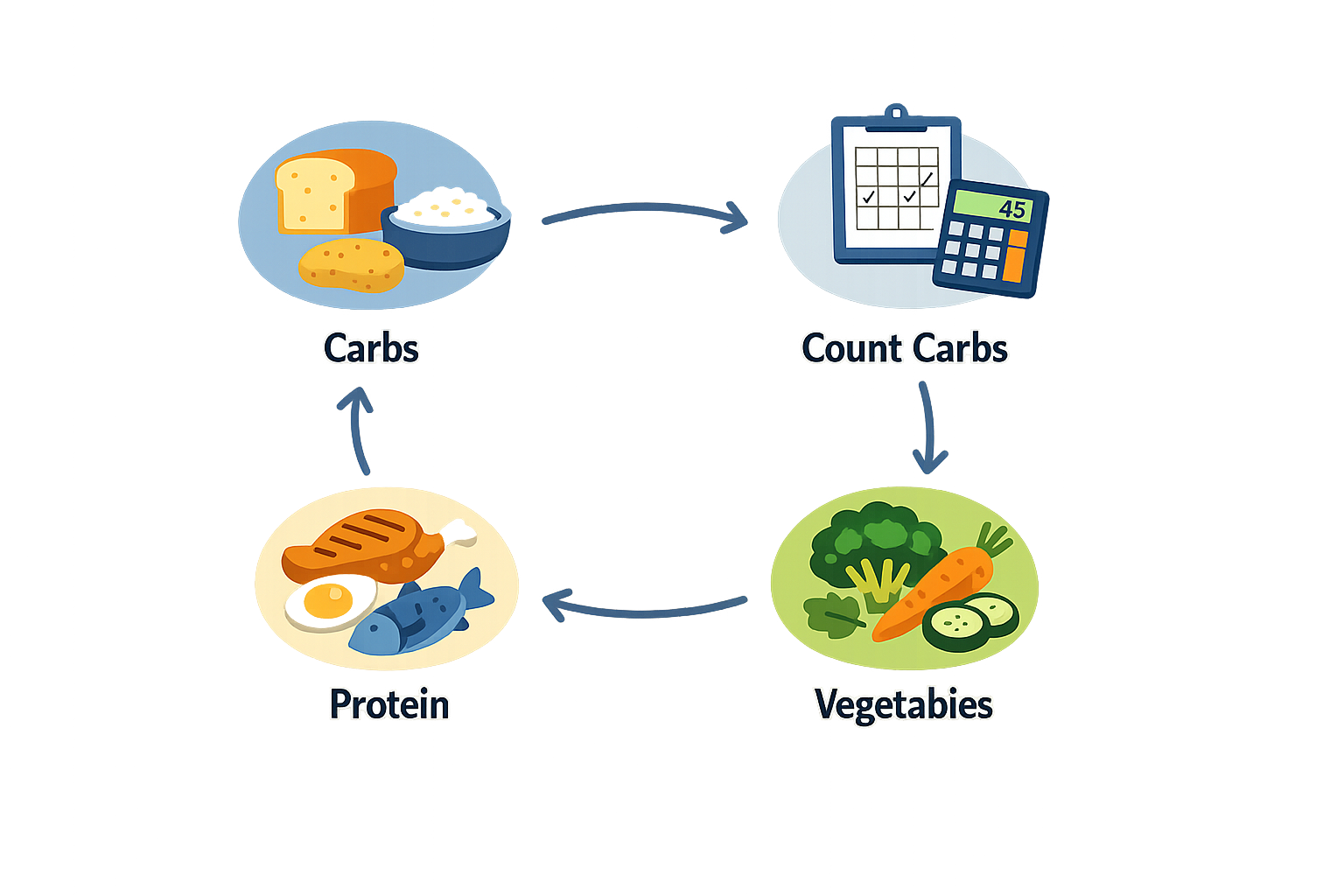
Managing gestational diabetes through diet is not about restriction — it's about choosing foods that support stable blood glucose while meeting the increased nutritional demands of pregnancy. Approximately two-thirds of women with gestational diabetes achieve targeted glycemic control through dietary modification alone, without the need for medication. The steps below outline a practical framework for building a safe, sustainable eating pattern.
Build Your Plate Around Whole Foods
A Mediterranean-style dietary pattern has emerged as one of the most promising approaches for managing gestational diabetes. This pattern emphasizes fruits, vegetables, whole grains, legumes, nuts, and extra-virgin olive oil, with moderate amounts of fish and poultry and limited intake of red meat, processed foods, and refined sugars. These foods are rich in fiber, antioxidants, and healthy fats — components that improve insulin sensitivity and help moderate the inflammatory processes that worsen glucose intolerance during pregnancy.
Step 1
Prioritize complex carbohydrates
Choose whole grains, legumes, and starchy vegetables over refined grains and sugars. Complex carbohydrates break down more slowly, preventing the sharp blood-glucose spikes that stress your body's insulin response. Pair carbohydrate-containing foods with protein or healthy fat to further slow digestion and stabilize glucose.
Step 2
Include lean protein at every meal
Protein helps regulate appetite, supports fetal growth, and minimizes post-meal glucose excursions. Good options include fish, poultry, eggs, legumes, tofu, and Greek yogurt. Fatty fish like salmon also provide omega-3 fatty acids, which support fetal brain development.
Step 3
Add healthy fats strategically
Monounsaturated and polyunsaturated fats — found in olive oil, avocados, nuts, seeds, and fatty fish — improve insulin sensitivity and provide sustained energy. Use extra-virgin olive oil as your primary cooking fat, and include a small handful of nuts or seeds as part of meals or snacks.
Plan Meals and Snacks to Maintain Steady Glucose
Consistent meal timing and balanced macronutrient distribution help prevent both hyperglycemia and the reactive hypoglycemia that can follow a high-carbohydrate meal. Most women with gestational diabetes benefit from eating three moderate meals and two to three planned snacks each day, spaced evenly to avoid long fasting periods.
A structured meal plan provides a roadmap for balanced eating throughout pregnancy. For week-by-week guidance on portion sizes, meal timing, and sample menus tailored to gestational diabetes, see our Gestational Diabetes Diet: Meal Plan and Week-by-Week Eating Guide.
Monitor Portion Sizes Without Obsessing Over Numbers
Portion awareness matters, but rigid calorie counting or severe carbohydrate restriction can backfire during pregnancy. Your body needs adequate energy and nutrients to support fetal development, and undereating can trigger ketosis — a metabolic state that may harm the developing baby. Instead, use visual cues: fill half your plate with non-starchy vegetables, one quarter with lean protein, and one quarter with whole-grain or starchy carbohydrates.
Approximately two-thirds of women with gestational diabetes achieve targeted glycemic control and favorable pregnancy outcomes through diet modification alone.
Limit Added Sugars and Highly Processed Foods
Refined sugars and ultra-processed foods cause rapid glucose spikes and provide little nutritional value. Minimize sugary drinks, desserts, white bread, pastries, and processed snacks. When you do choose a treat, pair it with protein or fiber to blunt the glucose response — for example, a small piece of dark chocolate with a handful of almonds.
Stay Hydrated and Choose Beverages Wisely
Water is the best choice for hydration. Unsweetened herbal tea and sparkling water are also good options. Avoid fruit juices, sweetened teas, sodas, and energy drinks, which deliver concentrated carbohydrates without the fiber that slows absorption. If you drink milk, choose unsweetened varieties and account for the carbohydrate content in your meal plan.
Tips and Tricks for Healthy Eating During Pregnancy
Managing gestational diabetes through diet doesn't mean starting from scratch every meal. Small, repeatable habits make balanced eating sustainable through the weeks ahead. The strategies below help you build a rotation of meals and snacks that keep glucose steady without requiring constant decision-making.
Keep Snacks Simple and Paired
Snacks bridge the gap between meals and prevent blood sugar swings. Pair a carbohydrate with protein or fat to slow glucose absorption. A small apple with a tablespoon of almond butter, whole-grain crackers with cheese, or plain Greek yogurt with a handful of berries all follow this pattern. Portion the snack ahead of time — pre-bagged servings remove the guesswork when you're hungry and pressed for time.
Batch-Cook Staples You Can Mix and Match
Cook a few foundational components once, then combine them differently throughout the week. Roast a sheet pan of vegetables, grill or bake chicken breasts, and cook a pot of quinoa or brown rice. Store each item separately in the refrigerator. At mealtime, plate a portion of protein, a scoop of whole grain, and a serving of vegetables. Rotate your seasonings and sauces to keep the combinations from feeling repetitive.
This approach aligns with the Mediterranean dietary pattern, which emphasizes whole grains, vegetables, lean proteins, and healthy fats like extra-virgin olive oil. Research suggests that adherence to a Mediterranean-style diet during pregnancy may improve glycemic control and reduce the need for medication in many cases.
Distribute Carbohydrates Across the Day
Eating smaller amounts of carbohydrate more frequently — rather than large portions in one sitting — helps prevent glucose spikes. Most women find that three moderate meals plus two to three snacks work well. If morning glucose tends to run higher, you may need to limit carbohydrate at breakfast and shift some of that portion to a mid-morning snack instead.
A survey of women following a standardized gestational diabetes diet found that the majority perceived the recommended carbohydrate amounts and meal-snack frequency as appropriate, even though nearly half reported the pattern as challenging to follow at first. Compliance improved as the routine became familiar.
Read Labels for Hidden Sugars
Many packaged foods contain added sugars under names like cane syrup, dextrose, or fruit juice concentrate. Compare labels when choosing bread, yogurt, pasta sauce, and cereal — the carbohydrate count can vary widely between brands. Choose products with minimal added sugar and a short ingredient list. Whole foods like plain oats, unsweetened dairy, and fresh vegetables don't require label scrutiny and simplify your choices.
Approximately two-thirds of women with gestational diabetes achieve targeted glycemic control through diet modification alone, without medication.
Plan One New Recipe Per Week
Adding one new meal to your rotation each week keeps variety manageable. Test a recipe on a weekend or an evening when you have extra time. If it works — meaning it's simple to prepare, tastes good, and fits your carbohydrate targets — add it to your regular lineup. Over a month, you'll build a repertoire of twelve to fifteen meals that require little mental effort to execute.
For structured week-by-week meal ideas and portion guidance, see our Gestational Diabetes Diet: Meal Plan and Week-by-Week Eating Guide.
Keep Emergency Meals on Hand
Fatigue, nausea, or a schedule disruption can derail the best-laid plans. Stock a few shelf-stable or freezer options that meet your needs: canned beans, frozen vegetables, pre-cooked chicken strips, or single-serve packets of tuna. A simple meal of scrambled eggs, whole-grain toast, and microwaved frozen broccoli takes less than ten minutes and delivers balanced macronutrients when you can't cook from scratch.
Track What Works for You
Every pregnancy responds a little differently. A food that causes a glucose spike for one person may be fine for another. Keep a brief log — on paper or in your phone — of what you ate and how your glucose responded. Patterns will emerge. If oatmeal consistently raises your morning number, try Greek yogurt with nuts instead. If an afternoon snack of crackers works well, repeat it. Your own data is more useful than generic advice.
Conclusion
Managing gestational diabetes through diet is one of the most effective tools available to protect both maternal and infant health during pregnancy and beyond. Approximately two-thirds of women with GDM achieve targeted glycemic control and favorable pregnancy outcomes through medical nutrition therapy alone, underscoring the power of thoughtful food choices in this condition. While gestational diabetes typically resolves after delivery, the habits established during pregnancy lay the foundation for long-term metabolic health—reducing the risk of future type 2 diabetes and cardiovascular disease for mothers, and promoting healthier outcomes for children as they grow.
The evidence consistently supports dietary patterns rich in whole grains, vegetables, legumes, healthy fats, and lean proteins—such as the Mediterranean diet—as safe, feasible, and metabolically beneficial for women with or at risk of GDM. Early adoption of these eating principles can improve glycemic control, limit excessive gestational weight gain, and reduce the need for medication in many cases. Risk factors for developing GDM include maternal age, family history of diabetes, obesity, and diet, but diet remains one of the most modifiable and impactful variables within a woman's control.
No single dietary approach works universally for every pregnancy, and individual responses to carbohydrates, meal timing, and portion sizes vary. That's why ongoing consultation with your healthcare team—including your obstetrician, a registered dietitian, and, when needed, an endocrinologist—is essential. They can help you interpret your glucose readings, adjust your meal plan as pregnancy progresses, and determine whether additional interventions are needed. For a structured approach to building balanced meals throughout your pregnancy, see our Gestational Diabetes Diet: Meal Plan and Week-by-Week Eating Guide.
Managing gestational diabetes is not about perfection—it's about consistency, flexibility, and informed choices. The strategies you develop now will serve you well beyond delivery, supporting your health and your family's well-being for years to come. Stay in close communication with your care team, track what works for your body, and remember that every meal is an opportunity to support a healthy pregnancy.

Maren Alcott is the lead presenter at DiabetesCompass. She is an AI-presented digital character. Every article Maren presents is researched and fact-checked by the DiabetesCompass editorial team against the ADA Standards of Care, peer-reviewed journals, and named clinical sources. Maren does not give medical advice — for questions about your specific situation, talk to your care team.
DiabetesCompass uses clearly identified digital editorial voices. See our AI disclosure for how bylines and AI-assisted production work.