
Early Signs of Diabetes: Recognize Symptoms Before Progression
Learn to recognize early signs of diabetes including frequent urination, increased thirst, and unexplained weight changes before the condition progresses.

On this page
Introduction
Recognizing the early signs of diabetes can make the difference between managing a condition at its onset and facing complications down the line. Our team has reviewed the ADA Standards of Care and peer-reviewed research to provide clear guidance on what to watch for. The earlier diabetes is detected, especially in high-risk populations, the better the expected health outcomes.
Many people miss the subtle signals their bodies send before diabetes fully develops. Research shows that approximately 90% of individuals with prediabetes are unaware of their condition. This gap in awareness means that millions of people are walking around with elevated blood glucose levels without knowing they need to take action.
Common early signs include increased thirst, frequent urination, unexplained weight loss, persistent fatigue, and blurred vision. These symptoms can develop gradually and may be easy to dismiss as stress, aging, or other everyday factors. However, when multiple symptoms appear together or persist over time, they warrant a conversation with your care team. For those monitoring their glucose levels, tools like over-the-counter CGM options for prediabetes can provide additional insight into blood sugar patterns.
Understanding what these early warning signs mean and when to seek testing puts you in a stronger position to protect your long-term health. The goal is not to self-diagnose, but to recognize when it's time to ask your doctor about screening. By staying informed and proactive, at-risk individuals can seek the necessary interventions before the condition progresses further.
Understanding the Problem
Diabetes doesn't announce itself with a single dramatic event. Instead, it develops gradually, often over years, with subtle changes that many people dismiss as normal aging, stress, or fatigue. By the time a diagnosis is made, some individuals have already experienced complications that could have been prevented or delayed with earlier intervention. Understanding why early recognition matters—and what stands in the way—helps explain why so many cases go undetected until progression is well underway.
Why Late Diagnosis Carries Real Risks
When diabetes remains unrecognized, elevated blood glucose levels quietly damage blood vessels, nerves, and organs. The complications associated with diabetes—retinopathy, neuropathy, kidney disease, and cardiovascular problems—don't wait for a formal diagnosis to begin. Research shows that even at the prediabetes stage, complications can already be present: in one cohort of high-risk individuals, 7.9% showed signs of diabetic retinopathy, and peripheral neuropathy rates were similar to those in people with newly diagnosed diabetes.
Approximately 25% of individuals with prediabetes will progress to overt type 2 diabetes within 3–5 years, and as many as 70% will develop diabetes within their lifetime. These statistics underscore a critical window: the prediabetes phase is not merely a warning label—it's an active disease process that responds to intervention. Lifestyle modifications, and in some cases medications like metformin, can reverse prediabetes or significantly delay progression. But only if the condition is recognized.
What Makes Early Signs Easy to Miss
The early signs of diabetes are often nonspecific. Increased thirst, frequent urination, and unexplained weight changes can be attributed to dozens of other causes—stress, a busy schedule, dietary changes, or simply getting older. Many people don't recognize these symptoms as connected, and they don't mention them at routine medical appointments unless directly asked.
Another barrier is awareness. A commonly cited estimate suggests that 1 in 3 Americans has prediabetes, and 90% are unaware of their condition. Without routine screening—particularly for those without obvious risk factors or symptoms—prediabetes and early type 2 diabetes remain invisible. The incidence and prevalence of diabetes are increasing, which means opportunities for primary and secondary prevention are narrowing as the at-risk population grows.
The Case for Proactive Recognition
Recognizing early signs of diabetes isn't about self-diagnosis—it's about knowing when to ask for testing. A fasting glucose test, an A1C test, or an oral glucose tolerance test can confirm or rule out prediabetes and diabetes, providing a clear starting point for intervention. For individuals with risk factors—family history, overweight or obesity, sedentary lifestyle, history of gestational diabetes, or certain ethnic backgrounds—routine screening becomes even more important.
Early detection also shifts the conversation from managing complications to preventing them. When prediabetes is identified, Supplements for Prediabetes and Metformin Alternatives and lifestyle changes can be discussed before medication becomes necessary. When type 2 diabetes is caught early, treatment options are broader, and the likelihood of avoiding or delaying complications improves significantly.
The problem isn't that early signs of diabetes are invisible—it's that they're easy to overlook, dismiss, or misattribute. Understanding what to watch for, and when to seek testing, transforms vague symptoms into actionable information.
Steps to Recognize Early Signs of Diabetes
Recognizing early signs of diabetes requires a combination of awareness, monitoring, and proactive health management. The following steps can help you identify potential warning signs before the condition progresses.
Step 1: Know Your Risk Factors
Start by evaluating whether you fall into higher-risk categories. Age, weight, family history, and lifestyle factors all influence diabetes risk. Individuals who are overweight, older adults, and those with a family history of diabetes should be particularly vigilant. Targeted screening focuses on these at-risk groups because early detection in this population can prevent progression to full diabetes.
Understanding your risk profile helps you know how closely to monitor for symptoms and how often to discuss screening with your care team.
Step 2: Watch for Classic Warning Signs
Certain symptoms appear frequently in the early stages of diabetes. These include:
- Increased thirst and frequent urination — your body attempts to flush excess glucose through urine
- Unexplained weight loss — despite normal or increased eating, your cells aren't getting the glucose they need
- Persistent fatigue — insufficient glucose entering cells leaves you feeling drained
- Blurred vision — fluctuating blood sugar levels can affect the lens of your eye
- Slow-healing cuts or frequent infections — elevated glucose impairs immune function and wound healing
These symptoms can be subtle and easy to dismiss as stress, aging, or other minor issues. Tracking them over time helps reveal patterns.
Step 3: Pursue Appropriate Screening
If you notice symptoms or fall into a higher-risk category, ask your care team about screening. Common tests include fasting plasma glucose, oral glucose tolerance tests, and HbA1c measurements. Early diagnosis and intervention are important to prevent the progression of prediabetes to diabetes, which can lead to serious public health problems.
Screening strategies vary: mass screening covers entire populations, opportunistic screening occurs during routine health visits, and targeted screening focuses on at-risk individuals. Your care team can recommend the approach that fits your situation.
Step 4: Track Symptoms and Patterns
Keep a simple log of any symptoms you notice — when they occur, their severity, and any patterns. This record becomes valuable during your next appointment, helping your care team assess whether further testing is warranted. For those interested in more detailed glucose monitoring, options like over-the-counter CGMs for prediabetes can provide additional insight, though they are not a substitute for diagnostic testing.
Step 5: Schedule a Care Team Discussion
Bring your symptom log and risk factors to your next appointment. Your care team can interpret your symptoms in context, order appropriate tests, and guide you toward early intervention if needed. Early action — whether through lifestyle changes, medication, or closer monitoring — can slow or halt progression.
Tips and Tricks for Early Detection
Recognizing early signs of diabetes requires consistent attention to your body's signals and a proactive approach to health monitoring. While symptoms can be subtle, combining self-awareness with routine health practices creates a stronger foundation for early detection. The strategies below help individuals at risk stay ahead of progression.
Track Patterns, Not Just Single Symptoms
Many early diabetes symptoms appear gradually and may seem unrelated at first. Rather than dismissing isolated changes, keep a simple log of symptoms like increased thirst, frequent urination, or unusual fatigue. Note when they occur, how often, and whether they cluster together. Patterns that persist for more than a few weeks warrant a conversation with your care team, even if each symptom feels minor on its own.
Prioritize Lifestyle Modifications Early
Lifestyle interventions such as dietary adjustments and exercise are considered first-line therapy for prediabetes. Research shows that the combination of dietary change and physical activity was able to reduce the incidence rate of type 2 diabetes within six years in people with prediabetes to 46%, compared to 67.7% in a control group without intervention. Even modest changes—like adding 30 minutes of walking most days or reducing processed carbohydrates—can meaningfully alter your trajectory.
For individuals already noticing subtle symptoms, these modifications serve a dual purpose: they may reverse prediabetes progression while also improving overall metabolic health. Discuss specific targets with your care team; they can tailor recommendations to your current health status and risk factors.
Use Available Monitoring Tools
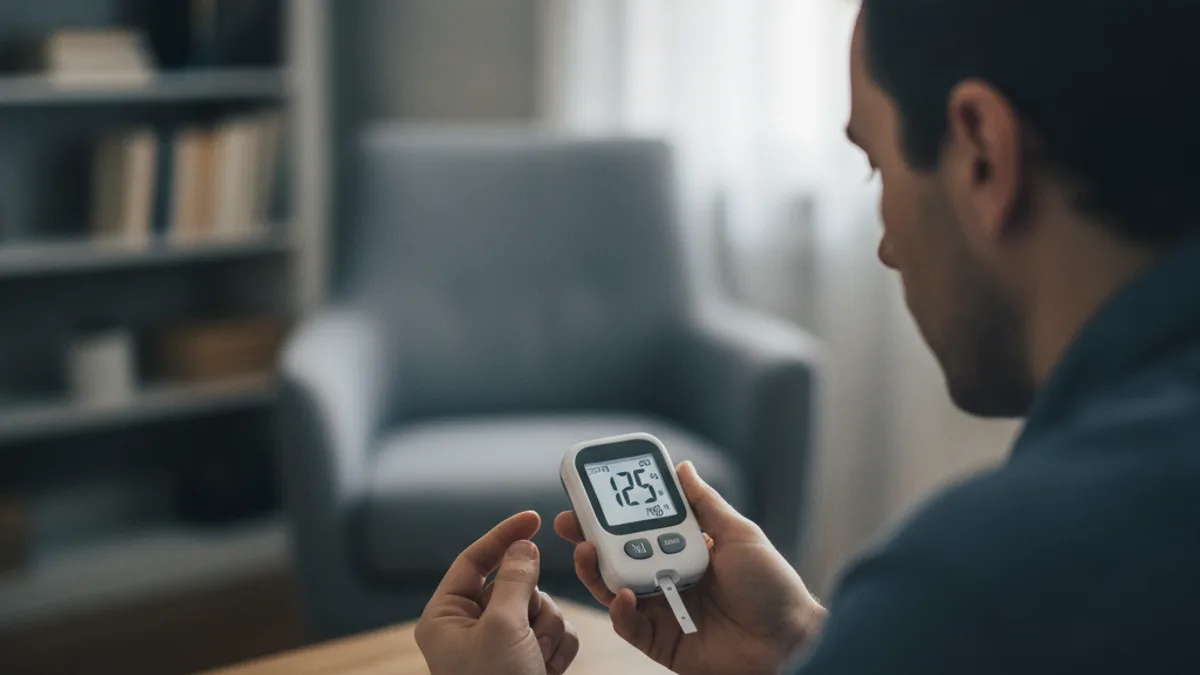
If you're in a prediabetes range or have risk factors, ask your care team about monitoring options. Some individuals benefit from periodic fasting glucose checks at home, while others may be candidates for continuous glucose monitors (CGMs) now available over-the-counter for non-diabetics. Tools like the Dexcom Stelo or Abbott Lingo can reveal glucose patterns that standard fingersticks miss, giving you and your provider more data to guide decisions.
Monitoring isn't about obsessing over numbers—it's about building a clearer picture of how your body responds to food, activity, and stress.
Schedule Regular Screening, Especially With Risk Factors
Even without symptoms, regular screening is essential if you have risk factors like family history, elevated BMI, sedentary lifestyle, or a history of gestational diabetes. The American Diabetes Association recommends screening for adults over 35, or earlier if risk factors are present. Screening typically includes fasting plasma glucose, HbA1c, or an oral glucose tolerance test. Early detection through routine testing often catches prediabetes before noticeable symptoms emerge.
Know When to Escalate Concerns
Some warning signs require prompt attention rather than watchful waiting. If you experience sudden, severe symptoms—such as extreme thirst, rapid unexplained weight loss, blurred vision, or persistent nausea—contact your care team the same day. These can indicate more advanced glucose dysregulation and warrant immediate evaluation.
For subtler symptoms that persist beyond two to three weeks, schedule a non-urgent appointment. Bring your symptom log and any relevant family history. Early conversations allow your provider to order appropriate tests and establish a baseline for future monitoring.
Conclusion
Recognizing the early signs of diabetes can be crucial for timely intervention. Our team has delved into the ADA Standards of Care and other authoritative sources to provide clear guidance on what to watch for. Common early signs include increased thirst, frequent urination, and unexplained weight loss. These symptoms can often be subtle and easily overlooked, which is why understanding them is so important.
The research is clear: early detection leads to better health outcomes. Screening for diabetes in high-risk populations allows for interventions that can halt or slow disease progression before complications develop. Studies indicate that approximately 90% of individuals with prediabetes are unaware of their condition, underscoring the importance of vigilance and proactive health monitoring.
If you notice any of the warning signs discussed in this article — persistent thirst, frequent bathroom trips, unexplained fatigue, blurred vision, or slow-healing wounds — schedule an appointment with your care team. A simple blood test can determine whether your glucose levels fall within the normal range, indicate prediabetes, or meet the criteria for a diabetes diagnosis. Early diagnosis and intervention are essential to prevent the progression from prediabetes to diabetes, which carries significant long-term health risks.
For those already monitoring their glucose levels or exploring tools to track metabolic health, our guide on the best CGM for non-diabetics offers practical options for prediabetes management. By staying informed and proactive, at-risk individuals can seek the necessary interventions before the condition progresses further.

Maren Alcott is the lead presenter at DiabetesCompass. She is an AI-presented digital character. Every article Maren presents is researched and fact-checked by the DiabetesCompass editorial team against the ADA Standards of Care, peer-reviewed journals, and named clinical sources. Maren does not give medical advice — for questions about your specific situation, talk to your care team.