
Abbott Lingo Review: Is Metabolic Coaching Worth It?
Our Abbott Lingo review examines the biosensor's metabolic coaching features, accuracy, cost, and real user experiences to help you decide if it's worth it.

On this page
Explore the Abbott Lingo review to understand its metabolic coaching features and user experiences.
Introduction to Abbott Lingo
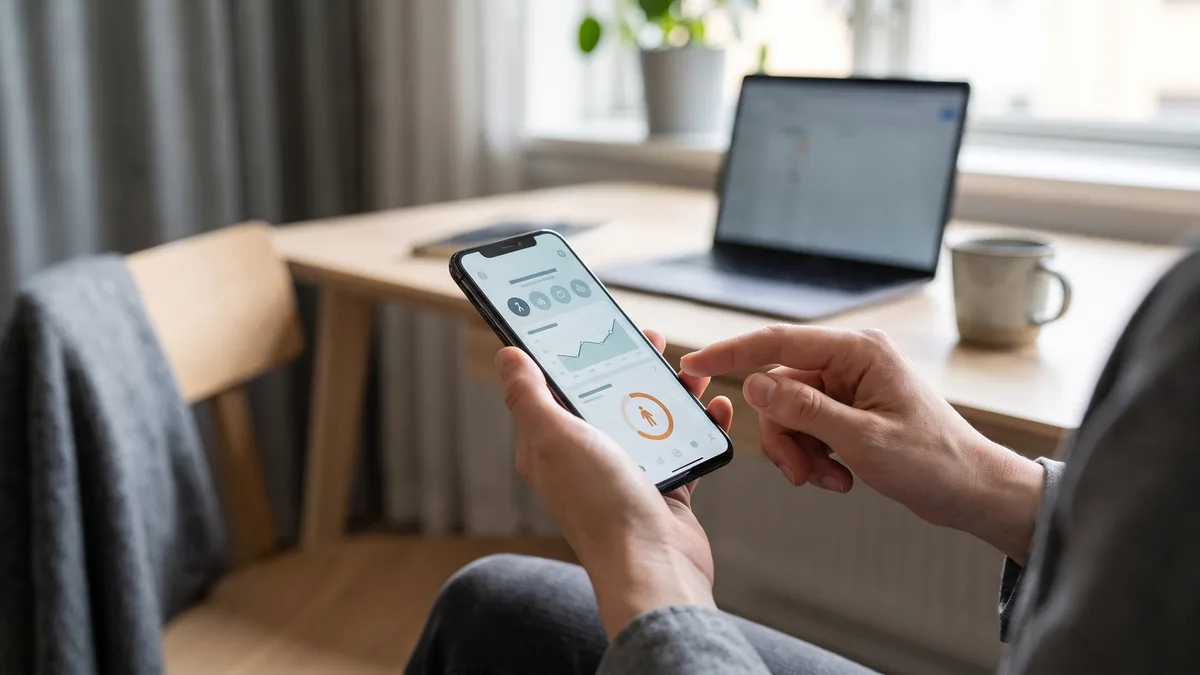
Abbott Lingo represents a shift in how continuous glucose monitoring technology reaches consumers. While traditional CGMs like Abbott's FreeStyle Libre were developed for diabetes management, Lingo positions itself as a metabolic wellness tool for people without diabetes. The system combines a wearable biosensor that tracks glucose levels continuously with an app that delivers coaching prompts based on your readings.
Our editorial team recently explored the Abbott Lingo system and its metabolic coaching features, focusing on how it might help individuals better understand their metabolic health. As we examined this device, we paid particular attention to the gap between raw glucose data and actionable health decisions — a gap that requires careful navigation with your care team. For context on how Lingo compares to other over-the-counter CGM options, see our Dexcom Stelo vs Abbott Lingo: Which OTC CGM Is Right for You comparison.
The device consists of a small sensor worn on the back of the upper arm that measures interstitial glucose — the glucose in the fluid between cells — and transmits readings to a smartphone app. Unlike medical CGMs that alert users to dangerous highs or lows, Lingo focuses on pattern recognition: identifying glucose spikes after meals, tracking how exercise affects your levels, and building awareness of your metabolic responses throughout the day.
The metabolic coaching component interprets your glucose data and offers suggestions — timing meals differently, choosing certain foods, or adjusting activity patterns. While these insights can be valuable for building metabolic awareness, they are generalized recommendations. Any numeric targets, meal-timing strategies, or activity changes should be confirmed with your healthcare provider, especially if you have underlying health conditions or take medications that affect glucose.
Lingo's target audience includes people interested in weight management, athletic performance optimization, or general metabolic health — not individuals who need medical-grade glucose monitoring for diabetes care. The distinction matters: medical CGMs are FDA-cleared for treatment decisions, while wellness CGMs like Lingo provide educational data without the regulatory oversight required for clinical use.
Continuous glucose monitoring devices offer real-time insights into how your body processes food and responds to activity, which can be pivotal for those looking to optimize metabolic health. However, interpreting this information should always be done in consultation with your care team to ensure the data is used effectively and safely, tailored to your unique health needs.
Key Features of Abbott Lingo
Abbott Lingo is a biosensor system designed to track glucose continuously and provide metabolic insights through an accompanying app. Unlike traditional continuous glucose monitors (CGMs) built for diabetes management, Lingo positions itself as a wellness tool for individuals seeking to understand how their daily habits affect glucose patterns. The device uses a small sensor applied to the upper arm that measures interstitial glucose levels and transmits data wirelessly to a smartphone.
Metabolic Coaching and App Interface
The Lingo app translates raw glucose data into what Abbott calls "Lingo Count" — a proprietary metric that scores glucose variability and spikes throughout the day. This coaching layer aims to help users identify which foods, activities, or sleep patterns trigger glucose excursions. The app provides personalized suggestions based on observed patterns, though these recommendations are algorithmic interpretations rather than clinical guidance. Users see real-time glucose trends, daily summaries, and retrospective analysis over weeks.
For readers comparing over-the-counter CGM options, our Dexcom Stelo vs Abbott Lingo guide breaks down how these two wellness-focused devices differ in features and user experience.
Sensor Accuracy and Wear Duration
Each Lingo biosensor is designed for 14 days of continuous wear. The device is water-resistant, allowing users to shower and swim without removal. Accuracy specifications have not been independently verified in peer-reviewed clinical trials specific to the Lingo product line at the time of this review. Abbott's FreeStyle Libre family — the clinical-grade CGM platform — has extensive published validation, but Lingo's wellness-market positioning means it operates under different regulatory pathways than prescription CGMs.
Data Export and Integration
The Lingo app stores historical glucose data within the platform, and users can export reports as PDFs for sharing with healthcare providers. At launch, the system does not integrate with third-party health apps or electronic medical records. This closed-ecosystem approach keeps data interpretation within Abbott's coaching framework but limits interoperability for users who track multiple health metrics across platforms.
The coaching features center on pattern recognition rather than precise clinical thresholds. For individuals newly diagnosed or managing diabetes, understanding what your A1C number means remains the clinical standard — biosensor wellness scores supplement but do not replace lab-based diagnostics.
User Experiences with Abbott Lingo
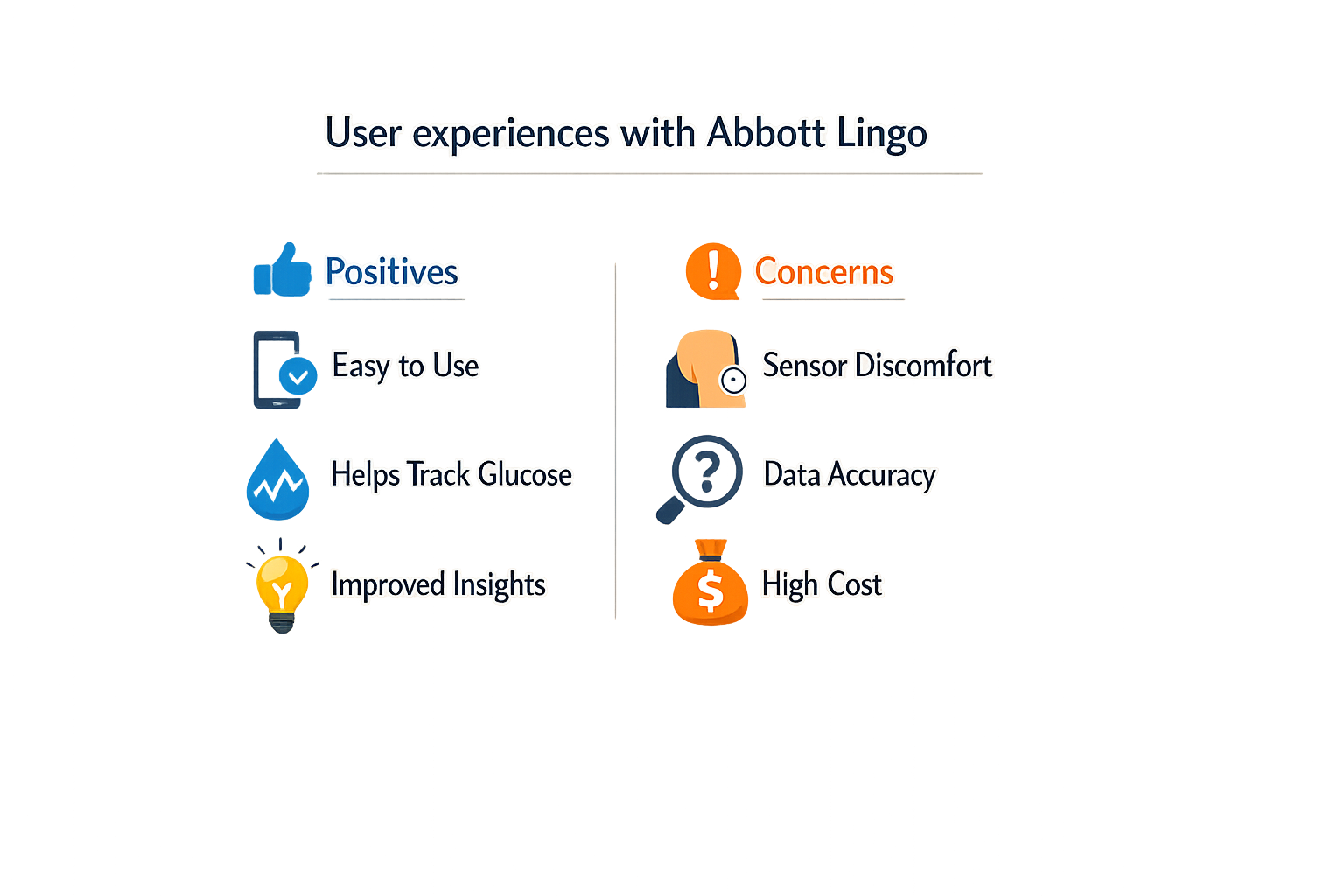
User experiences with continuous glucose monitoring devices like Abbott Lingo vary widely, shaped by individual expectations, support needs, and how well the metabolic coaching aligns with existing care plans. While the device offers real-time glucose insights, feedback reveals both strengths and areas where users may encounter friction.
What Users Appreciate
Many users value the immediate feedback that biosensors provide, helping them connect dietary choices to glucose responses in a tangible way. The coaching component aims to translate raw glucose data into actionable insights, which can be particularly helpful for people newly exploring metabolic health or trying to understand patterns their care team hasn't yet addressed.
The app's usability and the ability to track trends over time receive positive mentions. For users motivated to engage with the data, the structure can support behavior change when paired with guidance from a healthcare provider. Some appreciate having a tool that offers context beyond the numbers, though the quality of that context depends heavily on how well the coaching aligns with their individual metabolic situation.
Common Concerns and Limitations
A recurring theme in user feedback centers on access to relevant information and expert guidance. Research on dietary interventions highlights that participants often feel they have limited access to clear, actionable information about managing metabolic health, particularly when navigating complex dietary changes. This gap can leave users uncertain about how to interpret their glucose data or apply coaching recommendations safely.
Another concern relates to the expertise behind the coaching. Studies examining lifestyle interventions note inconsistent use of Registered Dietitian Nutritionists (RDNs) as providers of nutrition counseling, raising questions about whether users receive guidance from professionals with specialized training in medical nutrition therapy. When metabolic coaching comes from sources without that credential, users may receive generic advice rather than tailored support.
For those managing diabetes or prediabetes, the challenge is ensuring that any coaching aligns with their prescribed treatment plan. Glucose targets, dietary recommendations, and activity suggestions must be confirmed with the user's own care team — a step that some coaching platforms may not emphasize clearly enough.
The Role of Motivation and Support
User adherence to any metabolic health tool depends heavily on motivation and the availability of ongoing support. Research shows that participants who choose to engage with dietary interventions often find them easier to follow when they feel in control and receive consistent, expert-led guidance. Without that framework, even well-designed tools can feel isolating or difficult to sustain.
For Abbott Lingo users, success often hinges on whether they have a care team actively involved in interpreting the data and adjusting their plan accordingly. The device provides the numbers; the coaching offers one layer of interpretation; but the final decision-making must rest with the clinician who knows the full picture.
If you're considering a continuous glucose monitor for metabolic insights, comparing options can help you choose the device that best fits your needs. For a detailed look at how Abbott Lingo stacks up against another over-the-counter CGM, see our Dexcom Stelo vs Abbott Lingo: Which OTC CGM Is Right for You comparison.
Pricing and Availability of Abbott Lingo
Understanding the cost structure and purchasing options for Abbott Lingo is essential when evaluating whether this biosensor fits your budget and needs. Unlike prescription CGMs covered by insurance for diabetes management, Abbott Lingo is positioned as a wellness device — meaning pricing and access follow a direct-to-consumer model rather than traditional pharmacy channels.
Current Pricing Structure
Abbott Lingo operates on a subscription model where users purchase biosensor packs directly from the manufacturer. Each biosensor lasts up to 14 days, similar to the FreeStyle Libre sensor design. Pricing details are set by Abbott and vary by region and promotional offers at the time of purchase. Because this is a wellness-oriented device rather than a prescription medical device, it typically is not covered by health insurance plans, Medicare, or Medicaid.
For those comparing options, the Dexcom Stelo vs Abbott Lingo comparison provides context on how over-the-counter CGM pricing models differ across brands.
Where to Purchase
Abbott Lingo is available for purchase directly through Abbott's official website and authorized online retailers. Availability may vary by country and region, as regulatory approvals and market launches differ internationally. Before purchasing, confirm that the device is approved and available in your location.
Because the device does not require a prescription, there is no need for a healthcare provider authorization to order it. However, the metabolic coaching features and glucose data should still be discussed with your care team to ensure the information aligns with your personal health goals and any existing conditions.
Subscription and Commitment
Abbott typically offers flexible subscription options — monthly shipments of sensor packs that can be paused or canceled. Review the terms carefully before committing, including any auto-renewal policies, shipping costs, and return or refund conditions. Some users prefer to start with a single pack to evaluate the device and app experience before subscribing long-term.
Value Considerations
When assessing whether the cost is justified, consider what you're receiving: continuous glucose data, trend tracking, and app-based metabolic coaching insights. For individuals without diabetes who are curious about their glucose response to food, exercise, and stress, the investment may provide valuable context. For those managing prediabetes or metabolic concerns, discuss with your care team whether this type of monitoring adds meaningful information to your care plan — or whether a prescription CGM (if eligible) would be more appropriate and potentially covered by insurance.
Conclusion of Abbott Lingo Review
The Abbott Lingo represents a new category of over-the-counter continuous glucose monitoring aimed at individuals interested in metabolic coaching rather than diabetes management. Throughout this review, we've examined its features, user experiences, and pricing structure to help you determine whether this biosensor aligns with your health goals.
What Abbott Lingo Delivers
Abbott Lingo provides real-time glucose data paired with metabolic coaching insights, designed to help users understand how food, activity, and lifestyle choices affect their glucose patterns. The device offers a 14-day wear period, smartphone connectivity, and actionable recommendations based on your glucose trace. For individuals curious about their metabolic health or looking to optimize nutrition and exercise timing, the system provides a framework for self-directed learning.
However, the metabolic coaching component relies on algorithms and general guidance rather than personalized medical advice. The data you collect should always be interpreted in consultation with your care team, who can help you set appropriate targets and understand what your individual glucose patterns mean for your health.
Who Benefits Most
Abbott Lingo is positioned for adults without diabetes who want metabolic insights—those exploring prediabetes prevention, athletes optimizing performance, or individuals simply curious about how their bodies process food. It is not a replacement for medical-grade CGM prescribed for diabetes management, and it does not replace the diagnostic or treatment guidance your healthcare provider offers.
If you're managing diabetes or have been prescribed a CGM by your doctor, Abbott Lingo is not the appropriate device. Medical-grade systems like Dexcom Stelo vs Abbott Lingo offer features and accuracy standards designed for therapeutic decision-making, which over-the-counter metabolic coaching devices do not provide.
Cost and Accessibility Considerations
The pricing structure for Abbott Lingo—typically requiring ongoing sensor purchases every two weeks—represents a sustained financial commitment. For some users, the cost may be justified by the metabolic insights gained; for others, the expense may outweigh the value, particularly if the coaching recommendations do not lead to actionable changes or if similar insights could be obtained through less expensive methods.
Accessibility also depends on regional availability and whether the device is sold in your market. Unlike prescription CGMs, Abbott Lingo does not qualify for insurance coverage, meaning the full cost falls to the user.
Final Considerations
Our editorial team reviewed Abbott Lingo's metabolic coaching approach alongside current guidance to assess how well it supports users in understanding their glucose data. The device offers a structured way to explore metabolic health, but its value depends heavily on your individual goals, your willingness to act on the insights provided, and your ability to discuss findings with your care team.
Any targets, thresholds, or recommendations you encounter through Abbott Lingo should be confirmed with your healthcare provider. Metabolic coaching tools provide data, but personalized medical advice—tailored to your unique health needs, medications, and conditions—comes only from your own care team.
If you're considering Abbott Lingo, weigh the cost against the potential insights, assess whether the metabolic coaching aligns with your health objectives, and plan to integrate any findings into a broader conversation with your doctor or diabetes educator. The device can be a useful tool for self-directed exploration, but it works best as part of a comprehensive approach to metabolic health rather than as a standalone solution.
Related reading

Maren Alcott is the lead presenter at DiabetesCompass. She is an AI-presented digital character. Every article Maren presents is researched and fact-checked by the DiabetesCompass editorial team against the ADA Standards of Care, peer-reviewed journals, and named clinical sources. Maren does not give medical advice — for questions about your specific situation, talk to your care team.