
How to Lower A1C Naturally: Diet, Exercise & Lifestyle Tips
Learn how to lower A1C naturally through evidence-based diet changes, physical activity, sleep habits, and stress management strategies.


On this page
Introduction
If you're looking to lower A1C naturally, you're joining a conversation about how everyday habits shape long-term glucose control. A1C is a snapshot of your average blood glucose over roughly three months, and it's one of the most reliable markers your care team uses to assess diabetes management. While medications play a critical role for many people, lifestyle factors—what you eat, how you move, how you sleep, and how you manage stress—can also influence that number.
This article walks through evidence-based strategies for managing A1C through diet, exercise, and lifestyle adjustments. We'll explain what each approach does, why it matters, and how to integrate it into your routine without upending your life. These strategies are not replacements for prescribed treatment; they're tools that work best when coordinated with your healthcare provider. Whether you're newly diagnosed, supporting a family member, or refining an existing plan, understanding how lifestyle intersects with glucose control gives you a clearer path forward.
We'll cover what A1C means and how it's measured, which dietary patterns show consistent results in research, how different types of physical activity affect glucose, and what sleep and stress have to do with the number on your lab report. For more detail on how A1C translates to daily blood glucose averages, see our guide on A1C conversion and what your number means. By the end, you'll have a practical framework for working with your care team to adjust the factors you can control—and realistic expectations about what natural approaches can and cannot do.
Understanding A1C Levels
A1C — also written as HbA1c or hemoglobin A1c — is a blood test that shows your average blood glucose level over the past three months. Unlike a fingerstick glucose reading that captures a single moment, A1C reflects the overall pattern of how glucose has interacted with your red blood cells during their lifespan. This makes it a key marker for tracking diabetes management over time.
What the A1C Test Measures
The test measures the percentage of hemoglobin — the oxygen-carrying protein in red blood cells — that has glucose attached to it. Because red blood cells live for approximately three to four months, the A1C value integrates glucose exposure across that window. Research shows that recent glucose levels carry more weight in the final number: about 50% of your A1C reflects the most recent month, 25% the second month, and 25% the third and fourth months combined.
How A1C Relates to Daily Glucose
A1C does not replace daily glucose monitoring — it complements it. While your glucose meter or continuous glucose monitor (CGM) shows you what is happening right now or over the past few hours, A1C tells you whether those day-to-day efforts are adding up to stable control over weeks and months. The relationship between A1C and average glucose is well established, and you can see how the two correspond in detail in our guide to A1C conversion and what your number means.
Factors That Influence A1C Accuracy
Because A1C depends on the interaction between glucose and red blood cells, anything that affects red blood cell lifespan or turnover can shift the result. Conditions like anemia, recent blood loss, certain medications (including high-dose aspirin), or chronic kidney disease may cause the A1C reading to be higher or lower than your actual average glucose would predict. If you have one of these conditions, your care team may rely more heavily on your daily glucose data or use alternative tests.
A1C is a three-month average, not a snapshot — it shows the trend, not the moment.
Dietary Changes to Lower A1C
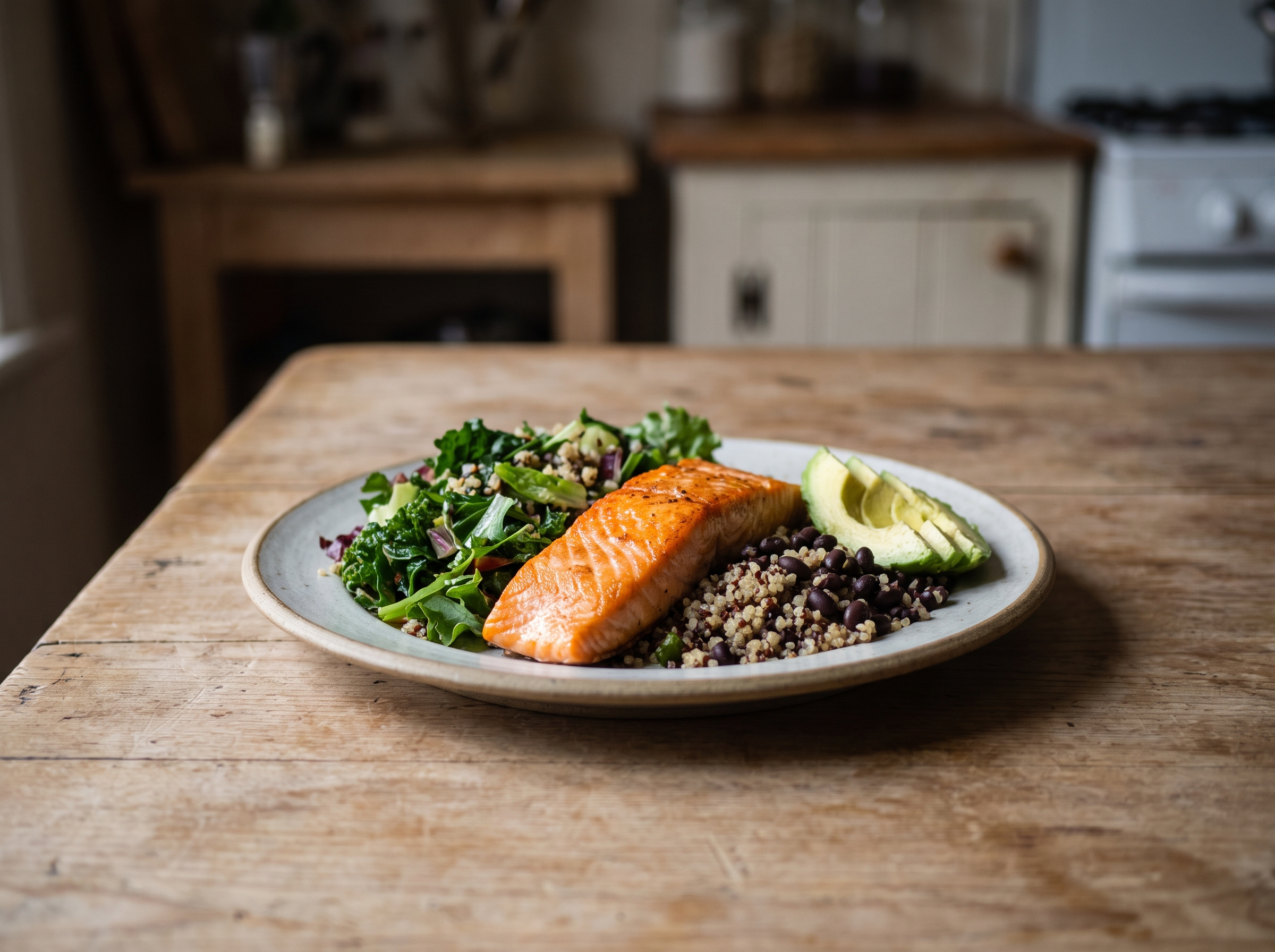
Diet plays a direct role in blood-glucose control and A1C outcomes. The research on dietary patterns shows measurable A1C reductions across several approaches — low-carbohydrate diets, Mediterranean-style eating, and plant-based plans have all demonstrated benefit in controlled trials. What works best depends on individual preference, metabolic response, and what you can sustain over months, not days.
No single eating pattern is universally superior. The goal is to find an approach that lowers post-meal glucose spikes, supports steady energy, and fits into your daily routine without constant restriction or decision fatigue. The strategies below reflect evidence from peer-reviewed trials, not trends or testimonials.
Low-Carbohydrate Approaches
Low-carbohydrate diets (LCD) reduce the total amount of carbohydrate consumed daily, which directly lowers the glucose load entering the bloodstream after meals. In randomized controlled trials, LCD reduced A1C by an average of 0.65% (95% CI, −1.1 to −0.18) compared to standard diets. Another analysis found that an LCD increased the likelihood of maintaining an A1C at or below 7% by 2.75 times.
A low-carbohydrate approach typically emphasizes non-starchy vegetables, protein sources (poultry, fish, eggs, tofu), healthy fats (olive oil, nuts, avocado), and modest portions of whole grains or starchy vegetables. It is not a zero-carbohydrate diet — the focus is on reducing refined carbohydrates and managing portion sizes of all carb-containing foods.
Mediterranean-Style Eating
The Mediterranean diet emphasizes whole grains, legumes, vegetables, fruits, olive oil, fish, and moderate amounts of poultry and dairy. It limits red meat and processed foods. In a three-month trial, participants following Mediterranean diets — one supplemented with olive oil, the other with tree nuts — had significantly lower fasting glucose levels compared to those on a low-fat diet. Another study found that diabetic patients on a Mediterranean diet experienced a 32.8 mg/dL reduction in fasting plasma glucose compared to a low-fat control group.
This pattern is less prescriptive about macronutrient ratios and more focused on food quality and preparation. It tends to be sustainable for people who enjoy cooking and prefer variety over strict portion control. If you're looking for a broader framework that doesn't require eliminating entire food groups, A1C conversion charts can help you track how your dietary changes translate into measurable glucose improvements over time.
Plant-Based and Vegan Diets
A low-fat vegan diet — which excludes all animal products and emphasizes vegetables, fruits, whole grains, and legumes — reduced A1C by 0.8% in one trial, compared to 0.6% in the control group. Vegan and Mediterranean interventions have also been associated with moderate weight loss and insulin dose reductions of approximately 15–20% in people with type 1 diabetes.
Plant-based diets are high in fiber, which slows glucose absorption and supports gut health. They also tend to be lower in saturated fat, which may improve insulin sensitivity over time. The challenge is ensuring adequate protein, vitamin B12, iron, and omega-3 fatty acids — nutrients more readily available in animal products. Supplementation or fortified foods may be necessary.
Practical Dietary Adjustments
Regardless of the pattern you choose, these adjustments apply across approaches:
- Prioritize fiber-rich foods: Vegetables, legumes, and whole grains slow glucose absorption and reduce post-meal spikes.
- Limit refined carbohydrates: White bread, sugary drinks, pastries, and processed snacks cause rapid glucose increases.
- Pair carbohydrates with protein or fat: A piece of fruit with nut butter, or whole-grain toast with eggs, moderates the glucose response.
- Watch portion sizes: Even healthy carbohydrates (quinoa, sweet potato, oats) raise blood glucose when portions are large.
- Stay consistent with meal timing: Eating at roughly the same times each day helps stabilize glucose patterns and makes medication timing more predictable.
These are not rules to follow perfectly — they are tools to apply where they fit. If a meal plan feels punitive or unsustainable, it will not work long-term. Work with a registered dietitian or certified diabetes care and education specialist to tailor an approach to your preferences, schedule, and metabolic response.
Exercise and A1C Management

Physical activity is one of the most effective non-pharmaceutical tools for improving glycemic control. Regular exercise helps your muscles use glucose more efficiently, reducing the amount circulating in your bloodstream and, over time, lowering your A1C. The American Diabetes Association recommends a total of 150 minutes of physical activity per week to support long-term reductions in A1C.
The type, intensity, and consistency of exercise all matter. Research shows that different forms of movement—aerobic exercise, resistance training, high-intensity intervals, and even yoga—each offer distinct benefits for glucose management. Understanding how each works can help you build a routine that fits your schedule and preferences.
Aerobic Exercise and A1C Reduction
Aerobic exercise—activities like walking, cycling, swimming, or jogging—has been shown to reduce glycosylated hemoglobin (HbA1c) in people with type 2 diabetes. These activities increase your heart rate and improve how your body uses insulin, making it easier for glucose to move from your bloodstream into your cells.
You don't need to run marathons to see results. Moderate-intensity activities performed consistently over time are effective. Aim for at least 30 minutes most days of the week, and break it into shorter sessions if needed—three 10-minute walks can be just as beneficial as one longer session.
High-Intensity Interval Training (HIIT)
High-intensity interval training alternates short bursts of vigorous activity with periods of rest or lower-intensity movement. Research indicates that HIIT is more effective than moderate-intensity continuous training in reducing HbA1c levels. The intense intervals challenge your muscles to use glucose rapidly, which can lead to greater improvements in insulin sensitivity.
A typical HIIT session might involve 30 seconds of fast walking or cycling followed by 1–2 minutes of slower recovery, repeated for 15–20 minutes. Because HIIT is more demanding, it may not be suitable for everyone—particularly those with cardiovascular concerns or joint issues. Always confirm your own exercise plan with your care team.
Resistance Training for Glucose Control
Resistance training—using weights, resistance bands, or bodyweight exercises like squats and push-ups—builds muscle mass, and muscle is a major site of glucose uptake. High-intensity resistance training has been shown to effectively reduce HbA1c levels and improve insulin levels.
Incorporating resistance exercises two to three times per week, targeting major muscle groups, can complement aerobic activity and provide additional metabolic benefits. You don't need a gym membership; bodyweight exercises at home can be just as effective when performed consistently.
Yoga and Flexibility Work
Yoga combines physical postures, breathing exercises, and mindfulness, and research suggests it has a measurable effect on reducing fasting blood glucose, postprandial blood glucose, HbA1c, and BMI compared with standard physical exercise alone. The mechanisms may include improved insulin sensitivity, reduced stress hormones, and better overall body composition.
Yoga is accessible to most fitness levels and can be adapted for different abilities. Even gentle or restorative yoga styles offer benefits, making it a practical option for those who find higher-impact exercise challenging.
Building a Sustainable Routine
The best exercise plan is one you can stick with. Consistency matters more than intensity in the long run. Mix different types of activity—aerobic, resistance, and flexibility work—to keep your routine engaging and to address multiple aspects of metabolic health.
Track your progress not just by A1C results, but also by how you feel, your energy levels, and your ability to perform daily tasks. If you use a continuous glucose monitor, you may notice how different activities affect your glucose in real time, which can help you fine-tune your routine. For more on interpreting your A1C and what it means for your overall management, see our guide on A1C Conversion: What Your Number Means and How to Lower It.
Lifestyle Adjustments

Diet and exercise are the foundation of A1C management, but they aren't the whole picture. Sleep quality, stress levels, and daily routines all influence blood glucose patterns and, over time, your A1C. Lifestyle adjustments work alongside food and movement — they create the conditions where your body can regulate glucose more effectively.
Research confirms that lifestyle intervention is the first-line approach to prevent or delay Type 2 diabetes in adults with prediabetes. That same principle applies when you're working to lower an elevated A1C: the non-pharmaceutical changes you make day to day form the base layer of glucose control. Medication may be necessary if lifestyle efforts alone don't bring your numbers into range, but the lifestyle piece remains essential either way.
Stress Management and Blood Glucose
Chronic stress triggers the release of cortisol and other hormones that raise blood glucose. When stress is constant — whether from work, caregiving, financial pressure, or health worry — your body stays in a state that makes glucose regulation harder. Over weeks and months, that translates to a higher A1C.
Stress-reduction practices don't have to be elaborate. Short daily habits — ten minutes of deep breathing, a walk outside, journaling, or a few minutes of guided meditation — can interrupt the stress-hormone cycle. The goal is consistency, not perfection. Find one or two practices that fit your schedule and temperament, and build them into your routine the same way you'd schedule a medication dose.
Sleep and A1C
Poor sleep — whether from insufficient hours, frequent waking, or sleep apnea — disrupts insulin sensitivity and glucose metabolism. One night of short sleep won't move your A1C, but chronic sleep deprivation over weeks and months will. Studies show that adults who regularly sleep fewer than six hours per night have higher fasting glucose and higher A1C compared to those who get seven to eight hours.
If you're struggling with sleep, start with the basics: a consistent bedtime, a cool and dark room, and no screens for the hour before bed. If you suspect sleep apnea — loud snoring, gasping during sleep, or waking unrefreshed — bring it up at your next appointment. Treating sleep apnea can improve both sleep quality and glucose control.
For more context on how A1C translates to average blood glucose and what your target range might be, see Average Blood Sugar by A1C: Conversion Explained for Better Management.
Daily Routines and Consistency
Glucose control improves when your body knows what to expect. Eating meals at roughly the same times each day, going to bed and waking at consistent hours, and spacing physical activity predictably all help regulate insulin response. Erratic schedules — skipping meals, sleeping at wildly different times, or long gaps between activity — make it harder for your body to anticipate and manage glucose.
You don't need rigid timing down to the minute, but aim for patterns. If breakfast is usually between 7 and 8 a.m., lunch around noon, and dinner between 6 and 7 p.m., your insulin response will adapt to that rhythm. The same goes for sleep: a bedtime that varies by more than an hour or two disrupts circadian regulation of glucose.
Alcohol and A1C
Alcohol affects blood glucose in two directions: it can cause an initial spike, followed by a delayed drop hours later, especially if you're on insulin or certain oral medications. Over time, regular alcohol intake — particularly more than one or two drinks per day — can interfere with glucose regulation and raise A1C.
If you drink, do it with food, and monitor your glucose more closely in the hours afterward. Talk to your care team about how alcohol interacts with your specific medications. For some people, cutting back or eliminating alcohol is one of the simplest ways to bring A1C down.
Smoking Cessation
Smoking worsens insulin resistance and raises A1C independent of other factors. It also increases cardiovascular risk, which is already elevated in people with diabetes. If you smoke, quitting is one of the highest-impact changes you can make — for A1C, for heart health, and for overall diabetes management. Your care team can connect you with cessation resources, including medications and counseling that improve success rates.
Monitoring Your Progress
Tracking your A1C over time helps you see whether the diet, exercise, and lifestyle changes you've made are moving your numbers in the right direction. A1C is typically measured every three months by your care team, but understanding what happens between those lab visits — and setting realistic goals for the next test — gives you a clearer picture of your diabetes management.
How Often to Check A1C
Most people with type 2 diabetes or prediabetes have their A1C measured every three to six months, depending on how stable their glucose control is and what their care team recommends. If you've recently started a new medication, changed your diet significantly, or increased your physical activity, your provider may order a follow-up test sooner to see how those changes are affecting your average glucose. The three-month window reflects the lifespan of red blood cells — A1C measures glucose attached to hemoglobin over that period, so it takes time for changes to register in the lab result.
Between A1C tests, some people use continuous glucose monitors (CGMs) or regular fingerstick checks to watch daily patterns. A1C conversion charts can help you translate your home glucose readings into an estimated A1C, though the lab test remains the standard for clinical decisions. If you're seeing consistent improvements in your daily glucose — fewer spikes after meals, more time in your target range — those patterns often predict a lower A1C at your next appointment.
Setting Realistic A1C Goals
Your A1C target is individual. The American Diabetes Association suggests a goal of less than 7% for many adults with diabetes, but your provider may set a different target based on your age, how long you've had diabetes, other health conditions, and your risk of low blood sugar. For some people — especially older adults or those with a history of severe hypoglycemia — a target of 7.5% or 8% may be safer and more appropriate.
When you're working to lower A1C naturally, aim for gradual progress rather than dramatic drops. A reduction of 0.5% to 1% over three to six months is a meaningful change and reflects sustained effort with diet, activity, and sleep. Rapid drops can sometimes signal erratic glucose swings rather than stable control, so steady, incremental improvement is the goal. Discuss your target with your care team and revisit it regularly — as your health changes, your A1C goal may shift too.
A reduction of 0.5% to 1% over three to six months reflects sustained effort and is a clinically meaningful improvement in glucose control.
Using Glucose Data Between A1C Tests
If you check your glucose at home — whether with a meter or a CGM — those readings give you real-time feedback on how food, exercise, stress, and sleep affect your blood sugar day to day. While A1C shows a three-month average, daily glucose data helps you spot patterns and make adjustments before your next lab appointment.
For people using CGMs, the ambulatory glucose profile (AGP) summarizes your glucose trends over one to two weeks. Your care team may review this report with you to identify times of day when glucose runs high or low, and to confirm whether activities like fasting, exercise, or stress are contributing to those patterns. If fewer than 4% of your sensor readings fall below 70 mg/dL, you're meeting the target for hypoglycemia management — a sign that your approach is balanced and not pushing glucose too low.
Even without a CGM, regular fingerstick checks — fasting glucose in the morning, and one to two hours after meals — can reveal how specific foods or activities affect your numbers. Keep a simple log or use a diabetes app to track patterns over a few weeks, then bring that information to your next appointment. Your provider can help interpret the data and suggest adjustments that support your A1C goal.
What to Do When Progress Stalls
If your A1C isn't dropping as expected despite consistent effort, it doesn't mean your approach has failed. Glucose control is influenced by many factors — some within your control, others less so. Stress, illness, changes in sleep, hormonal shifts, and even certain medications can affect blood sugar and slow A1C improvement.
When progress stalls, review your plan with your care team rather than making big changes on your own. They may suggest adjusting your medication, refining your meal timing, or adding a different type of physical activity. Sometimes a plateau simply means your body has adapted to your current routine, and a small tweak — like shifting the timing of your largest meal or adding a short walk after dinner — can restart progress.
Remember that A1C is one measure among many. If your glucose is more stable day to day, if you're feeling better, sleeping better, or managing stress more effectively, those improvements matter even if the A1C number hasn't moved yet. Diabetes management is a long game, and the habits you're building now support your health well beyond any single lab result.
Conclusion
Lowering your A1C naturally is a process built on consistent, evidence-based habits rather than quick fixes. The strategies covered in this guide — structured meal timing, carbohydrate awareness, regular physical activity, quality sleep, and stress management — work together to improve how your body processes glucose over time. Each change you make compounds: better sleep supports insulin sensitivity, which makes exercise more effective, which in turn helps stabilize post-meal glucose. Small adjustments accumulate into measurable A1C reductions when sustained over months.
No single intervention will move your A1C on its own, and results vary widely depending on your starting point, medication regimen, and individual physiology. Some people see a 0.5–1.0% drop within three months of dietary and activity changes; others need six months or longer to see movement. What matters most is consistency and realistic goal-setting with your care team. They'll help you interpret your A1C trajectory in the context of your full clinical picture and adjust your plan as needed.
Tracking your progress — whether through quarterly A1C tests, daily glucose checks, or a continuous glucose monitor — gives you the feedback loop you need to understand what's working. If you're newly diagnosed or adjusting to a new medication, that data becomes even more valuable. For a detailed look at what your A1C number means in terms of average glucose, see our guide on A1C conversion and how to lower it.
The path to a lower A1C is not about perfection. It's about building a routine you can maintain, learning how your body responds to food and movement, and working with your care team to refine your approach over time. Start with one or two changes from this guide, give them a full quarter to take effect, and adjust from there. You're building a foundation that supports not just a better A1C, but better day-to-day glucose stability and long-term health outcomes.
Explore effective strategies on how to lower your A1C naturally through diet, exercise, and lifestyle adjustments.
Related reading

Maren Alcott is the lead presenter at DiabetesCompass. She is an AI-presented digital character. Every article Maren presents is researched and fact-checked by the DiabetesCompass editorial team against the ADA Standards of Care, peer-reviewed journals, and named clinical sources. Maren does not give medical advice — for questions about your specific situation, talk to your care team.