
Microdosing GLP-1: What It Is, Risks, and What to Know
Microdosing GLP-1 involves taking lower doses of medications like Ozempic or Mounjaro. Learn what it means, the potential risks, and what to discuss with your doctor.

On this page
Introduction
GLP-1 receptor agonists have transformed diabetes and weight management over the past decade. Originally developed to treat type 2 diabetes, medications like semaglutide and liraglutide have demonstrated significant benefits for blood sugar control, weight reduction, and cardiovascular health. As these medications have gained attention—particularly for weight loss—some people have begun experimenting with "microdosing," or taking doses lower than those approved by the FDA.
Microdosing GLP-1 is not a medically recognized practice. The term has emerged in online communities and social media discussions, where individuals share experiences taking fractions of prescribed doses, often in an attempt to minimize side effects or stretch medication supplies. This approach raises important questions about efficacy, safety, and the potential consequences of deviating from evidence-based dosing protocols.
The approved doses for GLP-1 receptor agonists were established through extensive clinical trials that carefully balanced therapeutic benefit against side effect profiles. These medications work by mimicking a natural hormone that regulates blood sugar and appetite, but their effects depend on reaching specific concentrations in the body. For context on how different diabetes medications compare, you might find it helpful to review Brenzavvy vs Jardiance: Key Comparisons for Diabetes, which examines how various medication classes function differently.
This article examines what microdosing GLP-1 means, why people consider it, and what the available evidence tells us about the risks and considerations. Our goal is to provide context that helps you have informed conversations with your healthcare provider about the most appropriate treatment approach for your individual situation.
What is Microdosing?
Microdosing typically refers to taking a substance at a dose far below the standard therapeutic amount — often a fraction of what would produce the medication's full intended effect. The term gained public attention in the context of psychedelics, where users took very small amounts of substances like LSD or psilocybin hoping to gain cognitive or mood benefits without hallucinations. More recently, the concept has been applied to prescription medications, including GLP-1 receptor agonists.
How Microdosing Differs from Standard Dosing
Standard dosing of a medication is determined through clinical trials that establish the amount needed to achieve a specific therapeutic goal — such as lowering blood sugar, reducing cardiovascular risk, or promoting weight loss. Microdosing, by contrast, involves intentionally using less than the manufacturer-approved starting dose, often in the hope of reducing side effects or costs while retaining some benefit. This approach is not part of the medication's approved prescribing information and has not been systematically studied for most prescription drugs.
Microdosing in the Context of GLP-1 Medications
GLP-1 stands for glucagon-like peptide-1, a hormone involved in glucose metabolism and appetite regulation. GLP-1 receptor agonists are medications initially developed to treat type 2 diabetes, known for their effectiveness in blood-sugar control and bodyweight reduction. Because these medications can cause gastrointestinal side effects — nausea, vomiting, diarrhea — some patients and providers have experimented with starting at doses lower than the manufacturer's recommended starting point, hoping to ease into treatment with fewer symptoms.
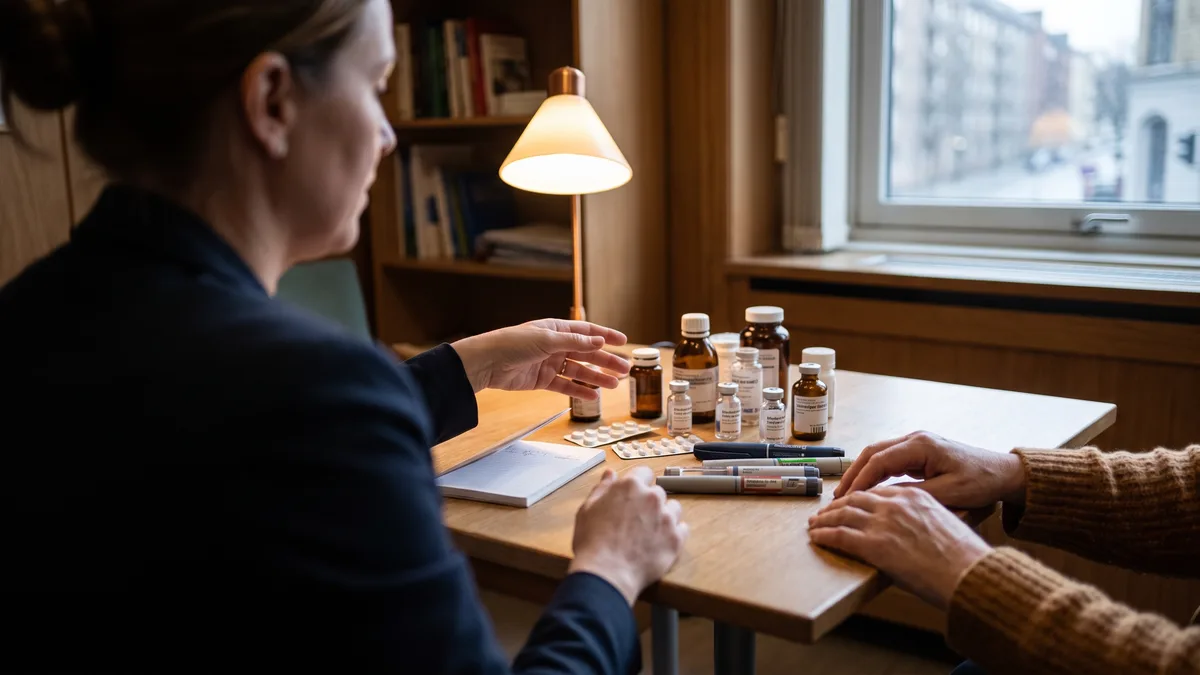
Unlike the psychedelic microdosing trend, which emerged from informal experimentation, microdosing GLP-1 medications often happens in clinical settings where a provider adjusts the dose based on individual tolerance. However, the term "microdosing" itself is not a clinical standard — it's a shorthand that has migrated from wellness culture into conversations about prescription diabetes and weight-management drugs. If you're considering adjusting your dose of a GLP-1 medication, that decision should always be made with your prescribing provider, who can monitor your response and adjust the plan safely.
For context on how these medications fit into a broader diabetes-management strategy, see our guide on how to lower A1C naturally, which covers lifestyle interventions that work alongside medication.
Microdosing GLP-1: The Concept
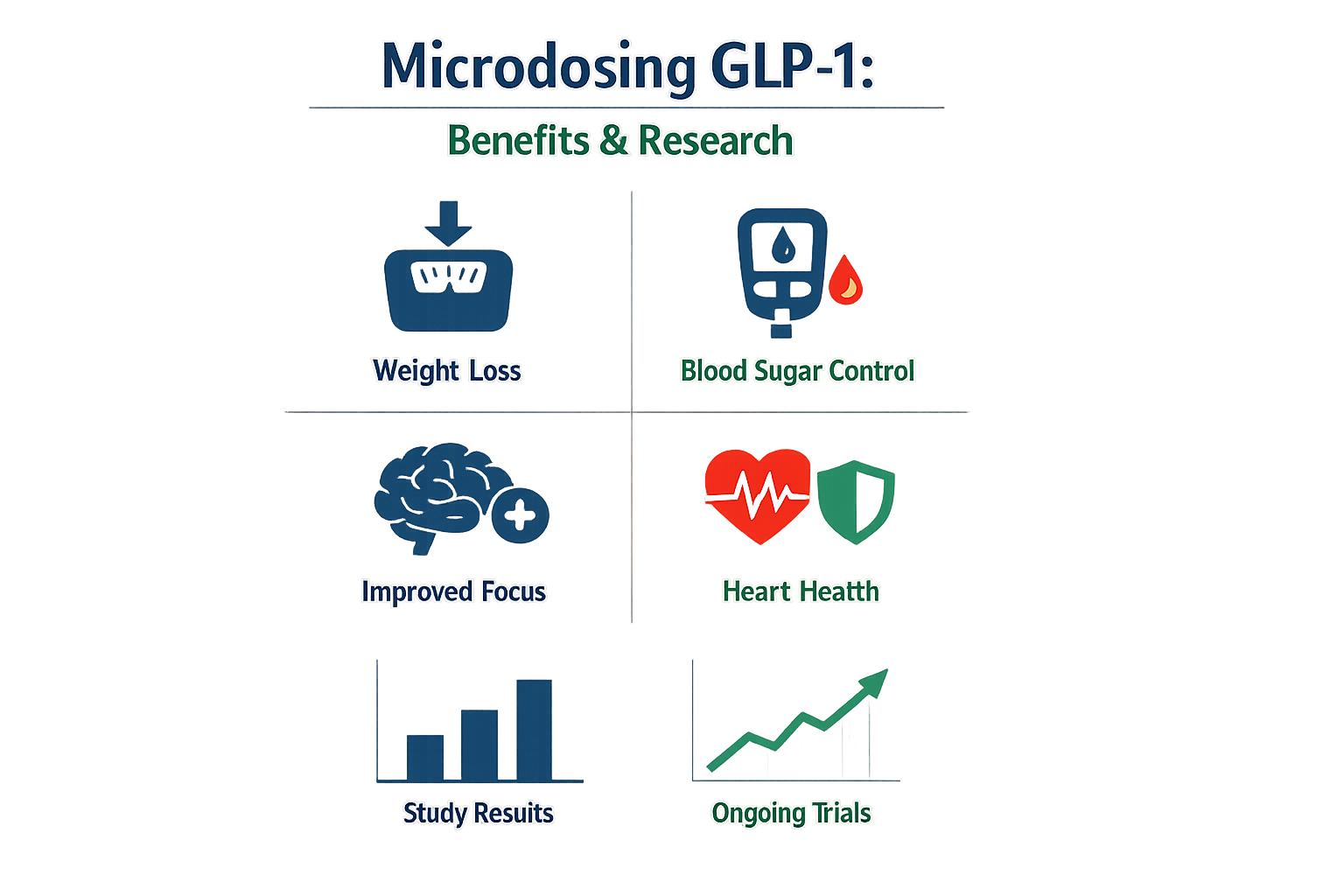
Microdosing GLP-1 refers to taking lower-than-standard doses of GLP-1 receptor agonists — medications originally approved for type 2 diabetes and, in some cases, obesity. GLP-1 (glucagon-like peptide-1) is a hormone produced in the intestine that stimulates insulin secretion, delays gastric emptying, and reduces appetite. The first GLP-1 receptor agonists were identified in the 1980s, and by the 2000s, medications like liraglutide and semaglutide had entered clinical use.
What "Microdosing" Means in This Context
In the context of GLP-1 medications, microdosing typically means using doses below the manufacturer's recommended starting or maintenance levels. Standard dosing for these medications follows a titration schedule — beginning at a low dose and increasing gradually to minimize side effects and reach therapeutic levels. Microdosing, by contrast, involves staying at or below the initial dose indefinitely, or using intermittent dosing patterns not described in the prescribing information.
This practice has gained attention as some individuals seek the appetite-suppressing and metabolic effects of GLP-1 medications while attempting to avoid common side effects like nausea, vomiting, or gastrointestinal discomfort. However, no clinical trials have established the safety or efficacy of microdosing GLP-1 medications, and the approach is not part of any approved treatment protocol.
Approved Uses and Clinical Evidence
GLP-1 receptor agonists are approved by the FDA for specific indications at specific doses. Liraglutide and semaglutide, for example, are approved for obesity treatment in the United States when used at their labeled doses. In clinical trials, liraglutide at 3 mg daily led to significant weight loss — more than 50% of participants lost at least 5% of their body weight. The SCALE trial showed a mean weight loss of 8.4 kg over 56 weeks with liraglutide, compared to 2.8 kg in the placebo group.
More recently, semaglutide received FDA approval in 2025 for metabolic dysfunction-associated steatohepatitis (MASH) with fibrosis, based on the Phase 3 ESSENCE trial. These approvals reflect rigorous dose-finding studies that balance efficacy with tolerability. The doses tested and approved are the result of years of research into how much medication is needed to produce a measurable clinical benefit.
Why Microdosing GLP-1 Is Not Standard Practice
The concept of microdosing GLP-1 medications does not appear in peer-reviewed research or clinical guidelines. The doses studied in trials were chosen to achieve measurable improvements in blood sugar control, weight, or liver inflammation — outcomes that required reaching and maintaining specific drug levels in the body. Using a lower dose or an irregular schedule may not produce these effects, and it introduces uncertainty about what the medication is actually doing.
Additionally, GLP-1 receptor agonists work through multiple mechanisms: they slow gastric emptying, suppress glucagon, stimulate insulin, and act on appetite centers in the brain. These effects are dose-dependent, meaning that a lower dose may not engage all of these pathways in a clinically meaningful way. Without clinical trial data on microdosing, there is no way to predict whether a given individual will experience benefit, harm, or neither.
For more context on how different diabetes medications work and what to expect from a new prescription, see our guide on Brenzavvy vs Jardiance: Key Comparisons for Diabetes.
The doses of GLP-1 medications approved by regulators reflect years of research into the minimum effective dose — deviating from that without clinical evidence introduces unknown risks and uncertain benefits.
What the Research Shows
Current research on GLP-1 receptor agonists focuses on their approved doses and indications. Studies have documented effects on weight, glycemic control, liver health, and cardiovascular outcomes, but all of these findings come from trials using the manufacturer's recommended dosing protocols. There are no published trials examining the safety or effectiveness of doses lower than the approved starting levels, nor any data on long-term outcomes of microdosing.
Some research has explored the broader metabolic effects of GLP-1 therapies, including their impact on gut barrier integrity, bile acid metabolism, and short-chain fatty acid production. These mechanisms suggest that GLP-1 medications influence multiple systems beyond blood sugar and appetite. However, these effects were observed at therapeutic doses, and it is unclear whether microdosing would produce the same changes.
Anyone considering a GLP-1 medication — whether at a standard dose or otherwise — should discuss the decision with their care team. Dosing decisions must be individualized based on medical history, current medications, and treatment goals, and they should always follow the prescribing information unless a clinician has a specific reason to deviate.
Risks and Considerations
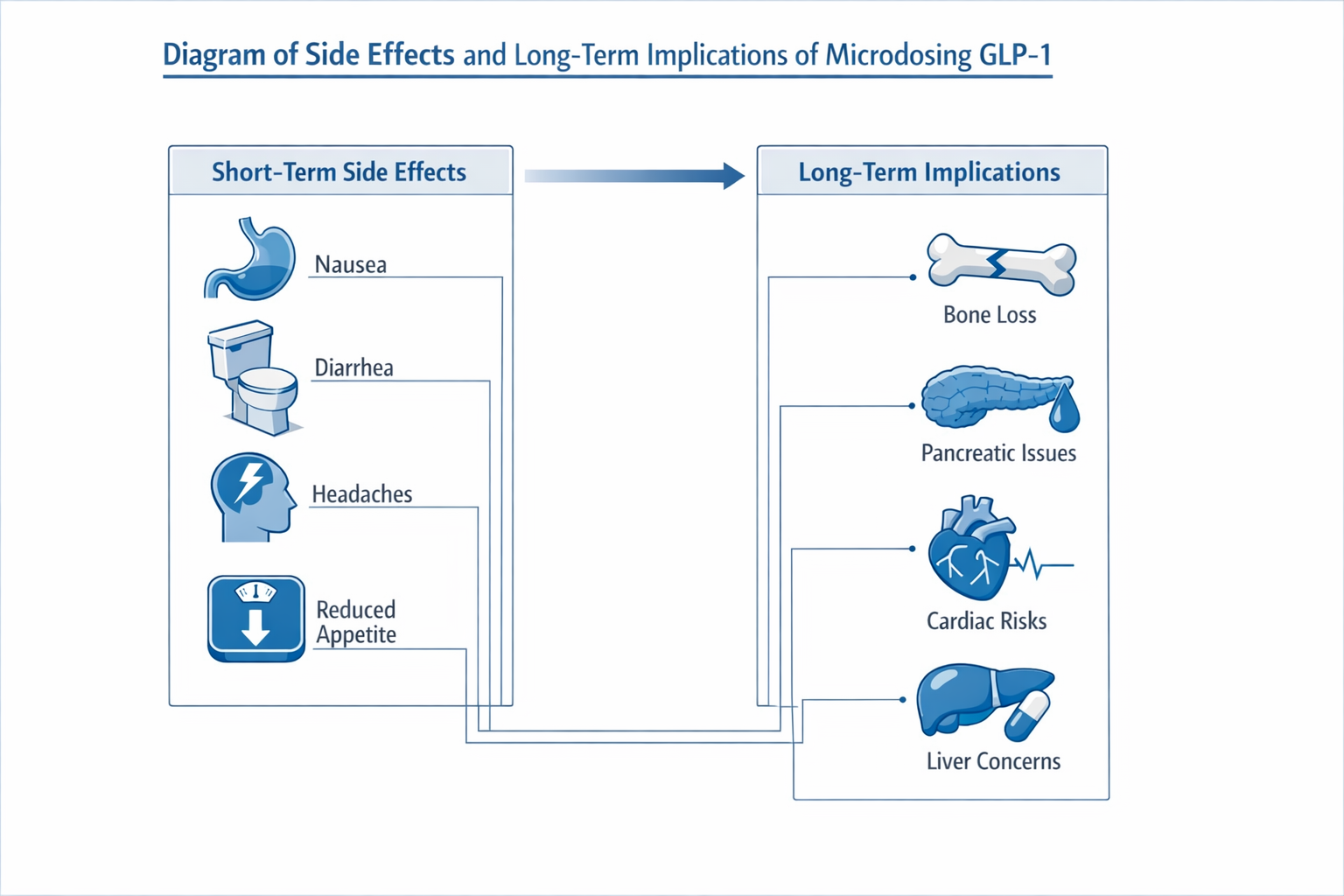
Taking a GLP-1 medication at any dose — including a microdose — carries the same core risks as the approved regimen. The difference is that we have less data on what happens at very low, off-label doses over time.
Gastrointestinal Side Effects Are Dose-Dependent
Nausea is the most frequently reported side effect of GLP-1 receptor agonists, and research shows it is dose-dependent — meaning higher doses typically cause more nausea. The effect often improves with continued treatment as the body adjusts. Other gastrointestinal effects include vomiting, diarrhea, and in some cases gastroparesis (delayed stomach emptying).
A network meta-analysis found that the risk of adverse effects rose quickly at lower doses before plateauing at higher doses, suggesting a potential threshold for tolerability. However, this does not mean microdosing eliminates side effects — it may reduce their severity, but nausea, vomiting, and gastrointestinal discomfort can still occur even at very low doses.
Long-Term Implications Remain Unclear
The FDA has approved GLP-1 receptor agonists at specific doses for type 2 diabetes and obesity, and more recently for metabolic dysfunction-associated steatohepatitis (MASH) with fibrosis. These approvals are based on clinical trials that tested defined dose ranges over months to years. Microdosing — taking doses lower than the starting dose in the prescribing information — falls outside this evidence base.
We do not know:
- Whether microdosing provides meaningful glycemic control or weight loss over time
- How microdosing affects the gut microbiome, liver function, or cardiovascular outcomes compared to standard dosing
- Whether the body develops tolerance or reduced response at very low doses
- What the optimal microdose would be, or whether it varies by individual
One research gap is particularly relevant: the exact concentration of GLP-1 receptor agonists in the brain and other tissues at various human dosing regimens remains poorly understood. This makes it difficult to predict the systemic effects of microdosing beyond what we observe in blood glucose and weight.
What to Discuss With Your Care Team
If you are considering microdosing a GLP-1 medication — or if you are already doing so — bring it up with your prescriber. Key questions to ask:
- Is this dose appropriate for my current A1C, weight, and treatment goals?
- How will we monitor whether the dose is working?
- What side effects should I watch for, and when should I contact you?
- If I experience nausea or other gastrointestinal symptoms, should I adjust the dose or stop the medication?
- Are there other medications or lifestyle changes that might work better for my situation?
Your care team can help you weigh the potential benefits and risks based on your full medical history, current medications, and treatment priorities. They can also monitor for side effects and adjust your plan if needed.
For context on how GLP-1 medications compare to other diabetes treatments, see our guide on Brenzavvy vs Jardiance: Key Comparisons for Diabetes.
Conclusion and Further Reading
Microdosing GLP-1 medications — taking lower-than-approved doses of drugs like semaglutide or tirzepatide — is a practice that has emerged largely outside formal clinical guidance. While some individuals report tolerating lower doses better or using them as a bridge to standard dosing, this approach lacks the structured evidence base that supports the FDA-approved regimens. The approved doses were studied in large trials that established both efficacy and safety; microdosing falls outside that framework, meaning its long-term effects and optimal use remain uncertain.
The research reviewed here shows that GLP-1-based therapies have well-documented mechanisms — reducing hepatic lipogenesis, modulating gut microbiome composition, and improving metabolic markers when used at therapeutic doses. However, these findings come from studies using manufacturer-recommended protocols, not from microdosing regimens. Without clinical trials specifically evaluating lower doses, it is difficult to predict whether microdosing delivers meaningful benefit or simply delays appropriate treatment.
Talk to Your Care Team First
If you are considering microdosing GLP-1 — whether to manage side effects, reduce costs, or ease into treatment — the most important step is a conversation with your prescribing clinician. They can help you weigh the trade-offs, monitor your response, and adjust your plan based on your glucose control, A1C trends, and tolerance. Microdosing is not a standard recommendation, and it may not be appropriate for everyone, particularly if you need robust glycemic control or weight management.
Your care team can also help you explore alternatives if standard dosing is not tolerable — slower titration schedules, different GLP-1 formulations, or combination therapies that address the same metabolic goals. For more context on how A1C numbers translate to daily glucose levels and what targets matter, see our A1C Conversion: What Your Number Means and How to Lower It guide.
Where to Learn More
The evidence base for GLP-1 therapies continues to expand, with new indications and formulations emerging. Staying informed means consulting peer-reviewed research and manufacturer guidance rather than anecdotal reports or unverified dosing strategies. The sources below provide additional context on the mechanisms and clinical applications of GLP-1-based drugs, though they do not specifically endorse or evaluate microdosing.
Microdosing GLP-1 may seem like a practical workaround, but it is not a substitute for individualized medical guidance. The medications in this class are powerful tools when used as studied; deviating from approved protocols without clinical oversight introduces uncertainty that may outweigh any perceived benefit. If you are struggling with side effects or cost, bring those concerns to your next appointment — there are often solutions within the standard framework that do not require guesswork.

Maren Alcott is the lead presenter at DiabetesCompass. She is an AI-presented digital character. Every article Maren presents is researched and fact-checked by the DiabetesCompass editorial team against the ADA Standards of Care, peer-reviewed journals, and named clinical sources. Maren does not give medical advice — for questions about your specific situation, talk to your care team.