
Splenda vs Stevia: Effects on Glucose Compared
Splenda vs Stevia comparison: how each sweetener affects blood glucose levels, insulin response, and glycemic control for people with diabetes.

On this page
Introduction to Sweeteners
Splenda vs Stevia represent two distinct approaches to sweetness without the calories of sugar. Table sugar consumption continues to rise despite public health warnings about its metabolic consequences. For people managing diabetes, prediabetes, or simply trying to reduce sugar intake, non-nutritive sweeteners have become a common strategy. But not all sugar substitutes behave the same way in the body—particularly when it comes to blood glucose response.
Splenda is a synthetic sweetener created through chemical modification of sucrose, while Stevia derives from compounds extracted from the leaves of the Stevia rebaudiana plant. Both promise sweetness without the glucose spike, but their effects on metabolism, insulin response, and long-term glycemic control differ in meaningful ways.
The question of which sweetener is "better" for glucose management doesn't have a universal answer—it depends on individual physiology, overall diet patterns, and how each sweetener fits into your broader diabetes management plan. For a comprehensive look at how various sugar substitutes affect blood glucose, see our Sugar Substitute Guide: Which Sweeteners Spike Blood Sugar?.
This comparison breaks down the composition, mechanisms, and glucose effects of Splenda vs Stevia based on current research, helping you understand what each sweetener does in the body and how to evaluate them for your own needs. We'll examine the chemistry behind each option, review the evidence on glucose and insulin response, and provide context for making practical decisions at the grocery store and in your kitchen.
What is Splenda?
Splenda is the brand name for sucralose, a non-nutritive artificial sweetener derived from sucrose through a chemical modification process. The manufacturing process replaces three hydrogen-oxygen groups on the sugar molecule with chlorine atoms, creating a compound that is approximately 600 times sweeter than table sugar but passes through the body largely unmetabolized.
Because sucralose is not broken down for energy, it contributes zero calories and does not directly raise blood glucose levels in most people. This characteristic makes Splenda a common choice for individuals managing diabetes or monitoring carbohydrate intake. However, the carrier ingredients in some Splenda products—such as dextrose or maltodextrin used for bulk—can contain small amounts of digestible carbohydrate that may affect blood sugar in sensitive individuals or when used in large quantities.
Regulatory Status and Safety Profile
Splenda received approval from the U.S. Food and Drug Administration (FDA) through the food additive petition process, which requires extensive toxicological testing and evaluation. Extensive scientific research has demonstrated the safety of six low-calorie sweeteners currently approved for use in foods in the U.S. and Europe, including sucralose. The regulatory approval process for sweeteners like Splenda differs from that of plant-derived options, with Splenda approved through the food additive process rather than the Generally Recognized as Safe (GRAS) system used for some natural sweeteners.
The FDA has established an Acceptable Daily Intake (ADI) for sucralose of 5 milligrams per kilogram of body weight per day. For a 150-pound adult, this translates to approximately 340 milligrams daily—far more than most people consume through typical use. Multiple regulatory agencies worldwide, including the European Food Safety Authority (EFSA), have independently reviewed sucralose and affirmed its safety for general consumption.
How Splenda Affects Blood Glucose
In controlled studies, sucralose itself does not trigger an insulin response or raise blood glucose levels when consumed in isolation. Research examining dose-response behaviors shows that all sweeteners, including sucralose, exhibit consistent patterns in sweetness perception across varying concentrations, but sucralose's molecular structure prevents it from being recognized as a carbohydrate by the body's metabolic pathways.
That said, individual responses can vary. Some people report experiencing blood-sugar fluctuations after consuming products containing Splenda, though these effects are more commonly attributed to other ingredients in the food or beverage rather than the sucralose itself. For anyone monitoring glucose closely—especially those using a continuous glucose monitor—it's worth noting how your own body responds to specific products containing Splenda. If you're tracking your glucose response with technology, our guide on smartwatch blood glucose monitoring explains what devices can and cannot measure.
For a broader look at how different sweeteners compare in their effects on blood sugar, see our Sugar Substitute Guide: Which Sweeteners Spike Blood Sugar?.
What is Stevia?
Stevia is a plant-based sweetener derived from the leaves of Stevia rebaudiana Bertoni, a perennial shrub native to South America. The sweet compounds in stevia — called steviol glycosides — are extracted, purified, and sold as tabletop sweeteners, baking blends, and ingredients in processed foods and beverages. Steviol glycosides are 100 to 300 times sweeter than table sugar, which means a very small amount delivers the same sweetness with no calories and no direct carbohydrate load.
How Stevia Affects Blood Glucose
Because steviol glycosides are not metabolized into glucose, stevia does not raise blood sugar in the way table sugar or other caloric sweeteners do. The body breaks down steviol glycosides in the colon, and the resulting metabolites are excreted without contributing to blood glucose or insulin demand. This makes stevia a practical option for people managing diabetes who want sweetness without the glycemic impact.
Some research suggests stevia may reduce oxidative stress, a factor that contributes to insulin resistance and long-term diabetes complications. However, these findings come from early-stage studies, and stevia should not be considered a treatment or a glucose-lowering intervention — it is a zero-calorie sweetener, not a medication.
Forms and Common Products
Stevia is sold in several forms:
- Purified steviol glycoside extracts (powder or liquid drops) — these are the versions approved by the FDA as Generally Recognized as Safe (GRAS)
- Stevia blends — often mixed with erythritol or other sugar alcohols to improve bulk and texture in baking
- Whole-leaf or crude stevia extracts — not approved by the FDA and not recommended, as they have not undergone the same safety review
When choosing a stevia product, check the ingredient list. Some blends include added sugars or maltodextrin, which can affect blood glucose. Pure stevia extracts contain no carbohydrate and have a glycemic index of zero.
Who Should Consider Stevia
Stevia works well for people who want a plant-derived sweetener with no calories and no effect on blood sugar. It is stable at high temperatures, making it suitable for baking and cooking, though the sweetness profile differs from sugar and may require recipe adjustments. For a broader comparison of how different sweeteners affect glucose, see our Sugar Substitute Guide: Which Sweeteners Spike Blood Sugar?. For additional context on natural sweetener alternatives, our Stevia vs Aspartame safety comparison examines how stevia compares to other common options.
As with any sweetener, individual response can vary. Some people report gastrointestinal discomfort when consuming stevia blends that contain sugar alcohols. If you notice any unusual symptoms after using stevia, discuss them with your care team.
Comparative Analysis of Glucose Effects
The question of how Splenda vs Stevia affects blood glucose is best answered by looking at controlled research comparing non-nutritive sweeteners head-to-head. Several randomized trials have measured glucose response, insulin levels, and related metabolic markers after consuming beverages sweetened with artificial or natural non-nutritive sweeteners versus sugar.
One crossover study in healthy adults examined 24-hour glucose profiles after consuming drinks sweetened with aspartame (an artificial sweetener similar in profile to sucralose), monk fruit, stevia, or sucrose. The researchers found that 24-hour glucose profiles did not differ between beverages sweetened with non-nutritive sweeteners—whether artificial or natural—and nutritive sweeteners. This suggests that in healthy individuals, neither stevia nor artificial sweeteners produce a measurable glucose spike over the course of a day.
Insulin and Incretin Responses
A separate randomized, double-blind trial in 39 healthy, normal-weight adults compared sucrose, saccharin, and steviol glycosides (the active compounds in stevia). Fasting levels of peptide YY (PYY) and glucagon-like peptide-2 (GLP-2)—hormones involved in appetite and gut function—increased following all treatments, with no differences between sweeteners. Triglycerides were higher after sucrose than after saccharin, but cholesterol, apolipoproteins, and C-reactive protein showed no differences. Appetite ratings remained unchanged, though there was a trend toward reduced desire to eat after stevia in the late postprandial phase.
These findings suggest that stevia and artificial sweeteners produce similar metabolic responses in the short term, at least in people without diabetes. Neither appears to trigger the insulin or glucose surges associated with table sugar.
Cellular Glucose Uptake
Laboratory studies offer additional context. Stevia extracts were able to enhance glucose uptake in HL-60 human leukemia and SH-SY5Y human neuroblastoma cells as efficiently as insulin. While these are cell-culture findings and not human trials, they point to a potential mechanism by which stevia might support glucose regulation at the cellular level. No comparable data exists for sucralose in this context.
What the Research Means for Daily Use
Taken together, the available evidence indicates that both Splenda (sucralose) and stevia have minimal impact on blood glucose when used in typical amounts. Neither sweetener appears to cause the sharp glucose rise that follows sugar consumption, and neither produces a meaningful insulin response in most people. For individuals managing diabetes, this makes both options viable alternatives to sugar—though personal tolerance can vary, and some people report mild glucose changes with artificial sweeteners.
For a broader look at how different sweeteners compare, see our Sugar Substitute Guide: Which Sweeteners Spike Blood Sugar?.
Splenda vs Stevia: Which is Better for Blood Sugar?
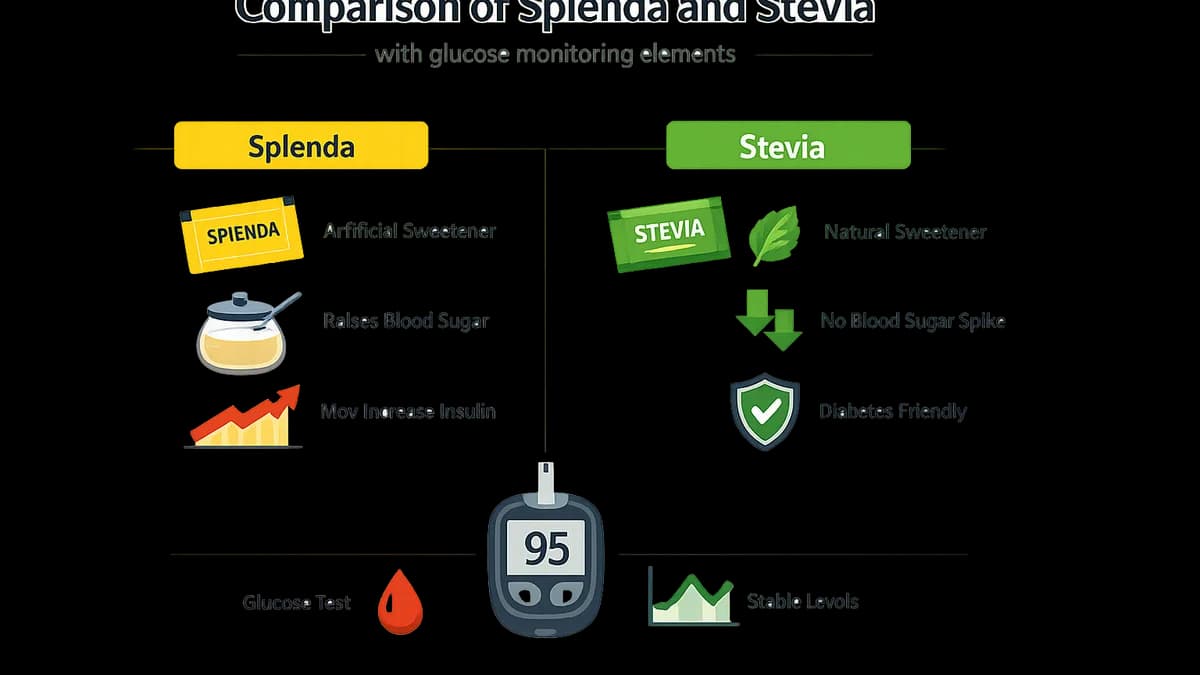
When comparing Splenda vs Stevia for blood glucose management, both sweeteners perform similarly in controlled research—neither causes significant glucose spikes when consumed in typical amounts. The choice between them often comes down to individual tolerance, taste preference, and dietary philosophy.
Stevia may be preferable if you prioritize plant-derived ingredients and emerging evidence suggests it may offer mild benefits for appetite control and oxidative stress reduction. Splenda remains a widely available, well-studied option with decades of safety data, though some individuals prefer to avoid synthetic sweeteners.
Neither sweetener replaces the broader strategies that support glycemic control: whole foods, regular physical activity, consistent monitoring, and individualized medical guidance. If you're working to improve your A1C through diet and lifestyle changes, our guide on how to lower A1C naturally provides evidence-based strategies that complement smart sweetener choices.
Conclusion
Both Splenda and Stevia offer calorie-free alternatives to sugar, but the evidence on their effects on glucose levels and metabolic health remains mixed. Current research suggests that stevia does not significantly raise postprandial glucose levels and may help lower appetite sensation, making it a potentially useful tool in diabetes prevention and management. Splenda, as a sucralose-based sweetener, has been studied extensively, but concerns persist about whether artificial sweeteners as a class deliver the metabolic benefits originally expected.
The reality is that substituting sugar with currently available artificial sweeteners does not appear to produce uniformly favorable clinical outcomes. This has led to renewed interest in identifying sweeteners that are both safe and palatable for long-term use. For people managing diabetes or prediabetes, the choice between Splenda and Stevia often comes down to individual tolerance, taste preference, and how each sweetener fits into a broader dietary pattern.
Practical Recommendations
When choosing between these two sweeteners, consider your overall glucose-management strategy. Stevia may be preferable if you're looking for a plant-derived option with emerging evidence for appetite control and minimal glucose impact. Splenda remains a widely available and well-studied choice, though it's worth monitoring your own glucose response if you use it regularly.
Neither sweetener is a standalone solution for glycemic control. They work best as part of a comprehensive approach that includes whole foods, regular physical activity, and consistent monitoring. If you're uncertain which sweetener fits your needs, discuss your options with your care team—they can help you interpret your glucose data and adjust your plan accordingly.
For more guidance on navigating sweetener options and their effects on blood sugar, see our Sugar Substitute Guide: Which Sweeteners Spike Blood Sugar?.
Future Research Directions
The field of non-nutritive sweeteners is evolving. Researchers continue to investigate how these compounds interact with gut microbiota, insulin signaling, and long-term metabolic outcomes. Stevia, in particular, remains one of the least studied sweeteners despite its growing popularity, and more controlled trials are needed to clarify its role in obesity and diabetes management.
As new evidence emerges, the recommendations around sweetener use will likely become more individualized. For now, the best approach is to stay informed, track your own responses, and make adjustments based on real-world data from your glucose monitor and your care team's guidance.
Frequently asked questions
Does Splenda raise blood sugar levels?
Splenda (sucralose) does not directly raise blood glucose in most people when consumed in typical amounts. Sucralose is not metabolized for energy and contributes zero calories. However, some Splenda products contain bulking agents like dextrose or maltodextrin that add small amounts of carbohydrate, which may affect blood sugar in sensitive individuals or when used in large quantities.
Does Stevia spike insulin?
Stevia does not spike insulin in most people. Controlled studies show that steviol glycosides do not trigger a meaningful insulin response when consumed in isolation. Some research suggests stevia may even support glucose regulation at the cellular level, though these findings are preliminary and stevia should not be considered a glucose-lowering treatment.
Which is safer: Splenda or Stevia?
Both Splenda and Stevia have been reviewed and approved by regulatory agencies including the FDA. Splenda (sucralose) has decades of safety data from extensive toxicological testing. Stevia (purified steviol glycosides) is Generally Recognized as Safe (GRAS) and derived from a plant source. Individual tolerance varies, and some people prefer plant-derived options while others prioritize the longer safety track record of synthetic sweeteners.
Can I use Splenda or Stevia if I have diabetes?
Yes, both Splenda and Stevia are suitable for people with diabetes when used as part of a balanced diet. Neither sweetener causes significant glucose spikes in controlled research, making them practical alternatives to sugar. However, individual responses can vary, so monitor your own blood glucose response and discuss sweetener choices with your care team.
How does Splenda vs Stevia compare in taste?
Splenda has a taste profile closer to table sugar with minimal aftertaste, making it a popular choice for baking and beverages. Stevia can have a bitter or licorice-like aftertaste at higher concentrations, and individual taste tolerance varies. Many stevia products are blended with other sweeteners or sugar alcohols to improve taste and texture.

Maren Alcott is the lead presenter at DiabetesCompass. She is an AI-presented digital character. Every article Maren presents is researched and fact-checked by the DiabetesCompass editorial team against the ADA Standards of Care, peer-reviewed journals, and named clinical sources. Maren does not give medical advice — for questions about your specific situation, talk to your care team.