
Natural Alternatives to Metformin: What the Evidence Says
Review natural alternatives to Metformin for diabetes management, examining the clinical evidence and effectiveness of supplements and lifestyle approaches.


On this page
Introduction
Metformin has been the go-to medication for type 2 diabetes since the 1950s, and for good reason: it lowers blood glucose, improves insulin sensitivity, and carries decades of safety data. Yet some people experience gastrointestinal side effects, others worry about long-term use, and many wonder whether diet, supplements, or lifestyle changes might achieve similar results. The question of natural alternatives to metformin comes up often in newly-diagnosed conversations and caregiver forums—usually framed as a search for gentler options or a way to reduce medication dependence.
The reality is more nuanced. Metformin was itself derived from a plant compound—guanidine, found in Galega officinalis (French lilac)—and its mechanism of action involves multiple pathways, including reducing liver glucose production and improving how cells respond to insulin. Natural alternatives often target one or two of these pathways, but none has matched metformin's combination of efficacy, safety profile, and clinical validation. That doesn't mean natural approaches lack value; it means they occupy a different space in diabetes management, often as complements rather than replacements.
This article reviews the clinical evidence for natural alternatives to metformin, examining what the research shows about effectiveness, safety, and realistic expectations. The goal is not to promote or dismiss any approach, but to provide the context needed for informed conversations with your care team. For a broader look at lifestyle strategies, see How to Lower A1C Naturally: Diet, Exercise & Lifestyle Tips.
Before exploring specific alternatives, it's important to understand what metformin does and why it became the standard of care. The next section breaks down metformin's mechanisms and uses, setting the stage for evaluating how natural options compare.
Understanding Metformin
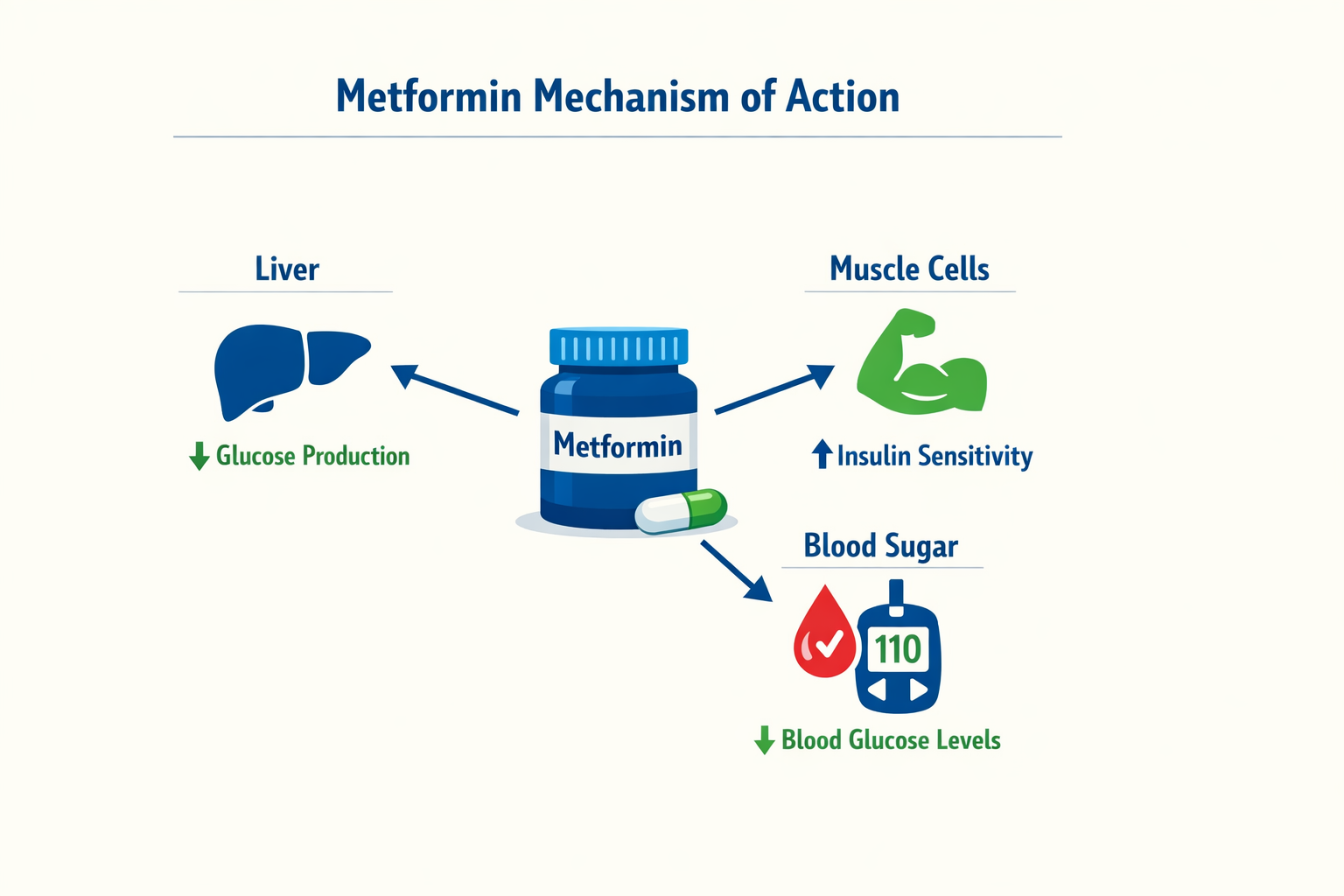
Metformin is a plant-based medication in the biguanide class, primarily prescribed to manage type 2 diabetes mellitus. It was first introduced in France in 1957 by physician Jean Sterne, though its chemical structure was first described in 1922. The drug's origins trace back to Galega officinalis (goat's rue), a traditional European medicinal plant that contains guanidine compounds, from which metformin was eventually developed.
How Metformin Works
Metformin lowers blood glucose through several mechanisms. It reduces the amount of glucose your liver produces (hepatic gluconeogenesis) and restricts how much glucose your intestines absorb from food. The medication also improves your body's sensitivity to insulin, helping cells take up glucose more effectively. The glycemic efficacy is notable — reductions in HbA1c often reach 1%–1.5% when metformin is used as prescribed.
Unlike insulin or some other diabetes medications, metformin does not cause the pancreas to release more insulin. This mechanism means it carries a lower risk of causing hypoglycemia (dangerously low blood sugar) when used alone.
Common Uses Beyond Blood Sugar Control
While metformin is best known as a first-line medication for type 2 diabetes, clinicians also prescribe it for polycystic ovarian syndrome (PCOS) and to support weight management in certain contexts. Research has explored its potential role in managing non-alcoholic fatty liver disease (NAFLD), liver cirrhosis, and even as an adjunct therapy in various carcinomas, though these remain investigational uses rather than standard indications.
For newly diagnosed individuals, metformin is often the starting point because of its established safety profile, low cost, and cardiovascular benefits observed in clinical trials. If you're comparing how to lower A1C naturally with medication options, understanding metformin's role helps frame what alternatives need to accomplish.
Side Effects and Precautions
Metformin is generally well-tolerated, but gastrointestinal symptoms — nausea, diarrhea, and stomach discomfort — occur in approximately 20–30% of people, especially when starting the medication or increasing the dose. These effects often diminish over time or with dose adjustments.
A rare but serious risk is lactic acidosis, a condition marked by severe drowsiness, muscle pain, difficulty breathing, irregular heartbeat, and stomach pain with diarrhea. People with renal or hepatic disorders face higher risk of lactic acidosis, particularly with metformin overdose or when kidney function declines. Your care team will monitor kidney function (typically via eGFR) before prescribing metformin and periodically during treatment.
Other documented effects include vitamin B12 deficiency with long-term use and a metallic taste. If you experience persistent side effects or any symptoms of lactic acidosis, contact your healthcare provider immediately.
Natural Alternatives Overview
When considering alternatives to metformin, it's important to understand that "natural" does not automatically mean equally effective or risk-free. Metformin remains the first-line medication for type 2 diabetes precisely because decades of clinical evidence support its efficacy and safety profile. That said, some individuals explore alternatives due to side effects, contraindications, or personal preference — and the research landscape includes both lifestyle interventions and supplemental approaches that show promise in specific contexts.
This section outlines what the term "natural alternatives" typically encompasses, the categories these approaches fall into, and what you should know before considering them alongside or instead of prescribed medication.
What Qualifies as a Natural Alternative to Metformin
The phrase "natural alternatives to metformin" generally refers to non-pharmaceutical interventions that may help manage blood glucose levels. These fall into three broad categories:
- Lifestyle modifications: Structured changes to diet, physical activity, sleep, and stress management that directly influence insulin sensitivity and glucose metabolism.
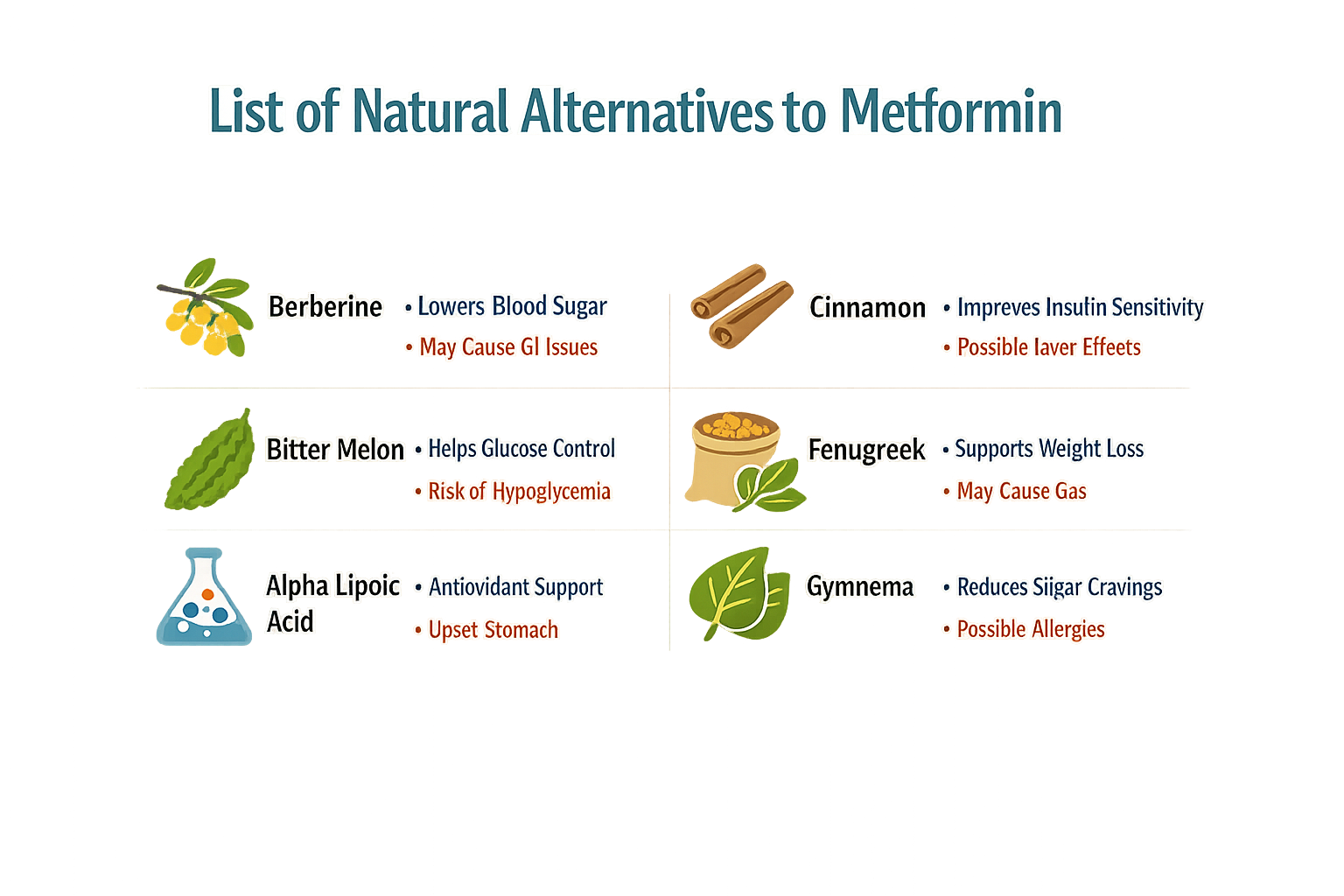
- Dietary supplements and botanicals: Compounds derived from plants, herbs, or food sources — such as berberine, cinnamon extract, alpha-lipoic acid, or chromium — that are marketed for glucose control.
- Functional foods: Whole foods or specific nutrients (fiber, vinegar, certain spices) incorporated into daily eating patterns with the goal of moderating post-meal glucose spikes.
None of these categories replaces metformin's mechanism of action (reducing hepatic glucose production and improving insulin sensitivity at the cellular level), but some may complement glucose management when used appropriately and under medical supervision.
Lifestyle Interventions: The Foundation
Before turning to supplements, the most robust "natural" approach involves structured lifestyle change. Research consistently demonstrates that sustained weight loss (5–10% of body weight), regular physical activity (150 minutes per week of moderate-intensity exercise), and improved dietary patterns can significantly reduce A1C and delay or prevent progression from prediabetes to type 2 diabetes.
For individuals newly diagnosed or in the prediabetes range, these interventions are sometimes effective enough to defer medication initiation. However, they require consistent effort, behavioral support, and regular monitoring — and they work best when implemented early. For those already taking metformin, lifestyle changes remain essential and are not substitutes for medication.
If you're exploring ways to support glucose management through diet and activity, How to Lower A1C Naturally: Diet, Exercise & Lifestyle Tips provides a detailed breakdown of evidence-based strategies.
Supplements and Botanicals: What's Available
Several dietary supplements are marketed for blood sugar support. The most commonly cited include:
- Berberine: A compound extracted from several plants, studied for its potential to lower fasting glucose and A1C in small trials. Mechanisms may overlap with metformin (AMPK activation), but head-to-head comparisons are limited.
- Cinnamon: Some studies suggest modest glucose-lowering effects, though results are inconsistent and dose-dependent.
- Alpha-lipoic acid (ALA): An antioxidant investigated primarily for diabetic neuropathy; some evidence of improved insulin sensitivity.
- Chromium picolinate: A trace mineral supplement with mixed evidence; may benefit individuals with documented chromium deficiency, but routine supplementation is not broadly supported.
- Bitter melon, fenugreek, and gymnema: Traditional botanicals with preliminary glucose-lowering data, though clinical trial quality varies widely.
These supplements are not FDA-approved for diabetes treatment, are not standardized across brands, and can interact with prescribed medications. Importantly, the evidence base for most is far thinner than for metformin, and none has been shown to match metformin's long-term cardiovascular and metabolic benefits.
Potential Benefits and Realistic Expectations
The primary appeal of natural alternatives is often fewer gastrointestinal side effects (metformin commonly causes nausea, diarrhea, and stomach upset, especially in the first weeks) and a preference for non-pharmaceutical approaches. For individuals with metformin intolerance or contraindications (such as reduced kidney function), exploring alternatives becomes medically necessary.
However, realistic expectations are critical. No supplement or lifestyle change alone has been shown to produce the consistent, durable A1C reductions that metformin achieves in clinical trials. The strongest evidence supports lifestyle interventions as foundational — and when medication is needed, metformin remains the standard comparator.
Drawbacks and Limitations
Several practical and clinical limitations apply:
- Inconsistent evidence: Most supplements lack large, long-term randomized controlled trials. Effect sizes are often modest and not reproducible across studies.
- Lack of standardization: Herbal and botanical products vary widely in concentration, purity, and bioavailability. What works in one trial may not translate to over-the-counter formulations.
- Delayed or inadequate glucose control: Relying solely on unproven alternatives can allow blood glucose to remain elevated, increasing the risk of complications over time.
- Cost and accessibility: Quality supplements can be expensive and are rarely covered by insurance, unlike generic metformin.
- Interaction risk: Some botanicals affect liver enzymes or interact with anticoagulants, blood pressure medications, or other diabetes drugs.
If you are considering stopping, reducing, or replacing metformin with a natural alternative, that decision must be made collaboratively with your endocrinologist or primary care provider, with a clear plan for monitoring glucose trends and adjusting treatment if needed.
When Natural Alternatives Make Sense
Natural alternatives are most appropriate in a few specific scenarios:
- As an adjunct to prescribed medication and lifestyle change, not a replacement.
- For individuals with prediabetes who are working to delay progression and prefer to start with intensive lifestyle intervention before medication.
- When metformin is contraindicated or not tolerated, and the care team is exploring interim or complementary strategies while considering other pharmaceutical options.
In all cases, the goal is the same: sustained, safe glucose control that reduces long-term complication risk. The method matters less than the outcome — and that outcome must be verified through regular A1C and glucose monitoring, not assumption.
Evidence Supporting Alternatives
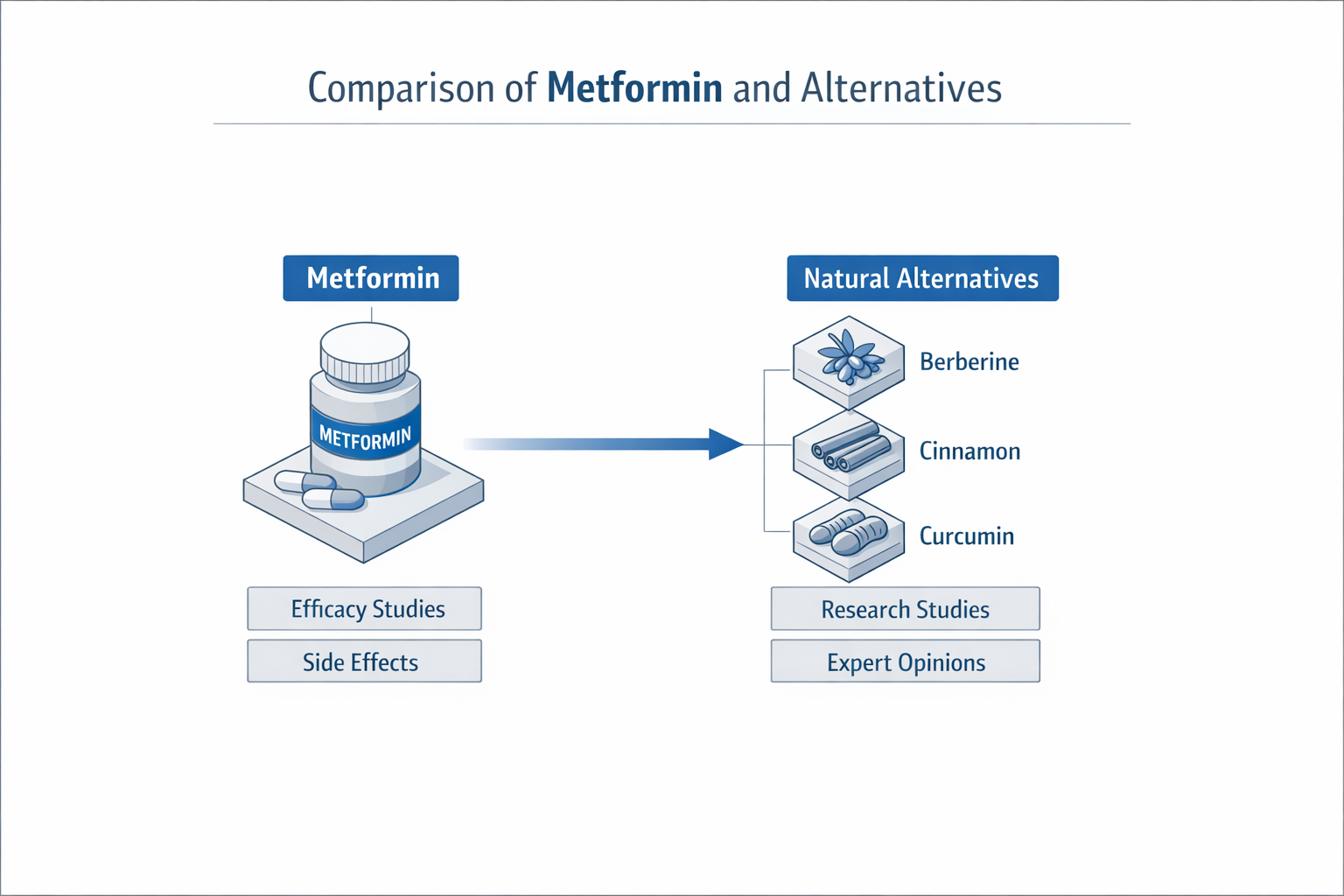
When evaluating natural alternatives to Metformin, the clinical evidence base remains limited compared to the decades of research supporting metformin itself. Metformin was developed from guanidine, a compound originally derived from the plant Galega officinalis (French lilac), and has been prescribed since 1957. Its effectiveness in managing type 2 diabetes is well-documented through extensive clinical trials and real-world use.
Research Landscape for Natural Alternatives
Most natural alternatives lack the rigorous, large-scale randomized controlled trials that established metformin as a first-line medication. While some supplements and lifestyle interventions show promise in smaller studies, the evidence typically demonstrates modest effects on blood glucose control rather than the consistent A1C reductions seen with metformin. Research on lifestyle modification—particularly diet and exercise—does show measurable benefits for glucose management and overall metabolic health, though these approaches require sustained commitment and work differently than pharmaceutical intervention.
Effectiveness Comparisons
Direct head-to-head comparisons between metformin and natural alternatives are uncommon in peer-reviewed literature. The available evidence suggests that while certain dietary patterns, exercise regimens, and specific supplements may improve insulin sensitivity and reduce fasting glucose, they generally do not match metformin's documented ability to lower A1C by 1-2 percentage points in clinical trials. For individuals seeking alternatives to pharmaceutical management, lifestyle modification remains the most evidence-supported approach, though it works best when implemented early and consistently.
One consideration in the evidence review: metformin's long-term safety profile is well-characterized. The most common adverse effects include gastrointestinal disturbance (nausea, diarrhea), and rare but serious risks like lactic acidosis, particularly in individuals with renal or hepatic impairment. Natural alternatives have their own safety considerations—herb-drug interactions, unregulated supplement quality, and the potential for harm when used in place of necessary medical treatment. Any decision to pursue alternatives should involve a clear-eyed assessment of both the evidence for benefit and the evidence for risk.
What the Research Does and Doesn't Tell Us
The existing evidence supports lifestyle intervention—structured dietary changes, regular physical activity, and weight management—as effective adjuncts or, in some cases of prediabetes, alternatives to medication. For supplements and herbal preparations marketed as natural alternatives, the research is less conclusive. Small studies may show statistical improvements in glucose markers, but these findings often don't translate to the real-world effectiveness needed for long-term diabetes management. Publication bias also plays a role; negative or inconclusive studies on natural products are less likely to be published, skewing the available evidence toward more favorable impressions.
Anyone considering a shift away from metformin or another prescribed medication should discuss the decision with their care team. The evidence for natural alternatives is not robust enough to support replacing proven pharmacotherapy without medical guidance, particularly for individuals with established type 2 diabetes rather than prediabetes.
Conclusion
The evidence for natural alternatives to metformin remains limited and context-dependent. While lifestyle interventions—structured diet, regular physical activity, and sustained weight management—have shown meaningful reductions in diabetes risk (58% in prediabetes populations according to large-scale trials), no supplement or botanical compound has matched metformin's documented efficacy or safety profile for type 2 diabetes management.
Metformin continues to be the first-line medication for type 2 diabetes because its mechanism, dosing, and long-term outcomes are well-characterized through decades of clinical use. Natural alternatives may support metabolic health in certain contexts, but they do not replace the glucose-lowering reliability of a prescribed medication. For readers exploring options beyond metformin—whether due to side effects, cost, or personal preference—the starting point is always a conversation with your care team. Your provider can assess your current control, review contraindications, and help you weigh the trade-offs between medication adjustments, lifestyle interventions, and emerging therapies.
For additional guidance on lowering A1C through diet and exercise, see our article on how to lower A1C naturally.
Diabetes management is not a one-size-fits-all protocol. The best approach balances clinical evidence, individual tolerance, and realistic adherence—built on shared decision-making with the professionals who know your full medical picture.
Related reading

Maren Alcott is the lead presenter at DiabetesCompass. She is an AI-presented digital character. Every article Maren presents is researched and fact-checked by the DiabetesCompass editorial team against the ADA Standards of Care, peer-reviewed journals, and named clinical sources. Maren does not give medical advice — for questions about your specific situation, talk to your care team.