
Mounjaro and Constipation: Causes, Relief & Prevention
Learn how Mounjaro and constipation are connected, plus evidence-based strategies for relief including fiber, hydration, and when to contact your doctor.


On this page
Introduction
Mounjaro (tirzepatide) has become an important medication option for managing type 2 diabetes and supporting weight loss, but like other GLP-1 receptor agonists, it can slow gastrointestinal transit and lead to constipation in some people. Research examining GLP-1 receptor agonists as a class has documented constipation as one of several gastrointestinal adverse events that may occur during treatment.
For many people starting Mounjaro, constipation emerges as an unexpected challenge that affects daily comfort and quality of life. While this side effect is common enough to warrant attention, it's also manageable with the right approach. Understanding the connection between Mounjaro and constipation gives you a foundation for working with your care team to address symptoms before they become disruptive.
This article translates the available evidence on GLP-1 receptor agonists and gastrointestinal effects into practical guidance you can use. We'll walk through why constipation happens with Mounjaro, what dietary and lifestyle adjustments show promise for relief, and when to bring your symptoms to your doctor's attention. The goal is to help you stay comfortable and confident while benefiting from your prescribed treatment.
Addressing constipation early matters for more than just comfort. Persistent digestive symptoms can interfere with medication adherence, affect nutrient absorption, and contribute to other complications if left unmanaged. By taking a proactive, evidence-informed approach, you're supporting both your treatment goals and your overall well-being.
Understanding Constipation and Mounjaro
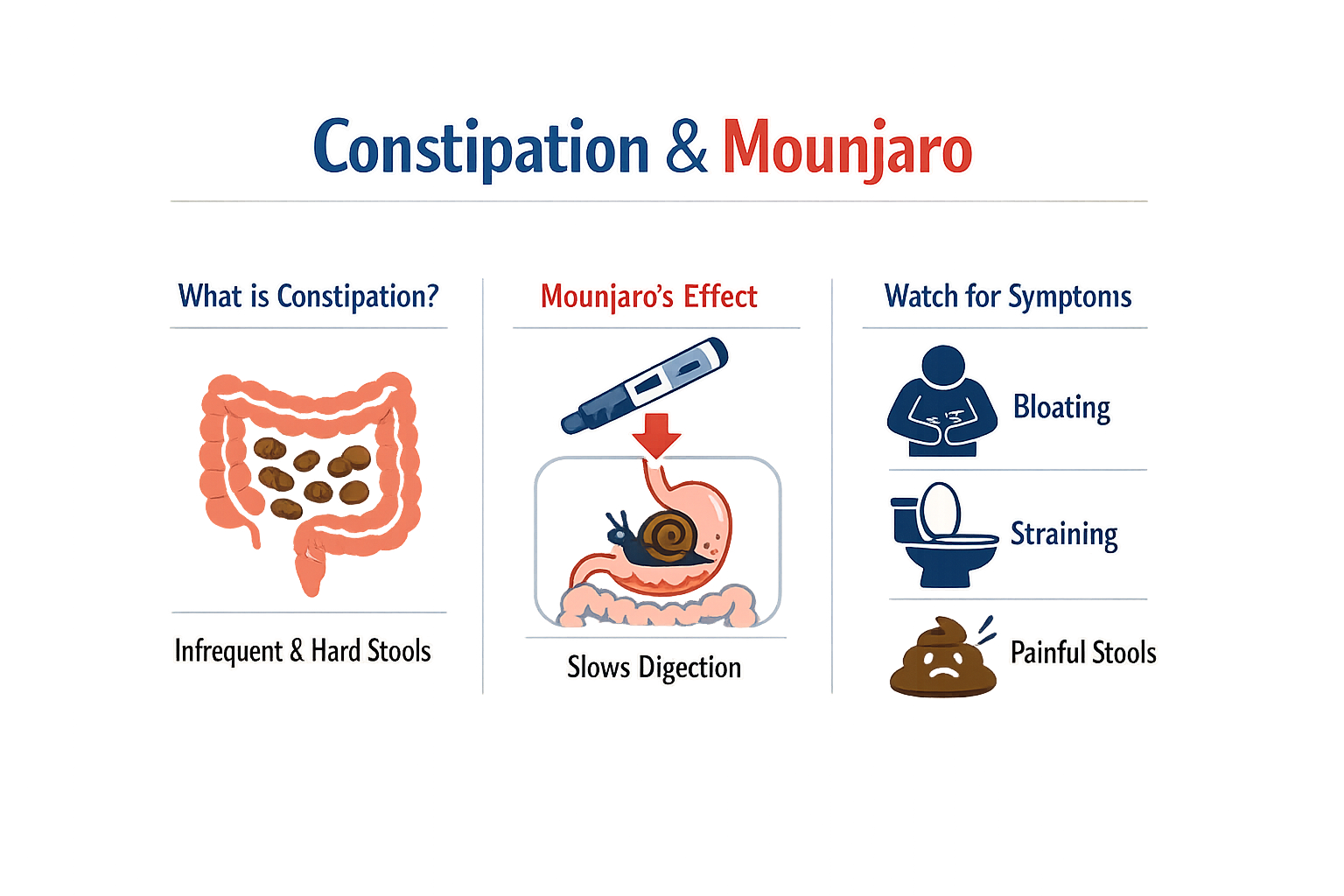
Constipation is typically defined as having fewer than three bowel movements per week, often accompanied by hard, dry stools that are difficult to pass. For people taking Mounjaro (tirzepatide), understanding how this medication may influence digestive function helps set realistic expectations and guides conversations with your care team.
How Mounjaro Affects Gastrointestinal Function
Mounjaro is a GLP-1 receptor agonist, a class of medications that work partly by slowing gastric emptying — the rate at which food moves from your stomach into your intestines. This slower transit helps with blood-sugar control and appetite regulation, but it can also reduce the speed of intestinal movement overall. Research shows that GLP-1 proteins can reduce gastrointestinal peristalsis, the wave-like muscle contractions that move contents through your digestive tract.
Interestingly, large-scale analyses have found that the overall risk for constipation with GLP-1 medications was not significantly different compared to control groups (RR=0.839, 95% CI [0.489, 1.440], p=0.523). Some evidence suggests dosage may play a role, with higher doses tending toward a slightly lower constipation risk, though this relationship was not statistically significant in all studies.
Symptoms to Watch For
Beyond infrequent bowel movements, constipation can present as:
- Straining during bowel movements
- A sensation of incomplete evacuation
- Abdominal bloating or discomfort
- Hard, pellet-like stools
If you experience severe abdominal pain, blood in your stool, or go more than a week without a bowel movement, contact your healthcare provider. These symptoms warrant a clinical evaluation rather than self-management at home. For more on managing other gastrointestinal effects of GLP-1 medications, see our guide to GLP-1 Nausea: Causes, Duration, and Relief Strategies.
Constipation with Mounjaro is not universal, but recognizing the mechanism — slowed GI transit — helps you and your care team address it systematically.
Understanding the connection between Mounjaro's mechanism and digestive changes gives you a foundation for the dietary and lifestyle strategies covered in the next sections. Your care team can help tailor these approaches to your individual response.
Dietary Recommendations for Managing Constipation

When Mounjaro slows gut motility, what you eat and drink becomes a primary tool for managing constipation. The right dietary choices can support regular bowel movements, while certain foods may worsen sluggishness. This section outlines evidence-based recommendations for fiber intake, hydration, and foods to limit — all framed within the context of GLP-1 therapy.
Prioritize High-Fiber Foods for Mounjaro and Constipation Relief
Fiber adds bulk to stool and helps it move through the digestive tract. Research supports regular consumption of fruits and vegetables both for their fiber content and for overall metabolic health. Aim for variety and quantity: different plant foods provide different types of fiber, and a well-balanced intake supports gut function.
High-fiber foods to incorporate:
- Vegetables: Broccoli, Brussels sprouts, carrots, leafy greens, and squash
- Fruits: Berries, apples (with skin), pears, prunes, and kiwifruit
- Whole grains: Oats, quinoa, brown rice, and whole-wheat bread
- Legumes: Lentils, black beans, chickpeas, and split peas
- Nuts and seeds: Almonds, chia seeds, flaxseeds, and sunflower seeds
Introduce fiber gradually if your current intake is low. A sudden jump can cause bloating or gas, which may feel counterproductive when you're already dealing with digestive discomfort.
Hydration Is Non-Negotiable
Fiber works by absorbing water in the intestines. Without adequate hydration, fiber can worsen constipation rather than relieve it. Mounjaro's effect on gastric emptying can also reduce thirst cues, so intentional fluid intake becomes even more important.
Hydration strategies:
- Drink water consistently throughout the day, not just when thirsty
- Aim for pale-yellow urine as a hydration marker
- Include hydrating foods like cucumbers, watermelon, and soups
- Limit diuretics (caffeine, alcohol) if they reduce your net fluid intake
There is no universal "ounces per day" target that applies to everyone. Your needs depend on activity level, climate, and other medications. If you're unsure whether you're drinking enough, ask your care team for personalized guidance.
Foods and Habits to Limit
Certain foods can slow digestion further or provide little fiber, making constipation harder to manage. While no single food is strictly forbidden, reducing these items can help:
- Processed foods high in additives: Research on inflammatory bowel conditions suggests that maltodextrins and certain artificial sweeteners (sucralose, saccharine) may affect gut motility negatively. Minimize packaged snacks and heavily processed meals.
- Low-fiber refined grains: White bread, white rice, and pastries offer minimal bulk and can contribute to sluggish digestion.
- Excessive dairy: For some people, high dairy intake worsens constipation. Monitor your own response and adjust accordingly.
- High-fat, low-fiber meals: Fried foods and fatty cuts of meat slow gastric emptying on their own; combined with Mounjaro, they may intensify digestive delays.
If you're following a specific eating pattern — such as a low-carbohydrate or Mediterranean diet — work with your care team to ensure your plan includes adequate fiber and hydration. Dietary approaches can be effective for metabolic management, but they must be monitored for nutrient adequacy and digestive tolerance.
Practical Meal-Planning Tips
Building constipation-friendly meals doesn't require a complete diet overhaul. Small, consistent changes add up:
- Start breakfast with oatmeal topped with berries and ground flaxseed
- Add a side salad or steamed vegetables to lunch and dinner
- Swap white rice for quinoa or brown rice
- Keep pre-portioned nuts or cut vegetables on hand for snacks
- Drink a glass of water with each meal and snack
If meal planning feels overwhelming — especially when managing a new medication and adjusting to blood-glucose monitoring — focus on one change at a time. Adding a serving of vegetables to dinner is more sustainable than overhauling every meal at once.
For additional context on managing GLP-1 side effects through dietary adjustments, see GLP-1 Nausea: Causes, Duration, and Relief Strategies for related guidance on tolerating GLP-1 medications.
Lifestyle Changes for Relief
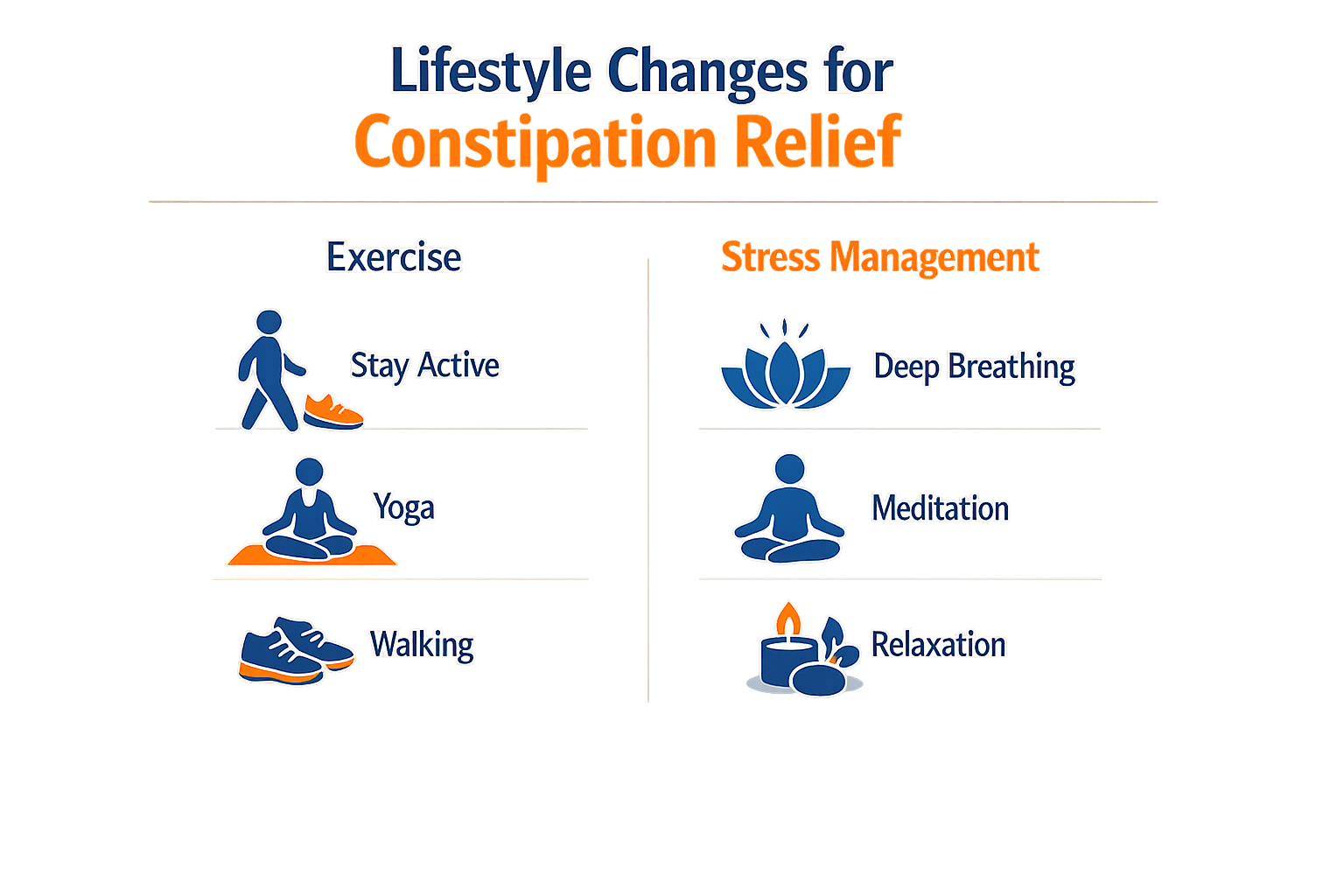
Beyond dietary adjustments, lifestyle modifications can play a meaningful role in managing constipation while taking Mounjaro. Movement, stress management, and knowing when to escalate to your care team all contribute to a more comfortable experience with this medication.
Movement and Physical Activity
Regular physical activity supports digestive motility — the natural muscular contractions that move material through the intestines. Even moderate movement can help relieve constipation.
Resistance training and other structured exercise may offer additional benefits. Research suggests that combining dietary changes with resistance training can improve overall gut health and metabolic outcomes, though the direct effect on constipation is less studied. If you're new to exercise or managing other health conditions, discuss appropriate activity levels with your care team before starting a new routine.
Stress Management Techniques
Stress can affect digestive function, sometimes worsening constipation. While stress alone doesn't cause medication-related constipation, managing it may reduce the overall burden on your digestive system.
Consider:
- Deep breathing exercises — slow, diaphragmatic breathing for 5–10 minutes daily
- Mindfulness or meditation — even brief sessions can help regulate the body's stress response
- Adequate sleep — aim for consistent sleep schedules, as poor sleep can disrupt digestion
These techniques won't replace dietary or medical interventions, but they may support your overall well-being while adjusting to Mounjaro.
When to Contact Your Care Team
Most constipation on Mounjaro is manageable with dietary and lifestyle changes, but some situations require medical attention. Contact your doctor or care team if you experience:
- No bowel movement for more than 3–4 days despite dietary changes and hydration
- Severe abdominal pain or cramping that doesn't resolve
- Blood in stool or black, tarry stools
- Persistent nausea or vomiting alongside constipation
- Unintentional weight loss or other new symptoms
Your care team may adjust your Mounjaro dose, recommend a specific over-the-counter or prescription treatment, or evaluate for other contributing factors. Never stop or reduce Mounjaro on your own — dosing decisions belong with your prescribing provider.
For additional guidance on managing GLP-1 side effects, see our overview of GLP-1 Nausea: Causes, Duration, and Relief Strategies.
Conclusion and Resources
Managing constipation while taking Mounjaro is a common challenge, but it's one that responds well to straightforward dietary and lifestyle adjustments. The strategies we've covered — increasing fiber gradually, staying hydrated throughout the day, building regular physical activity into your routine, and paying attention to your body's signals — work together to support digestive health while your system adapts to the medication. Most people find that constipation improves within the first few weeks as their body adjusts, especially when they stay proactive about hydration and movement.
It's important to remember that constipation is a known side effect of GLP-1 receptor agonists like Mounjaro, and experiencing it doesn't mean the medication isn't right for you. However, if you notice severe abdominal pain, blood in your stool, or constipation that persists despite trying these strategies, contact your care team promptly. They can assess whether a dosage adjustment, a temporary over-the-counter remedy, or a different approach might be helpful. Never adjust your Mounjaro dose on your own — changes to medication should always be guided by the clinician who prescribed it.
If you're navigating other side effects alongside constipation, you're not alone — nausea is another common adjustment during the early weeks of GLP-1 therapy. For practical strategies on managing that symptom, see our guide on GLP-1 Nausea: Causes, Duration, and Relief Strategies.
The goal is sustainable management: small, consistent changes that support both your blood sugar control and your overall comfort. With patience and the right strategies, most people find a routine that works — and constipation becomes a manageable part of the adjustment period rather than a barrier to treatment.
Discover effective strategies for managing constipation associated with Mounjaro, including dietary changes and hydration tips.
Related reading

Maren Alcott is the lead presenter at DiabetesCompass. She is an AI-presented digital character. Every article Maren presents is researched and fact-checked by the DiabetesCompass editorial team against the ADA Standards of Care, peer-reviewed journals, and named clinical sources. Maren does not give medical advice — for questions about your specific situation, talk to your care team.