
What's a Normal Blood Sugar Level and Why It Matters
Learn what a normal blood sugar level is, why it matters for your health, and how to maintain healthy glucose ranges with practical tips.


On this page
Introduction
Understanding what constitutes a normal blood sugar level — and why it matters — is one of the first steps in navigating diabetes or prediabetes. Whether you've just received a diagnosis, are supporting a family member, or simply want to understand the numbers on a lab report, knowing the target ranges and their significance helps you make informed decisions alongside your care team.
Blood sugar, or blood glucose, reflects how your body processes the carbohydrates you eat and how effectively insulin moves that glucose into your cells for energy. When glucose levels stay too high for too long, the risk of complications increases; when they drop too low, immediate safety concerns arise. The goal of diabetes management is to keep glucose levels as close to the normal range as possible, minimizing both extremes.
Maintaining blood sugar within target ranges reduces the risk of microvascular complications — damage to small blood vessels in the eyes, kidneys, and nerves — and lowers the likelihood of cardiovascular events. While A1C testing provides a snapshot of average glucose over two to three months, it doesn't reveal the day-to-day fluctuations that affect how you feel and how your body responds. That's where regular monitoring, whether through fingerstick tests or continuous glucose monitoring (CGM), becomes essential. For a detailed breakdown of what specific ranges mean for different times of day and health contexts, see What's a Normal Blood Sugar Level? Ranges and Targets.
This article explains what blood sugar is, how it's measured, what the standard ranges are, and why staying within those ranges matters for both immediate well-being and long-term health. You'll also find practical guidance on maintaining healthy glucose levels through monitoring, lifestyle, and coordination with your healthcare providers.
Understanding Blood Sugar Levels
Blood sugar, or blood glucose, is the amount of sugar circulating in your bloodstream at any given moment. It comes primarily from the food you eat — carbohydrates break down into glucose, which enters your bloodstream and fuels your cells. Your body tightly regulates this process through hormones like insulin and glucagon, keeping glucose levels within a narrow range so your organs and tissues have the energy they need without being exposed to damaging extremes.
Monitoring blood sugar is central to diabetes management because it tells you whether your body's glucose regulation is working as it should. For people without diabetes, the pancreas adjusts insulin output automatically to keep blood sugar stable. For people with diabetes, that regulation is impaired, so tracking glucose levels helps guide decisions about food, activity, and medication.
How Blood Sugar Is Measured
Blood sugar is measured in milligrams of glucose per deciliter of blood (mg/dL) in the United States. There are several ways to check it:
- Fingerstick blood glucose meters — the traditional method, where you prick your finger and apply a drop of blood to a test strip. This gives you a single reading at the moment you test.
- Continuous glucose monitors (CGM) — wearable sensors that measure glucose in the interstitial fluid (the fluid between your cells) and provide readings every few minutes. CGM systems track trends and alert you to highs and lows in real time.
- Lab tests — including fasting blood glucose and oral glucose tolerance tests, which are used for diagnosis and periodic monitoring.
Each method has trade-offs. Fingerstick meters are inexpensive and widely available, but they only capture a single moment. CGM provides a continuous picture of glucose movement — how levels rise after meals, drop overnight, or respond to exercise — but the sensors measure interstitial fluid, which lags slightly behind blood glucose, particularly when levels are shifting quickly.
Why Regular Monitoring Matters
Regular monitoring helps you and your care team understand your glucose patterns and adjust your management plan accordingly. A single fasting blood sugar reading taken at your doctor's office tells you one data point; consistent monitoring at home reveals trends — whether you're running high after breakfast, dropping low overnight, or spiking unpredictably.
For people with type 1 diabetes or insulin-treated type 2 diabetes, frequent monitoring is essential for safe insulin dosing. For others, periodic checks help confirm that diet, activity, and medication are keeping glucose in a healthy range. A1C Conversion: What Your Number Means and How to Lower It explains how short-term glucose readings connect to the longer-term A1C measure your doctor tracks.
Continuous glucose monitoring systems have become a cornerstone of modern diabetes care because they provide comprehensive data that fingerstick testing cannot match. CGM reveals not just where your glucose is, but where it's headed — the direction and speed of change — which helps prevent both high and low blood sugar episodes before they become dangerous.
Normal Ranges for Blood Sugar
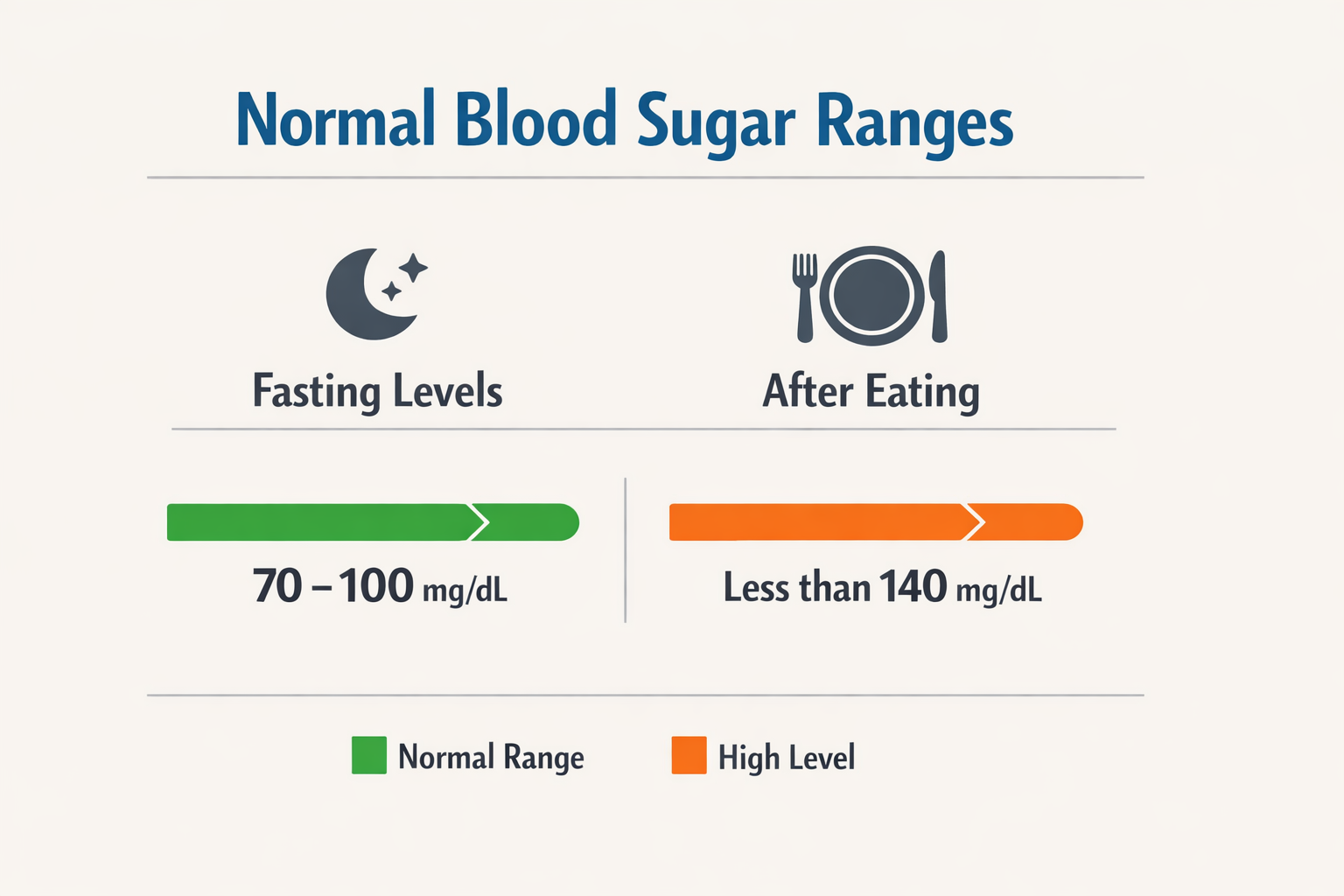
Understanding what qualifies as a normal blood sugar level helps you know when your glucose is on track and when it might need attention. The target range varies depending on when you measure — before eating, after meals, or throughout the day.
Target Range: 70–180 mg/dL
For most people managing diabetes, the general target range for blood glucose is 70–180 mg/dL. This range represents the zone where glucose levels support normal body function while minimizing the risk of complications. Staying within this range reduces the likelihood of both immediate symptoms and long-term cardiovascular and microvascular damage.
Fasting vs. Post-Meal Levels
Blood sugar naturally fluctuates throughout the day. Fasting glucose — measured after at least eight hours without food — is typically lower than levels after eating. Post-meal (postprandial) glucose rises as your body digests carbohydrates, then gradually returns toward baseline.
While the 70–180 mg/dL range applies to overall glucose management, many care teams use tighter targets for fasting levels and allow slightly higher peaks after meals. The exact numbers depend on individual factors, so discuss your specific targets at your next appointment.
Factors That Influence Your Range
Several variables affect where your glucose sits at any given moment:
- Food intake and timing — carbohydrate type, portion size, and meal spacing all shift glucose levels
- Physical activity — exercise can lower glucose during and after the activity
- Medications — insulin, metformin, GLP-1 receptor agonists, and other diabetes medications adjust how your body handles glucose
- Stress and illness — both can raise glucose even when diet and medication remain constant
- Hormonal changes — menstrual cycles, pregnancy, and other hormonal shifts influence glucose dynamics
For more context on how different factors affect glucose, see A1C Conversion: What Your Number Means and How to Lower It.
Glucose moves between blood vessels and tissue at different rates, so a single snapshot doesn't tell the whole story — patterns over time matter more than any one reading.
Because glucose concentration differs between blood and interstitial fluid, CGM readings and fingerstick blood glucose may not always match exactly. Both are valid measurements; they're simply sampling different compartments at slightly different speeds.
Implications of Abnormal Levels
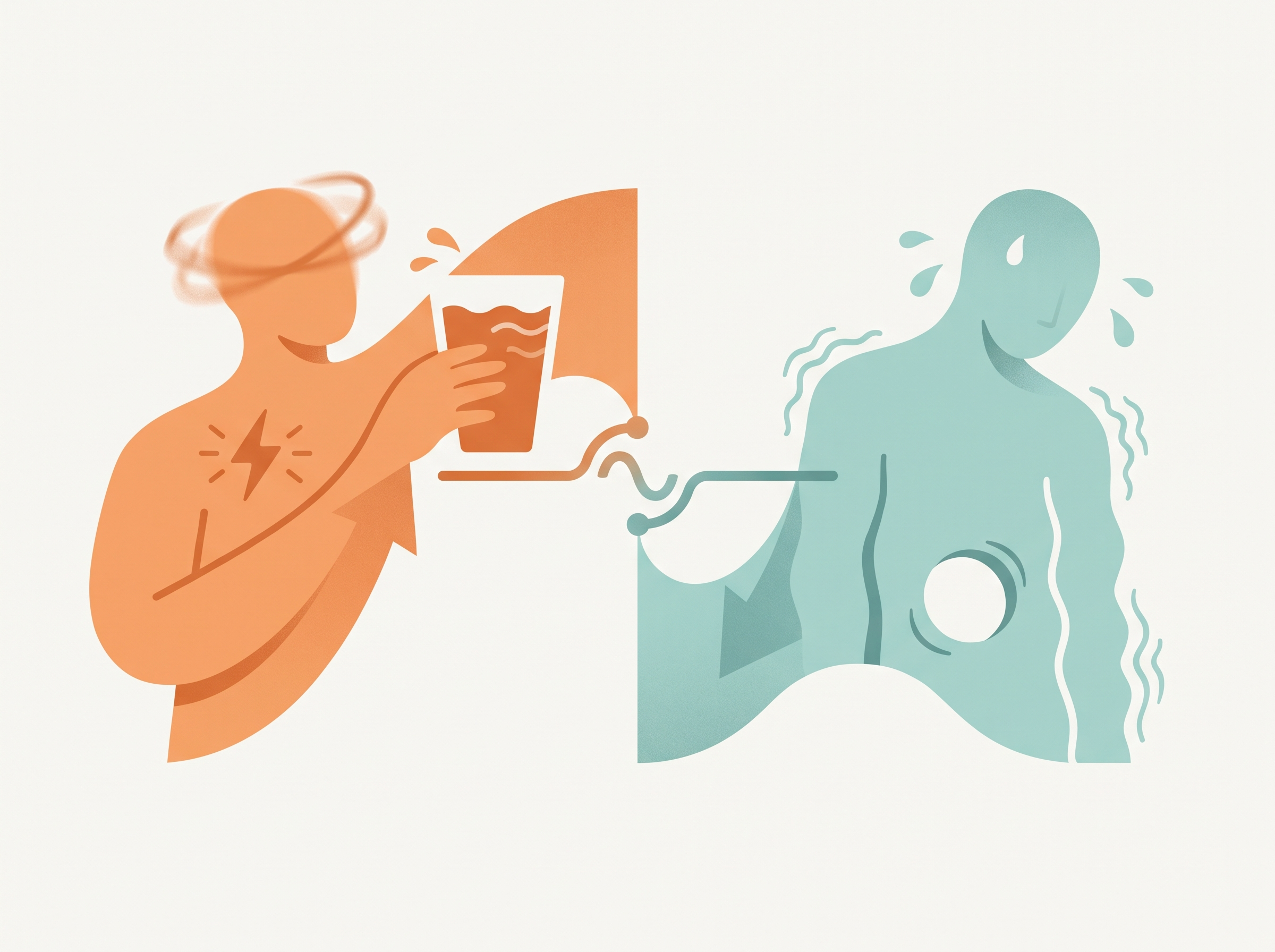
When blood sugar levels fall outside the target range — whether too high or too low — the body sends signals that something needs attention. Understanding what these signals mean and the long-term risks of ignoring them helps you make informed decisions about when to adjust your approach and when to call your care team.
What Happens When Blood Sugar Runs High
Persistent high blood sugar (hyperglycemia) often develops gradually, and early symptoms can be subtle. You might notice increased thirst, more frequent urination, fatigue, or blurred vision. These signs occur because excess glucose in the bloodstream pulls water from tissues and overworks the kidneys.
Over time, consistently elevated glucose damages blood vessels and nerves. Research shows that time spent above 180 mg/dL correlates with increased risk of retinopathy, peripheral neuropathy, and cardiovascular disease. The longer glucose remains elevated, the greater the cumulative damage to small and large blood vessels throughout the body.
What Happens When Blood Sugar Drops Too Low
Low blood sugar (hypoglycemia) tends to announce itself more urgently. Symptoms include shakiness, sweating, rapid heartbeat, confusion, irritability, and hunger. These are your body's alarm signals — adrenaline and other counter-regulatory hormones kick in to raise glucose quickly.
Severe hypoglycemia can lead to loss of consciousness or seizures if untreated. Even mild, frequent lows carry risks: they can blunt your ability to recognize future episodes (hypoglycemia unawareness), and they disrupt daily function and safety. Clinical guidance identifies <4% of readings below 70 mg/dL as the target threshold; if you're spending more time below that line, your treatment plan likely needs adjustment.
Long-Term Risks and When to Seek Help
Both chronic hyperglycemia and recurrent hypoglycemia increase the risk of serious complications. High glucose over months and years contributes to kidney disease, nerve damage, vision loss, and heart disease. Low glucose episodes increase fall risk, impair cognition, and — in people on insulin or certain medications — can become life-threatening without intervention.
Seek medical advice if you experience:
- Frequent readings above 250 mg/dL or below 54 mg/dL
- Symptoms of high blood sugar that don't improve with usual interventions
- Repeated lows, especially if you're not recognizing the warning signs
- Any episode of severe hypoglycemia requiring assistance from another person
- New or worsening symptoms like vision changes, numbness, or chest pain
Your care team can review your glucose patterns, adjust medications, and help you identify the factors driving the excursions. If you're tracking glucose with a continuous monitor, bring your data — the trends and time-in-range metrics give your clinician a much clearer picture than a single fingerstick or A1C alone. For more on interpreting those numbers and what they mean for your overall health, see A1C Conversion: What Your Number Means and How to Lower It.
Tips for Maintaining Normal Levels
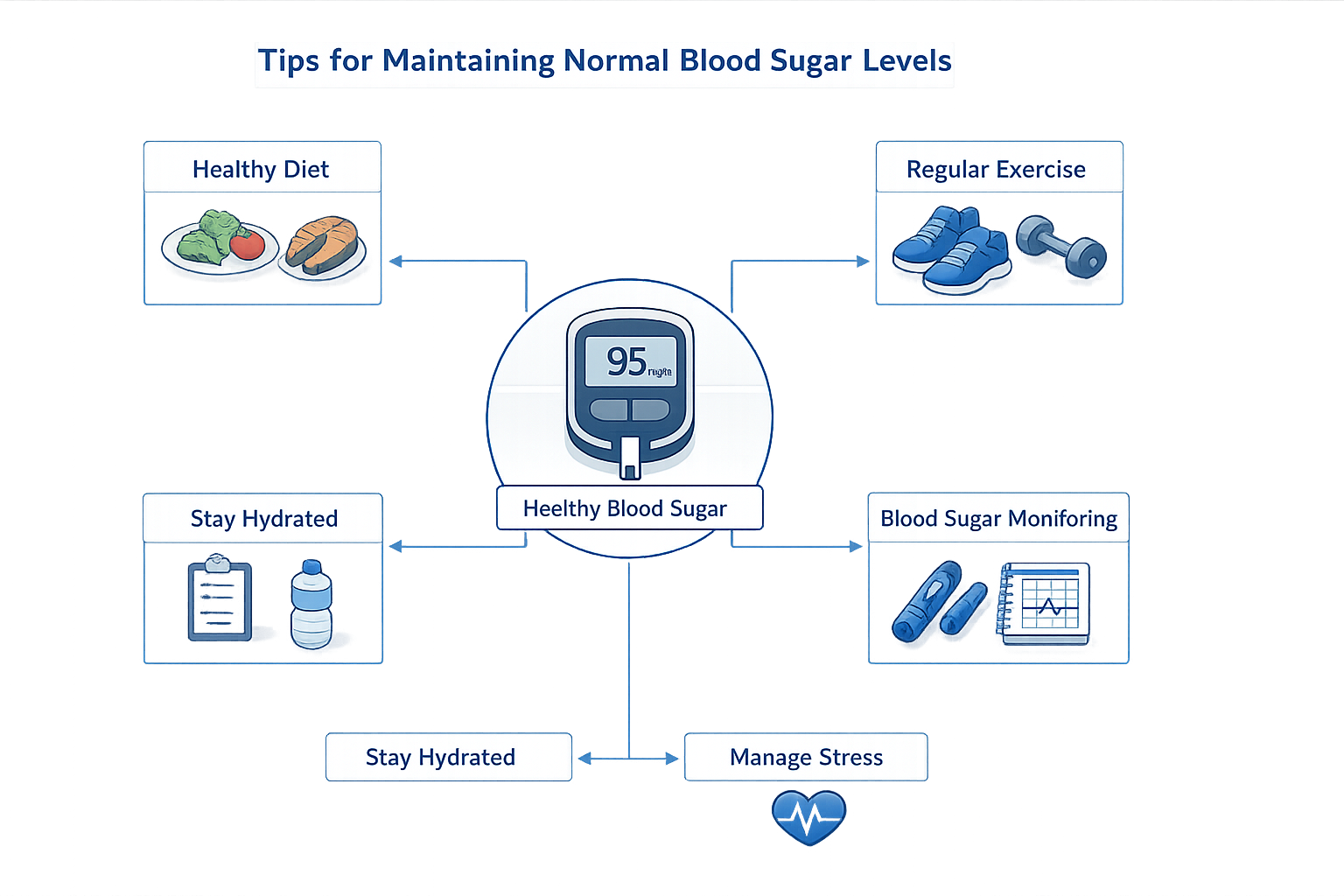
Maintaining blood sugar in a healthy range requires consistent habits around food, movement, and monitoring. The goal is to minimize both high and low glucose episodes while keeping your overall glucose patterns stable. These strategies work together — no single change does the job on its own.
Track Your Glucose Patterns
Regular monitoring shows you what's actually happening, not what you assume is happening. Continuous glucose monitoring (CGM) provides a fuller picture than fingerstick checks alone, capturing trends throughout the day and night. CGM systems measure interstitial glucose levels and display patterns that fingerstick tests can miss — overnight lows, post-meal spikes, and the timing of glucose changes in response to food or activity.
If CGM isn't an option, structured fingerstick testing — before meals, two hours after meals, and occasionally overnight — gives you actionable data. Log your results alongside what you ate, your activity, and any medications. Patterns emerge over days and weeks, not from isolated readings. For more on how A1C and daily glucose readings connect, see our guide on A1C conversion and what your number means.
Balance Carbohydrates and Protein
Carbohydrate intake has the most direct effect on blood sugar. Pairing carbs with protein, fat, or fiber slows digestion and smooths the glucose response. A meal of bread alone spikes faster than bread with peanut butter and an apple.
Choose complex carbohydrates — whole grains, legumes, vegetables — over refined sugars and white flour. Complex carbs break down more slowly, reducing sharp peaks. Portion size matters: even healthy carbs raise glucose when portions are large.
Aim for half your plate as non-starchy vegetables, one quarter lean protein, and one quarter whole-grain or starchy carbohydrate. This structure moderates glucose impact while keeping meals satisfying.
Move Regularly
Physical activity helps cells use glucose more efficiently, lowering blood sugar both during and after exercise. You don't need intense workouts — a 15-minute walk after meals can blunt post-meal glucose spikes. Consistency matters more than intensity.
Both aerobic exercise (walking, cycling, swimming) and resistance training (weights, bodyweight exercises) improve insulin sensitivity over time. Aim for movement most days of the week. If you take insulin or medications that can cause low blood sugar, check your glucose before, during, and after longer sessions, and keep a fast-acting carb source on hand.
Stay Hydrated and Manage Stress
Dehydration concentrates blood sugar, and chronic stress triggers hormones that raise glucose. Drinking water throughout the day supports kidney function and helps your body regulate glucose. Stress management — whether through sleep, breathing exercises, or time outdoors — reduces cortisol and adrenaline, both of which elevate blood sugar.
Work With Your Care Team
Your doctor, diabetes educator, or dietitian can help you interpret your glucose data and adjust your approach. Bring your logs or CGM reports to appointments. If your readings are consistently outside target ranges despite your efforts, medication adjustments may be needed. Self-monitoring informs decisions, but your care team makes the clinical calls.
Conclusion
Understanding what constitutes a normal blood sugar level is a foundational step in managing diabetes and protecting long-term health. Keeping glucose within the target range reduces the risk of microvascular complications — damage to the eyes, kidneys, and nerves — and lowers the likelihood of cardiovascular events. The numbers matter, but so does the context: what's normal for one person may differ slightly for another, depending on individual health factors and treatment goals.
Maintaining blood sugar levels close to the normal range requires ongoing attention — regular monitoring, balanced meals, consistent physical activity, and coordination with your care team. Small, sustainable changes often yield the most reliable results over time. If you're newly diagnosed or supporting someone who is, knowing the target ranges and the reasons behind them helps turn abstract numbers into actionable guidance.
For a detailed breakdown of specific glucose targets and how they're measured, see our guide to what's a normal blood sugar level. Staying informed and proactive gives you the best chance of keeping glucose steady and avoiding the complications that come with prolonged highs or dangerous lows.

Maren Alcott is the lead presenter at DiabetesCompass. She is an AI-presented digital character. Every article Maren presents is researched and fact-checked by the DiabetesCompass editorial team against the ADA Standards of Care, peer-reviewed journals, and named clinical sources. Maren does not give medical advice — for questions about your specific situation, talk to your care team.