
CGM vs Finger-Prick Meter: Which Should You Use?
CGM vs Finger-Prick Meter: Explore the differences, pros, and cons of continuous glucose monitors and traditional meters to make an informed choice.

On this page
Introduction
When deciding between a CGM vs Finger-Prick Meter, glucose monitoring is the foundation of diabetes management. Whether you're newly diagnosed, adjusting to a new medication, or helping a family member navigate their care, understanding how to track glucose accurately shapes every decision—from meal timing to insulin dosing to recognizing patterns that need attention at the next appointment.
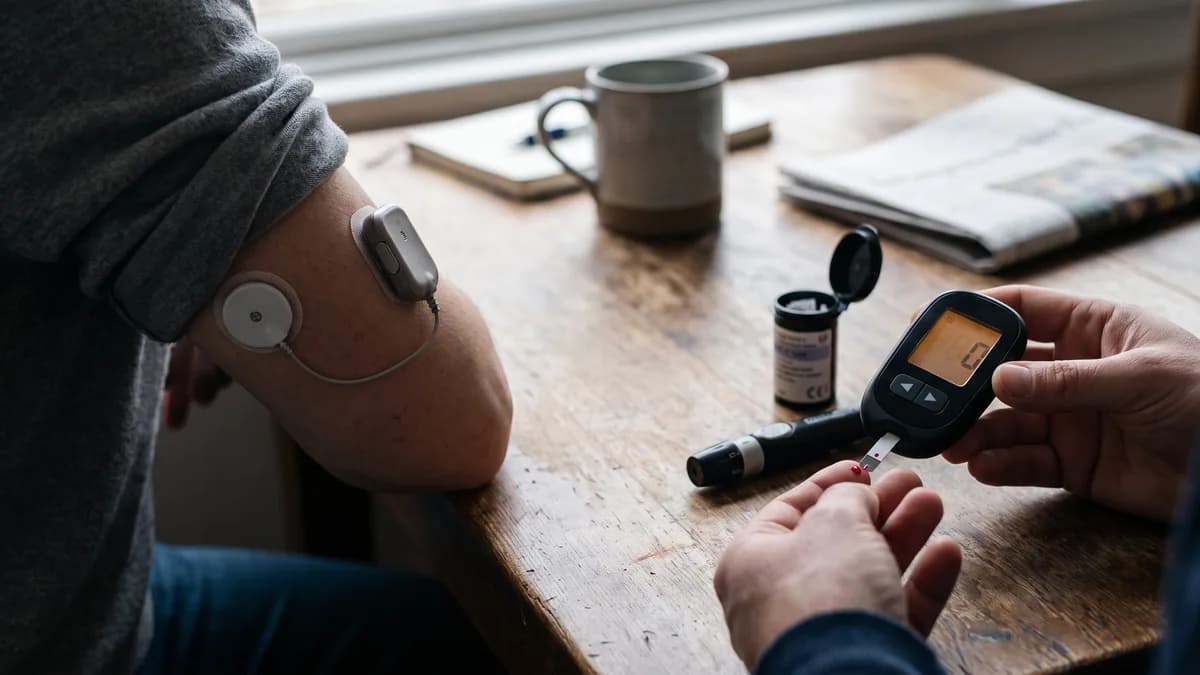
Two technologies dominate the landscape: continuous glucose monitors (CGMs) and traditional finger-prick meters (also called blood glucose meters or BGMs). Both measure glucose, but they do so in different ways, at different intervals, and with different levels of detail. A CGM tracks glucose continuously through a sensor worn on the skin, updating readings every few minutes and displaying trends in real time. A finger-prick meter requires a blood sample from a fingertip and delivers a single snapshot of glucose at that exact moment.
The choice between them—or the decision to use both—depends on clinical need, insurance coverage, cost, and personal preference. Some people benefit from the constant feedback a CGM provides, especially those on insulin or experiencing frequent lows. Others manage well with periodic finger-prick checks, particularly when their glucose remains stable or their treatment plan doesn't require intensive monitoring. Understanding what each technology actually does, how it works, and where it falls short helps you make an informed choice rather than defaulting to whichever option a clinic happens to recommend first.
This guide walks through the mechanics, advantages, and limitations of both CGMs and finger-prick meters, so you can evaluate which fits your situation—or whether a hybrid approach makes the most sense. For context on how glucose monitoring fits into broader management strategies, see How to Lower A1C Naturally: Diet, Exercise & Lifestyle Tips.
Overview of Glucose Monitoring Methods
Glucose monitoring is central to diabetes management. The two main approaches — continuous glucose monitors (CGMs) and finger-prick meters — differ in how they measure glucose, how often they provide data, and what kind of insight they offer. Understanding how each works helps clarify which method fits a given situation.
How Finger-Prick Meters Work
Finger-prick meters, also called blood glucose meters or self-monitoring of blood glucose (SMBG) devices, measure glucose directly from a drop of capillary blood. The process involves lancing a fingertip, applying blood to a test strip, and reading the result on the meter within seconds. Each test is a single snapshot — it tells you what your blood glucose is at that exact moment, but nothing about the trend or direction.
SMBG has been the standard for decades. It's straightforward, widely available, and covered by most insurance plans. The meters themselves are inexpensive, though test strips add up over time. People typically check before meals, at bedtime, and whenever symptoms suggest a high or low. The method works well for those who need periodic confirmation rather than continuous data.
How Continuous Glucose Monitors Work
Continuous glucose monitors measure glucose in the interstitial fluid — the fluid surrounding cells just beneath the skin — rather than in blood. Current FDA-approved CGM devices include the Abbott Freestyle Libre, Dexcom G6, and Medtronic Guardian. These devices use a small sensor probe inserted under the skin, connected to a transmitter that sends readings to a receiver or smartphone every few minutes.
CGM systems fall into two categories: real-time CGM (RT-CGM), which displays glucose values automatically every 1–5 minutes, and flash glucose monitoring (FGM), which requires the user to scan the sensor with a reader to see the current value and trend. Both provide far more data than finger-prick testing — hundreds of readings per day instead of a handful.
Some CGM systems, like the Dexcom G6, do not require fingerstick calibration, while older models may ask for one or two daily capillary checks to keep the sensor accurate. Sensors typically last 7–14 days before replacement.
Common Uses and Clinical Context
CGMs are especially useful for people on insulin who need to watch for hypoglycemia, those with hypoglycemia unawareness, and anyone working to reduce glucose variability. The continuous data stream shows patterns that single checks miss — overnight lows, post-meal spikes, and the effect of exercise or stress. CGM is more useful than SMBG because it provides greater convenience and a larger amount of data, which supports more precise insulin adjustments and lifestyle decisions.
Finger-prick meters remain the primary tool for many people with type 2 diabetes not on insulin, those newly diagnosed, and situations where cost or insurance coverage limits CGM access. SMBG also serves as a backup or confirmation check when CGM readings seem off, especially during rapid glucose swings.
While A1C remains the reference test for long-term glucose control, it reflects an average over two to three months and does not capture daily variability or the timing of highs and lows. Both CGM and SMBG fill that gap, but in different ways — one with continuous visibility, the other with targeted snapshots. The choice depends on clinical need, treatment regimen, and practical considerations like cost and user preference. For more context on what glucose numbers mean and how they connect to A1C, see A1C Conversion: What Your Number Means and How to Lower It.
What Are the Advantages of CGMs?
Continuous glucose monitors offer a different approach to tracking glucose levels than traditional finger-prick meters. Understanding both the strengths and limitations of CGM technology helps clarify whether this monitoring method fits your situation.
Advantages of CGM Technology
CGMs provide real-time glucose readings every one to five minutes, creating a continuous picture of how glucose levels change throughout the day and night. This frequent sampling captures trends that intermittent finger-prick testing might miss—particularly overnight patterns or rapid shifts after meals.
Research shows CGM use is likely to improve glycemic control and quality of life while potentially reducing micro- and macrovascular complications. One prospective study found patient compliance in the CGM group reached 90%, significantly higher than the self-monitoring blood glucose (SMBG) group, suggesting many people find the technology easier to sustain over time.
CGMs eliminate the need for routine finger-prick sampling, removing the discomfort and inconvenience of multiple daily fingersticks. For people who need frequent glucose checks—especially those on insulin therapy—this reduction in physical burden can be substantial.
Certain CGM systems include alarms that alert users to hypoglycemia or hyperglycemia, and some models integrate with insulin pumps to adjust delivery automatically. For individuals with hypoglycemia unawareness, these alerts provide an important safety layer that finger-prick meters cannot match. You can learn more about emerging glucose-monitoring technologies in our guide on smartwatch blood sugar measurement.
Limitations and Challenges
CGMs measure glucose in interstitial fluid rather than blood, which introduces a physiological lag time—typically five to fifteen minutes—between a change in blood glucose and the corresponding CGM reading. During rapid glucose shifts, this delay can lead to discrepancies that cause confusion or unnecessary concern.
Accuracy varies depending on glucose range and individual physiology. Some studies report CGM values running lower than capillary or venous blood measurements, particularly in certain clinical conditions or when blood supply and glucose diffusion are impaired. Potential inaccuracies may prompt unnecessary calls to care teams or adjustments based on misleading data.
Adverse reactions in CGM users are generally mild but do occur. Reported issues include irritation at the sensor insertion site—itching, pressure sensation, erythema, swelling—as well as allergic reactions, blisters, pink marks or scabbing, and minor abrasions or blood spots after sensor removal. Most of these reactions resolve quickly, but they can affect comfort and adherence.
Cost and insurance coverage remain significant barriers for many people. Even when a CGM is covered, prior authorization requirements, copays, and supply expenses can limit access. Additionally, inexperience with the technology—both for users and clinicians—can reduce the practical benefits if trend data and alerts are not interpreted and acted upon effectively.
What Are the Benefits of Finger-Prick Meters?
Finger-prick meters — also called blood glucose meters or self-monitoring of blood glucose (SMBG) devices — have been the standard for at-home glucose testing for decades. They deliver a snapshot reading from a drop of blood, typically taken from the fingertip. For many people with diabetes, these meters remain a practical, accessible tool. But they come with limitations that affect how well they capture the full picture of glucose control.
Advantages of Finger-Prick Meters
Finger-prick meters are widely available, relatively inexpensive, and familiar to most people managing diabetes. The devices themselves cost less upfront than continuous glucose monitors, and test strips — while a recurring expense — are often covered by insurance or available at lower cost through discount programs. The testing process is straightforward: insert a strip, prick your finger, apply blood, and read the result in seconds.
Because finger-prick meters measure glucose directly from capillary blood, they provide an immediate, point-in-time reading without the interstitial-fluid lag that affects CGMs. This makes them useful for confirming a suspected low or high before taking corrective action, especially when symptoms don't match the expected glucose level.
For people who test infrequently — such as those with well-controlled type 2 diabetes not on insulin — a finger-prick meter may be all that's needed. It offers targeted checks around meals, physical activity, or medication changes without the ongoing sensor wear and data stream of a CGM.
Limitations of Finger-Prick Testing
The primary drawback of finger-prick meters is that they capture only isolated moments. Research shows that self-monitoring of blood glucose does not provide continuous data and relies on the patient's decision to test, which can lead to infrequent evaluations. Between readings, glucose can rise, fall, or swing unpredictably — and those changes go undetected unless you happen to test at the right time.
This snapshot approach makes it difficult to identify patterns of glycemic variability, particularly overnight lows or post-meal spikes that occur outside typical testing windows. A person may see acceptable fasting and pre-dinner readings yet miss significant highs or lows that affect overall control and A1C.
Another concern is adherence. Finger-prick testing requires active decision-making every time: remembering to test, tolerating the discomfort, recording the result, and interpreting what it means. Over time, testing frequency often declines, especially when results feel discouraging or when the daily routine becomes burdensome. Research in people with insulin-treated type 2 diabetes found that the benefits of weekly SMBG profiling on glycemic control did not reach significance at one year, suggesting no sustained long-term benefits when testing is infrequent or inconsistent.
Accuracy can also be affected by user technique — insufficient blood sample, expired strips, or meter calibration issues can all lead to erroneous readings. And because each test strip is single-use, the cost adds up for people who need to test multiple times per day.
When Finger-Prick Meters Still Make Sense
Despite these limitations, finger-prick meters remain the right choice in certain situations. For people with type 2 diabetes who are not on insulin and have stable glucose levels, periodic testing around specific events — a new medication, an illness, or a dietary experiment — can provide useful information without the complexity or expense of continuous monitoring.
Finger-prick meters are also essential as a backup or calibration tool for CGM users, particularly when a CGM reading doesn't match how you feel or when a device alert requires confirmation before taking action. Some insulin pumps and automated delivery systems still require periodic finger-prick checks to verify sensor accuracy.
For a detailed comparison of how traditional meters fit into the broader landscape of glucose monitoring technology, see Can a Smartwatch Measure Blood Sugar? What Actually Works.
User Experience Considerations
The day-to-day experience of finger-prick testing varies widely. Some people integrate it seamlessly into their routines; others find it intrusive, uncomfortable, or anxiety-provoking — especially when results are unpredictable or when testing in public feels stigmatizing. Fingertip soreness, calluses, and the visible act of drawing blood can all contribute to testing fatigue.
For caregivers managing a family member's diabetes, finger-prick testing requires coordination: ensuring strips are in stock, meters are charged or have fresh batteries, and that the person being tested is willing and able to cooperate at the scheduled time. In pediatric or elderly populations, this can add friction to an already complex care routine.
Conclusion: Making the Right Choice
Choosing between a CGM and a finger-prick meter isn't about finding the objectively "better" device—it's about matching the technology to your specific clinical situation, daily routine, and what your insurance will cover. Both methods deliver accurate glucose data when used correctly; the difference lies in how often you see that data and what you can do with it.
Factors to Consider
Start with your treatment plan. If you take insulin multiple times a day or use an insulin pump, a CGM's continuous trend data can help you spot patterns that a few daily finger-pricks would miss. Research shows that CGM use in Type 1 diabetes reduces time spent in hypoglycemia—13 out of 15 studies documented this benefit—which matters most when low blood sugar episodes are frequent or unpredictable.
If you manage Type 2 diabetes with oral medications or lifestyle changes and your glucose stays relatively stable, a finger-prick meter may provide all the information you need. The lower cost and simpler workflow make it a practical choice when you're checking once or twice a day to confirm your management plan is working.
Cost and insurance coverage often decide the question. CGMs require ongoing sensor purchases and may carry high out-of-pocket costs if your plan doesn't cover them. Finger-prick meters and strips are widely covered and available at lower price points. Ask your insurance plan what they cover before committing to either system.
Quality of life also weighs in. CGMs eliminate the need for routine finger-pricks, which some people find painful or inconvenient, and the constant data stream can reduce anxiety about unseen glucose swings. Others prefer the simplicity of testing only when needed and don't want to manage a sensor or carry a receiver.
Consult Your Healthcare Provider
Your endocrinologist or primary care provider knows your A1C history, medication regimen, hypoglycemia risk, and insurance situation. They can recommend which monitoring method fits your current diabetes management plan and help you navigate coverage approvals if a CGM is clinically indicated. If you're considering a switch—from meter to CGM or vice versa—schedule a visit to discuss the change rather than making the decision in isolation.
Some people use both: a CGM for day-to-day trend monitoring and a finger-prick meter for calibration checks or confirmation when a sensor reading seems off. Your care team can tell you if that hybrid approach makes sense for your situation.
For broader context on how monitoring fits into your overall management plan, see our guide on how to lower A1C naturally, which covers the lifestyle and medication strategies that glucose data helps you refine.
Glucose monitoring is a tool, not a test you pass or fail. The right device is the one you'll actually use, that gives you the data your care team needs, and that fits into your life without adding unnecessary friction. Start that conversation at your next appointment.

Maren Alcott is the lead presenter at DiabetesCompass. She is an AI-presented digital character. Every article Maren presents is researched and fact-checked by the DiabetesCompass editorial team against the ADA Standards of Care, peer-reviewed journals, and named clinical sources. Maren does not give medical advice — for questions about your specific situation, talk to your care team.