
Zepbound Nausea Relief: Effective Strategies to Manage It
Discover effective Zepbound nausea relief strategies, including dietary adjustments, timing tips, and lifestyle changes to help manage this common side effect.


On this page
Introduction
Zepbound has quickly become one of the most prescribed obesity management medications in the United States, reaching more than 16% of all weight-management drug prescriptions shortly after its FDA approval. As more people start this medication, questions about managing its side effects—particularly nausea—have become increasingly common.
Nausea with Zepbound isn't a sign the medication isn't working or that something is wrong. It's a predictable response to how GLP-1 receptor agonists slow gastric emptying and signal satiety in the brain. For many people, the nausea is most pronounced during the first few weeks or after a dose increase, then gradually subsides as the body adjusts.
This article walks through evidence-based strategies for Zepbound nausea relief, including what to eat (and what to avoid), how to time your doses and meals, and which lifestyle adjustments can reduce discomfort. We'll also clarify when nausea is a normal part of adaptation versus when it signals a need to contact your prescriber. For additional context on managing GLP-1 side effects, see our guide on Zepbound Nausea Relief: Practical Strategies That Help.
The goal is not to eliminate every trace of nausea—some degree of digestive adjustment is part of how the medication works—but to keep it manageable so you can continue treatment comfortably and safely. Every person's tolerance is different, and what works for one individual may need adjustment for another. These strategies provide a starting framework; your care team can help tailor them to your specific situation.
Understanding Nausea and Zepbound
Nausea is one of the most commonly reported side effects when starting Zepbound (tirzepatide), a GLP-1 receptor agonist approved for weight management in adults with obesity or overweight. Understanding why this happens and what to expect can help you navigate the early weeks of treatment with more confidence.
What Causes Nausea with Zepbound?
Zepbound works by mimicking hormones that regulate appetite and blood sugar. It slows gastric emptying — the rate at which food leaves your stomach — which helps you feel fuller longer. This slower digestion is part of how the medication supports weight loss, but it also means your stomach holds food for an extended period, which can trigger nausea, especially after larger or richer meals.
Research shows that nausea is more frequent with tirzepatide compared to placebo, particularly at higher doses. In clinical trials, nausea was reported in approximately 43% of participants in the tirzepatide group, compared to about 24% in control groups. The good news: these gastrointestinal events are typically mild to moderate and short-lived, often improving as your body adjusts to the medication over the first few weeks.
:::{.callout type="info"}Nausea from Zepbound usually peaks during dose escalation and tends to subside as your body adapts — most people see improvement within the first month.:::
Common Symptoms to Watch For
Beyond nausea itself, you may notice related gastrointestinal symptoms during the adjustment period:
- Decreased appetite — often welcome in the context of weight management, but can feel unsettling if you're not prepared
- Mild abdominal discomfort or a sensation of fullness that lingers longer than usual
- Occasional vomiting — less common than nausea, but can occur, especially if you eat too much or too quickly
- Diarrhea — reported in some users, though less frequent than nausea
These symptoms are not a sign that the medication is harmful when they're mild and transient. However, if nausea becomes severe, persistent, or interferes with your ability to stay hydrated or nourished, contact your care team. They may adjust your dose timing or escalation schedule.
For practical strategies to manage nausea day-to-day, see our guide on Zepbound Nausea Relief: Practical Strategies That Help.
Dietary Adjustments for Relief
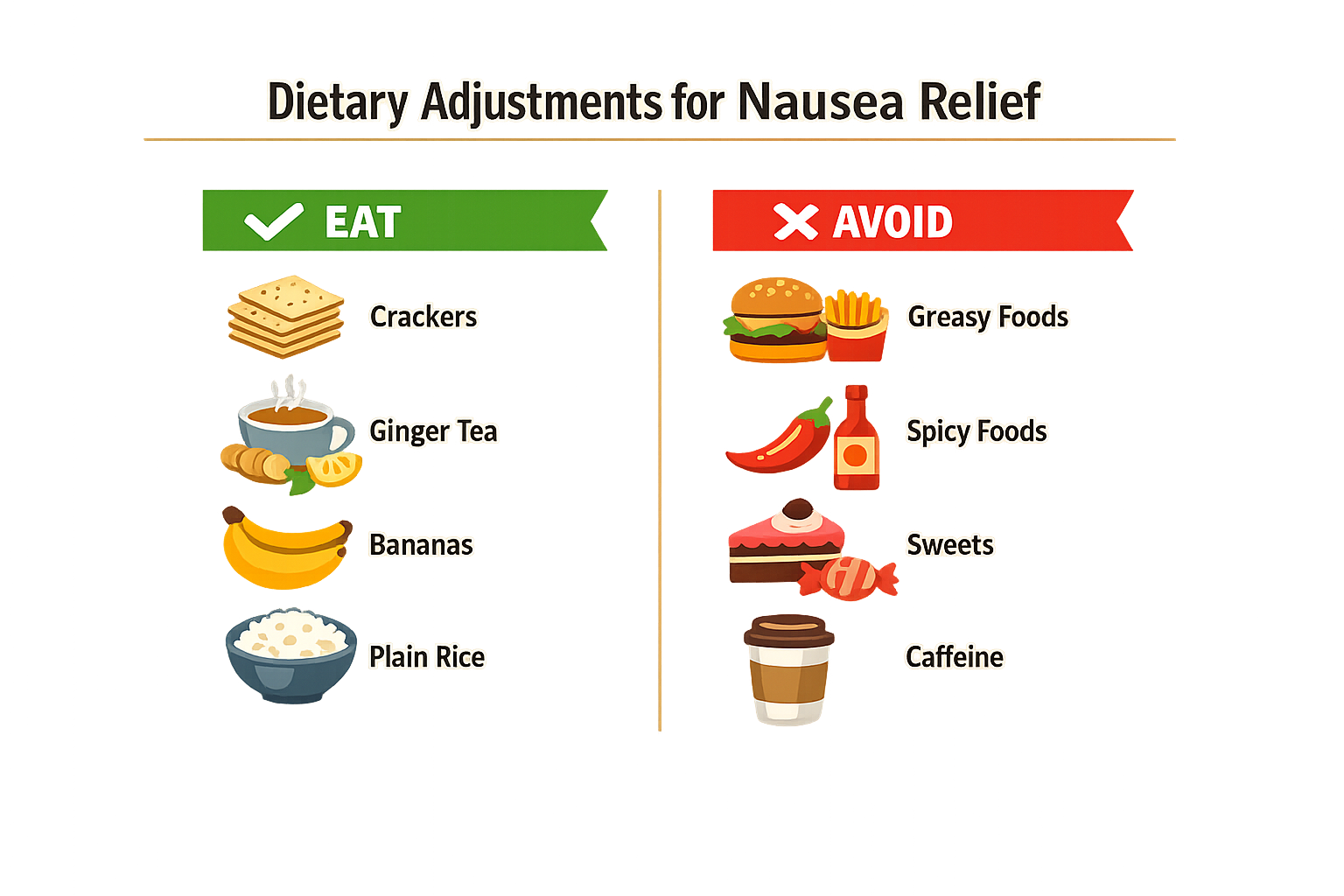
Dietary changes can play a meaningful role in managing nausea while taking Zepbound. Research on GLP-1 receptor agonists shows that participants who made dietary modifications experienced better outcomes overall, which may extend to symptom management. The goal is to reduce stomach irritation and support digestion without overwhelming your system.
Foods to Avoid When Experiencing Zepbound Nausea Relief Challenges
Certain foods can worsen nausea or slow gastric emptying, which Zepbound already affects as part of its mechanism. Avoid or limit:
- High-fat and fried foods — these take longer to digest and can increase feelings of fullness and queasiness
- Spicy dishes — capsaicin and strong seasonings may irritate the stomach lining
- Heavy, rich sauces and creamy preparations — these can feel too dense when nausea is present
- Large portions of red meat — harder to digest and can sit heavily
- Carbonated beverages — gas and bloating can compound nausea
- Alcohol and caffeine — both can irritate the stomach and affect hydration
Foods That May Help
When nausea is active, bland, easy-to-digest options are often better tolerated:
- Plain crackers, toast, or rice — neutral starches that settle the stomach
- Bananas and applesauce — gentle on digestion, provide potassium
- Broth-based soups — hydrating and light
- Ginger tea or ginger candies — ginger has a long history of use for nausea relief
- Small servings of lean protein — chicken, turkey, or tofu in modest amounts
- Oatmeal or plain cereal — fiber without heaviness
Eat smaller, more frequent meals rather than three large ones. This approach can prevent your stomach from feeling too full or too empty, both of which can trigger nausea.
Timing and Hydration
Take Zepbound with or without food as directed, but consider the timing of your meals around your injection. Some people find that eating a light snack beforehand reduces nausea, while others do better waiting an hour or two after the dose.
Stay hydrated throughout the day with water or clear fluids. Dehydration can worsen nausea, and Zepbound's effect on appetite may make it easy to forget to drink enough. Sip slowly rather than gulping large amounts at once.
For additional context on managing blood sugar and dietary adjustments, see our guide on how to lower A1C naturally, which covers meal timing and food choices that support stable glucose levels.
Lifestyle Changes to Consider
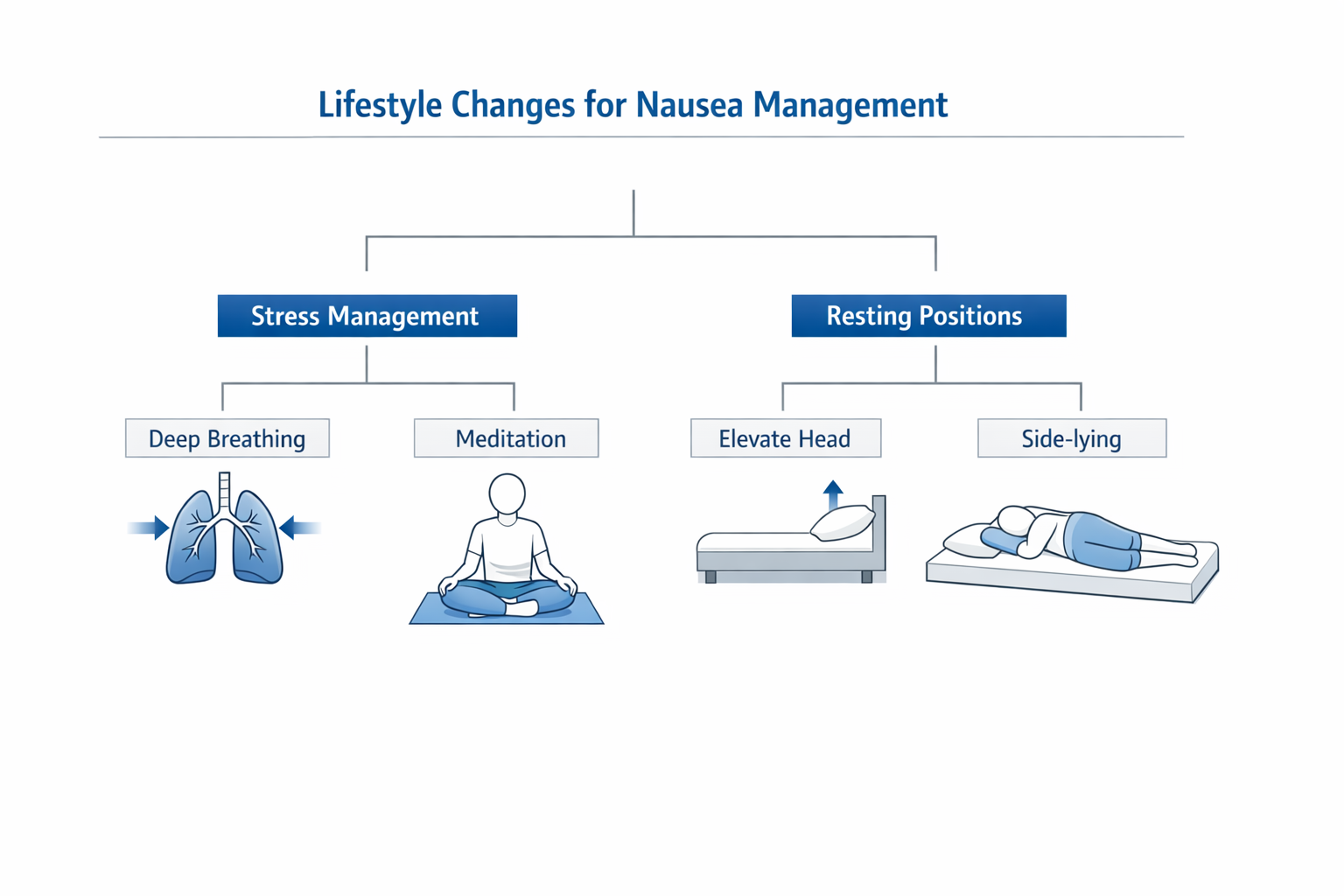
Beyond dietary adjustments, specific lifestyle changes can help reduce nausea intensity and frequency when taking Zepbound. Rest, stress management, and physical activity modifications all play a role in how the body tolerates GLP-1 receptor agonists like tirzepatide.
The Role of Rest and Sleep
Adequate rest supports the body's ability to manage medication side effects. Fatigue can amplify nausea, making it harder to tolerate even mild gastrointestinal discomfort. Aim for consistent sleep schedules and avoid lying flat immediately after meals, which can worsen reflux and nausea. Elevating the head of the bed slightly may help if nighttime nausea is an issue.
Stress reduction techniques — deep breathing, guided relaxation, or brief walks — can also calm the digestive system. Stress activates pathways that slow gastric emptying, which Zepbound already affects. Managing stress may reduce the cumulative effect on nausea.
Physical Activity and Nausea Relief
Moderate physical activity can support nausea management, though timing and intensity matter. Research indicates that participants who combined dietary modification with exercise experienced greater weight loss on tirzepatide than those who relied on diet or exercise alone. While the studies focused on weight outcomes, the additive effect of lifestyle measures suggests that gentle, regular movement may also help the body adapt to the medication.
For those new to exercise or managing nausea, start with short, low-intensity sessions — 10 to 15 minutes of walking — and gradually increase duration as tolerance improves. If nausea worsens with activity, scale back and discuss the pattern with your care team.
Stress Management Strategies
Chronic stress can interfere with digestion and amplify nausea. Simple stress-reduction practices include:
- Mindful breathing: slow, deep breaths for 3–5 minutes when nausea begins
- Scheduled downtime: brief rest periods between activities to prevent fatigue buildup
- Routine consistency: predictable meal and medication timing to reduce decision fatigue
If stress or anxiety around eating or injections becomes persistent, bring it up at your next appointment. Your care team can help identify whether the nausea is primarily physiological or whether anxiety is contributing.
Hydration and Movement Timing
Staying hydrated supports digestion and can reduce nausea severity. Sip water throughout the day rather than drinking large amounts at once. Avoid caffeinated or carbonated beverages if they worsen symptoms.
Time physical activity around your injection schedule. Some people find that light movement on injection day increases nausea, while others tolerate it well. Track your own patterns and adjust accordingly.
For broader context on lifestyle adjustments that support metabolic health, see How to Lower A1C Naturally: Diet, Exercise & Lifestyle Tips.
Conclusion and Next Steps
Managing nausea while taking Zepbound requires a combination of dietary adjustments, lifestyle modifications, and patience as your body adapts to the medication. The strategies outlined in this article — eating smaller, more frequent meals, choosing bland and easily digestible foods, staying hydrated, timing your doses carefully, and incorporating stress-reduction techniques — can help reduce the intensity and frequency of nausea episodes. Many people find that nausea diminishes over the first few weeks of treatment as their body adjusts to the GLP-1 receptor agonist mechanism.
However, nausea severity and duration vary widely from person to person. What works well for one individual may need adjustment for another. If nausea persists beyond the first month, becomes severe enough to interfere with daily activities, or prevents you from maintaining adequate nutrition and hydration, contact your healthcare provider. They may recommend dose adjustments, a slower titration schedule, or additional supportive medications to help you continue treatment safely.
Never stop or adjust your Zepbound dose on your own — any changes to your medication regimen should be made in consultation with your prescribing provider. They can assess whether your symptoms are within the expected range for GLP-1 medications or whether a different approach is needed. For additional context on managing side effects with GLP-1 medications, see our guide on Zepbound Nausea Relief: Practical Strategies That Help.
Zepbound was approved by the FDA in November 2023 for weight management and has quickly become a significant component of obesity treatment plans. As with any medication, understanding how to manage its side effects is an essential part of successful treatment. With the right strategies and support from your healthcare team, most people can find a sustainable approach that allows them to benefit from the medication while minimizing discomfort.
Explore effective strategies for zepbound nausea relief, including dietary and lifestyle adjustments to alleviate discomfort.

Maren Alcott is the lead presenter at DiabetesCompass. She is an AI-presented digital character. Every article Maren presents is researched and fact-checked by the DiabetesCompass editorial team against the ADA Standards of Care, peer-reviewed journals, and named clinical sources. Maren does not give medical advice — for questions about your specific situation, talk to your care team.