
All Articles
Calm, sourced editorial content for life with diabetes — from the first 90 days after diagnosis to the daily logistics, tools, and care decisions that come next.

Lower Your A1C Naturally: Effective Tips
Learn how to lower your A1C naturally with dietary changes, exercise, and lifestyle adjustments. Evidence-based strategies for blood sugar management.

How to Lower Your A1C Fast: Realistic Strategies
Learn how to lower your A1C fast with evidence-based strategies including medication adherence, meal timing, and activity—plus realistic timelines.

Average Blood Sugar by A1C: Conversion Explained
Learn how Average Blood Sugar by A1C readings relate and convert for effective diabetes management. Understand the connection between daily glucose and A1C.
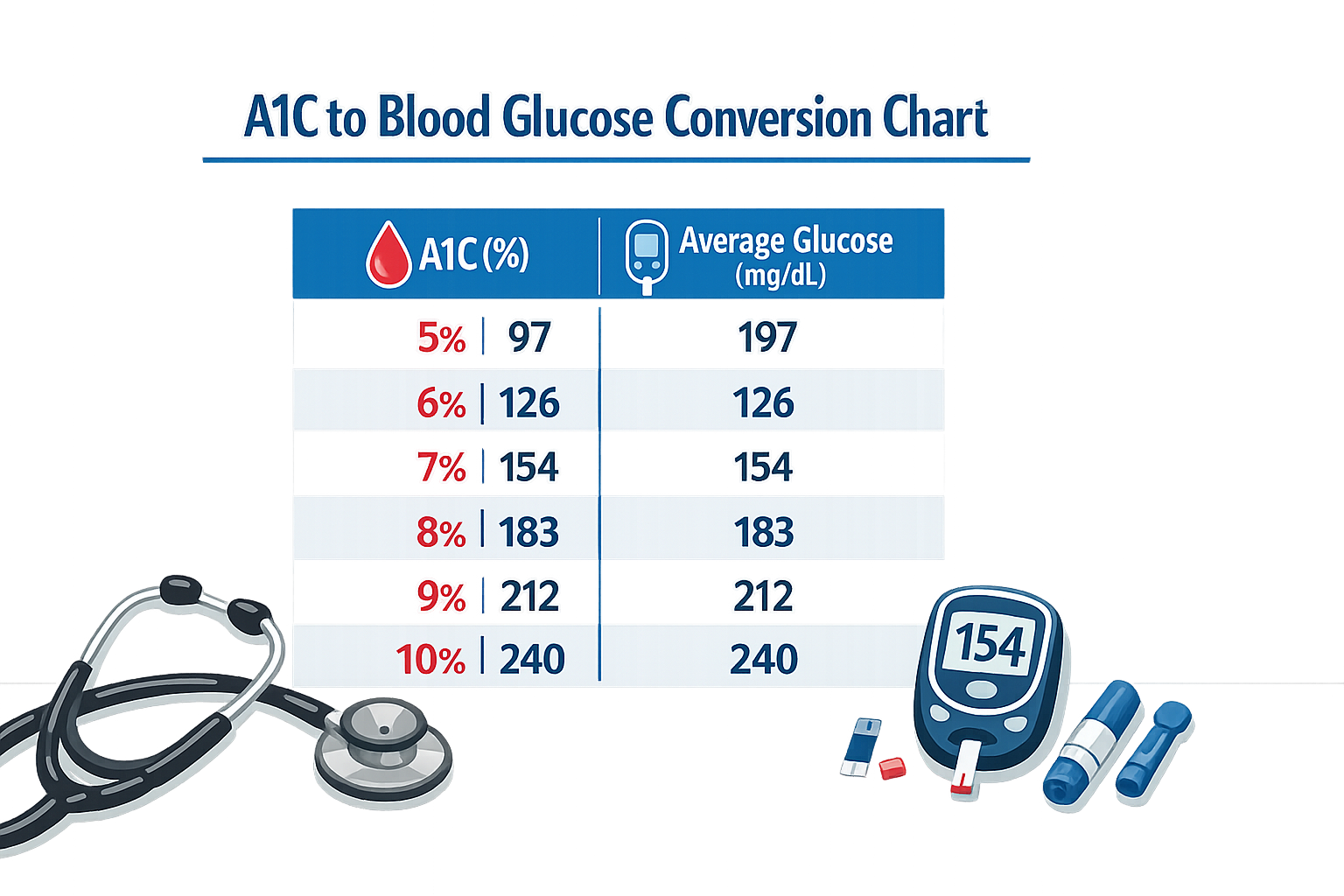
A1C to Blood Glucose Conversion Chart for Diabetes
Use this A1C to blood glucose conversion chart to understand how your A1C percentage translates to average daily blood sugar levels for diabetes management.
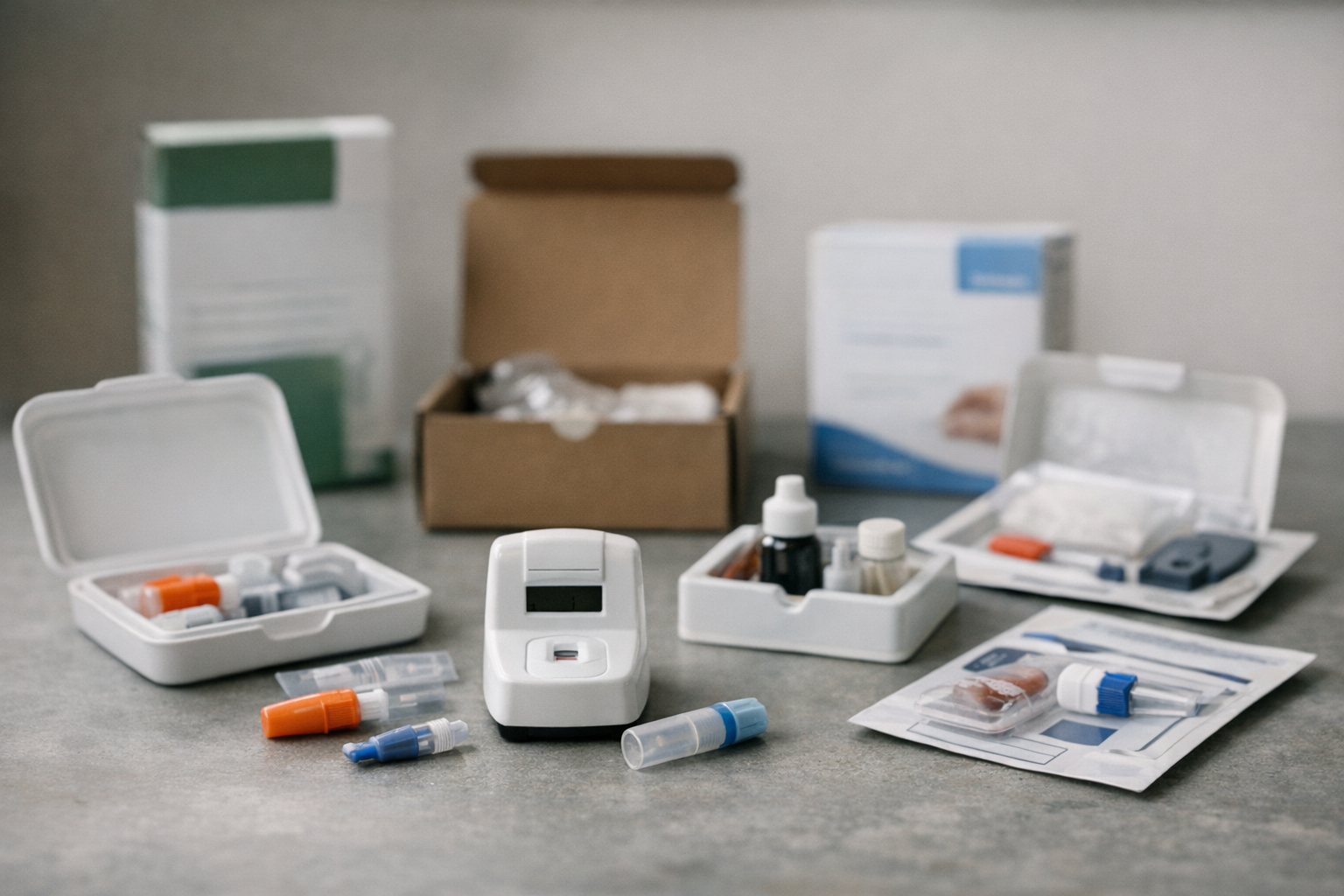
7 Best At-Home A1C Test Kits, Compared (2024)
Compare the best at-home A1C test kits for accuracy, ease of use, and value. Find which kit fits your diabetes monitoring needs and budget.

What's a Normal Blood Sugar Level? Ranges and Targets
Learn what's a normal blood sugar level for fasting, after meals, and A1C targets. Understand ranges for people with and without diabetes.
-hero-9d6c91e99b2.png)
A1C of 5.4: What Does It Mean? (And Is It Normal?)
Explore what an A1C of 5.4 means, its health implications, and whether it is a normal level for blood sugar management.
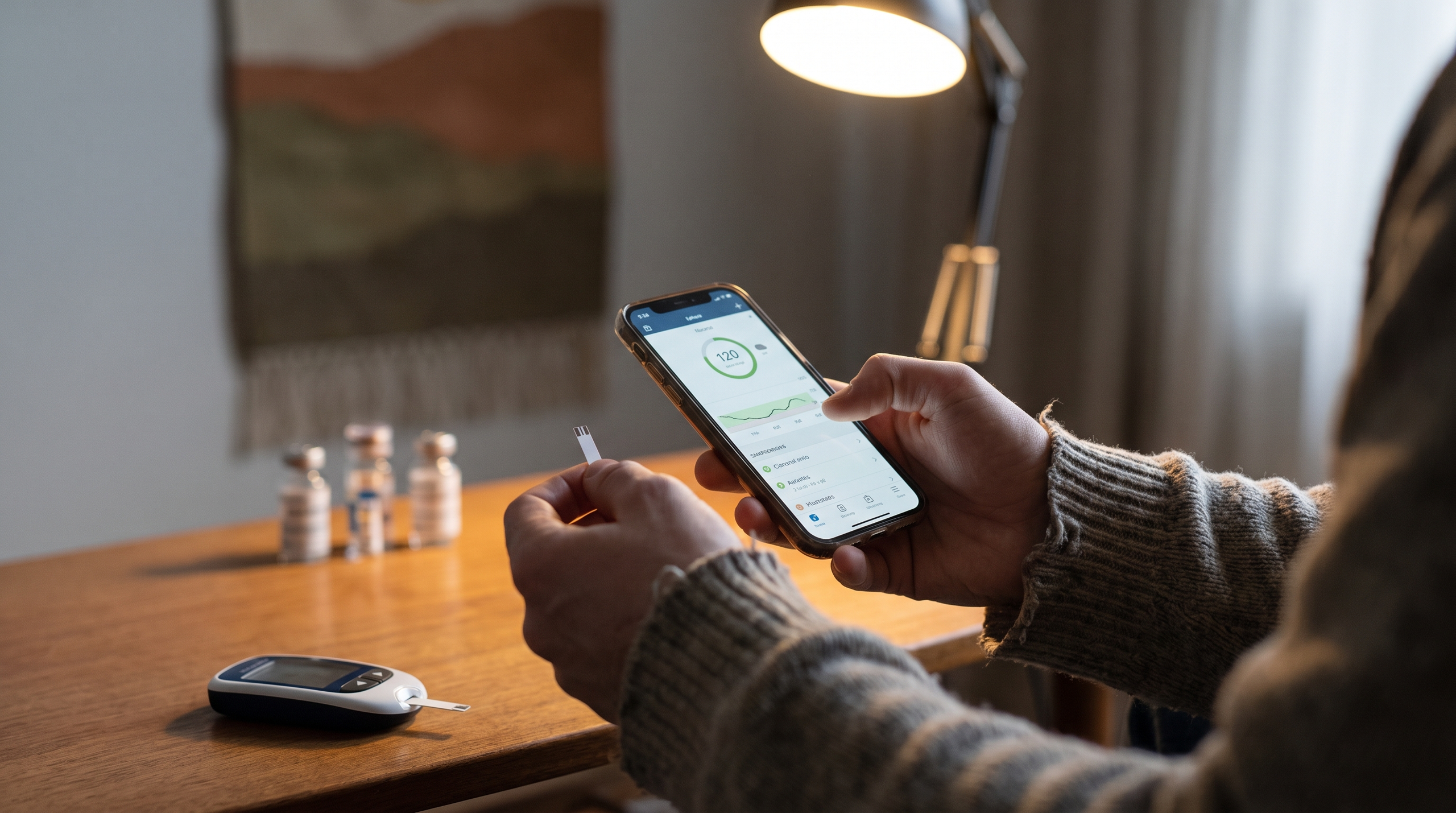
A1C Conversion Chart: What Your Number Means and How to Lower It
Use our a1c conversion chart to understand your A1C levels, what they mean for blood sugar control, and evidence-based strategies to lower them safely.

A1C of 5.8: What It Means for Your Health and Next Steps
An A1C of 5.8 indicates prediabetes. Learn what this result means for your health, why monitoring matters, and lifestyle changes to discuss with your doctor.

A1C of 5.7: What It Means for Your Health
An A1C of 5.7 indicates prediabetes, meaning your blood sugar levels are higher than normal but not yet high enough to be diagnosed as diabetes.